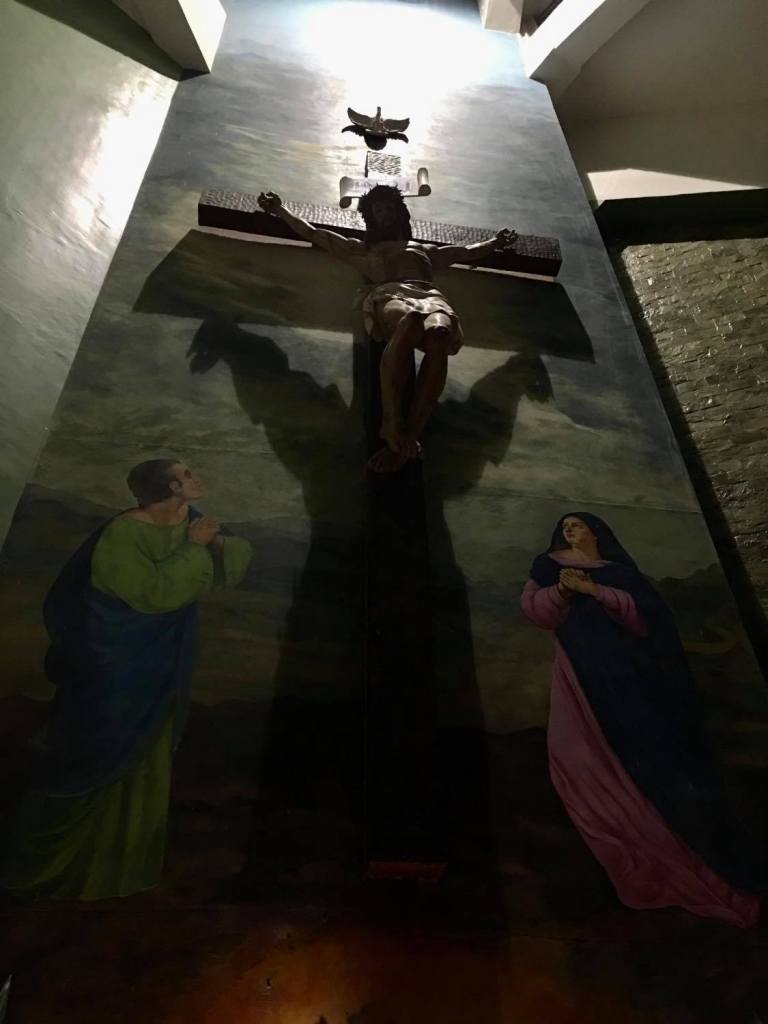
Finding Jesus in Easter darkness

The Lord Is My Chef Recipe in the Octave of Easter, also Divine Mercy Sunday, 19 April 2020

Acts 2:42-47 ><)))*> 0 <*(((>< 1 Peter 1:3-9 ><)))*> 0 <*(((>< John 20:19-31

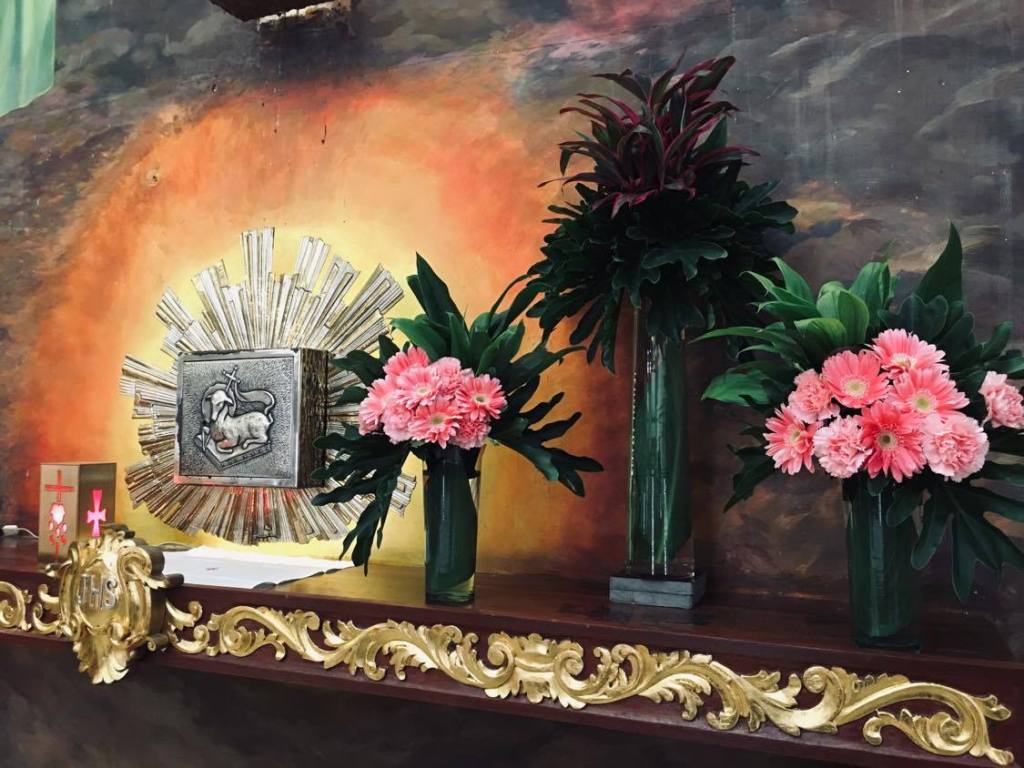
Carrying around our parish the Blessed Sacrament every Sunday afternoon since lockdown began.

I have almost forgotten – and it is only now amid this extended lockdown – that I have realized the first Easter happened in darkness! We are in the same situation with the Apostles when Jesus rose from the dead.

What we need is to “quarantine” ourselves more, our heart and soul within to see and recognize our Risen Lord among us like during that first Easter.

On the evening of that first day of the week, when the doors were locked, where the disciples were for fear of the Jews, Jesus came and stood in their midst and said to them, “Peace be with you.” When he had said this, he showed them his hands and his side. The disciples rejoiced when they saw the Lord. Jesus said to them again, “Peace be with you. As the Father has sent me, so I send you.” And when he had said this, he breathed on them and said to them, “Receive the Holy Spirit. Whose sins you forgive are forgiven them, and whose sins you retain are retained.”

John 20:19-23
Stained glass at the back of our parish church depicting the appearance of the Risen Jesus with Thomas, aka, Didymus. Photo by author, 02 April 2020.

Jesus always comes in darkness to bring light of peace

In our reflection last Holy Wednesday, we have mentioned how Jesus was born during the darkest night of the year to bring us that light of hope and salvation. The same is true with Easter when he resurrected in the darkest part of the day just before dawn.

Jesus indeed is the light that bursts and pierces through the darkest darkness of the world and of our very lives, our sinfulness. This is the reason we also celebrate this Sunday the Feast of the Divine Mercy of God in Jesus Christ.

Through his Passion, Death and Resurrection, Jesus is the only one who can penetrate through whatever blockages and imprisonment we have or we are into like sin and evil, pains and hurts in the past that filled us with so much guilt.

In his Divine Mercy, Jesus had come to give us our life back complete with the gift of freedom that we have all lost to sin and evil.

And that is why on Easter, Jesus gave us his greatest gift of all which is peace or shalom in Hebrew that means wholeness or holiness. To be whole literally is to have a good relationship with one’s self, with others, and with God.

Vatican II asserts in its Pastoral Constitution on the Church in the Modern World:

Peace is more than the absence of war: it cannot be reduced to the maintenance of a balance of power between opposing force not does it arise out of despotic dominion, but it is appropriately called “the effect of righteousness” (Is.32:17). It is the fruit of that right ordering of things…

Gaudium et Spes, no. 78

Righteousness in the bible means justice that is also equivalent to holiness which is, to be filled with God, not necessarily to be sinless. That is why after greeting them with peace the second time, Jesus breathed on them the Holy Spirit, an imagery that reminds us of the story of creation when God breathed on the first humans to have life.

At Easter, we were breathed on again by the Risen Lord to renew our lives, to fill us again with God and be closest to him in our breath and thus enabling us to be free again from sin and evil, free for God and for others.

What a joy to read these days due to lockdowns worldwide that the Sierra Madres and Mt. Samat can be seen again from the metropolis or the Himalayas from India after 30 years due to clearer skies with less pollution. Or, the lions in Africa’s wildlife parks lazily sleeping without being disturbed by humans.

These are proofs that there is life indeed amid the darkness of this pandemic when Jesus restores life and balance, making everything new and alive again!

Peace and mercy, unity and mission

At his Supper before his arrest, Jesus prayed to God our Father that we may all be one – ut unum sint – like him and Father (John 17:21) are one. This would be partly fulfilled on Easter and eventually at the coming of the Holy Spirit at Pentecost when the Church is eventually launched.

It is in our faith that we enter into communion with the Father in Jesus Christ and with one another as a community, as a church.

That is why it was a beautiful imagery of Thomas eventually joining them the following Sunday not because he lacked faith; he had faith that is why he came to see and experience Jesus. And that faith bloomed upon encountering Jesus again that according to tradition, Thomas preached the good news to India where he died a martyr by being skinned alive.

We have always said in our previous reflections that whenever and wherever there is faith, there is always union and unity with God and others.

Eventually, from every unity and community, there is always mission.

In our first reading today we have heard how the early Christians were one in their faith, always praying, that is, celebrating the Eucharist from which flowed out their mission.

All who believed were together and had all things in common; they would sell their property and possessions and divide them among all according to each one’s need.

Acts 2:44-45
Easter in our Parish amid COVID-19.

In his entire life, we have seen that Jesus had always been clear in his being sent, that the words he had spoken and things he had done were not all his but from and by the Father.

Watch closely John’s narration of after the Lord’s Resurrection:

On the evening of that first day of the week, when the doors were locked, where the disciples were for fear of the Jews, Jesus came and stood in their midst and said to them, “Peace be with you.” When he had said this, he showed them his hands and his side. The disciples rejoiced when they saw the Lord. Jesus said to them again, “Peace be with you. As the Father has sent me, so I send you.”

John 20:19-21

After giving them the gift of peace and filling them with his breath of life to signify they have been forgiven for their sins and failures when they left him on Good Friday, Jesus is now drawing them into his great mission: As the Father has sent me, so I send you.

This is the defining and definitive characteristic of the Church, of any community of disciples in every age, most especially in this time of the corona virus pandemic.

Our mission continues in the darkness of COVID-19

Churches may be closed, public Masses are banned but the mission of proclaiming in words and in deeds the good news of the Risen Lord continues very loud and clear.

Detractors would always malign us, would spend for trolls just to ask “where is the Church in this time of crisis” but the people know best that we have never been remiss nor even flinched a single second whenever disasters strike anywhere in the world.

In the darkest moments of history in the past up to the present, the Church as a community of disciples of Jesus has always shine so brightly in Christ standing up for the poor and oppressed, the marginalized and forgotten, the sick and the hungry, those suffering in the most far-flung areas with its extensive networks of parishes and BEC’s.

This is also the reason why people always malign us in the Church about what we are doing amid the poverty and sufferings of the world: we work in silence because we are merely being sent by Jesus Christ. Like him our Lord and Master, whatever we say and do are not ours but the One who sent us, the Father in heaven.

We merely represent Jesus Christ who represents the Father and guided by the Holy Spirit, together we forge onto the darkness of this pandemic despite the many sufferings we go through, “tested by fire so that we may prove to be for the praise, glory, and honor of revealing Jesus Christ” (cf. 1 Peter 1:6-7).

This is who we are, disciples of Jesus sent to proclaim his love and mercy especially in the midst of all darkness.

This Sunday amid the darkness and threats of COVID-19, let us join the psalmist in his song, “Give thank to the Lord for he is good, his love is everlasting” (Responsorial Psalm , Ocatve of Easter).

A blessed week to everyone. Stay safe but keep working for the Lord! Amen.

Easter Vigil in our Parish, 12 April 2020.

Photos in the collage clockwise: Malolos Diocese Social Action Center, Inc. with Caritas Manila spearheading relief operations in Bulacan; Sisters from the Daughters of St. Anne walking through fields and mountains to reach out to our poorest of the poor; trays of thousands of eggs to be given away to fisherfolks in Binuangan, Obando by Fr. Ramon Garcia III; last two photos, beneficiaries of the 10-m Php worth of Gift Certificates given throughout Bulacan before Holy Week that included everyone even those from other faith and beliefs.

Father, into your hands I commend my spirit

Quiet Storm by Fr. Nicanor F. Lalog II, 15 April 2020

Photo by Mr. Chester Ocampo, Immaculate Conception Seminary chapel, 2014.
It was three in the morning
my day was earlier than usual calling
while kneeling I began praying
I could not believe the words coming
for they are meant before sleeping:
"Father, into your hands, I commend my spirit."
Since the beginning
of this quarantine
there is this feeling
seeping within, asking
what is happening
but scared when answering.
It is reality now biting
reminding me of one thing
that is so intimidating
haunting me ever since
not just of dying
but of being alone.
I know it is the Easter season
but there must be a reason
why this is going on:
I have never felt alone
until I have grown old
when there is nobody home.
When Jesus died on the cross
he was alone but never abandoned
for when he implored 
the Psalm for his farewell song
he added the word "Father" that will lead us on.
Father, into your hands I commend my spirit!
Such was the loneliness of the Lord
but in one word expressed his oneness
and closeness amid the great darkness
a love so immense, so intense
where every life and spirit here on earth commenced.
What a unique invitation
from Jesus to follow him on the Cross
into his Resurrection  
by being lonely and abandoned
so we may pray in his filial way
Father, into your hands I commend my spirit!
It is in calling God our Father
when we are far and lost
that we can truly have that intimacy
with our Maker who breathed into thee
the very spirit that keep us alive
here and in eternity.

An Easter lamentation

The Lord Is My Chef Breakfast Recipe for the Soul, Wednesday in the Octave of Easter, 15 April 2020

Acts of the Apostles 3:1-10 <*(((>< +++ ><)))*> Luke 24:13-35

Dearest Jesus Christ:

It is the Easter Season but the way things are happening in our country today calls us to express our lamentations to you, O Lord.

Come to us, Lord Jesus in this darkest hours of our lives when we feel like joining the two disciples returning to Emmaus to leave everything and go back to our previous life.

Nobody seems to care at all: children are in the streets, adults in massive gatherings, everybody complaining, and worst of all, our leaders cramming at how to address this crisis without any definite plans as they have been lying to us since the beginning.

The only glimmer of hope we find these days are from our frontliners who strive to serve everyone despite the fact they have been taken for granted for so long.

Send us more new leaders – not recycled liars – who can be like Peter and John willing to be your instruments to raise us up again and set us free to stand again for what is true.

Open also our eyes, Lord, to see more of the possibilities available in the midst of the confusions around and within us.

Give us the Spirit of wisdom and encouragement for others losing hope and directions.

Help us to persevere more along with others who have seen and experienced you especially in the breaking of bread. Amen.

Photo by Mr. Raffy Tima of GMA-7 News, March 2020. Used with permission.

When darkness becomes light

The Lord Is My Chef Breakfast Recipe, Holy Wednesday, 08 April 2020

Photo by icon0.com on Pexels.com

Tonight is “Spy Wednesday” – the night traitors and betrayers are put on the spotlight because it was on this night after Palm Sunday when Judas Iscariot struck a deal with the chief priests to hand them over Jesus for 30 pieces of silver (Mt. 26:14-16).

The “Tenebrae” is celebrated in some churches when candles are gradually extinguished with the beating of drums and sounding of matraca to evoke silence and some fear among people as they leave in total darkness to signal the temporary victory of evil in the world for tomorrow we enter the Paschal Triduum of Holy Thursday, Good Friday and Easter Vigil of the Lord.

From Google.

Darkness generally evokes evil and sin, uncertainties and sufferings. But, at the same time, darkness preludes light!

That is why Jesus Christ was born during the darkest night of the year to bring us light of salvation.

Beginning tonight, especially tomorrow at his agony in the garden, we shall see Christ entering through darkness reaching its climax on Friday when he dies on the cross with the whole earth covered in darkness, rising on Easter in all his glory and majesty.

Our present situation in an extended Luzon-wide lockdown offers us this unique experience of darkness within and without where we can learn some important lessons from the Lord’s dark hours beginning tomorrow evening of his Last Supper.

St. John gives us a glimpse into how we must deal with life’s darkness that plagues us almost daily with his unique story of the Lord’s washing of his disciples’ feet on the night he was betrayed.

Before the feast of Passover, Jesus knew that his hour had come to pass from this world to the Father. He loved his own in the world and he loved them to the end. The devil had already induced Judas, son of Simon the Iscariot, to hand him over. So, during supper… he rose from supper and took off his outer garments. He took a towel and tied it around his waist. Then he poured water into a basin and began to wash the disciples’ feet and dry them with the towel around his waist. He came to Simon Peter…

John 13:1-2, 4-6
Photo from aleteia.org.

It is very interesting to reflect how Judas Iscariot and Simon Peter dealt with their own inner darkness on that night of Holy Thursday when Jesus was arrested.

Though Judas Iscariot and Simon Peter are poles apart in their personalities, they both give us some traits that are so characteristic also of our very selves when we are in darkness. In the end, we shall see how Jesus turned the darkness of Holy Thursday into becoming the very light of Easter.

Getting lost in darkness like Judas Iscariot

Right after explaining the meaning of his washing of their feet and exhorting them to do the same to one another, Jesus begins to speak of Judas Iscariot as his betrayer.

When he had said this, Jesus was deeply troubled and testified, “Amen, amen, I say to you, one of you will betray me …It is the one to whom I hand the morsel after I had dipped it.” So he dipped the morsel and handed it to Judas, son of Simon the Iscariot. After he took the morsel, Satan entered him… and left at once. And it was night.

John 13:21, 26-27, 30
Photo from desiringgod.org

The scene is very dramatic.

Imagine the darkness outside the streets of Jerusalem in the stillness of the night and the darkness inside the Upper Room where they were staying.

More darker than that was the darkness among the Apostles not understanding what Jesus was saying about his betrayer because they thought when Judas left, he was being told to buy more wine or give money to the poor!

Most of all, imagine the darkness within Judas.

To betray means to hand over to suffering someone dear to you.

That’s one darkness we always have within, of betraying Jesus, betraying our loved ones because we have found somebody else to love more than them. Satan had taken over Judas. The same thing happens to us when we sin, when we love someone more than those who truly love us or those we have vowed to love always.

And the darkest darkness of all is after handing over our loved ones, after dumping them for something or somebody else, we realize deep within the beautiful light of truth and love imprinted in our hearts by our betrayed loved ones – then doubt it too!

The flickering light of truth and love within is short lived that we immediately extinguish it, plunging us into total darkness of destruction like Judas when he hanged himself.

See how Judas went back to the chief priests because “he had sinned”, giving them back the 30 pieces of silver to regain Jesus.

Here we find the glow of Jesus, of his teachings and friendship within Judas still etched in his heart — the light of truth and love flickering within.

Any person along with their kindness and goodness like Jesus, our family and true friends can never be removed from one’s heart and person. They will always be there, sometimes spurting out in our unguarded moments because they are very true.

That is the darkest darkness of Judas – and of some of us – who think we can never be forgiven by God, that we are doomed, that there is no more hope and any chance at all.

See how the evangelist said it: “Judas left at once. And it was night.”

And that is getting lost in darkness permanently, eaten up by darkness within us because we refuse to believe in the reality of a loving and forgiving God who had come to plunge into the darkness of death to be one with us so we can be one in him. What a loss.

Groping in the dark into the light like Peter

Photo by author, Church of Gallicantu, Jerusalem where the cock crowed after Peter denied Jesus the third time, May 2017.

Of the Twelve, it is perhaps with Simon Peter we always find ourselves identified with: the eager beaver, almost a “bolero” type who is so good in speaking but many times cannot walk his talk.

“Master, are you going to wash my feet?” Jesus answered and said to him, “What I am doing, you do not understand now, but you will understand later.” Peter said to him, “You will never wash my feet.”

John 13:6-8

Here is Peter so typical of us: always assuming of knowing what is right, which is best, as if we have a monopoly of the light when in fact we are in darkness.

See how during the trial of Jesus before the priests, Peter denied him thrice, declaring he never knew Jesus while outside in the dark, completely in contrast with Jesus brilliantly answering every question and false accusation against him inside among his accusers!

Many times in our lives, it is so easy for us to speak on everything when we are in our comfort zones, safe and secured in our lives and career. But when left or thrown out into the harsh realities of life, we grope in the darkness of ignorance and incompetence, trials and difficulties.

How often we are like Peter refusing Jesus to wash our feet because we could not accept the Lord being so humble to do that simply because he is the Lord and Master who must never bow low before anyone.

And that is one darkness we refuse to let go now shaken and shattered by the pandemic lockdown! The people we used to look down upon are mostly now in the frontlines providing us with all the comforts we enjoy in this crisis like electricity, internet, security, food, and other basic services.


Bronze statue of the call of Peter by Jesus. Photo by author, May 2017.

We have always thought of the world, of peoples in hierarchy, in certain status where there are clear delineations and levels of importance, totally forgetting the lessons of Jesus of being like a child, of service and humility: “whoever wants to be great must be the least and servant of all.”

According to Matthew and Luke, Peter realized his sins – the darkness within him – of denying Jesus thrice after the cock crowed that he left the scene weeping bitterly, feeling so sorry. Eventually after Easter, Peter would meet Jesus again on the shores of the Lake of Tiberias, asking him thrice, “do you love me?”

Peter realized how dark his world has always been but in that instance when he declared his love that is so limited and weak did he finally see the light of Christ in his love and mercy!

Unlike Judas, Peter moved out of darkness and finally saw the light in the Risen Lord right in the very place where everything started when he was called to be a fisher of men, in his humanity as he was called by his original name, “Simon, son of Jonah, do you love me?”.

Human love is always imperfect and Jesus knows this perfectly well!

The best way to step out of darkness within us is to be like Simon — simply be your imperfect self, accepting one’s sins and weakness for that is when we can truly love Jesus who is the only one who can love us perfectly.

Overcoming darkness in, Jesus, with Jesus, through Jesus

Though the fourth gospel and the synoptic gospels of Matthew, Mark, and Luke differ in providing us with the transition from the Upper Room of the Last Supper into the agony in the garden, the four evangelists provide us with one clear message at how Jesus faced darkness: with prayer, of being one in the Father.

Even on the cross of widespread darkness, Jesus spoke only to pray to the Father.

Then Jesus came with them to a place called Gethsemane, and he said to his disciples, “Sit here while I go over there and pray.” He took along Peter and the two sons of Zebedee, and began to feel sorrow and distress.

Matthew 26:36-37
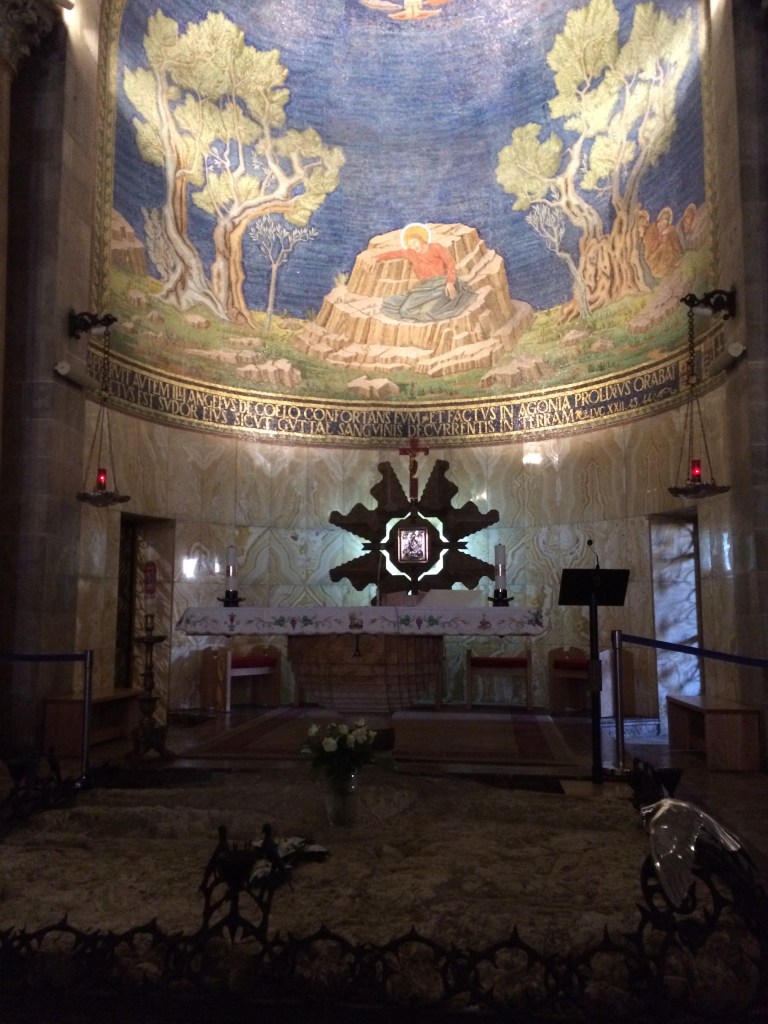
Photo by author, altar of the Church of All Nations beside the Garden of Gethsemane, May 2017. The church is always dimly lit to keep the sense of darkness during the Agony in the Garden of Jesus.

Before, darkness for man was seen more as a curse falling under the realm of evil and sin; but, with the coming of Jesus, darkness became a blessing, a prelude to the coming of light.

We have mentioned at the start of our reflection that Jesus was born during the darkest night of the year to show us he that is the light of the world, who had come to enlighten us in this widespread darkness, within us and outside us.

As the light of the world, Jesus was no stranger to darkness which he conquered and tamed in many instances like when they were caught in a storm at sea and in fact, when walked on water to join his disciples caught in another storm.

But most of all, Jesus had befriended darkness and made it a prelude to light.

How? By always praying during darkness. By prayer, it is more than reciting some prayers common during his time as a Jew but as a form of submission to the will of the Father. Jesus befriended darkness by setting aside, forgetting his very self to let the Father’s will be done.

Bass relief of agony in the garden on the wall of the Church of All Nations at Gethsemane. Photo by author, May 2019.

This he showed so well in two instances, first on Mount Tabor where he transfigured and second in Gethsemane before his arrest.

In both events, Jesus showed us the path to overcoming darkness is always through prayers, of being one in the Father.

It is in darkness when God is most closest to us because it is then when we get a glimpse of himself, of his love and mercy, of his own sufferings and pains, and of his glory.

This is something the three privileged disciples – Simon Peter, James and his brother John – did not realize while being with Jesus at both instances until after Easter. We are those three who always fall asleep, who could not keep with praying in Jesus, with Jesus, and through Jesus.

It was in the darkness of the night when Jesus spent most of his prayer periods, communing with the Father up in a mountain or a deserted place.

On Mount Tabor, Jesus showed his coming glory while in Gethsemane he showed his coming suffering and death. But whether in Gethsemane or on Mount Tabor, it is always Jesus we meet inviting us to share in his oneness with the Father, in his power in the Holy Spirit to overcome every darkness in life.

And the good news is he had already won for us!

Photo by Mr. Raffy Tima of GMA-7 News of Mt. Samat with the Memorial Cross across the Manila Bay following clear skies resulting from the lockdown imposed since March 17, 2020.

In these extended darker days of quarantine period, let us come to the Lord closer in prayer to. experience more of his Passion and Death, more of his darkness so we may see his coming glory when everything is finally cleared in this corona pandemic.

Prayer does not necessarily change things but primarily changes the person first. And that is when prayer changes everything when we become like Jesus in praying.

Jesus is asking us to leave everything behind, to forget one’s self anew to rediscover him in this darkness when we get out of our comfort zones to see the many sufferings he continues to endure with our brothers and sisters with lesser things in this life, with those in total darkness, with those groping in the dark.

Now more than ever, we have realized the beauty of poverty and simplicity, of persons than things.

And most especially of darkness itself becoming light for us in this tunnel.

May Jesus enlighten us and vanish all darkness in us so that soon, we shall celebrate together the joy of his coming again in this world darkened by sin. Amen.

A blessed and prayerful Paschal Triduum to you.

Aral ng anino ni Kristo

Lawiswis Ng Salita ni P. Nicanor F. Lalog II, ika-07 ng Abril 2020

Minsan sa aking pananalangin sa takip-silim
hindi kaagad namalayan sa gitna ng dilim
nakamasid pala sa akin
si Kristong nakabitin nang
sa krus namatay para sa atin.


Nang siya ay aking tingalain
ako'y namangha sa tanawin
sa kanyang mga anino
sa akin ay nagpapaalala
huwag mangamba, kasama siya tuwina.


Noong mga bata pa tayo
itong ating mga anino
ang siyang lagi nating kalaro
dahil lagi tayong sinasabayan
kailanman hindi tayo iniwan.


Kaya naman nang aking pagmasdan
larawan nina San Juan at Birheng Mahal
sa magkabilang pagitan ng krus na pinagpakuan
ni Hesus na ating katubusan
kakaiba ang aking naramdaman:


Katiyakang hindi iiwanan
kapag ako'y laging nasa kanyang paanan
nananalangin, nananampalataya
handa na siya ay tularan at sundan
lahat ay iwanan alang-alang sa pagkakaibigan.

Rejoicing in the Time of Corona

40 Shades of Lent, Sunday Week IV-A, 22 March 2020

1 Samuel 16:1, 6-7, 10-13 +++ Ephesians 5:8-14 +++ John 9:1-41

Photo by author, Laetare Sunday 2019, Parokya ni San Juan Apostol at Ebanghelista, Bagbaguin, Santa Maria, Bulacan, Philippines.

Today is the Fourth Sunday of Lent known in its Latin verb form “Laetare Sunday” when the liturgy calls us to rejoice because Easter is fast approaching.

But how can we rejoice in the midst of an “enhanced community quarantine” or lockdown, when we cannot even come to church to celebrate the Sunday Mass together, when so many people are dying while millions of others face uncertainties with the widespread disruptions and problems in life caused by COVID-19 worldwide.

On this date is also my 55th birthday – but, no worries, the more I rejoice in the Lord almost alone. Thank you for all the greetings that have been pouring since yesterday. As I was telling you last Sunday, COVID-19 has brought some blessings or good news too for us.

Let us rejoice in the Lord today because he has not left us, the more we feel him present with us, thanks or no thanks to Corona virus.

As Jesus passed by he saw a man blind from birth. His disciples asked him, “Rabbi, who sinned, this man or his parents, that he was born blind?” Jesus answered, “Neither he nor his parents sinned; it is so that the works of God might be made visible through him.”

John 9:1-3

Our “blaming game” vs. light of Christ

More than ever as we suffer through this pandemic of COVID-19, many of us have again resorted to that old myth that whenever something bad happens to us, especially sickness, it is always taken as a punishment from God.

It is totally untrue because nothing bad can come from God. Many times in our lives, we become artificially blind that despite our gift of sight we fail and even refuse to see the truth and realities in us and around us, even in front of us!

What happens is our tendency to blame others like in that question to Jesus, who sinned – the parents or the man himself that he was born blind?

This is the problem with our “blaming game” : we are blinded from taking responsibilities for our acts that we would rather blame others even God for everything bad that happens to us. There are more times that there is no one to be blamed at all like our genes or Mother Nature; we just have to accept things as they are.

And that’s one lesson we must learn fast: there can be no rejoicing when there is no self-acceptance.

How funny and sad that less than a week since our Luzon-wide lockdown, many of us have been quarreling on-line on almost everything we see and hear on TV and the social media that has led to bashing and nasty exchanges of words, even breakdowns. Very funny, and tragic when we focus on non-essentials, almost forgetting COVID-19.

How tragic that some chose to hide facts and truths that have caused the lives of others, too. This is the dark reality of our blaming game – we never admit anything wrong about us.

See beyond external things. Try seeing also how God is working in our midst as Jesus offers us in this holy season of Lent the best way to deal with our present situation by returning to him, by believing in him.

Photo by author, Baliwag, Bulacan (25 February 2020).

Have you noticed the many little miracles happening in some families now together, praying together, staying together?

One reason for rejoicing this fourth Sunday of Lent is perhaps everyone’s hope that after this COVID-19 episode, we all start a new chapter of renewed relationships and bonds, of fresh outlooks after rediscovering the value of life and every person again.

Jesus spat on the ground and made clay with the saliva, and smeared the clay on his eyes, and said to him, “Go wash in the Pool of Siloam”- which means Sent. So he went and washed, and came back able to see.

John 9:6-7

Here again is the presence of water like in last Sunday’s story to remind us of the Sacrament of Baptism which is closely tied with the season of Lent. St. John had translated the meaning of Siloam as “Sent” to stress that Jesus is the Christ, the One sent to cleanse us and wash away our blindness caused by sins and evil.

Another reason to rejoice this Sunday! Most especially now many of us realize the value of the Holy Mass, especially the Sunday Eucharist we used to take for granted before. Every time we celebrate the Mass, we perfect the Baptism we have received when we are washed and refreshed anew in Jesus through his words and Body and Blood.

It is only when we stop blaming others when we begin to see our true selves, when changes finally begin to happen in us.

Like God, let us try to see things and persons beyond what is physical. In the first reading, God chose David over his elder and better brothers who would later defeat Goliath to become Israel’s greatest king from whose lineage came Jesus Christ.

Jesus on the Cross, our true joy

Photo by author, Lent 2019, Parokya ni San Juan Apostol at Ebanghelista, Bagbaguin, Santa Maria, Bulacan, Phils.

The moment we remove Jesus in our lives, when we refuse to acknowledge him as our Lord and Savior, that is also when we are blinded by sin, especially by pride.

Do we not see this so true that led one way or the other to this pandemic?

We have totally turned away from God and his ways, following our greedy paths of power and wealth. We have long been distant from one another despite the great advances in modern communications that have also brought us farther away from God as we spend more time with our gadgets.

We can never rejoice for ourselves and for others when we are far from Jesus Christ. In his very unique manner of looking at things, St. John presents to us some funny contrasts in the story of the man born blind that we also see happening in this COVID-19 pandemic.

Our Tabernacle, Laetare 2019.

First is when the people doubted the man healed by Jesus was himself the one “who used to sit and beg”, despite his clear declaration of “I am”. We have experienced this so many times when others doubt we can rise and become better.

How sad these past days we have seen how some people have been so mean especially with younger and newer leaders who have risen against the threats of COVID-19, shooting down their efforts, even to the point of maligning and even threatening them. It is as if they are the only “anointed ones” with whom God can work with.

Second is the attitude of the parents of the man born blind: betrayers are the worst kind of artificially blind people. Like the parents of the man born blind, they refused to vouch for his identity and healing for fears of being banned from temple worship.

Ouch! for us in the church with our “holier-than-thou-attitude” especially with those closest with us like family members and friends. Like Judas Iscariot, sometimes those supposed to be dearest to us are blinded by money, power, and fame that they also betray and dump us.

Where has all the love gone for one another, for the country?

In the sacristy, Laetare 2019.

Lastly, there are those supposed to be learned ones but unfortunately blinded simply by lack of faith in God like those Pharisees who refused to believe the man born blind’s story of healing as well as to recognize Jesus as the Christ.

Observe the attitudes of the Pharisees who claimed to know “this man, Jesus, is a sinner” because he healed on a Sabbath while the man born blind retorted “I do not know (Jesus) but how come he had healed me?”

What a tragic comedy! It is the root of the mess we are into today of so many learned men and women pretending to know so much but totally incompetent and ignorant of the realities going on, who do not care at all with the plight of the masses!

Both the whole world and our country are in deep darkness today with so many blind leaders and followers alike. Let us heed St. Paul’s reminder not to be blinded, to stop blaming others and to start confronting ourselves in the light of Jesus Christ.

“Take no part in fruitless works of darkness; rather expose them, for it is shameful even to mention the things done by them in secret; but everything exposed by the light becomes visible, for everything that becomes visible is light.”

Ephesians 5:11-14

Rejoice for an enlightened Sunday and new week for everyone despite COVID-19. Amen.

Sharing the light of Christ

The Lord Is My Chef Recipe for the Soul, Sunday Week V-A, 09 February 2020

Isaiah 58:7-10 ><)))*> 1 Corinthians 2:1-5 ><)))*> Matthew 5:13-16

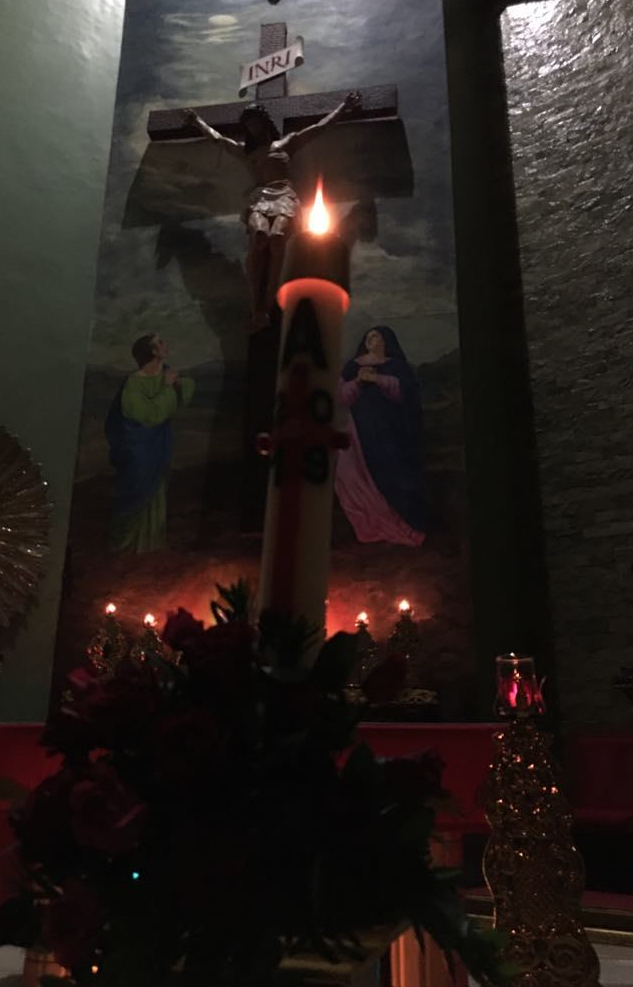
Our parish cross at night, taken with my camera phone, 02 February 2020.

For most of us, 2020 is a very tough year with all the dark clouds that have come to hover above us in January remain in this month of February.

Threats from the corona virus are growing especially in our country. And while the alert level at Taal Volcano had gone down, dangers of its major eruption remain while volcanologists observed last week a “crater glow” on Mayon Volcano, indicating a possible rising of magma in the world’s most perfect cone.

Elsewhere, more bad news are happening like the sudden deaths this week of healing priest Fr. Fernando Suarez and of our very own and beloved Fr. Danny Bermudo, just 24 hours apart due to heart attacks.

In our own circles of family and relatives, friends and colleagues are also dark clouds covering us while we go through our many trials and tests in life that seem to eclipse this early the many gains we have achieved in the whole of 2019.

Indeed, year 2020 shows us in “perfect vision” the sad realities of dark spots in life that behoove us more to heed Christ’s call to be the light of the world.

Jesus said to his disciples: “You are the light of the world. Just so, your light must shine before others, that they may see your good deeds and glorify your Heavenly Father.”

Matthew 5:14, 16
Photo by author, frost on petals, Baguio City, 04 February 2020.

Jesus is the light of the world, not us

Our gospel this Sunday follows immediately the inaugural preaching of Jesus called “the Sermon on the Mount” with the Beatitudes at its centerpiece. We have skipped that part of the gospel last Sunday due to the celebration of the Feast of the Presentation of the Lord.

For us to better appreciate this Sunday’s gospel, let us keep in mind that for Matthew, the Sermon on the Mount is the great discourse of Jesus Christ that depicts his image not only as the new Moses but as the Law himself, being both our Teacher and Savior as well.

Jesus shows us a picture of his person in the Beatitudes as someone we must imitate in being “poor in spirit, meek, and merciful” so we can follow his path to the Father. After all, as the Son of God, Jesus is “the way, the truth, and the life” (Jn. 14:6).

Hence, after enumerating the nine Beatitudes, Jesus followed up his Sermon on Mount with a call for us to be the salt and the light of the world: as salt, we merely bring out the Christ or the taste in every person and as light, it is the light of Christ that we share.

Focus remains in being like Jesus, not in replacing him who is our Savior. That is why he tells us clearly before shifting to another lesson in his Sermon that “your light must shine before others, that they may see your good deeds and glorify your Heavenly Father” (Mt.5:16).

Sharing Christ’s light with our good deeds as a community

So, how do we share the light of Jesus Christ in this age when so many others are claiming to be the light that will dispel all darkness in our lives?

As early as during the darkest period in the history of Israel in the Old Testament called the “Babylonian Captivity (or Exile)”, God had taught his people how to become light for one another during trials and sufferings.

Christ Light of the World, Red Wednesday, 27 November 2019. Photo by author.

Thus says the Lord: Share your bread with the hungry, shelter the oppressed and the homeless; clothe the naked when you see them, and do not turn your back on your own. Then your light shall break forth like the dawn… if you bestow your bread on the hungry and satisfy the afflicted; then light shall rise for you in the darkness, and the gloom shall become for you like midday.

Isaiah 58:7-8, 10

To share one’s bread with the hungry, to welcome the homeless, to clothe the hungry are some of the most concrete demands placed by God to his people since he had freed them from slavery in Egypt and later in Babylonia (Iraq today) when the third part of the Book of Isaiah was written.

Eventually, this prophecy was fulfilled in Jesus Christ who also preached exactly the same things shortly before fulfilling his mission in Jerusalem when he stressed the need to do good to one another because “whatsoever we do to one another, especially to the least among us, we also do unto him” (Mt.25:31-40).

We shall hear this part of Matthew’s gospel at the end of our current liturgical year on November 22, 2020 in the celebration of the Solemnity of Christ the King.

These instructions became the basis of our catechism’s “spiritual and corporal works of mercy” that Pope Francis stressed in 2016 during the Extraordinary Jubilee of Mercy.

From fathersofmercy.com

By saying “you are the light of the world”, Jesus is telling us that to fulfill this mission, we have to do it together as a community, as his Body, the Church!

No matter how good and holy we are, none of us is the “light of the world” on our own.

One candle or lamp, or even a light bulb today cannot produce enough light to brighten a whole town or community. But, if one Christian will be lighting just one little candle in the dark, he or she can encourage others especially those who are timid, hesitant, and indifferent until they finally set the world ablaze with Christ’s light.

Christ’s call to be the light of the world is also a call for us to be united as one community, one family, one faithful couple with all our imperfections and sinfulness. What matters is our striving to be good disciples, always charitable to one another as brothers and sisters in Christ.

Here we find the direct relationship of mission and community: every mission given by Jesus is also a call to become a community because without it, it soon becomes a cult centered on the disciple than the Lord.

Photo by Mr. Jim Marpa, 2018.

The example of St. Paul in sharing Christ’s light

St. Paul shows us the best example of being a light of Jesus is to always have it done and fulfilled in the context of a community, of the Church as the Body of Christ, avoiding chances of grabbing the light from him for personal gains.

“I came to you in weakness and fear and much trembling, and my message and my proclamation were not with persuasive words of wisdom, but with a demonstration of Spirit and power, so that your faith might rest not on human wisdom but on the power of God.”

1 Corinthians 2:3-5

It has always happened especially for us serving in the Church that in sharing the light of Christ, we get carried by our ministry and apostolate that we forget him until we claim being the light ourselves.

Sometimes, we consciously or unconsciously create clouts and personality cults for ourselves for being the best, the brightest, even the holiest and most humble of all!

We foolishly brag the great buildings and edifices we have built or the countless malnourished kids we have fed or sent to school for free through college, et cetera, et cetera, et cetera without being bothered at all where is Jesus Christ in all our efforts and projects!

How sad when we forget that what matters most in life is not what we have done or what we have achieved but what have we become as bearers of the light of Christ like St. Paul.

My dear friend, if you are going through many darkness in life today, simply be good, think only of Jesus Christ in everybody you meet and deal with. That is actually when you shine brightest as the light of Christ because people will be surprised at how calmly and gracefully you carry your cross.

In that way, you encourage others living in darkness to let their little sparks of light come out too without realizing how in their own darkness and limitations they have made Christ’s light seen. Amen.

Have a bright and blessed Sunday with your loved ones!

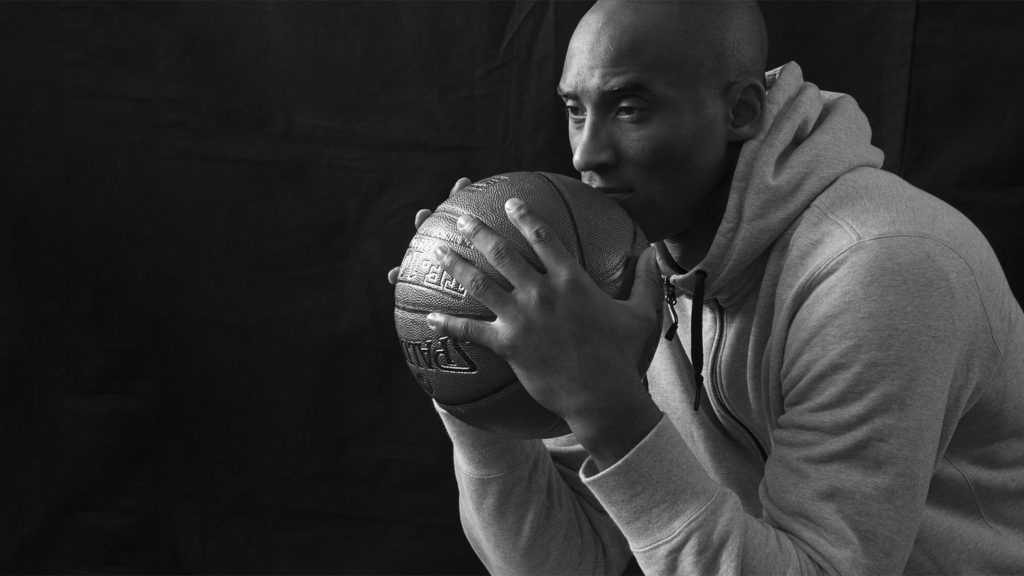
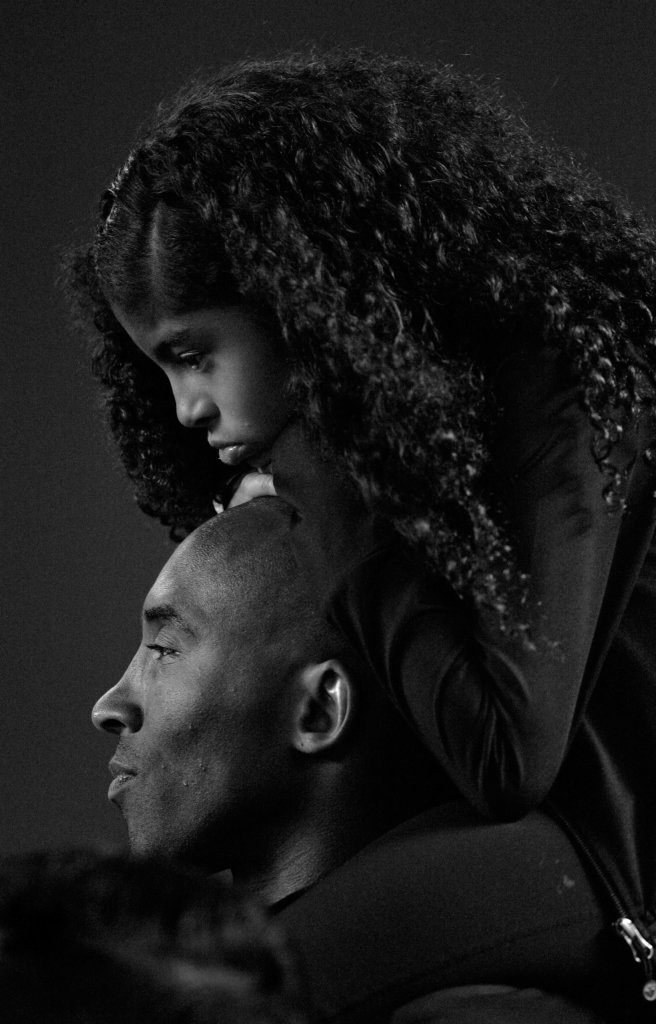
Aral sa atin ni Kobe Bryant

Lawiswis ng Salita ni P. Nicanor F. Lalog II, Ika-28 ng Enero, 2020

Larawan mula “nappyafro”, 27 Enero 2020
Gaya ng karamihan
ako ma'y nagulantang
nang mabalitaan
biglang pagpanaw ni Kobe Bryant.
Hindi makapaniwala
tumutulo mga luha
pilit inuunawa
malagim na balita. 
Aking binalikan 
kahusayan at kagalingan
nitong si Kobe Bryant
hindi lamang basketball tatak na kanyang iniwan.
Larawan mula sa theplayerstribune.com
Hindi ko maubos maisip noon 
nang siya'y paratangan 
pang-aabuso ng isang babaeng
kawani ng hotel na kanyang tinuluyan.
Sadyang narumihan kanyang pangalan
kaya't sinikap niyang iyon ay lampasan
pumili ng bagong pangalan - Black Mamba -
taguri sa kanyang katauhan. 
Ngunit mga kaguluhan
hindi siya nilayuan
pagkatalo ng kanyang koponan
pati kanyang kasal nalagay sa alangan.
Larawan mula sa we the pvblic.
Ngunit sadyang mahusay lumaro sa buhay itong si Kobe Bryant
kanyang mga salita pinatunayan, pinangatawanan 
na ano mang negatibo, kaguluhan o kahirapan
daan at pagkakataon ng pagbangon.  
Nang siya ay mamatay
makulimlim daw ang panahon
kadiliman muli siyang sinundan
upang bumangon sa piling na ng Panginoon.
Sa kanyang paglisan wala siyang sinabi ano man
at marahil kaya tayo nasaktan at luhaan
kanyang mga aral ay ginintuang katotohanan
tagos sa ating puso at kalooban.
Larawan mula sa The New Yorker
Pamilya at mga kaibigan
pahalagahan at mahalin ng lubusan
sapagkat itong buhay walang nakaaalam
kung hanggang kailan.
Gayun din naman
sa buong buhay ni Kobe Bryant
malinaw niyang sinabuhay
itong katotohanan:
Sa buhay palaging mayroong kadiliman
ngunit nasa ating mga kamay pagpapasya 
kung mananatili sa kapanglawan o 
tatahakin landas ng kaliwanagan!

“I Still Haven’t Found What I’m Looking For” by U2 (1987)

The Lord Is My Chef Sunday Music, 05 January 2020

Merry Christmas!

And welcome to our first Sunday Music this 2020 as we celebrate the Epiphany of the Lord Jesus Christ, the third major celebration of Christmastime after the Nativity of the Lord (December 25) and Mary Mother of God (January 01).

From the Greek word epiphanes meaning manifestation, today’s celebration reminds us of God’s great love for everyone. Jesus came for us all, to give us life and fulfillment.

Jesus is the true and only star “wise men” always seek.

Our Sunday Music featured today is from U2’s “Joshua Tree” album released in 1987 and inspired by gospel music.

However, lead singer Bono admits it is not about faith but rather more about doubts.

I have climbed the highest mountains
I have run through the fields
Only to be with you
Only to be with you
I have run I have crawled
I have scaled these city walls
These city walls
Only to be with you
But I still haven’t found
What I’m looking for
But I still haven’t found
What I’m looking for

We are all looking or searching for something deeper, more profound, larger and bigger than ourselves and whatever we have. It is a given, a grace in everyone.

When we were younger, we search for more ordinary and mundane things like fame and wealth. But as we mature in life, we start looking for deeper and bigger realities of life like meaning, peace and serenity, joy and fulfillment.

Whatever it may be, it is always God, our semper major (always greater), the ultimate in everything.

St. Augustine perfectly expressed it in his Confessiones, “You have made us for yourself, O Lord, and our heart is restless until it rests in you.”

U2’s hit “I Still Haven’t Found What I’m Looking For” was like an anthem for us young college graduates of the mid-80’s, searching for meaning in life. The music video is very interesting as it was set in Las Vegas to remind us that whatever we are truly searching in life can never be found in money and material things.

Though the song speaks of God in the line “kingdom come”, in the end, it is not really us who find God – it is the other way around: it is always God who finds us! After all, this life we live here on earth is planned and designed in heaven.

God always tries to invite us to follow his ways, to find him so he can direct us to our fulfillment, for us to find whatever we are looking for.

Here are three lessons we can learn from the magi who eventually found what they were looking for, “the newborn king of the Jews”, Jesus Christ:

First is to welcome darkness and troubles in life. Discontentment and problems are always a prelude to spiritual growth. When the magi arrived in Jerusalem searching for the child Jesus, King Herod and the whole city were deeply troubled; but, it led to their knowing where Jesus was born! Like in the story of creation found in Genesis, out of chaos comes order. We learn and find more lessons in life in adversarial situations than in our comfort zones.

Second is to always pray the Sacred Scriptures. Herod consulted the chief priests and scribes of Jerusalem to ask them what the prophets have told about where the Messiah would be born. Ironically, they found the answer in Prophet Malachi’s book which is Bethlehem yet, they never followed it! Prayer opens us to be humble to learn the lessons of the darkness and troubles happening in us.

Third lesson from the magi is: what are you willing to give up and offer to find whatever you are looking for? There are no shortcuts in life and definitely, no one is born entitled in this world. We have to earn and work for everything because essentially, that is the path that Jesus is telling us in life: whoever loses his life shall gain it and whoever keeps his life will lose it.

Hope you find what you are looking for this 2020.

Following Jesus, our true Star

The Lord Is My Chef Sunday Recipe of the Epiphany of the Lord, 05 January 2020

Isaiah 60:1-6 ><}}}*> Ephesians 3:2-3, 5-6 ><}}}*> Matthew 2:1-12

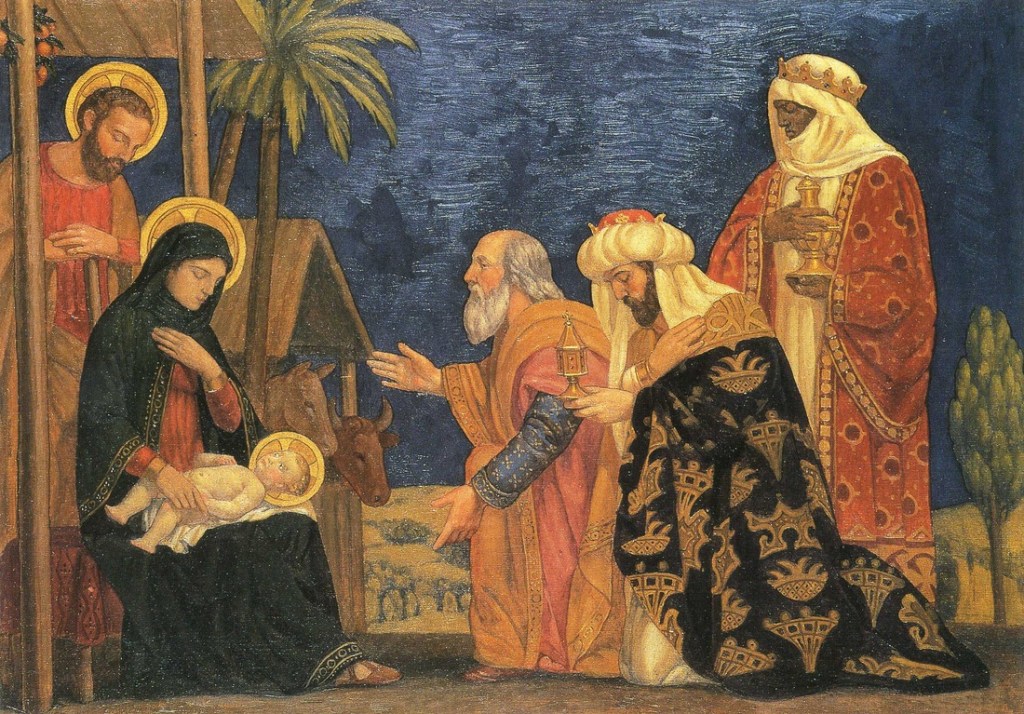
From Google.

A very blessed Merry Christmas to you, my dear reader and follower! As I have been insisting to you since January first, we are still in the Christmas Season as we celebrate today the Solemnity of the Epiphany of the Lord.

It is the third major celebration of Christmastime after the Nativity of the Lord (December 25) and Mary Mother of God (January 01).

In some parts of the country especially the countrysides, they regard Epiphany in equal standing with Christmas, calling it “Three Kings Sunday” known as “Pasko ng Magsasaka” (Christmas of Farmers).

So, please, do not cut the Christmas Season short and stop greeting others with a happy new year.

When Jesus was born in Bethlehem of Judea, in the days of King Herod, behold, magi from the east arrived in Jerusalem, saying, “Where is the newborn king of the Jews? We saw his star at its rising and have come to do him homage.” When King Herod heard this, he was greatly troubled, and all Jerusalem with him.

Matthew 2:1-3
From Google.

Jesus Christ is our one and only true Star

Epiphany is from the Greek word epiphanes that means revelation or manifestation of our Lord Jesus Christ to the whole world symbolized by the “magi” or wise men from the East.

While there are many sources that confirm to us both in history and tradition that the magi were from Persia (Iran) who have truly paid homage to the Infant Jesus, evidence pointing to the reality of the star of Bethlehem are still scarce but slowly developing.

Though it is still important to establish the factual basis on the existence of the star of Bethlehem, we who believe in Jesus Christ need to focus more on the theology behind this detail from Matthew’s Christmas story which refers to the Lord himself.

We all search for a “star”, something great and noble in life.

It is a given, a gift that every person is capable of rising above one’s self for something lofty and greater than himself/herself.

Too often, we pursue stars that are so common and ordinary – perhaps low and dull ones – like wealth and fame. Eventually we mature that we follow bigger and more luminous stars that are higher and found deeper in space so to speak like wisdom and peace within.

But no matter what we search in life, whatever star we follow, the saints and our faith teach us how we all desire and long only for the one and only true star of all, Jesus Christ.

St. Benedicta dela Cruz (Edith Stein) said that “anyone who seeks the truth eventually finds God” while the great St. Augustine eloquently wrote in his Confessiones, “You have made us for yourself, O Lord, and our heart is restless until it rests in you.”

Pope Emeritus Benedict XVI beautifully said it in one of his books:

“The key point is this: the wise men from the east are a new beginning. They represent the journeying of humanity toward Christ. They initiate a procession that continues throughout history. Not only do they represent the people who have found the way to Christ: they represent the inner aspiration of the human spirit, the dynamism of religions and human reason toward him.”

Jesus of Nazareth, The Infancy Narratives (page 97)
Old Jerusalem, May 2017. Photo by author.

Lessons of the Magi

Last January first, we reflected how we must make that conscious decision to empty ourselves of our pride to be filled with the Holy Spirit so we can bring Jesus into the world today like Mary the Mother of God.

Today on this Solemnity of the Epiphany of the Lord, we are invited to imitate the magi, to be wise men too in continuing the beautiful Christmas story by always seeking, following and submitting ourselves to Jesus Christ, our only true star in life.

There are three important lessons we can learn from the magi in being truly wise to seek and follow Jesus:

First, welcome darkness and chaos in life. The most life-changing and enriching moments we have are also the most adversarial ones. Remember the “AQ” or adversarial quotient experts are now proposing as true indicators of success in life?

More than success is fulfillment which we desire most when we are in desolation, when we are in the middle of a storm and trial in life, when we are in darkness.

Rise up in splendor, Jerusalem! Your light has come, the glory of the Lord shines upon you. See, darkness covers the earth, and the thick clouds cover the peoples; but pon you the Lord shines, and over you appears his glory.

Isaiah 60:1-2

In the gospel, we have heard how “King Herod was greatly troubled, and all Jerusalem with him” (Mt.2:3) upon hearing from the magi the birth of “the newborn king of the Jews” signified by the star they saw from the East.

Troubles and chaos are great motivators for us to seek better things like meaning in life!

Pilgrims entering through the narrow door of the Church of the Nativity in Bethlehem, May 2019. Photo by author.

Second, dark moments in life are are an invitation to pray more, especially in meditating the Sacred Scriptures, the word of God.

Assembling all the chief priests and the scribes of the people, Herod inquired of them where the Christ was to be born. They said to him, “In Bethlehem of Judea, for thus it has been written through the prophet…

Matthew 2:4-5

The bible is the word of God and when we pray it, it is God himself who speaks to us directly. It is not enough to read and study the Sacred Scriptures like the scribes and chief priests summoned by King Herod.

They knew the book but refused to recognize the Author, God himself.

The scribes and chief priests got it right that the Christ was born in Bethlehem but were not wise enough to join the magi in paying homage to him.

Prayer is a call to communion with God that requires humility and total surrender of self which leads us to lesson number three in following Jesus our true star in life.

From Google.

Third and last but not least lesson from the magi is what are you willing to give in order to follow the Star, Jesus Christ?


The magi from the East were rightly called wise men because they knew very well the most important things in life, the most essential. They did not merely leave the comforts of their home and country to follow the star of Bethlehem.

They were willing to give up so many things just to find Jesus Christ!

This 2020, many of us are having new year’s resolutions, so many plans and dreams and aspirations in life.

It is always good to reach for the stars but we must always keep our feet on the ground as Casey Kasem would always say at the end of his American Top 40 program during the 80’s.

And keeping those feet on the ground is working hard for our dreams with a lot of sacrifices. Keeping feet on the ground is doing all the hard work and avoiding shortcuts.

The magi did not mind going into Jerusalem, asking around amid dangers of suspicions from the powerful, just to find Jesus Christ. Most of all, they have brought gifts with them, precious commodities of that time to signify their sincerity in finding and following Jesus.

How about us today, in this age that is marked with so may people feeling entitled to everything in life?

This early in his Epiphany, Jesus is already showing us the path we have to follow, the way of the Cross, of forgetting one’s self, of setting aside our ego, of letting go and letting God.

Unless we are able to forget our ego, we can never imitate the magi in being wise “to depart for their country by another way” (Mt.2:12) to avoid King Herod.

That is the ultimate indication of being wise, that after finding Wisdom, we change our ways, our lives and live in Jesus Christ, the Holy One. Amen.

Merry Christmas!

From Desicomments.com. Last line should be “Lift our eyes”, not “Life”.