To err is human, to forgive, divine.

Lord My Chef Sunday Recipe for Soul by Fr. Nicanor F. Lalog II
Twenty-fourth Sunday in Ordinary Time, Cycle A, 13 September 2026
Sirach 27:30-28:7 ><}}}}*> Romans 14:7-9 ><}}}}*> Matthew 18:21-35
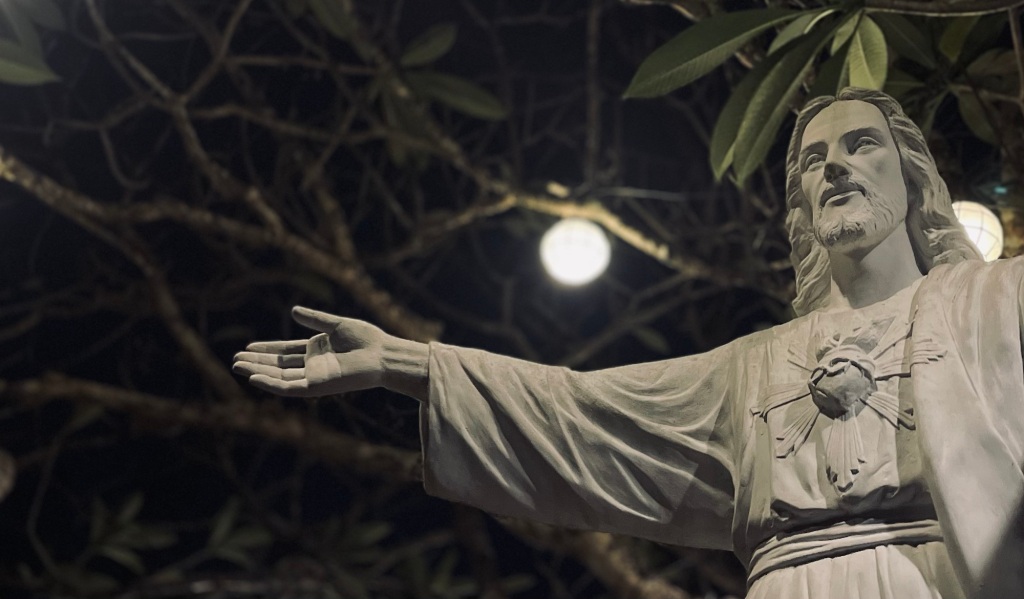
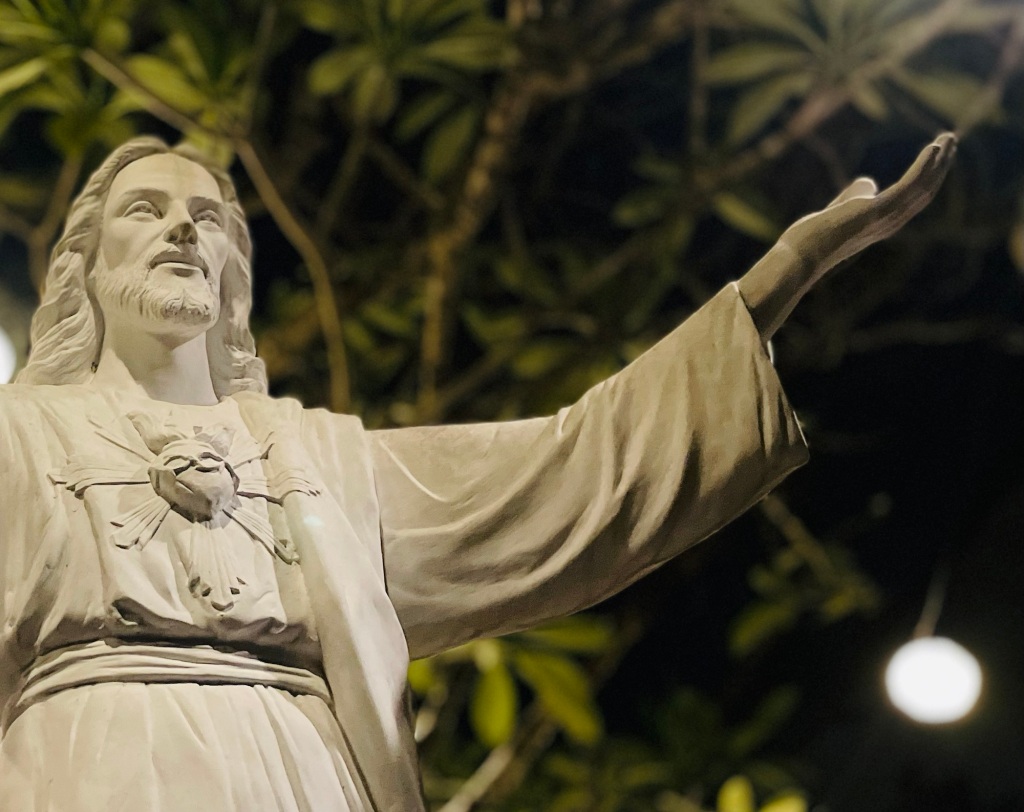
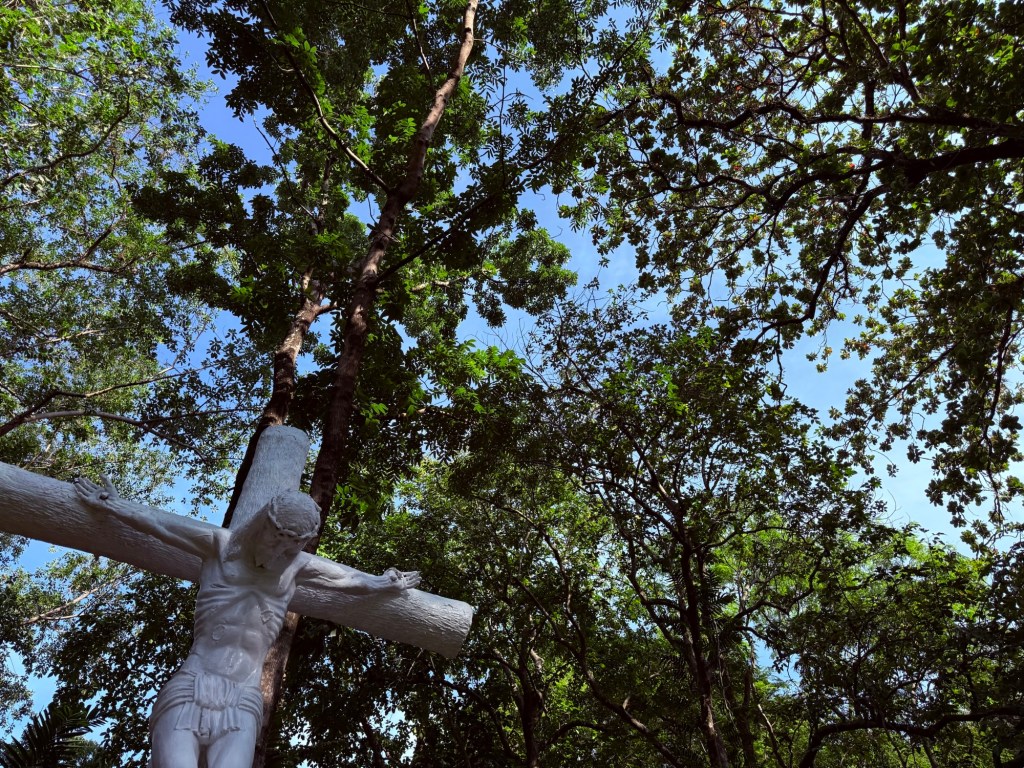
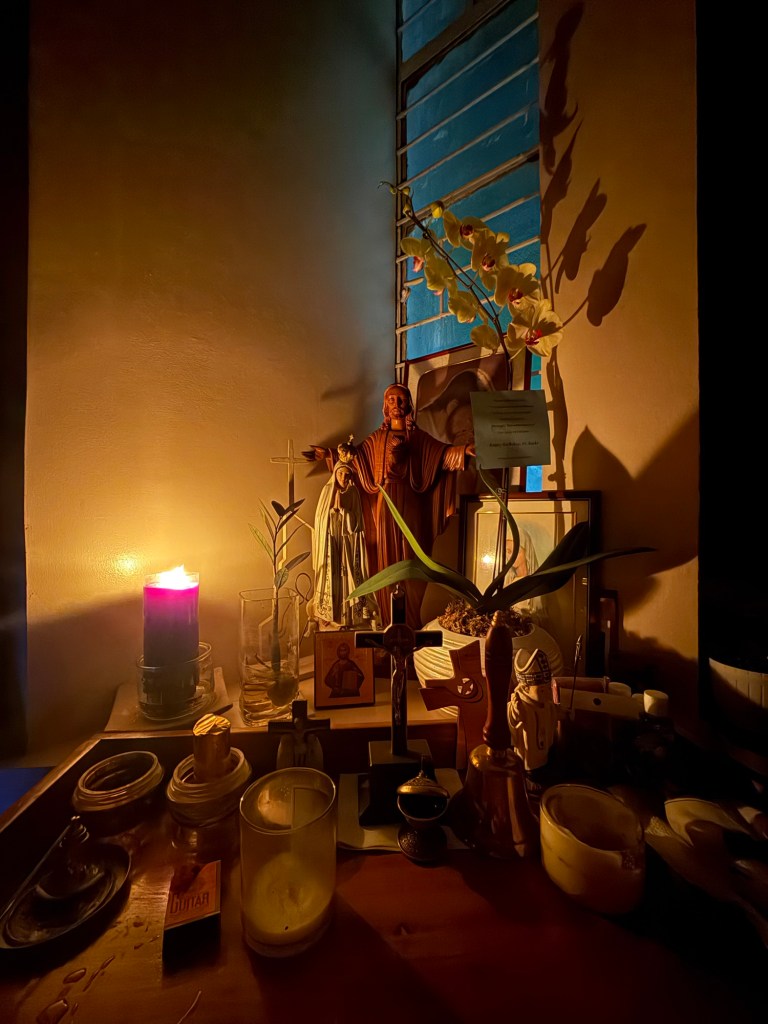
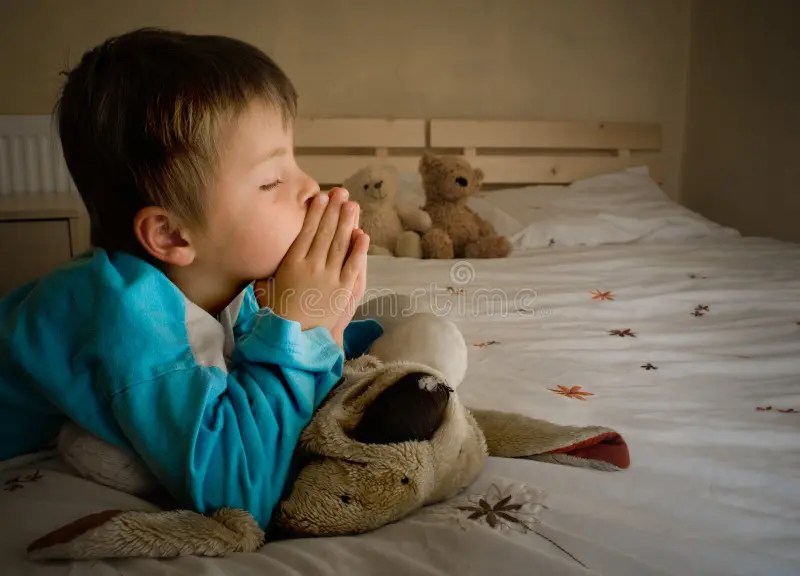
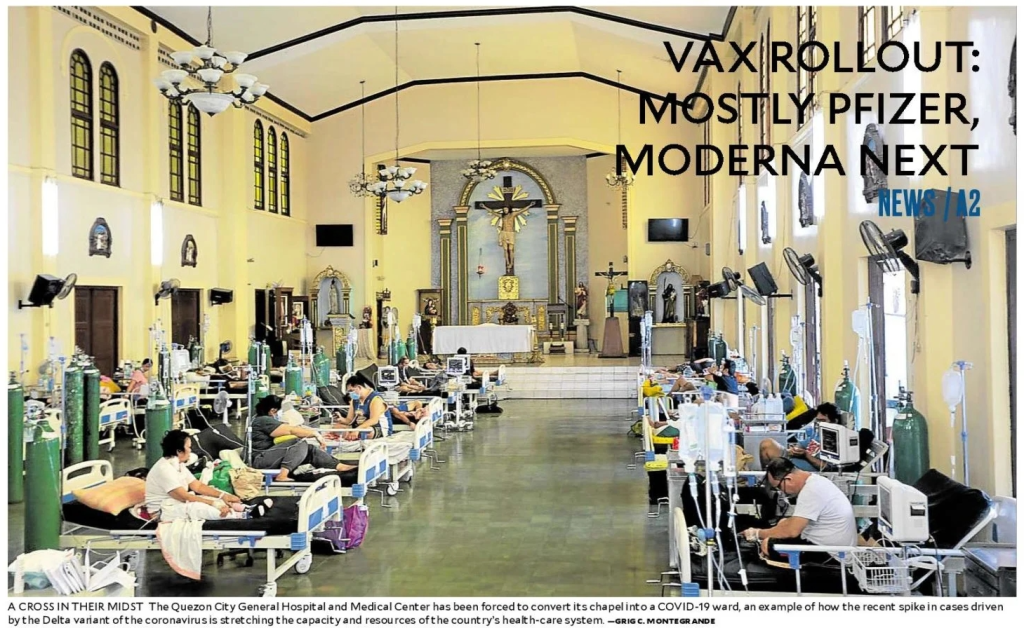
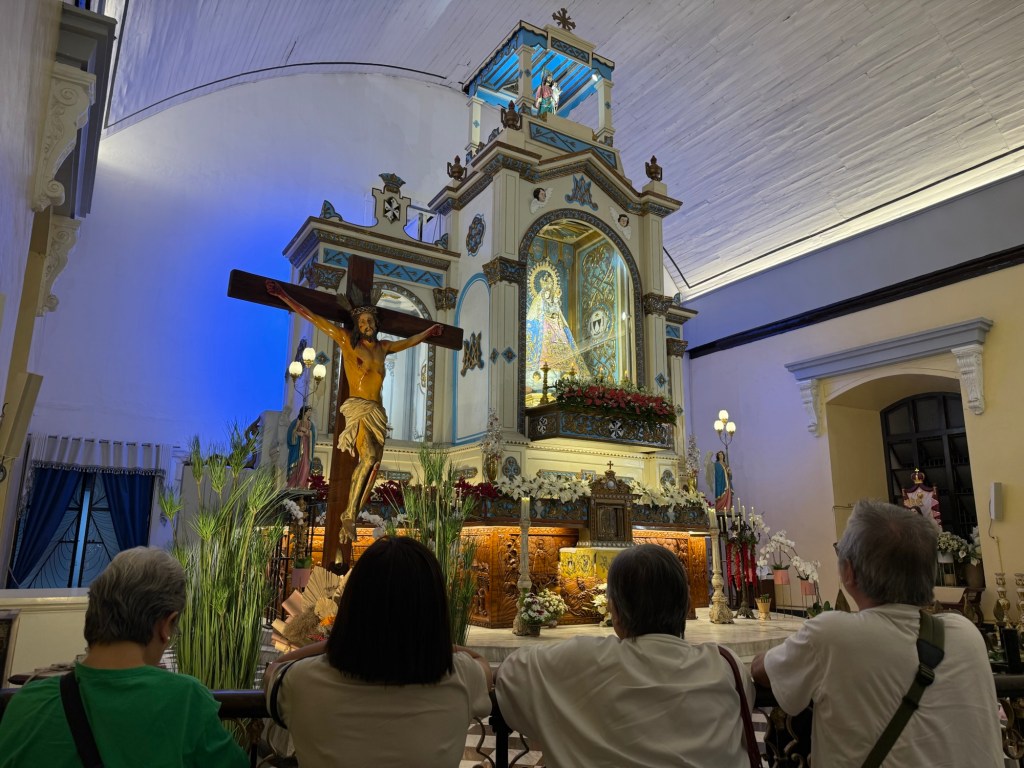
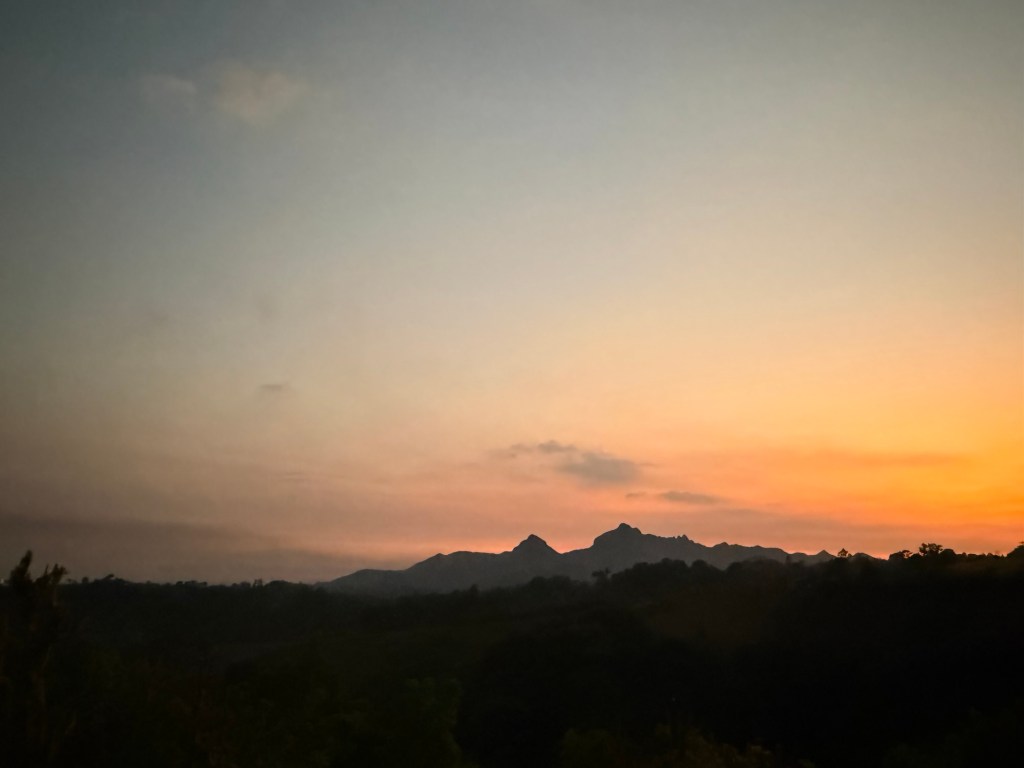
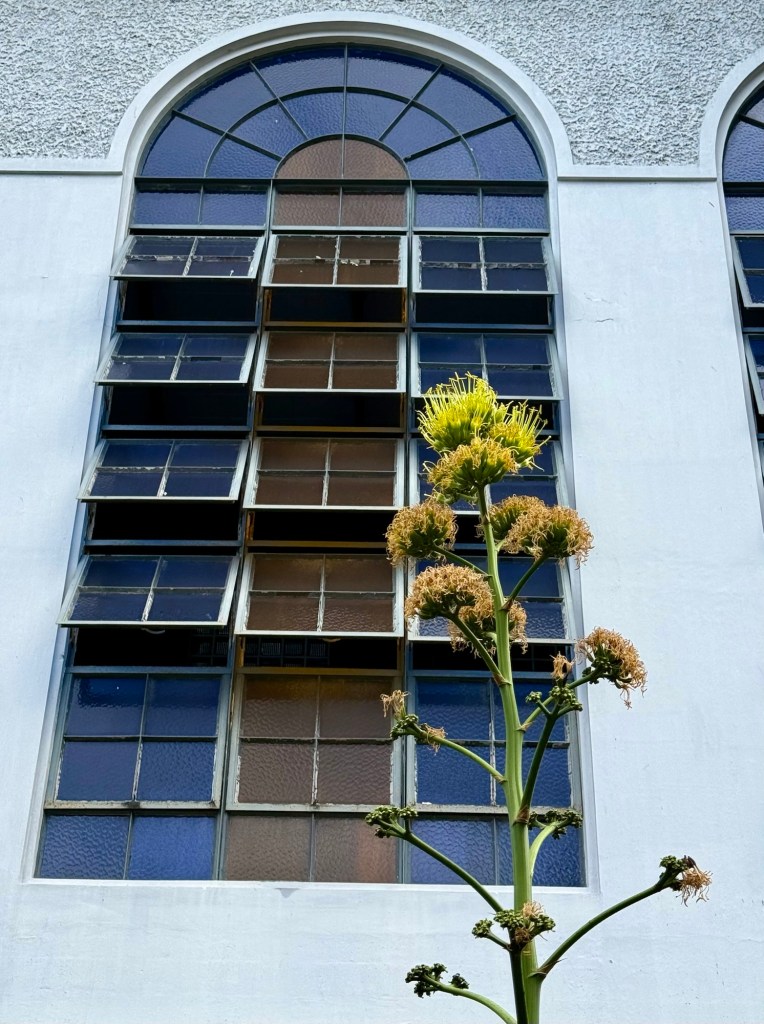
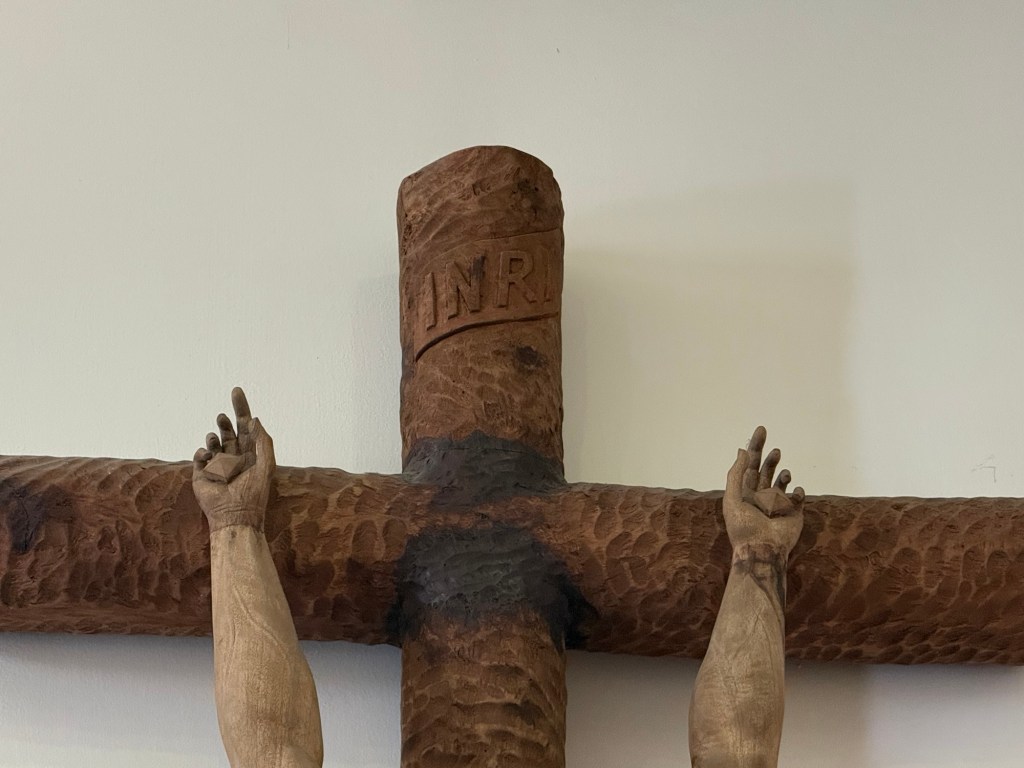
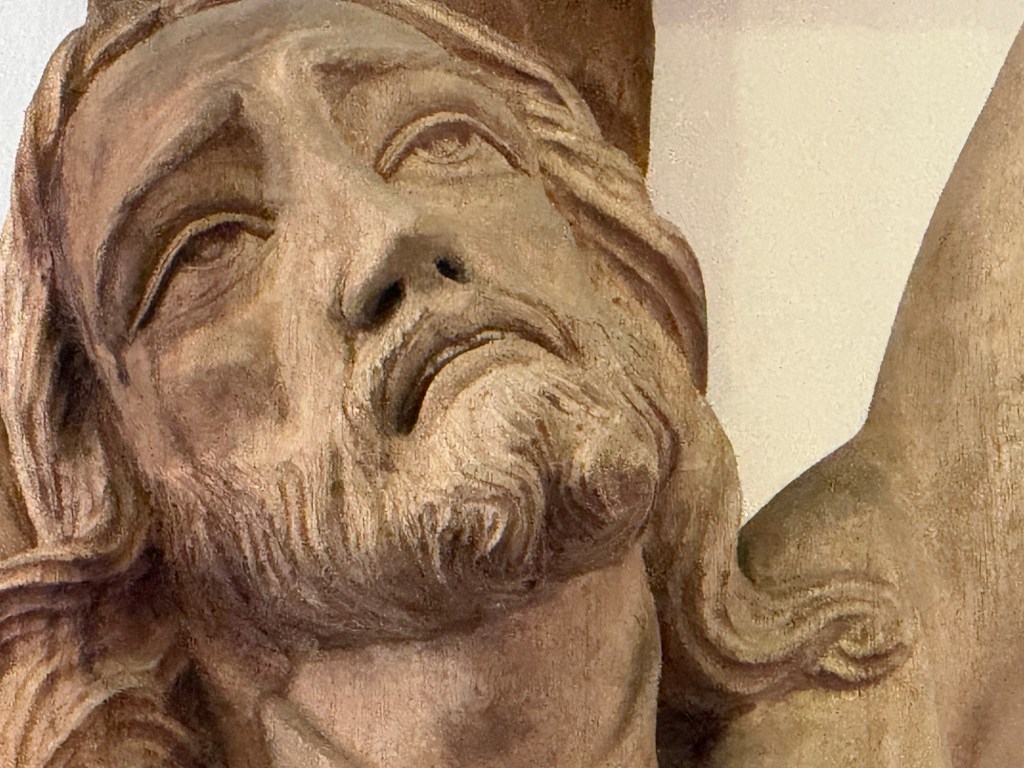
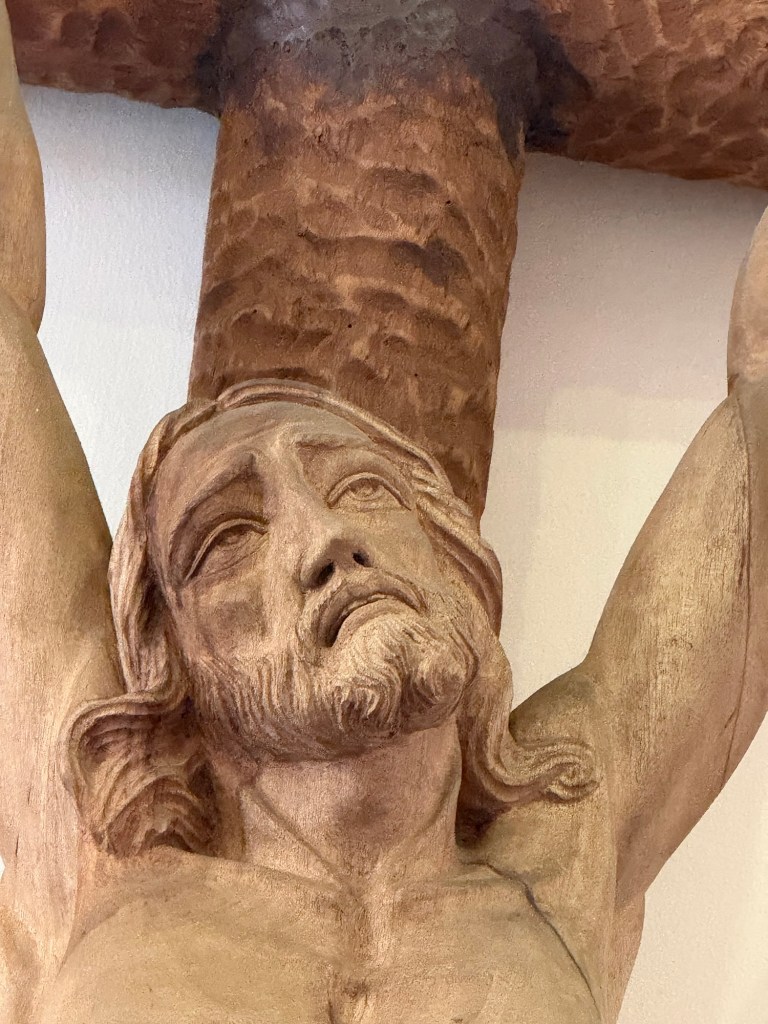
Photo by a friend in Seabrook, Washington, 06 September 2026.

You must have heard that quote so often, “To err is human, to forgive is divine” from the English writer Alexander Pope’s 1711 poem An Essay on Criticism where he originally wrote “To err is human, to forgive, divine.”

For many it has become a cliche because it is so difficult to forgive. Especially if it has to be done repeatedly. It is among the hardest teachings of Jesus Christ along with the love of enemies, of doing good to those who hate us, and lending without expecting anything back.

In a sense, forgiving is the twin teaching of fraternal correction which Jesus taught us last Sunday; the more difficult it becomes when the wrong done is against us that we feel much like Peter in asking Jesus how many times must we forgive:

Peter approached Jesus and asked him, “Lord, if my brother sins against me, how often must I forgive him? As many as seven times?” Jesus answered, “I say to you, not even seven times but seventy-seven times (Matthew 18:21-22).

NEW YORK – SEPTEMBER 11, 2001: (SEPTEMBER 11 RETROSPECTIVE) Smoke pours from the twin towers of the World Trade Center after they were hit by two hijacked airliners in a terrorist attack September 11, 2001 in New York City. (Photo by Robert Giroux/Getty Images)

Like fraternal correction, forgiving is a major concern in this modern time when the means and forms of evil have become sophisticated like terrorism and online scams that unfortunately happen not only on the world stage but right into our personal lives and relationships too.

We have all experienced being pushed to the limits as our patience is exhausted when a beloved is the one sinning against us that is both unacceptable and most unkind of all especially if the sin is committed repeatedly, prompting us to ask God like Peter how many times must we forgive our brother or sister. The figure “seven times” given by Peter is not the literal number but refers to the very many times we have forgiven somebody to wear out our patience.

What Peter was asking was a freedom from calculation of repeatedly forgiving one who repeatedly sins because that kind of forgiveness does not come naturally to any of us humans. Repeatedly forgiving someone who repeatedly sins is most difficult because it abuses our very person, our being Christian.

And there lies the bigger problem and difficulty about repeatedly forgiving someone who repeatedly sins who most often is dearest to us like your husband or wife, our parents or one of your children or a sibling.

The truth is, inasmuch as we ask like Peter so often how many times we must forgive our loved ones, the crux of the problem in forgiving is actually deep inside our hearts we still love them that we just forgive and forgive them. That is the mystery, the most baffling of all: why do we keep on forgiving somebody who keeps on sinning. Recall St. Paul’s words last Sunday “to owe no one except the debt of love” so that the more we love, we realize we can love like Jesus after all because forgiving is actually the work of God in us, with us, and through us in Christ.

Jesus answered, “I say to you, not seven times but seventy-seven times. That is why the kingdom of heaven may be likened to a king who decided to settle accounts with his servants. When he began the accounting, a debtor was brought before him who owed him a huge amount… Moved with compassion the master of that servant let him go and forgave him the loan. When that servant had left, he found one of his fellow servants who owed him a much smaller amount… Instead, he had him in prison until he paid back the debt. His master summoned him and said to him, “You wicked servant! I forgave you your entire debt because you begged me to. Should you not have had pity on your fellow servant, as I had pity on you? Then in anger his master handed him over to the torturers until he should pay back the whole debt. So will my heavenly Father do to you, unless each of you forgives his brother from his heart” (Matthew 18:22-24, 27-28, 30, 32-35).

St. John Paul II meeting and forgiving his assassin Mehmet Agca in prison two years after the failed assassination attempt to his life at St. Peter’s Square, 13 May 1981.

Jesus explains in his parable that forgiving is actually a work of God, divine in nature as Alexander Pope tells us in his famous line “to err is human, to forgive, divine.”

We forgive because we are forgiven beloved. Jesus grounds this teaching not in willpower but in being like God the master in his parable, “Should you not have had pity on your fellow servant, as I had pity on you?”

Jesus knows us so well as humans, sinful and weak who could not generate forgiveness and mercy out of nothing; it is very clear in his parable that we simply have to let flow towards others something of the forgiveness and mercy we have already received from the Father through him. Ben Sirach stressed this in our first reading, reminding us that our own capacity to receive forgiveness from God is bound up with our willingness to forgive those who have sinned against us.

Worthy of keeping in mind too that Jesus tells at the onset of his parable that forgiving is about the kingdom of heaven, not of this world wherein our debt to God is beyond measure like that servant. While we may argue that we are better than those criminals in jails or those corrupt officials now either sick to stand trial or have fled, it is pointless to compare and “measure” our sins because every sin is not only against another person but to God himself – the Perfect One who is love himself.

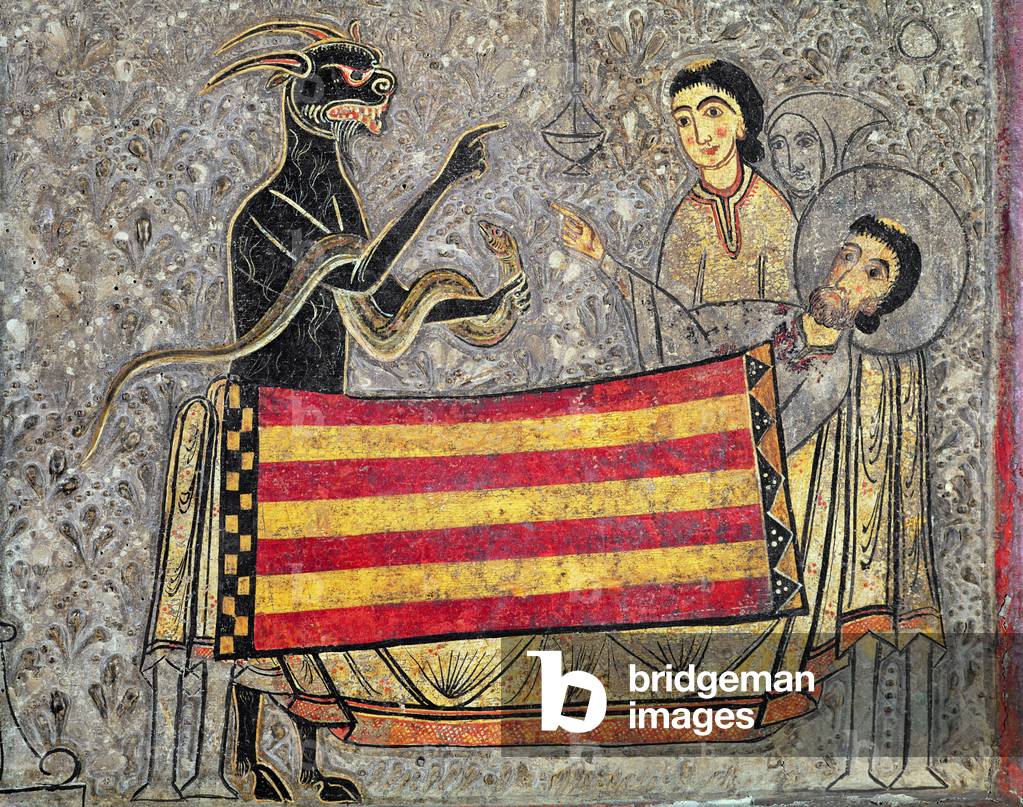
Photo from Pinterest.

When we forgive, that is when we level up our existence, when we live in Christ as St. Paul says in the second reading because our lives belong to God and to one another, not as the world tells us to control our lives and be masters of the universe. It is when we forgive that we are truly a church, a body of believers Jesus founded on Peter in Caesarea Philippi because that is when we live and die in Christ, becoming his vessels of mercy and forgiveness.

Most of all, it is in forgiving that we become truly free as a human, when we break free from the past hurts and grievances that pin us down, preventing us from moving forward in life. When we refuse to forgive those who have wronged us, we actually yield to their power and control. Hence, in all practicality, it is always best to forgive.

But there is something most deep and true about forgiving which clearly manifests our own mortality and rootedness in God who is our origin and end, “Remember your last days, set enmity aside; remember death and decay, and cease from sin!” (Sir. 28:6)

This Sunday, we are reminded to check and be aware of any resentments and anger we may still be carrying as we refuse to forgive lest we end like that unforgiving servant. Take this time to forgive for life is really too short to waste in keeping those grudges. Amen. Have a blessed week ahead!

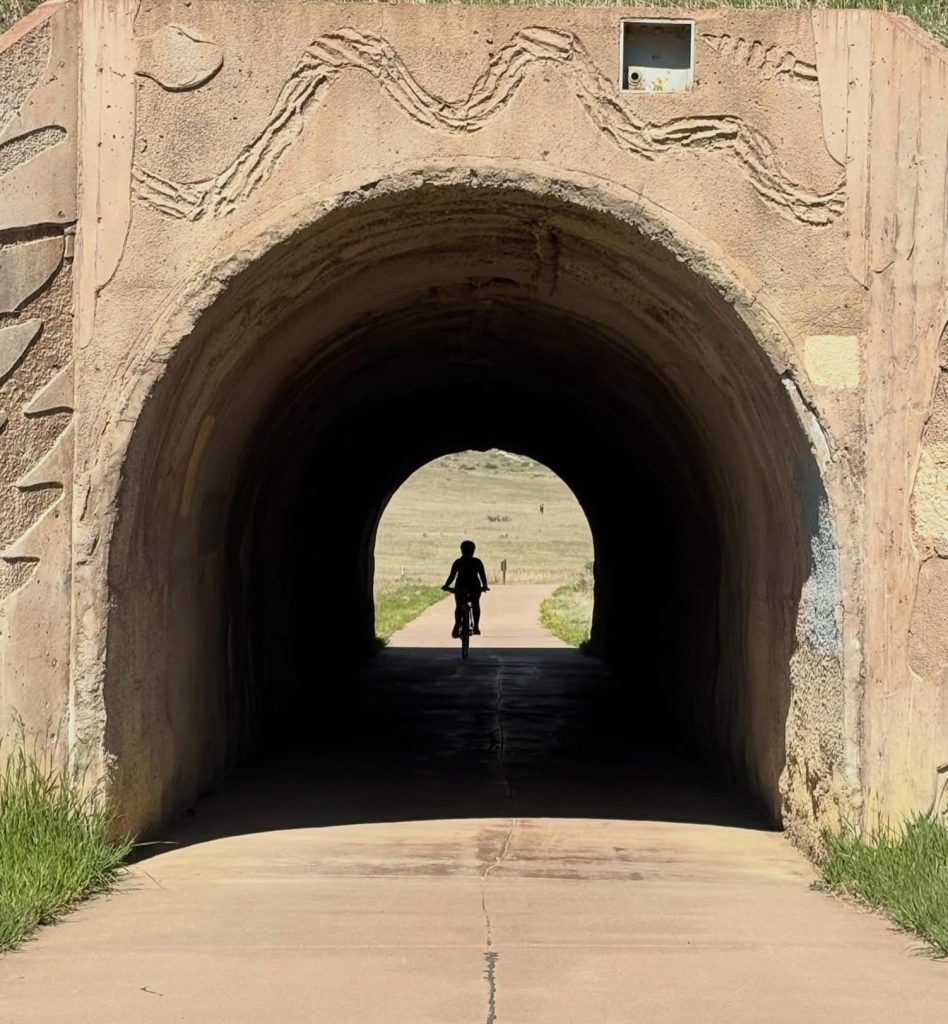
Photo by a friend in Seabrook, Washington, 06 September 2026.

“Knocking On Heaven’s Door”

Lord My Chef Daily Recipe for Soul by Fr. Nicanor F. Lalog II
Friday in the Fifteenth Week of Ordinary Time, Year II, 17 July 2026
Isaiah 38:1-6, 21-22, 7-8; 38:10-12, 16 <*((((>< + ><))))*> Matthew 12:1-8
Photo by author, sunrise at Camp John Hay, Baguio City, 19 November 2018.
God our loving Father,
I thank you for this wonderful
Friday and most of all,
for your moving words
from King Hezekiah,
the very same words
in our hearts especially
for those like me who have
reached senior year,
or may be going through
many difficulties in life
that make us all realize
our mortality
and finiteness.
Father,
we are all afraid of death,
of dying,
of the pain of getting sick,
of the process so hurtful
in all aspects; but, like
King Hezekiah in the first reading,
what really makes us worry
with death is the unfinished work
you have given us,
the sadness of what shall
happen to those we shall leave behind
not because we believe so much
in ourselves but more because
we know we have not finished
your work; forgive us for those
moments we have procrastinated
your work, for those times we
balked and dilly dallied to your
commands, or to those times
we refused to follow you;
hear our pleas like your
faithful King Hezekiah
knocking at heaven’s door:

Once I said: “In the noontime of life I must depart! To the gates of the nether world I shall be consigned for the rest of my years… Like a swallow I utter shrill cries; I moan like a dove. My eyes grow weak, gazing heavenward: O Lord, I am in straits; be my surety” (Isaiah 38:10, 14).

Photo by Mr. Howie Severino, Taal Lake, Batangas, 13 November 2018.
O Lord our God
most loving,
our life and meaning
who desires most mercy
than sacrifice for
you are the Lord of sabbath
(Matthew 12:7-8),
like King Hezekiah and
Bob Dylan in this modern time
we "knock at heaven's
door" for those in great need
at these very moment
like the disciples of Jesus
so hungry while crossing a field
of grain on a sabbath
and picked the heads of grain
and ate them; heal those so sick
not only in body but also in mind,
heart and soul;
ease their pains and sorrows;
and should we reach the final end,
welcome us into your heavenly
kingdom; but still, as we
hope against hope,
heal us by turning back
the clock of time
for us to fulfill your
assigned task and
mission.
Amen.

*While praying last night, we remembered Bob Dylan’s iconic “Knocking At Heaven’s Door” that he wrote as soundtrack of the 1973 film “Pat Garrett and Billy the Kid”. It became a worldwide hit after its release and had been covered by other artists like Eric Clapton, Randy Crawford and Guns N’ Roses.

“Knocking At Heaven’s Door” is praying hard to God when at the point of death. Like Hezekiah in the first reading, it is the baring of one’s soul to God, begging for his mercy that if possible be allowed to live a little longer. In this song, we find the lyrics and music elegantly and nobly simple, so characteristic of Dylan’s songs that earned him awards outside the music circle like journalism’s Pulitzer Prize special citation in 2008 and the recent Nobel Prize in Literature in 2016 “for having created new poetic expressions within the great American music tradition” (wikipedia).

In our prayer last night, we realized as we age that we fear death and its other daily manifestations like separation and other lifestyle shifts because of being sorry for not having done much in life that if given another chance, we might after all finish our mission like King Hezekiah in the first reading today. Knocking at heaven’s door is one of life’s most powerful prayer as it always “moves” God in the sense he grants our prayers not because he changes his mind but because we have finally surrendered to him and his Divine Will. Likewise, it reminds us to be faithful to our calling always so that when God calls us to death, we can let go easily.

Bob Dylan captured this so well citing the final scene of the movie for which he composed “Knocking At Heaven’s Door” when the frontier lawman was about to die, he gave or “surrendered” to his wife – Mama – his badge and gun because he had finished his job.

[Intro]
Ooh, ooh
Ooh, ooh

[Verse 1]
Mama, take this badge off of me
I can’t use it anymore
It’s getting dark, too dark to see
I feel I’m knockin' on heaven’s door

[Chorus]
Knock, knock, knockin' on heaven’s door
Knock, knock, knockin' on heaven's door

[Verse 2]
Mama, put my guns in the ground
I can’t shoot them anymore
That long black cloud is coming down
I feel I’m knockin' on heaven’s door

[Chorus]
Knock, knock, knockin' on heaven’s door
Knock, knock, knockin' on heaven's door

A blessed weekend everyone. Handle life with prayer always.

From YouTube.com

Learning from Jesus

Lord My Chef Sunday Recipe for the Soul by Fr. Nicanor F. Lalog II
Fourteenth Sunday in Ordinary Time-A, 05 July 2026
Zechariah 9:9-10 ><}}}}*> Romans 8:9, 11-13 ><}}}}*> Matthew 11:25-30
Photo by author, Sacred Heart Novitiate, Novaliches, QC, 20 March 2024.

What a refreshing gospel we have today with Jesus asking us to come to him to find rest, four weeks after being moved with pity at the sight of the crowd who were like sheep without a shepherd that he called and sent his Twelve Apostles to bring them his good news of salvation (June 14).

The following two Sundays he taught us of our work in harvesting the abundant harvest by being brave and gracious, and hospitable (June 21, 28).

This Sunday, Jesus wraps up his teachings on our work after he himself was rejected by his own folks because he knows very well ours is a difficult mission (June 21) as he praised the little ones who have accepted him like the poor and marginalized.

At that time Jesus exclaimed: “I give praise to you, Father, Lord of heaven and earth, for although you have hidden these things from the wise and the learned you have revealed them to little ones… Come to me, all you who labor and are burdened, and I will give you rest. Take my yoke upon you and learn from me, for I am meek and humble of heart; and you will find rest for your selves. For my yoke is easy, and my burden is light” (Matthew 11:25, 28-30).

Photo by author, Sacred Heart Novitiate, Novaliches, QC, 20 March 2024.

What are the lessons Jesus is asking us to learn from him, especially in these troubled times of ours when the corrupt and idiots reign supremely simply because they are more in number?

See how difficult it is to be a Christian these days when you hear and see all over social media all kinds of inanities and stupidities happening everywhere like callous politicians acting as clowns with a massive crowd of idiots parroting the words of their cult leaders masquerading as religious men. Or the two couples who climbed atop the Empire State Building in New York for a performance of unfurling a banner calling for more love in the world, with the man pretending to propose to the woman who turned out to be his wife for several months already.

From #philstar via FB, 02 July 2026.

Haynaku! Juice colored!
Everything is so exhausting. The only good news we have these days is again our very own Alex Eala “smoking” the grass at Wimbledon. And perhaps the President going to Vancouver to inaugurate the newest Jollibee there with the Canadian Prime Minster enjoying a more joyful chicken joy. Sanaol!

But, amid all these dismal happenings, Jesus is here with us calling us to his side, to experience his warmth, to learn from him how we can feel light amid all these heavy burdens around us.

Notice how with the social media all over us with its bad news that it has become so easy to feel lumbered with all the contradictions in our lives plus see the various needs we feel missing in our relationships that it has become our past time to worry and feel so burdened most of the time.

Jesus promises us this Sunday that following him brings lightness not heaviness of compulsion and duty as most people would think of his demands. However, it is not a kind of R&R we all aspire every weekend at the beach or a mountain resort.

Christ calls us today to come to him and learn from him on how to have a steady, realistic, day-to-day approach to life lived in his company.

First lesson Jesus is teaching us to learn from him today is to rejoice always.

Photo by author, St. Michael Retreat House, Antipolo City, 16 June 2026.

Being joyful is more than being happy; to rejoice is to have our heart smiling because deep down inside we are assured that no matter what happens in life, even if worse comes to worst, Jesus remains with us and would never ever abandon us. That’s because he is not like a stern master without any love and concern for his slaves.

Jesus is the fulfillment of the first reading calling us to rejoice because he is the king who had come, “a just savior is he, meek, and riding on an ass, on a colt, the foal of an ass” (Zec.9:9).

Recall Jesus Christ’s triumphant entry to Jerusalem on Palm Sunday riding an ass so that he could be at eye-level with everyone in the city unlike riding a horse that is so high and even menacing in stature.

Imagine the setting of this Sunday gospel: Jesus was lamenting at how his fellow Jews have rejected him despite his many miracles but at the same time, he was rejoicing, praising the Father in sending him the poor and outcasts of their society as his first believers and followers. Yes, Jesus was hurting for being rejected but he found more reasons to rejoice than sulk. Why waste energy on the negative when there are a lot of good things happening?

Rejoicing means looking beyond the physical and temporal things; rejoicing is being a visionary who sees opportunities behind every problem and issues at hand. Rejoicing is seeing grace than curse, focusing more on Christ than the problems. Indeed,“every gising is a blessing” because every morning we wake up, God assures us of his immense love for us, that he believes in us, and is sending us on a mission to share that joy of living. And believing in him!

Photo by author, July 2011.

Second lesson Jesus is teaching us to learn from him this Sunday is to surrender, to set aside our personal agenda so that we can take up his yoke that is easy and burden that is light.

One reason we cannot rejoice is our refusal to give up our many yokes and burdens that are mostly much ado about nothing at all.

Let go and let God!

Surrendering is daily dying to one’s self to rise to new life in Christ which leads us to the third lesson Jesus wants us to learn from him this Sunday:

Live in solidarity with Christ empowered by the Holy Spirit as St. Paul tells us in the second reading.

Brothers and sisters: You are not in the flesh; on the contrary you are in the spiritr, if only the Spirit of God dwells in you. Consequently, brothers and sisters, we are not debtors to the flesh to live according to flesh. For if you ive according to the flesh, you will die, but if by the spirit you put to death the deeds of the body, you will live (Romans 8:9, 12-13).

Solidarity with Christ is the opposite of solidarity with the old humanity with Adam enslaved to sin which is not just body versus soul nor should flesh be understood as sexual immorality; solidarity with Christ is life in the Holy Spirit that results in eternal life in God. It is a choice we make daily, of whether we shall heed Christ’s call to come to him and learn from him who is meek and humble of heart. Solidarity with Christ is living in the love of Christ.

The good news is, Jesus gives us all the grace we need to love and choose him, to learn from him even if many times we fall and stumble because of our heavy burdens due to sin. This Sunday and every day, make the right choice. Choose Jesus, chose love to be light, choose life. Amen. Have a blessed, light and joyful week ahead.

Photo by Mr. Vigie Ongleo somewhere in Colorado, 03 June 2026.

Probing the “dark places” within us

Lord My Chef Daily Recipe for the Soul by Fr. Nicanor F. Lalog II
Friday in the Thirteenth Week of Ordinary Time, Year II
Feast of St. Thomas, Apostle, 03 July 2026
Ephesians 2:19-22 <*{{{{>< + ><}}}}*> John 20:24-29
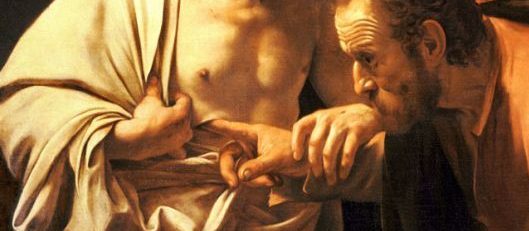
Photo of painting by Caravaggio, “The Incredulity of Thomas” via wikipedia.commons.org.
Thank you,
dear Jesus
for this first Friday in July 2026,
the feast of your Apostle Thomas
called Didymus:
some say due to his having
the twin of faith and doubt
but most likely also our
very own twin because
like him,
deep within us
are many "dark places"
that need to be enlightened
by your light.

Thomas called Didymus, one of the Twelve, was not with them when Jesus came. so the other disciples said to him, “We have seen the Lord.” But Thomas said to them, “Unless I see the mark of the nails in his hands and put my finger into the nail marks and put my hand into his side, I will not believe.” Now a week later, disciples were again inside and Thomas was with them. Jesus came, although the doors were locked, and stood in their midst and said, “Peace be with you.” Then he said to Thomas, “Put your finger here and see my hands, and bring your hand and put it into my side, and do not be unbelieving, but believe.” Thomas answered and said to him, “My Lord and my God!” (John 20:24-28)

Every day 
you also come to us,
Lord Jesus
amid the many darkness
around us,
often in our locked doors
of doubts and disbelief,
cynicism and pessimism,
grief and hopelessness;
many times we think
we infer
we rationalize
that your Resurrection
and presence are just too good
to be true!

So many things within us
resist a faith too easy to claim
or put into effect just to believe
you; enlighten the many "dark places"
within us that we have become
so skeptical these days:
our government and church
are just like so similarly plagued
with corruption and evil
that are sadly allowed
or tolerated,
justice utterly lacking with
evil doers seem to be more
favored than law-abiding ones
with all these persisting because
many are oblivious to the
darkness and disorder going on.
Where are you,
Jesus in all of our mess
in life as individuals,
as a nation,
as a church,
as a family
that we most often
doubt than believe?
Photo by author, St. Michael Retreat House, Antipolo City, 16 June 2026.
Guide my hand,
lead my finger into your
wounds, 
dear Jesus
that I may experience 
you Risen;
let me experience your 
coming and loving presence
amid our darkness
and woundedness;
let me not seek you
Jesus in spectacular things
in feel-good situations
but like Thomas
in touching your wounds
in that dark room
be enlivened with your
inner light of peace
and assurance that
more than your miracle 
of rising from the dead
is the reality of living,
of life coming out 
from real death.
Grant me that spark of
faith like in Thomas 
while touching your wounds,
Lord Jesus
so that a glimmer of hope
within me may finally glow
and grow as I follow you,
my Lord and 
my God.
Amen.

A rockin’ playlist for Holy Week

Lord My Chef Sunday Music by Fr. Nicanor F. Lalog II, 29 March 2026
Photo by author, St. Ildephonse Parish, Tanay, Rizal, January 2021.

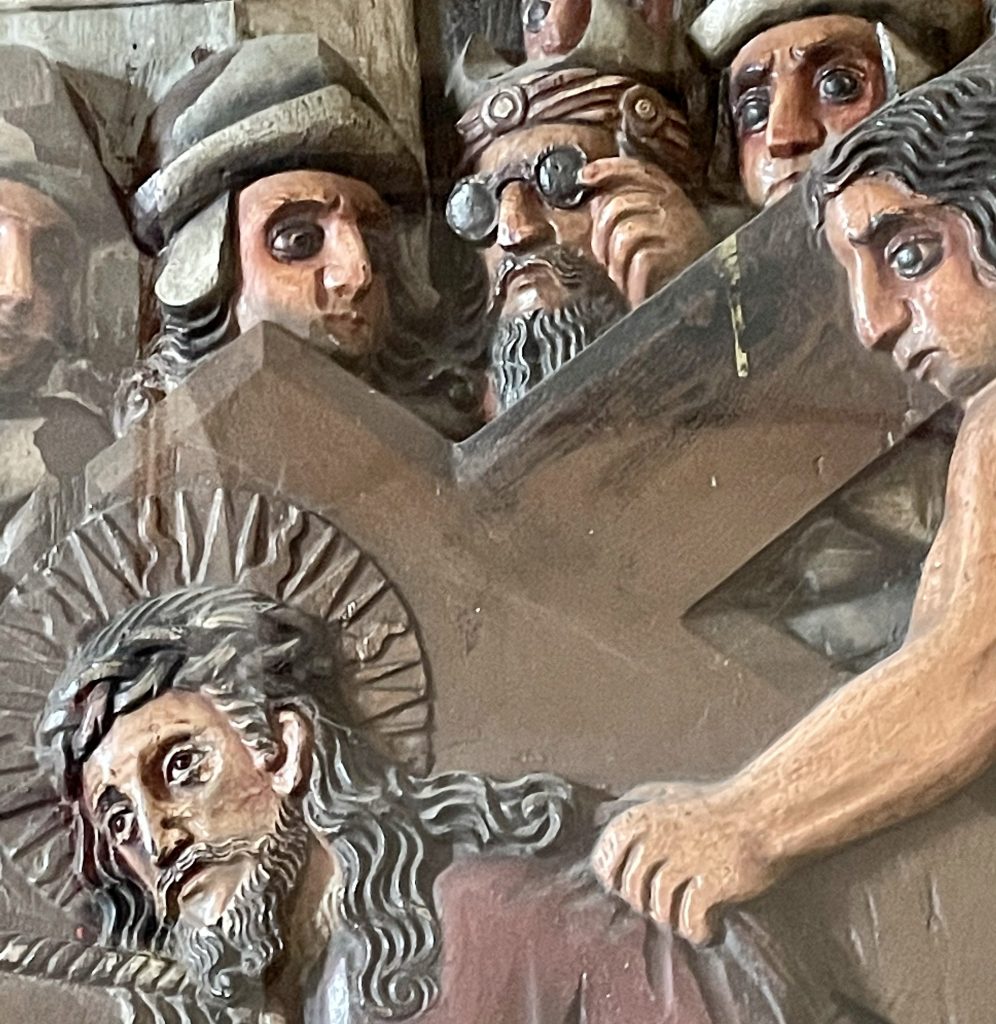
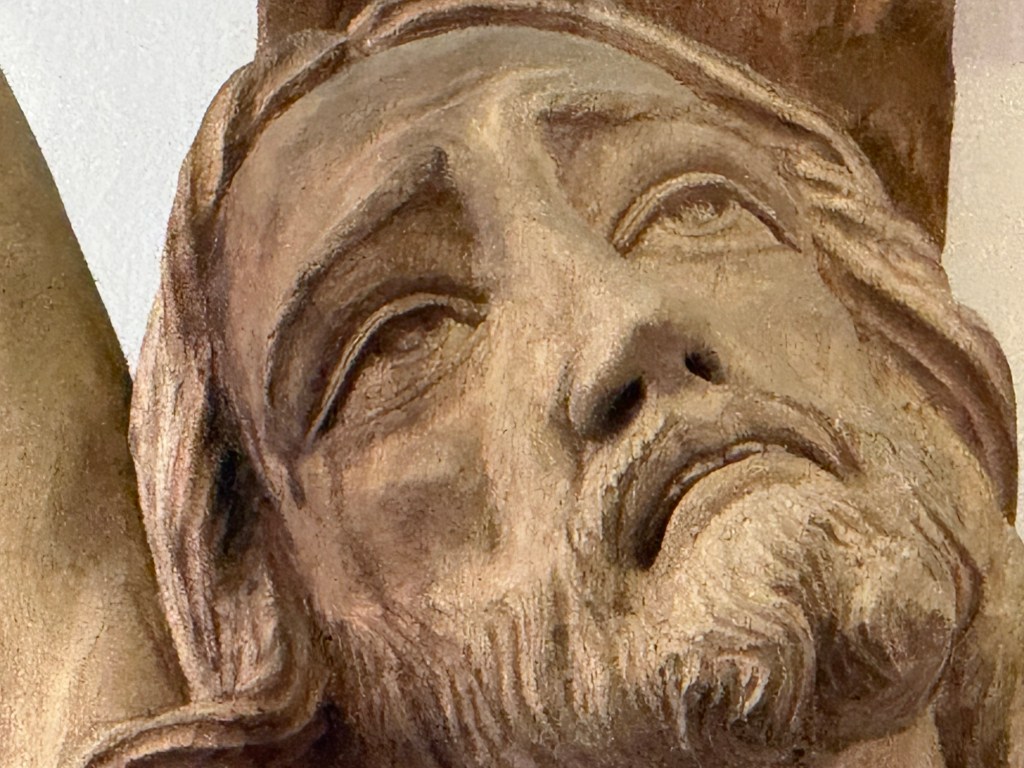
If you have a lot of cash to spend for a unique Holy Week just outside Metro Manila, I suggest you visit St. Ildephonse Parish in Tanay, Rizal and look for the Seventh Station of the Cross when Jesus fell for the second time on his way to the Calvary.

You won’t miss it as you enter the main door immediately to your left. Done by local artisans in 1785, these huge woodcarvings depict one of the most unique Stations of the Cross in the world where soldiers and characters including Jesus Christ have Malay features of brown complexion, large and round eyes, and “squared” body features. Everything was given a local taste to make the Station so Filipino like the soldier leading them blowing a carabao horn for a tambuli while another carried a bolo instead of a sword.

But, the most astonishing of all is a man so prominently portrayed at the middle wearing sunglasses, looking far outside. Yes, the dude wore shades!

Photo by author, St. Ildephonse Parish, Tanay, Rizal, January 2021.

Historians we consulted told us smoked glasses have been available in the Philippines during that time courtesy of Chinese traders. According to the catechists and volunteers we talked to while at the parish, they were told by their elders that man with sunglasses is the high priest Caiaphas who led the Sanhedrin trial of Jesus who declared him guilty of blasphemy in claiming himself to be the Christ, the Son of God.

But, why wear shades? Was it because he refused to see and accept the truth that Jesus indeed is the Christ, the Son of God just like us today who wear all kinds of colored glasses presenting our own image God too far from who he really is. Or, as my kinakapatid Dindo Alberto (+) who was my roadtrip companion at that time said it shows that rock and roll had long been in existence since the time of Jesus Christ, the real Superstar.

I believe Kuya Dindo that is why I prepared two rock and rollin’ music this Holy Week for you to listen and reflect while driving on your way to a visita iglesia to pray and be with family and friends.

I have always loved The Smiths since college especially when NU107 came out at the other end of the FM band in the late 80’s. Heaven Knows I’m Miserable Now remains one of my personal anthems since it first came out in 1984.

When I was assigned as chaplain here at the Our Lady of Fatima University in Valenzuela in 2021, I was surprised to hear some of our college students singing and posting on their socmed There Is A Light that Never Goes Out – kids so young almost like my own pamangkins! And that’s one thing I like most with the Gen Zs and Millennials who also love and embrace our music and artists because they are simply the best. Period.

A week after Ash Wednesday last February 24, I used There Is A Light That Never Goes Out by The Smiths in my monthly spiritual talk to our employees at the University and the Fatima University Medical Center as a fitting music and guide in our 40-day journey of Lent which is more of an inner journey into our hearts to find Jesus Christ, the Light who never goes out amid life’s many darkness. Moreover, Jesus is the Light who never goes out as he restores our sight from the blindness we go through like in the healing of the man born blind that was the gospel last March 15, fourth Sunday in Lent. See how its lyrics also apply either to Jesus speaking to us or to anyone seeking Jesus.

Take me out tonight
Where there's music and there's people
And they're young and alive
Driving in your car
I never, never want to go home
Because I haven't got one
Anymore

Take me out tonight
Because I want to see people
And I want to see life
Driving in your car
Oh please, don't drop me home
Because it's not my home, it's their home
And I'm welcome no more

Of course, composer Johnny Marr and lyricist-vocalist Morissey may have other meanings behind this song considered as their finest but still, it speaks about finding hope that leads us to believe in ourselves, in others and in God. In this mass-mediated world that declares to see is to believe, Jesus tells us the other way around, believe that you may see!

When we believe, then we truly “see” and that is when we love, love, and still love until it hurts even unto death because that is when we find meaning in life and everything. And everyone.

And if a double-decker bus
Crashes into us
To die by your side
Is such a heavenly way to die
And if a ten tonne truck
Kills the both of us
To die by your side
Well, the pleasure,
the privilege is mine

Jesus Christ did just that that is why we have Good Friday; he rose from the dead at Easter and since then, has remained the Light who never goes out, lighting our paths in this time of many darkness in life.

Photo by author, Sacred Heart Novitiate, Novaliches, QC, 20 March 2026.

Sometimes, sunglasses help us see clearly as they filter distracting lights and contrasts that blur our vision with the naked eyes. And so, here is our second rock n’ roll song for Holy Week, Bruno Mars and Lady Gaga’s Die With A Smile which we used also in our employees’ Lenten recollection at the University and Hospital last February 24.

Aside from the striking contrast of The Smiths’ There Is A Light That Never Goes Out that represented the punk, alternative, dark side in me, Die With A Smile represented the 1970’s funky groove I grew up with. And that is why I love and follow Bruno Mars: aside from having a Filipino blood in his Pinay mother, his experiments with music strongly rooted in the 1970’s make us from the older generation feel so welcomed and relate so well with him and his message of faithful love until the end of time.

Along with its lyrics that speak from the heart, the melody and great combination of the voices and talents of Bruno and Lady Gaga make Die With A Smile so lovingly touching, even mesmerizing that make you think of the only one you truly love most that you want to spend the rest of your life with until the end of the world – to die with a smile.

Ooh
I, I just woke up from a dream
Where you and I had to say goodbye
And I don't know what it all means
But since I survived, I realized

Wherever you go, that's where I'll follow
Nobody's promised tomorrow
So I'ma love you every night like it's the last night
Like it's the last night

If the world was ending, I'd wanna be next to you
If the party was over and our time on Earth was through
I'd wanna hold you just for a while and die with a smile
If the world was ending, I'd wanna be next to you

Holy Week remind us of our only one true and first love of all – God. We call this the Holy Week in Filipino as mga Mahal na Araw from the word mahal that means mahalaga or important and essential. That is why another word for love in Filipino is pagmamahal, literally to give importance. Not just pag-ibig which is more about liking as ibig means.

In these days of rising costs of fuels and commodities, anything expensive is described too as mahal in Filipino because they are so important and essential. Like the ones we love. Holy Week is mga Mahal na Araw, the holiest days when Jesus Christ expressed his deepest love – pagmamahal – for each of one of us by dying on the Cross because everyone is loved so immensely by God.

Again, Jesus was the first to have “died with a smile” because he offered his very self completely and freely, willingly for us because he loves us. And he had promised that he shall come again at the end of time. Are we willing to wait for him by loving truly those persons he had entrusted to us in this life?

Until our next music, have a blessed Holy Week and most blessed Easter everyone!

Lent is believing in Jesus, the Resurrection & Life

40 Shades of Lent by Fr. Nicanor F. Lalog II
Fifth Sunday in Lent, Cycle A, 22 March 2026
Ezekiel 37:12-14 +++ Romans 8:8-11 +++ John 11:1-45
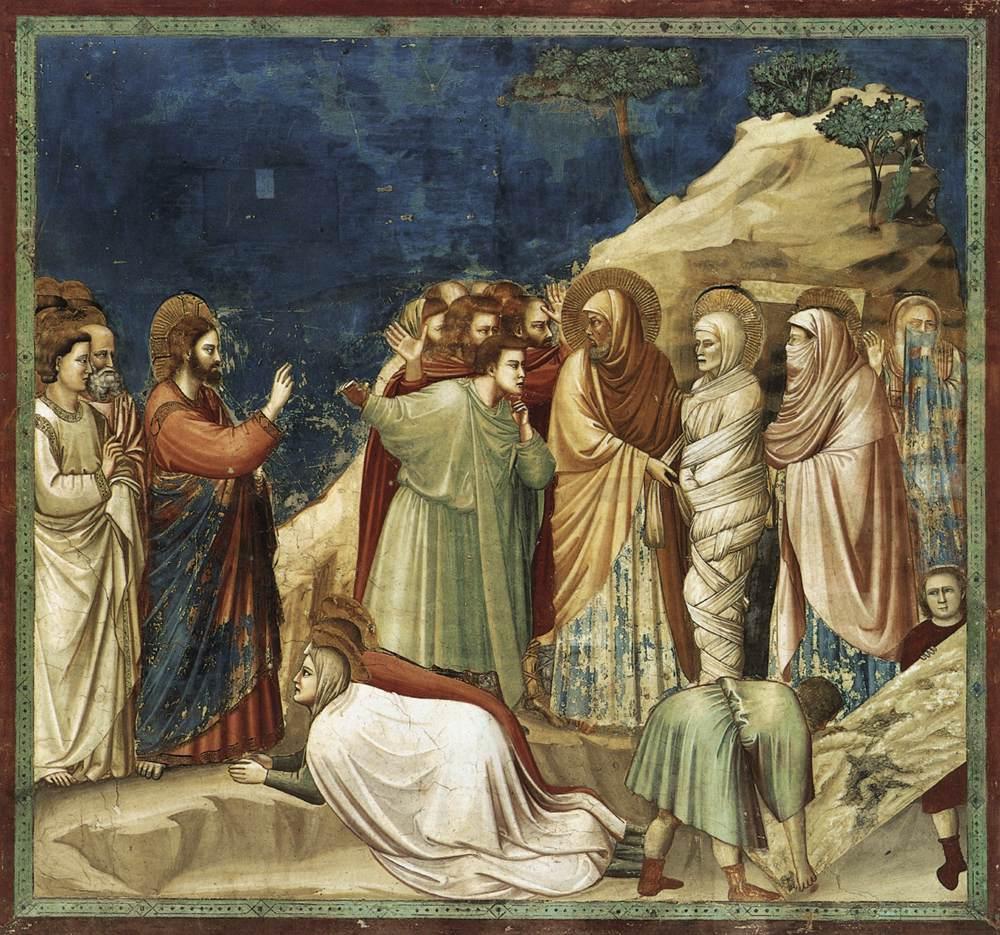
“The Raising of Lazarus” by Italian painter and architect Giotto di Bondone (1266-1337), fresco inside the Scrovegni Chapel in Padua, Italy via commons.wikimedia.org.

We now come to the final Sunday of our Lenten journey into Easter with John still as our guide telling us Jesus Christ’s raising to life of his friend Lazarus who had been dead for four days.

The raising of Lazarus is a prelude for the greatest sign of all by Jesus as the Christ – his Resurrection at Easter after his Passion and Death on good Friday. Though very long, it is a lovely story that speaks of Jesus Christ’s deep friendship with us by being most present in our most painful suffering of all which is death of a loved one as well as our many “deaths” in life.

And like in every true friendship, Jesus invites us like the sisters of Lazarus, Martha and Mary, to believe in him.

When Martha heard that Jesus was coming, she went to meet him; but Mary sat at home. Martha said to Jesus, “Lord, if you had been here, my brother would have not died. But even now I know that whatever you ask of God, God will give you.” Jesus said to her, “Your brother will rise.” Martha said to him, “I know he will rise, in the resurrection on the last day.” Jesus told her, “I am the resurrection and the life, whoever believes in me, even if he dies, will live, and everyone who lives and believes in me will never die. Do you believe this?” She said to him, “Yes, Lord. I have come to believe that you are the Messiah, the Son of God, the one who is coming into the world” (John 11:20-27).

When Mary came to where Jesus was and saw him, she fell at his feet and said to him, “Lord, if you had been here, my brother would not have died.” When Jesus saw her weeping and the Jews who had come with her weeping, he became perturbed and deeply troubled… (John 11:32-33).

Jesus said, “Take away the stone.” Martha, the dead man’s sister, said to him, “Lord, by now there will be a stench; he has been dead for four days.” Jesus said to her, “Did I not tell you that if you believe you will see the glory of God?” (John 11:39-40)

“The Raising of Lazarus”, 1311 painting by Duccio de Buoninsegna from commons.wikimedia.org

“Lord, if you had been here, my brother would not have died.” We are all like Martha and Mary who believed in Jesus Christ. Both expressed to Jesus their faith in him, of believing in him and his powers.

To believe is the starting point of every relationship. With God and with others.

It usually begins in our mind, in our intellect. We believe because we know and have learned their names and backgrounds, their likes and dislikes, and a host of others things. We can truly be friends with others even by believing only with our intellect that is why we understand their predicament and situations, the way they react. Almost everything, we know and have known that we are still the best of friends. Including with God.

Martha exemplified that kind of believing.

Martha is good. If she is the same “Martha, Martha” mentioned by Luke whom Jesus visited, she was well meaning like most of us.

She believed in Jesus. In God. In the scriptures when she told Jesus she knew Lazarus would rise along with all the dead in the resurrection on the last day.

Jesus never argued because it was good. Same with us.

Our friends do not argue nor break away from us with our kind of believing. After all it is reasonable and sane. But, believing from the mind, from the intellect is not enough. For a more intimate and engaging relationship in friendship, believing has to deepen and take root in our heart.

Believing leads to love.

Whatever kind of love, it starts in believing.

We love because we believe as we have claimed last Sunday.

But, believing and loving do not stop there.

How deeply, how truly we believe indicate how deeply, how truly we love.

Photo by author, Sacred Heart Novitiate, Novaliches, QC, 20 March 2026.

Without any intentions of comparing and pitting the two sisters against each other on who is better, John presents to us where believing leads us.

Like Martha, Mary expressed how she believed in Jesus and his powers by telling him “Lord, if you had been here, my brother would not have died.” But it was not merely coming from her mind, from her head, from what she knew of Jesus but more of how she felt with Jesus.

Notice at the start of this long story (verse 2) how John described Mary as the one who anointed Jesus – six days after this raising of Lazarus – with perfumed oil and dried his feet with her hair as expression of her faith and love for the Lord on his burial. Getting some help from Luke’s account again, we find Mary’s level of believing as deeper and matured when she chose to seat at the Lord’s feet to listen to his teachings when he came to visit them.

Mary came to Jesus with her total self – unashamed to weep in front of the Lord. She spoke no words, showed no clues of her “theology” like Martha’s faith seeking understanding by studying the scriptures.

It was Mary’s heart that spoke to Jesus that he was “perturbed” twice and “deeply troubled” seeing her. Even the Jews with her felt the Lord so moved by her that led us to the final scene of this beautiful story.

Feel the revelations at the cave where Lazarus was buried:

When Jesus asked the stone removed from the cave, Martha stepped in. And it was reasonable of her. We do it so often in various occasions like in funerals and deathbeds.

That was when Jesus reminded her, “Did I not tell you that if you believe you will see the glory of God?”

Everybody fell dead silent.

Jesus then prayed aloud briefly to the Father, shouting for Lazarus to come out – alive, still covered with cloth. End of scene.

What’s next?

You tell me. Tell me how much you believe Jesus, how much you love Jesus. And how much you love like Jesus especially when everything, everyone is dead, dead silent, dead still for many reasons.

Photo by author, Sacred Heart Novitiate, Novaliches, QC, 20 March 2026.

How much do we believe in Jesus, the resurrection and life?

Think of our many deaths in life. Not only in losing a beloved but our very own deaths – when we were buried and dead to sin and failures, disappointments and losses like the Israelites thrown into exile that Ezekiel the Prophet described in the first reading. What a beautiful imagery of God raising us to life, opening our graves of sins and failures, weaknesses and darkness, breathing into us his spirit, now better. Or maybe still struggling in life.

Believing in Jesus is believing like Martha and Mary most especially, unashamedly pouring out our pains and griefs to Jesus, baring our battered hearts and souls to him because we have felt, we have experienced his very passion and death in our own life, with those we love and serve.

In these trying times, Jesus invites us to believe more than ever in him by believing also with those severely affected by the hard times like the jeepney drivers and minimum wage earners. Let us try to live in spirit as St. Paul reminds us in the second reading by feeling their struggles, their fears, their sufferings so that they may not cry, “Lord, if you were here our families would have not gone hungry, would have not died” because we his disciples were here for them.

That is believing in Jesus the resurrection and life – being present with those suffering and dying. Solidarity.

Jesus is not asking us to think nor understand their pains and miseries. He is asking us to feel within us their pains and miseries so that like Mary we can bring Jesus to them and raise them to new life. Let us pray:

Lord Jesus Christ,
before all these pains and
sufferings came to me,
you were there first
to suffer and die for me
on the Cross.
Let me love you more
by loving others
especially those also
in pain and suffering.
Amen.

“Do not disturb”: Pagpapala ng mga may-sakit

Lawiswis ng Salita ni P. Nicanor F. Lalog II, Ika-11 ng Pebrero 2026
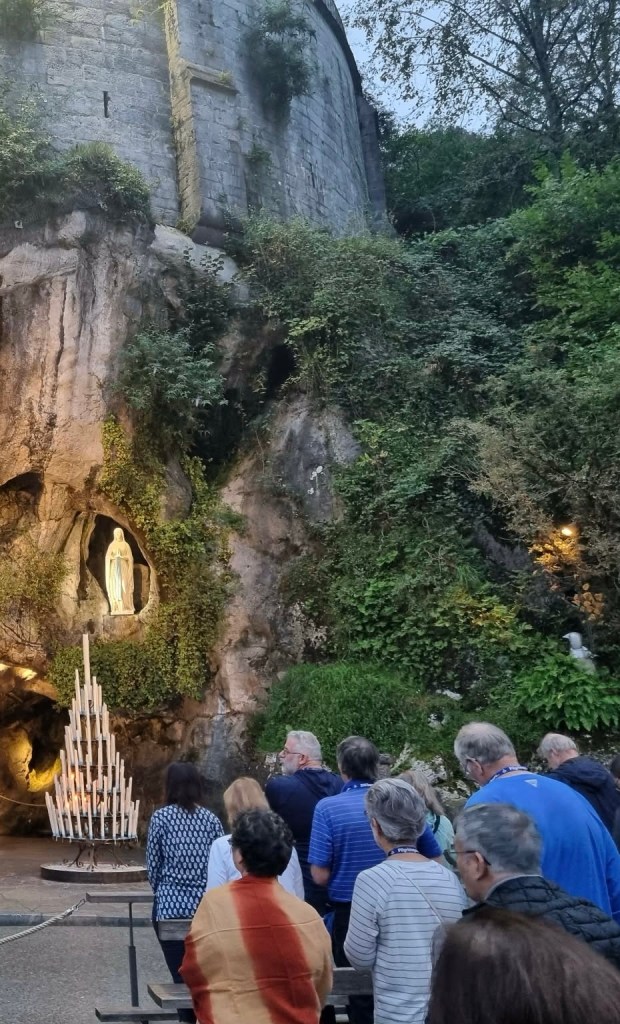
Larawan kuha ni Arkitek Philip Santiago, Lourdes, France, Oktubre 2025.

Isa sa mga turo sa amin ni Bp. Almario (+) noong kami ay mga seminarista pa ay huwag na huwag daw kaming maglalagay sa pintuan ng aming silid kapag naging pari na ng “Do not disturb” sign.

Paliwanag niya sa amin ay buhay ng mga pari ang palaging maistorbo at magambala lalo na kung mayroong may-sakit at naghihingalo ano mang oras gaya ng hating-gabi at madaling-araw.

Naalala ko ang turo niyang iyon noong Lunes sa aking homilya tungkol sa ebanghelyo na si Hesus ay “inistorbo” ng mga tao nang tumawid ng lawa at dumaong sila sa Capernaum.

Larawan kuha ng may-akda, Lawa ng Galilea, Israel, Mayo 2017.

Noong panahong iyon, sina Hesus at ang kanyang mga alagad ay tumawid ng lawa, at pagdating sa Genesaret ay isinadsad nila ang bangka. Paglunsad nila, nakilala siya agad ng mga tao kaya’t nagmamadaling nilibot ng mga ito ang mga pook sa paligid; at ang mga maysakit, na nakaratay na sa higaan ay dinala nila kay Hesus, saanman nila mabalitaang naroon siya. At saanman siya dumating, maging sa nayon, lungsod, o kabukiran, ay dinadala sa liwasan ang mga maysakit, at isinasamo sa kanya na pahipuin sila kahit man lang sa palawit ng kanyang kasuutan. At lahat ng makahipo nito ay gumagaling (Marcos 6:53-56).

Imagine natin ang eksenang ito: ni hindi na nakapagpahinga man lang si Hesus pagdating sa Capernaum. Ni hindi niya nakuhang bumuwelo. Agad-agad Siya na sumama sa mga tao. Kung ano man mga plano Niya marahil noong mga araw na iyon ay Kanyang ipinagpaliban para sa mga tao, lalo na sa mga may-sakit.

At iyon naman ang totoo kay Hesus – palagi Siyang may panahon sa bawat isa sa atin. Kaya nga hindi naman Siya pumapalag sa mga humihipo sa Kanyang damit upang gumaling sa kanilang mga sakit. Kailanman ay hindi pinigilan ni Hesus mga tao na siya ay istorbohin upang magpagaling, mangaral at magpaliwanag. Minsan nga ay inaya niya Kanyang mga alagad tumungo sa ilang na pook upang mamahinga ngunit wala Siyang nagawa kungdi ang maawa nang makita Niya na nauna pang dumating sa kanila ang mga tao na parang mga “tupang walang pastol” kaya tinuruan Niya at pinagaling mga may-sakit. At pagkaraan ay pinakain pa!

Napaka-gandang katangian ni Hesus ang kanyang pagtugon sa mga pang-aabala lalo ng mga may-sakit at naghihingalo. Ito marahil ang kaganapan ng ating panalanging “disturb me Lord” sapagkat tunay tayo nagagambala ng Panginoon tuwing kinakilanga at pinaglilingkuran natin ang mga may-sakit at maging iba pang mga nahihirapan sa buhay.

Larawan kuha ni Arkitek Philip Santiago, Lourdes, France, Oktubre 2025.

Kaya naman tuwing ginugunita ang Birhen ng Lourdes sa ika-11 ng Pebrero, atin ring ipinagdiriwang ang Pandaigdigang Araw ng mga May-Sakit. Bantog ang maraming himala ng kagalingan sa pamamagitan ng pamimintuho sa Birhen ng Lourdes. Itinuturing din na mapaghimala ang bukal ng tubig doon sa Lourdes, France na ipinahukay ng Mahal na Birhen sa pinagpakitaan niyang bata noon na ngayon ay Santa na, si St. Bernadette Soubirous.

Itinakda ni San Juan Pablo II noong Mayo 13, 1992 at isinabay sa kapistahan ng Lourdes ang World Day of the Sick upang aniya ay “ating makita sa mga may-sakit ang mukha ni Kristo na sa Kanyang pagpapakasakit, pagkamatay at muling pagkabuhay ay natamo ang kaligtasan ng sangkatauhan.”

Bakit nga ba gayon na lamang ang pagpapahalaga ng Diyos sa mga may-sakit? Dahil lang ba sa sila’y mahihina at walang halos magagawa kaya kailangan nating tulungan at kalingain?

Maraming dahilan ang ating maiisip na pawang mga patungkol sa mga may-sakit dahil nga sa sila ay mahihina, maraming tinitiis at iniindang hirap sa kanilang karamdaman.

Ngunit, marahil hindi sumagi sa ating isipan ang malaking pagpapala na hatid sa atin ng mga may-sakit dahil sa pamamagitan nila ay ating nakikita, nararanasan pagliligtas ni Kristo. Gaya ng sinabi ni San Juan Pablo II, sa kanila ating nakikita ang mukha ni Kristo na nagligtas sa atin sa pamamagitan ng Kanyang pagpapasakit, pagkamatay at muling pagkabuhay.

Tatlong katotohanan aking napagtanto na biyayang binabahagi sa atin ng mga may-sakit at naghihingalo.

Mula sa inquirer.net.

Personal nating nararanasan si Hesus sa mga may-sakit.

Tunay lamang nating masasabing “Katawan ni Kristo” ang Banal na Ostiya kung nahawakan natin ang maruming sugat at balat ng isang may-sakit, o naglinis at nagpaligo sa may-sakit. Higit itong totoo kapag pamilya natin ang may sakit na inaalagaan at kinakalinga.

May mga pagkakataong tuwing konsekrasyon habang binibigkas ko yung mga sinabi at ginawa ni Hesus sa Huling Hapunan (institution narrative) saka dumarating sa aking gunita mga pasyente na aking hinawakan, hinipo… o nilinisan. Namamangha ako sa biyaya na nagawa ko lahat yun gayong mahina aking sikmura (sabi po ng aking Ina noong nabubuhay pa siya, sa lahat daw ng matakaw ako mahina ang sikmura!).

Mahirap ipaliwanag ni ilarawan aking nadarama sa mga pagkakataon na iyon madalas ako ay naluluha, parang may daluyong sa aking dibdib na biglang gagaan at ang tanging nasasabi ko ay basta ganun yun! Totoo nga sabi ni San Juan Pablo II na ating nakikita mukha ni Kristo sa may-sakit. Ito marahil ay sapagkat sila man nakikita na si Kristo.

Ang mga may-sakit pinaka-malapit kay Kristo.

Sa Ebanghelyo ayon kay San Lukas, tiniyak ni Hesus kay Dimas na “ngayon din isasama kita sa paraiso” (23:43). Hindi sinabi ni Hesus na mamyang alas-tres pagkamatay ko o sa Linggo sa aking pagkabuhay. Ang sinabi ni Hesus ay ngayon din habang sila ay nakabayubay sa krus.

Alalaong-baga, sa pangungusap na iyon ni Hesus, inilalahad niya sa atin ang katotohanan na ang pintuan ng langit ay narito mismo sa lupang ibabaw. Higit sa lahat, pumapasok tayo sa langit kapag tayo naroon sa krus ng pagtitiis at paghihirap. Kaya hindi kataka-taka na natatanaw na ng mga may-sakit at mga naghihingalo ang langit na kanilang pupuntahan maging si Kristo na kanilang hahantungan.

Aking napansin sa marami kong pasyente na naihanda sa pagpanaw, mayroon tila “cycle” na sila at ang mga bantay na pinagdaraanan. Una, yung pasyente ang palaging umiiyak dahil takot o galit sa kanilang sinapit. Sino nga ba hindi matatakot at maiiyak kung malaman mo na mamatay ka na dahil sa iyong sakit.

Ngunit unti-unti habang kanilang natatanggap ang kanilang kalagayan at karamdaman, naiiba ang sitwasyon: ang mga may-sakit ang puno ng tuwa at sigla at lakas ng loob habang ang mga mahal sa buhay ang bagabag at naiiyak. Ito marahil ay sapagkat natatanaw na nga ng mga may-sakit kanilang tutunguhan lalo na kung sila ay naihanda o nakapaghandang mabuti spiritually. Hindi na sila umiiyak dahil batid nilang mas mabuti ang kanilang pupuntahan. Ang mga naiiwan ang kinakabahan at umiiyak dahil walang katiyakan silang nakikita sa buhay. Paano na kapag pumanaw na si itay o si inay o sino mang mahal natin sa buhay? Paano tayo? Hindi natin alam ano susunod sa buhay natin di tulad ng papanaw na sigurado na ang langit!

Larawan kuha ng may-akda, Basilika ng Manaoag, Pangasinan, 09 Enero 2026.

Napaka-buti ng Diyos.

Kumbinsido ako lalo ngayon mula nang maging chaplain ako sa ospital na napaka-buti ng Diyos, na mahal na mahal niya tayong lahat. Nakatitiyak ako na mas marami pa rin ang nasa langit kesa nasa impiyerno.

Hanggang sa kahuli-hulihan, ibig ng Diyos tayo ay masagip kaya nga naparito Kanyang Anak na si Jesu-Kristo. Ang tanging napupunta lang sa impiyerno ay yaong sadyang ayaw sa Diyos.

Madalas sinasabi sa akin ng mga duktor at nurse dito sa ospital ay “Father hinitay lang po kayo ng pasyente bago pumanaw.” Kasi nga bihirang-bihira mga pumapanaw na pasyente na hindi ko napupuntahan. Ako mismo ay nagtataka: kapag wala ako, walang naghihingalo? At kung mayroon man, palaging inaabutan ko pa kahit na anong layo pa aking panggalingan! Gayun din kung hatinggabi o madaling-araw: nagigising ako maski sa text ng mga nurse kung mayroong mag-request ng pagpapahid ng langis.

Sadyang mabuti ang Diyos at mahal Niya tayong lahat na hindi Siya tatawag ng sino man kung hindi naman sa Kanya uuwi at hihimlay.

Larawan kuha ng may-akda, Chapel of angel of Peace, Our Lady of Fatima University, Marso 2025.

Sa loob ng limang taong pagiging kapelyan ko sa Fatima University Medical Center sa Valenzuela, naranasan ko maraming pagpapala mula sa mga dinadalaw na pasyente na nagpalalim at nagpayabong sa aking katauhan hindi lamang sa aking pagkapari.

Dahil sa kanila, lalong naging makahulugan at makatotohanan sa akin ang bawat pagdiriwang ng Banal na Eukaristiya kung saan tunay na tunay ngang dumarating si Hesus sa Kanyang Katawan at Dugo.

Totoong nakakapagod ang dumalaw lalo na ang mag-alaga ng may-sakit ngunit mayroong ibang kagaanan ng kalooban itong hatid sa ating katauhan na sagad hanggang ating budhi. Kaya nga, sakali mang pakiramdam natin tayo ay nagagambala o naiistorbo ng mga may-sakit sa kanilang pangangailangan, nawa ating ituring ang mga pagkakataong iyon ay mismong ang Panginoong Hesus nag-aanyaya sa atin ng Kanyang pagpapala na Siya ay maranasan at maka-ugnayan. Amen.

Ageing gracefully

Quiet Storm by Fr. Nicanor F. Lalog II, 15 January 2026
Photo by Ar. Philip Santiago, Basilica of the Annunciation, Israel, October 2025.

Two priests and a former nun personally known to me died in our diocese last Sunday. It was also the birthdate of the late Bishop Cirilo Almario, Jr. whom I had remembered in my two early morning Masses on that Sunday, January 11, 2026.

In those two Masses too I mentioned in my homily the retreat I facilitated first week of January with my friends about “ageing gracefully” – my own realizations since joining their ranks as senior citizens last March.

Let me elaborate those two points I have shared with them and in my homily last Sunday.

From forbes.com.

First, let us embrace our being old. Stop saying “when we get old”, pagtanda natin because we are already old. Period. Matanda na tayo.

We cannot reverse our ageing process and it is useless to have all these cosmetic manipulations like dyeing our hair black or stretching our sagging skin and removing those wrinkles.

Embrace old age. It is beautiful and wonderful because it is so good. Our Filipino word for “old” says it all – matanda – which ironically so many women hate to hear as they stress that kalabaw lang ang tumatanda. That is not true.

Our word matanda is from the root word tanda which means “sign” that is why an old person is rightly called matanda because he/she is a sign of God’s goodness, a sign of God’s mercy and love, a sign of God’s beauty and majesty.

Moreover, a matanda is a sign of wisdom and grace that is why when we were young boys, we wanted to be old by putting our dad’s eyeglasses or taste his cigarettes and beer while girls put on their mom’s make up and high heeled shoes. How funny that when we are already old, we resist to accept the fact that we strive to look young again, sometimes ending up as nagmumurang kamatis.

Photo by Mr. Jim Marpa, 2019.

Technically speaking, “old” is actually harsh. Old is something about a past phase that has ran its course like being outdated. Luma in Filipino that connotes stale, passe, lacking relevance and sadly, useless. Just for display purposes. As a person, that is the one we refer to as walang pinagkatandaan. Or huklubang matanda.

To be more specific, the better English term referring to ageing gracefully is ancient that exudes with a sense of timeliness, of being perpetually relevant like the ancient ruins in Rome, Athens, and Jerusalem. Actually, some biblical experts have wanted to rename the “Old Testament” as “Ancient Testament” following this line of thinking.

Photo by author, Ephesus, Turkiye, November 2025.

Things and even persons can rightly be referred to as ancient because of their beauty still intact that inspires us and makes us wonder about life itself. They are not just old sites nor old persons that remind us of the past long gone but ancient because still lovely, “still full of sap and green” as the psalmist extolled the seniors of his time.

Persons who age gracefully like ancient sites stir our inner selves with deeper beauty and realities of life that eyes cannot see. That is perhaps the reason these days many senior men and women are so “in” and considered as attractive.

It is the same wisdom realized by St. Augustine when he wrote about God, “Late have I loved you, O Beauty ever ancient, ever new, late have I loved you. You were within me, but I was outside, and it was there that I searched for you.”

Being ancient -whether as a person or a thing – is something of the inside we must turn to not outside like our skin and physical body. From that inside realization and acceptance of being senior or elderly we experience the grace of ageing because we experience God still present in us, in fact loving us more as he makes as a sign or tanda of his loving presence.

Ageing gracefully is a modern virtue we need to cultivate in this age of instants that glorify youthfulness equated with usefulness. That is why when Pope Benedict XVI resigned from the Papacy in 2013, the more I have come to love and admire him. In his resignation, he taught us the importance of embracing and lovingly accepting our old age when we can no longer adequately perform our many tasks in office even in life itself. It was not a failure nor a surrender in the negative sense but more of a deep courage and trust in God that we accept our being weak and ready to come to him soon.

Photo by author, Pundaquit, San Antonio, Zambales, May 2025.

This brings me to my second realization since turning sigisty years old last year: corollary to embracing old age is accepting death. That is why, as seniors, let us stop saying and thinking of our coming death because we are already dying. Huwag na nating isipin yung “kapag namatay ako” dahil namamatay na nga tayo.

Being senior is doing away with those bucket lists, of thinking about things to do, places to visit before we die. We are already dying and hence, whatever you can do, do it now. There could be no more tomorrow. All we have is the present moment. Anything could happen to us, for better and for worse.

Ageing gracefully is coming to terms with life which leads us to coming to terms with death. Yes, this is easier said than done, but slowly, I am learning and loving it!

Photo by author, Bucharest, Romania, November 2025.

One of the reasons that made me decide to become a priest in the early 1990’s was the conviction that I have felt so deeply God’s love for me as a person in the many experiences I have gone through in life. I felt at that time that by becoming a priest, I could convince more people about the truth and existence of this loving God we have.

I still hold on to that but a year after turning sigisty, becoming sigisty-one in March 22, another fascinating realization I have had is how wonderful this life is. Now that I am old, the more I can boldly claim with conviction that it is good to be alive. Masarap pa rin ang mabuhay! Maganda ang buhay maski mahirap!

Accepting and embracing our ageing, our getting weak, our failing memory are all kinds of dying. And in that midst that we actually live fullest and meaningfully. I don’t know if I can write any further because I ain’t dead yet but… just in case, it was worth the trip. Amen. May you have a fruitful and fulfilling weekend ahead.