Quiet Storm by Fr. Nicanor F. Lalog II, 20 August 2026
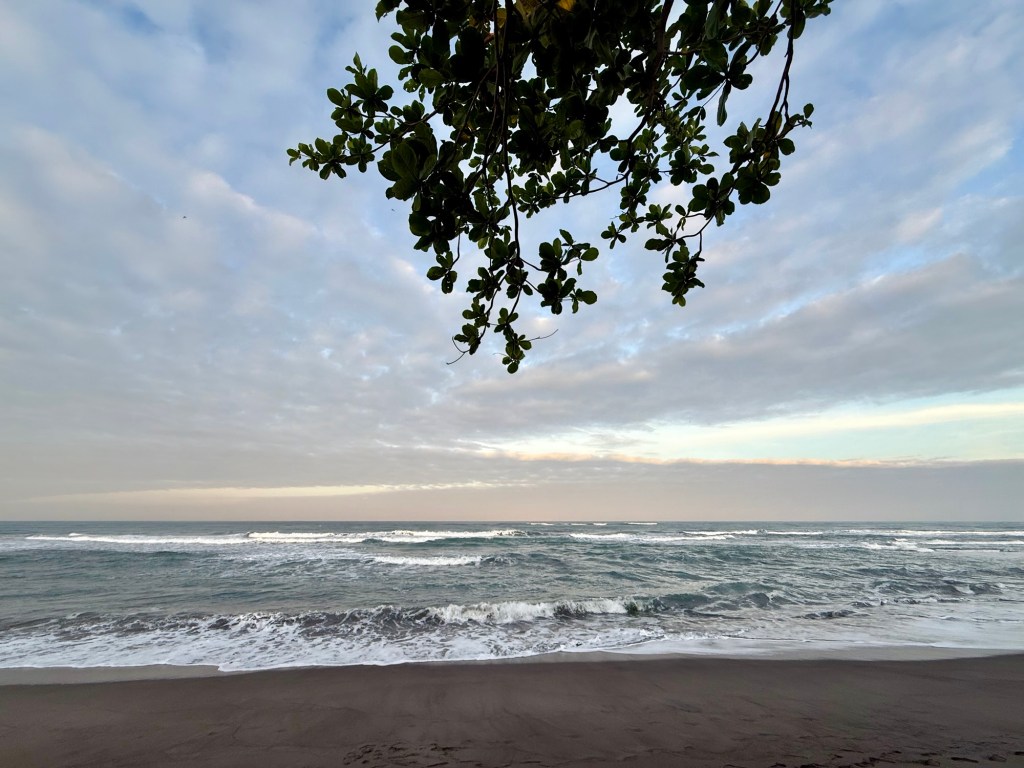
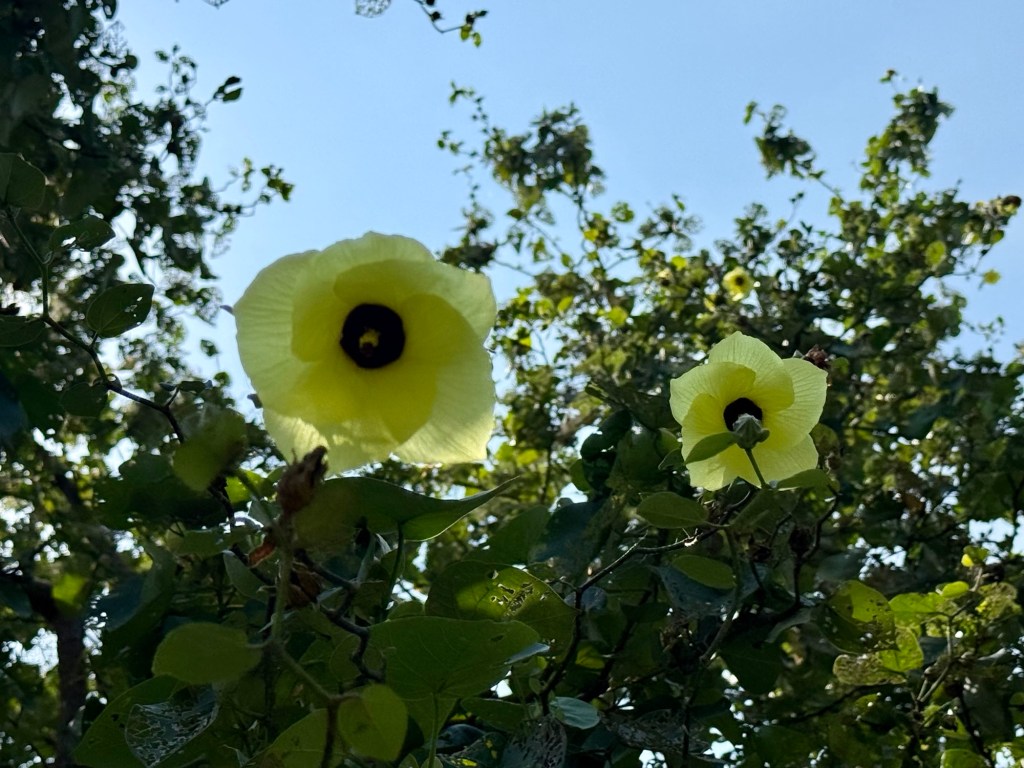
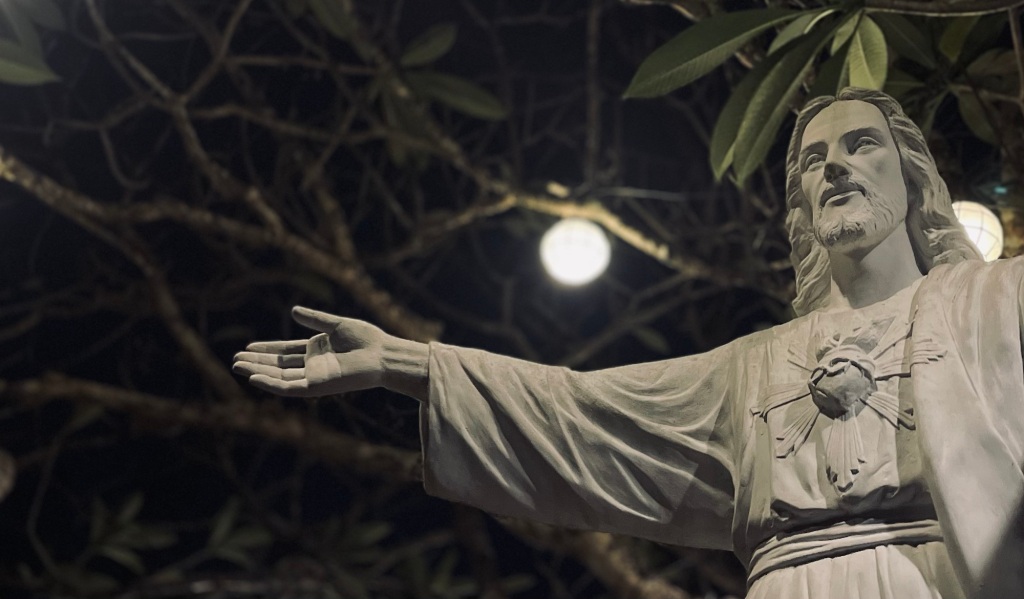
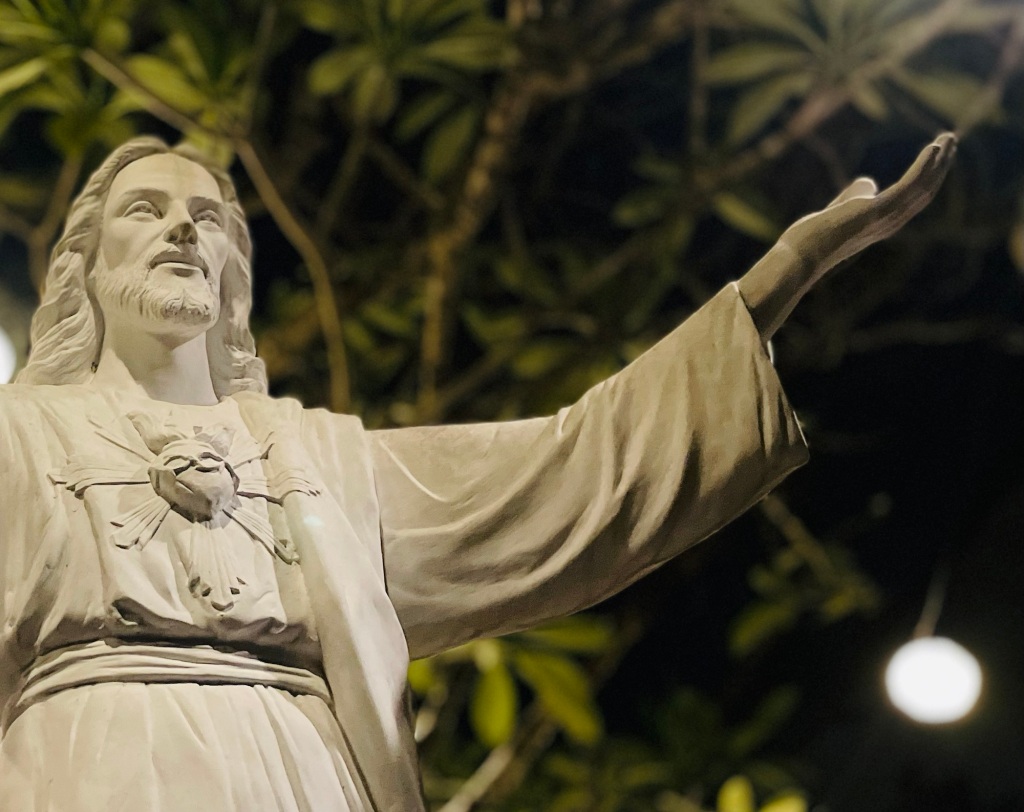
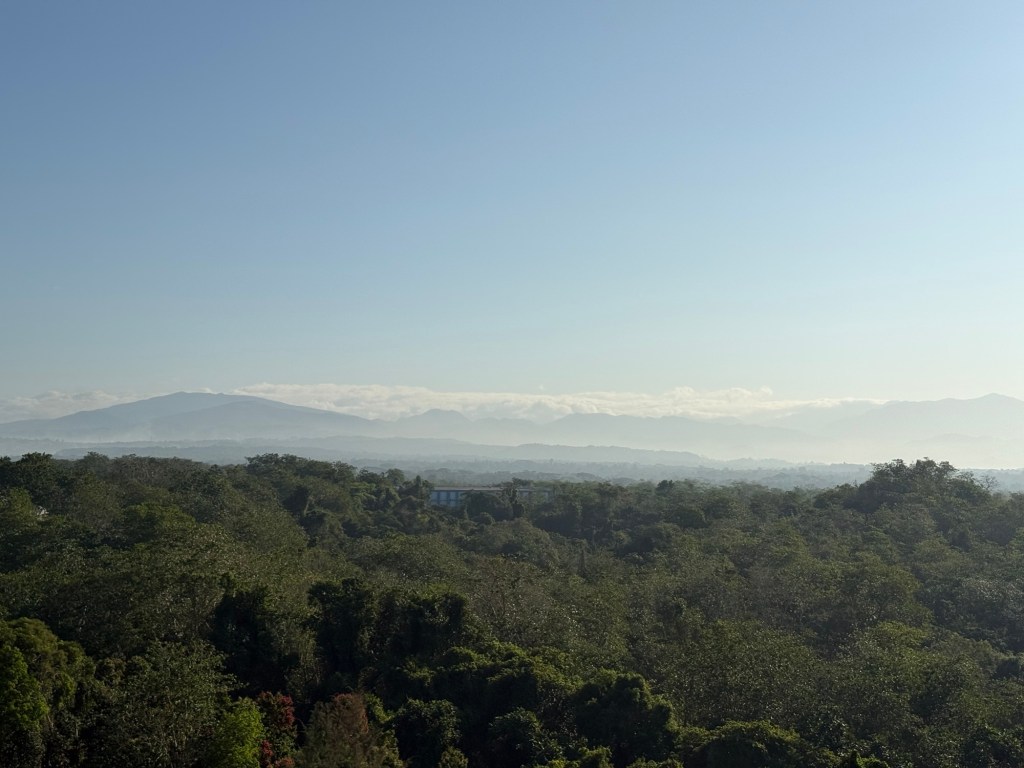
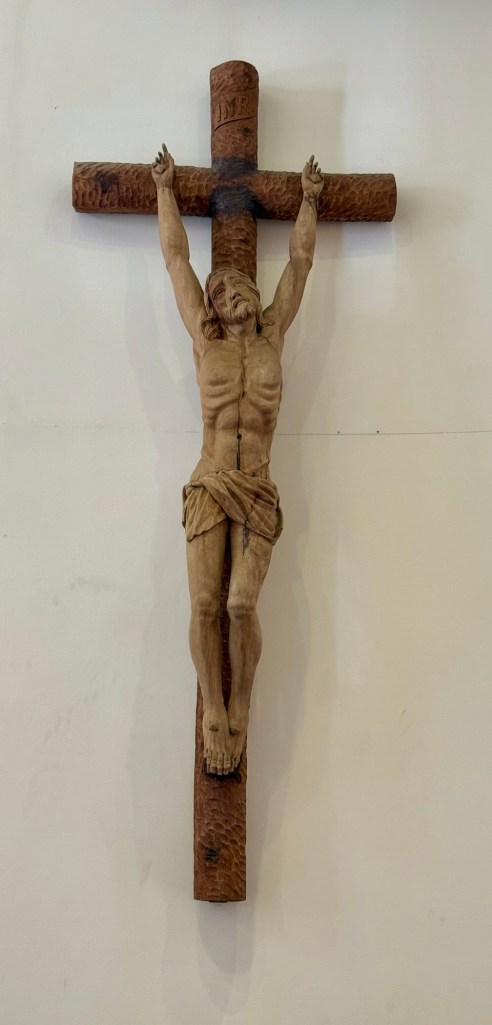
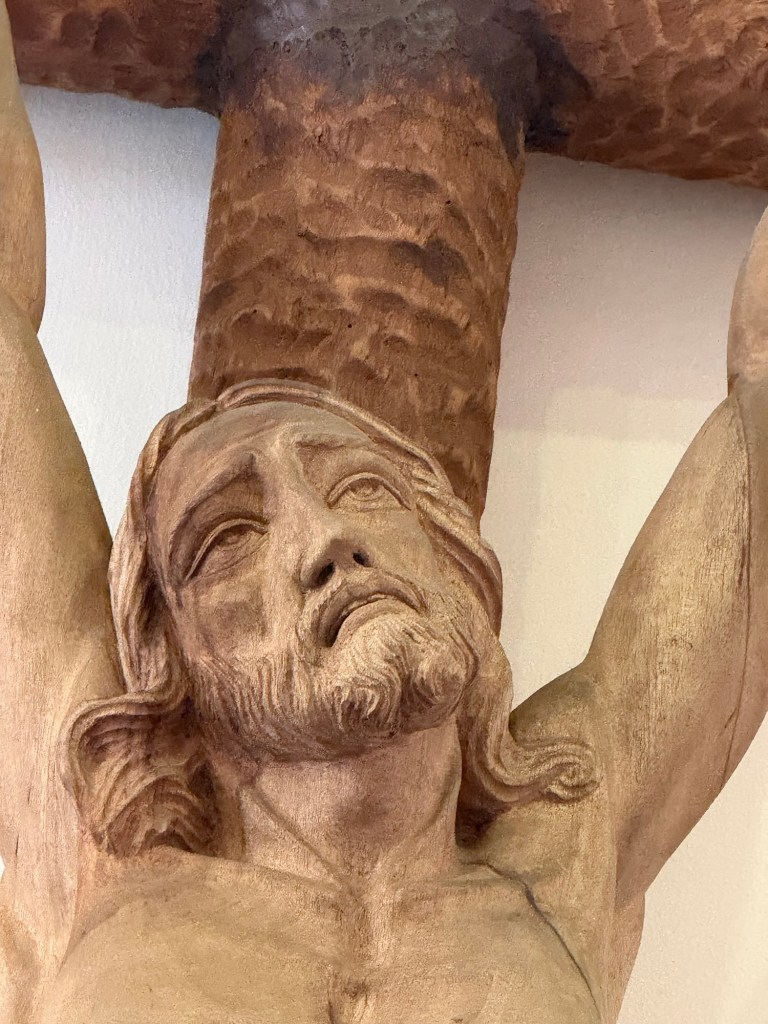
Photo by author, Anvaya Resort, Bataan, 21 July 2026.
Let me come home to you, Lord God:
to gaze in your loving eyes anew,
be wrapped around with your tight embrace
without being judged nor blamed.
Let me come home to you, Lord God:
with nothing at all,
to be poor of material wealth and
rich in Spirit and virtues,
empty of pride,
filled with your humility and
simplicity
so scarce of everything
abundant in you and your love.
Let me come home to you, Lord God:
no longer afraid of the dark and
everything not yet known and seen,
nor terrified of great waves of tasks
and duties,
of strong winds like what people think
and say about me because in you alone
is my certainty as well as safety and security.
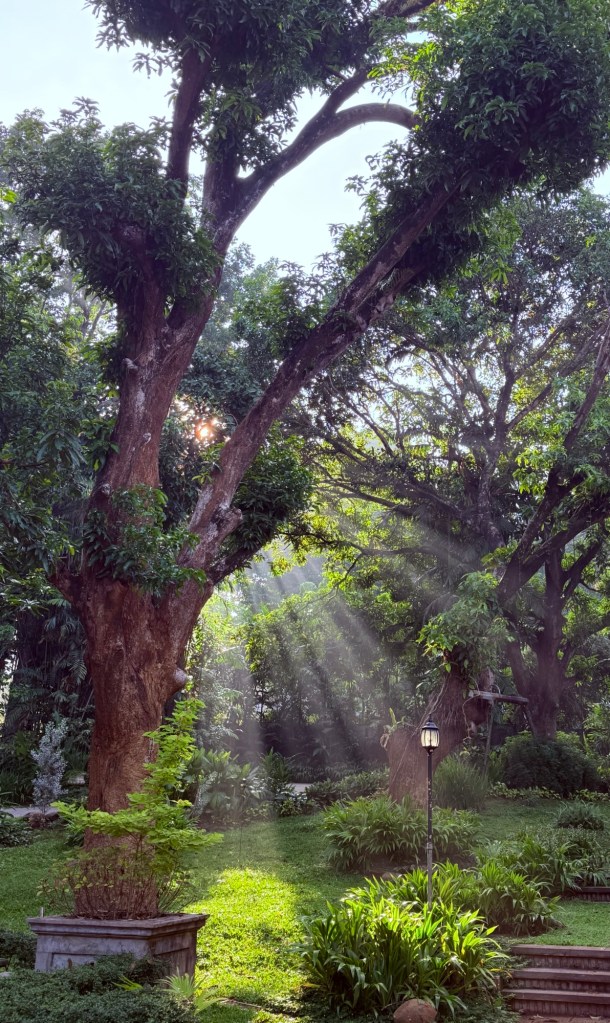
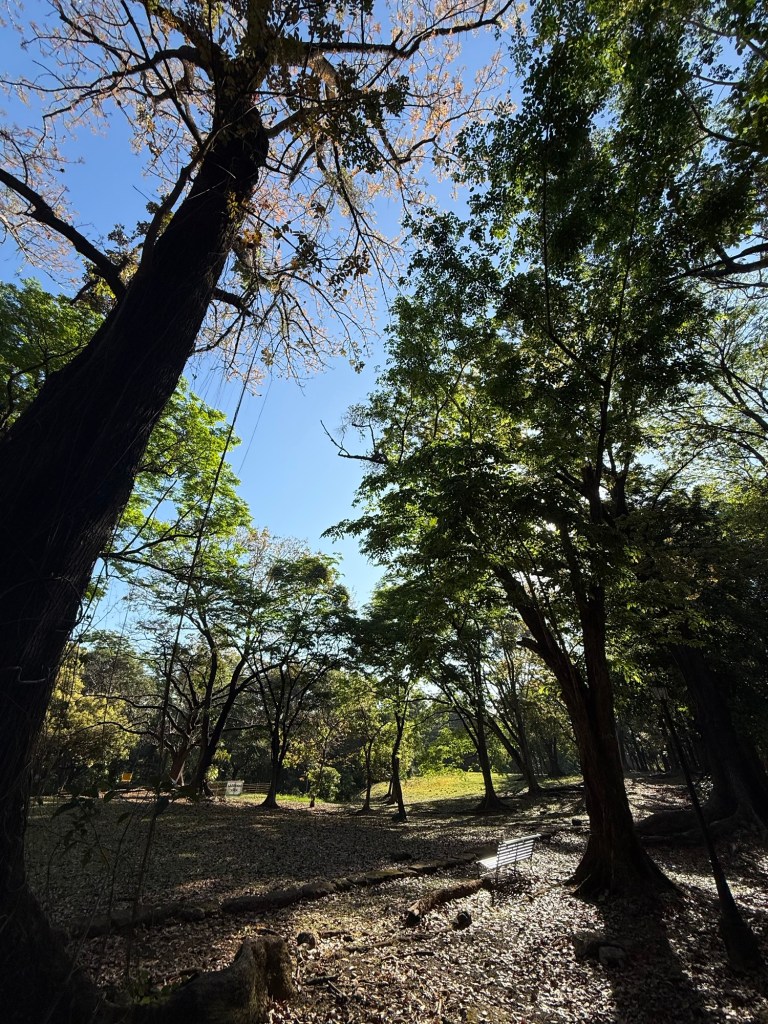
Photo by author, Pundaquit, San Antonio, Zambales, 15 May 2025.
Let me come home to you, Lord God:
to be nourished by your words
that give life and meaning,
to be quenched of my thirst with your
living water that restores my being,
cleanses me of my sins and shame.
Let me come home to you, Lord God:
to rest in you,
be at home in you
because you are my origin,
my root
my home
my peace
my destination in this long journey
in life for you are
my Lord
and my God.
Amen.
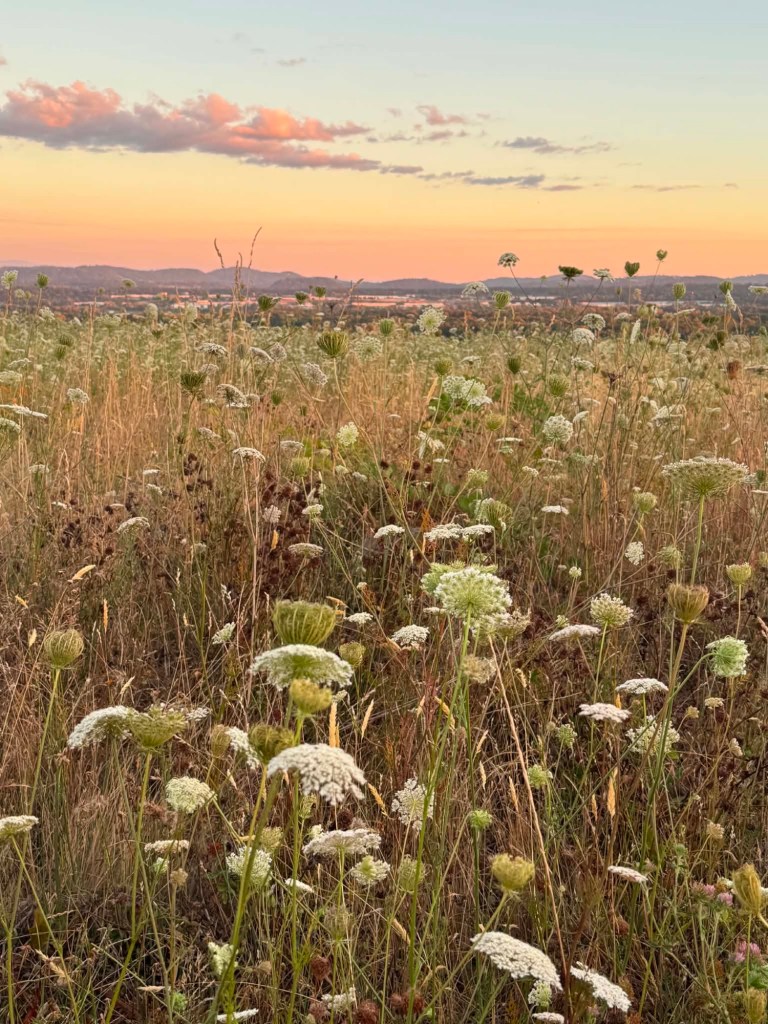
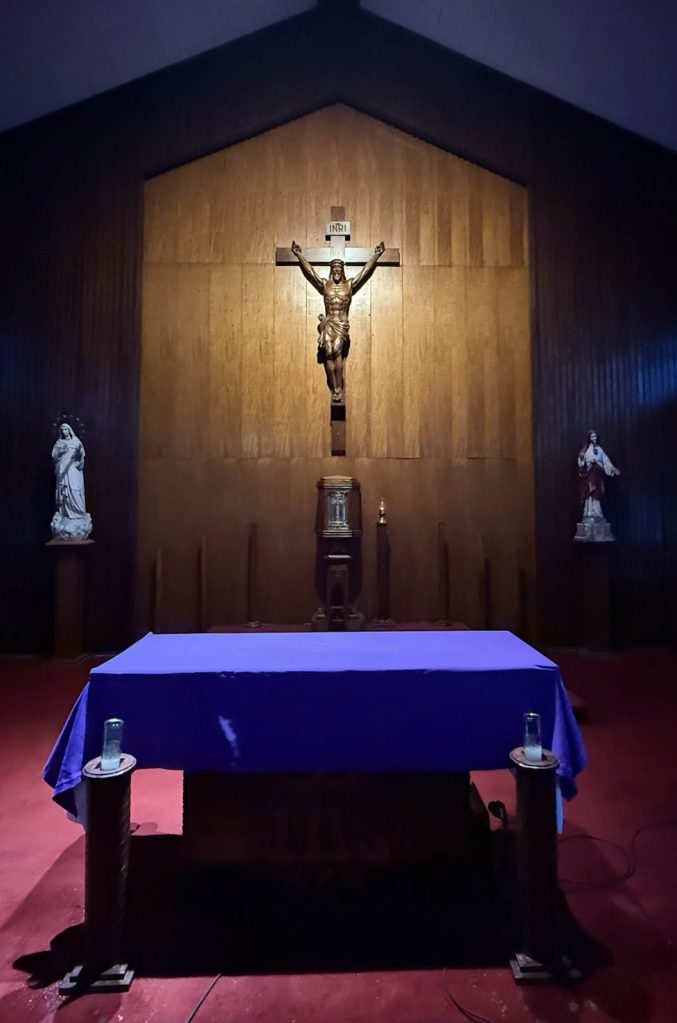
Photo by author, San Juan, La Union, 09 January 2026.
Lord My Chef Sunday Recipe for Soul by Fr. Nicanor F. Lalog II
Eighteenth Sunday in Ordinary Time, Cycle A, 02 August 2026
Isaiah 55:1-3 ><}}}}*> Romans 8:35, 37-39 ><}}}}*> Matthew 14:13-21
Photo by author, Anvaya Cove Resort, Morong, Bataan 21 July 2026.
Salamuch July, hello August! Though this eighth month of the year is named after the Roman emperor Augustus, August actually came from the Latin word augustus meaning venerable; used as an adjective, it describes something as majestic and grand like when we say “august halls” or “august chambers” of power and justice.
So, please stop demonizing August as “ghost month” which is a pagan belief. For us Christians who affirmed last Sunday to Jesus that we have “understood” very well his parables, Matthew challenges us this August not only how well we have understood the parables on the kingdom of heaven but most especially how much do we know and love and trust Jesus the Christ.
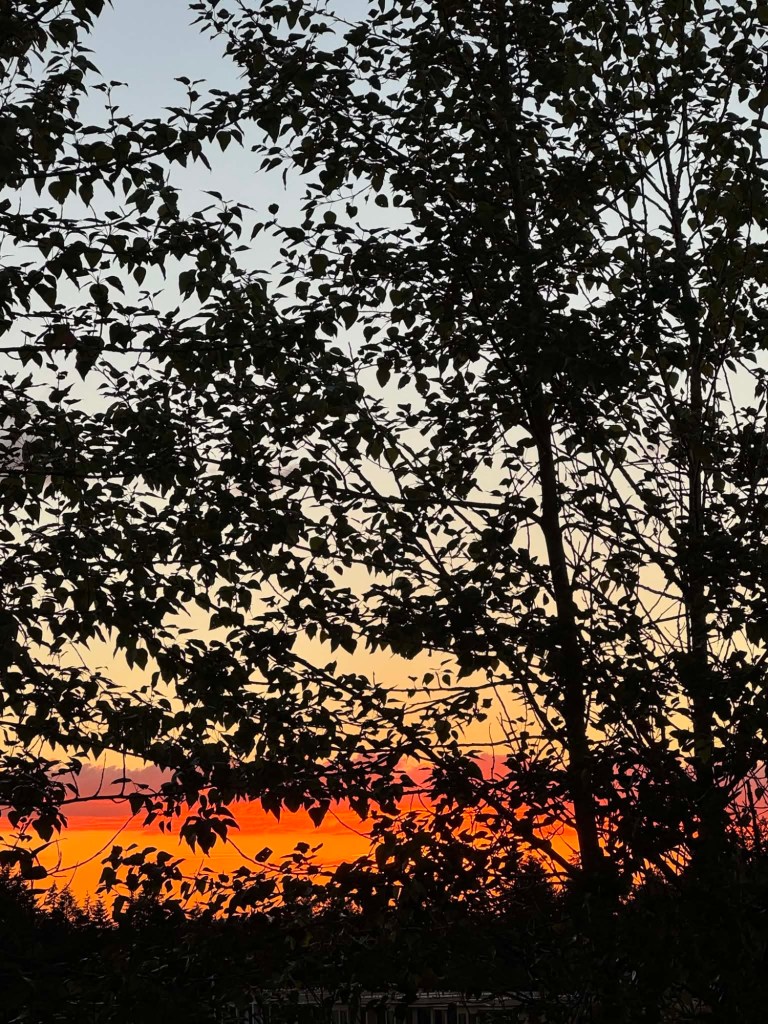
Photo by a friend living in Washington state, 28 July 2026.
From the shores of Galilee, Matthew now brings us to the wilderness with Jesus where he fed more than five thousand people from a few loaves of bread and pieces of fish.
When he disembarked and saw the vast crowd, his heart was moved with pity for them, and he cured their sick. When it was evening, the disciples approached him and said, “This is a deserted place and it is already late; dismiss the crowds so that they can go to the villages and buy food for themselves.” Jesus said to them, “There is no need for them to go away; give them some food yourselves.” But they said to him, “Five loaves and two fish are all we have here.” Then he said, “Bring them here to me,” and he ordered the crowds to sit down on the grass. Taking the five loaves and the two fish, and looking up to heaven, he said the blessing, broke the loaves, and gave them to the disciples, who in turn gave them to the crowds. They all ate and were satisfied, and they picked up the fragments left over – twelve wicker baskets full (Matthew 14:15-20).
See again that distinctive detail Matthew shares with us when Jesus saw the crowds who have followed him and his disciples to the other side of the lake: his heart was moved with pity for them, and he cured their sick. That is how great is the love of Jesus for each of us. He is always moved with pity which is more than a feeling but of actually doing something, even a miracle for us like in this scene in the wilderness.
Life is a wilderness. So vast and uncertain. But, lovely and beautiful. Not really august but grand and majestic, so difficult to explain, often ambiguous, largely mysterious. Even captivating. That is why it is always good to be alive even if life is difficult.
Last Thursday I officiated at the funeral Mass of another best friend from our minor (high school) seminary. In fact, Jonas was my classmate way back in second grade who partly inspired me to become a priest. He is my second best friend after Gil also from the seminary whom I have accompanied spiritually in life and at their deathbeds. Before going to his funeral at prayer in my room, I asked God if I would still have friends alive to attend my own funeral?
The mystery deepened after we have laid Jonas to his final resting place when a few hours later his mother-in-law – the mother of his widow – died too! Imagine the devastation to my friend’s wife who has not rested yet after taking care of him for a month in the hospital then her mother died too? And to their only child just starting her career as a medical doctor?
Photo by a friend living in Washington state, 28 July 2026.
Many times Jesus teases us.
Or seduces us as the Prophet Jeremiah insisted on how God lured him to following him despite the many hurts and pains he had to go through but could not turn away from him because he had grown to loving him so much too.
Like the people who followed Jesus to the wilderness, we gather every Sunday to listen to his words and share in his Body and Blood because we have felt so empty in life that only him could fulfill us.
But, that is so easy to claim as we can readily profess our faith in God, in Jesus Christ but it is different when it is borne out of a wilderness experience like the disciples.
How many times have we felt like them thinking more of our selves than others when in a difficult situation, telling Jesus to send the people home because it was getting late and dark; most of all, so that they could get food for themselves?
It was easy for the crowd to just come to Jesus and think only of themselves but not with the disciples – like our parents, our kuya or ate, our superiors, or those people we look up to with responsibilities over us. That is why be kind with those in positions too. So easy to accuse them of their shortcomings and worst, to spread gossips when we do not realize the enormous weight they carry on their shoulders.
The equation becomes different and heaviest when Jesus tells us to “give them some food yourselves”. It is scary because at that moment Jesus asks us too of “what do you have” which we already knew beforehand as too little. Not enough. Just five loaves of bread and three pieces of fish.
Recall those moments you knew so well your limits, you capacity. And that’s when you start regretting why you have accepted the position or why have you volunteered at all or perhaps why become a priest or why got married?
Photo by author, Anvaya Cove Resort, Morong, Bataan 21 July 2026.
Life is a wilderness that looks so lovely with its sunrise and sunsets but in between, it is so difficult. Because it is in the wilderness of this life when we truly come face to face with the harsh realities of our insecurities and inadequacies, scarcity and emptiness.
But Jesus shows us today that wilderness too becomes our grace-filled moment when he asks us to bring to him whatever little we have. It is the crucial point, turning point when we have to choose between turning to Jesus and trusting his instructions or retreating to our selves, to what we have or believing more to what the world offers.
Let us choose to radically believe in Jesus by surrendering to him whatever we have.
Photo by Mr. Nicko Timbol, OLFU Campus Ministry, 25 October 2025.
This is actually an extension of his question last Sunday, “Do you understand all these things?”
As we have reflected last week, to understand in Filipino is “maunawaan” from the root word “una” which is to be first. To understand the parables of the kingdom of heaven is to entrust ourselves to Jesus completely, to surrender even the little that we have, including our fears and insecurities.
That is why in the first reading God tells us through Isaiah to “come to him” to eat the true bread and drink true water fulfilled in Jesus Christ his Son. To understand all these things is to be convinced that in this life, only God suffices. He alone in Jesus Christ can fulfill our deepest desires and longings like peace and joy, love and hope, all the real reasons for living. Not things. Or even persons and relationships that do not last, often manipulative because not rooted in Christ.
This Sunday, let us not be ashamed of the little that we have, the worst that we have. For as long as we have Jesus, there is nothing that we cannot accomplish nor be fulfilled. St. Paul said so well in the second reading, nothing – not even death – can separate us from the love of God in Christ Jesus our Lord (Rom. 8:39). Amen. Have a blessed august month fulfilled in Christ!
Quiet Storm by Fr. Nicanor F. Lalog II, 08 July 2026
It has been three days since Sunday when we heard Jesus calling us to “Come to me, all you who labor and are burdened, and I will give you rest. Take my yoke upon you and learn from me, for I am meek and humble of heart; and you will find rest for your selves. For my yoke is easy, and my burden is light” (Mt.11:28-30).
It is one of the shortest and most memorable passage in the gospel but, how do we really come to Jesus in order to rest and feel light?
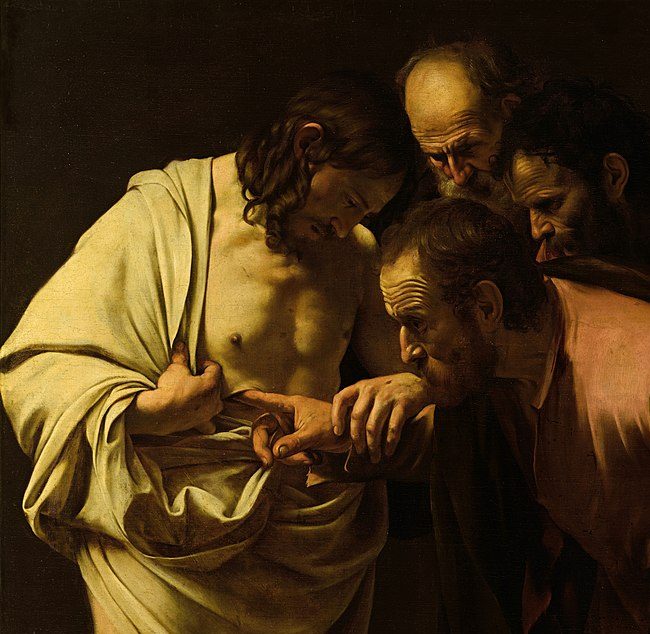
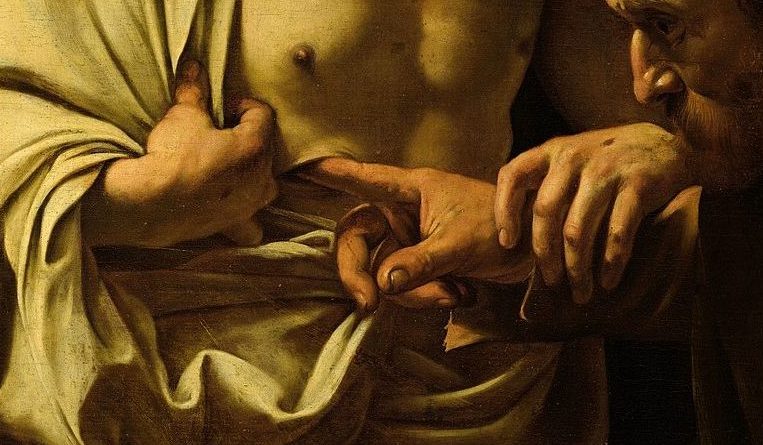
The good news is, it is Jesus who actually comes to us first, inviting us to come to him to find rest and feel light. Exactly like at the meeting of the Risen Lord and Thomas the Apostle eight days after Easter as narrated to us by John. You will recall that last Friday was the Feast of St. Thomas the Apostle (June 3) when I presented in my homily Caravaggio’s painting called The Incredulity of Thomas done in 1602. This is the second time I have used a painting by this renowned Italian painter said to be the favorite of the late Pope Francis too.
Photo of painting by Caravaggio, “The Incredulity of Thomas” via wikipedia.commons.org.
Thomas “refused” to believe the Apostles’ news to him that Jesus had risen, saying that “Unless I see the mark of the nails in his hands and put my finger into the nail marks and put my hand into his side, I will not believe” (Jn.10:25).
Many times we are like Thomas, a Didymus, with a twin in life like doubt and certainty, belief and unbelief, darkness and light.
Like Thomas, we say unconsciously that “Unless I see the mark of the nails in his hands and put my finger into the nail marks and put my hand into his side, I will not believe” (Jn.10:25) because it is when we are suffering, when we are in darkness, when we are in doubt when we truly search and long for God and Jesus.
It is not that Thomas nor we could not believe that Jesus had risen or doubted Christ at all; actually, Thomas believed in Jesus that is why he came on the eighth day to await the Lord’s coming in the same manner that we still pray despite our “doubts”.
Now a week later, his disciples were again inside and Thomas was with them. Jesus came, although the doors were locked, and stood in their midst and said, “Peace be with you.” Then he said to Thomas, “Put your finger here and see my hands, and bring your hand and put it into my side, and do not be unbelieving, but believe.” Thomas answered and said to him, “My Lord and my God!” (John 20:26-28)
Photo of painting by Caravaggio, “The Incredulity of Thomas” via wikipedia.commons.org.
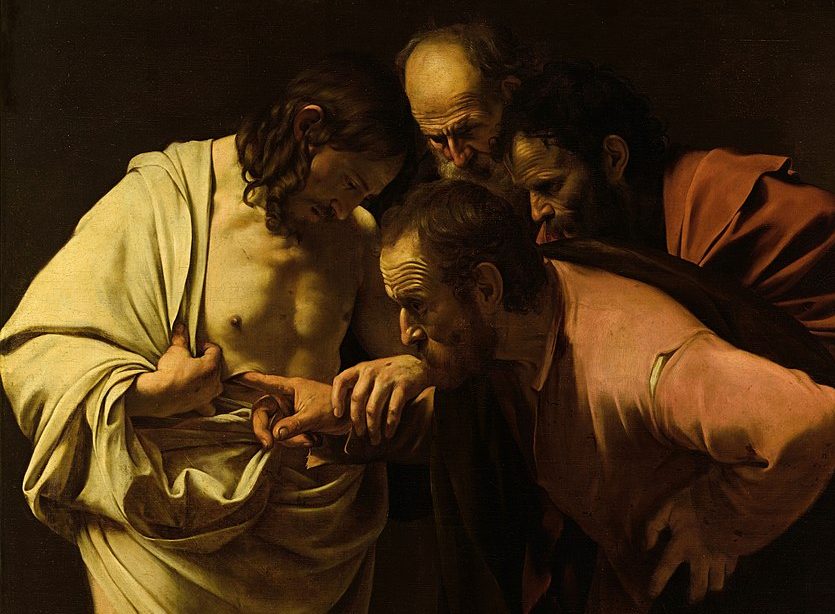
See the artistry of Caravaggio in this painting, that characteristic play of light and darkness emanating from Jesus, illuminating Thomas and his elder Apostles Peter and John.
All darkness in life are diminished, even vanished completely when we bring everything and everyone in the light of Jesus Christ who comes to us to enlighten us, to illumine us from many darkness we go through in life like Thomas on that night of the eighth day of Easter.
But, there is more to the light of Christ that we can see in this Caravaggio painting.
Amid its stillness and silence, one could feel deeply Jesus Christ’s words last Sunday – come to me – echoed softly, personally, lovingly to Thomas. And to each one of us today.
Photo of painting by Caravaggio, “The Incredulity of Thomas” via wikipedia.commons.org.
John tells us that Jesus simply said to Thomas to “Put your finger here and see my hands, bring your hand and put it into my side, and do not be unbelieving, but believe.” Thomas answered and said to him, “My Lord and my God” (Jn.20:27-28).
Okay, fine… it is just my imagination or my contemplation that I heard Christ’s words last Sunday echoed in this scene, “come to me and I will give you rest” but, there is something so beautiful and deeply personal with Jesus in saying or implying those same words here. You can hear it so close, so near you, not from afar especially when you consider its Filipino translation of “Lumapit kayo sa akin” or the informal “Halikayo at lumapit sa akin” that both indicate a separation of even a few feet away from Jesus who is calling us.
See the proximity of the four people in this painting. That is how close Jesus gets to us whenever he comes to us, inviting us to come to him in order to find rest especially in those dark moments in our lives, when we feel hurt and abandoned. When we are so stressed out as seen in those wrinkles on the foreheads of the three apostles!
Contrast their images to the serenity of Jesus. Most of all, see also the hands of Jesus, of how his left hand with the nail wound visible moving aside his garment so that Thomas and his companions may see further his pierced side.
Whenever Jesus comes to us, calling us to come to him to show us his wounds from the cross to remind us that before all our pains and hurts came, he was there first to suffer and be wounded and died for us.
And he has come to us again, calling us to come to him because he had risen, assuring us that all our wounds like his will heal eventually! That is when we experience rest. And being light in life.
But, what I love most in this painting is the way Caravaggio depicted the Risen Lord holding the hand of Thomas while probing into his side wound:
Photo of painting by Caravaggio, “The Incredulity of Thomas” via wikipedia.commons.org.
How lovely! Caravaggio must be in the highest heaven when he painted this part.
Remember when Thomas dared to say unless he sees the nail marks in the Lord’s hands and put his hand at his side, he would not believe?
Jesus knew it so well not only with Thomas but with each one of us, of our being a Didymus, always with a twin of doubt so that he does not merely appear but touches us to experience deeply, personally his loving presence through his wounds.
See how Caravaggio depicted the left hand of Jesus again with the mark of nail holding the very hand of Thomas, directing his finger into his pierced side. You could feel the sure grip as well as gentleness of the Lord’s hand in leading the finger of Thomas into his pierced side wound. So dramatic as if it is not enough for Jesus to being present but most of all, experienced as closest at possible.
Jesus touches us always, literally and figuratively by holding our wounded selves to experience his wounded self too. He does not only call us in words but leads us with his total self.
Christ’s invitation for us to “come to him” remains personal and personalized. Not mass produced like what is happening these days where speed and reach are the main considerations, not the person.
While writing this piece yesterday, one of the blogs I follow came out with a new article exactly about last Sunday’s gospel scene, claiming that if God texts us today, these very words to “come to me” by Jesus would be his “text message” to us (https://thedevotionalguy.blog/2026/07/07/if-god-sent-you-a-text/).
I believe so. Because text messages have become the closest things we can have of anyone in these days of social media. However, if ever you receive that text message from Jesus, run outside to meet him personally for surely, he had come. Amen. God bless you.
Photo by author, St. Michael Retreat House, Antipolo City, 16 June 2026.
Lord My Chef Sunday Recipe for the Soul by Fr. Nicanor F. Lalog II
Fourteenth Sunday in Ordinary Time-A, 05 July 2026
Zechariah 9:9-10 ><}}}}*> Romans 8:9, 11-13 ><}}}}*> Matthew 11:25-30
Photo by author, Sacred Heart Novitiate, Novaliches, QC, 20 March 2024.
What a refreshing gospel we have today with Jesus asking us to come to him to find rest, four weeks after being moved with pity at the sight of the crowd who were like sheep without a shepherd that he called and sent his Twelve Apostles to bring them his good news of salvation (June 14).
The following two Sundays he taught us of our work in harvesting the abundant harvest by being brave and gracious, and hospitable (June 21, 28).
This Sunday, Jesus wraps up his teachings on our work after he himself was rejected by his own folks because he knows very well ours is a difficult mission (June 21) as he praised the little ones who have accepted him like the poor and marginalized.
At that time Jesus exclaimed: “I give praise to you, Father, Lord of heaven and earth, for although you have hidden these things from the wise and the learned you have revealed them to little ones… Come to me, all you who labor and are burdened, and I will give you rest. Take my yoke upon you and learn from me, for I am meek and humble of heart; and you will find rest for your selves. For my yoke is easy, and my burden is light” (Matthew 11:25, 28-30).
Photo by author, Sacred Heart Novitiate, Novaliches, QC, 20 March 2024.
What are the lessons Jesus is asking us to learn from him, especially in these troubled times of ours when the corrupt and idiots reign supremely simply because they are more in number?
See how difficult it is to be a Christian these days when you hear and see all over social media all kinds of inanities and stupidities happening everywhere like callous politicians acting as clowns with a massive crowd of idiots parroting the words of their cult leaders masquerading as religious men. Or the two couples who climbed atop the Empire State Building in New York for a performance of unfurling a banner calling for more love in the world, with the man pretending to propose to the woman who turned out to be his wife for several months already.
From #philstar via FB, 02 July 2026.
Haynaku! Juice colored!
Everything is so exhausting. The only good news we have these days is again our very own Alex Eala “smoking” the grass at Wimbledon. And perhaps the President going to Vancouver to inaugurate the newest Jollibee there with the Canadian Prime Minster enjoying a more joyful chicken joy. Sanaol!
But, amid all these dismal happenings, Jesus is here with us calling us to his side, to experience his warmth, to learn from him how we can feel light amid all these heavy burdens around us.
Notice how with the social media all over us with its bad news that it has become so easy to feel lumbered with all the contradictions in our lives plus see the various needs we feel missing in our relationships that it has become our past time to worry and feel so burdened most of the time.
Jesus promises us this Sunday that following him brings lightness not heaviness of compulsion and duty as most people would think of his demands. However, it is not a kind of R&R we all aspire every weekend at the beach or a mountain resort.
Christ calls us today to come to him and learn from him on how to have a steady, realistic, day-to-day approach to life lived in his company.
First lesson Jesus is teaching us to learn from him today is to rejoice always.
Photo by author, St. Michael Retreat House, Antipolo City, 16 June 2026.
Being joyful is more than being happy; to rejoice is to have our heart smiling because deep down inside we are assured that no matter what happens in life, even if worse comes to worst, Jesus remains with us and would never ever abandon us. That’s because he is not like a stern master without any love and concern for his slaves.
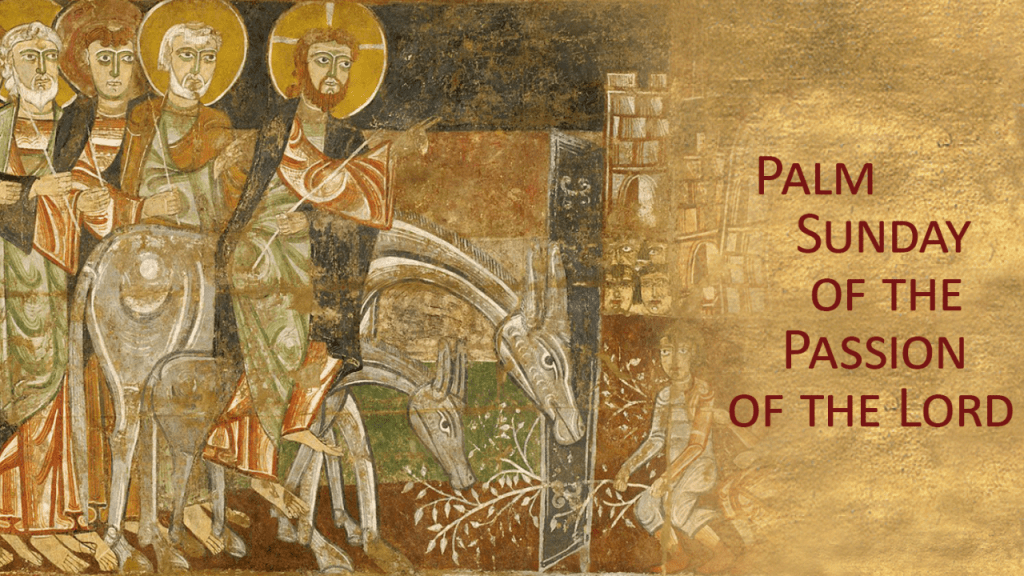
Jesus is the fulfillment of the first reading calling us to rejoice because he is the king who had come, “a just savior is he, meek, and riding on an ass, on a colt, the foal of an ass” (Zec.9:9).
Recall Jesus Christ’s triumphant entry to Jerusalem on Palm Sunday riding an ass so that he could be at eye-level with everyone in the city unlike riding a horse that is so high and even menacing in stature.
Imagine the setting of this Sunday gospel: Jesus was lamenting at how his fellow Jews have rejected him despite his many miracles but at the same time, he was rejoicing, praising the Father in sending him the poor and outcasts of their society as his first believers and followers. Yes, Jesus was hurting for being rejected but he found more reasons to rejoice than sulk. Why waste energy on the negative when there are a lot of good things happening?
Rejoicing means looking beyond the physical and temporal things; rejoicing is being a visionary who sees opportunities behind every problem and issues at hand. Rejoicing is seeing grace than curse, focusing more on Christ than the problems. Indeed,“every gising is a blessing” because every morning we wake up, God assures us of his immense love for us, that he believes in us, and is sending us on a mission to share that joy of living. And believing in him!
Photo by author, July 2011.
Second lesson Jesus is teaching us to learn from him this Sunday is to surrender, to set aside our personal agenda so that we can take up his yoke that is easy and burden that is light.
One reason we cannot rejoice is our refusal to give up our many yokes and burdens that are mostly much ado about nothing at all.
Let go and let God!
Surrendering is daily dying to one’s self to rise to new life in Christ which leads us to the third lesson Jesus wants us to learn from him this Sunday:
Live in solidarity with Christ empowered by the Holy Spirit as St. Paul tells us in the second reading.
Brothers and sisters: You are not in the flesh; on the contrary you are in the spiritr, if only the Spirit of God dwells in you. Consequently, brothers and sisters, we are not debtors to the flesh to live according to flesh. For if you ive according to the flesh, you will die, but if by the spirit you put to death the deeds of the body, you will live (Romans 8:9, 12-13).
Solidarity with Christ is the opposite of solidarity with the old humanity with Adam enslaved to sin which is not just body versus soul nor should flesh be understood as sexual immorality; solidarity with Christ is life in the Holy Spirit that results in eternal life in God. It is a choice we make daily, of whether we shall heed Christ’s call to come to him and learn from him who is meek and humble of heart. Solidarity with Christ is living in the love of Christ.
The good news is, Jesus gives us all the grace we need to love and choose him, to learn from him even if many times we fall and stumble because of our heavy burdens due to sin. This Sunday and every day, make the right choice. Choose Jesus, chose love to be light, choose life. Amen. Have a blessed, light and joyful week ahead.
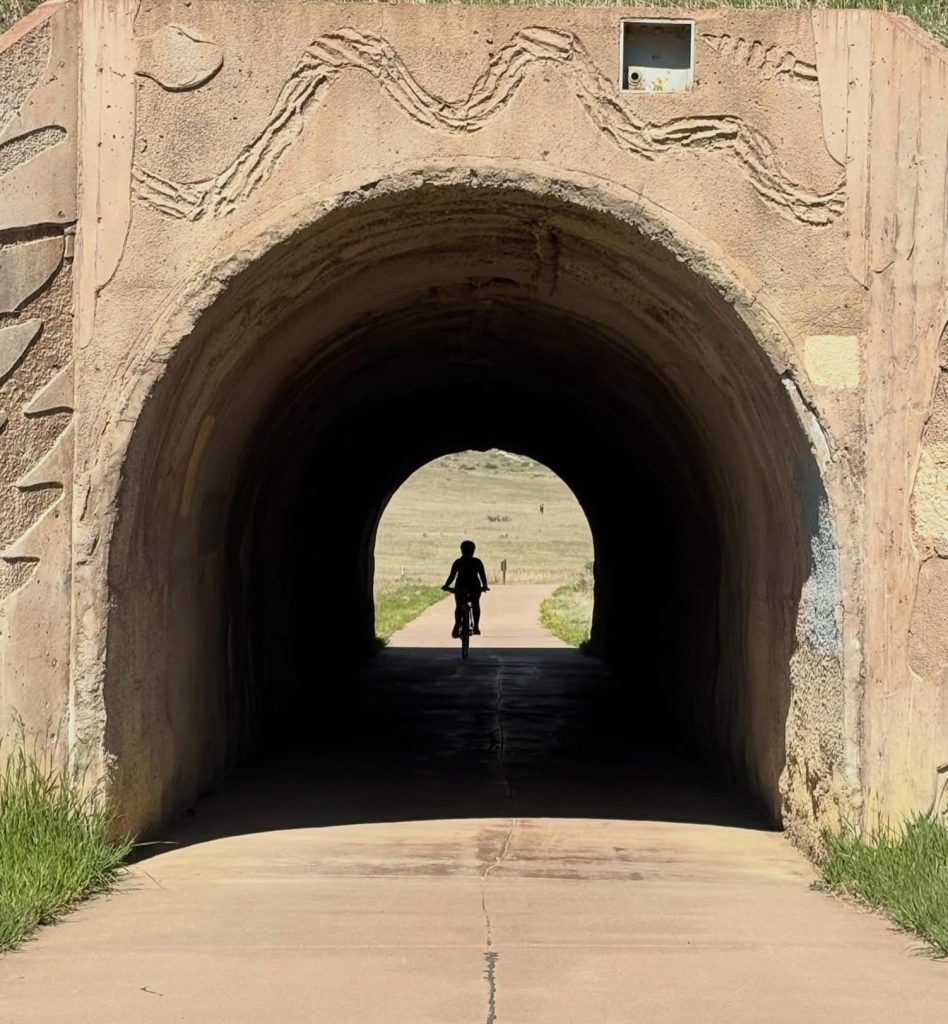
Photo by Mr. Vigie Ongleo somewhere in Colorado, 03 June 2026.
Sampung buwan na 'kong hindi natutulog
Kasi naman, ang ingay ng aming kapitbahay
'Pag gabi, disco house at videoke
Kaya't sorry na lang kung wala sa aking sarili
Mahal kita, pero miss na miss na miss ko na

Ang aking kama at ang malupit kong unan
Ba't 'di ka na lang sumama? Hihiga tayo at kakanta
I have always loved the Eraserheads whose songs are like vintage wines that get better with age like Kamasupra from their thrid studio album considered as the best Pinoy rock album, “Cutterpillow” released in 1995.
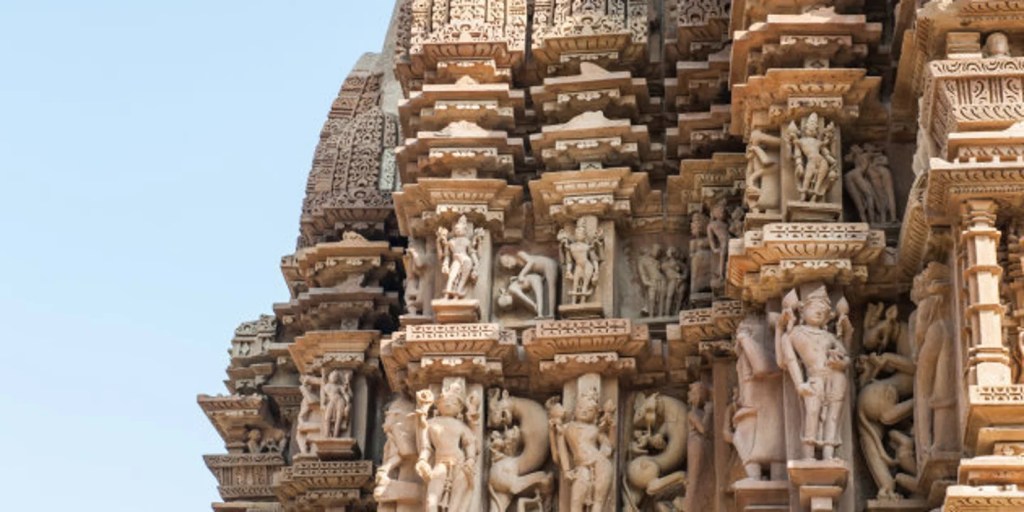
See the genius and artistry of Ely Buendia in composing Kamasupra, a witty play of words and ideas, of the bed we call kama in Filipino and that bible of erotica Kama Sutra from ancient India.
More than a furniture, the bed is also an altar of the highest order in every home where we perform our final acts as humans at the end of each day – of retiring and of dreaming while entrusting ourselves, consciously or unconsciously to God. In the same manner, it is on our bed where we also desecrate our very selves and those dearest to us.
Photo from LightRocket via Getty Images Erotic sculptures of the Khajuraho group of monuments, part of the UNESCO World Heritage Sites in India.
Please. There’s nothing bastos with both Kamasupra and Kama Sutra; both speak of the joys and sanctity of our relationships, of our being with our loved ones in bed that leads us to eternity as every old and dying person would tell you.
I know. I have met so many of them being a chaplain in a hospital for five years now. Whether in our home or in the hospital, the bed is always the final step board of every soul going to eternity.
Whenever I would bless the master’s bedroom in a new home, I say a prayer of blessing on the couple’s bed and before sprinkling it with Holy Water, I ask them to first bless it so that they would feel its sanctity as an altar where they give themselves to each other completely.
Hence, only them the husband and wife can sleep in that bed and nobody else, not even the children.
I do the same ritual of blessings in the other rooms of the children, praying that they would find rest of body and soul in their bed with a strict reminder that no visitors can stay inside their bedroom because it is sacred. Period.
This is most true for the bed of every priest. Notice how in most parish rectories and convents of nuns you find the sign “Private” to indicate no visitors allowed in their private quarters.
The priest’s bedroom and bed are literally his “inner sanctum” where only he and Jesus can be together at all times. Usually in silence too.
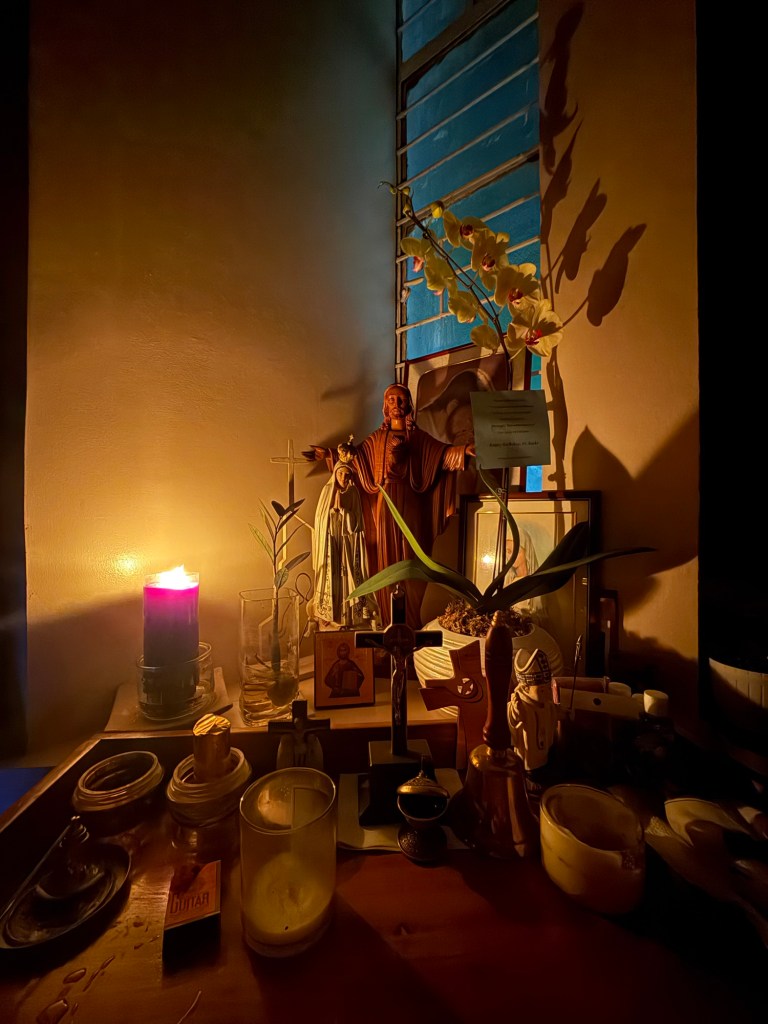
That is why I tell young priests to first have an altar in their bedroom where they could pray first thing in the morning and just before hitting the sack. Next to our breviary, the bed is the priest’s most beloved and blessed partner in life.
Most of all, the priest’s bed should always be “celibate” too like himself – that is, single-size only. No need to have big beds nor expensive ones because a priest’s bed is a reflection of his vows in the ministry – celibacy, poverty, and obedience.
Photo by author, personal altar in my bedroom.
Some of my most memorable images and experiences as a priest happened when I accompanied two elderly priests of our diocese in their deathbeds.
First was Msgr. Macario Manahan who died on 16 March 2014, the Second Sunday in Lent that year. I was by his side when he died that Sunday afternoon as he lived near my previous parish assignment. The second priest was Msgr. Vicente Manlapig who was confined in our hospital where I serve as chaplain. He died a few hours after my last visit to him on a Sunday morning, 26 February 2023, the Second Sunday in Lent.
Yes. They both died in Lent that is why since 2023, I have kept on telling people that life is a daily Lent, a preparation for Easter.
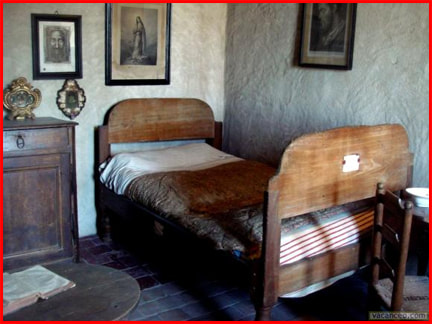
Bed of St. John Marie Vianney, Patron of all priests; from devotiontoourlady.com
It was at their deathbeds when I strongly realized that our bed is also our altar especially when we get sick and old, where we shall celebrate the Holy Sacrifice of the Mass, where we meet and receive Jesus Christ in the Holy Viaticum when too weak to celebrate the Eucharist.
It is on the bed of a dying priest I have felt deeply and truthfully the vocation in the priesthood – of how we were called by Jesus to become his priest that in the end he shall be calling us again as his priest to join him eternally.
And there in our bed comes the painful truth of how when we were young and strong we were called to do everything for Jesus and his Church, often lording it over the flock, so powerful as if like a god until all of a sudden without any warning, we just find ourselves already old or sick and weak, bedridden.
That’s when we hear anew Christ our Eternal Priest calling us, this time not to do anything at all but simply hang there on the cross with him like the two thieves at the Calvary.
That is when in our deathbeds we priests call on Christ anew like Dimas, the good thief, admitting all sins and faults while confessing our faith in Jesus.
The priest’s bed is where the priest cultivates his intimacy with Jesus too – his very celibacy and purity, his poverty and simplicity, as well as his docility and obedience not only to his bishop but ultimately to God.
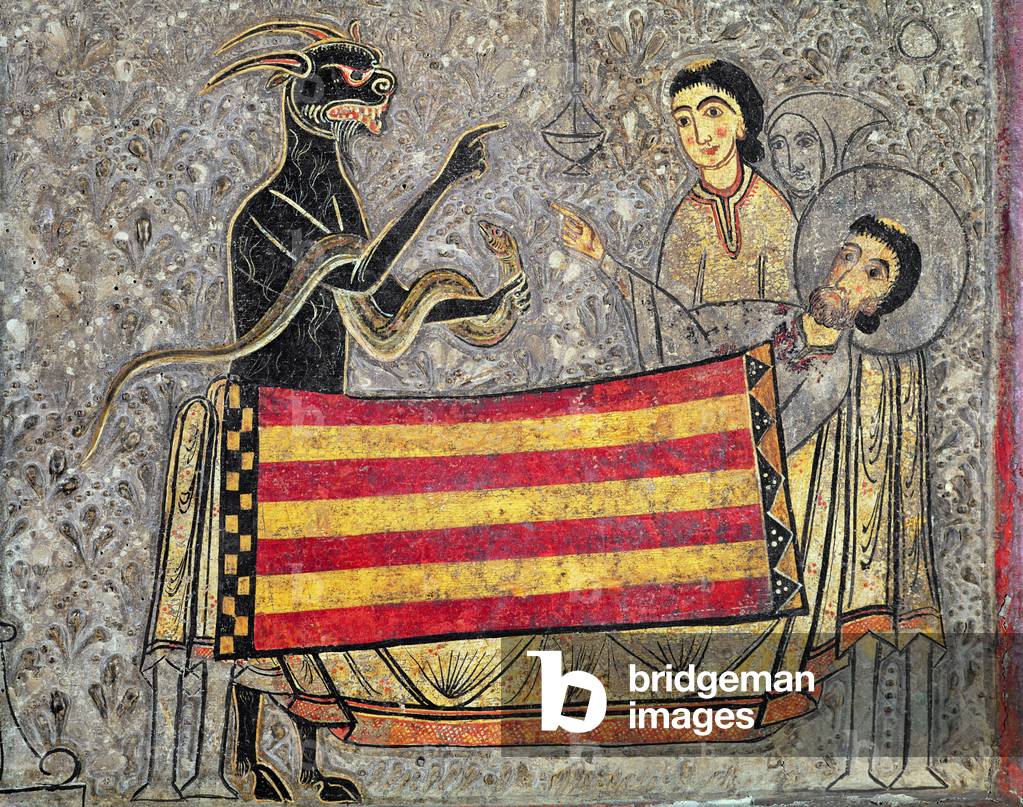
Because it is also on that bed where the priest wages all kinds of battle in his life and ministry until the end, where the devil begins and ends all temptations to displace Christ from the side of the priest.
The Death of St. Martin of Tours, detail from an altar frontal from the Church of Saint Martin in Chia, 1150-1200 (tempera on panel) by Johannes Pintor, Ribagorça Workshop (fl.1150-1200); Museu Nacional d’Art de Catalunya, Barcelona, Spain ; (add.info.: Saint Martin on his deathbed, covered with a blanket in the colours and stripes of Aragon, rebukes the devil;).
It is said that when St. Martin of Tours, our patron saint in Bocaue, Bulacan, was dying in Candes (France) surrounded by his disciples, the devil appeared at his bed side, trying to claim his soul. Having lived a life of intense spiritual warfare, most likely some of it in his own bed, St. Martin rebuked the devil with his firm faith in Jesus Christ. The devil vanished and St. Martin died on November 11, 397 AD.
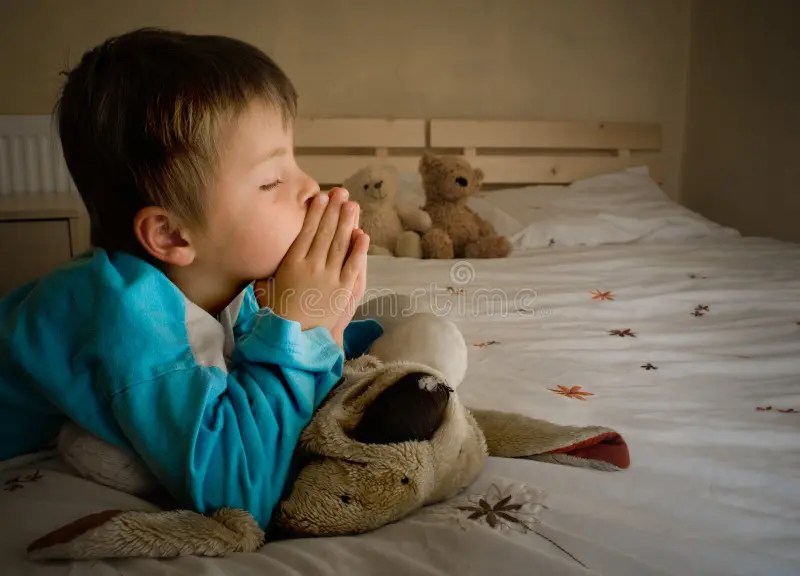
Every night towards the end of our Compline, we pray Simeon’s Canticle, the Nunc Dimittis (Lk.2:29-32) with an antiphon that goes like this: “Protect us, Lord, as we stay awake; that awake we may keep watch with Christ and asleep rest in his peace.” We then close our prayers with the final words, “May the Lord grant us a restful sleep and a peaceful death. Amen.”
It does not really matter whether one is a priest or not. Most of all if your bed is comfortable or not. What is important is that on that bed we are at peace with ourselves, with others and most of all, with God. So, keep your bed sacred at all times.
Lawiswis ng Salita ni P. Nicanor F. Lalog II, Ika-6 ng Abril 2026
Larawan kuha ng may-akda, Sacred Heart Novitiate, Novaliches, QC, 20 Marso 2026.
Mula sa Ebanghelyo
ni San Mateo noong Magdamagang
Pagdiriwang ng Pasko
ng Muling Pagkabuhay ni Kristo,
ating napakinggan pananalita
ng anghel kina Maria Magdalena
at ang isa pang Maria na kasama niya,
"Huwag kayong matakot;
alam kong hinahanap ninyo
si Jesus na ipinako sa krus.
Wala na siya rito..."
Ngunit kagabi pa man
ako ay natatakot na
sapagkat sa mga marami
kong nakita sa social media,
tila wala na nga si Jesus rito...
mula pa man noong visita iglesia,
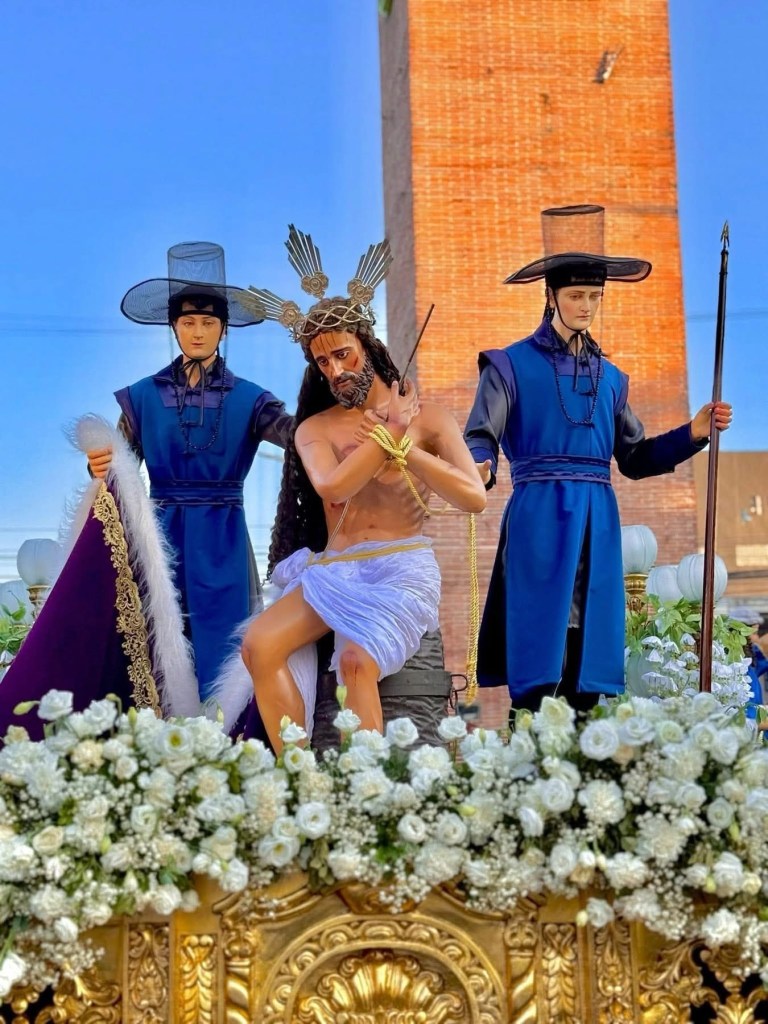
sa pagpuprusisyon noong
Biyernes Santo hanggang sa
Dakilang Kapistahan ng Pasko ng
Muling Pagkabuhay:
Wala na nga si Jesus rito
dahil hindi lamang natin siya
muling ipinako at pinatay sa krus
kungdi tinabunan ng ating
kapalaluan at kaartehan
sa pagdiriwang ng mga Mahal na Araw.
Hindi masama pagandahin
at pagbutihin altar ng repositoryo
sa visita iglesia ng Huwebes Santo
ngunit nasaan si Kristo na dinadalaw
at sinasamahan sa pananalangin
sa gitna ng kadiliman kung ang
nakapupukaw pansin sa mga tao
ay ang gayak at mga palamuti
na di na natin alintana
pagkakahati-hati at pagkakawatak-watak
nating mga alagad
tulad noong dakpin si Jesus
dahil naging paligsahan
saan mas maganda
ang visita iglesia
nawala na nilalayong
mailapit ang tao sa Diyos
at kapwa gaya ng panalangin
noon ni Jesus sa Getsemani,
"ut unum sint."
Sakit ito sa maraming simbahan
lalo na sa Bulacan
na marahil siyang ginaya
ng mga korap sa DPWH
na kahit buo ang simbahan,
gigibain upang pagandahin,
punuin ng kanya-kanyang
monumento at alaala ng kura
kaya wala na ring kalagyan
maging ang Diyos
sa kanyang tahanan,
hindi siya maramdaman
daig pa ng walang hanggang
mga sobre na ayaw nang
lagyan ng laman dahil
puro iyon na lang
ang tunay na
nadarama at iniinda
ng mga nagsisimba.
Tapos na mga pagdiriwang
ng mga Mahal na Araw
ngunit mahalagang pag-usapan
at liwanagin ngayon pa lamang
mga kalabisan
tuwing Huwebes Santo
at Biyernes Santo
dahil palala nang palala mga ito,
tumatanda tayo ng paurong
hindi pasulong kaya hanggang
ngayon lugmok ating bansa sa
kabulukan sa kabila ng maraming
mananampalatayang Kristiyano
na hindi naman nakita pa si Kristo.
Nakakahiya at nakakasuka
kung bakit pinayagan ng ilang
pari at obispo pumasok kamalayan
ng turismo at pagkakakitaan
sa mga pagdiriwang sa simbahan;
nasaan mga dalubhasa
sa pagtuturo ng liturhiya
higit sa lahat ng katesismo
na siyang layunin ng mga prusisyon
lalo na kung Biyernes Santo?
Hindi mo na malaman kung
deboto o debobo mga camarero
at mga tao sumusunod sa mga karo
na pagkakatayog-tayog
pilit inaabot mga kawad ng kuryente
at telepono na tila baga walang
ibang hilig kungdi ang "like"
sa social media;
walang maramdamang rubdob
ng pagkakabighani o
"mysterium fascinans"
sa pagdaraan ng prusisyon
dahil wala nang taglay
na ibayong hiwaga ng kabanalan -
ang "mysterium tremendum" -
bagkus sa halip ay katatawanan,
pagtataka at pagkalito hatid ng mga
kung anu-anong pinapakita sa karo
kaya hindi kataka-taka balang araw
bumaba muli isang anghel
at sabihin sa mga prusisyon
"wala na Siya rito."
Wala na nga si Jesus
sa prusisyon dahil kanyang
mga alagad ngayon
hindi lamang inaantok
kungdi tinatamad magdasal
kaya nagsasapawan
hindi na maintindihan
naka-record na pagrorosaryo;
nasaan ang pananalangin
mula sa puso? ang sakripisyo
ng prusisyon?
Wala si Jesus sa MP3
o ano mang naka-record
na pagdarasal ng Rosario
dahil si Jesus naninirahan
sa puso ng nananampalataya
na inihahayag sa kanyang
bibig at mga labi;
pati ba naman pananalangin
ibig pa nating pagaangin?

Ang masakit na katotohanan
sa maraming prusisyon
ginawa itong piknik sa walang
tigil na pagkain at pag-inom
habang nakahanay mga
deboto at debobo
kasabay nang walang tigil na
pagpitik ng selfie na tila
rumarampa kanilang mga
Poon!
Nang muling mabuhay
si Jesus at napakita sa
mga alagad,
habilin niya sa kanila
ipahayag sa lahat ng bansa
Kanyang Mabuting Balita
ng kaligtasan;alisin na natin
mga bato dumadagan
sa kanyang katotohanan,
lumabas tayo sa ating yungib
ng pagkamakasarili,
magnilay at pag-isipan
paano muling matagpuan
si Jesus na muling nabuhay
sa ating magagandang tradisyon
na labis nang tinatabunan
winawasak ng mga
makabagong teknolohiyang
hatid ay kababawan alang-alang
sa bonggang mga palabas lamang
walang lalim,
hungkag ang kalooban
kung saan
malinaw na
wala nga
si Kristo.
Amen.
Larawan mula sa FB ni G. Joey Meneses Rodrigo, 05 Marso 2026.
Quiet Storm by Fr. Nicanor F. Lalog II, 05 April 2026
Photo by author, La Mesa Dam seen from Seventh floor of Our Lady of Fatima University in Lagro, QC, 12 March 2026.
Every year on my birthday, I go on a personal silent retreat. A vacation with the Lord. As I turned 62 last March that is said to be truly when one is considered “old”, I felt like those women not finding Jesus in the tomb at Easter when an angel told them, “He is not here, for he has been raised just as he said. Come and see the place where he lay” (Mt.28:6).
From then on, March 16-21, I have opted not to blog daily, preferring to rest and pray more until I find Jesus anew in my blogging
It was only on this Easter evening after returning from another retreat during the Holy Tridum that I have started to write anew, feeling like Cleopas and his companion sadly walking home to Emmaus, feeling Jesus is not here.
Photo by author, Sacred Heart Novitiate, Novaliches, QC, 20 March 2026.
I have been writing my homilies for 28 years since my ordination as a deacon. As an “old school” plus the fact of my being a former journalist, I have always been writing in preparing homilies and talkds for the people. That is why I always wear polo with a small pocket to put my small notebook and pen.
After discovering the internet in 2000, I began sending weekly homilies as emails to family, relatives, friends every Sunday to help them prepare for Sunday Mass.
Then in 2018 while head of the diocesan commission on social communications, I started this blog, Lord My Chef, to evangelize more people faster. It has always been clear with me that writing is a gift from God that I must use for his greater glory so that more people may experience even in the net his joy and mercy, healing and forgiveness, and loving presence.
Moreover, I have intended Lord My Chef to be “Spiritual recipes for the soul to gladden your heart” with daily recipes that are homilies expressed in prayer with straight homilies on Sundays and special feasts.
But lately, there was no more gladness in me.
Blogging has become tiring, even stressful.
No more joy as demands replaced the love I used to have in writing.
Because I have been self-centered.
Photo by author, Sacred Heart Novitiate, Novaliches, QC, 20 March 2026.
During my recent retreat, I also felt like Judas Iscariot betraying Jesus in exchange of the statistics of my posts, foolishly competing with myself comparing the daily, weekly, monthly and yearly metrics of my posts.
And yes, many times I felt sad why so few “like” my posts unlike other bloggers I follow and visit.
As I prayed before the Blessed Sacrament on the first day of my retreat last March, I felt being hit so hard in my heart by the Holy Spirit, of how I have been like Simon Peter denying Jesus so many times in my blogs supposed to be about him but have become more about myself.
Noble intentions are never enough because no matter how great and good are our plans even our efforts but when God is nowhere, then it is nothing.
It is a farce because despite the statistics and tangible results we have on whatever we do but if our hearts remain empty and far from God, it is nothing.
St. Paul said it so clearly in the 13th chapter of his first letter to the Corinthians, “If I have not loved, then I am nothing.”
That night, I wrote on my journal what I told Jesus in my colloquy, “I pray to blog, not for God.”
There was shame but also peace and freedom in my heart that night.
Photo by author, Sacred Heart Novitiate, Novaliches, QC, 20 March 2025.
Finally, I have found what – or who – was missing in my blogs and life itself that I have become so tired, confused, even many times lost.
God.
Some times, we can feel so well in life, obeying and doing God’s will but still feel something missing deep inside.
Or something isn’t right at all.
We may feel so happy but never fulfilled. Even successful as seen by others but not fruitful personally deep inside.
Because we lack Jesus in us and in our work and mission or ministry.
It happens when we consciously or unconsciously shift focus and attention into ourselves and other factors aside from God who is the very essence and reason of our mission and undertaking.
Worst, we may be acting or living already as if we are God.
No more Jesus who is our voice, our word, our point of view.
Most of all, our Message.
That’s the good news of Easter with Mary Magdalene and the other Mary: though they have seen the death and burial of Jesus, they still came to the tomb to anoint him with perfumes and oil. Why when he was already dead and buried in the tomb?
Because they missed him a lot, and must have mostly believed he would rise again
Is it not what we also feel with our departed loved ones, asking God even for a short glimpse or fleeting feeling to see them again for us to be assured they are here.
When the angel told Mary Magdalene and the other Mary that Jesus is not here, he was telling them too he is out there, so alive somewhere we have to find and follow.
And that is how I now feel about my blogging: Jesus is not here.
Because Jesus is risen, calling me to find him first in my blogs.
And inviting me to follow him in new directions in my ministry so that perhaps, I may write new things, new experiences, and new life in him. Amen.
*So grateful to fellow bloggers I follow and admire who have helped me find God in their writings especially Rainer, Nicola, Daryl Madden, Sr. Rene, and Pinoy Transplant in Iowa.
Empty tomb concept from iStockphoto.com, April 2022.
40 Shades of Lent by Fr. Nicanor F. Lalog II
Palm Sunday of the Lord's Passion, Cycle A, 29 March 2026
Isaiah 50:4-7  +++  Philippians 2:6-11  +++  Matthew 27:11-54
From influencemagazine.com.
We begin today the Holy Week with Palm Sunday of the Lord’s Passion. Its long name is derived from the two celebrations that developed separately in Jerusalem and Rome during the first one thousand years of Christianity, one of the oldest in our liturgy.
As early as the fourth century, Christians in Jerusalem celebrated Palm Sunday at the city gate with a procession led by its bishop followed by people holding palms reenacting Christ’s entry into Jerusalem. Meanwhile in Rome, the Pope ushered the Holy Week with the proclamation of the long gospel account from the Lord’s Supper to his Passion, Death and Burial. Eventually in the 12th century, Jerusalem’s practice of a palm procession with the blessing of palms added by the French in year 800 reached Rome and was celebrated separately. After more than a 1600 years, it was only in Vatican II when the two celebrations from Jerusalem and Rome were merged into one that we now have its official designation as Palm Sunday of the Lord’s Passion.
From vaticannews.va
It is a beautiful story of how two distinct practices in Jerusalem and Rome, of two contrasting liturgies mirrored our different and unique journeys into the mystery of God in Jesus Christ’s Passion, Death, and Resurrection.
And I love that contrast because our life is filled too with many contrasts that make it so beautiful and meaningful.
Contrast is when we compare differences between two or more things in order to highlight distinctive features like light and shadows, or pains and joys that make us see life fullest. Contrasts many times are a grace from God when he works in disguise among us, within us, as he writes straight crooked lines in our lives that eventually lead us to him and be fulfilled.
All our readings today present us with many contrasts that enable us to find and welcome Jesus coming to us like that Sunday in Jerusalem in the midst of our pain and sufferings, joys and fears. Three things I wish to reflect this Sunday.
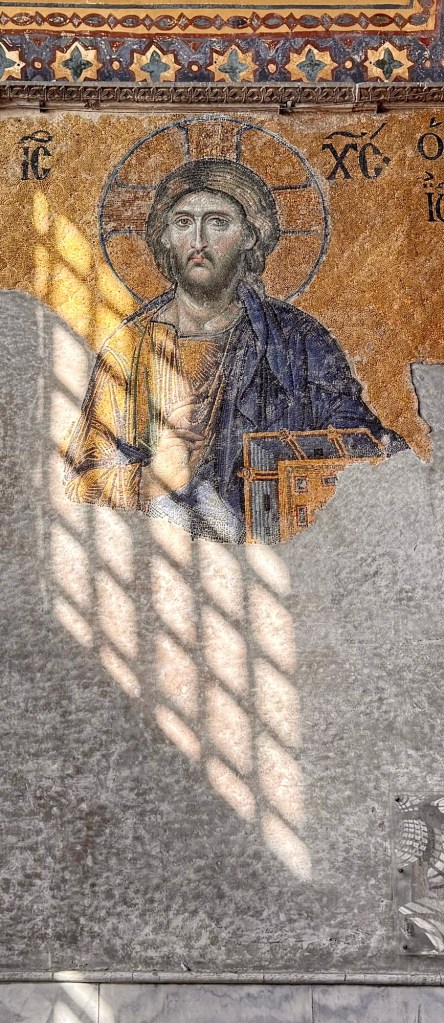
Photo by author, Hagia Sophia, Turkiye, November 2025.
First contrast we find is the wisdom of God and the folly of man.
Read the longer version of the gospel from Matthew 26:14-27:66 and you find the many contrasts presented by the evangelist to highlight God’s wisdom in Jesus and man’s folly among the Jewish people led by their priests and elders, Pontius Pilate, and even with the prince of Apostles, Simon Peter!
At his trial before the Sanhedrin at the house of the high priest Caiaphas, Jesus was so comp-composed, silently listening to the many false accusations against him, and then shocked when he admitted amnd declared his being the Christ indeed (Mt.26:57-68)! And while all these were going inside the house of Caiaphas, outside was Peter denying Jesus thrice when asked of his being a disciple (vv.69-75)!
Again we see this glaring contrast of God’s wisdom in Christ and man’s folly in Pilate as Jesus remained silent during trial, answering briefly only when necessary that have put his enemies at the defensive posture (Mt.27:11-14). And how foolish they were in choosing to set free a known criminal in order to crucify the Christ (vv.21-26) which continues to these days in our own country as we keep on electing corrupt and inept people into office.
The most tragic of all is how some people while professing to be Christians are like those mob in Jerusalem still defending a known murderer now facing trial for crimes against humanity who had cursed God several times, made fun of women including those raped and under whose administration happened rampant and shameless corruption and decadence.
How sad that despite our supposed to be many advancements in science and technology that have completely altered our way of living and way of thinking, we have actually become more lost and empty than ever. Like Pilate and the Jewish people of that time with their elders, the more we assert our supposed to be superior knowledge on everything, the more we sink into emptiness and meaninglessness.
Let us not be blinded with our intelligence that have sent men to space and moon and shrunk the globe into a village but have made us grow more apart from each other; open our eyes and our hearts in Jesus Christ who is the truth because he is the only way in life.
Photo by author, Sacred Heart Novitiate, Novaliches, QC, 20 March 2026.
Second contrast we find is that true power is in weakness not in strength.
Everybody at the trial and crucifixion of Jesus were at their own kind of “power play” especially the soldiers with the Jewish leaders and their cabal of followers (Mt.27:27-44). Imagine the very act of stripping Jesus or anyone for that matter of clothes – it is the most brazen display of power over someone. Not contented with that, they mocked Jesus while unconsciously recognizing him truly as king with the sign placed above his head, “This is Jesus, the King of the Jews” (v.37). They would confirm this later at the death of Jesus when they declared “Truly, this was the Son of God!” (v.54).
At his trial and sentencing until his crucifixion, Jesus showed that true power lies in weakness and surrender as St. Paul eloquently expressed in the second reading today, “Christ Jesus, though he was in the form of God, did not regard equality with God something to be grasped. Rather he emptied himself” (Phil.2:6-7).
How sad the whole world is now plunged into a great disaster without any clear sight of an end in the war launched by the US and Israel against Iran. Who’s really winning? Despite the sophisticated and powerful weapons of the US and Israel, how come Iran still continues to launch many missile attacks against its neighbors and worst of all, control a supposed to be tiny strait that had sent fuel prices beyond reach of Tomahawk missiles!
Let’s look into our own lives, in those moments we “power tripped” against others: what happened? Have we really won over them or, are we now suffering its dire consequences, even paying the price of our too much pride and display of power and strength? Jesus shows us in his triumphal entry into Jerusalem until his Passion and Death, true power is in weakness and surrender. It is the only path to Easter because it is the path of life and love which we shall see next.
Photo by author, Sacred Heart Novitiate, Novaliches, QC, 20 March 2026.
Third contrast we have seen in the passion of the Lord: life symbolized by blood is for love and caring, not for vengeance nor convenience. Not even a solution to a problem.
At the trial of Jesus, when Pilate felt at a loss that he could not set Christ free, he decided to wash his hands to free himself of any responsibility for his death: “I am innocent of this man’s blood. Look it to yourselves.” And the whole people said in reply, “His blood be upon us and upopn our children” (Mt.27:25-26).
It was the height of human arrogance and pride, of folly and insensitivity that sadly happens right in our homes, in our schools and offices, in the society and even in the church maybe.
Instead of using technology and the sciences for the care and preservation of human life symbolized by blood, these have actually objectified persons into things, from contraceptives to abortions, genetic manipulation and gender redefinition. We have become so impersonal that people are seen more in economic andn utilitarian terms especially infants and children as well as the sick and elderly, the most vulnerable ones among us. Worst, criminals and others labeled as misfits are disposed like things either through judicial or extrajudicial killings. So heartless.
See the contrast presented by Matthew in this aspect when at the Last Supper, Jesus “took a cup, gave thanks, and gave it to them saying, ‘Drink from it, all of you, for this is my blood of the covenant which will be shed on behalf of many for the forgiveness of sins'” (Mt.26:27-28).
Life is precious because it is vulnerable that is why God became human in Jesus Christ like us in everything except sin. Right after his birth, he faced the murderous threats of a king and now an adult, he offered himself freely to die on the Cross because he loved us so much so that we too may finally be able to love again like him as willed by God since the beginning.
Isaiah’s Song of the Suffering Servant in the first reading showed this contrast of Yahweh’s servant fulfilled in Christ Jesus of how he valued life so much, of bearing all pains and hurts because of love.
In his triumphal entry into Jerusalem up to his Passion and Death, Jesus showed us so many contrasts for us to see the bigger picture of life itself, of one another as brother and sister, of God who loves us so much. Take time to examine every contrast in life for God is surely in there, even sometimes in disguise. Amen. Have a blessed Holy Week ahead!
Lawiswis ng Salita ni P. Nicanor F. Lalog II, Ika-11 ng Pebrero 2026
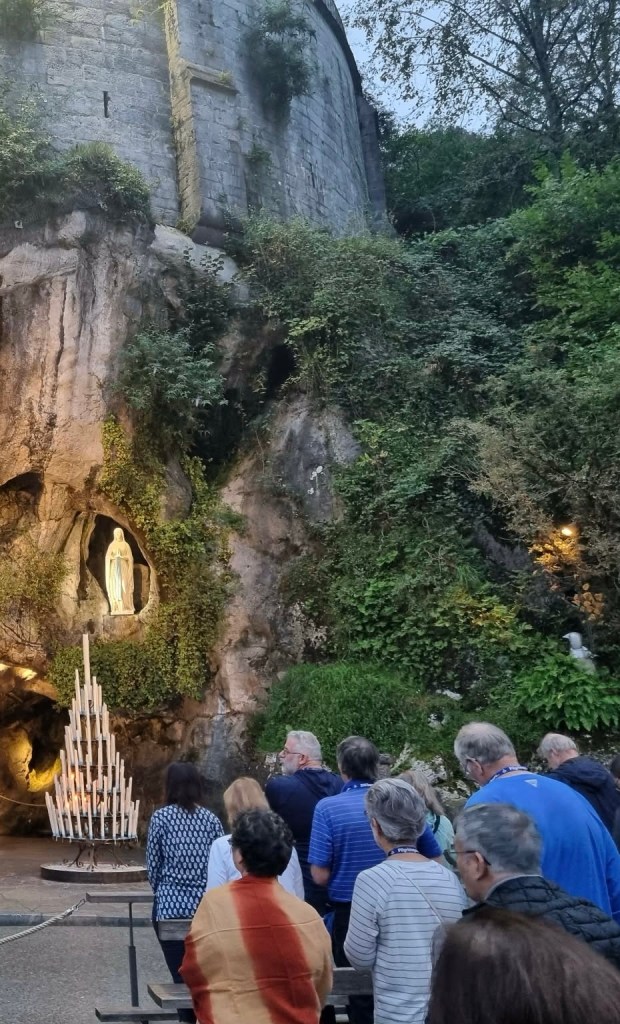
Larawan kuha ni Arkitek Philip Santiago, Lourdes, France, Oktubre 2025.
Isa sa mga turo sa amin ni Bp. Almario (+) noong kami ay mga seminarista pa ay huwag na huwag daw kaming maglalagay sa pintuan ng aming silid kapag naging pari na ng “Do not disturb” sign.
Paliwanag niya sa amin ay buhay ng mga pari ang palaging maistorbo at magambala lalo na kung mayroong may-sakit at naghihingalo ano mang oras gaya ng hating-gabi at madaling-araw.
Naalala ko ang turo niyang iyon noong Lunes sa aking homilya tungkol sa ebanghelyo na si Hesus ay “inistorbo” ng mga tao nang tumawid ng lawa at dumaong sila sa Capernaum.
Larawan kuha ng may-akda, Lawa ng Galilea, Israel, Mayo 2017.
Noong panahong iyon, sina Hesus at ang kanyang mga alagad ay tumawid ng lawa, at pagdating sa Genesaret ay isinadsad nila ang bangka. Paglunsad nila, nakilala siya agad ng mga tao kaya’t nagmamadaling nilibot ng mga ito ang mga pook sa paligid; at ang mga maysakit, na nakaratay na sa higaan ay dinala nila kay Hesus, saanman nila mabalitaang naroon siya. At saanman siya dumating, maging sa nayon, lungsod, o kabukiran, ay dinadala sa liwasan ang mga maysakit, at isinasamo sa kanya na pahipuin sila kahit man lang sa palawit ng kanyang kasuutan. At lahat ng makahipo nito ay gumagaling (Marcos 6:53-56).
Imagine natin ang eksenang ito: ni hindi na nakapagpahinga man lang si Hesus pagdating sa Capernaum. Ni hindi niya nakuhang bumuwelo. Agad-agad Siya na sumama sa mga tao. Kung ano man mga plano Niya marahil noong mga araw na iyon ay Kanyang ipinagpaliban para sa mga tao, lalo na sa mga may-sakit.
At iyon naman ang totoo kay Hesus – palagi Siyang may panahon sa bawat isa sa atin. Kaya nga hindi naman Siya pumapalag sa mga humihipo sa Kanyang damit upang gumaling sa kanilang mga sakit. Kailanman ay hindi pinigilan ni Hesus mga tao na siya ay istorbohin upang magpagaling, mangaral at magpaliwanag. Minsan nga ay inaya niya Kanyang mga alagad tumungo sa ilang na pook upang mamahinga ngunit wala Siyang nagawa kungdi ang maawa nang makita Niya na nauna pang dumating sa kanila ang mga tao na parang mga “tupang walang pastol” kaya tinuruan Niya at pinagaling mga may-sakit. At pagkaraan ay pinakain pa!
Napaka-gandang katangian ni Hesus ang kanyang pagtugon sa mga pang-aabala lalo ng mga may-sakit at naghihingalo. Ito marahil ang kaganapan ng ating panalanging “disturb me Lord” sapagkat tunay tayo nagagambala ng Panginoon tuwing kinakilanga at pinaglilingkuran natin ang mga may-sakit at maging iba pang mga nahihirapan sa buhay.
Larawan kuha ni Arkitek Philip Santiago, Lourdes, France, Oktubre 2025.
Kaya naman tuwing ginugunita ang Birhen ng Lourdes sa ika-11 ng Pebrero, atin ring ipinagdiriwang ang Pandaigdigang Araw ng mga May-Sakit. Bantog ang maraming himala ng kagalingan sa pamamagitan ng pamimintuho sa Birhen ng Lourdes. Itinuturing din na mapaghimala ang bukal ng tubig doon sa Lourdes, France na ipinahukay ng Mahal na Birhen sa pinagpakitaan niyang bata noon na ngayon ay Santa na, si St. Bernadette Soubirous.
Itinakda ni San Juan Pablo II noong Mayo 13, 1992 at isinabay sa kapistahan ng Lourdes ang World Day of the Sick upang aniya ay “ating makita sa mga may-sakit ang mukha ni Kristo na sa Kanyang pagpapakasakit, pagkamatay at muling pagkabuhay ay natamo ang kaligtasan ng sangkatauhan.”
Bakit nga ba gayon na lamang ang pagpapahalaga ng Diyos sa mga may-sakit? Dahil lang ba sa sila’y mahihina at walang halos magagawa kaya kailangan nating tulungan at kalingain?
Maraming dahilan ang ating maiisip na pawang mga patungkol sa mga may-sakit dahil nga sa sila ay mahihina, maraming tinitiis at iniindang hirap sa kanilang karamdaman.
Ngunit, marahil hindi sumagi sa ating isipan ang malaking pagpapala na hatid sa atin ng mga may-sakit dahil sa pamamagitan nila ay ating nakikita, nararanasan pagliligtas ni Kristo. Gaya ng sinabi ni San Juan Pablo II, sa kanila ating nakikita ang mukha ni Kristo na nagligtas sa atin sa pamamagitan ng Kanyang pagpapasakit, pagkamatay at muling pagkabuhay.
Tatlong katotohanan aking napagtanto na biyayang binabahagi sa atin ng mga may-sakit at naghihingalo.
Mula sa inquirer.net.
Personal nating nararanasan si Hesus sa mga may-sakit.
Tunay lamang nating masasabing “Katawan ni Kristo” ang Banal na Ostiya kung nahawakan natin ang maruming sugat at balat ng isang may-sakit, o naglinis at nagpaligo sa may-sakit. Higit itong totoo kapag pamilya natin ang may sakit na inaalagaan at kinakalinga.
May mga pagkakataong tuwing konsekrasyon habang binibigkas ko yung mga sinabi at ginawa ni Hesus sa Huling Hapunan (institution narrative) saka dumarating sa aking gunita mga pasyente na aking hinawakan, hinipo… o nilinisan. Namamangha ako sa biyaya na nagawa ko lahat yun gayong mahina aking sikmura (sabi po ng aking Ina noong nabubuhay pa siya, sa lahat daw ng matakaw ako mahina ang sikmura!).
Mahirap ipaliwanag ni ilarawan aking nadarama sa mga pagkakataon na iyon madalas ako ay naluluha, parang may daluyong sa aking dibdib na biglang gagaan at ang tanging nasasabi ko ay basta ganun yun! Totoo nga sabi ni San Juan Pablo II na ating nakikita mukha ni Kristo sa may-sakit. Ito marahil ay sapagkat sila man nakikita na si Kristo.
Ang mga may-sakit pinaka-malapit kay Kristo.
Sa Ebanghelyo ayon kay San Lukas, tiniyak ni Hesus kay Dimas na “ngayon din isasama kita sa paraiso” (23:43). Hindi sinabi ni Hesus na mamyang alas-tres pagkamatay ko o sa Linggo sa aking pagkabuhay. Ang sinabi ni Hesus ay ngayon din habang sila ay nakabayubay sa krus.
Alalaong-baga, sa pangungusap na iyon ni Hesus, inilalahad niya sa atin ang katotohanan na ang pintuan ng langit ay narito mismo sa lupang ibabaw. Higit sa lahat, pumapasok tayo sa langit kapag tayo naroon sa krus ng pagtitiis at paghihirap. Kaya hindi kataka-taka na natatanaw na ng mga may-sakit at mga naghihingalo ang langit na kanilang pupuntahan maging si Kristo na kanilang hahantungan.
Aking napansin sa marami kong pasyente na naihanda sa pagpanaw, mayroon tila “cycle” na sila at ang mga bantay na pinagdaraanan. Una, yung pasyente ang palaging umiiyak dahil takot o galit sa kanilang sinapit. Sino nga ba hindi matatakot at maiiyak kung malaman mo na mamatay ka na dahil sa iyong sakit.
Ngunit unti-unti habang kanilang natatanggap ang kanilang kalagayan at karamdaman, naiiba ang sitwasyon: ang mga may-sakit ang puno ng tuwa at sigla at lakas ng loob habang ang mga mahal sa buhay ang bagabag at naiiyak. Ito marahil ay sapagkat natatanaw na nga ng mga may-sakit kanilang tutunguhan lalo na kung sila ay naihanda o nakapaghandang mabuti spiritually. Hindi na sila umiiyak dahil batid nilang mas mabuti ang kanilang pupuntahan. Ang mga naiiwan ang kinakabahan at umiiyak dahil walang katiyakan silang nakikita sa buhay. Paano na kapag pumanaw na si itay o si inay o sino mang mahal natin sa buhay? Paano tayo? Hindi natin alam ano susunod sa buhay natin di tulad ng papanaw na sigurado na ang langit!
Larawan kuha ng may-akda, Basilika ng Manaoag, Pangasinan, 09 Enero 2026.
Napaka-buti ng Diyos.
Kumbinsido ako lalo ngayon mula nang maging chaplain ako sa ospital na napaka-buti ng Diyos, na mahal na mahal niya tayong lahat. Nakatitiyak ako na mas marami pa rin ang nasa langit kesa nasa impiyerno.
Hanggang sa kahuli-hulihan, ibig ng Diyos tayo ay masagip kaya nga naparito Kanyang Anak na si Jesu-Kristo. Ang tanging napupunta lang sa impiyerno ay yaong sadyang ayaw sa Diyos.
Madalas sinasabi sa akin ng mga duktor at nurse dito sa ospital ay “Father hinitay lang po kayo ng pasyente bago pumanaw.” Kasi nga bihirang-bihira mga pumapanaw na pasyente na hindi ko napupuntahan. Ako mismo ay nagtataka: kapag wala ako, walang naghihingalo? At kung mayroon man, palaging inaabutan ko pa kahit na anong layo pa aking panggalingan! Gayun din kung hatinggabi o madaling-araw: nagigising ako maski sa text ng mga nurse kung mayroong mag-request ng pagpapahid ng langis.
Sadyang mabuti ang Diyos at mahal Niya tayong lahat na hindi Siya tatawag ng sino man kung hindi naman sa Kanya uuwi at hihimlay.
Larawan kuha ng may-akda, Chapel of angel of Peace, Our Lady of Fatima University, Marso 2025.
Sa loob ng limang taong pagiging kapelyan ko sa Fatima University Medical Center sa Valenzuela, naranasan ko maraming pagpapala mula sa mga dinadalaw na pasyente na nagpalalim at nagpayabong sa aking katauhan hindi lamang sa aking pagkapari.
Dahil sa kanila, lalong naging makahulugan at makatotohanan sa akin ang bawat pagdiriwang ng Banal na Eukaristiya kung saan tunay na tunay ngang dumarating si Hesus sa Kanyang Katawan at Dugo.
Totoong nakakapagod ang dumalaw lalo na ang mag-alaga ng may-sakit ngunit mayroong ibang kagaanan ng kalooban itong hatid sa ating katauhan na sagad hanggang ating budhi. Kaya nga, sakali mang pakiramdam natin tayo ay nagagambala o naiistorbo ng mga may-sakit sa kanilang pangangailangan, nawa ating ituring ang mga pagkakataong iyon ay mismong ang Panginoong Hesus nag-aanyaya sa atin ng Kanyang pagpapala na Siya ay maranasan at maka-ugnayan. Amen.
Lord My Chef Daily Recipe for the Soul, 29 September 2025
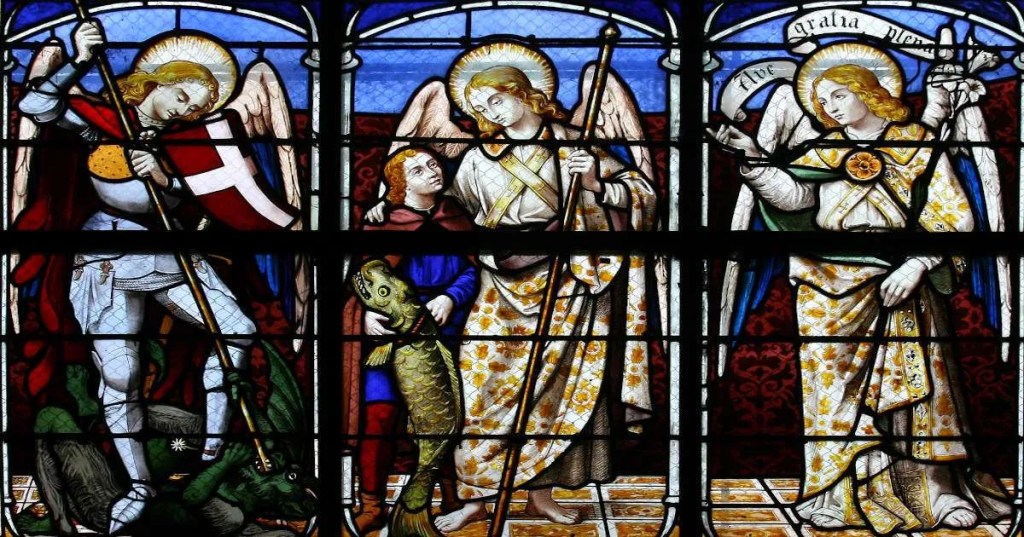
Monday, Memorial of Saints Michael, Gabriel & Raphael, Archangels
Revelation 12:7-12     <*{{{{><  +  ><}}}}*>     John 1:47-51
Photo by author, Carmel of the Holy Family Monastery, Guiguinto, Bulacan 25 September 2025.
Thank you dearest
God our loving Father
for your gift of Archangels
helping us fight our many
spiritual battles in life;
the wholesale corruption
and looting in government
in connivance with some
contractors has unmasked
the realities of the demons
led by Satan working hard
here in on earth
right in our country;
more than the billions of pesos
they have looted from government,
they have put so many lives in
danger and misery.
Then I heard a loud voice in heaven say: “Now have salvation and power come, and the kingdom of our God and the Authority of his Anointed… They conquered him by the blood of the Lamb and by the word of their testimony; love for life did not deter them from death. Therefore, rejoice, you heavens, and you who dwell in them. But woe to you, earth and sea, for the Devil has come down to you in great fury, for he knows he has but a sort time” (Revelation 12:10, 11-12).
But the greatest spiritual battle
against evil and sin, Lord
happens not in government offices
nor halls of Congress nor of the
streets; they happen right here
in our hearts.

All the evil happening now started
in our selfish hearts,
in our malicious minds,
in our uncontrolled appetites for
comfort and luxuries.

Help us fight the demons
within us, Lord Jesus;
pray for us, St. Michael
that we may have the strength
and courage to stand firm
in what is true and just;
pray for us St. Gabriel
that we may speak the
gospel and life of God in this
world so misled by the words
and images of evil masquerading
as good and beautiful;
pray for us St. Raphael
that we may heal from our
many afflictions in body,
mind, heart and soul.
Amen.

Fr. Nicanor F. Lalog II
Our Lady of Fatima University
Valenzuela City
(lordmychef@gmail.com)