Lord My Chef Daily Recipe for Soul by Fr. Nicanor F. Lalog II
Wednesday, Twenty-Sixth Week in Ordinary Time, Year II
Memorial of St. Jerome, Priest & Doctor of the Church, 30 September 2026
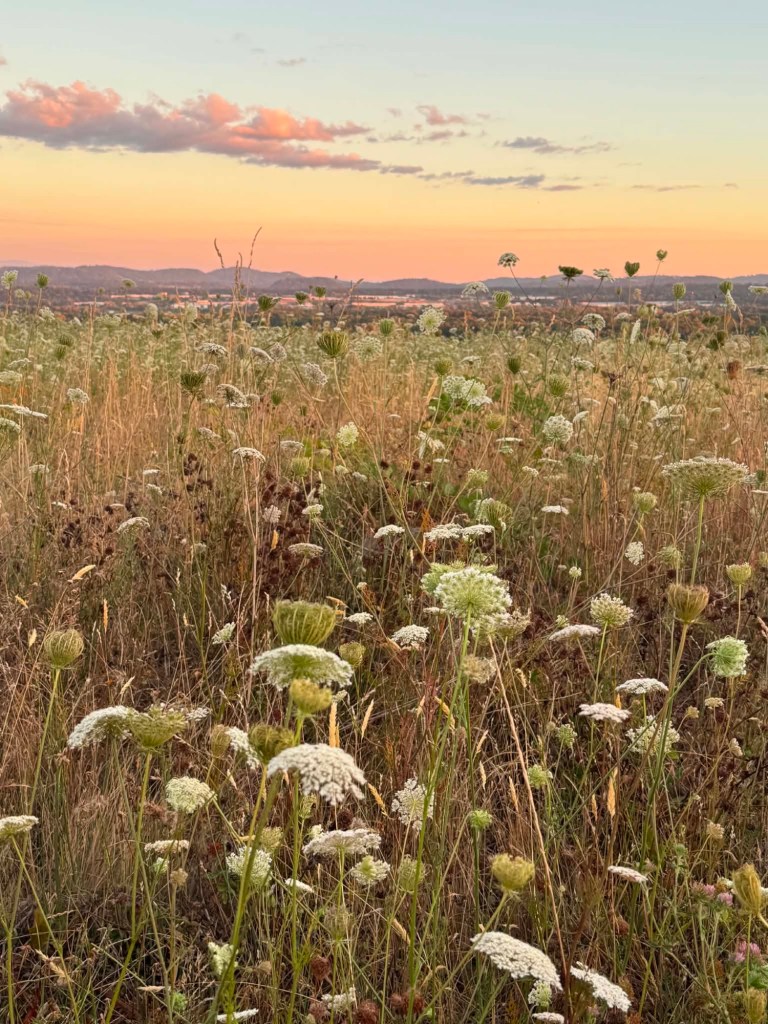
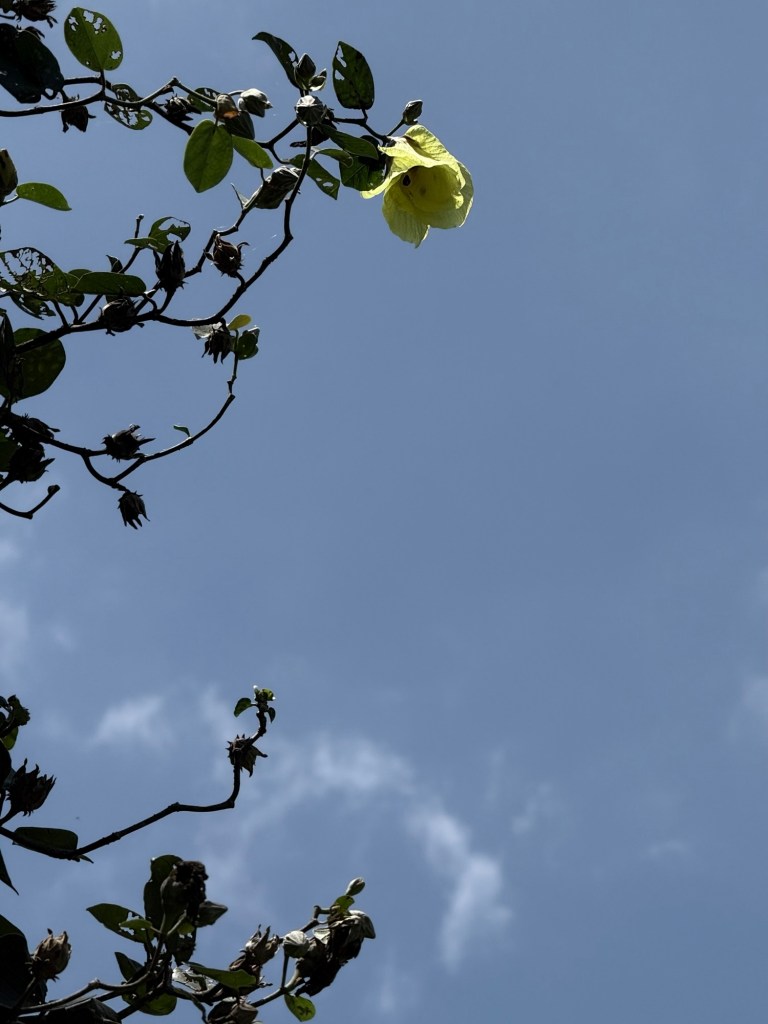
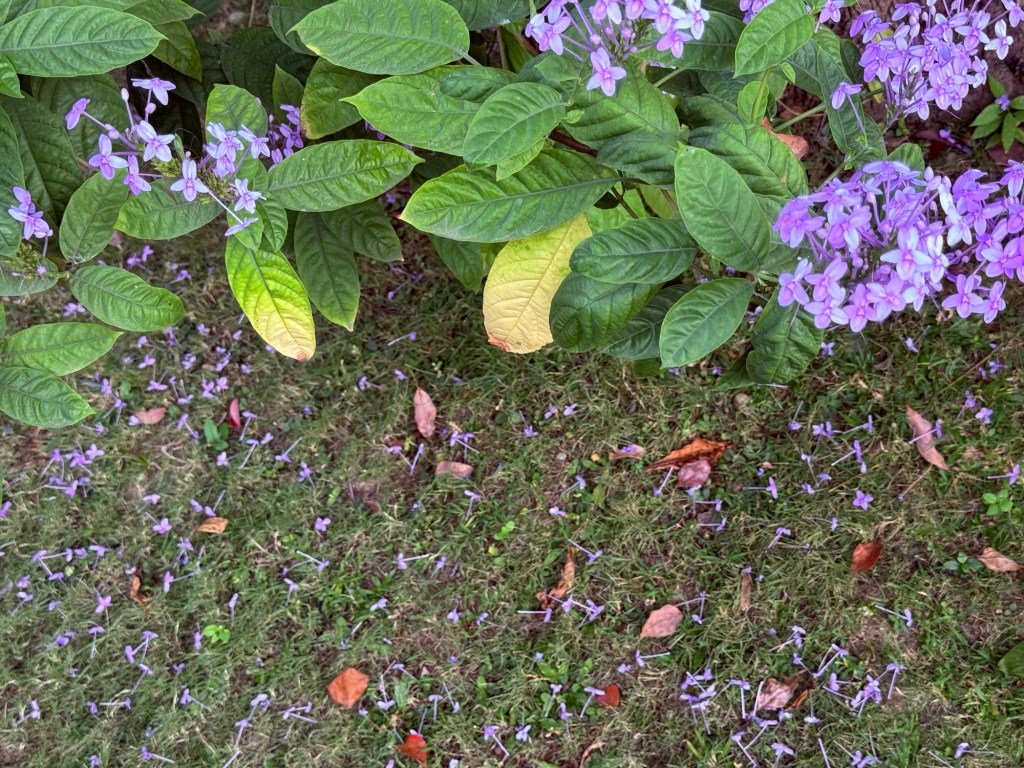
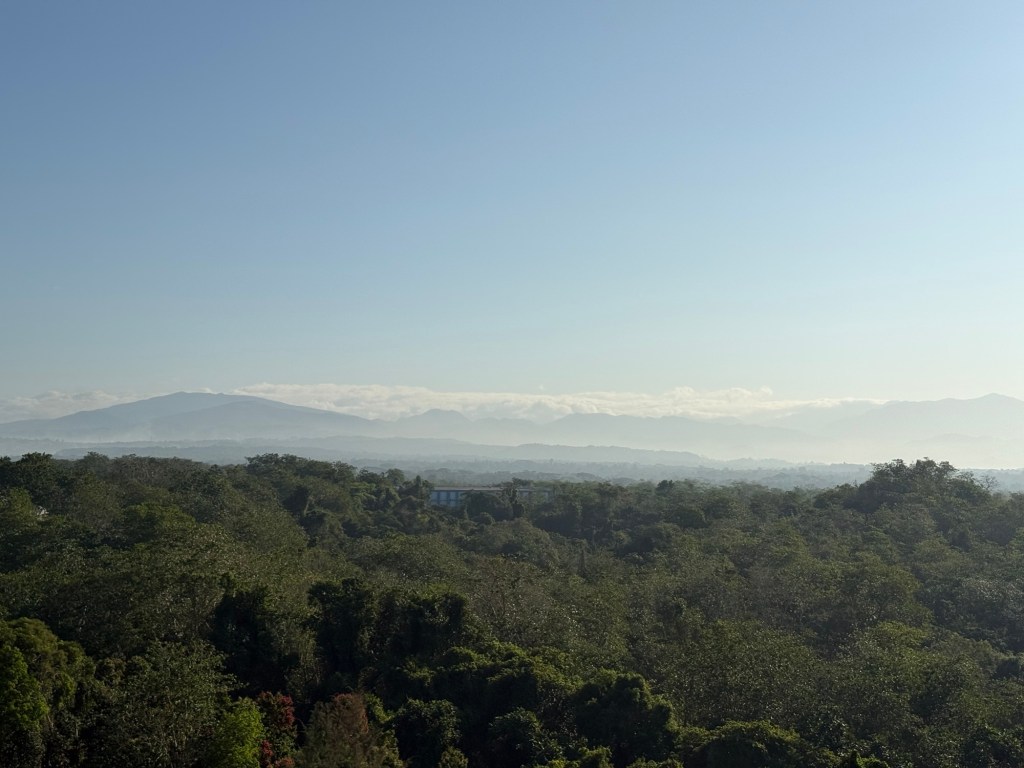
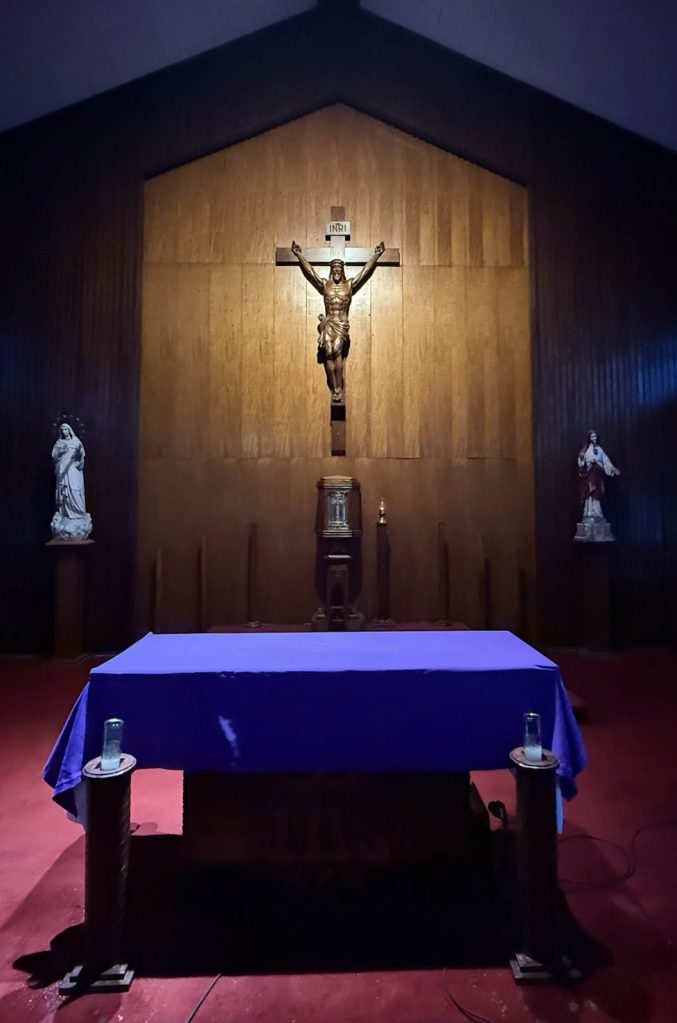
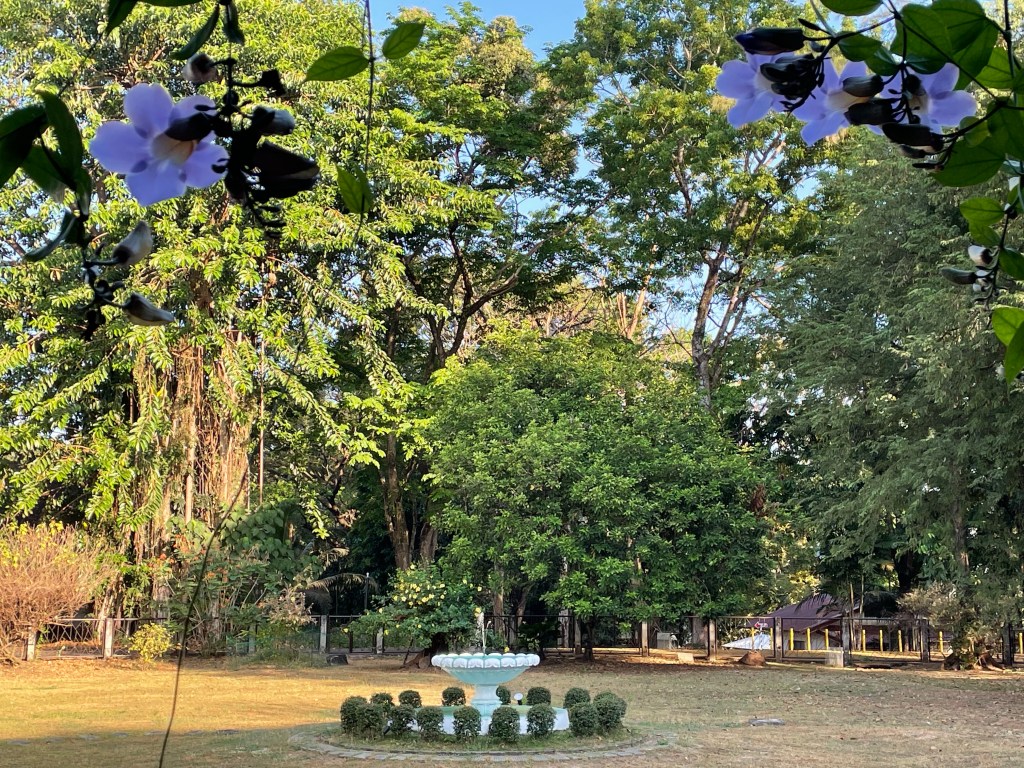
Photo by author, Cabo de Roca, Pundaquit, San Antonio, Zambales, 15 May 2025.
Many times in life
I see myself like Job,
Lord: at a loss at how
things are happening with
me; I cannot complain but
deep I know that in this life,
good is rewarded,
evil is punished;
but, how does one explain
when bad things happen to
good people?
Like Job,
I have no claims to
holiness but deep inside
I am convinced
of my innocence
in many occasions
that I ask,
I wonder,
I "protest"
of the difficulties
and sufferings I am going
through.
How must I approach,
you, Lord?

You are all powerful,
you can do anything;
should you come near me,
I see you not;
should you pass by,
I am now aware of your coming;
should you seize me,
what can I say nor do
(Job (9:11-12).
Even though I were right, I could not answer him, but should rather beg for what was due to me. If I appealed to him and he answered my call, I could nhot believe that he would hearken to my words (Job 9:15-16).
Truth is,
many times I really
do not and would never
understand for sure
the things happening
to me except that I just
have to trust you more
like Job.

Or St. Jerome
who went through many
ordeals in his life
largely due to his own
making with his kind
of temperament.
What matters is that
unlike the three would-be
disciples in the gospel today,
Job,
St. Jerome,
and hopefully me,
your lowly servant Lord,
will simply follow you
even if we never
understand why
and how things are
turning out
in my life.

Let me approach
you, Lord,
the way St. Jerome
had shown
and taught us:
by praying your Words,
the Sacred Scriptures
where you speak directly
to us in the most personal manner.
Amen.
Photo by author, Cabo de Roca, Pundaquit, San Antonio, Zambales, 14 May 2025.
Lord My Chef Daily Recipe for Soul by Fr. Nicanor F. Lalog II
Tuesday, Twenty-Second Week in Ordinary Time, Year II
World Day of Prayer for Care of Creation, 01 September 2026
Wisdom 13:1-9 ><}}}}*> Colossians 1:15-20 ><}}}}*> Matthew 8:23-27
Photo by a friend in Washington, 28 July 2026.
Thank you dear God
for this brand new month of
September when we dedicate
its first day as prescribed by
Pope Francis to be a
World Day of Prayer for
Care of Creation:
how timely on this first of
September 2026 we are still
reeling from the devastations
of many natural calamities
not only here in the Philippines
but from throughout the world -
from the powerful earthquake in
Colombia to the catastrophic
collapse of glaciers in the Himalayas
that swept entire villages in Nepal,
Tibet, and China where thousands
are still missing while death tolls
continue to rise.
World climate is indeed changing
but still many refuse to believe it,
refusing to change lifestyles as told
by Pope Francis in "Laudato Si"
in order to curb our consumption
to lessen adverse impact to the environment;
worst of all is how men and women
especially those in our government
are deeply into shameless corruption
destroying nature, altering its flow
that turned calamity into criminality
leading to losses in lives and properties
as well as thousands of productive hours;
indeed, many people worship money,
seeing nature more as a source of wealth
without recognizing you as its Creator:
For all men were by nature foolish who were in ignorance of God, and who from the good things seen did not succeed in knowing him who is, and from studying the works did not discern the artisan… But doomed are they, and in dead things are their hopes, who termed gods things made by human hands (Wisdom 13:1, 10).
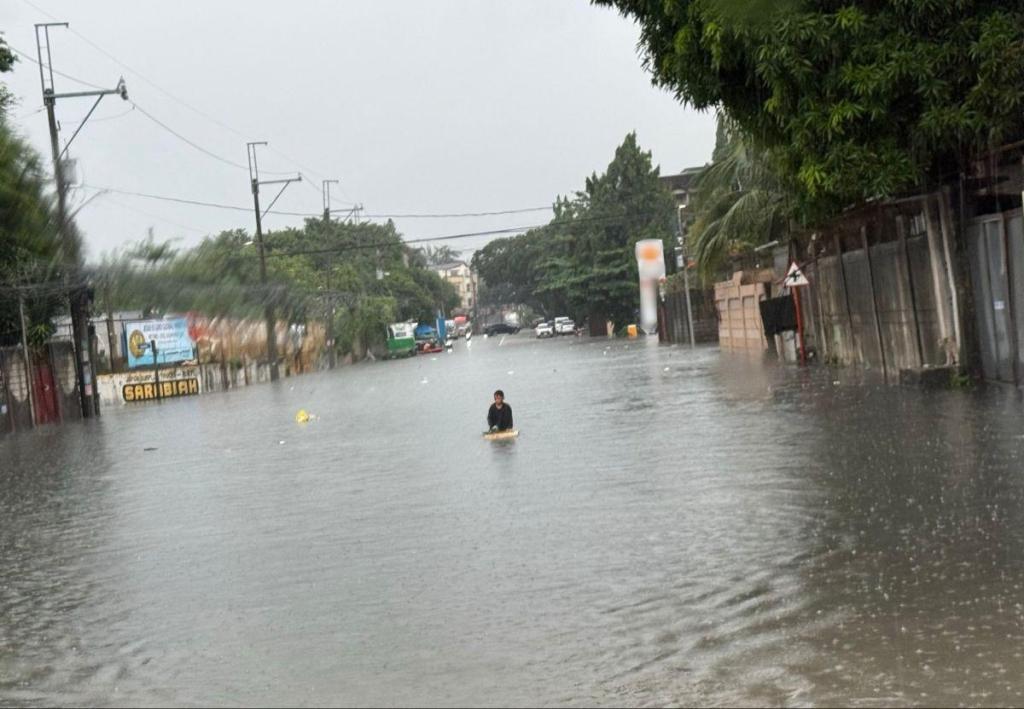
Photo by Ms. Bernadette Reyes, flood in Sto. Domingo, QC, GMA News, 29 August 2026.
Let us care for your creation,
Lord for it is actually caring
for ourselves and for one another;
we only have one home we call
Earth you have entrusted to us;
for many years,
nature have taken cared of all
our needs but offered it no care at all;
let us realize that this Earth
and everything in it
is a reflection of your goodness
and love for us
with Jesus Christ's coming,
"in him all things hold together"
(Colossians 1:17);
let us find, dear God,
 in every beauty of  nature
your majesty and mercy
so we may be kinder not only
with your Creation
but especially
with one another
through Jesus your Son
who alone can restore
order in this nature we have
so destroyed due to our
greed and selfishness;
let us not only pray
to care for Creation
but most especially
find Christ in every storm
in life so we may care most
of all for one another
in whom we find you
dear God
who loves us immensely.
Amen.
Rembrandt’s famous painting “The Storm on the Sea of Galilee” (1633) stolen from a museum in Boston in 1990 and still has not been found yet. From en.wikipedia.org.
Lord My Chef Daily Recipe for Soul by Fr. Nicanor F. Lalog II
Tuesday, Twenty-first Week in Ordinary Time, Year II, 25 August 2026
2 Thessalonians 2:1-3, 14-17     <*((((>< + ><))))*>     Matthew 23:23-26
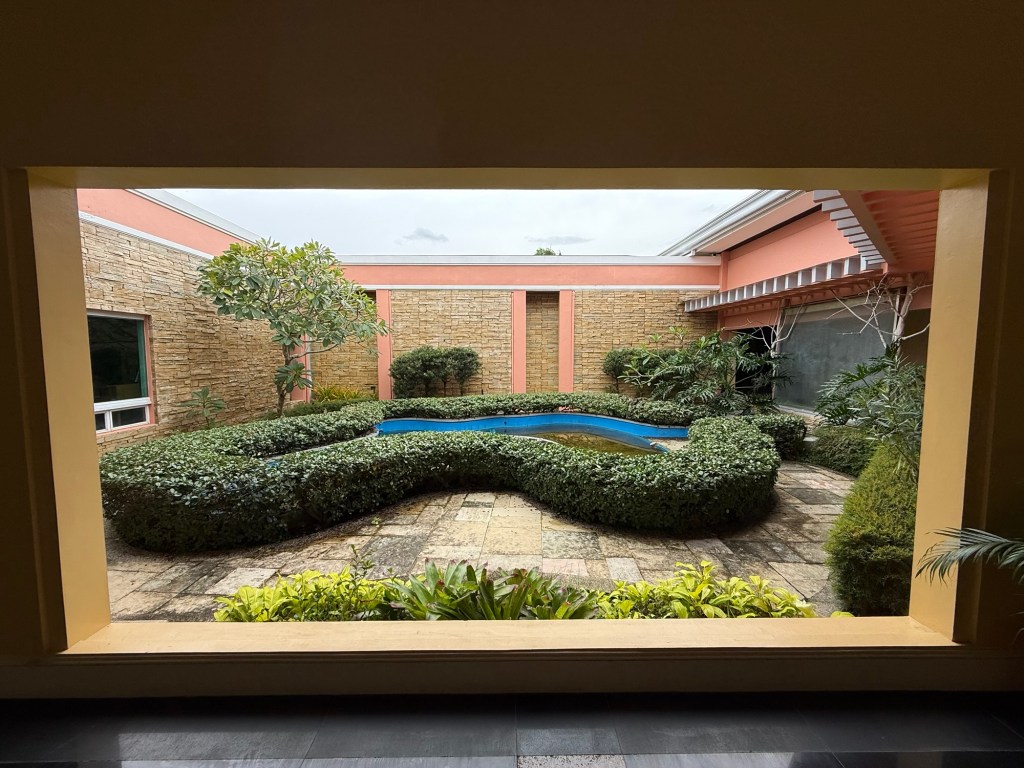
Photo by author, St. Paul Spiritual & Renewal Center, Bgy. Tanyawak, Alfonso, Cavite, 19 August 2026.
Glory and praise
to you Lord Jesus Christ
this blessed Tuesday;
indeed, our life is most often
a comedy like that play by
Shakespeare,
"Much Ado About Nothing" -
we spend too much time on so
many trivial things that we forget
the more essential,
debating and quarreling
on words and expressions,
choosing things over persons,
doing and doing without
knowing and being,
ending more lost
and confused
amid the affluence
never experienced before.
Jesus said: Woe to you, scribes and Pharisees, you hypocrites. You pay tithes of mint and dill and cumin, and have neglected the weightier things of the law: judgment and mercy and fidelity. But these you should have done, without neglecting the others. Blind guides, who strain out the gnat and swallow the camel!” (Matthew 23:23-24)
We not only forget
the weightier,
essential things in life
but we also refuse to live
in the present moment,
preferring to dwell on the future
like the Thessalonians
wasting too much on worries
and non-existent forgetting
what is before us,
the present that is unfolding,
happening in your very presence;
teach us to simply trust in you,
Jesus like the psalmist,
 to rejoice
and be glad for you,
O Lord is king,
just and merciful,
most of all,
so loving
and far more greater
than all of our worries.

Let us stop all these much
ado about nothing,
Lord,
for only you suffices
in life.
Amen.
Photo by author, St. Paul Spiritual & Renewal Center, Bgy. Tanyawak, Alfonso, Cavite, 19 August 2026.
Of all the months in the year, August has the most beautiful name of all but sadly most maligned as a “ghost month”: from the Latin augustus that signifies reverence or to hold someone in high regard, august as an adjective means “respected and impressive” like when we say “in this august hall of men and women” of science or faith.
Yes, it was also taken from the name of the Roman emperor Augustus Caesar but like the rest of the months and days of each year, it is always a blessed one.
No day nor date nor time is malas because these each day is a gift from God who is all good. Nothing bad can come from God.
Moreover, when God became human like us in the coming of Jesus Christ, life has become holy, filled with God, debunking those ancient beliefs of the Divine being seen in various cosmic forces. Pope Benedict explained this so well in his second encyclical:
Photo by a friend in Washington, 28 July 2026.
In this regard a text by Saint Gregory Nazianzen is enlightening. He says that at the very moment when the Magi, guided by the star, adored Christ the new king, astrology came to an end, because the stars were now moving in the orbit determined by Christ[2]. This scene, in fact, overturns the world-view of that time, which in a different way has become fashionable once again today. It is not the elemental spirits of the universe, the laws of matter, which ultimately govern the world and mankind, but a personal God governs the stars, that is, the universe; it is not the laws of matter and of evolution that have the final say, but reason, will, love—a Person. And if we know this Person and he knows us, then truly the inexorable power of material elements no longer has the last word; we are not slaves of the universe and of its laws, we are free. In ancient times, honest enquiring minds were aware of this. Heaven is not empty. Life is not a simple product of laws and the randomness of matter, but within everything and at the same time above everything, there is a personal will, there is a Spirit who in Jesus has revealed himself as Love[3]. (#5, Spe Salvi by Pope Benedict XVI, 30 November 2007)
That’s quite a volume but so lucid, so true, so beautiful. Especially this part: “It is not the elemental spirits of the universe, the laws of matter, which ultimately govern the world and mankind, but a personal God governs the stars, that is, the universe; it is not the laws of matter and of evolution that have the final say, but reason, will, love—a Person.”
This is the whole meaning of the recent Sunday gospel of Jesus walking on water: God in total control of this world.
“Christ Walking On Water” painting by Julius Servus von Klever (1880) from commons.wikipedia.org.
It is this Person of Jesus Christ why so many great men and women then and now have abandoned their previous ways of life to lead holy lives even in the face of death.
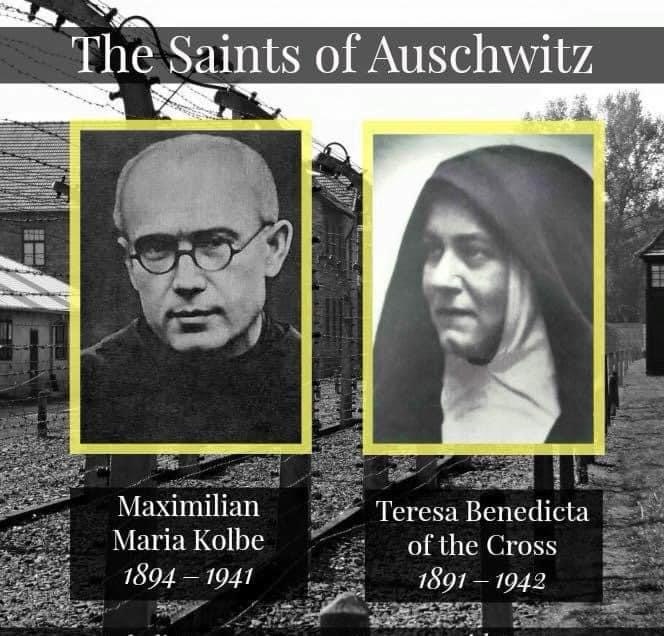
Very interesting in this modern time are two great saints we celebrate on this month of August, St. Teresa Benedicta of the Cross (August 09) and St. Maximilian Kolbe (August 14) who died at the gas chambers of Auschwitz during the Second World War.
St. Teresa Benedicta is the German philosopher Edith Stein. She came from a prosperous Jewish family gifted with a great mind becoming one of the first female university student and later professor in Germany.
An associate of the famed Edmund Husserl of the philosophical method of phenomenology, St. Teresa Benedicta became an atheist during her teenage years; but, upon further studies and prayer, converted into Catholicism, becoming a Carmelite nun where she adopted her new name. She wrote that “Those who seek truth seek God, whether they realize it or not“.
She actually had all the chances to leave for South America and then to Switzerland to escape the Nazis but opted to stay in their monastery in the Netherlands with her younger sister Rosa who had also converted as Catholic and joined the Third Order Carmelite. When they were arrested on August 2, 1942, she told her, “Come, Rosa… we go for our people.”
Photo from FB page of Scott Hahn, 09 August 2024.
St. Teresa Benedicta honored her Jewish roots by dying among them as a martyr of Christ, one who had “learned to live in God’s hands” according to Sr. Josephine Koeppel, OCD, a translator of much of her works.
According to various accounts, St. Teresa Benedicta showed great inner strength by encouraging her fellow prisoners to have faith in God while helping in looking after the small children when their mothers were so distressed to do so. One woman who survived the war wrote: “Every time I think of her sitting in the barracks, the same picture comes to mind: a Pieta without the Christ.”
Dying ahead of her in Auschwitz on August 14, 1941 was St. Maximilian Kolbe, a Franciscan priest who was arrested for his writings against the evil Nazis. It was actually his second time to be arrested.
When a prisoner had escaped from the camp, authorities rounded up ten men to die in exchange of the lone escapee. Fr. Kolbe volunteered to take the place of a married man with children. They were all tortured and starved in order to die slowly in pain.
A devotee of the Blessed Virgin Mary, St. Maximilian was injected with carbolic acid on the eve of the Assumption after guards found him along with three other prisoners still alive, without any signs of fear like screaming but silently praying.
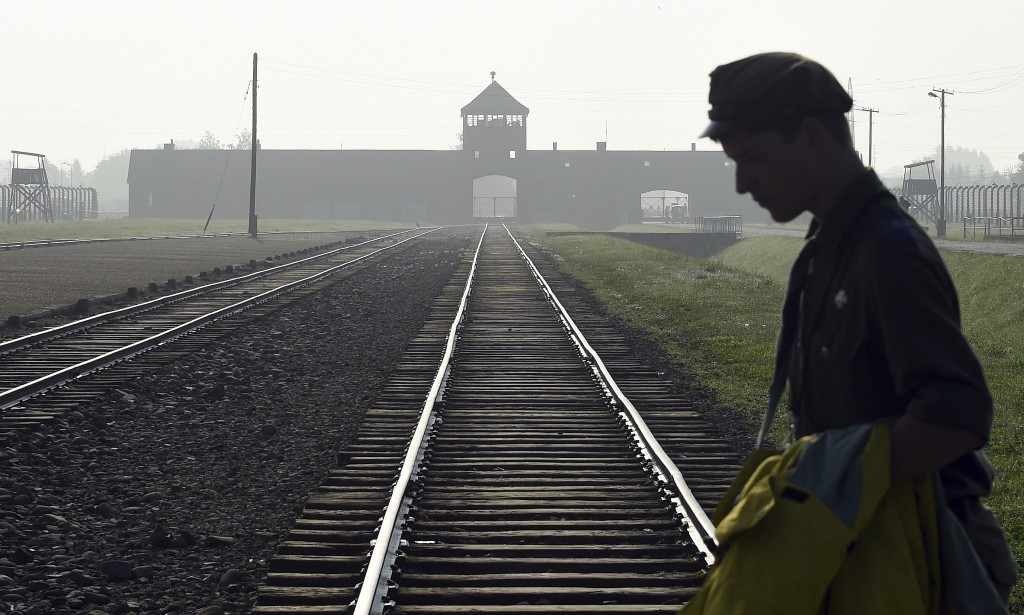
Photo of Auschwitz from Google.
We no longer have gas chambers but atrocities against human life continue in our time, hiding in the pretext of science and laws with some like the wokes exaggerating the truth they believe or follow in the name of inclusivity and various rights.
And yet, there are men and women, young and old alike including those not yet born in their mother’s womb are hunted and killed both for profits and for convenience to correct what many perceived as excesses and wrongs in the society like the grim drug war of the past administration.
Or those corrupt government officials and despicable politicians, from the highest offices down to the barangay behind the flood control scam that are all ghost projects that have submerged vast areas and communities into floods.
The Nazi officers and soldiers of Auschwitz of the past and those involved in the flood control scam as well as the tokhang drug war remind us the true “ghosts” and evil spirits of our time sowing hatred and deaths are people who may be well-dressed, even educated in the best schools, and come from devout or “normal” families. They sow evil every day without choosing any particular month, blindly following orders without much thinking and reflections or introspection. These people entrusted with positions and power are mostly the ones who bring ghosts into our lives causing so much miseries among our people especially the poor ones. Many times, they insist on following or speaking the truth – a truth so empty of the person of Jesus Christ who is “the way and the truth and the life” (Jn.14:6).
Photo by author, 21 July 2026.
I have always believed that the opposite of love is not hatred but hopelessness – without hope, people will just destroy everything for the sake of wealth and power.
Saints have shown us that with much love in our hearts in Jesus Christ, we are also filled with his hopes for better, holier days and months.
By the lives of the many great saints of August, or of any other month for that matter, we are reminded that holiness is not being sinless but being filled with God, being converted daily to the truth of Jesus Christ by allowing that holiness to spill over and flow onto others with our lives of authenticity expressed in charity and mercy, kindness and justice, humility and openness with one another. As St. Paul had written, “Do not conform yourself to this age but be transformed by the renewal of your mind, that you may discern what is the will of God, what is good and pleasing and perfect” (Rom.12:2).
And so, discard those thoughts of a ghost month and let us keep every month an august time and space for our good deeds to make Christ’s loving presence felt among us. A blessed week to everyone!
Lord My Chef Daily Recipe for Soul by Fr. Nicanor F. Lalog II
Wednesday in the Seventeenth Week of Ordinary Time, Year II
Memorial of Sts. Mary, Martha, and Lazarus, 29 July 2026
1 John 4:7-16     <*{{{{><  +  ><}}}}*>     John 11:19-27
“The Raising of Lazarus”, 1311 painting by Duccio de Buoninsegna. Photo from commons.wikimedia.org
Glory and praise
to you, God our Father
for sending us your Son
Jesus Christ who continues
to come to us in various ways:
in nature,
in the events that happen to us
in our lives, both good and bad,
most especially
in persons like our siblings
that this Memorial of
Saints Mary,
Martha
and Lazarus reminds us;
how lovely to remember
how our Lord Jesus
was described as very close
with the blessed sisters and brother
he frequently visited in their
home at Bethany.
We pray for all brothers and
sisters now living apart from
each other due to work
and marriage, raising a
family of their own;
may they never forget each other
as siblings, "magkakapatid"
with invisible bonds that transcend
their physical separations;
keep them mindful of one
another, checking on each others
needs and well-being,
becoming your very presence
in each other especially when
there is sickness and death:
Martha said to Jesus,
"Lord, if you had been here,
my brother would not have died"
(John 11:21).
Like the blessed siblings
of Sts. Mary, Martha and Lazarus,
keep every brother and sister
open to your coming
and visits, Lord Jesus,
that are always in disguise;
make our hearts like theirs
filled with warmth and hospitality,
understanding and forgiveness
for each other so that you may stay
and reign in our hearts,
revealing the face of God
with one another;
most of all, Lord Jesus,
like the three holy sisters
and brother,
may we share
your gift of kindness
of being a kin
to everyone in you,
with you,
through you.
Amen.
An icon of Jesus visiting his friends, the siblings Sts. Lazarus, Mary and Martha from crossroadsinitiative.com.
Lord My Chef Sunday Recipe by Fr. Nicanor F. Lalog II
Sixth Sunday of Easter, Cycle A, 10 May 2026
Acts 8:5-8, 14-17 ><}}}*> 1 Peter 3:15-18 ><}}}*> John 14:15-21
Photo by author, Bucharest, Romania, November 2025.
Jesus wraps up this Sunday his Last Supper discourse into its very meaning of love as basis of our relationships in him who is both our “gate” as the Good shepherd (April 26) and our “home” (May 3). It was at his Last Supper when Jesus gave his new commandment of love that is why Holy Thursday is also known as Maundy Thursday from the Latin mandatum for “command.”
Jesus said to his disciples: “If you love me, you will keep my commandments… In a little while the world will no longer see me, but you will see me, because I live and you will live. On that day you will realize that I am in my Father and you are in me and I in you. Whoever has my commandments and observes them is the one who loves me. And whoever loves me will be loved by my Father, and I will love him, and reveal myself to him” (John14:15, 19-21)
See how Jesus mentioned the word “love” five times in our short gospel this Sunday.
Love is the basis of every relationship; without love, any relationship will not last, will not grow, will not mature and deepen into what it is meant to be.
This is most true in our relationship as disciples of Christ wherein love is more than a feeling but a decision, a choice we make daily in favor of Jesus through the persons around us like your spouse and children, our parents, and fellow disciples. And mothers!
Photo by author, June 2024.
Happy Mothers’ Day to every mom especially those in their sick bed, those widowed, and those who gone ahead of us to eternity.
Mothers are the best examples of the love Jesus is speaking of in the gospel today.
It is the love we affirm despite the pains and hurts of misunderstanding from people we love; it is the love calling us to remain faithful even if others are not; it is the love that remembers and never forgets; it is the love that forgives, that cares and understands without asking anything in return.
It is a love that unfolds, like a process going through stages that calls us to be patient as St. Paul described it in one of his letters. That is why Jesus promised to send the Holy Spirit later to his disciples to understand better his lessons and mission for them.
See how in the first reading we have a glimpse of the kind of love of Jesus calling us – the conversion of the people of Samaria: first was Philip coming to them like preparing the ground for the gospel in them and when they seem to be ready, Peter and John arrived to pray over them to receive the fullness of the Holy Spirit. More than to show us how the Holy Spirit works, the story is all about the love that bound the early Church together especially when the persecution begun.
I prefer the word “unfolding” in describing love wherein slowly there is the sort of “unveiling” of the cover of the face because love is more than a concept and thought or experience: love is a person as John wrote in his first letter, Deus caritas est, God is love (1Jn.4:8).
It is the title of the first encyclical by Pope Benedict XVI who wrote that true love involves transformation wherein the lover seeks to become like his beloved, moving from selfish desires known as eros into the self-sacrificial and other-centered love called agape, the Greek word used by John in writing his account of the Last Supper.
Photo by author, March 2018.
The love that Jesus is calling us is that love of his on the Cross we make present in the Eucharist, that even though we repeat it over and over daily, we never get fed up because something is happening in us, there is something changing, making us better, more matured, more loving that we keep coming back to the Holy Mass to listen to his words and receive him Body and Blood under the signs of the bread and wine.
Every true love is always a person. This is the reason why those who love persevere and forge into every obstacle, fight for their love, bear all pains because we find our fulfillment in being with our beloved, whether physically or spiritually. The mode does not really matter because true love touches our very personhood always.
Here lies the beauty of Albert Camus’ 1947 novel The Plague that had a sort of rediscovery during the 2020 COVID pandemic where he wrote that “A loveless world is a dead world, and always there comes an hour when one is weary of prisons, of one’s work, and of devotion to duty, and all one craves for is a loved face, the warmth and wonder of a loving heart.”
Our Lady of Fatima University-GawadKalinga in Bagac, Bataan.
Without love, humanity will go extinct.
Because of love, every tragedy, every suffering and problem we go through leads to happy ending primarily because we discover something in ourselves and in someone beyond far more important than any situation or plight we may be into.
And that is the joy of the love of Jesus Christ when God is revealed in us in his love when we love like him. It is Jesus Christ whom we “sanctify as Lord in our hearts” (1Pt.3:15) is the one we imitate and follow, the one we see and, most of all, the only one we must share when we love, when we serve.
I know, these are easier said than done.
Specially when we who love are not loved by those we love. Or taken for granted, even forgotten.
Again, let us return to that love of mothers that is most closest to the love of Jesus Christ, a love so willing to give up one’s self in spite and despite of everything.
One of the hardest things many of us go through like priests and nuns, the eldest in the family and the newly widowed or anyone looked up to as someone without a problem: very often people forget us or take us for granted including those supposed to be closest to us, thinking we are fine or doing great without any hint of the sufferings we are going through.
But, it is a source of constant deep joy while suffering in silence, God’s grace is always overflowing because Jesus is within each one of us who believes in him and tries hard to keep his commandments.
We just have to do our part, to keep on believing in Jesus, loving Jesus, and most of all, keeping his commandments because Jesus is the “explanation to anyone who asks us for a reason for our hope” (1Pt.3:15).
We are about to close the Easter Season in two weeks: next Sunday will be the Solemnity of the Lord’s Ascension and after that the Pentecost Sunday. This Last Supper scene perfectly captures the very kind of love Jesus is asking us – a love so personal like his, a love that unfolds and grows deeper as we love more despite the pains and sufferings, and a love that often looks absurd to others and even to us because it is not physical. And beyond logic.
Jesus invites us to continue to be his loving presence in this selfish world, where everyone demands of deserving so many perks in life. Let us do away with that expression “dasurv ko” this or that. Let us pray for more love to conquer all. Don’t forget to hug or remember your mom this Mothers’ Day. Have a blessed Sunday and keep cool and hydrated too! Amen.
Quiet Storm by Fr. Nicanor F. Lalog II, 05 April 2026
Photo by author, La Mesa Dam seen from Seventh floor of Our Lady of Fatima University in Lagro, QC, 12 March 2026.
Every year on my birthday, I go on a personal silent retreat. A vacation with the Lord. As I turned 62 last March that is said to be truly when one is considered “old”, I felt like those women not finding Jesus in the tomb at Easter when an angel told them, “He is not here, for he has been raised just as he said. Come and see the place where he lay” (Mt.28:6).
From then on, March 16-21, I have opted not to blog daily, preferring to rest and pray more until I find Jesus anew in my blogging
It was only on this Easter evening after returning from another retreat during the Holy Tridum that I have started to write anew, feeling like Cleopas and his companion sadly walking home to Emmaus, feeling Jesus is not here.
Photo by author, Sacred Heart Novitiate, Novaliches, QC, 20 March 2026.
I have been writing my homilies for 28 years since my ordination as a deacon. As an “old school” plus the fact of my being a former journalist, I have always been writing in preparing homilies and talkds for the people. That is why I always wear polo with a small pocket to put my small notebook and pen.
After discovering the internet in 2000, I began sending weekly homilies as emails to family, relatives, friends every Sunday to help them prepare for Sunday Mass.
Then in 2018 while head of the diocesan commission on social communications, I started this blog, Lord My Chef, to evangelize more people faster. It has always been clear with me that writing is a gift from God that I must use for his greater glory so that more people may experience even in the net his joy and mercy, healing and forgiveness, and loving presence.
Moreover, I have intended Lord My Chef to be “Spiritual recipes for the soul to gladden your heart” with daily recipes that are homilies expressed in prayer with straight homilies on Sundays and special feasts.
But lately, there was no more gladness in me.
Blogging has become tiring, even stressful.
No more joy as demands replaced the love I used to have in writing.
Because I have been self-centered.
Photo by author, Sacred Heart Novitiate, Novaliches, QC, 20 March 2026.
During my recent retreat, I also felt like Judas Iscariot betraying Jesus in exchange of the statistics of my posts, foolishly competing with myself comparing the daily, weekly, monthly and yearly metrics of my posts.
And yes, many times I felt sad why so few “like” my posts unlike other bloggers I follow and visit.
As I prayed before the Blessed Sacrament on the first day of my retreat last March, I felt being hit so hard in my heart by the Holy Spirit, of how I have been like Simon Peter denying Jesus so many times in my blogs supposed to be about him but have become more about myself.
Noble intentions are never enough because no matter how great and good are our plans even our efforts but when God is nowhere, then it is nothing.
It is a farce because despite the statistics and tangible results we have on whatever we do but if our hearts remain empty and far from God, it is nothing.
St. Paul said it so clearly in the 13th chapter of his first letter to the Corinthians, “If I have not loved, then I am nothing.”
That night, I wrote on my journal what I told Jesus in my colloquy, “I pray to blog, not for God.”
There was shame but also peace and freedom in my heart that night.
Photo by author, Sacred Heart Novitiate, Novaliches, QC, 20 March 2025.
Finally, I have found what – or who – was missing in my blogs and life itself that I have become so tired, confused, even many times lost.
God.
Some times, we can feel so well in life, obeying and doing God’s will but still feel something missing deep inside.
Or something isn’t right at all.
We may feel so happy but never fulfilled. Even successful as seen by others but not fruitful personally deep inside.
Because we lack Jesus in us and in our work and mission or ministry.
It happens when we consciously or unconsciously shift focus and attention into ourselves and other factors aside from God who is the very essence and reason of our mission and undertaking.
Worst, we may be acting or living already as if we are God.
No more Jesus who is our voice, our word, our point of view.
Most of all, our Message.
That’s the good news of Easter with Mary Magdalene and the other Mary: though they have seen the death and burial of Jesus, they still came to the tomb to anoint him with perfumes and oil. Why when he was already dead and buried in the tomb?
Because they missed him a lot, and must have mostly believed he would rise again
Is it not what we also feel with our departed loved ones, asking God even for a short glimpse or fleeting feeling to see them again for us to be assured they are here.
When the angel told Mary Magdalene and the other Mary that Jesus is not here, he was telling them too he is out there, so alive somewhere we have to find and follow.
And that is how I now feel about my blogging: Jesus is not here.
Because Jesus is risen, calling me to find him first in my blogs.
And inviting me to follow him in new directions in my ministry so that perhaps, I may write new things, new experiences, and new life in him. Amen.
*So grateful to fellow bloggers I follow and admire who have helped me find God in their writings especially Rainer, Nicola, Daryl Madden, Sr. Rene, and Pinoy Transplant in Iowa.
Empty tomb concept from iStockphoto.com, April 2022.
40 Shades of Lent by Fr. Nicanor F. Lalog II
Second Sunday in Lent, Cycle A, 01 March 2026
Genesis 12:1-4 +++ 2 Timothy 1:8-10  +++ Matthew 17:1-9
Photo by author, Sacred Heart Novitiate, Novaliches, QC, March 2023.
Despite the sweltering heat of summer, I have always loved the season of Lent when everything is subdued in liturgy – no Gloria nor Alleluia with the altar bare without flowers. It is during this season when we listen to a rich selection of readings from the Sacred Scriptures with music so solemn to guide us in our reflections and prayers to be converted and reconciled with God through one another especially those we have hurt or offended us.
That is why Lent is so beautiful because it is a call for transformation and transfiguration in Jesus Christ, when we are renewed as beloved children of God our Father. As we have reflected on Ash Wednesday, Lent is a coming home to God.
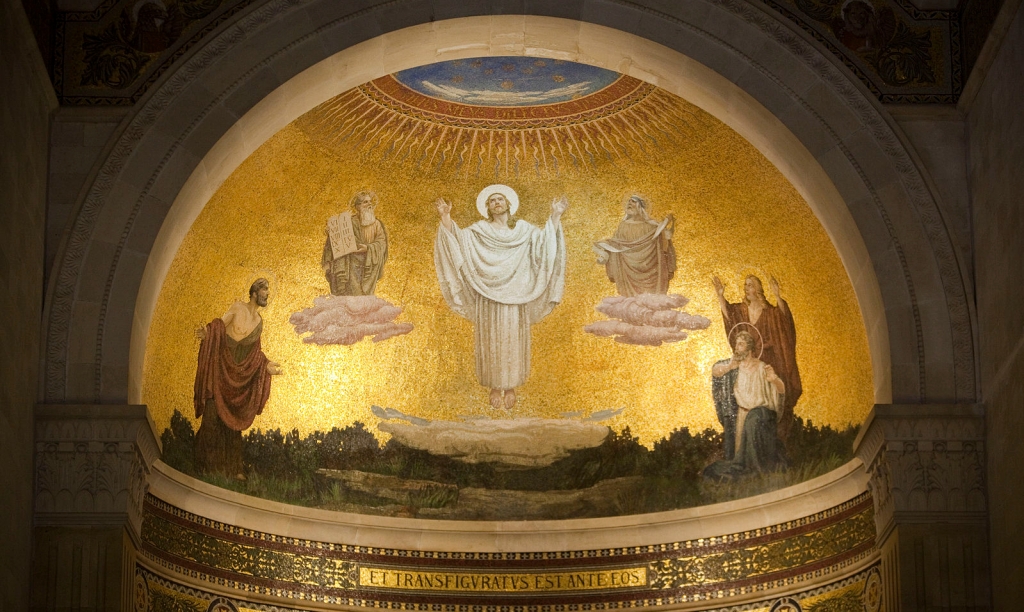
After six days Jesus took Peter, James, and John his brother, and led them up a high mountain by themselves. And he was transfigured before them; his face shone like the sun and his clothes became white as light. And behold, Moses and Elijah appeared to them, conversing with him. Then Peter said to Jesus in reply, “Lord, it is good that we are here. If you wish, I will make three tents here, one for you, one for Moses, and one for Elijah” (Matthew 17:1-4).
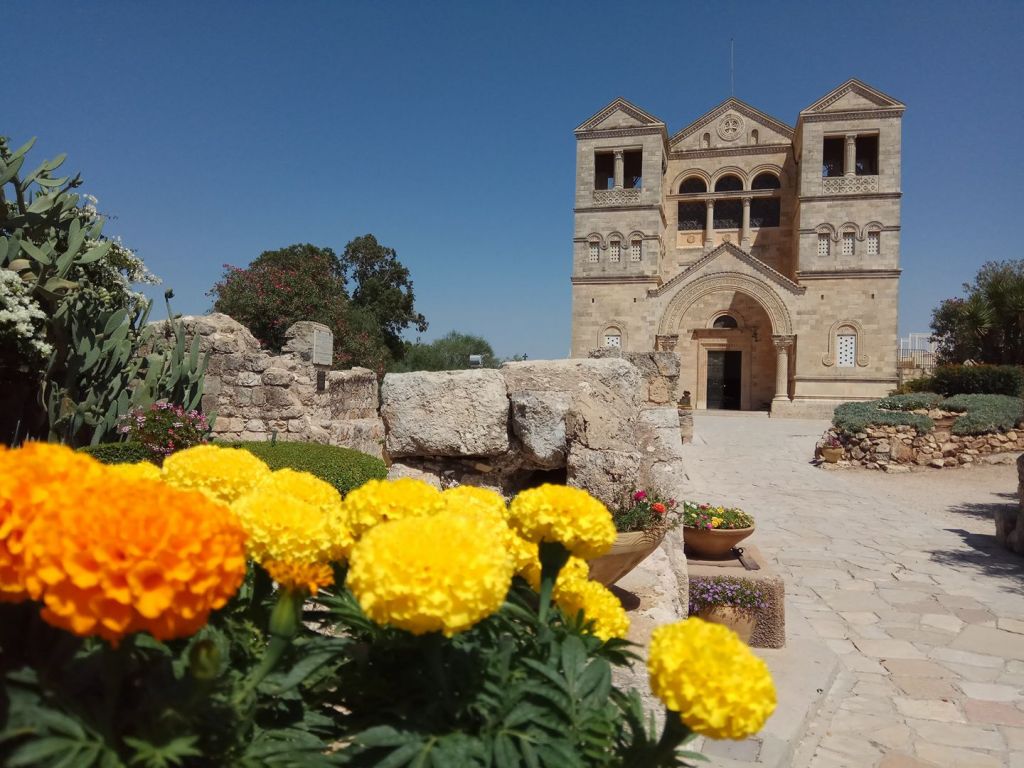
Church of the Transfiguration, Mount Tabor in Israel; photo from wikimedia.org.
Every second Sunday in Lent, we listen to the gospel account of Jesus Christ’s transfiguration at Mount Tabor that shows us the inseparability of the Cross and of the Resurrection, the tragedy of Good Friday and the glory of Easter Sunday.
Matthew, Mark and Luke shared the same event with minor variations in their respective account, agreeing on the basic details of the scene that happened on a high mountain six days after Jesus identified himself at Caesarea Philippi as the Christ or Messiah who shall suffer and die but rise again on the third day.
What I like most of the common details mentioned by the three evangelists in their accounts of the transfiguration were the words spoken by Peter to Jesus, “Lord, it is good that we are here.” So lovely.
Photo by author, Sacred Heart Novitiate, Novaliches, QC, March 2024.
Many times we are like Peter who tell Jesus the same words “Lord, it is good that we are here” without really knowing what we are saying. And surprisingly, we often speak these words to Jesus during those moments when we feel him most incomprehensible – hindi maintindihan just like during that scene at the transfiguration.
We have been saying since Ash Wednesday that “life is Lent” – a daily journey to God’s loving presence within us and among us. Life is a daily ascent, of coming close to God that is never easy.
We all struggle in our prayer life because prayer is stripping ourselves naked before God, confronting our true selves. That’s difficult but transformative, making us grow to become better persons.
So many of us could not even keep up with the Sunday Mass, God’s third commandment, “Remember to keep holy the Sabbath day.”
But, thanks be to God that there are moments of prayers and during the celebration of sacraments when we feel so high in the Lord’s presence we could not understand nor explain yet, feel so good to be there.
There were times when we truly heard Jesus telling us, teaching us how to overcome great temptations and trials in life that after being spared from all the troubles and sins, we felt so good to be there with the Lord.
Or, how can we forget those times we faced the most severe difficulties we have had in life when we have lost a loved one, or we have experienced defeat and failure, painful sufferings like sickness or betrayal when we felt so down, so empty and depleted but also felt the gentle touch of Jesus through the kindness of some strangers or faithful friends, inspiring us to rise and be not afraid to start anew in life, convinced that it is good to be there in the Lord.
Recall those times when it was the face of Jesus we saw on those familiar people or even strangers who shared with us the warmth of being welcomed, of being loved, of being forgiven that made us feel so good to be with the Lord.
Our most difficult moments, our most trying times are when we get better, when we mature and grow, when we are transformed in Jesus Christ. Many times, we hardly understand what is going on except that we believe and hold on to Jesus our Lord despite the many temptations that come our way to follow the ways of the world. But, experience have shown us that doing that is not good at all.
Photo by author, Lent 2021.
As we have reflected last Sunday, life is a Lent, a wilderness with so many voices competing for our attention. Many times we listen more to the voice of the devil that lure us into taking shortcuts and instant routes than follow the word of God that tells us to wait and persevere.
This Sunday, Matthew intensifies that call to us to listen to God’s call and voice when during the transfiguration a voice was heard saying, “This is my beloved Son, with whom I am well pleased; listen to him” (17:5).
After the transfiguration of Jesus, everything he shall be telling us is to forget ourselves, take up our cross and follow him.
St. Paul insists this to Timothy in our second reading today, to “bear our share of hardship for the gospel with the strength that comes from God” (2Tim.1:8). Likewise, the story of the call of Abram in the first reading reminds us of our same call from the same God to leave our comfort zones to a life of blessedness, of holiness.
It is always good to be with the Lord; and wherever he is, there we must always be (Jn.12:26). Jesus is always where there is love and kindness, mercy and justice, poverty and emptiness. Even death and darkness for that is when and where we are transformed and transfigured in Christ. That is why it is good that we are with him always. Let us pray:
Lord Jesus, there are so many things I do not understand in this life, especially when I have to be silent to be with you in prayer, to forget myself and carry my cross and follow you in the path of simplicity, kindness and service; but, one thing though is clear: it is when I am with you, even when I could not see clearly everything, that is when I feel peace and fulfillment within, when I feel so good to be here with you. Let me ramain in you, Jesus. Amen.
Church of the Transfiguration, Mount Tabor, Holy Land; from custodia.org.
Lord My Chef Daily Recipe for Soul by Fr. Nicanor F. Lalog II
Tuesday, Memorial of St. Scholastica, Virgin, 10 February 2026
1 Kings 8:22-23, 27-30     ><]]]]’> + ><]]]]’> + ><]]]]’>     Mark 7:1-13
Photo by author, Museo de Valenzuela’s replica of “Arkong Bato” with the pointed facade of the National Shrine of Our Lady of Fatima as background, 21 January 2026.
How true were the words
of your great King and Servant
Solomon, O God our mighty Father,
that nothing like "the heavens
and the highest heavens"
can contain you
much less the temple he had built
or anything that we have
in this time;
yet, you have promised us
to hear our prayers when we come
to pray to you,
to call on you
in temples and churches
human hands have made
that are not enough to have you.
Forgive us, Lord,
when we try to "contain" you,
"keep" you in specific places
not just churches and temples
and oratories;
most of all,
forgive us, Lord,
when we lack
the reverence and intimacy
we must have with you
when inside the church
and other sacred places;
Jesus' words in today's gospel
cuts us to the heart of our hypocrisies,
"This people honors me with their lips,
but their hearts are far from me;
in vain do they worship me,
teachings as doctrines human precepts"
(Mark 7:6).
O dear Jesus
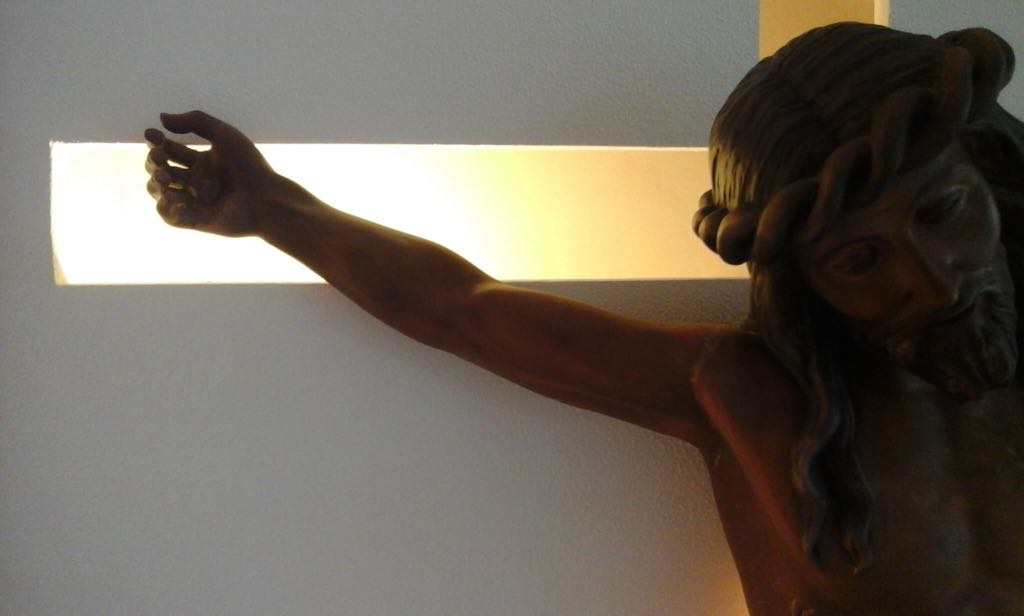
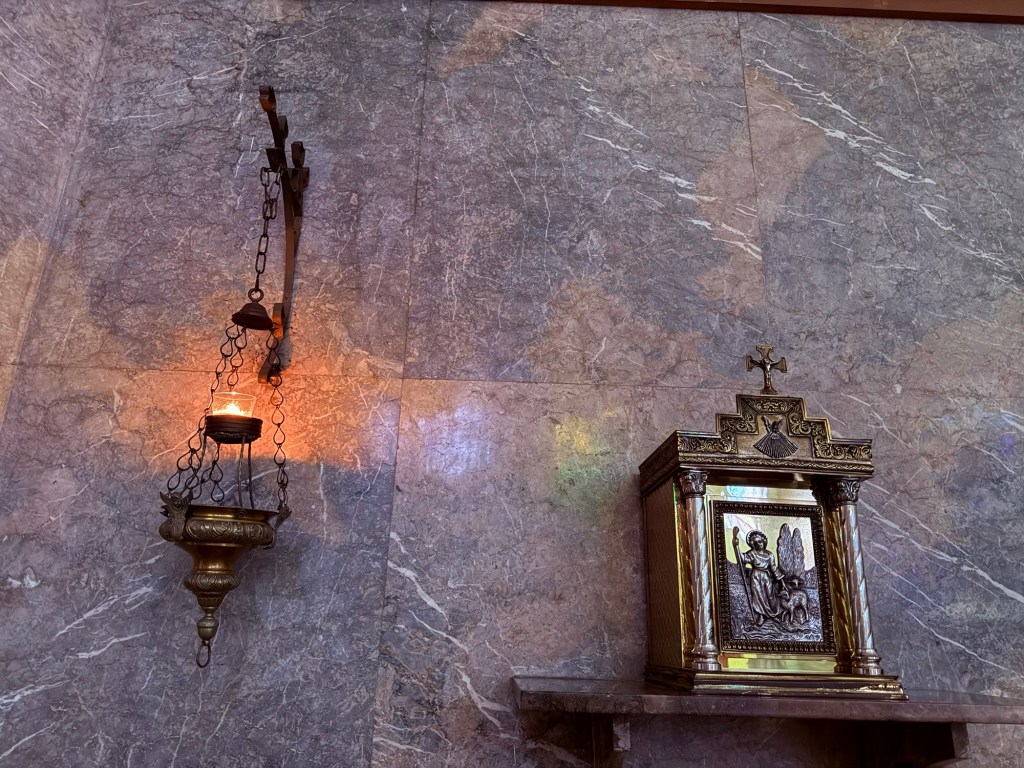
present in the Blessed Tabernacle,
empty me of my pride
so that You may reign
in my heart
always.
Amen.
Photo by author, Chapel of the Carmel of the Holy Family Monastery, Guiguinto, Bulacan, 23 January 2026.
Lord My Chef Daily Recipe for the Soul by Fr. Nicanor F. Lalog II
Monday, Fifth Week in Ordinary Time, Year II, 09 February 2026
1 Kings 8:1-7, 9-13     <*((((><  +  ><))))*>     Mark 6:53-56
Photo by author, Minor Basilica of Our Lady of Manaoag, Pangasinan, 09 January 2026.
God our loving Father,
your words today in the first
reading and gospel are
both quick-paced,
everything seemed to happened
so fast: the arrival and
enthronement of the Ark of the
Covenant in the Temple of Jerusalem
and of people rushing to Jesus
at Gennesaret after crossing
the lake of Galilee.

Both scenes are exactly like
my life today - everything is
happening so fast
and I feel left behind,
tired and exhausted;
if I could just touch
Jesus Christ's cloak
to be healed,
to be comforted,
to be renewed.
When the priests left the holy place, the cloud filled the temple of the Lord so that the priests could no longer minister because of the cloud, since the Lord’s glory had filled the temple of the Lord. Then Solomon said, “The Lord intends to dwell in the dark cloud; I have truly built you a princely house, a dwelling where you may abide forever” (1Kings 8:10-13).
The dark clouds remain
above me, Jesus
and thank you for staying,
for remaining in me;
thank you, Jesus,
for being close to us,
for allowing yourself to be
interrupted
 by our many concerns
that we can touch you
like in Genessaret
where people lived freely
and joyfully regardless of their
faith and culture
as they were simply present
in each moment like when you
crossed over the lake
and allowed yourself
 to be interrupted
even led by them;
teach me to be true to myself
like those in Genessaret
expressing to you my desires
not just what I want;
let me be present with you
as you are present in me each day.
Amen.
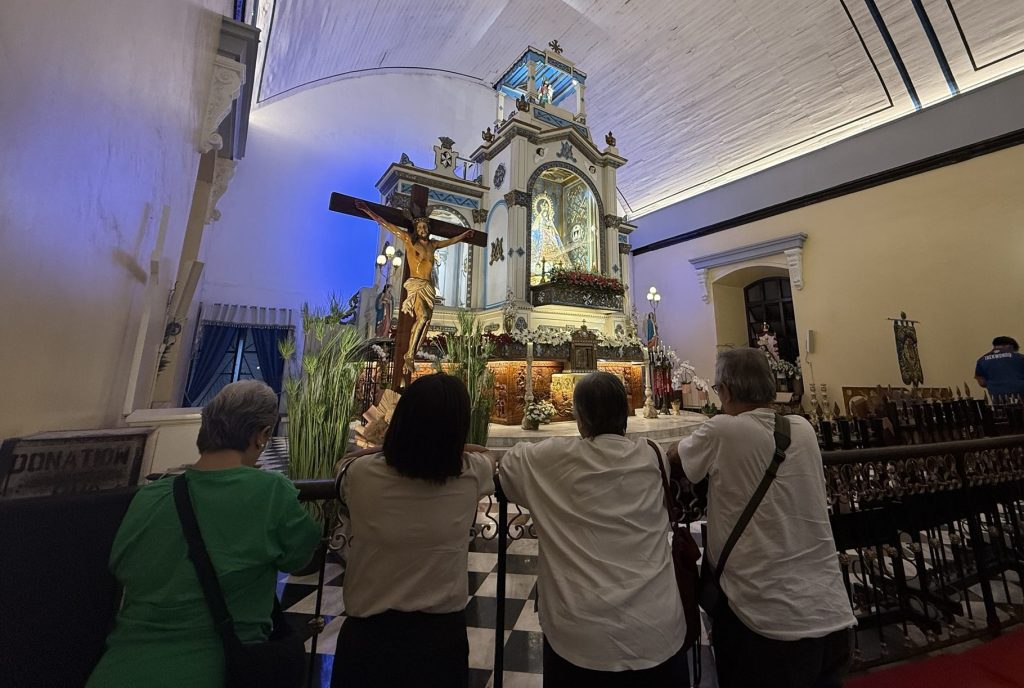
Photo by author, Minor Basilica of Our Lady of Manaoag, Pangasinan, 09 January 2026.