

Lord My Chef Sunday Recipe for the Soul by Fr. Nicanor F. Lalog II
Third Sunday of Easter, Cycle A, 19 April 2026
Acts 2:14, 22-23   ><}}}*> 1Peter 1:17-21   ><}}}*>   Luke 24:13-35
We heard last Sunday Jesus Christ’s coming to his disciples on the evening of Easter and a second time eight days later when Thomas was present, reminding us how Easter is a story of coming and believing, of believing and coming.
This Sunday we find an opposite movement and direction in the two disciples leaving Jerusalem in disbelief at the death and resurrection of Jesus Christ.
That very day, the first day of the week, two of Jesus’ disciples were going to a village seven miles from Jerusalem called Emmaus, and they were conversing about all things that had occurred. And it happened that while they were conversing a debating, Jesus himself drew near and walked with them, but their eyes were prevented from recognizing him (Luke 24:13-16).
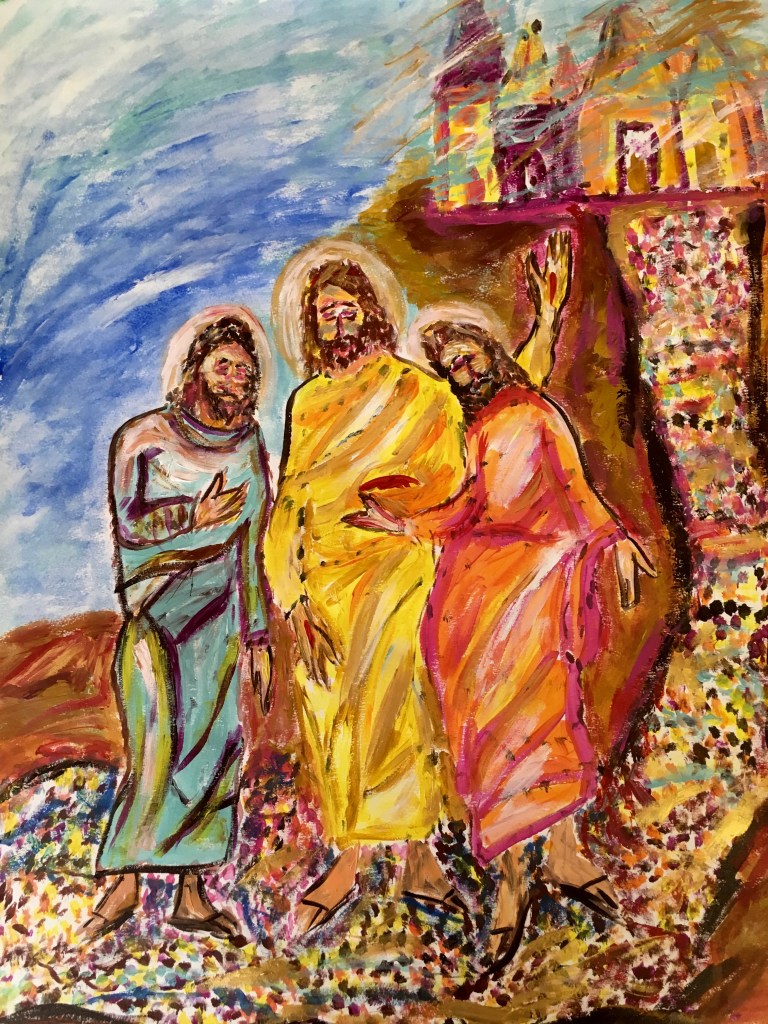
Easter is also about leaving in disbelief. Not necessarily because of not believin like Thomas last Sunday.
Cleopas and the other disciple were leaving Jerusalem in disbelief which our Filipino language adequately express in “hindi makapaniwala” and “matay ko mang isipin” that both indicate a strong sense of belief with a dash of doubt because the story, the event, or the very person involved is beyond comprehension.
Or, bigger than reality like Jesus Christ and his very mystery of love for us.
Many times, we could not believe how good and loving God can be to us, so personal, so real and true but how can it be he “allows” bad things to happen to us or in the world.
Like the two disciples going home to Emmaus, we walk away from God to distance from him and everything and everyone to find our selves and see the real picture of what is going on when times are rough for us.
Those are the times we silently tell ourselves “this could not be happening” especially when it is so difficult, so unbelievable simply because – we believe. Hence, our usual litany of striving to be good, of serving the poor and needy, of going to Mass every Sunday, of always praying…
Look back in our many experiences in life when we could have died or have lost more or could have been a total wreck. Amazingly, despite our being in the opposite direction in life, consciously or unconsciously, that is when we feel more blessed. That’s when we are able to declare with conviction, “hindi ako pinabayaan ng Diyos, napaka-buti ng Diyos, and binigay niya pa rin ang lahat”. This is what the first reading reminds us of Peter’s speech before the Jews at Pentecost, at how God never left us, sending us Jesus Christ as fulfillment of his promise to Abraham and David.
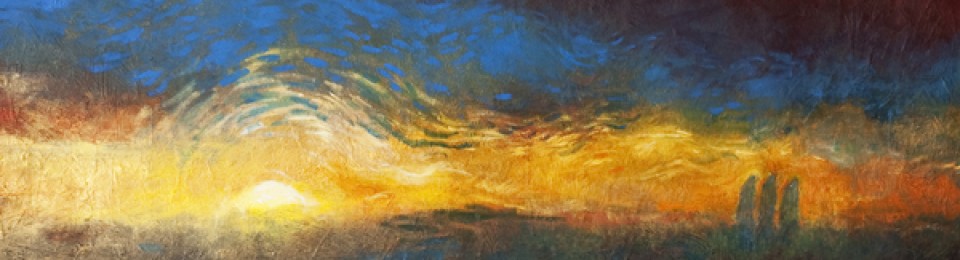
Like in the road to Emmaus, Jesus journeys with us in the opposite direction only to bring us back to Jerusalem filled with joy by reminding us how everything that happens in our lives, Jesus had gone through the same sufferings too as foreshadowed and explained in the Sacred Scriptures.
Here we are reminded of the importance of personal prayer which is more than the mere recitation of prayers but having a relationship in God who never leaves nor abandons us.
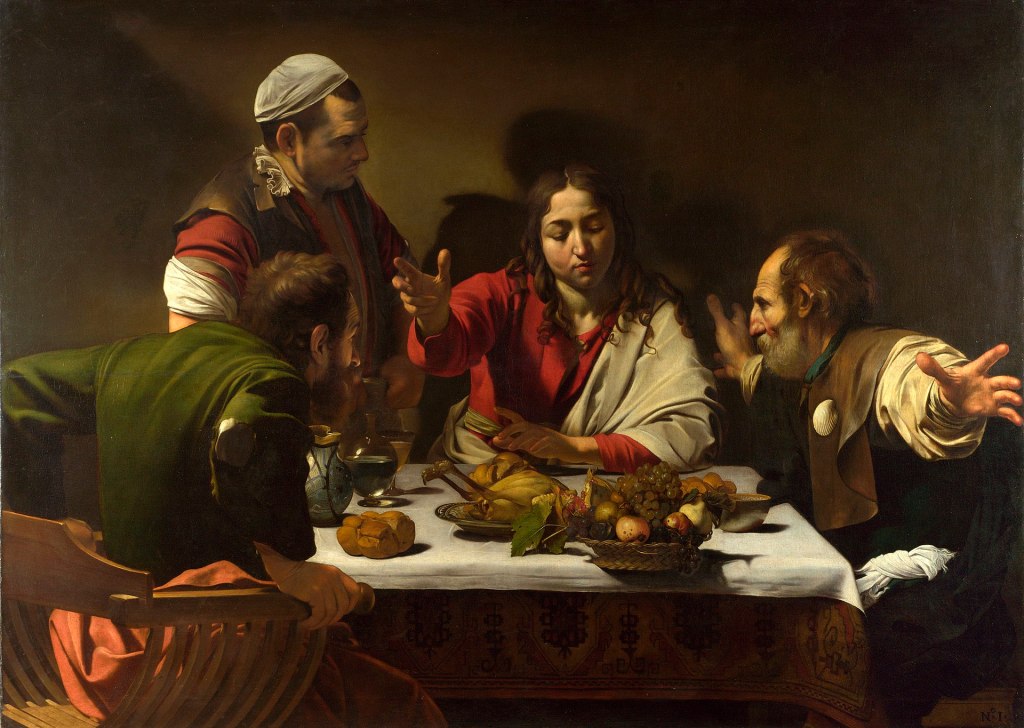
Most of all, here we are reminded too of how the Sunday Eucharist opens ourselves to Christ’s reality and loving presence among us as experienced by the two disciples after Jesus had broken bread with them. It is called a Holy Communion because in that “breaking of bread”, we share in our common experiences of suffering and death. That we are not alone. Most of all, that we too like others rise to new life in Jesus Christ who suffered, died, and rose to life first for us.

It can happen that our eyes too are prevented from recognizing Jesus like Cleopas and companion on the road to Emmaus because of our many fixations in life like that blessings can only be in positive things like good health, security like steady income, a rising career or a profitable business and endeavor.
But, experience has taught us so many times that blessings are not only found in good things but even in bad or negative ones like sickness, failures, losses and death. And when we look back, they were not really that bad at all because it was in our failures and losses, sickness and deaths when we realized and learned most in life.
Notice how Luke succinctly narrated the breaking of bread in the home of Cleopas in Emmaus, it was so swift unlike the building up of drama along the road to Emmaus. It was so simple because that’s how things happen in life too – so quick that the simplest things and gestures, even so bad can suddenly become so loaded with meanings that we realize God’s loving presence in us.
During the COVID pandemic, on the first Sunday of lockdown when there was no public Mass, I started a motorized procession of the Blessed Sacrament in my former parish by mounting our big monstrance on the roof of a parishioner’s truck. I announced the route of our procession during our online Mass that Sunday and people waited.
What an amazing sight of the people’s deep faith in God as they knelt and bowed before the Blessed Sacrament whether on the main highway or the inside streets. Some were crying while everyone was deep in prayer.
There lies the great mystery of Easter: Jesus need not appear to us in person because as he vanishes in the Blessed Sacrament, that is when we recognize him!
In the most simple gestures of the Mass under the most simple signs of bread and wine, Jesus vanishes from our outward view and through this vanishing our interior or inner recognition opens up that we “see” him in the many instances he had touched us especially in our “heart-breaking” experiences in the past, our Emmaus road.

We know with certainty that “it is the Lord” – Dominus est – present in every breaking of bread because part of the Easter mystery tells us deep within that it is only in his vanishing that he truly becomes recognizable to us. That is why we have to stop all those “theatrics” in our liturgy as noted by many netizens this past Holy Week and Easter. Unknown to many priests and their alalays, the more we have gimmicks in the Mass or even in our sacred spaces, the more we “displace” and remove Christ.
After an hour every Sunday, we leave the Mass and go back to our usual way of life, facing life’s many challenges. Peter reminds us in the second reading to hold on to that “faith and hope in God” who gave us Jesus Christ, “the spotless unblemished lamb.”
Let us not forget this mystery of Easter that, the more Jesus vanishes, the more we recognize him because Jesus is more than enough than anybody or anything else especially when we in our Emmaus experience. Let us pray like Cleopas and companion “Stay with us, Lord” so we may show him in our witnessing especially when we could not find him in others. Amen.


One thought on “Leaving, disbelieving”