Lord My Chef Daily Recipe for Soul by Fr. Nicanor F. Lalog II
Friday, Twenty-Eighth Week in Ordinary Time, Year II, 16 October 2026
Ephesians 1:11-14     ><))))*> + ><))))*> + ><))))*>     Luke 12:1-7
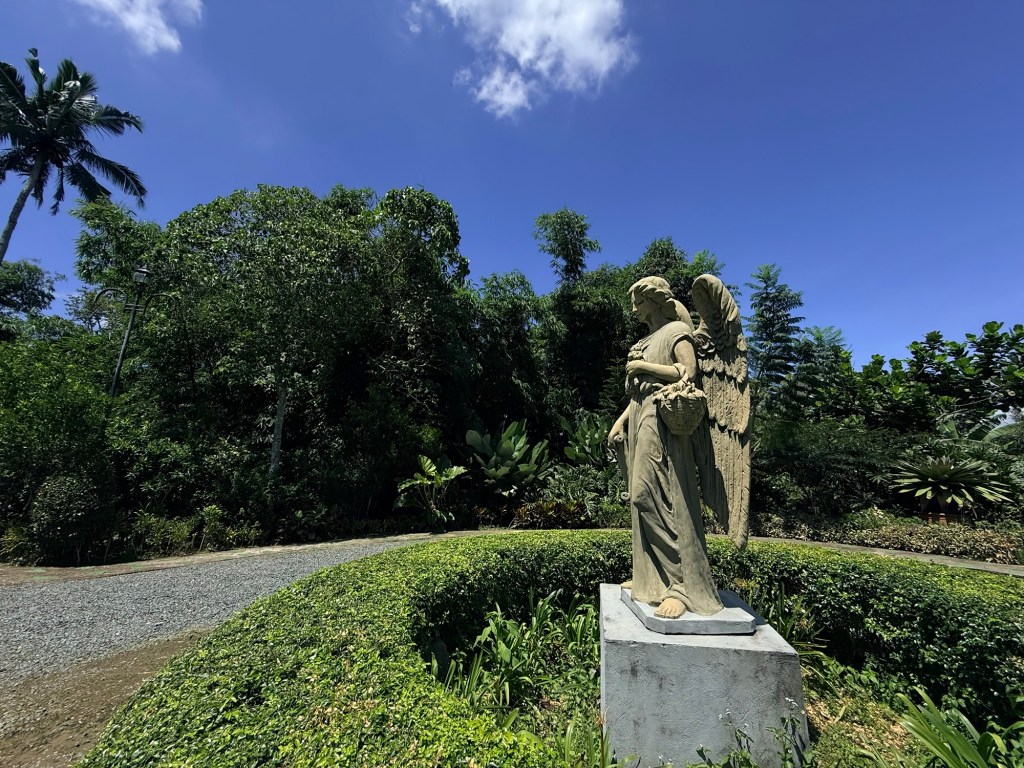
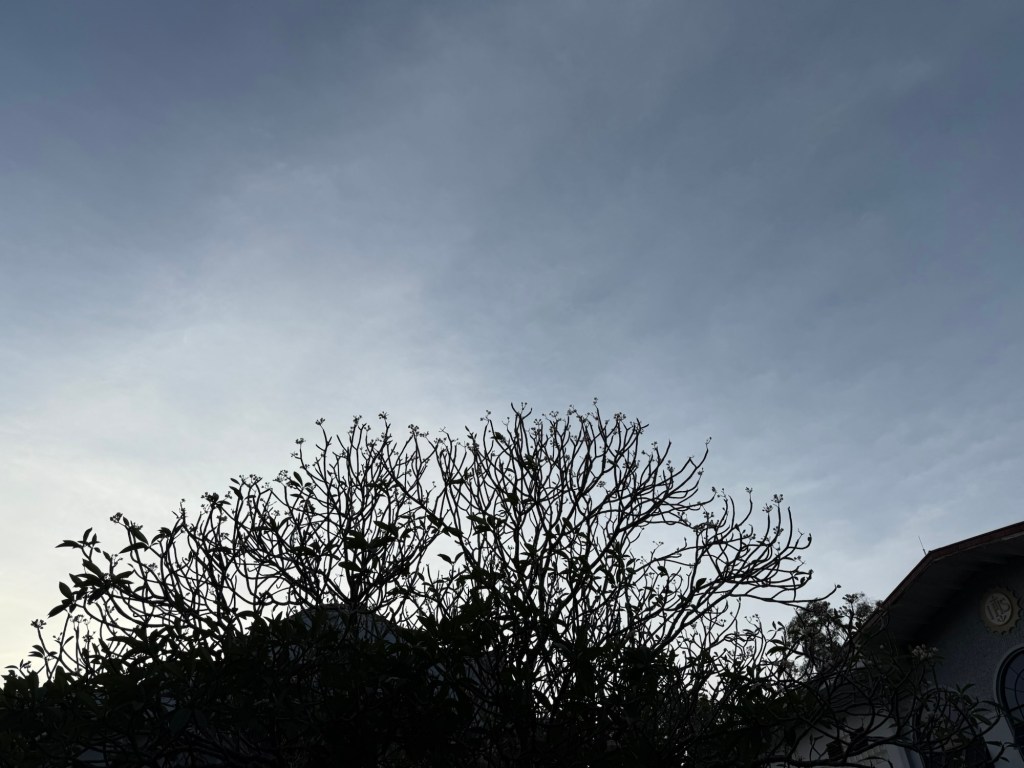
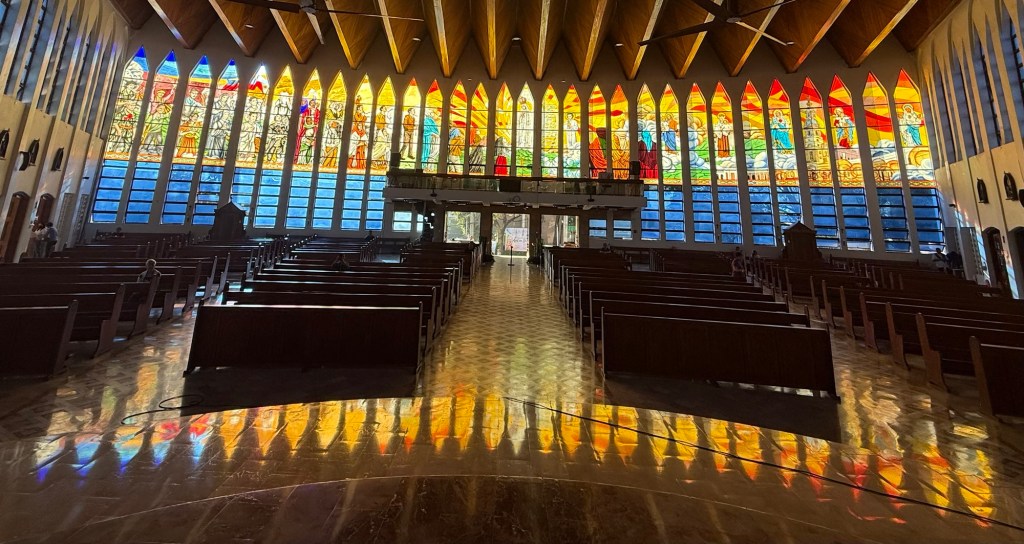
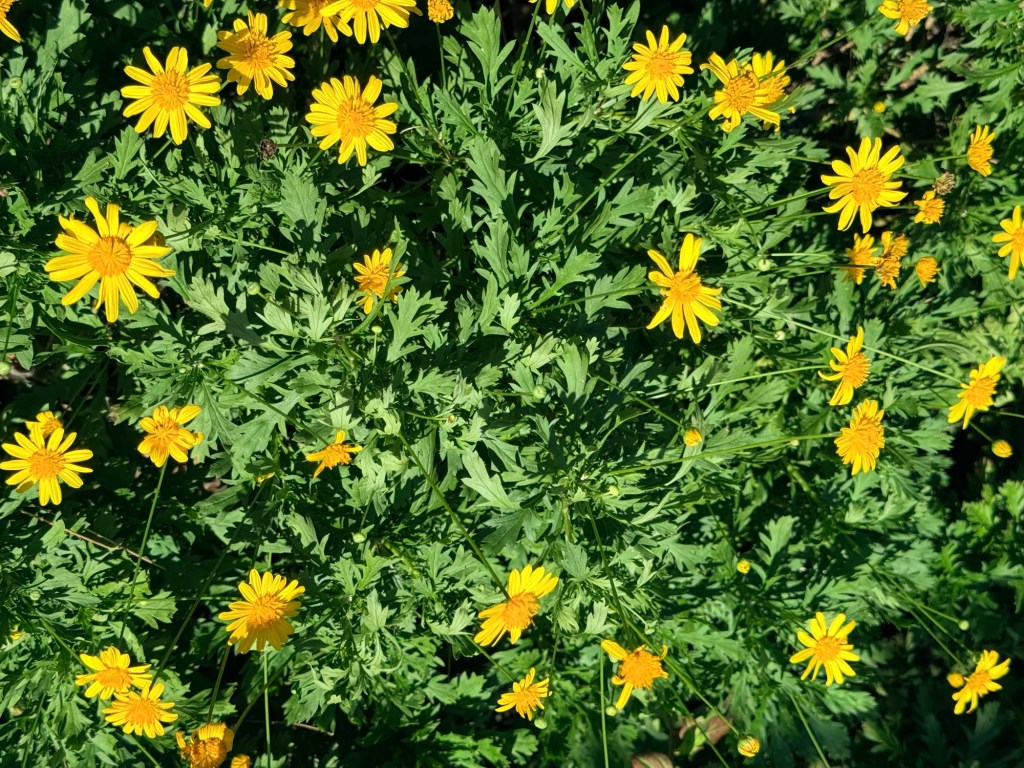
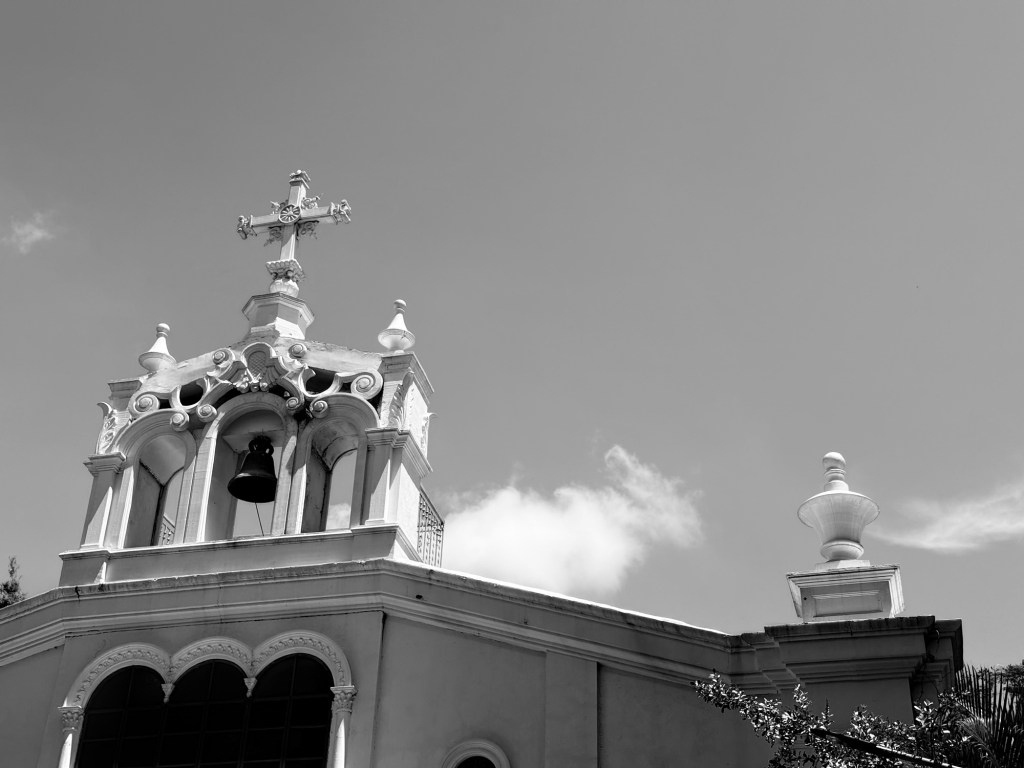
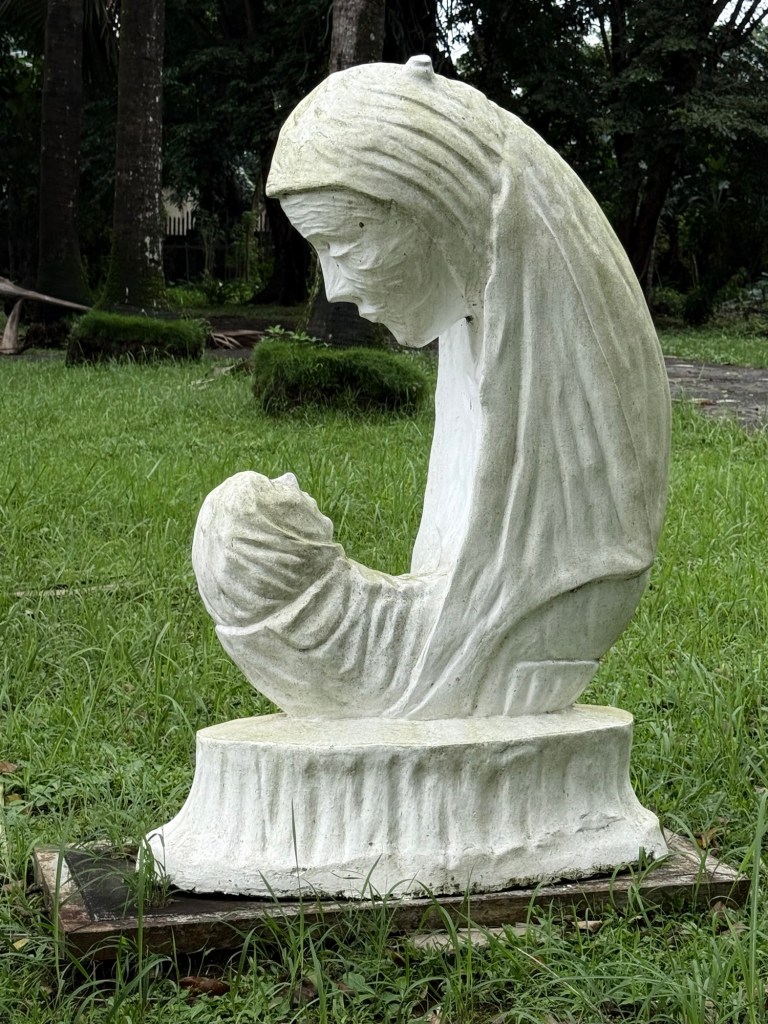
Photo by author, Bella Rosa Gardens, Silang, Cavite, 07 October 2026.
What's happening in the world,
Lord where everyone seems to thrive
in chaos?
Trash talks like cussings,
making fun of other people's
disabilities, smart shaming and
body shaming are so glorified and
imitated especially in social media;
many have no more sense of shame at all,
stretching their rights without any regard
for their responsibilities nor rights of others
that we are like in that gospel scene today:
At that time, so many people were crowding together that they were trampling one another underfoot. Jesus began to speak, first to his disciples, “Beware of the leaven – that is, hypocrisy – of the Pharisees (Luke 12:1).
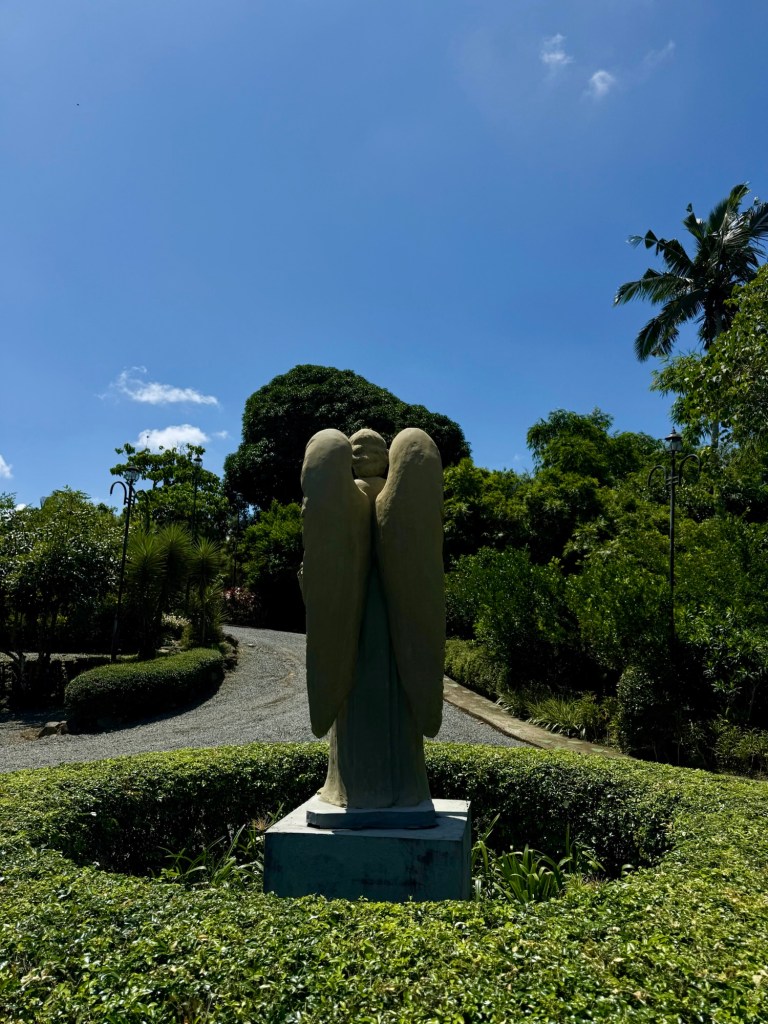
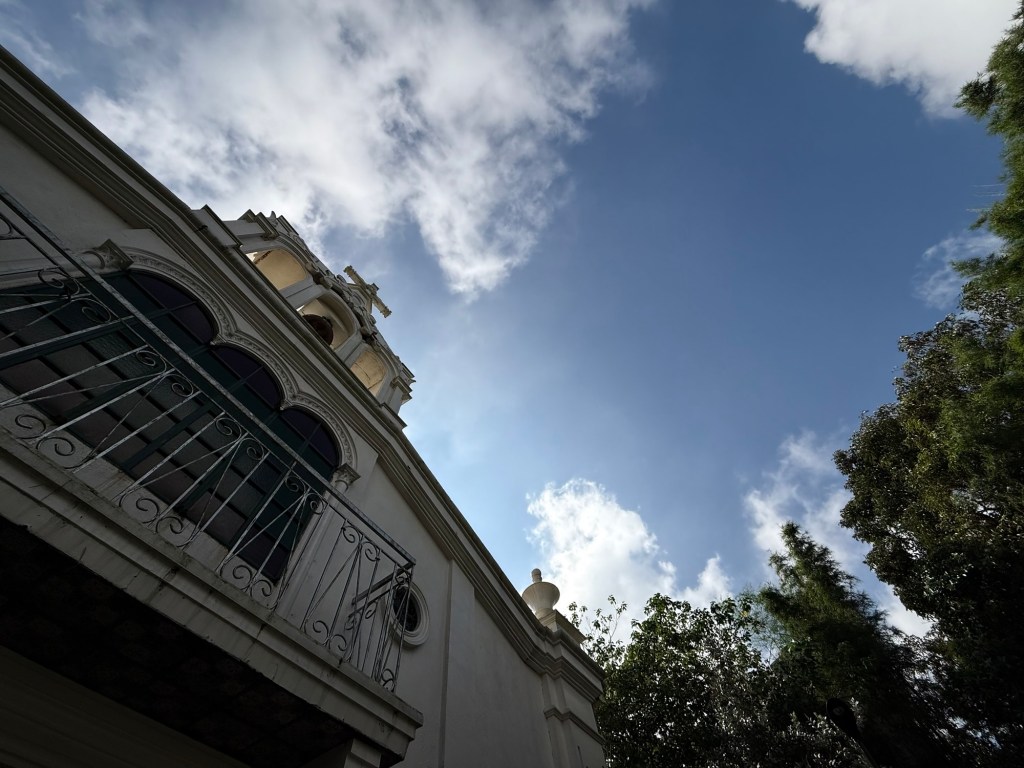
Photo by author, Bella Rosa Gardens, Silang, Cavite, 07 October 2026.
Are we not like those
people crowding together,
already trampling just to hear you
speak, Jesus?
Give us the wisdom,
awaken us from our glorification of
everything that is crass and low,
giving only emphasis on the body
forgetting about the soul,
its dignity and value
along with virtues:
"I tell you,
 my friends,
do not be afraid of those
who kill the body
but after that can do no more"
(Luke 12:4).
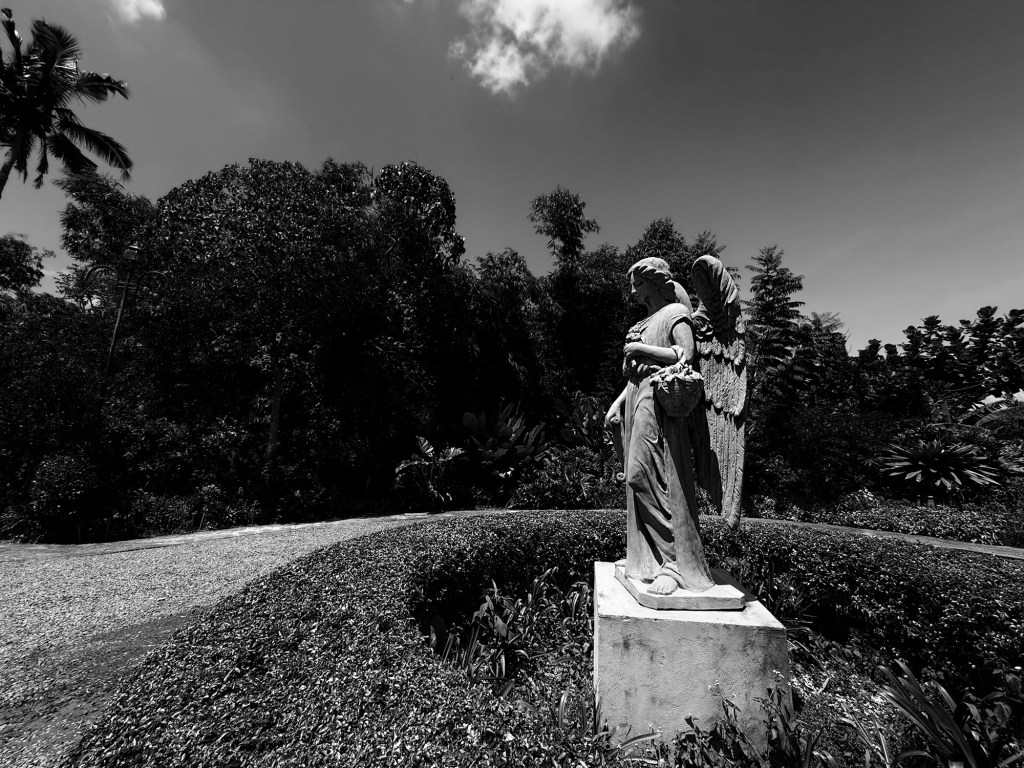
Photo by author, Bella Rosa Gardens, Silang, Cavite, 07 October 2026.
Let us see St. Paul's
alternative vision for the world
in which God's plan is to restore
all things in you, Christ;
let us see more the love and
mercy you have lavished upon us
when you suffered and died
on the Cross to save us,
rising from the dead on the third day
to reconcile us to the Father
and with everyone;
how consoling that we are
not our own,
that despite the chaos
and darkness all over us these days,
"In Christ we were also chosen,
destined in accord with purpose of
the one who accomplishes all things
according to the intention of his will...
were sealed with the Holy Spirit"
(Ephesians 1:11, 13).
How lovely are
these words, Lord!
May we be like St. Paul
in proclaiming to this sick and dark world
that there is an alternative,
better vision of the world
from the Father
in Christ Jesus.
Give us the courage to work on this,
to cooperate with your grace in
showing the world
life is so beautiful!
Amen.
Lord My Chef Daily Recipe for Soul by Fr. Nicanor F. Lalog II
Thursday, Twenty-Eighth Week in Ordinary Time, Year II, 15 October 2026
Ephesians 1:1-10     ><))))*> + ><))))*> + ><))))*>     Luke 11:47-54
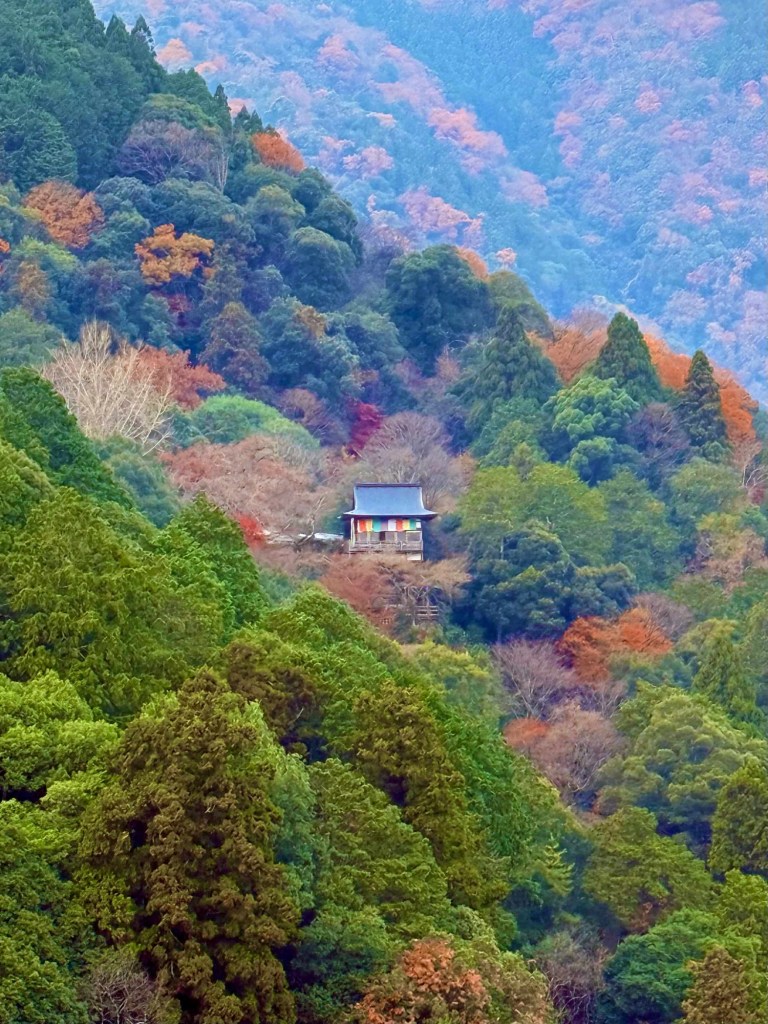
Photo by Ms. Kei Abad in Kyoto, Japan, October 2025.
Glory and praise to you,
O God our loving Father in
Jesus Christ our Lord!

Your words today through
St. Paul are so reassuring
and soothing amid all the many
sad things going on in the world,
in our country, in our family,
and in ourn very selves:
… grace to you and peace from God our Father and the Lord Jesus Christ. Blessed be the God and Father of our Lord Jesus Christ, who has blessed us in Christ with every spiritual blessing in the heavens, as he chose us in him, before the foundation of the world, to be holy and without blemish before him (Ephesians 1:2-4).
What a magnificent prayer of blessing,
a tremendous outpouring of blessing
from you, Father,
of your loving plan for each one of us,
of your grand design of love
inviting us to an open-hearted
relationship of life and joy,
not with our rigid and defensive
approaches like the scribes and
Pharisees in the gospel.
True blessedness is found
only in you, Lord God,
not in our imposed rigidity
that prevents us from truly
opening to you to be led back
anew in Christ Jesus.
Teach us to have the faith
and openness of St. Teresa of Avila
who dared to disturb the complacency
of her contemporaries,
immersing herself in deep prayers
to listen attentively
in order to follow you closely
and courageously in the path
of reforming the Carmelites
during her time;
in doing so,
she led the way in reforming
their lives by being open to you,
O God and thus allowed the richness
of your grace to touch her heart and
those of her companions and followers.
Amen.
St. Teresa of Avila,
let nothing disturb us,
pray for us to completely
trust in God.
Amen.
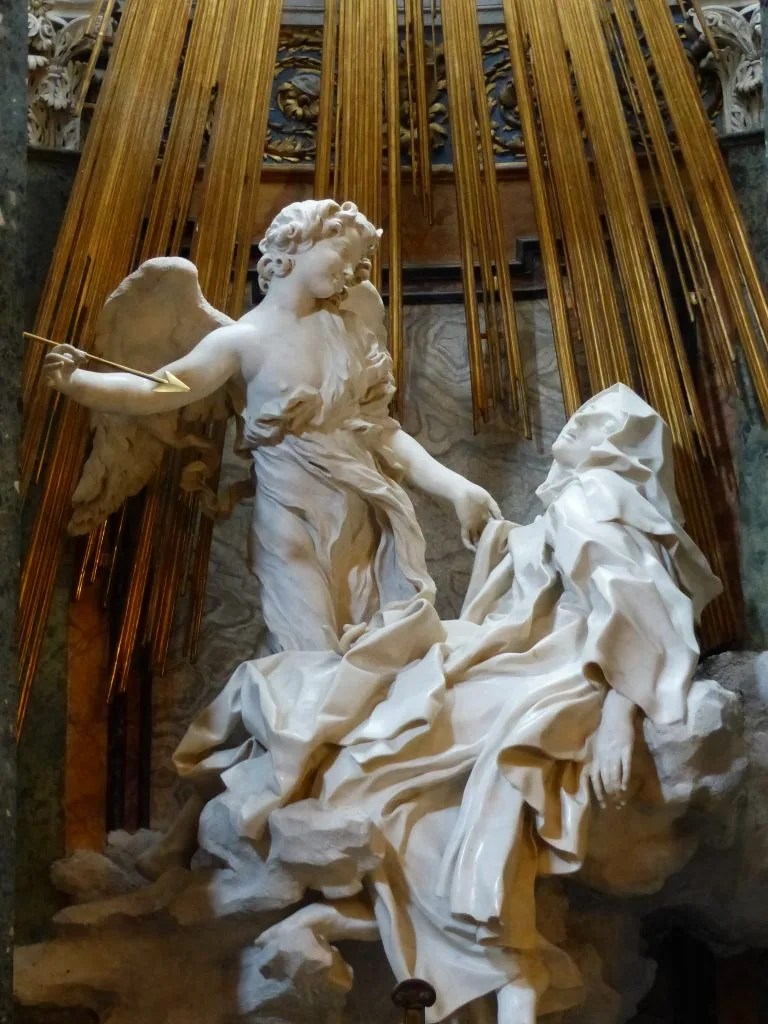
The Ecstasy of Saint Teresa (1645 and 1652), a sculpture by renowned Italian artist Bernini now in Cornaro Chapel at the Santa Maria della Vittoria in Rome based on St. Teresa’s vision of an angel who drove the point of a golden arrow repeatedly through her heart that caused an indescribable happiness and pain in her. The memory of this experience would inspire her for the rest of her life, becoming the motivation in her lifelong desire to identify with sufferings of Jesus expressed in her prayer, “Lord, either let me suffer or let me die.” Photo from artnet.com.
Lord My Chef Daily Recipe for Soul by Fr. Nicanor F. Lalog II
Wednesday, Twenty-Eighth Week in Ordinary Time, Year II, 14 October 2026
Memorial of St. Callistus, Pope and Martyr
Galatians 5:18-25     ><]]]]'> + ><]]]]'> + ><]]]]'>     Luke 11:42-46
Photo by author, Sacred Heart Novitiate, Novaliches, QC, March 2024.
Be my everything,
Jesus: it is not enough
I follow you because along
the way, I can still stop and roam
around, following my many desires,
the restless longings of my heart
for selfish interests;
teach how to imitate St. Paul
in "crucifying my flesh with its
passions and desires" (Galatians 5:24).
But,
what is to crucify my flesh
with its passions and desires?

Simply let me focus on you alone,
Jesus, making you the measure of
everything I shall do,
to search for you in everyone I meet,
to bring you out with everyone I meet;
to see more the bigger picture
of life by resisting the works
of the flesh like "immorarilty,
impurity, licentiousness, idolatry,
sorcery, hatreds, rivalry, jealousy,
outbursts of fury, acts of selfishness,
dissensions, factions, occasions of envy,
drinking bouts, orgies, and the like"
(Galatians 5:19-21).


Keep me aware,
Jesus,
that as my desires for comfort and ease
are bottomless,
I shall never be satisfied within
if I see more the things than the persons,
or give much emphasis on my self
than others like the sick and suffering;
let me search for the bigger pictures
of life's many realities like your
plans for eternity so that I may strive more
to crucify my flesh with its passions
and desires by forgetting my little self
I always inflate to look larger than others;
may I give the chance for the Holy Spirit
to win me over, bearing fruits of
“love, joy, peace, patience, kindness,
generosity, faithfulness, gentleness,
self-control" (Galatians 5:22-23).
Amen.
Photo by author, Chapel of Our Lady of Ephesus, Bella Rosa Gardens, Silang, Cavite, 07 October 2026.
Lord My Chef Daily Recipe for Soul by Fr. Nicanor F. Lalog II
Tuesday, 109th Anniversary of Last Apparition of Blessed Virgin Mary at Fatima
Isaias 61:9-11  ><}}}}*>  Galatians 4:4-7  ><}}}}*>  Luke 11:27-28
From Pinterest.
We remember today the 109th anniversary of the Blessed Virgin Mary’s last appearance at Cova da Iria in Fatima, Portugal when the “Miracle of the Sun” happened before a crowd of 70,000 people.
It was the sixth and last apparition of the Blessed Mother to the three children – Sr. Lucia and her cousins St. Francisco and St. Jacinta Marta – that began on May 13, 1917. According to sworn accounts by many witnesses and attested by many journalists in their reports, it was past noon at about 1:30 PM when the Sun “danced” or zigzagged in the sky and then careened to the Earth while emitting radiant colors that lasted for about ten minutes. It was on this date when the Blessed Mother introduced herself to the three children as the Lady of the Rosary, telling them how World War I would soon end, that “People must amend their lives and ask pardon for their sins. They must not offend our Lord any more, for He is already too much offended!”
During her last interview in 1957 while already a cloistered Carmelite nun, Sr. Lucia revealed how during that last apparition to them (her two cousins have died in 1919 and 1920 during the flu pandemic), the Blessed Virgin Mary looked very sad and never smiled to indicate the gravity and seriousness of her messages to them.
Amid the many interpretations of the events of October 13, 1917, Fatima has remained so popular and very significant to this day because of its truth and relevance to our own situation and experiences from the not-so-distant-past. Three things I wish to share with you today:
From wikimedia.org.
First is to see the last apparition of October 13, 1917 not as the final one but the beginning of the unfolding of more revelations and realizations for us. Fatima is not about the end of the world but actually a new beginning for the world.
Very often, many people have always seen Fatima as a sign of the end of the world, of worldwide catastrophe that have instilled more of fear and even controversies that included doubts of the Vatican allegedly not fully revealing the Third Secret despite assurances from the visionary herself, Sr. Lucia who said before her death in 2005 that all Fatima Secrets have been fully revealed. It must also be kept in mind that after October 13, 1917, Sr. Lucia continued to receive private visions while in the convent as a nun in 1925 through the 1930’s.
The Blessed Mother appeared in Fatima not to scare us but to inspire us to turn away from sins, to be converted and be holy so that the world may truly find peace in Jesus her Son. Fatima’s main messages are hope and joy for the world, not fear and confusion.
Every ending, every destruction imply new beginning, new arising. That’s the meaning of Isaiah’s vision in the first reading, of how the destruction of Jerusalem with all its ruins shall usher in a better city, a blessed nation to be known and recognized by other nations. In the same manner, the last apparition at Fatima in 1917 was meant to usher in new hopes for us to become better persons who will build stronger families and more vibrant church communities.
Unfortunately, it is still far from being realized even 109 years ago have passed as we have not yet learned or heed its lessons. In that case, we and not God nor Jesus nor the Blessed Mother are to be blamed at why we are going through all these difficulties and miseries we are into in this modern age. Let us make today the beginning of our conversion and transformation in Christ Jesus with the help of the Blessed Mother, that simple Virgin of Nazareth who obediently accepted God’s will to bring forth into the world our Lord and Savior Jesus Christ (second reading).
It is in this aspect where we wish to propose our second reflection for 109th anniversary of the last apparition at Fatima by confronting our true selves. If Jesus were with us today, he would have surely reminded us anew that his mother and brothers and sisters are those who listen and do his words (gospel).
Being Christian is more than a name or rites and rituals, even sacraments but more of witnessing Christ especially right inside our home, in our very family. It was in her last apparition at Fatima when the Blessed Mother revealed to the three children how the devil has been working, infiltrating every family and the church to mislead parents and priests into serious, grave sins like the rising incidents of divorce and separation of many couples as well as the continuing reports of sexual abuses by members of the clergy.
At Fatima 109 years ago today, the Blessed Mother invited us to focus more in revealing God’s will as experienced and prayed in the the Sacred Scriptures than wasting our time with politics and other worldly debates that often disregard the dignity of every person. Fatima is about our daily conversion from our sins, of choosing always what is good and just and charitable, not selfish and self-serving interests. This is very evident with the two elements that prevailed on that day: rains and the Sun.
The rains have soaked wet the people and the whole area for two days, October 12-13, signifying the call for inner cleansing and purification of our hearts and person. And when the Sun “danced”, the people were astonished how their clothes were dried along with the whole surroundings as if it had not rained the previous day after witnessing the spectacular display of colors and light. Let Jesus cleanse and purify us into better persons who witness his gospel always.
And thirdly, on this 109th anniversary of our Lady’s final apparition in Fatima, let us keep in mind the word “guidance” which stands for:
God
U and
I
DANCE for life.
Like the dancing Sun on that day 109 years ago today, Jesus invites us to “dance” in life, following the steps and the way of the Cross like his Blessed Mother who remained with him until his death. Amen.Our Lady of Fatima, Pray for us.
Photo by author, National Shrine of Our Lady of Fatima, Valenzuela City, 25 February 2026.
Lord My Chef Daily Recipe for Soul by Fr. Nicanor F. Lalog II
Monday, Twenty-Eighth Week in Ordinary Time, Year II, 12 October 2026
Galatians 4:22-24, 26-27, 31-5:1     <*((((>< + ><))))*>     Luke 11:29-32
Photo by author, Bella Rosa Gardens, Silang, Cavite, 07 October 2026.
Please excuse me, Jesus
as I feel like singing
one of the songs during
our college days by
Stephen Bishop
for the movie "Tootsie"
starring Dustin Hoffman:
Time, I've been passing time
Watching trains go by
All of my life
Lying on the sand
Watching sea birds fly
Wishing there would be
Someone waiting home for me
Something's telling me it might be you
It's telling me it might be you
All of my life
Photo by author, Bella Rosa Gardens, Silang, Cavite, 07 October 2026.
I could hear you speaking
to me today, Jesus:
"This is an evil generation;
it seeks a sign,
but no sign will be given it,
except the sign of Jonah"
(Luke 11:29);
there are times I keep looking
for certainty, asking for a sign
from God for the things I have to do,
for the mission I have to accomplish;
but like your people,
we today fail or refuse to see you,
to find you, Jesus
when you are
right in front of us,
always beside us;
and it is true, Lord Jesus,
I cannot find you in my life
because I expect something
more obvious or even something
more dramatic like in the movies.

Keep me simple, Jesus,
so that I may find you,
I may recognize you in
the most ordinary,
the simplest occasions
in my life,
among the people I meet daily
especially those I take for granted
or refuse to relate with.
So many quiet walks to take
So many dreams to wake
And with so much love to make, oh
I think we're gonna meet some time
Maybe all we need is time
And it's telling me it might be you
All of my life
I've been saving love songs and lullabies
And there's so much more
No one's ever heard before
Something's telling me it might be you
Yeah, it's telling me it must be you
And I'm feeling it'll just be you
All of my life
Photo by author, Chapel of Our Lady of Ephesus, Bella Rosa Gardens, Silang, Cavite, 07 October 2026.
Yes, it's you, Jesus...
always you every time I wake up
and make that sign of the Cross
first thing in the morning;
it is you, Jesus...
when I see the light
and feel the warmth of
the rising sun;
it is you, Jesus...
when people and kids
smile at me,
when people ask for me,
when people listen and
speak to me;
it is you, Jesus...
when I still hope
and love and desire
for you.
Help me in my unbelief.
Amen.
Lord My Chef Daily Recipe for Soul by Fr. Nicanor F. Lalog II
Wednesday, Twenty-Seventh Week in Ordinary Time, Year II
Memorial of Our Lady of Rosary, 07 October 2026
Acts 1:12-14     <*{{{{><  +  ><}}}}*>     Luke 11:1-4
Photo by author, Sacred Heart Novitiate, Novaliches, Quezon City, March 2024.
After leaving the minor seminary in 1982, I felt my priestly vocation anew in 1990 while working as a reporter at GMA News. And one of the stumbling blocks that delayed me in finally deciding to give it another try had something to do with the Holy Rosary: I could not believe if God was really calling me to become a priest because I did not pray the Rosary. Fact is, I did not like the Rosary at all while in high school seminary because it was repetitive and too long to pray.
All the priests I consulted during that time clarified that the Rosary is a devotion that is distinct from the priesthood, that it is not a determinant whether one has a priestly vocation or none at all. Eventually, I resigned from GMA News, went back to the seminary in 1991, becoming a priest in 1998 along with my six classmates.
And I must confess, I still did not have that devotion with the Holy Rosary until I was assigned to a parish of my own in 2011. It was a devotion that did not happen instantly but slowly in 2016 as demands in the ministry grew, I felt the need for more prayers aside from our Liturgy of the Hours and daily meditations before the Blessed Sacrament. It was during the COVID pandemic when I found myself praying the Holy Rosary daily until I literally fell in love with it becoming an integral part of my prayer life. It was a coming into full circle for me, from being a big question mark before, now the Rosary has become an essential response to my priesthood.
The Rosary of the Virgin Mary… still remains, at the dawn of this third millennium, a prayer of great significance, destined to bring forth a harvest of holiness. It blends easily into the spiritual journey of the Christian life, which, after two thousand years, has lost none of the freshness of its beginnings and feels drawn by the Spirit of God to “set out into the deep” (duc in altum!) in order once more to proclaim, and even cry out, before the world that Jesus Christ is Lord and Saviour, “the way, and the truth and the life” (Jn 14:6), “the goal of human history and the point on which the desires of history and civilization turn” (St. John Paul II, Rosarium Virginis Mariae, Introduction).
Photo from canningliturgicalarts.com, painting of the Battle of Lepanto Bay with our Lady of Victory or Rosary.
On this Memorial of the Our Lady of the Rosary that had its origins in after Pope St. Pius V attributed to it the victory of the Christians forces agains the Ottoman Turks at Lepanto Bay in 1571, countless devotees worldwide will pray the words that Jesus taught his disciples.
Jesus was praying in a certain place, and when he had finished, one of his disciples said to him, “Lord, teach us to pray just as John taught his disciples.” He said to them, “When you pray, say: Father, hallowed be your name, your Kingdom come…” (Luke 11:1-2).
It is one of the most beautiful requests by the Apostles to our Jesus Christ, “Lord, teach us to pray as John taught his disciples.” Who else can teach so well how to pray even us today but Jesus, the Son of God?
In calling God Our Father, Jesus taught us the basic truth of every prayer that it is never alone nor solitary but always implies a community, a family — that we are all called and gathered to be one in God. It is a prayer that is all about relationship with the Father, reliance on the Father, faith in the Father.
Again, we read St. John Paul reflecting on the nature of the Holy Rosary that at every mystery starts with the Our Father:
After listening to the word and focusing on the mystery, it is natural for the mind to be lifted up towards the Father. In each of his mysteries, Jesus always leads us to the Father, for as he rests in the Father’s bosom (cf. Jn 1:18) he is continually turned towards him. He wants us to share in his intimacy with the Father, so that we can say with him: “Abba, Father” (Rom 8:15; Gal 4:6). By virtue of his relationship to the Father he makes us brothers and sisters of himself and of one another, communicating to us the Spirit which is both his and the Father’s. Acting as a kind of foundation for the Christological and Marian meditation which unfolds in the repetition of the Hail Mary, the Our Father makes meditation upon the mystery, even when carried out in solitude, an ecclesial experience (#32, Rosarium Virginis Mariae).
Painting by El Greco, “Pentecostes” (1597) from commons.wikimedia.org.
This communitarian aspect of the Our Father we see in the first reading during the Pentecost when the disciples gathered at the Cenacle room in Jerusalem praying with the Blessed Virgin Mary who is our constant reminder of the importance and need to pray always to God our Father.
Next to Jesus, his Mother taught us in her later apparitions to bring all our needs before the Father who loves us so much – especially those trials and sufferings and challenges we face each day because it is in prayer that we truly find our connections.
Notice how the disciples in asking Jesus to teach them how to pray that they mentioned “just as John taught his disciples” because they must have noticed a big difference in their ministry, of John’s connection with his disciples. The Twelve must have felt this connection with Jesus missing that they asked him to teach them how to pray too.
Here lies the gift and challenge of every prayer: it leads to our “connectedness” with God. Both the Rosary and the Our Father are learned by rote and spoken by heart but – do we pray with the heart? What is the our connection with prayer in general, with the Rosary and with the Our Father? Is it an expression, a witness, something that happens only with others as in a community or when we have time or, something deeper and personal?
The Blessed Cardinal Fulton Sheen who was beatified recently used to teach that it is in our prayer life that we become like Jesus Christ. It is most true with the Holy Rosary:
The contemplation of Christ has an incomparable model in Mary. In a unique way the face of the Son belongs to Mary. It was in her womb that Christ was formed, receiving from her a human resemblance which points to an even greater spiritual closeness. No one has ever devoted himself to the contemplation of the face of Christ as faithfully as Mary. The eyes of her heart already turned to him at the Annunciation, when she conceived him by the power of the Holy Spirit. In the months that followed she began to sense his presence and to picture his features. When at last she gave birth to him in Bethlehem, her eyes were able to gaze tenderly on the face of her Son, as she “wrapped him in swaddling cloths, and laid him in a manger” (Lk2:7) (#10, Rosarium Virginis Mariae).
By praying the Holy Rosary, may we learn through Mary to contemplate the face of Jesus Christ so we may be faithful to our call and mission especially in this 24/7 world of continuous action and noise that have left many of us empty and without meaning in life, no connections and so scattered in life. Amen. God bless you with Mary our Mother!
Photo by author, St. Paul Spiritual & Renewal Center, Bgy. Tanyawak, Alfonso, Cavite, 19 August 2026.
Lord My Chef Daily Recipe for Soul by Fr. Nicanor F. Lalog II
Tuesday, Twenty-Seventh Week in Ordinary Time, Year II
Memorial of St. Bruno, Priest, 06 October 2026
Galatians 1:13-24     ><}}}}*> + ><}}}}*> + ><}}}}*>     Luke 10:38-42
Photo by Ms. Kei Abad in Kyoto, Japan, October 2025.
Welcome, Lord Jesus.

Welcome and thank you,
Jesus, for coming to us,
for visiting us
even if we are always "out"
so busy with our many tasks
we feel so important even when
you come to visit us;
forgive us Jesus when we are
like Martha welcoming you into
our home,
into ourselves
but so occupied with ourselves too.

Teach us to be like Mary,
Martha's sister,
truly hospitable to you
welcoming you by sitting
at your feet - that is,
getting down to pray
to truly meet you,
to truly experience you,
to truly listen to you.

Like Mary,
may we learn to get down
to your feet, Jesus,
by setting aside my plans
and agenda to give way
to your plans for me;
most of all,
may we learn to get down too
like Mary to truly welcome
and relate others we meet
whom you use to come to us.

Like St. Paul in the first
reading when he narrated how
you found him and eventually
he searched and followed you first
before eventually turning to the
apostles and first disciples;
that is true hospitality -
welcoming you first in our lives
in prayers,
in silence
like St. Bruno and his followers
the Carthusians who sought
to "seek God assiduously,
to find God promptly,
and to possess God fully."
Amen.
Lord My Chef Daily Recipe for Souls by Fr. Nicanor F. Lalog II
Friday, Twenty-Sixth Week in Ordinary Time, Year II
Feast of Guardian Angels, 02 October 2026
Exodus 23:20-23     <*{{{{>< + ><}}}}*>     Matthew 18:1-5, 10
Photo by author, Baguio City Cathedral, 2019.
Glory and praise
to you, O God our
loving Father in giving
us guardian angels,
your messengers
and servants
you send us
to guide us,
to protect us,
to lead us.
“See that you do not despise one of these little ones, for I say to you that their angels in heaven always look upon the face of my heavenly Father” (Matthew 18:10).
Angels are
spiritual creatures,
so pure and holy,
with will and intellect;
but, as the psalmist
sings, you O Lord
created us humans
higher than angels
with body able to touch,
feel and see others and be
felt and seen by others too;
but, how sad,
unlike the angels,
we are so concerned
always with who is the
greatest among us;
forgive us, Lord,
in this age of social
media when everything
is exposed and must be seen,
must be felt and tasted,
we have come to value greatness
in terms of popularity
and wealth, power and fame,
achievements and success
whether at home or in school,
in offices and parishes,
everywhere.
Teach us, Jesus,
to be like little children
who always portray angels
in the arts because of their
simplicity and sincerity;
may we keep in mind
that we are already good
and great in our selves,
even greater than angels;
may we be faithful like
the guardian angels as
God's messengers and servants
especially to those who are
sick and burdened,
alone and forgotten
by family and friends
even by society,
troubled and anxious
with life's many problems;
likewise, we remember
and pray for those people
who have always been an angel
to us, bringing Christ's loving
presence among us.
Amen.
Lord My Chef Daily Recipe for Soul by Fr. Nicanor F. Lalog II
Thursday, Twenty-Sixth Week in Ordinary Time, Year II, 01 October 2026
Memorial, St. Therese of the Child Jesus, Virgin & Doctor of Church
Photo by author, September 2020.
Praise and glory
to you, God our loving Father
for this month of October!
Thank you for calling
and sending us like the 72
others sent forth by Jesus
in today's gospel:
Jesus appointed seventy-two other disciples whom he sent ahead of him in pairs to every town and place he intended to visit. He said to them, “The harvest is abundant but the laborers are few; so ask the master of the harvest to send out laborers for his harvest” (Luke 10:1-2).
Thank you,
dear Jesus for those
you have called and sent
to comfort me in times of crises,
those you sent to encourage me
in times of doubts,
those you sent to bring me peace
when everything was in chaos
and disorder; send me too,
O Lord, to bring your love
and mercy to those down and
wearied, to bring your warmth
and life to those losing energy
and will to forge on in life,
to bring healing for those
bruised and sick physically
and emotionally.
Teach me to be like
St. Therese of the Child Jesus
whom we celebrate today
to be love in the midst of the
Church; let me not be like
those visitors of Job who
disturbed him,
instead of bringing him peace
they destabilized him;
the world is so sick these days,
Lord; send us to bring
you and your peace and love
and joy to everyone.
Amen.
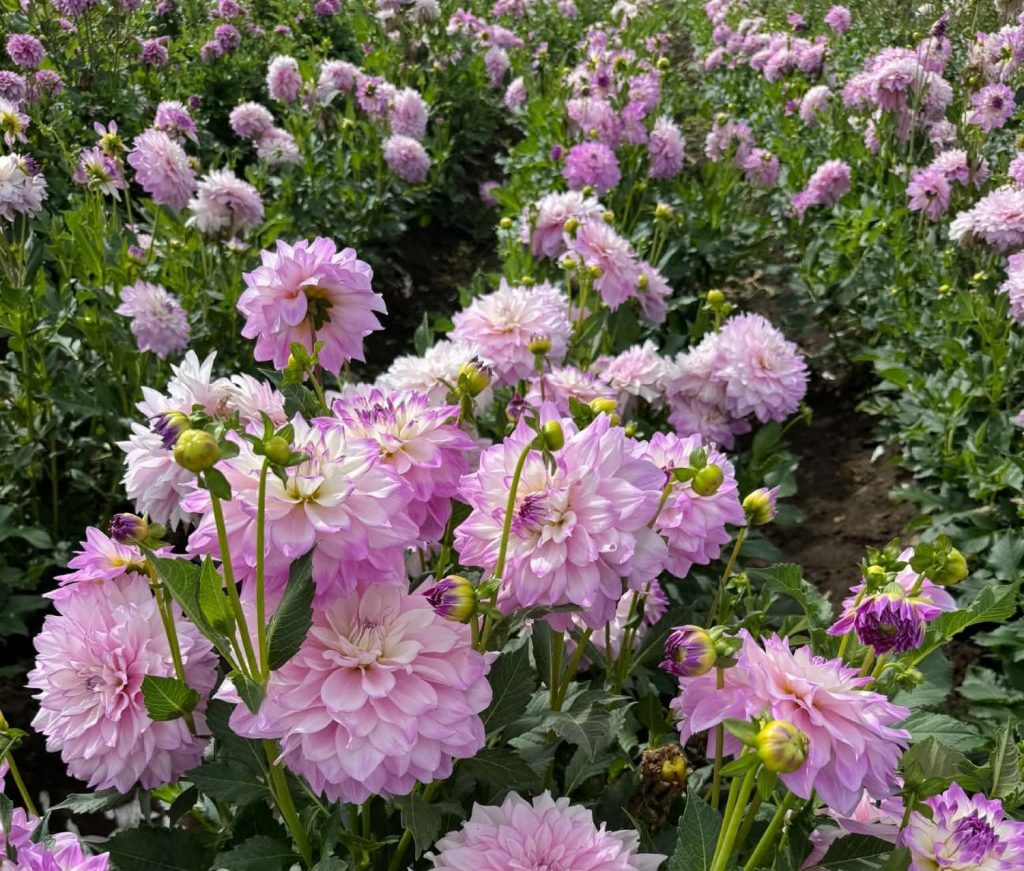
Photo by a friend in Swan Island Dahlia Farm, Canby, Oregon, 29 August 2026.
Lord My Chef Daily Recipe for Soul by Fr. Nicanor F. Lalog II
Wednesday, Twenty-Sixth Week in Ordinary Time, Year II
Memorial of St. Jerome, Priest & Doctor of the Church, 30 September 2026
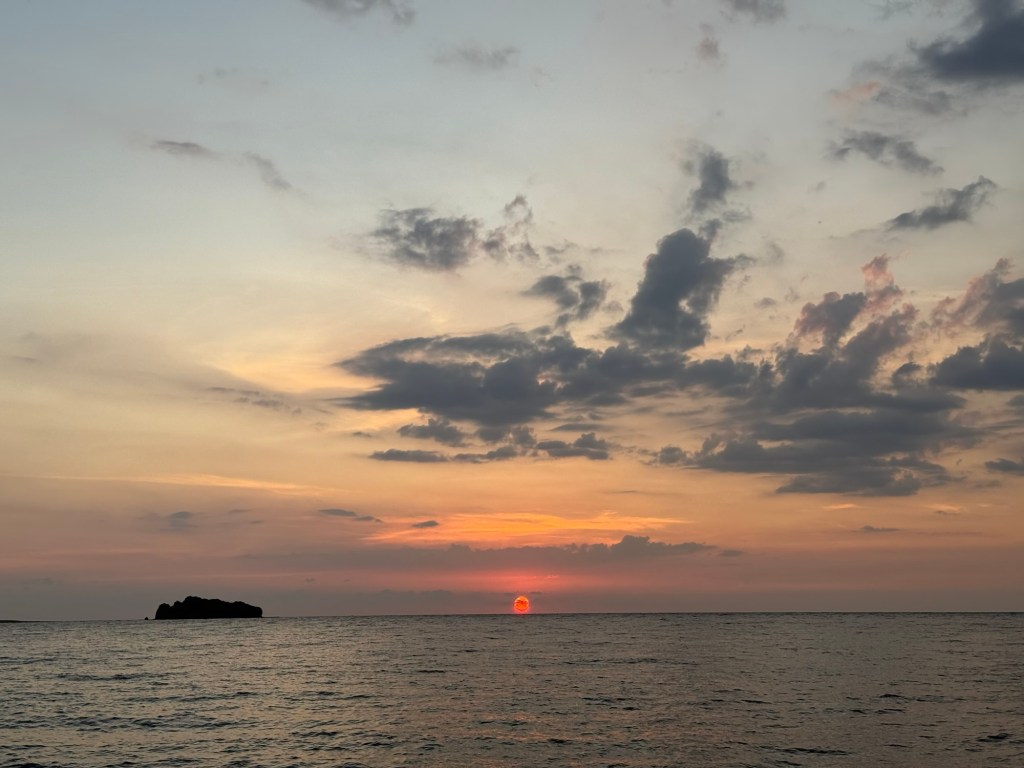
Photo by author, Cabo de Roca, Pundaquit, San Antonio, Zambales, 15 May 2025.
Many times in life
I see myself like Job,
Lord: at a loss at how
things are happening with
me; I cannot complain but
deep I know that in this life,
good is rewarded,
evil is punished;
but, how does one explain
when bad things happen to
good people?
Like Job,
I have no claims to
holiness but deep inside
I am convinced
of my innocence
in many occasions
that I ask,
I wonder,
I "protest"
of the difficulties
and sufferings I am going
through.
How must I approach,
you, Lord?

You are all powerful,
you can do anything;
should you come near me,
I see you not;
should you pass by,
I am now aware of your coming;
should you seize me,
what can I say nor do
(Job (9:11-12).
Even though I were right, I could not answer him, but should rather beg for what was due to me. If I appealed to him and he answered my call, I could nhot believe that he would hearken to my words (Job 9:15-16).
Truth is,
many times I really
do not and would never
understand for sure
the things happening
to me except that I just
have to trust you more
like Job.

Or St. Jerome
who went through many
ordeals in his life
largely due to his own
making with his kind
of temperament.
What matters is that
unlike the three would-be
disciples in the gospel today,
Job,
St. Jerome,
and hopefully me,
your lowly servant Lord,
will simply follow you
even if we never
understand why
and how things are
turning out
in my life.

Let me approach
you, Lord,
the way St. Jerome
had shown
and taught us:
by praying your Words,
the Sacred Scriptures
where you speak directly
to us in the most personal manner.
Amen.
Photo by author, Cabo de Roca, Pundaquit, San Antonio, Zambales, 14 May 2025.