Lord My Chef Daily Recipe for Soul by Fr. Nicanor F. Lalog II
Thursday, Twenty-Sixth Week in Ordinary Time, Year II, 01 October 2026
Memorial, St. Therese of the Child Jesus, Virgin & Doctor of Church
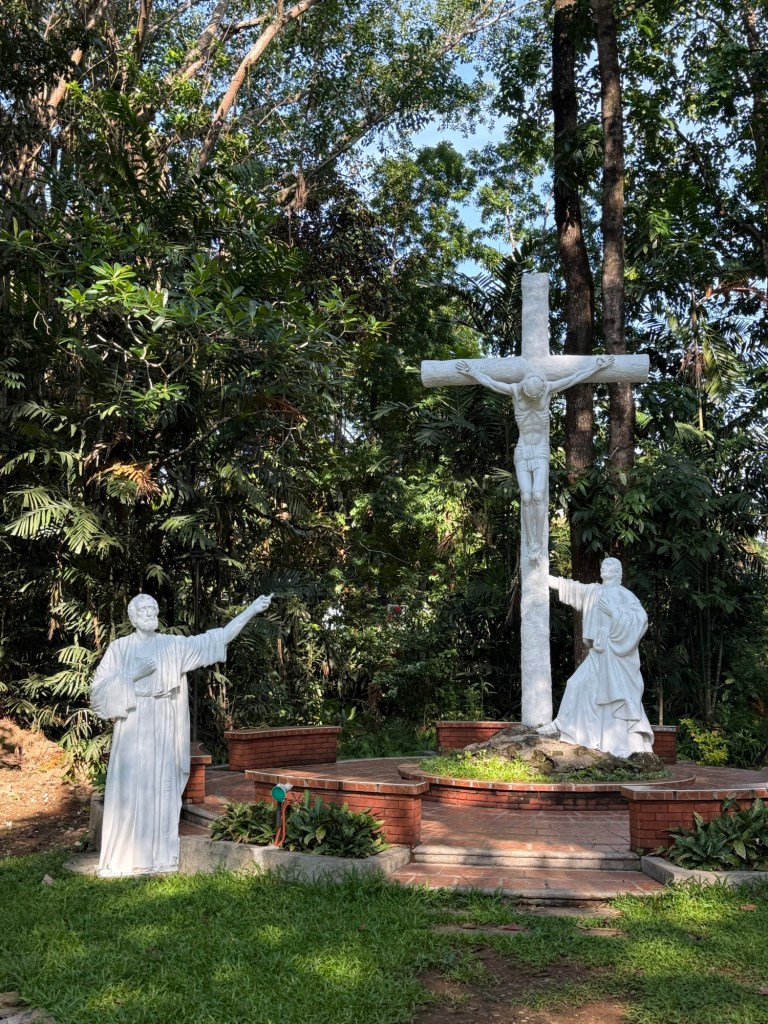
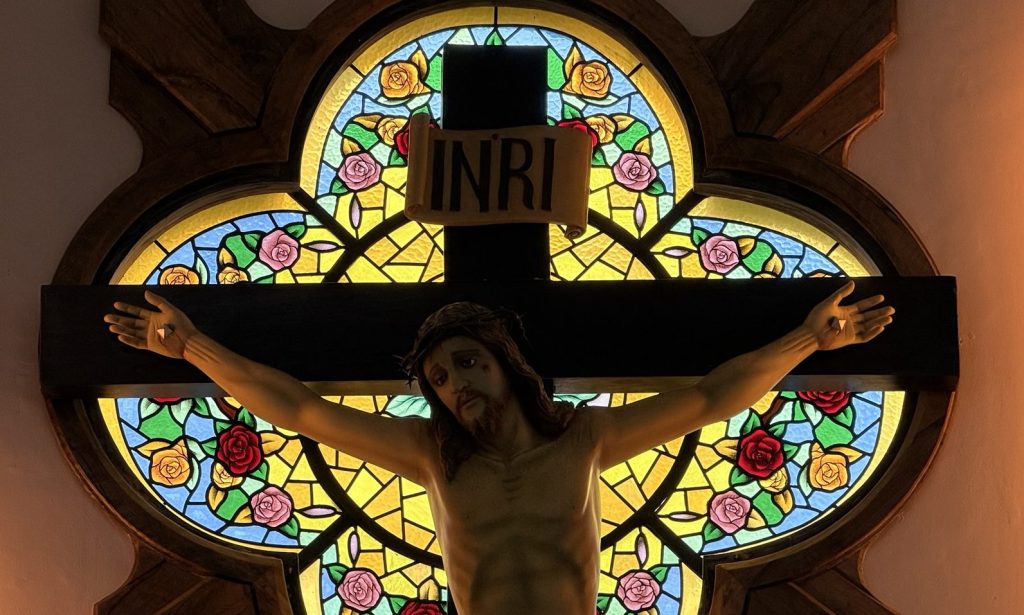
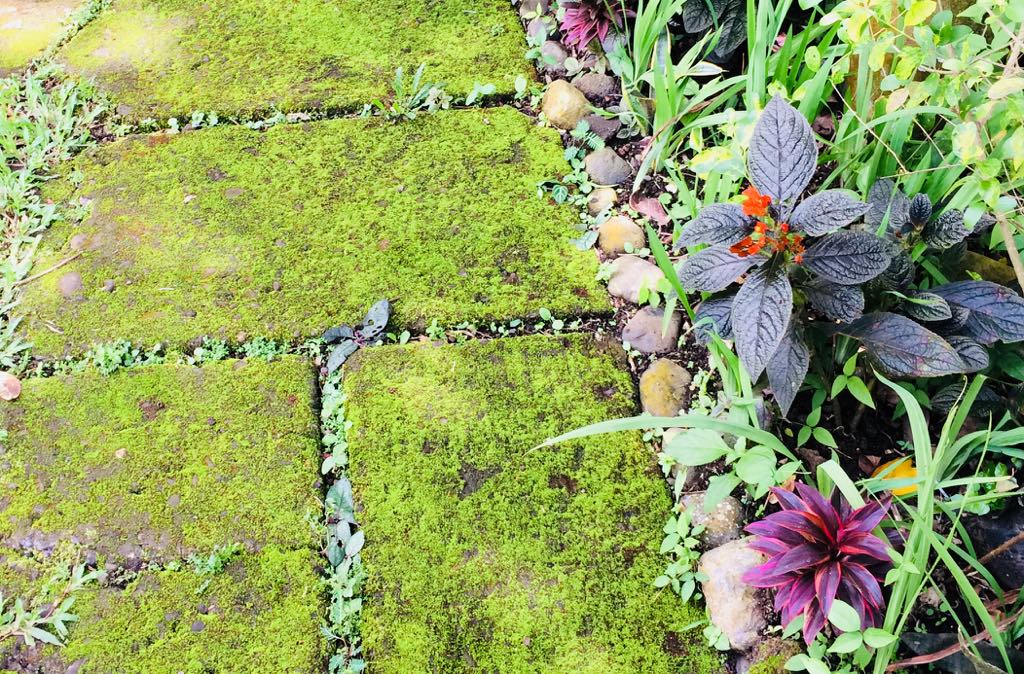
Photo by author, September 2020.
Praise and glory
to you, God our loving Father
for this month of October!
Thank you for calling
and sending us like the 72
others sent forth by Jesus
in today's gospel:
Jesus appointed seventy-two other disciples whom he sent ahead of him in pairs to every town and place he intended to visit. He said to them, “The harvest is abundant but the laborers are few; so ask the master of the harvest to send out laborers for his harvest” (Luke 10:1-2).
Thank you,
dear Jesus for those
you have called and sent
to comfort me in times of crises,
those you sent to encourage me
in times of doubts,
those you sent to bring me peace
when everything was in chaos
and disorder; send me too,
O Lord, to bring your love
and mercy to those down and
wearied, to bring your warmth
and life to those losing energy
and will to forge on in life,
to bring healing for those
bruised and sick physically
and emotionally.
Teach me to be like
St. Therese of the Child Jesus
whom we celebrate today
to be love in the midst of the
Church; let me not be like
those visitors of Job who
disturbed him,
instead of bringing him peace
they destabilized him;
the world is so sick these days,
Lord; send us to bring
you and your peace and love
and joy to everyone.
Amen.
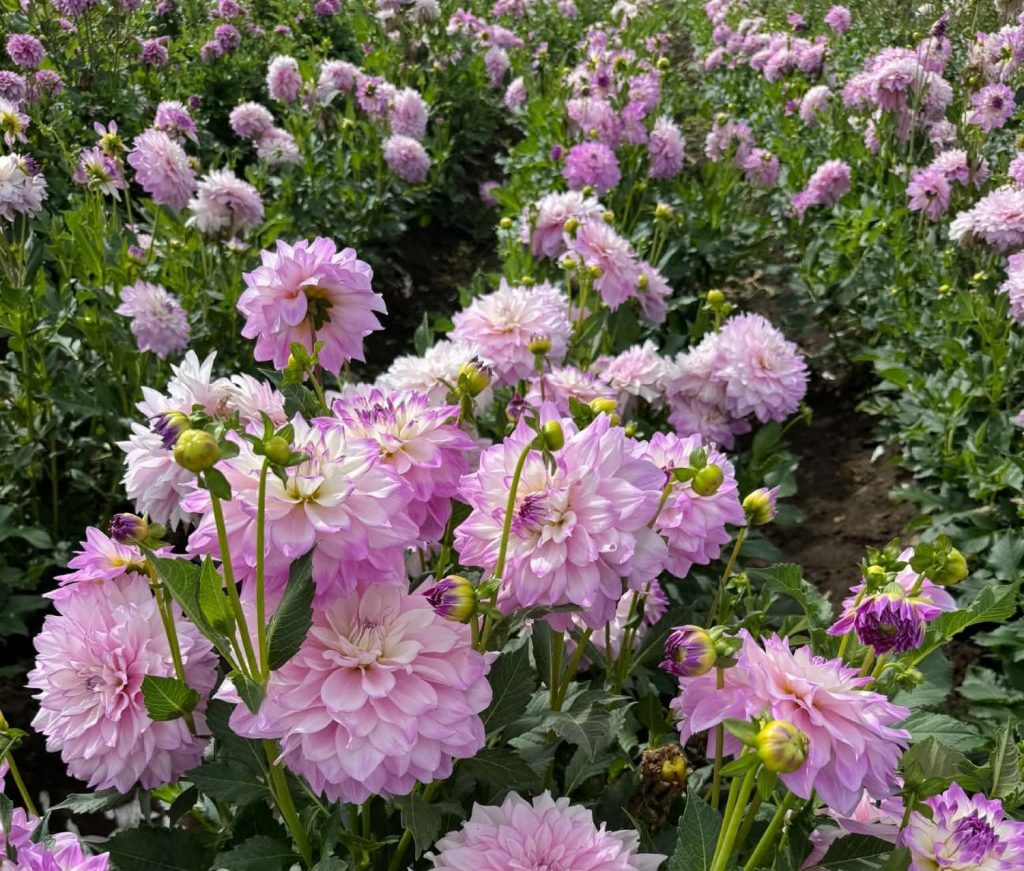
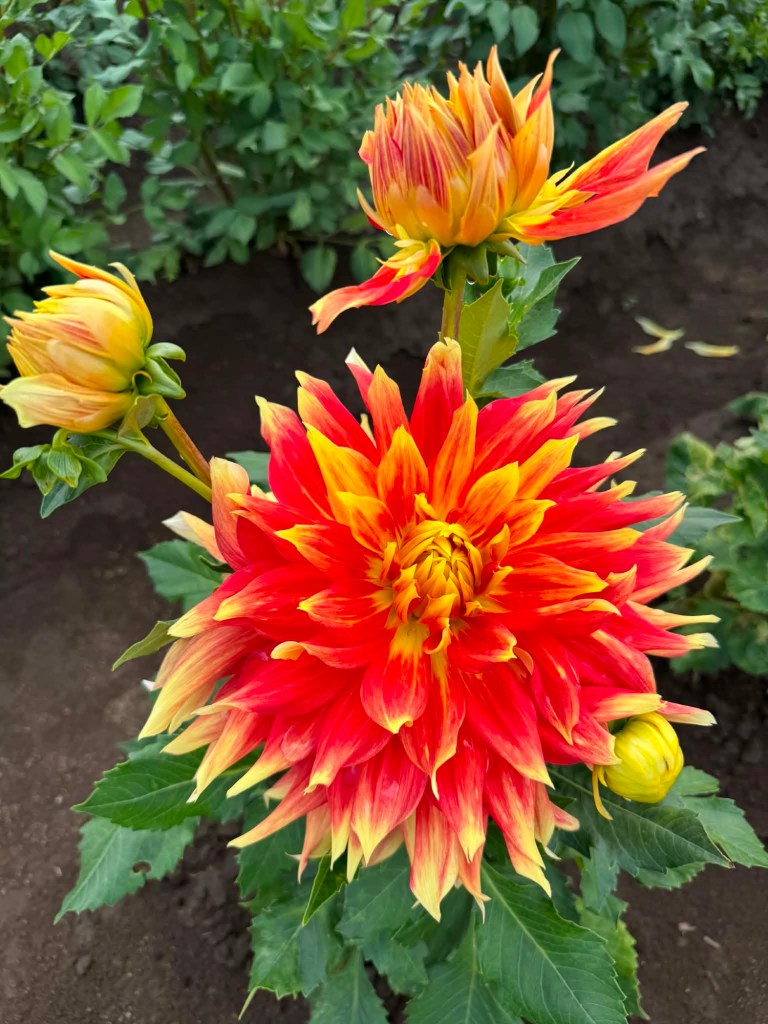
Photo by a friend in Swan Island Dahlia Farm, Canby, Oregon, 29 August 2026.
Lord My Chef Daily Recipe for Soul by Fr. Nicanor F. Lalog II
Monday, Twenty-Fifth Week in Ordinary Time, Year II
Feast of St. Matthew the Apostle
Ephesians 4:1-7, 11-13     <*{{{{><  +  ><}}}}}*>     Matthew 9:9-13
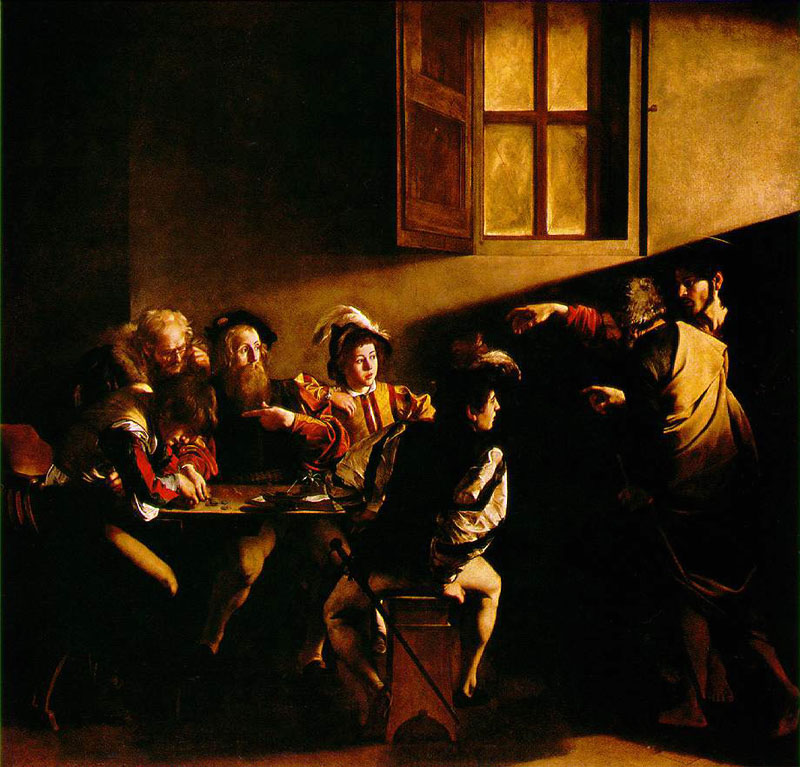
Caravaggio’s painting, “The Calling of St. Matthew” from en.wikipedia.org
That beautiful painting by Caravaggio, “The Calling of St. Matthew” completed in 1600 for the French congregation of San Luigi Francesi in Rome is said to be the favorite of the late Pope Francis among the many other masterpieces found in the eternal city.
If given another chance to go on a pilgrimage to Rome, I have vowed to personally see that painting by Caravaggio along with his two other masterpieces, that of the meeting of Thomas Didymus with the Risen Lord and his breaking of bread at Emmaus that all evoke body movements and inner motions among the characters that lead us to continue the beautiful story of the painter’s subjects.
But I can’t wait to go there in Rome to view those paintings; through the wonder of internet, let us reflect on this Feast of St. Matthew using this painting characterized by lights and darkness, from his sitting to his rising and standing to follow Jesus while working as a tax collector.
As Jesus passed by, he saw a man named Matthew sitting at the customs post. He said to him, “Follow me.” And he got up and followed him (Matthew 9:9).
Sitting. Many centuries from now, anthropologists and other experts will study our generation on how humans have evolved – or retrogressed – with our spending too much time sitting. Doctors warn of the many health risks that result in prolonged sitting like obesity and heart disease.
Sitting is an important human movement especially in studying and learning lessons through reading and writing, meeting and discussions.
Imagine St. Matthew when he was called by Jesus, while sitting at the customs post: here we find sitting at its worst imagery of being stuck on our seats of comfort and complacency, sins and other vices. Worst is see how in our modern time we have given so much premium on where we sit to insist on our ego trips and sense of territory as well as claims to fame and prominence not realizing that what really matters in life is not where we sit but where we stand (https://lordmychef.com/2019/02/22/it-is-where-we-stand-that-matters-most-not-where-we-sit/).
See in Caravaggio’s painting how everybody is seated at the table with St. Matthew dressed in the artist’s period of the 1600’s to show that Jesus continues to come in our own particular time in history.
Most of all, the gospel tells us that St. Matthew was seated at his customs post when called by Jesus but Caravaggio’s painting portrays them to be inside a tavern to tell us that we are also St. Matthew whom Jesus visits and calls daily while we are busy or drunk sitting at our comfort zones, in our vices and sins, in our complacency and mediocrity.
And like St. Matthew, we, too, are invited to rise and follow Jesus right away!
This brings us to the second movement of man so important, that of standing.
Following Jesus demands that we must first rise from our seats to make a stand for Jesus and his teachings of love and kindness, mercy and forgiveness, service and self-sacrifice. Notice how St. Matthew, the fat man at the middle with a black hat like a beret pointing to the man bowed down to the table.
See and feel the hesitancy of St. Matthew – like us – always wondering, asking God, “is it I, Lord?” So many times we cannot believe Jesus really looking for us, wanting us, calling us, believing in us!
And in all that beautiful interplay of light and darkness by Caravaggio in his painting, we feel the eyes of Jesus looking at our beloved apostle as if telling him, “yes, you, Matthew; Follow me”.
Cast all your doubts if Jesus were really calling you, believing in you, trusting you – he does! Jesus always comes to each of us in the most personal manner like with all his apostles, telling us, “It was not you who chose me, but I who chose you and appointed you to go and bear fruit” (Jn.15:16).
Don’t you hear how Jesus is calling you daily, asking you, “will the real you please rise up and stand for who you really are”?
See yourself the way Jesus sees you – forgiven and beloved, precious and loved. No need for us to look good before Jesus. Just rise and stand with him!
Photo by author, St. Michael Retreat House, Antipolo, July 2026.
Walking. It is not enough for us to remain standing. Making a stand for Jesus means to follow him in his path of justice and love, mercy and forgiveness, being small and the least serving the weak and the poorest of the poor.
To walk in Christ is to be like Christ because Jesus himself is “the way the truth and the life” (Jn.14:6).
Walking in Christ is following the “road less travelled” that leads to the Cross of self-offering and sacrifice, of love and acceptance.
Notice in Caravaggio’s painting how he portrayed Jesus in his own traditional clothes along with Simon Peter – and they are both barefooted!
There seems to be a slight commotion wherein Simon is like warning the man with a sword close to him to be still, to not make any move for they are walking away soon once St. Matthew rises and stands from his seat. Look at the feet of Jesus and Simon; they are all set to walk, as if telling St. Matthew, “come on, let us go!”
But where to?
While he was at table in his house, many tax collectors and sinners came and sat with Jesus and his disciples. The Pharisees saw this and said to his disciples, “Why does your teacher eat with tax collectors and sinners?” He heard this and said, “Those who are well do not need a physician, but the sick do. Go and learn the meaning of the words, I desire mercy, not sacrifice. I did not come to call the righteous but sinners” (Matthew 9:10-13).
The two disciples walking to Emmaus not recognizing Jesus was with them.
Following Jesus, walking on his path of the cross means going to those forgotten by us and the society, walking to meet those who are not like us – in beliefs and way of thinking, in clothing and appearances, in disposition and backgrounds.
It can be a lonely walk filled with pains and sufferings, and yes, disappointments like the two disciples who walked back to Emmaus on Easter without realizing Jesus was the stranger who had joined them along the way. That is the beauty of walking with Jesus, in Jesus, and to Jesus: you never see him nor recognize him right away but he is always with us, walking with us by our side even if we are going the opposite direction in life!
Walking the way of Jesus is tough and rough. It is not easy but it is the only way we must follow. That is why we need to rest in Jesus, with Jesus who asks us to be seated again as he washes our feet to comfort and console us, and prepare us for longer walks in the journey.
Photo by Ms. JJ Jimeno, UP Parish Diliman, June 2019.
Kneeling. Of all the body movements modern man has forgotten is kneeling. Again, look at Caravaggio’s painting, take a peek below the table and notice the robust knees of St. Matthew, look at the soft throw of light on his right leg and the softer tone on his left.
Caravaggio must be telling us something about the healthy lower body of St. Matthew despite his sitting position. See Caravaggio’s genius in throwing that soft light on St. Matthew’s legs and knees that were made strong not only by long hours of standing and walking with Jesus but with longer time of kneeling and praying after the Lord’s Ascension.
Kneeling is one very important gesture and body movement we must regain to truly follow Jesus and regain order in ourselves and in our nation. It is the best praying position for it signifies surrender and humility before God. In fact, for the Hebrews, the knee is the symbol of strength that to bend one’s knees – to kneel – means to submit one’s self to God the all-powerful.
How sad when people refuse to kneel because their knees or expensive pants and clothes might get dirty. Worst of all is when we have refused to kneel and bend our knees because we feel so strong and able to accomplish a lot that we would rather be pursuing our own interests than following Jesus.
Like Caravaggio’s painting of “The Calling of St. Matthew”, our lives and nation are into a great darkness due to the pandemic and the worsening decadence in every aspect of our society.
It is not a time to be a fence-sitter or a bystander; Jesus calls us to arise and make a stand against the pervading evils, asking us whom are we really following in this journey in history and life.
Amid the gloom are streaks of light bringing hope and reason, truth and goodness, inviting us to learn from the call of St. Matthew to…
Sit and learn more of Jesus
Rise and stand with Jesus
Walk and follow Jesus
Kneeling always at the foot of his Cross
to truly follow him our Lord and Master.
Amen.
Lord My Chef Daily Recipe for Soul by Fr. Nicanor F. Lalog II
Friday, Twenty-third Week in Ordinary Time, Year II, 11 September 2026
1 Corinthians 9:16-19, 22-27     <*((((>< + ><))))*>     Luke 6:39-42
NEW YORK – SEPTEMBER 11, 2001: (SEPTEMBER 11 RETROSPECTIVE) Smoke pours from the twin towers of the World Trade Center after they were hit by two hijacked airliners in a terrorist attack September 11, 2001 in New York City. (Photo by Robert Giroux/Getty Images)
It has been twenty-five years,
Lord Jesus,
when the beginning year
of the new century
was marred by senseless deaths
from terrorist attacks in various
US cities; more than the images
are the indescribable
pains and hurts
that still remain not only among
friends and families of those
who have died but also
for the whole world
that has ever been more
in precarious situations
ever since; today,
we are stunned by
news from tech experts
of how AI could actually
wipe out the human race
in the next ten years
like in the movies?!
Photo by a friend in Washington State, 28 July 2026.
Twenty-five years into
the new millennium,
peace and fulfillment
remain elusive not only
for the world
but for each of us humans
because we have gone astray
from you, O Lord;
we have worshipped the
new gods of technology -
gadgets and social media
that leave us more empty
and lost and enslaved
by our endless wants
and make-believe realities.
Now more than ever
we need to imitate St. Paul,
to be with discipline,
with virtues and principles
not with algorithms:
Every athlete exercises discipline in every way. They do it to win a perishable crown, but we, an imperishable one. Thus, I do not run aimlessly; I do not fight as if I were shadowboxing. No, I drive my body and train it, for fear that, after having preached to others, I myself should be disqualified (1 Corinthians 9:25-27).
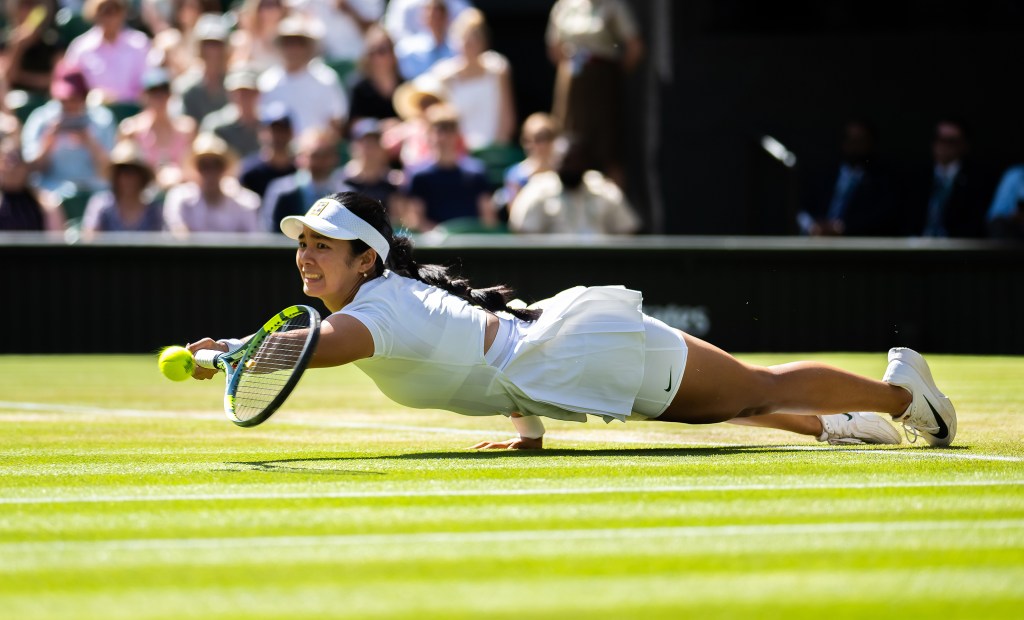
Believed to be the best photo of the tennis season, Alexander Eala in Wimbledon photographed by WTA’s Robert Prange, a.k.a. Jimmie48.
Teach us to be truly
your "disciples" -
followers,
ones who follow,
ones with discipline
not whims nor impulses;
it is only with discipline
can we truly look and
confront our true selves
to become better persons
than seeing what's wrong
with others; teach us
discipline, Jesus,
that we may strive
to trust you more
and reach out to you
for help and grace because
we are weak in ourselves;
let our soul and heart
yearn only for you,
Lord, for in you
we find true peace
and fulfillment.
Amen.
Photo by author, St. Michael Retreat Center, Antipolo City, 21 July 2026.
Lord My Chef Sunday Recipe for Soul by Fr. Nicanor F. Lalog II
Twenty-Third Sunday in Ordinary Time, Cycle A, 06 September 2026
Ezekiel 33:7-9  ><}}}}*> Romans 13:8-10  ><}}}}*> Matthew 18:15-20
From Facebook post by Marvin Germo, 04 September 2026.
Thanks be to God for Alex Eala – not only an excellent tennis player, a bright and intelligent lady but most of all, most kind and humble of all.
Her recent landing on the front page of New York Times that prides itself with the motto “All the News Fit to Print” in its 175 years of existence cemented Eala’s stardom. That’s real influence no blog stats nor Hollywood walk of fame could match.
Side by side with the major events and newsmakers in the world, the editors of New York Times featured Eala on their front page not entirely because of her prowess and grit in tennis but of her expressions of love, community and unity of Filipinos – a far, far cry from news coming from our forsaken country of calamities and crooks in government. Eala – along with other athletes like EJ Obienna – are the only good news we now have, with her practically a walking gospel like St. Paul in today’s second reading.
Brothers and sisters: Owe nothing to anyone, except to love one another; for the one who loves another has fulfilled the law (Romans 13:8).
Photo by author, St. Paul Spiritual & Renewal Center, Bgy. Tanyawak, Alfonso, Cavite, 19 August 2026.
What kind of love is Paul exhorting the Romans then and us today? For St. Paul, love is the self-sacrificing love that Jesus showed us when he offered himself for us on the cross.
Recall last Sunday St. Paul reminded us “to offer your bodies as a living sacrifice” (Rom. 12:1) like Jesus. In that same chapter, he spoke of not retaliating or seeking vengeance while in the following chapter we now have, he expounded the themes of obedience to authority and a sort of social responsibilities like justice (Rom. 13:1-7).
And while justice demands we pay off our debts and other dues to one another, to the state and public officials, it is a totally different scenario when it comes to love. For St. Paul, love is the imitation of Jesus Christ, a love that can never be measured at all and even be demanded and decreed.
Love is not a possession that anyone can receive nor give in an exactly measured quantity like a pound or a kilogram of love. St. Mother Teresa said the measure of love is when you love without measure. It is either you love or do not love! And when we do not love, then we sin which is a refusal to love.
That sin can only be repaired and corrected by love.
Therefore, to overcome sin, you have to love more!
That is why we hear Jesus teaching us today the importance of fraternal correction based on love not anything else.
Jesus said to his disciples: “If your brother sins against you, go and tell him his fault between you and him alone. If he listens to you, you have won over your brother. If he does not listen, take one or two other along with you, so that every fact may be established on the testimony of two or three witnesses. If he refuses to listen to them, tell the church. If he refuses to listen to the church, then treat him as you would a Gentile or a tax collector” (Matthew 18:15-17).
Photo by a friend in Swan Island Dahlia Farm, Canby, Oregon, 29 August 2026.
Jesus is now heading to Jerusalem to fulfill his mission. Along the way, he taught his disciples important lessons about the Church he had just established upon Peter, the Rock, while at Caesarea Philippi the other Sunday.
For three Sundays beginning today, Jesus will touch on three moral issues we face with seeming complexity in our modern time like fraternal correction, forgiving, and work. These are crucial because they are expressions of mutual love for one another. Most of all, it is in these realms we fall into “sin of omission” particularly with fraternal correction as we tend to detach ourselves from others when they are committing sin. By distancing from them or refusing to make a clear stand against evil, we unconsciously allow sin to persist.
The dark side of the sin of omission lies in that tendency within us to not care at all with those into serious sins when we separate and distance from them, even telling them “bahala ka na sa buhay mo…pinili mo iyan, pagdusahan mo.”
Fraternal correction is the antidote to sins of omission because it is about keeping our relationships intact as family, friends, brothers and sisters in Jesus Christ who becomes truly present in the world among us when we live in harmony because “where two or three are gathered together in my name, there am I in the midst of them” (Mt. 18:20).
This is the good news of Eala, whether she wins or loses a match, she speaks of love and kindness. And she has been consistent with it!
From Facebook, 04 September 2026.
Since the Old Testament, God had already insisted on this moral precept as his children that we look after one another like a sentinel – a watchman or a guard – as he told the Prophet Ezekiel in the first reading.
At that time, the enemies of Judah were closely approaching their borders that they designated watchmen as their first line of defense. Failure by these watchmen to warn the people – as it turned out later – could spell disaster for the kingdom.
The same thing is true with us. We are all interrelated with each other. One rotten tomato can spoil the whole batch like allowing corruption in every form to continue as well as electing corrupt officials into office. How sad we have not learned our lessons; maybe not until we have sank deep into flood…
We cannot be indifferent and be mere bystanders amid the evil and sins happening around us perpetrated especially by those closest to us. It is not enough either that we do no wrong on others yet allow those into corruption to continue with their evil doings. Fraternal correction is an expression of our love – for God and for others. We correct those into sin because of love, not because we are better or holier.
St. Paul beautifully declared in 2 Corinthians 5:14, “Caritas Christi urget nos” – the love of Christ urges, impels us – to love more especially in these times of calamities and disunity in the country.
Photo by a friend, Swan Island Dahlia Farm, Canby, Oregon, 29 August 2026.
This love of Jesus Christ the Lord himself described as “new commandment” at his last supper (Jn.13:34) is a love rooted in God himself, a love that “levels up” every disciple into the mystical plane of existence.
Recall those moments you have truly loved without strings attached, unselfish and selfless: that is when we realize that love is a debt we can never pay off because love is a gift from God, something that is never exhausted nor depleted. In fact, we realize that we too can love like Jesus Christ!
God does not “order” nor “command” us in the strict sense to love him. He asks for our love because he loves us, because he is love. When we love, we fulfill the commandments of God, we live in peace and harmony with one another like in heaven. That is why it is only love that will remain in heaven where there will be no more fraternal corrections. Most of all, love can never be paid off as a debt because love is all that shall remain to become our very person in Christ. Amen.Have a blessed, loving week!
Lord My Chef Daily Recipe for Soul by Fr. Nicanor F. Lalog II
Friday, Twenty-Second Week in Ordinary Time, Year II, 04 September 2026
1 Corinthians 4:1-5     <*((((><  +  ><))))*>     Luke 5:33-39
Photo by a friend from Swan Island Dahlia Farm, Canby, Oregon, 29 August 2026.
Your words remain,
Lord Jesus through St. Paul
from the other day calling us
"God's co-worker"
(1 Corinthian 3:9)
and now as
"stewards of the mysteries
of God"
(1 Corinthian 4:1).
Keep me reliable and
conscientious of these tasks
not primarily as a work
but a commitment to your call
for us to be faithful;
like St. Paul and your
apostles, Lord,
we have many critics that
many times we run into
misunderstanding and
opposition; if their points
are valid, keep us humble
to change our ways and if
our consciences are clear in
doing your work,
all the more you keep us
humble for only you
can truly and fairly judge us;
keep us grounded in you
always, Jesus,
doing our best,
putting on new wines
into new wineskins!
Amen.
Photo by a friend from Swan Island Dahlia Farm, Canby, Oregon, 29 August 2026.
Lord My Chef Daily Recipe for Soul by Fr. Nicanor F. Lalog II
Thursday, Twenty-Second Week in Ordinary Time, Year II, 03 September 2026
Memorial of St. Gregory the Great, Pope & Doctor of Church
1 Corinthians 3:18-23     <*((((><  +  ><))))*>     Luke 5:1-11
Photo by Mr. Raffy Tima of GMA-7 News in Batanes, 18 September 2018.
What an ordinary but
lovely day it was, Lord Jesus
when you saw Simon and companions
washing their nets by the Lake of
Gennesaret:
first you "borrowed" his boat
then you asked them to go fishing;
he explained they have caught nothing
but simply obeyed your order
to cast their nets into the deep
and the miracle happened.
But,
Lord Jesus,
a bigger miracle followed
when Simon and companions
left everything behind to follow you
to become fishers of men;
every day you come to me in the
most ordinary situations
without me realizing you,
Lord and
Son of God,
borrowing my boat to bless others;
and so many times I have reluctantly
obeyed you to cast my nets into
the deep and caught a lot of fish
that is why here am I following
you...
but, every day Jesus,
I also ask myself,
"what have I left"
for you?
When they brought their boats to the shore, they left everything and followed him (Luke 5:11).
Photo by Mr. Chester Ocampo, Catanduanes, September 2019.
Like the Corinthians
of the time of St. Paul,
I still could not set aside
the "wisdom of this world"
to be a fool for you,
Lord Jesus Christ;
until now I have those sets
of boundaries within me
where I wish to move
and serve you instead of
casting my net into the deep
as you instructed Simon;
there are still times
I am so self-centered
thinking more of myself
than of you and of others.
Teach me to emulate
St. Gregory the Great;
I have no plans of being
great but simply be like him
so filled with zeal to follow you
willing to set aside my own
comfort and benefits,
most especially even my
personal plans to give way
to your Divine plan, Jesus;
teach me to grow deeper in
prayer to be one in you,
with you, Jesus;
most of all,
let me be a fool for
you one day at a time.
Amen.
Photo by Fr. Pop Dela Cruz, Binuangan Island, Obando, Bulacan, 05 June 2021.
Lord My Chef Sunday Recipe for Soul by Fr. Nicanor F. Lalog II
Twenty-Second Sunday in Ordinary Time, Cycle A, 30 August 2026
Jeremiah 20:7-9  ><}}}}*>  Romans 12:1-2  ><}}}}*>  Matthew 16:21-27
Photo by author, St. Paul Spiritual & Renewal Center, Bgy. Tanyawak, Alfonso, Cavite, 19 August 2026.
In this Sunday’s readings we see a very human side of Jeremiah and Peter, of their ambivalence in their relationship with God following their calls to be a prophet and an apostle respectively.
Here we find why it is very crucial to have a personal answer to Christ’s question last Sunday, “But who do you say that I am?” (Mt.16:15) because as both have experienced, it is not that easy serving God. Fulfilling the Divine mission is never a bed of roses but actually being crucified like Christ. Jeremiah and Peter give us good reasons – and very comforting ones about intimacy with the Lord in fulfilling his mission entrusted to us.
Let’s take Jeremiah first.
You duped me, O Lord, and I let myself be duped; you were too strong for me, and you triumphed. All the day I am an object of laughter; everyone mocks me. whenever I speak, I must cry out, violence and outrage is my message; the word if the Lord has brought me derision and reproach all the day (Jeremiah 20:7-8).
Photo by author, Malagos Nature Park, Davao City, August 2018.
In the older translations, Jeremiah cried “You seduced me, O Lord” or “You enticed me, O Lord.” That’s what I meant in our previous reflection on intimacy when the Canaanite woman “engaged” Jesus into a conversation to persuade him in healing her daughter.
Here in Jeremiah we find that strong engagement of God and man.
Have you ever wondered in immense awe within while examining our “yes” to God in following him, in accepting his invitation to do his mission that many times we sigh deeply, asking, “why did I say yes?” or “bakit ba ako sumunod pa?”
There is always that feeling like Jeremiah that we were “catapulted” by God without any warning at all into difficult situations in life like speaking contrary to what most people are thinking and saying and following, “All the day I am an object of laughter; everyone mocks me… the word of the Lord has brought me derision and reproach all the day” (Jer.20:7,8).
Recall those times when you have suffered while in the service of God that like Jeremiah in another part of his book cried, “should good be repaid with evil?” (Jer.18:20) when his own folks plotted against him for speaking the truth and about justice.
Many times we have experienced it to be so unfair with God that we who speak and do what is good are the ones on the distaff side of life, the ones maligned and seen as bad than those who thrive in evil. Just look at our corrupt officials and their enablers even in the church!
It is very sad and even confusing. Ako ba mali? Ako ba may problema?
But that’s nothing compared with what Peter felt after Jesus told the disciples that he shall suffer greatly in the hands of the elders, chief priests, and scribes in Jerusalem, that he would die but rise again on the third day:
Then Peter took Jesus aside and began to rebuke him, “God forbid, Lord! No such thing shall ever happen to you.” He turned and said to Peter, “Get behind me, Satan! You are an obstacle to me. You are thinking not as God does, but as human beings do” (Matthew 16:22-23).
Photo by author, Petra in Jordan, May 2019.
Jesus and the disciples were still in Caesarea Philippi; Peter had just been praised by Jesus in identifying him as “the Christ, the Son of the living God.” Then, suddenly, Jesus made the first prediction of his coming passion, death, and resurrection.
If we were there, we would have reacted the same way as Peter most likely.
When Jesus called us to follow him, he knew all our flaws and weaknesses like Peter and Jeremiah.
According to biblical scholars, of the four major prophets, Jeremiah was the youngest and most sensitive of all. Maramdamin. Or, even, balat-sibuyas, onion-skinned. While Peter on the other hand was very impulsive and outspoken like in this instance.
Think of your own personality.
And there lies the great mystery: why of all people me, or I am the one called to serve, called to do this work of the Lord when we could just be plain and simple like the rest.
When we were in high school seminary, one of the movies we watched on Betamax was “Oh God!” starring John Denver and George Burns as God. John asked God who suddenly appeared inside his car why call him to preach about him and not Billy Graham with many followers.
Recall those times when you asked God the same question when there are far more better persons in the world than you to become a priest or nun or servant.
Photo by author, pilgrims waiting to enter Ascension site of Christ in Jerusalem, May 2019.
“God does not call the qualified but qualifies his call.”
Very often, the devil tempts us to turn away from God in such situations we feel unqualified to do his work. Notice that when Jesus turned to Peter saying “Get behind me, Satan!”, it was reminiscent of his temptations in the wilderness.
Trust God and his words, focus in him alone not in yourself whois weak and imperfect. Discipleship is more of thinking of God and his ways, not of our self and our way. It is not easy and will never be easy because it is about people and God and self, of being not of doing or techniques that is with things and materials.
Discipleship is thinking like God and relationships leading to eternity, of asking “who” not “what” or “how much” as humans mostly do, so concerned with solving problems and finding solutions without or little concern for persons.
Discipleship is slow process and tedious, calling for more patience and perseverance in Christ that is opposite the way of the world that has to be fast and efficient, economical and cost-effective like turning stones into bread.
Photo by author, RISE Tower, Our Lady of Fatima University, Valenzuela City, 14 June 2026
Discipleship is about being fruitful, relying more on God, sacrificing and letting go, forgiving and helping while humans think about success measured in having more wealth and fame and power.
It is normal to be so eager-beaver and impulsive sometimes like Peter or sensitive like Jeremiah; human as we are, lovingly serving others in Christ can take an enormous toll on us.
What is important is that we keep that passion within, that fire burning in our heart like Jeremiah while choosing to lead a moral life as St. Paul tells us to “offer our bodies as a living sacrifice, holy and pleasing to God” (Rom.12:1).
This Sunday Jesus reminds us to get Satan behind us always, to think in God’s ways that is always difficult as he promises to come again “with his angels in his Father’s glory, and then he will repay everyone according to his conduct” (Mt. 16:27). Amen. Let us pray for a better weather this week, pray harder for those affected by the rains and floods and those in Nepal.
Lord My Chef Sunday Music by Fr. Nicanor F. Lalog II, 23 August 2026
Photo from Facebook post by Dr. Tony Leachon, “KLEPTOPIROSIS: When Corruption Becomes a Public Health Crisis”, 08 Agosto 2025.
We go back to the year 1986 for our Sunday music we find so related with our gospel as well as situation in the country where we are literally inundated in government corruption and evil that have caused this massive flooding in various parts of the country.
Every year at this time when the rainy season comes, floods come in many parts of the country especially the city. It used to be normal but for the past decade, it has been getting worse every year. And suspicious until last year when it was uncovered at how officials from the Public Highways connived with lawmakers stealing billions of pesos – not to mention the life and future of countless citizens – through their mostly non-existent but paid flood control projects. (Sadly, it is until under investigation and no big fish had truly been jailed for their crimes.).
Back to our Sunday music – The Way It Is by Bruce Hornsby and the Range from their debut album of the same title released in July 1986….
It’s melody mainly in piano is one of those unforgettable soft rock tune wafting on breeze with lyrics so bitterly cold of the sad realities in life. It is actually a gospel in the truest sense because its lyrics are both challenging and disturbing set in a relaxing mood and melody like the Gospel of Jesus Christ. Its title could actually mislead anyone into thinking it as a feel-good music with its sophisticated piano introduction and accompaniment without paying attention to its lyrics and message.
It is not. Hornsby actually dares us even today to leave the comforts of our rooms to get truly examine how things are going on around us as if that’s just the way it is… It isn’t at all. Like poverty and unemployment as mentioned in the first stanza.
Standing in line, marking time
Waiting for the welfare dime
'Cause they can't buy a job
A man in a silk suit hurries by
As he catches the poor old ladies' eyes
Just for fun he says, "Get a job"
That's just the way it is
Some things'll never change
That's just the way it is
Ah, but don't you believe them
Most of all, an end to all forms of discrimination due to color and beliefs found in the fifth stanza.
Well, they passed a law in '64
To give those who ain't got a little more
But it only goes so far
'Cause the law don't change another's mind
When all it sees at the hiring time
Is the line on the color bar, no, no
The Way It Is is so very much like today’s gospel set in Caesarea Philippi where Jesus surveyed his disciples on what people were saying about him before directly asking them, “But who do you say that I am?”(Mt.16:15). Our personal answer to that question of Jesus leads us to our identity as beloved children of God, brothers and sisters in Christ who must be respecting each one other.
And the more we get to know Jesus, the more we also get to know who we are… This may sound simplistic: all these problems we have about school violence, degradation of our moral values as a nation that perpetuate in office corrupt and inept officials while destroying our environment with our disregard for proper disposal of waste and garbage, may be due to our disregard for who is Jesus to us.
The question who connects us with God and everyone. And with our very self. How sad that in this age of too much digitization, we have been so focused on techniques of doing like what and how, forgetting being, the focus of who. (https://lordmychef.com/2026/08/22/the-definitive-question-of-all/)
See the gospel’s relation with Hornsby’s incisive genius and values in the third and fourth stanzas where he challenges the situation we have been so accustomed to, “the way it is” as if challenging us to find Christ on the face of everyone we meet.
Said, "Hey little boy, you can't go where the others go
'Cause you don't look like they do"
I said, "Hey, old man, how can you stand to think that way?
Did you really think about it before you made the rules?"
He said, "Son
Well, that's just the way it is
Some things'll never change
That's just the way it is"
Ah, but don't you believe them
Mm, yeah
Many times in life, the simplest things are the most profound in meaning like the parables and this time the question of Jesus. And don’t forget, like modern music too that truly reflects the way it is in the world we are called to change into something more humane.
Here is Bruce Hornsby and the Range with their 1986 classic. Enjoy. And ponder too.
Lord My Chef Daily Recipe for Soul by Fr. Nicanor F. Lalog II
Saturday, Nineteenth Week in Ordinary Time, Year II
Solemnity of the Assumption of the Blessed Virgin Mary, 15 August 2026
Revelation 11:19; 12:1-6, 10 ><}}}*> 1 Corinthians 15:20-27 ><}}}*> Luke 1:39-56
One significant lesson I learned in journalism and in life is that we are known by the questions we ask, not by our answers that are often wrong. When we ask the right question – especially if it is not misleading to our own assumptions – the problem or issue at hand is already half solved.
It doesn’t really matter if we don’t get answers right away; many times the answers to our questions come or “unfold” as we move on in life. Some answers come to us later in life or after the death of a loved one. Or, maybe they would be answered in the afterlife.
Just keep asking. As one newspaper says, be an inquirer.
But, why start our reflection on asking question on this Solemnity of the Assumption of the Blessed Virgin Mary?
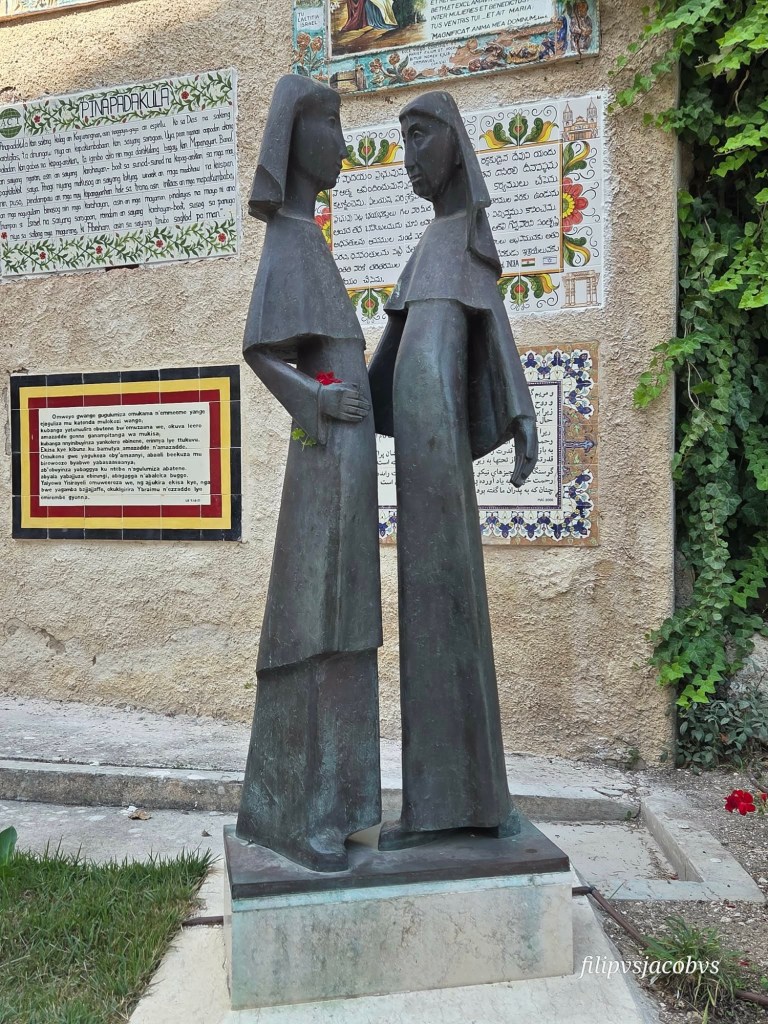
Photo by Ar. Philip Santiago, Church of the Visitation, Israel, 2024.
I was struck by how Elizabeth greeted Mary in her visitation with a question:
“And how does this happen to me that the mother of my Lord should come to me?” (Luke 1:43)
Actually, before Elizabeth asked that question at the Visitation, Mary was the first to ask the difficult question after the Annunciation to her by Archangel Gabriel, “How can this be, since I have no relations with a man?” (Lk.1:34).
In saying “yes” to God’s invitation at the Annunciation all the way to following Jesus to the Calvary and awaiting the coming of the Holy Spirit at Pentecost, Mary is the model disciple of the Lord, the “doer of the Word” in whom we see all that we can become through the power of God despite our human doubts and weaknesses. And many questions.
When Jesus was born, Mary must have so many questions but rather “kept all these things , reflecting on them in her heart” (Lk.2:19). Then when Jesus was thirteen years and got lost in Jerusalem after their pilgrimage, Mary asked anew a difficult question to him, “Son, why have you done this to us? Yur father and I have been looking for you with great anxiety” (Lk.2:48).
“The Finding of the Saviour in the Temple” painting by William Holman Hunt (1860), from en.wikipedia.org.
Mary asked the difficult questions always. And most likely, she had kept so many other questions in her heart especially when Jesus suffered, died and was buried. She was never afraid to ask questions to God because she believed, constantly seeking the truth who is her Son Jesus Christ.
On this solemnity of Mary’s assumption when we are reminded of the supreme truth of our own resurrection and assumption into heaven at the end of time when Christ comes again, we are likewise encouraged to keep asking the important questions we are often afraid to ask and confront in life like, would I make it to heaven? Or, the perennial question we ask if there is really God or if there is really heaven and hell and purgatory?
See how the most essential questions in life that we ask albeit with fear or hesitations pertain to things of the soul, of eternity, of spirituality. These are questions that spring from our inner deeper self that indicate our origin who is God that even the greatest scientists throughout history admitted and respected like Albert Einstein.
Very often, the answers to these questions unfold in our hearts, in our lives, in the present moment. That is why Mary responded to Elizabeth’s question and praise with a song praising God for all his wondrous works she had experienced and realized in her life:
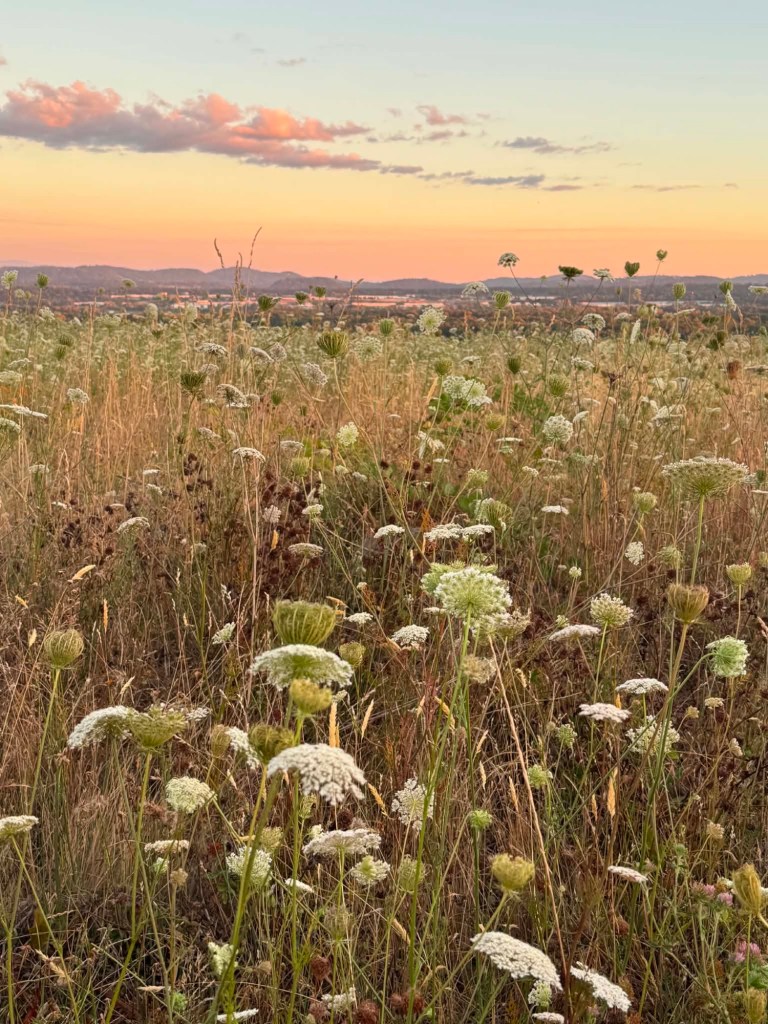
Photo by a friend in Washington. 28 July 2026.
And Mary said: “My soul proclaims the greatness of the Lord; my spirit rejoices in God my Savior… He has mercy on those who fear him in every generation. He has shown the strength of his arm, and has scattered the proud in their conceit. He has cast down the mighty from their thrones and has lifted up the lowly. He has filled the hungry with good things, and the rich he has sent away empty. He has come to the help of his servant Israel for he has remembered his promise of mercy, the promise he made tonour fathers, to Abraham and his children forever” (Luke 1:46-47, 50-55).
The Magnificat is the summary of the Christ Mary carried in her womb and heart throughout her life that she is referred to as the Ark of the New Covenant as seen by John in heaven in the first reading.
The Magnificat as a song of the Blessed Mother was borne out of long reflections and hard questionings about self and the world in the light of God’s works. Mary like Paul in the second reading experienced God’s saving power in Jesus because both were so open to the working of the Holy Spirit, searching deep within by constantly examining, asking the right questions.
That is why silence is important in every prayer period when we learn to completely trust God especially when our questions are very unsettling, even disturbing.
As a priest for 28 years and hospital chaplain these past five years, I have noticed older people along with those sick and dying spending a lot of their time asking about eternity. That’s why many of them go to confession so often. It must be difficult and amazing at the same time. Sometimes when I look into their eyes, there seems to be an intensity that they could pierce through dark clouds and thick curtains that maybe, just maybe, enable them to catch a glimpse of eternity that result in a remarkable peace within them that we too can feel.
It is when we ask the difficult, essential questions that we are able to arrive at the real truth about life and our very self that ultimately lead us to God and to heaven in Jesus Christ.
“The Assumption of the Virgin” painting by Italian Titian (1516-1518) from en.wikipedia.org.
The assumption of Mary is part of Christ’s gospel. And the good news is that it is a truth and reality we can arrive at here and now, not later when we die for God loves us so much as Paul tells us in the second reading.
In being the first and model disciple of Jesus, Mary is also the first to reap the fruits of Christ’s resurrection by being assumed into heaven body and soul, free of any pains and sorrows in her “death”.
We too rejoice with Mary in celebrating this Solemnity of her Assumption into heaven, hoping and trusting that eventually all our pains and sufferings shall pass away when we die, when Jesus comes again at the end of time to assume us body and soul into heaven in perfect union with God our Father in him, with him, and through him.
Before ending this reflection, we find it most opportune to remind everyone to stop the practice of keeping a little ash of their beloved’s cremated remains in their pendants or in their homes. This is contrary to our teaching on the resurrection of the dead, of the dogma of the Assumption of Mary. It is because of this assurance that we too like Mary shall be assumed into heaven body and soul that the remains of the dead shall be preserved intact in utmost respect and care according to the norms of the Church. Not the crazy beliefs propagated by movies and crematories primarily for profits. Most of all, exorcists have been reminding us too of the negative effects to the dead and to the living by keeping their ashes no matter how little they may be. God bless everyone!
Photo by author, St. Michael Retreat House, Antipolo City, 16 June 2026.
Lord My Chef Daily Recipe for Soul by Fr. Nicanor F. Lalog II
Tuesday in the Fifteenth Week of Ordinary Time, Year II
Memorial of St. Camillus de Lellis, Priest, 14 July 2026
Isaiah 7:1-9     ><))))*> + ><))))*> + ><))))*>      Matthew 11:20-24
Photo by author, Baguio City, 18 July 2018.
I feel hurt,
ashamed,
and very sad
with today's gospel,
Lord Jesus when you said:
Jesus began to reproach the towns where most of his mighty deeds had been done, since they had not repented. “Woe to you, Chorazin! Woe to you, Bethsaida! For if the mighty deeds done in your midst had been done in Tyre and Sidon, they would long ago have repented in sackcloth and ashes” (Matthew 11:20-21).
I feel hurt,
ashamed,
and sad Lord because
I could feel you still
lamenting these days:
we have been so numb
and callous,
indifferent or cynical,
or miserably ungrateful
in recognizing your love
and mercy,
kindness and generosity
for all the blessings
your pour upon us
through our parents
and siblings and family,
teachers and classmates,
and everybody around us;
even the hardships
and trials that have come
our way you have used
for our own good,
by which we have grown
and matured.
How sad indeed
that we have failed to
recognize and meet you,
Jesus in your coming to us
with all your blessings
in our lives; instead,
we complain and
focus more on what
we do not have
than on what we have.
Grant us the grace
of gratitude, Jesus:
to see our own limitations
that we have to look up to
you always and trust you,
to find you among the sick
and lowly like St. Camillus;
grant us also the grace
to desire to begin anew,
to find you in our lives,
to go back to you,
to thank you,
to follow you,
to love you.
Amen.
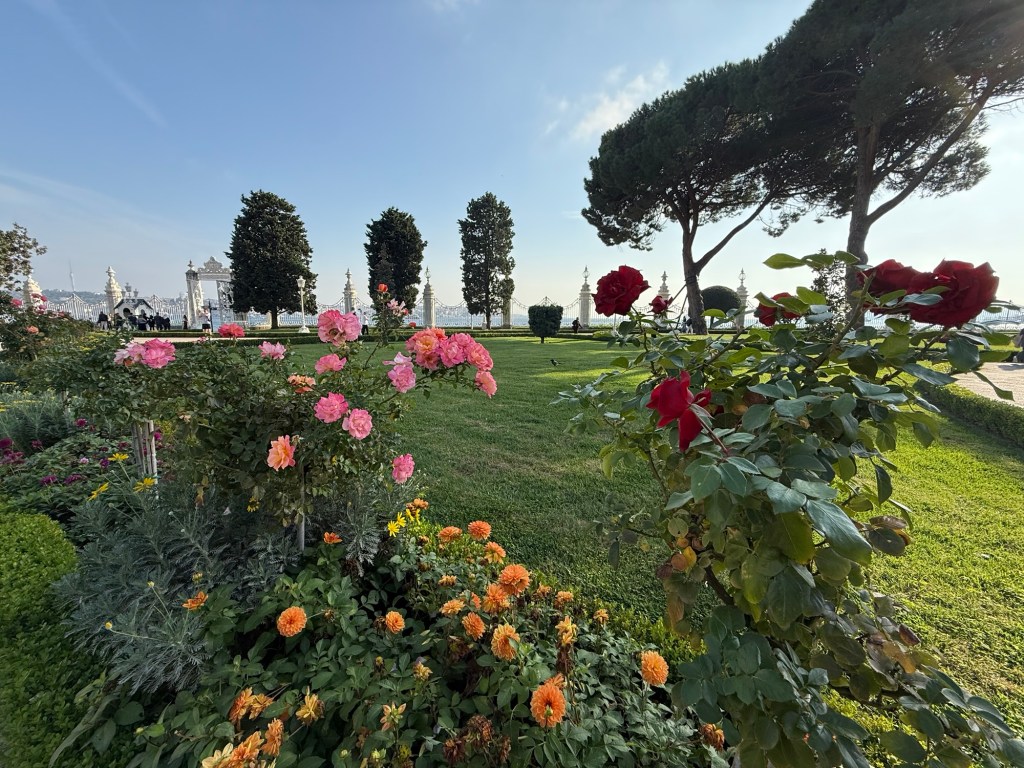
Photo by author, Dolmabahce Palace, Istanbul, Turikiye, Novembert 2025.