As we close this very dismal week of soaring number of COVID-19 patients and plunging economy now officially in recession, we pray to you God our Father for the grace of discipline, of being your follower in the truest sense of the word.
Give us discipline… and discipline us, O God, to set our lives and our country back in order.
We have no one to turn to at this stage: our leaders are blaming us, blaming everyone except themselves for all the mess our country is into.
Like your prophet Habakkuk in the first reading, we also wonder at your silence over all these people leading us in government who seem to be more like clowns in a circus.
Too poor are your eyes to look upon evil, and the sight of misery you cannot endure. Why, then, do you gaze on the faithless in silence while the wicked man devours one more just than himself? You have made man like the fish of the sea, like creeping things without ruler.
Habakkuk 1:13-14
Thank you, O God, in sending us saints who are models of discipline in prayer and virtues like St. Dominic De Guzman whose Memorial we celebrate today.
St. Dominic by Fra Angelico from Google.com.
Before he could be the “hound of the Lord” (Domini canes) bringing onto the world that torch of light plunged into darkness, St. Dominic first nurtured in himself that unique discipline of waiting for you in prayers.
And after founding the Order of Preachers, he was so well-disciplined in life centered only in Jesus Christ our Lord and Savior:
Dominic possessed such great integrity and was so strongly motivated by divine love, that without a doubt he proved to be a bearer of honor and grace. He was a man of great equanimity, except when moved to compassion and mercy… Wherever he went he showed himself in word and deed to be a man of the Gospel. During the day no one was more community-minded or pleasant toward his brothers and associates. During the night hours no one was more persistent in every kind of vigil and supplication.
From the Office of Readings on the Memorial of St. Dominic
So often, we ask or – complain to you – Lord Jesus like your disciples in the gospel today why we cannot imitate and do your works? And you readily said, it is because of our “little faith” (Mt.17:20).
Very true, Lord, because after gifting us with faith, we have failed to deepen and nurture it in prayer achieved in a life of discipline that makes us patient in waiting for you.
Then the Lord answered me and said: For the vision still has its time, presses on to fulfillment, and will not disappoint; if it delays, wait for it, it will surely come, it will not be late. The rash man has no integrity; but the just man, because of his faith, shall live.
Habakkuk 2:3-4
Please Lord Jesus, help us discipline our selves in this most trying crisis we have ever faced in recent history, that instead of fighting, we may truly follow your ways. Amen.
St. Dominic De Guzman, pray for us! Amen.
Photo by author, Dominican Hills, Baguio City, January 2019.
While praying on your words today, O Lord, thoughts of the beach came through my mind. I do not know why; maybe this is the only year when I would have not gone to a beach that I miss so much.
But, as my former spiritual director during our 30-day retreat, the late Fr. Arthur Shea, SJ, used to assure me, “the most difficult prayer is always the most meritorious”.
Indeed, sweet Jesus!
Like your prophet Nahum in the first reading looking forward to the defeat of Nineveh, I remembered those days in the past when I felt so fearful on many occasions whether I can overcome the many trials and challenges that have come my way.
See, upon the mountains there advances the bearer of good news, announcing peace! Celebrate your feasts, O Judah, fulfill your vows! For nevermore shall you be invaded by the scoundrel; he is completely destroyed. The Lord will restore the vine of Jacob, the pride of Israel, though ravagers have ravaged them and ruined the tendrils.
Nahum 2:1, 3
Like Judah, I have won and prevailed in my many battles in life in your power, Lord, when I entrusted myself to you totally.
When I look back in my life, it is so true that it is in giving that we receive, it is in losing when we have, and it is dying when we truly live. That is the lesson of the waves at the beach that keep on coming to shore, as if trying to take it to the sea.
Photo by Mr. Jim Marpa, 2019.
How I wish I could be like the sea, always moving, always light without anything except water unlike the shore that is so adamant as if it would never budge in.
But in reality, it is the sea that always prevails because water is always willing to give up itself to follow the form of the shore, to take the shape of every container where it is poured while the shore through time, its sand and rocks eventually give into the waves to get lost in the sea.
Jesus said to his disciples, “Whoever wishes to come after me must deny himself, take up his cross, and follow me. For whoever wishes to save his life will lose it, but whoever loses his life for my sake will find it.
Matthew 16:24-25
Dearest Jesus Christ, teach me to give up myself to you completely. Teach me to learn to get lost to you in order to find myself, to find fulfillment in life.
This COVID-19 pandemic reminds us today in this age of abundance and affluence that still — the key to authentic living is in giving up, in having less.
As they always say, “something’s gotta to give”. Amen.
Lawiswis ng Salita ni P. Nicanor F. Lalog II, Ika-06 ng Agosto 2020
Larawan kuha ni Ezra Acayan ng Getty Images, Marso 2020.
Sa ating pananalangin,
turo ng Panginoong Hesus sa atin,
bago pa man kayo humiling,
batid na ito ng Diyos nating mahabagin;
at kung kayo ay mananalangin, wika Niya,
inyong sabihin:  Ama namin...
Gayong batid pala ng Diyos kailangan natin,
tanong ng iba, bakit tayo mananalangin pa sa Kanya?
At ito ang hindi nalalaman ng karamihan
mahalagang katotohanang dapat tandaan:
sa pananalangin ang pinakamahalaga ay
mabatid natin ibig ng Diyos mula sa atin!
Kaya naman sa tagal nitong COVID-19
sa dami ng ating panalangin, tiyak noon pa man din
alam na ng Diyos kailangan upang wakasan
pandemyang malagim na bumabalot sa atin
kumitil at nagpatigil sa takbo ng buhay natin
dulot sa lahat ay hirap maging sa iba ay hilahil.
Marahil kailangan na nating baguhin
ating panalangin sa panahong ito ng COVID-19
sapagkat wala sa gamot at medisina
sa mga botelya at siringgilya ang sa atin magpapagaling
kungdi sa pagpapanibago nitong puso at kalooban natin
na siyang laging ibig naman ng Diyos mula sa atin.
Sa gitna nitong quarantine nabuking
masasamang pag-uugali maging mga gawi natin
na sa gitna ng kagipitan at kahirapan
marami pa rin ang nagsamantala
naging sakim at makasarili
ibig ang lahat ay kamkamin, kabigin at angkinin.
Pandaraya at panggugulang, hindi patas sa mga patakaran
marami sa pamahalaan at katungkulan naghari-harian
mga inaakalang kalaban hinigpitan
malayang pamamahayag pinigilan
mga karapatan at dangal ng mamamayan
niyurakan at tinapakan, lalo na mga walang pinanghahawakan.
Larawan kuha ni Bb. Anne Ramos, Marso 2020.
Kaya aking bayan
ating pag-isipan at pagnilayan
batid ng Diyos ating pangangailangan
ngunit hindi Niya ito kaagad pagbibigyan
dahil tanging paraan sa pagsugpo sa salot na ito
naroroon sa ating mga puso, wala sa nguso.
Harapin natin hindi ang COVID-19
kungdi ating sarili at pag-uugali na dapat gamutin
sa mga sakit na naglalayo sa Diyos at kapwa natin;
karunungang kinakailangan ibinigay na ng Diyos
noon pa man upang solusyunan virus mula Wuhan
tangi Niyang kahilingan mamuhay tayo sa kabutihan at katuwiran.
Mahigit limang buwan na tayong nagdarasal
ugali at asal nati'y makapal pa rin sa kasamaan
kaya marahil lalo pang magtatagal
pagdurusa sa pandemyang ito na nag-ugat
 buhat sa puso ng tao na kung di magbabago
uulit at uulit sa iba't ibang anyo.
The Lord Is My Chef Breakfast Recipe for the Soul by Fr. Nicanor F. Lalog II
Thursday, Feast of the Transfiguration of the Lord, 06 August 2020
Daniel 7:9-10, 13-14 >><}}}*> 2 Peter 1:16-19 >><}}}*> Matthew 17:1-9
Transfiguration of the Lord by Raphael (c.1520) from wikipedia
Thank you very much, Lord Jesus Christ for this wonderful feast of your Transfiguration happening today at more than half past this very difficult year of 2020.
Perfect at this time of the year in our Ordinary Time of the liturgy when everything seems too slow and laid-back as if nothing is happening or even changing in our lives.
Worst, with this pandemic, many of us are already tired, even losing enthusiasm with everything.
But, here you are, dear Jesus, giving us light and inspiration to keep on and be persistent disciples of yours, journeying with you and ascending with you every mountain of hardships and trials in life so that with you and in you, we may also be transformed from within.
Jesus took Peter, James, and his brother, John, and led them up a high mountain by themselves. And he was transfigured before them, his face shone like the sun and his clothes became white as light.
Matthew 17:1-2
In the midst of the darkness and gloom around us today, what a welcome break and relief are the visions of your prophet Daniel in the first reading of your eternal glory in heaven amid great display of lights and flames with your clothes “bright as snow” (Dn.7:9).
But, what I like best is how your “face shone like the sun” at your transfiguration, Lord.
I like that part because most of the time, the depths of the soul are reflected on the face.
Photo by Mr. Jim Marpa, 2019.
Dearest Lord, help us to remain faithful to you, patiently forgetting ourselves, carrying our crosses, and following you closely in this time of the corona virus.
Teach us to listen to your voice, to heed your words, always attentive to your presence even in the many darkness of our lives in this time of pandemic, reminding ourselves that “Lord, it is good we are here” (Mt.17:4) with you.
Every year, we hear this passage of your Transfiguration on the second week of Lent to remind us of your coming glory at Easter; but, even at this time, Lord, we already feel discouraged at how would Christmas 2020 be!
May this feast of your Transfiguration during Ordinary Time remind us to remain faithful in following you, be your persistent disciples rising above ourselves from the many challenges and trials during this pandemic.
Keep our face aglow with your light amid the many sufferings in this time of COVID-19.
Transform us within to change our countenance so that whenever those people crying in pain see us, they may see and experience you, Jesus, within us.
Keep us open to the workings of your Holy Spirit in these difficult weeks and months ahead so we may be cleansed and purified, and transformed within to become your presence and your joy among those with sagging spirits among us, hoping their face may also mirror you within them. Amen.
The Lord Is My Chef Breakfast Recipe for the Soul by Fr. Nicanor F. Lalog II
Wednesday, Memorial of the Dedication of St. Mary Major in Rome, 05 August 2020
Jeremiah 31:1-7 <*(((><< | + | >><)))*> Matthew 15:21-28
Photo by Arch. Philip Santiago, St. Mary Major in Rome, 2018.
O God our almighty Father, in all eternity you have planned what is best for each of us and we thank you so much for that for your great wisdom matched with your immense love for us.
Unfortunately, we always run away from you, discarding your plans for our own personal plans that most often do not work because these are based on what we want, what we like and not of what is really best for us.
Help us to seek your plans for us, Lord, by remaining in you, trusting you because you know what is best for us being our Maker.
Open our selves to you to redeem us from our disgrace and infirmities by seeking your plans in rebuilding our lives like your so-called “remnants of Israel” in the first reading – the few who have remained faithful to you despite the turning away from you of majority of Israelites who chose to worship false gods in the time of Jeremiah.
And ironically, to be like that Canaanite woman at the region of Tyre and Sidon – though a pagan – who remained faithful to you waiting for the Christ to come by holding on to your plans, hoping in your plans, and finally realizing your plans of healing and salvation in Jesus!
Grant us the perseverance and love to seek, believe in your plans for us like the Blessed Virgin Mary as we celebrate today the Memorial of the Dedication of St. Mary Major in Rome, one of our four Major Churches and first Marian shrine in the whole Christendom.
How lovely it is, O God, that you literally laid out your plans for this Basilica when the Virgin Mary appeared in a dream to a faithful Christian couple as well as Pope Liberius in the year 358 to build a church in her honor on the site where snow would fall on the night of August 4-5.
And you did make snow to fall on that night, forcing Pope Liberius to trace the outlines of the church on the snow where the first basilica was built!
But, it was only the beginning of the unfolding of your plans: the Basilica of St. Mary Major was completed a century later after the Council of Ephesus in 431 where Mary was declared the Mother of God, thus clarifying all doubts on the divinity of your Son Jesus Christ who had come to save us.
May we pause for some moments of silence today to pray and seek your plans for us specially in this time of the pandemic. We pray harder for our leaders in government for humility and honesty in seeking you, O God, to draw a specific plan that is clear and workable to contain the spread of the COVID-19 virus.
This we ask in Jesus Christ’s name, in the power of the Holy Spirit with Mary our Mother. Amen.
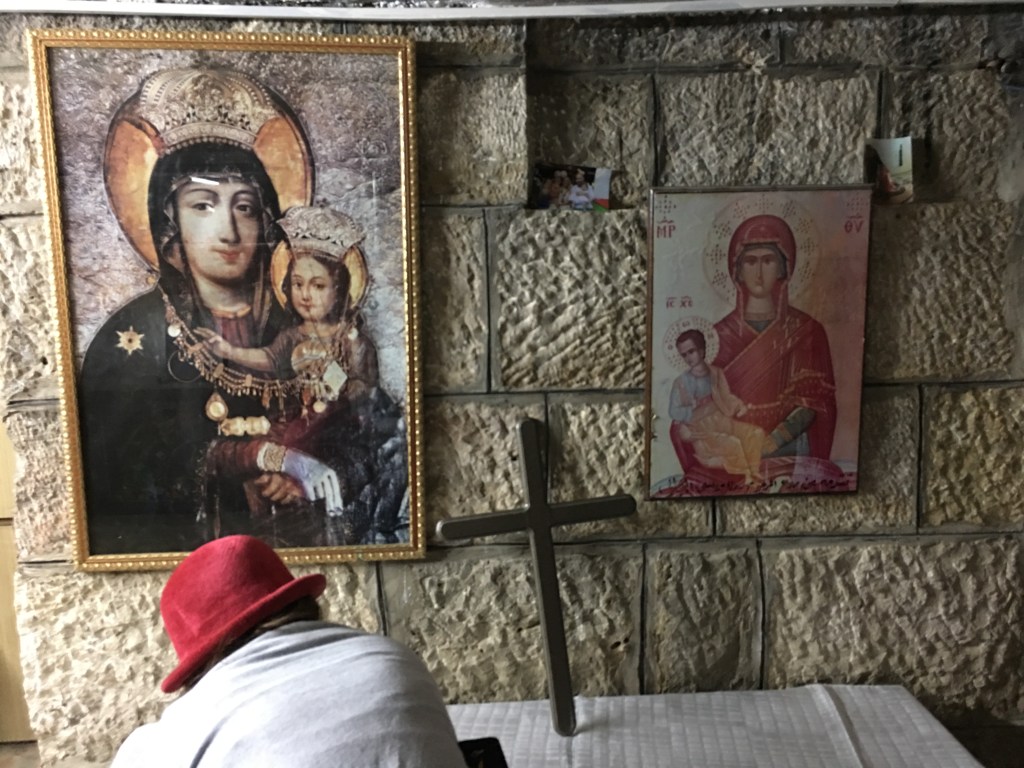
Photo by author of a pilgrim writing a petition to the Blessed Mother in a Marian shrine in Madaba, Jordan, 2019.
Praise and glory to you, O Lord, and thank you very much for the gift of vocation to the priesthood.
Thank you very much for a wonderful patron Saint for us all whose feast we are celebrating today, St. John Baptiste Marie Vianney, the Curé of Ars in France.
How wonderful that we celebrate his feast this year on the first day of our return to Modified Enhanced Community Quarantine (MECQ) when public Masses are suspended in our province and other places due to the alarming spread of COVID-19 virus.
Yes, it is wonderful. Beautiful.
At first during last summer’s lockdown when we celebrated Mass without people, I felt sad; but today, I feel happy because I am totally yours, Lord Jesus. Somehow, this pandemic is teaching us priests most specially that life is a constant return to quarantine, to be alone with you always, dear Jesus!
Most specially, to remind us priests that the Holy Mass is never a show, never about us but always YOU, Jesus.
Like the prophet Jeremiah in the first reading, every priest like St. John Vianney is a reminder to the people that in life, there are always pains and sufferings. And most of the time, it is because of our sins and wrong choices in life, of turning away from God.
However, these sufferings like our pandemic and St. John’s French Revolution are all temporary.
Like Jeremiah, we priests are most of all reminders of God’s permanent love and mercy to everyone as exemplified by St. John in his life and ministry of hearing confessions for long hours each day!
Thus says the Lord: See! I will restore the tents of Jacob, his dwellings I will pity; city shall be rebuilt upon the hill, and palace restored as it was. From them will resound songs of praise, the laughter of happy men. I will make them not few, but many; they will not be tiny, for I will glorify them.
Jeremiah 30:18-19
As I reviewed anew the life of your humble and holy pastor St. John Vianney, I realized how our present situation is similar with his time: a period of sufferings after the French Revolution when priests were looked down upon, even maligned and hunted.
Yet, St. John persevered in his vocation, reminding us “The priesthood is the love of the heart of Jesus.”
May we your priests be reminders of your love and mercy, courage and faith in the face of adversaries like when you boldly spoke against the Pharisees and scribes, reminding your disciples…
Let them alone; they are blind guides of the blind. If a blind man leads a blind man, both will fall into the pit.
Matthew 15:14
St. John Baptiste Marie Vianney, pray for us your brother priests! Amen.
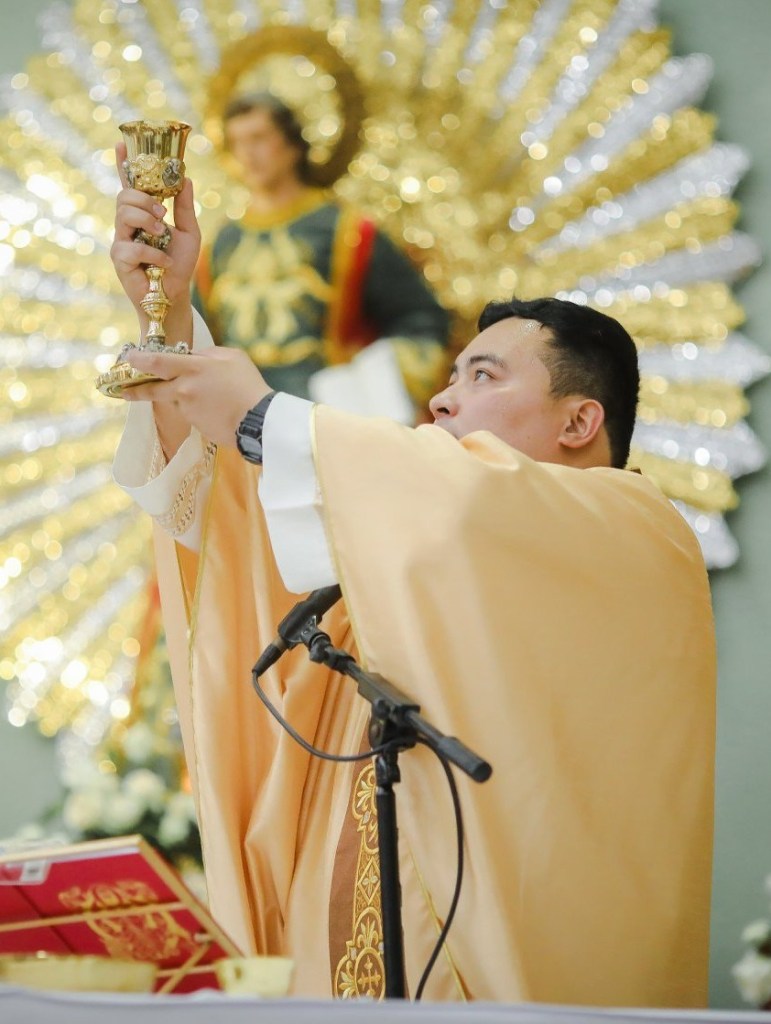
Photo from Primera Missa Solemne by Fr. RA Valmadrid, December 2019.
The Lord Is My Chef Breakfast Recipe for the Soul by Fr. Nicanor F. Lalog II
Monday, Week XVIII, Year II in Ordinary Time, 03 August 2020
Jeremiah 28:1-17 >>><)))*> >><)))*> ><)))*> Matthew 14:22-36
Photo by Mr. Raffy Tima of GMA-7 News before a storm in Batanes, 2018.
God our Father, we come to you again fervently asking for your guidance and protection as the threats of COVID-19 infections are getting closer to home. More and more are getting sick and we could feel them so strongly for they are no longer statistics we read and see in news but persons we know very well in our home and community.
Thank you very much that finally, our government leaders have listened to the calls of medical experts to go on at least two weeks of quarantine to reassess our response to the pandemic.
In this quarantine period, we pray that we learn to value again silence and hiddenness that we have taken for granted in our 24-hour world of media and noise.
So many times, we have taken for granted things that are not seen, that are invisible and hidden, that we ourselves also hide in evil and sin, convincing ourselves nobody would know or “see” it.
And so, we try deceiving others with our false claims of knowledge and competencies like Hananiah and other false prophets among us who give false hopes to people who are eventually misled from you and from one another.
To the prophet Hananiah the prophet Jeremiah said: Hear this, Hananiah! The Lord has not sent you, and you have raised false confidence in this people. For this, says the Lord, I will dispatch you from the face of the earth; this very year you shall die, because you have preached rebellion against the Lord.
Jeremiah 28:15-16
In this time of modified enhanced community quarantine again, teach us O Lord Jesus to deepen our faith in you so that we may remain focused on you alone in moments of storms when it is so difficult to recognize you, when it is easier to “see” and “believe” the powers of the unseen winds like Simon Peter in today’s gospel.
Let us befriend your holy silence and stillness again, sweet Jesus, because in you, the most significant are always the most hidden too. Amen.
The Lord Is My Chef Sunday Music by Fr. Nick F. Lalog II, 02 August 2020
Photo from iStock/StudioAnnika
Our Sunday music for today is specially for all the doctors, nurses, and everyone serving in hospitals since this pandemic began. You are exactly like Jesus Christ in the gospel today who went to a deserted place to rest but upon seeing the crowds who have followed him, “his heart was moved with pity for them, and he cured their sick” (Mt.14:14).
Thank you, dearest doctors and nurses and everyone serving in our hospitals for keeping the love alive, forgetting your selves and loved ones just to answer the call of duty like our Lord who was also so tired preaching with a heart aching for the death of John the Baptist (https://lordmychef.com/2020/08/01/human-situation-divine-response-multiplying-our-blessings/).
And this is the reason we have jazz artist Tom Scott’s 1991 hit “Keeping This Love Alive” as our featured music this Sunday: with the excellent vocals by David Pack, the song tells us how amid so many trials and tests, a man keeps on coming back to the woman he loves so much.
I don't know why my faith gets so low
I'm helpless to control my fears
I turn to you and somehow I know
No matter how far I fall
You will answer my call,
becauseI keep coming back to you

Heal me one more time
I keep coming back to you
You're the reason why (the reason why)
The reason I (the reason I)
I've got to keep this love alive (alive, alive, alive)
Oh, gotta keep this love alive (alive)
Ultimately, it is the love of Jesus Christ that we have experienced that we keep this love alive – in our family and circle of friends, in our community and nation. It is his love that sustains us, enabling us to believe more and hope more.
Thank you dearest doctors, nurses and everyone serving in our hospitals around the world to care for the sick.
The Lord Is My Chef Sunday Recipe for the Soul by Fr. Nicanor F. Lalog II
Week XVIII, Cycle A in Ordinary Time, 02 August 2020
Isaiah 55:1-3 >><}}}*> Romans 8:35, 37-39 >><}}}*> Matthew 14:13-21
Remember our reflection last Sunday? Of how parables teach us that “less is always more” because to have the kingdom of God – Jesus Christ himself – we have to learn to appreciate the little things in life?
Beginning this Sunday until August 16, our gospels will start telling us who is Jesus Christ by showing us his powers and abilities that are exactly opposite the way we see and understand them. This new series of stories are so relevant to us in this time of pandemic, giving us wonderful insights into God’s ways of responding to our human situations.
St. Matthew now leads us with Jesus to the wilderness after teaching us in parables to experience his power in transforming us like the five loaves and two fish to feed more than five thousand people.
Multi-layered story of the multiplication of bread
All four evangelists have recorded this story of Jesus Christ’s multiplication of the loaves of bread with their particular focus and stress, showing us that it truly happened and was a major event in the Lord’s ministry.
Very unique with St. Matthew’s version of this miracle story – which has not one but two! – is his economy of words in narrating it like a straight news as if it were a developing story or a “breaking news” unfolding before us, calling us to follow its updates and details due to its multi-layered meanings.
When Jesus heard of John the Baptist, he withdrew in a boat to a deserted place by himself. The crowds heard of this and followed him on foot from their towns. When he disembarked and saw the vast crowd, his heart was moved with pity for them, and he cured their sick. When it was evening, the disciples approached him and said, “This is a deserted place and it is already late; dismiss the crowds so they can go to the villages and buy food for themselves.” Jesus said to them, “There is no need for them to go away; give them some food yourselves.” But they said to him, “Five loaves and two fish are all we have here.” Then he said, “Bring them here to me,” and he ordered the crowds to sit down on the grass. Taking the five loaves and the two fish, and looking up to heaven, he said the blessing, broke the loaves, and gave them to the disciples, who in turn gave them to the crowds. They all ate and were satisfied, and they picked up the fragments left over — twelve wicker baskets full. Those who ate were about five thousand men, not counting women and children.
Matthew 14:13-21
Photo from iStock/Studio-Annika.
The consolation of Jesus.
Our situation in this time of the corona pandemic is so similar with that of Jesus. With the increasing number of COVID-19 cases, it has finally hit us hard, so close to home with news of those we know getting infected and worst, dying from this disease.
Like Jesus upon hearing the death of John the Baptist, we are all saddened that we wish to withdraw away from everyone.
We want to mourn but there are more people in need of our presence and help in this time of pandemic like the countless medical frontliners and health workers who must be so tired – even sick, physically and emotionally – by now with the growing number of COVID-19 patients and yet have chosen to remain in their posts.
And there are still the other casualties of this pandemic like those who have lost their jobs, those evicted from their rented apartments, those stranded and separated from their loved ones, those begging for food, and those afflicted with other sickness going through dialysis and physical therapy.
Jesus knows so well the “wilderness” we are all going through and he is right here with us, one with us in our sufferings, in our fears and anxieties, and in our exhaustion.
To be one with us is consolation, from the Latin “con” or with + “solare” or alone, to be one with somebody feeling alone.
Jesus did not remove our pains and sufferings, even our death; he joined us to be one with us in these that he can call us to “Come to me, all you who labor and are burdened, and I will give your rest. Take my yoke upon you… For my yoke is easy and my burden light” (Mt.11:28-30, 14th Sunday, 05 Jul 2020).
Compassion of Jesus.
Still with Christ’s reaction of being “moved with pity” at the sight of the crowds who have followed him to the wilderness, we find something more deeper with his being one with us, in consoling us that he had forgotten all about himself, his tired body that he went on to heal the sick among them.
To be moved with pity is more than a feeling of the senses but a response of his total person.
You respond for help, you reply to a call.
Ever wondered why we have the “responsorial psalm” after the first reading in the Mass? Because those words from the Psalms express our total assent and commitment to God, involving our total self like body, mind, heart and soul.
Photo by Dra. Mai B. Dela Peña, Carmel Monastery, Israel, 2016.
God cannot suffer because he is perfect.
That is why he became human like us in Jesus Christ to be one with our suffering and death so that we would one with him in his glorious Resurrection.
In the wilderness, Jesus stayed with the people, not allowing them to leave as suggested by the Twelve because he was moved with pity with the crowd because he wanted to suffer with them.
That is compassion, literally means to “suffer with” from cum + patior. Here in the wilderness, Jesus showed his compassion for the people which will reach its highest point in giving himself on the Cross on Good Friday.
Have we “responded” to God’s call to serve, to a call of duty, and to a plea for help from the poor? Have we truly given ourselves to somebody without ever thinking our own comfort or rewards? Or, are we running away from his Cross?
What a shame in this time of pandemic there are some among us who rejoice at the losses of others like the Twelve who wanted the crowd to be sent home because they were afraid of responsibilities, of taking care of the suffering people.
Consolation and compassion are the two most needed from each of us in this time of crisis.
Our scarcity mentality, the God of plenty.
We now come to the miracle of the feeding of five thousand. According to the late Fr. Henri Nouwen, this story is an example of our “scarcity mentality” when we think of not having enough, of finding what we have as too little, always looking for more; hence, our tendency to hoard everything.
The Twelve were thinking more of themselves, afraid they could go hungry with the five loaves of bread and two fish they have. They were so afraid of difficulties ahead of them in their situation where to find and how to feed those great number of people.
They were focused on what was lacking than on what they have, and who was with them, Jesus Christ! They were hungry for food in the stomach than for food to the soul unlike the crowds who have followed Jesus.
Worst of all, the Twelve got “mad” upon seeing the crowds who have followed them to the wilderness when in fact, it was Jesus who needed most to rest to mourn John’s death!
But through all these, Jesus patiently bore the people’s woes and the Twelve’s selfishness to teach them all in a very nice way something so essential in our response to every human suffering and extreme situation: opening and entrusting our selves totally to God.
And that was actually the greatest miracle that happened that day.
In doing it, Jesus simply asked the Twelve what they have, never asking how much they have or its condition. Just whatever they have to give everything to Jesus like those five loaves and two fish that he took, and while looking up to heaven, blessed and broke the loaves, and gave them to the Twelve to distribute to the crowd.
And everyone was satisfied with a lot of left overs too!
Matthew nor any of the other Evangelists ever explained how it happened because it does not really matter at all. What is most important is what are we willing to give up to Jesus so he can transform us into better persons.
That is what we continue to do this day in every celebration of the Holy Eucharist- whatever we have, even not the best or the worst and littlest we have, when given to Jesus becomes holy and multiplied!
The power of God is immense, without doubt. But, in this miracle of the feeding of five thousand, Jesus is showing us that his power is not meant to satisfy our material or bodily needs but our deepest desires that lead to our fulfillment in him as prophesied by Isaiah in the first reading.
Why spend your money for what is not bread; your wages for what fails to satisfy? Heed me, and you shall eat well, you shall delight in rich fare. Come to me heedfully, listen, that you may have life.
Isaiah 55:2-3
Amid the pandemic worsened by our government officials’ inanities, irresponsibilities, and sheer lack of compassion with us in this wilderness, the Lord assures us today that he is with us for “nothing can separate us from the love of Christ” (Second Reading) if we are willing to give him all that we have.
It is our spiritual transformation first that leads us to our material blessings. We can all have it if we are willing to give everything to Jesus and believe in him always. What do you have for miracles to happen?
A blessed August ahead for you!Amen.
Photo by Dra. Mai B. Dela Peña, Carmel, Israel, 2016.
The Lord Is My Chef Breakfast Recipe for the Soul by Fr. Nicanor F. Lalog II
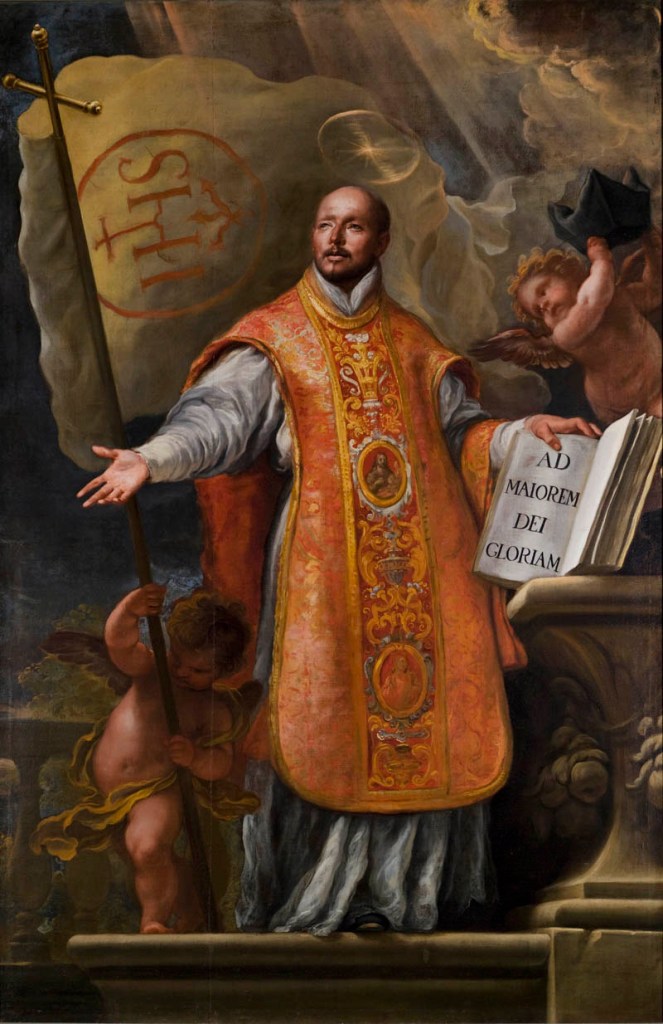
Friday, Memorial of St. Ignatius of Loyola, Priest, 31 July 2020
Jeremiah 26:1-9 >>><)))*> >><)))*> ><)))*> Matthew 13:54-58
Photo by author, Wailing Wall of Jerusalem, May 2019.
Praise and glory to you, O God our Father for another week and month about to close before us. And still here we are, alive and safe, making through the many trials and difficulties as we all continue to bear the sufferings of this COVID-19 pandemic.
Thank you for sending us your Son our Lord Jesus Christ who have made our hearts your indwelling.
Unfortunately, like his neighbors, so many times we fail or even refuse to recognize his coming to us.
Jesus came to his native place and taught the people in their synagogue. They were astonished and said, “Where did this man get such wisdom and mighty deeds? Is he not the carpenter’s son?” And they took offense at him.
Matthew 13:54-55, 57
So many times, many things run in our minds and in our hearts that we always fail to see and recognize you, sweet Jesus.
Teach us through St. Ignatius your faithful servant who gave us your wonderful gift of discerning the spirits.
Teach us to lay bare ourselves before you, to be true to our thoughts and feelings so that we may sift through all of these to find your holy will, Lord.
Teach us to “omit nothing” as you commanded Jeremiah in the first reading from your words so that we may be able to discern properly what you want from us.
Make our hearts your temple, O Lord, dwell inside and reign over us so that we may understand fully the meaning of “positive indifference” taught us by St. Ignatius:
“We should not prefer health to sickness, riches to poverty, honor to dishonor, a long life to a short life. . . . Our one desire and choice should be what is more conducive to the end for which we are created.”
Spiritual Exercises by St. Ignatius
Let our thoughts and actions always begin and happily end in your greater glory, Lord.