Discipleship is hospitality in Christ

Lord My Chef Sunday Recipe for the Soul by Fr. Nicanor F. Lalog II
Thirteenth Sunday in Ordinary Time, Cycle A, 28 June 2026
2 Kings 4:8-11, 14-16 ><}}}}*> Romans 6:3-4, 8-11 ><}}}}*> Matthew 10:37-42
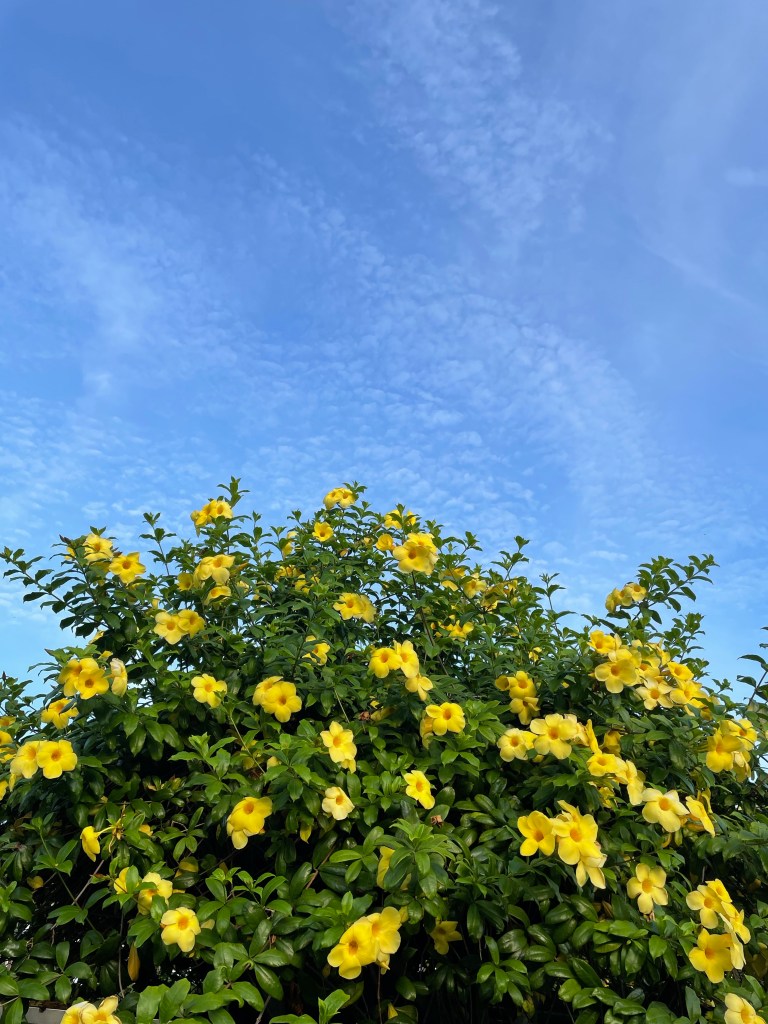
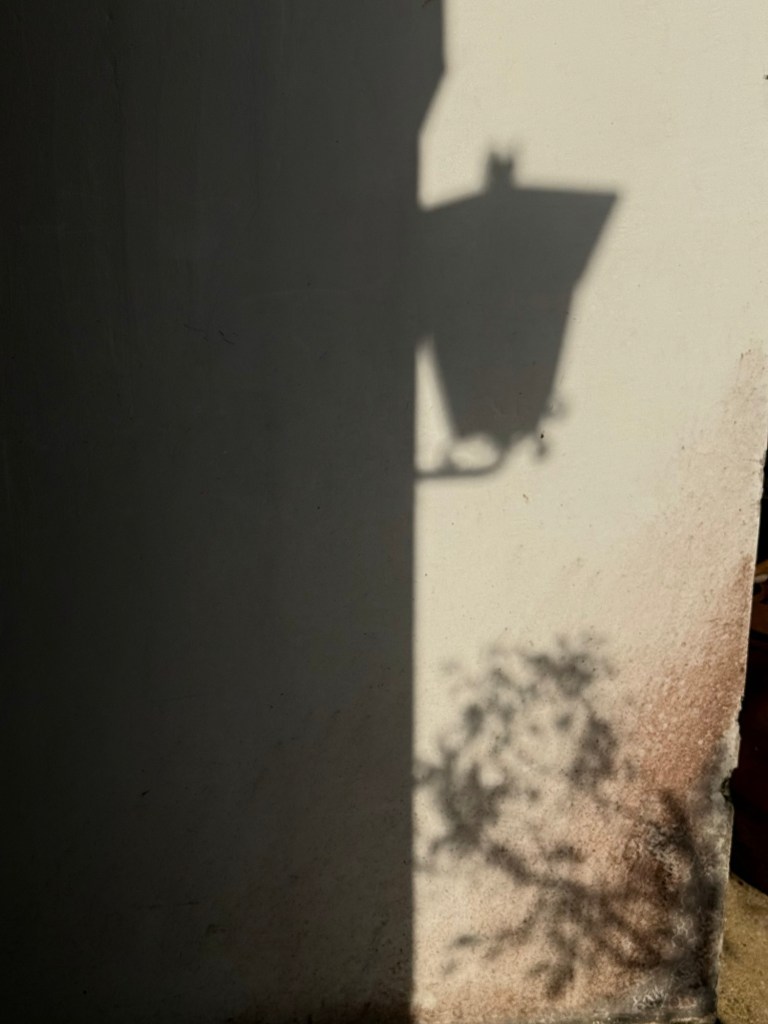
Photo by author, Kennon Road, January 2020.

Recent news in our country had gone worst this week, from dismal to very disturbing with that school shooting incident in Tacloban City leaving three dead, two critically wounded and about 20 others injured. It was the third school violence to have happened in the country in just seven days with two stabbing incidents in two different schools in Cavite province earlier.

And this Friday night while we were working on this blog, we saw raw videos uploaded in social media by some witnesses of a shooting incident at the Bocaue Toll Plaza southbound involving a white van and several police officers.

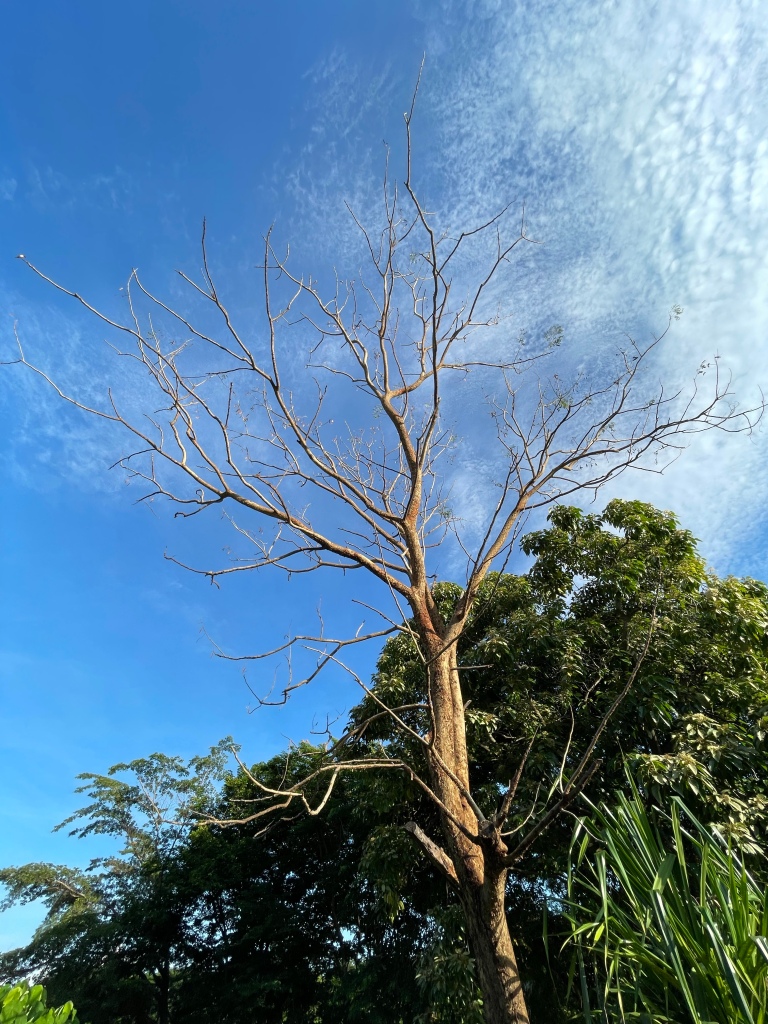
Photo by Mr. Jim Marpa, 2018.

What is happening in our country, to our people especially to our youth, and to our much admired Filipino hospitality known worldwide?

The word hospitality is from the Latin hospes that means to welcome; hence, hospital where the sick are welcomed or hospitality business referring to hotels that welcome guests.

Very close in sound is its opposite word also in Latin – hostis which is to reject and turn away from which came our words hostile, hostility and hostage. It is the opposite of to welcome.

Discipleship is being hospitable, welcoming others in Jesus Christ. It is showing Christ to others and finding Christ in others too.

Jesus said to his disciples: “Whoever receives you, receives me, and whoever receives me, receives the one who sent me… And whoever gives only a cup of cold water to one of these little ones to drink because heis a disciple – amen, I say to you, he will surely not lose his reward” (Matthew 10:40, 42).

Remember two Sundays ago (11th Sunday, June 14) how Jesus was moved with pity upon seeing the crowds following him, describing them like sheep without a shepherd, declaring “The harvest is abundant but the laborers are few; so ask the master of harvest to send out laborers for his harvest” (Mt. 9:37-38). After that, he called his Twelve Apostles and sent them on their first mission with specific instructions on discipleship which continues this Sunday in our gospel.

We have to go back to that background where Jesus laid down one of the foundations of discipleship which is to care for people. Jesus never asked us to pray for more money or food or medicines; he said pray for more laborers, for more people who are person-oriented, people who take every person as a subject to be loved and cherished, not an object to be possessed or controlled.

We need people who welcome people, hospitable people. Not hostile ones.

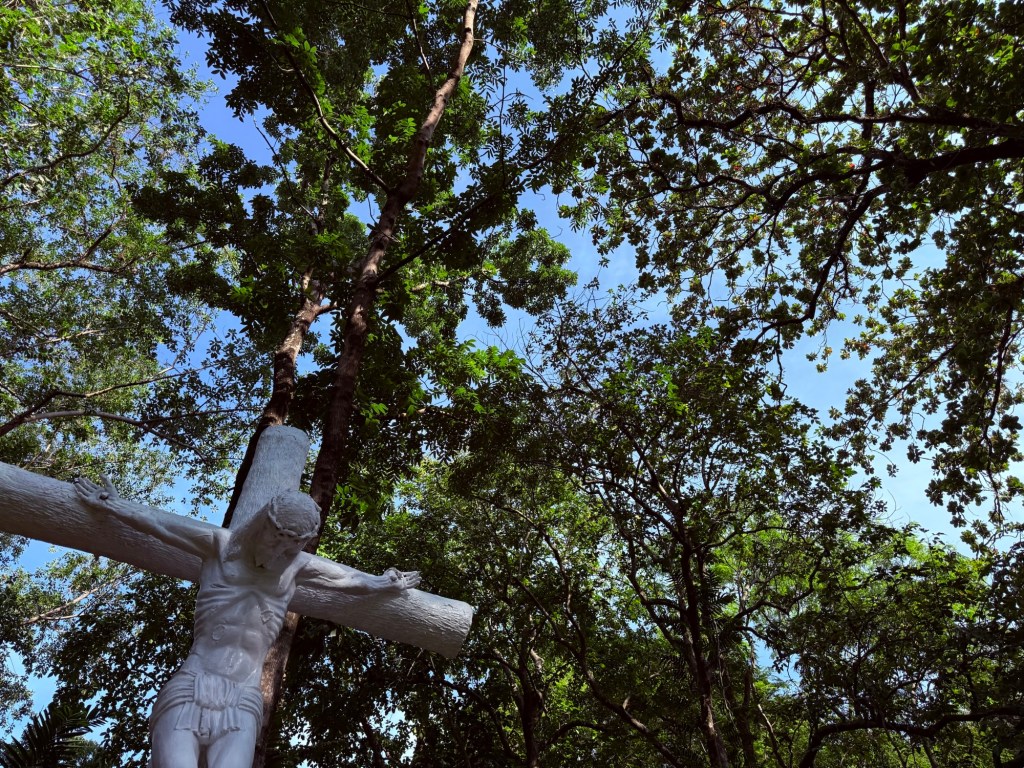
Our Lady of Fatima University students in their outreach for special children, February 2025.

But, the opposite is happening made worse by social media that fan the hostilities among us with the spread of fake news. Due to its algorithm, we are not only divided but polarized too that we are grouped as alike in thinking and everything that we could no longer see the whole picture of the situation we are into.

Not until tragedies struck. First were the deaths in drowning of two athletes in basketball training held in a treacherous beach resort, then we have the school stabbings and shooting this week.

The more we give more importance and emphasis on material and created goods, the more we disregard God and everything spiritual that eventually leads to our disregard for humans and persons.

Thus, the world has become inhospitable. Lifestyle has replaced life with algorithms manipulating our lives to consume more for more profits, more honor, more votes – more of everything except of love and care, kindness and openness for others.

Photo by author, Los Banos, Laguna, June 2022.

See the beautiful story of the Prophet Elisha welcomed by a woman of influence in Shunem. At first he was merely invited to dine with the woman and her husband whenever he would pass by until eventually he was given a room where he could stay – complete with bed, table, chair, and lamp (2 Kgs.4:8-11).

The hospitable woman saw Elisha as a “holy man of God” that is why she welcomed him into her home. We are not given her name but she foreshadowed the women in the gospels who supported Jesus and his disciples with their generous hospitality. And that continues to these days with so many other people generously helping priests and lay missionaries.

Generosity as a hospitality in Christ is like a two-way traffic: first is the integrity and holiness of the disciples like priests and bishops. Are we like Elisha the prophet who witness the love of Christ above all?

Photo by author, Morong, Bataan, June 2023.

So sad when we hear complaints by parishioners of priests and bishops living in luxury – frequent trips abroad with some traveling business class, dining at expensive restaurants, driving high-end cars, so deep into gambling or so vain in clothing. Not to mention some having luxurious residences. Most embarrassing is how they flaunt these in social media, relishing their ties and closeness with the rich and powerful, even corrupt government officials.

Times have changed when people so eager to welcome their pastors whenever they came to visit because today, it means handing of envelops for endless donations for various projects. What’s the use of having beautiful churches and facilities with no good relationships among priests and parishioners?

See the attitude of Elisha: his simplicity in knowing that all those hospitality accorded to him is because of his being a man of God; his discretion to the private life of his hosts, maintaining a safe distance, no trace of abusive behavior at all; and his desire to express his gratitude to the generosity of the woman and her husband. Hindi puro kabig at the expense of liturgical practices.

On the other hand, we find also the other side of discipleship as hospitality in Christ with the woman of Shunem: her discretion to be not too “rubbing” or insisting on Elisha that she never overwhelmed the prophet with her admiration, her excessive attention, and other personal concerns that could lead to precarious and scandalous situations. Many times, lay people forget that they are also to be blamed when priests and bishops become abusive when parishioners have become “enablers” of clerical excesses. The truly hospitable parishioners are those who help their priests become holy and faithful in ministry by giving them the space and time to pray and rest.

Discipleship as a hospitality in Christ means having the love of Jesus taking possession of us in our dealing with one another. It is sharing the Christ in me, finding the Christ in you. It is what St. Paul is telling us in the second reading: we are called to the highest moral standards of witnessing the gospel by being “dead to sin and living for God in Christ Jesus” (Rom.6:11). Of course, we are all weak and still sinful but being a Christian is to have the love of Christ before all else which is what forgetting one’s mother and father or son and daughter by taking our cross is all about.

Hospitality in Christ is thinking more of God in Jesus than of one’s self so that others may have the space and chance to find and bring out Christ in them. Amen. Have a blessed, safe week ahead.
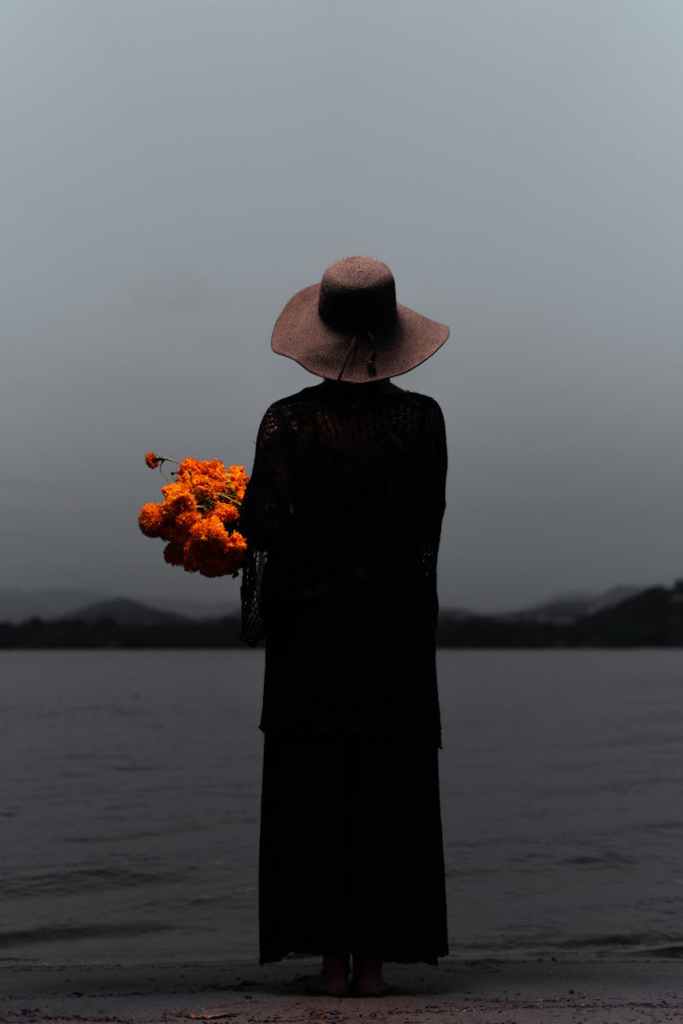
Photo by author, St. Michael Retreat House, Antipolo City, 16 June 2026.

We are John the Baptist, a Suffering Servant of God too.

Lord My Chef Daily Recipe for the Soul by Fr. Nicanor F. Lalog II
Wednesday in the Twelfth Week of Ordinary Time,
Solemnity of the Birth of John the Baptist, 24 June 2026
Isaiah 49:1-6 ><}}}}*> Acts 13:22-26 ><}}}}*> Luke 1:57-66, 80
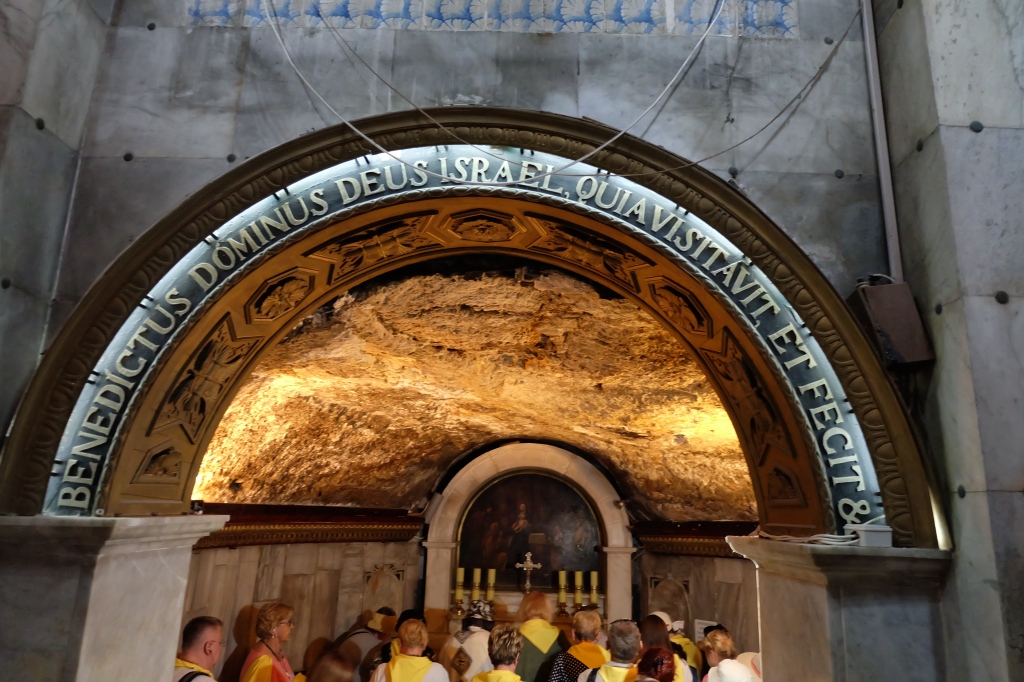
View of a decorated Christmas tree and tower of the Franciscan Monastery of St Saviour locally also known as San Salvador monastery in the Christian Quarter Old city East Jerusalem

Six months from now we celebrate Christmas because today is the birthday of the Lord’s cousin and precursor, St. John the Baptist; but, before we rejoice at the fast approaching Christmas, let us reflect first on the joy of John’s parents, relatives and local folks following his birth.

When the time arrive for Elizabeth to have her child she gave birth to a son. Her neighbors and relatives heard that the Lord had shown his great mercy toward her, and they rejoiced with her (Luke 1:57-58)

It was indeed a great celebration for everyone in the hill country of Judah when John was born: his parents were both old and his mother Elizabeth was already barren when she conceived John.

Both parents were from the priestly family, very prominent with a great lineage. Most likely, they were the envy of their relatives and neighbors in practically having every good thing in life except a child to inherit and propagate their good name and wealth; when John was born, God gave them more than a child – here was the precursor of the Messiah, the promised Elijah who returned to prepare the way of the Lord Jesus Christ!

Photo by author, May 2019, Church of St. John the Baptist, Ein Karem, Israel.

It was a joy that did not come easily, with much pains and sufferings and self-doubts along the way that took a long time of waiting too.

This birth of John teaches us that behind every joy is always a great deal of sufferings, doubts, and darkness in life.

Imagine the inner turmoil within Zechariah when the angel appeared to him announcing the birth of John while incensing the Holy of Holies on the most important Jewish feast: he doubted the angel’s good news not because he had lost faith in God but simply got “tired” with God.

Zechariah was having a sort of tampo as we call it in Filipino because God did not seem to listen to his prayers for a son.

It happens with us when we have turned indifferent in our faith even with God when he seems not to care at all to our prayers and requests that we keep on failing the board exam or gets denied repeatedly in our job or visa applications. We still pray with our lips not with our heart just for the sake of praying without really believing in its efficacy, if God listens to us at all.

Or like Elizabeth who went into a self-imposed silence, withdrawing from public view during her pregnancy with John because she felt herself so unworthy of God’s blessing.

Today, the birth of John the Baptist teaches us that every disciple as a precursor of Christ is an image of God’s Suffering Servant prophesied by Isaiah:

Though I thought I had toiled in vain, and for nothing, uselessly, spent my strength, yet my reward is with the lord, my recompense is with my God (Isaiah 49:4).

Photo by author of the site believed to be the birthplace of St. John the Baptist at the side of the Church of St. John the Baptist in Ein Karem, Israel, May 2019.

There are actually three songs of the Suffering Servant in the Book of Isaiah that prefigure Jesus Christ who suffered and died and rose again on the third day. However, it is widely believed and interpreted that in the second song of the Suffering Servant we heard today, the Servant referred to is John the Baptist.

Although John recognized Jesus as the promised Christ during his baptism at Jordan, he was the first to suffer and die a martyr when thrown into prison for speaking the truth against Herod’s taking of his brother’s wife Herodias. There we find that image of God’s Suffering Servant in John’s mission and ministry, reminding us of the great difficulties and dangers in preparing the way of the Lord.

We are all a John the Baptist and a Zechariah and Elizabeth rolled into one like the Suffering Servant for we are all a forerunner of Jesus Christ.

Photo by author, St. Michael Retreat House, Antipolo City, 16 June 2026.

Many times we too have felt like them in doubting our efforts in witnessing Christ and his gospel, when these seemed to have gone in vain especially today when the world is trying hard to delete God from every aspect of life.

Witnessing the gospel of Christ, speaking and fighting for what is true and good, for what is just and fair, even in simply being human and decent can already be strenuous, exhausting and often discouraging.

There are times we feel ineffective, even at the losing end only to realize later how our little efforts have actually contributed in making God’s kingdom to truly come with our life of mission and witnessing Christ because like the Suffering Servant, we have felt deep within us the certainty of God working in us, most especially of him being the Almighty One.

We have proven many times God prevails, how good always triumphs for it is when we are weak that we are strongest in Christ as St. Paul declared in one of his writings.

The next time you feel so down in life, in your mission whether in your personal life or family, in your work or in your apostolate and ministry, have a heart: like Zechariah and Elizabeth keep focused on the Lord for Christ surely comes. Rejoice in all your efforts, though little even insignificant for you and for others, they are God working in us.

Keep in mind too the meaning of the names of our main personalities today: Elizabeth in Hebrew is “God promised” while Zechariah is “God remembered” while John means “God is gracious”. Indeed, God is gracious all the time because he always remembers his promise to us. Amen. May God bless you abundantly today like Zechariah and Elizabeth!

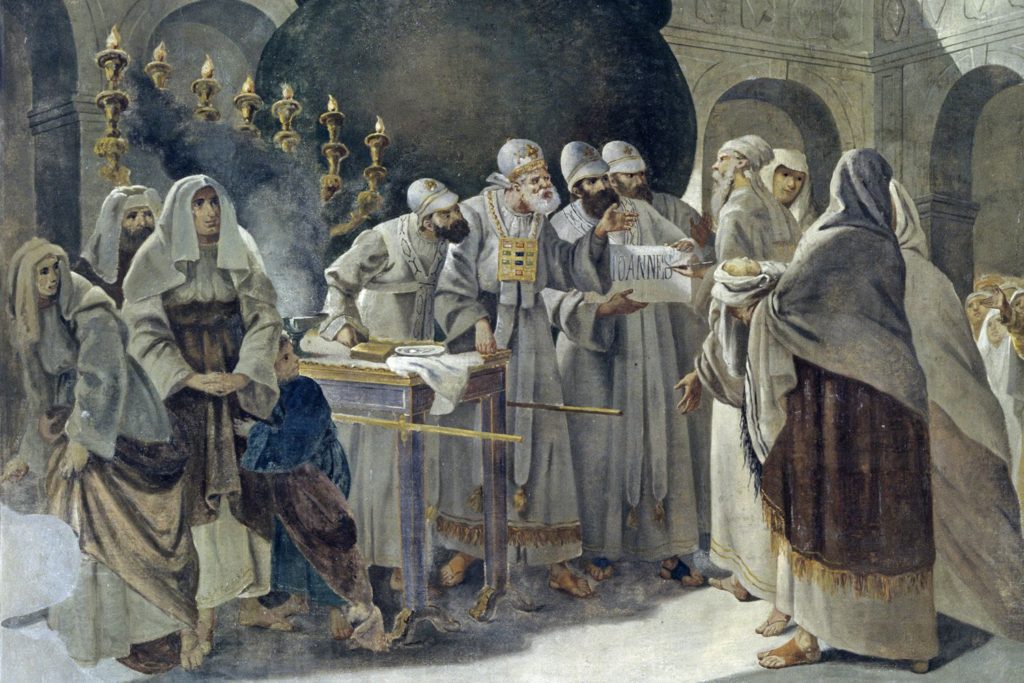
Painting of Zechariah giving name to his son John by Italian painter Riccardo Cessi (1892) from commons.wikimedia.org.

Brave. And gracious. Like Alex Eala.

Lord My Chef Sunday Recipe for the Soul by Fr. Nicanor F. Lalog II
Twelfth Sunday in Ordinary Time, Cycle A, 21 June 2026
Jeremiah 20:10-13 ><}}}}*> Romans 5:12-15 ><}}}}*> Matthew 10:26-30
BERLIN, GERMANY – JUNE 18: Alexandra Eala of the Philippines reacts to defeating Elena Rybakina of Kazakhstan in the second round on Day Four of the 2026 Berlin Tennis Open at LTTC Rot-Weiß e.V. on June 18, 2026 in Berlin, Germany. (Photo by Robert Prange/Getty Images)

God has a most amazing way of consoling us Filipinos when everything is so dismal in the country, sending us athletes who uplift our spirits and make us proud as a nation. In the not so distant past we have had Manny Pacquiao and Olympic gold medalists Hidilyn Diaz and Carlos Yulo cheering us up.

And now, we have the lovely but tenacious and gritty Alex Eala who just made history anew this week with her two upset wins in the ongoing Berlin Tennis Open when she prevailed over WTA number 2 Elena Rybakin Thursday then Friday crushed number eight Elina Svitolina. (Update: Eala lost to Linda Noskova last night.)

Watch her interviews in both victories where Eala mentioned her being “brave” in her games as she described too both matches filled with “grace” – so very much like this Sunday’s gospel where Jesus mentioned thrice the need to be brave!

Jesus said to the Twelve: “Fear no one. Nothing is concealed that will not be revealed, nor secret that will not be known… And do not be afraid of those who kill the body but cannot kill the soul… So do not be afraid” (Matthew 10:26, 28, 31).

Photo by Dra. Mylene A. Santos, MD, in Ericeira, Portugal, 16 June 2026.

After choosing and sending his Twelve Apostles last Sunday, Jesus reminds them including us today of the need to have courage in working in the Lord’s “abundant harvests” because the good news goes directly against the ways of the world.

This we have learned at the start of this year in the Lord’s sermon on the mount where he taught us the Beatitudes last February 1, fourth Sunday in Ordinary Time. Though the Beatitudes like being poor, being hungry and thirsty are not to be taken literally, they still run contrary to the ways of world of power and wealth, fame and convenience.

As the world advances in science and technology, the more it veers away from God and do away with morals that in the process, the Church has always faced many contradictions, some with violent reactions even persecutions for her stance against abortion and population control, divorce and same-sex marriage and other anti-life measures now so widespread through the social media.

It is not only difficult and painful for the Church as an institution but most especially for each of us disciples of Christ that we can easily identify with the Prophet Jeremiah in the first reading.

Of the four major prophets, Jeremiah was the youngest and the only one sent by God to his own people to prophesy. That is why it was so painful for Jeremiah to experience in the hands of his own folks and kin being maligned and rejected, and betrayed just like most of us today!

Jeremiah said: “I hear the whisperings of many: ‘Terror on every side! Denounce! Let us denounce him!’ All those who were my friends are on the watch for any misstep of mine. ‘Perhaps he will be trapped; then we can prevail, and take our vengeance on him.’ But the Lord is with me, like a mighty champion… Sing to the Lord, praise the Lord, for he has rescued the life of the poor from the power of the wicked!” (Jeremiah 20:10-11, 13)

Like Jeremiah, we have complained and even cried to God many times for our sufferings in doing his will to be just and fair, kind and merciful, even charitable; and like him, we could not resist God’s call and mission despite the pains and hurts because we too felt “duped” and “seduced” by the Lord (Jer.20:7) as we felt deep inside us his love and protection. Like all the saints who suffered much in witnessing the gospel, we felt deep inside God as our very strength as we pray more to forge on in the difficult mission of doing his works.

Photo by author, Our Lady of Fatima University, Valenzuela City, 10 June 2026.

When Jesus asks us to “fear no one”, he is inviting us to primarily fear God most of all for he knows everything and will judge us in the end. It is a kind of reverential fear, not the kind of fear of a slave to a master of being reprimanded and punished.

To “fear no one” and “be not afraid” do not mean that we disregard our fears of being hurt or killed physically and emotionally; it is call to have courage which is facing our fears. Having no fears in life is not normal. As we say in the province, yung walang takot sira tuktok!

To fear the Lord means to recognize the sanctity of life, the blessedness of every person. See Eala’s attitude of being magnanimous in victory and in defeat as she would always praise and recognize the talents and greatness of her opponents. In her we find the truth that the “fear of the Lord is the beginning of wisdom” – that every person is a subject to be loved and cherished, not an object or thing to be used or possessed, without feelings and dignity.

Photo by author, Our Lady of Fatima University, Valenzuela City, 10 June 2026.

This is the tragedy exposed by the recent deaths of the two Ateneo athletes, and it involves almost all UAAP members these past decades who have given more priorities in winning trophies above all, forgetting the value of every person. True enough, it is a secret slowly becoming known.

Likewise, to be not afraid of those who kill the body but cannot kill the soul is to recognize the soul in each one of us, of Christ’s indwelling within us, enabling us to overcome every obstacle in life.

It is like being a pencil: remember the inside is more essential than the outside. That is our identity as God’s beloved child.

Our physical strength actually draws much of its power and stamina from our inner core than merely from our bones and muscles. Hence, the need for prayers and meditation, for conditioning to realize our giftedness and value.

When this happens, the third call of Jesus becomes automatic which is to be not afraid because we are worth more than many sparrows or anything else in this world.

Why? Because God is gracious!

To recognize our fears and vulnerabilities as well as weaknesses is in itself courage, fearing no one except God who alone heals us. Most of all, who alone is our strength in our weaknesses. Let us not be afraid in this life to do what is good, to stand for what is right and just, to proclaim the gospel of Christ’s salvation because God is gracious especially to those who abide in him through Christ. Amen. Have a blessed week ahead! And say a prayer for Alex Eala.
Photo by author, St. Michael Retreat House, Antipolo City, 16 June 2026.

“Somebody”, “People Are People” (1984) by Depeche Mode

Lord My Chef Sunday Music by Fr. Nicanor F. Lalog II, 14 June 2026
Photo by author, Atok, Benguet, 27 December 2024.

We just felt ourself in the ’80s with two of Depeche Mode’s 1984 hits, “Somebody” and “People Are People” while preparing our homily last week based on this Sunday’s gospel where Jesus was “was moved with pity” upon seeing the crowd “troubled and abandoned like a sheep without a shepherd”, telling his disciples that “The harvest is abundant but the laborers are few; so ask the master of the harvest to send our laborers for his harvest” (Matthew 9:36-38).

My dear friends, we are both the “abundant harvest” and the “laborers” referred by Christ: what we need in this world are people who care and understand others, people who are kind and understanding, most of all loving like him our Good Shepherd. See how Jesus asked us to pray for more laborers, not for more money or food or medicines. Not even gadgets and material things. What we need are persons willing to journey with us in this life, to accompany us especially when days are dark and stormy (https://lordmychef.com/2026/06/13/we-are-the-lords-harvest-and-laborers-too/).

First we remembered was Depeche Mode’s “Somebody” with its unique intro where you hear something that sounds like a heartbeat amid some noise of people or crowd until the vocals come in with that pulsating sound going on until the end. The mood is very intense and deeply intimate, composed and recorded by Martin Gore said to have gone naked in the studio recording of the song “to achieve a more intimate ambience.”

[Verse 1]
I want somebody to share, share the rest of my life
Share my innermost thoughts, know my intimate details
Someone who'll stand by my side and give me support
And in return, she'll get my support
She will listen to me when I want to speak
About the world we live in and life in general
Though my views may be wrong, they may even be perverted
She'll hear me out and won't easily be converted
To my way of thinking, in fact, she'll often disagree
But at the end of it all, she will understand me

Setting aside its romantic meaning, we find “Somebody” speaking to us the very thoughts of Jesus in praying for “laborers” not things to address the needs of people feeling troubled and abandoned. When people are down and lost in life, feeling troubled and abandoned, where do we focus more, to their woes and problems or their very person?

Try thinking of the people you consider as “heaven sent” who helped you in your darkest moments: they are that “somebody” like you who shared your brokenness and most of all brought out your giftedness as a person. Think of that “somebody” who have seen your being an “abundant harvest”, affirming your uniqueness and sharing in your imperfections.

From YouTube.com

As we tried to feel this lovely ballad, we could also feel inside the intensity of Depeche Mode’s other 1984 hit released from the same album with “Somebody” called “People Are People”.

Also written by Gore, “People Are People” is Depeche Mode’s greatest hit showcasing their genre as electronic synth-pop band.

Typical of most British bands of the 1980’s, Depeche Mode shared in this song their call for equality among peoples, directly opposing racism and discrimination, war and violence. Its music video features scenes from a battleship firing its cannons indicating their opposition to war and violence.

People are people, so why should it be?
You and I should get along so awfully
People are people, so why should it be?
You and I should get along so awfully

So, we're different colors and we're different creeds
And different people have different needs
It's obvious you hate me, though, I've done nothing wrong
I've never even met you, so what could I have done?

I can't understand
What makes a man
Hate another man
Help me understand

Both songs by Depeche Mode, “Somebody” and “People Are People” remind us of the value of every person as God’s abundant harvest, each one of us a gift to be cherished and valued always. Likewise, both songs imply our being brothers and sisters entrusted to each one for God’s greater glory, not ours. Amen. Happy listening.

From Youtube.com

We are the Lord’s “harvest”. And “laborers” too.

Lord My Chef Sunday Recipe for the Soul by Fr. Nicanor F. Lalog II
Eleventh Sunday in Ordinary Time, Cycle A, 14 June 2023
Exodus 19:2-6 ><}}}}*> Romans 5:6-11 ><}}}}*> Matthew 9:36-10:8
Photo by Giuseppe Russo on Pexels.com

A very good friend in the States texted me the other night, requesting for prayers as she was about to go through an MRI; the following day, she texted me anew asking for more prayers because it seemed her cancer had recurred, this time attacking her liver.

I felt her fears and worries. And pain.

She told me how she wanted to call her parents that evening but had to wait until this weekend so that her younger brother would be home to be present especially by her mom’s side when she breaks to them that her cancer had metastasized. Despite her condition, she was thinking of her parents in their “empty nest”, thinking how they might react in receiving the bad news.

Photo by author, Sacred Heart Novitiate, Novlaiches, QC, March 2026.

This crucial factor is what is most missing in the agony of Ms. Rovelyn Baterbonia when her son Rene died Monday after drowning in the treacherous beach of Aurora during their varsity training.

We all felt her pain not only of losing a son but most of all the agony of being alone, perhaps even left out in the dark so far from her dead son with no one from the university nor basketball team immediately informing her of the circumstances of the accident.

It was so heartwrenching – nakakadurog ng puso – watching her grieved upon arrival at the airport, lamenting at how somebody texted her that Monday if they can call her: “Hindi naman siya tumawag. Ako na lang nag-tawag… tapos, nang tumawag na ako sabi niya, mam naaksidente po si Rene. Nalunod po…”. After that, she said she heard nothing from the people supposed to be with Rene. “Wala maski pictures sila send sa akin”, she complained.

This is the most crucial part of every misery and tragedy: is there someone present with those grieving, with those suffering?

At the sight of the crowds, Jesus’ heart was moved with pity for them because they were troubled and abandoned, like sheep without a shepherd. Then he said to his disciples, “The harvest is abundant but the laborers are few; so ask the master of the harvest to send our laborers for his harvest” (Matthew 9:36-38).

Our Lady of Fatima University, February 2025.

We are the Lord’s “harvest” and his “laborers” too. Jesus reminds us today that the answer to all our problems and pains in the world is never found in material things, in money and gadgets, nor well-crafted statements and other publicities. We are the harvest and the harvesters too!

What we need are more people who care, who journey, who are present with majority of the population so lost like sheep without a shepherd. And that is where I felt the pain most when Ms. Baterbonia repeatedly said that “kahit mahirap kami, hindi ko papayagan anak ko mag-training ng ganun.”

Photo by Oscar Millu00e1n on Pexels.com

She said it all – the harsh reality in our country, the most Christian nation in this part of Asia, where the poor remain neglected, forgotten, and taken for granted especially by those in the Church.

See how the poor have shied away from the church primarily due to so many collections in every Mass every Sunday while in the parish office, almost everything comes with a fee. They could not even get a free smile from some staff members often masusungit.

If Matthew were with us today, he would surely repeat with intensity his report that day of how “At the sight of the crowds, Jesus’ heart was moved with pity for them because they were troubled and abandoned, like sheep without a shepherd” because that is how our Church is today – sheep without a shepherd.

And where are the shepherds? Check their social media accounts and you find them most frequently in malls and hotels, traveling abroad via business class, unwinding on a yacht, communing with nature riding big bikes or their expensive mountain bikes. Go to any buffet and ribbon-cutting ceremonies of the newest Jollibee store or even gas station and you find more than two priests and a bishop present while the poor could not even have a decent funeral rite nor blessing for the burial of their dead because the priest is out, could not come to the slum area.

But of course, there are still more blessed and dedicated priests and bishops like Bishop Pabillo of Palawan who brave the seas and mountains just to celebrate the Mass and other Sacraments to the great number of their harvests in far-flung areas.

For Jesus, it is always the person who matters that is why his proposal has always been to send us another person, another companion, a fellow to accompany us in our brokenness and darkness. There is his move of gathering us, calling us, and sending us forth to a mission.

Jesus never taught us to ask for more money nor food nor gadgets to solve the problems of the world. Recall his temptation in the desert when he rejected the devil’s challenge to change stones into bread because man does not live by bread alone but with every word from God.

For the world, everything is a problem to be solved, including mysteries of God and of the human person. As we have reflected the past two Sundays, mysteries are not problems to be solved but non-logical realities we must embrace or even allow ourselves to be wrapped to discover the richness and meaning of this life like God and persons.

When people are down and lost in life, feeling troubled and abandoned, where do we focus more, to their woes and problems or their very persons?

Try thinking of the people you consider as “heaven sent” and helped you in your darkest moments. Are they not the ones who brought out our giftedness as a person, as a beloved child of God with Christ’s gospel?

A few months after his election as Pope in 2005, Benedict XVI heard of a bishop in Austria dying of cancer. He reportedly wrote that bishop, assuring him of his prayers as a brother priest, reminding him that “Jesus saved the world by suffering and dying on the cross, not with activities.” I remembered that news so well because what is mostly happening in our parishes and dioceses are activities. We have become program oriented than people oriented.

Worst is when some of us priests and bishops see the “abundant harvest” as business ventures of all sorts including churches and fiestas as tourist attractions. When economics become our major consideration in the church, how can “we also boast of God through our Lord Jesus Christ, through whom we have now received reconciliation” as St. Paul reflected in the second reading?

Let us return to our “desert of Sinai” spoken of in the first reading, a reminder of our turning point in life and history when God called and sent us to be a “kingdom of priests, a holy nation” – his abundant harvest at the same time his laborers too. We are the new apostles called and sent by Jesus to others like us who are weak and tired, confused and lost, hurting and crying but also blessed and joyful! As God’s abundant harvest, each one of us is a gift to be cherished and valued always; but, at the same time, a brother and a sister entrusted to each one for God’s greater glory, not ours. Amen. Have a blessed week ahead.
Heaven knows I’m miserable now

Lord My Chef Daily Recipe for the Soul by Fr. Nicanor F. Lalog II
Friday, Solemnity of the Sacred Heart of Jesus, 12 June 2026
Deuteronomy 7:6-11 ><}}}*> 1 John 4:7-16 ><}}}*> Matthew 11:25-30
Photo by author, Sacred Heart Novitiate, Novaliches, QC, March 2026.

You read it right. The title of our reflection on this Solemnity of the Sacred Heart of Jesus is the same title of The Smiths’ 1984 classic Heaven Knows I’m Miserable Now.

It is one of my all-time favorite songs, my theme song after graduating in 1986, landing on my first and only job as it captured my exact situation of the period:

I was happy in the haze of a drunken hour
But Heaven knows, I'm miserable now
I was looking for a job, and then I found a job
And Heaven knows I'm miserable now

Since then, the song has remained relevant with me especially after learning how the young generation appreciate a lot The Smiths that I have used their other music in my spiritual conferences and recollections as a university chaplain. That’s why during our Sacred Heart Novena in our university chapel, the same song kept playing at the back of my mind especially while meditating on the second reading on this feast of the Sacred Heart.

Beloved, let us love one another, because love is of God; everyone who loves is begotten by God and knows God. Whoever is without love does not know God, for God is love. In this is love: not that we have loved God, but that he loved us and sent his Son as expiation for our sins (1 John 4:7-8, 10).

How lovely and simple is our second reading from the letter of the beloved disciple, John who gives us the deepest theological grounding of the Sacred Heart of Jesus: “God is love.”

Pope Benedict XVI used to say Christianity is the only religion is the world with that kind of declaration about God; it is not merely that God loves but that love is God’s very nature!

And what does it mean to us? The older I get, the more I realize and experience that I live because of God’s love: it is the reason I wake up and sleep; why I strive to be my best in everything despite my weaknesses and limitations; why I still love even if I am not loved or misunderstood and even maligned; why I still go in living even if I am sure one day I shall die. 

We live because we are loved by God.

Simply loved because he is love himself.

Not because we are good or does something important or fulfills his divine will.

God loves because it is his very essence as Moses reminds us in the first reading, “It was not because you are the largest of all nations that the Lord set his heart on you and chose you, for you are really the smallest of all nations. It was because the Lord loved you” (Dt.7:7-8).

Hence, John insists that in this is love – not that we loved God but that God loved us first. Our love for God and for one another is a response to his very love.

Would there be any difference at all to begin with God’s initiative rather than our own love?

Surely a lot. Even unthinkable to just rely on our own love and initiative because it is never enough for we humans are imperfect.

Human love is imperfect; only God can love us perfectly. That is why love is always initiated by God. We can’t love on our own. No matter how good and holy we may be. Mayroon palaging maisusumbat ating minamahal sa ating pagmamahal. Sa Diyos wala.

That is why I love the song Heaven Knows I’m Miserable Now.

We humans are so miserable in loving but because of our loving God who is love himself, we are able to love, to keep on loving despite and in spite of everything because to live is to love. Jesus came so that we can continue to love, to keep loving even if the world tells us it is foolish. Even if people don’t care at all for us and do not love us as Morrissey sang it so well in the chorus of Heaven Knows I’m Miserable Now:

In my life, why do I give valuable time
To people who don't care if I live or die?

Very true – fascinatingly – is Morrissey’s third chorus line because he openly brings out the usual thoughts we hide in dealing with people we hate or do not like:

In my life, why do I smile
At people who I'd much rather kick in the eye?

Funny is it not? But very true! And that’s because of God’s love in us, of his grace that despite the many people who hurt us and do not love us, we still choose to be loving and kind, at least smile at them than stoop down to their low levels.

Photo by author, Sacred Heart of Jesus Novitiate, Novaliches, QC, 20 March 2024.

The feast of the Sacred Heart is an invitation to look at the heart of God – at what God most desires for us and for our world. It is not a sentimental image but a radical one: a love that goes all the way to the Cross.

God knows how miserable we are these days when things like positions and power, fame and wealth have become more important than persons to be loved and cared for. Despite the many technological advances we have achieved that promised to make life easier, the opposite proved to be more true. Life has been reduced to mere lifestyle, persons have become objects to be possessed by companies and brands, even by schools!

Today’s celebration of the Sacred Heart feast invites us to go back to Jesus who knows fully well our miseries; songs like Heaven Knows I’m Miserable Now can identify and express them to offer respite for a while but only Jesus can uplift and change us for he alone truly loves us because he is love himself.

“Come to me, all you who labor and are burdened, and I will give you rest. Take my yoke upon you and learn from me, for I am meek and humble of heart; and you will find rest for your selves. For my yoke is easy, and my burden light” (Matthew 11:28-30).

Amid the many miseries we are all going through these days, let us take time today to respond to the love of Jesus Christ in the most honest and true ways that will make others experience his love. Many times, it is the simplest gesture of just being gentle with others in words and in deeds, of not adding to their many burdens in life. Jesus, meek and humble of heart, make our hearts like yours! Amen.

From Youtube.com.

Body & Blood of Christ for the life of the world

Lord My Chef Sunday Recipe for the Soul by Fr. Nicanor F. Lalog II
Solemnity of the Most Holy Body & Blood of Christ-A, 07 May 2026
Deuteronomy 8:2-3, 3:14-16 ><}}}*> 1Corinthians 10:16-17 ><}}}*> John6:51-58
Photo from wikimedia.org of the nave with the classic altar of the Sta. Cruz Church in Manila.

Of the many churches I have been to, the Sta. Cruz Church in Manila remains my favorite. Since childhood, I have always loved its beautiful apse of Byzantine glass mosaic of a sacrificial lamb symbolizing Jesus Christ whose blood flows like a river to the tabernacle amid a setting of mango, banana and fire trees.

Photo from Pinterest.com.

The mosaic gives that feeling of the divine presence that may be a contributing factor too in keeping the solemnity of the many successive Masses celebrated there daily.

After leaving the high school seminary in 1982 while in college at UST, I still went to Sta. Cruz church by taking the Love Bus to Escolta after which I would walk across the street to my dad’s barber for a haircut then lunch at Panciteria Ramon Lee. It remained my refuge whenever I found myself deep into sins and troubles, with problems and difficulties, feeling lost and empty especially later in life while working.

It had played a significant role in my vocation story and that is why I remembered it while reflecting this Sunday’s gospel on the Solemnity of the body and Blood of Christ.

More than a gift offered to us individually in the Eucharist, Jesus intends his Body and Blood “for the life of the world” like that sacrificial lamb depicted at the apse of the Sta. Cruz church.

Jesus said to the Jewish crowds: “I am the living bread that came down from heaven; whoever eats this bread will live forever; and the bread that I will give is my flesh for the life of the world” (John 6:51).

Photo by author, Chapel of St. Anthony De Padua, Alta D’Tagaytay Hotel, 02 June 2026.

On this Solemnity of the Body and Blood of Christ, we are invited to reflect on the meaning of the Holy Eucharist in our lives where the mystery of God in Three Persons, the Blessed Trinity we celebrated last week is revealed and becomes most real.

Faith in God is faith in the Incarnation of Jesus Christ present to us in the Eucharist under the signs of bread and wine. But, what does it mean really for us especially in the light of today’s gospel where Jesus said “and the bread that I will give is my flesh for the life of the world.” How can our individual life contribute in giving the life of the world, Jesus Christ himself?

In his encyclical letter Ecclesia de Eucharistia issued in 2003, St. John Paul II beautifully expressed that if Jesus can transform the bread and wine into his Body and Blood in every Eucharistic celebration, then he can transform us into better persons too.

So true! That is why the bestest time to pray is right after receiving Holy Communion because that is when Jesus Christ, Body and Blood, is present in our own body – speak to him in your most natural way. If you want, complain to him. Magsumbong ka rin sa kanya. Pour your heart out to Jesus who is Body and Blood inside you.

However, make sure too that you listen intently to him. When we listen to Jesus, we then enter into a relationship with him as we make him part of our lives as we too become part of his very life. That is when we are filled with his life which we in turn share with others and thus, give life to the world.

Photo by Pixabay on Pexels.com

In the first reading we heard Moses calling us to “remember” not only those forty years in the wilderness by the Israelites but our own journey in the many desert of this life.

The word “remember” is from the root word “member” which means “part” plus the prefix “re” meaning again; to re + member a person and an incident is to make them a part of the present moment again which is the very commandment of Jesus at the Last Supper, “do this is remembrance of me.”

Now look: every week we go through our many exodus like in the first reading. We remember them especially at the start of every week because life is a daily exodus, of coming out from sickness into health, of darkness into light, of slavery into freedom, of sin into grace, of death into life. Yes, our many desert experiences in life were painful but they were all moments of grace too because that is when we realized that we do not live by bread alone, by material things alone – that we need God.

Hence, the first step for us experience this life of Christ as life for the world is to go back to the church, go back to the Holy Mass. These online Masses must be stopped. COVID pandemic is long gone.

The Mass presupposes actual presence because Christ is truly present with us in every celebration. We must learn anew to desire Jesus more in the Eucharist especially on Sundays.

In the Mass, we re-member Jesus in our lives after a week of busy activities and work; as we make Jesus a part of our lives anew, we see also ourselves needing much needed rest and comfort too in Jesus! Inasmuch as we re-member Jesus into our lives, it is actually us being re-membered into Christ who is also our food and drink to nourish us in this daily exodus in life.

Notice how in verse 14 Moses reiterated his call to the people to “remember” but this time what he told them including us today is “do not forget the Lord”: every Mass as our exodus is a way of casting off the temptation to live one’s life without God.

When we come to celebrate the Mass, especially when we are well disposed and prepared, we realize that we are always poor before God who alone can satisfy all our longings and needs.

To forget this is the sure path to catastrophe as many of us would attest.

With God, life; without God, no life.

This we find so clear with the Corinthians during the time of St. Paul that is why he addressed them in the interrogative tone:

Brothers and sisters: The cup of blessing that we bless, is it not a participation in the blood of Christ? The bread that we break, is it not a participation in the body of Christ? Because the loaf of bread is one, we, though many, are one body, for we all partake of the one loaf (1 Corinthians 10:16-17).

The Corinthians at that time were already well aware of how the Eucharist make the Church whose head is Jesus Christ. Hence, the need for a communion or “participation” which is the word used in our translation. St. Paul was reminding them of what they knew in faith, that is, a Holy Communion in Christ which they must put into practice. This communion among the Corinthians would be put into risk when quarrels and divisions plagued their community later that prompted St. Paul to write them a second letter.

As part of the Mass, the Communion is when we receive the Body and Blood of Christ; but, in a deeper sense, Communion is unity in charity. It is Jesus Christ becoming human like us in everything except sin so that we can become holy and divine like him. This mysterious exchange of ourselves with Jesus, in Jesus, and through Jesus happens in the Eucharist where we are nourished and filled with the life of Christ whenever we receive the Holy Communion. May we share this life we have gained in Christ with others by witnessing his Gospel to give life to this sick and dying world – like that sacrificial lamb at the apse of my favorite church in Sta. Cruz. Amen. Have a blessed week ahead.

Life is a mystery

Lord My Chef Sunday Recipe for the Soul by Fr. Nicanor F. Lalog II
Solemnity of the Holy Trinity-A, 31 May 2026
Exodus34:4-6, 8-9 ><}}}*> 2Corinthians13:11-13 ><}}}*> John 3:16-18
Photo by author, Dolmabahce Palace, Istanbul, Turkiye, November 2026.

“Life is a mystery.” It is the favorite expression of my Jesuit retreat master during our 30-day retreat in Cebu 1995, the late Fr. Arthur Shea. He would always tell me “life is a mystery” while touching his long, white beard whenever he could not answer my many questions about life and God.

After that retreat and 28 years later as a priest, it had become my favorite expression too not only when I could not find answers to my own questions but when people come to consult and ask me on almost everything.

Photo by author, Dolmabahce Palace, Istanbul, Turkiye, November 2026.

And thank God for life’s many mysteries, especially his very own mystery of being one God in Three Persons as we celebrate this Sunday the Solemnity of the Holy Trinity.

The word mystery is from the Greek mysterion, something hidden but now revealed by God.

While it is true that a mystery is beyond human reason because it is divine, it may still be explained and understood though not fully. That is why it is described as non-logical or beyond reason but not illogical which lacks reason.

Most of all, a mystery is not a problem to be solved because it simply cannot be solved at all. In fact, we need to keep mysteries like secrets because mysteries give meaning and depth to our very existence, to our lives. In this age of social media when everyone thinks that everything needs to be shown to the point of being overexposed, life has become so artificial and hence, for many, empty of meaning. Unknown to many of us, the most wonderful things in life are those hidden and not seen by everyone like the mystery of God within us!

God so loved the world that he gave his only Son, so that everyone who believes in him might not perish but might have eternal life (John 3:16).

Photo by author, Dolmabahce Palace, Istanbul, Turkiye, November 2026.

Our gospel this Sunday is very amusing like a mystery in itself; it is the shortest one we have in the entire year yet the most popular verse in the whole bible. But, how can it explain or enlighten us of God’s oneness in three persons?

As we have expressed at the very start, a mystery is not meant to be solved and explained but experienced. Our gospel is not even trying to prove to us about the existence of God because in our very being, it is already a given there is God. God does not prove himself but always shows himself.

Recall that it was taken from the conversation between Jesus and Nicodemus, a Pharisee who felt drawn to the Lord but was so ashamed to be seen by his fellow Jews that he came to visit him at night. We are all like Nicodemus “feeling” God so true deep within us but often afraid to accept it or even show it for fears of being called as old-fashioned and conservative or someone less scientific, less reasonable and less modern.

Photo by author, Dolmabahce Palace, Istanbul, Turkiye, November 2026.

In that gospel scene, Jesus was inviting Nicodemus to enter into a relationship with him to fully experience God’s mystery because at that time, they tried explaining God like a concept to be learned and even memorized through their many laws and instructions. Unlike the Pharisees, Jesus simply taught Nicodemus that basic truth of God who “so loved the world that he gave his only Son, so that everyone who believes in him might not perish but might have eternal life.

Nicodemus eventually became a disciple of Jesus along with another Pharisee named Joseph of Arimathea who gave Christ’s burial site on Good Friday.

A mystery is a mystery because it is shared. It is nothing if it is merely in itself.

We are intrigued with stories and reports because they create relationships in us and with us. That is why God in himself as a mystery is a community of persons. Person implies relationship, taken from the Latin word persona which is the mask worn by stage actors/actresses to indicate their roles in a play or drama; hence, the term dramatis personae or list of actors in a play and their roles.

To a certain sense, there are three persons or personae, that is, “roles” in our God as we profess in our Creed: the Father as Creator of everything, the Son as the Savior, and the Holy Spirit as the Sanctifier. With God, his persona is eternal while ours like in drama or play, it is temporary.

The more we enter into relationships, the more we relate with other persons, the more we discover the many mysteries of this life and of God while realizing too in the process that we can only relate with persons and not with things nor even plants and animals. This is the gist of the similarly brief second reading from St. Paul’s first letter to the Corinthians, telling us to be close with one another as the Father’s children in Christ through the Holy Spirit. In sending us Jesus Christ his Son, God took the initiative to be closest to us as our breath in the Holy Spirit.

Photo by author, Dolmabahce Palace, Istanbul, Turkiye, November 2026.

Every time we think of God, when we marvel at him and his creations, the more we find ourselves so different, even too distant from him while at the same time we also feel and experience in the most unique manner how closest we are to him.

Imagine this another great mystery of God that despite our sinfulness and worthlessness, he still so loved us and always caring for us. Like Moses in the first reading, we have experienced many times in life when God seemed to have actually walked beside us, even carried us during our lowest moments that in an instance we realized quickly the many “whys” he deals with us in life. We learn that God is so true and so close with us yet, remains the “All-Other” and the “Unknowable” whose mystery we cannot totally penetrate.

Photo by author, Sacred Heart Novitiate, Novaliches, QC, 20 March 2026.

As we move on in life, we realize it is not about covering distances but going deeper within ourselves, of being transformed into better selves and persons like God, loving and merciful. Eventually we realize too that each one of us is in fact an indwelling of the Holy Trinity, an image and likeness of God himself. This we can easily learn through our most basic and simple prayer of all, the Sign of the Cross that many of us take for granted.

Every time we make the sign of the Cross properly, that is when we let God embrace us and wrap us with his mysteries.

In the sign of the Cross, God comes closest to us in our very selves, relating to us in our head being the Father who is over and above us always, the creator of everything; as the Son who became human like us born by the Virgin Mary passing through her womb, experiencing everything we went through except sin; and as the Holy Spirit on our shoulders giving us balance in this life. Next Sunday, we shall deepen this mystery of God in three Persons in ourselves with the solemnity of Christ’s Body and Blood we receive in the Holy Eucharist. Amen. Have a blessed week filled with God’s wonderful mysteries!

Our daily Pentecost

Lord My Chef Sunday Recipe for the Soul by Fr. Nicanor F. Lalog II
Pentecost Sunday-A, 24 May 2026
Acts 2:1-11 ><}}}}*> 1 Corinthians 12:3-7, 12-13 ><}}}}*> John 20:19-23
Photos from cnn.com, 15 May 2025.

One of the reels I love watching in Instagram is Yuji Belleza, a young Japanese who speaks different languages, going around Europe talking to all kinds of people by speaking their native tongues.

What I like most with him is his openness to learn many things not just words and languages from those he interviews in his popular Instagram reels. It is precisely what Luke is telling us this Solemnity of the Pentecost: more than language facility, the most important in the spread and growth of the Church then and now is “openness” of Christ’s disciples.

When the time for Pentecost was fulfilled, they were all in one place together. And suddenly there came from the sky a noise like a strong driving wind, and it filled the entire house in which they were. Then there appeared to them tongues of fire, which parted and came to rest on each of them. And they were all filled with the Holy Spirit and began to speak in different tongues, as te Spirit enabled them to proclaim. Now there were devout Jews from every nation under heaven staying in Jerusalem. At this sound, they gathered in a large crowd, but they were confused because each one heard them speaking in his own language. They were astounded, and in amazement they asked, “Are not all these people who are speaking Galileans?” (Acts 2:1-7)

From pinterest.com.

From the Greek word pente for 50, Pentecost is a Jewish feast celebrated fifty days after the ratification of their covenant with God by Moses in Sinai; eventually, it became a feast of their first harvests upon entering the Promised Land that it was like a new beginning in life for them.

And rightly so for us Christians too. The Church started to spread from Jerusalem on that Pentecost Sunday to become the largest in the world today. More than a feast we remember today fifty days after Easter, Pentecost is an event we recognize and affirm to be happening daily in our lives as disciples of Jesus Christ.

Like the popular Japanese linguist Yuji on Instagram, we too experience “being at home” abroad when we find countrymen, people who speak our native tongue. Thank God for the millions of Filipinos spread around the world that you can surely meet anywhere, anytime you go abroad.

Photo by author, Istanbul, Turkiye, 31 October 2025.

Last year we went to Turkiye and found a Catholic church run by Franciscans near our hotel in Istanbul. We went early to introduce ourselves to the pastor, hoping we could concelebrate the Mass with him. The Irish pastor gladly welcomed us, telling us that the choir and lectors in charge that Sunday were Filipinos. Sure enough after the Mass, they all followed us to the sacristy to make mano and of course, picture picture!

You know that feeling of being “home” – safe and secured, peaceful and joyful upon finding someone who speaks your own language in a foreign land with different culture and language. And weather!

Many times God comes to us in a similar way – speaking and feeling exactly like us but, unfortunately, we disregard his words and instructions because we have our own agenda and plans until finally we realize in the end after losing everything how we should have listened and obeyed him.

On the other hand, there is also that feeling of being home even abroad when you are able to communicate and understand foreigners using only sign languages while uttering some words like you are in a charades game. Despite our many differences, there are those feelings of safety and peace, of forging on in our journey because understanding is always possible by simply being open. We can even communicate with deaf mutes for as long as we are open and creative. And patient too.

Many times, God communicates with us in the same manner – through signs but problem is we do not have the interest to engage with him because we have other plans in life so that when things go wrong, there is always that sigh of missed opportunities in disregarding God.

Pentecost asks us how open are we to God and others as disciples of Christ?

Photo from shutterstock.com

From last Sunday’s upward shift for us to rise in our relationships with God and one another, Pentecost shows us its downward movement to open ourselves to the leading of Holy Spirit to become one in our relationships despite our many differences.

Matthew told us last Sunday that when Jesus ascended into heaven, some of his disciples were still doubting him. Today, Luke tells us how all those doubts were finally cleared at the descent of the Holy Spirit who emboldened the disciples with wisdom and knowledge, courage and perseverance to proclaim Christ’s gospel to all nations despite the persecutions and other difficulties that followed.

Painting by El Greco, “Pentecostes” (1597) from commons.wikimedia.org.

Pentecost continues in our present time when we shatter those walls and locked doors of pride, selfishness and conceit, opening ourselves to the daily coming of the Holy Spirit. Luke used a simple word in his story that can help us have that attitude of openness to the Holy Spirit.

The word is devout – in Filipino it is “deboto” connoting a person so closed with his religious beliefs like “Catolico cerrado.”

But, devout as used by Luke means a person with a “good heart, ready to believe, and then act openly and with courage” (Timothy Clayton, Exploring Advent with Luke; page 125).

Only Luke used the word devout in the Sacred Scriptures when in his gospel he described Simeon as “righteous and devout” (Lk.2:25) who sang the Nunc Dimittis during the presentation of Jesus at the temple. He then used it thrice in the Acts as we have heard today of the “devout Jews” staying in Jerusalem on that Pentecost day when the Holy Spirit came (2:5); then “the devout men who buried” the first martyr Stephen (8:2), and finally calling Ananias a “devout observer of the law” whom God instructed to pray over and heal Saul of his blindness after meeting Jesus on the road to Damascus (22:12).

More than being faithful to God and the Catholic faith, a devout person is one who is always open to the promptings of the Holy Spirit like Simeon and Anna awaiting the coming of the Messiah at the temple. Moreover, a devout person is one who makes happen the plans of God like Ananias who at first hesitated with Jesus in taking in Saul.

Our Filipino Missal used an interesting translation of Luke’s devout as palasamba sa Diyos that literally means one who worships God often. Or, someone who prays always.

Openness happens in prayers because that is when we become rooted in God, when we allow him to form us like the clay in the potter’s hand. More than the recitation and expression of ourselves in words, prayer is entering a relationship with God whom we call “Abba” as St. Paul explained in the second reading. That explains too why the Holy Spirit came on that Pentecost while the disciples with Mary were at prayer.

When we have prayer life, we grow in our sensitivity of God in others that we learn to become respectful, fair and just, and kind. Thus, we promote peace and goodwill with others too.

This Pentecost Sunday, let us allow the Holy Spirit to work in us by focusing more on Jesus than in ourselves in our many devotions and practices filled with pomp and pageantry that only divide us disciples of Christ

Let us open ourselves to Jesus by being devout in the truest sense wherein we are more open with persons especially the poor and disadvantaged than with things and numbers in measuring development as a nation like the GDP/GNP and infrastructures.

Yes, Jesus is now seated at the right hand of the Father in heaven but he remains with us here in this life, in this world in the Holy Spirit, day in, day out through us making Pentecost a reality daily. Amen. Have a blessed week ahead.

Ascending in the power of Christ

Lord My Chef Sunday Recipe for the Soul by Fr. Nicanor F. Lalog II
Solemnity of the Ascension of the Lord, Cycle A, 17 May 2026
Acts 1:1-11 ><}}}}*> Ephesians 1:17-23 ><}}}}*> Matthew 28:16-20
Photo by author, Sacred Heart Novitiate, Novaliches, QC, 18 March 2026.

The past week is probably the most ugliest we ever have as a nation in recent years when power-hungry lawmakers seized power in the senate just to keep their cabals away from the legitimate powers of the legislature and international court.

Sorry for mentioning that this Sunday.

However, I hope you also find consolation in our celebration today of the Solemnity of the Ascension of Jesus who invites us to examine the true meaning of “power” that was mentioned four times in the three readings we have heard:

But you will receive power when the Holy Spirit comes upon you, and you will be my witnesses in Jerusalem, throughout Judea and Samaria, and to the ends of the earth (Acts 1:8).

and what is the surpassing greatness of his power for us who believe, in accord with the exercise of his great might, which he worked in Christ, raising him from the dead and seating him at his right hand in the heavens, far above every principality, authority, power, and dominion, and every name that is named not only in this age but also in the one to come (Ephesians 1:19-21).

Then Jesus approached and said to them, “All power in heaven and on earth has been given to me. Go, therefore, and make disciples of all nations, baptizing them in the name of the Father, and of the Son, and of the Holy Spirit, teaching them to observe all that I have commanded you. And behod, I am with always, until the end of the age” (Matthew 28:18-20).

Photo by author, Sacred Heart Novitiate, Novaliches, QC, 20 March 2026.

How timely that we reflect this Sunday the “power” claimed by Jesus Christ as given to him and now shared with us his disciples after returning to heaven.

As Jesus concludes his earthly existence with his Ascension, let us go back to his ministry to reflect the different aspects of his power that we must imitate as his disciples.

First we find in Jesus is the power of prayer. He was always in prayer that even his disciples were so impressed and asked him to “teach them how to pray”. More than the words to say in praying, Jesus taught us the very attitude in praying: it is not forcing ourselves to God but submitting ourselves to God we call Father by recognizing one another as brothers and sisters.

Prayer for Jesus is power because it is primarily a relationship with God expressed in our relationship with each other. His ascension need not be taken literally as if Jesus was like a rocket launched into space; his ascension is more like a “leveling up” in his relationships with us and the the Father. For us to ascend like Jesus Christ through prayer means for us to be “lighter” by letting go of our selves, of our pride.

Prayer is power because it leads us to self-emptying (kenosis) that we become more loving and respectful of others, not manipulative; truthful and honest, not liars; and, more just and respectful of laws.

The more we pray, the more we see God and others as brothers and sisters that we work for peace and unity, not divisions and chaos because ultimately, prayer is power as it makes us find life not death as Jesus exemplified on the Cross.

Photo by author, Manaoag, Pangasinan, 09 January 2026.

Simultaneous with the power of prayer, we find in Christ the power of love and respect for persons.

It is one of his radical teachings, an integral part of his gospel of salvation of loving one another as he had loved us, of giving up one’s life for a friend, of finding God on the face of every one. Even among enemies!

It is power because when we love and respect every person, that is when we establish the kingdom of heaven here on earth. Love and respect for persons as power is prayer in action through our loving service for others.

Clearly, it is one power we lack so much in the country especially in government when officials are deep into corruption. Its most tragic part is at how people mostly the poor have allowed corruption to persist because they themselves could not love and respect their very selves, refusing to see beyond the material world. For them, man lives to eat. Then die. They would not even raise up their heads to look high above the clouds to dream and dare in life, to believe and hope in God.

Photo by author, Sacred Heart Novitiate, Novaliches, QC, 20 March 2026.

Because sadly, many refuse to recognize the very power of Christ which is the Cross.

Because of the Cross, there is Easter. And then Ascension.

Without the Cross, nothing.

That is why for many life has become more of a mess, empty without meaning because they believe power is strength and force, of control and manipulation. Most of all, of subjugation.

Christ showed us in his Cross that life is always larger than what we see or even perceive as it is. Life is so wide and vast, so high and so deep we can never hold nor contain. Or even understand and explain.

Life is meant to be lived not solved at all. We hear it often said, “let go, let God.” Notice in this saying how the single letter “d” leads to the transition, transformation. That small letter “d” stands for our little daily deaths.

It is here we find the power of the Cross: when we surrender and submit, the world opens, we see more options, we see more life; when we suffer and cry, when we get hurt and bruised, we learn to stop and wait until healing comes and then we are renewed.

Most of all, when we experience those little deaths in taking our cross, in dying on the Cross of Jesus, that is when we find our greater self, when we experience Christ in us who had conquered sin and death because he is life himself. That is when we find true power because that is when we rise and ascend in Christ.

Events happening lately in our country and in the world, and most especially in our very lives do not look so nice and good. Even dismal. But, Jesus reminds us this Sunday of his true powers that enable to rise, to ascend in him. Most of all, he promised to be with us always. As we come nearer to the closing of Easter Season, let us ask anew ourselves and him how we can live out this new level of relationship in him, with him and through him. Let us wait in prayers to discover too his powerful answer. Amen.

Photo by author, Mt. Arayat from Angeles City, Pampanga, October 2024.