Quiet Storm by Fr. Nicanor F. Lalog II, 20 August 2026
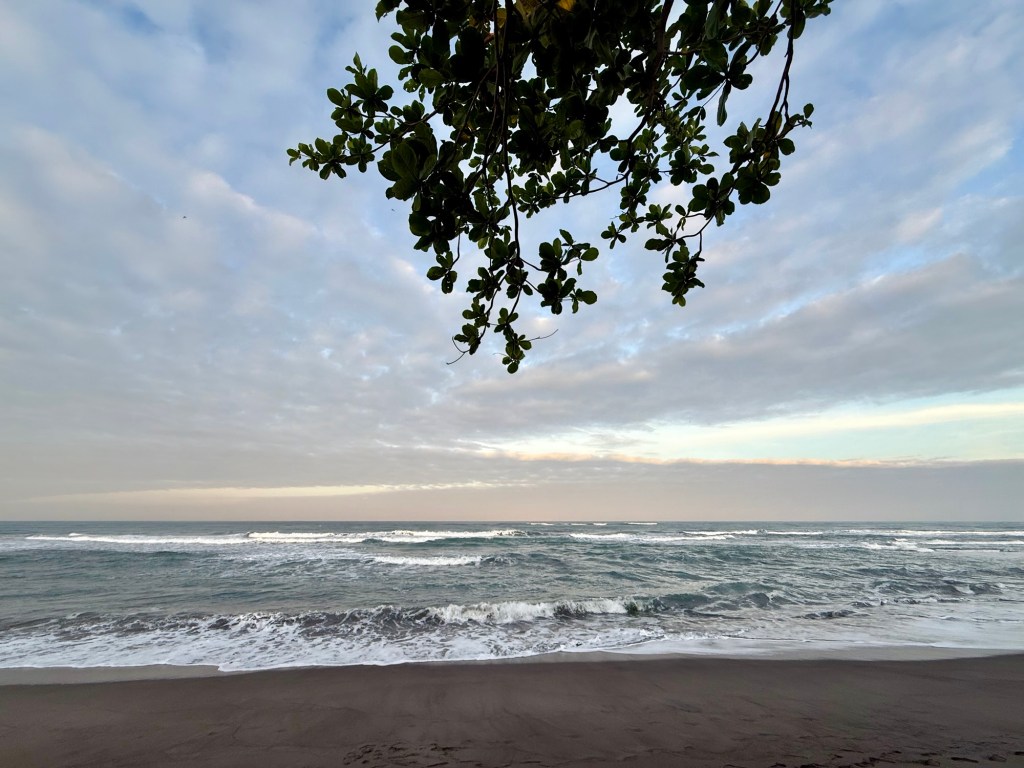
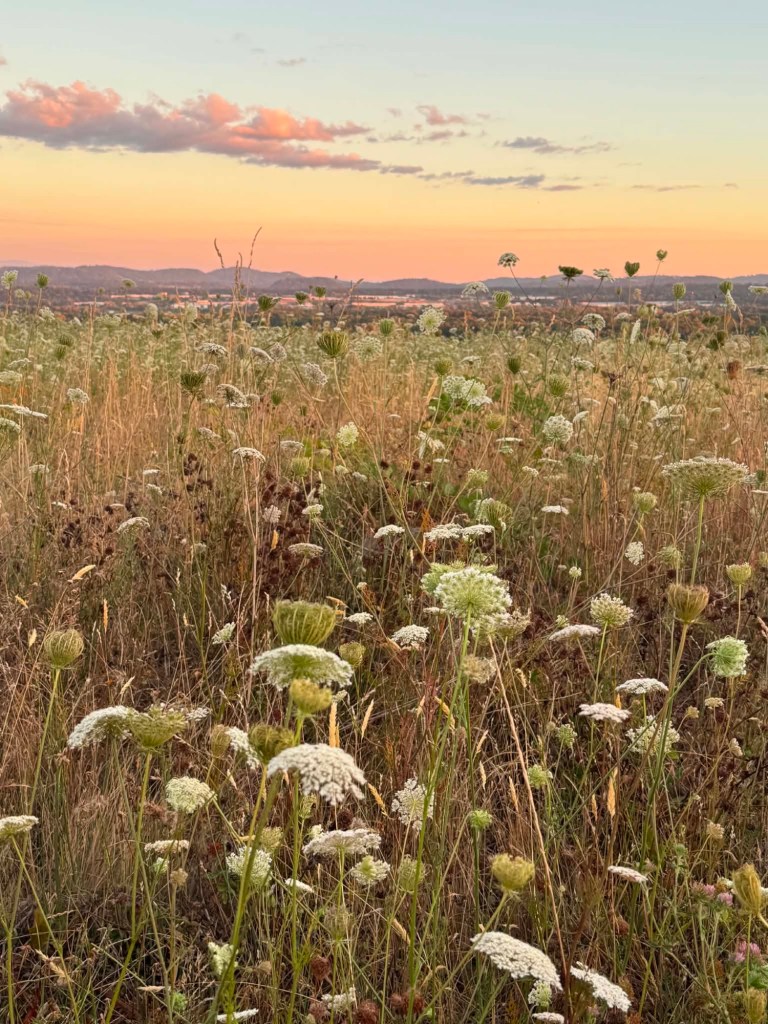
Photo by author, Anvaya Resort, Bataan, 21 July 2026.
Let me come home to you, Lord God:
to gaze in your loving eyes anew,
be wrapped around with your tight embrace
without being judged nor blamed.
Let me come home to you, Lord God:
with nothing at all,
to be poor of material wealth and
rich in Spirit and virtues,
empty of pride,
filled with your humility and
simplicity
so scarce of everything
abundant in you and your love.
Let me come home to you, Lord God:
no longer afraid of the dark and
everything not yet known and seen,
nor terrified of great waves of tasks
and duties,
of strong winds like what people think
and say about me because in you alone
is my certainty as well as safety and security.
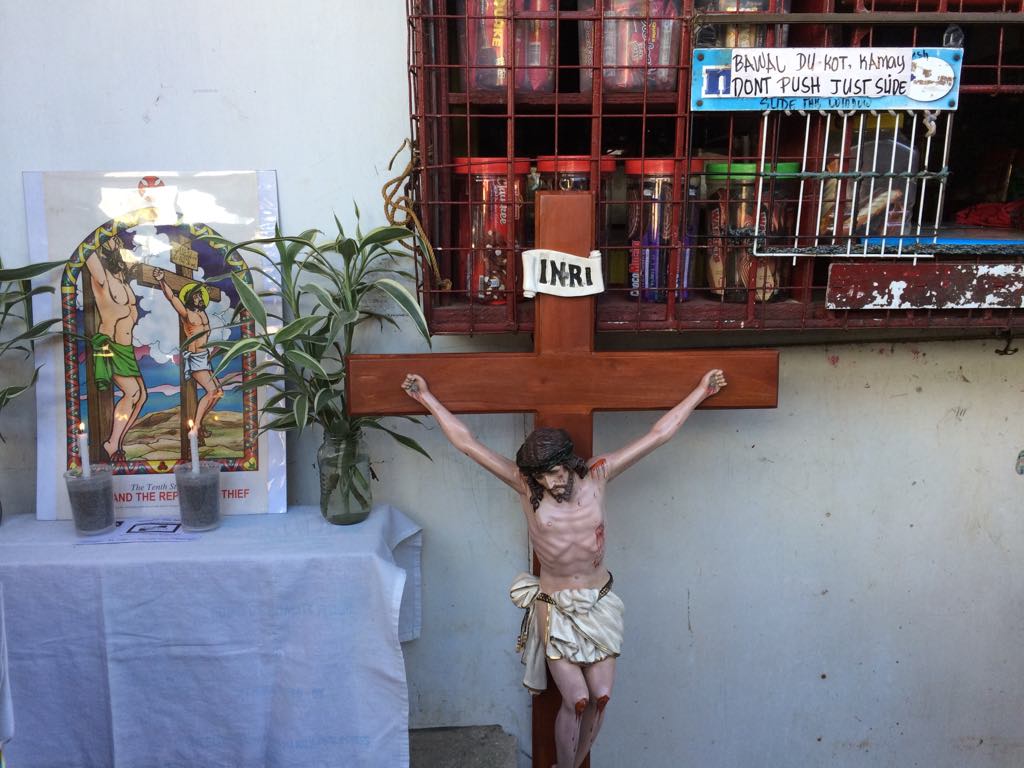
Photo by author, Pundaquit, San Antonio, Zambales, 15 May 2025.
Let me come home to you, Lord God:
to be nourished by your words
that give life and meaning,
to be quenched of my thirst with your
living water that restores my being,
cleanses me of my sins and shame.
Let me come home to you, Lord God:
to rest in you,
be at home in you
because you are my origin,
my root
my home
my peace
my destination in this long journey
in life for you are
my Lord
and my God.
Amen.
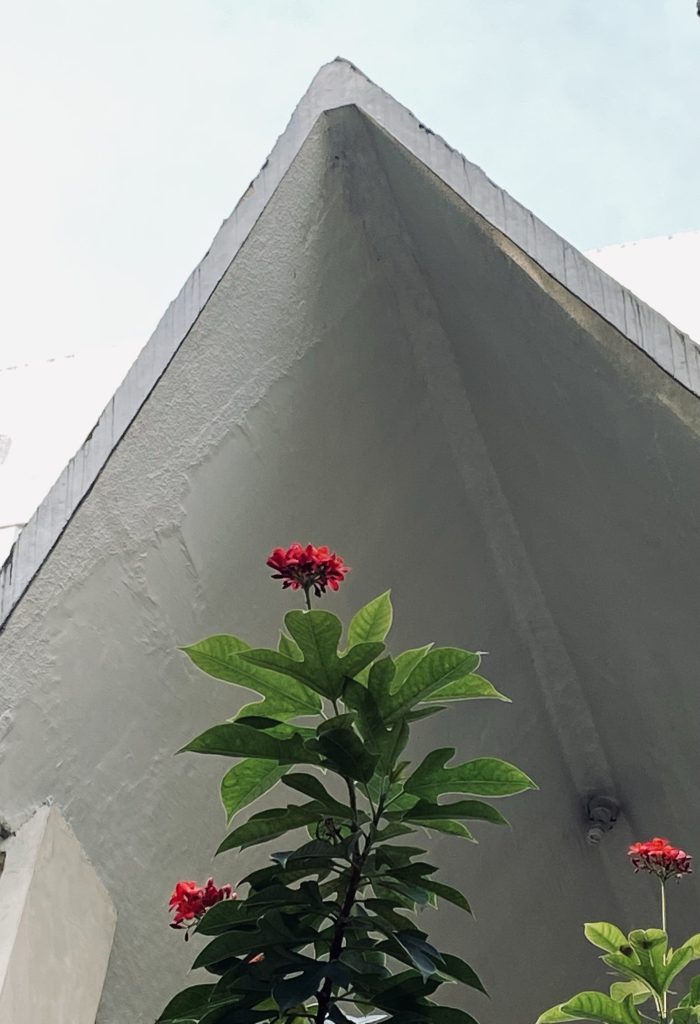
Photo by author, San Juan, La Union, 09 January 2026.
Lord My Chef Daily Recipe for Soul by Fr. Nicanor F. Lalog II
Thursday in the Eighteenth Week of Ordinary Time, Year II
Feast of the Transfiguration of the Lord, 06 August 2026
2 Peter 1:16-19     <*{{{{><  +  ><}}}}*>     Matthew 17:1-9
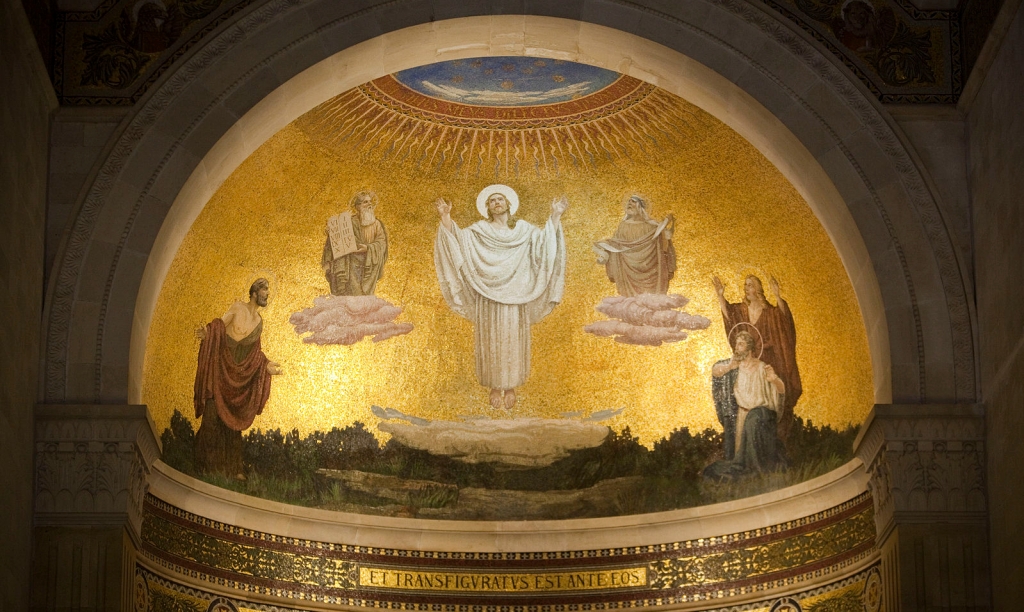
Mosaic inside the Basilica of the Transfiguration on Mt. Tabor, Israel; photo from commons.wikimedia.org.
The face is a reflection of what is in the heart and soul of every person. No amount of cosmetics and beauty procedures can ever bring out that glow and radiance of anyone’s face beaming with joy and fulfillment, peace and contentment coming from the heart.
This direct correlation of the face and the heart is called countenance – an indication of someone’s depth – or shallowness – of inner transformation due to deep spirituality, of communion with God. This is most evident on those we find whose face looks younger than one’s age that we often describe as malalim or deep, or magaling magdala ng problema. Another favorite Filipino expression of a person’s countenance is when we find somebody as madaling makagaanan ng loob – a person we meet for the first time yet we feel so light and easy with, we feel at home with him or her. In the same manner, we sense or notice something negative and unpleasant like rotting inside a person despite having good features like flawless skin or aquiline nose and beautiful eyes, we still find him or her so chaka or ugly.
Countenance is what young people call as “uma-aura” when they pose for FB or IG from “aura” or spirit within evoked and projected by one’s face that cannot be manipulated nor faked.
Jesus took Peter, James, and his brother, John, and led them up a high mountain by themselves. And he was transfigured before them; his face shone like the sun and his clothes became white as light (Matthew 17:1-2).
Painting of the Transfiguration by Italian artist Duccio di Buoninsegna between 1308 and 1311 from commons.wikimedia.org.
What a beautiful expression by Matthew, “his (Jesus’) face shone like the sun” at his transfiguration primarily because deep inside him is his complete and perfect union in the Father. Jesus always insisted on this reality within him, of his perfect communion in the Father from which also flows his total obedience that reached its highest point at his Passion and Death on the Cross, his own Pasch or exodus.
Try recalling unexpected moments in your life when God’s presence was so clear to you like a light shining from within; it could be those moments you have overcome a major obstacle in life or simply when you felt so loved while in some forms of darkness in life. Like the three apostles, during those moments we felt so overwhelmed by God’s glory and majesty that we felt like remaining in that state of comfort and certainty and consolation. Most often, these occurred during or after some trying times or occasions.
There on Mount Tabor in his transfiguration, we are shown that Christ’s glory cannot be separated from the Cross. His majesty and triumph shall come from his pasch. And so are we his disciples. That is why the voice heard by the apostles said, “This is my beloved Son, with whom I am well-pleased; listen to him”. From now on after his transfiguration, Jesus would be speaking thrice of his coming Passion, Death and Resurrection as he heads toward Jerusalem. All his lessons after Mount Tabor are about our participation in his paschal mysteries.
Do we listen at all? How’s our facial expression when we dwell on his conditions of discipleship? Is there a spark within us, a light shining through? Or, do we experience a “blackout”?
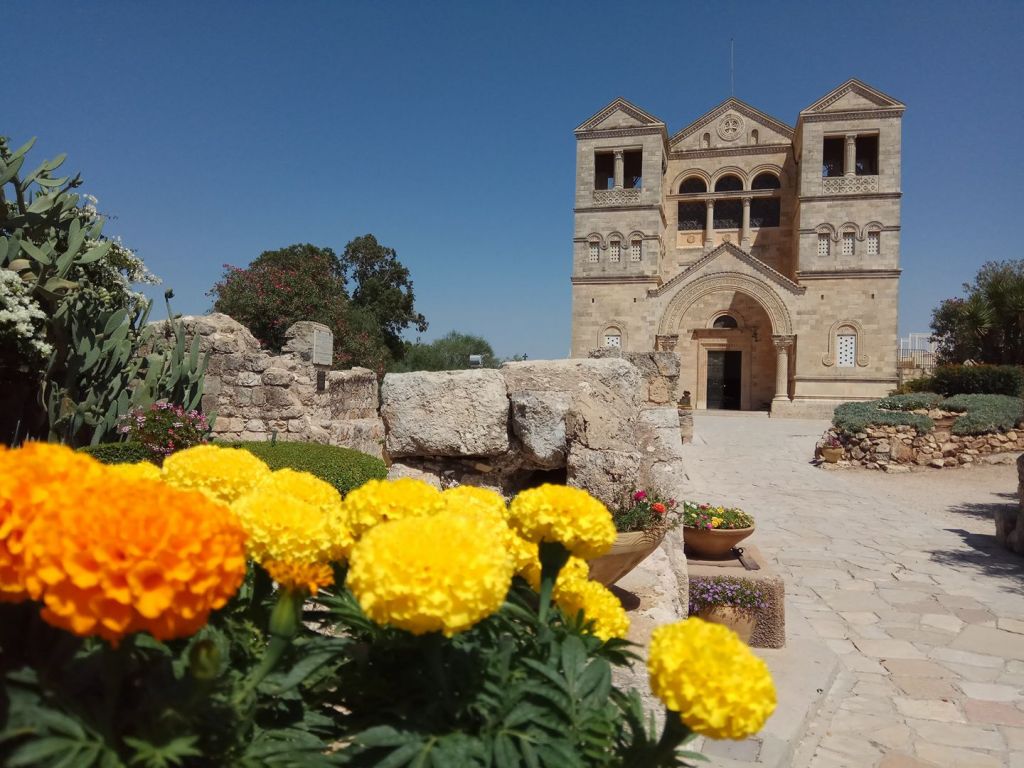
Photo from custodia.org of Basilica of the Transfiguration on Mt. Tabor, Israel.
Every second Sunday in Lent, we hear the same gospel of Christ’s transfiguration in preparation for Easter; this August 6 is the 18th week in Ordinary Time and we celebrate the Feast of Transfiguration to help us sustain in following Jesus in the last 16 weeks of the year.
During this time especially August when everything seems to slow down with life getting a bit difficult, the Transfiguration of Jesus calls us to never lose sight of the Cross of Good Friday as our path to glorious transfiguration in Christ. It is a process we have to patiently and persevere to go through in life.
The apostles learned and embraced all these lessons in a process slowly with the guidance of the Holy Spirit after Pentecost. That is why Jesus told them to come down from Tabor to continue their journey to Jerusalem to fulfill his mission. Through them we have believed despite our not having seen Jesus that is how he would appear as “Lord” on the mountain that we the faithful are climbing to participate in the ultimate manifestation of his return at the end of time.
To journey with Christ, listening and obeying his voice is something of the inside, of the heart. Not of the outside like places. The light of Christ does not remain still, continuously drawing us forward unto him, right into our hearts.
Life is a daily ascent to Mount Tabor, often when nights are long and dark, when the temptation to follow the artificial lights of the world and modernisms offering shortcuts to fulfillment and meaning are so tempting.
Photo from iStockphoto.com of Mount Tabor in Israel where Jesus is believed to have transfigured.
St. Peter warns us in the first reading that “we did not follow cleverly devised myths when we made known to you the power and coming of our Lord Jesus Christ… we possess the prophetic message that is altogether reliable. You will do well to be attentive to it, as a lamp shining in a dark place, until day dawns and the morning star rises in your hearts” (2Pt.1:16, 19).
The path to glory is the path of the Cross of Jesus, right in our hearts when we are willing to forgive and understand, when we are more loving and kind, when we are empty of pride and filled with Jesus always. May the light of Christ shine on us, on our face. Let us pray:
Show me your face,
Jesus by dwelling right here
in my heart,
filling me with your
love and kindness,
justice and truth,
mercy and forgiveness;
show me your face,
Jesus by showing me
Moses too that I may love
your laws and commandments
that often I see as burdensome
not realizing they actually lead
to true freedom to love and be
faithful to you, Lord;
sow me your face,
Jesus by showing me too
Elijah, your powerful prophet
taken to heaven body and soul
by a chariot because he believed
in your words Lord;
show me your face,
Jesus that my face may
shine with your light
while I transfigure in you.
Amen.
Lord My Chef Daily Recipe for Soul by Fr. Nicanor F. Lalog II
Tuesday in the Eighteenth Week of Ordinary Time, Year II
Memorial of St. John Mary Vianney, Priest, 04 August 2026
Jeremiah 30:1-2, 12-15, 18-22     <*{{{{>< + ><}}}}*>     Matthew 15:1-2, 10-14
Photo by a friend in Washington. 28 July 2026.
Your words today,
O Lord sound harsh
but I do not mind at all
because you speak as an
honest friend who truly loves
and cares for me;
you speak the truth always
that hurts us because every
mess we are into this life is
a result of our own making,
of our pride and sinfulness
like Israel and Judah
conquered and banished
from their own country
by the Assyrians and the Babylonians:
Thus says the Lord, the God of Israel: Incurable is your wound, grievous your bruise; There is none to plead your cause, no remedy for your running sore, no healing for you. All your lovers have forgotten you, they do not seek you. I struck you as an enemy would strike, punished your cruelly; Why cry out over your wound? Your pain is without relief. Because of your guilt, your numerous sins, I have done this to you (Jeremiah 30:12-15).
Today we also celebrate the feast
of our Patron Saint,
John mary Vianney,
your most holy priest
who bore so much pains
and sufferings not because
of his sins but by the sins of many
around him; we your priests,
O God, have sinned a lot
against you, O God,
through your people,
the flock you have entrusted
to us: we have hurt them so bad
their wounds are incurable,
their bruise so grievous with some
leaving the Church;
forgive us, Lord for being too
far from the heart of your Son
Jesus, the Good Shepherd;
cleanse our hearts and make us
realize priesthood is victimhood
like Jesus; let us bear the wounds
inflicted to us by the sheep rather
than us wounding them.
Deep within your harsh
words today, Lord,
we feel your deep desire
to heal us,
to free us,
and to renew us;
cleanse our hearts,
Lord, your priests,
purify us to bear all pains
for your people,
to be truly prophetic
so that your people may
realize you are in their midst
and eventually be like you
in Christ Jesus.
Amen.
Lord My Chef Daily Recipe for the Soul by Fr. Nicanor F. Lalog II
Tuesday in the Fifth Week of Easter, 05 May 2026
Acts 14:19-28     ><]]]]'> + ><]]]]'> + ><]]]]'>     John 14:27-31
Photo by author, Cabo da Roca Villas, Pundaquit, San Antonio, Zambales, 15 May 2025.
What really
is your kind of peace,
Lord Jesus?
Jesus said to his disciples: “Peace I leave with you; my peace I give to you. Not as the world gives do I give it to you. Do not let your hearts be troubled or afraid” (John 14:27).
I have told you
last Sunday, Lord,
what troubles me:
the fear of being alone,
of being left out;
even if the world
gives me money,
and people with all
kinds of relationships,
I am troubled because
everything
and everyone passes;
only you remain,
Lord.

St. Teresa said it so well:
Let nothing disturb you,
Let nothing frighten you,
All things are passing away;
God never changes.
Patience obtains all things
Whoever has God lacks nothing;
God alone suffices.
Photo by Dean Mon Macatangga, Our Lady of Fatima University-Valenzuela City, 16 May 2024.
Your peace, Lord Jesus,
is not found outside us
but within us –
right in our hearts
where we allow you to dwell,
to reign in us
amid all our trials and sufferings
so we continue to forge on
in this life.
Grant us,
dear Jesus,
the courage and wisdom
you have given
Paul and Barnabas who,
despite the physical harm
and emotional distresses
they went through,
they never wavered
in their mission of proclaiming
your Gospel
because they have you in their hearts.
That is your peace, Jesus:
not an absence of trials
and sufferings,
of storms and darkness
and other troubles
but your very presence
in our hearts
where you reign supreme,
filling us with your
humility,
justice,
and love.
Amen.
Lord My Chef Sunday Recipe for the Soul by Fr. Nicanor F. Lalog II
Sixth Sunday in Ordinary Time, Cycle A, 15 February 2026
Sirach 15:15-20 ><}}}}*> 1 Corinthians 2:6-10 ><}}}}*> Matthew 5:17-37
Photo by author, Benguet, July 2023.
It is a day after Valentine’s, also the final Sunday before we take a long break from Ordinary Time to start the 40 days of Lent this Ash Wednesday leading us to Easter that lasts until the month of May. It is so lovely and timely that we hear Jesus teaching us this Sunday to examine our hearts always so that we can live our faith in him daily, of remaining blessed in his beatitudes.
We are still at the sermon on the mount with Jesus giving us a series of general teachings illustrated in some concrete examples. However, keep in mind these are not new teachings as Jesus himself clarified he had come not to abolish but to fulfill the laws. In the light of the Beatitudes he taught us the other Sunday, Jesus is now directing us to look deeper into our hearts, to make it whole again in him and stay blessed unlike the scribes and the Pharisees.
Jesus said to his disciples: “I tell you, unless your righteousness surpasses that of the scribes and Pharisees, you will not enter into the kingdom of heaven” (Matthew 5:20).
Photo by author, Jerusalem, May 2017.
This is not the first time we have heard the word “righteousness” in Matthew who used it to describe Joseph in his Christmas story as “a righteous man” (Mt.1:19).
Being righteous for the Jews is being holy which is obeying and living by the laws and commandments of God. Unfortunately, they got centered with the letters of the laws as insisted by their scribes and Pharisees. When Jesus came, they have forgotten God himself as well as the value of the human person and life itself for which the laws were meant to be. Matthew rectified this at the start of his gospel with the story of the annunciation of Christ’s birth to Joseph who obeyed God’s command expressed in his love for Mary whom he took as his wife then pregnant with the Savior he named as “Jesus”.
Righteousness or holiness is not being sinless but being filled with God, living our faith in Christ by witnessing his gospel. From the Greek word holos that means “whole” not broken, holiness in a sense is what we call as integrity.
Holiness, righteousness, and integrity all begin in the heart that we find expressed in the sixth Beatitude taught by Jesus two Sundays ago, “Blessed are the clean of heart, for they will see God” (Mt.5:8).
A clean heart is a loving heart. We can only see God and the other persons with a loving heart. The human intellect cannot know most especially God as St. Paul tells us in the second reading.
In the same manner, we know the other person not with the intellect but always with the heart as the Little Prince said, “What is essential is invisible to the eye; it is only with the heart that one can truly see” while Marvin Gaye expressed it so beautifully in his 1971 hit “What’s Going On” with the lines “we have to put some lovin’ here today” so we can understand each other.
Indeed, the heart is the very center or core of every person because everything flows from the heart. And this is what Jesus himself underscores in his three admonitions against anger, lust, and falsehoods this Sunday. In all three teachings, we find how love is severely damaged when we quarrel against each other, when we take everyone as things and objects to be used, and when we lack the sincerity in our words.
Photo by author, September 2021.
“You have heard that it was said to your ancestors, You shall not kill; whoever kills will be liable to judgment. But I say to you, whoever is angry with his brother will be liable to judgment, and whoever says to his brother ‘Raqa,’ will be answerable to the Sanhedrin, and whoever says, ‘You fool,’ will be liable to fiery Gehenna”(Mt.5:21-22).
First thing we notice in these three teachings is its construction where Jesus first mentioned what was said by the ancestors in the phrase “You have heard” immediately followed by his own take, “But, I say to you.”
Again, Jesus is not contradicting the laws given by Moses and elaborated by their elders; Jesus was actually expressing its fullness in him found in love that begins in the heart which St. Paul reiterated in his letters that love is the perfection of the laws and commandments of God.
Whenever we quarrel in words or in deeds, we not only break our ties with each other as brothers and sisters but even with God we call “our Father”. Remember, love of God is love of one another. And the sad part of this reality is our being cut off from God even if we don’t admit it. And even if we know we have nothing against anyone, we surely feel the break-up in our selves due to the lack of love and charity, most of all, of peace. That is why Jesus added that when in our worship we realize a brother or sister has anything against us, we must first reconcile with him or her. That is why before the Holy Communion, we give the greeting of peace with one another who represents the person we are at odds with. The responsibility becomes more pronounced if the person is in the same assembly we are in if we really want to have a meaningful and holy communion.
“You have heard that it was said, You shall not commit adultery. But I say to you, everyone who looks at a woman with lust has already committed adultery with her in his heart” (Mt.5:27-28).
Here we go again with the issues of marital infidelity as well as of divorce: at the very core of this is the equality of every person, of every man and woman as being created in the image and likeness of God with same equal dignity. Jesus reminds us today that there is no difference between man and woman when it comes to marriage because the same duties of fidelity bind each partner. Most of all, Jesus has consistently taught how we must go beyond the Laws when it comes to marriage because every spouse is an image of himself, of his saving grace. Hence, we must reject every temptation and inappropriate words and actions that may destroy unity and love of couples and even in our other relationships as family and friends.
Photo by author, Makati City, 09 February 2026.
“Again you have heard that it was said to your ancestors, Do not take a false oath, but make good to the Lord all that you vow. But I say to you, do not swear at all. Let your ‘Yes’ mean ‘Yes,’ and your ‘No’ mean ‘No.” Anything more is from the evil one” (Mt.5:33-34).
This last admonition is perhaps most needed these days when we are bombarded with too much fake news as well as our own words are empty. Shakespeare said it so well in Hamlet, “words, words, words” wherein we think and believe that the more we increase our words, the more it becomes true and meaningful.
Of course, it it totally untrue as Jesus reminded us today to be truthful always. In Genesis, we are told in the story of creation how God shared only this power of words, of language with humans alone. Our ability to speak is a sharing in God’s power that demands responsibilities (Spiderman). Hence in the first reading, Ben Sirach reminds us to be responsible in choosing good than evil like in choosing between “fire and water”, “life and death”. Ben Sirach’s short reminders are very timely in this age of social media where “influencers” choose for us not only the candidates to elect but even the food to eat and clothes to wear. Being free is to decide, to choose knowingly what is good.
This Sunday, Jesus invites us to look into our hearts, to cleanse it of evil and sins so that he may dwell and reign completely in our hearts so we can have integrity and remain blessed and holy in him. Amen. Have a blessed week ahead, everyone!
Lord My Chef Daily Recipe for the Soul by Fr. Nicanor F. Lalog II
Wednesday, Memorial of St. Thomas Aquinas, Priest & Doctor of the Church, 28 January 2026
2 Samuel 7:4-7     <*[[[[><  +++  ><]]]]*>     Mark 4:1-20
Photo by Nikola u010cedu00edkovu00e1 on Pexels.com
"May tainga ang lupa,
may pakpak ang balita."

A Filipino saying
to express how news
and rumors travel so fast
because "The soil (or land)
has ears, news has wings."
It sounds funny, Lord Jesus
that this saying came to my mind
upon hearing your parable that
started with your words "Hear this!
A sower went out..."
and ended, "Whoever has ears
to hear ought to hear"
(Mark 4:3, 9).
What an art you
have endowed each of us
Lord with two ears
so that we may listen and
hear twice than speak;
how lovely you have shaped
our ears that when put
together, they look like a heart
and yet, we rarely listen at all
to you and with others.
Make us like the good soil,
Jesus: open to receive your words,
open to welcome your many
possibilities, open to simply
be ourselves so that you may
transform us like the seeds
that grew and produced fruits.
Remind us, Lord Jesus,
like David by Nathan that
far more better than buildings
on land is our hearts where you
desire most to dwell;
may our hearts remain
your temple planted on
good, firm soil that it may
be felt alive always.
Teach us to imitate
your great Saint Thomas Aquinas
we remember today: that we
may cultivate to prepare
our hearts and minds
to become like the good soil
so that your seeds of the Gospel
may grow and bear fruit
for your greater glory.
Amen.
Lord My Chef Sunday Recipe for the Soul, 12 October 2025
Twenty-Eighth Sunday in Ordinary Time, Cycle C
2 Kings 5:14-17 ><}}}}*> 2 Timothy 2:8-13 ><}}}}*> Luke 17:11-19
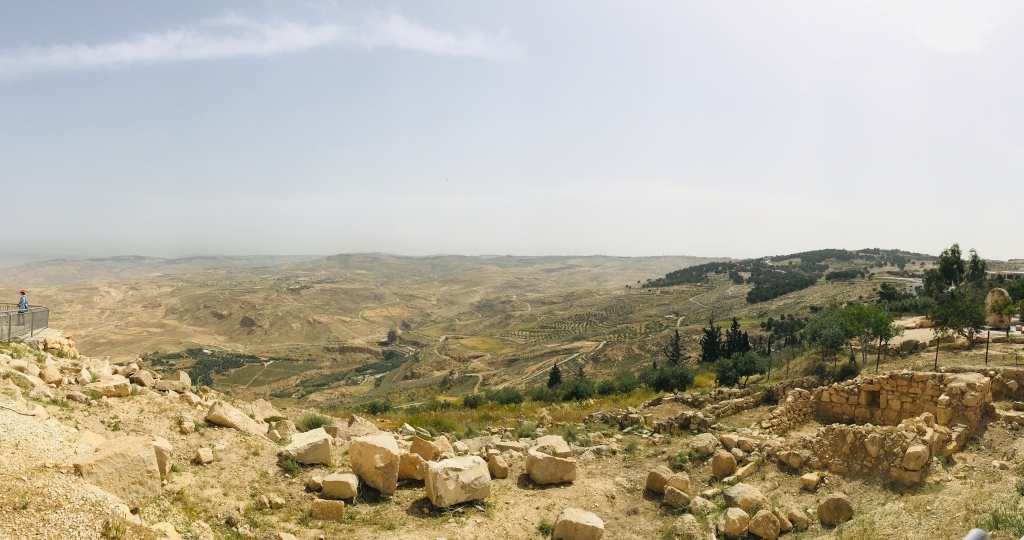
Photo by author, view of Israel from Mt. Nebo, Jordan, May 2019.
Our gospel setting this Sunday strikes a deep lasting impression on anyone who had been on a Holy Land pilgrimage: of those vast expanse of desert in Israel where dusty roads have been replaced by modern concrete or asphalted roads.
Perhaps the feelings remain the same today and during the time of Jesus when he and the Twelve were near the border between Samaria and Galilee, several figures who turned out to be ten lepers appeared at a distance, waving their hands to the Lord. It must have been a surprising sight, then and now, of being found in the desert. Imagine the desperation in their voices of those ten lepers, “Jesus, Master! Have pity on us!” (Lk.17:13).
Jesus right away told them to go show themselves to the priests, and as they went, they were healed. But only one—a Samaritan—returned to thank Jesus who wondered aloud: “Ten were cleansed, were they not? Where are the the other nine? Has none but this foreigner returned to give thanks to God?” Then he said to him, “Stand up and go; your faith has saved you” (Lk.17:17-19).
“The Healing of Ten Lepers” painting by James Tissot en.wikipedia.org
Last Sunday we reflected that faith is primarily a relationship with God; hence, its powers or efficacy will work only when aligned with God and his Holy Will. We will never know how strong we have grown in faith until we get into tests and trials. That is why, the need for us to imitate the Twelve in praying to Jesus, “Increase our faith” (Lk.17:5).
We grow best in faith when we worship God with our fellow believers in the celebration of the Holy Mass especially on Sundays which is our Sabbath. More than a day of rest, Sabbath is a day of restoration to God, with others and most of all, with one’s self. It is a return to Eden, a dress rehearsal of our entry into heaven to dwell in God’s presence eternally.
This is where lies the beauty and significance of this healing of ten lepers – they were not only restored to health but restored in God, to their families, and to their community and fellow believers.
Photo by author, Jerusalem, May 2017.
Those ten lepers have never known any rest at all since getting afflicted with the disease for they were cut off from homes, worship, and community. That is why they could not get near Jesus as they have to keep their distance from everyone according to their laws in order to prevent infecting others and spreading the disease. Likewise, it was the very reason that anyone healed of leprosy or any serious sickness must first present themselves to the priests who have the sole authority to declare one has been healed and therefore may be allowed to reintegrate with their family and community or society in general. Being declared as healed of sickness like leprosy at that time meant the restoration of one’s rights to worship in the temple or synagogue especially on Sabbath.
When Jesus healed them, he restored more than just their bodies and physical health. In sending them to the priests, Jesus invited them into the wholeness of what the Sabbath really is like peace, inclusion, and dignity.
Or, salvation in short.
Sad to say, only one realized this when he returned to thank Jesus. The healed Samaritan leper knew and felt a deeper healing had taken place within him that he responded with heartfelt gratitude to God in Jesus. There was a deepening of his faith in Jesus when he decided to return to thank the Lord that also expressed his desire to enter into a relationship with Jesus.
Photo by author, Sacred Heart Novitiate, Novaliches, QC, 20 March 2025.
Whenever we thank people for their kindness no matter how little that may be, it is more than acknowledging the other person but most of all, of expressing our links with them as well as our desire to be one with them, especially with God who showers us with good things daily. That is why the Mass is also called Eucharist – from the Greek eucharistia meaning “thanksgiving”. After his skin was cleansed of leprosy in the first reading, Naaman the Syrian Army General declared before the Prophet Elisha that he would worship the Lord alone as he returned to his home with two mule-loads of Israeli soil.
Sorry to say but whenever we refuse to celebrate the Mass on Sundays, it means that we are one of those nine ungrateful lepers healed by Jesus! Don’t you feel being called like the Samaritan to return and give thanks to Jesus for the many blessings you have received this Sunday?
See how in this age of faith in a mass-mediated culture that we have become so impersonal, trusting more our gadgets and all those apps like Siri and Waze as if we have already lost faith in the human person. And God.
Photo by Mr. Nicko Timbol, Chapel of the Angel of Peace, OLFU-RISE, Valenzuela City, 03 October 2025.
We spend practically our entire days in front of all kinds of screens than with the face of a human person. Again, this sadly extends to the way we worship with many still stuck in the pandemic mode of online Masses not realizing the important and irreplaceable aspect of personal encounter of Jesus in the actual Mass with other believers.
God remains God even if we do not go to Mass every Sunday. It is us who are losing greatly whenever we skip Sunday Masses, our Sabbath. God specifically made his third commandment to “Remember to keep holy the sabbath day” because Sabbath reminds us that life itself is holy in the first place, a sharing in the life of God. What a tremendous blessing still that even if we forget God or disregard God every Sunday, Paul reminds us today of the beautiful truth and reality that “If we have died with Jesus we shall also live with him; if we persevere we shall also reign with him. But if we deny him he will deny us. If we are unfaithful he remains faithful, for he cannot deny himself” (2Tim.2:11-13).
Can you imagine that? If we are unfaithful to Jesus, he remains faithful?
Every Sunday, Jesus tells us to “Stand up and go; your faith has saved you” despite, in spite of our many sins and absences from the Sunday Masses in the past because he wants us to experience the deeper wholeness that comes with faith and gratitude as experienced by that Samaritan leper he had healed. As we continue to journey with Jesus toward Jerusalem facing many trials and sufferings along the way, he calls us to come to him in the Sunday Mass to deepen our faith by resting in his presence.
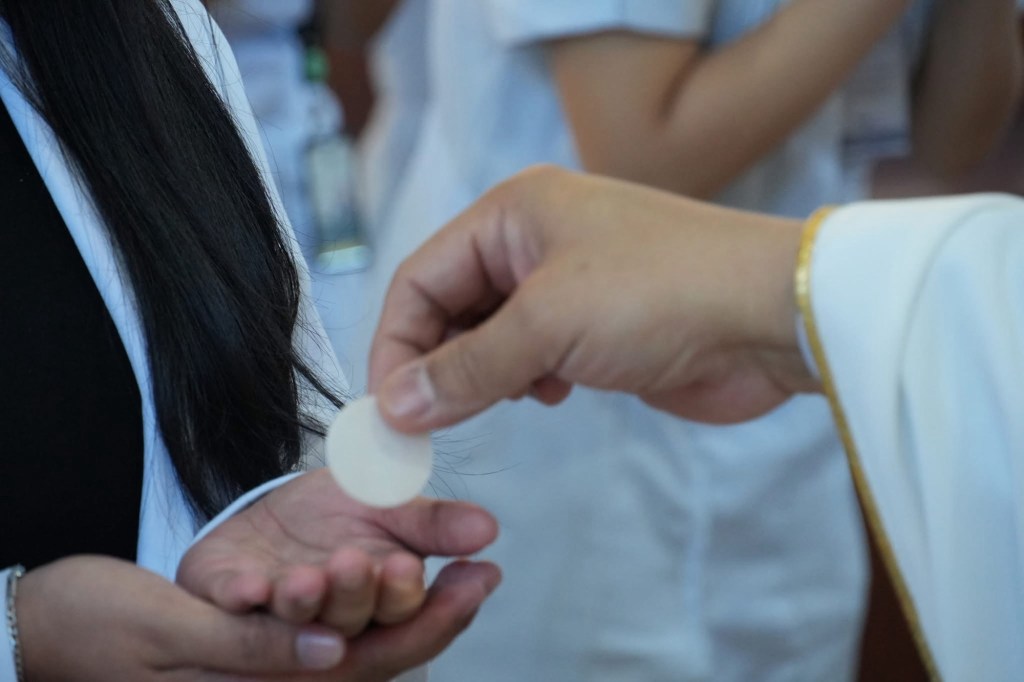
Is there a space in your life at this stage that you feel like one of those lepers, longing for healing and restoration? In the silence of this Sabbath day in our Sunday Mass, speak to Jesus especially after receiving him Body and Blood in the Holy Communion. Amen. Have a blessed week ahead! Fr. Nicanor F. Lalog II, Our Lady of Fatima University, Valenzuela City (lordmychef@gmail.com).
Our Lady of Fatima University-Valenzuela, June 2025.
Lord My Chef Daily Recipe for the Soul, 04 August 2025
Monday, Memorial of St. John Baptiste Marie Vianney, Priest
Numbers 11:4-15     <*{{{{>< + ><}}}}*>     Matthew 14:13-21
People complain and ask me why our patron saint, St. John Baptiste Marie Vianney is always portrayed “unattractive” as old, balding and so thin who seemed to be so tired, even sad. Para daw hirap na hirap.
Usually I smile at them because when I entered the seminary, I felt the same way too upon seeing his images. But as I learned about his life and teachings, the more I realized St. John Baptiste Marie Vianney is actually one of the original “rock star” saints of the Church with his white, balding hair so much like Jimmy Page of Led Zeppelin!
There is something so deeply within him when we try to feel and observe his portrayals in the arts as more than images but a reality and experience of a man deemed weak yet so strong with an intensity of a Michael Jordan in his life and ministry. He was another St. Paul who had truly let “Christ lived in him” (Gal. 2:20), “strongest when weakest” (2Cor.12:10) who declared with conviction that “the priesthood is the love of the heart of Jesus.” Hence in my prayers last night and today, I asked Jesus to give me a heart “so big, so wide to welcome everyone and life’s many challenges” (https://lordmychef.com/2025/08/03/praying-with-our-patron-saint-john-baptiste-marie-vianney/).
Detail of a painting of the Sacred Heart of Jesus at Visitation Monastery, Marclaz, France from godongphoto / Shutterstock.
The readings this Monday of the eighteenth week in Ordinary Time perfectly jibed the celebration of the Memorial of St. John Baptiste Marie Vianney as they spoke of the heart of the priest.
In the first reading we heard of Moses lamenting to God of the difficulty in dealing with his people who were so stubborn and refused to recognize God’s immense love for them, so similar with us priests in many occasions when we feel so frustrated and sad when parishioners fail to see the good things we are doing for them.
When Moses heard the people, family after family, crying at the entrance of their tents, so that the Lord became very angry, he was grieved. “Why do you treat your servant so badly?” Moses asked the Lord. “Why are you so displeased with me that you burden me with all this people?”… I cannot carry all this people by myself, for they are too heavy for me. If this is the way you will deal with me, then please do me the favor of killing me at once, so that I need no longer face this distress” (Numbers 11:10-11, 14-15).
Many times, we priests feel like Moses who cannot voice out problems with the people who would never understand it at all. Worst, people would even blame us priests why we work so hard or why do we bother at all with their lives. “Pabayaan na lang ninyo kami…sanay na kami” are what they often say. It can be frustrating when people refuse to match the fire and ardor of their priests.
In this scene, we find one of the many instances in the life of Moses that was centered on God in prayers. The heart of the priest is a heart in prayer. The attitude of Moses in the first reading conversing with God in prayer shows us that in our life and ministry, there is no one to turn to except God alone with whom we can be our most personal self, even dare God to “take us” or “kill us” when we are so fed up. The good news is, God never took those words seriously as he knew Moses and the prophets including us who spoke to him that way never knew what we were saying at all.
There is a saying that goes, “if you can’t bear the heat, leave the kitchen”; but, it cannot be applied with the priesthood that is neither a profession nor a job one can easily walk out from and start into another venture or career. Priesthood is a call or a “vocation” from God; however, priesthood is more of the Caller than the call. It is a life centered on prayer to become like Jesus Christ who alone feels and understands and appreciates all our ups and downs in the ministry. The more we get closer to Jesus in the Cross, the more we experience fulfillment that we would never dare to trade it for anything or anyone else, not even the prettiest woman on earth.
Photo by author, Chapel of St. Francis Xavier, Sacred Novitiate, Novaliches, QC, March 2024.
Priesthood is the love of the heart of Jesus that continues to be wounded and hurt by sins of men and women in this modern age so selfish and materialistic. Thus, every priest is called to be a “wounded healer” too like Christ who in his woundedness healed the wounds of others. We remind people of the paradox and scandal of the Cross of Jesus, of life itself by taking into heart Christ’s teaching, “For whoever wishes to save his life will lose it, but whoever loses his life for my sake will find it” (Mt. 16:25).
Let us now reflect on our gospel.
When Jesus heard of death of John the Baptist, he withdrew in a boat to a deserted place by himself. the crowds heard of this and followed him on for from their towns. When he disembarked and saw the vast crowd, his heart was moved with pity for them, and he cured their sick (Matthew 14:13-14).
Observe the brevity of Matthew in narrating the situation at the scene without losing its very soul and meaning especially for us priests: Jesus did not have any intentions to go after Herod nor to challenge him for his execution of John the Baptist who spoke the truth.
Instead, Jesus sought solitude. Like Moses in the first reading, Jesus turned to God in his grief and anguish of the death of John the Baptist. He crossed the lake to pray and be one with the Father to pour out his sadness and most of all, to reflect on what to do next after John’s death.
Jesus shows us in this scene of his going into solitude that our low points in life as priests are also our high points like Christ’s Transfiguration. Every prayer moment is a transfiguration moment because that is when we get closest with Jesus. It has been consistently proven in our collective and personal experiences as priests verified by studies that crises in the priesthood happen when we stop praying because that is detaching from Jesus Christ, our Caller.
Priesthood is not only difficult but very difficult starting with the vestments we have to wear. What a shame when priests prefer to do away with the proper vestments as well as wearing of shoes during celebrations of the Mass and other sacraments because the weather is so hot. What then are we going to bear if the weather is already a big issue for us? One of the teachings of St. John Vianney that I have always followed is the value of putting on good vestments in the celebration of Sacraments because they are a homily in themselves, proclaiming the glory and love of God for us all.
Many times, people forget priests have personal concerns and problems too, that we get hurt, get lonely, get sick and grieve at the death of family and friends. Despite all these lows in our life as priests, we go and follow the Caller Jesus Christ when people come and ask for our help and service. Woe to our brother priests who forget this and think more of themselves especially of their comfort!
See how when Jesus was praying in solitude and the crowd followed him, it was not difficult for him to forget his own worries that his heart was moved with pity upon seeing them disembarked from their boats. Despite his sadness at the death of John, Jesus taught the crowd who have followed him and healed the sick among them. And when the Twelve told him to drive away the crowd to search for their own food and lodging, Jesus told them to give them food themselves. What followed was the great miracle of the feeding of over five thousand people from five loaves of bread and two pieces of fish. It was the event that prepared the Twelve and the people to the Last Supper of the Lord and the road to Emmaus where Jesus was recognized at his “breaking of bread”.
The whole life of St. John Baptiste Marie Vianney was a prayer of praise and thanksgiving to God in Christ’s priesthood. He had a heart so big and wide, hearing confessions daily up to 16 hours! Pray for us your priests to have big hearts too to bear all the wounds and hurts because only the heart that suffers, that is “broken” can truly sing of the joys and pains of living, of the sense and meaning of serving to the point of being emptied, and of the healing and transforming power of Christ’s love and mercy. Amen. Pray for us your priests. Salamuch. Fr. Nicanor F. Lalog II, Our Lady of Fatima University, Valenzuela City (lordmychef@gmail.com).
have not been to France nor do I know French but while searching for images of St. John Marie Vianney, I found this from the French website, https://www.notrehistoireavecmarie.com/; it is perhaps the depiction of the new pastor speaking to the young Antoine whom he asked for directions to Ars.
Lord My Chef Daily Recipe for the Soul, 04 August 2025
Monday, Memorial of St. John Baptiste Marie Vianney, Priest
Numbers 11:4-15     <*((((><  +  ><))))*>     Matthew 14:13-21
I have not been to France nor do I know French but while searching for images of St. John Marie Vianney, I found this from the French website, https://www.notrehistoireavecmarie.com/; it is perhaps the depiction of the new pastor speaking to the young Antoine whom he asked for directions to Ars.
On this feast of our Patron Saint,
John Baptiste Marie Vianney,
I praise and thank you dear Jesus
for the gift of vocation to the priesthood;
thank you for calling me to become your priest;
thank you for the courage and strength
to accept your call;
most of all, thank you for your patience
in me despite my repeated sins
and failures as your priest.

Onn this feast of our Patron Saint,
John Baptiste Marie Vianney,
I pray to you Lord Jesus
our Eternal Priest to give me
a big heart,
a heart so wide to welcome
everyone and life's many
challenges.
When Jesus heard of death of John the Baptist, he withdrew in a boat to a deserted place by himself. the crowds heard of this and followed him on for from their towns. When he disembarked and saw the vast crowd, his heart was moved with pity for them, and he cured their sick (Matthew 14:13-14).
O Jesus,
only a heart so wide
like yours can take those
kind of "beatings" -
to withdraw in silence,
perhaps cry in silence,
to be hurting alone with
the pain of the suffering and
death of a brother in ministry;
you bore all our pains
and went straight to the Father
to find solace and strength
for the terrible news nobody else
would really feel nor understand;
make me a good,
loving brother to other priests,
Jesus;
on the other hand,
despite your grief and sadness,
you did not drive away the crowd
so eager to have you in feeding them
with your words and teachings,
in healing their sick notwithstanding
the pains you have in the death of
John the Baptist; where did you get
that kind of immense feeling of
oneness with the crowd
that when you saw them,
your "heart was moved with pity
for them" and cured their sick
and eventually fed them not only
with your words but with true bread!
That is why I pray
for a bigger heart as your priest,
Lord Jesus -
a heart so big to willingly accept
and bear every pain
and hurt in your name
because only a wounded heart
like yours can truly sing
of the joys and pains of living,
of the sense and meaning of serving,
of the healing power of your love.
Detail of a painting of the Sacred Heart of Jesus at Visitation Monastery, Marclaz, France from godongphoto / Shutterstock.
Forgive me, Jesus,
when many times I feel like
giving up,
complaining to you
like Moses
 in today's first reading,
hurting deep inside
when your people could not
see and realize
all the good things you have
been doing for them;
hence,
I pray for a big heart
to bear the pains and
disappointments of your people
even if they are not reasonable
nor valid at all;
most of all,
give me a big heart,
Lord,
because according to
St. John Baptiste
Marie Vianney,
"the priesthood
is the love
 of the heart
 of Jesus."
Amen.

St. John Baptiste Marie Vianney,
Pray for us priests!
Amen.
Fr. Nicanor F. Lalog II, Our Lady of Fatima University, Valenzuela City (lordmychef@gmail.com).
Lord My Chef Daily Recipe for the Soul, 25 July 2025
Friday, Feast of St. James the Greater, Apostle
2 Corinthians 4:7-15     <*{{{>< + ><}}}*>     Matthew 20:20-28
Something struck me while praying the gospel for today’s feast of St. James the Greater – of how his mother approached Jesus with a request for him and his brother James “that these two sons of mine sit, one at your right and the other at your left, in your Kingdom” (Mt. 20:21).
It must be a very interesting company that Jesus had organized during his ministry composed not only of the Twelve and other disciples but most likely with so many others too that included their families like the mother of James and John believed to be the beloved disciple of Jesus. Traditionally known as Salome, their mom could easily be the patroness of “stage mothers” that abound most especially in the Philippines!
But kidding aside, it must be wonderful to tag along with them in following Jesus where everyone is welcomed. It is a journey not meant to cover distances and places but actually an inner journey inside one’s self that we shall see in the life of James the Greater. It is a journey that begins right here in our heart when we too, like James leave everything to follow Jesus.
For astonishment at the catch of fish they had made seized him and all those with him, and likewise James and John, the sons of Zebedee, who were partners of Simon. Jesus said to Simon, “Do not be afraid; from now on you will be catching men.” When they brought their boats to the shore, they left everything and followed him (Luke 5:9-11).
Photo by author, San Juan, La Union, 26 July 2023.
It must have been difficult for James to leave everything including their father Zebedee and follow Jesus. See that in the description by Luke of their call by Jesus, James and John as well as the brothers Simon and Andrew were all “rich kids” with their own fishing boats with hired men as workers at that time!
Clearly, money was not a problem with James and his buddies; however, one thing was missing in them – meaning and direction in life which they found in Jesus while listening to his preaching and finally in that miraculous catch of fish. I have always felt that perhaps, Zebedee allowed his two sons to leave him and their business for the same reasons so that they mature in life and be more responsible. We find this trace of attitudes or sense of entitlement in the brothers James and John when they asked Jesus to rain fire upon a Samaritan village that have refused them passage on their way to Jerusalem (Lk.9:54-56). Hence, Jesus named them as Boanerges for “sons of thunder” (Mk.3:17) due to their temperament.
In following Jesus, James had to learn the hard way the process of formation and transformation in Jesus that began in his heart. All along their journey from the shores of Galilee to Jerusalem, James remained by the side of Jesus Christ, probably unaware of that inner journey taking place right inside his heart to truly become a part of God’s Kingdom by sharing in the Lord’s Passion, Death and Resurrection. He had seen and experienced along with the other Apostles the great powers of Jesus not only in preaching but most especially in calming the storms, walking on sea, exorcising evil spirits, healing all kinds of sickness, and even raising to life some who have died.
Most of all, James was privileged to have witnessed along with his brother John and Peter the two important stops in Jesus Christ’s journey to the Calvary: first, on Mount Tabor for the Transfiguration and second, at Gethsemane for the agony in the garden. In both events in the life of our Lord, James was a privileged witness of his coming glory and then of his passion and death. Our gospel today on his Feast is sandwiched between these two major events of the Transfiguration and Agony in the Garden as this is set shortly before Palm Sunday when Jesus entered Jerusalem that led to his sacred pasch.
Jesus said in reply, “You do not know what you are asking. Can you drink the chalice that I am going to drink?” They said to him, “We can.” He replied, “My chalice you will indeed drink, but to sit at my right and at my left, this is not mine to give but if for those for whom it has been prepared by my Father.” When the ten heard this, they became indignant of the two brothers. But Jesus summoned them and said, “You know that the rulers of the Gentiles lord it over them, and the great ones make their authority over them felt. But it shall not be also among you. Rather, whoever wishes to be great among you shall be your servant; whoever wishes to be first among you shall be your slave. Just so, the Son of Man did not come to be served but to serve and to give is life as a ransom for many” (Matthew 20:22-28).
Painting by El Greco, “Pentecostes” (1597) from commons.wikimedia.org.
It would only be after Easter and the Pentecost when all these major stops in James’ personal journey with Christ would become clear to him and the other Apostles. Eventually, he became the first Apostle to be martyred as Bishop of Jerusalem during the persecution by King Herod of Agrippa in 40 AD (Acts 12:1-2), fulfilling Christ’s words to him that he would indeed “drink from his chalice” to be with him in his Kingdom.
A thousand years later, devotion to James the Greater would spread far and wide in Spain after relics of his body were discovered in Santiago de Compostela. It is one of the world’s oldest and most popular pilgrimage site known as the Camino de Santiago de Compostela (the way of St. James).
Every year, pilgrims from all over the world do the camino from various points of Europe to the Cathedral of Santiago de Compostela where the Apostle’s body is buried as a spiritual hike or retreat and journey for spiritual growth.
Like James the Greater, the camino is more than the kilometers or miles covered but the journey within one’s self that leads to deeper faith in Christ by living out his gospel as portrayed in its marker and symbols of a staff and scroll of the gospel proclaimed by the Apostle .
A marker along the camino de Santiago de Compostela.
It is my fervent prayer that some day I will be able to do a camino de Santiago de Compostela but for the mean time, we strive to continue in following the steps of James the Greater in making that inner journey within one’s self, beginning in our heart by leaving our “boats” of security to remain always at the side of Christ even if he has to smoothen our rough edges as a person and cleanse us of our sins that prevent us in drinking his chalice to be one in his Kingdom. The key is to serve, not to be served as Jesus insisted.
Sometimes in life, we just have to make “sakay” as we used to say as in “sakay lang ng sakay” or “ride on, man, ride on” without really knowing where our trip would lead us.
James the Greater simply made “sakay” in Jesus without knowing Christ was already fulfilling his wish of “drinking from his chalice” which proved that, indeed, the longest journey in life is the distance between the mind and the heart (Dag Hammarskjold). Amen. Have a blessed weekend! Fr. Nicanor F. Lalog II, Our Lady of Fatima University, Valenzuela City (lordmychef@gmail.com).
*All photos from Camino de Santiago de Compostela courtesy of Fr. Jigs Sta. Rita.