Ang Pasyon sa buhay-pananampalataya nating mga Pilipino

Lawiswis ng Salita ni P. Nicanor F. Lalog II, Ika-15 ng Abril 2025
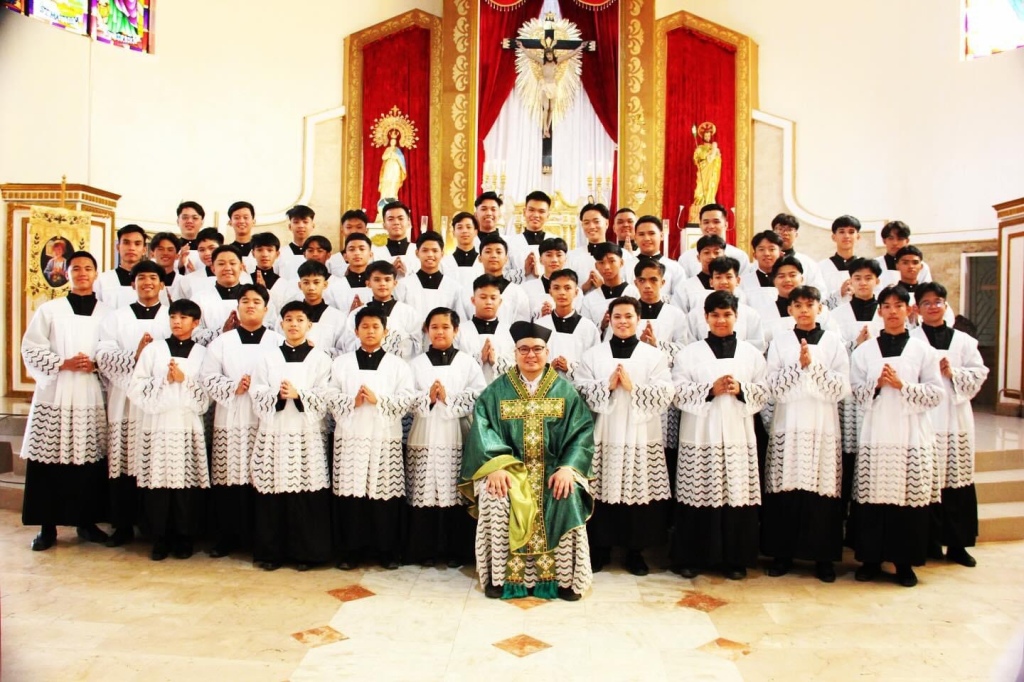
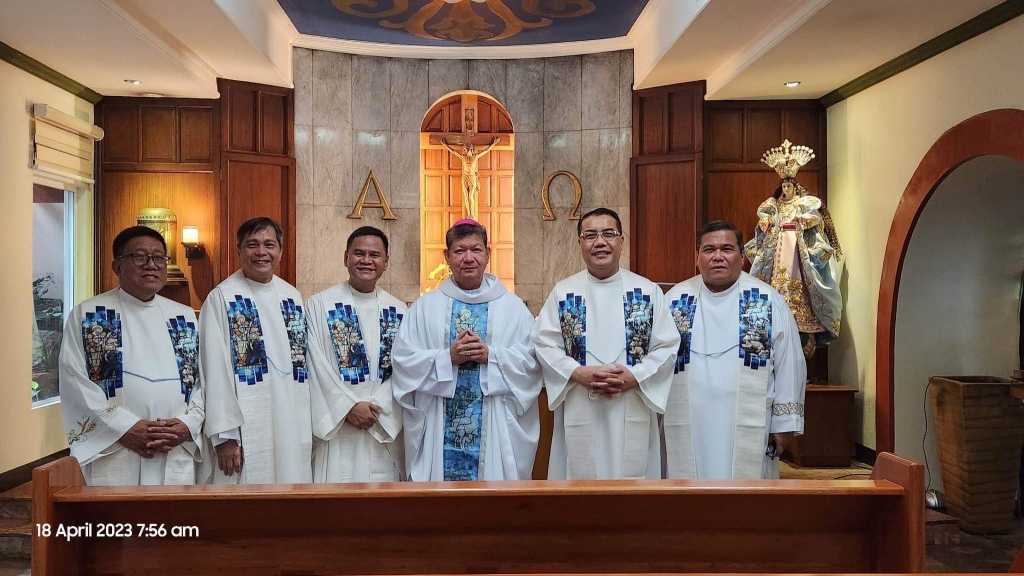
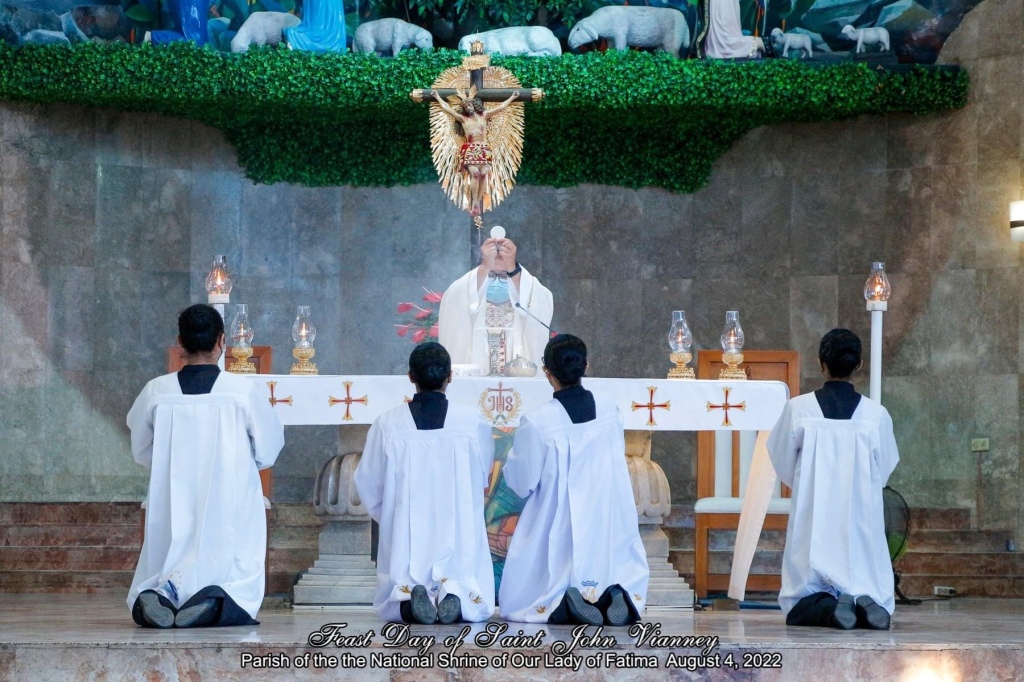
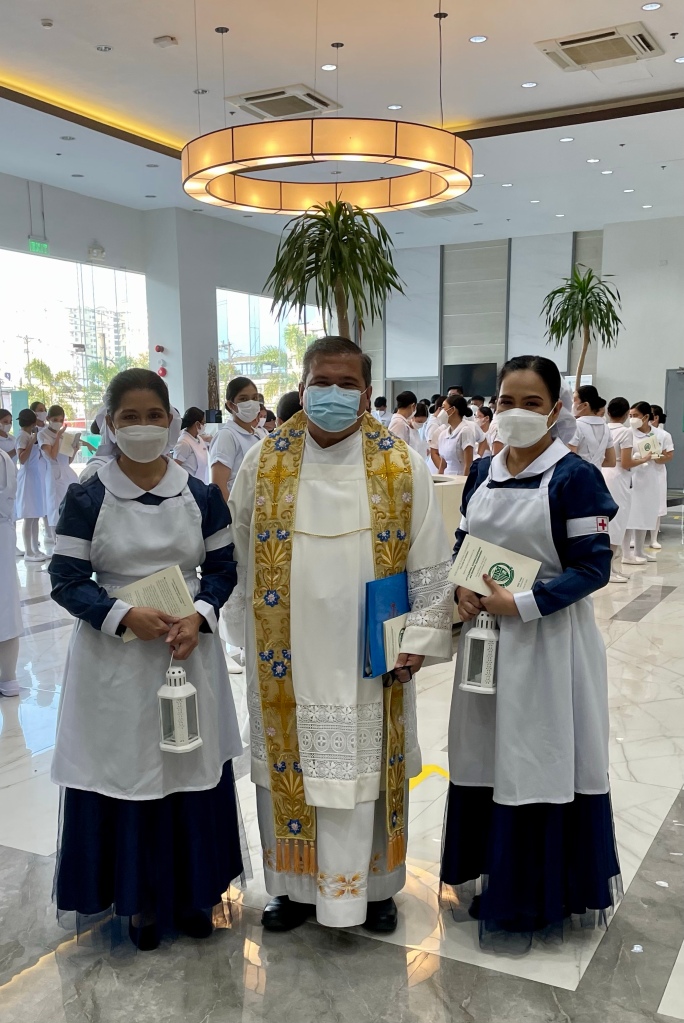
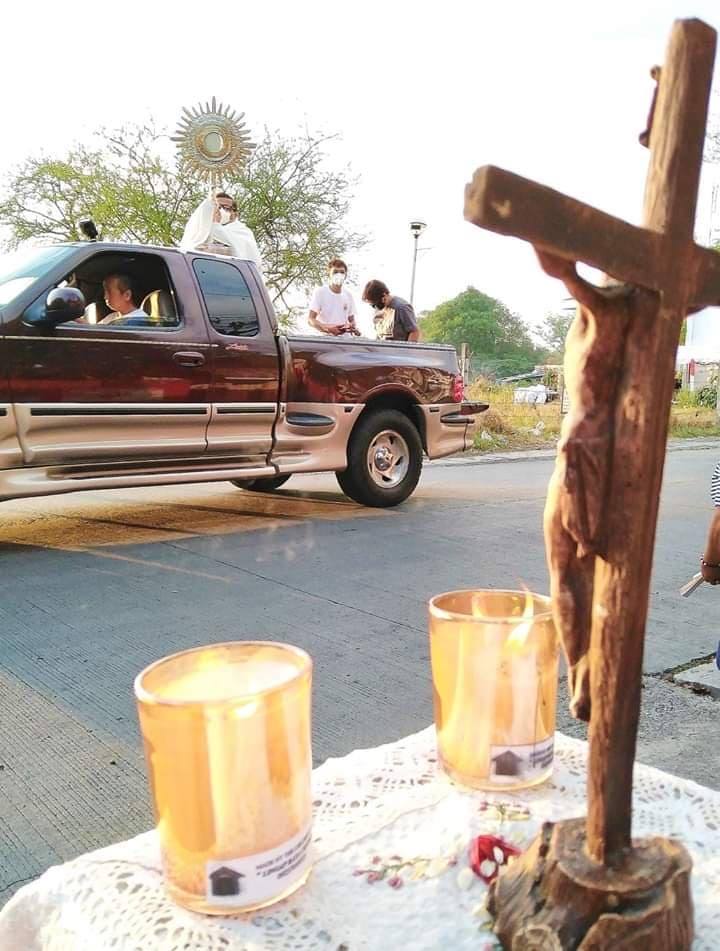
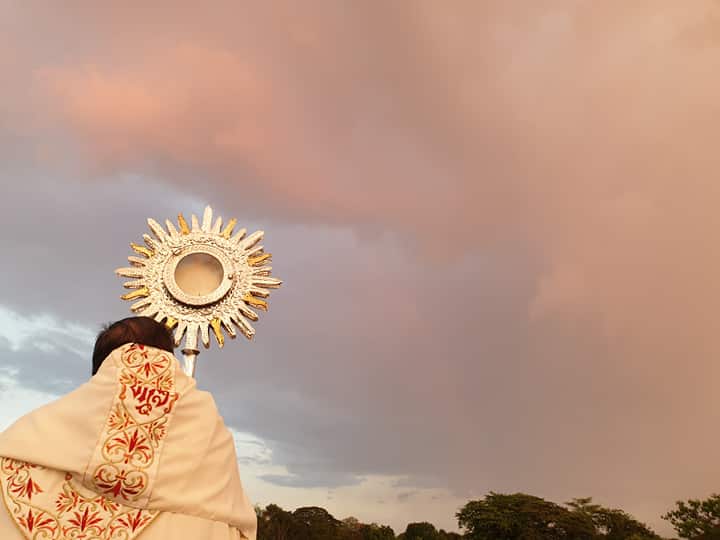
Larawan kuha ng may-akda, taunang Pabasa ng Lunes Santo sa Parokya ng Pambansang Dambana ng Fatima, Valenzuela City, 14 Abril 2025.

Para sa mga tulad ko na promdi – laking probinsiya – ang mga Mahal na Araw ay pinababanal ng magdamagan at maghapong Pabasa ng Pasyon ng ating Panginoong Jesu-Kristo.

Sa katunayan, isa ito sa mga eksenang aking kinagisnan mula pagkabata kaya taun-taon, ako man ay bumabasa ng Pasyon lalo na noong buhay pa aking ina at kami man ay nagpapabasa sa aming bahay sa Bocaue, Bulacan. Tuwing ganitong panahon, hinahanap ng aking katawan ang pagbasa ng Pasyon kaya noong isang taon, dumayo ako sa dati kong parokya.
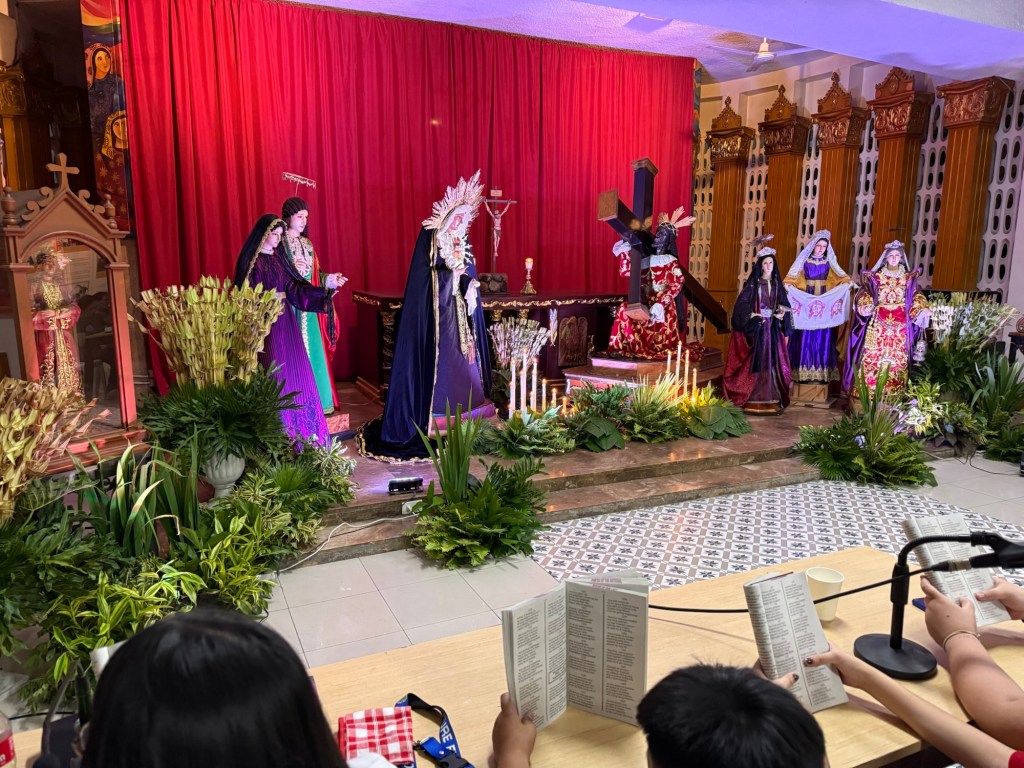
Larawan kuha ng may-akda, taunang Pabasa ng Lunes Santo sa Parokya ng Pambansang Dambana ng Fatima, Valenzuela City, 14 Abril 2025.

Anong laki at bagong kaalaman ang aking nabatid noon!

Ito palang mga salita ng ating unang Santo na si San Lorenzo Ruiz ay kanyang kinuha sa Pasyon!

Batay sa ating kaalaman, sinabi ni San Lorenzo noon sa harapan ng kanyang mga taga-usig sa Japan na “isang libong buhay man ang ibigay sa kanya, isang libong ulit niyang iaalay ang mga ito sa ating Panginoong Jesu-Kristo.”

Nguni’t, pagmasdan ninyo itong aking nabatid sa Pasyon:
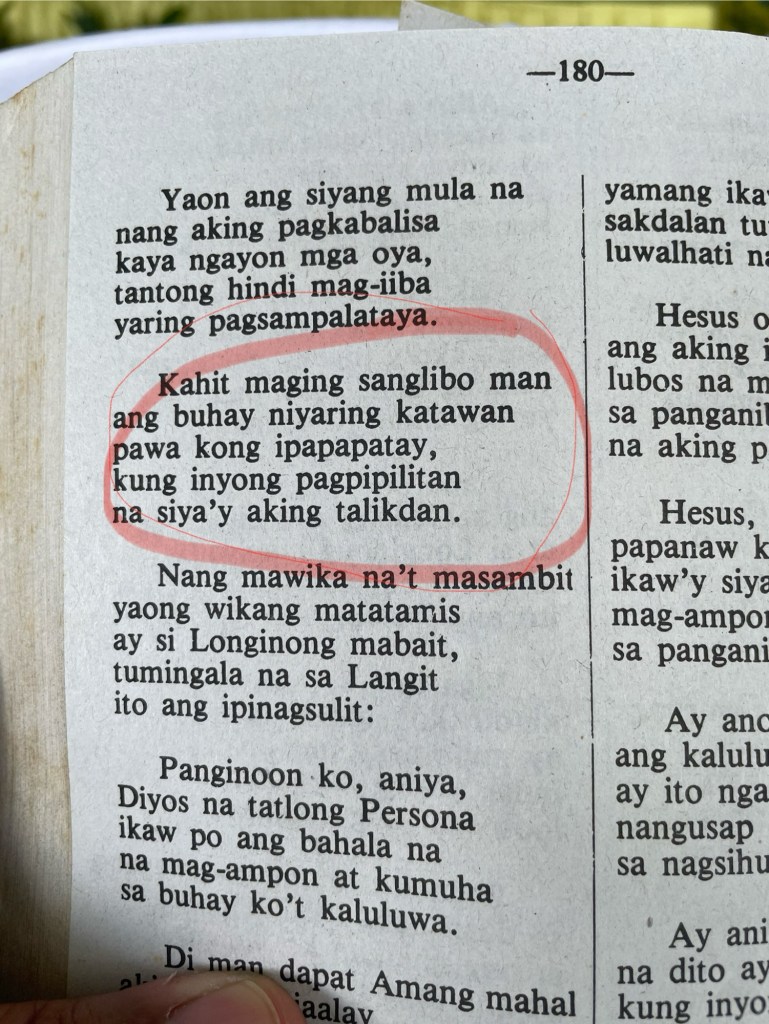
Larawan kuha ng may-akda, Biyernes Santo, 2024.

Batay sa tradisyon, si Longinus na tinuturing dito sa Pasyon na Longino ang sundalong Romano na umulos ng sibat sa tagiliran ni Jesus habang nakabayubay doon sa krus; mula sa sugat na iyon dumaloy ang dugo at tubig sa Kanyang tagiliran na siyang bukal ng habag at awa ng Diyos sa sangkatauhan (fount of Divine Mercy).

Para sa akin, isang magandang katotohanan ang sinasaad ng bahaging ito ng Pasyon: maaring bukod sa bibliya at katesismo, bumabasa rin ng Pasyon noon at marahil katulad ng ilan hanggang ngayon, kabisado ito ni San Lorenzo Ruiz kayat nausal niya mga pananalitang iyon.

Dito rin nating makikita na sa kabila ng maraming kamalian at mga samo’t saring bagay na kailangang isaayos sa Pasyon, malaki rin ang papel nito sa paghubog sa ating pananampalatayang Kristiyano.

Larawan kuha ng may-akda, taunang Pabasa ng Lunes Santo sa Parokya ng Pambansang Dambana ng Fatima, Valenzuela City, 14 Abril 2025.

Maituturing ang Pasyon ay isa sa mga una at malalaking hakbang ng inculturation ng Kristiyanidad sa kalinangang Pilipino.

Nagsimula ang Pasyon sa tradisyon ng mga katekista na sinusugo ng mga pari noon sa malalayong lugar upang samahan sa pananalangin ang mga naghihingalo. Bahagi rin ito ng tinaguriang “pa-Jesus”, mga paulit-ulit na panalangin tulad ng litanya habang ipinagdarasal ang naghihingalo. Kaya ang tagpo ay mula sa pagpapakasakit at kamatayan o Pasyon ng Panginoon ang ginagamit. Humaba ito ng isang aklat dahil naman sa kadalasan inaabot ng magdamag o maghapon ang paghihingalo bago tuluyang malagot ang hininga.

Mahalagang alisin sa isipan ng karamihan na hindi talambuhay ni Jesus ang Pasyon. Hindi rin ito lahat mula sa mga tagpo sa Bibliya habang ang ilang mga kuwento ay halaw sa tradisyon. Una itong tinipon at pinagsama-sama bilang aklat ni G. Gaspar Aquino de Belen, isang makata na tagasalin buhat sa Rosario, Batangas noong 1703 na inaprubahan ng mga kinauukulan sa Simbahan nang sumunod na taon.

Larawan kuha ng may-akda, taunang Pabasa ng Lunes Santo sa Parokya ng Pambansang Dambana ng Fatima, Valenzuela City, 14 Abril 2025.

Hindi maikakaila na maraming Pilipino noon namulat sa Krstiyanidad dahil na rin sa Pasyon dahil na magiliw na pamamaraan nito ng paglalahad ng mga aral at kuwento ng pakanta. Kaya naman nang malaunan sa paglaganap nito, isinaayos na rin ito batay sa kautusan ng mga obispo at pari habang mayroong ilang sipi na mismong gawa ng pari.

Sa sawimpalad, hindi naisaayos maraming kamalian nitong Pasyon. Kinausap ko aking kaibigan at kaklase na bumabasa rin ng Pasyon, si P. Ed Rodriguez at narito dalawang halimbawa aniya na dapat ayusin sa Pasyon:

At sa Henesis na libro,
Nalalaman ay ganito:
Nang lalangin itong mundo
Nitong Diyos na totoo,
Kaarawan ng Domingo.

Paliwanag: ang sinasabi lamang po sa Henesis ay “dumating ang kinagabihan at sumunod ang umaga, ang unang araw”. Wala pa pong pangalan ang mga araw ng sanlinggo noong isulat ang Henesis.

Gayon din naman, maraming kamalian ang sinasaad sa Pasyon ukol sa Mahal na Birheng Maria na malayo sa katotohanan katulad nito ayon kay Fr. Ed:

Sa maganap ang totoo
At araw ay mahusto
ng ipanganak na ito,
Agad dinala sa templo
Si Mariang masaklolo.

Hindi naman po inaalay sa templo ang anak na babae ng mga Hudyo; ang panganay na lalaki lamang ang inihahandog sa templo katulad ni Jesus na ating ipinagdiriwang sa Candelaria o Pebrero dos.

Larawan kuha ng may-akda, taunang Pabasa ng Lunes Santo sa Parokya ng Pambansang Dambana ng Fatima, Valenzuela City, 14 Abril 2025; imahen ng Dolorosa, ang nahahapis na Birheng Maria.

Marami pang ibang dapat itama at isaayos sa Pasyon upang higit natin itong mapangalagaan at mapanatili sapagkat isa itong buhay na patunay ng ating maganda at Kristiyanong kalinangan.

Nakatutuwa na maraming parokya ang nagpapabasa na sa ngayon upang maituro at maipagpatuloy ito ng mga bagong henerasyon. Tama ang maraming diyosesis na mayroong mga alituntuning itinakda sa pagbasa o pag-awit ng Pasyon: hangga’t maari ay huwag itong gawing biro na kung saan inilalapat ang mga makabagong tono ng tugtugin lalo na yaong mabibilis at mahaharot. Dapat palaging isaalang-alang ang kasagraduhan nitong Pasyon na tumutukoy sa pagpapakasakit at pagkamatay ni Jesus.

Gayun din naman, nagtuturo ang Pasyon ng kaisahan ng pamilya at pamayanan kaya dapat ito ipagpatuloy at palaganapin. Maraming pamilya noon maging hanggang ngayon ang nagkakaisa na basahin ng buong mag-anak ang Pasyon bilang tradisyon at panata nila.

Sakali mang mayroong pampublikong pabasa, maaring paghatian ng mga pamilya ang gastos sa pagkain kaya sa maraming bayan at barrio, hinahati ang aklat ng Pasyon sa dalawang pamilya para hindi mabigat ang pagpapakain sa mga tao.

Larawan kuha ng may-akda, taunang Pabasa ng Lunes Santo sa Parokya ng Pambansang Dambana ng Fatima, Valenzuela City, 14 Abril 2025.

Gayon din naman, ang pagkain o handa sa pabasa ay tinatawag na caridad o charity – bukod sa pagpapakain sa mga bumabasa, naghahanda ang nagpapabasa upang pakainin din yaong mga maliliit nating kapatid na dukha at kapus-palad. Nakakalungkot lamang na mayroong mga tao ang inaabuso ang caridad sa pabasa na nilulusob ng mga tinaguriang “PG”.

Hindi pa kay gandang halimbawa ito ng pagbubuklod ng mga pamilya at angkan?

Higit sa lahat, nabubuklod ang pamayanan ng pabasa ng Pasyon dahil mayroong schedule ang mga pabasa. Hindi basta-basta maaring magpabasa sa isang nayon dahil sa bawat araw, isa lang ang pabasa na maaring ganapin para isa lamang ang pupuntahan. Kaya nga noong araw sa mga nayon kay gandang balikan itong kaisahang ito ng mga kababayan natin tuwing panahon ng mga Mahal na Araw.

Bukod tangi ang pamamaraan ng pabasa ng Pasyon dahil ito ay makata o patula na inaawit, nakakaaliw lalo na kung nakasaliw sa musika.

Larawan kuha ng may-akda, taunang Pabasa ng Lunes Santo sa Parokya ng Pambansang Dambana ng Fatima, Valenzuela City, 14 Abril 2025; imahen ng Ecce Homo, si Jesus nang iharap ni Pilato sa mga tao matapos ipahagupit.

Isang kakaibang paraan ng pagtuturo o pedagogy na magaan at madaling matutunan at higit sa lahat, kaagad nadarama.

Kung baga, mayroong kurot sa puso at kalooban kaya nanunuot ang mga turo at aral. Isipin na lamang natin paanong nakatulong itong Pasyon maging sa ating unang Santo na si San Lorenzo Ruiz na sa kanyang kamatayan ang mga namutawi sa kanyang mga labi ay buhat sa Pasyon.

Sa inyong pag-uwi sa inyong mga lalawigan ngayong Mahal na Araw, sikaping bumasa ng Pasyo upang maranasan ang lalim ng ating pananampalataya at kagandahan ng ating kalinangan.

Narito dalawang video ng aming pabasa kahapon, Lunes Santo dito sa Parokya ng Pambansang Dambana ng Fatima sa lungsod ng Valenzuela. Buhat sa bayan ng Malabon ang aming nakuhang musiko sa tumugtog mula ika-pito ng gabi hanggang ika-sampu ng gabi.

“Waiting for Love” by Sergio Mendes & Brasil ’77 (1974)

The Lord My Chef Sunday Music by Fr. Nicanor F. Lalog II, 07 January 2024
Photo by Dra. Mylene A. Santos, MD, in Tagalag, Valenzuela City, 13 September 2023.

It’s the first Sunday of 2024 and we are celebrating in the Church today the Solemnity of the Epiphany of the Lord used to be known as Feast of the Three Kings.  Today is the final Sunday of the Christmas season which closes tomorrow with the Feast of the Baptism of Jesus before we go into the Ordinary Time the following Tuesday.

From the Greek word epiphanes that means appearance or manifestation, today’s celebration reminds us that Jesus came for everyone especially those forgotten and unloved, the poor and marginalized, the sinner and those lost. 

Most of all, Christ became human like us except in sin so that it would be easier for us to find God who loves us so much without any reservations.  In fact, it is actually God who searches for us and always finds us.  Whenever we think we are looking for God and have found Him, it was actually God who first sought us and found us. 

It was God who moved the magi from the East to search for Jesus Christ born in Bethlehem and they found him. Ironically, it was the people of Jerusalem, especially King Herod along with the scribes and priests who knew where the Christ would be born were the ones who did not find him because they were not really interested in finding Jesus.

Christmas is being “out” with Christ when we think less of ourselves within like the magi from the East who went out of their ways, of their comfort zones and even ivory towers to find Jesus in Bethlehem… Yes, Jesus is out there, manifesting himself daily in so many ways but we could not recognize him because we are locked inside our own beliefs of the Christ, held captive by our many fears like King Herod and the people of Jerusalem.

https://lordmychef.com/2024/01/06/our-questions-our-epiphanies/

This is the second time we are featuring on Epiphany Sunday Sergio Mendes and Brasil ’77’s classic “Waiting for Love” composed by Randy McNeill from their 1974 album Vintage 74. One good thing with social media today is how we are able to unearth or discover so many wonderful things about our music in the past like the impressive talents behind this lovely song with vocals from the lovely Bonnie Bowden who collaborated with many other albums later with Mr. Mendes as well as Jazz artist George Duke. Jazz legend Dave Grusin was the conductor and arranger for the orchestra music of the album with some acoustic guitar renditions by another legend Antonio Carlos Jobim.

What we like most with Waiting for Love that rings true to everyone of us is the fact how very often we are so locked inside – with our past pains and hurts, even sins and failures as well as presumptions on everyone and everything that we could not find Jesus and love itself outside in other people.

Was it something in the rain
Or a chance of love again
That made me explain
The secrets of my soul
I guess I only needed
Someone to hold

But I was gone without a trace
And the rain blew away

And it seems I've spent my whole life
Waiting for love
And when it comes
I always run away

Was it something on a dream
That touched my memory
Or a picture I didn't know I'd seen
That made me stop and stare
And then I lost him,
If he was ever there

Waiting for Love challenges us like the Epiphany to be wise like the magi to recognize and follow Jesus appearing daily in our lives in many occasions and circumstances. Surely, there were other people who have seen the bright star of Bethlehem when Christ was born but why only the three magi from the East came to follow it and search for Jesus? 

This 2024, stop being “afraid of being close where I need to be the most”to start following and believing in the bright star of Jesus Christ found in people who come to us daily. Cheers to more love this 2024!

Here is Sergio Mendes and Brazil ’77…

From YouTube.com

Pakanin nagugutom, huwag pakialaman nagluluto

Lawiswis ng Salita ni P. Nicanor F. Lalog II, Ika-14 ng Hulyo, 2021
Larawan mula sa inquirer.net, 11 Hulyo 2021.
Isang katatawanan na hindi malilimutan
sa taong 2021 nang pagdiskitahan ng ilan
pagkain ng bayan
patunay na marami sa pamunuan
hindi ramdam pintig ng mamayan
lalo na ang kalam ng tiyan.
Unang katatawanan 
bunsod ng kayabangan nang 
paratangan na ang lugaw 
ay non-essential
pagkaing hindi mahalaga
kaya buong bayan nag-alma.
Heto na naman
mga henyo sa kalakalan
ibig nama'y magtakda ng batayan
sa pagluluto ng mga paboritong ulam ng bayan;
ngunit anumang paliwanag
kanilang sabihin
walang kabuluhang pakinggan
mga pinag-iisip nila'y walang katuturan
patunay lamang na manhid at mga payaso
 mga tao ngayon sa gobyernong ito.
Maari bang itakda ninuman
mga sangkap na ibig malasap,
sarap at linamnam na ibig namnamin
ng bawat kumakain?
Alalahaning hindi lamang laman ng tiyan
ang pagkain kung ating susuriin
inihahain pa nga lang, lasap na natin
diwa at katauhan nagigising
ng maraming alaala at kuwento
ng pagkaing bumusog sa atin.
Suriin bawat kalinangan
nasasalamin sa lutuin at pagkain
dahil doon sa mesa nagsisimula
 lahat ng ating kapatiran at kaisahan:
walang kumakain kasama ang kaaway,
ano mang kasunduan ay may handaang kasabay,
higit sa lahat, sa pagdulog sa hapag
doon nagaganap tunay na pagdadaop-palad
dahil sa tuwing tayo ay mayroong piging,
sarili ang ibinabahagi natin sa anyo ng pagkain at inumin.
Maging ang Panginoong Hesus natin
pinili ay pagkain at piging
upang gamitin tanda ng kapanatilihan
niya sa atin:  kanyang itinatag 
hapag ng Eukaristiya
doon sa mesa ng Banal na Misa.
Tangi niyang tagubilin
tinapay na walang lebadura gagamitin
sa bawat pagdiriwang ng piging
kung saan pinapaging-ganap natin
pagmamahal niya sa atin
nang ihandog sarili bilang ating pagkain.
Kaya, huwag nang pag-isipan
ng mga nagmamagaling
paano lutuin mga paboritong pagkain
bagkus kanilang isipin
paano mapapakain
mga nagugutom na kapatid natin.

Images of COVID-19, Images of Hope

Quiet Storm by Fr. Nicanor F. Lalog II, 07 April 2021
Photo by author, early morning inside our former parish at lock down last March 2020.

Come April 14 next week, I will complete my 365-day streak on my blog https://lordmychef.wordpress.com/.

It was a Tuesday within the Octave of Easter under our first – and world’s longest – Enhanced Community Quarantine (ECQ) when I started this prayer blog based on the Mass readings as a “spiritual recipe” for tired and weary souls at that time when churches were closed and public Masses were not allowed.

It was pure grace that I was able to keep it daily until now in my new assignment, never running out of inspiration from God for my prayers, poems, essays and reflections, and the usual Sunday homilies I have been sharing via email since 2003.

Some of my inspirations came from unforgettable images of COVID-19 that went viral on Facebook and the news that for me were “images of hope” of the Risen Christ reminding us of his presence during this pandemic.

They are images of hope because they tell us modern Easter stories of holiness and kindness, love and sacrifice among ordinary people willing to share Jesus in their very selves for others in need.

And this photo tops them all!

From Facebook, 25 March 2020.

I got this from the Facebook by a church-beat reporter who personally met the photographer who took that shot and interviewed the banana vendor.

What a beautiful reminder of the poor widow praised by Jesus who gave “two small coins worth a few cents” into the temple collection box, saying: “Amen, I say to you, this poor widow put in more than all the other contributors to the treasury. For they have all contributed from their surplus wealth, but she, from her poverty, has contributed all she had, her whole livelihood” (Mk.12:43-44).

My initial reaction upon seeing this image of COVID-19 was how the world never runs out of many good people, who give without expecting anything in return: “may mga tao pa rin palang tunay at dalisay ang pagmamahal at hindi naghihintay ng kapalit.”

I wonder where is that vendor now and what has happened to him. Surely, God must have blessed him abundantly!


A week before the lockdown that March 2020, another set of images appeared on Facebook of a beautiful story of miracle in the supermarket.

According to the Facebook post that became viral, people were panic buying following rumors of a lockdown to be imposed due to the pandemic.

A young lady waiting at the long line to the counter noticed a man had only a basket containing a handful of grocery items.

She turned out to be a “fairy godmother” who offered the manong to get more goods for his family assuring him she would pay for them.

Manong was hesitant at first, very shy with the kind offer by the young lady until he acceded, getting a few more canned goods.

According to the post by an eye-witness, the “fairy” asked manong again to get more goods, saying “dagdagan pa po ninyo at babayaran ko.”

That was when miracle happened…

Some of those at the counter were infected with a holy virus by the young lady’s generosity.

One by one, each customer gave manong a can or an item of their purchases so that he had a basket full of goodies to take home for his family!

Indeed, love begets love begets love… it is the kind of good virus I am sure still happening today even without being reported in social media.

What a beautiful modern version of Jesus Christ’s feeding of 5000 in the wilderness when everybody shared their baon with others (Jn.6:1-15) that filled everyone to his/her delight with still plenty of leftovers.


I turned 55 on March 22, the first Sunday of the start of last year’s lockdown, the fifth Sunday of Lent. It was also the first time we went online with our Mass that morning when I called on the people to wait outside their homes later at 3PM – while maintaining health protocols – for the “paglibot” (motorized procession) of the Blessed Sacrament in our Parish at Barangay Bagbaguin made up of ten purok.

How my heart was moved at the sight of people, young and old, rich and poor alike, kneeling on the streets with some crying, adoring Jesus Christ in the Blessed Sacrament!

Truly the images of hope that have sustained and blessed our parishioners at Bagbaguin with the lowest incidence of COVID infections and deaths that year in the whole town of Santa Maria, Bulacan!

Photo by Mr. Ryan Cajanding.

But the most beautiful image of hope for me that day was the appearance of a rainbow before the end of our “libot” of the Blessed Sacrament.

We were at the last leg of our “libot” when it started to rain with our volunteers asking whether we would still go to the next purok of Gulod or not. From the back of our truck with both my hands holding the big monstrance, my response was adamant: we proceed even if it rains!

I knew we have brought plastic to cover and protect the Blessed Sacrament from the rains and I felt what mattered most then were the people to have a glimpse of Jesus in their most difficult trials in life.

Lo and behold, after a few minutes, the rains stopped and a rainbow appeared at the horizon!

Tears rolled down to my cheeks saturated with perspirations as I held the big monstrance.

I could not contain the joy within my heart as I thanked God for the grace of that moment, of sending us with a rainbow to assure us like during Noah’s time that he would keep his promise never again to destroy earth with floods or with virus, that we would be safe during this pandemic.

It was the best birthday gift I ever had in recent years that made me decide to continue that practice of libot of the Blessed Sacrament every Sunday while public Masses were not allowed during the lockdown.

What are your images of COVID-19 that were images of hope that sustained you in this year-old pandemic?

Join us again this Friday with more images of COVID-19 and this time, images of Christ among us!

*Other photos by Ms. Ria De Vera and Ms. Anne Ramos of our Parish Commission on Social Communications.

Our song, our life

The Lord Is My Chef Simbang Gabi Recipe-7 for the Soul
by Fr. Nicanor F. Lalog II
Tuesday, Advent Week IV, 22 December 2020
1 Samuel 1:24-28     >><)))*>   +   <*(((><<     Luke 1:46-56
Photo by Marc Angelo Nicolas Carpio, 20 December 2020.

When I was about to enter the high school seminary, an aunt would always comment on our way to school how I would become a priest when I am a big fan of rock and roll music. You know, the usual stuff ever since with old folks about rock music as evil and everything…

Looking back, I just imagine what if I had told her and my other relatives the meaning of Steely Dan that is my most favorite band? Most likely they would have fainted! And I would tell tell them too that I am the only priest who had played Stairway to Heaven in Radio Veritas where I used to co-anchor a show, playing only good, old rock n’ roll to the delight of many listeners despite protests from management.

Lately I have been blogging every week linking secular music with the Sunday gospel that had enabled me to reach new and younger generations I hope had rediscovered Jesus in the music I had offered them.

The German philosopher Arthur Schopenhauer had said that “music is the food of the soul” and it is very true for it transcends cultures and languages that even if you do not understand the lyrics, music always touches the soul.

Meanwhile, the great English playwright William Shakespeare is said to tell his audience at the start of his plays that “If music be the food of love, play on.” That’s very beatiful. Like love, music is best served with another person; when we sing, it is always to pour our hearts out. We let others hear our song even if we sing alone because that is what music is all about – it is meant to be shared.

This is the reason why Mary sang her Magnificat during her Visitation of Elizabeth, not by herself in Nazareth after the angel had left after announcing to her the birth of Jesus.

Mary said: “My soul proclaims the greatness of the Lord; my spirit rejoices in God my savior. For he has looked upon his lowly servant. From this day all generations will call me blessed: the Almighty has done great things for me, and holy is his Name.”

Luke 1:46-49
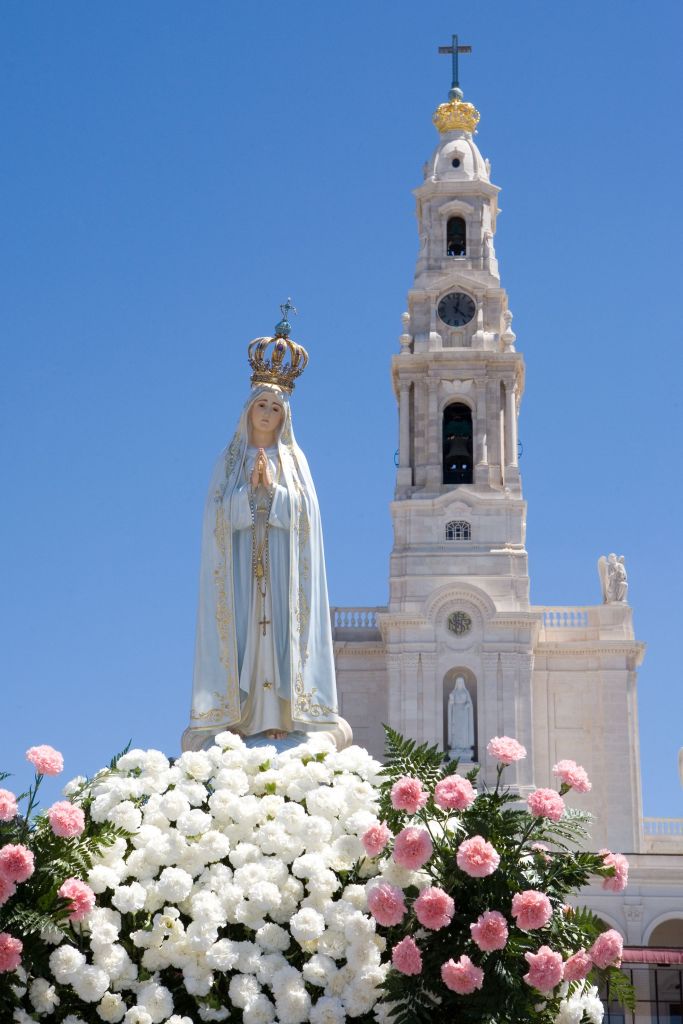
Photo from Pinterest, Our Lady of Fatima Centennial in Portugal, 17 May 2017.

Mary praised and thanked God with her “Magnificat”

Recall how Elizabeth praised Mary twice and her baby Jesus in the womb once yesterday at the Visitation. Naturally for us, when we are praised we always return it by praising too whoever spoke nicely of us.

But that was not the case with Mary. She took the occasion to praise and thank God for all His goodness and salvific work in her and in Elizabeth. Like Hanna in the first reading and responsorial psalm today who sang praises to God in giving her a son in the prophet Samuel, Mary while filled with the Holy Spirit sang this canticle, narrating how God worked in her and through her.

Our lives is a song of thanksgiving always to God who never stops doing great things for us not to make us famous but to bring His divine will into fulfillment. Mary affirmed this when she admitted her own blessedness, “From this day all generations will call me blessed: the Almighty has done great things for me, and holy is his Name.”

Yesterday we have reflected that true blessedness is to trust in God. Likewise, Mary added another dimension in what is to be blessed before God and that is being His servant, His slave or in her very words to the angel at the annunciation, “Behold, I am the handmaid of the Lord. May it be done to me according to your word.”

A handmaid is the feminine form of “slave” but more than being poetic in her identification as a female slave of God, Mary through her Magnificat showed us a glimpse of the lives of the early Christians at that time who were considered “weird” and “odd”, even “bizarre” among the Roman pagans who could not understand why they worshipped Jesus Christ they saw as “a crucified criminal”.

Worst of all for the pagans, they could not understand why the early Christians who were mostly poor would give themselves to Jesus in loving service to others like the sick, the elderly, the hungry, widows and orphans and those living in the margins.

In fact, the Roman historian Pliny recorded in his writings how during the persecution the emperor’s soldiers rounded up Christians in every town and city by looking for anybody doing good, serving the poor and needy! It is something to think about for us Christians today: Would any one of us be arrested because we are doing something good like serving the less fortunate?

Photo by author, Our Lady of the Poor at Boys Town in Cavite (2009).

Mary, the first model disciple, the first to live out the Gospel

In singing her blessedness by God, Mary had assumed her being the spokeswoman of the early Christians, the poor ones or anawim of Israel who were truly poor materially, trusting entirely on God.

Here lies her challenge to us who love to sing her Magnificat: do we allow God to work in us His salvation?

“He has mercy on those who fear him. He has shown the strength of his arm, and has scattered the proud in their conceit. He has cast down the mighty from their thrones and has lifted up the lowly. He has filled the hungry with good things, and the rich he has sent away empty. He has come to the help of his servant Israel, for he remembered his promise of mercy…”

Luke 1:50-54

Again, we find many similarities in the Mary’s Magnificat and Hanna’s song we heard in the responsorial psalm. But, more than that is the striking similarity of Magnificat with the Beatitudes to be preached by Jesus according to Luke.

In Matthew’s gospel, there are eight Beatitudes preached by Jesus at his sermon on the mount; Luke narrated it differently by citing only four Beatitudes he paired with four woes that Jesus preached in His sermon on the plain (this is due to the different audience Luke and Matthew addressed):

Blessed are you who are poor… Blessed are you who are now hungry… Blessed are you who are now weeping… Blessed are you when people hate you…

Woe to you who are rich… Woe to you who are filled… Woe to you who laugh now… Woe to you when all speak well of you…

Luke 6:20-26

Magnificat is the Gospel in a nutshell. See the works of God cited by Mary perfectly jibing with the Beatitudes of Jesus. Here we find again how Luke has shown us the consistency of Mary as a disciple of her Son Jesus Christ by witnessing to His teachings, living them out for which she was crowned as Queen of heaven and earth.

This is the reason why I love so much the image of Fatima and of Banneux known as Lady of the Poor with Mary portrayed as so simple yet so lovely and beautiful. What a scandal for the Church in our time with all those lavish processions and coronations of the Blessed Virgin Mary where the poor are left out, becoming more of a social function among the rich and famous. What a shame most especially amid the pandemic when some parishes can spend so much fortune in these rituals that look more as a show which the Blessed Virgin would definitely disapprove. Keep in mind how Mary identified herself as “handmaid of the Lord” — do away all those pomp and pageantries please!

Every night, we priests and the religious sing the Magnificat in our Evening prayers to examine ourselves if we have lived out the Gospel message of the Lord, if we have been poor and hungry, if we have allowed ourselves to be used by God to effect His salvation among the suffering.

The same is true with every disciple of Jesus: when we sing the Magnificat or “Ang Puso ko’y nagpupuri”, we have to do some soul searching how consistent we have been as a disciple of the Lord like His Mother Mary.

From the Philippine Daily Inquirer, 24 July 2016.

How sad late yesterday when some people -whether they are trolls or not – had come out expressing support to that cop who brutally shot and killed Sonya Gregorio and her son Anton in their home in Paniqui, Tarlac Sunday afternoon.

How can some people be not affected and even defend or belittle such unspeakable crime of a man supposed to uphold the law, protect civilians?

What had gone wrong with us as the only Christian nation in this part of the world?

Can we sing “Ang puso ko’y nagpupuri sa Panginoon, nagagalak ang aking espiritu, sa aking Tagapagligtas” while we rejoice and defend all forms of brutalities and violence around us?

As we strongly condemn this unspeakable crime and demand justice for Sonya and Anton, let us work hard and pray hardest to imitate Mary to effect change in the society we live in and create by being a voice of the poor and vessel of God’s salvation. Amen.

Mary in the hiddenness of God

Quiet Storm by Fr. Nicanor F. Lalog II, 10 September 2020
Chapel of the Milk Grotto in Bethlehem where the Holy Family hid before fleeing to Egypt to escape Herod’s murder of innocent babies. According to tradition, a drop of milk from the Virgin Mary fell on the floor of the cave that turned color of the stones to white.

We have just celebrated the Feast of the Birth of the Blessed Virgin Mary, the most perfect example of one who had experienced God’s hiddenness in her life, teaching us with some important lessons in rediscovering and keeping God’s hiddenness specially in this age of social media when everything is shown and has to be seen.

We have mentioned in our previous blog that hiddenness is different from being invisible that simply means “not visible”; hiddenness is more than not being seen per se but that feeling with certainty that God is present though hiding because he wants to surprise us. If God were not hidden, we would have not found him at all. And the more God is hidden, the more we are able to see him and experience him too as seen in the life of Mary (https://lordmychef.com/2020/09/04/the-hiddenness-of-god/).

The hiddenness of Mary.

Simplicity and humility of Mary as venue for the perfect setting of God’s coming in Jesus Christ. Consider her origins: her town of Nazareth in the province of Galilee was definitely outside the more popular city of Jerusalem that was the place to be at that time. Most of all, it is the only town in the New Testament never mentioned in the Old Testament nor by the prophets for lack of any significance in the coming of the Messiah.

Nazareth was largely unknown with some hint of notoriety as expressed by Nathanael (aka, Apostle Bartholomew) when he expressed disbelief to Philip who told him they have found the Christ, Jesus of Nazareth, by saying “Can anything good come from Nazareth?” (John 1:46)

Photo by author of chapel at the grotto believed where Mary received the good news of bearing Jesus Christ in her womb underneath the Basilica of the Annunciation at Nazareth, Israel (2019).

But that is how God works in his hiddenness, coming to us in the most ordinary places and circumstances, even least expected like Mary who was definitely not “in” if we go by today’s popular standard of “who’s in and who’s out?”

In fact, she was so “outside” the circle of influence of their time with her being promdi as we say these days, without any illustrious lineage to be proud of like her spouse Joseph who was from the royal Davidic line or her cousin Elizabeth from the priestly branch of Aaron, the brother of Moses whose husband, Zechariah belonged to another priestly clan in Israel.

Yet, God chose Mary to be the Mother of Jesus Christ because of her hiddenness expressed in her simplicity and humility. It is a far cry from our extreme “Marianism” when we almost worship Mary forgetting Jesus Christ her Son and our Savior! Worst still is the growing trend of “triumphalism” in many parishes racing for the so-called “episcopal” and “canonical” coronation of their various images of the Virgin Mary that come in all kinds of names and titles that has come to look more of a fad than authentic Marian devotion.

Without any intentions of denigrating the role and stature of the Blessed Virgin Mary in our faith as well as her proper place in the life of the Church defined by Vatican II’s Lumen Gentium, I dare ask the following questions:

Photo by author, a replica of Our Lady of the Poor of Banneux, Belgium at Girlstown, Cavite (2009).

Is her coronation in heaven as Queen of heaven and earth not enough?

Why the need for these lavish spectacles for the coronation of the most simplest and humblest woman to have lived on earth?

It is a clear case of triumphalism – that exaggeration or overdoing our worship and rituals – especially if the Marian image is less than 200 years old without widespread devotions like the ones at Sto. Domingo (Quezon City) and Manaoag (Pangasinan).

I do not think the Blessed Mother would favor this considering her simplicity and solidarity with the poor and marginalized peoples seen in her many apparitions.

See the quaint and charming simplicity of Mary at Fatima in Portugal (1917) and lately at Banneux in Liege, Belgium (1933) where she identified herself as “Lady of the Poor”.

Note how the Virgin Mary reads “the signs of the times” in her apparitions and appearances when during the 1500’s at the height of European royalties and expeditions, she was always portrayed as victorious in regal clothes; but since Fatima in the 20th century as the world sank into the excesses of Industrial Revolution and affluence, Mary appeared simple, always in solidarity with the poor and suffering.

It is a cue we are sorely missing and sad to say, instead of renewing the world as St. Paul had asked us, we have allowed ourselves with the Mother of God to be transformed into the ways of the world by immersing in its showbiz frenzies, focusing on the material aspects like expensive clothes and jewelries.

Second example of Mary’s hiddenness is her oneness with Jesus Christ. She was never on her own, always seen in Jesus, with Jesus her Son and Lord. She believed in him so much, making him the focus at the wedding feast at Cana as well as at the foot of the Cross where she expressed in the most strongest terms her solidarity with the Savior of the world.

This has always been insisted by the Church since Vatican II regarding our devotions to Mary that must always be in relation with Jesus and his mission — never on her own.

Photo by author, 2019.

In all her apparitions, the Blessed Mother has always been consistent with her messages of conversion and return to God through her Son Jesus Christ, the frequent reception of the Sacraments of the Eucharist and Confession or Reconciliation.

Mary’s Christocentricity is best seen in her oneness with him in pains and sufferings like in the Pieta and the Mater Dolorosa where Jesus is the one standing out, not her. Nor anybody else.

When Mary, or anybody else for that matter goes on one’s own, Jesus is no longer hidden but removed from the scene. Then his Cross disappears and all that is seen is Mary in all her “beauty and glory” that are empty, very secular because these attributes come precisely from her communion in Jesus!

Perhaps, this pandemic is teaching us today to review our Marian devotions and processions that have become more of a show and a spectacle for Instagram than for deepening of our faith.

I pray that the Cofradia that holds the annual December 8 processions at Intramuros would take a rest this year until 2022 to discern their noble efforts before that have degenerated to pomp and pageantry among “devotees” specially camareros and camareras trying to outshine and outclass each other with some participation at the sidelights of their pastors and sacristans.

Keeping the hiddenness of God while we remain hidden in contemplation.

Of all the qualities of Mary we all must imitate to help people rediscover God’s hiddenness is her being hidden in prayer and contemplation.

St. John Paul II noted in Rosarium Virginis Mariae when he launched the Luminous Mysteries in 2002 that although the scriptures are silent about where was Mary during the other significant moments of the life of Jesus, especially at the institution of the Holy Eucharist, it was most likely that Mary was also present deep in prayer.

This we find clearly at the Pentecost when the Holy Spirit descended upon the apostles and the Blessed Virgin Mary while they were praying at the Upper Room in Jerusalem (Acts 1:13-14).

Modern rendition of the Pentecost with Mary among the other disciples of Jesus. From Google.

Pope emeritus Benedict XVI shares with us his profound insight in his second Jesus of Nazareth book series (Birth of Jesus) how after the annunciation of the the birth of Christ to Mary, the angel left her totally without ever coming back to warn or instruct her unlike with Joseph. After saying “Yes” to the plan of God to be the Mother of Jesus, Mary immersed herself deep in prayers and contemplation, becoming hidden herself in God.

Since then, she never doubted Jesus her Son as the Christ, nurturing her faith with prayers beautifully expressed by St. Luke in saying how “Mary treasured things in her heart” when facing difficult situations like during his birth and his finding at the temple. It is not surprising that in the contemplation by St. Ignatius of Loyola, the Risen Lord must have first appeared to his Mother upon rising from the dead because she was the first to believe totally in him (which became the basis of our tradition of the Salubong).

Mary has always been present in the hiddenness of Christ from his coming in the darkness of the night on a manger in Bethlehem, to his hidden years in Nazareth, to his ministry when he would always retreat to a deserted place to pray, to his Crucifixion and death and burial on Good Friday and finally, in the darkness of Easter.

In this age of social media where everyone and everything has to be seen and shown with nothing hidden anymore even without qualms and shame at all, part of our mission and ministry as priests and religious is to lead people back to God’s hiddenness like the Virgin Mary so they may realize anew that the best things in this life are not always seen.

To fulfill this is for us first of all to imitate God like Mary — be hidden!

How unfortunate that instead of leading the people back to God’s hiddenness, we priests and religious have in fact joined the secular world, imitating the “influencers” like bloggers and vloggers that instead of focusing on God who is hidden, we are concerned with our selves and all the “porma” for the sake of number of “likes” and “followers” we have in our posts.

The more we try so hard to make God visible in our ministry by imitating the styles and gimicks of some media personalities that make our liturgy look like a variety show complete with song and dance numbers with our altars heavily decorated like a studio set with giant tarpaulins like in EDSA, that is when we remove God totally – not only his hiddenness – from the scene and inverse proportionately, the more we priests and pastors become more popular than the Lord himself.

“The Assumption of the Virgin” by Italian Renaissance painter Titian completed in 1518 for the main altar of Frari church in Venice. Photo from wikidata.org.

And that is how cults begin, with or without Jesus. It is very sad, even tragic and ironic because we have removed God himself – even Mary! – by unconsciously making ourselves the center of attention like pop icons and idols.

Mary had shown us the most perfect example of discipleship which is more of Jesus, less of self.

Can we not post without using our own pictures – no matter how profound our thoughts are – so the people may see the hiddenness of God in a photo of a lovely flower or a magnificent sunset? Unless you are a bishop or the Pope himself, having your photo published specially in the news is part of the information process about the person in focus. It is totally different in Church communications which is all about God and his message of love, not us.

The quarantine period invites us in the Church to appreciate and share this wonderful hiddenness of God by first becoming incognito, unknown and hidden from others, preferring to be at the background or “behind the camera” as we follow God in his hiddenness until we go to that great beyond of totally hidden from everybody except God.

Do not worry. We have Mary in every step along the way. Amen.

The hiddenness of God

Quiet Storm by Fr. Nicanor F. Lalog II, 04 September 2020
Photo by author, sunset at the Lake of Galilee (Tiberias) in Israel, May 2017.

August has always been a “ghost month” for me since elementary school. Long before I have heard these stories and words of caution against many things in the month of August, I have always dreaded this month when days are grindingly slow.

Specially this year 2020 when the whole month of August felt like the season of Lent when everything was dry and empty, even literally speaking in our churches when the five Sundays of August were like five Good Fridays.

But, for the first time in many years during this pandemic, amid the dryness and emptiness of August 2020, I felt and “found” God anew in his most unique and wonderful characteristic — his hiddenness.

Hiddenness is different from being invisible that simply means “not visible”.

Hiddenness is something both simple and complicated but beautiful and wonderful when we find God in his hiddenness.

Hiddenness of God means more than not being seen per se; it is that feeling with certainty that he is present but, just hiding somewhere. In fact, if God were not hidden, we would have not found him at all!

And the more God is hidden, the more we are able to see him and experience him!

Photo by author, April 2020.

Remember when we were kids and could not find the things that our mother had asked us to get from somewhere in the sala or kitchen or her tocador? She would threaten us with the classic line my generation have all heard and memorized, “Pag hindi mo nakita yan, makikita mo sa akin!”

It is one of our funniest memories of childhood! I am sorry for my English-speaking readers but there is no appropriate translation for this because it is very cultural and even spiritual in nature. Literally translated, it says that if you do not find what you are looking for, you would find it with me. Crazy and insane, is it not?!

I told you, hiddenness of God is both simple and complex but whenever we remember those “sweet, maternal threats”, we laugh and shrug off the experience as we were dead serious then searching for whatever thing mom had asked us because deep in us we knew too well, it must be somewhere there. Sabi kasi ni Inay! (Mom said so!)

That is how it is with God too! We know for sure he is around, he is present. But in hiding because that is how loving God is, like moms and some lovers with surprises for us his beloved.

The Prophet Jeremiah experienced it so well when he wrote:

You duped me, O Lord, and I let myself be duped; you were too strong for me, and you triumphed. All the day I am an object of laughter, everyone mocks me. Whenever I speak, I must cry out, violence and outrage is my message; the word of the Lord has brought me derision and reproach all the day. I say to myself, I will not mention him, I will speak in his name no more. But then it becomes like fire burning in my heart, imprisoned in my bones; I grow weary holding itin, I cannot endure it.

Jeremiah 20:7-9

No one can understand this without having experienced such intense kind of love of God or of another person that even if we are pained, we just cannot walk away or leave. More so with God, the most intense lover of all!

At the very center of Jeremiah’s torment is the invincible power of attraction of God. This is also the reason human love – whether for another a friend or a spouse, for the Church or any institution – must always be based on the love of Christ who told us to “love one another as I have loved you.” If our love remains in the human level, it can never go deeper or higher making it so sublime, so true, so pure.

That is how God is in his hiddenness who is like a lover who never stops looking for us, calling us, luring us, even seducing us to come to him, search him and once found, we may dwell in his great love; hence, even if we do not “see” him, we keep on following him as we also find him in his hiddenness!

Hiddenness of God, mystery and gift of Easter

This hiddenness of God is both the gift and mystery of Jesus Christ’s Resurrection. It is a gift because in his hiddenness, God has become closest to us more than ever while at the same time, a mystery because it is in his very hiddenness that we truly find and discover God.

Remember the two disciples going home to Emmaus on Easter afternoon who was accompanied by Jesus while traveling? They did not recognize him but as they talked, their “hearts were burning” as he explained the Scriptures. Then joining them at their meal at sundown upon reaching Emmaus, Jesus took the bread, blessed it and broke it — and the disciples’ eyes were opened, recognizing him as the Lord who immediately disappeared! The two then rushed back to Jerusalem to announce to the other disciples that Jesus had indeed risen.

That is the beauty of hiddenness, its giftedness and mystery that we find God even our beloved who had died or not physically present with us but deep within, we are certain of their presence as being so true and so real.

Hiddenness is a deeper level of relationship coming from one’s heart and soul not dependent on physical presence. This is the reason why upon appearing to Mary Magdalene on Easter morning, Jesus asked her not to touch him because from then on, knowing and relating with the Lord need not be physical and corporeal as he used to relate with them before his Death and Resurrection.

All these we must have experienced like when after a friend or a relative had died, that is when we felt growing closer with the person than when he/she was still alive and physically present with us. Or, when we were feeling low and down, we experienced sometimes so amazed at how we have felt the presence even the scent of our deceased loved ones comforting us, assuring us that all would be better.

This quarantine period invites us to experience and discover God anew in his hiddenness through prayers and silence so we can reflect on the many lessons this pandemic is teaching us today. In the darkness and emptiness of this pandemic are grace-filled moments with God hidden in our poverty and sadness, sickness and even deaths around us.

Photo by author, Christmas 2018.

Some people have already asked me about what or how would our Simbang Gabi and Christmas celebrations be. They are sad and worried that it must be a very bleak Christmas for everyone with so many out of work.

But, despite this gloom, I tell them that Christmas 2020 would be one – if not the most meaningful Christmas we shall ever have despite forecasts that there would be less of everything, materially speaking.

So often in life, when we have so much material things, that is when we fail to find and experience God.

Recall that in Bethlehem more that 2000 years ago when Jesus Christ was born, God came to us hidden in a stable, on a manger in the darkness of the night.

And do not forget, too, that Christmas is not a date but an event, the very person of Jesus Christ, the all-powerful God who came to us hidden in a child, who upon becoming an adult, was crucified and died. These are sad and down moments for us but for God, it is his hiddenness, his presence. Let us go and find him again for he continues to come to us in hiddenness. Amen.

The way of the world

The Lord Is My Chef Breakfast Recipe for the Soul, Wednesday, Easter Week-VI, 20 May 2020

Acts of the Apostles 17:15, 22-18:1 ><)))*> + <*(((>< John 16:12-15

From Facebook, 18 May 2020.

As I prayed over the readings for today, dear Jesus, I felt the great similarity of the time of St. Paul in Athens and of the world in this time of the corona virus that made me wonder what would your apostle tell the people of today who have made the malls as their new temples of worship.

Or, what would St. Paul tell those in government who see businesses as most essential needs, totally disregarding the need to open houses of worship where people can find spiritual nourishment?

What would St. Paul tell us your priests and Bishops who have suddenly become less assertive in pushing for the opening of churches so people may celebrate and receive the sacraments so essential in this time of crisis?

Lord Jesus, you know how like St. Paul we have always stressed to the people that

“The God who made the world and all that is in it, the Lord of heaven and earth, does not dwell in sanctuaries made by human hands, nor is he served by human hands because he needs anything. Rather it is he who gives to everyone life and breath and everything.”

Acts of the Apostles 17:24-25

…. and yet, they continue to consider you anything spiritual as non-essential?

Tell us Lord what we must do these days so we may reach the modern pagans and Athenians of this age who have turned to worship to other gods aside from you, O Lord.

May we probe more the reasons why like the Athenians at that time people today still “scoff and leave” when they hear about you, your Resurrection and other spiritual things.

Is it because we would rather massage ourselves with our own thoughts about you and the Divine that seem so magical and more delightful like Hollywood?

How sad that until now, we cannot accept and believe you truly love us so much that you rose again from the dead to bring us back to life too!

Dear Jesus, teach us to be patient and be opened to the Holy Spirit who enables us to understand slowly in your own time at our own pace the realities and truth of your Resurrection.

May the Holy Spirit open us to more imaginative ways like St. Paul in preaching you to the modern pagans and Athenians of today. Amen.

St. Bernardine of Sienna, pray for us!

The “IHS” Christogram: the ancient way of writing the name “Jesus Christ” with the first three letters of his name in Greek substituting the sigma with “S” in Latin. It was St. Bernardine of Sienna who popularized reverence to the Holy Name of Jesus, encouraging Christians to put the letters “IHS” on their doors. Later St.Ignatius of Loyola adopted the Christogram to symbolize his newly founded Society of Jesus that eventually became a part of our Christian art and tradition.