The real big deal & call to be real

The Lord Is My Chef Sunday Recipe for the Soul by Fr. Nicanor F. Lalog II
Thirty-Second Sunday in Ordinary Time, Cycle C, 06 November 2022
2 Maccabees 7:1-2, 9-14 ><]]]]'> 2 Thessalonians 2:16-3:5 ><]]]]'> Luke 20:27-38

We are now in the penultimate month of the year and the last two Sundays before the Solemnity of Christ the King when we close our current liturgical calendar to usher in Advent, the four Sundays before Christmas.

That is why every year on these two consecutive Sundays before Christ the King, the Church rightly orients us through the readings into our ultimate end in heaven – the real big deal in life calling us all to get real because it is the eternity.

But, do we really care at all? Or, are we just like the Sadducees in the time of Jesus Christ who are so concerned with the realities of this passing world than with that of eternal life?

We may not be exactly like the Sadducees who totally rejected the resurrection as well as the existence of angels and spirits but like them, we also fall into the trap of believing that the concerns of this world are ends in themselves that we spend so much time and energies pursuing wealth and fame that in the process we destroy our selves, our loved ones and relationships.

Some Sadducees, those who deny that there is a resurrection, came forward. Jesus said to them, “The children of this stage marry and remarry, but those who are deemed worthy to attain to the coming age and to the resurrection of the dead neither marry nor are given in marriage. They can no longer die, for they are like angels; and they are the children of God because they are the ones who will rise. The dead will rise even Moses made known in the passage about the bush, when he called ‘Lord, the God of Abraham, the God of Isaac, the God of Jacob’; and he is not God of the dead, but of the living, for to him all are alive.”

Luke 20:27, 34-38

Jesus had entered Jerusalem and it is very interesting that this conversation about the resurrection of the dead and heaven happened there where he himself would suffer and die and rise again on the third day. Both Matthew and Mark recorded this conversation of Jesus with the Sadducees but for Luke, this is the only time Jesus met them face-to-face before his arrest.

According to Luke, the Sadducees were the most responsible for the death of Jesus because from their ranks came the high priests like Caiaphas. The Sadducees were the ones who also persecuted the Apostles after the Ascension of Jesus, ordering the arrests of Peter and John. Most of all, the Sadducees were also enemies with Pharisees whom they also opposed and persecuted. They were the fundamentalists of Judaism who only accepted the first five books or Pentateuch collectively known as the Torah (the Laws) as the only inspired books by God. For them, all revelations from God stopped with Moses; hence, their rejection of resurrection and of anything of spirits.

In this scene, we find Jesus just chillin’ with the Sadducees; he was not even debating with them because he was not bothered at all with their analogy about marriage and afterlife. See how Jesus was not even trying to prove anything but simply asking, inviting them including us today to focus on him as the one revealed by the Scriptures and the Laws whom Moses called as “the God of Abraham, of Isaac, of Jacob” because “Amen, Amen I say to you, before Abraham came to be, I AM” (Jn.8:58).

Right there in the heart of Jerusalem at the temple area, Jesus was already revealing to everyone his being the Christ, that if all were not “alive for him, with him, through him and in him” – that is, if he were not resurrected – then he would not only be a God of the dead but a dead God! Then everything would be a mockery, a fake as St. Paul would always say in his letters. And if that were the case, then, we forget all about morality and virtues and we just keep on pursuing money and wealth, fame and glory, food and pleasures for nothing will come after this life.

But, deep inside us we know that is not true at all.

Deep inside us springs an eternal hope of something and someone more lasting than this life, God. It is what we experience so often in life especially when we are going through severe tests and trials like getting sick or losing a loved one. Many times, we feel this too when we are going through emptiness, when we feel after having everything, there is that great “something” that we are missing like Bono and U2 singing “I still haven’t found what I’m looking for”.

And that is God. Jesus Christ. Eternal life.

The only real deal in this world, in this life. It is a grace embedded in each of us by God that enables us to face and choose death eventually like the seven brothers in the first reading: When he was near death, he said, “It is my choice to die at the hands of men with the hope God gives of being raised up by him” (2 Mc.9:14).

This is what we confess and proclaim every Sunday and in every Mass we celebrate, the mystery of our faith. It is something so difficult to explain or express because it is too deep for words.

Last September my youngest sister Bing was diagnosed with cancer. It was only then when I realized the gravity and seriousness of the big “C”. It was like hearing the cocking of a gun which I have experienced covering the December coup of 1989: everything stops in eery silence, awaiting sure death.

When she told me about it one night while studying, I just felt nothing, could not even think well, doubting if I really knew how to pray. I just imagined myself like a “worm” curling before God in prayers, not saying much, just making him know what was deeply in my heart.

Bing underwent surgery last month to remove her cancer and three weeks ago came the results of her lab tests: it is cancer stage 2 that did not require chemotherapy nor radiation except close monitoring. Of course, we all rejoiced for the good news which we also knew could be temporary as we are still awaiting the results of another test to gauge her cancer’s severity.

Maybe because I was also scared that I did not talk to her much as I also wanted her to have more time and space for herself. And God. It was only two days after she had texted me her diagnosis of stage 2 cancer when I asked her how was she, really? That’s when I felt God so close to me when she replied, “Kuya, I am thankful to God; I did not ask him for anything except the grace to accept my sickness. So glad it was detected very early.” Hallelujah!

Faith in the resurrection is not just belief in the afterlife like reincarnation of which many Christians follow as real and true. Ancient peoples believed in the afterlife but not necessarily with resurrection that is why they always have to contend with the issues of the relationships among the living and those who have died. From there came their ideas of karma as well as those offerings being made to the dead to beg their favors or appease them to ward off their destructive powers.

Faith in God, faith in Jesus Christ, faith in his Resurrection is a revelation we experience deep inside us in the most personal manner that does not require us with so much thinking and reflections just to convince unbelievers. It comes from an encounter with the living God our Father in Jesus Christ “who has loved us and given us everlasting encouragement and good hope through his grace” (2Thess.2:16). Like my sister Bing simply telling me her prayers, of how thankful she is for the results of her surgery.

Pope Emeritus Benedict XVI beautifully wrote in 2007 in Spe Salvi #27 that “anyone who does not know God, even though he may entertain all kinds of hopes, is ultimately without hope, without the great hope that sustains the whole of life (cf. Eph. 2;12). Man’s great, true hope which holds him firm in spite of all disappointments can only be God – God who has loved us and who continues to love us ‘to the end,’ until all ‘is accomplished’ (cf. Jn.13:1 and 19:30).”

People who truly believe in the resurrection in Christ are men and women who live for God here and now, people who witness Christ on the Cross in daily living of loving service and kindness to everyone, living in the presence of God striving to do his Holy Will even if it may be difficult and painful sometimes because our true home is in heaven with him. That is the grace of this Sunday assuring us of our own resurrection in the end, of our union with God in eternity that begins NOW, right HERE in this life. Amen.

Have a blessed week ahead!

Photo credits:
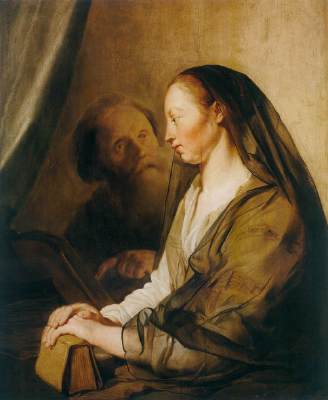
Topmost photo by Dr. Mylene A. Santos, MD, in Portugal, October 2022;
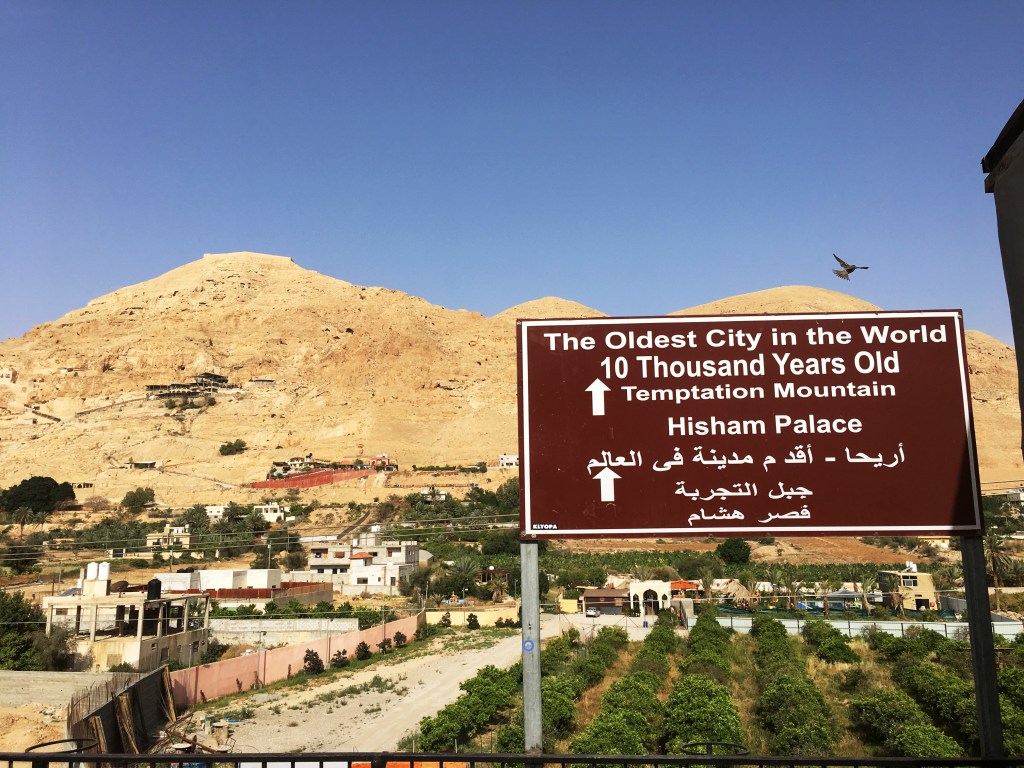
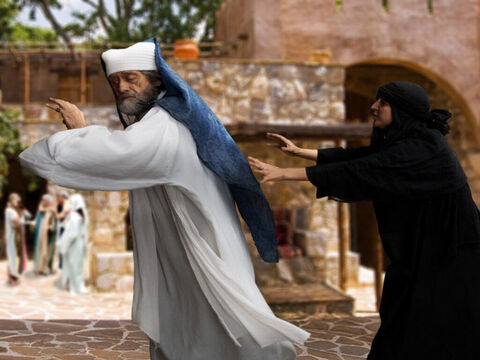
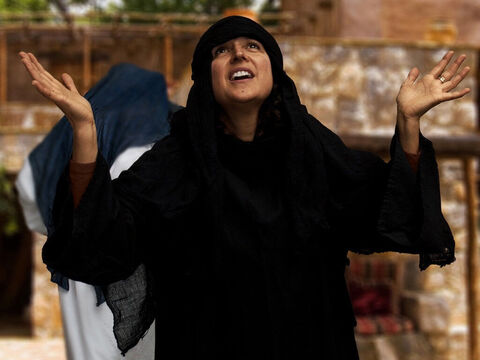
Second (Ascension Chapel of Jesus) and third (wall of Jerusalem) by the author, May 2019;
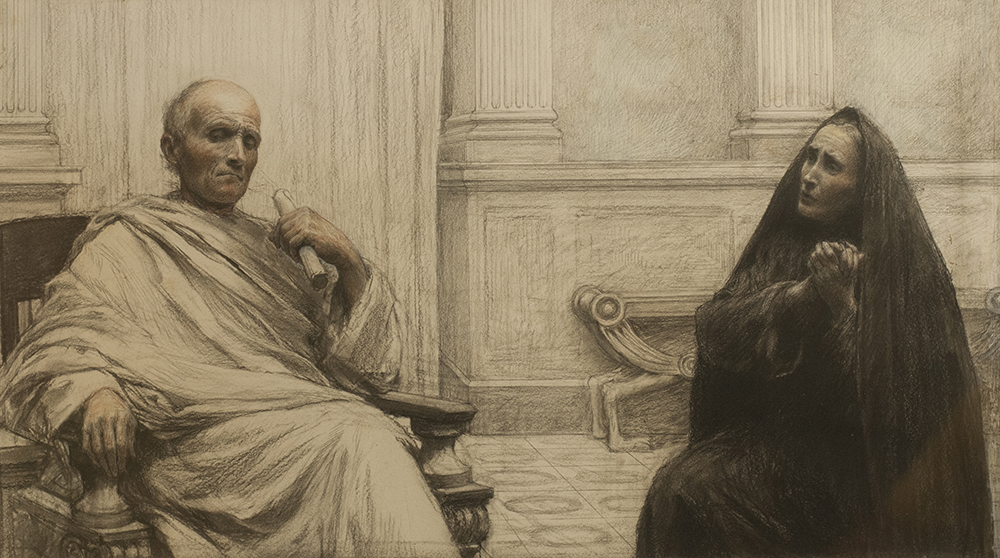
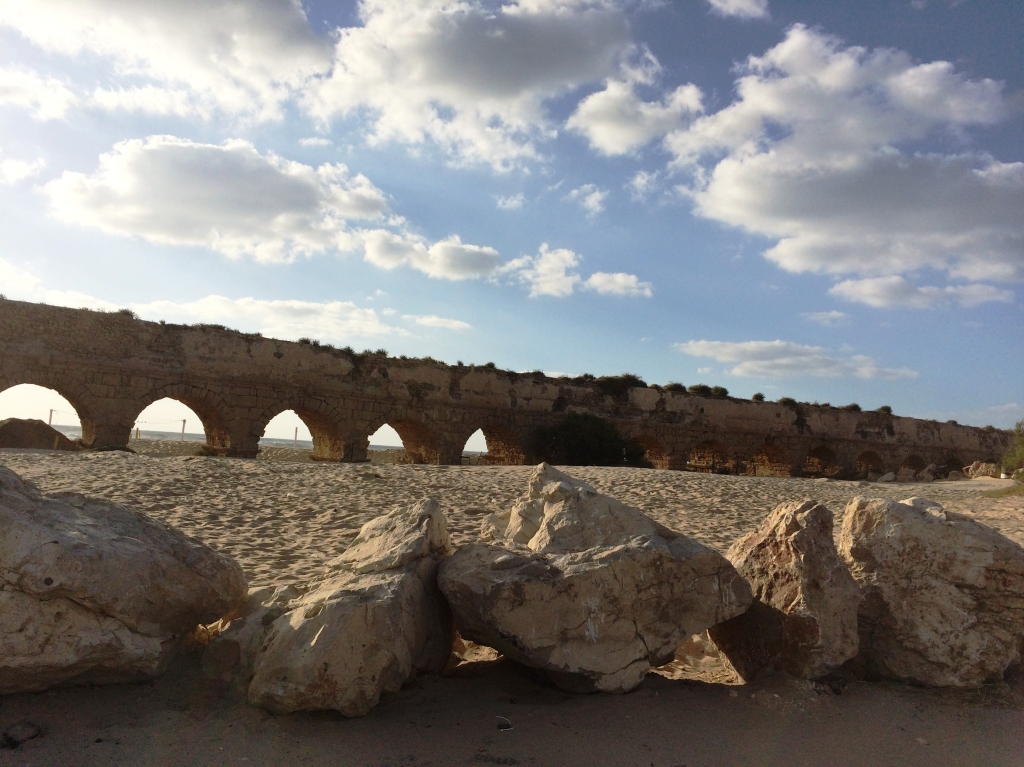
Fourth by Ms. Meg Lalog-Bringas, 03 November 2022.

Roadtrip, vroom, vroom with Jesus & Zacchaeus, to the Moon!

The Lord Is My Chef Sunday Recipe by Fr. Nicanor F. Lalog II
Thirty-First Sunday in Ordinary Time, Cycle C, 30 October 2022
Wisdom 11:22-12:2 ><000'> 2 Thessalonians 1:11-2:2 ><000'> Luke 19:1-10

You must have heard so many times that rap music called Moon used as background music in almost every video posted on social media. The lyrics and its beat are simply amusing, easy to follow so fitted on everything including this Sunday’s gospel!

Sa'n ka punta?  To the moon
Road trip, vroom, vroom
Skrr, skrr, zoom, zoom
So fake, no room, mga mata namumula
Asan ang trees, nadala mo ba?
Bawal ang tus at peke sa byahe
Kung isa ka d'yan, ika'y bumaba...

Written and performed by a certain Nik Makino, Moon speaks of a young man’s ambition of getting rich through rap music; he is also aware of the fact that his dream is so “high like the sky” with everyone’s eyes prying on him as he strives so hard in working while still young.

I gotta mission, pumunta sa top
Buhay mahirap, gawing masarap
Gawa ng milyon, gamit ang rap 
Iwanan kasama na puro panggap
'Di mo 'ko magets, pangarap ay highs
Singtaas ng jets, tingala sa sky...

I have been asking some young people about the rap and mostly are stunned why I listen and so interested with it especially when I rap it too, saying how they find it so baduy (crass), meaningless or “walang kuwenta” with some calling it as ugly or “pangit”.

And that is how I realized this rap music Moon is so related with this Sunday’s gospel about Zacchaeus the tax collector who climbed a tree to see Jesus while passing by the city of Jericho.

At that time, Jesus came to Jericho and intended to pass through the town. Now a man there named Zacchaeus, who was a chief tax collector and also a wealthy man, was seeking to see who Jesus was; but he could not see him because of the crowd, for he was short in stature. So he ran ahead and climbed a sycamore tree in order to see Jesus, who was about to pass that way. When he reached the place, Jesus looked up and said to him, “Zacchaeus, come down quickly, for today I must stay at your house.” And he came down quickly and received him with joy.

Luke 19:1-6

Again, only Luke has this story about Zacchaeus met by Jesus in Jericho, his final stop before entering the city of Jerusalem for his Passion, Death, and Resurrection.

Keep in mind that Luke’s narration of the Lord’s journey to Jerusalem is more of an inner journey into ourselves than found in maps. What happened in Jericho shows the importance of the events that would take place at Jerusalem when Jesus offered himself for our salvation and how we can participate in his pasch through the example of Zacchaeus who reformed his life.

Unlike the parable last Sunday, here we have a real tax collector named Zacchaeus described by Luke as a “wealthy man”. Notice how Luke described Zacchaeus was “short in stature” which is not only literal but most of all figurative in meaning. Like the publican in last week’s parable by Jesus, tax collectors were despised by Jews at that time who were seen along the ranks of prostitutes as the worst of all sinners because they were not only thieves but also traitors who collaborated with their Roman colonizers.

Calling Zacchaeus as “short in stature” was really something else, that he was nothing at all. That is why he had to exert so much to see Jesus by climbing a sycamore tree. And there lies the beauty of the story, of how God had come in Jesus to meet us and save us.

When they all saw this, they began to grumble, saying, “He has gone to stay at the house of a sinner.” But Zacchaeus stood there and said to the Lord, “Behold, half of my possessions, I shall give to the poor, and if I have extorted anything from anyone I shall repay it four times over.” And Jesus said to him, “Today salvation has come to this house because this man too is a descendant of Abraham. For the Son of Man has come to seek and to save what was lost.”

Luke 19:7-10

This is the most startling move by Jesus in this event at Jericho that is repeated in many instances in Luke’s gospel account to show God’s loving mercy to all sinners who humbly make the efforts to come to him, to see him, and experience his healing and forgiveness.

Luke had repeatedly shown us this unexpected and even shocking gesture of Jesus to everyone – then and now – at how he would favor sinners and bad people like that sinful woman who poured oil on his feet while dining at the home of a Pharisee (Lk. 7:36-50) and Dimas, the “good thief” on the cross to whom he promised paradise (Lk.23:39-43).

Jesus always comes to meet us but are we willing to meet him too like Zacchaeus? How far are we willing to truly embrace and welcome Jesus by letting go of ourselves, of our sins and other possessions?

If we could just have that sense of sinfulness again, we would realize that in this world, we are all small in stature before God. All these titles and wealth that seem to give prestige to us are all temporary and nothing. What God looks in us is our admission of our being small in stature before him, of being powerless like the persistent widow the other Sunday and the publican last week begging his mercy for we are all sinful.

Imagine that beautiful image of Jesus passing through Jericho, coming to our daily lives, making a stop over right in our hearts to stay and dwell. Most of all, see at how Jesus looks up to find us!

I love that gesture of Jesus looking up to us so much. Normally, we are the ones who look up to God up in the sky, heavenwards when asking for his mercy and favors. But there are many times that it is Jesus our Lord and God who looks up to us mere mortals who are so small in stature before him! What happened at Jericho under that sycamore tree was a prefiguration of what would take place at the Last Supper when Jesus washed the disciples’ feet, of how he bowed down before them and looked up while wiping their feet dry. So wonderful! And that happens every day when we go back to him, when we do everything to get out of our way just to go to Mass, most especially to Confessions.

In the first reading, we are reminded how we are nothing before God but he chose to preserve us, to save us because he loves us so much:

“Before the Lord the whole universe is as a grain from a balance, or a drop of morning dew come down upon the earth. But you have mercy on all, because you can do all things; and you overlook the sins of men that they may repent. But you spare all things, because they are yours, O Lord and lover of souls.

Wisdom 11:22-23, 25

There is no doubt about the love of God for us, of his mercy and forgiveness expressed to us in his Son Jesus Christ who comes to us everyday in various events in our lives, in the people we meet and most especially in our individual and communal prayers like the Mass and Sacraments.

Jesus is always passing by and would surely come again as St. Paul assured us in the second reading.

The grace of this final Sunday of October as we go to the last stretch of the Church calendar this coming November is that God gives us freely the grace daily to make the efforts in meeting his Son Jesus. Every day.

Our desire to rise above our present state and status is an expression of that grace within us to become better although many times due to other factors, we misconstrue this in aspiring for material things like wealth and money as the rap Moon tells us. But on a deeper reflection as we continue in our journey in this life, we realize sooner or later that more than the things we can physically have, there are always more precious than these.

Like going to the moon, of being high up there in the sky, being one with God, enjoying his peace and salvation.

Like Zacchaeus and, Nik Makino, let us continue our roadtrip to the Moon in Jesus Christ by being true to ourselves – vroom, vroom, skrr, skrr, zoom, zoom – that we are beloved sinners and children of God.

Tara bumyahe pa-ulap
Sakto 'yung auto ko full tank
Pero kahit maubusan, paangat tayo tutulak
Bawal na muna ang pabigat
Lalo sa byahe na palipad
Kailangan kong makatiyak
Bago magka-edad, 'di na 'ko taghirap
Alam kong marami ang nakamasid
Dama ko marami ang naka-abang
Kung ano 'yung mga kaya kong gawin
Malamang ay 'di nila nagagawa
Kaya siguro lagi nakatingin
Kasi 'yon na lamang magagawa
Inaabangan ako na mawala
Kaso lang ang malala nadapa kakatingala.

Stay safe everyone and dry during these storms. Have a blessed week! Amen.

*Photo credits: Moon over the city by Mr. Raffy Tima of GMA-7 News (2022); second and third by the author at Jericho, Israel (2019); fourth and fifth also by author in Tanay and Pililla in Rizal (2021).

Standing before God

The Lord Is My Chef Sunday Recipe for the Soul by Fr. Nicanor F. Lalog II
Thirtieth Sunday in Ordinary Time, Cycle C, 23 October 2022
Sirach 35:12-14, 16-18 ><}}}}*> 2 Timothy 4:6-8, 16-18 ><}}}}*> Luke 18:9-14
Photo by Mr. Jim Marpa, 2018.

Standing is a very powerful posture. It expresses our stance or – stand – on everything. Where we stand tells who we are, both positively and negatively. It is always good to make a stand on our beliefs, defending them, making a “gallant stand” on whatever or whomever we hold so dearly. However, no matter how hard we make a stand on just about everything and everyone, we cannot fake our stand because people could surely recognize if it is just mere “grandstanding” or self-serving like what politicians always do.

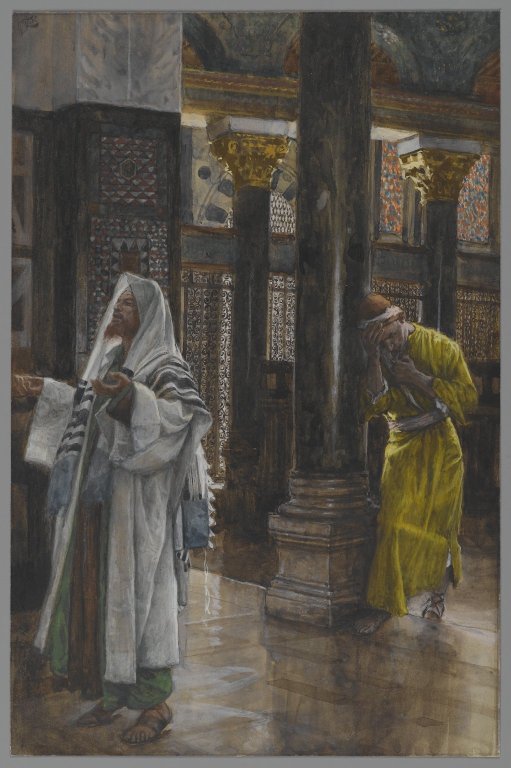
That is what Jesus is telling us today in his second series of teaching about prayer, the parable of the Pharisee and the tax collector, of how two men stood before God in prayer at the temple.

Painting by French artist James Tissot, “The Pharisee and the Tax Collector” (1886-1894) from commons.wikimedia.org.

Jesus addressed this parable to those who were convinced of their own righteousness and despised everyone else. “Two people went up to the temple area to pray; one was a Pharisee and the other was a tax collector. The Pharisee took up his position and spoke this prayer to himself, ‘O God, I thank you that I am not like the rest of humanity – greedy, dishonest, adulterous – or even like this tax collector. I fast twice a week, and I pay tithes on my whole income.’ But the tax collector stood off a distance and would not even raise his eyes to heaven but beat his breast and prayed, ‘O God, be merciful to me a sinner.’ I tell you, the latter went home justified, not the former; for everyone who exalts himself will be humbled, and the one who humbles himself will be exalted.”

Luke 18:9-14

Our lost sense of sinfulness

Right at the start, Luke tells us the purpose of this parable, “Jesus addressed this parable to those who were convinced of their own righteousness and despised everyone else.” But, we have to be careful in reading this parable lest we end up like the Pharisee of not seeing ourselves being addressed too by the Lord!

While the Pharisee is clearly in the bad light in his kind of prayer that revealed his self-centeredness, feeling so self-satisfied with his holiness that in fact he felt no need for God, his character invites us to guard against this temptation within us that we are not sinners. That is the sin of the Pharisee, the reason his prayer was not heard unlike that of the tax collector: the Pharisee saw himself as clean and spotless like God! And that is what we have to keep guard of ourselves in this time when we have lost our sense of sinfulness.

Photo by author, Jerusalem 2017.

We may not have the kind of self-righteousness of the Pharisee in public or in private, of claiming to be not like other people who are sinful and corrupt; but, still deep inside us is the temptation of forgetting that even a true saint remains a sinner who must constantly pray deep in his/her heart, “O God, have mercy on me, a sinner.”

Such attitude is the deeper meaning of why we must be powerless before God in praying like the persistent widow last Sunday. It is not that only God is capable of giving us whatever we need but most of all, we have to accept and own by embracing wholeheartedly the fact we are all sinners. Recall how in 2013 after being elected as Pope, on his first interview Pope Francis was asked to describe himself as a person and he simply said, “I am a sinner.” Beautiful!

Holiness is not being sinless but being filled with God. Anyone who is filled with God is one who is always aware of his/her sinfulness. The more we get nearer to God, the more we see our sinfulness, our being dirty and weak. Hence, the more we pray to become better persons, to be one with God; we cannot be one in him and with him unless we realize our sinfulness. That Pharisee in the parable comes so strongly, so proud to God as if he were God himself too! Worst, he wanted God to commend him, to reward him for being so good. Why prayed at all if he did not need God?

We pray because we need God and that is the prayer that “pierces the clouds; that does not rest till it reaches its goal” – God – as Ben Sirach tells us in the first reading. That is the reason we begin our Holy Mass first with admission of our sins, of being sorry for them. We come to Mass because we need God first of all to cleanse us of our sins.

How true are we in admitting our sinfulness before God?

Consistency and humility in prayer

On the surface, the Pharisee in the parable was really commendable as he tried to be a good person, avoiding all kinds of sins, piously observing the demands of his faith like fasting and tithing. However, he lacked consistency and humility.

Consistency in prayer means our lives become a prayer itself. The prayers we recite and say to God expressed in so many ways should make us become more like God – loving and caring, kind and understanding, merciful and forgiving of others, not judgmental like the Pharisee.

St. Paul in the second reading offers us an example of how he had considered his life his prayer, an offering of himself to God like a “libation”.

Beloved: I am already being poured out like a libation, and the time of my departure is at hand. I have competed well; I have finished the race; I have kept the faith.

2 Timothy 4:6-7
Photo by Ms. Mira Mandal Sibal, 2021.

Sometimes, people comment how they find St. Paul as too proud especially when he speaks of his virtues and works like when he wrote “Be imitators of me, as I am of Christ” (1 Cor. 11:1). But, reading all his letters, one finds his powerlessness before God like the persistent widow last Sunday as well as his being powerful in God like the unjust judge who was converted like him and channelled all his talents and energies in proclaiming the gospel to the Gentiles!

Most of all, in today’s parable, we find St. Paul who referred to himself as “the very least of the holy ones” (Eph.3:8) so much like the tax collector, sinful yet sorrowful for his sins. In short, not just consistent but most of all, filled with humility.

It will always be difficult to be consistent in life as every saint had proven to us. That is why we should never forget that reality – even the saints are sinful, needing God’s mercy and forgiveness. Nobody is perfect. When there is inconsistency in our lives and prayers, surely there is sin. But, are we humble enough to accept that fact like the saints?

That is why humility is so important as exemplified by the tax collector at the temple. He could not look up to heaven because he was so humbled by his sin, looking more into himself, into his heart, of how he had strayed so far from God that he longed to be near him again.

It is only in humility when we can realize also the sad truth that when we sin, we actually offend ourselves, not God! That is why our conscience bother us, we feel untidy. God remains God and perfect even if we sin. The Pharisee wrongly thought he was not offending God as he believed he was clean and sinless that is why he felt so entitled too. Unknown to him, the more he had sank deeper in misery in his lack of sense of sinfulness.

Photo by Mr. Red Santiago of his son, January 2020.

When we lost our sense of sinfulness, that is when we are most inconsistent, when we are most lost. Without humility, we live in our false selves, wrongly believing we can do everything, including earning our own salvation which only God had done in Jesus Christ.

This Sunday, let us pray for the grace and virtue of humility that St. Teresa of Avila described as “walking in truth.”

Being humble is not putting ourselves down but actually the path to true greatness, exaltation. When we humbly accept our sins and sinfulness, that is when we are forgiven by God and we are able to rise to greater heights as we lose ourselves in God and in his wonderful plans for us.

This Sunday, let us stand before God admitting our sins like the tax collector, our being poor and lowly, insufficient and weak as in the first reading needing his grace so that like St. Paul, we may compete well in this life to finish this race by keeping the faith in Jesus Christ. Amen. A blessed and fruitful week ahead for all of us!

Powerless before God, powerful in God

The Lord Is My Chef Sunday Recipe for the Soul by Fr. Nicanor F. Lalog II
Twenty-Ninth Sunday in Ordinary Time, Cycle C, 16 October 2022
Exodus 17:8-13 ><000'> 2 Timothy 3:14-4:2 ><000'> Luke 18:1-8
Photo by author, Baguio City, February 2020.

Time flies so fast that there are only five Sundays left in our liturgical calendar before Advent comes in preparation for Christmas. For the next three Sundays beginning today, we shall again hear three gospel stories found only in Luke that underscore the importance of faith and prayer, revealing to us the beautiful image of God who “does justice” to defenseless people like the widow today, “justifies” those who humble themselves like the publican next Sunday, and “saves” sinners like Zacchaeus two Sundays from now.

As we reflect on God’s goodness, we discover along the way our own giftedness that we must share with people around us, especially those suffering and in need.

Jesus told his disciples a parable about the necessity for them to pray always without becoming weary. He said, “There was a judge in a certain town who neither feared God nor respected any human being. And a widow in that town used to come to him and say, ‘Render a just decision for me against my adversary.’ For a long time the judge was unwilling, but eventually he thought, ‘While it is true that I neither fear God nor respect any human being, because this widow keeps bothering me I shall deliver a just decision for her lest she finally come and strike me.'”

Luke 18:1-5
Painting “Le Juge Inique” (Unjust Judge) by Swiss artist Eugene Burnand (1850-1921) from http://www.eugene-burnand.com/Parables/unjust%20judge.htm.

Both the widow and the unjust judge exhibited admirable traits we are all invited to emulate: the widow being persistent and the unjust judge eventually becoming a just one in handing a good decision.

Jesus intentionally used the image of the widow in this parable because widows in his time were particularly powerless and vulnerable. Recall how Jesus was moved with pity on a widow upon witnessing the funeral of her young son in Nain (Lk.7:11-16).

Imagine the very sad plight of widows in ancient time when women were not even considered as persons at all that they were not counted like the children; women were totally dependent to their husband and sons in their lives that if they die, the widows left behind were reduced to nothing at all because they could not inherit their husband’s estate that was passed on to the deceased man’s sons or brothers.

Painting of “Parable of the Unjust Judge” by Pieter de Greber (1628) from Web Gallery of Art,https://www.wga.hu/frames-e.html?/html/g/grebber/pieter/parable.html.

The widow in this parable tells us of the need for us to be powerless like her, to totally entrust ourselves to God who is our only hope in life. The widow had no other recourse but to persistently beg the unjust judge for a favorable ruling for her. That is the spirit and attitude we must have when praying which is a call for our total surrender of self to God.

And here lies the difficulty for us especially these days when we spend so much efforts to be powerful than powerless. This we have been practicing extensively in social media where we always want to be the one in control of everything, of being the first to post the latest and hottest news and gossips, of flaunting our newly acquired expensive gadgets or received gifts, of making known to everyone our sumptuous meals or how we have gone to some expensive far-away vacation spot. Come on, one can easily determine when we are posting simply to share or to brag.

As much as possible, we try to resolve our problems using our own powers. We pray and come to God only when all options have been exhausted, when we feel hopeless because it is already beyond our powers. Prayer is more of a last resort than our first recourse because God is only a “footnote” or a safety-catch in our lives in case we go through severe tests like tragedy, illness, death of a loved one, or failure in whatever form.

The widow in this parable reminds us of that beautiful lesson we have reflected these past Sundays that faith is a relationship nourished and nurtured by our prayer.

People who love always talk. They always relate and communicate for no reason at all simply because they love and care for each other. Like the widow, wala nang iba talaga!

If prayer is conversing with God, then, we would always relate with him whether our problem is big or small, serious or not, or even if we have no problem at all because we love him! Without God, we find no meaning and strength to hurdle life’s challenges.

This is the meaning of that story of Moses praying to God on top of a hill while Joshua battled the forces of Amalek in the wilderness; it was the power of God that prevailed over Israel’s enemies because they all relied in him alone. It is the similar story of the Feast of our Lady of the Rosary when the outnumbered Spanish fleet defeated the Ottoman Turks at Lepanto Bay (07 October 1571) while Christians prayed the Holy Rosary as instructed by St. Pope Pius V.

When was the last time have you felt like the widow before God, of having that attitude there is nobody else who can fulfill us except God?

Photo from https://freebibleimages.org/photos/persistent-widow/

On the other hand, we are also the unjust judge in this parable for we are not only sinful and unjust like him but also blessed with great powers to help those in need!

Many times, we act like the unjust judge when we refuse to recognize and admit the great powers – with its great responsibilities – God had given us in our various capacities and positions in life. We may not be issuing verdicts in courts but everyday, our decisions matter so much to those around us right in our own families, in our schools, in our offices and in our neighborhood and community.

Confronted by the persistent widow without any means to pay and bribe the unjust judge, we are reminded most especially to have a heart in favor of those who have less in life. One of the most important lessons I have learned in priesthood happened during our final year of formation in the seminary when our former bishop, the Most Rev. Rolando J. Tria-Tirona of Naga City told us in a conference that “those who have less in life must have more of God”.

Beautifully true but sadly, far from happening in our Church because we rarely use the powers God has shared with us to love and save, to heal and raise to new life people saddled with so many sufferings and sins in life. Like the unjust judge, may we open our eyes and hearts to the plight of the powerless around us.

Have faith that even the most evil persons are capable of doing the right thing. Imagine if every disciple of Christ is a man of faith despite of his/her sinfulness and weaknesses? That would be so nice as life could be a bit better and fair for everyone! This is the reason why at the end of the parable, Jesus asked the crucial question:

“But when the Son of Man comes, will he find faith on earth?”

Luke 18:8
Photo from Photo from https://freebibleimages.org/photos/persistent-widow/.

Has anyone ever told you that you are “the answer to his/her prayers?” In life, God answers our prayers through one another, through faithful disciples who are both powerless before God and powerful in God.

We all have this great power of God in our hands, in effecting change, in bringing peace and justice to this world through the power of his word as St. Paul reminds us today in the second reading.

I charge you in the presence of God and of Christ Jesus, who will judge the living and the dead, and by his appearing and his kingly power; proclaim the word; be persistent whether it is convenient or inconvenient; convince, reprimand, encourage through all patience and teaching.

2 Timothy 4:1-2

We live in a world characterized not only with great desire and display of power but also of instant gratification. We have lost the virtues and values of patience, persistence, and perseverance. Everything must be had instantly. Now na!

This Sunday’s parable invites us to recover our great power in God by being powerless before him again so we may be the answered prayers of many people suffering and thirsting for justice and mercy, forgiveness and salvation.

Be that person of faith and power of God. The widow and needy person who comes to you could be Jesus Christ himself. Amen. Have a blessed week ahead!

Faithful, grateful, and joyful

The Lord Is My Chef Sunday Recipe for the Soul by Fr. Nicanor F. Lalog II
Twenty-Eighth Sunday in Ordinary Time, Cycle C, 09 October 2022
2 Kings 5:14-27  ><000'>  2 Timothy 2:8-13  ><000'>  Luke 17:11-19
Photo by author, Egypt, May 2019.

Many times in life as we age and look back to our past, we find that our journeys are not geographical at all but more of spiritual ones. No matter how many places we visit or stay, our journeys actually happen within that lead us to our true selves, to others and finally, to God.

This is what St. Luke has been doing every Sunday as he guides us in following Jesus in his itinerary since he “resolutely determined to journey to Jerusalem” last Sunday of June (Lk.9:51, 13th Sunday); the path we have been following is not really geographical but theological in nature.

As Jesus continued his journey to Jerusalem he traveled through Samaria and Galilee. As he was entering a village, ten lepers met him. They stood at a distance from him and raised their voice, saying, “Jesus, Master! Have pity on us!” And when he saw them, he said, “go show yourselves to the priests.” As they were going they were cleansed.

Luke 17:11-14
Photo by author, Egypt, May 2019.

Again, our gospel this Sunday is so brief with many layers of meanings found only in St. Luke. Imagine Jesus going through pagan districts like Samaria where his fellow Jews never dared to go. That is how immense is God’s love for us – even if we undeserving of his love, he sent Jesus to look for us sinners signified by the ten lepers he had healed.

In fact, some exegetes claim the wording for the “ten lepers” who met Jesus should have been “ten men with leprosy” for a more accurate translation of the Greek leproi andres. According to them, St. Luke was emphasizing here that no matter what weaknesses we are afflicted with, we are still the same persons and human beings loved by God. Very often in life, we categorize and define people by their sin and weakness or crime and worst, by illness and defects as seen in our penchant for bansag (Filipino for name calling) like Kardong mandurugas or si Putol or even tabachoy!

St. Luke wants us to see everyone first as a human being, a person so loved by Jesus; whatever weaknesses we have must come later. This I insist during confessions to penitents to never call one’s self as “thief” if you have stolen something nor “liar” if you have lied because we all remain God’s beloved children even if we have sinned.

Photo by author, 2018.

There is no doubt in God’s love for us despite our being “unworthy servants” and being afflicted with leprosy, or whatever. What matters to him is the fact we are his beloved children. That is why in the first reading, God healed Naaman through his prophet Elisha despite his being a pagan and unbeliever. And worst of all, an enemy of Israel being a Syrian army general! St. Paul beautifully expressed this truth about God’s love and mercy in Christ found in our second reading today:

This saying is trustworthy: If we have died with him we shall also live with him; if we persevere we shall also reign with him. But if we deny him he will deny us. If we are unfaithful he remains faithful, for he cannot deny himself.

2 Timothy 2:11-13

What are the other diseases and ailments that make us cry “Jesus, Master! Have pity on us”? These are not literally a disease or sickness like leprosy but may have the same effects of alienation and depression with us like a vice too difficult to kick like drugs and alcohol or may be indifference and racism by others to us or our “self inflicted” ailments of arrogance, self-centeredness, and self-righteousness.

Many times, we hardly notice we are being healed slowly by Jesus of our many infirmities because our faith has never deepened and matured. The Samaritan noticed his healing because of the ten with leprosy, he was the only one truly faithful in awaiting Jesus Christ. He had faith in Jesus and though it was so small or too little, he had that faith nurtured that the moment he saw his skin cleansed, he remembered Jesus right away. As we have reflected last Sunday, faith is a relationship we keep, nurture and strengthen.

And one of them, realizing he had been healed, returned, glorifying God in a loud voice; and he fell at the feet of Jesus and thanked him. He was a Samaritan. Jesus said in reply, “Ten were cleansed, were they not? Where are the other nine? Has none but this foreigner returned to give thanks to God?” Then he said to him, “Stand up and go; your faith has saved you.”

Luke 17:15-19
Photo by author, Caesarea, Israel 2017.

The scene is so lovely because the Samaritan healed of leprosy teaches us that grateful people are also faithful – and joyful ones! Faith is a relationship that is nourished by gratitude wherein we not only thank God and other people who have blessed us but also remain with them and in them; hence, we keep on coming back to thank them.

The more grateful we are to God and other people, the more we are blessed, the more we become joyful, and the more our faith is deepened! As we walk in faith in Jesus, experiencing those daily suffering and dying to self, we become more aware too of our rising to new life in him. That is when miracles happen as we return and stay in Jesus to praise and thank him like that Samaritan man healed of his leprosy. Or Naaman who asked to bring home some soil from Israel so he could worship God and nurture his relationship with him in the process.

Photo by author, 2021.

Faith, gratitude, and joy always come together. We experience them every Sunday in the celebration of the Eucharist that means “thanksgiving” in Greek.

The Eucharist is the expression of our faith in God in Jesus Christ that also expresses our gratitude to him for all the blessings he abundantly pours upon us. As the summit of our Christian life, the Eucharist defines our worship and living because it is the only way we can truly express our faith and gratitude to God who wishes only our salvation in his Son Jesus Christ.

In the Eucharist, it is not only the bread and wine that are changed into Body and Blood of Christ but even us who are made perfect in Jesus as his disciples and members of his Body, the Church.

In the Eucharist we experience the joys of being faithful, thankful and joyful because that is where we are saved as we encounter Christ in the most intimate and personal manner in his Body and Blood who slowly transforms us in him as we receive him.

Let us imitate that Samaritan healed by Jesus to always be grateful to Jesus, to finally go back to the Sunday Mass F2F, so that together we may all grow in faith and be joyful for being saved. Amen. Have a blessed week ahead!
Faith, like love, is a relationship

The Lord Is My Chef Sunday Recipe for the Soul by Fr. Nicanor F. Lalog II
Twenty-Seventh Sunday in Ordinary Time, Cycle C, 02 October 2022
Habakkuk 1:2-3, 2:2-4 ><}}}}'> 1 Timothy 1:6-8,13-14 ><}}}}'> Luke 17:5-10
Photo by Ms. Ria De Vera, Christ the King Celebration in our former parish assignment, November 2020.

Our gospel this Sunday may be short and brief but so power-packed that can put us into a knock out. In fact, the scene is very disarming that can throw off all our previously held beliefs to give us fresher perspectives on discipleship and faith.

Recall how these past consecutive Sundays that Jesus taught us the importance of God and persons above material wealth like money and possessions. Notice how these lessons were directed by Jesus to the Pharisees and scribes who were known as so obsessed with money. Hardly did we hear any reactions from the Twelve – nor from most of us – until now when they asked Jesus to “increase our faith” (Lk.17:5).

The apostles said to the Lord, “Increase our faith.” The Lord replied, “If you have faith the size of a mustard seed, you would say to this mulberry tree, ‘Be uprooted and planted in the sea,’ and it would obey you.”

Luke 17:5-6
Photo by Dr. Mylene A. Santos, MD, 2021.

When we talk of faith, 
it does not really matter how long 
we have known each other, 
or how much we have given and received, 
or how much we have shared.  
Faith is being one, being together, 
of going the extra mile 
because we believe, we trust, we love. 

What elicited a reaction from the apostles? Or from us? Let’s admit the fact that many of us have felt the parables last two Sundays were not directly meant for us considering our professed “poverty” and “simplicity” in life. But, when Jesus spoke of the need to forgive those who sin against us every time they come saying sorry, the apostles realized that needed a lot of faith.

And rightly so.

When it comes to hurting our pride and ego, something deeper is at play, something so close to our person is involved than when we lose a material thing. Like the apostles, we have felt how much faith in God is demanded from us to forgive especially those who repeatedly offend us, that on our own we cannot do it.

Photo by Dr. Mylene A. Santos, MD, 10 September 2022.

Hence, their request (that is also ours) to “increase our faith” because forgiving requires a lot of faith, a lot of love; however, faith is like love that cannot be quantified nor measured because like love, faith is also a relationship.

Our relationship with God and with one another is seen always in the kind of intensity we have for each other. My generation used to call it as “vibes” or vibrations, of how we are one with the other person, of how we are in communion or aligned and attuned with the other person. When we talk of faith, it does not really matter how long we have known each other, or how much we have given and received, or how much we have shared. Faith is being one, being together, of going the extra mile because we believe, we trust, we love.

This is the reason that Jesus followed up his answer to the Twelve’s request with a parable of the unworthy servants who came home after working from the field and still waited on their master at dinner; then, after fulfilling their tasks, they simply told their master “We are unprofitable servants; we have done what we were obliged to do” (Lk. 17:10). There was no real relationship between the master and slaves except their job or task and responsibility. If it were a faith relationship, the servants would have done more than just waiting on their master because they would have believed in him!

When our faith is true, when our faith is burning like the reminder of St. Paul to Timothy in the second reading, it means we are focused with the object of our faith who are God and our loved ones. We need not be reminded of things to do, of our obligations; when there is faith in us, our focus is keeping the relationship alive and well that we go the extra mile in lovingly serving our loved ones which is discipleship is all about.


That is how faith as a relationship
 may be described these days:  
like an online class, an online meeting, 
even online Mass when sometimes 
you really wonder if there is somebody listening
 or paying attention at the other side of the screen
 but you just go on...

Photo by author, Makati skyline from Antipolo, August 2022.

People who are deeply in love are first of all one with their loved ones that they are able to do great things because of their intense and vibrant faith that keep them united. With a burning faith inside us, we are able to love the unloveable, forgive the most despicable, achieve what others claim as impossible.

Just think of the saints like St. Mother Teresa of Calcutta or the very young St. Therese of the Child Jesus. Or, the great martyrs of Auschwitz, St. Teresa Benedicta of the Cross (Edith Stein) and St. Maximilian Kolbe. There is no way of measuring how much faith they have in Jesus Christ and humanity but we can learn from their lives the intensity of their faith and love for God and others that they did the impossible!

Very interesting was the faith too of the late Mother Angelica who founded and started EWTN that is now the largest Catholic media organization in the world. She knew nothing about broadcasting yet, all she had was faith in God and in people that she was able to overcome every obstacle to make what EWTN right now.

Think of the big corporations and enterprises around you; they all started so small in material resources but so intense in faith and conviction that they have all grown to become the leading institutions in whatever field they are into. Sometimes, believers are described as visionaries because people with deep faith see beyond what others can perceive. Remember how Jesus would remind his apostles on different occasions to “believe so that you will see” that runs opposite what the world tells us with “to see is to believe”. People who are faithful, those who believe are the ones who can truly see, not the other way around. Faithful people have vision.

Photo by author, Pangsinan, April 2022.

Prayer is the primary expression of our faith as a relationship that we just keep on doing because we believe it is good even if it is so difficult especially when nothing seems to be happening at all. We just keep on praying, believing and hoping that God is with us, very similar to our online experiences these past two years of the pandemic when many times, we wonder if there is somebody listening or paying attention at the other side of the screen! But, call it faith and relationship that we just went on with our classes and work including prayers and Masses online because we believe someone, especially God, is at the other side, even beside us!

We have not seen God but we have all experienced his love and kindness, his mercy and forgiveness that even if nothing happens like Habakkuk in the first reading, we just keep on praying (and loving) because our relationship remains intact with God who is faithfully by our side.

When our faith is alive and vibrant, we get closer to God and with others, we become more loving and caring and kind, understanding and patient and forgiving, finding ways and means to love and serve God in others.

God knows what is best for us. He has gifted us with enough faith. Let us ask him not just to increase our faith but most of all, to deepen, strengthen, and perfect our faith so that our ties and bonds as family and friends and community of disciples be stronger in Jesus Christ, both in good times and in bad. Amen.

Have a blessed week ahead!

Photo by author, Sacred Heart Spirituality Center, Novaliches, QC, 2014.

Liham ni Lazaro sa mayaman

Lawiswis ng Salita ni P. Nicanor F. Lalog II, Ika-28 ng Setyembre, 2022
Larawan mula sa https://krugsstudio.blogspot.com/2016/07/does-anyone-write-letter-anymore.html

Hitik sa mga kahulugan ang talinghaga ng mayaman at ni Lazaro noong araw ng Linggo (Lukas 16:19-31). Kaya namang aking napag-isipan ano nga kaya at sumulat si Lazaro doon sa mayaman? Ano kaya kanyang sasabihin?

Isang kathang-isip lamang ang liham na ito katulad na rin ng talinghaga ng Panginoong Jesu-Kristo. Gayon pa man, batay ito sa mga kuwento na aking pinakinggan at pinagnilayan mula sa mga tao na aking nakadaupang-palad sa mahabang panahon bilang pari. Sinikap ko na mahabi kanilang mga istorya ng buhay na parang hibla ng sinulid upang maging isang telon na maglalarawan ng iba’t-ibang mukha ni Lazaro at ng mayaman.

Wala akong pinatatamaan maliban sa maihatid mahalagang mga aral ng naturang talinghaga ukol sa buhay at kamatayan na tila nalilimutan na ng maraming pamilya at mag-anak kung saan maraming mayaman at Lazaro na nakalupasay, pinababayaan at tinalikdan.

Sinabi ni Jesus sa mga Pariseo, “May isang mayamang nagdaramit nang mamahalin at saganang-sagana sa pagkain araw-araw. At may isang pulubing nagngangalang Lazaro, tadtad ng sugat, na nakalupasay sa may pintuan ng mayaman upang mamulot kahit mumong nahuhulog mula sa hapag ng mayaman. At doo’y nilalapitan siya ng aso at dinidilaan ang kanyang mga sugat.

Lukas 16:19-21
Larawan ng painting ni Bonifacio de Pitati noong 1540 ng “Dives and Lazarus” mula sa commons.wikimedia.org.
Minamahal kong mayaman,

Ako nga si Lazaro at sumusulat ako sa iyo na manhid at ayaw pumansin sa akin dahil ako ay tadtad ng sugat sa buong katawan, nakakadiring tingnan sa aking karumihan at kawalan ng kagandahang mabanaagan dahil ako ay naiiba sa iyo na kinikilala at maraming kaibigan, malakas at malinis.  Kung tingnan.

Mabuti pa ang aso, napapansin ako, dinidilaan aking mga sugat na kailanma'y hindi niya mauunawaan pinagmulan at naging mga sanhi, na pawang mga tao ang may kagagawan.

Isang bagay lang ibig kong ipahayag sa iyo, kapatid ko na mayaman:  sapat na bang dahilan na ako ay iyong talikuran at kalimutan dahil lamang sa ilang halaga ng salapi, mga gamit at ari-arian gaya ng kapirasong lupa na higit pa ang sukat sa ating libingan?

Dahil lamang sa magkakaiba nating paniniwala at sa iyong sariling katuwiran na hindi mabitiw-bitiwan ay ipagpapalit mo ako na kapwa tao gaya ng iyong ina o ama, at kapatid? 

Madalas, ako si Lazaro yung magulang na kung ituring ng mga anak ay kontra-bida sa buhay nila.  

Ikaw iyon, kapatid kong mayaman.

Ikaw iyong bata, yung anak na sadyang mayaman sa kaalaman at kahusayan sa maraming bagay ngunit hindi kailanman sasapat ang mga iyan upang tayo ay mabuhay; mahalaga ang mga kapwa, lalo na mga magulang na nagpalaki at nag-aruga sa atin, mga kapatid na kasabay nating lumaki at lumago, nagkamalay sa mundo, kasama at kasalo sa maraming pagkakataon ng buhay.

Walang perfect love maliban sa pag-ibig ng Diyos; ano man mga nakaraan ikaw ay nasaktan kung maari ay lampasan, pag-usapan, at magpatawaran.

Saan mang tahanan, maraming mga desisyon ang mga magulang na hindi nagugustuhan at marahil hindi rin naunawaan hanggang ngayon; sakaling nagkamali man mga magulang, hindi ba ang mga iyon din ang nagpatibay at nagpatatag upang mga anak ay maging mayaman?  Bakit sila ngayon ang iniiwan, mga Lazaro na nakalupasay sa pintuan na hindi pinapansin, ipinagpalit sa ego at prinsipyo?

Hindi ito drama dahil ang totoo, darating ang panahon tayong lahat mamamatay.

Huwag nating hintayin tulad sa talinghaga ng Panginoon na malibing at mabaon ang mayaman doon sa Hades; ibig mo ba talaga na tayo ay magkahiwalay hindi lamang sa daigdig kungdi hanggang sa kabilang buhay?

Huwag mo nang hintayin, kapatid ko na mayaman na matanawan ako, si Lazaro kapiling ni Abraham, walang dusa at sakit sa kabilang buhay habang ika'y hirap na hirap, kumakaway, tumatawag gayong kakilala mo naman pala ako.  Gayun din naman, kakilala mo rin pala si Amang Abraham --- kung gayon, ikaw ay Kristiyano katulad ko, kilala si Kristo, sumasamba sa Diyos nating Ama!  Bakit hindi mo ako nakilala noong tayo ay nabubuhay pa?

Bahala ka kung ayaw mo pa rin akong pansinin; ito na lamang iiwanan ko sa iyo, higit sa lahat:  huwag kang umasa at maniwala sa ilusyon na makapagbabago ka pa sa tamang panahon lalo na kung kapani-paniwala ang magsasabi na mayroon nga buhay sa kabila!  Ilusyon lang yan na may oras pa upang magbagong-buhay....

Habang maaga pa, magbalik-loob sa Diyos upang siya ay matagpuan at makilala sa mukha ng bawat kapwa, lalo na sa mga Lazaro na tadtad ng sugat ang katawan, nakalupasay sa iyong harapan. 


Lubos na gumagalang,

Lazaro
(Mula sa salitang Hebreo
"El 'azar", ibig sabihi'y
"sinagip ng Diyos".)
Larawan kuha ni G. Jay Javier sa Taal, Batangas, 15 Pebrero 2014.

When you say nothing at all

The Lord Is My Chef Sunday Recipe for the Soul by Fr. Nicanor F. Lalog II
Twenty-Sixth Sunday in Ordinary Time, Cycle C, 25 September 2022
Amos 6:1, 4-7 ><000'> 1 Timothy 6:11-16 ><000'> Luke 16:19-31
Photo by author, Pangasinan, 19 April 2022.
It's amazing how you can speak right to my heart
Without saying a word you can light up the dark
Try as I may I could never explain what I hear when you don't say a thing

The smile on your face lets me know that you need me
There's a truth in your eyes saying you'll never leave me
The touch of your hand says you'll catch me if ever I fall
You say it best when you say nothing at all

Yes, my dear friends, I am so in love these days; the Lord is doing a lot of things in my heart and soul in my ministry that songs automatically play within me like a jukebox every time I pray and meditate. The other day was Five for Fighting’s 100 Years; this Sunday it is When You Say Nothing At All by Paul Overstreet and Don Schlitz first recorded by Keith Whitley in 1988 but became popular with Alison Krauss in 1995 that finally became a worldwide hit with Roan Keating’s version used as soundtrack of the 1999 Julia Robert-starrer Notting Hill.

The lyrics are so lovely, so true while the melody is so cool that is so uplifting and even spiritual as the song tells us a lot of the love of God for us expressed in his Son Jesus Christ who does everything, saying nothing at all, just loving us, understanding us, forgiving us. Most of the time, with us saying nothing at all too because he knows everything.

The more I listen to this song, the more I feel it speaking also of the parable of the Rich Man and Lazarus, of how we truly regard each other as a person, as a brother and sister, as disciples of Jesus when we say nothing at all, when our actions speak loudly or, silently of our love for each other.

Jesus said to the Pharisees: “There was a rich man who dressed in purple garments and fine linen and dined sumptuously each day. And lying at his door was a poor man named Lazarus, covered with sores, who would gladly have eaten his fill of the scraps that fell from the rich man’s table. Dogs even used to come and lick his sores.”

Luke 16:19-21
Photo from bloomberg.com of a homeless man in New York City during a fashion week in summer 2019.

Rich Man, Poor Man

Today’s parable is uniquely found only in Luke’s gospel like last Sunday that stresses Christ’s lesson on the wise use of money in the service of God through one another; but, the parable adds an important dimension in how this wise use of money will have a bearing in our judgment before God upon death. Hence, the gravity of the message expressed in great simplicity with beautiful layers of meaning.

First of all, the rich man has no name while the beggar was named Lazarus that means “God has rescued” or El ‘azar in Hebrew. The scene is still from the previous Sundays when the Pharisees and scribes complained why Jesus welcomed tax collectors and sinners. Jesus took it as an occasion to teach through parables the value of everyone before God, including the lost, the sick, the poor, and the sinful. They are the Lazarus who are given with a name because they are special in the eyes of God who rescues them all.


Then follows the juxtaposition of Lazarus
 lying at the door of the rich man's home
 - a very powerful image that punches us hard
 right in our face, of how numb we have become
 with each other!  

On the other hand, the rich man had no name not because he was less important but because he stands for each one of us blessed and loved by God. Notice that Jesus did not say whether the rich man and Lazarus were good or bad because their character would be revealed later as the parable unfolds.

See how Jesus presented the outer appearances of the two: the rich man was dressed in colorful and fine clothes, eating sumptuous food while Lazarus was somewhat naked, covered with sores in his whole body that dogs would lick as he filled himself with scraps falling from the rich man’s table.

Then follows the juxtaposition of Lazarus lying at the door of the rich man’s home – a very powerful image that punches us hard right in our face, of how numb we have become with each other!

Photo by Mr. Raffy Tima of GMA-7 News, stranded local residents at the airport, June 2020.

Here we find a valuable lesson from this pandemic courtesy of the face mask that finally opened our eyes, including our minds and hearts to look again onto each one’s face, to recognize each person. Before the virus came, we just did not care with everyone we met as we were so cold that we would not even look at each others face, snubbing even those close to us.

There are still other Lazarus around us, living among us, not begging at all from us like this one in the parable who would not say anything at all but silently suffer in pain, hungry and thirsty for recognition and love like parents forgotten and neglected by their grownup children, wives cheated by their spouse, children left alone and misunderstood by their parents, our classmates and colleagues so maligned in the nasty talks going around us and in the social media, the poor and lowly workers exploited by their employers, or just anyone often criticized and judged but never appreciated.

Try thinking of the other Lazarus around us we never bothered to talk to nor even smiled at because we have been preoccupied with our many other worldly pursuits in life. Let us examine ourselves while amid the comforts and luxuries of life may have rightly earned with decent hard work that but may have caused us to have forgotten the “feel” of being human, of being sick and weak that we have forgotten or been totally unaware of those around us.

Death and the urgent call to conversion

See how the parable gets interesting when both characters died and a reversal of situation in the afterlife occurred. The rich man was buried, immediately going down to hell to suffer while Lazarus was carried – not buried – by angels to Abraham in heaven to be comforted. In the two conversations that followed between the rich man and Abraham, we find at the core the primary importance of daily conversion of everyone.

When Abraham told the rich man of the great chasm dividing them that Lazarus could do nothing to alleviate his torment, Jesus is warning us of the exact situation when we die which is eternity, without end. Therefore, while we are still alive, let us be aware and conscious of others too, not just of ourselves. That is essentially conversion, defocusing from our selves to see those around us more.

Remember how the dishonest steward in the parable last week who made friends with the debtors of his master to ensure his good fate after being fired? That finds its application in this Sunday’s parable wherein the rich man should have been like that dishonest steward in befriending Lazarus so he could have made it too in heaven! That is why I love so much that part of the parable of the juxtaposition of Lazarus at the gate of the rich man.

How did the rich man miss and did not see Lazarus right there at his face, hungry and with sores?

From Facebook, 2020.

Let us not be “complacent” as the Prophet Amos warned in the first reading of not being aware of the excesses and sacrilege going on during that time (Am.6:1). It could be happening right now with us when we choose to be silent and uninvolved, even blind and deaf to the suffering people around us because we are like the fool rich man who grew rich for himself instead of “growing rich in what matters to God” (Lk.12:13-21, August 1, 18th Sunday)!

In the second conversation with Abraham by the rich man, we find the pressing need for conversion more urgent, of heeding the calls of the scriptures, of the prophets and of Jesus Christ himself we hear in the gospel proclaimed daily. See also how the rich man had not really changed amid his torments, requesting that Lazarus be sent to warn his brothers living the same way he had lived in order to avoid hell. Imagine while in the afterlife, the rich man was still thinking of those he had left behind on earth!

So ridiculous was his request and yet, we too must be careful because so often, we have such illusion that a clear and irrefutable sign from heaven like what the Pharisees and scribes insisted from Jesus could lead everyone to conversion. It is an illusion because as Jesus had been telling since then, we need to have faith first to see and acknowledge him for us to be converted. It is the same faith that we need to heed St. Paul’s call in the second reading to “Lay hold of eternal life” (1 Tim. 6:12). It is faith that is vibrant and so alive that enables us to recognize our true wealth is God found among one another with us.

When we have faith, whether we are rich or poor, we always see everyone as a brother and sister in Christ. When we have faith, whether we are rich or poor, we are able to love truly because we also believe. And that is when we do not say anything at all because we just keep on doing what is good to everyone, especially the Lazarus among us.

This Sunday, Jesus reminds us of God’s immense love for each one of us, a love we have to share with everyone especially if we have so much unlike others.

Let us reflect our lives these past days and weeks when we felt like Lazarus unrecognized at all, even forgotten amid our being right in the middle of life and everyone. It must be painful and sad. Jesus knows it so well; hold on to him our Savior who is always doing something for us always, especially when he says nothing at all. Amen.

Have a blessed week ahead! God bless you more!

Photo from inquirer.net, Ms. Patricia Non of the Maginhawa Community Pantry, 2021.

True wealth

The Lord Is My Chef Sunday Recipe for the Soul by Fr. Nicanor F. Lalog II
Twenty-Fifth Sunday in Ordinary Time, Cycle-C, 18 September 2022
Amos 8:4-7  ><}}}}*>  1 Timothy 2:1-8  ><}}}}*>  Luke 16:1-13
Photo by author, sunrise at Lake Tiberias, the Holy Land, May 2019.

Our first reading this Sunday from the Book of Amos sounds like coming from a recent publication denouncing the corruption and social decadence in most countries these days, of the rampant injustice and exploitation of the poor, of how hypocrisies thrive among the rich and powerful and religious too!

Hear this, you who trample upon the needy and destroy the poor of the land! “When will the new moon be over,” you ask, “that we may sell our grain, and the sabbath, that we may display the wheat? We will diminish the ephah, add to the shekel, and fix our scales for cheating! We will buy the lowly for silver, and the poor for a pair of sandals; even the refuse of the wheat we will sell!”

Amos 8:4-6

How sad that long before the coming of Jesus Christ and more than 2000 years after his birth with all the civilization and religion all over the world, nothing has really changed at all: greed for power and money continue to divide peoples and nations, causing many losses of lives from crimes and wars that have ensued.

"Everything has a price, 
everything has to be summed up 
that sadly in the process, 
God and people are commodified 
while things are personified! " 
Photo by Mr. Jay Javier, April 2022.

Throughout history, we have never learned and perhaps, have continued to refuse to learn from God, beginning from his prophets like Amos down to his own Son Jesus Christ, the important lesson of giving more value to him and to one another. We have always put more premium and value on things that perish than on those of true value that remain even to eternity, none other than God and one another.

“If, therefore, you are not trustworthy with dishonest wealth, who will trust you with true wealth? If you are not trustworthy with what belongs to another, who will give you what is yours? No servant can serve two masters. He will either hate one and love the other, or be devoted to one and despise the other. You cannot serve God and mammon.”

Luke 16:11-13

True wealth vs. dishonest wealth

Jesus continues his journey to Jerusalem, intensifying his teachings on discipleship with two parables this Sunday and next week to deepen our knowledge and relationship with him and others as disciples.

We have heard today his parable of the wise steward who reduced the debts of his master’s creditors to ensure he could find employment in them when fired from his job. Jesus did not approve of his wily scheme but praised him and those like him of the world in finding ways to “win hearts” of people with their pakikisama as we call in Pilipino which is often a wrong sense of camaraderie when people help each other even in shenanigans and other corrupt practices.

(Photo by Lauren DeCicca/Getty Images)

If we could just find means in truly helping each other in life with the same ardor, we could probably have a better and more humane society where we value persons more than things. That is the kind of discipleship Jesus is teaching us today with his sayings after narrating this parable — of having God and one another as our true wealth in life, not dishonest wealth of money, power and fame that feed on our pride and ego. Having God and others as our true wealth means valuing them most in our lives through Jesus Christ.

Problem happens when we value things like money and fame more than God and persons like in the time of Amos that continues to this day as we focus more with how much we shall earn, of what’s in store for us in terms of profits and returns without giving the slightest concern for people and God. Everything has a price, everything has to be summed up that sadly in the process, God and people are commodified while things are personified!

Sorry to say this but the clearest example of our commodification of God is this online Mass when we make him like a canned good or a video on-demand like in Netflix we take out to watch and consume when we just have a feel for it. No relationship at all. Just like that, as in ganun lang… in case of an emergency, we take out God like a life vest tucked under the plane seat.

In the same manner, we commodify people when we see them in utilitarian perspectives, in their usefulness for us in attaining our selfish goals. We commodify people when we totally disregard them as “no body”, as if they do not exist that we do not recognize them at all, not caring for them as “some body” like in next Sunday’s parable of the rich man and Lazarus.

Even us in the Church contribute in this commodification of God and of people long before the advent of online Masses in the way we regard parish assignments. How do we priests look at the people and the parish, really?

What a shame at how we priests persist that unChristian frame of mind in distinguishing parishes as “big parish” and “small parish” in reference to their income and collections, never in terms of population or number of souls and their pastoral needs! This results in the tragic mire we are stuck called careerism fueled by the never-ending competition among priests for parish assignments, forgetting altogether our sense of service and mission.

Sad. Very, very sad.

"True wealth and riches are God and people.
We live to love.  
Let us put an end to restrictions on whom to love, 
whom to value for we are all brothers and sisters in Christ..." 
Photo by author, 12 August 2022.

This Sunday, Jesus is blessing us with the grace and challenge of examining deeply in our hearts what and who do we value most?

If we consider material things as riches, then, we have not moved away from the time of Amos; we are still living in ancient time of decadence and immoralities despite the sophistications we now have like hi-tech gadgets we use for cheating others as we hide in our fine clothes and air conditioned homes, offices, and vehicles.

True wealth and riches are God and people. We need more people, more children, more family, more friends to share and celebrate life with. Not more money nor more houses and cars we cannot use at the same time; we do not need more food nor more clothes for we live not to eat.

We live to love. Let us put an end restrictions on whom to love, whom to value for we are all brothers and sisters in Christ as St. Paul reminds us in the second reading today. Most of all, the great apostle tells us to value everyone, from our leaders down to the common tao we meet everywhere, praying for one another for it is God’s design that in the end, we shall all together dwell in him in heaven, the true wealth and riches we must all aspire. Amen. Have a blessed weekend everyone!

Photo by author, 14 September 2022.

Our forgiving God & our lost sense of sinfulness

The Lord Is My Chef Sunday Recipe for the Soul by Fr. Nicanor F. Lalog II
Twenty-Fourth Sunday in Ordinary Time, Cycle-C, 11 September 2022
Exodus 32:7-11, 13-14 ><}}}}*> 1 Timothy 1:12-17 ><}}}}*> Luke 15:1-10
Photo by author, 2018.

Last Wednesday morning during breakfast, we heard on television news the interview of the undersecretary of agriculture blaming our farmers for the recent oversupply of garlic in Batanes and cabbage in Benguet, saying “they plant crops but they don’t think about the market for their harvests.”

We have been so used to such comments by many heartless government officials ever since; and, they also happen everywhere like in our schools where teachers blame students, at homes with parents blaming children and siblings blaming one another and of course, not to be left out is our church where priests always blame people for whatever problems and mishaps that happen in the parish.

No wonder, we feel more comfortable with God depicted in the Old Testament like in our first reading today when God was so angry and instructed to immediately get down from the mountain to punish the people who have created a golden calf to worship.

We find it so difficult to fully and truly accept despite Christ’s words and assurances that God our Father finds joy in forgiving as depicted today in our gospel. So often, we are like the Pharisees and scribes who could not understand why we have to share in the joy of God when a sinner repents.

Tax collectors and sinners were all drawing near to listen to Jesus, but the Pharisees and scribes began to complain, saying, “This man welcomes sinners and eats with them. So to them he addressed this parable.

Luke 15:1-3
Photo by author, 2018.

Jesus reminded us these past two Sundays of the demands of discipleship, of the need for us to conform to his very person and not just with morality and even religiosity. Discipleship is being like Jesus, always having him as our top priority in life.

This progression of Christ’s teaching on discipleship reaches its peak as we move into the 15th chapter of Luke’s gospel account considered as the “heart” of the Gospel in presenting to us three parables showing God full of mercy and forgiveness for sinners. Actually, it does not merely present God as forgiving but in fact as the One who finds joy in forgiving, who is inviting us to share in his joy of forgiving repentant sinners.

There are three parables in Luke chapter 15: the lost sheep, the lost coin and the lost son known as prodigal son. We have opted to consider the shorter form of the gospel which skips the third parable which we have already reflected in the recent Season of Lent.

Photo by Dr. Mylene A. Santos, MD, in Quezon, July 2022.

The first two parables deal with things that are lost, a lamb and a coin; both deal with only one person like “one of you” and “a woman”. On surface, the two parables seem very ordinary but Jesus – and Luke – have a very captivating manner of narrating them, similarly ending each parable with great sense of rejoicing after finding the lost sheep and lost coin.

Simply put, Jesus is appealing to our common experience of how one lost item would surely claim our attention, no matter how small or even insignificant it may be compared with the rest of what we have.

How do you feel when after losing something you were so worried and disturbed searching for it then someone tells you, “para yun lang?”

We feel so mad, like being rubbed with salt on our wounds because such comment “para yun lang?” betrays their lack of concern and love for us, of not knowing at all or at least recognizing how much that missing thing means to us!

How much more with persons like family and friends who have gone wayward in life like the prodigal son and suddenly coming back to us, saying sorry, trying to pick up the broken pieces of our lives to be whole again as friends and family? Would we not also rejoice when they come home, when we finally find them again?

Photo by Dr. Mylene A. Santos, MD, 2020.

In narrating the two parables in such manner so common with us, Jesus now affirms the incomparable value of every repentant sinner. Moreover, Jesus is showing us in these parables the more deeper ties we have with each other that we must rejoice when a sinner is converted. Hence, the demand too on the part of the sinner, of everyone, to recognize our sinfulness first.

Notice how Luke began this new chapter by telling us how “Tax collectors and sinners were all drawing near to listen to Jesus, but the Pharisees and scribes began to complain, saying, ‘This man welcomes sinners and eats with them.’ So to them he addressed this parable.”

Look at the attitudes of the Pharisees and scribes that are not just snobbish but recriminating against the tax collectors and sinners; for them, those kind of people were hopeless, improbable to change that no one should be socializing with them like Jesus.

But, what really got to their nerves that they were complaining why Jesus was sharing meals with them was the fact that tax collectors and sinners were not turning to the Law but to Jesus himself, following him, and even preferring him more than everything! They felt left out when in fact they were the first to separate themselves from everyone.

That’s what they could not accept, that they were no longer relevant.

And the main stumbling block to that was their lost their sense of sinfulness as they have believed so much with themselves as if they were like God, so pure and so clean. Due to their lost sense of sinfulness, they have been totally detached from God and from others as well because they were playing gods, setting them apart from everyone even from God himself because they believed they were sinless. In that sense, they felt God had nothing to do with them because they were sufficient in themselves.


There is nothing God cannot forgive.  
This is the grace of this 24th Sunday in Ordinary Time.  
Whenever we admit and confess our sins to him, 
it is God who is first of all filled with so much joy
 for he has long been searching 
and waiting for us to return to him.

Photo by author, 2019.

This is the problem we have in this modern time, when we have all kinds of excuses and alibis, reasons and arguments in doing just everything, losing our sense of sin that unconsciously, we feel like God, in fact always playing God when we presume to know everything that we would neither rejoice when people change for the better nor sympathize with those suffering and in misery. Like the Pharisees and scribes and those heartless people in power and authority in government and schools, at home and in the church, they have no time to even see and review why and what have caused people to sin.

In the first reading, Moses is teaching us the attitude of a true disciple, of one who intercedes for the people by confessing the tender mercy and fidelity of God to his promises and to his people; Moses did not bargain with God to relent in punishing the people. Notice his language, his manner of praying to God, appealing to him as “Lord” filled with faith in God’s boundless mercy and forgiveness. We all know how in a twist of humor, it was Moses who was so furious later when he saw the people worshipping the golden calf that he threw on them the two tablets of stone of God’s Ten Commandments.

In the second reading, St. Paul reminds us through Timothy of God’s boundless love expressed in his mercy and forgiveness to us all sinners. We can never experience this unless we first realize and admit and own our sinfulness like St. Paul who may be considered the worst of sinners for having persecuted the early Christians. There are so many other saints who followed after him with so dark and sinful pasts but became great men and women of faith because they first admitted their sins and sinfulness. As the saying goes, there is no saint without a sinful past and there is no sinner who is denied of a saintly future.

There is nothing God cannot forgive. This is the grace of this 24th Sunday in Ordinary Time. Whenever we admit and confess our sins to him, it is God who is first of all filled with so much joy for he has long been searching and waiting for us to return to him. Amen.

Have a blessed week ahead!

Photo by author, Mount Sinai at the Monastery of St. Catherine, Egypt, 2019.