Lawiswis ng Salita ni P. Nicanor F. Lalog II, Ika-30 ng Hulyo, 2020
Hindi normal sa gitna nitong pandemya
mayroong mga nagpapasasa sa kayamanan
at luho sa katawan habang karamihan
naghihikahos at pilit idinaraos bawat araw
maski mamalimos dahil kabuhayan nila ay naubos.
Hindi normal sa gitna nitong pandemya
nakukuha ng iba na matuwa at magsaya
kapag mga kumpanya ay naipasara o nagsara
gayong ito ang panahon kay hirap kumita
di nila alintana pighati at dalamhati ng masawi.
Hindi normal sa gitna nitong pandemya
sariling kapakanan inaatupag ng mga congressman
lahat ng panggugulang at kabalastugan
naiisipan habang buong bayan nahihirapan
ni walang masakyan sa pupuntahan at uuwian.
Hindi normal sa gitna nitong pandemya
na daanin sa biro at masasakit na salita
patutsada laban sa kapwa maging maralita
na bantad sa banta ng gutom at kamatayan
simula umaga hanggang makatulugan na lang..
Hindi normal sa gitna nitong pandemya
kawalan ng katarungan kung saan
ang mga makapangyarihan di kakitaan ng
kabutihan at pagka-uliran sa pagsunod sa mga
patakaran habang mga nasasakupan pinarurusahan.
Hindi normal kahit walang pandemya
ano pa mang katuwiran sabihin ninuman
ito ang panahon ng new normal dahil hindi
kailanman nababago ang normal
na siyang pamantayan ng kalakaran.
Kaya inyo nang tigilan
pagturing sa umiiral na takbo ng buhay
sa gitna ng pandemya bilang "new normal"
dahil ang karamihan kailanman
ay hindi pa man naranasan tinuturing nating
normal na pamumuhay;
sa tuwing ating ginigiit itong "new normal"
lalo nang nababaon, nagigipit at naiipit mga maliliit.
Baguhin mga pananaw at kaisipan
ng umiiral na sitwasyon upang mapabuti
kalagayan ng mga kinalimutan ng lipunan
ngayon natagpuan kanilang dangal at kahalagahan.
Huwag nating hintaying dumating ang panahon
masahol pa sa sinapit natin ngayon
na kung kailan sadyang kakalusin ang salop
na ating napuno ng kalabisan
ng kawalan natin ng pakialam sa mga maling umiiral
sa ating lipunan at pamahalaan, simbahan at pamayanan
lalot higit sa ating tahanan at puso't kalooban.
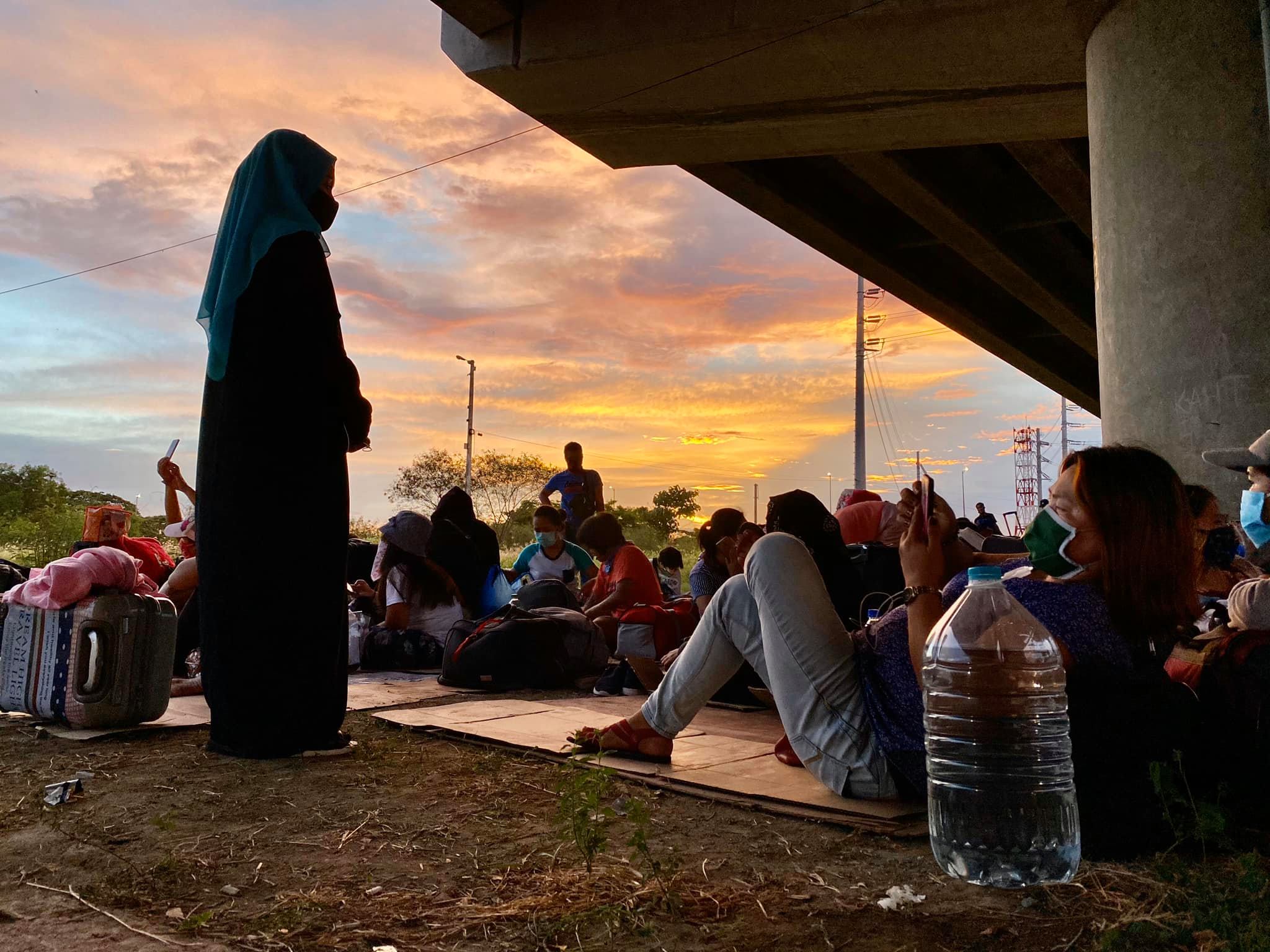
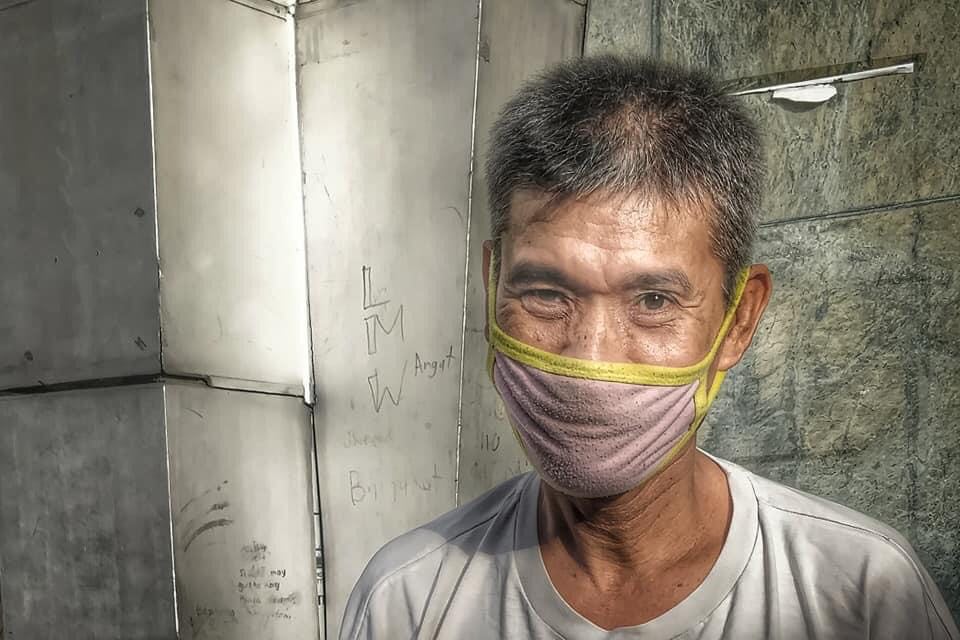
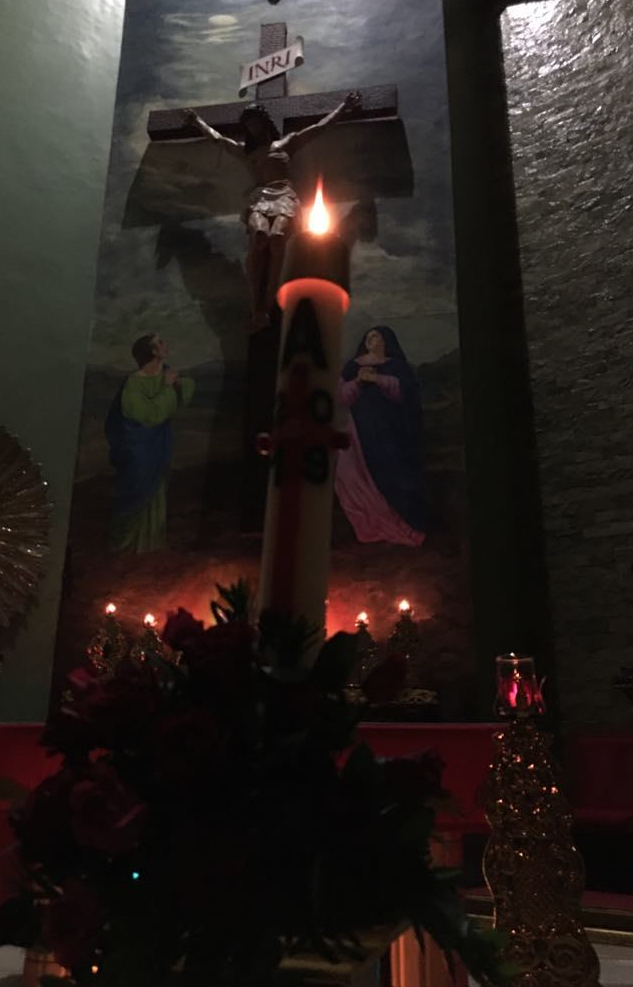
*Mga larawan sa itaas ay mula kay G. Raffy Tima ng GMA-7 News maliban sa una at huling larawan na mula sa GMA News.
The Lord Is My Chef Sunday Recipe for the Soul by Fr. Nicanor F. Lalog II
XIVth Sunday in Ordinary Time, Cycle A, 05 July 2020
Zechariah 9:9-10 >><)))*> Romans 8:9, 11-13 >><)))*> Matthew 11:25-30
From Google.
We now come to the conclusion of our series of teachings of Jesus about discipleship that began two Sundays ago when he asked us not to be afraid and to be “possessed” or overtaken by him to fulfill our mission of proclaiming his good news of salvation.
And so, we now ask, “Why should we follow Jesus and be his disciples, forgetting our very selves and still carry our cross? Have we not suffered enough especially in this pandemic?”
His answer: because unlike other lord and master, Jesus is the only one who is meek and humble of heart, full of compassion to everyone!
He is the only one truly with us in our pains and cries because before all these trials have come to us, Jesus was there first to suffer and die for us on the Cross so we can share in the grace and peace of his Resurrection, calling us with these comforting words….
“Come to me, all you who labor and are burdened, and I will give you rest. Take my yoke upon you and learn from me, for I am meek and humble of heart; and you will find rest for your selves. For my yoke is easy, and my burden is light.”
Matthew 11:28-30
Our desire for everything “lite” and easy
If there is anything that we all want at this time is a rest, a break from the heavy burdens 2020 has brought upon us all as individuals and as a nation, not only in the country but the whole world.
We all want things to be “light” and easy like before COVID-19.
The world has long been offering us everything that is “light” (also spelled as “lite”), claiming it to be the key to a healthy and fulfilling life that many products are labelled as lite — from cooking oil to mayonnaise, cheese and ice cream, soda and even brandy, beer, and cigarettes!
But they are all lies!
We still get fat and even sickly with those lite products because being light does not necessarily mean removing or taking away things that are heavy and “toxic” or difficult. Being light does not mean free from responsibilities and duties, or not having a cross and sufferings in life.
Life is difficult as M. Scott Peck insists in The Road Less Travelled, telling us that the sooner we accept this reality, the better we are in life.
It is the truth Jesus Christ has long been telling us, so timely to be reminded again this first Sunday of the second half of 2020 as we continue to hurdle more difficulties ahead in fighting COVID-19 as well as in dealing with a hosts of other problems it had created in the many aspects of our lives.
Today, the Lord is telling us that to be light in life, we have to come to him, be his disciple by taking his yoke and learning from him.
We all know from experience that anything becomes light, especially a burden and a problem, when shared with someone who loves us, someone who cares for us, someone who believes in us. Many times, our problems and burdens need not be solved at all; they simply have to be shared with any one willing to accompany us.
Being light in life is having a companion to share with our burdens and woes because having these all by ourselves is indeed so difficult and impossible. That is the literal meaning of the Latin origin of the word companion – cum panis – someone you break bread with in a journey.
Jesus Christ is that only companion par excellence we can have for he is meek and humble of heart
Photo by Ezra Acayan of Getty Images, Baclaran Church, February 2020.
The gentle mastery of Jesus Christ
In the past two Sundays, Jesus spoke about ourselves and our dispositions to become his disciples. This Sunday, he speaks about himself as our Lord and Master, describing himself as “meek and humble of heart”.
Earlier at the start of his preaching in his Sermon on the Mount, Jesus spoke of true blessedness in the Beatitudes that actually gave us an image of himself as the Blessed One. Each beatitude speaks of Jesus Christ being poor in spirit, being meek, being merciful, being clean of heart, being a peacemaker, and being persecuted.
See that the third beatitude is how he also described himself today in the gospel, “Blessed are the meek for they shall inherit the land” (Mt. 5:5).
Very interesting is the fact that in his Sermon on the Mount when he preached the Beatitudes, Jesus was presenting himself to the people as the “new Moses” who gave them the Ten Commandments of God at Mount Sinai. As the most towering figure among the Jews, Moses is also described as “very meek, more than all men that were on the face of the earth” (Numbers 12:3)!
Meekness of Jesus: focusing more on persons than letters of the law
In calling us to come to him to take his yoke and learn from him for he is meek and humble of heart, Jesus is telling us that indeed, he is the new Moses in whom pure goodness is found. And even more surpassing than Moses because Jesus himself is the Law and its fulfillment. Unlike in Moses wherein the people focused more on the letters of the laws, Jesus our Lord insists more on the person, always reminding us that “Sabbath was created for man, not man for sabbath.”
But the most beautiful key in understanding the meekness of Jesus is found in our first reading which we also hear proclaimed on Palm Sunday:
Thus says the Lord: Rejoice heartily, O daughter Zion, shout for joy, O daughter Jerusalem! See, your king shall come to you; a just savior is he, meek, and riding on an ass, on a colt, the foal of an ass. He shall banish the chariot from Ephraim, and the horse from Jerusalem.
Zechariah 9:9-10a
Photo from Google of an ass considered as the dumbest creature on earth.
Unlike the proud masters and rulers of the world, Jesus our Lord and King entered Jerusalem riding on an ass in fulfillment of this part of the Old Testament.
Here we find Jesus as the exact opposite of the kings and rulers of the world whose kingship does not depend on political and military might, no exercise of brute force and power characterized by the chariots and horses of his time.
Meekness of Jesus: oneness with us his people
In this beautiful imagery of Jesus riding an ass considered as the dumbest creature on earth we find Christ’s inmost being of humility and meekness before God and men. No display of arrogance and shameless feelings of entitlements like our officials in the government and military. Most of all, Jesus riding on an ass illustrates his oneness with us all because the ass is the means of transportation of the poor, of the common tao.
Here is the meekness and humility of Jesus Christ — his being one with us in our brokenness and poverty, pains and hurts. You can really experience him especially in this time of the corona when everything seems to be getting worst than better, when everybody is trying to make ends meet amid the economic crisis with Jesus never abandoning us in our darkest moments of uncertainties, fears, hunger, and sadness.
At the rate things are going, we have nobody else to turn to at this time but Jesus our Lord. We have to muster all our faith in him, deepen ourselves in prayer because we cannot rely on our officials who cannot even get a clear data on COVID-19 infections nor even a sound plan in addressing this pandemic despite the longest days of lockdown in the world and loans from abroad.
And we all feel so hopeless, disgruntled and so disgusted especially with the public officials and those from congress and the police who are oblivious to our sufferings and hardships in this time of the corona as they shamelessly flaunt their privileges and exception to the rules.
How can we heal as one when in the first place they are not one with us?
Discipleship in Christ is life in the Holy Spirit
Despite all the irresponsibilities and inanities of the government, we choose to be like our Lord and Master Jesus Christ in bearing all pains and hardships in his holy name, always hoping that this experience can lead us to more meaningful lives as citizens of the republic.
We choose the path of non-violence despite the government’s militaristic response to the crisis aggravated by the legislative’s dangerous foray into more draconian measures to silence critics of the administration.
It is so tempting to fight back and forget all about meekness and humility but that is not the way of Jesus Christ.
In the second reading, St. Paul reminds us of the fundamental choice that lies before every disciple of the Lord: to live in solidarity with Christ empowered by his Spirit, or to live in solidarity with the old humanity enslaved to sin.
May we choose Jesus because he alone is meek and humble of heart, in him alone can we find rest because his yoke is easy and his burden light. Amen.
The Lord Is My Chef Breakfast Recipe for the Soul by Fr. Nicanor F. Lalog II
Friday, Feast of St. Thomas, Apostle, 03 July 2020
Ephesians 2:19-22 >><)))*> <*(((><< >><)))*> <*(((><< John 20:24-29
Thank you very much, dearest Jesus, in founding your church upon your Apostles who were all like us: full of flaws and weaknesses, faults and failures, sins and imperfections.
Every time we celebrate their feasts, you remind us of your call to be near you like the Apostles despite our sins and inadequacies, to be sorry and make amends to return to you to be built into a dwelling of the Holy Spirit.
Brothers and sisters: You are no longer strangers and sojourners, but you are fellow citizens with the holy ones and members of the household of God, built upon the foundation of the Apostles and prophets, with Christ Jesus himself as the capstone. Through him the whole structure is held together and grows into a temple sacred in the Lord; in him you are also being built together into a dwelling place of God in the Spirit.
Ephesians 2:19-22
Help us, Lord Jesus, to be like St. Thomas your Apostle who came but doubted, returned and saw you a week later and believed, declaring “My Lord and my God” upon seeing you.
But what did St. Thomas really see that he believed?
Then he said to Thomas, “Put your finger here and see my hands, and bring your hand and out it into my side, and do not be unbelieving, but believe.” Thomas answered and said to him, “My Lord and my God!”
John 20:27
Through St. Thomas, you have blessed us and helped us, dear Jesus to believe in you not in seeing your face but more in seeing and feeling your wounds.
How wonderful, O Lord!
It is not your face but your wounds that enable us to recognize you and believe in you.
We will never see your face in this lifetime, Lord, but every day in our trials and sufferings, in our pains and hurts, in our wounds and woundedness, in our brokenness — there you are most present in us and among us.
Heighten our awareness of your presence, to accept pains and sufferings for your love and mercy so we may deepen our faith in you, following you always in your path of the Cross.
Like St. Thomas, may we follow you closely at your Cross, offering ourselves like you to be broken and shared so that in our wounds and woundedness, others may find healing, most especially you, sweet Jesus. Amen.
The Lord Is My Chef Breakfast Recipe for the Soul by Fr. Nicanor F. Lalog II
Wednesday, Week XIII, Year II in Ordinary Time, 01 July 2020
Amos 5:14-15, 21-24 <*(((><< <*(((><< >><)))*> >><)))*> Matthew 8:28-34
Photo by Mr. Raffy Tima of GMA7 News, Taal eruption, January 2020.
Praise and glory to you O God our loving Father for this brand new month of July! It is our hope this month will be kinder and more gentle with us than June. It is our hope that this July, we can all come closer to you doing what is good, what is right.
Seek good and not evil, that you may live. Then truly will the Lord, the God of hosts, be with you as you claim! I hate, I spurn your feasts, says the Lord, I take no pleasure in your solemnities… Away with your noisy songs! I will not listen to the melodies of your harps. But if you would offer me burnt offerings, then let justice surge like water, and goodness like an unfailing stream.
Amos 5:14, 21, 23-24
Most of all, through your Son Jesus Christ our Lord, it is our hope O merciful Father that beginning today we start to reject and shake off evil from our lives, from our very selves.
We have not only sinned, O sweet Jesus; worst part of our sinfulness is how we have accepted sin and evil as a way of life, as a part of life itself with our usual excuses and arguments “wala nang magagawa, nariyan na yan, hayaan na lang” (there’s nothing that can be done, just accept it).
We have got so used to immoralities and lies that we simply accept them as facts of life.
Like those people at Gadarenes where two demoniacs have terrorized them for some time that “no one could travel by that road” (Mt.8:28).
But when you came, Lord Jesus and drove the demons into entering the herd of swine that jumped and drowned into the sea, the whole town came out to meet you and begged you to leave their district!
Instead of being thankful, they begged you to leave, Lord, because you have disturbed their lives so used to the demons. They have failed to see how two people were finally healed and exorcised. Most of all, they have refused to accept the new order in their place.
What a silly turn of events that continues to happen day when people have grown so used to evil and sin, refusing changes and conversion.
How sad that whenever we make a stand for what is right and good, what is true and just, we are the ones made to suffer, even persecuted for bringing order because we have disturbed the evil that people have been used to.
We pray for those who continue to fight injustice and immoralities in our communities, in our church that they may always be guided and strengthened by the Holy Spirit.
And we pray for those among us who have lost the sense of sinfulness, of living with sin and evil and yet continue to worship and praise you O God. Amen.
The Lord Is My Chef Breakfast Recipe for the Soul by Fr. Nicanor F. Lalog II
Tuesday, Memorial of the First Martyrs of the Holy Roman Church, 30 June 2020
Amos 3:1-8, 4:11-12 >><)))*> <*(((><< >><)))*> <*(((><< Matthew 8:23-27
First Martyrs of the Holy Roman Church photo from ucatholic.com.
As we remember today, O Lord our God, the courage and fidelity of the first martyrs of Rome, we also pray for more martyrs and prophets who may inspire us to be your witnesses in this troubled time.
Or better still, make us one!
How sad that until now, we live in a time so similar with ancient Israel and ancient Rome where many of us turn away from you to worship money and other false gods, blinded by the material wealth and prosperity around us.
Many of us have become greedy and unjust in our ways to others especially the poor and marginalized.
Send us a prophet, Lord, like Amos who would dare to speak your words of truth, warning people who have gone astray.
The lion roars — who will not be afraid! The Lord God speaks — who will not prophesy! I brought upon you such upheaval as when God overthrew Sodom and Gomorrah: you were like a brand plucked from the fire; yet you returned not to me, says the Lord. So now I will deal with you in my own way, O Israel! And since I will deal thus with you, prepare to meet your God, O Israel.
Amos 3:8, 4:11-12
Increase our faith in you, O God, while at the middle of this great storm of COVID-19 pandemic worsened by many social upheavals happening around the world and right in our country.
Sometimes, we feel like the disciples of your Son Jesus, so terrified with the violent storm going on with waves almost swamping us.
Forgive us, Lord, when we panic because we sometimes feel that you do not care at all that we are perishing in the storm while you are “sound asleep”.
Fill us with your courage, sweet Jesus, to give witness to you like the martyrs of Rome who chose death than be one with the modern Neros of our time who lie and mislead many others into evils and sin. Amen.
The Lord Is My Chef Breakfast Recipe for the Soul by Fr. Nicanor F. Lalog II
Monday, Solemnity of St. Peter and St. Paul, Apostles, 29 June 2020
Acts of the Apostles 12:1-11 >><)))*> 2 Timothy 4:6-8, 17-18 <*(((><< Matthew 16:13-19
Photo from americamagazine.org.
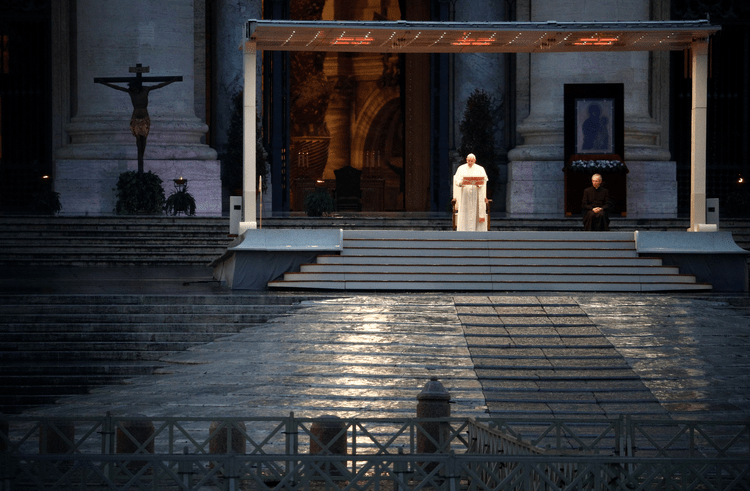
As I prepared to celebrate today’s Solemnity of the two pillars of the Church you have established, Lord Jesus Christ, that image of your Vicar and St. Peter’s successor, Pope Francis delivering his extraordinary Urbi et Orbi message last March 27, 2020 before an empty St. Peter’s Square flashed into my mind, something like a deja vu.
It is a holy deja vu, Lord, of St. Peter’s experience in prison on a Sunday night…
In those days, King Herod laid hands upon some members of the Church to harm them… he proceeded to arrest Peter also – it was the feast of the Unleavened Bread – he had him taken into custody and put in prison under the guard of four squads of four soldiers each. He intended to bring him before the people after the Passover. Peter thus was being kept in prison, but prayer by the Church was fervently being made to God on his behalf. Suddenly the angel of the Lord stood by him and light shone in the cell. He tapped Peter on the side and awakened him, saying, “Get up quickly.” The chains fell from his wrists. The angel said to him, “Put hi on your cloak and follow me.” So he followed him out, not realizing what was happening through the angel was real; he thought he was seeing a vision.
Acts of the Apostles 12:1, 3-5, 7-9
It is happening again, Lord, when we are all in great darkness due to this COVID-19 pandemic.
How blessed are we, O Lord, here with us in the midst of this pandemic is Pope Francis, St. Peter’s successor and St. Paul’s reminder to continue in proclaiming your Gospel in season, out of season.
Keep him strong and inspired always in order to lead us through this dark 2020.
We pray, O dear Jesus, for our Church especially here in the Philippines.
Our churches remain closed, some of our leaders are under attack while some of them along with our fellow workers are so afraid, so timid, abandoning their flock in this crucial moments of tests. Others are so concerned with trivial things, pursuing positions, fame, and wealth.
Have mercy on us, Jesus in veering away from your person and your Cross.
Strengthen us your Church, Lord, especially Pope Francis and all the bishops and priests, to always be aware of the angels you are sending us to deliver us from so many dangers in this time of crisis.
May we avoid “over thinking” that results into “analysis paralysis” that we forget to focus and do the more important things at this time which is to accompany, to be one with your flock now under various attacks not only by the corona virus but the diseases of indifference and convenience.
May we your body, the Church continue to pray with confidence, remembering your own pasch that brought us to salvation as we thank you too in keeping us safe and alive since March.
Give us the courage of St. Paul to take this period of pandemic and crisis as a form of pasch for each one of us, that we may willingly die in our selves and offer ourselves to you through others as an offering through worship with our loving service to one another.
May we keep our sights focused on you alone, Lord Jesus, the Christ of the living God sent to make us one.
Like St. Peter and St. Paul, though they were poles apart in their personalities and backgrounds, they were united in serving you, working for you by seeking only your face, your voice, your will and your presence.
May we keep in mind that when we fail to know you, Lord, that is when people fail to know and meet you too like the people of your time who claimed you were one of the prophets
Yes, the situations today may be like a holy deja vu from the past but you are definitely and truly present among us in this time of crisis.
St. Peter and St. Paul, pray for us!
Amen.
St. Peter by ecclesiastical artist Willy Layug at the Malolos Cathedral.
St. Paul by ecclesiastical artist Will Layug at the Malolos Cathedral.
The Lord Is My Chef Breakfast Recipe for the Soul by Fr. Nicanor F. Lalog II
Monday, Memorial of Sts. Thomas More and John Fisher, Martyrs, 22 June 2020
2 Kings 17:5-8, 13-15, 18 ><)))*> ><)))*> ><)))*> Matthew 7:1-5
Photo by Dr. Mai Dela Peña, Tokyo, 2018.
Today we praise and thank you O God for two great saints of modern time who remind us that holiness is for everyone in all seasons because you are always relevant in every age, in every nation.
St. Thomas More and St. John Cardinal Fisher, two great men who taught us more than 500 years ago the need for us to be faithful to you and your Church than with the modern world and its modern thoughts, of the need for us to fight and oppose all forms of tyranny of men especially of those in power that always have impact on everyone especially those with less in life who take the brunt of such sinful excesses.
Both men were martyred because of their refusal to go with England’s King Henry VIII’s divorce from his first wife and eventual break from Rome and the Pope.
Both men, especially St. Thomas More who was a diplomat-lawyer and a family man, showed us that though we are in this world, we are not of the world; though we are citizens of the city of man, we are first of all citizens of the city of God.
How sad that we have refused to learn the value of their lessons of obeying you, our loving Father in heaven above all.
In fact, it was also the problem with Israel in the first reading when its capital city of Samaria fell into the hands of the Assyrians due to the people’s infidelities to God.
May we realize that every time we turn away from you O Lord, we turn away also from one another and go on our selfish own ways in life that further divide us apart and bring us into destruction and ruins.
Through St. Thomas More and St. John Cardinal Fisher, help us O Lord to examine our very selves, to see our own wickedness and shortcomings so we may effectively fight tyranny and deceit in this modern time. Amen.
The Lord Is My Chef Breakfast Recipe for the Soul by Fr. Nicanor F. Lalog II
Monday, Week XI, Year II in Ordinary Time, 15 June 2020
1 Kings 21:1-16 ><)))*> ><)))*> <*(((>< <*(((>< Matthew 5:38-42
Photo by Mr. Raffy Tima of GMA-7 News, stranded people staying at the underpass near the NAIA after waiting for so long to catch their flights back to their provinces since March.
So many times in life, O God our Father, we hear so many stories of injustice, of how our neighbors are treated so badly that we feel so disgusted at how it could happen at all.
Like all these stories of people stranded in Metro Manila, of the lowly income earners who have to walk for hours just to get to work because there are not enough public transport system allowed to operate.
Of those made to suffer the strict quarantine rules when police officials and politicians were allowed to get off the hook or, the arrest and incarceration of a poor, elderly jeepney driver who had joined a protest rally while the former First Lady who was convicted of corruption charges two years ago was spared of any jail term because of her age.
So much inequalities happening shamelessly, with much impunity by those in power, O Lord!
Exactly like the evil Queen Jezebel who instructed her people to find two scoundrels to testify against Naboth so she could take his vineyard so desired by her husband King Ahab.
Two scoundrels came in and confronted him with the accusation, “Naboth has cursed God and king.” And they led him out of the city and stoned him to death. When Jezebel learned that Naboth had been stoned to death, she said to Ahab, “Go on, take possession of the vineyard of Naboth the Jezreelite which he refused to sell you, because Naboth is nbot alive, but dead.” On hearing that Naboth was dead, Ahab started off on his way down to the vineyard of Naboth the Jezreelite, to take possession of it.
1 Kings 21:13-16
Such stories are so revulsive, O God, not only of their nature but more because partly to be blamed is us — when we have refused to do anything good in fighting evil. Indeed, the only thing necessary for evil to triumph is for good men to do nothing.
Yes, O God, we are ashamed because we have unconsciously sided with the scoundrels when we chose to “see nothing, hear nothing, and say nothing” of their lies, their harsh words and vulgarities, and their systematic killing sprees to solve the problems of the society.
We have misread the words of your Son Jesus Christ by becoming passive in the face of evil.
Jesus said to his disciples: “You have heard that it was said, An eye for an eye and a tooth for a tooth. But I say to you, offer no resistance to one who is evil. When someone strikes on your right cheek, turn the other one to him as well. Should anyone press you into service for one mile, go with him for two miles.”
Matthew 5:38-39, 41
Give us the wisdom and courage to turn our other cheek, to go the extra mile in asserting to evil doers that we are all brothers and sisters in Christ who must treat one another with respect and equal dignity as a person created in your image and likeness, God our Father.
Inspire us, O God, especially our leaders in the Church who have gone so timid and silent except for a very few on how we can be more prophetic in this time of crisis under an unfriendly government. Amen.
The Lord Is My Chef Sunday Recipe for the Soul by Fr. Nicanor F. Lalog II
Solemnity of the Most Holy Body and Blood of Jesus Christ, Cycle A, 14 June 2020
Deuteronomy 8:2-3, 14-16 )))+((( 1 Corinthians 10:16-17 )))+((( John 6:51-58
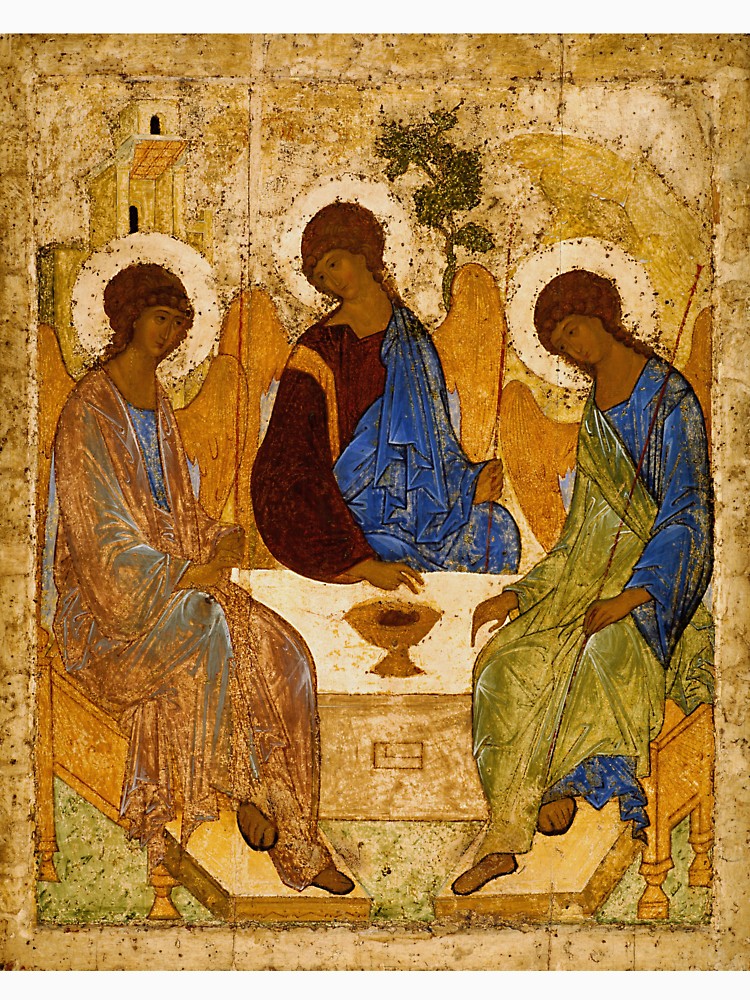
An icon of the Holy Trinity by Russian painter Anton Rublev. Photo from wikipedia.
Above is the beautiful 15th century icon of the Blessed Trinity by Russian painter Anton Rublev. It was based on the Genesis story of God (chapter 18) visiting Abraham at Mamre like angels sharing a meal while in deep conversations, indicating their relationships.
The icon masterfully portrays God as a Trinity of Persons relating with one another in love symbolized by the Eucharistic meal they share.
Most interesting like in most icons is how in this painting the viewer gets involved with the dialogue of the Trinity, thus, becoming the fourth person in the icon present with the Father, the Son and the Holy Spirit like Abraham at Mamre!
I am presenting this icon to you my dear readers and followers to show you the amazing flow of our liturgy these two Sundays as we resumed Ordinary Time on the Monday after Pentecost last month: From the highest truth in our teachings of One God in Three Persons last Sunday, today we have this Solemnity of the Most Holy Body and Blood of Christ to remind us and experience anew that this God we worship and adore is present among us, relating with us in the most personal manner.
Change in name, change of emphasis
Originally known as Corpus Christi or Body of Christ, today’s solemnity was renamed following Vatican II’s reform of the liturgy to give more emphasis on the celebration of the Holy Eucharist that the Preface used before the Consecration is that of Holy Thursday.
Holy Hour in our Parish, Sacred Heart Novena 2020
In the old tradition, focus was more on the Blessed Sacrament – of Jesus Christ reserved in the tabernacle and presented to the faithful for adoration as the Body of Christ, that is, Corpus Christi.
However, when Vatican II changed its name into the “Solemnity of the Most Holy Body and Blood of Jesus Christ”, there was something deeper than the change of name.
The new name challenges us to see the deeper reality of the Holy Eucharist: more than spending time praying before the Blessed Sacrament – though it is good – we are demanded as followers of Jesus Christ to be present like him with others.
Without disregarding the importance of the Blessed Sacrament that have seen a renewed interest among people in this time of corona while churches are closed, Vatican II’s shift in emphasis dares to challenge us disciples of Christ to emulate him in allowing ourselves to be broken for others, to be poured out, offered and shared especially in this time of crisis.
It is in our being broken like the Body of Christ, and poured out like his Blood do we really live the paschal mystery.
Jesus said to the Jewish crowds: “I am the living bread that came down from heaven; whoever eats this bread will live forever; and the bread that I will give is my flesh for the life of the world.” The Jews quarreled among themselves, saying, “How can this man give us his flesh to eat?” Jesus said to them, “Amen, amen, I say to you, unless you eat the flesh of the Son of Man and drink his blood, you do not have life within you.”
Our gospel today is not from the Last Supper as we might expect; instead, it is taken from the “Bread of Life discourse” found only in St. John’s gospel which took place after Jesus had fed more than 5000 people in the wilderness from just five loaves of bread and two pieces of fish.
It was a very decisive moment in the ministry of Jesus as far as St. John was concerned; in fact, he refused to call the feeding of 5000 as a “miracle” but as a “sign” that Jesus is the Christ, the awaited Messiah.
Here, we have Jesus speaking clearly, no matter how difficult it may be for his listeners and even for us.
And we wonder, why he spoke that way?
Even today in the Holy Mass, considering the mixed crowd we have in every celebration, the priest is obliged to speak clearly and distinctly the words of Christ at the Last Supper similar to his bread of life discourse, “Take this, all of you and eat it. This is my Body which will be given up for you.”
Jesus always speaks the truth, he always tells us what is true and he never misleads us.
Unlike us when we say something and mean another thing. We always have to speak in ways that has to be deciphered because we really do not mean what we say. Or we are afraid of saying something else because we prefer to please people than stand by what is true.
But not the Lord! From that day until now, Jesus says the same thing and means always the same, that he is always with us, in us, and among us.
And he has proven then and now, time and time again most especially in our personal lives, that indeed Jesus was sent down from heaven as the “living bread” because he is the “life of the world”.
More than the bread from heaven called manna sent by God to the Israelites during their journey in the wilderness into the Promised Land (first reading), Jesus is the bread who sustains us in our new “exodus” and journey into the Father’s house, into fulfillment.
Photo by Mr. Raffy Tima of GMA-7 News of the plight of stranded people opting to wait at an underpass nearest the airport in their desire to get home
Life an Exodus with Jesus leading us
This pandemic and life under quarantine is an exodus in itself calling us to go back to God, to rely solely in him for he alone can save us. That is why he gave us his only Son, Jesus Christ who in turn gave himself totally, Body and Blood to sustain us in this journey or exodus.
Every exodus is always painful but filled with grace because God is most present with us.
That is why we join Masses on television or the internet while others dare to go to churches for the actual celebration of Mass to receive Holy Communion.
We are convinced that Jesus is sustaining us, nourishing us, raising us, helping us, inspiring us in this time of crisis.
And that is why the more we need to pray and even celebrate the Mass because the more we need Jesus Christ as food and drink in this difficult journey.
We can all feel the stress and pressures of the difficulties and uncertainties of this time. Making things worst than the financial and physical sufferings we all go through are the psychological burdens we silently bear that unfortunately others do not seem to think of or even realize.
Mang Dodong who was held for 30 days for not having a quarantine pass while buying fish in Navotas. Photo from GMA News TV.
How sad when others think only of themselves of getting tired, of being hurt, of being misunderstood that they do not care at all with the feelings and well being of those around them like our callous politicians and officials in government and the police.
Sometimes, watching the news can be so depressing when we see all the troubles and sufferings our brothers and sisters have to go through like those stranded in Metro Manila, those separated from their loved ones, those subjected to discrimination because of the COVID-19, those living alone, those who have lost family members and friends, those who have lost many opportunities in life.
But at the same time, the more we are challenged by these sufferings of our people to be like Jesus, to be the living bread, to share with them Jesus who is our very life.
Let us heed the call of St. Paul in the second reading to be one with our brothers and sisters in Jesus Christ in their brokenness, in their sufferings by being present to them in love and kindness, in being more understanding.
We are the Body and Blood of Jesus Christ, his very presence in this world that continues to disregard him, that until now tries to live without him.
May we not fall into that temptation and sin that is largely the reason behind this pandemic: modern man has forgotten that no matter what is our situation in life, we remain poor before God who alone can fulfill our deepest desires and longings.
Despite the many difficulties we face especially with the continued closure of houses of worship, let us continue to work and find creative means in sharing Jesus Christ with others, in coming to him and receiving him in the Holy Communion.
Only Jesus can help us through this pandemic.
In fact, he was the first to die on the Cross by giving us his Body and Blood so that we may live and share his gift of life with others.
A blessed week ahead of you!
Photo by our parish choir member Gelo Nicolas Carpio, our Church at sunset last Sunday.
Quiet Storm by Fr. Nicanor F. Lalog II, 11 June 2020
Painting by Raphael (1515) of St. Paul preaching at Areopagus in Athens, Greece. From wikipedia.
With houses of worship still closed despite the opening of most business establishments, here is the final installment of reflection in our series on how the life and teachings of St. Paul may help us in our ministry during this time of COVID-19 amid a perceived government “persecution” of the Catholic Church.
There is no doubt that like during his time, St. Paul would be using modern means of communication to preach the Gospel of Jesus Christ especially in this most trying time of our history, using the internet as the new “Areopagus” with social media in particular.
Then Paul stood up at the Areopagus and said: “You Athenians, I see that in every respect you are very religious. For as I walked around looking carefully at your shrines, I even discovered an altar inscribed, ‘To An Unknown God.’ What therefore you unknowingly worship, I proclaim to you. The God who made the world and all that is in it…”
Acts of the Apostles 17:22-24
Social Communication
Perhaps before we go into our reflection, it is imperative especially for bishops and priests to be reminded anew of some important terms in communications; this is more than about names or nomenclature because for as long these terms of communications are not clear with us, all our evangelization efforts would be askewed as it is now showing with an explosion of online Masses and other religious celebrations.
First priority is to stop using the words “mass media” and even “social media” in our church communications because these are very limited in scope and context.
It is important to note that in the 2000-year history of the Church, it was only in Vatican II that we have issued a conciliar document on communication wherein the Fathers also introduced the term social communication as a new name for communications in the Church.
How sad that there are still bishops and priests using the terms “mass media” or “media” and lately “social media” when more than 50 years ago the Church through the inspiration of the Holy Spirit coined social communication to refer to “the communication of and in human society including all the ways and means used in this process” (Fr. Franz-Josef Eilers, svd, 2009 BISCOM-FABC, Bangkok).
Social communication is a very prophetic term because it is theological and rooted in God who is communication himself, sharing with us his power to communicate so we may also communicate with him and with others. Most of all, God continues to communicate with us and from that lies our task as a Church to communicate him to the world.
This is the reason why we have to keep on using this term “social communication” in our Church communications to keep us Christocentric, meaning, every communication in the Church and by the Church has Jesus as Message.
And that is essentially the kind of communication process followed by St. Paul the Apostle. In fact, reviewing his letters and the various accounts about him would show us that early, this great apostle has been into social communication, specifically “pastoral communication” that is an emerging field in Church communications whose realities have long been espoused by St. Paul himself.
Pastoral Communication
Pastoral communication is anchored on Jesus Christ, the “Good Shepherd” who sets himself as the norm and standard of our Church communications.
Jesus said, “I am the good shepherd. A good shepherd lays down his life for the sheep… I am the good shepherd, and I know mine and mine know me, just as the Father knows me and I know the Father; and I will lay down my life for the sheep.”
St. Paul has always been very clear with this in all his communications that towards the end of his life, he had beautifully written his disciple this wonderful piece:
Beloved: I charge you in the presence of God and of Christ Jesus, who will judge the living and the dead, and by his appearing and his kingly power: proclaim the word; per persistent whether it is convenient or inconvenient… For I am already being poured out like a libation, and the time of my departure is at hand. I have competed well; I have finished the race; I have kept the faith.”
2 Timothy 4:1-2, 6-7
Communicating Jesus Christ is always about self-sacrifice, about giving of one’s self like our Lord and Master. In whatever form of communication we use, it is always a call to “enflesh” the Word. In short, communication is spirituality that indicates the kind of relationship we have with God. How we reflect that relationship with God in words and in deeds, in our clothings and everything is communication.
Like St. Paul, he was able to offer himself wholly to God as reflected in his writings and preaching because he was more concerned with the needs of the flock and not with his own needs.
And this is where I sadly feel our bishops sorely absent and silent except for just two, Lingayen-Dagupan’s Archbishop Soc Villegas and Manila’s Apostolic Administrator Bishop Broderick Pabillo.
Where are the other bishops?
Business establishments are almost all opening, even dine-in restaurants and yet, until now for no valid reason, the government continues to ban religious mass gatherings except for maximum of ten persons in areas under GCQ.
When are the bishops and priests going to speak out against this and open the churches so people may be spiritually nourished?
What an auspicious time for the clergy and hierarchy to speak against this continued closure of churches as we are on the eve of our 500th year of Christianization when under serious persecution. Has the Church grown timid in the face of an unfriendly government?
Worst are some priests who seem to follow more the secular world in their digital presence but empty of Jesus Christ, concerned only with popularity measured in number of likes and shares as well as followers.
Many of us have become more of personalities than as priests and ministers, unconsciously trying to be more popular than the Lord himself that we no longer have sacrifice of the Mass but a variety show, complete with sound effects and digital characters, some wit dance numbers and raffles!
When God is displaced, then our love is misplaced, then, we lose all communications too.
Communication is more than the expression of ideas and the indication of emotion. At its most profound level it is the giving of self in love. Christ’s communication was, in fact, spirit and life. In the institution of the Holy Eucharist, Christ gave us the most perfect and most intimate form of communion between God and man possible in this life, and, out of this, the deepest possible unity between men. Further, Christ communicated to us His life-giving Spirit, who brings all men together in unity. The Church is Christ’s Mystical Body, the hidden completion of Christ Glorified who “fills the whole creation”. As a result we move, within the Church and with the help of the word and the sacraments, towards the hope of that last unity where “God will be all in all”.
Communio et Progressio # 11
From Google.
Problem with online Masses and religion
Every communication presupposes presence. That is essentially the meaning of God’s “I AM” in the burning bush to Moses and the “I AM” declarations by Jesus in the New Testament, especially in the fourth gospel where we find him saying “I am the good shepherd”.
Even St. Paul in his letters always began with his standard salutations like “I, Paul…” to indicate his very presence among his “parishioners”.
However, in the digital media, presence is not so essential and can even be faked both ways, either by being “taped” or “replayed” by viewers.
And there lies the great danger of online Masses and other celebrations: whether we like or not, online religious celebrations give the impressions on people that God is a “consummable”, a product or a show that can be had when most convenient to us like video on demand or the streamed shows of Netflix.
That is why we have to open churches soon to stop these online Masses except for those in the Cathedrals and in existence long before COVID-19 that cater to the needs of the sick and elderly in their homes.
Pope Francis has always been clear with this, stressing that these online Masses and religious celebrations are very temporary due to the extraordinary situation brought about by the pandemic.
From Pinterest/Aleteia.
Imagine the problem at Corinth that reached St. Paul’s attention, prompting him to write them another letter to reprimand them but at the same time to encourage them to mend their ways. It was a problem of abusing the Eucharist when St. Paul was no longer with them.
It is the same thing happening in many of our online Masses that have become variety shows to impress viewers. Long before we got into this lockdown, many priests have crossed the boundaries without knowing they have made fools of themselves as they rely more on “likes”, on being viral or trending, dishing out shallow reflections covered with cute song numbers, litany of greetings on air, and so many other inanities that Jesus is lost in the process.
Unfortunately, many laypeople are now also having their own digital preaching or evangelization with their own “productions” taking their cue from their showbiz pastors.
If St. Paul were with us today, he would surely write again to express his dismay at the people seeking more of entertainment than having Jesus Christ.
“But I am afraid that, as the serpent deceived Eve by his cunning, your thoughts may be corrupted from a sincere and pure commitment to Christ. For I think that I am not in any way inferior to these “superapostles”. Even if I am untrained in speaking, I am not so in knowledge; in every way we have made this plain to you in all things.
2 Corinthians 11:3, 5-6
Church communication is Jesus Christ and his Cross as St. Paul reminds us in his writings (1Cor.15:1-3); it is never about techniques or gadgets.
Though we need to be present online, the cutting edge of real communication remains in pastoral communication that means being present with others who need us most including those without internet access, witnessing to the values of Jesus in relating with people, bringing people together into a communion and helping them find answers in their search for meaning and directions in life, in making the right choices and in living their convictions and faith.
What we are speaking of are real people, persons and lives that matter so much, more precious than goods and commodities.
Let us not fall into the trappings of this “media revolution” that made one futurologist describe our contemporary society as
Technologically Intoxicated Zone defined by the complicated and often paradoxical relationship between technology and our search for meaning.
John Naisbitt
According to Naisbitt and other experts, while people prefer quick fixes online of everything, from religion to nutrition, while at the same time fearing and worshipping technology that had blurred the distinction of what is real and fake, the more they live their lives distanced and distracted — something we are already seeing even before the coming of social distancing!
To communicate in the Church at this time is to imitate St. Paul: be present for and with the people wherein we help them find their way to God by being their companions and “co-journeyers” in life, witnessing to them the Cross of Jesus Christ with our very lives as an offering and sacrifice, not as a commodity or a show to be “liked” on Facebook and Instagram.
And, lest we forget, it is God whom people must follow and worship, not us.
So be imitators of God, as beloved children, and live in love, as Christ loved us and handed himself over for us as a sacrificial offering to God for a fragrant aroma.
Ephesians 5:1-2
Pope Francis praying before an empty St. Peter’s Square last March 27, 2020 at the height of COVID-19 in Italy.