Quiet Storm by Fr. Nicanor F. Lalog II, 19 June 2024
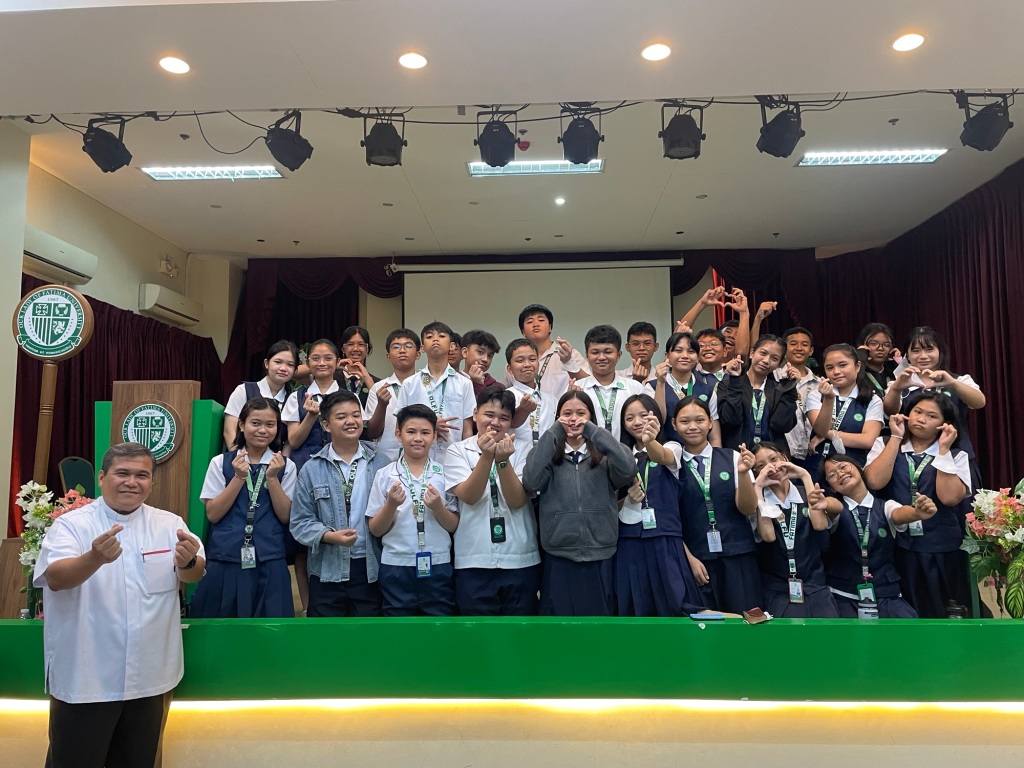
With our Grade 7 Students in our San Fernando, Pampanga campus last March.
In my 26 years in the priesthood, the primary reason I have always objected to divorce aside from its being against the teaching of the Lord are the children. When couples separate, their children suffer the most.
Whenever I would speak to couples getting married, I always insist on this important aspect of marriage, of having children, of how this life calls for much maturity and responsibilities from husband and wife to ensure a bright future not only for them but for humanity. From them will come children and future generations. The kind of life they surely affects their children for better or for worst. And there is our future.
Marriage is not a question or a thing based on luck – the Sacrament and grace of God are not everything. Couples need to work harder and pray hardest to keep their union strong in faith, hope and love so that they would have good children who shall be matured and responsible Christians and citizens.
Praying with our students in our main campus in Valenzuela City.
Allowing divorce is opening the floodgates of so many abuses and excuses that will surely destroy the basic unit of the society, the family. Very often in my interaction with students from separated parents, they always have two wishes: that their parents would not separate or if still possible be reunited; and the second, how they wished they were not born to experience all pains and difficulties of having parents on the verge or already separated.
Very sad. Even tragic.
That is why the more I find meaning in my priesthood assigned in the school. Actually, it is more difficult than being in a parish but most fulfilling as I get to see my students mature and bloom, though there were times some of them got lost or went wayward in their lives.
My first assignment after ordination was as administrator-teacher of our diocesan school in Malolos for 11 years, the Immaculate Conception School for Boys (ICSB) and Immaculate Conception School of Malolos (ICSM). In 2011, I literally begged our bishop to assign me to a parish as I have never experienced being a pastor. During our grand reshuffle in 2021, our new bishop assigned me anew as chaplain here at my present assignment at the Our Lady of Fatima University (OLFU) in Valenzuela and its five other campuses.
Every day in my encounters and engagements with students in the sacraments and casual talks, the more I feel my “fatherhood” – here are thousands of kids longing for a dad, a father. Many times I tease God, asking Him if this is the reason why we priests do not get married so that we could take care of somebody else’s children?!
What a joy that even for a brief moment I become a dad for many of them in my stories and teachings. And presence.
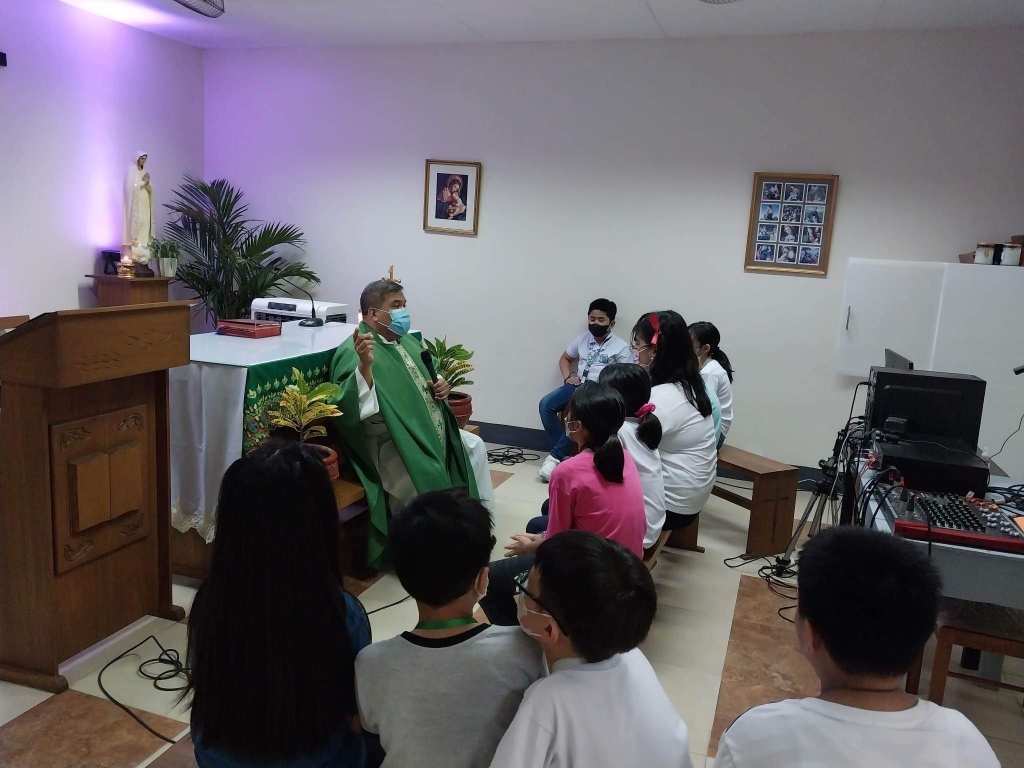
Speaking to our elementary students after their weekly Mass in our Valenzuela campus.
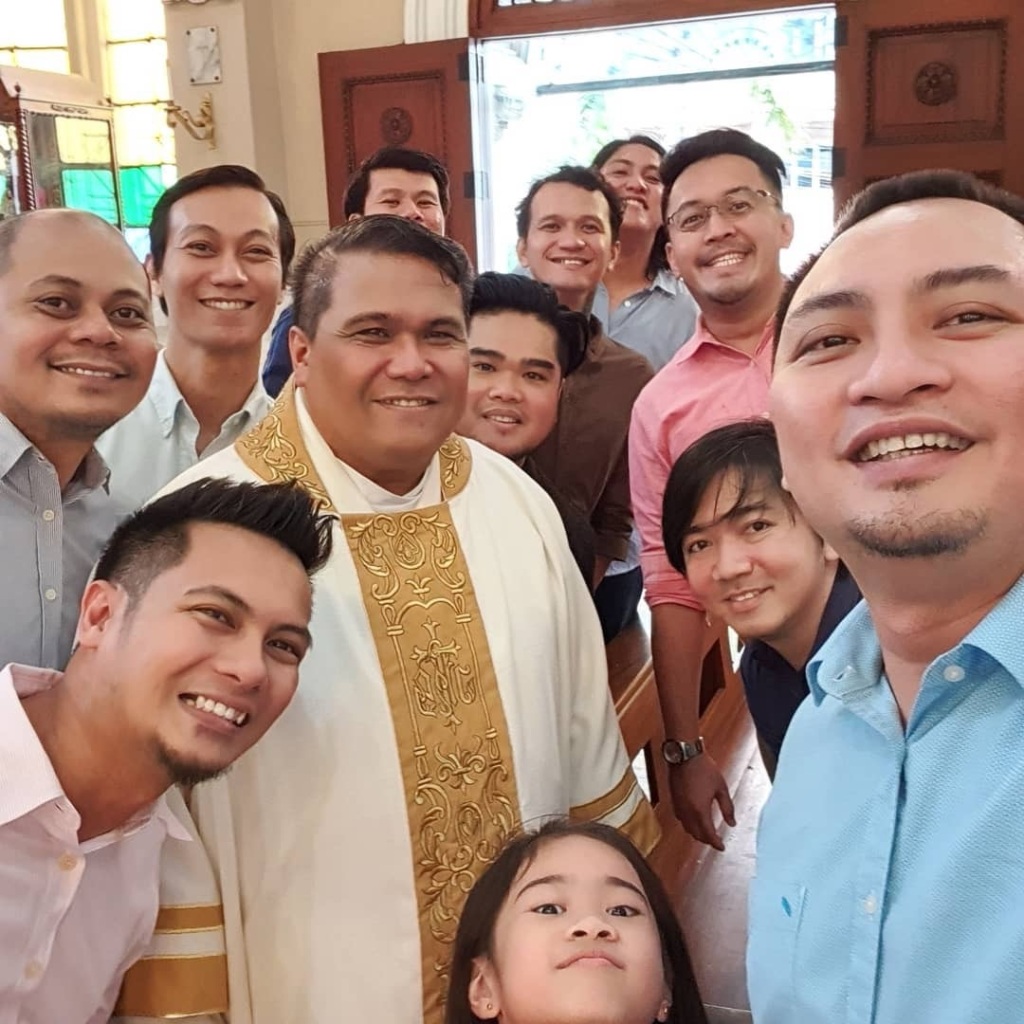
That is why I feel so glad and proud of many of my students especially from ICSB who have turned out so well as responsible dads and faithful husbands to their wives. One of them was Micah who asked me to officiate his wedding to Lery shortly before the pandemic in 2020.
The homily I prepared for their wedding was actually a review of the five important things I used to tell Lery and all my students in ICSB to have in their pocket as a man: handkerchief, money, pen, comb, and Rosary.
Lery at my back in another wedding of his classmate in January 2020.
Micah and Lery are happily married with two kids and a third coming in eight months. They all live abroad where Micah is working.
Most of his barkada are also happily married, many abroad too like him.
I send them my prayers and reflections once in a while as I remember them all in prayers, hoping their marriage will remain strong, that they – and their kids – would truly be icons of the love of God in Jesus Christ. Amen.
Yes! I have proven this most truest when we pray for the sick, especially for babies and children. And when we are also sick or, very sick.
The late Fr. Henri Nouwen said in one of his writings that “life is precious because it is fragile.” I have gradually grasped and experienced this most wonderful truth of life only these past two years when I was assigned as chaplain at the Fatima University Medical Center in Valenzuela City.
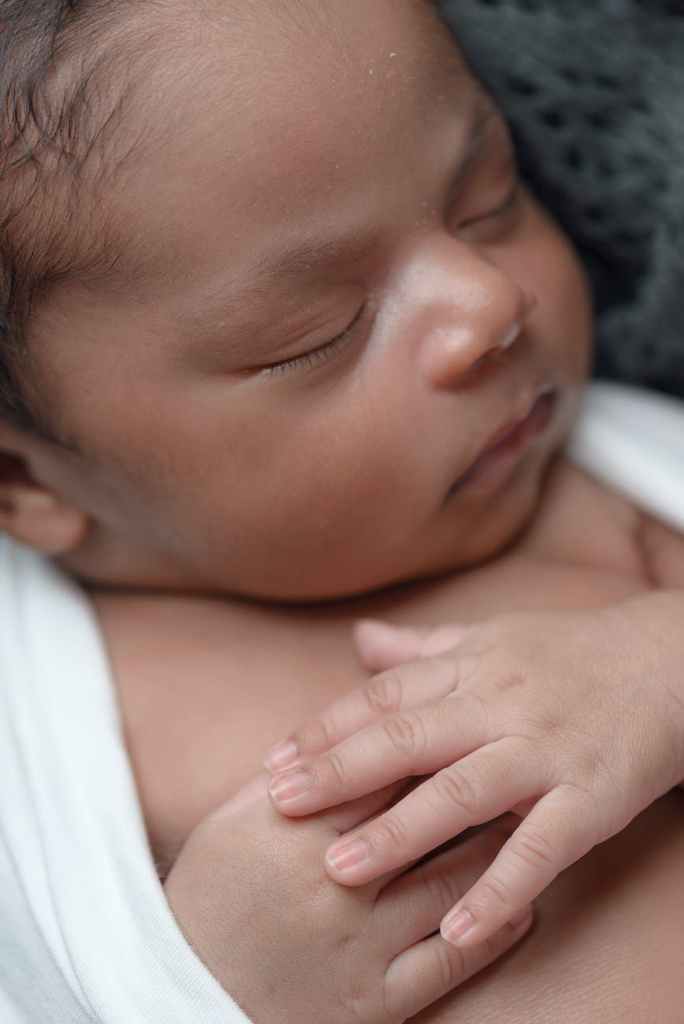
Every Sunday after Mass at the University chapel, I visit our patients to bring them communion (viaticum), hear their confessions and anoint them with oil. One of our patients last Sunday was a young mother named Rachel who delivered a sickly baby boy Saturday with difficulties in breathing.
Rachel was crying when we entered her room. After receiving the Communion, she asked me to visit and pray over her baby at the Neonatal Intensive Care Unit (NICU). I readily said yes to her request then asked her if I can baptize her baby and what name would she like to give him. “Daniel Steven, Father,” she said softly as she wiped her tears.
After putting on my hairnet and gown and slippers, the nurse led me inside the NICU where I saw two doctors and three nurses gathered around Rachel’s baby. Soon enough, both doctors came to me to explain the delicate – “toxic” – situation of the infant as we walked closer to him.
It was “solemnly silent” inside the NICU that morning with the warm light above the baby giving that holy feel like being before a Belen or a creche; the scene was so “disarming” that I just felt praying to God deeply from my heart, begging him to please bless and heal this baby who is much like Jesus Christ who was right away subjected to dangers upon birth in Bethlehem. I prayed too to God to remember Christ’s special love and concern for children, warning anyone who would harm them that angels look after them (Mt. 18:10) to keep them safe always.
At that moment, the baby opened his eyes – and sparkled as I saw his face lit up despite the little tubes connected to him. At that instance, I just felt something like a giant wave gushing within me like a tsunami and, boom! I burst into tears as if that giant wave inside washed me.
It was a very good cry, like a catharsis, so pure that seemed to have cleansed me resulting in joy within with the baby seemed to be looking at me, making sounds from his little mouth.
“My God, did he hear me praying?” I asked myself while standing there, praying with my arms still outstretched as tears rolled profusely to my face mask. After a few minutes, I wiped my tears and came forward to pour Holy Water on his head, saying, “I baptize you, Daniel Steven, in the name of the Father and of the Son and of the Holy Spirit. Amen.”
I have visited many sick children in our hospital with the most unique even bizarre sickness and diseases and accidents. They have all moved me in pity but it was only Daniel Steven who had made me cry.
That moment when he opened his eyes and “looked” at me even though I knew infants could not recognize nor actually see, I felt God was ultimately the one really looking at me, listening to my prayers. At the same time, it was then when God fully opened my eyes and my heart to see him in baby Daniel as the One always listening to our prayers especially when we are facing dangers like death – the greatest and ultimate danger we all face in life. It is in such moments of great dangers when God is most closest to us in Jesus Christ who became human like us to be one with us in everything including death (but except sin).
Less than 80 days from now it would be Christmas but, have we realized this reality of how Jesus Christ have seriously faced death right after his birth being born in an “unsanitary” manger to being transported in harsh conditions to Egypt when Herod tried to kill him?
It is in sufferings and death when we truly experience the preciousness of life, the value of every person, no matter how small like a child or how old like any senior citizen. It is in the face of death when we are most human, truly and naturally weak and fragile that we also realize deeply, existentially the meaning of being alive when we are close to its end. That is when we feel life is precious because that is also when we feel it slipping away from us, slowly losing it.
That fragility of life is most evident when we struggle for breath, gasp for air, and reach out to someone’s hands to hold and clasp in order to rise again, to cling to another human and simply to be alive. From that we experience life’s meaning and value when it is shared and lived in God who is life himself through others. That is why we also feel closest to him at those moments when we see those sick and suffering and dying when we are close to God who comes most nearest to us in those grave moments.
Back in 2007 when I was in my first assignment as one of the teacher-administrators of a school in Malolos while we concurrently ran a parish, I felt burned out being there since 1998. One Friday afternoon during a Holy Hour, I begged God to give me one good reason why I should stay in that assignment when I was asked to answer a sick call in a nearby hospital. When I got in the hospital, the doctors and nurses were resuscitating the patient I was supposed to anoint.
Quickly upon seeing me, they let me come to the patient to pray over him and anoint him with oil. After that, I stayed in the room to watch the doctors and nurses struggled to revive the patient. Then another doctor arrived who turned out to be the son-in-law of the dying patient (also an ex-seminarian ahead of me in the minor seminary). After conversing with them, that doctor told them to stop the procedures as he would explain everything to his wife, the daughter of the patient.
Soon enough, the patient flatlined and died. His son-in-law called me and told me the patient had died and if I could bless him again. I did bless him again with Holy Water. As the doctor thanked me for being there at that crucial moment, I also thanked God for listening and answering my prayer in giving me a sign why I should remain in my assignment. What a precious sign he had given me, the first patient I have seen dying in front of me.
Now as a hospital chaplain, I have lost tracked of how many patients have died before me after praying and anointing them. But in each one of them, I have felt God present among us, saving their souls in eternity. But most of them, God had kept alive and healthy until now because he always listens to our prayers. Amen.
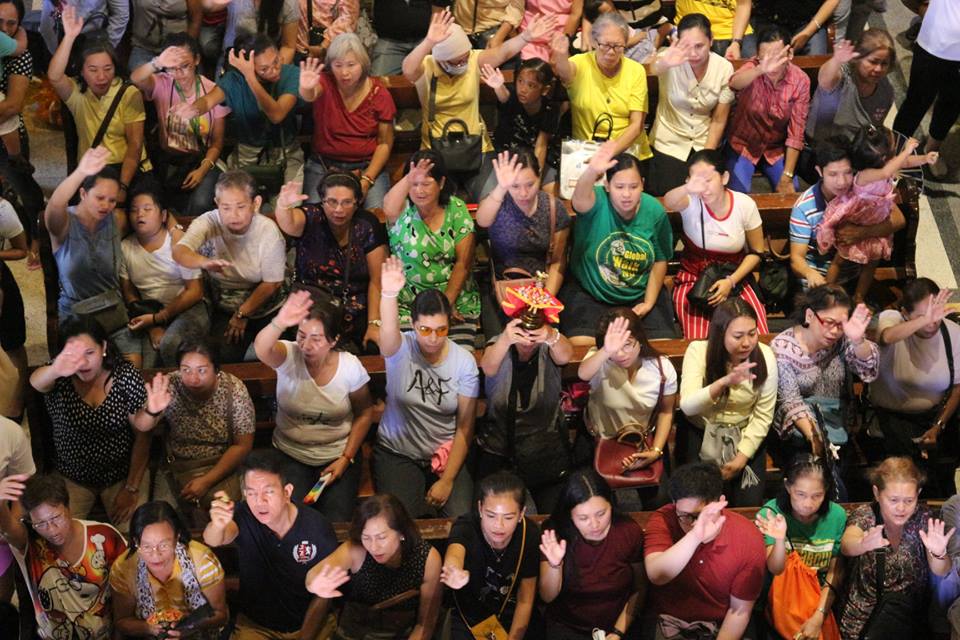
Photo by Mr. Red Santiago of his son Cayden praying in our former parish in January 2020.
*Daniel Steven is still in the NICU, fighting for his life that is so fragile, so delicate. And most precious. Doctors said these first 72 hours are very crucial. Please help us pray for him so he would get better and live life into maturity like most of us. Thank you.
The Lord Is My Chef Daily Recipe for the Soul by Fr. Nicanor F. Lalog II
Homily, Solemnity of the Most Sacred Heart of Jesus, 16 June 2023
Deuteronomy 7:6-11 ><}}}*> 1 John 4:7-16 ><}}}*> Matthew 11:25-30
Photo by author, Sacred Heart Novitiate, Novaliches, Quezon City, 20 March 2023.
It has been two months since I celebrated by silver anniversary of ordination to the priesthood. Until now, I still continue to reflect and relish on this immense gift of priesthood, still asking with the same sense of awe and wonder since ordination day, “why me, Lord?”
As I reflected this week the Solemnity of the Most Sacred Heart of Jesus which is dedicated for the sanctification of us priests, I have realized how I have remained the same sinful, insecure and fearful man ordained 25 years ago with my six other classmates. As I get closer to becoming a senior citizen in 2025, the more my past sins and stupidities, carelessness and vices are coming back like “Facebook Memory”, reminding me how I have them kept under control, that they could burst and be out in the open if I get careless.
But in the midst of all these darkness and weaknesses still in me, the more I feel so blessed and consoled, and overjoyed by the fact that I still have that same desire to proclaim Jesus Christ to everyone, of how beautiful this life is because of the Lord’s immeasurable love for each of us. Whenever I look back to my past with all my sinfulness and weaknesses amid my getting older, the more I am eager to make Jesus known to everyone while I am still strong and able. There is that feeling of being like St. Paul in saying, “To me, the very least of all the holy ones, this grace was given, to preach to the Gentiles the inscrutable riches of Christ, and to bring to light for all what is the plan of the mystery hidden from ages past in God who created all things” (Eph. 3:8-9).
Or, like in our first reading, I could identify with the Israelites being reminded by Moses in the wilderness that “You are a people sacred to the Lord, your God; he has chosen you from all the nations on the face of the earth to be his people peculiarly his own. It was not because you are the largest of all nations that the Lord set his heart on you and chose you, for you are really the smallest of all nations. It was because the Lord loved you” (Dt.7:6-8).
Beautiful!
Love, love, and love!
That is the “inscrutable riches of Christ”, his immense love for us, dying for us, coming for us even if we are worth nothing at all. And it is because of that love of God for us that we have become so worthy that he gave us even his only Son, Jesus Christ.
That is the essence of this celebration of the Solemnity of the Most Sacred Heart of Jesus.
Love.
A reality we all experience and know but could not define for it has no limits. Love can only be described and best expressed in actions than in words.
See this Solemnity of the Most Sacred Heart of Jesus comes right after the Solemnities of the Most Holy Trinity and of the Most Precious Body and Blood of Jesus these past two Sundays. Both celebrations speak of love: the latter is about relationships based on love and the former is about giving of self in love.
Now that we are well into the Ordinary Time of our liturgical calendar, our celebration today tells us to remember throughout this year this most basic truth and reality of our faith – that we are so loved by God.
Beloved, let us love one another because love is of God; everyone who loves is begotten by God and knows God. Whoever is without love does not know God, for God is love. In this way the love of God was revealed to us: God sent his only Son into the world so that we might have life through him.
1 John 4:7-9
Love is symbolized by the heart, the very core of every person. That is why I love the Spanish word for heart which is corazon, evocative of the core, of the deeper self. And of course, love is the very the person of God.
Of all the writers in the Bible, St. John is the one who most frequently used the word “love”, an indication of its centrality in his thoughts. Moreover, he clarified that this love is not human love because its origin, motives and effects are supernatural in nature who is God himself.
Being the very self and also the riches or wealth of Christ, love is for sharing, for giving. Never for keeping. Because of its supernatural nature, love is inexhaustible. The more you give it, the more you share, the more you have it!
In this is love: not that we have loved God, but that he loved us and sent his Son as expiation for our sins. Beloved, if God so loved us, we also must love one another. No one has ever seen God. Yet, if we love one another, God remains in us, and his love is brought to perfection in us.
1 John 4:10-12
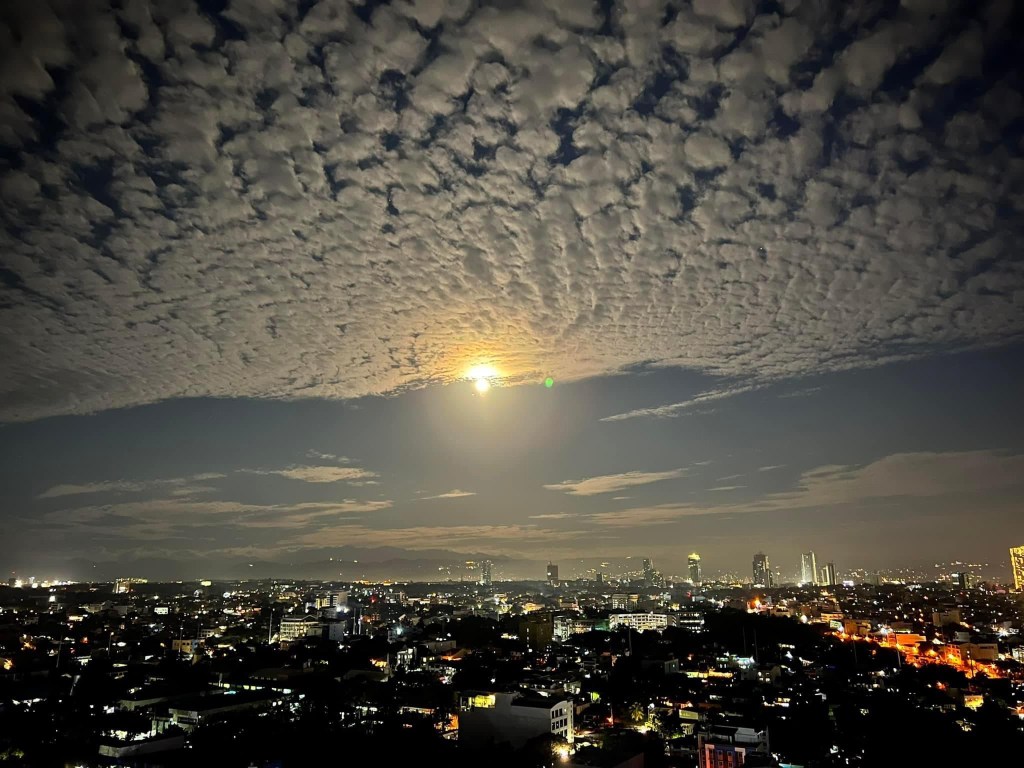
Photo by Ms. April Oliveros, March 2023 at Mt. Pulag.
Let me repeat that last sentence, “if we love one another, God remains in us, and his love is brought to perfection in us.”
The more we love, the more we are able to see and recognize God and other people amidst the darkness around us. Likewise, the more we love the more we see our true selves too despite dark spots within us.
Love is the law of life. To love God by loving ourselves and others is not an obligation imposed from outside. It is the very proof of our faith and union with God in Jesus Christ.
Jesus makes this very clear to us today in the gospel that opens with him praising the simple people, those who were child-like who welcomed him and his preaching. They were the ones Jesus referred at his sermon on the mount, “Blessed are the poor” because love is not an intellectual structure or system to be learned or analyzed. Love is a call to be disarmed of everything we hold onto so we can totally love and follow Jesus Christ.
“Come to me, all you who labor and are burdened, and I will give you rest. Take my yoke upon you and learn from me, for I am meek and humble of heart; and you will find rest for yourselves. For my yoke is easy, and my burden is light.”
Matthew 11:28-30
Jesus came to reveal to us God our Father. And to know the Father is not through the head or intelligence but through our heart that is like Christ’s, meek and humble, filled with love.
By becoming human like us in everything except sin, Jesus who is the image of the invisible God (Col. 1:15) enables us to feel and experience God now closest to us than ever. Most of all, we are able to love and still love especially when the going gets tough and rough.
Here Jesus shows us that love is not absence of sufferings. In fact, love is truest and noblest when there are sacrifices and sufferings as exemplified by Jesus in his life and death on the Cross.
There are times we feel grouchy, so sensitive when people seem to ask even demand so much from us.
From Facebook, 2021.
Sometimes we wonder why are we the ones always giving, always loving, always forgiving. Sometimes we even ask God why are we the ones going through all these trials in life, why are we the ones afflicted with this sickness, why are we given with a special child, why your child had gone ahead of you to eternal life?
So many whys, so many questions.
Rest today in Christ. Feel his embrace. Listen to his silence. Be filled with his love. As you ask Jesus with all those questions, realize that each cry, each lamentation is the “inscrutable riches of Christ”, his very love perfected in your labors and burdens. Amen.
Jesus, meek and humble of heart,
Make my heart like thine!
Lawiswis ng Salita ni P. Nicanor F. Lalog II, Ika-30 ng Mayo 2023
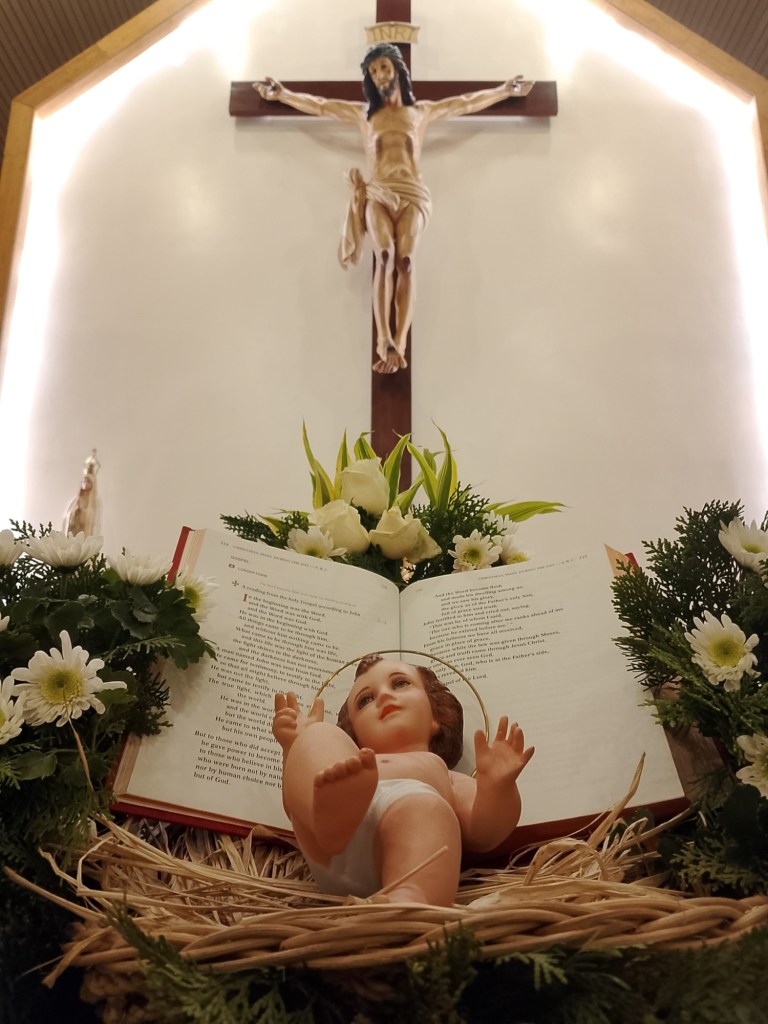
Larawan kuha ng may-akda, exhibit ng Sto. Nino sa Malolos Cathedral, Enero 2022.
Kailan ko lamang napag-ukulan ng pansin – at pagninilay – itong isang bagay ukol sa mga tinagurian nating “special child”, yaong mga isinilang na mayroong iba’t-ibang kapansanan sa pangangatawan, pag-iisip at pandamdam (emotional).
Mabuti nga sa panahong ito ay “special” na ang tawag sa kanila kesa noong dating panahon namin na wala pang mga “sped” o special education. At least, hindi pa laganap lalo sa mga lalawigan. Noon basta hindi normal ika nga ang isang tao lalo na mga bata na ipinanganak na mayroong kapansanan na tinatawag na Down Syndrome, “mongoloid” ang tawag. Kaya naman ako noon sa mura kong isipan at katangahan, hindi ko mawari bakit siya kumain ng lapis o pencil na noo’y Mongol ang tatak?! Sorry po pero yun talaga naisip ko noong elementary ako lalo na nang biniro ng guro namin isang kaklase na palaging kagat-kagat ang lapis niya na magiging mongoloid siya sa ginagawa niya! Siyempre, ako man noo’y palaging kinakagat ang lapis at marahil kaya ako kung minsan ay parang special din.
Pero wala pong biro at mabalik tayo sa ating paksa, pansin ko lang sa pamilya ng mga kapatid nating mayroong mga naturang kapansanan na madalas at mabilis nila kaagad sinasabi na ang kanilang anak o kapatid ay “special”. Minsan mararamdaman mo rin kanilang lungkot marahil hindi sa ano pa man kungdi ang pag-aalala paano magiging buhay ng kanilang special child lalo na sa pagtanda nila.
Noong ako ay batang pari pa sa isang barrio na aking minimisahan ay mayroong special child na palaging nagsisimba. Masayang-masaya ang batang iyon sa pagsisimba at halos sumigaw sa pagsagot at pag-awit sa Misa. Napansin ko tumatahimik siya at masugid niyang tinitingnan ang lahat ng nangungumunyon.
Kinausap ko ang bata na siguro ay labing-limang taong gulang na noon. “Ibig mo ba na magkomunyon? Alam mo ba ko kung ano yun tinatanggap?” Sabi niya sa akin ay si Jesus daw iyong nasa Banal na Ostiya. Kaya kinausap ko kanyang magulang na di makapaniwalang pwede iyon. Inihanda ko ang special child at makaraan ang ilang linggo, siya ay binigyan namin ng “first communion”. Tuwang-tuwa ang bata at kanyang mga magulang. Hanggang ngayon siya ay masayang nagsisimba sa kanilang bisita.
Dati naman sa pinanggalingan kong parokya ay ipinahanap ko sa mga katekista ang lahat ng mga bata na sampung taong gulang pataas na hindi pa nakukumpilan. Isang teenager na special child ang kanilang natagpuan sa aming depressed area. Pinuntahan namin upang kausapain at himukin ang mga magulang ng special child na siya ay pakumpilan yamang libre naman. Nagulat ang ama na puwede daw palang kumpilan kanyang anak at noon siya ay naiyak nang ikuwento sa akin na kaya dalawa lang kanilang anak. Natakot daw siyang special muli ang ikatlong anak nila.
Larawan kuha ng may-akda, Baguio Cathedral, 2018.
Bakit nga ba tinatawag na special child mga batang isinilang na mayroong iba’t-ibang kapansanan at pangangailangan? Hindi ba kapag special dapat ay mahusay at magaling. Halos perfect, hindi ba?
Special child ang tawag sa kanila kasi sila ay espesyal sa Diyos. At higit na espesyal sa lahat ang kanilang mga magulang at kapatid na pinili ng Diyos upang ipagkatiwala sa kanila ang Kanyang mga special children. Sila lang marahil sa dami ng iba pang ama at ina at mga kapatid ang may higit na pagmamahal at malasakit upang arugain at palakihin ang special child ng Diyos.
Noong magbuntis ang kapatid ko sa kanyang ikatlong anak, siya ay nakunan. Malungkot na malungkot ang kapatid ko noon dahil hirap siya sa pagbubuntis. Ipinaliwanag sa akin ng kanyang doctora na kapag daw ang sanggol sa sinapupunan ng ina ay na-detect na magkakaroon ng kapansanan o sakit, mayroon daw mekanismo mismo yung baby na mag automatic shut off para di na siya lumaki at mabuhay pa. Kaya nakukunan ng baby.
Samakatwid, natural sa plano ng Diyos na lahat ng isisilang ay buo at walang kapansanan ngunit kung sakaling mayroong makalusot at mabuhay hanggang mailuwal ng kanyang ina bilang special child, ito ay kalooban ng Diyos. Siya ay biyaya ng Diyos. Regalo ng Diyos. Kaya sinasabi ng iba “suwerte” daw ang special child. Malaking biyaya ng Diyos ang bawat buhay, lalo na kung mayroong kapansanan dahil sila ay pinahintulutan niyang isilang at mabuhay para sa isang misyon para sa ating lahat. At ito iyon: espesyal bawat isa sa atin sa Diyos.
Noong isang linggo ay nagmisa ako sa pumanaw na kapatid na special child ng isang ka-opisina. Natapat noong araw na iyon ang ebanghelyo ay napakaganda sa wikang Inggles na ganito ang sinasabi:
Lifting up his eyes to heaven, Jesus prayed, saying: “Father, they are your gift to me. I wish that where I am they also may be with me, that they may see my glory that you gave me, because you loved me before the foundation of the world.”
John 17:24
Kay sarap namnamin mga salita ni Jesus, “Father, they are your gift to me.” Sa Tagalog ay hindi ganoon ang pagkakasalin at hindi binanggit ang kataga na regalo o gift. Ito yung tagpo ng kanyang pananalangin para sa kanyang mga alagad matapos ang kanilang Huling Hapunan bago siya dakpin noong Huwebes Santo.
Sino ba tayo para ituring ni Jesus na regalo o gift sa kanya ng Ama?
Sa kabila ng ating maraming kapintasan, kakulangan at kasalanan, iyan ang katotohanan: regalo tayo ng Diyos Ama di lamang sa isa’t-isa kungdi maging sa Anak niyang si Jesus.
Tayong lahat ay regalo ng Diyos. Napakahalaga, lalo na yaong mga mayroong kapansanan at iba’t ibang kahinaan sa pangangatawan at buhay.
Sa bawat special child ay mayroong extra-special na ina at ama at mga kapatid. Kaya kung ibig mo ring maging extra-special sa Diyos, kaibiganin, tulungan, at pahalagahan mga special children at kanilang pamilya. Amen.
The Lord Is My Chef Christmas Recipe for the Soul by Fr. Nicanor F. Lalog II
Wednesday in the Octave of Christmas, Feast of Holy Innocents, Martyrs, 28 December 2022
1 John 1:5-2:2 ><]]]]'> + ><]]]]'> + ><]]]]'> Matthew 2:13-18
Beloved: This is the message that we have heard from Jesus Christ and proclaim to you: God is light, and in him there is no darkness at all. If we say, “We have fellowship with him,” while we continue to walk in darkness, we lie and do not act in truth. But if we walk in darkness, we lie and do not act in truth. But if we walk in the light as he is in the light, then we have fellowship with one another, and the Blood of his Son Jesus cleanses us from all sin.
1 John 1:5-7
God our loving Father,
thank you for sending us your Son
Jesus Christ, the light of the world;
we have experienced many times in life
especially during these three years of pandemic
that no matter how dark our lives may be,
for as long as we walk in Jesus Christ,
there is always light.
Forgive us, Father,
that many times we look for other lights;
we are so tempted and delighted in
following the lights of the world with its
vast array of colors that blind our eyes
or with klieg lights that put us on spot like stars
yet leave us groping in emptiness after;
forgive us, Father, in following other lights
that turn us away from one another and you;
until now, many of us act and think like Herod
and the experts of Jerusalem who refuse to
follow the light of Jesus that make us recognize
you on the face of one another.
Let the light of Jesus born on Christmas
enlighten our minds and our hearts to see
and follow you, O God our Father,
found on the face of every child still in the womb,
on the face of every child who must be cared and protected,
on the face of every woman, especially mothers
and grandmothers forgotten after nurturing us,
on the face of every dad especially those working
away from family and loved ones, rarely seen
crying and rejoicing for their loved ones,
on the face of young people so lost with no one
to listen to them, be with them, assure them of love,
on the face of our health workers considered heroes
yet still taken for granted and even forgotten,
on the face of farmers and fishermen marked with
so many lines of hardships and sufferings under the sun
to feed us yet totally left on their own,
on the face of others in the margins and the disadvantaged,
those forgotten by the society and unfortunately by families:
this Christmas, call us into our own Egypt,
into a retreat and soul-searching for enlightenment
to find your face anew within us
so we may find you on one another.
Amen.
The Lord Is My Chef Sunday Recipe for the Soul by Fr. Nicanor F. Lalog II
Fifteenth Sunday in Ordinary Time, Cycle C, 10 July 2022
Deuteronomy 30:10-14 ><}}}*> Colossians 1:15-20 ><}}}*> Luke 10:25-37
Photo by Mr. Raffy Tima of GMA7-News, May 2022.
After telling us last week to “do not rejoice because spirits are subject to you, but rejoice because your names are written in heaven” (Lk.10:20), Jesus today answers a scholar of the law asking him what he must do to gain eternal life.
It is the very same question we often ask others because inside us we are convinced there is something else deeper than the laws and commandments of God written in the Bible. Like the scholar of the law, we have experienced that God’s commandments and statutes – his very voice, his very words – are written in our hearts.
Moses said to the people: “If only you would heed the voice of the Lord, your God, and keep his commandments and statutes that are written in this book of the law, when you return to the Lord, your God, with all your heart and all your soul. No, it is something very near to you, already in your mouths and in your hearts; you have only to carry it out.”
Deuteronomy 30:10, 14
God’s commandments and laws are not just mere codes of conduct like in other religions. The Law of God is no dead letter but his living Word right in the depths of our hearts no matter how hard we deny his existence. More than a code, the Law of God evokes a relationship that is a fruit of one’s conversion of heart and soul in union with God and with others.
It is here that we find the novel approach by Jesus in narrating the parable of the good Samaritan in answering the scholar of the law who wanted to test him by asking, “Teacher, what must I do to inherit eternal life?” (Lk.10:25) that was followed up with a second one, “And who is my neighbor?” (Lk.10:29) to justify himself. In narrating this parable, Jesus showed us how we must live as neighbors, as brothers and sisters in him who is our head.
Photo from americamagazine.org.
We are all neighbors.
We have heard so many times this beautiful parable by Jesus which only Luke had narrated while the Lord was “resolutely determined to journey to Jerusalem” (Lk.9:51). Too often, we see this parable as a reminder of something we are all aware of, that everyone is our neighbor.
Like the scholar of the law, we are not surprised at all with Christ’s question, “Which of these three, in your opinion, was neighbor to the robbers’ victim?” because we have always thought of the question in our own point of view! We are the ones looking at the victim of the robbers that it is always easy to assume we would be good Samaritan to him which is so presumptuous on our part. Fact is, so often we have failed being a good Samaritan to so many in need who came to us for help because we were like the priest and Levite with many excuses, with more important matters to attend to that they both passed by the robbers’ victim.
Like the scholar of the law, we have failed to see the whole point of Jesus who was asking us to be in the victim’s point of view, to be in his shoes: would anyone be a good Samaritan to help me if I were the victim?
Jesus had reversed the point of view – instead of looking through the window from the outside, we are asked to look at the window from the inside! Would somebody stop to be kind with us?
From inquirer.net.
Many times we have felt so disappointed at some people we were expecting to be our friends, who would be on our side but when trials came, they turned their backs from us and left us alone when suddenly, somebody we least expected or even hardly knew came to help us!
How many times have you found yourself saying, “I thought they considered me as their friend but it turned out, somebody I hardly knew was the one who helped me out of my plight!” Worst, there were times we have said strangers are even better than our family and friends, saying, “Mabuti pa yung ibang tao kesa kamag-anak o kaibigan”.
Hence, to our most Frequently Asked Question (FAQ), “What must I do to inherit eternal life?”, Jesus is asking us to act and live in such a way that everybody sees us as their neighbor, not the other way around. When it is others who see us as their neighbor, it means we are living the gospel, we are like Jesus Christ, the Good Samaritan who came to save us all. It is different when it is us who claim to see everyone as our neighbor – it holds nothing at all but an idea in the mind, a plan or mere intention no matter how noble it may be.
Most of all, to see others as one’s neighbors is a sign of a malady of our faith and religion: that we are not yet evangelized though sacramentalized wherein Jesus is just in our minds but not yet in our hearts, not yet flowing through our very being.
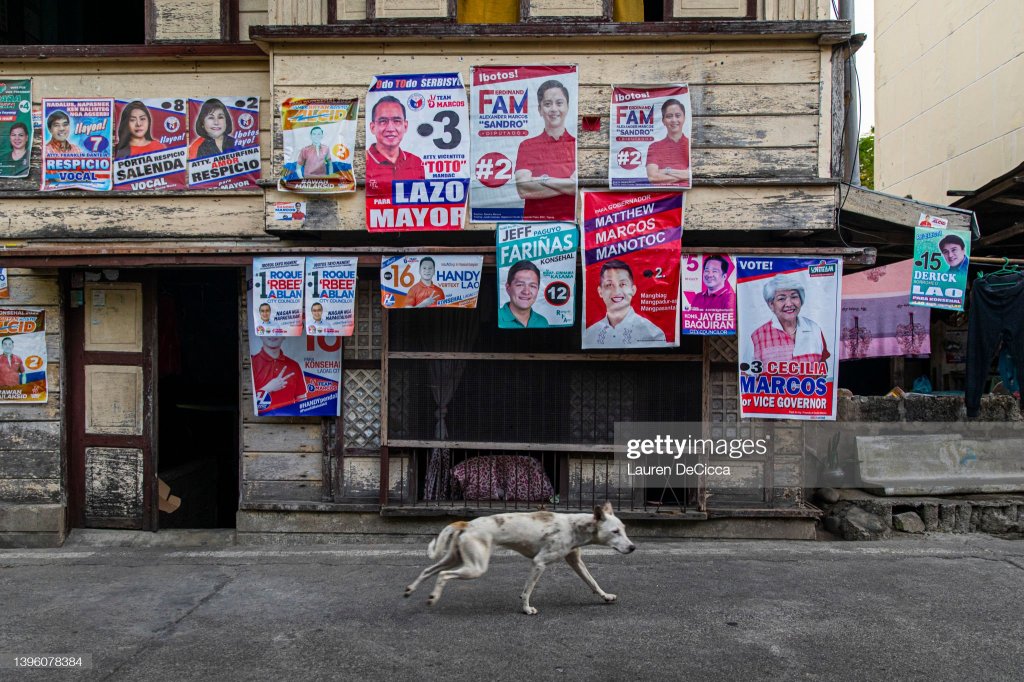
Photo by Lauren DeCicca/Getty Images, Laoag City, 08 May 2022.
The preeminence of Jesus Christ
This oneness in Christ is the gist of Paul’s beautiful exposition about Jesus in our second reading this Sunday. Paul wrote the Colossians while in prison to prevent them from joining some preachers encouraging them to adopt ascetic practices in order to have angelic powers as well as appease higher powers. Paul insisted Jesus Christ is God and what he had accomplished on the cross is sufficient for our salvation.
Christ Jesus is the image of the invisible God, the firstborn of all creation. For in him were created all things in heaven and on earth, the visible and the invisible, whether thrones or principalities or powers; all things were created through and for him. For in him all the fullness was pleased to dwell, and through him to reconcile all things for him, making peace by the blood of his cross through him, whether those on earth or those in heaven.
Colossians 1:15-16, 19
In presenting the preeminence of Jesus Christ, Paul is also telling us that Jesus is the foundation of our moral life. Our lives, our actions must flow from our communion and oneness in Christ. That is when others see us as a neighbor, when they see us as one of them too!
This is the fulfillment of Moses’ teaching in the first reading, that the “voice of the Lord”, the word of God is not far from you for it is in your hearts – that is Jesus Christ who is not only the fulfillment of the laws but the Law himself. After all, as John had expressed in the fourth gospel, Jesus is “the Word who became flesh and dwelt among us”, the Emmanuel, the God-with-us.
From Facebook of Marivic Tribiana, 2021.
Today, Jesus is inviting us that in order to gain eternal life, we must do what he does, that is, to love and be kind with everyone, to be seen as a neighbor and a friend others can count on. In becoming human, God became one of us in Jesus Christ, the one who crossed the street to reach out to us victims of robbers on the way to Jerusalem. He not only healed our wounds but even lifted us to regain our dignity as beloved brothers and sisters. And neighbors.
There is a very beautiful word in English that captures this reality of our being neighbors or brothers and sisters in Christ: “kind” or “kindness” which came from the root kin or kindred. When we say “she or he is kind to me”, it means he or she treats me as a kin or a kindred, not as different like a stranger.
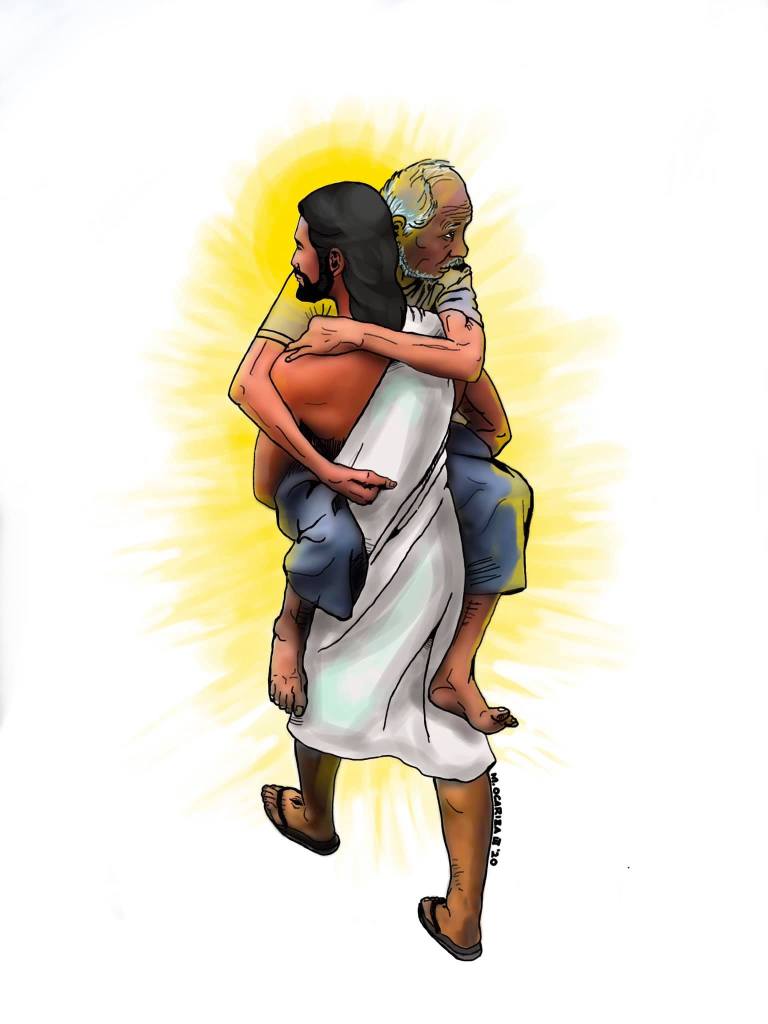
Artwork by Fr. Marc Ocariza based on Marivic Tribiana’s photo, 2021.
We are all kins or kindred in Christ. And every time we choose to be unkind and indifferent with others especially those in need, we are bothered by our conscience because it is an affront to our very personhood. It is unnatural like what the American writer George Saunders had realized:
“So here’s something I know to be true, although it’s a little corny, and I don’t quite know what to do with it: What I regret most in my life are failures of kindness. Those moments when another human being was there, in front of me, suffering and I responded … sensibly. Reservedly. Mildly.”
George Saunders from “Congratulations, By the Way” (page 22)
Avoid having such regrets later in life. Whatever good deed you may do at the moment, do it for it could be Jesus Christ who is passing by, who is the one in need. Amen.
40 Shades of Lent by Fr. Nicanor F. Lalog II
Wednesday in the Fifth Week of Lent, 06 April 2022
Daniel 3:14-20, 91-92, 95 <'((((>< + ><))))'> John 8:31-42
Photo by author, sunrise at Camp John Hay, Baguio City, 2018.
Dear God our Father:
I have heard it so often
from your Son Jesus Christ
that "the truth will set you free"
but I must admit how I feel
too far from that reality of
being truly free.
So many times in my life, despite
my strong profession of being free
like the Pharisees asserting
to Jesus they have never been
"enslaved to anyone", that is really
when I am enslaved - to sin, to ego,
to the world, to my past especially
my hurts and pains, and to a lot of
other people expecting a lot from me,
demanding so much from me
that, ironically and funnily,
I work so hard to please and fulfill
without realizing how I am in fact
enslaved!
Jesus then said to those Jews who believed in him, “If you remain in my word, you will truly be my disciples, and you will know the truth, and the truth will set you free.” They answered him, “We are descendants of Abraham and have never been enslaved to anyone. How can you say, ‘You will become free’?”
John 8:31-33
To be free, O God,
is to belong to you alone,
our loving and eternal Father;
from the very start, Jesus had
always professed his belonging to
you like when he was found by
his parents in the temple when he
told them "why are you looking for me,
don't you know I should be in my
Father's house?"; during his ministry,
he repeatedly declared his oneness with you;
to be free, therefore, is to owe nothing
to anyone at all but to you alone.
It is when I feel I owe others when I
begin to cheat and lie, when I sin
because I cannot express freely and
truly what is in me - YOU whom I
disown and betray always.
Give me, O Lord, the courage to be
my true self like Shadrach, Meshach,
and Abednego who boldly declared
to King Nebuchadnezzar they would
rather be thrown into the fiery furnace
than worship false gods; true freedom is
when we are able to accept death gladly
and wholeheartedly because that is when
nothing and no one holds us back;
we are truly free when we are able to
express our deepest longing and desires
in life which is to finally be one with our
source and end - YOU!
In these remaining days of Lent,
grant us dear Father through Jesus
the grace to shed off the many layers
of false freedom we convince ourselves
to have so that we may finally be free
to love you and follow you, free to be our
true selves as your beloved children.
Amen.
The Lord Is My Chef Sunday Recipe for the Soul by Fr. Nicanor F. Lalog II
Feast of the Sto. Niño, Sunday II in Ordinary Time, 16 January 2022
Isaiah 9:1-6 ><}}}*> Ephesians 1:3-6, 15-18 ><}}}*> Luke 2:41-52
Photo by author, Sto. Niño exhibit at the Malolos Cathedral, 13 January 2022.
We Filipinos celebrate the longest Christmas season in the world which starts – unofficially -every September first when radio stations begin playing Christmas songs, ending officially today, the third Sunday of January with the Feast of the Sto. Niño (Holy Child Jesus).
Today’s feast is considered a part of the Christmas season which is in recognition of the crucial role of the image of Sto. Niño given by Magellan 500 years ago to Queen Juana of Cebu in the evangelization process of the Philippines. As the late Nick Joaquin would rightly claim in his essays, the Philippines was colonized by the Sto. Niño which is clearly seen in its widespread devotion coming in close second with Nuestro Padre Hesus Nazareno of Quiapo we celebrate every January 09.
What a wonderful “coincidence” or Divine intervention that the two most popular Christ devotions in the country happen on the same month of January, immediately after Christmas, reminding us despite our many shortcomings as the only Christian nation in this part of the world, Jesus reigns supreme in our hearts and homes.
And churches.
Despite the many accusations hurled against our brand of Christianity, of being sacramentalized but not evangelized, we can find hope and consolation in our being as very “church people” – our coming to the church even outside during this pandemic period in itself is a child-like trait, a grace we can deepen for a more matured faith that can lead to our transformation as a people.
This we see in our gospel today which we have heard proclaimed last month at the Feast of the Holy Family, a day after Christmas that was also a Sunday.
Each year his parents went to Jerusalem for the feast of Passover, and when he was twelve years old, they went up according to festival custom. After they had completed its days, as they were returning, the boy Jesus remained behind in Jerusalem, but his parents did not know it. After three days they found him in the temple, sitting in the midst of teachers, listening to them and asking them questions. When his parents saw him, they were astonished, and his mother said to him, “Son, why have you done this to us? Your father and I have been looking for you with great anxiety.” And he said to them, “Why were you looking for me? Did you not know that I must be in my Father’s house?”
Luke 2:41-43, 46, 48-49
“The Finding of the Savior at the Temple” painting by William Holman Hunt (1860) from en.wikipedia.org.
We are all children of the Father in Christ
When we examine Christ’s life and teachings, we find how everything is anchored in being a child of God the Father as he would always remind everyone that unless one becomes like a child, one cannot enter the kingdom of heaven.
This Jesus clearly showed when he was 12 years old after staying behind at the Temple in Jerusalem that left Mary and Joseph so “anxiously looking for him”.
We see in this gospel scene how Jesus must have been so rooted in his own childhood experience that he could speak with familiarity about the child’s being and dignity. Most of all, of being the Son of God, a child of God when he told his Mother Mary, “Why were you looking for me? Did you not know that I must be in my Father’s house?” (Lk.2:49).
As he grew up and matured during his ministry, Jesus frequented the synagogues and later the Temple as a devout and faithful Jew.
What a beautiful expression of his being a child of the Father, always coming to the “Father’s house” to worship and praise, to be one with God and with the people.
What a beautiful expression of his – and our being children of God the Father!
Every time we come to the church to celebrate the Sacraments especially the Holy Eucharist, every time we come to pray inside the church, we express our being children of the Father. It is the most beautiful expression of our being child-like before God when we come to him in his house of worship in total surrender, on bended knees to plea for his grace and mercy.
Photo by Ms. Mira Mandal Sibal, September 2021.
To believe in the Church and come inside the church is part of our faith in the mystery of the Church as the Mystical Body of Christ we profess in the Apostles’ Creed, “I believe in the Holy Spirit, the Holy Catholic Church”.
Recall that after cleansing the Temple, Jesus declared to those asking him for signs to “Destroy this temple and in three days I will raise it up” (Jn.2:19) with the Evangelist’s added note, “But he was speaking about the temple of his body” (Jn.2:21). Eventually on Good Friday as he died on the cross, we are told in another gospel account how “the veil of the sanctuary was torn in two from top to bottom” (Mt.27:50), indicating a new phase in worshipping God in his Son Jesus Christ who has become the Body of the new people he had called that includes us today, the Church.
Therefore, every time we come to the church as a community of people, it is an act of being child-like as taught by our Lord Jesus Christ in the same manner he told his parents that “I must be in my Father’s house”.
Our being able to come to the church for the Mass and the other sacraments is a pure grace from God, an act of being child-like before him when we submit ourselves to him, when we try to listen to his words proclaimed, when we believe in the power of prayers and Sacraments.
At the height of this pandemic when religious gatherings were banned, so many faithful expressed their child-likeness to God by turning to on-line Masses and prayers.
However, as we slowly open up churches for live celebrations, there now arises the call for us to return into the Father’s house. The very nature of the Church as the Body of Christ and the Sacraments presuppose presence.
Here, we find the great relevance of today’s Feast of the Sto. Niño to return to the Father’s house and reconnect anew with our fellow disciples without disregarding health protocols of course.
When the Spaniards returned to the Philippines in 1565 (40 years after Magellan), they saw the Sto. Niño venerated on an altar above other anitos inside a hut presumed to be a house of worship of the natives. Most likely, the natives felt the Sto. Niño as the superior deity always answering their prayers for abundant harvests, healing from sickness or avoidance of pestilence, and fertility for more children to work in the fields. Again, the imagery of that child-like attitude of coming into the “Father’s house” to commune in prayer by those natives.
Photo by author, National Shrine of Our Lady of Fatima, Valenzuela City, 14 January 2022.
It is perhaps the new challenge we will be facing as the COVID-19 virus wears off as experts claim, how to bring back people into the Father’s house. Confounding the problem is the lure of the convenience of online Masses that have commodified the Sacrament, a clear indication of lack of any child-like attitude but more of manipulation.
Added to this is the relativistic attitude of modern time when some people claim to believe in God without necessarily having the need to believe in the Church that is deeply embroiled in cases of sexual abuses by its clergy.
All of these are calls for everyone in the Mystical Body of Christ, the Church which is a mystery in itself for its members, clergy and lay alike, to recapture that child-like attitude of Jesus himself to always affirm his being in the Father’s house. Amen.
The Lord Is My Chef Breakfast Recipe for the Soul by Fr. Nicanor F. Lalog II
Friday, Week XIX, Year I in Ordinary Time, 13 August 2021
Joshua 24:1-13 ><]]]]*> + ><]]]]'> + ><]]]]*> Matthew 19:3-12
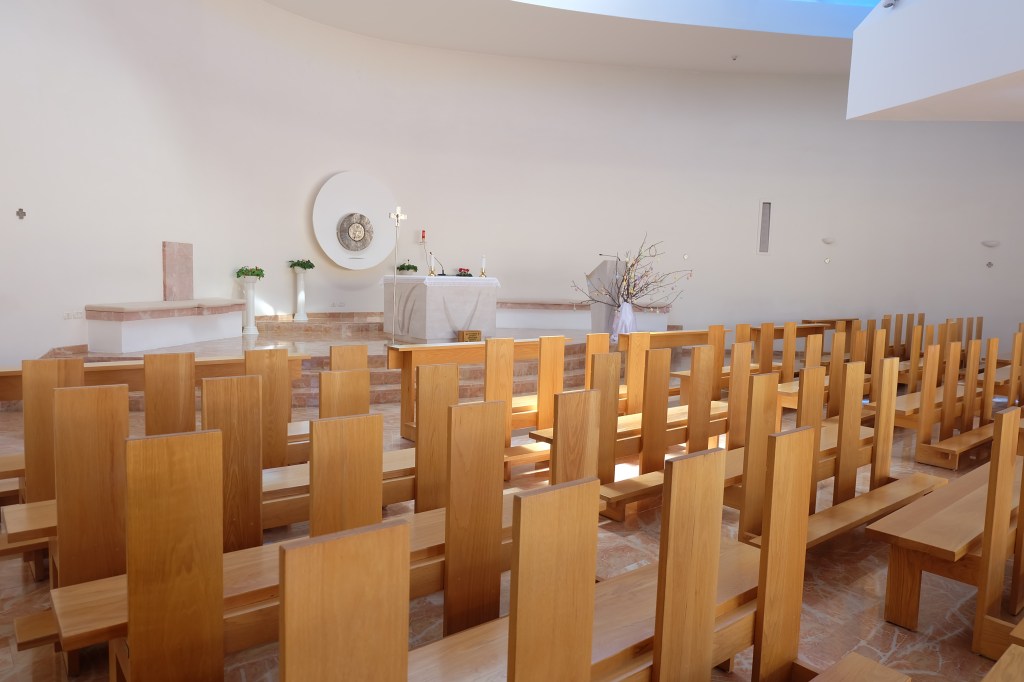
Photo by author, modern chapel at the Milk Grotto in Bethlehem, the Holy Land, 2019.
I know, dear God our Father,
you have no need of our words
nor works in exchange for your
abounding love and grace given us
in Christ Jesus; and there lies
your goodness and holiness when
all you ask of us is our fidelity
to your covenant, that we remain true
to you by dealing with love and justice
to one another which is all for our own good too.
“I gave you a land that you had not tilled and cities which you had not built, to dwell in; you have eaten of vineyards and olive groves which you did not plant.”
Joshua 24:13
You have given us everything, O God:
the earth and everything on it that we have
wasted and destroyed; worst of all, you
have given us family and friends, every person
and people to love and cherish, respect and
be kind with but whom we have always
hurt with our words and actions when we
see only our very selves, failing to see
others as brothers and sisters in you
as Father from the the very beginning.
“Have you not read that from the beginning the Creator made them male and female, and said, For this reason a man shall leave his father and mother and be joined to his wife, and the two shall become one flesh? So they are no longer two, but one flesh. Therefore, what God has joined together, man must not separate.”
Matthew 19:4-6
Forgive us, merciful Father
for the "hardness of our hearts" (Mt.19:8),
in our building walls among us instead
of bridges to bring us close together
as your children reconciled in Jesus Christ;
help us to find the common grounds that
make us all the same, not different;
make us find and accept our vocation
in life so we may fulfill your calling
by serving you through one another
with love and respect, kindness and mercy
especially in this time of the pandemic.
Amen.
The Lord Is My Chef Sunday Recipe for the Soul
Feast of the Sto. Niño, 17 January 2021
Isaiah 9:1-6 >><)))*> Ephesians 1:3-6.15-18 >><)))*> Mark 10:13-16
Photo by author, 16 January 2021.
Today we spend an extra Sunday for the Christmas Season’s Feast of Sto. Niño granted by Rome to the local Church in recognition of the important role played by that image of the Holy Child gifted by Magellan to Queen Juana of Cebu in 1521.
Its role in the Christianization of the country cannot be denied, considering the historical fact that when Miguel Lopez de Legazpi arrived in Cebu 44 years later after Magellan to claim the country for Spain, they were surprised to discover how the natives venerated the Sto. Niño inside a special hut for worship along with their other anitos.
Legazpi’s chaplain Fray Luis Andres de Urdaneta attested to how that devotion to the Sto. Niño in Cebu enabled them to Christianize other natives without difficulties as the Holy Child image at that time has become the favorite among the people in asking favors like children and bountiful harvests as well as protection from calamities and wars.
The late National Artist Nick Joaquin was absolutely right to claim in his many writings and talks that it was really the Sto. Niño who truly conquered the Philippines that continues to be the most popular Christ-devotion in the country along with the Nuestro Padre Jesus de Nazareno of Quiapo.
More powerful than the swords and cannons or any force in the world indeed is the Child Jesus who has continued to be a paradox in world history: the Son of God born in a lowly stable in a small town called Bethlehem because there was no room for them in the inn during the time of the powerful Caesar claiming to be the king of the whole world by ordering a census of all his subjects in the vast Roman Empire now totally forgotten, his kingdom long gone.
What an irony the God who came so weak like all of us, without any title to His name nor an army at His command still influencing the world in His weakness and silence, in His childlikeness. A reality in life until now we have refused to accept even in the Church.
People were bringing children to Jesus that he might touch them, but the disciples rebuked them. When Jesus saw this, he became indignant and said to them, “Let the children come to me; do not prevent them, for the kingdom of God belongs to such as these. Amen, I say to you, whoever does not accept the kingdom of God like a child will not enter it.” Then Jesus embraced them and blessed them, placing his hands on them.
Mark 10:13-16
A child praying in our Parish, 07 November 2019; photo by Mr. Red Santiago.
Christ’s path of weakness vs. the world’s path of power
It is so timely that during this Ordinary Time we have this Feast of the Sto. Niño to remind us of the central teaching of Jesus Christ to be childlike that gets lost in the novelty and sentimentality of our Christmas celebrations.
See how this call for us to be childlike becomes more difficult even almost impossible to achieve in our world that has become so technical and “sophisticated” as we seek to shape and manipulate everything according to our own design.
The world of men, of macho men we love to relish with delight in the secular and religious world in all of its trappings of fads and fashion and “hard talks”, of external showmanships that we try so hard to project cannot hide the hypocrisies within, of keeping grips and control on everyone and everything like the disciples of Jesus. The tragedy of that scene continuing to happen in our time is how some few people who live in darkness pretend to be seeing the light that in the process are actually misleading people towards darkness and destruction.
Every time we refuse to allow others to come forward with their new thoughts and new ideas, fresh perspectives in governance and management, in the ministry, in theology, when we close our minds to hear others ideas and opinions in doing things, then we are into serious power plays that can be pernicious at the same time.
When this happens, we are all the more challenged to be child-like before God in taking all the risks in exposing what is true, what is real like those kids shouting “the emperor has no clothes”!
To be a child means to owe one’s existence to another which we never outgrow even in our adult life. It is an attitude of being open, that Jesus can be talking to us through people not necessarily like us, even different from us. It is an attitude of trusting others, unlike those hungry for power who only believe in themselves, so afraid they might be proven wrong because their minds are either narrow or closed.
Are we not surprised at all that these control freaks around us who try so hard to project images of power and strength are often the perverts and deviants hiding their childishness and immaturities and other skeletons in the closet?
Photo by author, “Sleeping Sto. Niño”, January 2020.
Becoming and living as God’s children
Jesus shows us today in this feast of the Sto. Niño that it is in the path of being weak like children when we are truly free like Him – free to be a child of God indeed! This He accomplished by dying on the Cross not only to forgive us for our sins but made us a “new man/woman” in God as His children.
Brothers and sisters: Blessed be the God and Father of our Lord Jesus Christ, who has blessed us us in Christ with every spiritual blessing in then heavens, as he chose us in him, before the foundations of the world, to be holy and without blemish before him. In love he destined us for adoption to himself through Jesus Christ, in accord with the favor of his will, for the praise of the glory of his grace that he granted us in the beloved.
Ephesians 1:3-6
How sad that in our efforts to be in the man’s world of power and dominance, we try so hard becoming somebody else whom we are not only to end up alone, lost and unfulfilled.
Our being children of God is something innate in us, already within us that was accomplished by Christ for us at the Cross.
The key is to always go back to Jesus at the Cross.
We have said earlier that to be a child is to owe one’s existence to another that is, ultimately speaking, to God alone.
Hence, one sure sign of being like a child is having the sense of gratitude, of thanksgiving.
Incidentally, the Greek word for thanksgiving is eucharistia or eucharist! In the gospel accounts, we find so many instances of Jesus thanking the Father for everything that beautifully reminds us of His childlikeness.
The moment we feel strong enough without need for others, then we stop being grateful, then we lose that childlikeness in us as we start tinkering with power and influence, assuming to ourselves that everybody owes us, the world needs us.
That is when we stop growing and sooner or later, we collapse and eventually fall so hard on our faces.
How amazing that the Sto. Niño image given by Magellan to Queen Juana holds an orb or a globe. It is very interesting where did the maker of that image got that idea that the world is round when in fact it was the theory that Magellan had in mind in setting out to his ambitious expedition by sailing westward and returning from the east?
Records show that the first images of the Child Jesus or Sto. Niño as we know came from Flanders, a region in the Netherlands. The Flemish people have been making those images as early as the late 1400’s. That is why there is also that popular image of the the Child Jesus in Prague in the Czech Republic.
The mystery remains where did they get that idea of the Child Jesus holding an orb?
Could it be that the Flemish people who were devoutly Catholics at that time must have found the “light” from Jesus Christ in their devotions and prayers as prophesied by Isaiah in the first reading?
Nobody knows for sure but the next time you look at a Sto. Niño, be reminded always that it is the Child Jesus who holds the world in His hands. If you want to have the world in your hand too, be child-like! Be always grateful for who you are and what you have. Jesus promised it anyway.