Lawiswis ng Salita ni P. Nicanor F. Lalog II, Ika-25 ng Disyembre 2020
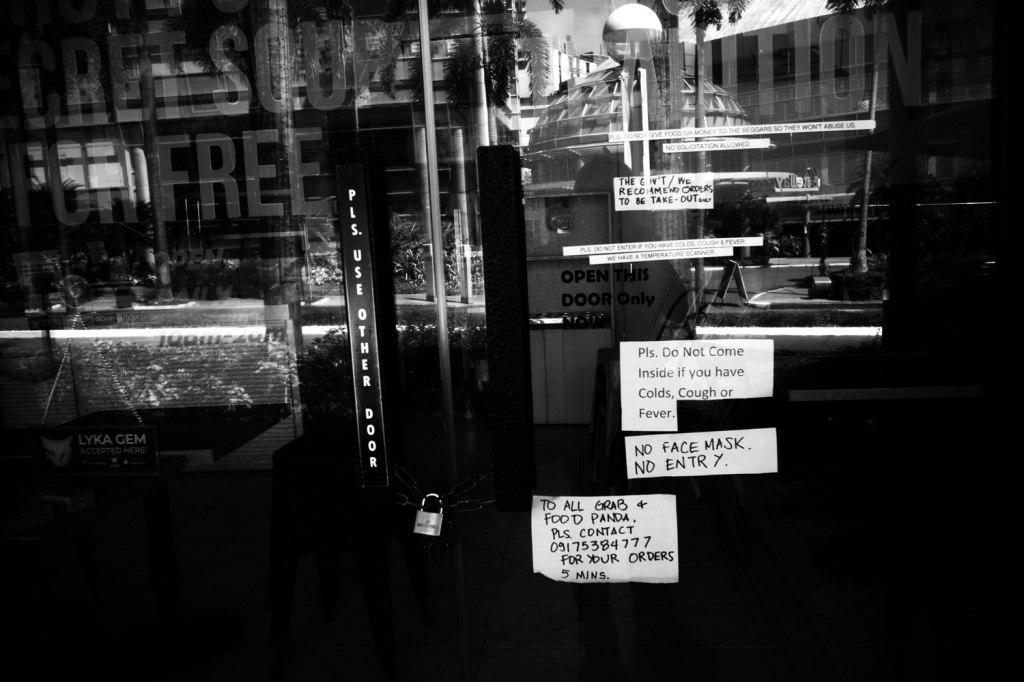
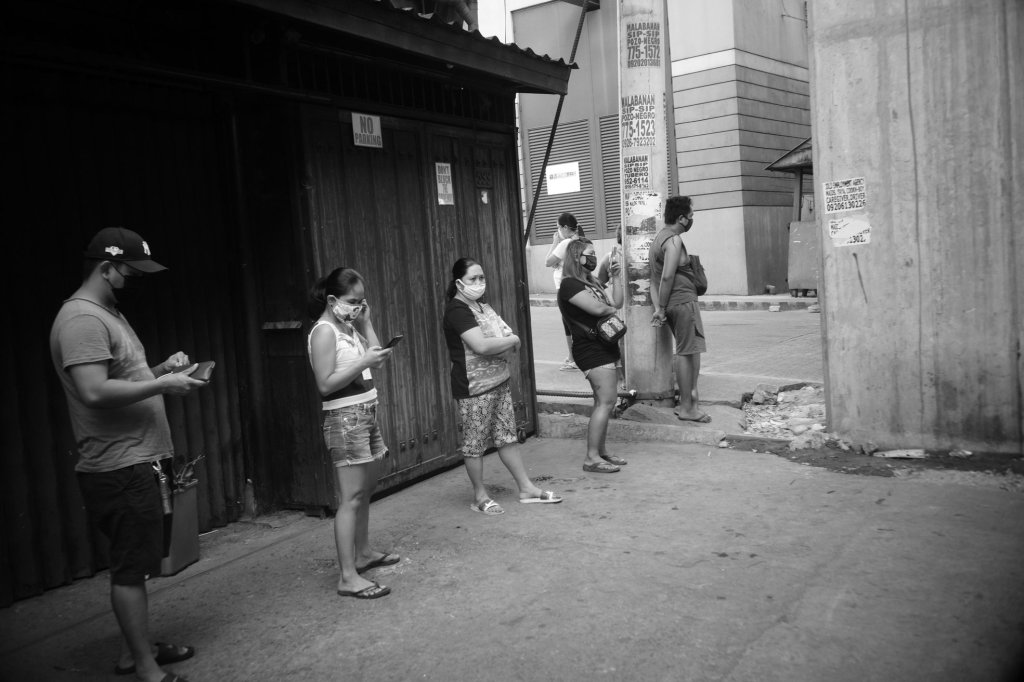
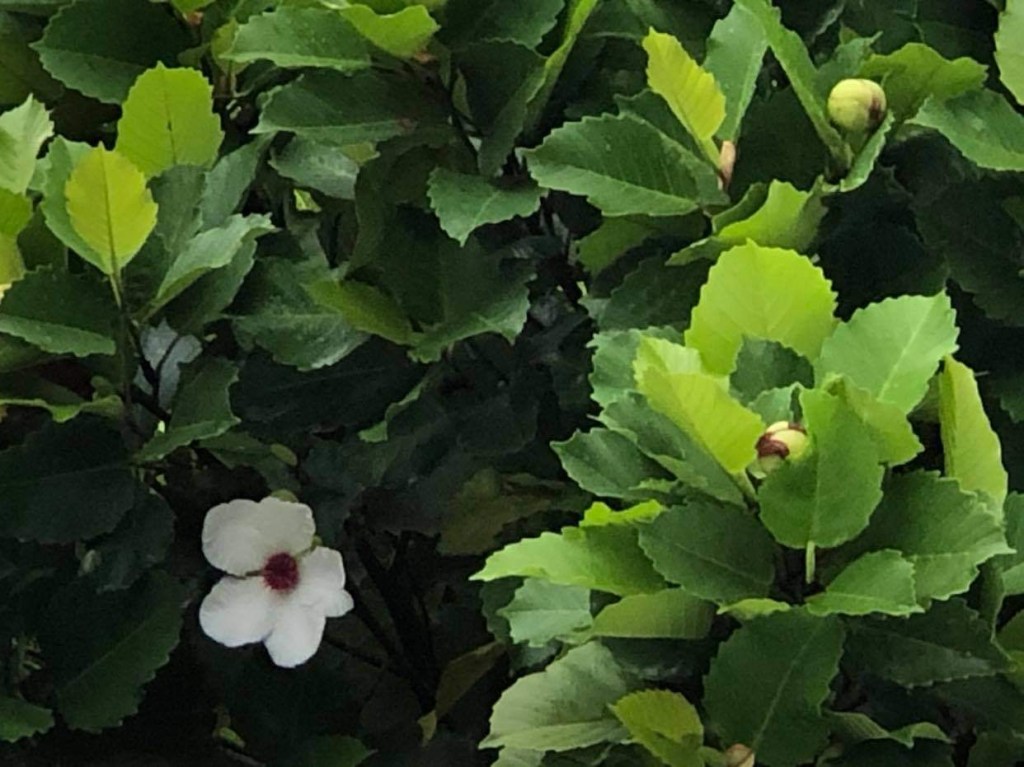
Larawan kuha ni G. Marc Angelo Nicolas Carpio, Pasko 2020 sa aming parokya.
Pasko na naman.
Yan palaging sambit ng karamihan
minsan hindi maintindihan
palaging inaabangan
pero kapag nariyan na
parang tinatabangan
inaayawan
maski kinaiinisan.
Kapag natutuwa, nakangiti mga labi sabay sabi, "(Yehey!) Pasko na namann!!!" Pero kung nagagalit, mata'y nanglilisik: "Pasko na naman!?!" Kapag nagtataka, nagugulat, mabilis pagbigkas, sa dulo umiigkas "Pasko na naman???" At kung walang pakialam, malamlam mukha, halos ibulong "Pasko na naman."
Larawan kuha ni G. Marc Angelo Nicolas Carpio, Pasko 2020 sa aming parokya.
Iisang pangungusap
nababago dating
kung saan ang diin
kung bigkasin
batay sa damdamin
nababago ibig sabihin
ngunit kahulagan
at aral nananatili pa rin.
Hindi maililihim sa likod ng mga katagang "na naman" nararamdaman panghihinayang, pagsisi tila mayroong gustong aminin; ang iba naman pilit walang kibit dahil sa sakit at pait na sinapit kunwa'y walang pakialam Pasko kinakalimutan.
Larawan kuha ni G. Marc Angelo Nicolas Carpio, Pasko 2020 sa aming parokya.
Pasko ay higit pa sa petsa
pera, damit at mga regalo
magarbong pagsasalo-salo;
Pasko ay pagparito sa mundo
ng Diyos na nagkatawang-tao
pangalan ay Jesu-Kristo
upang iligtas tayo
mahango sa pagkakasala.
Mababago pagbigkas pagbati ng "Maligayang Pasko" ngunit kahulugan mananatili magpakailanman ang pag-ibig na walang hanggan ng Diyos na atin unang nagmahal gumawa ng paraan kaya sumilang sa sabsaban sa ilalim ng malaking kadiliman Kanyang Anak upang tayo samahan, damayan!
Larawan kuha ni G. Marc Angelo Nicolas Carpio, Pasko 2020 sa aming parokya.
The Lord Is My Chef Simbang Gabi Recipe-7 for the Soul
by Fr. Nicanor F. Lalog II
Tuesday, Advent Week IV, 22 December 2020
1 Samuel 1:24-28 >><)))*> + <*(((><< Luke 1:46-56
Photo by Marc Angelo Nicolas Carpio, 20 December 2020.
When I was about to enter the high school seminary, an aunt would always comment on our way to school how I would become a priest when I am a big fan of rock and roll music. You know, the usual stuff ever since with old folks about rock music as evil and everything…
Looking back, I just imagine what if I had told her and my other relatives the meaning of Steely Dan that is my most favorite band? Most likely they would have fainted! And I would tell tell them too that I am the only priest who had played Stairway to Heaven in Radio Veritas where I used to co-anchor a show, playing only good, old rock n’ roll to the delight of many listeners despite protests from management.
Lately I have been blogging every week linking secular music with the Sunday gospel that had enabled me to reach new and younger generations I hope had rediscovered Jesus in the music I had offered them.
The German philosopher Arthur Schopenhauer had said that “music is the food of the soul” and it is very true for it transcends cultures and languages that even if you do not understand the lyrics, music always touches the soul.
Meanwhile, the great English playwright William Shakespeare is said to tell his audience at the start of his plays that “If music be the food of love, play on.” That’s very beatiful. Like love, music is best served with another person; when we sing, it is always to pour our hearts out. We let others hear our song even if we sing alone because that is what music is all about – it is meant to be shared.
This is the reason why Mary sang her Magnificat during her Visitation of Elizabeth, not by herself in Nazareth after the angel had left after announcing to her the birth of Jesus.
Mary said: “My soul proclaims the greatness of the Lord; my spirit rejoices in God my savior. For he has looked upon his lowly servant. From this day all generations will call me blessed: the Almighty has done great things for me, and holy is his Name.”
Luke 1:46-49
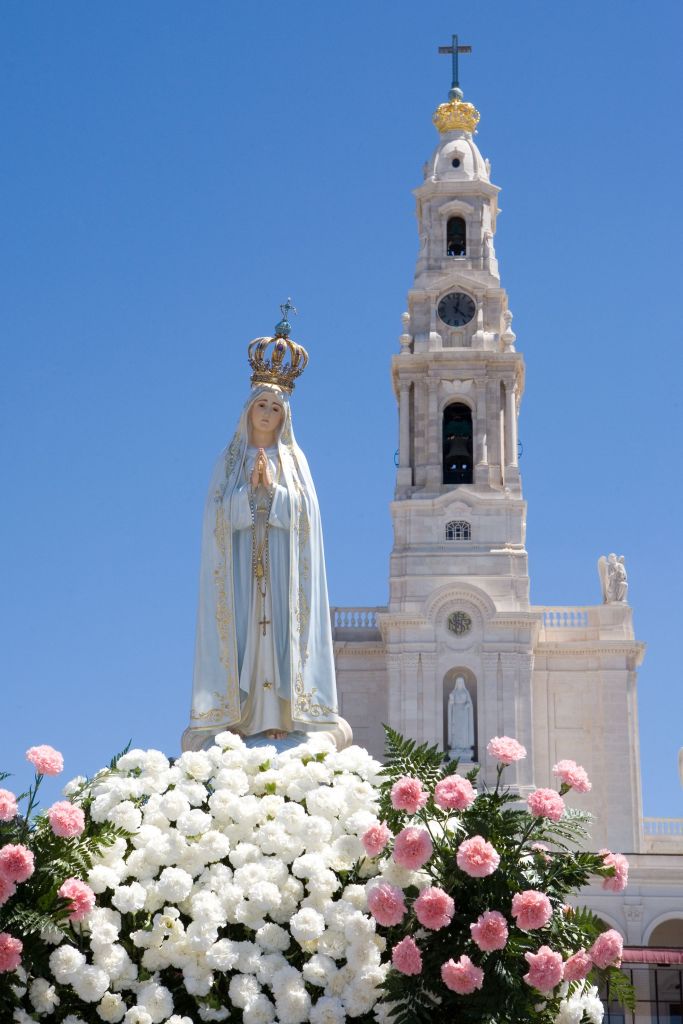
Photo from Pinterest, Our Lady of Fatima Centennial in Portugal, 17 May 2017.
Mary praised and thanked God with her “Magnificat”
Recall how Elizabeth praised Mary twice and her baby Jesus in the womb once yesterday at the Visitation. Naturally for us, when we are praised we always return it by praising too whoever spoke nicely of us.
But that was not the case with Mary. She took the occasion to praise and thank God for all His goodness and salvific work in her and in Elizabeth. Like Hanna in the first reading and responsorial psalm today who sang praises to God in giving her a son in the prophet Samuel, Mary while filled with the Holy Spirit sang this canticle, narrating how God worked in her and through her.
Our lives is a song of thanksgiving always to God who never stops doing great things for us not to make us famous but to bring His divine will into fulfillment. Mary affirmed this when she admitted her own blessedness, “From this day all generations will call me blessed: the Almighty has done great things for me, and holy is his Name.”
Yesterday we have reflected that true blessedness is to trust in God. Likewise, Mary added another dimension in what is to be blessed before God and that is being His servant, His slave or in her very words to the angel at the annunciation, “Behold, I am the handmaid of the Lord. May it be done to me according to your word.”
A handmaid is the feminine form of “slave” but more than being poetic in her identification as a female slave of God, Mary through her Magnificat showed us a glimpse of the lives of the early Christians at that time who were considered “weird” and “odd”, even “bizarre” among the Roman pagans who could not understand why they worshipped Jesus Christ they saw as “a crucified criminal”.
Worst of all for the pagans, they could not understand why the early Christians who were mostly poor would give themselves to Jesus in loving service to others like the sick, the elderly, the hungry, widows and orphans and those living in the margins.
In fact, the Roman historian Pliny recorded in his writings how during the persecution the emperor’s soldiers rounded up Christians in every town and city by looking for anybody doing good, serving the poor and needy! It is something to think about for us Christians today: Would any one of us be arrested because we are doing something good like serving the less fortunate?
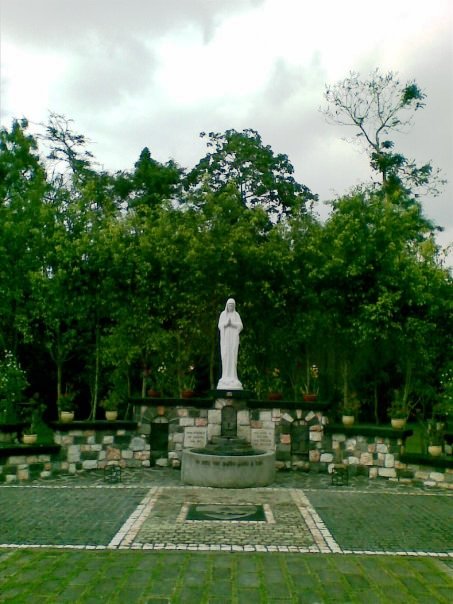
Photo by author, Our Lady of the Poor at Boys Town in Cavite (2009).
Mary, the first model disciple, the first to live out the Gospel
In singing her blessedness by God, Mary had assumed her being the spokeswoman of the early Christians, the poor ones or anawim of Israel who were truly poor materially, trusting entirely on God.
Here lies her challenge to us who love to sing her Magnificat: do we allow God to work in us His salvation?
“He has mercy on those who fear him. He has shown the strength of his arm, and has scattered the proud in their conceit. He has cast down the mighty from their thrones and has lifted up the lowly. He has filled the hungry with good things, and the rich he has sent away empty. He has come to the help of his servant Israel, for he remembered his promise of mercy…”
Luke 1:50-54
Again, we find many similarities in the Mary’s Magnificat and Hanna’s song we heard in the responsorial psalm. But, more than that is the striking similarity of Magnificat with the Beatitudes to be preached by Jesus according to Luke.
In Matthew’s gospel, there are eight Beatitudes preached by Jesus at his sermon on the mount; Luke narrated it differently by citing only four Beatitudes he paired with four woes that Jesus preached in His sermon on the plain (this is due to the different audience Luke and Matthew addressed):
Blessed are you who are poor… Blessed are you who are now hungry… Blessed are you who are now weeping… Blessed are you when people hate you…
Woe to you who are rich… Woe to you who are filled… Woe to you who laugh now… Woe to you when all speak well of you…
Luke 6:20-26
Magnificat is the Gospel in a nutshell. See the works of God cited by Mary perfectly jibing with the Beatitudes of Jesus. Here we find again how Luke has shown us the consistency of Mary as a disciple of her Son Jesus Christ by witnessing to His teachings, living them out for which she was crowned as Queen of heaven and earth.
This is the reason why I love so much the image of Fatima and of Banneux known as Lady of the Poor with Mary portrayed as so simple yet so lovely and beautiful. What a scandal for the Church in our time with all those lavish processions and coronations of the Blessed Virgin Mary where the poor are left out, becoming more of a social function among the rich and famous. What a shame most especially amid the pandemic when some parishes can spend so much fortune in these rituals that look more as a show which the Blessed Virgin would definitely disapprove. Keep in mind how Mary identified herself as “handmaid of the Lord” — do away all those pomp and pageantries please!
Every night, we priests and the religious sing the Magnificat in our Evening prayers to examine ourselves if we have lived out the Gospel message of the Lord, if we have been poor and hungry, if we have allowed ourselves to be used by God to effect His salvation among the suffering.
The same is true with every disciple of Jesus: when we sing the Magnificat or “Ang Puso ko’y nagpupuri”, we have to do some soul searching how consistent we have been as a disciple of the Lord like His Mother Mary.
From the Philippine Daily Inquirer, 24 July 2016.
How sad late yesterday when some people -whether they are trolls or not – had come out expressing support to that cop who brutally shot and killed Sonya Gregorio and her son Anton in their home in Paniqui, Tarlac Sunday afternoon.
How can some people be not affected and even defend or belittle such unspeakable crime of a man supposed to uphold the law, protect civilians?
What had gone wrong with us as the only Christian nation in this part of the world?
Can we sing “Ang puso ko’y nagpupuri sa Panginoon, nagagalak ang aking espiritu, sa aking Tagapagligtas” while we rejoice and defend all forms of brutalities and violence around us?
As we strongly condemn this unspeakable crime and demand justice for Sonya and Anton, let us work hard and pray hardest to imitate Mary to effect change in the society we live in and create by being a voice of the poor and vessel of God’s salvation. Amen.
Lawiswis ng Salita ni P. Nicanor F. Lalog II, Ika-21 ng Disyembre 2020
Larawan ni Lucifer, ang Satanas, mula sa wikipediacommons.org.
Nakapanlulumo
nakalilito
mga nakita
sa maigsing video
mga nanglilisik na mata ng bata
iginigiit ama niya ay pulis -
walang mintis
napaka-bilis
mag-inang tumatangis
bumulagta sa lupa
lahat hilahod
sa eksenang napanood.
Pilit kong binabalik-balikan
ebanghelyo ng Simbang Gabi
kanina at kagabi
parehong nagsasabi ng mabuti:
dinalaw ng anghel si Maria
hatid Mabuting Balita
kaya nagmamadali siyang
dumalaw kay Elizabeth
upang ibahagi at makihati
sa tuwa ng pagpapala
kay laking hiwaga
ating napala.
Ano nga ba ang nangyari
ating hinayaan
na dumalaw at manahan
sa ating bayan
itong mga kasamaan
araw-araw na lamang
bukambibig
kayabangan at kasinungalingan
pagmumura binibigyang katuwiran
kamatayan tanging nalalaman
sagot sa ano mang
sakit ng lipunan?
Balikan din mga lumipas na Kapaskuhan
bakit mga pelikulang katatakutan
pinararangalan mga impakto at demonyo
gayong ito ang pagsilang ng Kabutihan?
Hindi maikakaila
ang kakayahan ng kasamaan
na dumihan at linlangin
ating kaisipan upang wasakin
kaayusan at kapayapaan
na dapat nating pangalagaan
at ipaglaban na kinakatawan ng Sanggol
na sumilang doon sa sabsaban!
Lawiswis ng Salita ni P. Nicanor F. Lalog II, Ika-26 ng Nobyembre 2020
Larawan kuha ni Arch. Philip Santiago, Lourdes, France, 2016.
Sana'y inyong ipagpaumanhin
at ako ma'y patawarin
ng Mahal na Ina natin
sa aking sasabihin
na noon pa man
hindi ko inililihim:
Ano itong pagkahumaling
ng marami sa mga kapatid natin
sa pagkokorona sa Birheng Maria?
Mayroon pa bang hihigit
sa kanyang koronasyon
sa langit?
Hindi kaya ito kalabisan
kaartehan
o inggitan ng iilan
na ang tanging sandigan
ng debosyon kay Maria
ay panglabas lamang
upang hilig ay mapagbigyan
kahit walang kabuluhan
at katuturan
habang sambayanan
nanonood lamang
sa isang palabas na walang laman?
Pasiklaban, pabonggahan
tanging mga katangian nitong pagkokorona
hindi birong halaga ginagasta
sa gitna ng isang pandemya
tila baga nawala na rin
panglasa at pang-amoy
nahawahan na rin
ng corona virus
debosyon sa masintahing Ina
di nila alintana
sila-sila lang nasa eksena
wala naman ang balana.
Larawan mula sa Pinterest.
Sana'y tigilan na
itong pagkokorona
ng Birheng Maria
na lumalaganap tulad ng virus
dahil natitiyak ko
hindi rin siya masaya
sa gayong parangal sa kanya;
malamang ipapaalala
din niya tulad ni Hesus
propesiya ni Oseas:
"habag ang nais ko
hindi mga susunuging hain."
Ang higit na nakakabahala
sa ginagawa nilang pagkokorona
sa Birheng Maria bilang Reyna
wala na ring pinagkaiba
sa mga monarkiya
lalo na sa Europa
na sadyang pang-aliw
na lamang sa mga turista
walang kahulugan ni
katuturan sa takbo ng buhay
maliban sa lumipas na kasaysayan
at yaman ng kanilang kalinangan.
Hindi ba ang korona
ng Birheng Maria
ay ang putong niyang
katapatan at kababaang-loob
sa harap ng Diyos,
buod ng kanyang Magnificat?
Siya na ating Reyna
kayamanan at korona
ay mga dukha
at mahihina,
ningning at kinang
wala sa ginto at ano mang brilyante!
Balikan, higit sa lahat pagnilayan,
pagpapakita ng Birheng Maria
sa makabagong panahon
doon sa Lourdes, Fatima at Banneux
dama kanyang pagka-Reyna
dahil kaisa niya mga bata at dukha;
higit sa lahat, si Maria
ang tinutularan, pilit inaalam
kanyang larawan
hindi tulad ng kinagagawian
kanya-kanyang larawan
malayo sa katotohanan at kabanalan!
Ang hamon ng Birheng Maria
siya ang ating makatulad
hindi siya manika o sagala
na inaayusan dahil sa sariling kagustuhan!
Larawan niya ay karukhaan at kababaang-loob
hindi kapalaluan na pinaglalaruan;
huwag nating ipilit ang sa atin
korona ni Maria ay sirain
at maging koronang tinik
sakit at hapis ang kapalit;
koronang putik na ang dungis sa atin babahid
o corona virus sadyang wala na si Hesus!
Larawan kuha ng may-akda, Our Lady of the Poor ng Banneux, Belgium sa retreat house ng Boys Town sa Cavite, 2007.
Lawiswis ng Salita ni P. Nicanor F. Lalog II, 10 Nobyembre 2020
Larawan kuha ng may-akda, Kuwaresma 2019.
Ang problema sa mabait -
hindi iyong daga at mga bubwit -
kungdi mga tao nating pinipilit
ituring na mabubuti
pinupuring lagi
dahil lahat sa kanila ay maaari:
lahat pinapayagan, pinalalampas
kahit malayo sa katuwiran.
Laging tandaan malaking kaibhan
ng mabuti sa mabait
dahil mas malamang ang mabait
hindi makatarungan
hindi patas tumingin,
kung tumimbang
palaging kulang.
Ang problema sa "mabait"
ayaw makapanakit
damdami't isipan
kaya hinahayaan
mga kalabisan,
sinasabing pagbigyan
mga panlalamang
nakakalimutan
ang katarungan;
ibig nila sila'y kagiliwan
walang imik sa mga kamalian
di alintana
kanilang tinatapakan
dangal at paninindigan
ng mga makatuwiran.
Ang problema sa mabait
sa simula lamang kaakit-akit
paglaon napapanis, nabubulok
sinasabing "nasisiraan ng bait" -
bait ay pansamantala
likha ng ating isip
minsa'y mapanlinlang
sakim at sarili ang ipinipilit;
kaibayo nito ang kabutihan
na bumubukal mula sa kalooban
kung saan nanahan
ang Diyos na tanging mabuti:
mapagpatawad, mapagbigay
hindi humahanay sa kasalanan
at kasamaan dahil Siya ang kabanalan.
Lawiswis ng Salita ni P. Nicanor F. Lalog II, Ika-05 ng Nobyembre 2020
Larawan kuha ni G. Jay Javier, Quiapo, 2020.
Madalas ating buhay
puno ng hiwaga
hindi mo malaman
kung ika'y nilalaro ng tadhana;
simpleng palaisipan
malalim ang kahulugan
habang mayroon namang
bugtong kay hirap dugtungan
upang masaklot
kanyang nilalaman.
Ina ng aking kaibigan noon
pinayuhan ng duktor
maselan na operasyon
gugugol mahigit isang milyon;
tumanggi sila kahit na mayroon
dahil kanilang ina
lampas ochenta na noon!
Kasabay ng panahong iyon
nagkasakit kaibigang kabataan
kailangan din ng operasyon
wala pang kalahating milyon
ngunit dahil walang ipon
hindi malaman
paano magkakaroon.
Madalas sakit ng maliliit
maraming gamot at solusyon
problema nila'y walang pantustos
habang mga nakaririwasa
maraming pang-gastos
sakit naman nila'y walang
gamot ni solusyon!
Sawimpalad
ito'y itinuring hanggang ngayon
bilang bugtong at palaisipan
kaya nanatiling pinagninilayan
sa halip na tukuying
hamon ng sitwasyon
aksiyon ang dapat na tugon!
Lawiswis ng Salita ni P. Nicanor F. Lalog II, Ika-16 ng Oktubre 2020
Pitong buwan na nakakaraan
mula nang kumalat mula Wuhan
corona virus, tayo ay nag-lockdown
nang lumaon pinagaan quarantine
COVID-19 pasakit pa rin sa atin.
Nguni't huwag din namang masamain
maraming aral ipinamulat sa atin
itong COVID-19: pananalangin
at pananalig sa Diyos,
pagpapahalaga sa pamilya at kapwa,
pangangalaga sa ating kalusugan.
Gayon din naman
maraming katatawanan
katuwaan ating naranasan
lumipas na mga buwan
kaya mga ito ating pagparoonan
kesa pabigatan ating mga isipan,
puso at kalooban.
Sa dami at tagal nang hirap ating naranasan
minsan marahil iyong inaasam-asam
makapagpahinga at magbakasyon
at saka sasagi sa isipan na hindi ba gayon
itong COVID-19 ngayon?
Bakasyon at pahinga
kaya nakapagtataka
kapag walang pasok sa eskuwela
at opisina dahil sa piyesta upisyal
gayong wala namang papasyalan
ni pupuntahan
lahat ng araw pare-pareho lang!
Nang magsimula ang lockdown
karamihan hindi naman nahirapan ni kinabahan
bagkus naging engrandeng bakasyunan
kantahan at inuman kung saan-saan
hanggang magkahawahan
nang mabatid katagay sa inuman
walang panlasa, walang pang-amoy
nang maglaon akala mo'y
aping-api, kinawawa at pinabayaan
pinag-aagawan lahat ng uri ng ayuda
pera at de lata
habang ang iba naman ay saganang-sagana.
Ang Pinoy nga naman
maski saan man
basta may kalamidad
hindi pababayaan kumalam kanyang tiyan;
aminin ang katotohanan
parusa nga ba at kahirapan ang lockdown
bakit tayo nagtabaan?
Hindi lamang iyan:
sa bawat tahanan
mayroon isang tiyak natutuhan
bagong libangan at pagkakitaan
pagluluto at pagbe-bake.
Isang pangunahin kabutihan
nitong lockdown
luminis mga lansangan
umaliwalas kalangitan
kalikasan nabigyan
kapahingahang kailangang-kailangan;
magagandang tanawin
muling nasilayan mula kalayuan
habang sa mga tahanan
laganap na luntian ng mga halamang
inaalagaan at pinagkakakitaan
ng mga tinaguriang plantitos at plantitas.
Mayroon pang ibang mga katatawan
nangyari sa gitna ng lockdown
at quarantine ng COVID-19
ngunit huwag nang pag-usapan
baka lamang pagmulan
labis na hapis at kalungkutan
mga kabalastugan sa pamunuan,
sakim sa kapangyarihan
katanyagan at kayamanan
ngunit walang pakialam
sa bayang nahihirapan
nagsisikap lampasan mga pagdurusa
dinaraan sa katatawan
katuwaan upang mapanatili
katinuan ng isipan
kesa tularan mga baliw
at hunghang na payaso
sa gobyernong ito.
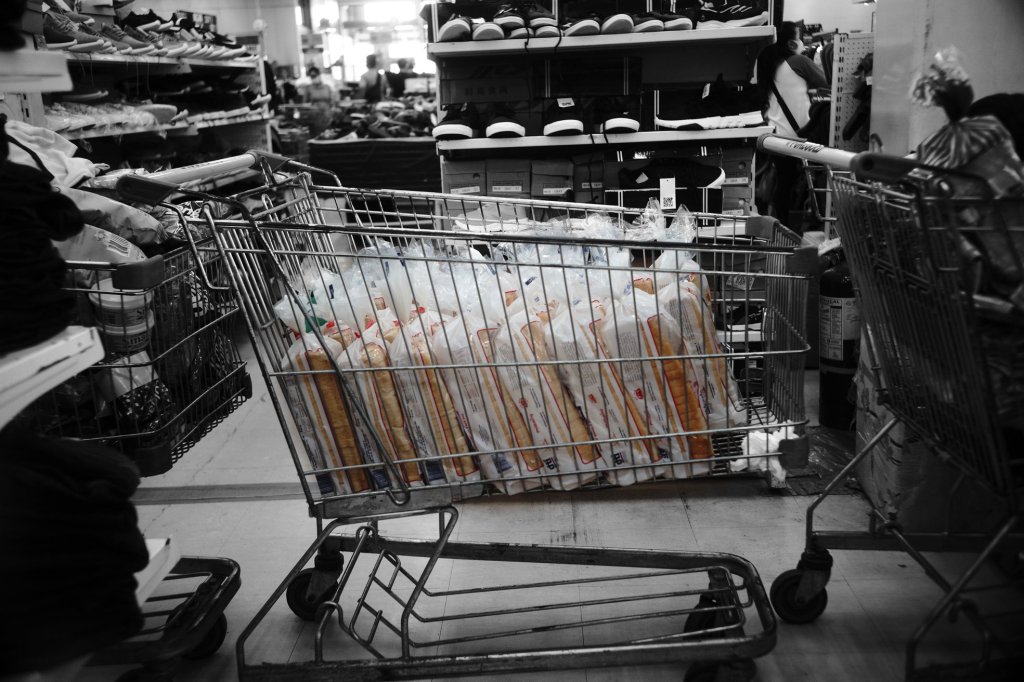
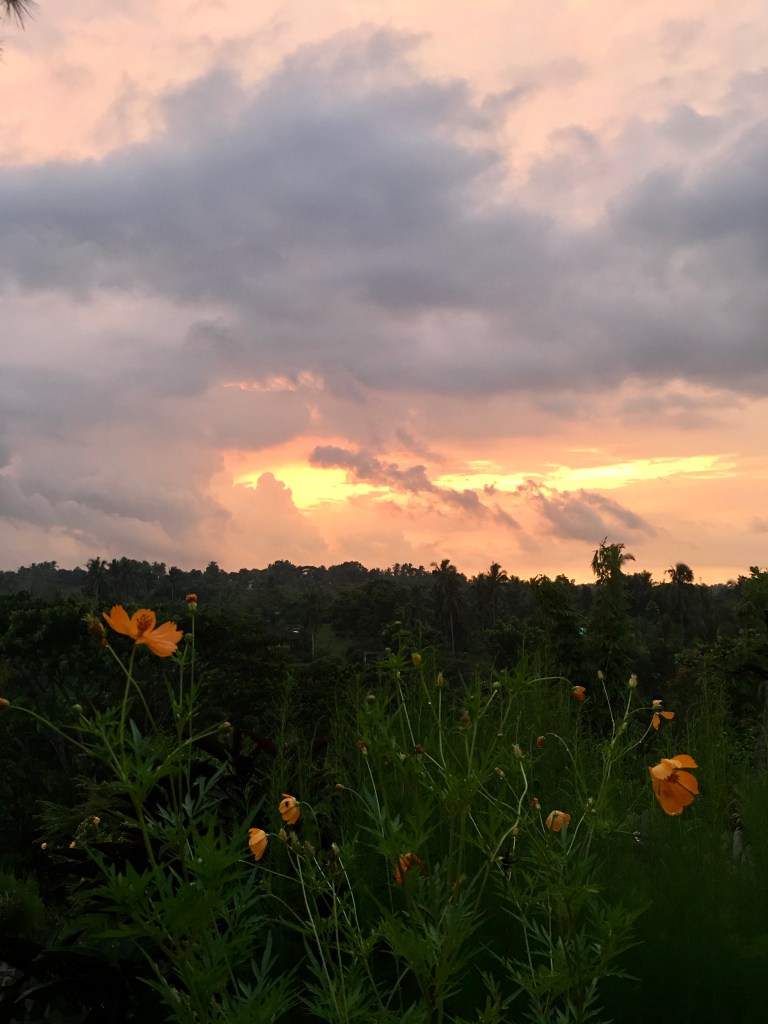
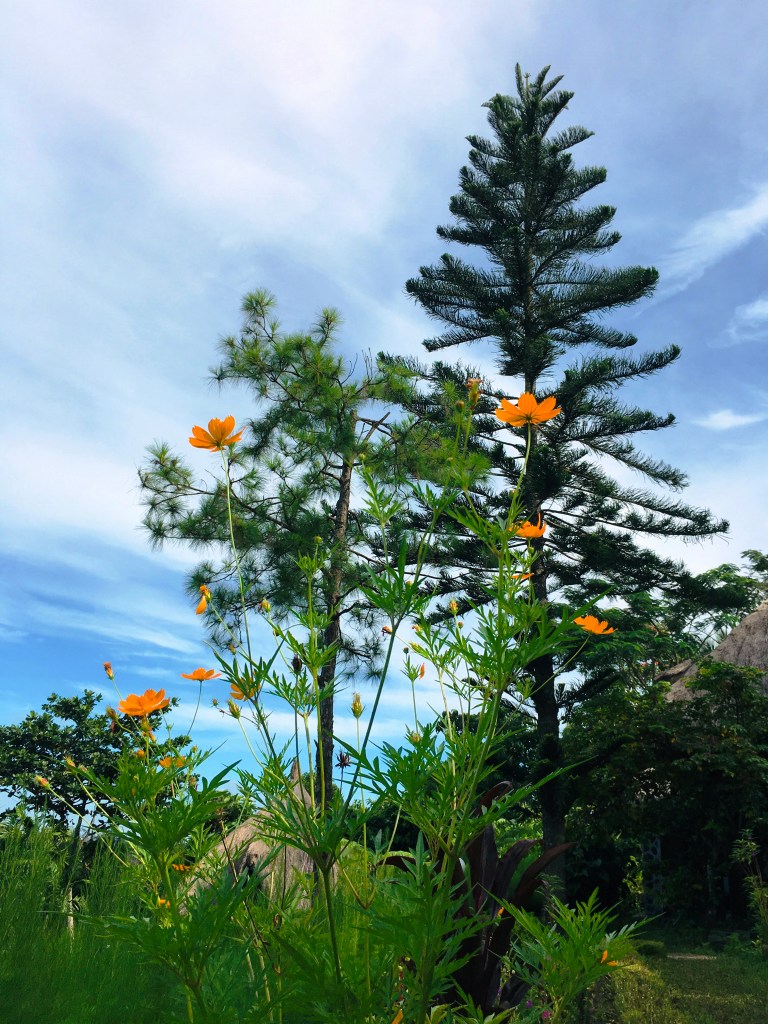
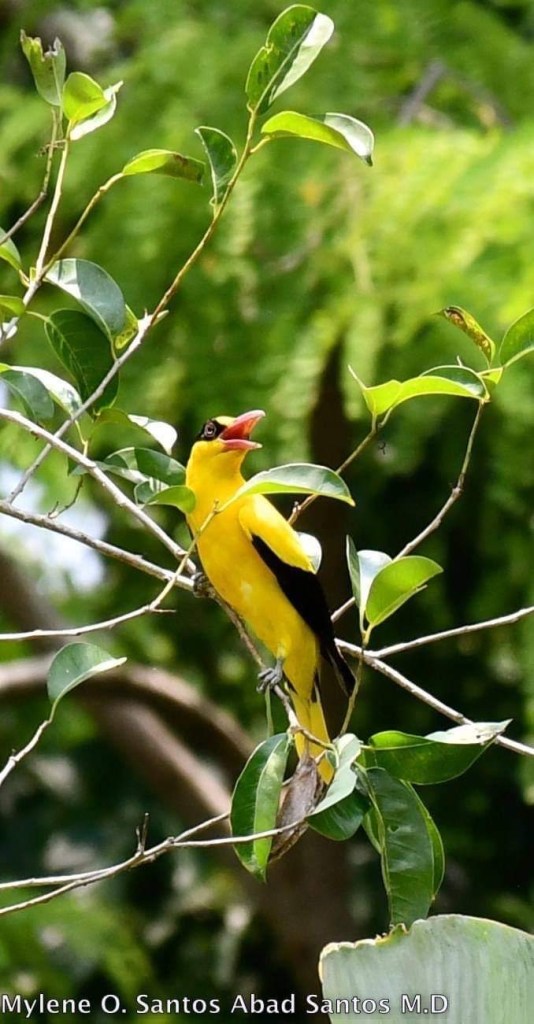
*Mga larawan sa itaas mga kuha ni G. Jay Javier, Mayo 2020; habang ang mga nasa ibaba ay kuha ng may-akda maliban sa ibong dilaw at puting bulaklak na kuha ni Dr. Mylene A. Santos, MD.
Quiet Storm by Fr. Nicanor F. Lalog II, 10 September 2020
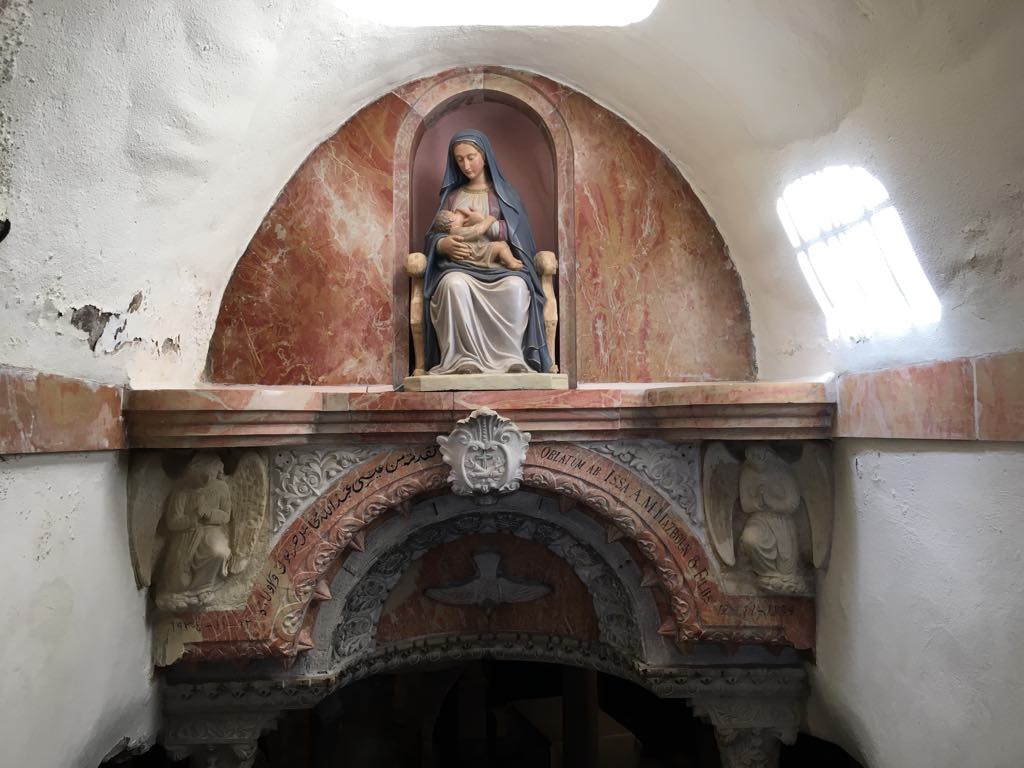
Chapel of the Milk Grotto in Bethlehem where the Holy Family hid before fleeing to Egypt to escape Herod’s murder of innocent babies. According to tradition, a drop of milk from the Virgin Mary fell on the floor of the cave that turned color of the stones to white.
We have just celebrated the Feast of the Birth of the Blessed Virgin Mary, the most perfect example of one who had experienced God’s hiddenness in her life, teaching us with some important lessons in rediscovering and keeping God’s hiddenness specially in this age of social media when everything is shown and has to be seen.
We have mentioned in our previous blog that hiddenness is different from being invisible that simply means “not visible”; hiddenness is more than not being seen per se but that feeling with certainty that God is present though hiding because he wants to surprise us. If God were not hidden, we would have not found him at all. And the more God is hidden, the more we are able to see him and experience him too as seen in the life of Mary (https://lordmychef.com/2020/09/04/the-hiddenness-of-god/).
The hiddenness of Mary.
Simplicity and humility of Mary as venue for the perfect setting of God’s coming in Jesus Christ. Consider her origins: her town of Nazareth in the province of Galilee was definitely outside the more popular city of Jerusalem that was the place to be at that time. Most of all, it is the only town in the New Testament never mentioned in the Old Testament nor by the prophets for lack of any significance in the coming of the Messiah.
Nazareth was largely unknown with some hint of notoriety as expressed by Nathanael (aka, Apostle Bartholomew) when he expressed disbelief to Philip who told him they have found the Christ, Jesus of Nazareth, by saying “Can anything good come from Nazareth?” (John 1:46)
Photo by author of chapel at the grotto believed where Mary received the good news of bearing Jesus Christ in her womb underneath the Basilica of the Annunciation at Nazareth, Israel (2019).
But that is how God works in his hiddenness, coming to us in the most ordinary places and circumstances, even least expected like Mary who was definitely not “in” if we go by today’s popular standard of “who’s in and who’s out?”
In fact, she was so “outside” the circle of influence of their time with her being promdi as we say these days, without any illustrious lineage to be proud of like her spouse Joseph who was from the royal Davidic line or her cousin Elizabeth from the priestly branch of Aaron, the brother of Moses whose husband, Zechariah belonged to another priestly clan in Israel.
Yet, God chose Mary to be the Mother of Jesus Christ because of her hiddenness expressed in her simplicity and humility. It is a far cry from our extreme “Marianism” when we almost worship Mary forgetting Jesus Christ her Son and our Savior! Worst still is the growing trend of “triumphalism” in many parishes racing for the so-called “episcopal” and “canonical” coronation of their various images of the Virgin Mary that come in all kinds of names and titles that has come to look more of a fad than authentic Marian devotion.
Without any intentions of denigrating the role and stature of the Blessed Virgin Mary in our faith as well as her proper place in the life of the Church defined by Vatican II’s Lumen Gentium, I dare ask the following questions:
Photo by author, a replica of Our Lady of the Poor of Banneux, Belgium at Girlstown, Cavite (2009).
Is her coronation in heaven as Queen of heaven and earth not enough?
Why the need for these lavish spectacles for the coronation of the most simplest and humblest woman to have lived on earth?
It is a clear case of triumphalism – that exaggeration or overdoing our worship and rituals – especially if the Marian image is less than 200 years old without widespread devotions like the ones at Sto. Domingo (Quezon City) and Manaoag (Pangasinan).
I do not think the Blessed Mother would favor this considering her simplicity and solidarity with the poor and marginalized peoples seen in her many apparitions.
See the quaint and charming simplicity of Mary at Fatima in Portugal (1917) and lately at Banneux in Liege, Belgium (1933) where she identified herself as “Lady of the Poor”.
Note how the Virgin Mary reads “the signs of the times” in her apparitions and appearances when during the 1500’s at the height of European royalties and expeditions, she was always portrayed as victorious in regal clothes; but since Fatima in the 20th century as the world sank into the excesses of Industrial Revolution and affluence, Mary appeared simple, always in solidarity with the poor and suffering.
It is a cue we are sorely missing and sad to say, instead of renewing the world as St. Paul had asked us, we have allowed ourselves with the Mother of God to be transformed into the ways of the world by immersing in its showbiz frenzies, focusing on the material aspects like expensive clothes and jewelries.
Second example of Mary’s hiddenness is her oneness with Jesus Christ. She was never on her own, always seen in Jesus, with Jesus her Son and Lord. She believed in him so much, making him the focus at the wedding feast at Cana as well as at the foot of the Cross where she expressed in the most strongest terms her solidarity with the Savior of the world.
This has always been insisted by the Church since Vatican II regarding our devotions to Mary that must always be in relation with Jesus and his mission — never on her own.
Photo by author, 2019.
In all her apparitions, the Blessed Mother has always been consistent with her messages of conversion and return to God through her Son Jesus Christ, the frequent reception of the Sacraments of the Eucharist and Confession or Reconciliation.
Mary’s Christocentricity is best seen in her oneness with him in pains and sufferings like in the Pieta and the Mater Dolorosa where Jesus is the one standing out, not her. Nor anybody else.
When Mary, or anybody else for that matter goes on one’s own, Jesus is no longer hidden but removed from the scene. Then his Cross disappears and all that is seen is Mary in all her “beauty and glory” that are empty, very secular because these attributes come precisely from her communion in Jesus!
Perhaps, this pandemic is teaching us today to review our Marian devotions and processions that have become more of a show and a spectacle for Instagram than for deepening of our faith.
I pray that the Cofradia that holds the annual December 8 processions at Intramuros would take a rest this year until 2022 to discern their noble efforts before that have degenerated to pomp and pageantry among “devotees” specially camareros and camareras trying to outshine and outclass each other with some participation at the sidelights of their pastors and sacristans.
Keeping the hiddenness of God while we remain hidden in contemplation.
Of all the qualities of Mary we all must imitate to help people rediscover God’s hiddenness is her being hidden in prayer and contemplation.
St. John Paul II noted in Rosarium Virginis Mariae when he launched the Luminous Mysteries in 2002 that although the scriptures are silent about where was Mary during the other significant moments of the life of Jesus, especially at the institution of the Holy Eucharist, it was most likely that Mary was also present deep in prayer.
This we find clearly at the Pentecost when the Holy Spirit descended upon the apostles and the Blessed Virgin Mary while they were praying at the Upper Room in Jerusalem (Acts 1:13-14).
Modern rendition of the Pentecost with Mary among the other disciples of Jesus. From Google.
Pope emeritus Benedict XVI shares with us his profound insight in his second Jesus of Nazareth book series (Birth of Jesus) how after the annunciation of the the birth of Christ to Mary, the angel left her totally without ever coming back to warn or instruct her unlike with Joseph. After saying “Yes” to the plan of God to be the Mother of Jesus, Mary immersed herself deep in prayers and contemplation, becoming hidden herself in God.
Since then, she never doubted Jesus her Son as the Christ, nurturing her faith with prayers beautifully expressed by St. Luke in saying how “Mary treasured things in her heart” when facing difficult situations like during his birth and his finding at the temple. It is not surprising that in the contemplation by St. Ignatius of Loyola, the Risen Lord must have first appeared to his Mother upon rising from the dead because she was the first to believe totally in him (which became the basis of our tradition of the Salubong).
Mary has always been present in the hiddenness of Christ from his coming in the darkness of the night on a manger in Bethlehem, to his hidden years in Nazareth, to his ministry when he would always retreat to a deserted place to pray, to his Crucifixion and death and burial on Good Friday and finally, in the darkness of Easter.
In this age of social media where everyone and everything has to be seen and shown with nothing hidden anymore even without qualms and shame at all, part of our mission and ministry as priests and religious is to lead people back to God’s hiddenness like the Virgin Mary so they may realize anew that the best things in this life are not always seen.
To fulfill this is for us first of all to imitate God like Mary — be hidden!
How unfortunate that instead of leading the people back to God’s hiddenness, we priests and religious have in fact joined the secular world, imitating the “influencers” like bloggers and vloggers that instead of focusing on God who is hidden, we are concerned with our selves and all the “porma” for the sake of number of “likes” and “followers” we have in our posts.
The more we try so hard to make God visible in our ministry by imitating the styles and gimicks of some media personalities that make our liturgy look like a variety show complete with song and dance numbers with our altars heavily decorated like a studio set with giant tarpaulins like in EDSA, that is when we remove God totally – not only his hiddenness – from the scene and inverse proportionately, the more we priests and pastors become more popular than the Lord himself.
“The Assumption of the Virgin” by Italian Renaissance painter Titian completed in 1518 for the main altar of Frari church in Venice. Photo from wikidata.org.
And that is how cults begin, with or without Jesus. It is very sad, even tragic and ironic because we have removed God himself – even Mary! – by unconsciously making ourselves the center of attention like pop icons and idols.
Mary had shown us the most perfect example of discipleship which is more of Jesus, less of self.
Can we not post without using our own pictures – no matter how profound our thoughts are – so the people may see the hiddenness of God in a photo of a lovely flower or a magnificent sunset? Unless you are a bishop or the Pope himself, having your photo published specially in the news is part of the information process about the person in focus. It is totally different in Church communications which is all about God and his message of love, not us.
The quarantine period invites us in the Church to appreciate and share this wonderful hiddenness of God by first becoming incognito, unknown and hidden from others, preferring to be at the background or “behind the camera” as we follow God in his hiddenness until we go to that great beyond of totally hidden from everybody except God.
Do not worry. We have Mary in every step along the way. Amen.
Lawiswis ng Salita ni P. Nicanor F. Lalog IIPaggunita sa Pagpapakasakit ni San Juan Bautista, Ika-29 ng Agosto 2020
Ama naming mahabagin,
ngayong ginugunita namin
pagpapakasakit ni San Juan Bautista,
Inyo sanang dinggin aming panalangin
para sa maraming kapatid namin na ginigipit, iniipit;
ang iba sa kanila ay nakapiit
marami ang lugmok sa pait at sakit na sinapit
mula sa mga makabagong Herodes at Herodias
na prinsipyo at pagkatao, ipinagpalit sa ginto.
Inyong patatagin paninindigan sa katotohanan
katulad ni San Juan Bautista
upang ipagpatuloy pakikipaglaban
nasaid man ang kabuhayan
at tanging pinanghahawakan
dangal ng katauhan.
Ikaw lamang Panginoon
ang nakaaalam ng higit na mainam
kami ay Iyong turuan at tulungan
katulad ni San Juan loob mo ay masundan
kami ma'y maging palatandaan
ng Iyong kapanatilihan sa gitna ng mga
pag-uusig at kahirapan.
Amen.
*Mga larawan sa itaas: una ang painting ni Caravaggio ng pagpupugot sa ulo ni Juan Bautista mula sa wikimedia.org; biktima ng tokhang mula sa Philippine Daily Inquirer; umiiyak na empleyado ng ABS-CBN mula sa Reuters.org; at mga locally stranded individuals sa ilalim ng flyover malapit sa NAIA kuha ni G. Raffy Tima ng GMA-7 News.
Lawiswis Ng Salita ni P. Nicanor F. Lalog II, Ika-24 ng Agosto 2020
Larawan kuha ng may-akda sa Pulilan, Bulacan, Enero 2020.
Ang sabi nila
buhay ay parang isang pelikula
tayong lahat ang bida at artista;
kaya lalo nang malaking pelikula
at tiyak patok sa takilya
pelikula ng ating republika!
Siyempre, lahat ay pabida
gusto umeksena
hindi lang sa Palasyo at Kongreso
pati na rin sa mga paseo basta matao.
Ang nakakatawa pero bumebenta
lalo na sa mga tanga
mga artista nagpipilit sa pulitika
mga pulitiko umaarte, nagpapabebe!
Dating pelikula ng ating republika
makasaysayan at makahulugan
maituturing na isang sining
nababanaagan maningning na liwanag
katulad din ng pinilakang tabing
kapupulutan ng mga ginintuang aral
mga talastasan at eksena
mula sa mga aninong gumagalaw;
nang magdeklara ng Martial Law
nagsimula rin ang kasalaulaan
ng pamahalaan maging sa sinehan
kung saan mga hubad na katawan
pinagpipistahan, kunwari'y film festival
ang totoo ay karnabal.
Nagwakas din at nagsara ang tabing
ng malagim na yugto ng kasaysayan natin
bagong simula ang dokyu ng EDSA
kinalaunan naging trahedya
pelikula ng republika, naging telenovela at komedya
nang maupo tunay na artista ng masa,
nagreyna sa media at chika
puro artista, kaya dumagsa na rin sila
naging zarzuela pelikula ng ating republika
naglabo-labo at moro-moro, gumulo nang gumulo
kaya heto tayo horror na nakakatakot
nakapangingilabot kadiliman
at kasamaang bumabalot parang bangungot
hugot sa isang eksena ng pelikula na sana'y matapos na.
Ngunit kung titingnan
mga pelikulang horror walang laman
puro kabobohan at katangahan
dinaraan lang sa gulatan
hanggang maging katatawanan.
Hindi ba't ganyang-ganyan
ating lipunan at pamahalaan
isang malaking pelikulang katatakutan
na puro kabalastugan at kahangalan?
Kaya aking payong kaibigan,
sa susunod na halalan
tanggihan, huwag nang pagbigyan
mga artista sa pulitika,
mga pulitiko na payaso!