Lord My Chef Recipe by Fr. Nicanor F. Lalog II
Holy Monday, 30 March 2026
Isaiah 42:1-7   +++   John 12:1-11
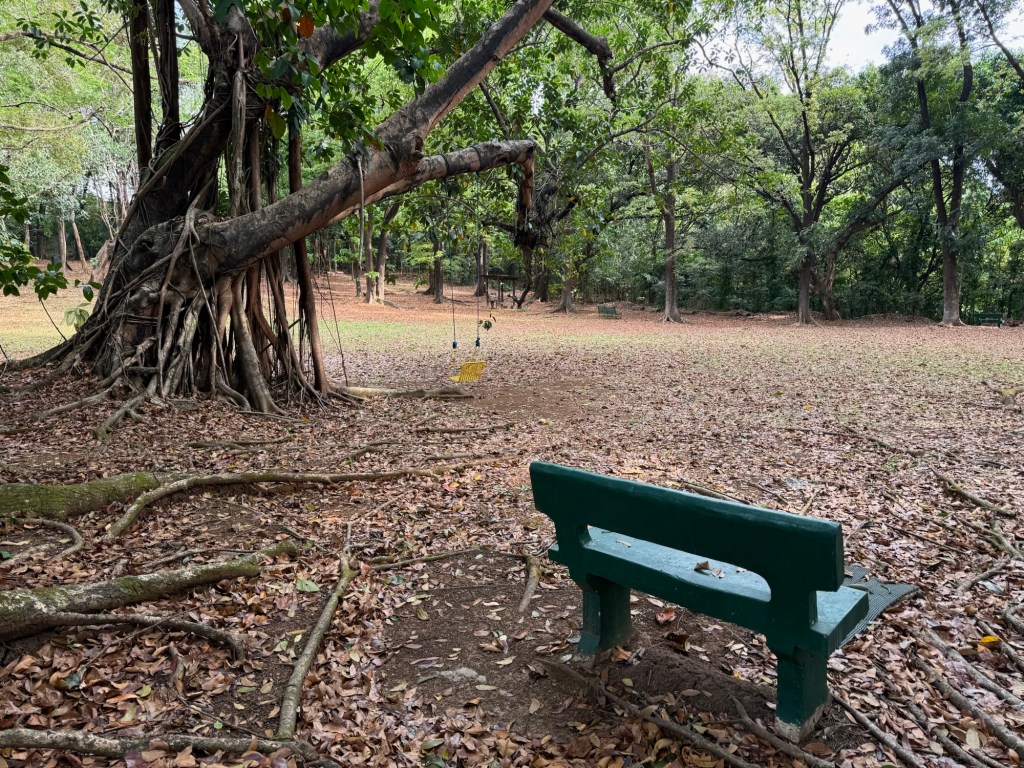
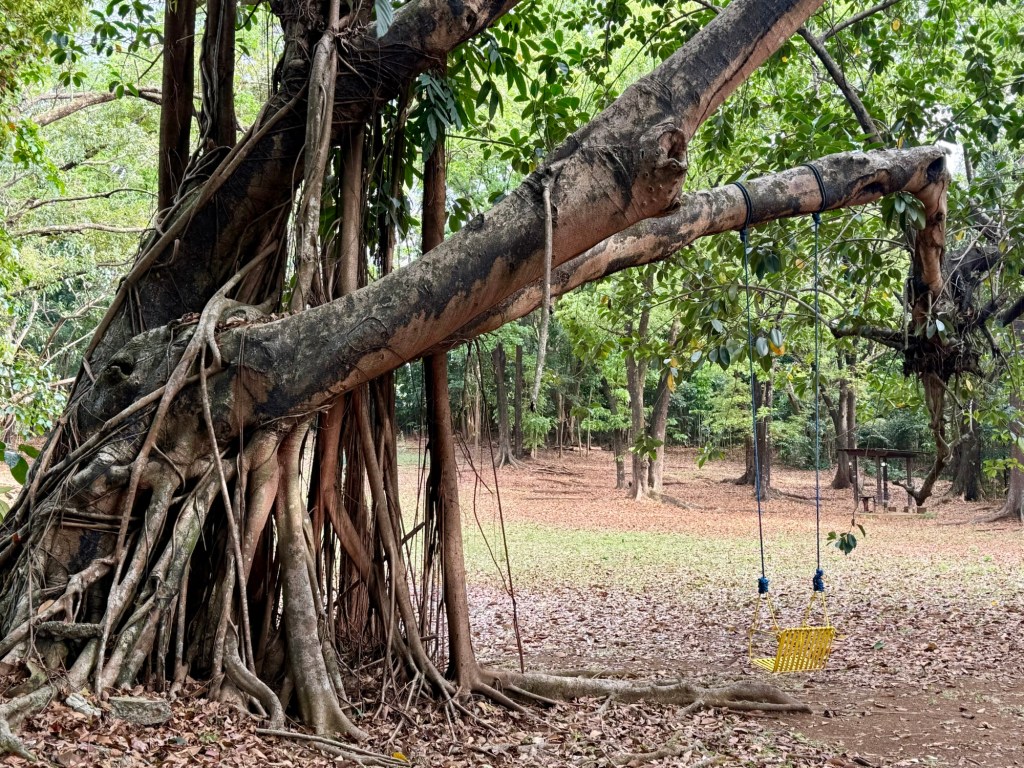
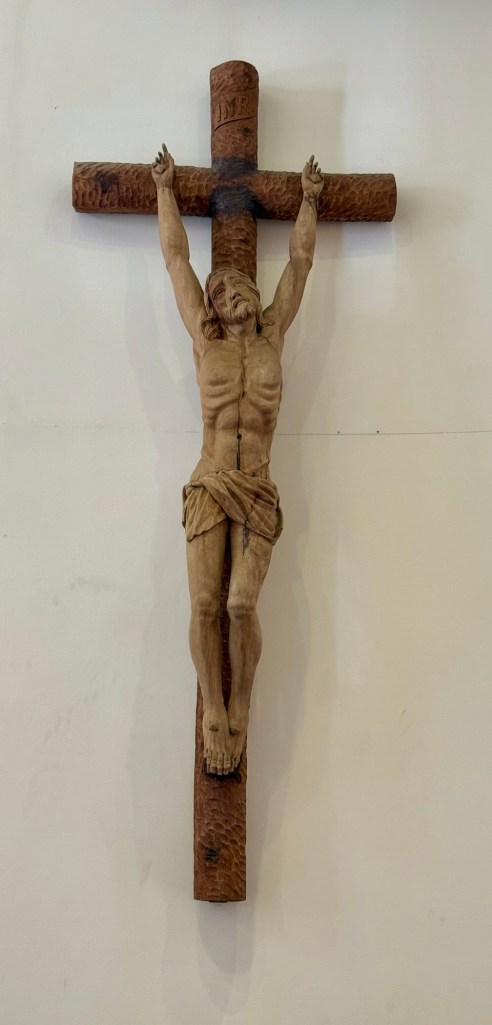
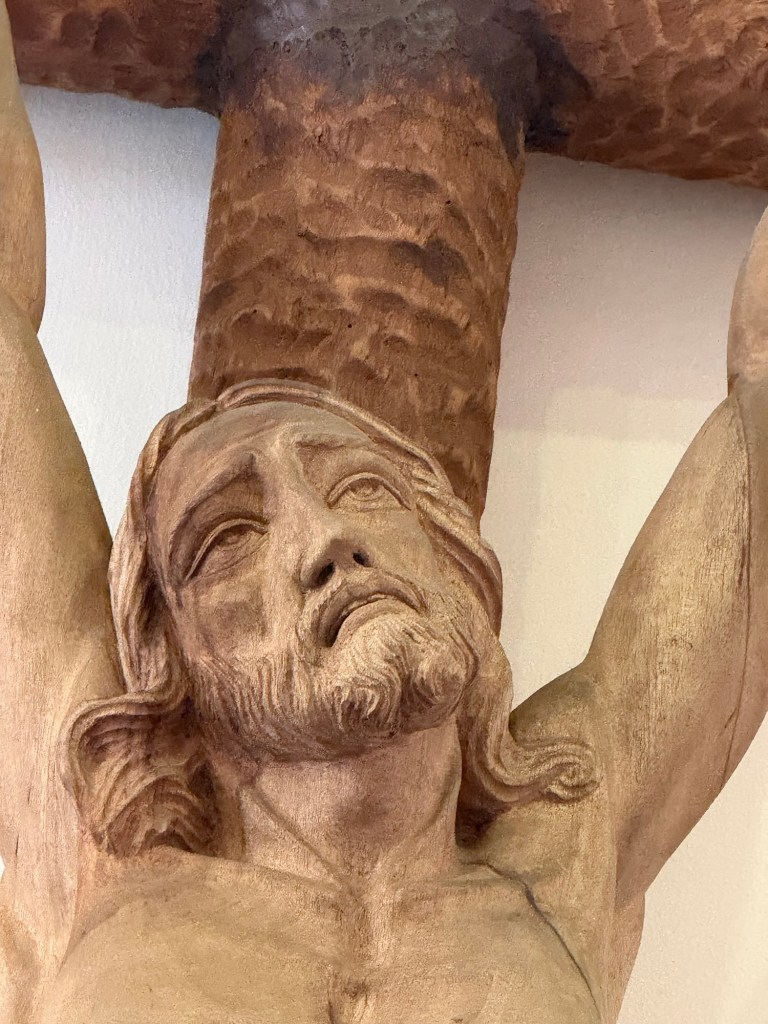
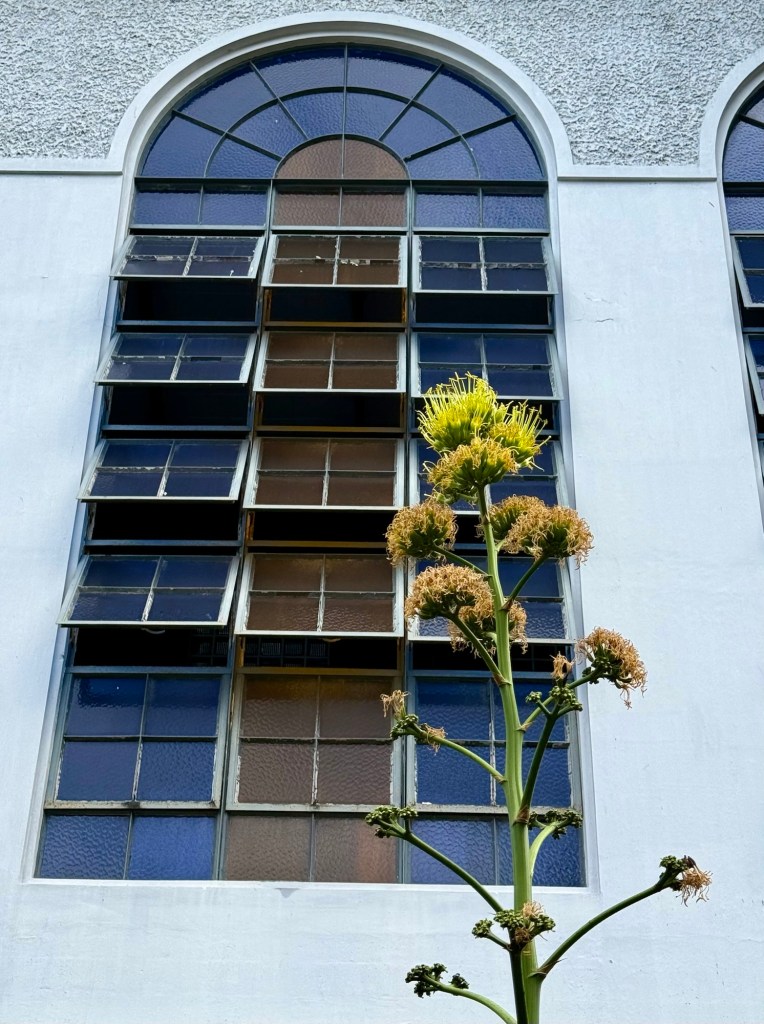
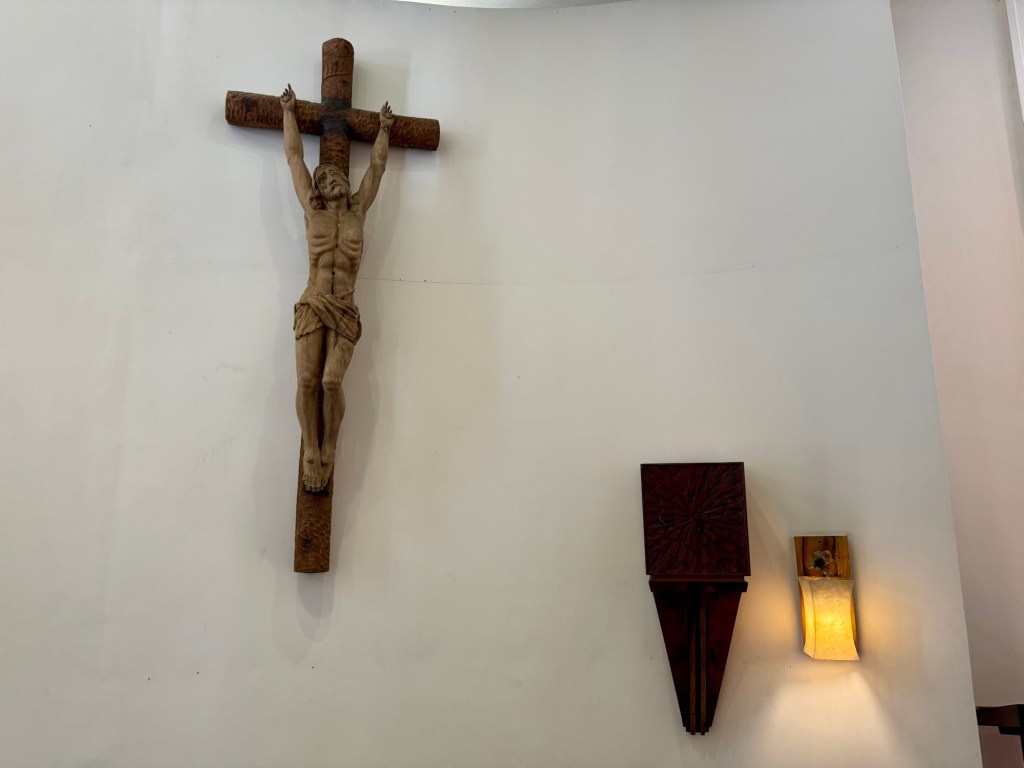
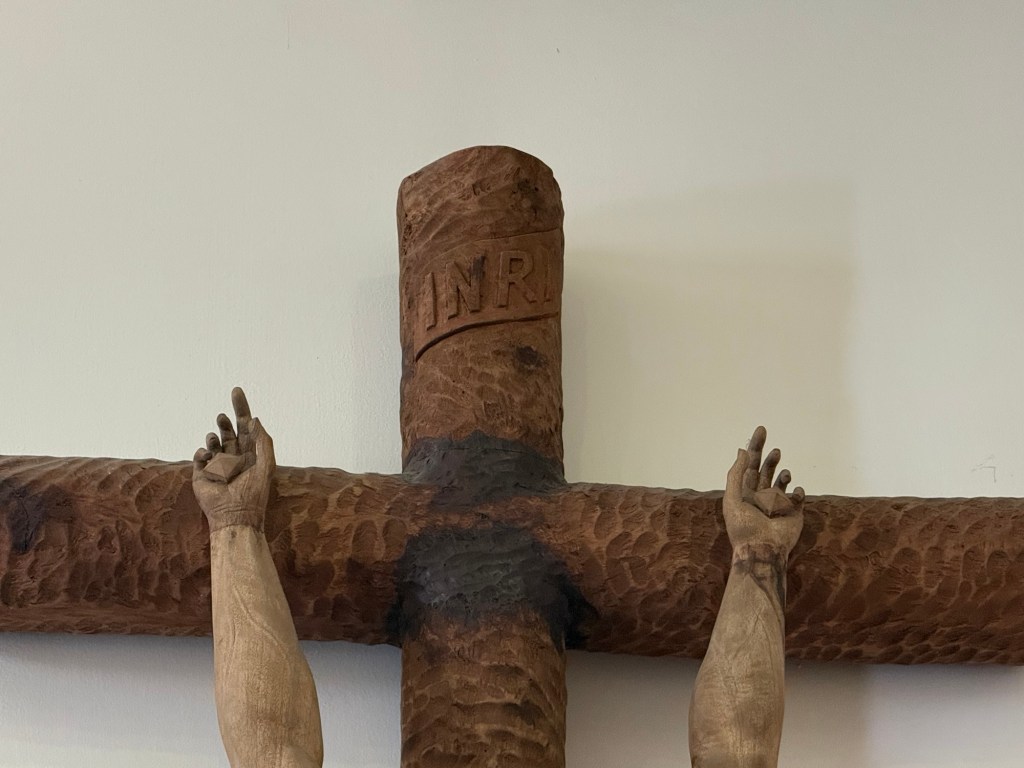
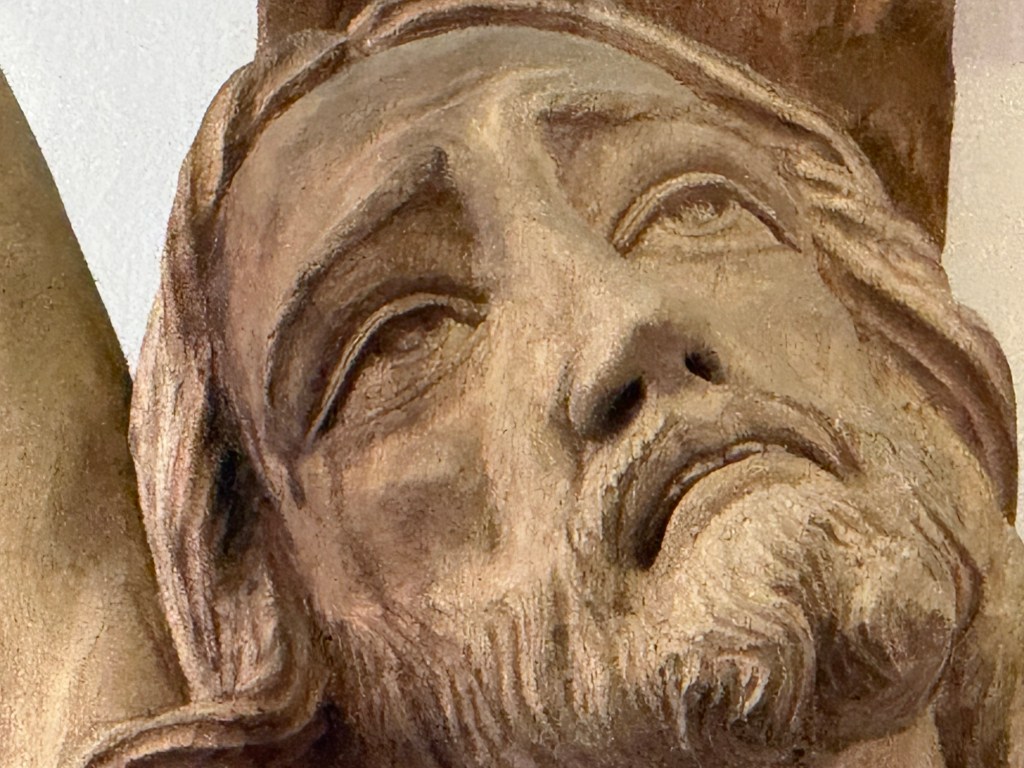
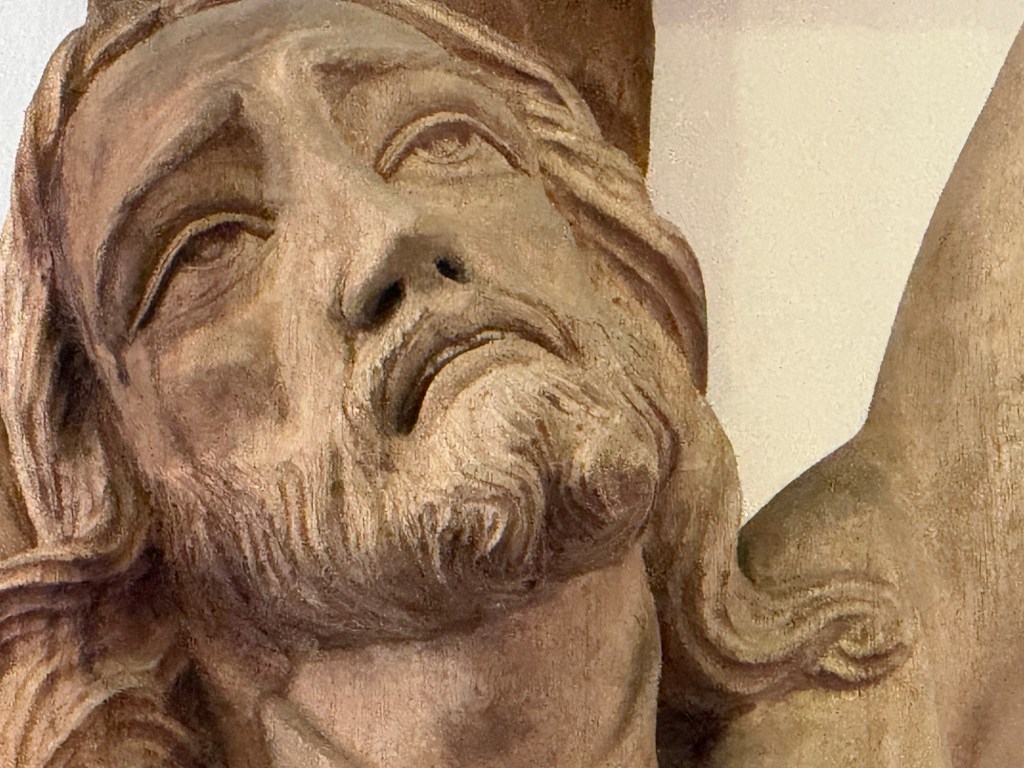
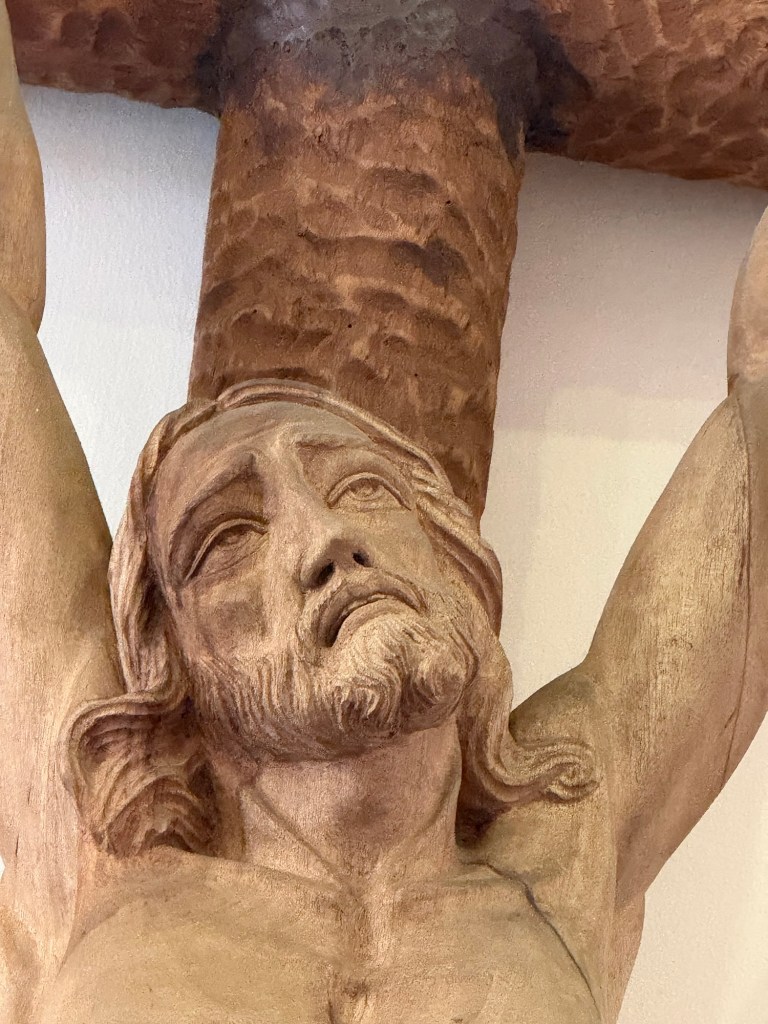
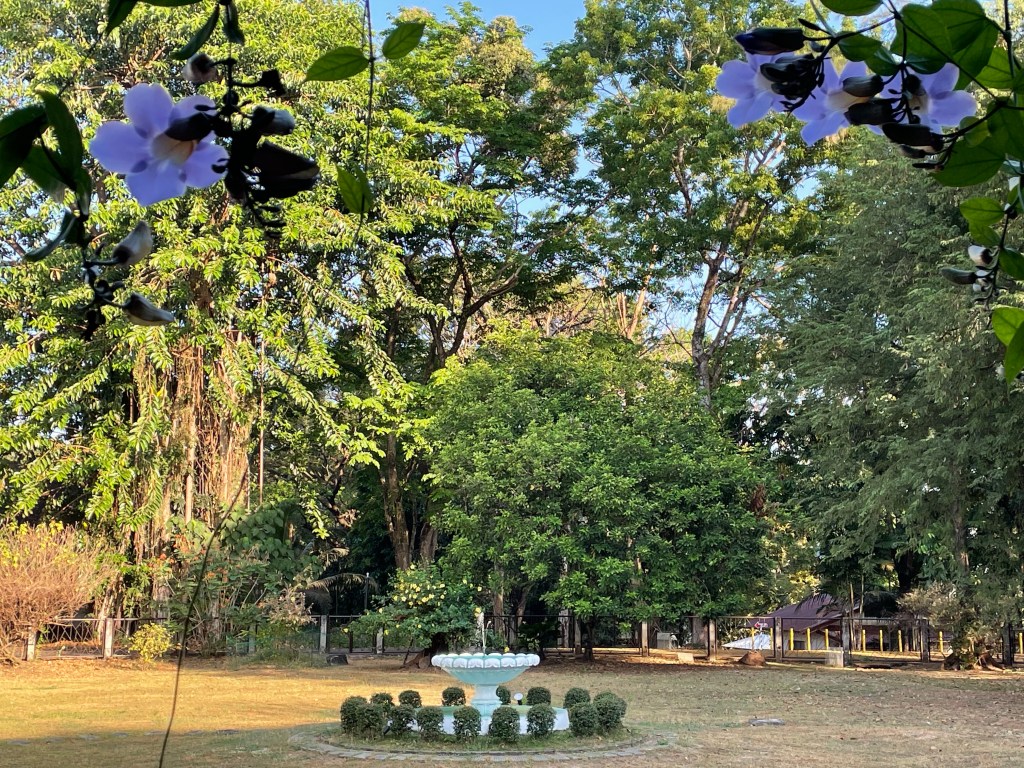
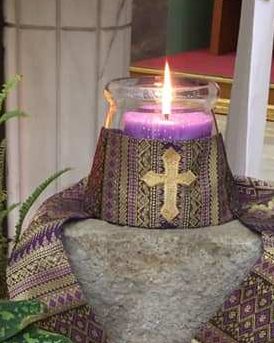
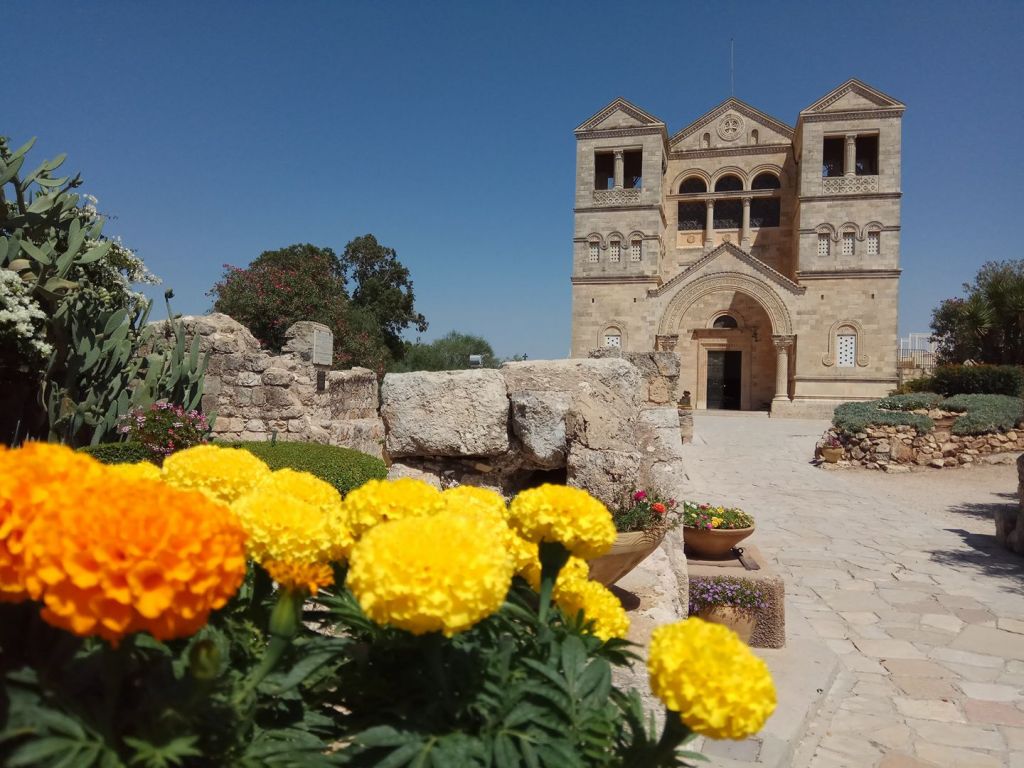
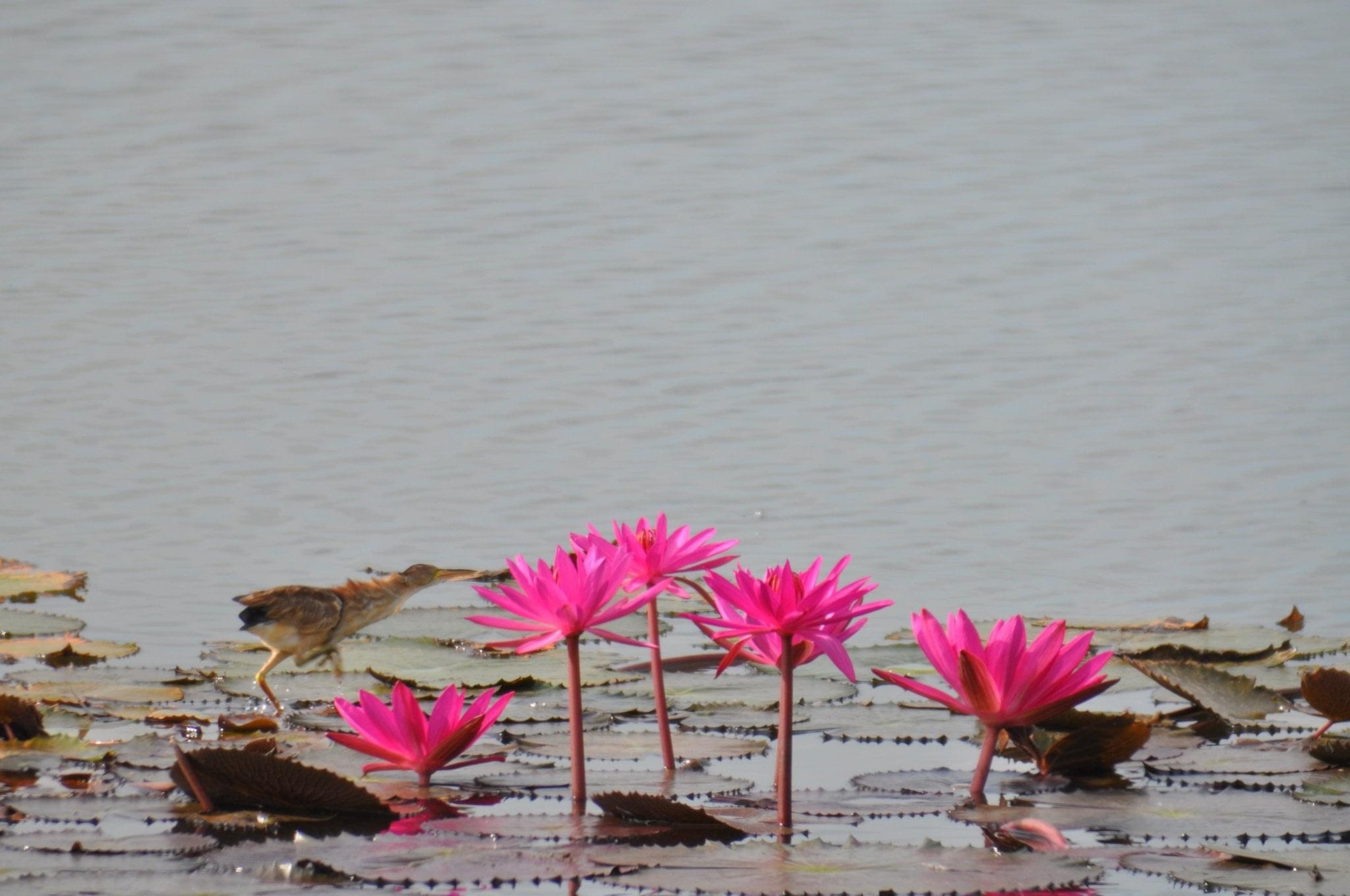
Photo by author, Sacred Heart Novitiate, Novaliches, QC, 20 March 2026.
Here is my servant
whom I uphold,
my chosen one with whom I am pleased,
upon whom I have put my spirit;
he shall bring forth justice to the nations,
not crying out,
not shouting,
not making his voice heard in street.
A bruised reed he shall not break,
and a smoldering wick he shall not quench...
(Isaiah 42:1-3).
Lord Jesus Christ,
our Suffering Servant,
let me be your servant too:
open my eyes
and free me from
whatever prison holding me
in darkness
like Judas
 your betrayer
at Bethany:
many times I break a bruised reed,
quenching a smoldering wick
by looking more at people
than seeing you in them,
counting things instead
of appreciating persons.
Jesus our Suffering Servant,
only you can bring peace
and justice in this world
troubled with wars waged
everywhere
but especially right in our hearts;
fill me with your Spirit
so I can love you more
and be loving like you
silently doing your work.
Amen.
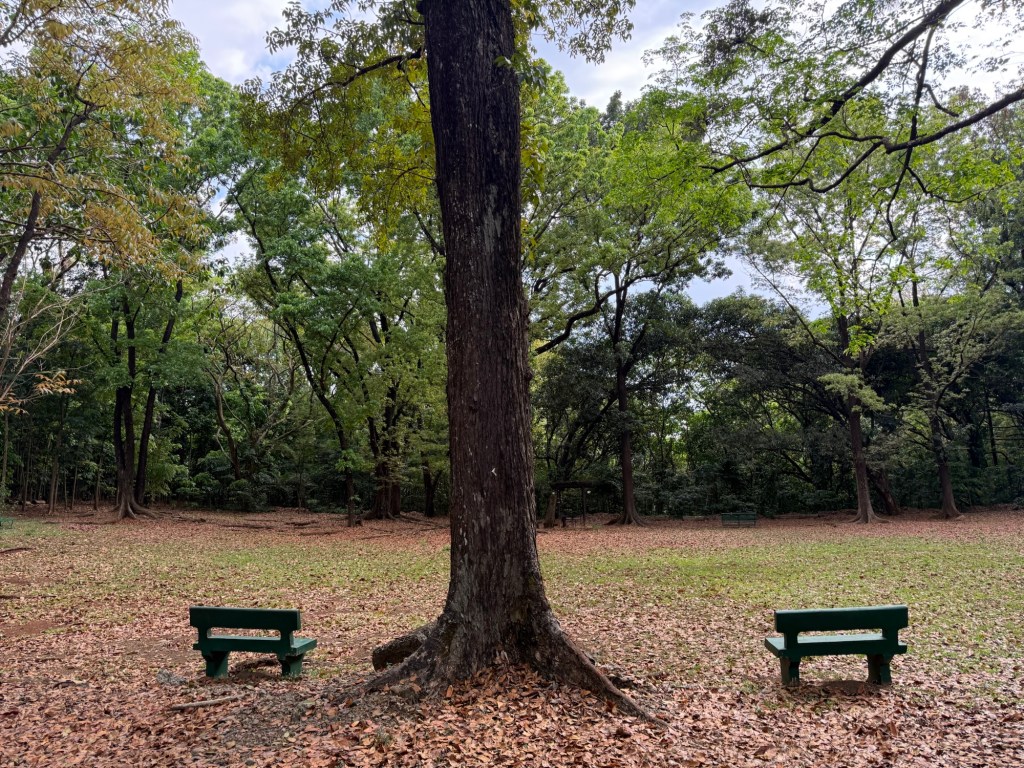
Photo by author, Sacred Heart Novitiate, Novaliches, QC, 20 March 2026.
40 Shades of Lent by Fr. Nicanor F. Lalog II
Palm Sunday of the Lord's Passion, Cycle A, 29 March 2026
Isaiah 50:4-7  +++  Philippians 2:6-11  +++  Matthew 27:11-54
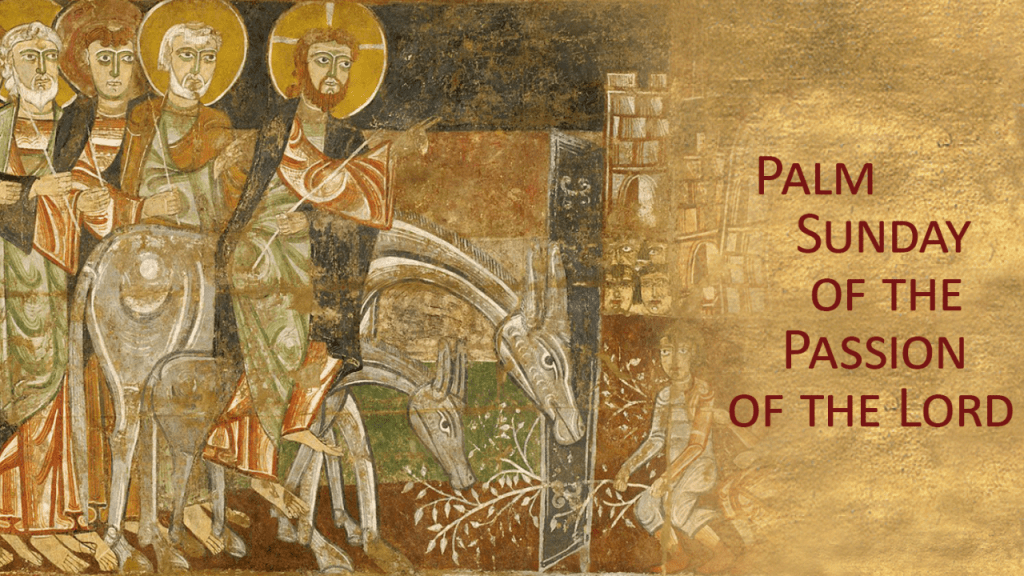
From influencemagazine.com.
We begin today the Holy Week with Palm Sunday of the Lord’s Passion. Its long name is derived from the two celebrations that developed separately in Jerusalem and Rome during the first one thousand years of Christianity, one of the oldest in our liturgy.
As early as the fourth century, Christians in Jerusalem celebrated Palm Sunday at the city gate with a procession led by its bishop followed by people holding palms reenacting Christ’s entry into Jerusalem. Meanwhile in Rome, the Pope ushered the Holy Week with the proclamation of the long gospel account from the Lord’s Supper to his Passion, Death and Burial. Eventually in the 12th century, Jerusalem’s practice of a palm procession with the blessing of palms added by the French in year 800 reached Rome and was celebrated separately. After more than a 1600 years, it was only in Vatican II when the two celebrations from Jerusalem and Rome were merged into one that we now have its official designation as Palm Sunday of the Lord’s Passion.
From vaticannews.va
It is a beautiful story of how two distinct practices in Jerusalem and Rome, of two contrasting liturgies mirrored our different and unique journeys into the mystery of God in Jesus Christ’s Passion, Death, and Resurrection.
And I love that contrast because our life is filled too with many contrasts that make it so beautiful and meaningful.
Contrast is when we compare differences between two or more things in order to highlight distinctive features like light and shadows, or pains and joys that make us see life fullest. Contrasts many times are a grace from God when he works in disguise among us, within us, as he writes straight crooked lines in our lives that eventually lead us to him and be fulfilled.
All our readings today present us with many contrasts that enable us to find and welcome Jesus coming to us like that Sunday in Jerusalem in the midst of our pain and sufferings, joys and fears. Three things I wish to reflect this Sunday.
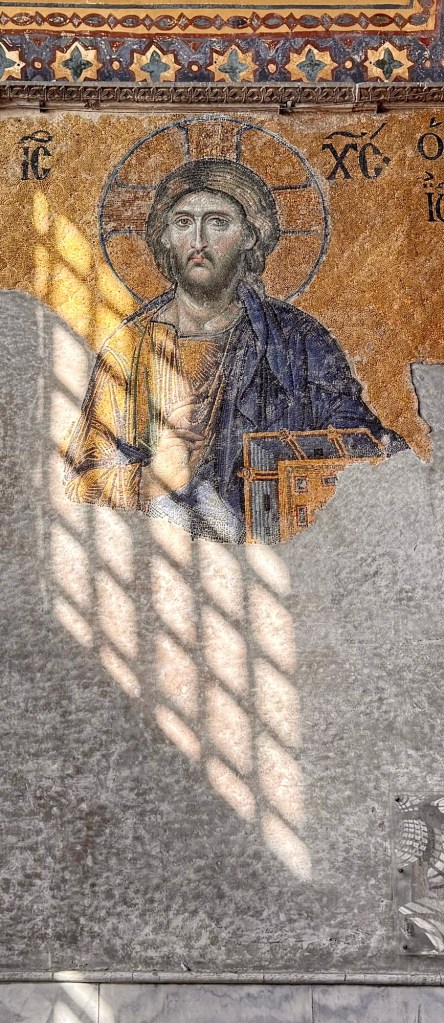
Photo by author, Hagia Sophia, Turkiye, November 2025.
First contrast we find is the wisdom of God and the folly of man.
Read the longer version of the gospel from Matthew 26:14-27:66 and you find the many contrasts presented by the evangelist to highlight God’s wisdom in Jesus and man’s folly among the Jewish people led by their priests and elders, Pontius Pilate, and even with the prince of Apostles, Simon Peter!
At his trial before the Sanhedrin at the house of the high priest Caiaphas, Jesus was so comp-composed, silently listening to the many false accusations against him, and then shocked when he admitted amnd declared his being the Christ indeed (Mt.26:57-68)! And while all these were going inside the house of Caiaphas, outside was Peter denying Jesus thrice when asked of his being a disciple (vv.69-75)!
Again we see this glaring contrast of God’s wisdom in Christ and man’s folly in Pilate as Jesus remained silent during trial, answering briefly only when necessary that have put his enemies at the defensive posture (Mt.27:11-14). And how foolish they were in choosing to set free a known criminal in order to crucify the Christ (vv.21-26) which continues to these days in our own country as we keep on electing corrupt and inept people into office.
The most tragic of all is how some people while professing to be Christians are like those mob in Jerusalem still defending a known murderer now facing trial for crimes against humanity who had cursed God several times, made fun of women including those raped and under whose administration happened rampant and shameless corruption and decadence.
How sad that despite our supposed to be many advancements in science and technology that have completely altered our way of living and way of thinking, we have actually become more lost and empty than ever. Like Pilate and the Jewish people of that time with their elders, the more we assert our supposed to be superior knowledge on everything, the more we sink into emptiness and meaninglessness.
Let us not be blinded with our intelligence that have sent men to space and moon and shrunk the globe into a village but have made us grow more apart from each other; open our eyes and our hearts in Jesus Christ who is the truth because he is the only way in life.
Photo by author, Sacred Heart Novitiate, Novaliches, QC, 20 March 2026.
Second contrast we find is that true power is in weakness not in strength.
Everybody at the trial and crucifixion of Jesus were at their own kind of “power play” especially the soldiers with the Jewish leaders and their cabal of followers (Mt.27:27-44). Imagine the very act of stripping Jesus or anyone for that matter of clothes – it is the most brazen display of power over someone. Not contented with that, they mocked Jesus while unconsciously recognizing him truly as king with the sign placed above his head, “This is Jesus, the King of the Jews” (v.37). They would confirm this later at the death of Jesus when they declared “Truly, this was the Son of God!” (v.54).
At his trial and sentencing until his crucifixion, Jesus showed that true power lies in weakness and surrender as St. Paul eloquently expressed in the second reading today, “Christ Jesus, though he was in the form of God, did not regard equality with God something to be grasped. Rather he emptied himself” (Phil.2:6-7).
How sad the whole world is now plunged into a great disaster without any clear sight of an end in the war launched by the US and Israel against Iran. Who’s really winning? Despite the sophisticated and powerful weapons of the US and Israel, how come Iran still continues to launch many missile attacks against its neighbors and worst of all, control a supposed to be tiny strait that had sent fuel prices beyond reach of Tomahawk missiles!
Let’s look into our own lives, in those moments we “power tripped” against others: what happened? Have we really won over them or, are we now suffering its dire consequences, even paying the price of our too much pride and display of power and strength? Jesus shows us in his triumphal entry into Jerusalem until his Passion and Death, true power is in weakness and surrender. It is the only path to Easter because it is the path of life and love which we shall see next.
Photo by author, Sacred Heart Novitiate, Novaliches, QC, 20 March 2026.
Third contrast we have seen in the passion of the Lord: life symbolized by blood is for love and caring, not for vengeance nor convenience. Not even a solution to a problem.
At the trial of Jesus, when Pilate felt at a loss that he could not set Christ free, he decided to wash his hands to free himself of any responsibility for his death: “I am innocent of this man’s blood. Look it to yourselves.” And the whole people said in reply, “His blood be upon us and upopn our children” (Mt.27:25-26).
It was the height of human arrogance and pride, of folly and insensitivity that sadly happens right in our homes, in our schools and offices, in the society and even in the church maybe.
Instead of using technology and the sciences for the care and preservation of human life symbolized by blood, these have actually objectified persons into things, from contraceptives to abortions, genetic manipulation and gender redefinition. We have become so impersonal that people are seen more in economic andn utilitarian terms especially infants and children as well as the sick and elderly, the most vulnerable ones among us. Worst, criminals and others labeled as misfits are disposed like things either through judicial or extrajudicial killings. So heartless.
See the contrast presented by Matthew in this aspect when at the Last Supper, Jesus “took a cup, gave thanks, and gave it to them saying, ‘Drink from it, all of you, for this is my blood of the covenant which will be shed on behalf of many for the forgiveness of sins'” (Mt.26:27-28).
Life is precious because it is vulnerable that is why God became human in Jesus Christ like us in everything except sin. Right after his birth, he faced the murderous threats of a king and now an adult, he offered himself freely to die on the Cross because he loved us so much so that we too may finally be able to love again like him as willed by God since the beginning.
Isaiah’s Song of the Suffering Servant in the first reading showed this contrast of Yahweh’s servant fulfilled in Christ Jesus of how he valued life so much, of bearing all pains and hurts because of love.
In his triumphal entry into Jerusalem up to his Passion and Death, Jesus showed us so many contrasts for us to see the bigger picture of life itself, of one another as brother and sister, of God who loves us so much. Take time to examine every contrast in life for God is surely in there, even sometimes in disguise. Amen. Have a blessed Holy Week ahead!
40 Shades of Lent by Fr. Nicanor F. Lalog II
Fifth Sunday in Lent, Cycle A, 22 March 2026
Ezekiel 37:12-14  +++  Romans 8:8-11  +++  John 11:1-45
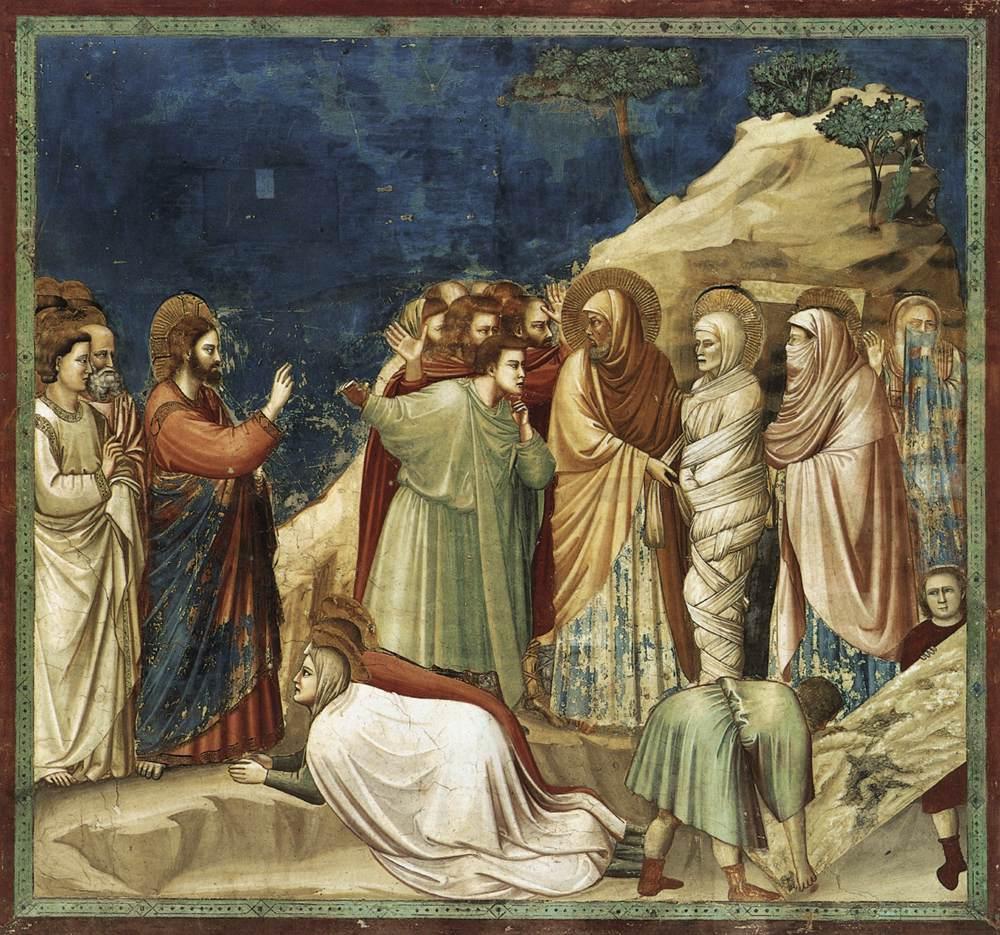
“The Raising of Lazarus” by Italian painter and architect Giotto di Bondone (1266-1337), fresco inside the Scrovegni Chapel in Padua, Italy via commons.wikimedia.org.
We now come to the final Sunday of our Lenten journey into Easter with John still as our guide telling us Jesus Christ’s raising to life of his friend Lazarus who had been dead for four days.
The raising of Lazarus is a prelude for the greatest sign of all by Jesus as the Christ – his Resurrection at Easter after his Passion and Death on good Friday. Though very long, it is a lovely story that speaks of Jesus Christ’s deep friendship with us by being most present in our most painful suffering of all which is death of a loved one as well as our many “deaths” in life.
And like in every true friendship, Jesus invites us like the sisters of Lazarus, Martha and Mary, to believe in him.
When Martha heard that Jesus was coming, she went to meet him; but Mary sat at home. Martha said to Jesus, “Lord, if you had been here, my brother would have not died. But even now I know that whatever you ask of God, God will give you.” Jesus said to her, “Your brother will rise.” Martha said to him, “I know he will rise, in the resurrection on the last day.” Jesus told her, “I am the resurrection and the life, whoever believes in me, even if he dies, will live, and everyone who lives and believes in me will never die. Do you believe this?” She said to him, “Yes, Lord. I have come to believe that you are the Messiah, the Son of God, the one who is coming into the world” (John 11:20-27).
When Mary came to where Jesus was and saw him, she fell at his feet and said to him, “Lord, if you had been here, my brother would not have died.” When Jesus saw her weeping and the Jews who had come with her weeping, he became perturbed and deeply troubled… (John 11:32-33).
Jesus said, “Take away the stone.” Martha, the dead man’s sister, said to him, “Lord, by now there will be a stench; he has been dead for four days.” Jesus said to her, “Did I not tell you that if you believe you will see the glory of God?” (John 11:39-40)
“The Raising of Lazarus”, 1311 painting by Duccio de Buoninsegna from commons.wikimedia.org
“Lord, if you had been here, my brother would not have died.” We are all like Martha and Mary who believed in Jesus Christ. Both expressed to Jesus their faith in him, of believing in him and his powers.
To believe is the starting point of every relationship. With God and with others.
It usually begins in our mind, in our intellect. We believe because we know and have learned their names and backgrounds, their likes and dislikes, and a host of others things. We can truly be friends with others even by believing only with our intellect that is why we understand their predicament and situations, the way they react. Almost everything, we know and have known that we are still the best of friends. Including with God.
Martha exemplified that kind of believing.
Martha is good. If she is the same “Martha, Martha” mentioned by Luke whom Jesus visited, she was well meaning like most of us.
She believed in Jesus. In God. In the scriptures when she told Jesus she knew Lazarus would rise along with all the dead in the resurrection on the last day.
Jesus never argued because it was good. Same with us.
Our friends do not argue nor break away from us with our kind of believing. After all it is reasonable and sane. But, believing from the mind, from the intellect is not enough. For a more intimate and engaging relationship in friendship, believing has to deepen and take root in our heart.
Believing leads to love.
Whatever kind of love, it starts in believing.
We love because we believe as we have claimed last Sunday.
But, believing and loving do not stop there.
How deeply, how truly we believe indicate how deeply, how truly we love.
Photo by author, Sacred Heart Novitiate, Novaliches, QC, 20 March 2026.
Without any intentions of comparing and pitting the two sisters against each other on who is better, John presents to us where believing leads us.
Like Martha, Mary expressed how she believed in Jesus and his powers by telling him “Lord, if you had been here, my brother would not have died.”But it was not merely coming from her mind, from her head, from what she knew of Jesus but more of how she felt with Jesus.
Notice at the start of this long story (verse 2) how John described Mary as the one who anointed Jesus – six days after this raising of Lazarus – with perfumed oil and dried his feet with her hair as expression of her faith and love for the Lord on his burial. Getting some help from Luke’s account again, we find Mary’s level of believing as deeper and matured when she chose to seat at the Lord’s feet to listen to his teachings when he came to visit them.
Mary came to Jesus with her total self – unashamed to weep in front of the Lord. She spoke no words, showed no clues of her “theology” like Martha’s faith seeking understanding by studying the scriptures.
It was Mary’s heart that spoke to Jesus that he was “perturbed” twice and “deeply troubled” seeing her. Even the Jews with her felt the Lord so moved by her that led us to the final scene of this beautiful story.
Feel the revelations at the cave where Lazarus was buried:
When Jesus asked the stone removed from the cave, Martha stepped in. And it was reasonable of her. We do it so often in various occasions like in funerals and deathbeds.
That was when Jesus reminded her, “Did I not tell you that if you believe you will see the glory of God?”
Everybody fell dead silent.
Jesus then prayed aloud briefly to the Father, shouting for Lazarus to come out – alive, still covered with cloth. End of scene.
What’s next?
You tell me. Tell me how much you believe Jesus, how much you love Jesus. And how much you love like Jesus especially when everything, everyone is dead, dead silent, dead still for many reasons.
Photo by author, Sacred Heart Novitiate, Novaliches, QC, 20 March 2026.
How much do we believe in Jesus, the resurrection and life?
Think of our many deaths in life. Not only in losing a beloved but our very own deaths – when we were buried and dead to sin and failures, disappointments and losses like the Israelites thrown into exile that Ezekiel the Prophet described in the first reading. What a beautiful imagery of God raising us to life, opening our graves of sins and failures, weaknesses and darkness, breathing into us his spirit, now better. Or maybe still struggling in life.
Believing in Jesus is believing like Martha and Mary most especially, unashamedly pouring out our pains and griefs to Jesus, baring our battered hearts and souls to him because we have felt, we have experienced his very passion and death in our own life, with those we love and serve.
In these trying times, Jesus invites us to believe more than ever in him by believing also with those severely affected by the hard times like the jeepney drivers and minimum wage earners. Let us try to live in spirit as St. Paul reminds us in the second reading by feeling their struggles, their fears, their sufferings so that they may not cry, “Lord, if you were here our families would have not gone hungry, would have not died” because we his disciples were here for them.
That is believing in Jesus the resurrection and life – being present with those suffering and dying. Solidarity.
Jesus is not asking us to think nor understand their pains and miseries. He is asking us to feel within us their pains and miseries so that like Mary we can bring Jesus to them and raise them to new life. Let us pray:
Lord Jesus Christ,
before all these pains and
sufferings came to me,
you were there first
to suffer and die for me
on the Cross.
Let me love you more
by loving others
especially those also
in pain and suffering.
Amen.
40 Shades of Lent by Fr. Nicanor F. Lalog II
Friday, Second Week in Lent, 06 March 2026
Genesis 37:3-4, 12-13, 17-28     + + +     Matthew 21:33-43, 45-46
Photo by author, Sacred Heart Novitiate, Novaliches, QC, March 2023.
As we come to nearly closing
this second week in Lent,
forgive us Lord Jesus Christ
for the many times we have
claimed everything as our own:
Lent is when we return back
to God our Father
the life we have all stolen
and destroyed in the process.
It tears apart my heart,
O Lord,
that scene when Jacob's sons
conspired to kill, later sold
Joseph their own brother
because of jealousy
and sadly,
how this still happens among us
as brothers and sisters,
"Judah said to his brothers:
'What is to be gained by killing
our brother and concealing his blood?
Rather, let us sell him
to these Ishmaelites,
instead of doing away with him ourselves.
Afer all, he is our brother,
our own flesh.'
His brothers agreed.
They sold Joseph
to the Ishmaelites
for twenty pieces of silver"
(Genesis 37:26-28).
Forgive us,
Lord in owning each
other like a thing,
an object to be possessed
than a subject to be loved
and respected like when we
rejoice at the summary execution
of criminals, when people argue
in favor of abortion and contraceptives
negating the value of life,
when some insist on same sex unions
and gender reorientation
disregarding the sanctity of
the human body.
Photo by author, from Dominus Flevit Church overlooking Jerusalem, May 2017.
It is the same pride
that consumes us when we
think of our selves,
of our very lives,
of this planet itself
and universe as if
we own everything,
laying claim on everything
and everyone; forgive us,
Father for being so arrogant
with our misplaced confidence
and familiarity in our sense of
ownership and possession
of "your vineyard" entrusted
to us.
We have not only defied you,
Father in disregarding the prophets
you have sent to gather from us your
share of produce from your vineyard
we have now usurped; worst of all,
we have killed your Son Jesus Christ,
not giving him the respect due to him,
"Finally, he sent his son to them,
thinking, 'They will respect my son.'
But when the tenants saw the son,
they said to one another,
'This is the heir. Come, let us kill him
and acquire his inheritance.'
They seized him,
threw him out of the vineyard,
and killed him"
(Matthew 21:37-39).
Every time we sin,
whenever we disrespect others
especially the sick and the weak,
whenever we discredit someone
not present with us in a gathering,
when we are unfaithful and we betray
those we have promised to love
and to serve,
we steal your vineyard, Father,
we kill your Son and Heir,
we claim as ours
without realizing the truth
we have nothing at all
for we are mere stewards.
Photo by author, Sacred Heart Novitiate, Novaliches, QC, March 2025.
Lord Jesus,
you have given me with
so much -
life and talents,
experiences and fulfillment
family and friends
not to own
nor possess like things
but gifts to be shared;
I return them to you
so you may use them
and me according to your will.
Amen.
Thus says the Lord:
"Cursed is the man who trusts in human beings,
who seeks his strength in flesh,
whose heart turns away from the Lord.
He is like a barren bush in the desert
that enjoys no change of season,
but stands in a lava waste,
a salt and empty earth"
(Jeremiah 17:5-6).
Forgive us,
merciful Father
for turning away from you,
and turning away from our
neighbors especially the sick
many other Lazarus
we ignore at our doorsteps;
forgive us in believing more
in ourselves,
in our science and technology,
ideologies and philosophies
that stretch our rights and freedom
forgetting all about our responsibilities;
how foolish,
O God,
 that we insist on our
beliefs and misplaced trust
in ourselves,
in everything that is passing
and temporary for as long
as it is self-serving
that we become like
a barren bush
or shrub in the desert,
drying up,
dying,
hoping for the rains
that would never come.
Awaken us,
Lord
from this foolishness
and let us arise
to return to you
until there is time.
Photo by author, Hidden Valley, Laguna, February 2025.
Thus says the Lord:
"Blessed is the man
who trusts in the Lord,
whose hope is the Lord.
He is like a tree planted beside
waters that stretches out its roots
to the stream; it fears not the heat
when it comes, its leaves stay green;
in the year of drought it shows no distress,
but still bears fruit"
(Jeremiah 17:7-8).
Let me find my way back
to you, God our Father;
let me be like that tree
planted beside the stream,
beside you,
in you,
trusting you alone;
let me be rooted in you,
Father,
filled with life
and meaning;
deepen my roots in you,
Father,
listening more to your voice
of wisdom
and truth
that are inconvenient
in this age of instants
comfort.
Photo by author, Malagos, Davao City, 18 August 2018.
Lord Jesus Christ,
you have given me with so much
and I have given so little;
let me give more of myself
to you so I can give
and share you more
with others;
keep me rooted in you
as I surrender myself to you,
doing your most holy will.
Amen.
40 Shades of Lent by Fr. Nicanor F. Lalog II
Tuesday, Second Week in Lent, 03 March 2026
Isaiah 1:10, 16-20     + + +     Matthew 23:1-12
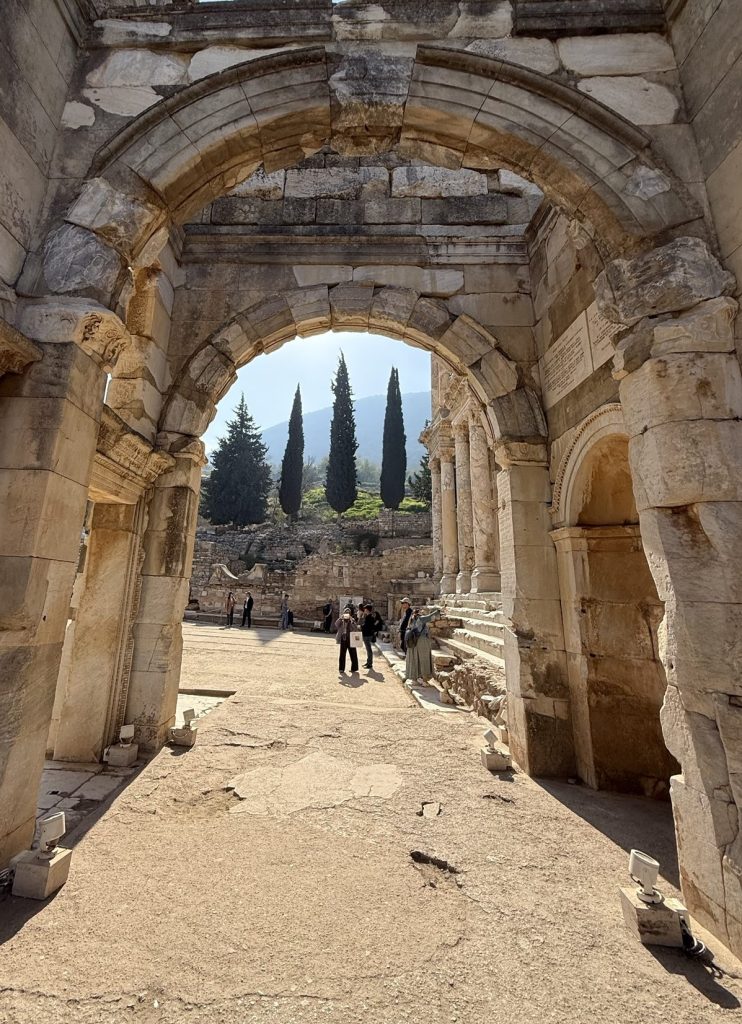
Photo by author, Ephesus, Turkiye, November 2025.
Praise and glory
to you, O Lord,
God our Father!
You are most gracious
and kind despite our sins
you still call us to come to
you.
Come now, let us set things right, says the Lord: Though your sins be like scarlet, they may become white as snow; though they be crimson red, they may become white as wool (Isaiah 1:18).
You are indeed
a loving God,
dear Father,
inviting us your sinful
children to "come now",
inviting us to a conversation,
always believing change is
possible even if most often
we are not willing to come
to you; give us the humility
and firm resolve to accept
finally your invitation
to come and set things right
so that we may become
a people of justice;
let us come to you,
Lord to be reconciled,
to wash myself clean,
to start anew in you again.
O dear Jesus,
you have been inviting me
for so long to come to you,
to return to you
but I still refuse to believe,
refusing to accept and welcome
you because I feel
I am doomed and hopeless;
open my heart to you,
Jesus, make me "willing
and obedient"
to set things right.
Amen.
Photo by Ms. Kei Abad, Kawaguchiko Lake (Fujisan), 23 November 2025.
Your words today,
O Lord Jesus
are short but give
much to reflect on:
"Be merciful...
stop judging...
stop condemning...
Forgive...
Give."
Jesus,
teach me to be
"shamefaced"
like Daniel in the first
reading: it is not enough
that I realize my sinfulness,
of my wickedness in refusing
to love, in turning away from you,
in disregarding your words
over and over and still -
be forgiven and loved.
Jesus said to his disciples: “Be merciful, just as your Father is merciful” (Luke 6:36).
So often in life,
I forget the Father's
mercy that I have totally
been oblivious to being
merciful; thank you Jesus
in giving this comparison today,
of being merciful as the Father
is merciful.
What a shame
of how often I look up
to myself as so good,
so righteous
against others
that I judge
and condemn them;
teach me to be like
you, Lord: merciful,
non-judgmental,
forgiving;
most of all,
teach me to give
freely like you, Lord;
remind me always
to remember your
mercy on me
to realize that
more than an ideal,
mercy is about
how it feels
in my own life.
Lord Jesus Christ,
you have given me with
so much love and mercy,
kindness and forgiveness
of sins but I have refused
to be merciful with others;
have mercy on me, Lord
and let me be merciful
like the Father.
Amen.
40 Shades of Lent by Fr. Nicanor F. Lalog II
Second Sunday in Lent, Cycle A, 01 March 2026
Genesis 12:1-4 +++ 2 Timothy 1:8-10  +++ Matthew 17:1-9
Photo by author, Sacred Heart Novitiate, Novaliches, QC, March 2023.
Despite the sweltering heat of summer, I have always loved the season of Lent when everything is subdued in liturgy – no Gloria nor Alleluia with the altar bare without flowers. It is during this season when we listen to a rich selection of readings from the Sacred Scriptures with music so solemn to guide us in our reflections and prayers to be converted and reconciled with God through one another especially those we have hurt or offended us.
That is why Lent is so beautiful because it is a call for transformation and transfiguration in Jesus Christ, when we are renewed as beloved children of God our Father. As we have reflected on Ash Wednesday, Lent is a coming home to God.
After six days Jesus took Peter, James, and John his brother, and led them up a high mountain by themselves. And he was transfigured before them; his face shone like the sun and his clothes became white as light. And behold, Moses and Elijah appeared to them, conversing with him. Then Peter said to Jesus in reply, “Lord, it is good that we are here. If you wish, I will make three tents here, one for you, one for Moses, and one for Elijah” (Matthew 17:1-4).
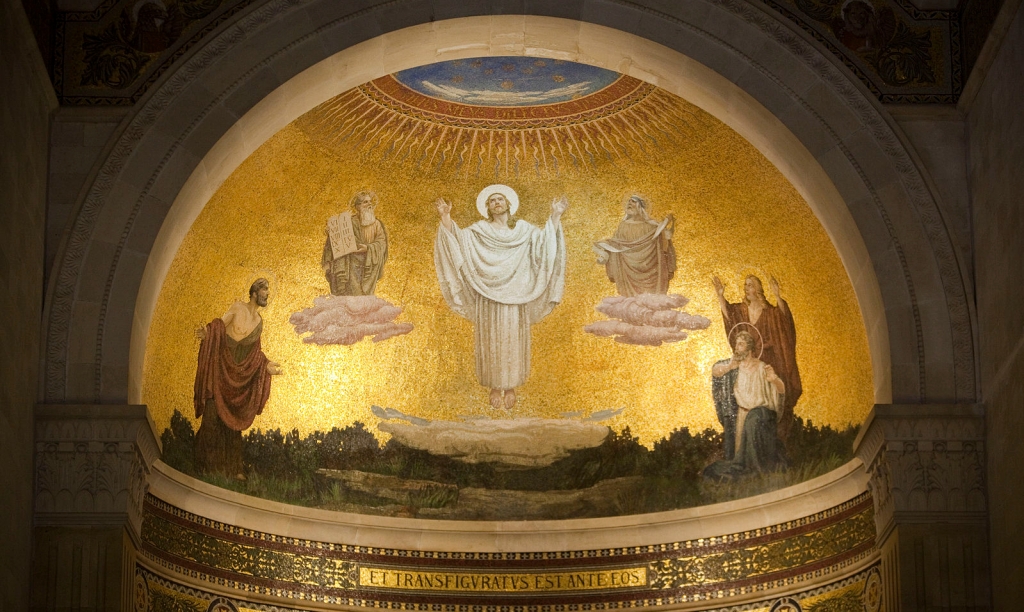
Church of the Transfiguration, Mount Tabor in Israel; photo from wikimedia.org.
Every second Sunday in Lent, we listen to the gospel account of Jesus Christ’s transfiguration at Mount Tabor that shows us the inseparability of the Cross and of the Resurrection, the tragedy of Good Friday and the glory of Easter Sunday.
Matthew, Mark and Luke shared the same event with minor variations in their respective account, agreeing on the basic details of the scene that happened on a high mountain six days after Jesus identified himself at Caesarea Philippi as the Christ or Messiah who shall suffer and die but rise again on the third day.
What I like most of the common details mentioned by the three evangelists in their accounts of the transfiguration were the words spoken by Peter to Jesus, “Lord, it is good that we are here.” So lovely.
Photo by author, Sacred Heart Novitiate, Novaliches, QC, March 2024.
Many times we are like Peter who tell Jesus the same words “Lord, it is good that we are here” without really knowing what we are saying. And surprisingly, we often speak these words to Jesus during those moments when we feel him most incomprehensible – hindi maintindihan just like during that scene at the transfiguration.
We have been saying since Ash Wednesday that “life is Lent” – a daily journey to God’s loving presence within us and among us. Life is a daily ascent, of coming close to God that is never easy.
We all struggle in our prayer life because prayer is stripping ourselves naked before God, confronting our true selves. That’s difficult but transformative, making us grow to become better persons.
So many of us could not even keep up with the Sunday Mass, God’s third commandment, “Remember to keep holy the Sabbath day.”
But, thanks be to God that there are moments of prayers and during the celebration of sacraments when we feel so high in the Lord’s presence we could not understand nor explain yet, feel so good to be there.
There were times when we truly heard Jesus telling us, teaching us how to overcome great temptations and trials in life that after being spared from all the troubles and sins, we felt so good to be there with the Lord.
Or, how can we forget those times we faced the most severe difficulties we have had in life when we have lost a loved one, or we have experienced defeat and failure, painful sufferings like sickness or betrayal when we felt so down, so empty and depleted but also felt the gentle touch of Jesus through the kindness of some strangers or faithful friends, inspiring us to rise and be not afraid to start anew in life, convinced that it is good to be there in the Lord.
Recall those times when it was the face of Jesus we saw on those familiar people or even strangers who shared with us the warmth of being welcomed, of being loved, of being forgiven that made us feel so good to be with the Lord.
Our most difficult moments, our most trying times are when we get better, when we mature and grow, when we are transformed in Jesus Christ. Many times, we hardly understand what is going on except that we believe and hold on to Jesus our Lord despite the many temptations that come our way to follow the ways of the world. But, experience have shown us that doing that is not good at all.
Photo by author, Lent 2021.
As we have reflected last Sunday, life is a Lent, a wilderness with so many voices competing for our attention. Many times we listen more to the voice of the devil that lure us into taking shortcuts and instant routes than follow the word of God that tells us to wait and persevere.
This Sunday, Matthew intensifies that call to us to listen to God’s call and voice when during the transfiguration a voice was heard saying, “This is my beloved Son, with whom I am well pleased; listen to him” (17:5).
After the transfiguration of Jesus, everything he shall be telling us is to forget ourselves, take up our cross and follow him.
St. Paul insists this to Timothy in our second reading today, to “bear our share of hardship for the gospel with the strength that comes from God” (2Tim.1:8). Likewise, the story of the call of Abram in the first reading reminds us of our same call from the same God to leave our comfort zones to a life of blessedness, of holiness.
It is always good to be with the Lord; and wherever he is, there we must always be (Jn.12:26). Jesus is always where there is love and kindness, mercy and justice, poverty and emptiness. Even death and darkness for that is when and where we are transformed and transfigured in Christ. That is why it is good that we are with him always. Let us pray:
Lord Jesus, there are so many things I do not understand in this life, especially when I have to be silent to be with you in prayer, to forget myself and carry my cross and follow you in the path of simplicity, kindness and service; but, one thing though is clear: it is when I am with you, even when I could not see clearly everything, that is when I feel peace and fulfillment within, when I feel so good to be here with you. Let me ramain in you, Jesus. Amen.
Church of the Transfiguration, Mount Tabor, Holy Land; from custodia.org.
40 Shades of Lent by Fr. Nicanor F. Lalog II
Friday in the First Week of Lent, 27 February 2026
Ezekiel 18:21-28     + + +     Matthew 5:20-26
Photo by Dra. Mylene A. Abad Santos, MD, February 2021.
Thank you,
dear Father for the
first week of Lent about
to end; much is still to be
desired to be closer to you,
to be faithful to you,
to be one in you;
teach me in your Son Jesus
to go beyond the letters of
your laws,
to go beyond the minimum
requirements,
to go beyond of what is asked
of us in order to be more
loving to others in you:
Jesus said to his disciples: “I tell you, unless your righteousness surpasses that of the scribes and Pharisees, you will not enter into the Kingdom of heaven” (Matthew 5:20).
Photo by Dra. Mylene A. Abad Santos, MD, February 2021.
Teach us to be holy
or righteous
like you;
make us whole,
to be different
and be radical by
going back to you
our very roots of being
and existence;
instead taking the path
of supremacy especially
when we are angry
that we are unafraid of
breaking away from others,
insisting on what is right
than on what is good,
let us be reconciled
with you in others
and in our very selves
where peace remains
the best to have.
To go beyond
than what is required
is to be humble and gentle
like you, dear Jesus,
caring more for people
and relationships
than on being right
which often is not the case;
holiness
or righteousness
is confronting and accepting
our limitations
so that your infinite power
of love and mercy
may work in us
and through us,
Lord Jesus.
Photo by Dra. Mylene A. Abad Santos, MD, February 2021.
Lent is going beyond
the ordinary
because it is about
choosing you, Lord
above all else always:
you never condemn us
letting go and forgetting
of our past sins when we
choose to finally live in
your presence doing your will;
however,
let us not be complacent
in your presence, Lord
for our good record
can be undone completely
when we refuse to love
you in others.
O Lord Jesus,
you have given me
with so much chances
to become better;
help me to remain in you
so I can also give more
chances
more mercy
and more love
to others lost and trying
to find you.
Amen.
40 Shades of Lent by Fr. Nicanor F. Lalog II
Tuesday in the First Week of Lent, 24 February 2026
Isaiah 55:10-11     + + +     Matthew 6:7-15
Photo by author, somewhere in the SCTEx, November 2018.
Today I borrow
the words of your servant,
Lord Jesus Christ,
the late Fr. John Main, OSB
who wrote that
"The meaning of life
is the mystery of Love.
Just as the roots of trees
hold firm in the soil,
so it is the roots of love
that hold the ground
of our being together."
Keep me rooted in you,
God our Father;
keep me rooted in your love
in Jesus Christ your Son;
water and nourish me
with your words of life
so I may grow tall,
spread my branches,
bloom and bear fruit
to share your love and
kindness and mercy
with others;
keep me rooted in you,
Lord,
strong and firm
to weather the harshest
storms and summer
in life, still full of sap,
still full of life.
Lord Jesus,
you have given me with so much
and I have given so little;
teach me to give more
of myself to you
so I can give more of you
and of your love
to others.
Amen.