Easter is Jesus, our home, our cornerstone

Lord My Chef Sunday Recipe for the Soul by Fr. Nicanor F. Lalog II
Fifth Sunday of Easter, Cycle A, 03 May 2026
Acts 6:1-7 ><}}}}*> 1Peter 2:4-9 ><}}}}*> John 14:1-12
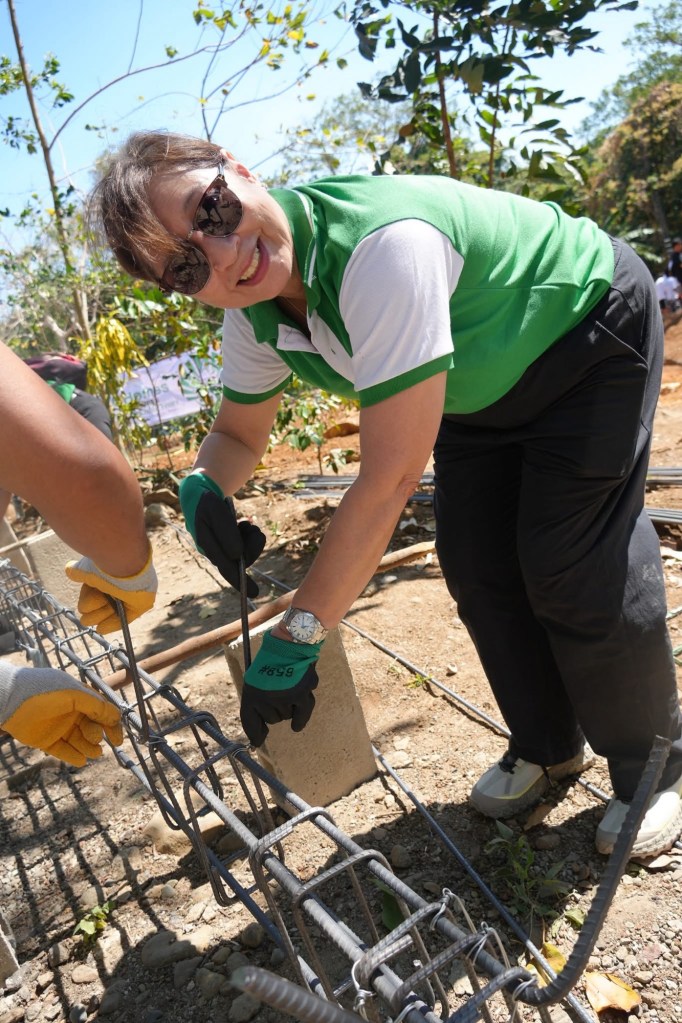
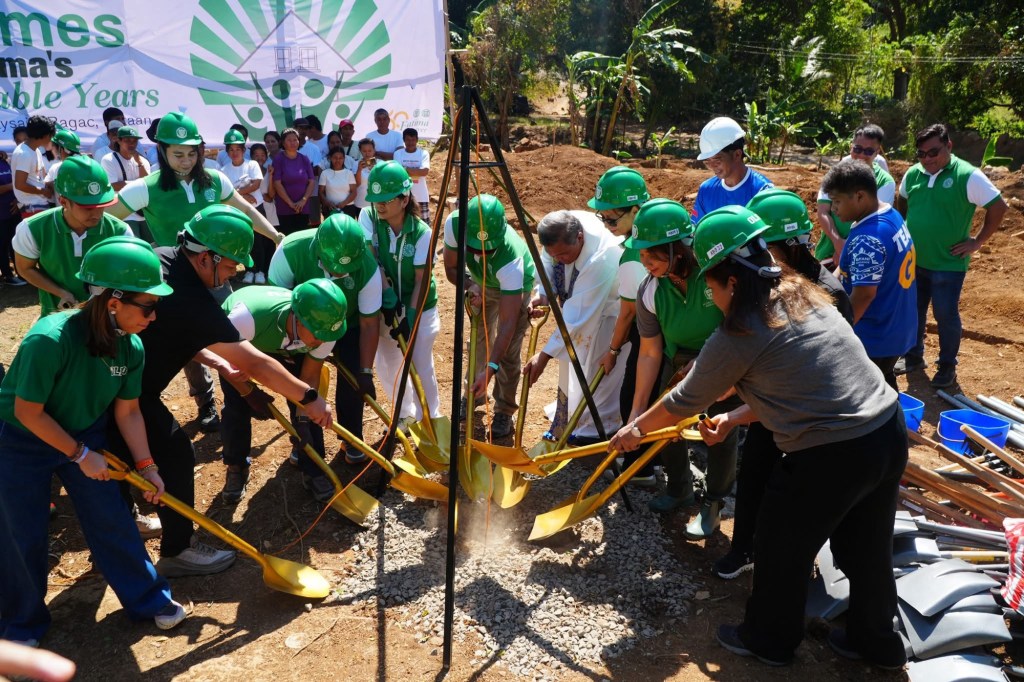
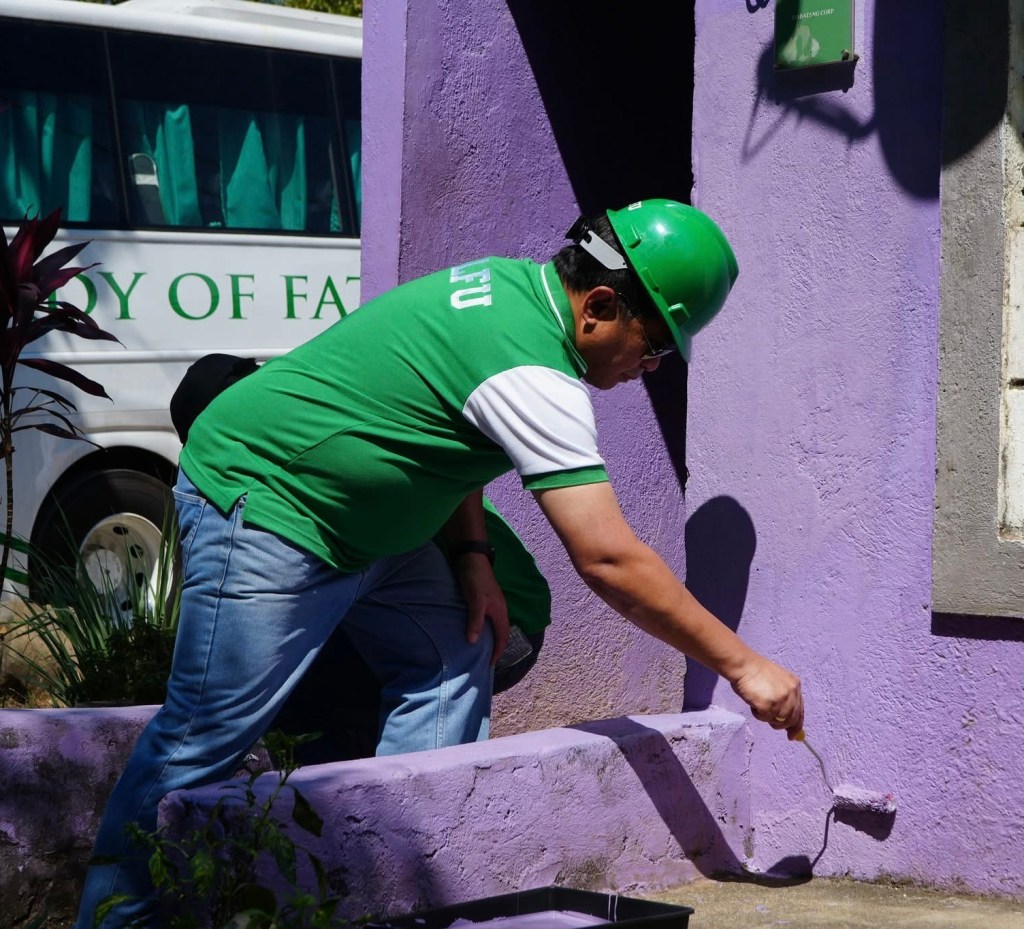
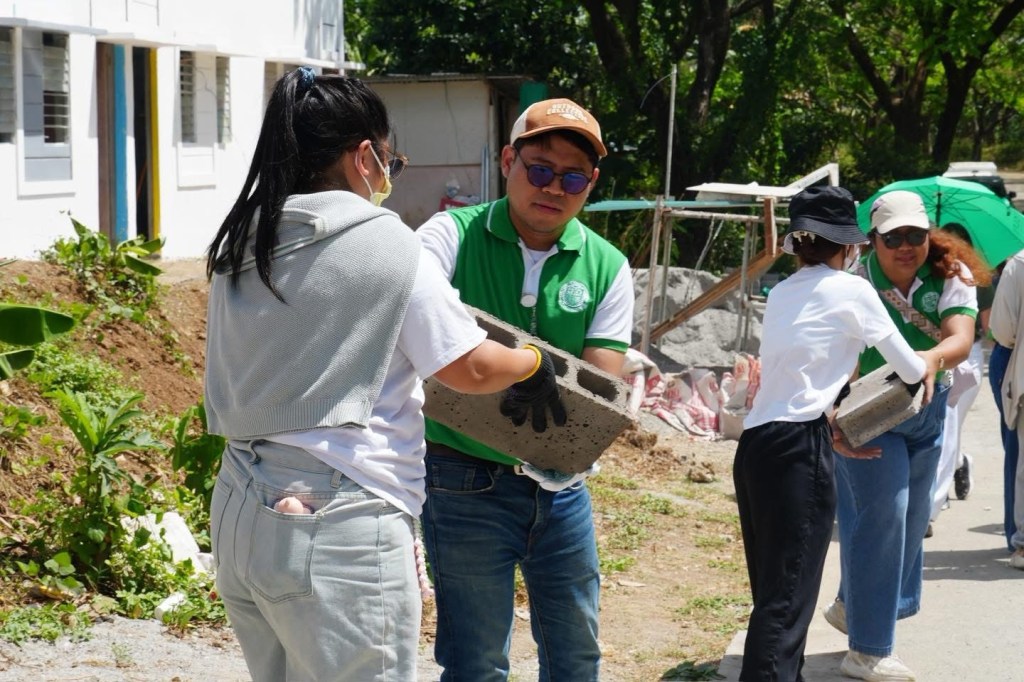
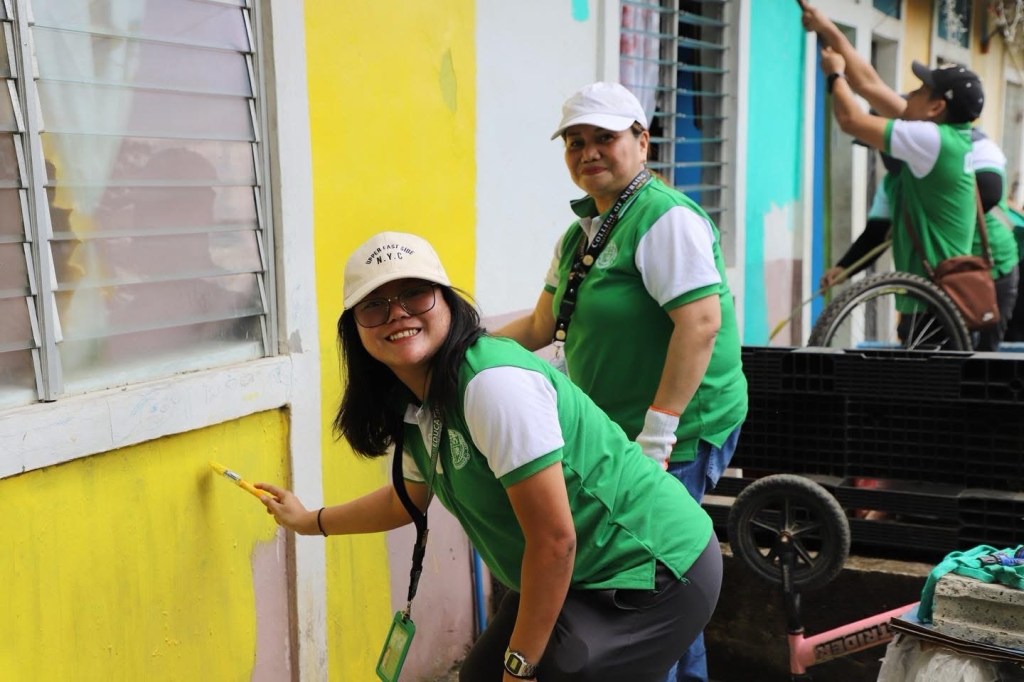
Photo from Our Lady of Fatima University official page at FB.

We are celebrating our 60th foundation anniversary at the Our Lady of Fatima University (OLFU) and the Fatima University Medical Center (FUMC) next year. As part of our year-long celebrations beginning last February, we are building 60 homes in two Gawad Kalinga sites in Bagac, Bataan and Trece-Martirez, Cavite.

It is the second time we have embarked on the same project when our administrators, faculty and employees as well as students volunteered to build and delivered 50 homes through GK too ten years ago in celebration of our golden anniversary.

Our University President Dra. Caroline Santos-Enriquez explained that it is not enough for us to provide our people with good, quality education we have always strived in the last 60 years when many are without a home because when people have homes of their own, they are filled with hopes and that is when they truly start to dream for a better future.

Such a desire in having one’s own home is deeply rooted in the Bible. Jesus Christ’s third beatitude in his sermon on the mount, “Blessed are the meek, for they will inherit the land” (Mt.5:5) refers to the longing of the Israelites not only for their own homeland but also for their own homes too.

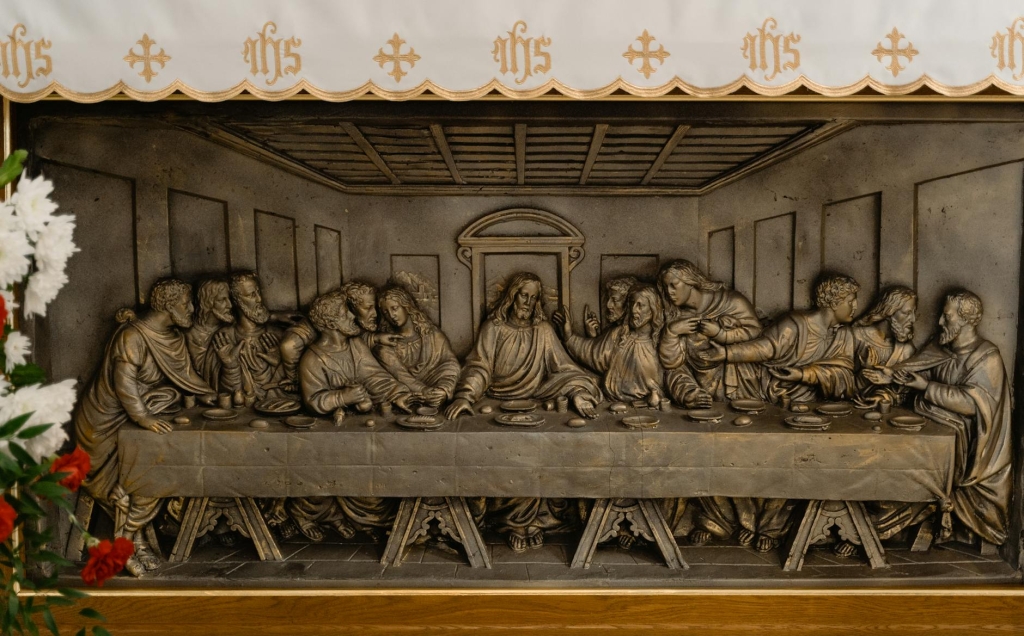
That is why at his last supper, he mentioned something so similar to that aspiration of his disciples but this time on a deeper level.

Jesus said to his disciples, “Do not let your hearts be troubled. You have faith in God; have faith also in me. In my Father’s house there are many dwelling places. If there were not, would I have told you that I am going to prepare a place for you? And if I go and prepare and prepare a place for you, I will come back again and take you to myself, so that where I am you also may be. Where I am going you know the way” (John 14:1-4).

Photo by MART PRODUCTION on Pexels.com

It is very interesting that in the Hebrew language, the name they use to commonly address God is HaShem written as השם for “The Name” because they cannot utter the word YHWH or Yahweh as we pronounce written as יהוה which is so sacred for the Jewish people.

Now take a look at the first letter of HaShem shaped like a house, השם while its third last letter looks like a door or a small “n” in our english alphabet. It is the same shape of the letter Yod they use to write YHWH – יהוה.

According to a spiritual writer I have read, God’s very name connotes a house, a home and a door that imply “relationships”. Remember last Sunday when Jesus introduced himself as the “gate” through whom the shepherd and his sheep pass through?

Jesus now deepens this lesson he taught us last Sunday as he moved to its next scene which is his last supper.

Imagine the silent stillness of the room heavy with emotion.

With lamps flickering in the evening light, we feel the ebb and flow of intimacy and uncertainty just like in our own homes during times of crisis.

And in the midst of it all is Jesus speaking with comforting assurance.

“Do not let your hearts be troubled. You have faith in God; have faith also in me.” 

What is troubling you at this very moment or lately these past days or weeks?

Many times, what really troubles us most is the fear of being left out, of being alone. That is why money and sickness as well as death trouble us a lot. We are afraid of having nobody by our side not only to defend and comfort us but simply be with us. Here we find the value of having our own home where we feel safe and secured with loved ones.

Being left out, being alone is perhaps the deepest pain one could ever have. That is why we are troubled when people we love and care for threaten us of walking away from us to be on their own. Every time a beloved leaves us by choice or by circumstances, whenever we feel “apart” from others and separated, we feel losing a part of very selves because each one is also our part. Jesus came, suffered and died for us on the Cross so that in his Resurrection, we would never be apart from him and everyone anymore, here on earth and hereafter.

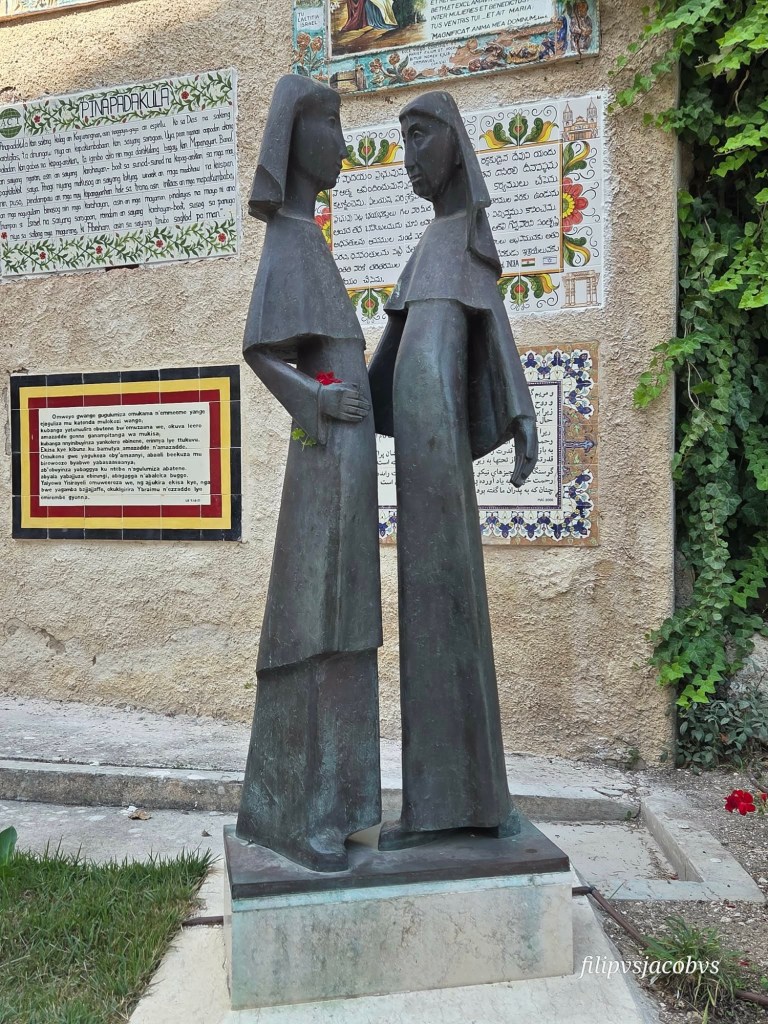
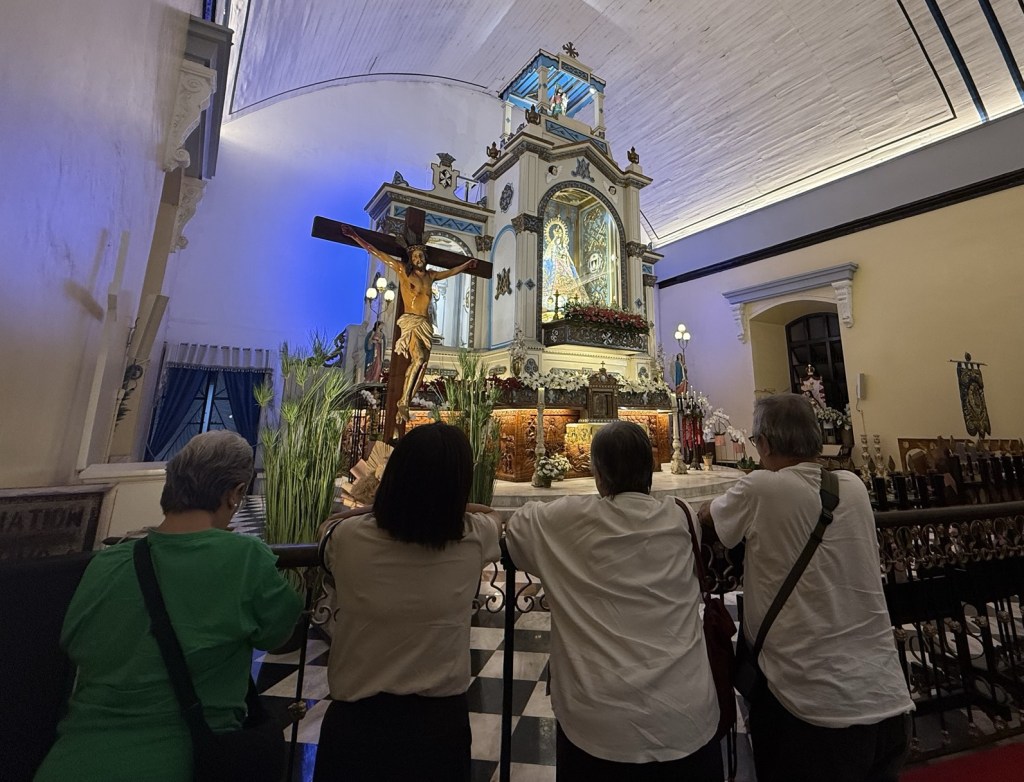
Photo by author, Manaoag Basilica, Pangasinan, 09 January 2026.

Jesus assures us today of his presence among us, of being with us and in us – a relationship so personal like having our own home and dwelling place in heaven. But, are we ready and willing to walk his path, to stand by his truth and live his life?

Vis-a-vis the things that trouble us, what is our deepest yearning at the moment? Are we still in the same level with Philip relying more on the physical and material aspects of relationships?

In my previous post after my annual retreat, I have mentioned to you my dear friends of my decision to rest a little from my daily blogs. Not really as a respite from my busy schedules but more of finding Jesus anew. During that retreat in March, I realized the thing that most bothered me lately was being far from God. I have been praying to blog, not for God.

Many times, we serve God in others without really being centered in Him, without any relationship at all with Him in Christ Jesus. And we priests are often guilty of it, of too much ministry without Jesus that lead us to burnout and exhaustion, most especially the lack of love for others. Anything especially relationships without Jesus eventually dies naturally because he indeed life himself.

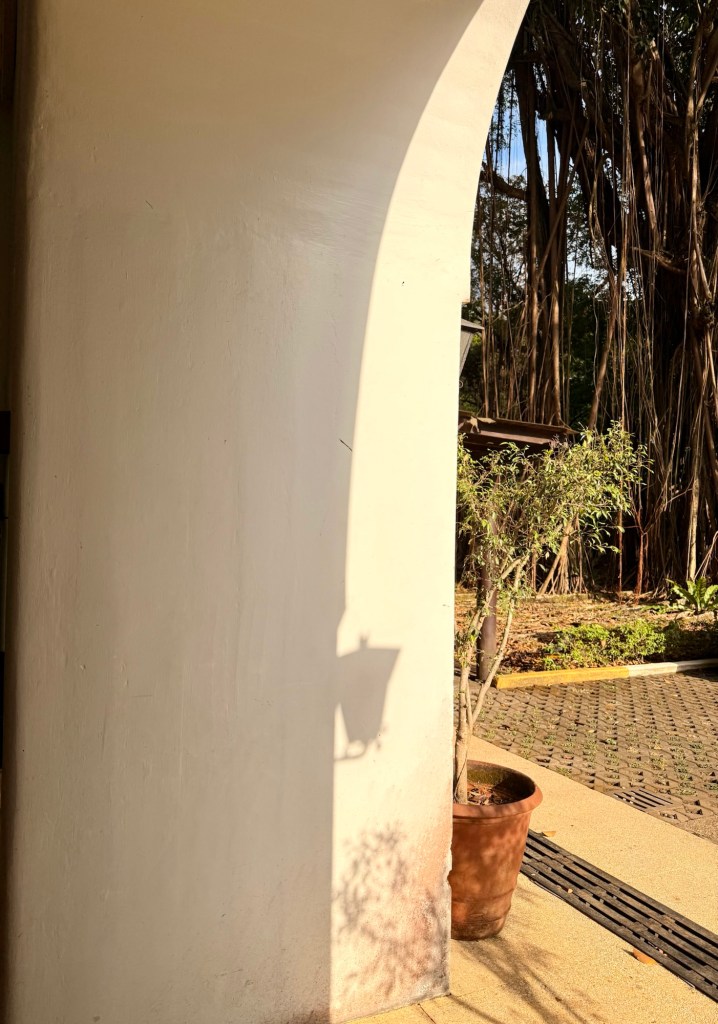
Photo by author, Sacred Heart Novitiate, Novaliches, QC, 20 March 2026.

The Apostles realized this early in the Church as we have heard in the first reading that they assigned seven deacons to serve the Greek-speaking converts to Christianity lest they forget Jesus Christ in prayers.

The same is true with us. It can happen that we feel we are doing God’s work, following his will but we are not in him in Christ. That is why Jesus clarified with Thomas: his very person is the way the truth and the life. And that is because he is the “cornerstone” of our very lives as explained by Peter in the second reading.

We are the “living stones” who make up the Church, the mystical body of Christ both visible and invisible. As God’s “chosen people” and “royal priesthood”, we have a deep spiritual bonding in Christ nourished and sustained in our prayers and liturgy. As disciples of Christ, we move visibly adjusting and innovating in our ways like the Apostles by remaining focused on the person of Jesus who is our everything.

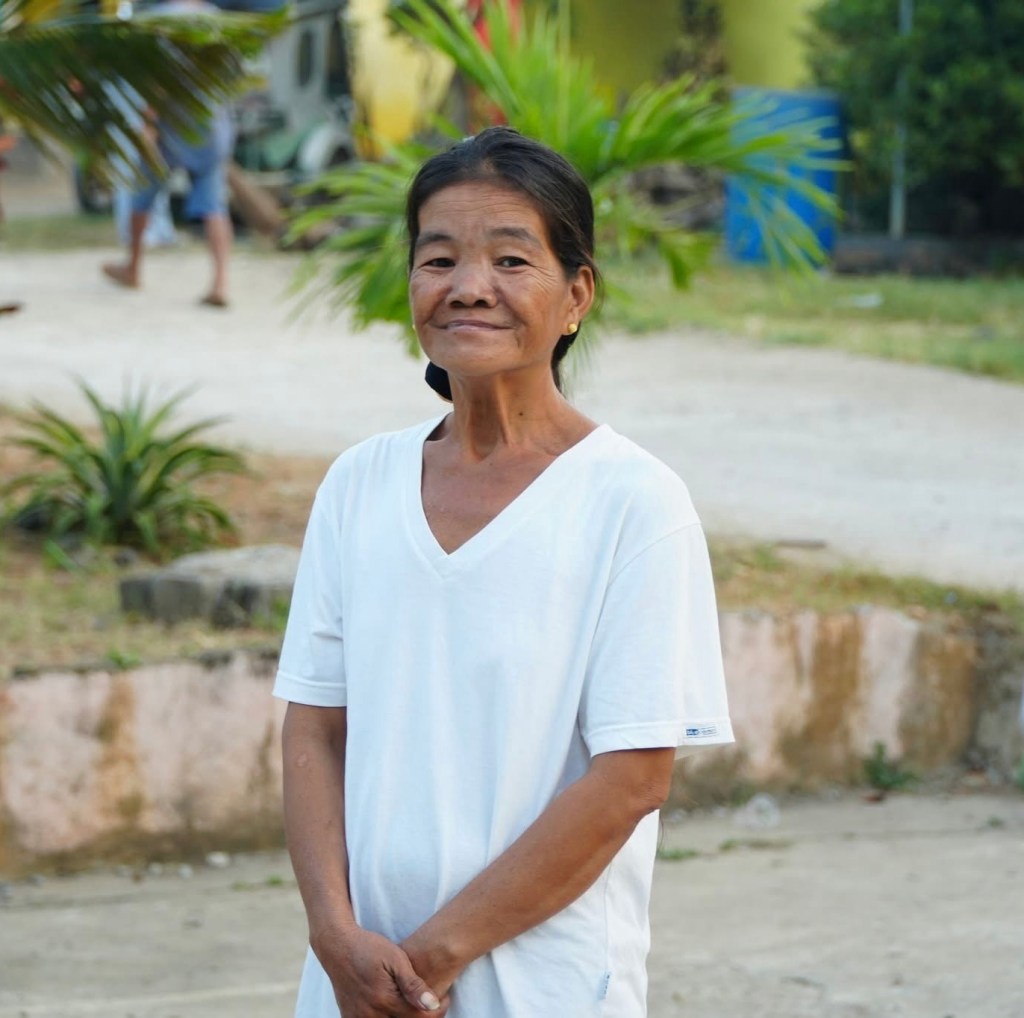
Going back to our housing project at OLFU at FUMC, I was amazed at the faith of some of our recipients of the new homes we’re building in Trece-Martirez, Cavite who came to see me after the groundbreaking ceremonies. They told me how for so many years they prayed together as families to have their own homes and now it is slowly becoming a reality; hence, if I could bless – finally – their images of the Virgin Mary, Sacred Heart and Divine Mercy they have kept in their rented homes for many years.

They were so thankful for the blessing but, unknown to them, I felt more blessed in them as I felt God reassuring me that whatever troubles me in life, Jesus places great trust in us in continuing his mission here on earth. Let us remain in him and hold on to his words, “Amen, amen, I say to you, whoever believes in me will do the works that I do, and will do greater ones than these, because I am going to the Father.” A blessed week ahead to everyone! Amen.

Looking up, seeking what is above

Lord My Chef Daily Recipe for the Soul, 10 September 2025
Wednesday, Twenty-third Week in Ordinary Time, Year I
Colossians 3:1-11 <*((((>< + ><))))*> Luke 6:20-26
Photo by Dra. Mylene A. Santos, MD, September 2022.
How lovely are your words
today, Lord Jesus Christ
that pertain about heights.

In the first reading,
St. Paul invites us to seek
what is above,
think what is above
while in the gospel
you O Lord looked up
to us your disciples.

“Brothers and sisters: If then you were raised with Christ, seek what is above, where Christ is seated at the right-hand of God. Think of what is above, not of what is on earth” (Colossians 3:1-2).

Raising his eyes toward his disciples Jesus said: “Blessed are you who are poor, for the Kingdom of God is yours” (Luke 6:20).

Your beatitudes
lifted us up, dear Lord
changed radically
the way we must see
life and its meaning
so that we may aspire to
follow St. Paul's teachings;
before pointing our sights
up to heaven in you,
Jesus,
you first looked up to us
despite our miseries
and sins.
If we could just
imagine this great honor,
then perhaps we would no longer
doubt nor question
your beatitudes;
help us, Lord Jesus
to remember this great honor
you have given us
of lifting us up to you
in our poverty and hunger,
grief and exclusion,
insults and denunciations;
help us Lord
to set our sights up to you
so we may live your beatitudes
by finding and seeing you
among those below us
and with us.
Amen.
Photo by Dra. Mylene A. Santos, MD, September 2022.

Strive in discipline

Lord My Chef Sunday Recipe for the Soul, 24 August 2025
Twenty-first Sunday in Ordinary Time, Cycle C
Isaiah 66:18-21 ><}}}*> Hebrews 12:5-7, 11-13 ><}}}*> Luke 13:22-30
Phot by author of pilgrims trying to enter through the narrow door of the Church of the Nativity in Bethlehem, the Holy Land.

Anyone who had gone on a pilgrimage to the Holy Land must have heard the story of the fabled “narrow door” at the entrance of the Church of the Nativity in Bethlehem, of how it was reduced into that small door a very long time ago to prevent pilgrims from bringing their horses and camels inside the church that made a lot mess and stench.

Photo by author, narrow doors from the inside of the Church of the Nativity in Bethlehem, the Holy Land, May 2019.

That little door of the Church of the Nativity later became symbolic of the humble gesture of bowing low first to enter and see the Savior’s birthplace, eventually heaven as Jesus had been teaching us these past Sundays.

We are now in the final installment of the teachings by Jesus about the coming End, of what must we do to gain eternal life. He is now halfway through his long journey to Jerusalem since he started eight Sundays ago.

Along the way, he had met every kind of people, proclaiming to them the same message – that the kingdom of God is at hand where everyone is welcomed like what Isaiah prophesied in the first reading.

Jesus passed through towns and villages, teaching as he went and making his way to Jerusalem. Someone asked him, “Lord, will only a few people be saved?” He answered them, “Strive to enter through the narrow gate, for many, I tell you, will attempt to enter but will not be strong enough. After the master of the house had arisen and locked the door, then will you stand outside knocking and saying…” (Luke 13:22-25).

Photo by author, Angels’ Hills Retreat Center, Tagaytay City, April 2025.

In his teachings these past three Sundays, Jesus had been warning us against too much focus on things of the world that perish like material wealth, telling us to be more concerned of things of heaven that lead to eternal life. He had been clear that it would not be easy at all with the demands of being his disciples.

It was in this context that someone in the crowd asked Jesus today on his way to Jerusalem if only a few people would be saved. The question sounds very amusing not only because Jesus had always been clear that heaven does not come cheap as we must learn to renounce our self, take up his cross and follow him. That someone in the crowd who asked that question is actually us! And we know so well why until now we keep asking that same question: because we lack the discipline within to truly follow Christ. We always want what is easy and convenient, preferring shortcuts, avoiding sacrifices, as much as possible, no pains and sufferings. Hence, despite our knowing what it takes to gain eternal life, we still keep on doing the opposite.

It is the same with our physical well-being wherein we know so well what is healthy but we still keep doing, eating and drinking what is unhealthy. The sad truth of this lack of discipline in our body and soul is how we start shaping ourselves only when we are already sick and close to dying! That is when we feel sorry and start telling God like those in the parable that “we ate and drank in your company.”

Jesus had no intentions of dodging the question of that someone – and us in many occasions when we realize how difficult it is to follow his path of simplicity and humility, of love and kindness, of mercy and forgiveness. See how he neither gave a number nor a percentage of those who would be saved in the End. Jesus simply told the people including us today to do everything to make it into the Kingdom of God that is like a “narrow gate” and a “locked door”.

Following Jesus is more than being in his company but more of being like him. On this final Sunday of his teaching on the End, of entering the Kingdom of God in eternity, Jesus reminds us to shape up, body and soul so that we can squeeze ourselves into heaven’s “narrow gate” and “locked door”. Here we find again the second reading giving us more light into the meaning of the gospel this Sunday.

Brothers and sisters, you have also forgotten the exhortation addressed to you as children: “My son, do not disdain the discipline of the Lord or lose heart when reproved by him; for whom the Lord loves, he disciplines; he scourges every son he acknowledges.” Endure your trials as discipline… At the time, all discipline seems a cause not for joy but for pain, yet later it brings the peaceful fruit of righteousness to those who are trained by it. So strengthen your drooping hands and your weak knees. Make straight the paths for your feet, that what is lame may not be dislocated but healed (Hebrews 12:5-7, 11-13).

Photo by Life Of Pix on Pexels.com

Discipline is a word so misunderstood these days that too often, it is frowned upon, even feared by many. In this age of so much “freedom” without any regard to “responsibility”, discipline has become its main casualty.

From the Latin verb discere which is “to learn” and “to follow”, its noun form disciplina means teaching or learning from which came the word discipulus for disciple, a follower or a pupil. Therefore, a person of discipline is one who follows or obeys teachings. Contrary to the wrong idea of many today that discipline limits freedom which they see as the ability to do whatever one wishes, the more disciplined a person is, the more free the person actually becomes!

When we discipline ourselves in every aspect of our lives like in food and drink intake, in using our time wisely, in budgeting our money and resources among other things, the more we become free to many other things in life. Remove discipline and do whatever you like in your life, eventually you become “unfree” because definitely you will miss your responsibilities and obligations like studies in school and duties at home and the office.

The same is true in our spiritual life: without discipline like prayer life, disorder and sin happen. It is discipline that literally and figuratively shapes us into persons able to squeeze through the narrow gate and locked door of freedom and salvation!

Photo by author, St. Catherine Monastery, Mt. Sinai, Egypt, May 2019.

In following the reflection of the author of Hebrews, we find that discipline is not just a human effort but the work of God too. As St. Augustine wrote, “grace builds on nature” – the more we discipline ourselves, the more blessed we become because God’s grace and gifts in us are perfected. See how discipline is like a built-in “app” God installed in each of us to ensure that we have all the means to reach heaven in Jesus Christ.

Looking back to the past four weeks, we find Jesus as the perfect example of a disciplined person, of leading a disciplined life focused on the mission from the Father. Since he started this long journey, Luke noted in chapter nine how Jesus was “resolutely determined” to go to Jerusalem, teaching us along the way to be like him focused on things of heaven than of earth, always vigilant of the coming End. Since the resumption of Sundays in Ordinary Time last July 06, Luke showed Jesus frequenting the synagogue on sabbath to worship and to preach. Most of all, Jesus prayed a lot which prompted his disciples to ask him to teach them how to pray too. Our celebrating the Sunday Mass in the church is a discipline of highest order because every Eucharistic celebration is a dress rehearsal of our entrance into heaven. Always come until we all gather together in eternity. Amen. Have a blessed and disciplined week ahead everyone. Fr. Nicanor F. Lalog II, Our Lady of Fatima University, Valenzuela City (lordmychef@gmail.com).

Krus ang pintuan sa langit

Lawiswis ng Salita ni P. Nicanor F. Lalog II, Ika-21 ng Marso 2024
Ikalawang Huling Wika ni Jesus sa Krus
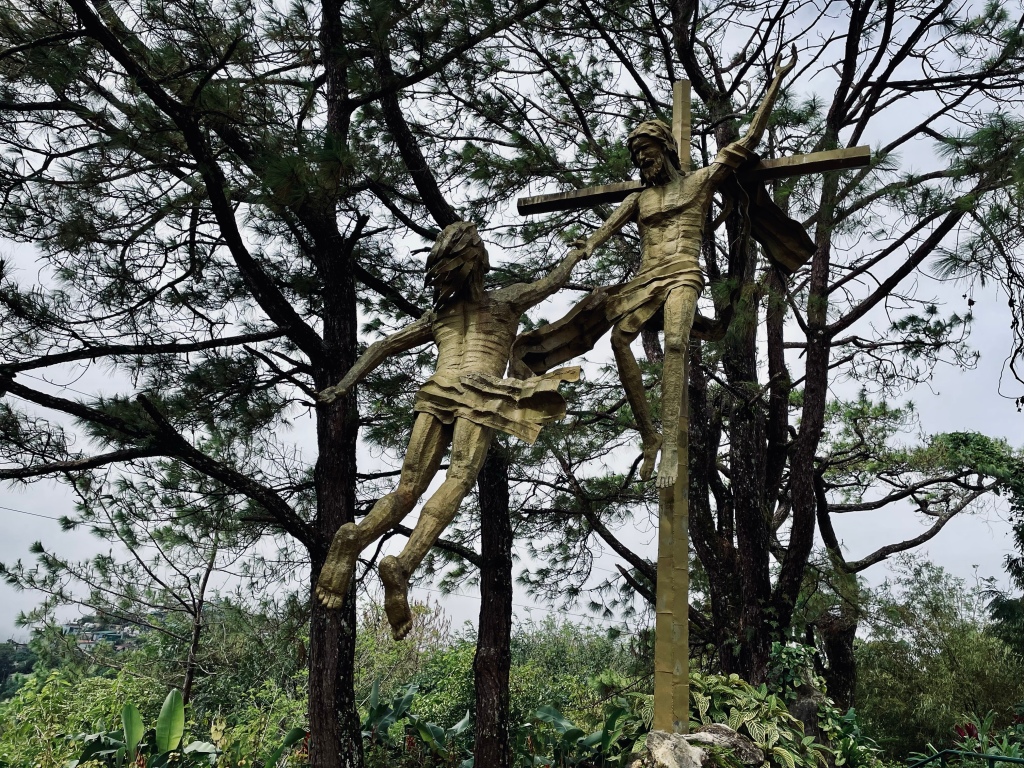
Larawan kuha ng may-akda sa Mirador Jesuit Retreat House sa Baguio City, Agosto 2023.

Ang ikalawang wika ni Jesus sa Krus:

Tinuya siya ng isa sa mga salaring nakabitin, at ang sabi, “Hindi ba ikaw ang Mesias? Iligtas mo ang iyong sarili, pati na kami!” Ngunit pinagsabihan siya ng kanyang kasama, “Hindi ka ba natatakot sa Diyos? Ikaw may pinarurusahang tulad niya! Matuwid lamang na tayo’y parusahan nang ganito dahil sa ating mga ginawa; ngunit ang taong ito’y walang ginawang masama.” At sinabi niya, “JESUS ALALAHANIN MO AKO KAPAG NAGHAHARI KA NA.” Sumagot si Jesus, “SINASABI KO SA IYO: NGAYON DI’Y ISASAMA KITA SA PARAISO.”

Lukas 23:39-43

Muli ay ating namnamin ikalawang wika ni Jesus doon sa Krus pagkapako sa kanya. Nauna niyang sinambit ay kapatawaran; ngayon naman kanya itong sinundan ng pangako ng langit o paraiso.

At iyon ay agad-agad na, ora mismo! Wika nga ng mga bata, “now na”! Hindi mamaya pagkamatay nila ni Jesus o sa Linggo sa kanyang pagkabuhay. Malinaw na sinabi ni Jesus kay Dimas, “SINASABI KO SA IYO: NGAYON DI’Y ISASAMA KITA SA PARAISO.”

Tantuin ninyo mga ginigiliw ko na sa ebanghelyo ayon kay San Lukas, namutawi lamang sa mga labi ni Jesus ang pangakong ito ng paraiso noong siya ay nakabayubay sa krus at hirap na hirap. Wala siyang pinangakuan ng langit nang siya ay malaya at malakas na nakakagalaw, naglilibot at nangangaral.

Alalaong-baga, pumapasok tayo sa langit kasama si Jesus sa sandaling kasama din niya tayong nagtitiis, nagdurusa, nagpapakasakit dahil sa pagmamahal doon sa Krus!

Ang krus ang pintuan papasok sa langit o paraiso.

Madalas naiisip natin kapag nabanggit o narinig ang katagang langit at paraiso ay kagalakan, kawalan ng hirap at dusa. Basta masarap at maayos sa pakiramdam, langit iyon sa atin. Kaya mga addict noon at ngayon kapag sila ay sabog at nasa good trip, iyon ay “heaven” dahil wala silang nadaramang problema at hirap sa buhay.

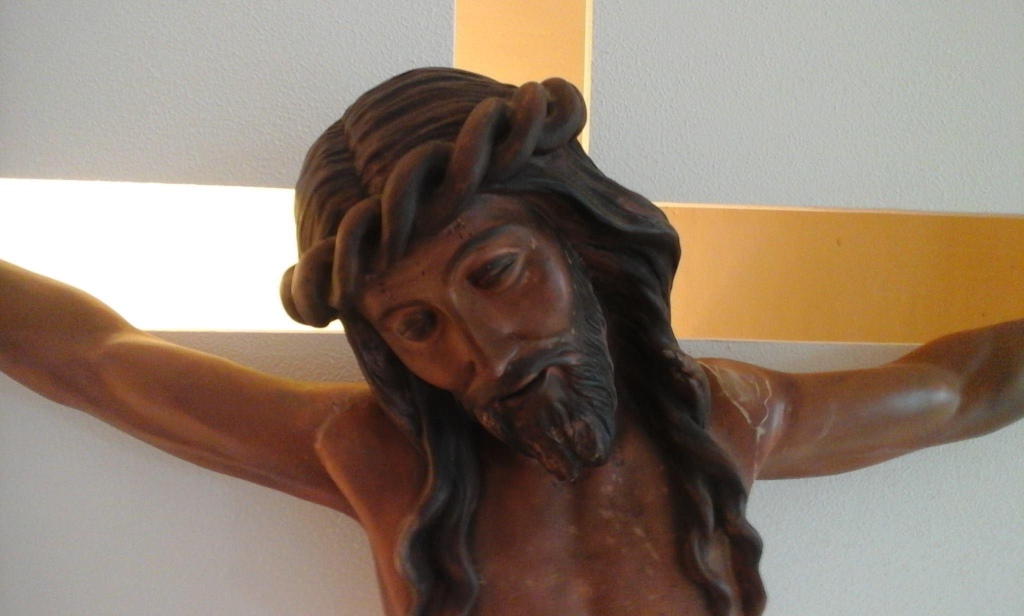
Larawan kuha ng may akda, 2023.

Kaya hindi rin kataka-taka na ang gamot nating laging binibili ay pain killer – konting sakit ng ulo o kasu-kasuan, naka-Alaxan kaagad. Noong dati ay mayroong shampoo na “no more tears” dahil walang hilam sa mata.

Gayon ang pananaw natin sa langit. At tumpak naman iyon kaya nga sa pagbabasbas ng labi ng mga yumao, dinarasal ng pari, “Sa paraiso magkikitang muli tayo. Samahan ka ng mga Santo, kahit mayroong nauuna, tayo rin ay magsasama-sama upang lagi tayong lumigaya sa piling ng Diyos Ama. Amen.”

Nagmula ang salitang paraiso sa katagang paradiso na tumutukoy sa kaloob-loobang silid ng hari ng Persia (Iran ngayon) kung saan tanging mga pinagkakatiwalaang tao lamang ang maaring makapasok kasama ang royal family. Kaya nang isalin sa wikang Griyego ang mga aklat ng Bibliya, hiniram ang katagang paradiso ng mga taga-Persia at naging paraiso upang tukuyin ang langit na tahanan ng Diyos na higit pa sa sino mang hari sa mundo.

Ngunit, katulad ng silid na paradiso ng hari ng Persia, hindi lahat ay basta-basta na lamang makakapasok ng paraiso. Alalahanin nang magkasala sina Eba at Adan, pinalayas sila ng Diyos at mula noon ay nasara ang paraiso; muli itong nabuksan kay Kristo nang sagipin niya tayo doon sa krus na nagbunga sa pagwawalang-sala sa ating mga makasalanan. Dahil sa krus ni Jesus, tayo ay naging karapat-dapat patuluyin sa paraiso. Sa tuwing ating tinatanggap ang krus ni Kristo, tayo ay nagiging tapat sa Diyos sa pamamagitan ng pagmamahal at paglilingkod sa kapwa. Noon din tayo pumapasok ng paraiso.

Sa panahong ito na wala nang hanap ang karamihan kungdi sarap at kaluguran, ipinaaalala sa atin ni Jesus sa ikalawang wika na ibig niya tayong makapiling ngayon din sa paraiso kung tayo ay mananatiling kasama niya sa pagtitiis at pagpapakasakit sa ngalan ng pag-ibig sa Diyos at kapwa.

Sa panahong ito na dinidiyos masyado ang katawan at sarili upang maging malusog, malakas at kung maari ay manatiling bata at mura ang edad, pinapaalala ni Jesus sa kanyang ikalawang huling wika sa krus na sino mang nasa banig ng karamdaman pati na yaong mayroong kapansanan ay unti-unti na ring pumapasok ng langit ngayon din sa kanilang tinitiis na hirap at sakit.

Sa panahong ito na lahat ay pinadadali at hanggat maari iniiwasan ano mang hirap at dusa, pinapaalala ni Jesus sa kanyang ikalawang huling wika na sa ating pagsusumakit sa maraming tiisin at pasanin sa buhay na ito, noon din tayo pumapasok sa paraiso kahit na kadalasan ito ay nagtatagal sa paghihintay.

Larawan kuha ng may-akda, 2018.

Noong pandemic, natutunan natin na hindi lahat ng tinuturing ng mundo na negatibo ay masama kasi noong mga panahong iyon, iisa ating dasal tuwing tayo ay sasailalim ng COVID test na sana ay “negative” tayo, hindi ba? Noon natutunan natin yung negative ay positive. At iyon mismo ang kahulugan ng krus ni Kristo!

Para sa atin, ano mang mahirap, masakit tulad ng krus ay negatibo ngunit kung tutuusin, ang krus ay hugis positibo o “plus sign” (+) at hindi minus (-); kaya, ano mang hirap at pagtitiis sinasagisag ng krus ay mabuti dahil hindi ito nakakabawas bagkus nakapagdaragdag sa ating pagkatao na naghahatid sa atin sa kaganapan at paglago. Sa suma total, eka nga, sa paraiso!

Ang mga tiisin at pagsubok sa buhay ang nagpapatibay at nagpapabuti sa atin upang maging karapat-dapat makapasok sa paraiso at makapanahan ang Haring magpakailanman – ngayon din, ora mismo, now na!

Kaya, manalangin tayo:

Panginoong Jesus,
bago pa man dumating
lahat nitong aming tiisin
at pasanin sa buhay,
nauna ka sa aming
nagtiis at nagpasan
ng krus noong Biyernes Santo;
nauna kang nagpakasakit
at namatay noon sa Krus
dahil sa pagmamahal sa amin;
kaya, patatagin mo ako sa aking
katapatan at pananampalataya
sa Iyo upang manatiling kaisa mo
sa krus ng kalbaryo ng buhay
upang ngayon din
Ikaw ay aking makapiling,
makasama sa Paraiso.
Amen.

Rend the heavens, O Lord

The Lord Is My Chef Daily Recipe for the Soul by Fr. Nicanor F. Lalog II
Feast of the Baptism of the Lord, 08 January 2024
Isaiah 55:1-11  <*{{{{>< + ><}}}}*>  Mark 1:7-11
How lovely, dear God our Father,
that at the start of work and classes
this 2024, we heard from Mark
the start of his gospel where he told us
the baptism of your Son Jesus,
the fulfillment of your promises of old
announced by his precursor, John the Baptist.

On coming out of the water he saw the heavens being torn open and the Spirit, like a dove descending upon him. And a voice came from the heavens, “You are my beloved Son; with you I am well pleased.”

Mark 1:10-11
Oh how I love that part of Mark's narration
of "the heavens being torn open",
so evocative of your power, almighty Father
of intervening into our lives,
of rending the sky to come down
upon us to bring order,
to bring peace,
to bring salvation in Jesus!
At the end of his gospel,
Mark spoke anew of how Jesus
at his last breath “rending” the curtain
at the sanctuary of the temple
was torn in two from top to bottom (Mk.15:38).
Everyday you open the heavens for us,
dear Father in Christ Jesus,
calling us your beloved children,
pouring upon us all your blessings
not only the material things we need
but all good things we need
to live fully as you have told Isaiah in
the first reading:

Thus says the Lord: All you who are thirsty, come to the water! You who have no money, come, receive grain and eat; come, without paying and without cost, drink wine and milk! Heed me, and you shall eat well, you shall delight in rich fare. Come to me heedfully, listen, that you may have life. I will renew with you the everlasting covenant, the benefits assured to David. For my thoughts are not your thoughts, nor are your ways my ways, says the Lord… so shall my word be that goes forth from my mouth; my word shall not return to me void, but shall do my will, achieving the end for which I sent it.

Isaiah 55:1-3, 8, 11
Loving Father,
let us not reject your call
and invitation in Christ Jesus
to be one with him in this world;
forgive us when most often,
we think of the difficulties in keeping
your commandments without realizing
they are "not burdensome" (1 John 5:3)
because the more we sin,
the more life gets harder
and difficult for us.
Let us hold on your assurance of love 
on this feast of the Lord's baptism,
of how your favor rests upon us in Christ Jesus;
let us heed your calls so we may see
you rending the heavens apart,
coming to our rescue,
coming to our aid
in your loving presence.
Amen.

Semper fidelis

The Lord Is My Chef Daily Recipe for the Soul by Fr. Nicanor F. Lalog II
Tuesday in the Thirty-Second Week of Ordinary Time, Year I, 14 November 2023
Wisdom 2:23-3:9   ><]]]]'> + ><]]]]'> + ><]]]]'>   Luke 17:7-10
Photo by author, Ubihan Island, Obando, Bulacan, 31 December 2021.
Your words today, O God,
remind me of your fidelity,
of your being always faithful
even beyond death.

How reassuring are your words
in the first reading of your great love
for us, "forming us to be imperishable;
the image of your own nature.  
But by the envy of the Devil,
death entered the world,
but the souls of the just are 
in the hand of God,
no torment shall touch them"
(Wisdom 2:23-24, 3:1).
From the very beginning,
you have assured us of 
grace and mercy;
keep us faithful to you always,
seeing everything we have 
is a blessing by living a life in faith
in Jesus Christ which is 
a life of love
too!  

What an honor to serve you,
dear Father, in love and fidelity;
like those servants in the parable,
may we seek only Jesus,
always Jesus so that
in the end of our lives,
we may truly know you
by being with you 
in Heaven in all eternity.
Amen.

Giving permission to die

Quiet Storm by Fr. Nicanor F. Lalog II, 08 November 2023
Photo by author, National Shrine of Our Lady of Fatima, Valenzuela City, 06 November 2023.

A very dear friend died last October 16 after more than three years of fighting cancer. She used to be one of our elementary teachers at the school I was first assigned after ordination. She later resigned to teach abroad but every year whenever she was home for summer vacation, she always invited me to join their mini-reunions of former co-teachers.

Everything changed in 2020 when she had to retire early to return home for her cancer treatment. We could not visit her during the pandemic lockdown, occasionally meeting her via zoom and video phone calls. When COVID subsided a little in late 2021 and early 2022, we finally met briefly. She seemed to be responding well to her chemotherapy except that she had lost hair that was natural. Last December, we were finally able to go out with other fellow co-teachers twice after Christmas and after New Year’s day last January. We were so glad she had regained weight and strength. And hair too!

Saw her again last June but in late August, she stopped answering our messages. It turned out that her cancer had metastasized to her lungs and liver. When I came to see her October 7, the first thing she told me was for me to “allow her to die”. According to her brothers and elder sister, she had also asked them for “permission to die” earlier that night because she said, she was already tired and was ready to go back to God.

Photo by author, National Shrine of Our Lady of Fatima, Valenzuela City, 06 November 2023.

It was not the first time somebody had asked me a “permission to die”, especially since I have become a hospital chaplain two years ago. But, I must confess, in all instances, there was always hesitancy on my part in giving “permission to die” especially when those dying are close to me like friends and relatives. In fact, the first person who asked me “permission to die” was my best friend from high school seminary. I just cried, said nothing when he calmly told me he was ready to go.

That scene remains vivid to my memory to this day, including the many lessons he had taught about life and dying.

By the way, let me put it clear that what we are referring here as giving “permission to die” is allowing death take its natural course, not mercy killing or euthanasia which is intrinsically evil we should never allow.

In my 25 years in the priesthood, two years as hospital chaplain since 2021, I have always felt the process of dying as a “grace-filled moment” too like in the birth of an infant or recovery of a sick person. Both the dying and their family and friends are blessed when death approaches or had come, like when Jesus visited Martha and Mary four days after the death of their brother Lazarus. That scene of Jesus speaking to Martha before bringing Lazarus back to life assures us of how God had turned death into a blessing in Christ: Jesus told her, “I am the resurrection and the life; whoever believes in me, even if he dies, will live, and everyone who lives and believes in me will never die. Do you believe this?” (Jn. 11:25-26)

Photo by author, National Shrine of Our Lady of Fatima, Valenzuela City, 06 November 2023.

If we believe Jesus and his words to Martha, we too shall find him coming to us when a beloved is dying, especially when they ask us that “permission to die” which is not actually a permission per se because only God decides when we are going to die.

When patients ask for “permission to die”, they are actually bidding us goodbye. Dying people always knew when they had to go because they have already accepted the reality. This is very noticeable at the serenity, even of joy, on their face. Despite their sickness, dying patients who have truly made peace with God and had given up everything to Him always have that grace of composure like Jesus when he died on the Cross, crying his same prayer, “Father, into your hands I commend my spirit” (Lk.23:46).

Photo by author, National Shrine of Our Lady of Fatima, Valenzuela City, September 2021.

Giving “permission to die” is a grace from God He gives to relatives and friends to accept and embrace that difficult reality.

“Permitting” our loved ones to die is to assure them of our love and forgiveness of their sins against us. It is our final act of love for them when we assist them to that great passageway onto eternity like when we would lead our guests out to the door to ensure them our separation is just temporary until we meet again soon.

Due to this great amount of love in our final goodbyes, some people sometimes “fake” their dying moments, creating a “drama” in asking “permission to die” when actually, they are not yet ready to die but merely demanding love and care from family and friends. One clear sign is they tend to be more cerebral than cordial, becoming bitter and angry than ever. Even amid sufferings, they think more of themselves than feel others around them. Like the boy who cried wolf, they have not yet really seen death approaching because most likely, they have not yet faced life and living truly. Coming to terms with death is coming to terms with life. When loved ones “fake” their dying, what they really seek is how to live fully and responsibly, to be their true self. But that’s a different topic…

Photo by author, Malagos Orchid Farm, Davao City, 2017.

Death is the most terrifying moment in life because we do not know what’s next, where we are going. That is why, when people truly mean that they have accepted death, that is also when they have accepted life in its fullness. They do not reason out. They just feel God and those around them. Most of all, they have peace within amid pains.

The same thing happens with us relatives and friends of the dying. We feel their sense of peace within, affecting us, infecting us. Hence, we get lost at how to express our giving them of that permission to die. Very often, we cry because our hearts overflow with love. When we feel their seeking of permission to die is genuine, our mouths and tongues are shut, incapable of expressing our love for them that is diverted into our eyes as tears, bursting forth like waters from a collapsed dam that cleanse also us of our fears and sadness at our impending loss.

Finally, giving permission to die to our beloved is an expression of our faith in God, affirming we all came from God and would someday go home to God in heaven. Thus, giving permission to die is actually to comfort – literally, “to give strength to” – the dying of their faith in God while facing their final tests and temptations in life, assuring them that soon, we shall join them in eternal joy.

Many times, our family and friends suffer so much before death because of our refusal to let them go too. We keep on holding them back that terrify them in making the great crossover. Giving them permission to die is easing and sharing their fears so they can finally let go and let God, that is, die – the meaning of the letter “d” that stands between the words “go” and “God”. According to the prayer by St. Francis of Assisi, it is in dying when we are born into eternal life. Amen.

*Aside from All Saints’ Day and All Souls Day, the whole month of November is a traditional time for visiting the graves of our loved ones. Go and offer them prayers, especially that “permission to die” if you are still holding them and have not yet let them go.

Photo by Pixabay on Pexels.com