The Lord Is My Chef Daily Recipe for the Soul by Fr. Nicanor F. Lalog II
Friday before the Epiphany of the Lord, 05 January 2023
1 John 3:11-21  <*((((>< + ><))))*>  John 1:43-51
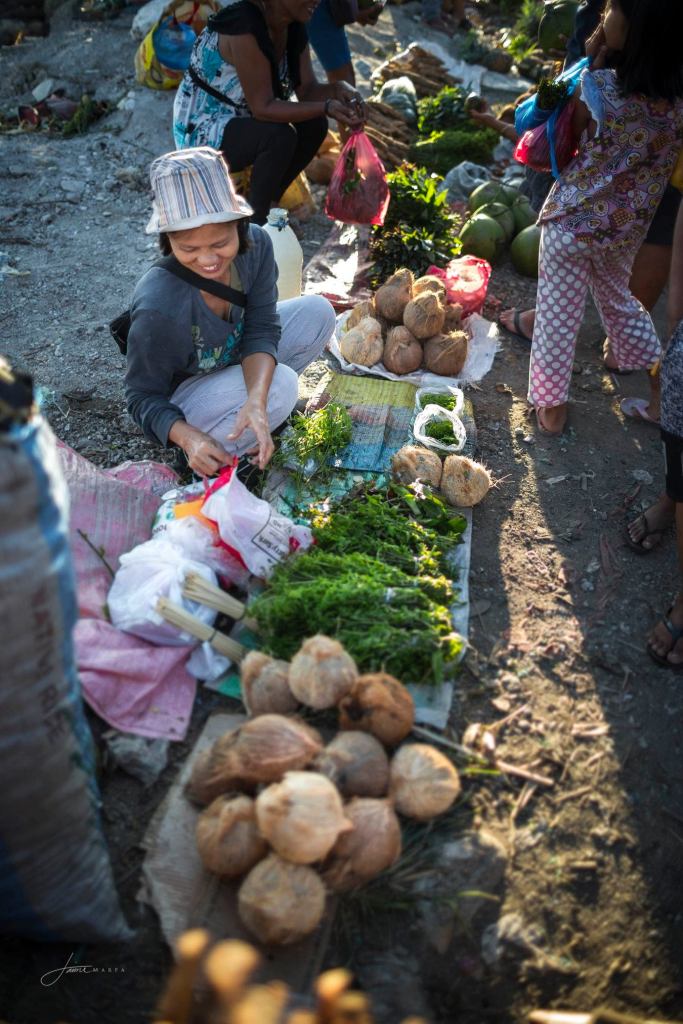
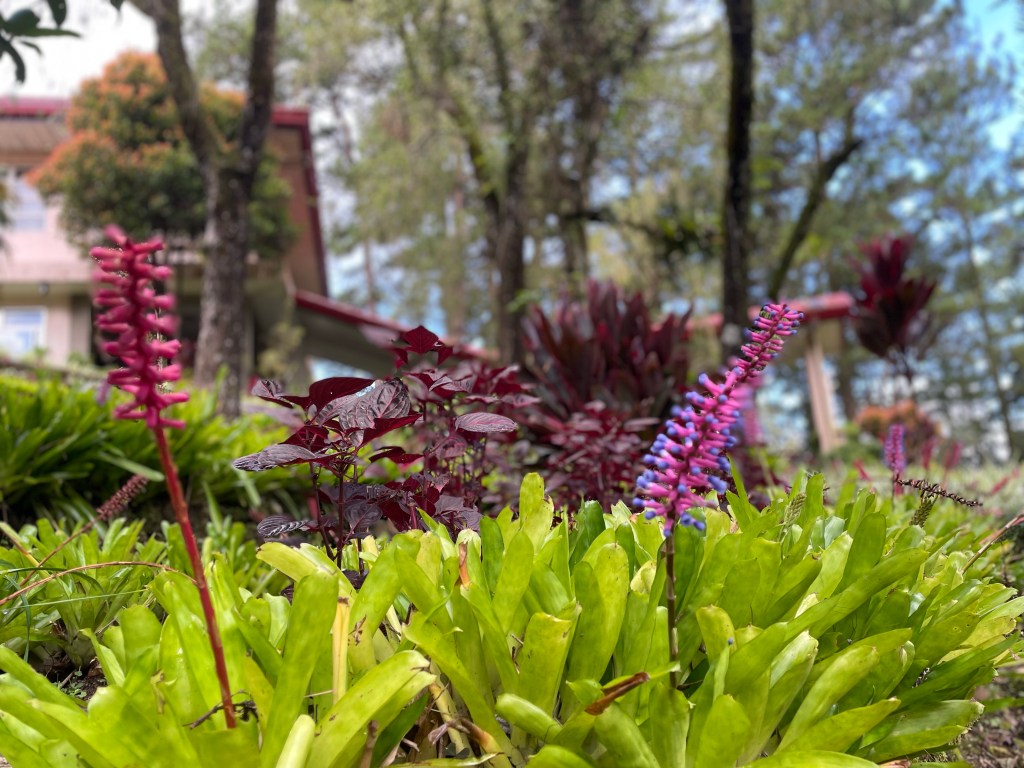
Photo by Dra. Mylene A. Santos, MD, at Tagalag, Valenzuela City, 18 November 2023.
How wonderful on this fifth day
of 2024, O God our Father,
that you amaze us
first on what is truly
amazing...
"Do not be amazed, then,
brothers and sisters,
 if the world hates
you"
(1 John 3:13).
Many times we are amazed
at the evil men and women do;
we are amazed and surprised
in the negative sense
like shocked,
appalled,
even embarrassed
when others speak
and act shamelessly
against what is true,
good, and beautiful;
to be amazed in the negative sense
makes us withdraw
to examine our very selves
if we too have become callous
and shamelessly evil.
What is truly amazing,
worth of our surprise
is when we are amazed
in the positive sense
like Nathanael:
"Can anything good come from Nazareth?"
Philip said to him,
"Come and see"
(John 1:46).
Only what is truly good,
very true, and really beautiful
is amazing; nothing can make
our hearts leap even in
momentary disbelief
and amazement like Nathanael
to hear or see or experience
something so good and all good;
and that is YOU, O God,
the most amazing of all
now brought nearer to us
in Christ Jesus;
in him, we have realized
and experienced that
"God is greater than our hearts"
(1 John 3:20) because you,
O God, your love and your truth,
your mercy and your kindness
are all beyond our grasp;
nothing can be so amazing,
loving Father, for us to experience
your love far beyond anything
we could expect for ourselves;
make us believe,
let us be amazed
in you.
Amen.
Lawiswis ng Salita ni P. Nicanor F. Lalog II, Ika-27 ng Disyembre 2023
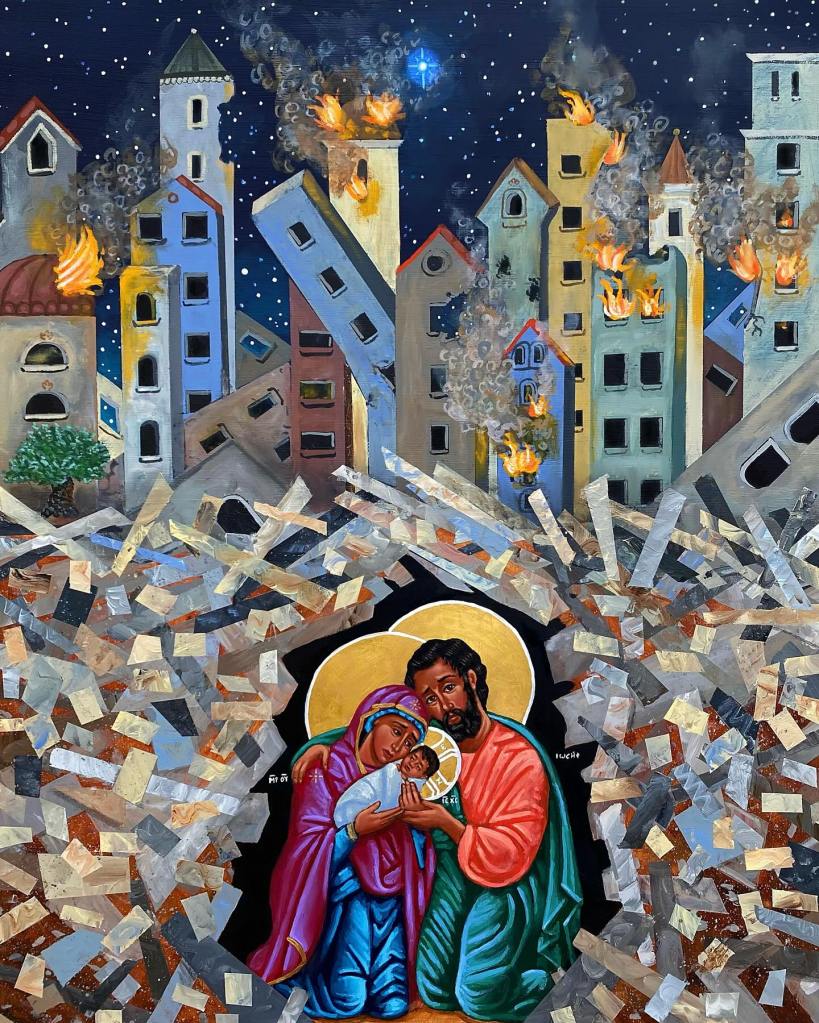
Larawan mula sa Facebook, 23 Disyembre 2023 ng pagtutulungan ng Red Letter Christians at ng artist na si Kelly Latimore ng @kellylatimoreicons upang lumikha ng bagong larawang ito na pinamagatang “Christ in the Rubble” nagsasaad na kung sakaling ngayong panahon isinilang si Jesus, malamang siya ay ipinanganak sa gitna ng mga durog na bato sanhi ng digmaan doon sa Gaza.
Maligayang Pasko!
Tayo raw mga Pilipino ang mayroong pinaka-tumpak na pagbati sa panahong ito dahil sinasaad ng salitang “pasko” ang buong katotohanan ng hiwaga ng pagkakatawang-tao (Incarnation) ng Diyos Anak na si Jesu-Kristo.
Mula sa wikang Hebreo na pesar o pesach na kahulugan ay “pagtawid”, ito ay pascua sa wikang Kastila na atin ding ginagamit na ugat ng Pasko at pasch naman sa Inggles.
Una natin itong natunghayan sa Matandang Tipan, sa Aklat ng Exodus nang itawid ng Diyos sa pamumuno ni Moises ang mga Israelita mula Egipto patungong lupang pangako. Iyon ang larawang paulit-ulit na tinutukoy sa ating kasaysayan ng pagliligtas, sumasagisag sa pagtawid mula sa kaalipinan patungo sa kalayaan, pagtawid mula kadiliman patungo sa liwanag, pagtawid mula kasalanan tungo sa kapatawaran, at higit sa lahat, pagtawid mula kaparusahan tungo sa kaligtasan.
Iyon din ang batayan ng tinutukoy na misteryo paskuwa o ng ating pananampalataya kay Kristo-Jesus na ating ipinahahayag tuwina sa Banal na Misa, “si Kristo ay namatay, si Kristo ay muling nabuhay, si Kristo ay babalik sa wakas ng panahon!“
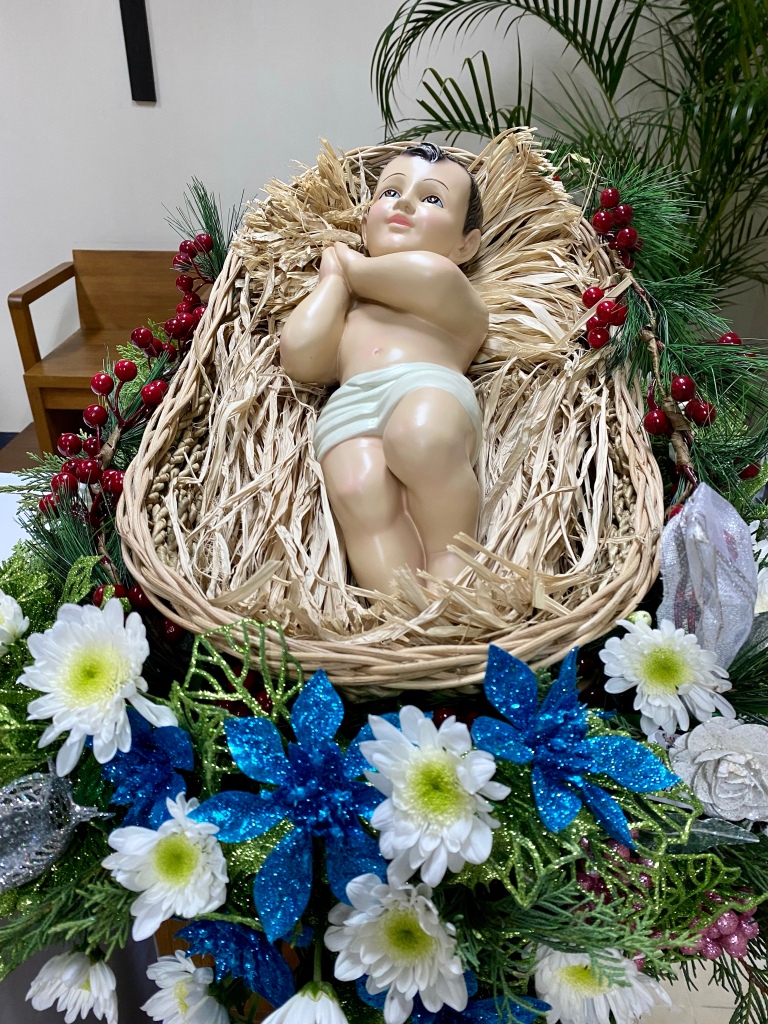
Larawan kuha ng may-akda, 2021.
Tumpak at ayon ang ating pagbati na Maligayang Pasko dahil nagsimula ang misteryo paskuwa ni Jesus nang Siya ay ipaglihi at isinilang ng Mahala na Birheng Maria sa Bethlehem mahigit 2000 tao na nakalilipas.
Sa pagkakatawang-tao ni Jesus, Siya ay tumawid mula sa kawalang-hanggan (eternity) tungo sa mayroong hanggan (temporal) dito sa lupa; mula sa kanyang ganap na pag-iral taglay ang lahat ng kapangyarihan tungo sa limitado niyang pagkatao tulad ng pagiging mahina at mahuna lalo na sa pagiging sanggol at bata. Kasama na doon ang kailangan Niyang mag-aral lumakad, magsulat, magbasa at magsalita na kung tutuusin ay alam Niya ang lahat.
Taong-tao talaga si Jesus bagamat hindi nawala ni nabawasan Kanyang pagka-Diyos sa Kanyang pagkakatawang-tao kaya lahat ng ating mga karanasan bilang tao ay Kanya ring naranasan maliban ang kasalanan at magkasala. Siya man ay nagutom, nauhaw, nahapis at tumangis nang mamatay ang kaibigan Niyang si Lazaro, nahabag sa mga tao mga may sakit at balo. Wika nga ni Papa Benedicto XVI na malapit na nating ipag-ibis luksa sa katapusan, ang Diyos na ganap na kung tutuusin ay hindi nahihirapan ni nasasaktan ay pinili na makiisa sa hirap at sakit nating mga tao pamamagitan ng pagkakatawang-tao ni Jesu-Kristo (Spe Salvi, #39).
Napaka-ganda at husay ng paglalahad ni San Pablo sa pagtawid o paskuwa na ito ni Jesus na kanyang tinaguriang kenosis, ang paghuhubad ni Jesus ng Kanyang pagka-Diyos bagamat para sa akin mas angkop ang salin na “pagsasaid” dahil sinimot ni Jesus ang lahat ng sa Kanya para sa atin doon sa Kanyang pagkakatawang-tao na ang rurok ay doon sa Krus.
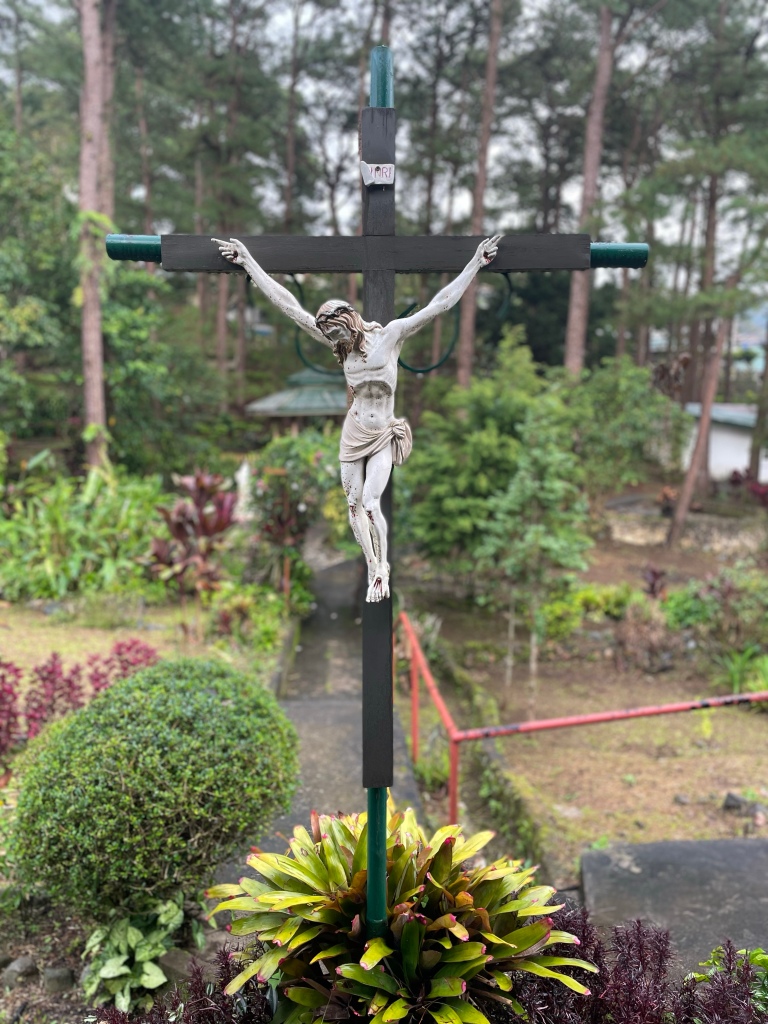
Larawan kuha ng may-akda, Baguio City, Agosto 2023.
Magpakababa kayo tulad ni Cristo Jesus: Na bagamat siya’y Diyos, hindi nagpilit na manatiling kapantay ng Diyos, Bagkus hinubad niya ang lahat ng katangian ng pagka-Diyos, nagkatawang-tao at namuhay na isang alipin. Nang maging tao, siya’y nagpakababa at naging masunurin hanggang kamatayan, oo, hanggang kamatayan sa krus.
Filipos 2:5-8
Naalala ko isang araw ng Pasko noong bata ako nang kami ay papaalis patungo sa mga Nanay at kapatid ng aking ama sa Maynila, masungit ang panahon at maulan. Hindi ko matanggap na umuulan at masama ang panahon sa araw ng Pasko kaya tinanong ko aking ina, “Bakit po ganun, birthday ni Jesus may ulan, may bagyo? E hindi ba God Siya? Di ba Niya puwede ipahinto mga ulan sa birthday Niya?”
Di ko matandaan sagot ng mommy ko pero malamang hindi malayo sa luku-luko at gago!
Nang magka-isip na ako, natutuhan ko sa mga pagbabasa na sa maraming pagkakataon mayroong mga bagyo at kalamidad, digmaan at kung anu-ano pang mga sigalot at paghihirap na nangyari kasaysayan tuwing Pasko.
Tayo man mismo, marahil sa ating personal na buhay, maraming pagkakataon na tayo ay lumuluha, nanlulumo, hapis na hapis sa buhay sa ilang mga masasakit na karanasan sa araw ng Pasko. Kaya marami sa ating habang tumatanda nasasabing para lamang sa mga bata ang Pasko na masaya.
Ngunit hindi po iyan totoo! Batid natin sa ating mga karanasan na sa padaraan ng panahon, lumalalim ding pag-unawa nating sa Paso.
Larawan kuha ng may-akda, Setyembre 2023.
Balikan natin mga panahon ng ating pagsubok sa buhay lalo na sa panahon ng kapaskuhan, higit tayong namamangha at tiyak sasang-ayon ng lubos na tumpak nga ang bati nating mga Pinoy ng “Maligayang Pasko!” dahil mas malalim at makabuluhan ang pagdiriwang ito o ano pa mang selebrasyon sa buhay kapag ating napagdaanan at nalampasan mga hirap at sakit.
Ito ang kagandahan at katotohanan ng buhay natin na isang paulit-ulit na pasko, ng pagtawid at paglampas sa mga hirap at hilahil, pagbubulaanan sa ano mang sakbibi at pag-aaalinlangan ating ikinakakaba.
Hindi inalis ng Diyos ating hirap at sakit maging kamatayan bagkus tayo ay Kanyang sinamahan sa pagbibigay Niya sa atin ng Kanyang bugtong na Anak, ang Panginoong Jesu-Kristo na tumawid mula langit patungo dito sa atin sa lupa upang tayo naman Kanya ring maitawid patungong langit.
Kaya naman, pakiusap ko sa lahat na ipagpatuloy natin pagbati ng Maligayang Pasko hanggang ika-pito ng Enero 2024, ang Dakilang Kapistahan ng Pagpapakita o Epiphany ng Panginoon. Napakasama at malaking kahangalan na kay tagal inabangan ang Pasko na nagsisimula ng hapon ng ika-24 ng Disyembre at pagkatapos ng ika-25 ay biglang magbabatian ng Happy New Year!?
Kalokohan! At marahil, hindi naunawaan diwa ng Pasko. Mababaw at puro happy, happy gusto ng mga maraming tao, di batid ang diwa at lalim ng kahulugan ng Pasko na sa paglalagom ay iisang salita lamang: PAG-IBIG o PAGMAMAHAL. Ng Diyos sa atin.
Ano man ang mangyari sa buhay natin, sa ating mundo, hindi mapipigil ang Pasko, tuloy ang Pasko dahil kasama natin palagi si Kristo. At kung ikaw man ay mayroong pinagdaraanan, matuwa ka at magalak, ikaw ay nasa paskuwa – pasko – kasama, kaisa si Kristo! Amen.
The Lord Is My Chef Daily Recipe for the Soul by Fr. Nicanor F. Lalog II
Tuesday, Misa De Gallo IV, 19 December 2023
Judges 13:2-7, 24-25 <'[[[[>< + ><]]]]'> Luke 1:5-25
Here’s another beautiful story I got from a blogger I recently followed from Spain at wordpress.com. It is actually an analogy which may sound simple but very true.
You are holding a cup of coffee when someone comes along and bumps into you or shakes your arm, making you spill your coffee everywhere. Why did you spill the coffee?
"Because someone bumped into me!!!"
Wrong answer. You spilled the coffee because there was coffee in your cup. Had there been tea in the cup, you would have spilled tea. Whatever is inside the cup is what will spill out.
Therefore, when life comes along and shakes you - which surely happens all the time - whatever is inside you will come out. It's easy to fake it, until you get rattled. So, we have to ask ourselves, "what's in my cup?" When life gets tough, what spills over from me?
Photo by Mr. Boy Cabrido, Quiapo Church, Misa de Gallo, 17 December 2023.
My dear friends, we are now on the fourth day of our Misa de Gallo and I find that story/analogy so appropriate with our readings today.
How interesting that Zechariah with his wife Elizabeth – according to St. Luke – prayed so hard all their lives to have a child but when God was about to fulfill it, Zechariah doubted it despite being told by an angel from God. Like in that story/analogy we presented above, Zechariah was “rattled” by the angel’s good news. “What was inside Zechariah that he doubted the good news”?
Then Zechariah said to the angel, “How shall I know this? For I am an old man, and my wife is advanced in years.” And the angel said to him in reply, “I am Gabriel, who stand before God. I was sent to speak to you and to announce to you this good news. But now you will be speechless and unable to talk until the days these things take place, because you did not believe my words, which will be fulfilled at their proper time.”
Luke 1:18-20
Photo by author, Wailing Wall of Jerusalem, May 2017, the section of the remaining parts of the temple closest to the Holy of Holies where priests used to incense once a year.
Advent is the presence of God but sometimes when we are overburdened with so many things like anxieties and problems in life, frustrations and disappointments, sickness and death in the family, we become unaware of his divine presence even if we continue to pray and do our religious duties and devotions. Too often we lack the conscious awareness of God in our lives that we take him for granted, considering him more as a given than a presence and a reality.
This is exactly what we told you yesterday about some of us pretending to be real disciples of Christ when in reality we are merely dreaming in a sleepwalking existence. It is a kind of spiritual immaturity due to our lack of honesty and sincerity with one’s self and with God that we remain a spiritual dwarf. Like Zechariah who happened to be a priest who must be more attuned and rooted in God, we too hardly notice God’s coming or even doubt him and his powers because we want to hold on to our comfort zone or insist our own agenda.
God is never put off by our queries in life but what “irritates” him is when we question him, when we doubt him, when we ask about his character like Zechariah. That is a lack of faith in God, a lack of trust, and lack of personal relationship with him unlike St. Joseph in our reflection yesterday, truly a righteous man.
Contrast Zechariah with his wife Elizabeth who is presented by St. Luke in a better position despite her being barren. In the Bible, barrenness is a sign of lifelessness and absence of God’s blessings. Worst, it was seen as a punishment from God for one’s sins.
Yet in this opening scene of St. Luke’s infancy story beginning with the annunciation of John’s birth, we find God’s power at its fullest when we are most emptied which is exactly the imagery of Elizabeth being barren and old. She had nothing at all to be proud of unlike Zechariah who still had duties to perform as a priest.
As we have reflected yesterday too, we burst in great rejoicing actually in those moments filled with negativities, with a lot of “no” answers of rejections and failure. That was how Elizabeth felt after being pregnant with John.
After this time, his wife Elizabeth conceived, and she went into seclusion for five months, saying, “So has the Lord done for me at a time when he has seen fit to take away my disgrace before others.”
Luke 1:24-25
Earlier, we asked what was inside Zechariah that he doubted the good news of the angel; now, we imagine what was inside the barren Elizabeth who welcomed the good news rejoicing by voluntarily going into a seclusion?
The story of the elderly couple Zechariah and Elizabeth finally being blessed by God with a child shows us God’s consistency not only in keeping his promises but most of all in working best even in our worst conditions, in the most unusual circumstances. In these two stories, one from the Old Testament and in the New Testament, we find the importance of being filled with God always.
Recall our story/analogy above. What is inside us that comes out when we are shaken? What spills over from our cup, is it joy, gratitude, and peace? Or, anger, bitterness, harsh words and reactions long festering within?
In starting his Christmas story with the annunciation of the birth of John the Baptist, St. Luke is telling us an important aspect in celebrating this blessed season – the need to fill ourselves with God.
See how Zechariah was forced to be silent and made mute so that he could spend more time listening and rediscovering God anew in his heart, of filling himself with God. On the other hand, Elizabeth opted to go into seclusion also to contemplate God already dwelling in her though she may have never known before that is why she wanted to listen more intently to his other plans with the gift of John. Similarly like her in the first reading was the wife of Manoah who remained silent and open when a man of God told her she would bear a son to be called Samson, saying that “I did not ask him where he came from” (Jgs.3: 6). Advent invites us to simply be still to be filled by God, with God.
The other day I joined my nieces and nephew for lunch. After dropping me off at the parish, they asked for a nearby Starbuck’s because my nephew had to buy a coffee mug for his exchange gift in their class. When I asked him why he had to give a Starbuck’s mug as gift, it turned out that is now the way it is in class Christmas party – your exchange gift partner can make a wish for the gift to receive for as long as it is within the agreed budget by the class.
Anyway, our life gives us the cup or the mug. We make the decision, the choice to fill it with coffee or chocolate or tea, in the same manner we fill ourselves with joy or bitterness, anger or serenity, gratitude or complaints. Or God.
Like Zechariah in the gospel today, we could be so tired already of doing so much, of banging our heads on the wall to solve everything, to answer everything. In this final stretch before Christmas, let us empty our cups or mugs of our selves and fill it with God who alone can truly fill us with life despite our dryness and barrenness. Amen.Have a blessed Tuesday!
The Lord Is My Chef Daily Recipe for the Soul by Fr. Nicanor F. Lalog II
Thursday, Memorial of St. John of the Cross, Priest & Doctor of Church, 14 December 2023
Isaiah 41:13-20   <*((((>< + ><))))*>   Matthew 11:11-15
Praise and glory to you,
God our loving Father,
for this wondrous day of
Memorial of your great mystic
and servant, St. John of the Cross;
in his life and example attested by
his great writings exuding with
immense and intense love for you,
he had shown us how true were
the words of Jesus your Son:
Jesus said to the crowds: “Amen, I say to you, among those born of women there has been none greater than John the Baptist; yet the least in the Kingdom of heaven is greater than he.”
Matthew 11:11
Yes, dear God, almighty
yet so gracious and merciful,
you have blessed us to be witnesses
of your love and power in Christ Jesus;
let us listen to your words always,
let them sink into our hearts
so we may feel
and nurture
and share your love
to one another;
like St. John of the Cross
who, after going through so much
trials and sufferings in life asked,
"Who has ever seen people persuaded
to love God by harshness?"
How great indeed is your power
of love that despite the losses
and pains we go through in life,
the more we love,
the more we feel stronger,
the more we feel blessed!
You alone, O Lord, is our help,
our life, our strength despite our
being "worm" and "maggot"
 like Israel (Isaiah 41:14);
let us accept our littleness
before you so Christ may come
and dwell in us to fill us
with your love so we may
imitate St. John of the Cross
who taught us,
"Where there is no love,
put love - and you will find love"
because "A soul that walks in love
 is never tired and never gets tried."
Amen.
The Lord Is My Chef Daily Recipe for the Soul by Fr. Nicanor F. Lalog II
Wednesday in the First Week of Advent, 06 December 2023
Isaiah 25:6-10   ><))))*> + ><))))*> + ><))))*>   Matthew 15:29-37
Photo by author, St. Scholastica Retreat House, Baguio City, 23 August 2023.
God our loving Father,
may we go back to you our very life;
forgive us who have easily forgotten
you especially after these difficult years of the pandemic;
now that COVID has waned and life is back to "normal",
we are back to our unholy ways.
May we always search you, Father,
and dwell in you;
 destroy the “veil that veils all peoples,
the web that is woven over all nations” (Is.25:7)
that mislead and imprison us
with false hopes in superficial relationships
and materialistic briberies of this world.
Let us go "hungry and thirsty"
to realize the most essential in life
 are you, dear God and the people who truly
care for us and love us like our family and friends.
Like the crowd who have followed Jesus
in the wilderness for three days
with nothing to eat:
they experienced advent,
your coming, O God,
when Jesus fed them
after they were finally disposed
to desire the longings
of their soul than of their bodies;
it was only then when Jesus fed them
through the miraculous multiplication
of the loaves of bread for the second time.
May the darkness and gloom
that envelop us this season of Advent
like the wars in Gaza and Ukraine
and other military show of force
by other nations and groups elsewhere,
the barbaric terror attack last Sunday in Marawi
and the frequent earthquakes we have been experiencing
along with our other personal crises
dispose us to desiring you alone,
God our Father, so we may finally enter
your heavenly banquet in the Holy Eucharist
with “rich food and choice wines” (Is.25:6). Amen.
The Lord Is My Chef Daily Recipe for the Soul by Fr. Nicanor F. Lalog II
Friday in the Thirty-fourth Week of Ordinary Time, Year I, 01 December 2023
Daniel 7:2-14   ><]]]]'> + ><]]]]'> + ><]]]]'>   Luke 21:29-33
God our loving Father,
open our eyes
to see beyond this world,
to have vision not just sights;
like Daniel your Prophet and Jesus your Son,
enable us to see beyond material things
that are superficial in nature.
Let us see not the future
 but see the deeper realities
of life and of this world,
to identify and recognize the beasts
among us and within us
that enslave us to sin;
let us have the vision
of your grand plans for us
in heaven as we aspire
to build a more humane society
here on earth by seeing
and sharing in the vision of
Jesus Christ of life's fulness
found only in you, O God;
let us see your vision of
timeless values taught and
and exemplified to us
by Jesus on the Cross.
May we remain focused
on Jesus Christ and his Second Coming
while in this world that is passing
even in the midst of dryness
and emptiness of life.
Amen.
The Lord Is My Chef Sunday Recipe for the Soul by Fr. Nicanor F. Lalog II
Sunday in the Thirty-Third Week of Ordinary Time, Cycle A, 19 November 2023
Proverbs 31:10-13, 19-20, 30-31 ><}}}*> 1 Thessalonians 5:1-6 ><}}}*> Matthew 25:14-30
Photo by Mr. Jim Marpa in Carigara, Leyte 2018.
Our first reading today from the Book of Proverbs is very interesting on this penultimate Sunday of the liturgical calendar before the Solemnity of Christ the King next week. If we go by today’s way of thinking, it sounds “sexist”, stereotyping the tasks of a “worthy” or perfect wife:
She obtains wool and flax and works with loving hands. She puts her hands to the distaff, and her fingers ply the spindle. She reaches her hands to the poor, and extends her arms to the needy.
Proverbs 31:13, 19-20
But for those like me who grew up in the generation reared by mothers proudly described as “plain housewife”, there’s no sexism nor stereotyping of women by the author of the Book of Proverbs. It is actually in praise of women, of housewives and mothers supposed to be the most attentive in details, truly dedicated and faithful in daily house chores.
Photo by Mr. Jim Marpa in Carigara, Leyte 2018.
Our first reading reminds us to be like a “worthy wife” who is consistent in doing those little things mothers do to keep our homes warm and tidy. Most of all, orderly.
Moms are blessed with special grace and talent in budgeting limited resources to come out with outstanding meals daily, of keeping socks and handkerchiefs as well as cuff links and old clothes ready and handy just in case there is an instant out of town trip or school project. With moms, life is practically worry-free because she gets everything covered even outside home! I remembered how my mom had everything in her little bag, from medicines like Cortal to Vick’s Vaporub and Band-Aid, candies and money, tissues and even tape measure called medida! Truly a Girl Scout, always ready for any eventuality.
And that is why we have this part of the Book of Proverbs this Sunday: to wait for the Second Coming of Christ which is also the end of the world is to be like a “worthy wife” concentrated on life’s essentials “who fears the Lord” (v.30) and “reaches out her hands to the poor, and extends her arms to the needy” (v. 20). It is basically being wise like the five virgins last Sunday – faithful to God, to his laws and commandments expressed in lovingly serving others especially the poor.
Photo by author, sunset in Tagaytay City, 07 February 2023.
That is the whole point of Jesus in today’s parable of the talents where he spoke to his disciples who include us today “of his coming” that no one knows like those servants awaiting their master’s return.
The parable did not tell us how the first two servants made use of their talents that earned them interests but it clearly pointed out what the third servant did not do. The time of waiting for the Parousia is an active waiting, of keeping up with the tasks entrusted to us by Jesus our Master. Instead of knowing its date with all those useless calculations and speculations, we are called to be diligent and committed in striving and persevering to be good at what is entrusted to us according to our ability like the first two servants and the perfect wife in the Book of Proverbs.
To wait for Jesus is not to be idle, doing nothing like the third servant in the parable who simply buried the talent entrusted to him. He was lazy, lacked any initiative, a whiner and a complainer.
Perfection and holiness lead to readiness for Christ, achieved in our faithfulness to our daily duties as his disciples, not elsewhere like in great moments we often await but never happen at all nor in appearances that do not matter like “charm and beauty” as the author of Proverbs said (v.30). Active waiting for the return of Jesus is living fully in every present moment, not in useless crying over the past or fearful anxieties of the future.
Photo from inquirer.net, 2021.
Jesus is not asking us – and would never ask us anything beyond our abilities – to do great feats like that master who simply entrusted his possessions according to his servants’ abilities.
Jesus is not telling us to do a Mother Teresa but simply be kind first to your family. Smile more often at people, laugh your heart out at the simple joys and stories especially of children. Choose silence than answering every call and conversation. Forgive a lot and you forget what isn’t nice. Then you see the hidden beauty of every person and thing. And not far from that, you find Christ coming right in front of you, too.
When we do the work of God, it does not really matter how big or small nor how simple or complicated that may be. It is always great to do the work of God because it is God’s work entrusted to us! A basketball is just an ordinary rubber ball but when used by Michael Jordan, it becomes of great value. The same is true when we do the works of God.
When Christ comes again to judge both the living and the dead, the only thing he would ask us is what have we done to those people and responsibilities he had entrusted to us. Ultimately, it is a question of how much have we loved, have we lived like him? Remember Jesus said “Not everyone who says to me ‘Lord, Lord,’ will enter the kingdom of heaven, but only the one who does the will of his Father in heaven” (Mt. 7:21-23). What are we doing, how are we living our faith in God these days are the questions we must answer to be ready for the Second Coming.
Photo by author, Jesuit Cemetery at the Sacred Heart Novitiate, Novaliches, QC, 21 March 2023.
St. Paul lived at a time when people were so excited for the apocalypse, the end of time when Christ is expected to come again. They believed – along with St. Paul – that they would witness the return of Jesus in their lifetime.
And that is why St. Paul wrote them, trying to calm them by telling them to always live in the present moment, to live fully every day because the Parousia will come like a thief in the night, just “when people are saying ‘Peace and security,’ then suddenly disaster comes upon them, like labor pains upon a pregnant woman” (1 Thes. 5:2-3).
How sad that what is happening today is exactly the opposite. These days, many people live as if Christ is never coming back to judge us at the end of time. Worst, many people live as if there is no God at all with all the wars and crimes going on, the continuing disrespect for life and persons, as well the many abuses and injustices committed with impunity.
Photo by Mr. Jim Marpa in Carigara, Leyte 2018.
These very presence of sin and evil in the world show that God’s final victory has not taken place yet. Therefore, each day is actually a reminder of the coming end of time, the return of Jesus to establish final peace and order. Far from terrifying and discouraging us, it is a call for us to live fully in the present, mindful of that Latin phrase “memento mori” that means “remember you must die.”
The German philosopher Martin Heidegger said we are all “beings-towards-death”, meaning, we all die someday.
It is in being aware of this certainty of death that we humans live authentically. It is only when we have come to terms with death that we also come to terms with life. We fear death because we have not yet started living truly. Now is the time. No need to write those bucket list. Simply live in God, in Jesus. Be good, be joyful. Then, it does not matter anymore when death comes. Amen. Have a blessed, faithful week ahead.
The Lord Is My Chef Daily Recipe for the Soul by Fr. Nicanor F. Lalog II
Friday, Memorial of St. Elizabeth of Hungary, Religious, 17 November 2023
Wisdom 13:1-9  <'[[[[>< <'[[[[><  +  ><]]]]'> ><]]]]'>   Luke 17:26-37
Photo by author, St. Scholastica Retreat House, Baguio City, 23 August 2023.
Arouse us, dear God,
our loving Father,
awake us from our sleep,
let us open our eyes,
our hearts,
our very selves
to your divine presence
around us and within us;
let us bask in this most
lovely divine milieu
so many have tried so hard
to negate and discard
as not true.
How true are your words
again this day from the
Book of Wisdom:
All men were by nature foolish who were in ignorance of God, and who from the good things seen did not succeed in knowing him who is, and from studying the works did not discern the artisan.
Wisdom 13:1
How foolish have we become
to reject you, to abandon you,
to not believe nor recognize
you, O God, who can be gleaned
from nature and creation,
most especially in our studies
and search for truth and meaning;
but twice foolish are those who
believe only in themselves,
playing gods, worshipping their
body and beauty,
amazed with their strength and power
full of conceit and self-centeredness
(cf. Wisdom 13:2-4).
Keep us simple, Father,
to find you in little things,
in the unseen realities of this life
that point us to your divine milieu;
let us not wait for that sign
of gathering of vultures
when we lay wasted,
and dead to sin
and blindness.
Amen.
Lawiswis Ng Salita ni P. Nicanor F. Lalog II, Ika-15 ng Nobyembre 2023
Ang kauna-unahang may sakit na aking pinahiran ng Banal na Langis ay ang tiyahin ng aking ina na kung tawagin namin ay Ned. Ayon sa nanay ng aming ina na Ate ng Ned, utal daw kasi ang dalawang nauna niyang anak at hindi masabi ang Nana Cedeng(o Chedeng), ang palayaw ng kanyang tunay na pangalang Mercedes.
Kaya, naging Ned na ang nagisnang tawag ng mga mommy ko at pati na kaming magpipinsan na kanyang mga apo. Walang anak ang Ned dahil maaga siyang nabiyuda nang magka-cancer ang kanyang kabiyak na siyang tunay na taga-Bocaue, Bulacan. Mula sa Aliaga, Nueva Ecija ang mga lola ko sa panig ng aking ina na mula sa angkan ng mga Bocobo.
Nang ako ay magdiriwang ng aking Primera Misa Solemne bilang bagong orden na pari noong ika-26 ng Abril 1998, hindi na nakapaglalakad ang Ned kaya bago kami magprusisyon, siya ay aking dinalaw at pinahiran ng Langis ng Maysakit. Pagkaraan ng ilang Linggo, sinugod siya sa ospital dahil sa stroke at nag-comatose kaya kinailangang ipasok sa ICU. Hindi naman siya kaagad namatay tulad ng iba kong pinahiran ng Langis ng Maysakit….
Pagkaraan ng isang linggo, inilipat na siya ng regular na silid at aking dinalaw. Hindi naapektuhan ng stroke ang kanyang pananalita. Tumingin siya ng matagal sa akin at pagkaraan ay hiniling na lumapit sa kanya.
“Mayroon akong ikukuwento sa iyo, Father, pero hindi ko alam kung ikaw ay maniniwala” sabi niya sa akin. Hinagod ko kanyang noo gaya ng ginawa niya sa akin noong ako ay natigdas nang bata pa. “Ano po inyong sasabihin?”, tanong ko sa kanya.
Larawan kuha ni G. Bryan San Luis, Kapistahan ni San Martin ng Tours, Patron ng Bayan ng Bocaue, Bulacan, 11 Nobyembre 2023.
“Father… ako e namatay na. Ang natatandaan ko lang ay naglalakad ako mag-isa sa madilim na kalsada. Maya-maya may nakita akong liwanag at bigla mayroong sumalubong sa aking mama na naka-kabayong puti. Sinabi sa akin nung mama, ‘Cedeng, magbalik ka na ika… hindi mo pa oras.'”
Sabi ng Ned, kaagad naman siyang tumalikod at naglakad pabalik ngunit muli niyang nilingon yung mama na naka-kabayo. Tinanong daw niya, “Hindi ba kayo si San Martin ng Tours?” At sumagot naman daw yung mama na siya nga si San Martin ng Tours. “E paano po ninyo ako nakilalang si Cedeng?” tanong daw niya. Sumagot daw si San Martin, “Paanong hindi kita makikilala, Cedeng, e kada piyesta ng Mahal na Krus at kapistahan ko ay nagsisimba ka palagi sa Bocaue?” Nangiti raw si San Martin sa kanya at di na niya nalaman ang mga sumunod maliban sa makita sarili niya naroon na sa ospital.
Wala daw siyang pinagsabihan ng karanasang iyon maliban sa akin dahil ako ay pari. At muli niya akong tinanong, “naniniwala ka ba Father na pinabalik ako dito ni San Martin ng Tours?” Hinagod ko muli ang noo ng Ned at sinabi ko sa kanyang “Opo, naniniwala po ako sa inyo.”
Larawan kuha ni G. Bryan San Luis, si San Martin aming Patron kasama ang Mahal na Krus sa Wawa na amin ding ipinagpipista tuwing buwan ng Hulyo sakay ng pagoda sa Ilog ng Bocaue.
Tumagal pa ang Ned ng limang taon bago siya pumanaw noong ika-5 ng Hulyo, 2003. Mismong sa harap ko siya namatay nang siya ay aking dalawin matapos ako magmisa sa kapit-bahay niyang namatay.
Naku, kay laking isyu noon sa aming lugar ang pagkamatay ng Ned. Ako sinisisi ng matatanda kasi daw inuna kong puntahan ang patay bago ang buhay! Ewan ko sa kanila ngunit pagpapala ang aking naranasan at nakita sa pangyayari: nang malagutan ng hininga ang Ned sa harap ko, kaagad kong tinawag ang kanyang tagapag-alaga, pinahiran ko pa rin siya ng Banal na Langis, at nang matiyak na patay na siya, kaagad akong nagmisa mag-isa doon sa kanyang silid kasama malamig niyang bangkay. (Ewan ko ba. Dalawang pari na rin, parehong Monsignor, ang namatay sa harapan ko at sa pangangalaga ko.) .
Palagi ko ikinukuwento ang “near-death experience” na iyon ng aking Lola hindi lamang sa dahil kakaiba kungdi mayroong malalim na katotohanang inihahayag – ang pagmamahal sa ating parokya, ang pananalangin ng mga Banal sa atin at higit sa lahat, ang kahalagahan ng Banal na Misa na siyang “daluyan ng lahat ng biyaya at rurok ng buhay Kristiyano” ayon sa Vatican II. Wika ni San Juan Pablo II, sa Banal na Misa aniya ay mayroong cosmic reality
Nang magkaroon ako ng sariling parokya noong 2011, isa iyon sa mga una kong kinuwento sa mga tao upang ituro pagmamahal sa kanilang parokya. Ipinaliwanag ko sa kanilang ang mga Banal na mga Patron ng parokya ang unang nangangalaga sa mga mananampalataya, ang ating mga tagapagdasal doon sa langit, mga taga-pamagitan.
Larawan kuha ni G. Bryan San Luis, prusisyon noong Kapistahan ni San Martin ng Tours, Patron ng Bayan ng Bocaue, Bulacan, 11 Nobyembre 2023.
Naniniwala ako na si San Martin ng Tours ang sumalubong kay Ned kasi nga hindi pa naman niya oras, kaya wala pang paghuhukom na naganap sa kanya na tanging si Jesu-Kristo lang ang makagagawa.
Ang pinaka-gusto kong bahagi ng kanyang kuwento ay ang kanilang usapan kung paano nakilala ni San Martin ang aking Lola sa tunay niyang palayaw na Cedeng. At hindi Ned.
Ipinakikita nito sa atin ang kahalagahan ng pagsisimba tuwing Linggo at mga pistang pangilin sa simbahan lalo ngayon panahon na akala ng marami ay sapat na ang online Mass. Ang Banal na Misa ay “dress rehearsal” natin ng pagpasok sa Langit. Kay sarap isipin na bukod sa Panginoon at Mahal na Birheng Maria na sasalubong sa atin doon ay kasama din ang Patron ng ating Parokya na kinabibilangan natin. Nakalulungkot maraming tao ngayon ni hindi rin alam kung ano at saan kanilang parokya! Alalahanin mga nakita ni San Juan Ebanghelista sa langit habang siya ay nabubuhay pa upang isulat sa Aklat ng Pahayag:
At narinig ko ang isang tinig mula sa langit na nagsasabi, “Isulat mo ito: Mula ngayon, mapapalad ang naglilingkod sa Panginoon hanggang kamatayan!” “Tunay nga,” sabi ng Espiritu. Magpapahinga na sila sa kanilang pagpapagal; sapagkat susundan sila ng kanilang mga gawa.”
Pahayag 14:13
Anu-ano nga ba ating mga pinagkakaabalahanan sa buhay ngayon? Anu-ano ating pinag-gagawa na susundan tayo sa kabilang buhay upang ating ipagpatuloy? Kabutihan ba o kasamaan? Huwag nating sayangin pagkakataong ipinagkakaloob sa atin ng Diyos ngayon. Siya nawa.
San Martin ng Tours, ipanalangin mo kami.
Larawan mula sa flickr.com ng isang icon ni San Martin ng Tours hinahati kanyang kapa para sa isang pulubi.
Lawiswis ng Salita ni P. Nicanor F. Lalog II, Ika-14 ng Nobyembre 2023
Larawan kuha ng may-akda, San Juan, La Union, Hulyo 2023.
Noong ako ay bagong pari, maraming pagkakataon na para ako nahihiya o nababagabag kapag iyong aking dinalaw na may sakit ay pumanaw pagkaraan ko siya pahiran ng Banal na Langis. Binibiro kasi ako palagi ng mga tao na huwag ko silang dadalawin kapag sila ay nagkasakit dahil sa halip na mabuhay pa, baka sila ay mamatay kaagad.
Napawi na lamang aking pagkabagabag nang ipaliwanag sa akin ng dati kong kura, ang yumaong Padre Nanding Ersando na ikagalak ko raw kung pumanaw ang pinahiran ko ng Banal na Langis dahil nakapaghatid ako ng kaluluwa sa langit.
Kaya mula noon ay iyon na aking pinanghawakan lalo na ngayong naglilingkod ako bilang chaplain sa Fatima University Medical Center sa Valenzuela kung saan kada araw ng Linggo ay dinadalaw ko lahat ng pasyente pagkaraan ng Banal na Misa. Madalas sinasabi sa akin ng mga duktor at nars kapag mayroong pumapanaw na “hinintay lang po kayo, Father” kasi matapos ko silang pahiran ng langis o bigyan ng komunyon, bigla silang pumapanaw kahit wala sa ICU.
At nakapagtataka rin naman na sa tuwing mayroong hihiling ng dasal, kumpisal at pagpapahid ng langis, palagi naman ako ay naririto. Bihirang-bihira na mayroong magrequest ng sick call na ako ay wala. Kung sakali mang wala ako sa ospital o pamantasan, tiyak aabutan ko pa ang pasyente pagdating ko at saka papanaw.
Para sa akin, ang mga ito ay malinaw na pagpapahayag ng pag-ibig ng Diyos sa atin na palagi niyang tinitiyak sa langit tayo uuwi sa kahuli-hulihan. Kaya sigurado din ako, mas maraming namamatay ang sa langit napupunta o kaya sa purgatoryo muna kesa sa impiyerno maliban na lamang talaga na ayaw ng sino man sa Diyos. Mismo si Jesus ang nagsabi noon:
“Lalapit sa akin ang lahat ng ibinibigay sa akin ng Ama. At hindi ko itataboy ang sinumang lumalapit sa akin. Sapagkat ako’y bumaba mula sa langit, hindi upang gawin ang kalooban ko, kundi ang kalooban ng nagsugo sa akin. At ito ang kanyang kalooban: huwag kong pabayaang mawala kahit isa sa mga ibinigay niya sa akin, kundi muling buhayin sila sa huling araw.”
Juan 6:37-39
Larawan kuha ng may-akda, San Juan, La Union, Hulyo 2023.
Hindi tatawag ang Diyos ng sino mang hindi handa. Maski ito sa mga namatay ng biglaaan at sa aksidente. Kaya nga sa mga lamayan, madalas makuwento ng mga kaibigan at kaanak kung paanong tila nagpapaalam o naghahabilin ang namatay ilang araw o linggo bago siya pumanaw.
Tayo mismo makakaramdam kung tayo ay papanaw na dahil iyon ay biyaya na kaloob ng Diyos. Totoong totoo ito sa mga nakaratay sa banig ng karamdaman, iyong mga mayroong malubhang sakit (https://lordmychef.com/2023/11/08/giving-permission-to-die/).
Gayon pa man, isa pa ring malaking hiwaga ang kamatayan na kung saan sadyang ang Diyos lamang ang nakababatid kailan darating kanino man. Kaya naman, ang kahalagahan ng pamumuhay ng tunay at ganap palagi sa pag-amin at pagtanggap ng ating pagkatao, kasama na ating mga pagkakasala sa isa’t isa.
Isang bagay napagtanto ko sa buhay na kung kelan natin tanggap na tanggap ang mabuhay, doon din natin natatanggap ang mamatay. Kadalasan takot tayong mamatay kasi marami tayong dapat gawin na hindi pa natin ginagawa o palaging ipinagpapaliban. O, hindi matanggap.
Mahirap kapag marami tayong mga bagahe na dala-dala sa buhay. Mabigat at maganit ang buhay. Walang tuwa at kaganapan. Pero kung mga ito ay ating haharapin at bibitiwan, doon tayo namumuhay ng tunay at ganap kaya sa mabuhay at mamatay, hindi na mahalaga sa atin gaya ng pahayag ni San Pablo (Fil. 1:21-23). Kung saan mayroong kaganapan, naroon ang Diyos, naroon din ang katiwasayan at kapayapaan. Kapag walang kaganapan, tiyak naroon ang mga takot at panghihinayang. Mahirap at mabigat.
Larawan kuha ng may-akda, San Juan, La Union, Hulyo 2023.
Ang langit, maging impiyerno, ay hindi lamang lunan kungdi katayuan sa buhay, kundisyon o sitwasyon. Kung habang tao nabubuhay at dama nating langit ang buhay sa kabila ng mga pasakit, langit nga ang tungo natin kapag namatay. Ngunit kung habang tayo ay nabubuhay at pakiramdam ay impiyerno ang buhay, kahit maraming pera at karangyaan, mga kaibigan at kung sinu-sino kasama natin, impiyerno nga ating tutunguhan.
Ang mabuting balita ay ito: nasa kamay natin ang pagpapasya. Lahat ay ibig pumunta sa langit ngunit, nakahanda ba tayo sa mga bagay-bagay, maging mga tao at kung sinu-sino na kaya nating talikuran at iwanan upang magkaroon ng kapayapaan at katiwasayan sa kalooban?
Madaling sabihin ngunit sa aking napagtanto, ang buhay ay araw-araw na munting pagkamatay sa ating sarili hanggang sa tayo ay masaid at mapuno ng Diyos. Iyon ang kabanalan – mapuno, mapuspos ng Diyos. Hindi ng mga bagay-bagay at kung sinu-sino. Kaya sa kahuli-hulihan, kapag nalagot na ating mga hininga at tayo ay pumanaw, doon na rin ang kaganapan ng pagpasok natin sa langit. Mapagpalang araw sa iyo, Bai!
*Narito isang awit na paborito ko noong dekada 90 mula sa AfterImage.