Be small like mustard seed & yeast

Lord My Chef Daily Recipe for the Soul, 28 July 2025
Monday in the Seventeenth Week of Ordinary Time, Year I
Exodus 32:15-24, 30-34 <*(((>< + ><)))*> Matthew 13:31-35
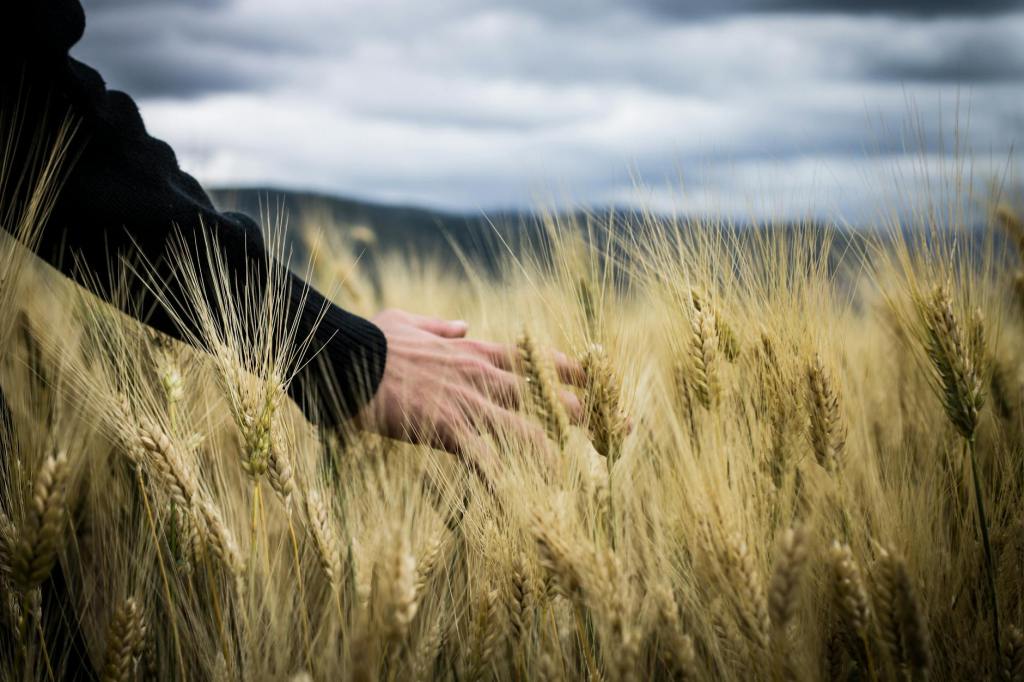
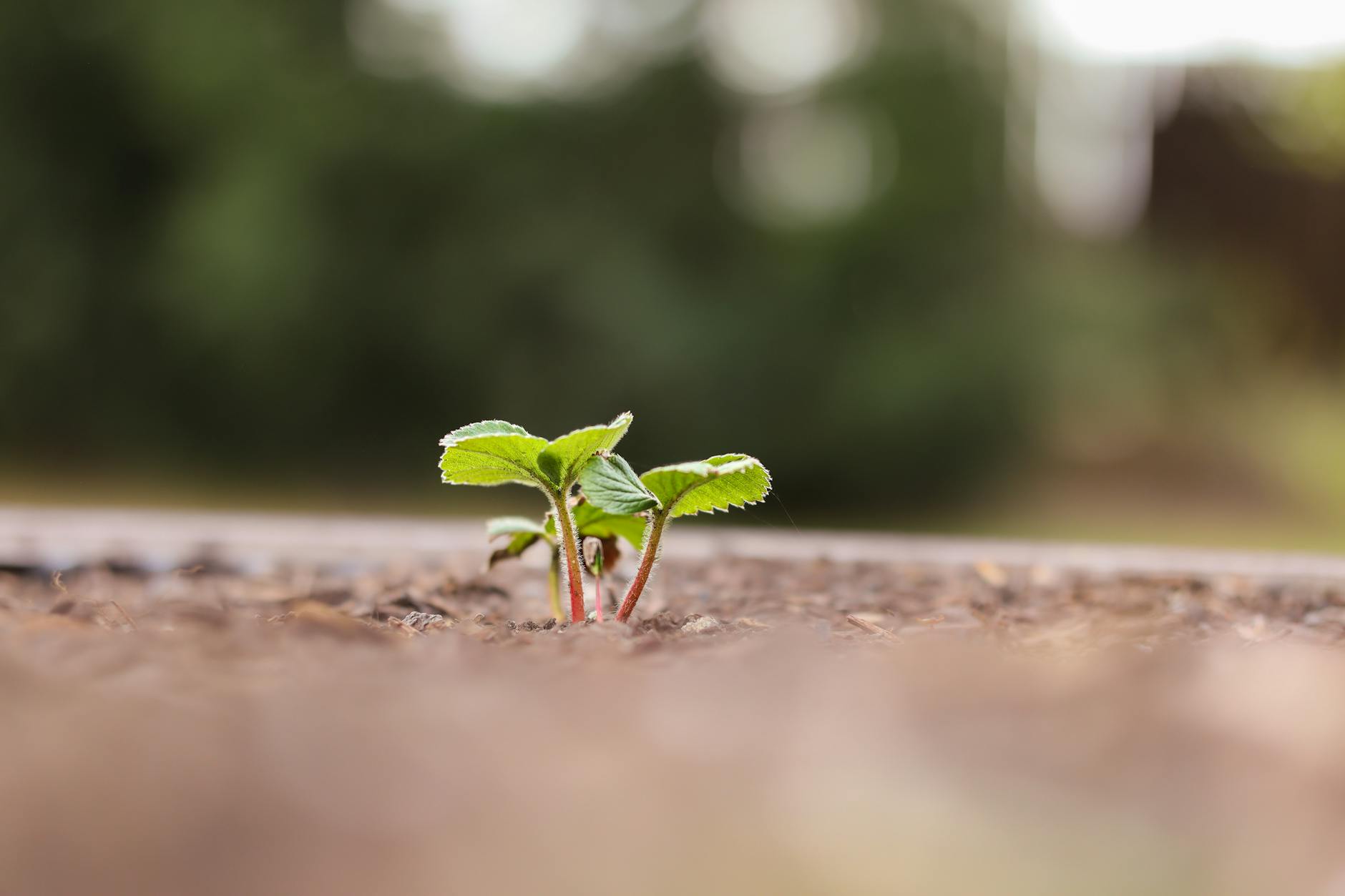
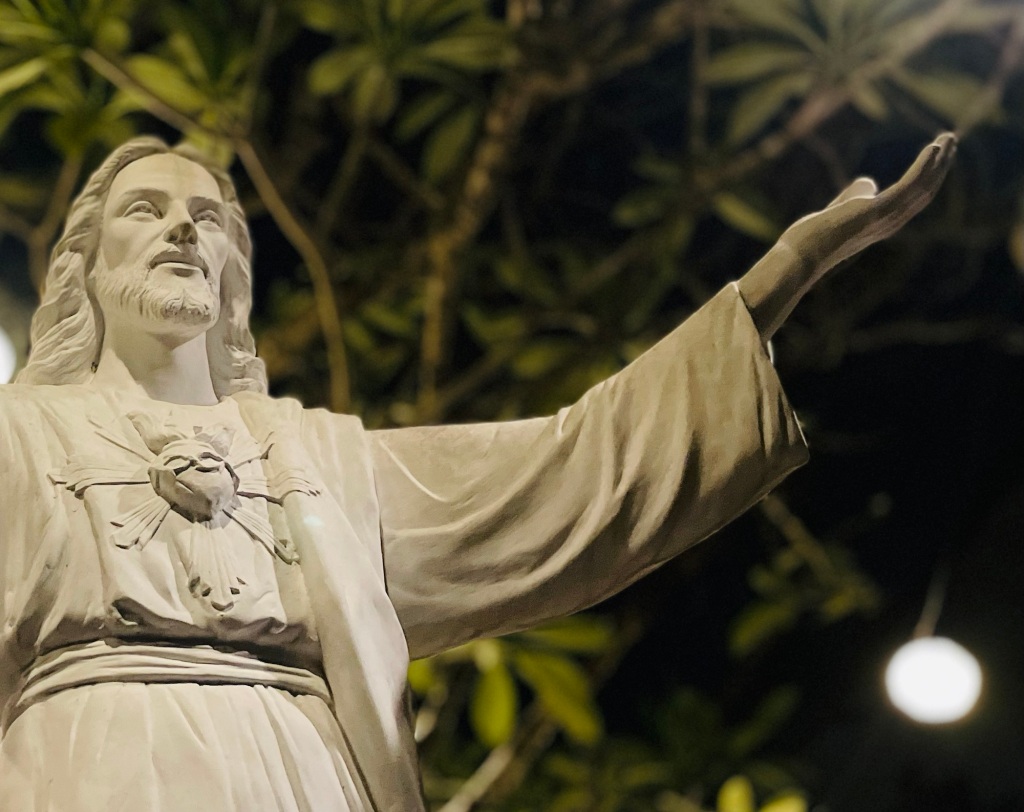
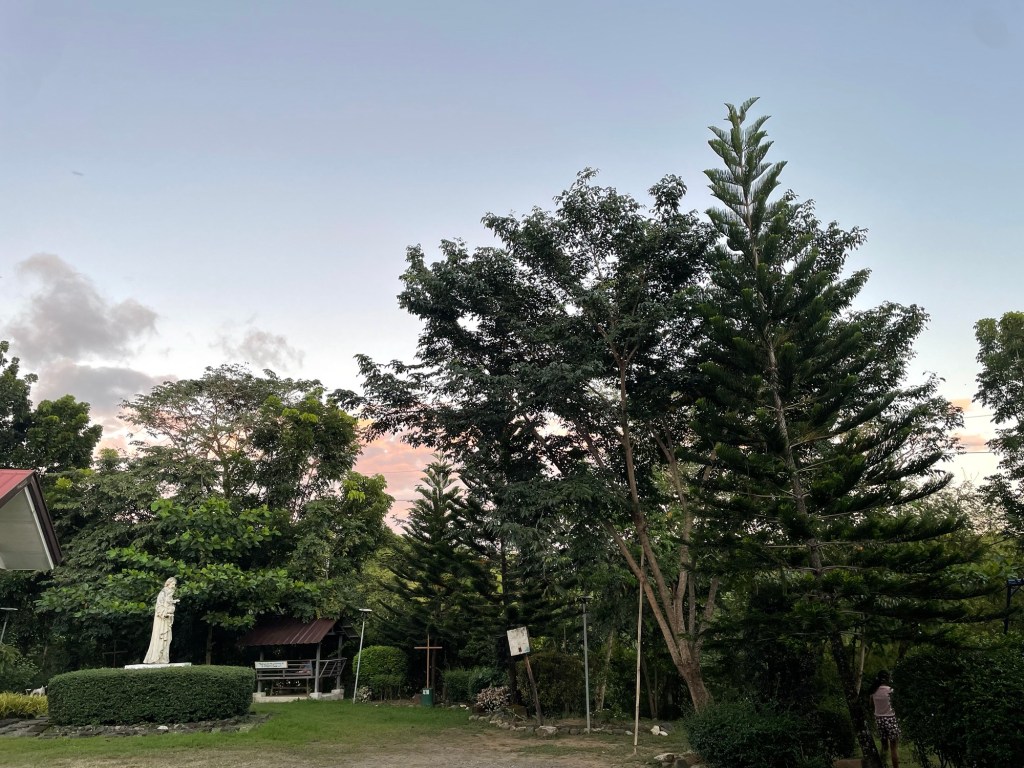
Photo by Mr. Red Santiago of his son praying in our former parish, January 2020.
Lord Jesus Christ,
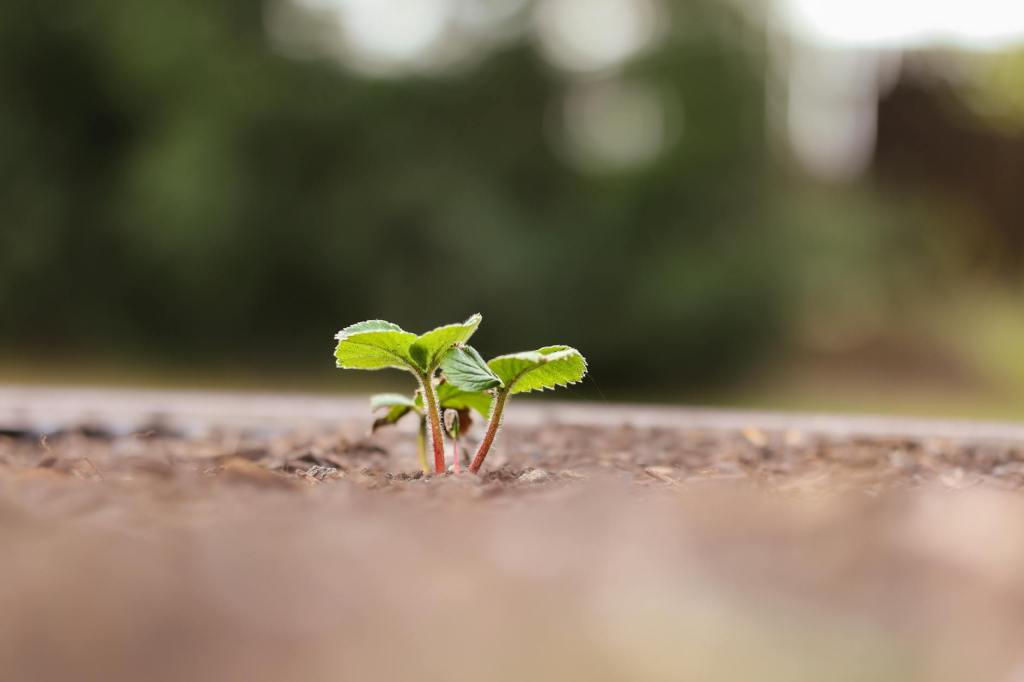
let me be like the mustard seed,
"the smallest of all the seeds,
yet when full grown
it is the largest of plants"
(Matthew 13:32);
let me be like yeast
"that a woman took
and mixed with three measures
of wheat flour until the whole batch
was leavened"
(Matthew 13:33);
let me be small,
dear Jesus
in this world where
the rule is to be big,
to be loud,
to be noticed.
Let me be small
silent,
and hidden,
like the mustard seed
and the yeast
because life's fullness
lies in you, Jesus
who comes in emptiness
not fullness,
in darkness not klieg lights,
in silence not noise,
in poverty not wealth
and in simplicity
not popularity and fame;
true peace happens
only in your Kingdom, Jesus
not in the competing kingdoms
of the world.

When I look back in time,
I have realized how those
things I considered as small
and insignificant both
in my life and the world
were the things that have grown
into something that sustain
and shelter others,
of course with much faith,
hope and love in you!

Now I am older too,
I have realized the value
and benefits of bread
but bread cannot rise
to become nourishing
without the lowly yeast;
before I can become a bread
for others like you Jesus,
I need the grace to be
child-like,
to be little,
to decrease like the yeast
so that you increase,
Jesus.
Let me be small, 
hidden and silent,
Jesus,
always patient
in waiting for you
unlike the Israelites in Sinai
who made a golden calf when
they became impatient with Moses'
meeting with God atop the mountain;
let me stop
comparisons so I remain
little and humble in you,
Jesus who has become human
and small like us to stir
us to true greatness
as beloved children
of the Father
to begin building
your kingdom.
Amen.

Fr. Nicanor F. Lalog II
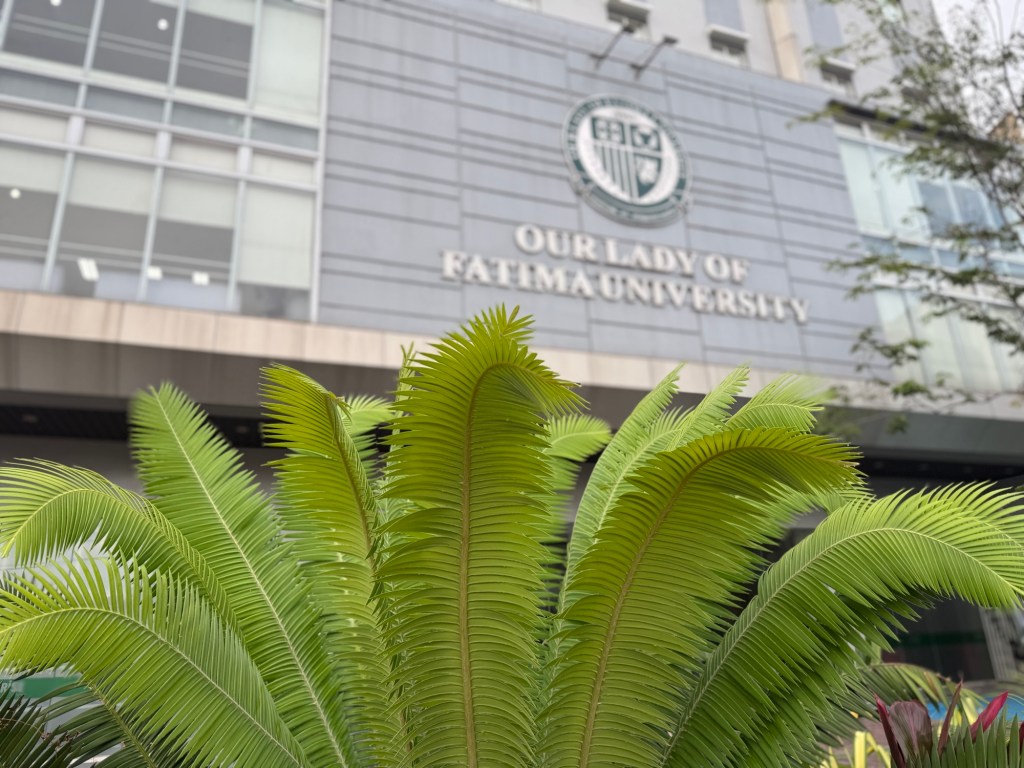
Our Lady of Fatima University
Valenzuela City
(lordmychef@gmail.com)

The seed is always good

Lord My Chef Daily Recipe for Soul, 23 July 2025
Wednesday, Memorial of St. Bridget of Sweden, Religious
Exodus 16:1-5, 9-15 <*((((>< + ><))))*> Matthew 13:1-9
Photo by Fr. Pop Dela Cruz, San Miguel, Bulacan, 2022.
Lord Jesus,
you are the Sower
and your seed is always good:
wherever it falls,
it grows;
most of all,
you are most good
as you never tire
of going out
to sow
your good seed!

“A sower went out to sow… Whoever has ears ought to hear” (Matthew 13:3,9).

“The Sower” painting by Van Gogh from en.wikipedia.org
Open my heart 
and my soul, dear Jesus
to listen intently to your
word and be a "rich soil"
like St. Bridget of Sweden
whose devotion to family,
to her people especially the poor
and to Church reforms that led
to the return of the papacy to Rome
proved her to be a seed well sown;
there are times when I am just like
the path where your seeds fell
that fed only the birds;
quite often, I am like the rocky ground
so full of enthusiasm but wanes quickly
when challenges come;
worst of all, Lord Jesus,
free me from the many thorns
that steal me from you
that I stop maturing and growing;
let me be the rich soil who
receives you and your seed:
let your light of truth
and warmth of faith help me grow;
may your hope nourish me
especially when days are dark
and nights are long;
most of all,
water me with your love
and charity
to bear all
and be fruitful.
Amen.
Fr. Nicanor F. Lalog II
Our Lady of Fatima University
Valenzuela City
Photo by Pixabay on Pexels.com

The joy of endings

The Lord Is My Chef Sunday Recipe for the Soul by Fr. Nicanor F. Lalog II
Thirty-Third Sunday in Ordinary Time, Cycle B, 17 November 2024
Daniel 12:1-3 ><}}}}*> Hebrews 10:11-14, 18 ><}}}}*> Mark 13;24-32
Photo by author, the Mount of Olives as seen from the Temple of Jerusalem, May 2019.

We are now at the penultimate Sunday of our Church calendar ending on the Solemnity of Christ the King next week to usher in the four Sundays of Advent before Christmas. That is why every 33rd Sunday, we hear Jesus speaking about the end of everything to usher in new beginnings in Him.

Jesus said to his disciples: “In those days after that tribulation the sun will be darkened, and the moon will not give its light, and the stars will be falling from the sky, and the powers in the heavens will be shaken. And then they will see ‘the Son of Man coming in the clouds’ with great power and glory, and then he will send out the angels and gather his elect from the four winds, from the end of the earth to the end of the sky” (Mark 13:24-27).

After spending a day of teaching at the Temple wherein the Twelve were so impressed with its beauty, Jesus warned them of its impending destruction, explaining it further as they proceeded to rest on Mount of Olives overlooking Jerusalem below with the magnificent Temple.

No, Jesus was not a “KJ” at all.

Jesus was simply telling His disciples including us today of life’s natural cycles of endings and beginnings. Actually, long before Jesus came, people have always been preoccupied with thoughts of the “end of the world” – with or without God – which persist to these days.

Photo by Emilio Su00e1nchez on Pexels.com

Jesus reminds us this Sunday that indeed, the world is going to end but, it is not just a catastrophic end destroying everything. It is an end with a direction, to God and eternal life. It is an end we have to joyously await and prepare for as a new beginning in Jesus Christ.

“Learn a lesson from the fig tree. When its branch becomes tender and sprouts leaves, you know that summer is near. In the same way, when you see these things happening, know that he is near, at the gates… But of that day or hour, no one knows, neither the angels in heaven, nor the Son, but only the Father” (Mark 13:28-29, 32).


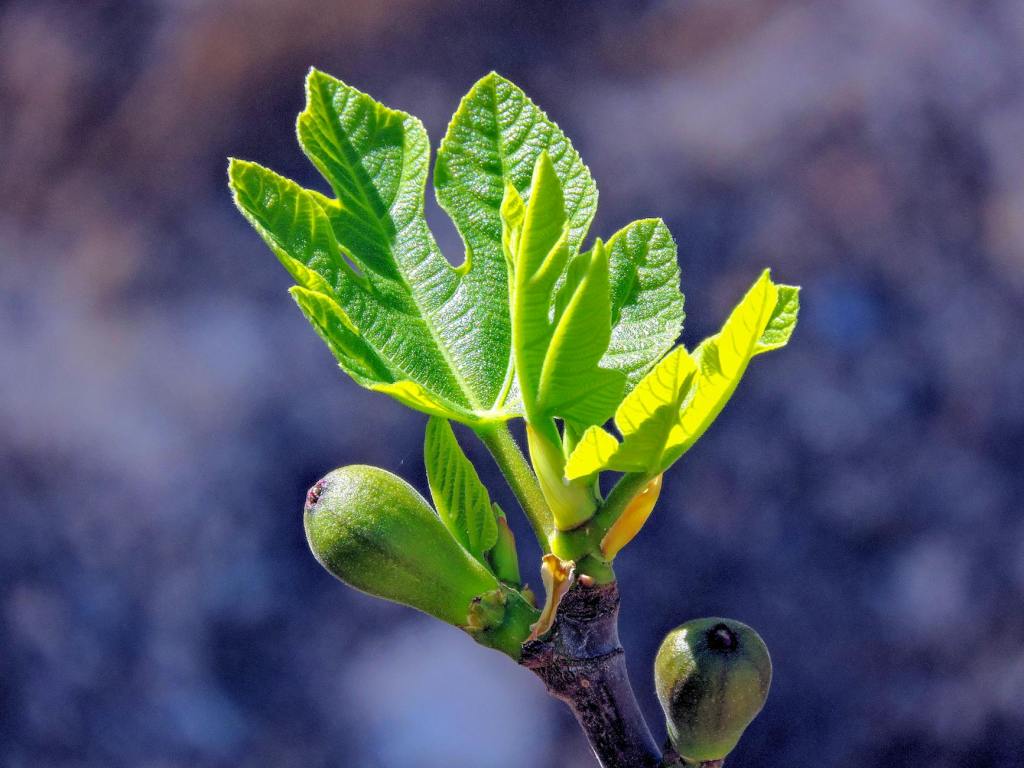
"Learn a lesson from the fig tree."

Again, Jesus spoke here in parable which is also the word for “lesson” in Mark’s original Greek writing of the gospel. A parable is a simple story with a deep, profound reality and lesson. That is why Jesus used it so often just like here a few days before His Pasch.

Photo by Muverrihhanim on Pexels.com

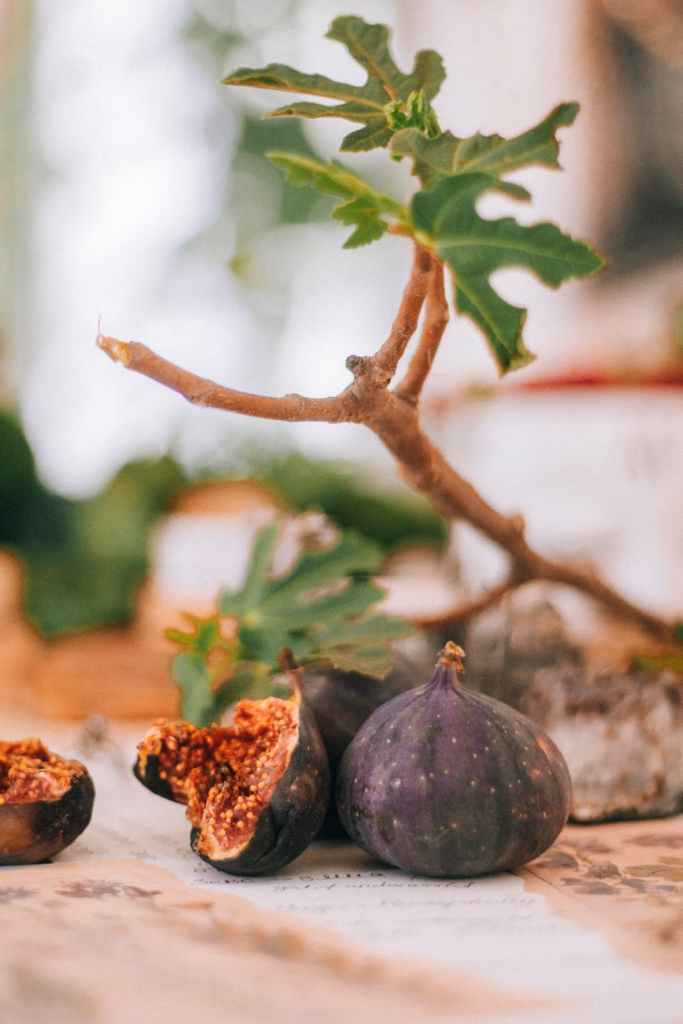
And this is the lesson or parable of the fig tree that Jesus spoke of: most of the trees in Jerusalem are evergreen that keep their leaves all year round despite the changing of season while fig trees are deciduous that shed their leaves in winter and summer. This changing condition made the fig tree a perfect parable about the end of the world that Jesus was speaking of – an end of the season to usher in a new one!

In theology, we call this study of the “end” or “last” things as eschatology. There are two kinds of last things in life that we deal in eschatology: our individual end in our death (particular) and the parousia which is the Second Coming of Jesus Christ at the end of the world (general).

Of course, it is always fearful to think of both endings. We hate endings because they are good byes. However, we know deep inside ourselves too that despite that “sweet, sweet sorrow” of every ending comes also a more wonderful hello, a more amazing new beginning. In reality, there are no endings but more beginnings: when children move out of the home to study, they begin their adult life in college; later on, they leave home for good to get married to start a family of their own. Life is a cycle of beginnings and ends that goes on and on and on.

The trick is really to learn the lesson of the fig tree, that is, to live our lives to the fullest in each season and phase, to learn to let go of the past, to savor every present and look forward to every tomorrow. Yes, it is easier said than done but, as we mature and age gracefully in Jesus Christ, we become fulfilled, less stressed amid the many things we are totally unaware and ignorant of what both particular and general endings would bring us.

Photo by Alina Vilchenko on Pexels.com

In presenting to us the parable or lesson of the fig tree regarding the end of our lives or the end of the world – both of which nobody knows when – Jesus is actually encouraging us to live more faithfully in Him and His gospel.

It is useless to know the precise date and hour of both endings nor the exact indications of its imminence; what matters most is that every moment of our lives, we live in Jesus Christ our High Priest who had offered Himself for our salvation (second reading). There is no point in interpreting even visualizing how St. Michael would battle the devil at the end of time; what the prophet Daniel is telling us is how we are assured of victory and salvation in the end if remain faithful to God (first reading).

Live fully by celebrating life. All throughout the year, we have heard Jesus reminding us, assuring us how much He loves us so immensely that is why He became human like us; in His coming, He joined us in all our sufferings except sin to show us that the path back to the Father in heaven is through the path of His Cross.

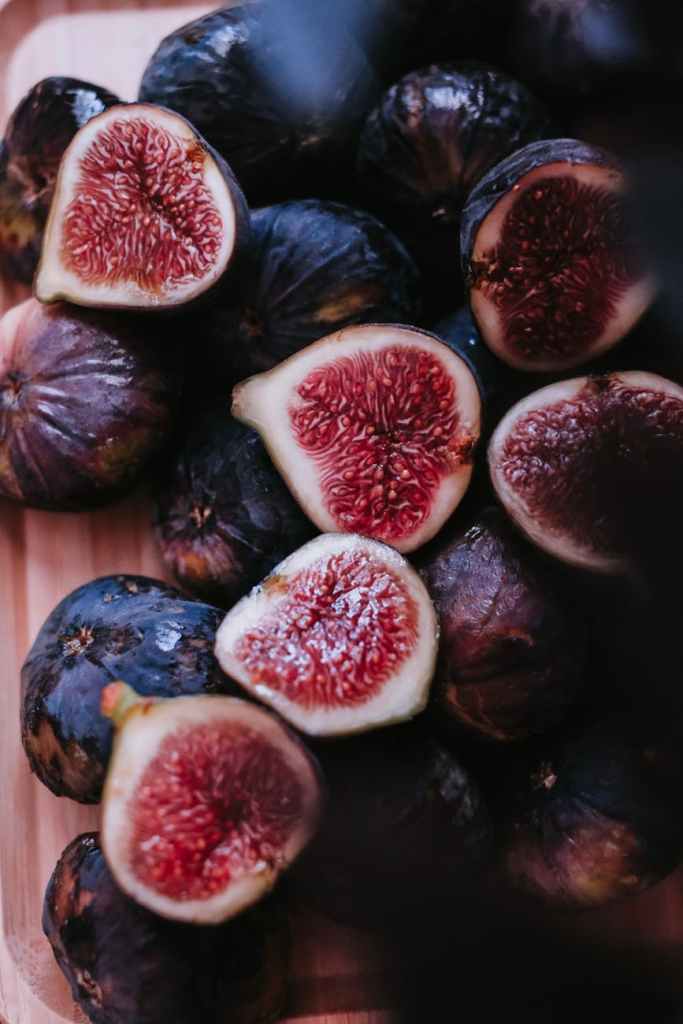
Despite my coming to Israel thrice, I have never tasted a fresh fig but have always loved it even better than dates. Its sweet taste and tiny bits of seeds inside make it always a pleasure to eat. If we can truly learn its lesson, we can end up like figs too – delightfully sweet inside.

Photo by Ella Olsson on Pexels.com

I recently bought an electric shave as an early Christmas gift to myself. I really don’t mind seeing my hair including mustache and beard turning grey and white; what bothers me lately is how my skin has become so easily irritated by my razor. Yes, I am getting older with skin sagging and add to that a vision getting blurred that shaving with a razor every morning is no longer fun but short of an agony.

As I examined my new shave set, I remembered a Japanese saying I used to tell young people before in my talks and recollections, “Growing up is nice, but sometimes painful.”

Indeed, growing up is nice – and ageing is even nicer though twice painful sometimes.

Like the fig tree, I can sense losing a lot of myself daily, yet becoming more tender and softer in the process, simpler and more joyful, perhaps. To my fellow 59ers and above, May the Lord Jesus lead us through the end in His loving embrace. Amen.

Photo by KENJI IWASAKI on Pexels.com

Age is just a number

The Lord Is My Chef Daily Recipe for the Soul by Fr. Nicanor F. Lalog II
Wednesday in the Sixteenth Week of Ordinary Time, Year II, 24 July 2024
Jeremiah 1:1, 4-10 <*((((><< + >><))))*> Matthew 13:1-9
Photo by Hatice Nou011fman on Pexels.com
"Ah, Lord God!"
I said,
"I know not how to speak;
I am too young."
But the Lord answered me,
say not, "I am too young."
To whomever I send you,
you shall go;
whatever I command you,
you shall speak
(Jeremiah 1:6-7).
I have always heard
that expression
"age is just a number"
without really understanding
nor having a grasp of its real meaning
until recently after losing my mom
and be totally orphaned of our parents;
how different it is now to live without
our parents and quickly realize
time flies so fast indeed
because suddenly we are catapulted
into that state in life when we are
in the very same situations
of our parents when we were younger;
now I could feel we are never too young
nor too old to be called and entrusted
by God with a mission in life.
Life indeed is a parable,
dear Jesus:
You come to us daily
whether we are too young
or too old to sow your seeds;
keep us open to receive You
so that we may bear You
and share You.
Amen.
“The Sower”, a painting by Van Gogh from commons.wikimedia.org.

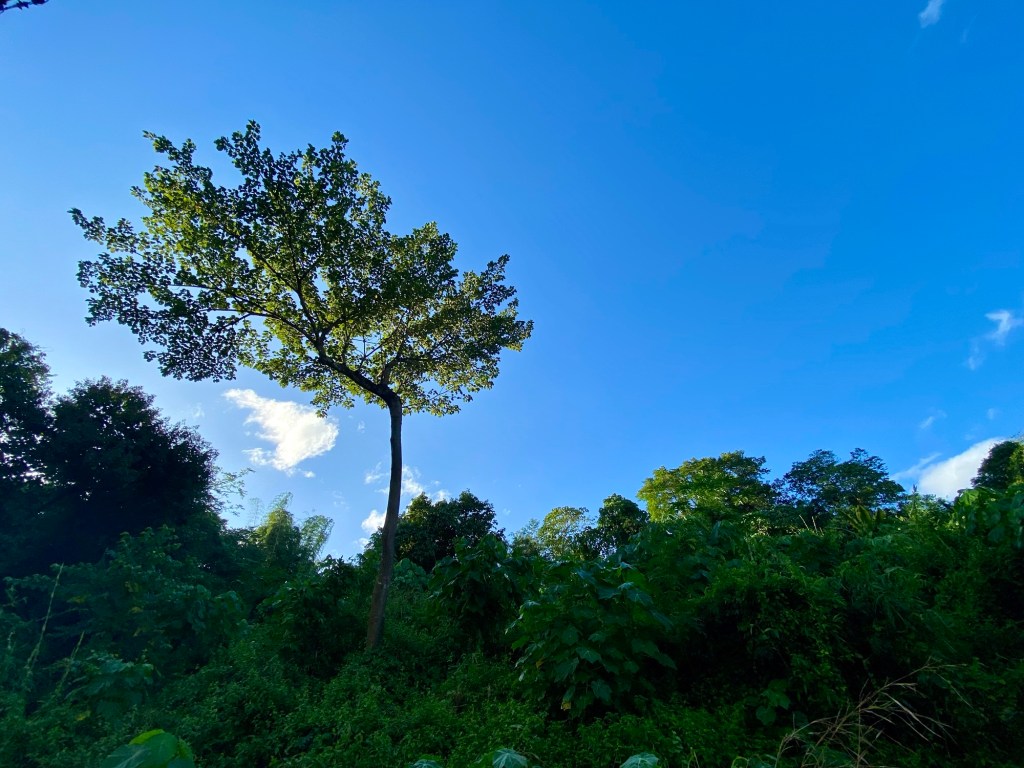
“Poems are made by fools like me, But only God can make a tree.”

The Lord Is My Chef Sunday Recipe for the Soul by Fr. Nicanor F. Lalog II
Eleventh Sunday in Ordinary Time, Cycle B, 16 June 2024
Ezekiel 17:22-24 ><}}}}*> 2 Corinthians 5:6-10 ><}}}}*> Mark 4:26-34
Photo by author, Camp John Hay, Baguio City, 12 July 2023.

While preparing this homily, I cannot resist thinking of this poem by Joyce Kilmer because of its similarities with the first reading from the Book of Ezekiel and partly with the parables of Jesus in the gospel.

Kilmer tells us in his poem that trees are God’s presence among us, a sign of His own majesty, a reminder of life’s mysteries, something many of us seem to have learned only recently after the scorching heat of last summer when everyone was posting on Facebook the need to plant trees!

I think that I shall never see
A poem lovely as a tree.
Photo by Dra. Mylene A. Santos, MD, April 2020 in Infanta, Quezon.

In the first reading, the Prophet Ezekiel picturesquely imagined how God would plant a great Lebanon cedar on a mountain as a sign of His divine intervention for our salvation that was eventually fulfilled in Jesus Christ’s coming.

Ezekiel lived during the Babylonian exile, the lowest point in life of Israelites when they did not have a country, nor a temple, not even a future. They felt abandoned, punished by God due to their sins; hence, Ezekiel was sent to give them hope. Through this beautiful allegory of the future Israel, Ezekiel tells his countrymen including us today how God would eventually intervene in a very personal manner to fulfill His promise of salvation. 

Thus says the Lord God: I, too, will take from the crest of the cedar, from its topmost branches tear off a tender shoot, and plant it on a high and lofty mountain. It shall put forth branches and bear fruit, and become a majestic cedar. Birds of every kind shall dwell beneath it, every winged thing in the shade of its boughs. And all the trees of the field shall know that I, the Lord, bring low the high tree, lift high the lowly tree, wither up the green tree, and make the withered tree bloom. As I, the Lord, have spoken, so will I do.

Ezekiel 17:22-24
Photo by Dra. Mylene A. Santos, MD, April 2020 in Infanta, Quezon.

That beautiful imagery of the cedar tree planted in Israel reminds us that in whatever state of life we may be – whether we are like a tall or a lowly tree, a green or withered tree – it is always God who has the final say in life because He is the very reason for our existence. 

Jesus declared to us in one of the Sundays of Easter, “I am the true vine and you are the branches…without me you cannot do anything” to show that more than a giver of life, He is life Himself because He is the tree planted firmly by God in our midst.

Incidentally, the word “tree” which is treowe in Old English is the root of the word true which connotes something firmly rooted, steadfast and faithful. From the same word treowe came trust because the roots of a tree signify relationships or interconnectedness. That is why the Anglo-Saxons have always traced their ancestors and family by using the diagram of a tree from which came our concept of “family tree” today.

How lovely to imagine that tree planted by God in our midst is Jesus Christ, “the Way, the Truth and the Life”, the One we must trust always!

Hence, Mark invites us today to listen more attentively to the Lord’s teachings, asking us to not just sit beside or around Him but try to “get inside” Him by taking into our hearts His words like Mary His Mother as we have reflected last Sunday.

Photo by Dra. Mylene A. Santos, MD, April 2020 in Infanta, Quezon.

Again, Mark surprises us in his story of Jesus teaching the people about seeds and plants, and ordinary activities like sowing we take for granted but so rich in meanings. That is what a parable is – a simple story with deep meanings about life.

Our life itself is a parable wherein we find the most profound realizations in the most ordinary things and events in our lives. And that is where Jesus Christ comes too often. He is in fact the kingdom of God He spoke so often in His teachings and parables.

Jesus said to the crowds:  “This is how it is with the kingdom of God; it is as if a man were to scatter seed on the land and would sleep and rise night and day and through it all the seed would sprout and grow he knows not how (Mk.4:26-27).”

Mark 4:26-27

This parable of the seed growing by itself tells us of that reality of God living among us, right with us in Jesus Christ. The seed is His word germinating in us if we cultivate it daily in prayer and good works.  Just like the fecundity of the tiny seed planted in the field, God grows in us beyond all our hopes and expectations because He is never absent nor distant from us. 

Photo by Ms. April Oliveros on Mt. Pulag, 2023.

Look back in your life this past week or past month, examine how many times you were blessed, of how you were pulled out and saved from a dire situation in the nick of time.  Surely you can offer a lot of rational explanations but, when you come to think of it, there’s always an “Invisible Hand” saving you, guiding you. 

That’s the point of the parable of the seed planted without the farmer knowing how it grows:  God works best in our lives in silence. 

This is the reason why St. Paul tells us to “walk in faith, not by sight” (2Cor.5:7): our life is a journey of faith wherein we cannot see everything clearly, cannot appreciate right away the extent of how God works His miracles in us daily.

Yesterday we celebrated the 40th day of my mom’s passing then tomorrow, June 17, is her 85th birthday which is also the 24th death of my dad. I told my sisters and brother that maybe that is the reason why dad died on mom’s birthday 24 years ago: so that it would not be difficult for us to visit their graves on June 17. Isang lakad at punta na lang para matipid!

But kidding aside, though it is so difficult and painful to be ulilang lubos (orphaned), I still feel so positive more than a month after my mother’s death because in those 24 years when my father died, God never abandoned us. With mom’s passing, I’m sure God will never forsake us too.

When I look back at how many times God has blessed us in the past, I also see that soon in the future, if we remain faithful to Him, Christ shall unfold in us and around us in ways we never imagined.

Photo by Ms. Analyn Dela Torre, March 2024.

Time flies so fast indeed these days; we are almost done with the first half of the year. In a short while we shall be hearing Jose Mari Chan singing again “Christmas In Our Hearts” as the Christmas countdown begins even before September first.

And that’s what I have noticed these past 20 years: with all the comforts in life, we have become impatient that we rush everything, even Christmas and holidays. We live in a world of instants that we cannot wait anymore like the farmer in the parable of Jesus. Or the Prophet Ezekiel imagining God coming soon.

We don’t have to discard the modern amenities we have in life today for most of these are gifts from God Himself. However, we must remember these are not everything, that many times in life despite all our careful planning, things still do not turn out as we expect.

There is only one thing we can be sure of, Jesus Christ silently in our midst. Look at any tree around you, the many years it had weathered all kinds of storm and heat. Still standing, still green, reminding us of Jesus. Let us pray:

God our Father,
teach us to be patient
like the farmer who sows seeds
to his field, not knowing at all
how these germinate and grow;
teach us to be faithful to You
in Christ Jesus, always open
to find Him and embrace Him
in the ordinary things in life;
teach us to have more of You,
God in Jesus through prayers
and Sacraments,
to have more faith than gadgets,
more hope than instant gratifications
and more love than social media.
Amen.

Sowing the seeds of love

The Lord Is My Chef Daily Recipe for the Soul by Fr. Nicanor F. Lalog II
Wednesday, Memorial, St. Francis Sales, Bishop & Doctor of the Church, 24 January 2024
2 Samuel 7:4-17  <*((((>< + ><))))*>  Mark 4:1-20
“The Sower at Sunset” by Vincent Van Gogh, oil on canvas painted in June 1888 from wikimedia commons.
Lord Jesus Christ,
as you narrated to us today
the parable of the sower,
I wonder what were the other
seeds you have sowed
aside from your word?

On another occasion, Jesus began to teach by the sea. A very large crowd gathered around him so that he got into a boat on the sea and sat down. And the whole crowd was beside the sea on land. And he taught them at length in parables, and in the course of his instruction he said to them, “Hear this! A sower went out to sow.”

Mark 4:1-3
Photo by Onnye on Pexels.com
We are not just the different
kinds of soil where your seeds
fell, Lord Jesus;
like you, may we also be
sowers of your word and teachings,
sowers of your love and mercy,
sowers of compassion and kindness,
sowers of your light and life,
sowers of your hope and healing,
sowers of your very presence.

When God told David not to build
him a temple as he promised to raise
a house for him from whom
shall come the Christ,
that was when the Father also
sowed the seeds of redemption
and fulfillment in you,
Lord Jesus!
On this feast of St. Francis Sales,
patron of Catholic journalists and
media practitioners,
we pray for all communicators
to sow unity and peace,
not division
nor misunderstanding,
nor animosities;
we pray for all journalists
of different platforms
to sow understanding
and clarity,
to sow justice and equality
among peoples,
and to sow respect for life
at all times because every
communication must promote
first of all the dignity
of every person.
Amen.

Prayer against jealousy

The Lord Is My Chef Daily Recipe for the Soul by Fr. Nicanor F. Lalog II
Thursday in the Second Week of Ordinary Time, Year II, 18 January 2024
1 Samuel 18:6-9, 19:1-7  <*{{{{>< + ><}}}}*>  Mark 3:7-12
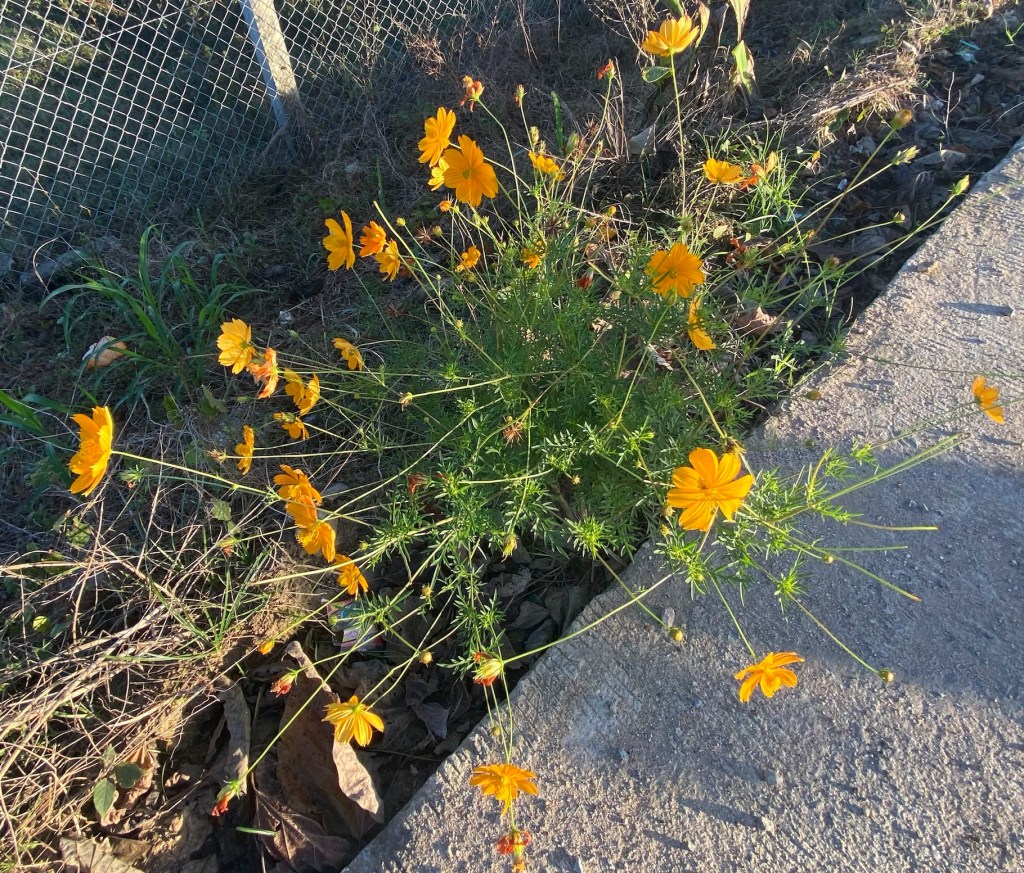
Photo by author, sunflower farm in La Trinidad, Benguet, 12 July 2023.
"In God I trust; I shall not fear."
Let those words of the psalmist
today be my prayer too, dear Father
especially when jealousy slowly
creeps into me,
when people around me do better,
when they seem to be more
loved or liked or accepted;
like King Saul in the first reading
today, there are times I am filled
with insecurities
with my own self,
with my strengths
and abilities,
most especially,
with your love.

Jealousy arises easily in our hearts… When we truly enjoy God’s unlimited generosity, we will be grateful for what our brothers and sisters receive. Jealousy will simply have no place in our hearts.

Fr. Henri Nouwen
How true were the words
of the late Fr. Henri Nouwen;
jealousy arises easily
in our hearts;
sometimes they just come
without us even
thinking about it;
problem is,
many times we entertain
and let it take over us,
feeling we are a victim
of something,
like King Saul,
or the elder brother in
the parable of the prodigal son,
or those early workers
in the parable of the vineyard
who felt they should be paid more
than those late workers
who were paid with same wage
as theirs.
When good things happen
to others,
teach me to rejoice
with them,
let me be thankful
too for their being blessed
by you;
let me not be jealous
of whatever they have
for you never fail to bless me
too with so many things
they do not have;
let me be more trusting
in your generosity,
O God,
to never have fear of you
running out of blessings
and other good things
for each one of us
according to our own abilities;
let me rejoice
when other people
are blessed like in the gospel today
because whatever good things
that happen around us
are signs
you are with us
in Christ Jesus.

Instead of looking on what
others have,
let me look what I have,
and always,
let that be YOU
in Christ Jesus!
Amen.

Little things are “the” big things

The Lord Is My Chef Sunday Recipe for the Soul by Fr. Nicanor F. Lalog II
Sunday in the Thirty-Third Week of Ordinary Time, Cycle A, 19 November 2023
Proverbs 31:10-13, 19-20, 30-31 ><}}}*> 1 Thessalonians 5:1-6 ><}}}*> Matthew 25:14-30
Photo by Mr. Jim Marpa in Carigara, Leyte 2018.

Our first reading today from the Book of Proverbs is very interesting on this penultimate Sunday of the liturgical calendar before the Solemnity of Christ the King next week. If we go by today’s way of thinking, it sounds “sexist”, stereotyping the tasks of a “worthy” or perfect wife:

She obtains wool and flax and works with loving hands. She puts her hands to the distaff, and her fingers ply the spindle. She reaches her hands to the poor, and extends her arms to the needy.

Proverbs 31:13, 19-20

But for those like me who grew up in the generation reared by mothers proudly described as “plain housewife”, there’s no sexism nor stereotyping of women by the author of the Book of Proverbs. It is actually in praise of women, of housewives and mothers supposed to be the most attentive in details, truly dedicated and faithful in daily house chores.

Photo by Mr. Jim Marpa in Carigara, Leyte 2018.

Our first reading reminds us to be like a “worthy wife” who is consistent in doing those little things mothers do to keep our homes warm and tidy. Most of all, orderly.

Moms are blessed with special grace and talent in budgeting limited resources to come out with outstanding meals daily, of keeping socks and handkerchiefs as well as cuff links and old clothes ready and handy just in case there is an instant out of town trip or school project. With moms, life is practically worry-free because she gets everything covered even outside home! I remembered how my mom had everything in her little bag, from medicines like Cortal to Vick’s Vaporub and Band-Aid, candies and money, tissues and even tape measure called medida! Truly a Girl Scout, always ready for any eventuality.

And that is why we have this part of the Book of Proverbs this Sunday: to wait for the Second Coming of Christ which is also the end of the world is to be like a “worthy wife” concentrated on life’s essentials “who fears the Lord” (v.30) and “reaches out her hands to the poor, and extends her arms to the needy” (v. 20). It is basically being wise like the five virgins last Sunday – faithful to God, to his laws and commandments expressed in lovingly serving others especially the poor.

Photo by author, sunset in Tagaytay City, 07 February 2023.

That is the whole point of Jesus in today’s parable of the talents where he spoke to his disciples who include us today “of his coming” that no one knows like those servants awaiting their master’s return.

The parable did not tell us how the first two servants made use of their talents that earned them interests but it clearly pointed out what the third servant did not do. The time of waiting for the Parousia is an active waiting, of keeping up with the tasks entrusted to us by Jesus our Master. Instead of knowing its date with all those useless calculations and speculations, we are called to be diligent and committed in striving and persevering to be good at what is entrusted to us according to our ability like the first two servants and the perfect wife in the Book of Proverbs.

To wait for Jesus is not to be idle, doing nothing like the third servant in the parable who simply buried the talent entrusted to him. He was lazy, lacked any initiative, a whiner and a complainer.

Perfection and holiness lead to readiness for Christ, achieved in our faithfulness to our daily duties as his disciples, not elsewhere like in great moments we often await but never happen at all nor in appearances that do not matter like “charm and beauty” as the author of Proverbs said (v.30). Active waiting for the return of Jesus is living fully in every present moment, not in useless crying over the past or fearful anxieties of the future.

Photo from inquirer.net, 2021.

Jesus is not asking us – and would never ask us anything beyond our abilities – to do great feats like that master who simply entrusted his possessions according to his servants’ abilities.

Jesus is not telling us to do a Mother Teresa but simply be kind first to your family. Smile more often at people, laugh your heart out at the simple joys and stories especially of children. Choose silence than answering every call and conversation. Forgive a lot and you forget what isn’t nice. Then you see the hidden beauty of every person and thing. And not far from that, you find Christ coming right in front of you, too.

When we do the work of God, it does not really matter how big or small nor how simple or complicated that may be. It is always great to do the work of God because it is God’s work entrusted to us! A basketball is just an ordinary rubber ball but when used by Michael Jordan, it becomes of great value. The same is true when we do the works of God.

When Christ comes again to judge both the living and the dead, the only thing he would ask us is what have we done to those people and responsibilities he had entrusted to us. Ultimately, it is a question of how much have we loved, have we lived like him? Remember Jesus said “Not everyone who says to me ‘Lord, Lord,’ will enter the kingdom of heaven, but only the one who does the will of his Father in heaven” (Mt. 7:21-23). What are we doing, how are we living our faith in God these days are the questions we must answer to be ready for the Second Coming.

Photo by author, Jesuit Cemetery at the Sacred Heart Novitiate, Novaliches, QC, 21 March 2023.

St. Paul lived at a time when people were so excited for the apocalypse, the end of time when Christ is expected to come again. They believed – along with St. Paul – that they would witness the return of Jesus in their lifetime.

And that is why St. Paul wrote them, trying to calm them by telling them to always live in the present moment, to live fully every day because the Parousia will come like a thief in the night, just “when people are saying ‘Peace and security,’ then suddenly disaster comes upon them, like labor pains upon a pregnant woman” (1 Thes. 5:2-3).

How sad that what is happening today is exactly the opposite. These days, many people live as if Christ is never coming back to judge us at the end of time. Worst, many people live as if there is no God at all with all the wars and crimes going on, the continuing disrespect for life and persons, as well the many abuses and injustices committed with impunity.

Photo by Mr. Jim Marpa in Carigara, Leyte 2018.

These very presence of sin and evil in the world show that God’s final victory has not taken place yet. Therefore, each day is actually a reminder of the coming end of time, the return of Jesus to establish final peace and order. Far from terrifying and discouraging us, it is a call for us to live fully in the present, mindful of that Latin phrase “memento mori” that means “remember you must die.”

The German philosopher Martin Heidegger said we are all “beings-towards-death”, meaning, we all die someday.

It is in being aware of this certainty of death that we humans live authentically. It is only when we have come to terms with death that we also come to terms with life. We fear death because we have not yet started living truly. Now is the time. No need to write those bucket list. Simply live in God, in Jesus. Be good, be joyful. Then, it does not matter anymore when death comes. Amen. Have a blessed, faithful week ahead.

The ones we miss most

The Lord Is My Chef Daily Recipe for the Soul by Fr. Nicanor F. Lalog II
Friday, Memorial of St. Leo the Great, Pope & Doctor of the Church, 10 November 2023
Romans 15:14-21 ><]]]]’> + ><]]]]’> + ><]]]]’> Luke 16:1-8
Photo by author, San Juan, La Union, July 2023.
I just realized today,
God our Father,
how the word “miss”
has a variety of meanings:
as something we failed or
something or someone we remember
or, someone or something we
forget and neglected.
How sad that very often,
the people we miss -
those we forget,
even taken for granted
because they are common,
are those nearest to us like
family and friends,
those in our inner circles.

Thus I aspire to proclaim the Gospel not where Christ has already been named, so that I do not build on another’s foundation, but as it is written: Those who have never been told of him shall see, and those who have never heard of him shall understand.

Romans 15:20-21
Is it not so funny that the 
ones we meet inside the church
every day and every Sunday are
also the very ones who are
like us - evangelized or simply
know Jesus and his teachings;
but, where are the rest?
the unchurched?
the ones we say who must hear the
good news?
Lord Jesus Christ,
teach us to be wise like
that steward in your parable today:
to save face and himself, he went to
see his master’s debtors he himself
must have missed,
disregarded and never given any
importance at all because they
were common, below him in stature;
let us realize like that shrewd steward,
like St. Paul to look for those we
miss most because of proximity
and ordinariness; they could be our
family members who have stopped praying
or celebrating Mass
or those living closest to our church
or chapel and have lost interest in the
sacraments and liturgy
or former colleagues in the ministry
who have lapsed in their practice
of faith.
Let us go out today
to find them and make them
feel and experience they are
loved,
they are missed most
in Christ Jesus.
Amen.