The Lord Is My Chef Breakfast Recipe for the Soul
Memorial of St. Agnes, Virgin and Martyr, 21 January 2021
Hebrews 7:25-8:6  >><)))*> + >><)))*> + >><)))*>  Mark 3:7-12
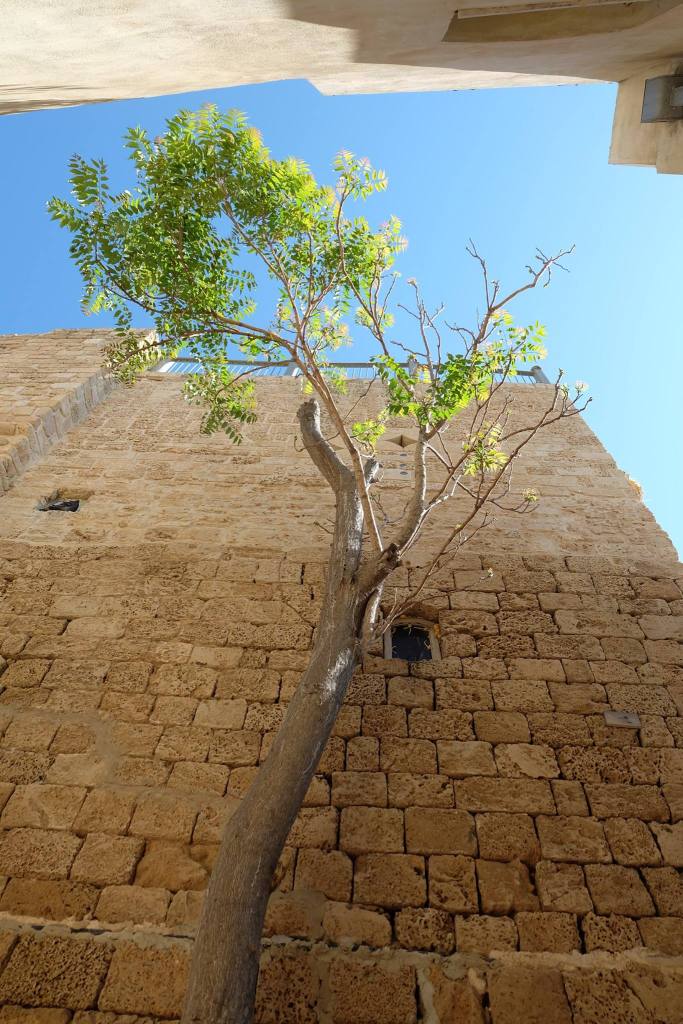
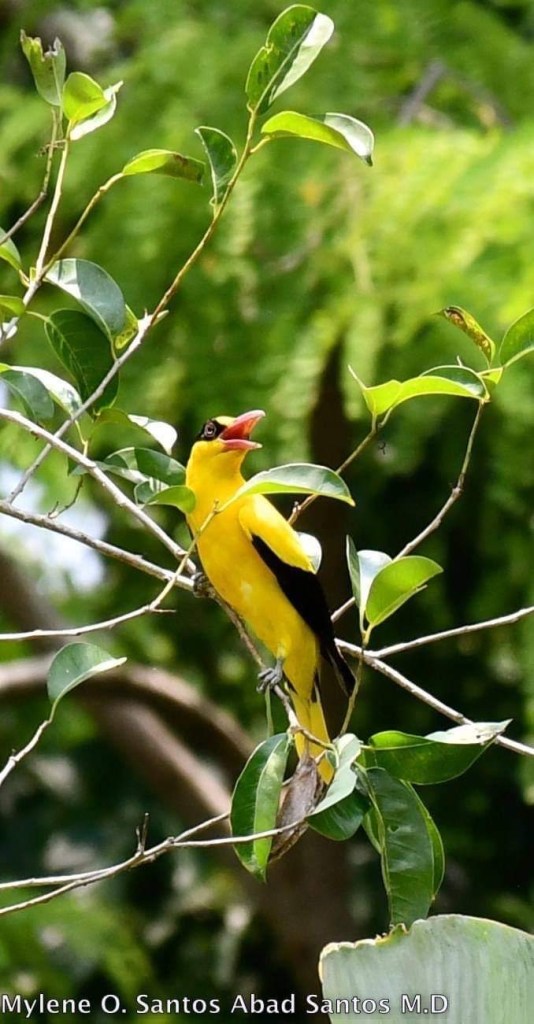
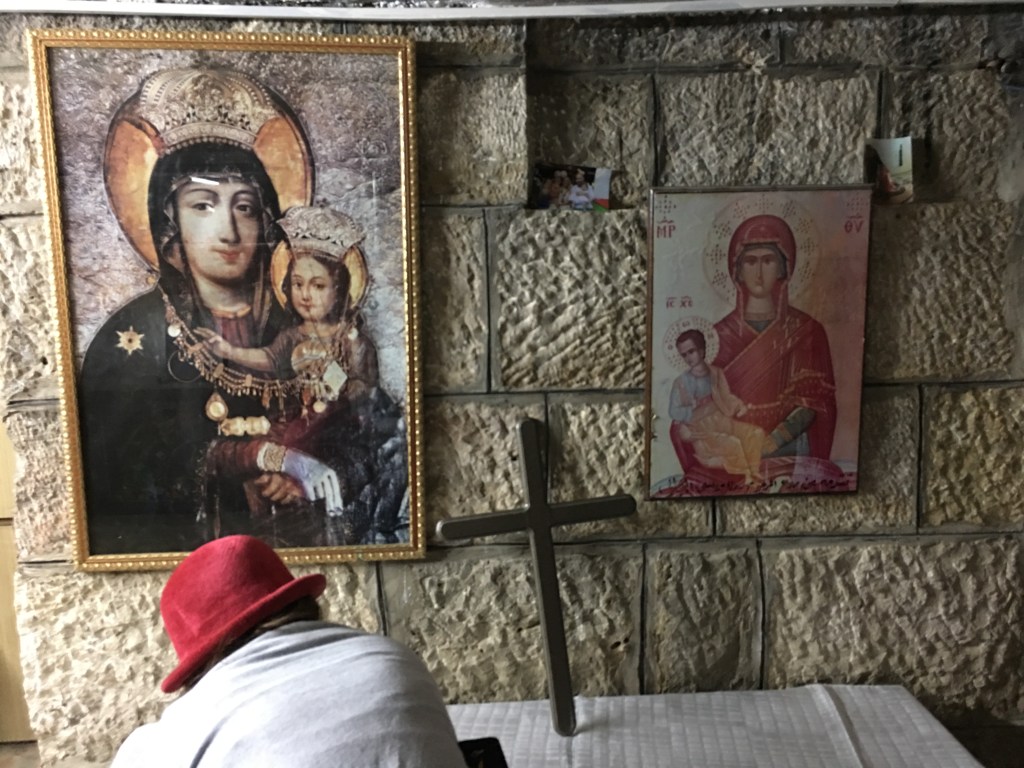
Photo by Dr. Mylene A. Santos, MD, November 2020.
Lord Jesus Christ, you know how things are going on in our country and in our lives these days. Things are not getting any better and in fact, 2021 is beginning to look more like an extension of 2020.
We are not complaining, dear Jesus.
All I am asking you is to help us remain in you, to hold on to you, to trust in you no matter how tough and difficult are the situations many of us are facing.
Like those workers of Makati Shangri-la to be laid off next month and the many others who have earlier lost their jobs and means of livelihood, still seeking employment at this time.
I pray for those who have lost their loved ones to COVID-19, cancer, and other illnesses recently. Help them grieve and cope in their losses.
I pray also for those undergoing chemotherapy, dialysis, and physical therapy.
Most specially too to our tired and exhausted medical frontliners still battling the pandemic while many among us seem to not care at all in getting infected or spreading the COVID-19 virus.
We all come to you, sweet Jesus, like those large number of people from all over Israel – Jews and pagans as well – not only to seek healing from you, but most of all to remain one and united in you as your followers (Mk.3:8).
Lord Jesus, more than the favors we can have from you is the relationship we want to keep with you.
The main point of what has been said is this: we have such a high priest, who has taken his seat at the right hand of the throne of the majesty in heaven, a minister of the sanctuary and of the true tabernacle that the Lord, not man, set up… Now he has obtained so much more excellent in ministry as he is mediator of a better covenant, enacted on better promises.
Hebrews 8:1, 6
Give us the grace of courage and fidelity in you like the young St. Agnes who firmly stood her ground as a martyr, a witness, to your gospel of love and salvation.
Help us realize, Lord, that you have come to seek our relationships, our oneness in you more than just being healed or being blessed with things we wish for. Amen.
The Lord Is My Chef Sunday Recipe for the Soul by Fr. Nicanor F. Lalog II
Week XXXIII-A in Ordinary Time, 15 November 2020
Proverbs 31:10-13, 19-20, 30-31 >><)))*> 1Thessalonians 5:1-6 >><)))*> Matthew 25:14-30
From inquirer.net
It is my fervent hope and prayer that by this time, everybody is feeling better after those harrowing experience of winds and rains by typhoon Ulysses that have induced flash floods and left a path of destruction and deaths in Central Luzon and Metro Manila this week.
Indeed, it was like tropical storm Ondoy happening again after eleven years when everybody was caught by surprise by the floods and severe aftermath of dirt and trash left behind with no electricity nor water supply available in many parts of the affected areas.
As a result, many of us have again reflected on the one topic we have always avoided in life – death and things of the end like parousia or Second Coming of Christ, end of the world, and judgement day that have preoccupied the early Christians. St. Paul’s reminder to them in today’s second reading is so timely and relevant even for us today to be vigilant for Christ’s coming.
But you, brothers and sisters, are not in darkness, for that day to overtake you like a thief. For all of you are children of the light and children of the day. We are not of the night or of darkness. Therefore, let us not sleep as the rest do, but let us stay alert and sober.
1Thessalonians 5:4-6
Vigilance is faith in Christ.
Jesus gives us another parable today to illustrate his Second Coming and judgement; but unlike last week, today is more picturesque, touching our innermost core, challenging us to be “wiser” in daring to gain eternal life by working harder in this life.
Jesus told his disciples this parable: “A man going on a journey called in his servants and entrusted his possessions to them. To one he gave five talents; to another, two; to a third, one — to each according to his ability. Then he went away. Immediately the one who received five talents went and traded with them, and made another five. Likewise, the one who received two made another two. But the man who received one went off and dug a hole in the ground and buried his master’s money.”
Matthew 25:14-18
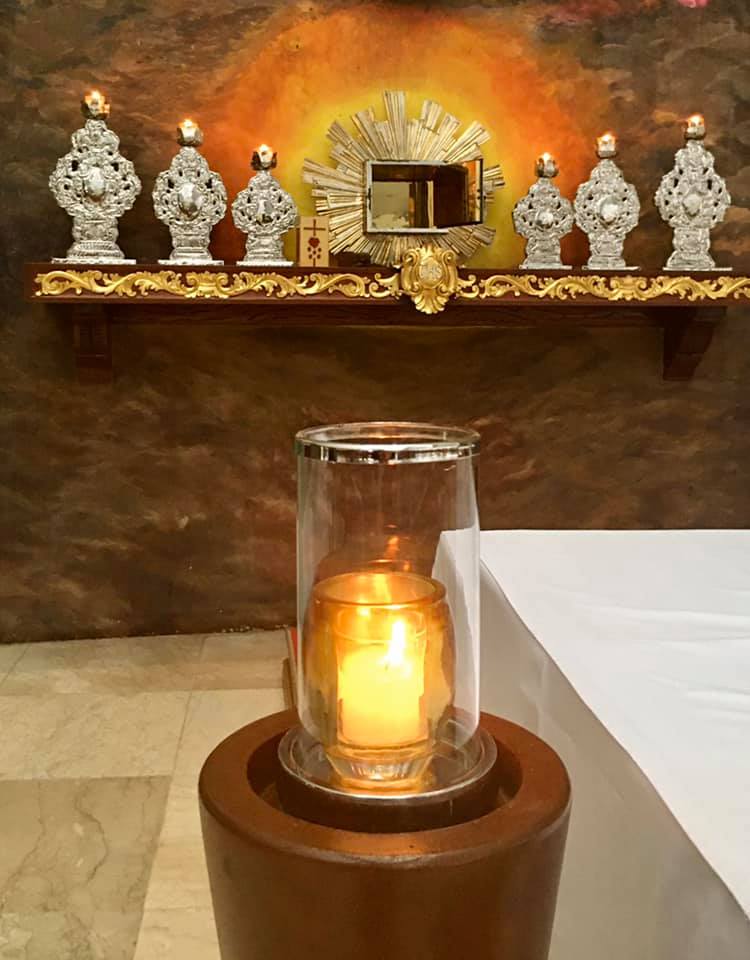
Photo by author, Chapel of the ICMAS Theologate, 05 October 2020.
Vigilance is more than being prepared and ready for any eventuality. It is active waiting by taking risks to ensure a more safe and sound situation when emergencies strike. This is the reason why investors are always surveyed how much risks they are willing to take with their investments: the bigger the risks, the higher the returns are. But, can we take the risks?
The same is true with everything if we wish to have a better future. We have to take risks like working harder, sacrificing more in order to save money and have better homes, to keep our body physically fit and healthy, and burning the night lamp to finish our studies and achieve our goals in life. In this all we find the need to maximize what we have – no one can claim as having nothing at all or “walang-wala” as we would always claim in Tagalog.
Jesus clarifies this today in his parable, telling us that each servant was given with talents “according to his ability”. We are all blessed by God! It is not a question of how much we have received but what have we done to what we are given with.
Of course, not everyone can have all in life but each one has his/her many talents as well as weaknesses. Focus more on what we have than what we do not have. Keep in mind that nobody is perfect, that everybody is going through some struggles in life.
Being vigilant, being “children of light” means striving for the best, choosing what is the best which is part of being holy, an expression of our faith in God. Whenever we dare to take risks like casting our nets into the deep like Simon Peter, we express our deep faith in God as we hope and trust in him.
Photo by Dr. Mylene A. Santos, MD, 30 October 2020.
We are made by the choices we make.
When I was still teaching in our diocesan schools, I used to tell my students to “study hard, work harder and pray hardest”, reminding them that their being good and successful lawyers, doctors, engineers or any professional starts not in the future but today, in the here and now.
Make the right choices in life by truly working on them not just at the spur of the moment or simply based on what others say. Most of all, pray first to discern God’s will for our decisions so we may choose what is best for us according to him.
God wants only the best for us — he made us share in his Life and gave us his only Son Jesus Christ to have its fullness in him here and in eternity. Unlike wealth managers who help people invest for their future, only Jesus assures us with sure, high yields in our “investments” in life by being good and holy.
A lot often, we decide and take risks based on the people we are with like when we have friends or superiors who are good and trustworthy. In the first reading we have heard how a faithful wife uses all her talents in serving her family as she is moved by the fidelity and love of her husband. The same is true if we have good and inspiring friends and employers who move us to be our very best. And most true of all with God who moves us to be our very best to lovingly serve him in others.
Here we find Jesus in his parable as the master who went on a long journey who risked all for us and continues to believe in us, giving us all the grace we need in this life to be fruitful in him.
All we have to do is just be faithful to him to whatever task and mission he has given us. It does not matter how big or small that may be; all he wants is for us to remain faithful to him, of not wasting that talent that must be put into good use not only for us but for others too.
If we are faithful to Jesus, anytime he returns to call us back to eternity, we can be sure of “sharing in his (master’s) joy” of Eternal Life! And if we are not faithful, then….
Photo by Dr. Mylene A. Santos, MD, 07 November 2020.
Today as we praise and thank God for the gift of life with the sun shining anew, let us ask ourselves following the recent calamities happening: what have I done with the many gifts and blessing God has given me? with the tasks, big and small, he has entrusted me?
Remember, it is not how big or how little talents we have received but how we have made it grow that matters. Our lives are the gift of God to us, what we do with our lives, that is our gift to him!
Have a blessed Sunday! Please pray and help our brothers and sisters in Cagayan and Rizal provinces severely affected by typhoon Ulysses. Lastly, kindly say a prayer for me and my six other classmates as we celebrate today (15 November 1997) our 23rd anniversary of ordination as Deacons. Amen.
The Lord Is My Chef Sunday Recipe for the Soul by Fr. Nicanor F. Lalog II
Week XXXII-A in Ordinary Time, 08 November 2020
Wisdom 6:12-16   ><)))*>   1 Thessalonians 4:13-18   >><)))*>   Matthew 25:1-13
Photo from MediaNews Group/The Mercury News via Getty Images, 10 September 2020 during the widespread California forest fires.
Beginning this Sunday until the Solemnity of Christ the King three weeks from now, we hear from the gospel Jesus speaking of his Second Coming at the end of time to render judgement to everyone.
It is during this time as we come to close the liturgical year and begin the new one with the Advent Season four weeks before Christmas when the Church reminds us in our Sunday Masses the true meaning of Christ’s Second Coming that have disturbed so many people for 2000 years.
Throughout history, it has spawned many doomsday and apocalyptic scenarios among peoples everywhere, particularly religious fanatics and cult followers with disastrous aftermaths like bloodbaths and murders despite their being anchored in a religious belief in God.
Lately there is a growing trend among some people of preparing for the final end of the world without any belief in God but more based on “science” and pop cultures but still with some degree of violence too.
And between these two extremes of awaiting the end of time with and without God, we find a majority who do not seem to care at all!
Everything comes to an end in order to begin anew.
Last Sunday in our reflection on All Saints Day we have mentioned the tension of the here and not yet, of Jesus being here now and still coming again at the end of time we call parousia which we proclaim in every Mass after the consecration.
This tension was a big deal during the time of the early Church with many believers including the Apostles believing they would witness the return of Jesus in their lifetime; but, when many of them started to die without the Second Coming happening, they began to question and reflect on the nature of parousia. They wondered what will happen with those who have died already and those left behind still alive when Christ comes again?
We do not want you to be unaware, brothers and sisters, about those who have fallen asleep, so that you may not grieve like the rest, who have no hope. For if we believe that Jesus died and rose, so too will God, through Jesus, bring with him those who have fallen asleep… we who are still alive, who are left until the coming of the Lord, will surely not precede those who have fallen asleep… will be caught up together with them in the clouds to meet the Lord in the air. Thus we shall always be with the Lord. Therefore, console one another with these words.
1 Thessalonians 4:13-14
From St. Paul’s reflections developed what we call escathology, that branch of theology dealing with the end of time and everything related with it like general and particular judgements, death and resurrection, parousia or Second Coming of Christ at the end of time.
It was St. Paul who insisted the centrality of Christ’s resurrection upon which is also hinged the resurrection of the dead and of his parousia (1Cor.15:14) which we call as mystery of our faith. For him, Christ’s resurrection is the beginning of the resurrection of the dead, the beginning of the end time; therefore, the end is something we shall not fear but in fact be excited with because it is the final victory of God over sin and death. Yes, Christ had definitively won over death at the cross but it is on his Second Coming when death and sin are final vanished to give way to new heaven and new earth.
Everything will come to an end not to simply terminate all but in order to bring forth new beginnings! And the key is authentic living in every here and now.
From a post at Facebook, 2018.
Live in the present, not future; focus on life, not on dates.
It is sad when many among us Catholics specially those who celebrate Mass every Sunday acclaiming “Christ will come again” are the ones so afraid of end time, always asking for the blessing of their candles in the belief that these would save them from days of darkness.
Wrong! What will truly save us on judgement day is our firm faith in Jesus Christ, not blessed candles. Most of all, what will truly save us on judgement day is to live daily as authentic Christians witnessing the gospel values of Jesus Christ our Savior and Judge.
In today’s parable of the ten virgins awaiting the arrival of the groom, the Lord wants to instill among us the need to focus on the present moment of our lives not on any particular time or date because nobody knows when he would come like the groom in a wedding.
Jesus told his disciples this parable: “The kingdom of heaven will be like ten virgins who took their lamps and went out to meet the bridegroom. Five of them were foolish and five were wise. The foolish ones, when taking their lamps, brought no oil with them, but the wise brought flasks of oil with their lamps.
Matthew 25:1-4
We are all the virgins awaiting the coming of the groom for the wedding. We all came from God and we are designed to return to him in the end for eternal life. Here I find the late Stephen Covey so real in teaching us to always begin with the end in sight which is heaven. In one of his writings, he said “We are not human beings on a spiritual journey; we are spiritual beings on a human journey.”
In 2012, we were shocked when we heard news how he fell from a bicycle in an apparent accident and a few days later, he died. In an instant I have felt how this layman who strongly advocated the infusion of values into business and management is after all a saint, perhaps now in heaven.
His seven habits of highly successful people are all anchored in meaningful, authentic living in the present. That is being wise, of bringing extra oil of charity and kindness and goodness in life while actively waiting the coming of the groom, the coming of our death and end. Habit is something that is good we always do; its opposite is vice. (Stop saying bad habits.)
Life is keeping our lamps burning even if it produces little light than be extinguished and be plunged to total darkness. Nobody is perfect; we all have our lapses in life that is always in darkness. Like those virgins in the parable, wise and foolish alike, we feel drowsy and fall asleep.
Photo by author, Holy Thursday Mass, 2020.
Since the bridegroom was long delayed, they all became drowsy and fell asleep.
Matthew 25:5
Therefore, all the more we need to be wise, not foolish. Being wise is always seeking and following the will of God who is Wisdom himself.
In the first reading, we are told how Wisdom as the personification of God himself can always be had by anyone sincerely searching for him.
Resplendent and unfading is wisdom, and she is readily perceived by those who love her, and found by those who seek her. She hastens to make herself known in anticipation of their desire; whoever watches for her at dawn shall not be disappointed, for he shall find her sitting by his gate.
Wisdom 6:12-14
To seek and obtain wisdom is to have pure or clean hearts that try to seek what is good, free of carnal desires and worldly allurements. Again, the need to have even the faintest light than be in total darkness.
So often, many things in our lives are decisively won – or lost – in a spur of the moment, in single crucial moments when everything comes to the fore. Woe not to those caught asleep but not ready or prepared, ill-equipped for the demand of the moment.
At midnight, there was a cry, ‘Behold, the bridegroom! Come out to meet him!’ Then all those virgins got up and trimmed their lamps. The foolish ones said to the wise, ‘Give us some of your oil, for our lamps are going out.’ But the wise ones replied, ‘No, for there may be not enough for us and you. /go instead to the merchants and buy some for yourselves.’ While they went off to buy it, the bridegroom came and those who were ready went into the wedding feast with him. Then the door was locked.
Matthew 25:6-10
Photo by author, Baguio Cathedral, January 2018.
See how in the parable where everything was similar and the same: ten virgins with lamps becoming drowsy and falling asleep in the night waiting for the groom. Everything changes at midnight with the announcement of the arrival of the groom where the wise virgins were clearly distinguished from the foolish. The wise had extra oil and came into the wedding with the groom, leaving behind the foolish who had to buy for oil in the dead of the night only to return with doors locked, leaving them outside.
This is life in a nutshell: being ready when opportunity strikes is not based on luck but hard work.
And that is the saddest and difficult part we always take for granted: life is often decided on short, instant moments that in a snap of a finger can decide our rising or downfall.
This pandemic is an eye opener for everyone that caught so many of us unprepared.
Any extra oil kept in this time of the corona has proven so wise for some who have adjusted so well in the situation, coping and even managing so well amid the crisis.
What is so disappointing, even appalling are the foolish who chose to wallow in their follies, whining and blaming everyone for the troubles and mess without admitting their own shortcomings.
Let us heed the Lord’s call to “stay awake, for you know neither the day nor the hour” (Mt.25;13) by living authentically as his disciples in every here and now. Amen.
The Lord Is My Chef Breakfast Recipe for the Soul by Fr. Nicanor F. Lalog II
Saturday, Week XXVI, Year II in Ordinary Time, 03 October 2020
Job 42:1-3, 5-6, 12-17   |||+|||  >><)))*> <*(((><<   |||+|||   Luke 10:17-24
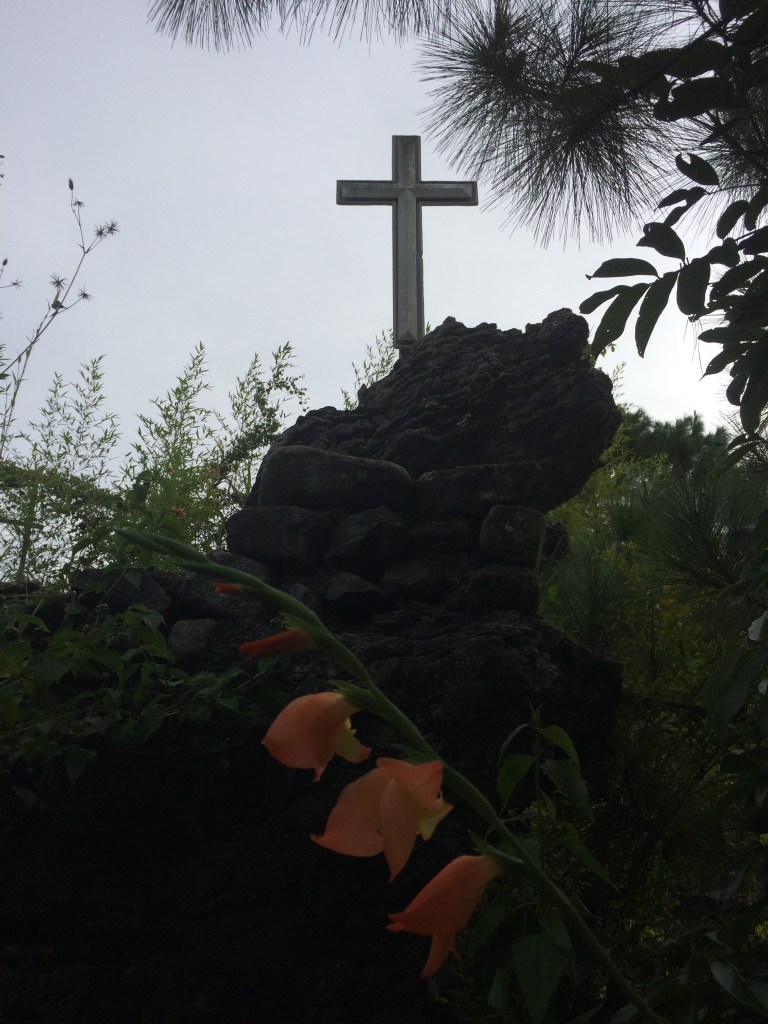
Photo by author, Mt. St. Paul Spirituality Center, La Trinidad, Benguet, 2017.
God our loving Father, another week is closing and another is coming. Thank you for the many blessings you have given us, most especially for those blessings that have come our way through many trials and sufferings.
Like Job, if not for my many brokenness, pains and disappointments, I would have never been this strong and so blessed. Looking back to those days of trials, I am so grateful to you like Job, O God, in opening my eyes to so many wonderful things I cannot know nor even understand!
I have dealt with great things that I do not understand; things too wonderful for me, which I cannot know. I had heard of you by word of mouth, but now my eye has seen you.
Job 42:3, 5
I pray in a very special way today for people going through very rough times of crises, those diagnosed with cancer, those who have lost a loved one, and those whose business have hit rock bottom due to the pandemic.
Keep us all faithful to your call, God, for true blessedness is not found in doing but in being in you through your Son Jesus who told us “Nevertheless, do not rejoice because the spirits are subject to you, but rejoice because your names are written in heaven” (Lk.10:20).Amen.
The Lord Is My Chef Sunday Recipe for the Soul by Fr. Nicanor F. Lalog II
Week XXV-A, Ordinary Time, 20 September 2020
Isaiah 55:6-9   >><)))*>   Philippians 1:20-24, 27   >><)))*>   Matthew 20:1-16
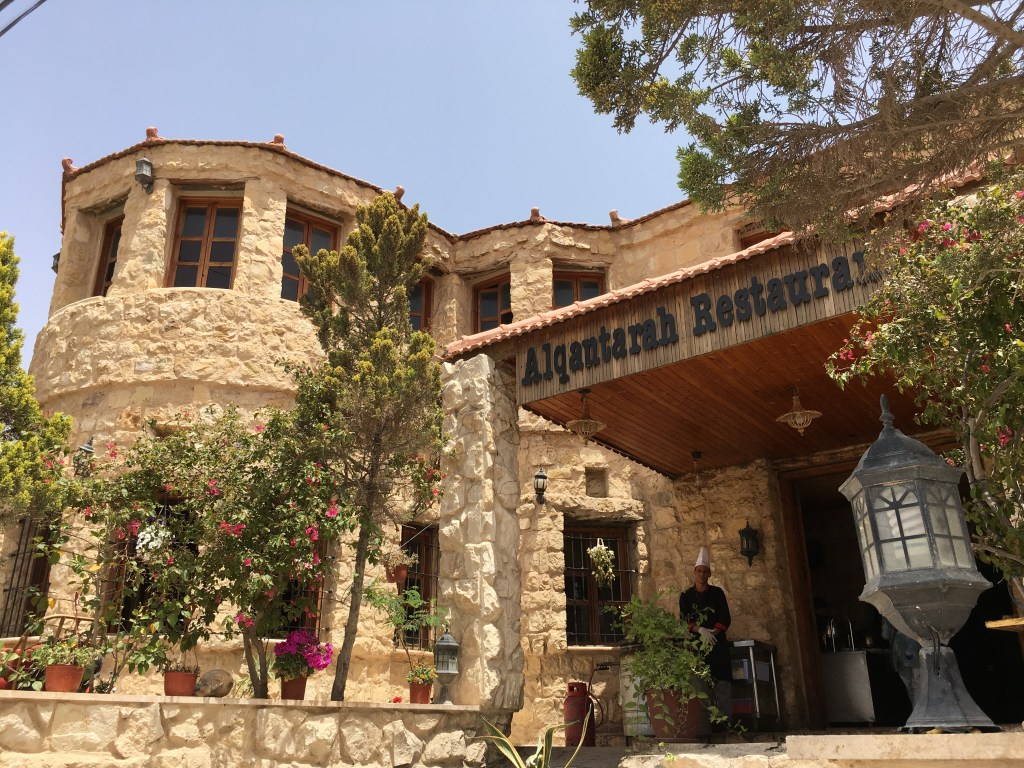
Photo by the author on the way to Petra in Jordan, May 2019.
There was something amusing I realized while praying this Sunday’s gospel of how in our time we no longer hear or use the word “generous” anymore — except when the topic is about food like in the expression “generous servings”!
We all love and enjoy “generous servings” of food and drinks whether in restaurants or at home or at parties because it means something more than what we pay for or come for. And that is the essence of generosity: the giving of more than what is required and just. It is love in the real sense like the prayer for generosity by St. Ignatius of Loyola.
Dearest Lord:
Teach me to be generous.
Teach me to serve you as you deserve,
To give and not to count the cost,
To fight and not heed the wounds,
To toil and not seek for rest,
To labor and ask not for reward, except
To know that I am doing your will.  Amen.
Photo by Mr. Jim Marpa, 2019.
Generosity bonds every community in Christ
Sorry if I have to start our reflection through the stomach because today is our “Pistang Pasasalamat” (Thanksgiving) in the Parish…
Going back to our reflection, my dear reader, recall how in the past two weeks we have heard Jesus teaching us important lessons how our relationships must be based on mutual love through fraternal correction and forgiving of those who have sinned against us.
This Sunday through another parable, Jesus teaches us the importance of generosity as a wonderful expression of love we forget most in our relationships and dealing with others.
Generosity is the glue that keeps our ties stronger and keeps us filled with joy because it is thinking more of the other person than of self. It is love at its finest – charming and elegant as in suave – but so disarming and revealing when overlooked as we shall see in this parable.
Jesus told his disciples this parable: “The kingdom of heaven is like a landowner who went out at dawn to hire laborers for is vineyard. After agreeing with them for the usual daily wage, he sent them into his vineyard. Going out about nine o’clock, he saw others standing idle in the marketplace, and he said to them, ‘You too go into my vineyard, and I will give you what is just.’ So they went off. And he went out again around noon, and around three o’clock, and did likewise. Going out about five o’clock, he found others standing around, and said to them… You too go into my vineyard.’ When it was evening the owner of the vineyard said to his foreman, ‘Summon the laborers and give them their pay, beginning with the last and ending with the first.’ When those who had started about five o’clock came, each received the usual daily wage. So when the the first came, they thought that they would receive more, but each of them also got the usual wage. And on receiving it they grumbled against the landowner, saying, ‘These last ones worked only one hour, and you have made them equal to us, who bore the day’s burden and the heat.’ He said to one of them i reply, ‘My friend, I am not cheating you. Did you not agree with me for the usual daily wage? Take what is yours and go. What if I wish to give this last one the same as you? Or am I not free to do as I wish my own money? Are you envious because I am generous?'”
Matthew 20:1-15
Notice how Jesus again elicited our feelings to drive home his lesson today about love as basis of our relationships. Last week we totally agreed with the king in punishing the merciless servant whose debt he had forgiven but was unmerciful to a fellow servant and debtor.
This Sunday, with whom did we take sides with? Be honest. Did you side with the workers hired in the morning and worked all day only to receive a pay exactly the same with those who worked only for an hour? Did we also feel treated unfairly like them?
But, why are we reacting the same way as those workers who toiled under the sun? What is our complaint? Are we envious because the owner is generous?
Recall our reflections last month about the parable as a simple story conveying deeper truths about life and our selves. From the French parabolein -along the way – Jesus is inviting us to read anew this parable we have heard so many times in the past so we may enter into a dialogue with him to purify and cleanse us to get its whole picture. And hopefully, become generous too.
Nuns bringing goods to the poor during the height of the Luzon-wide lockdown last summer.
Human justice, Divine kindness
The parable is not about social justice and just wages: it is about the immense love of God for us all. Jesus said it at the start, “The kingdom of heaven is like a landowner…” – it is a parable about God and his kingdom.
See the great love of the landowner who went out five times during the day, even at late afternoon so people may have a job to earn some money for the day. We have to keep in mind that the workers were hired because the owner is kind. Period.
The owner is like the good shepherd Jesus described as who would leave the rest of his flock to search for one missing sheep.
How many times have we acted like those early workers, complaining to God when we feel “shortchanged” for our work and efforts, or being better and more good perhaps than others?
It happens so many times when we question him even in the Church and specially in the society and government when we cannot understand how God who is supposed to be just and fair is allowing all injustices and evil to happen like during this time of COVID-19.
The first reading reminds us that to think that way as if we know everything is dangerous because we could be very wrong and mistaken after all. God sees and knows everything that in the end amid all the twists and turns in history and in our personal lives, it is always his will that prevails which proves best for us and mankind. In times like these, we need to have faith in God and trust him more through prayers and reflections.
Seek the Lord while he may be found, call him while he is near… As high as the heavens are above the earth, so high are my ways above your ways and my thoughts above your thoughts.
Isaiah 55:6, 9
Photo by author, Jaffa in Israel, May 2017.
We keep on saying that one immediate fruit of having a prayer life is the heightening of our sensitivities when we see more of God in others than more of ourselves. The problem with those workers hired earlier in the day that instead of thanking God for his kindness in hiring them, they even wanted more in their pay than what they have agreed upon — so selfish and feeling so entitled like some among us!!!
God as the landowner is teaching us not only to be thankful for the blessings we have received from him but also to rejoice when others aside from us are also blessed. As everyone would say these days, “sana all” are blessed, not only a selected few.
Again we find here a similar situation in the parable of the prodigal son where the father told the elder one that “everything I have is yours” (Lk.15:31) when he refused to come home to celebrate the return of his younger brother, citing how he had obeyed the father all his life without being given a young goat to feast with his friends.
Like that loving father of the prodigal son, God is reminding us this Sunday in this parable to rejoice that others have been blessed, instead of grumbling and complaining, demanding for more than what we have, forgetting everything is out of God’s goodness, never because of our merits.
Looking inside our hearts
My dear friends, this time of the pandemic invites us to be generous by looking deep into our hearts, of seeing God more and others than just our self. At this time when life is so difficult and death is so closest to home with everyone, the best thing we can do is to thank God for his gift of life to us each day and to deepen our faith in him.
Lately I have been praying to God to grant me St. Paul’s clarity of mind and purity of heart as we find ourselves in his similar situation of being imprisoned: him for the gospel, us due to COVID-19.
See the faith of St. Paul in God that even in prison with his death approaching each day, he continues to rejoice and experience peace within because he had realized that the success of the gospel is not on human efforts but in Jesus whom we cannot box in our little worlds and beliefs, rites and rituals. In fact, he was so confident that even with his death, the more the gospel would spread.
Photo by Dra. Mylene A. Santos at Katmon Harbor Nature Sanctuary, Infanta, Quezon, March 2020.
Brothers and sisters: Christ will be magnified in my body, whether by life or by death… conduct yourselves in a way worthy of the gospel of Christ.
Philippians 1:20, 27
Last Sunday, Jesus taught us to forgive from the heart, that is, to see one another as a brother and sister in God our Father who forgives us without limits for our many sins.
Today, Jesus is asking us to give from the heart – to be generous – not for anything else but because we are brothers and sisters in God our Father who blesses us without limits despite our sinfulness.
Generosity comes from the heart when in that heart is Jesus whom we find dwelling, giving us peace and joy no matter how much suffering we go through because him alone suffices that we are willing to let go of everything.
Share a generous serving of God’s blessings today to someone in need. Amen.
The Lord Is My Chef Breakfast Recipe for the Soul by Fr. Nicanor F. Lalog II
Tuesday, Memorial of Our Lady of Sorrows, 15 September 2020
1 Corinthians 12:12-14, 27-31     || + ||     John 19:25-27
“Mater Dolorosa” also known as “Blue Madonna” (1616) by Carlo Dolci. Photo from Wikimedia Commons.
Glory and praise to you, Lord Jesus Christ, in giving us the Blessed Virgin Mary to be our Mother too, to join us and accompany us in this life journey especially when there are pains and sufferings like when she stood by you at the foot of the Cross on that Good Friday.
As we celebrate the Memorial of Our Lady of Sorrows, we remember also and pray for all the women in our lives, specially our mother and sisters, the wife of every spouse, our teachers, the nuns, and all those women who somehow “completed” our lives.
Because of the Blessed Virgin Mary, the word “woman” became so noble and wonderful again after it was marred by sin with the fall of the first woman, Eve.
But what is so striking with Mary and the word “woman” is how she was addressed in that word in the fourth gospel, beginning at the wedding feast at Cana (John 2:4) that comes to full circle at the foot of the cross.
When Jesus saw his mother and the disciple there whom he loved, he said to his mother, “Woman, behold, your son.” Then he said to the disciple, “Behold, your mother.” And from that hour the disciple took her into his home.
John 19:26-27
Lord Jesus and Mother Mary, I pray for all the women of the world, especially for those who stood by their men and children in times of trials and sufferings.
There at your crucifixion where everything was so sad with the stark realities of human sufferings and death, Mary and the other women present gave some breath of life and hope to the scene.
Photo of painting from stswithuns.org.uk.
With those faithful women led by the Blessed Mother around you at the foot of the Cross, your Passion O Lord, had a peaceful and calming ending, leading to your joyful and glorious Resurrection.
Their love and devotion, and compassion remained intact before you, O Lord after you had died. Is this also the reason you first appeared to women too on Easter? Beautiful.
These are exactly the same things the many women in the world and in our lives do when our chips are down like during this pandemic.
It is always the women who bring out the extra jolts and sparks needed to restart our lives, to jumpstart us when we are all down and desperate. Like your Mother Mary, Lord, most women are our greatest sources of inner strength and courage, and faith to forge on in this life.
How sad that we often forget to thank them and worst, neglect to recognize their presence and dignity as persons. May we imitate you, dear Jesus that in your dying moments, you remembered to entrust your mother to your beloved disciple to look after her.
O dearest Mother Mary, our Lady of Sorrows, please pray for the women we love, the women we have forgotten, the women we have used and abused for their kindness to us; so many women are crying in pain alone, some of them have been mourning for a long time after losing a beloved child or husband, a friend and a sibling, parents and those dearest to them. Soothe their pains, our Lady of Sorrows, a great woman of faith, woman of calmness, a woman for everyone. Amen.
The Lord Is My Chef Breakfast Recipe for the Soul by Fr. Nicanor F. Lalog II
Monday, Feast of St. Bartholomew, Apostle, 24 August 2020
Revelation 21:9-14 >><}}}*> |+| >><}}}*> |+| >><}}}*> John 1:45-51
Photo by author, Subic, 2018.
Glory and praise to you, Lord Jesus, the “Word who became flesh and dwelt among us” to reveal the Father’s immense love for us all. He was not contented in just telling the prophets of Old Testament how he loved us that He came and lived with us in you, Lord Jesus!
And that is why we also rejoice on this Feast of St. Bartholomew, a.k.a. Nathanael, who was introduced to you by another Apostle you have called earlier:
Philip found Nathanael and told him, “We have found the one about whom Moses wrote in the law, and also the prophets, Jesus, son of Joseph, from Nazareth.” But Nathanael said to him, “Can anything good come from Nazareth?” Philip said to him, “Come and see.” Jesus saw Nathanael coming toward him and said of him, “Here is a true child of Israel. There is no duplicity in him.” Nathanael said to him, “How did you know me?” Jesus answered and said to him, “Before Philip called you, I saw you under the fig tree.” Nathanael answered him, “Rabbi, you are the Son of God; you are the King of Israel.”
John 1:45-49
O dear Jesus, like St. Peter in the gospel yesterday and now St. Bartholomew, you are telling us anew to never be contented with mere words, with the “what” of who you really are, that we must always “come and see you” in order to experience your very person and truly know you.
I really wonder O Lord what your words meant that before Philip called Nathanael-Batholomew, you have seen him under the fig tree; however, I am so convinced that in your words, Nathanael-Bartholomew must have felt something deep inside him that he threw himself totally to you as your Apostle.
Most of all, teach me to remain simple and hidden in you, Jesus that like St. Bartholomew, despite the scarcity of stories and information about him except this little anecdote from the fourth Gospel, he remained faithful to you until his death by flaying reportedly in India.
May we imitate St. Bartholomew who had shown us that more than words, what matters is our oneness in you, Jesus, without any need for us doing sensational deeds, earning thousands of “likes” and “followers” in social media because only you, Lord, remains extraordinary above all. Amen.
The Lord Is My Chef Breakfast Recipe for the Soul by Fr. Nicanor F. Lalog II
Tuesday, Week XX, Year II in Ordinary Time, 18 August 2020
Ezekiel 28:1-10 <*(((><< || + || >><)))*> Matthew 19:23-30
Photo by author, Petra in Jordan, May 2019.
Then Peter said to Jesus in reply, “We have given up everything and followed you. What will there be for us?” Jesus said to them, “Amen, I say to you that you who have followed me… And everyone who has given up houses or brothers or sisters or father or mother or children or lands for the sake of my name will receive a hundred times more, and will inherit eternal life.”
Matthew 19:27-28, 29
“We have given up everything and followed you, Lord. What will there be for us?”
Oh! how often we tell this to you, Lord Jesus, as if we have given so much for the sake of your kingdom.
Sometimes, it is not really a question we ask but a reminder to you of our “goodness” and “benevolence” with others, of how good we have been when in fact whatever we give and share are all from you.
Forgive us, O Lord, when most specially in the midst of pains and sufferings, we ask you “What will there be for us?” in order to remind you of our rewards, or entitlement as if you forget them or that there is such a thing at all with you.
Photo by author, 2019.
We are sorry Lord in counting the costs and most of all, in demanding so many in return.
“What will there be for us?” is often the question we ask when we doubt your generosity and fidelity to your promises to us.
Like Ezekiel in the first reading, remind us O Lord to keep in mind not to be “haughty of heart”, that “we are not god despite our many achievements brought about by our intelligence or beauty” (Ezekiel 28:1-7).
Dearest Jesus, you have given us with so much and we have given so little; teach us to give more of ourselves, more of our time, more of our treasures, and most of all, more of you to others. Amen.
The Lord Is My Chef Breakfast Recipe for the Soul by Fr. Nicanor F. Lalog II
Wednesday, Memorial of the Dedication of St. Mary Major in Rome, 05 August 2020
Jeremiah 31:1-7 <*(((><< | + | >><)))*> Matthew 15:21-28
Photo by Arch. Philip Santiago, St. Mary Major in Rome, 2018.
O God our almighty Father, in all eternity you have planned what is best for each of us and we thank you so much for that for your great wisdom matched with your immense love for us.
Unfortunately, we always run away from you, discarding your plans for our own personal plans that most often do not work because these are based on what we want, what we like and not of what is really best for us.
Help us to seek your plans for us, Lord, by remaining in you, trusting you because you know what is best for us being our Maker.
Open our selves to you to redeem us from our disgrace and infirmities by seeking your plans in rebuilding our lives like your so-called “remnants of Israel” in the first reading – the few who have remained faithful to you despite the turning away from you of majority of Israelites who chose to worship false gods in the time of Jeremiah.
And ironically, to be like that Canaanite woman at the region of Tyre and Sidon – though a pagan – who remained faithful to you waiting for the Christ to come by holding on to your plans, hoping in your plans, and finally realizing your plans of healing and salvation in Jesus!
Grant us the perseverance and love to seek, believe in your plans for us like the Blessed Virgin Mary as we celebrate today the Memorial of the Dedication of St. Mary Major in Rome, one of our four Major Churches and first Marian shrine in the whole Christendom.
How lovely it is, O God, that you literally laid out your plans for this Basilica when the Virgin Mary appeared in a dream to a faithful Christian couple as well as Pope Liberius in the year 358 to build a church in her honor on the site where snow would fall on the night of August 4-5.
And you did make snow to fall on that night, forcing Pope Liberius to trace the outlines of the church on the snow where the first basilica was built!
But, it was only the beginning of the unfolding of your plans: the Basilica of St. Mary Major was completed a century later after the Council of Ephesus in 431 where Mary was declared the Mother of God, thus clarifying all doubts on the divinity of your Son Jesus Christ who had come to save us.
May we pause for some moments of silence today to pray and seek your plans for us specially in this time of the pandemic. We pray harder for our leaders in government for humility and honesty in seeking you, O God, to draw a specific plan that is clear and workable to contain the spread of the COVID-19 virus.
This we ask in Jesus Christ’s name, in the power of the Holy Spirit with Mary our Mother. Amen.
Photo by author of a pilgrim writing a petition to the Blessed Mother in a Marian shrine in Madaba, Jordan, 2019.
The Lord Is My Chef Breakfast Recipe for the Soul by fr. Nicanor F. Lalog II
Monday, Week XVII, Year II in Ordinary Time, 27 July 2020
Jeremiah 13:1-11 >><)))*> >>><)))*> >><)))*> Matthew 13:31-35
Photo from Google.
What a great way to start our last week of work and studies in July with your sense of humor, O God! Your words are so witty and funny but with a strong punch. Hard-hitting, so biting. And so revealing.
For, as close as the loincloth clings to a man’s loins, so I had made the whole house of Israel and the whole house of Judah cling to me, says the Lord; to be my people, my renown, my praise, my beauty. But they did not listen.
Jeremiah 13:11
You really got me, Lord.
What can I say?
Our underwear, that is, the loincloth of Jeremiah’s time, is our most intimate clothing, always in contact with our very selves, in that part of our body that we always guard and keep to ourselves.
But, what happens when we “dirty” ourselves with sins, when we put on all those filth in ourselves, we also feel the same way inside, no matter how clean and crisp our clothes are but when deep down our loincloth – underwear – is rotted and good for nothing?
We can always hide it from others and they will never know the kind of underwear we have but we cannot deceive ourselves of how dirty we are with sins and evil.
And so far from you, O God.
Forgive us when you are supposed to be the closest to us, the one we are always in contact with but we have totally disregarded because of our many sins, when we thought we can always have our own ways without you, denying the fact it simply cannot be for indeed, you have made us to be that closest to you.
Forgive us in your Son and our Lord Jesus Christ. Renew us inside, cleanse us and refresh us to be in close contact with you again, O God.
Help us to remain good and clean inside like the little mustard seed so we may grow to have leafy branches for birds to come and dwell in us.
In your mercy, cleanse us of our sins and be our yeast to mix with us again to leaven into a dough to make your kingdom come here on earth. Amen.