Lawiswis Ng Salita ni P. Nicanor F. Lalog II, Ika-22 ng Pebrero 2024
Larawan kuha ni Stefano Rellandini ng Reuters sa Manila Cathedral, Enero 15, 2015. Binatikos at binash (dapat lang) ng mga netizens mga pari noong Misa ni Papa Francisco sa Manila Cathedral nang mapansing walang tigil nilang pagkuha ng mga video at larawan, di alintana kasagraduhan ng Banal na Misa.
Ang demonyong cellphone
palaging nasa loob ng simbahan
hindi upang magsimba o manalangin
kungdi upang tayo ay linlangin
mawala tuon at pansin
sa Diyos na lingid sa atin,
unti-unti na nating ipinagpapalit
sa demonyong cellphone na halos
sambahin natin!
At iyan ang pinakamalupit
na panunukso sa atin ngayon
ng demonyong cellphone
na ating pahalagahan mismo sa
loob ng simbahan
habang nagdiriwang
ng Banal na Misa at iba pang mga
Sakramento gaya ng pag-iisang dibdib
ng mga magsing-ibig!
Isang kalapastanganan
hindi namamalayan
ng karamihan sa kanya-kanyang
katuwiran gaya ng emergency,
importanteng text o tawag
na inaabangan, higit sa lahat,
remembrance ng pagdiriwang:
nakalimutan dahilan ng paqsisimba
pagpapahayag ng pananampalataya
 sa Diyos na hindi tayo pababayaan
 kailanman; kung gayon,
bakit hindi maiwanan sa tahanan
o patayin man lamang
 o i-silent sa bag at bulsa
ang demonyong cellphone?
Hindi man natin aminin
ang demonyong cellphone ang
pinapanginoon,
pinagkakatiwalaan
ng karamihan kaysa Diyos
at kapwa-tao natin
kaya pilit pa ring dadalhin,
gagamitin sa pagsisimba
at pananalangin!
Kung tunay ngang
Diyos ang pinanaligan
habang ating pamilya
at mga kaibigan
ang pinahahalagahan,
bakit hinahayaang
mahalinhan ating buong pansin
ng pag-atupag sa demonyong
cellphone tangan natin?
Pagmasdan sa mga kasalan
sa halip ating maranasan
kahulugan ng pagdiriwang,
kagandahan at busilak ng lahat,
asahan aagaw ng eksena
demonyong cellphone kahit
mayroong mga retratista
naatasang kunan at ingatan
 makasaysayang pagtataling-puso
kung saan tayo inanyayahan
upang ipanalangin na pagtibayin
pagmamahalan haggang kamatayan
na ating tuluyang nakalimutan
matapos tayo ay nalibang at nalinlang
ng demonyong cellphone.
Sa bingit ng kamatayan
naroon ating "last temptation"
ng demonyo sa anyo pa rin ay cellphone
upang sa halip na ipanalangin
naghihingalong mahal natin,
demonyong cellphone pa rin
sa kahuli-hulihan ang hawak habang
kinukunan huling sandali ng pagpanaw
Diyos na ating kaligtasan, tinalikuran!
40 Shades of Lent by Fr. Nicanor F. Lalog II
Thursday After Ash Wednesday, 15 February 2024
Deuteronomy 30:15-20 +++ Luke 9:22-25
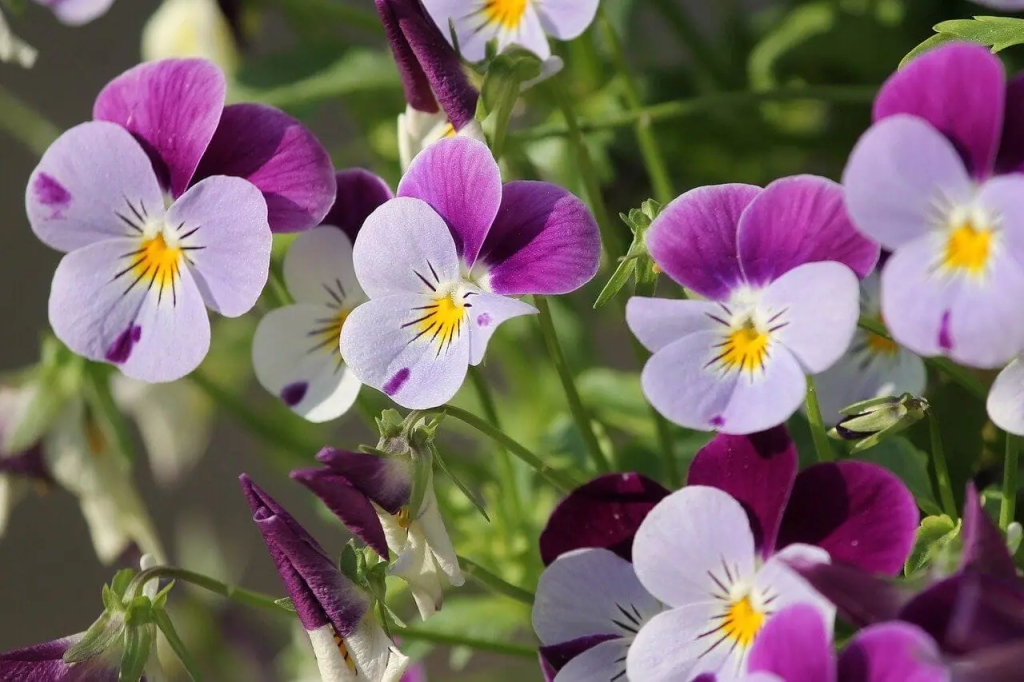
Photo from petalrepublic.com.
Our most loving
and merciful Father,
thank you
for this new season
of Lent,
in giving us this most
wonderful occasion to
reflect on life's meaning
we always confuse as
outside of us,
dependent on things,
and most of all,
perfect without pain
and sufferings.
Life is Lent.
It is the only season
that begins not on a Sunday
but on an ordinary day
of the week,
right in the midst
of our many duties
and worries
because Lent is something
within us, always asking us
to make the right choices,
of choosing life,
not death;
blessing,
not curse.

Many times, Father,
we are out of touch with
ourselves,
with life itself
which we see as outside
ourselves that we hardly live at all
without experiencing life
itself in its wholeness
that includes all the beauty
and scars,
the lights and darkness,
the glory and sorrows,
the defeats and victories,
the tears and laughter,
the Good Friday and Easter.
If, however, you turn away your hearts and will not listen, but are led astray and adore and serve other gods, I tell you now that you will certainly perish; you will not live a long life on the land that you are crossing the Jordan to enter and occupy.
Deuteronomy 30:17-18
The way to life
that you, Father, offers us
through the life and example
of Jesus Christ your Son
is the exact opposite
that the world
proposes;
help us realize that truth,
clear us of all doubts
and dilly-dallying,
of making excuses and alibis
that what the world sees
as God's ways are limiting
when in fact are liberating!
Then he said to all, “If anyone wishes to come after me, he must deny himself and take up his cross daily and follow me. For whoever wishes to save his life will lose it, but whoever loses his life for my sake will save it. What profit is there for one to gain the whole world yet lose or forfeit himself?”
Luke 9:23-25
We have seen
for ourselves many times
how the way of the world of
indulging in every desire
and pleasure like
 wealth and fame,
sex and drugs
have actually led to destruction
and death,
sorrows and miseries
than life and joy;
clear our minds
and hearts
to make the right
choice and decision
of following Jesus
to the Cross daily
because that is what
it means that life is lent,
a daily journey
 to Good Friday
that leads surely
to Easter.
Amen.
The Lord Is My Chef Daily Recipe for the Soul by Fr. Nicanor F. Lalog II
Thursday in the Fourth Week of Ordinary Time, Year II, 01 February 2024
1 Kings 2:1-4, 10-12  ><]]]]'> + ><]]]]'> + ><]]]]'>  Mark 6:7-13
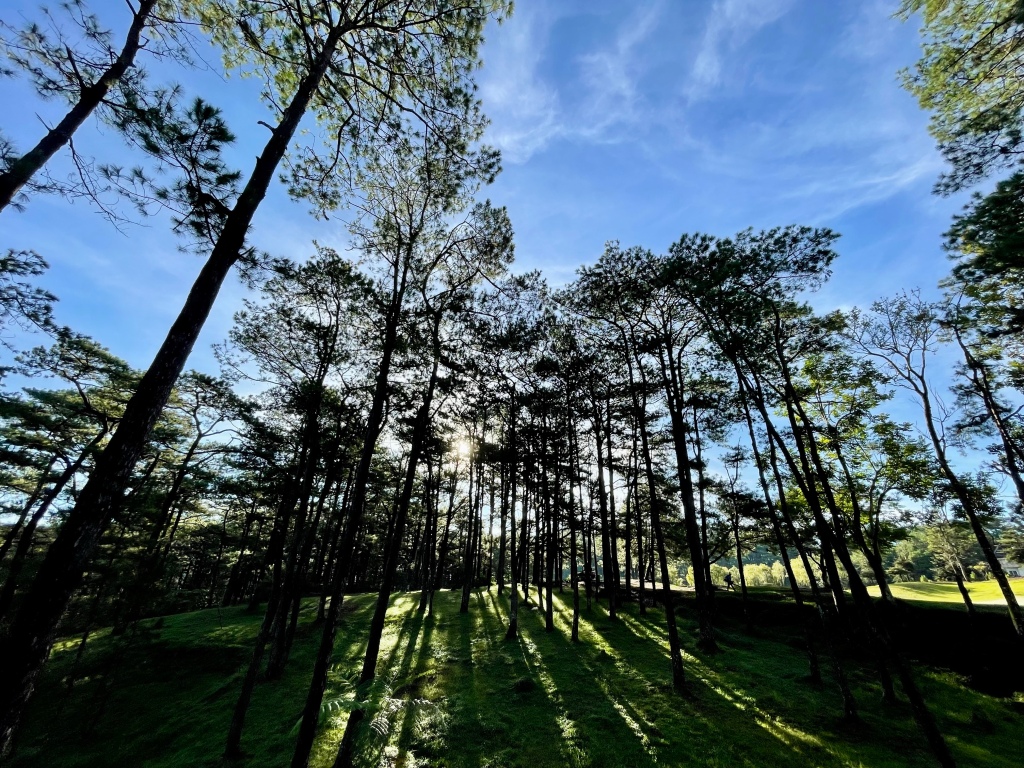
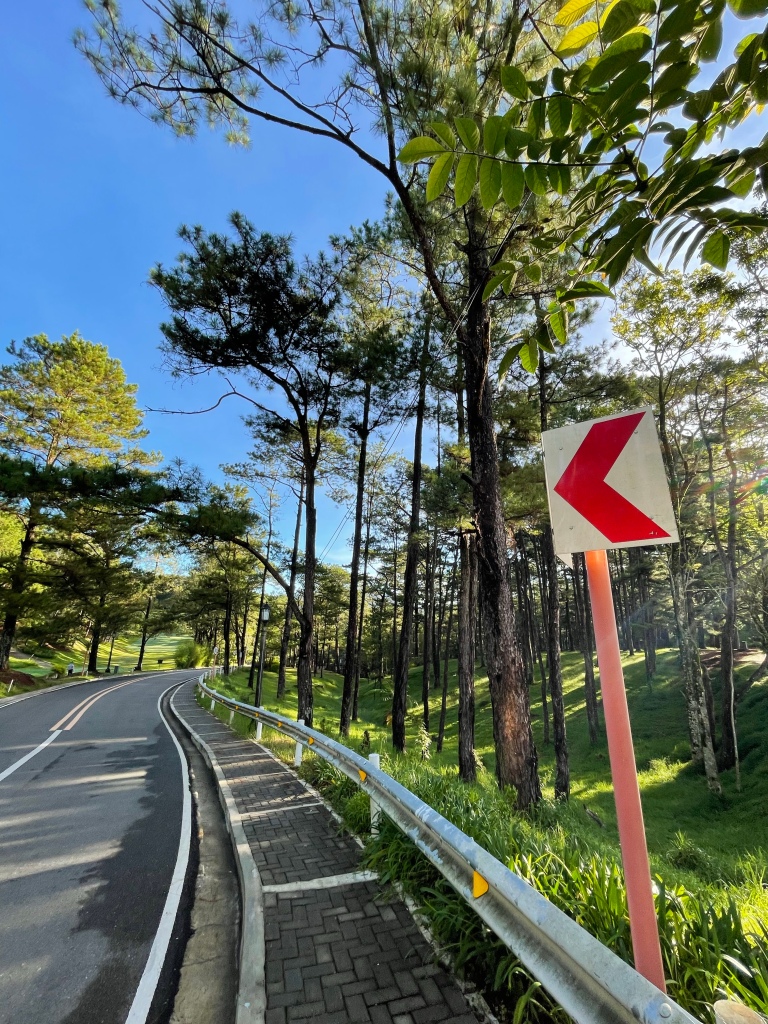
Photo by author, Camp John Hay, Baguio City, 12 July 2023.
Praise and glory
to you God our loving Father!
Thank you for January,
thank you very much for February;
as we start this second month
of the year, you remind us
how in life every ending is also
a beginning.
When the time of David’s death drew near, he gave these instructions to his son Solomon: ”I am going the way of all flesh. Take courage and be a man. Keep the mandate of the Lord, your God, following his ways and observing his statutes, commands, ordinances, and decrees as they are written in the law of Moses, that you may succeed in whatever you do, wherever you turn.”
1 Kings 2:1-3
Give us the grace of
ageing gracefully, Father,
like your servant David;
give us the courage
and sincerity to accept,
to embrace when we are
"going the way of all flesh";
yes, we all wish a life of joy
and happiness with less pains
and difficulties but as we forge on
life, we have experienced,
we have realized,
and proven so many times
that hardships and hurts
are inevitable parts of this life,
even separations and death
that David perfectly called
as way of the flesh.
Joy and fulfillment
happen when we embrace
these shadows and darkness
for it is in those spaces
where lights are most visible
and life is most meaningful;
give us, Lord Jesus,
the courage to let go,
to leave our extra baggages
behind in order to travel light
in this life proclaiming your
good news;
make us realize that true wealth
is in having less of the material
and more of the spiritual;
most of all, every ending
is also a beginning,
hence, the need for us
to prepare those next to us.
Amen.
The Lord Is My Chef Daily Recipe for the Soul by Fr. Nicanor F. Lalog II
Tuesday in the Fourth Week of Ordinary Time, Year II, 30 January 2024
2 Samuel 18:9-10, 14, 24-25, 30-19:3 ><}}}}*> + <*{{{{>< Mark 5:21-43
Photo by author, 19 January 2024, Our Lady of Fatima University-Sta. Rosa, Laguna Campus.
Today, O God,
I join the psalmist
in his prayer to you:
"Incline your ear, O Lord;
answer me, for I am afflicted and poor.
Have mercy on me, O Lord,
for to you I call all the day.
Gladden the soul of your servant,
for to you, O Lord,
I lift up my soul"
(Psalm 86:1, 3-4).
Gladden our hearts,
gladden our souls, Father
 in Jesus Christ
your Son;
many mothers
are now grieving
over their lost sons or
daughters to sickness
and accidents;
like David in the first reading,
it does not matter what kind of
a son or a daughter
one's children
may have been;
their death is always
a terrible loss,
a most unfair and unkind
one when parents should
have gone first
ahead of children.
You alone,
Lord Jesus Christ,
can comfort and gladden
our souls amid our many
griefs and miseries;
you alone, Jesus,
can stop our internal bleeding
for the many pains and hurts
within us we silently
endure like that woman in today's gospel
afflicted with hemorrhages
for 12 years;
raise us up, Jesus,
from the pits of
our agonies and slow deaths,
bring back to life
those losing zest of living
because of betrayals and
infidelities,
those in countless despair
of failures and frustrations.

Dear Jesus,
we pray for those who hide
all their pains and sufferings
as they forge on daily in life,
keeping the faith in you as they
try to make ends meet and
most especially struggling
to fulfill their promises of life
and brighter future
 for their loved ones
gladly awaiting their
coming home.
Amen.
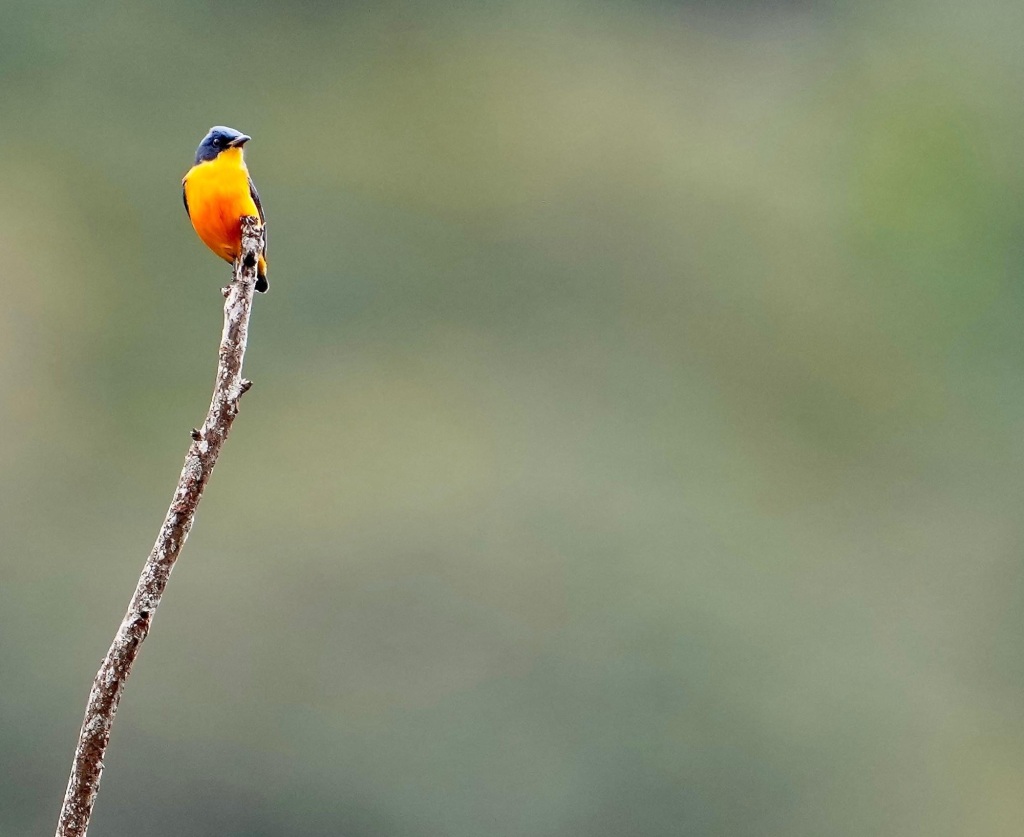
Photo by Dra. Mylene A. Santos, MD, an orange-bellied flowerpecker (Dicaeum trigonostigma) somewhere in the Visayas, December 2023.
Kapatid.
Mula sa salitang ugat
na "patid" ibig sabihi'y
putol at hiwalay,
nag-iisa at walang
buhay ni saysay;
sa unlaping -ka,
nababago kahulugan,
nagkakaroon ng kasama
nabubuo ugnayan
di lamang sa pamilya
at tahanan kungdi
saanmang samahan.
Kapatid.
Ito ang tawagan
natin sa isa't-isa
na pinagbubuklod di
lamang ng dugo
kungdi higit sa lahat
ng puso at isipan
na kung mawawala
ang ka-patid,
nawawala katuturan
at saysay nitong buhay
kaya lahat handang
ialay habang may buhay.
Kapatid.
Turingan at diwa
di kayang mapatid
kahit ng kamatayan
dahil ugnayan
magpapatuloy
magpakailanman
di kayang putulin
o tabunan ng libingan
dahil batid natin sa pagpanaw
buhay di nagwawakas
samahan at ugnayan
nananatiling wagas.
Kapatid.
Kaputol.
Ng sarili.
Ng buhay.
Ng mithiin at adhika.
Kadugtong
ng tuwa
pati ng luha
tunay na pagpapala
ng Diyos na may likha
sa ating mga kapatid
at kaibigan upang tayo
ay samahan,
alalayan,
at abangan
sakali man
maunang pumanaw
upang maging ating
 pisi at lubid sa langit
na hindi mapapatid.
Rest in peace, Dindo (larawan kuha ng kanyang ika-60 kaarawan, Marso 09, 2018).
Paalam, aking kinakapatid
Fernando "Dindo" R. Alberto Jr.;
ikumusta mo ako sa langit
sa mga pumanaw nating
idolo sa musika,
kami na lamang ni
Toby magdiriwang ng birthday
tuwing Marso dito
habang kayo at ang Ninong
magkasama na
sa buhay na walang hanggan.
The Lord Is My Chef Daily Recipe for the Soul by Fr. Nicanor F. Lalog II
Wednesday, Memorial of St. Cecilia, Virgin & Martyr, 22 November 2023
2 Maccabees 7:1, 20-31   ><]]]]'> + ><]]]]'> + ><]]]]'>   Luke 19:11-28
Photo by Dra. Mylene A. Santos, MD, in Tagalag, Valenzuela City, 13 September 2023.
Praise and glory to you,
God our loving Father!

Today I pray to you for
the gift of a "noble spirit"
like that courageous mother
of seven brothers who died on
the same day before her as she
extolled them to resist temptations
and remained faithful to you:
"Filled with a noble sprit that
stirred her womanly heart with
manly courage" (2 Maccabees 7:21).
What a beautiful description of that
woman's great courage and faith
in you, dear God!
Give us a noble spirit, Lord,
a selfless soul that thinks more
of others than one's self especially
in this age when we are so self-conscious
and conceited with our bloated egos
always on the take, as if the world
revolves around us; a soul that is
not selfish and other centered
because of deep faith and trust
in you, Father.
Stir your noble spirit in us, Lord;
let us find anew our moral compass,
our moral grounding in you and your
laws especially in this age when
"everything and anything goes"
regardless of morals and virtues,
an age that glorifies every person as
a universe in himself,
crowning himself as god,
yet so afraid of the truth,
so ignorant of freedom,
without any idea of
the real meaning of living
and loving that in the end,
could not accept death.
Like that courageous woman
and St. Cecilia, stir the noble spirit
within us, Lord Jesus,
to embrace wholeheartedly
our being human,
our being finite,
our being-towards-death
so that we may start living
as you have taught us by
giving and sharing ourselves
and everything we have
in order to be fulfilled,
by facing death so that
we may live in you.
Amen.
Sabi ko nga sa inyo, kumbinsido ako na mas maraming nasa langit kesa nasa impiyerno. Gagawa at gagawa ng paraan ang Diyos upang masagip ang isang kaluluwa kesa mapahamak sa walang hanggang apoy ng impiyerno.
Tinawag tayo ng Diyos hindi upang parusahan, kundi upang iligtas sa pamamagitan ng ating Panginoong Jesu-Cristo.
1 Tesalonica 5:9
Maraming pagkakataon ko ito napatunayan bilang pari, lalo mula noong 2021 nang maging chaplain ako dito sa pagamutan. Hindi ko makakalimutan yung isa naming pasyente noong isang taon bago mag-Undas.
Larawan kuha ni Dra. Mylene A. Santos, MD sa France, 2022.
Pagkaraan kong magmisa ng Miyerkules ng tanghali sa aming Basic Education Department, nakatanggap ako ng sick call sa aming emergency room. Kaagad ako pumunta at inabutan ko ang isang matandang lalaki na naka-oxygen at maraming mga aparatu na naka-monitor sa kanya.
Lampas 90 na kanyang edad at ang sabi sa akin ng duktor ay maaring pumanaw ang pasyente ano mang oras. Sa malakas kong tinig, sinikap kong kausapin ang pasyente, sinabihan ko siyang magsisi sa kanyang mga kasalanan habang siya ay aking dinarasalan at papahiran ng Banal na Langis. Bumalik ako sa aming university pagkatapos noon.
Laking gulat ko nang sumunod na araw ng Linggo sa aking paghahatid ng Komunyon at pagbabasbas sa mga may-sakit sa aming pagamutan: buhay pa rin iyong pasyente sa pinuntahan ko ng Miyerkules sa ER!
At nang sumunod na araw na naman ng Linggo, naroon pa rin ang naturang pasyente – buhay! Maniwala kayo, umabot pa ng ikatlong araw ng Linggo ang naturang pasyente na dinalaw ko at dinasalan. Nagtataka na rin mga duktor at nars na kung ilang ulit na rin iyon nag-delikado ngunit biglang lumalakas na di mawari.
Noong ikatlong araw ng Linggo na iyon, kinausap ako ng panganay na anak na babae na umuwi mula sa Amerika. Nalaman ko na tatlo silang magkakapatid na puro babae, pawang mga may asawa na rin sila. Filipino-Chinese sila na may-ari ng malaking negosyo sa Bulacan. Wala na ang kanilang ina na pumanaw sa sakit na cancer noon pa.
Larawan kuha ng may-akda, Camp John Hay, Baguio City, 12 Hulyo 2023.
Laking gulat ko at nangilabot din ako sa kuwento ng panganay na anak na babae: mahilig ang kanilang ama sa mga occult practices gaya ng pagkausap sa kaluluwa ng mga yumao nilang kamag-anak at iba pang mga espiritu, ang pag gamit ng mga anting-anting, mga tarot cards, ouija board at marami pang iba.
Bago daw iyon maglubha, pilit na ipinapasa sa isa sa kanilang magkakapatid ang “kapangyarihan” na nakuha sa yumao nilang lola na ina ng kanilang ama. Inutusan daw silang kunin at dasalin mga aklat-dasalan ng kanilang ama na nasa tila wikang Latin. Noon lamang daw nila nakita mga iyon bagama’t naaalala nilang patagong ginagamit ng tatay nila mga iyon noon pa man.
Noon ko naisip na kaya hindi pa pumapanaw ang naturang pasyente na ibig ipasa kanyang mga occult practices sa kanyang anak. Tinanong ko magkakapatid ano kanilang saloobin at pare-pareho silang ayaw nilang tumulad sa kanilang ama. Natuwa naman ako sa kanilang desisyon kaya ipinaliwanag ko na rin sa kanila ang kahulugan at mga implikasyon ng occult practices ng tatay nila. Kailangan kako na “madeliver” siya mula sa impluwensiyang iyon ng demonyo at ikalawa, wasakin mga gamit niya kayat ipinakuha ko iyon habang ako naman ay umuwi ng parokya upang kunin ang aklat ng exorcismo ni P. Jocis Syquia.
Larawan kuha ng may-akda, Pambansang Dambana ng Birhen ng Fatima, 06 Nobyembre 2023.
Pagbalik ko ng parokya, una kong ginawa ay nangumpisal ng aking mga kasalanan sa kasama naming pari. Kumain lamang ako ng kaunti at saka nanalangin sa harap ng Santisimo Sakramento. Pagkaraan ng isang oras, bumalik ako sa ospital upang ganapin ang deliverance prayer sa pasyente ayon sa aklat ni P. Syquia. Muli ko siyang pinahiran ng Banal na Langis at nanalangin kami ng kanyang pamilya pagkaraan ng deliverance session.
Pagkaraan noon ay dinasalan ko at binasbasan mga aklat-dasalan, anting-anting at iba pang mga gamit sa occult ng pasyente na pinagsama-sama ng kanilang boy sa isang black plastic bag. Hindi ko na binulatlat pa ni hawakan mga iyon. Basta, mahigpit kong pinagbilinan yung boy na sunugin lahat ng mga iyon at itapon sa ilog mga abo. Huwag na huwag ka ika ko magtatago ni kukuha ng isa kungdi ay mapapasama kanyang buhay. Hapon na nang maka-uwi ako ng parokya at ang una kong ginawa ay manalangin muli sa harapan ng Santisimo Sakramento.
Umuwi ang naturang pasyente kinabukasan araw ng Lunes. Wala pa raw isang oras sa bahay habang nakahiga sa bago niyang hospital bed, payapang pumanaw ang naturang pasyente. Ayon sa mga nars, nagbalik doon ang panganay na anak na babaeng kumausap sa akin upang magpaabot ng pasasalamat at naikuwento nga paanong pumanaw ang kanilang ama.
Larawan ni Lucifer, ang Satanas, mula sa wikipediacommons.org.
Muli, mga ginigiliw ko, noon ko napatunayan ang lalim at lawak, ang di masusukat na pagmamahal sa atin ng Diyos na hindi niya tayo tatawaging mamatay nang hindi pa handa.
Pakiwari ko ay sa tatlong linggong iyon mula nang pahiran ko ng Langis sa ER ang naturang pasyente, nakipagbuno at babag sa demonyo si San Miguel Arkanghel sa utos ng Diyos upang agawin at iligtas ang kaluluwa ng taong iyon.
Isinulat ko rin ito upang tigilan na rin sana ng mga makababasa nito ang anu mang uri ng mga occult practices pati na mga tawas at pagpunta sa mga faith healer, manghuhula at espiritista. Magpatingin muna sa duktor kung mayroong karamdaman. Lakipan ito ng taimtim na pananalangin at matibay na pananalig sa Diyos nating makapangyarihan sa lahat. Amen.
The Lord Is My Chef Sunday Recipe for the Soul by Fr. Nicanor F. Lalog II
Sunday in the Thirty-Third Week of Ordinary Time, Cycle A, 19 November 2023
Proverbs 31:10-13, 19-20, 30-31 ><}}}*> 1 Thessalonians 5:1-6 ><}}}*> Matthew 25:14-30
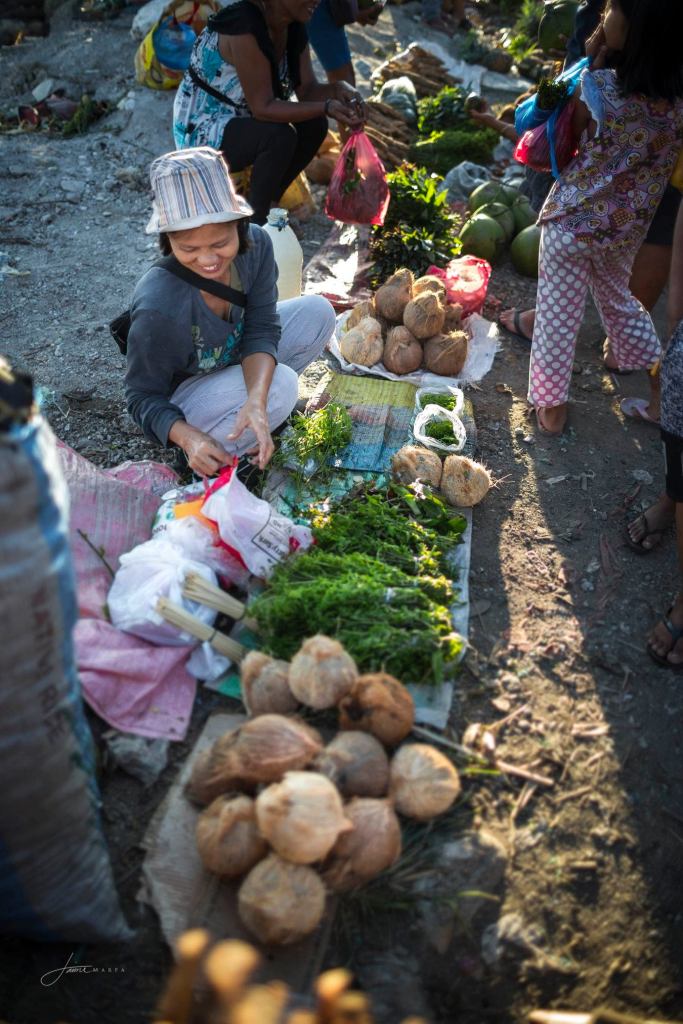
Photo by Mr. Jim Marpa in Carigara, Leyte 2018.
Our first reading today from the Book of Proverbs is very interesting on this penultimate Sunday of the liturgical calendar before the Solemnity of Christ the King next week. If we go by today’s way of thinking, it sounds “sexist”, stereotyping the tasks of a “worthy” or perfect wife:
She obtains wool and flax and works with loving hands. She puts her hands to the distaff, and her fingers ply the spindle. She reaches her hands to the poor, and extends her arms to the needy.
Proverbs 31:13, 19-20
But for those like me who grew up in the generation reared by mothers proudly described as “plain housewife”, there’s no sexism nor stereotyping of women by the author of the Book of Proverbs. It is actually in praise of women, of housewives and mothers supposed to be the most attentive in details, truly dedicated and faithful in daily house chores.
Photo by Mr. Jim Marpa in Carigara, Leyte 2018.
Our first reading reminds us to be like a “worthy wife” who is consistent in doing those little things mothers do to keep our homes warm and tidy. Most of all, orderly.
Moms are blessed with special grace and talent in budgeting limited resources to come out with outstanding meals daily, of keeping socks and handkerchiefs as well as cuff links and old clothes ready and handy just in case there is an instant out of town trip or school project. With moms, life is practically worry-free because she gets everything covered even outside home! I remembered how my mom had everything in her little bag, from medicines like Cortal to Vick’s Vaporub and Band-Aid, candies and money, tissues and even tape measure called medida! Truly a Girl Scout, always ready for any eventuality.
And that is why we have this part of the Book of Proverbs this Sunday: to wait for the Second Coming of Christ which is also the end of the world is to be like a “worthy wife” concentrated on life’s essentials “who fears the Lord” (v.30) and “reaches out her hands to the poor, and extends her arms to the needy” (v. 20). It is basically being wise like the five virgins last Sunday – faithful to God, to his laws and commandments expressed in lovingly serving others especially the poor.
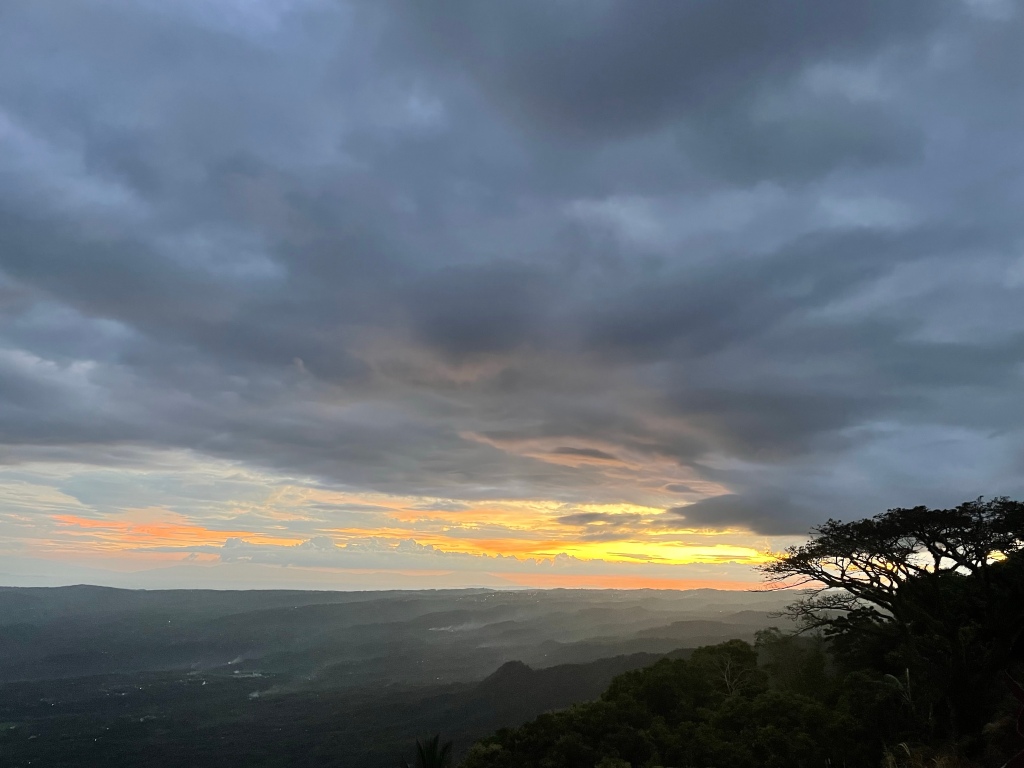
Photo by author, sunset in Tagaytay City, 07 February 2023.
That is the whole point of Jesus in today’s parable of the talents where he spoke to his disciples who include us today “of his coming” that no one knows like those servants awaiting their master’s return.
The parable did not tell us how the first two servants made use of their talents that earned them interests but it clearly pointed out what the third servant did not do. The time of waiting for the Parousia is an active waiting, of keeping up with the tasks entrusted to us by Jesus our Master. Instead of knowing its date with all those useless calculations and speculations, we are called to be diligent and committed in striving and persevering to be good at what is entrusted to us according to our ability like the first two servants and the perfect wife in the Book of Proverbs.
To wait for Jesus is not to be idle, doing nothing like the third servant in the parable who simply buried the talent entrusted to him. He was lazy, lacked any initiative, a whiner and a complainer.
Perfection and holiness lead to readiness for Christ, achieved in our faithfulness to our daily duties as his disciples, not elsewhere like in great moments we often await but never happen at all nor in appearances that do not matter like “charm and beauty” as the author of Proverbs said (v.30). Active waiting for the return of Jesus is living fully in every present moment, not in useless crying over the past or fearful anxieties of the future.
Photo from inquirer.net, 2021.
Jesus is not asking us – and would never ask us anything beyond our abilities – to do great feats like that master who simply entrusted his possessions according to his servants’ abilities.
Jesus is not telling us to do a Mother Teresa but simply be kind first to your family. Smile more often at people, laugh your heart out at the simple joys and stories especially of children. Choose silence than answering every call and conversation. Forgive a lot and you forget what isn’t nice. Then you see the hidden beauty of every person and thing. And not far from that, you find Christ coming right in front of you, too.
When we do the work of God, it does not really matter how big or small nor how simple or complicated that may be. It is always great to do the work of God because it is God’s work entrusted to us! A basketball is just an ordinary rubber ball but when used by Michael Jordan, it becomes of great value. The same is true when we do the works of God.
When Christ comes again to judge both the living and the dead, the only thing he would ask us is what have we done to those people and responsibilities he had entrusted to us. Ultimately, it is a question of how much have we loved, have we lived like him? Remember Jesus said “Not everyone who says to me ‘Lord, Lord,’ will enter the kingdom of heaven, but only the one who does the will of his Father in heaven” (Mt. 7:21-23). What are we doing, how are we living our faith in God these days are the questions we must answer to be ready for the Second Coming.
Photo by author, Jesuit Cemetery at the Sacred Heart Novitiate, Novaliches, QC, 21 March 2023.
St. Paul lived at a time when people were so excited for the apocalypse, the end of time when Christ is expected to come again. They believed – along with St. Paul – that they would witness the return of Jesus in their lifetime.
And that is why St. Paul wrote them, trying to calm them by telling them to always live in the present moment, to live fully every day because the Parousia will come like a thief in the night, just “when people are saying ‘Peace and security,’ then suddenly disaster comes upon them, like labor pains upon a pregnant woman” (1 Thes. 5:2-3).
How sad that what is happening today is exactly the opposite. These days, many people live as if Christ is never coming back to judge us at the end of time. Worst, many people live as if there is no God at all with all the wars and crimes going on, the continuing disrespect for life and persons, as well the many abuses and injustices committed with impunity.
Photo by Mr. Jim Marpa in Carigara, Leyte 2018.
These very presence of sin and evil in the world show that God’s final victory has not taken place yet. Therefore, each day is actually a reminder of the coming end of time, the return of Jesus to establish final peace and order. Far from terrifying and discouraging us, it is a call for us to live fully in the present, mindful of that Latin phrase “memento mori” that means “remember you must die.”
The German philosopher Martin Heidegger said we are all “beings-towards-death”, meaning, we all die someday.
It is in being aware of this certainty of death that we humans live authentically. It is only when we have come to terms with death that we also come to terms with life. We fear death because we have not yet started living truly. Now is the time. No need to write those bucket list. Simply live in God, in Jesus. Be good, be joyful. Then, it does not matter anymore when death comes. Amen. Have a blessed, faithful week ahead.
Lawiswis Ng Salita ni P. Nicanor F. Lalog II, Ika-15 ng Nobyembre 2023
Ang kauna-unahang may sakit na aking pinahiran ng Banal na Langis ay ang tiyahin ng aking ina na kung tawagin namin ay Ned. Ayon sa nanay ng aming ina na Ate ng Ned, utal daw kasi ang dalawang nauna niyang anak at hindi masabi ang Nana Cedeng(o Chedeng), ang palayaw ng kanyang tunay na pangalang Mercedes.
Kaya, naging Ned na ang nagisnang tawag ng mga mommy ko at pati na kaming magpipinsan na kanyang mga apo. Walang anak ang Ned dahil maaga siyang nabiyuda nang magka-cancer ang kanyang kabiyak na siyang tunay na taga-Bocaue, Bulacan. Mula sa Aliaga, Nueva Ecija ang mga lola ko sa panig ng aking ina na mula sa angkan ng mga Bocobo.
Nang ako ay magdiriwang ng aking Primera Misa Solemne bilang bagong orden na pari noong ika-26 ng Abril 1998, hindi na nakapaglalakad ang Ned kaya bago kami magprusisyon, siya ay aking dinalaw at pinahiran ng Langis ng Maysakit. Pagkaraan ng ilang Linggo, sinugod siya sa ospital dahil sa stroke at nag-comatose kaya kinailangang ipasok sa ICU. Hindi naman siya kaagad namatay tulad ng iba kong pinahiran ng Langis ng Maysakit….
Pagkaraan ng isang linggo, inilipat na siya ng regular na silid at aking dinalaw. Hindi naapektuhan ng stroke ang kanyang pananalita. Tumingin siya ng matagal sa akin at pagkaraan ay hiniling na lumapit sa kanya.
“Mayroon akong ikukuwento sa iyo, Father, pero hindi ko alam kung ikaw ay maniniwala” sabi niya sa akin. Hinagod ko kanyang noo gaya ng ginawa niya sa akin noong ako ay natigdas nang bata pa. “Ano po inyong sasabihin?”, tanong ko sa kanya.
Larawan kuha ni G. Bryan San Luis, Kapistahan ni San Martin ng Tours, Patron ng Bayan ng Bocaue, Bulacan, 11 Nobyembre 2023.
“Father… ako e namatay na. Ang natatandaan ko lang ay naglalakad ako mag-isa sa madilim na kalsada. Maya-maya may nakita akong liwanag at bigla mayroong sumalubong sa aking mama na naka-kabayong puti. Sinabi sa akin nung mama, ‘Cedeng, magbalik ka na ika… hindi mo pa oras.'”
Sabi ng Ned, kaagad naman siyang tumalikod at naglakad pabalik ngunit muli niyang nilingon yung mama na naka-kabayo. Tinanong daw niya, “Hindi ba kayo si San Martin ng Tours?” At sumagot naman daw yung mama na siya nga si San Martin ng Tours. “E paano po ninyo ako nakilalang si Cedeng?” tanong daw niya. Sumagot daw si San Martin, “Paanong hindi kita makikilala, Cedeng, e kada piyesta ng Mahal na Krus at kapistahan ko ay nagsisimba ka palagi sa Bocaue?” Nangiti raw si San Martin sa kanya at di na niya nalaman ang mga sumunod maliban sa makita sarili niya naroon na sa ospital.
Wala daw siyang pinagsabihan ng karanasang iyon maliban sa akin dahil ako ay pari. At muli niya akong tinanong, “naniniwala ka ba Father na pinabalik ako dito ni San Martin ng Tours?” Hinagod ko muli ang noo ng Ned at sinabi ko sa kanyang “Opo, naniniwala po ako sa inyo.”
Larawan kuha ni G. Bryan San Luis, si San Martin aming Patron kasama ang Mahal na Krus sa Wawa na amin ding ipinagpipista tuwing buwan ng Hulyo sakay ng pagoda sa Ilog ng Bocaue.
Tumagal pa ang Ned ng limang taon bago siya pumanaw noong ika-5 ng Hulyo, 2003. Mismong sa harap ko siya namatay nang siya ay aking dalawin matapos ako magmisa sa kapit-bahay niyang namatay.
Naku, kay laking isyu noon sa aming lugar ang pagkamatay ng Ned. Ako sinisisi ng matatanda kasi daw inuna kong puntahan ang patay bago ang buhay! Ewan ko sa kanila ngunit pagpapala ang aking naranasan at nakita sa pangyayari: nang malagutan ng hininga ang Ned sa harap ko, kaagad kong tinawag ang kanyang tagapag-alaga, pinahiran ko pa rin siya ng Banal na Langis, at nang matiyak na patay na siya, kaagad akong nagmisa mag-isa doon sa kanyang silid kasama malamig niyang bangkay. (Ewan ko ba. Dalawang pari na rin, parehong Monsignor, ang namatay sa harapan ko at sa pangangalaga ko.) .
Palagi ko ikinukuwento ang “near-death experience” na iyon ng aking Lola hindi lamang sa dahil kakaiba kungdi mayroong malalim na katotohanang inihahayag – ang pagmamahal sa ating parokya, ang pananalangin ng mga Banal sa atin at higit sa lahat, ang kahalagahan ng Banal na Misa na siyang “daluyan ng lahat ng biyaya at rurok ng buhay Kristiyano” ayon sa Vatican II. Wika ni San Juan Pablo II, sa Banal na Misa aniya ay mayroong cosmic reality
Nang magkaroon ako ng sariling parokya noong 2011, isa iyon sa mga una kong kinuwento sa mga tao upang ituro pagmamahal sa kanilang parokya. Ipinaliwanag ko sa kanilang ang mga Banal na mga Patron ng parokya ang unang nangangalaga sa mga mananampalataya, ang ating mga tagapagdasal doon sa langit, mga taga-pamagitan.
Larawan kuha ni G. Bryan San Luis, prusisyon noong Kapistahan ni San Martin ng Tours, Patron ng Bayan ng Bocaue, Bulacan, 11 Nobyembre 2023.
Naniniwala ako na si San Martin ng Tours ang sumalubong kay Ned kasi nga hindi pa naman niya oras, kaya wala pang paghuhukom na naganap sa kanya na tanging si Jesu-Kristo lang ang makagagawa.
Ang pinaka-gusto kong bahagi ng kanyang kuwento ay ang kanilang usapan kung paano nakilala ni San Martin ang aking Lola sa tunay niyang palayaw na Cedeng. At hindi Ned.
Ipinakikita nito sa atin ang kahalagahan ng pagsisimba tuwing Linggo at mga pistang pangilin sa simbahan lalo ngayon panahon na akala ng marami ay sapat na ang online Mass. Ang Banal na Misa ay “dress rehearsal” natin ng pagpasok sa Langit. Kay sarap isipin na bukod sa Panginoon at Mahal na Birheng Maria na sasalubong sa atin doon ay kasama din ang Patron ng ating Parokya na kinabibilangan natin. Nakalulungkot maraming tao ngayon ni hindi rin alam kung ano at saan kanilang parokya! Alalahanin mga nakita ni San Juan Ebanghelista sa langit habang siya ay nabubuhay pa upang isulat sa Aklat ng Pahayag:
At narinig ko ang isang tinig mula sa langit na nagsasabi, “Isulat mo ito: Mula ngayon, mapapalad ang naglilingkod sa Panginoon hanggang kamatayan!” “Tunay nga,” sabi ng Espiritu. Magpapahinga na sila sa kanilang pagpapagal; sapagkat susundan sila ng kanilang mga gawa.”
Pahayag 14:13
Anu-ano nga ba ating mga pinagkakaabalahanan sa buhay ngayon? Anu-ano ating pinag-gagawa na susundan tayo sa kabilang buhay upang ating ipagpatuloy? Kabutihan ba o kasamaan? Huwag nating sayangin pagkakataong ipinagkakaloob sa atin ng Diyos ngayon. Siya nawa.
San Martin ng Tours, ipanalangin mo kami.
Larawan mula sa flickr.com ng isang icon ni San Martin ng Tours hinahati kanyang kapa para sa isang pulubi.
Lawiswis ng Salita ni P. Nicanor F. Lalog II, Ika-14 ng Nobyembre 2023
Larawan kuha ng may-akda, San Juan, La Union, Hulyo 2023.
Noong ako ay bagong pari, maraming pagkakataon na para ako nahihiya o nababagabag kapag iyong aking dinalaw na may sakit ay pumanaw pagkaraan ko siya pahiran ng Banal na Langis. Binibiro kasi ako palagi ng mga tao na huwag ko silang dadalawin kapag sila ay nagkasakit dahil sa halip na mabuhay pa, baka sila ay mamatay kaagad.
Napawi na lamang aking pagkabagabag nang ipaliwanag sa akin ng dati kong kura, ang yumaong Padre Nanding Ersando na ikagalak ko raw kung pumanaw ang pinahiran ko ng Banal na Langis dahil nakapaghatid ako ng kaluluwa sa langit.
Kaya mula noon ay iyon na aking pinanghawakan lalo na ngayong naglilingkod ako bilang chaplain sa Fatima University Medical Center sa Valenzuela kung saan kada araw ng Linggo ay dinadalaw ko lahat ng pasyente pagkaraan ng Banal na Misa. Madalas sinasabi sa akin ng mga duktor at nars kapag mayroong pumapanaw na “hinintay lang po kayo, Father” kasi matapos ko silang pahiran ng langis o bigyan ng komunyon, bigla silang pumapanaw kahit wala sa ICU.
At nakapagtataka rin naman na sa tuwing mayroong hihiling ng dasal, kumpisal at pagpapahid ng langis, palagi naman ako ay naririto. Bihirang-bihira na mayroong magrequest ng sick call na ako ay wala. Kung sakali mang wala ako sa ospital o pamantasan, tiyak aabutan ko pa ang pasyente pagdating ko at saka papanaw.
Para sa akin, ang mga ito ay malinaw na pagpapahayag ng pag-ibig ng Diyos sa atin na palagi niyang tinitiyak sa langit tayo uuwi sa kahuli-hulihan. Kaya sigurado din ako, mas maraming namamatay ang sa langit napupunta o kaya sa purgatoryo muna kesa sa impiyerno maliban na lamang talaga na ayaw ng sino man sa Diyos. Mismo si Jesus ang nagsabi noon:
“Lalapit sa akin ang lahat ng ibinibigay sa akin ng Ama. At hindi ko itataboy ang sinumang lumalapit sa akin. Sapagkat ako’y bumaba mula sa langit, hindi upang gawin ang kalooban ko, kundi ang kalooban ng nagsugo sa akin. At ito ang kanyang kalooban: huwag kong pabayaang mawala kahit isa sa mga ibinigay niya sa akin, kundi muling buhayin sila sa huling araw.”
Juan 6:37-39
Larawan kuha ng may-akda, San Juan, La Union, Hulyo 2023.
Hindi tatawag ang Diyos ng sino mang hindi handa. Maski ito sa mga namatay ng biglaaan at sa aksidente. Kaya nga sa mga lamayan, madalas makuwento ng mga kaibigan at kaanak kung paanong tila nagpapaalam o naghahabilin ang namatay ilang araw o linggo bago siya pumanaw.
Tayo mismo makakaramdam kung tayo ay papanaw na dahil iyon ay biyaya na kaloob ng Diyos. Totoong totoo ito sa mga nakaratay sa banig ng karamdaman, iyong mga mayroong malubhang sakit (https://lordmychef.com/2023/11/08/giving-permission-to-die/).
Gayon pa man, isa pa ring malaking hiwaga ang kamatayan na kung saan sadyang ang Diyos lamang ang nakababatid kailan darating kanino man. Kaya naman, ang kahalagahan ng pamumuhay ng tunay at ganap palagi sa pag-amin at pagtanggap ng ating pagkatao, kasama na ating mga pagkakasala sa isa’t isa.
Isang bagay napagtanto ko sa buhay na kung kelan natin tanggap na tanggap ang mabuhay, doon din natin natatanggap ang mamatay. Kadalasan takot tayong mamatay kasi marami tayong dapat gawin na hindi pa natin ginagawa o palaging ipinagpapaliban. O, hindi matanggap.
Mahirap kapag marami tayong mga bagahe na dala-dala sa buhay. Mabigat at maganit ang buhay. Walang tuwa at kaganapan. Pero kung mga ito ay ating haharapin at bibitiwan, doon tayo namumuhay ng tunay at ganap kaya sa mabuhay at mamatay, hindi na mahalaga sa atin gaya ng pahayag ni San Pablo (Fil. 1:21-23). Kung saan mayroong kaganapan, naroon ang Diyos, naroon din ang katiwasayan at kapayapaan. Kapag walang kaganapan, tiyak naroon ang mga takot at panghihinayang. Mahirap at mabigat.
Larawan kuha ng may-akda, San Juan, La Union, Hulyo 2023.
Ang langit, maging impiyerno, ay hindi lamang lunan kungdi katayuan sa buhay, kundisyon o sitwasyon. Kung habang tao nabubuhay at dama nating langit ang buhay sa kabila ng mga pasakit, langit nga ang tungo natin kapag namatay. Ngunit kung habang tayo ay nabubuhay at pakiramdam ay impiyerno ang buhay, kahit maraming pera at karangyaan, mga kaibigan at kung sinu-sino kasama natin, impiyerno nga ating tutunguhan.
Ang mabuting balita ay ito: nasa kamay natin ang pagpapasya. Lahat ay ibig pumunta sa langit ngunit, nakahanda ba tayo sa mga bagay-bagay, maging mga tao at kung sinu-sino na kaya nating talikuran at iwanan upang magkaroon ng kapayapaan at katiwasayan sa kalooban?
Madaling sabihin ngunit sa aking napagtanto, ang buhay ay araw-araw na munting pagkamatay sa ating sarili hanggang sa tayo ay masaid at mapuno ng Diyos. Iyon ang kabanalan – mapuno, mapuspos ng Diyos. Hindi ng mga bagay-bagay at kung sinu-sino. Kaya sa kahuli-hulihan, kapag nalagot na ating mga hininga at tayo ay pumanaw, doon na rin ang kaganapan ng pagpasok natin sa langit. Mapagpalang araw sa iyo, Bai!
*Narito isang awit na paborito ko noong dekada 90 mula sa AfterImage.