Quiet Storm by Fr. Nicanor F. Lalog II, 20 August 2026
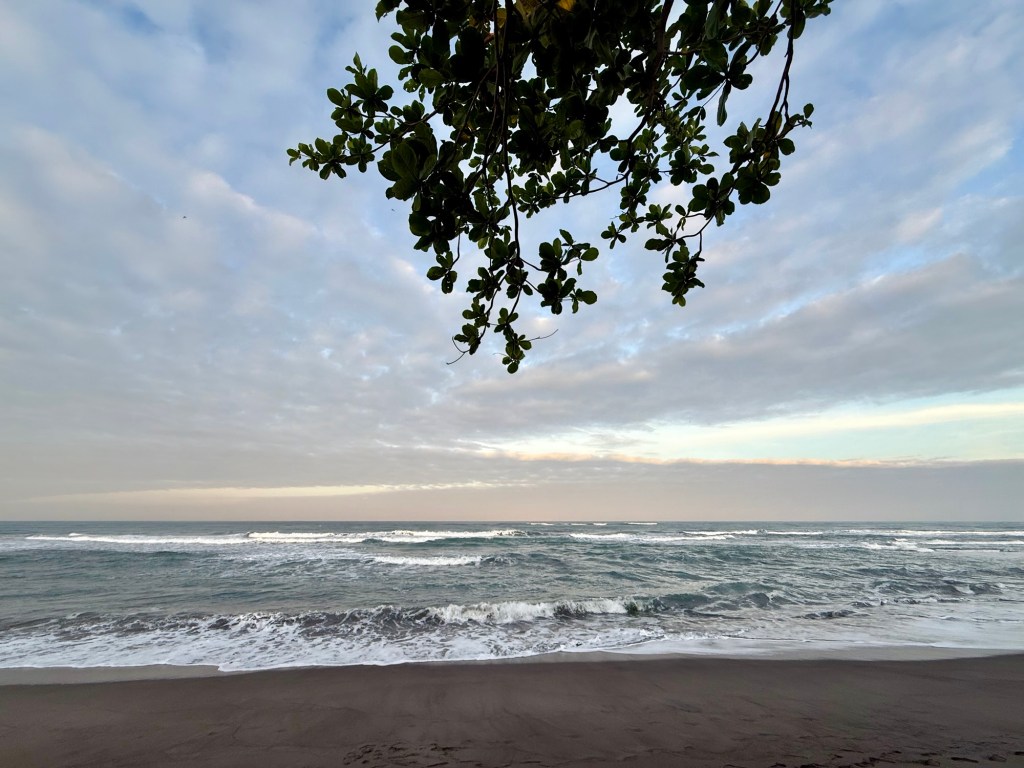
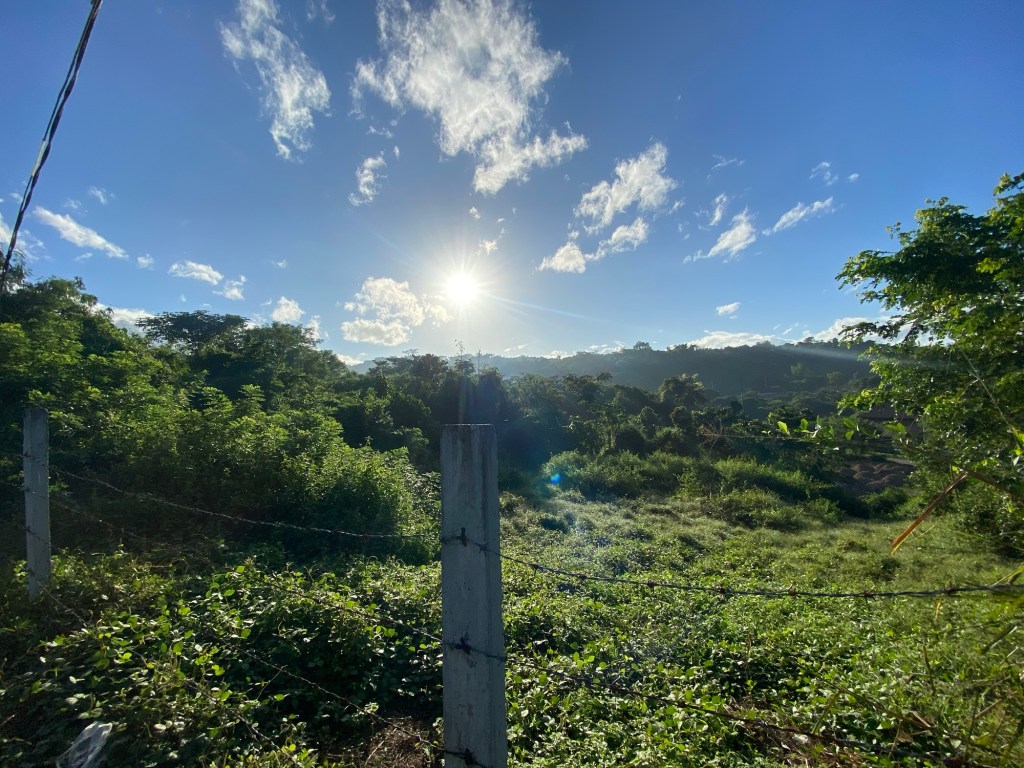
Photo by author, Anvaya Resort, Bataan, 21 July 2026.
Let me come home to you, Lord God:
to gaze in your loving eyes anew,
be wrapped around with your tight embrace
without being judged nor blamed.
Let me come home to you, Lord God:
with nothing at all,
to be poor of material wealth and
rich in Spirit and virtues,
empty of pride,
filled with your humility and
simplicity
so scarce of everything
abundant in you and your love.
Let me come home to you, Lord God:
no longer afraid of the dark and
everything not yet known and seen,
nor terrified of great waves of tasks
and duties,
of strong winds like what people think
and say about me because in you alone
is my certainty as well as safety and security.
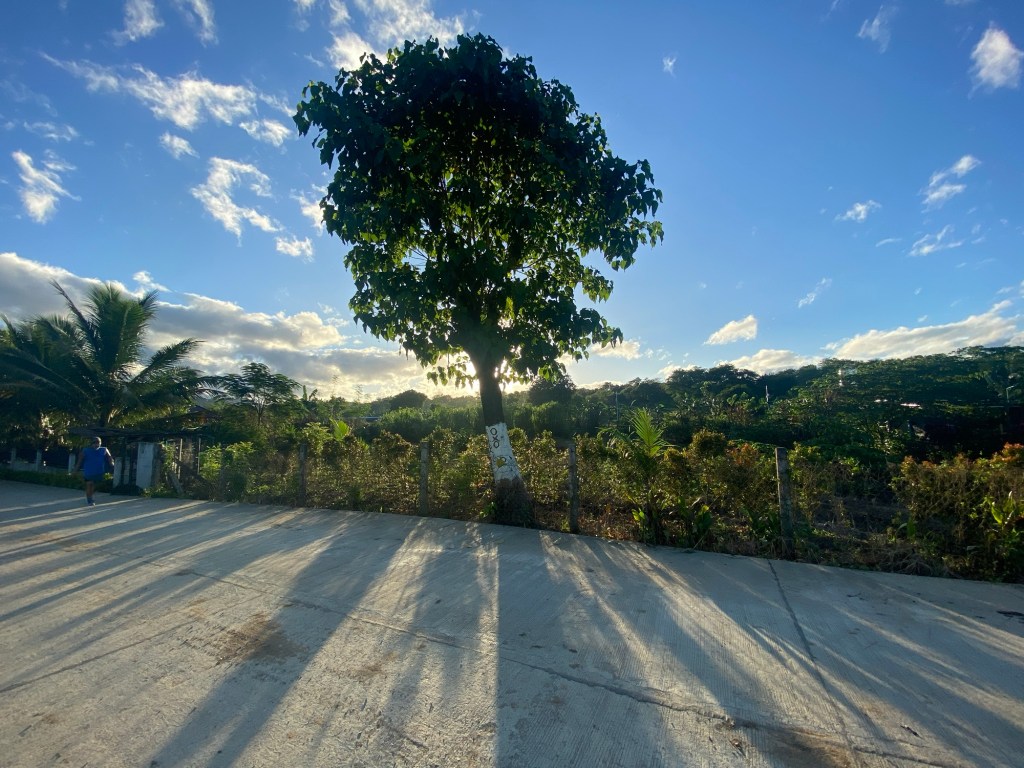
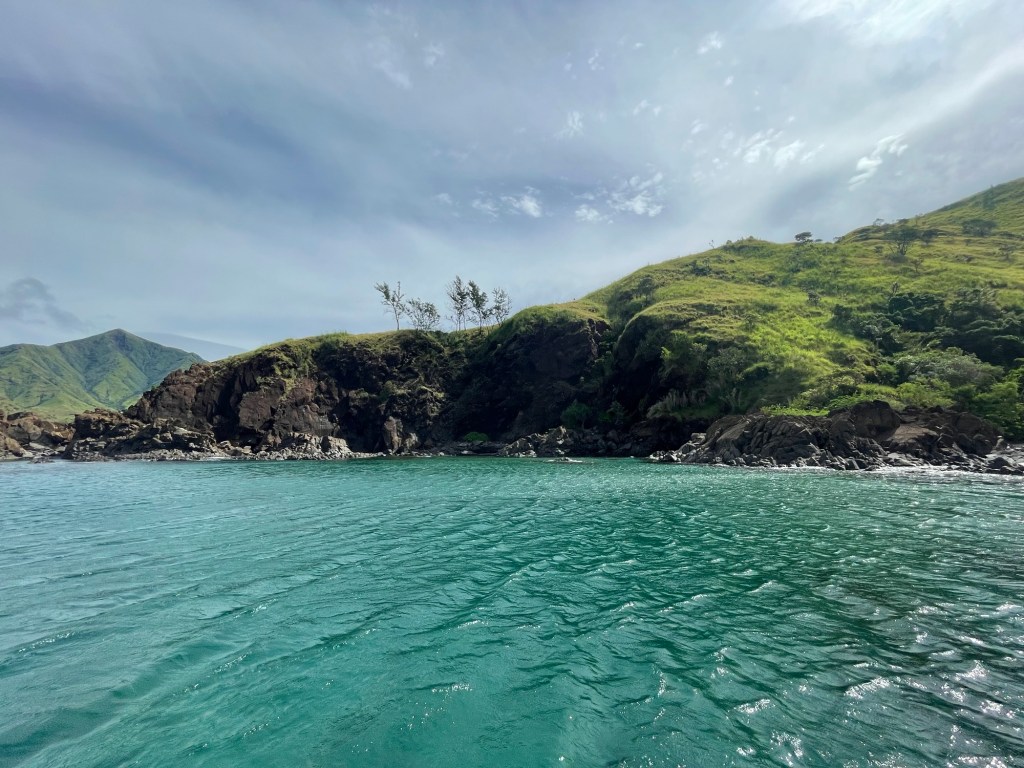
Photo by author, Pundaquit, San Antonio, Zambales, 15 May 2025.
Let me come home to you, Lord God:
to be nourished by your words
that give life and meaning,
to be quenched of my thirst with your
living water that restores my being,
cleanses me of my sins and shame.
Let me come home to you, Lord God:
to rest in you,
be at home in you
because you are my origin,
my root
my home
my peace
my destination in this long journey
in life for you are
my Lord
and my God.
Amen.
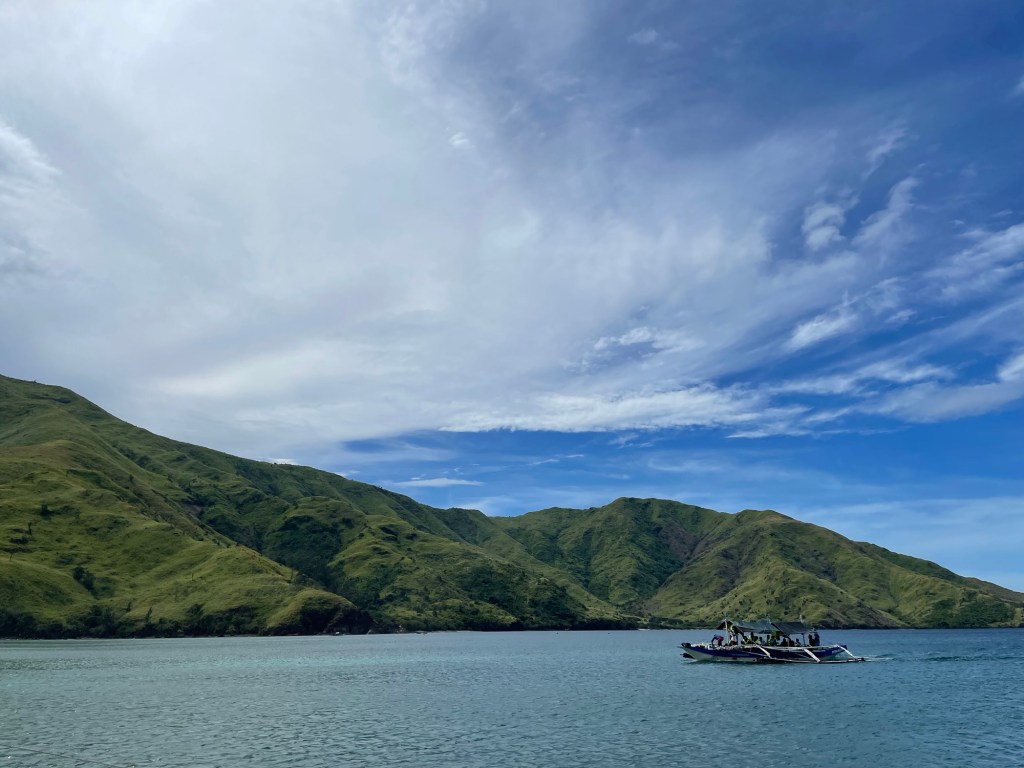
Photo by author, San Juan, La Union, 09 January 2026.
Quiet Storm by Fr. Nicanor F. Lalog II, 08 July 2026
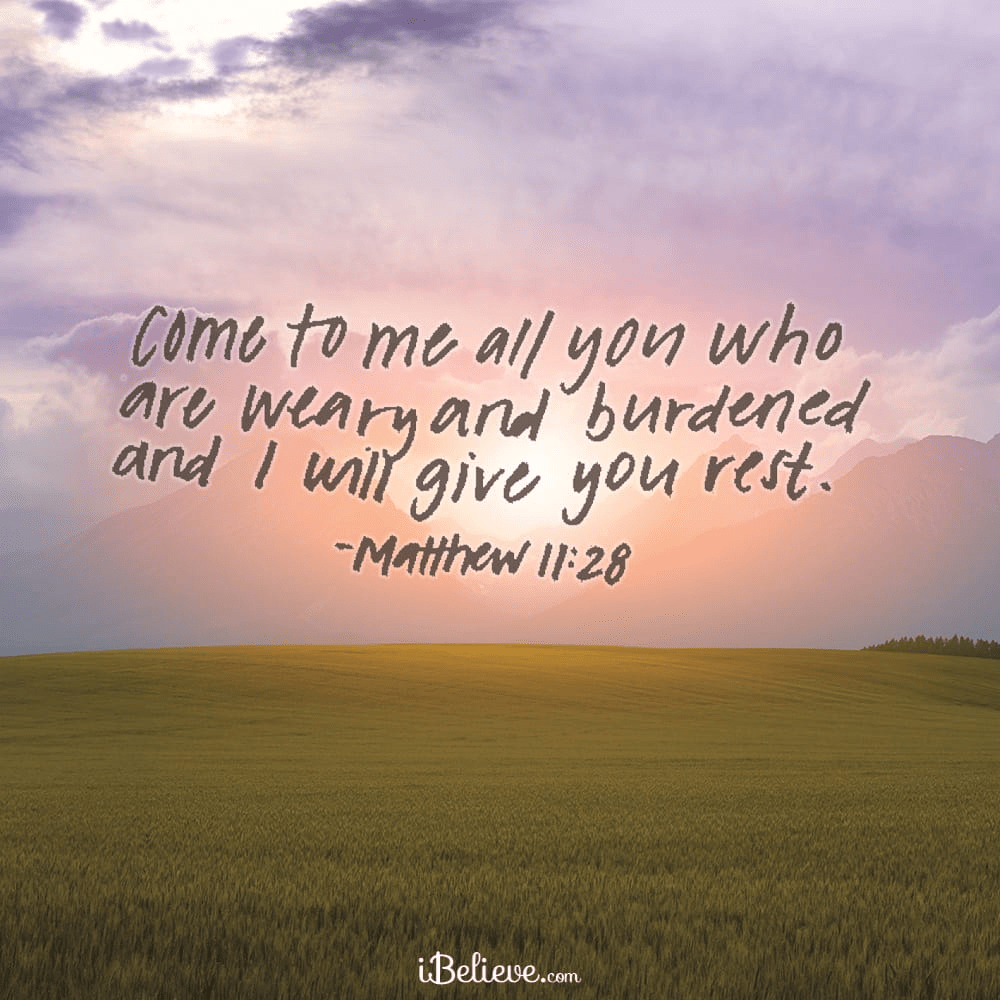
It has been three days since Sunday when we heard Jesus calling us to “Come to me, all you who labor and are burdened, and I will give you rest. Take my yoke upon you and learn from me, for I am meek and humble of heart; and you will find rest for your selves. For my yoke is easy, and my burden is light” (Mt.11:28-30).
It is one of the shortest and most memorable passage in the gospel but, how do we really come to Jesus in order to rest and feel light?
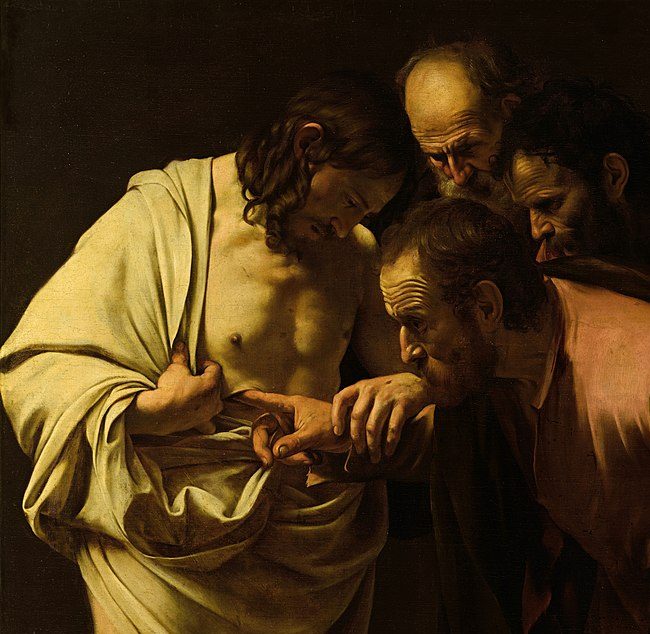
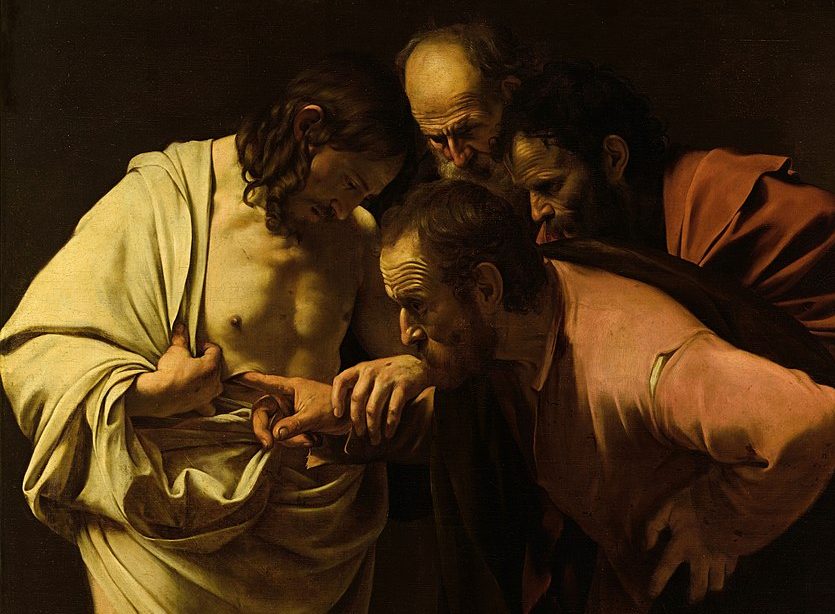
The good news is, it is Jesus who actually comes to us first, inviting us to come to him to find rest and feel light. Exactly like at the meeting of the Risen Lord and Thomas the Apostle eight days after Easter as narrated to us by John. You will recall that last Friday was the Feast of St. Thomas the Apostle (June 3) when I presented in my homily Caravaggio’s painting called The Incredulity of Thomas done in 1602. This is the second time I have used a painting by this renowned Italian painter said to be the favorite of the late Pope Francis too.
Photo of painting by Caravaggio, “The Incredulity of Thomas” via wikipedia.commons.org.
Thomas “refused” to believe the Apostles’ news to him that Jesus had risen, saying that “Unless I see the mark of the nails in his hands and put my finger into the nail marks and put my hand into his side, I will not believe” (Jn.10:25).
Many times we are like Thomas, a Didymus, with a twin in life like doubt and certainty, belief and unbelief, darkness and light.
Like Thomas, we say unconsciously that “Unless I see the mark of the nails in his hands and put my finger into the nail marks and put my hand into his side, I will not believe” (Jn.10:25) because it is when we are suffering, when we are in darkness, when we are in doubt when we truly search and long for God and Jesus.
It is not that Thomas nor we could not believe that Jesus had risen or doubted Christ at all; actually, Thomas believed in Jesus that is why he came on the eighth day to await the Lord’s coming in the same manner that we still pray despite our “doubts”.
Now a week later, his disciples were again inside and Thomas was with them. Jesus came, although the doors were locked, and stood in their midst and said, “Peace be with you.” Then he said to Thomas, “Put your finger here and see my hands, and bring your hand and put it into my side, and do not be unbelieving, but believe.” Thomas answered and said to him, “My Lord and my God!” (John 20:26-28)
Photo of painting by Caravaggio, “The Incredulity of Thomas” via wikipedia.commons.org.
See the artistry of Caravaggio in this painting, that characteristic play of light and darkness emanating from Jesus, illuminating Thomas and his elder Apostles Peter and John.
All darkness in life are diminished, even vanished completely when we bring everything and everyone in the light of Jesus Christ who comes to us to enlighten us, to illumine us from many darkness we go through in life like Thomas on that night of the eighth day of Easter.
But, there is more to the light of Christ that we can see in this Caravaggio painting.
Amid its stillness and silence, one could feel deeply Jesus Christ’s words last Sunday – come to me – echoed softly, personally, lovingly to Thomas. And to each one of us today.
Photo of painting by Caravaggio, “The Incredulity of Thomas” via wikipedia.commons.org.
John tells us that Jesus simply said to Thomas to “Put your finger here and see my hands, bring your hand and put it into my side, and do not be unbelieving, but believe.” Thomas answered and said to him, “My Lord and my God” (Jn.20:27-28).
Okay, fine… it is just my imagination or my contemplation that I heard Christ’s words last Sunday echoed in this scene, “come to me and I will give you rest” but, there is something so beautiful and deeply personal with Jesus in saying or implying those same words here. You can hear it so close, so near you, not from afar especially when you consider its Filipino translation of “Lumapit kayo sa akin” or the informal “Halikayo at lumapit sa akin” that both indicate a separation of even a few feet away from Jesus who is calling us.
See the proximity of the four people in this painting. That is how close Jesus gets to us whenever he comes to us, inviting us to come to him in order to find rest especially in those dark moments in our lives, when we feel hurt and abandoned. When we are so stressed out as seen in those wrinkles on the foreheads of the three apostles!
Contrast their images to the serenity of Jesus. Most of all, see also the hands of Jesus, of how his left hand with the nail wound visible moving aside his garment so that Thomas and his companions may see further his pierced side.
Whenever Jesus comes to us, calling us to come to him to show us his wounds from the cross to remind us that before all our pains and hurts came, he was there first to suffer and be wounded and died for us.
And he has come to us again, calling us to come to him because he had risen, assuring us that all our wounds like his will heal eventually! That is when we experience rest. And being light in life.
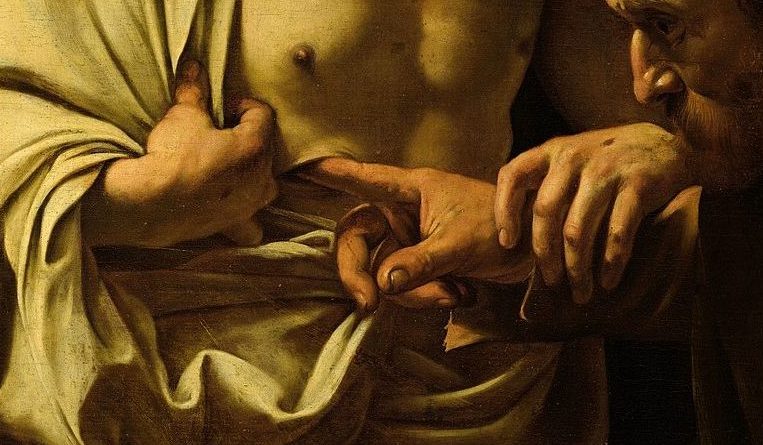
But, what I love most in this painting is the way Caravaggio depicted the Risen Lord holding the hand of Thomas while probing into his side wound:
Photo of painting by Caravaggio, “The Incredulity of Thomas” via wikipedia.commons.org.
How lovely! Caravaggio must be in the highest heaven when he painted this part.
Remember when Thomas dared to say unless he sees the nail marks in the Lord’s hands and put his hand at his side, he would not believe?
Jesus knew it so well not only with Thomas but with each one of us, of our being a Didymus, always with a twin of doubt so that he does not merely appear but touches us to experience deeply, personally his loving presence through his wounds.
See how Caravaggio depicted the left hand of Jesus again with the mark of nail holding the very hand of Thomas, directing his finger into his pierced side. You could feel the sure grip as well as gentleness of the Lord’s hand in leading the finger of Thomas into his pierced side wound. So dramatic as if it is not enough for Jesus to being present but most of all, experienced as closest at possible.
Jesus touches us always, literally and figuratively by holding our wounded selves to experience his wounded self too. He does not only call us in words but leads us with his total self.
Christ’s invitation for us to “come to him” remains personal and personalized. Not mass produced like what is happening these days where speed and reach are the main considerations, not the person.
While writing this piece yesterday, one of the blogs I follow came out with a new article exactly about last Sunday’s gospel scene, claiming that if God texts us today, these very words to “come to me” by Jesus would be his “text message” to us (https://thedevotionalguy.blog/2026/07/07/if-god-sent-you-a-text/).
I believe so. Because text messages have become the closest things we can have of anyone in these days of social media. However, if ever you receive that text message from Jesus, run outside to meet him personally for surely, he had come. Amen. God bless you.
Photo by author, St. Michael Retreat House, Antipolo City, 16 June 2026.
Lord My Chef Recipe for Holy Saturday, 04 April 2026
Photo by author, Sacred Heart Novitiate, Novaliches, QC, 20 March 2026.
A blessed Holy Saturday to you.
One of the most unforgettable scenes of COVID-19 pandemic when it started in the summer of 2020 was like what we have every Holy Saturday – empty streets with everyone away.
And silent.
What a blessed Holy Saturday we have again today like six years ago as we are in the midst of another worldwide crisis in oil prices due to the US-Israeli war against Iran, inviting us to rediscover the beauty and value of silence.
Because holiness is found in silence, the very language of God.
In the Bible, silence always precedes God’s appearances and revelations:
From the Book of Genesis in the story of creation when there was nothing – therefore, silent – to John’s gospel that said, “In the beginning was the word” to indicate there was only silence until “the word became flesh” (Jn.1:1, 14) in Jesus Christ who was totally silent during his growing up years in Nazareth and later frequently went into deserted places to rest and pray in silence during his ministry.
Photo by author, Sacred Heart Novitiate, Novaliches, QC, 20 March 2026.
Here we find in Jesus that holiness is first found in silence and in rest, when we listen more to God to do his will.
On that first Holy Saturday when Jesus was buried in a tomb, the whole creation came to full circle.
See how after completing creation, God rested on the seventh day and made it holy (Gen.2:3) while Jesus was laid to rest on the seventh day too after completing his mission of salvation.
Silence and rest always go together.
This we vividly find in our Filipino word for rest which is magpahinga that literally means “to be breathed on”, to be filled with God which is what holiness is all about.
Like in the creation of the first man who was breathed on by God to be alive, Jesus breathed on his disciples locked in the upper room after greeting them with peace twice on the evening of Easter.
Silence is not being quiet, not an emptiness when we shut off all sounds and noise.
Silence is actually a fullness, of trying to listen to all sounds and noise in order to distinguish which to listen to. It is in silence when we hear our true selves, when we understand and feel others and most especially become one in God.
That is why when we rest, we return to Eden, like the garden where Jesus was buried.
Now in the place where he had been crucified there was a garden, and in the garden a new tomb, in which no one had yet been buried. So they laid Jesus there because of the Jewish preparation day; for the tomb was close by(John 19:41-42).
Photo by author, Sacred Heart Novitiate, Novaliches, QC, 20 March 2026.
What a lovely image of God’s rest and silence in Eden and of Jesus laid to rest at a tomb in a garden because to rest in silence is to stop playing God as we return to him as his image and likeness again.
Today let us cultivate anew the practice of silence, of listening to the various sounds around us and within us and most of all, trying to listen to the most faint, the softest sound that is often the voice of God within us, reassuring us that in the midst of his silence, he never leaves us, that with him we are rising again to new life like Jesus Christ.
Let us be like those women who rested on the sabbath when Jesus was laid to rest. That like them, we may trust God more by being true to ourselves even in the midst of this oil crisis.
Photo by author, Sacred Heart Novitiate, Novaliches, QC, 20 March 2026.
The women who had come from Galilee with him followed behind, and when they had seen the tomb and the way in which his body was laid in it, they returned and prepared spices and perfumed oils. Then they rested on the sabbath according to the commandment(Luke 23:55-56).
Imagine the more difficult situation those women were into during that time. But they dared to rest in silence in the Lord. Unlike us today worried only with prices of oil and other goods, without threats at all to our lives.
Silence is the domain of trust; people afraid of silence are afraid to trust.
Perhaps that explains why almost everyone is glued with their cellphones or stuck with earphones and EarPods to have each one’s own world, unmindful of others.
On the other hand, the most trusting people are the silent ones. And always, the most loving ones too.
Let us pray:
Help us to be silent today,
O God our Father
as we remember your Son Jesus Christ’s
Great Silence – Magnum Silentium –
when he was “crucified, died and was buried;
he descended to the dead and on the third day he rose again.”
Breathe on us your Spirit of life and joy,
O God as we rest in you,
listening to your voice within us
so that we may follow always Jesus Christ's
path to Easter in the Cross.
Amen.
Photo by author, Sacred Heart Novitiate, Novaliches, QC, 20 March 2026.
Lord My Chef Sunday Recipe for the Soul, 12 October 2025
Twenty-Eighth Sunday in Ordinary Time, Cycle C
2 Kings 5:14-17 ><}}}}*> 2 Timothy 2:8-13 ><}}}}*> Luke 17:11-19
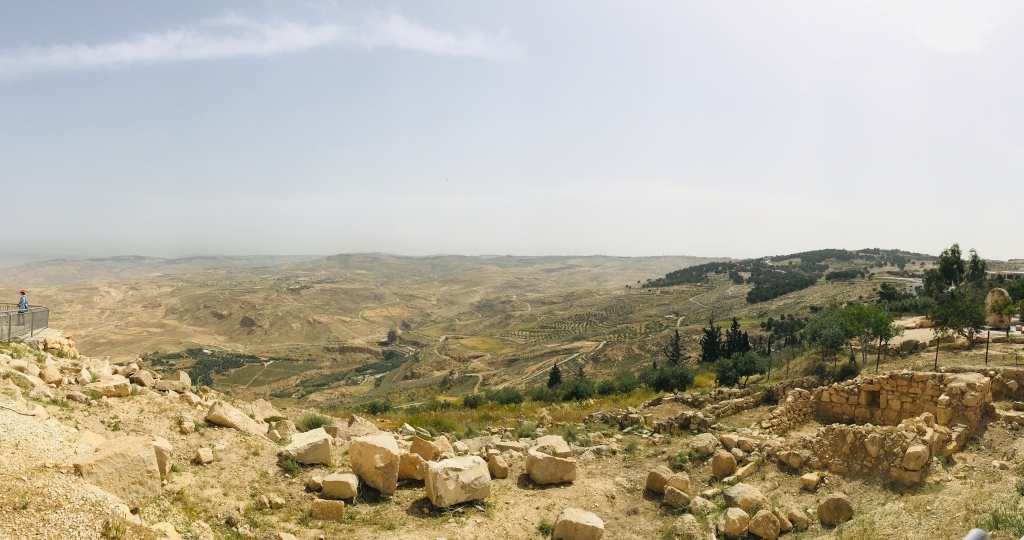
Photo by author, view of Israel from Mt. Nebo, Jordan, May 2019.
Our gospel setting this Sunday strikes a deep lasting impression on anyone who had been on a Holy Land pilgrimage: of those vast expanse of desert in Israel where dusty roads have been replaced by modern concrete or asphalted roads.
Perhaps the feelings remain the same today and during the time of Jesus when he and the Twelve were near the border between Samaria and Galilee, several figures who turned out to be ten lepers appeared at a distance, waving their hands to the Lord. It must have been a surprising sight, then and now, of being found in the desert. Imagine the desperation in their voices of those ten lepers, “Jesus, Master! Have pity on us!” (Lk.17:13).
Jesus right away told them to go show themselves to the priests, and as they went, they were healed. But only one—a Samaritan—returned to thank Jesus who wondered aloud: “Ten were cleansed, were they not? Where are the the other nine? Has none but this foreigner returned to give thanks to God?” Then he said to him, “Stand up and go; your faith has saved you” (Lk.17:17-19).
“The Healing of Ten Lepers” painting by James Tissot en.wikipedia.org
Last Sunday we reflected that faith is primarily a relationship with God; hence, its powers or efficacy will work only when aligned with God and his Holy Will. We will never know how strong we have grown in faith until we get into tests and trials. That is why, the need for us to imitate the Twelve in praying to Jesus, “Increase our faith” (Lk.17:5).
We grow best in faith when we worship God with our fellow believers in the celebration of the Holy Mass especially on Sundays which is our Sabbath. More than a day of rest, Sabbath is a day of restoration to God, with others and most of all, with one’s self. It is a return to Eden, a dress rehearsal of our entry into heaven to dwell in God’s presence eternally.
This is where lies the beauty and significance of this healing of ten lepers – they were not only restored to health but restored in God, to their families, and to their community and fellow believers.
Photo by author, Jerusalem, May 2017.
Those ten lepers have never known any rest at all since getting afflicted with the disease for they were cut off from homes, worship, and community. That is why they could not get near Jesus as they have to keep their distance from everyone according to their laws in order to prevent infecting others and spreading the disease. Likewise, it was the very reason that anyone healed of leprosy or any serious sickness must first present themselves to the priests who have the sole authority to declare one has been healed and therefore may be allowed to reintegrate with their family and community or society in general. Being declared as healed of sickness like leprosy at that time meant the restoration of one’s rights to worship in the temple or synagogue especially on Sabbath.
When Jesus healed them, he restored more than just their bodies and physical health. In sending them to the priests, Jesus invited them into the wholeness of what the Sabbath really is like peace, inclusion, and dignity.
Or, salvation in short.
Sad to say, only one realized this when he returned to thank Jesus. The healed Samaritan leper knew and felt a deeper healing had taken place within him that he responded with heartfelt gratitude to God in Jesus. There was a deepening of his faith in Jesus when he decided to return to thank the Lord that also expressed his desire to enter into a relationship with Jesus.
Photo by author, Sacred Heart Novitiate, Novaliches, QC, 20 March 2025.
Whenever we thank people for their kindness no matter how little that may be, it is more than acknowledging the other person but most of all, of expressing our links with them as well as our desire to be one with them, especially with God who showers us with good things daily. That is why the Mass is also called Eucharist – from the Greek eucharistia meaning “thanksgiving”. After his skin was cleansed of leprosy in the first reading, Naaman the Syrian Army General declared before the Prophet Elisha that he would worship the Lord alone as he returned to his home with two mule-loads of Israeli soil.
Sorry to say but whenever we refuse to celebrate the Mass on Sundays, it means that we are one of those nine ungrateful lepers healed by Jesus! Don’t you feel being called like the Samaritan to return and give thanks to Jesus for the many blessings you have received this Sunday?
See how in this age of faith in a mass-mediated culture that we have become so impersonal, trusting more our gadgets and all those apps like Siri and Waze as if we have already lost faith in the human person. And God.
Photo by Mr. Nicko Timbol, Chapel of the Angel of Peace, OLFU-RISE, Valenzuela City, 03 October 2025.
We spend practically our entire days in front of all kinds of screens than with the face of a human person. Again, this sadly extends to the way we worship with many still stuck in the pandemic mode of online Masses not realizing the important and irreplaceable aspect of personal encounter of Jesus in the actual Mass with other believers.
God remains God even if we do not go to Mass every Sunday. It is us who are losing greatly whenever we skip Sunday Masses, our Sabbath. God specifically made his third commandment to “Remember to keep holy the sabbath day” because Sabbath reminds us that life itself is holy in the first place, a sharing in the life of God. What a tremendous blessing still that even if we forget God or disregard God every Sunday, Paul reminds us today of the beautiful truth and reality that “If we have died with Jesus we shall also live with him; if we persevere we shall also reign with him. But if we deny him he will deny us. If we are unfaithful he remains faithful, for he cannot deny himself” (2Tim.2:11-13).
Can you imagine that? If we are unfaithful to Jesus, he remains faithful?
Every Sunday, Jesus tells us to “Stand up and go; your faith has saved you” despite, in spite of our many sins and absences from the Sunday Masses in the past because he wants us to experience the deeper wholeness that comes with faith and gratitude as experienced by that Samaritan leper he had healed. As we continue to journey with Jesus toward Jerusalem facing many trials and sufferings along the way, he calls us to come to him in the Sunday Mass to deepen our faith by resting in his presence.
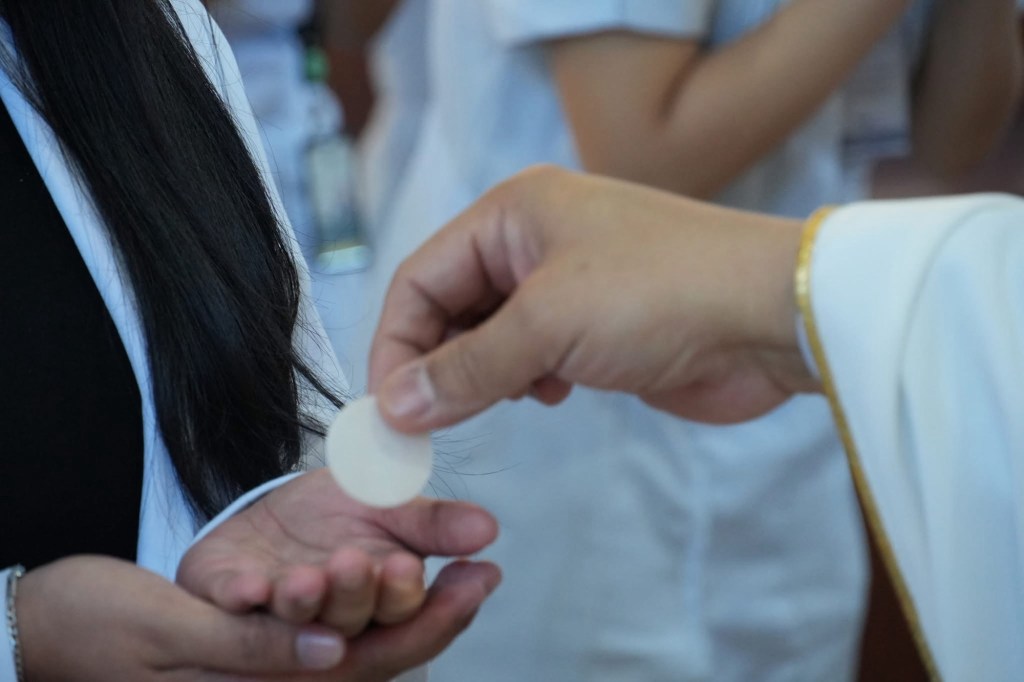
Is there a space in your life at this stage that you feel like one of those lepers, longing for healing and restoration? In the silence of this Sabbath day in our Sunday Mass, speak to Jesus especially after receiving him Body and Blood in the Holy Communion. Amen. Have a blessed week ahead! Fr. Nicanor F. Lalog II, Our Lady of Fatima University, Valenzuela City (lordmychef@gmail.com).
Our Lady of Fatima University-Valenzuela, June 2025.
The Lord Is My Chef Daily Recipe for the Soul by Fr. Nicanor F. Lalog II
Thursday, Memorial of St. Anthony, Abbot, 17 January 2025
Hebrews 4:1-5, 11     ><]]]]'> + ><]]]]'> + ><]]]]'>     Mark 2:1-12
Photo by author, sunset in Atok, Benguet, 27 January 2025.
God our Father,
let us enter into your rest,
let us go back to you in Jesus Christ
and enter your rest like in Paradise
before the Fall;
spare us of your wrath like with
the Israelites in Meribah and Massah
when they challenged and provoked you
and thus be prevented from entering
your rest, the Promised Land.
Let us be on guard while the promise of entering into his rest remains, that none of you seem to have failed. For in fact we have received the Good News just as our ancestors did. But the word that they heard did not profit them, for they were not united in faith with those who listened. Therefore, let us strive to enter into that rest, so that no one may fall after the same example of disobedience (Hebrews 4:1-2, 11).
With Christ's coming,
you have opened anew heaven
to us, enabling us to enter your rest
like what happened in the
opening of the roof above him
to lower a paralytic;
in Jesus,
that rest you have after creating
everything in Genesis
has become a reality
with his gift of forgiveness
and reconciliation
to everyone as experienced by
the paralytic in today's gospel;
O dearest Lord Jesus,
help me to rise again
by picking up the pieces of my life
made whole in you again
filled with your breath,
filled with your life,
soundly at rest
in your love
and mercy.
Amen.
Photo by author, sunset in Atok, Benguet, 27 January 2025.
Quiet Storm by Fr. Nicanor F. Lalog II, 26 November 2024
Photo by author, Pulong Sampalok, DRT, Bulacan, 23 November 2024.
Since my mom’s passing in May, I have finally been more resolved in having days off and overnight breaks after some bouts with depression and grief. Last Friday I went to DRT – Doña Remedios Trinidad – the final frontier of Bulacan province where the Sierra Madres link us with Quezon and Rizal provinces.
The Retirement Home of the Dominican Sisters of St. Joseph at DRT.
Named after the mother of former First Lady Imelda Romualdez Marcos, DRT was a barrio or barangay of the town of Angat. When Mrs. Marcos separated Valenzuela from Bulacan province in the mid-70’s to create the Greater Manila Area (GMA) that became Metro Manila in the 1980’s, DRT was separated from Angat to become the last and youngest town of Bulacan.
It was actually a homecoming for me after 27 years when I chose to be assigned at Galilee Home, our diocesan rehab for drug dependents before our ordination as deacons in 1997 found at the opposite side of the Dominican Sisters’ House of Prayer where I stayed last weekend.
The Dominican Sisters of St. Joseph were so kind to welcome me to their spiritual center and had promised to join them there every fourth Saturday to celebrate their Mass by staying overnight for my much-needed rest or sabbath.
Indeed, it was a Sabbath to me, a return to Paradise, so close with nature where time seems to stand still or at least goes so slowly.
Those bamboo fences remind me so much of my childhood days in Bocaue; see how modernity represented by the electric meter competing with the countryside’s laid back atmosphere.
What I like seeing all the nature around me is when my memory is shuffled to those days as a promdi when like these kids we ruled supreme on the streets, never worried of being run over by vehicles so kind to stop if we were playing.
Lahat kasali – pati poste! Kids playing Chinese garter.
As my childhood memory sauntered, I realized it was truly another setting than the city when at 545PM I heard a mother shouting to her children, “kakain na… uwi na!” and the kids obediently went home.
Lovely sunset….
The following morning, as usual, I woke up at 5AM. Prayed and did my warm up exercises and shortly before 6AM, I went off to walk. My destination was the view deck of DRT where a giant statue of the Blessed Virgin Mary stands right after the welcome arch.
So peaceful… as if the whole world is yours!
Every time I walk around Valenzuela, I just bring about 200 pesos in my pocket and nothing else – no glasses which I hate so much and likewise, no cellphones. I find these as distractions.
But, that Saturday morning, I brought along my cellphone in order to shoot scenes and of course the sunrise.
Late did I realize on my way back that I should have brought my glasses for better focus especially with the abounding bird species in the area of Pulong Sampalok.
Oh, they were so many but I failed to catch them in my camera phone because I had no glasses…
Actually, not related to my not bringing of glasses, I got lost that morning.
Instead of turning right from the Damascus circle, I made a left.
Funny too while walking, I felt something was wrong with my t-shirt – it was baligtad!
Since nobody was around not even houses in the area, I changed my shirt and went happily in my walking.
Barrio folks have always believed that in order to find one’s way in the forest or anywhere, one has to change his/her shirt. Baligtarin ang suot na damit kontra sa tiyanak.
But, despite that act of pagbaligtad of my t-shirt, I still got lost and went onto high steeps that really challenged me so greatly.
Many times I had to stop to catch my breath. Even the cyclists I have met admitted it was a very steep climb while others opted to walk with their bikes.
All in all, I walked 6.69 kilometers without reaching the view deck but, God, I found so many views I never expected that truly refreshed me!
As I got lost walking nowhere, I realized life’s parable – that the most joyful and loveliest things are found in ordinary places like along the sides of the road like these plants and flowers as well as rock formations.
Many times in life, it is actually a grace to go nowhere, to get lost once in a while and simply keep on walking, trusting God for He would always find us a way to Him. Within.
Even met my former student in High School riding with his cousins to visit their lot in the area that Saturday!
What I like most as I have mentioned earlier are the natural fences people have in the countryside like these lovely garden at a store I passed by…
Even dogs seem to be most kind here… not a single dog barked at me despite my getting lost in their area!
Unfortunately, there have been a strong influx of settlers in DRT with presumably big people buying out large tracts of lands for future developments. What an ugly sight to see barbed wires in the mountain area.
And… whoa!
Or, is it the installation of the post that was wrong? Some misplaced priorities that destroy nature.
What kind of road construction is this?
Meanwhile… we are not sure if these are indicative of the climate change at all….
Join me next month in my “Friday I’m In Love” journey to cure my grief as I take you to Dumaguete City. Thank you for the visit! God bless!
I don't care if Monday's blue
Tuesday's grey and Wednesday too
Thursday, I don't care about you
It's Friday, I'm in love
Monday you can fall apart
Tuesday, Wednesday, break my heart
Thursday doesn't even start
It's Friday, I'm in love
(Friday I'm In Love by The Cure)
Quiet Storm by Fr. Nicanor F. Lalog II, 25 October 2024
From left after me is Gic (Eric’s wife), her brother Allan with wife Mariel, Eric our host and Captain, and his sister Dra. Mayet.
After a sumptuous dinner and restful night that lovely Friday last week in Binictican Homes, we rose early the following morning, had a light breakfast and headed for Vasco’s port in Subic to await my kinakapatid Eric with his speedboat.
It was my first boat ride.
At the dockyard of Vasco’s Hotel in Subic.
Of course… I was scared because I do not swim; but, I have always loved the sea and it was a total bliss right after we have left port.
Immediately I felt an adrenaline rush within as we throttled our way into the open sea with Christopher Cross singing “Ride Like the Wind” in my head that felt being treated with a “natural” Japanese hair spa courtesy of the strong winds.
The ride and the sights were so relaxing.
The vast expanse of the sea was very calming and soothing, cleansing me of all negativities in my body, heart, and soul. Can’t contain my joy at that time as I felt all the free radicals in my system vanished.
It was so heavenly, so close with God and with nature. Life is so beautiful indeed that I kept thanking God for His gifts of life, of nature, and most especially, of good friends, so kind and loving.
The sea is so unique not only with the infinite horizon but most especially it is the only place on Earth where we do not leave any marks as in footprints. How I love those burst of waves and bubbles like saying goodbye to the past, looking forward to new day, new sights, new land.
After about 45 minutes from Subic, we reached Nagsasa Cove which is part of San Antonio, Zambales.
There are four other coves in the area: Agnain, Anawangin, Silanguin, and Talisayen. All are accessible only by boat. We hope and pray they remain that way, far from big businesses that always destroy nature.
All coves are self sustaining with abundant supply of mountain spring water, so much food on land and the sea so blessed with abundant fish. In fact, on our way home at about 3:30 PM, we chanced upon some fishermen and bought some of their catch!
Now I experienced first-hand Eric’s famed skill in fishing… with his magic bait, his wallet!
Nagsasa Cove is so lovely. And nakaka-in love really. Especially for those who want to touch base with Mother Nature, with one’s self. And with God very much present there.
Nagsasa Cove is a very “young” beach naturally reclaimed by Mount Pinatubo’s lahar flows in 1991.
According to our friend Mr. Benet Galang who owns Agojo Resort there, the actual beach was about 500 meters to the back that was actually rocky. Following Mount Pinatubo’s eruption in 1991, the beach was reclaimed by lahar (that’s why it is a white beach) along with its endemic tree called agojo.
I have been coming to Anvaya Cove the past three years courtesy also of Eric and another friend. I have come to love it that have brought my family too last summer. I felt at that time it was the best, even better than Boracay.
But now, my heart is already aching for Nagsasa Cove. So lovely, so peaceful. Perfect for “me time”.
The part of Nagsasa Cove for snorkeling.
Imagine watching the sunset here.
Imagine how it would look like when the glowing sun kisses the sea as it sets and at midnight or before dawn, the moon and the stars hugging the cove beneath them?
Whoa…!
More stories and photos as we explored the river and the mountains at the back of this paradise called Nagsasa Cove.
*All photos and videos by the author using iPhone 12. For those interested to visit Nagsasa Cove and Beach, check Agojo Beach Resort at Facebook. Very kind owner, Mr. Benet Galang, a true outdoorsman and nature lover.
Lawiswis ng Salita ni P. Nicanor F. Lalog II, Ika-22 ng Agosto 2024
Larawan kuha ng may-akda, Sacred heart Novitiate, Novaliches, QC, 20 Marso 2024.
Halina't magpahingalay
hindi lamang upang mapawi
pagod at hirap
kungdi sarili ay mabawi
sa kawalang kabuluhan
at mga kaguluhan,
pagkawindang mapigilan
kaayusan ng buhay
ay mabalikan;
limang tanong
sana makatulong
upang landas ng
makatuturang buhay
ating masundan:
Larawan kuha ng may-akda sa Alfonso, Cavite, Abril 2024.
"Nasaan ka?"

Kay gandang balikan
nang ang Diyos ay unang
mangusap sa tao,
ito ang kanyang tanong
sa lalaking nagkasala
at nagtago, "nasaan ka?"
Nang maganap unang krimen,
Diyos ay nagtanong din
kay Cain, "nasaan
kapatid mong si Abel?"

"Nasaan" lagi nating tanong
lalo na't sarili ang nawawala
tumutukoy di lamang sa lunan
kungdi sa kalagayan
at katayuan ng sarili
madalas ay sablay
at mabuway;
magpahingalay
upang tumatag at maging
matiwasay.
Larawan kuha ng may-akda sa Camp John Hay, Baguio City, 12 Hulyo 2023.
Susunod na dalawang tanong
ay magkadugtong:
"Saan ka pupunta?" at
"Paano ka makakarating doon?"

Walang mararating
at kahihinatnan
sino mang hindi alam
kanyang pupuntahan
maski na moon na tinitingala
hindi matingnan, magroadtrip
broom broom man lamang!
Muling mangarap
libre at masarap
higit sa lahat
magkaroon ng layon
na inaasam-asam!
Larawan kuha ni Bb. Ria De Vera sa Banff, Alberta, Canada, 07 Agosto 2024.
Nasaan ka?
Saan ka pupunta?
Paano ka makakarating doon?
Ang mga unang tatlong tanong
sa ating pamamahingalay nitong
paglalakbay ng buhay;
ika-apat na tanong naman dapat
nating pagnilayan ay
"Ano aking dadalhin sa paglalakbay?"

Marahil pinakamahalagang
dalhin ang ating sarili
hindi mga gamit
o kasangkapan
dahil kaalinsabay
ng mga dalahin
ay ating mga iiwanan din;
huwag nang magkalat ng gamit
bagkus iwanan ay bakas
ng mabuting katauhan
pagmamalasakit sa iba pang
naglalakbay sa landas nitong buhay!
Larawan kuha ng may-akda, St. Scholastica Spiritual Center, Tagaytay, 21 Agosto 2024.
Ngayo'y dumako tayo
sa huling tanong nitong
pagpapahingalay upang
mabawi ating sarii
di lamang pagod ay mapawi:
"Sino iyong kasama sa paglalakbay
sa buhay?"

Ito marahil pinakamahirap
sagutin maski harapin
dahil problema natin
hindi naman mga nabigong
pangarap at adhikain
 kungdi nasira at nawasak
nating mga ugnayan
bilang pamilya
at magkakaibigan;
may kasabihan mga African,
kung ibig mong maglakbay
ng mabilis, lumakad kang mag-isa
ngunit kung ibig mong malayo marating,
magsama ka ng kasabay sa paglalakbay.
Dito ating makikita
diwa at buod ng tunay
na pagpapahingalay
o pagpapahinga:
mula sa salitang "hinga"
ang magpahinga
ay mahingahan ng iba,
mapuno ng iba;
mauubos tayo parang upos
sa dami ng ibig nating
maabot at marating,
huwag mag-atubiling
tumigil,
mamahinga,
magpahingalay
sa Panginoong Diyos
na Siya nating buhay
at kaganapan
na tiyak din nating
hahantungan
sa walang hanggang
pahingalay.
Hayaang Siya
sa ating umalalay
at pumuno ng hininga ng buhay!
Quiet Storm by Fr. Nicanor F. Lalog II, 21 August 2024
Photos and poem, annual clergy retreat, 19-23 August 2024
St. Scholastica Spiritual Center in Tagaytay City
Vacare Deo:
A vacation with God
a most awaited Sabbath
when He is truly Lord and God,
and we are His children;
He the Creator,
we His creature
so beloved
coming home to Him,
back in Paradise.
Vacare Deo:
A vacation with God
to be with Him,
to experience Him,
to find and listen to Him,
not that He is lost
 but because
we have drifted
and turned away
 from Him.
Thank you for finding me,
O God,
in making me stop
 to find myself anew
to enjoy this beautiful journey
with your gift of company;
breathe in me your Holy Spirit
to fill and animate me
with love and passion
in finding and following
Jesus Christ in everything
especially within!
The Lord Is My Chef Sunday Music by Fr. Nicanor F. Lalog II, 21 July 2024
Photo by Dra. Mylene A. Santos, MD, Infanta, Quezon, 2020.
We’re back on this lazy but blessed Sunday when our gospel is about rest, “Jesus said to his apostles, ‘Come away by yourselves to a deserted place and rest a while'” (Mk. 6:31).
And we thank God for the gift of music that is the easiest, most affordable and most rewarding manner of rest for us next to prayer and the Mass. Most of all, see that every song, every musical piece is always about love who is God Himself!
For this Sunday, we go back to 1977 with Roberta Flack’s romantic ballad The Closer I Get to You that is more than a song of love but a story of love in itself.
According to Ms. Flack, it was her manager David Franklin’s idea that she record a duet of that song with her college friend Donny Hathaway who was then suffering with clinical depression. Both have worked together earlier in several duets. As a way of helping her friend get over his depression, the song was re-written while Ms. Flack had to make a lot of sacrifices in recording and shuttling between New York City and Chicago where Hathaway was confined to a hospital and had refused to travel.
Hathaway never recovered from his depression and eventually died a few years after the release of their duet in 1978 that became an instant hit, earning praises and had them nominated for Grammy the following year.
Ms. Flack said in an interview that their duet would always be her dedication to Hathaway as she donated all the money earned from that song to Hathaway’s widow and two children.
As we have mentioned in our homily today, rest is getting closer with God and the closer we get to Him, the closer we get with others. That is why Jesus was moved with pity to the vast crowds who have followed them to a deserted place to rest: His oneness with the Father moved Him closer to people especially the poor and the suffering. And that is why we find The Closer I Get to You perfect with our gospel this Sunday: the more we get closer with Jesus, the more we get closer with our family and friends and those in need.
The closer I get to you
The more you make me see
By giving me all you've got
Your love has captured me
I love that first stanza of The Closer I Get to You; it says the very essence of the song which is a gospel in itself. It reminds us of St. John’s first letter when he wrote, “No one has ever seen God. Yet, if we love one another, God remains in us, and his love is brought to perfection in us” (1Jn.4:12).
The more we get closer with anyone, the more we love, because the more our eyes are opened to see others to love. And God becomes more present among us!
It’s a Sunday, go celebrate the Mass and enjoy some beautiful music to remind us of God’s presence among us. Here now is The Close I Get To You…























 lordmychef.com