Lord My Chef Daily Recipe for the Soul by Fr. Nicanor F. Lalog II
Wednesday, Memorial of St. Thomas Aquinas, Priest & Doctor of the Church, 28 January 2026
2 Samuel 7:4-7     <*[[[[><  +++  ><]]]]*>     Mark 4:1-20
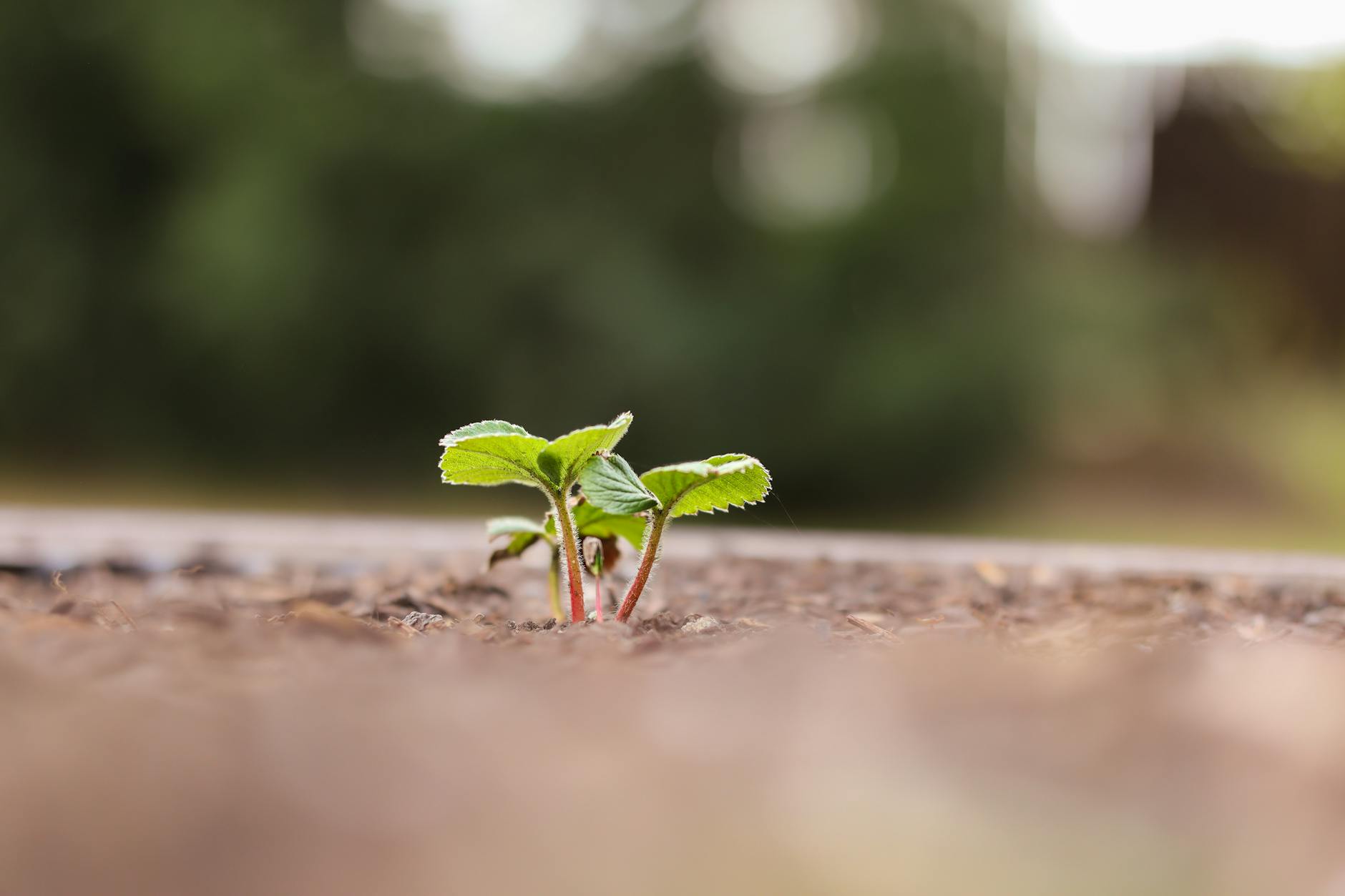
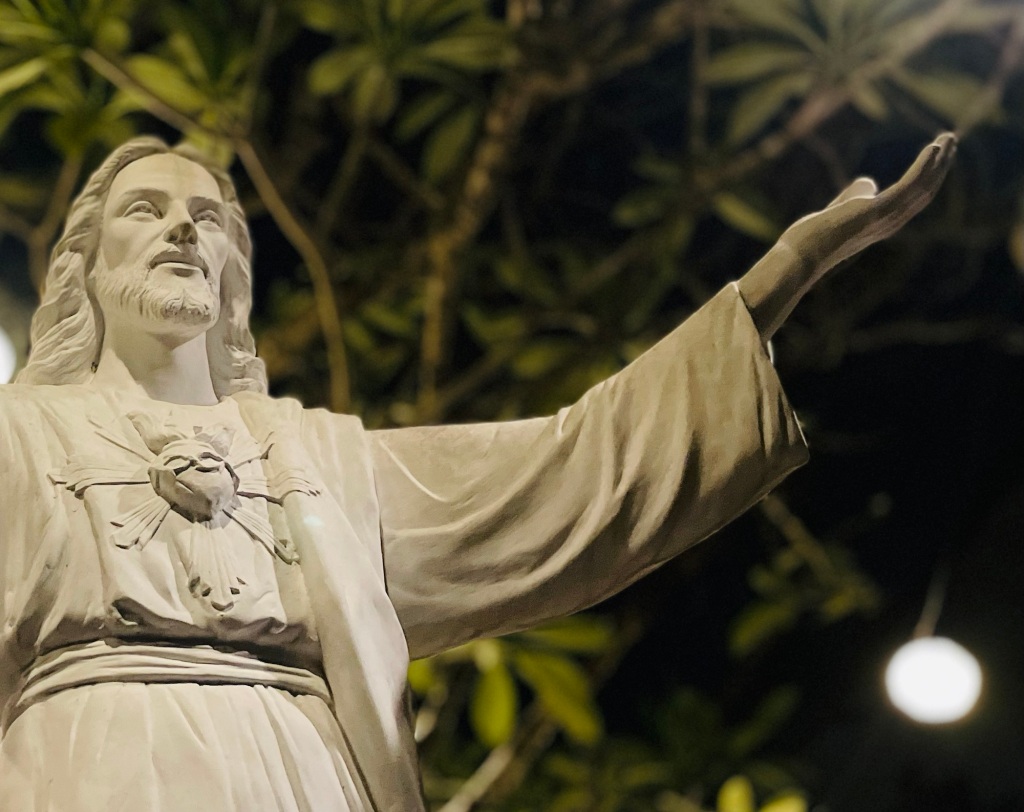
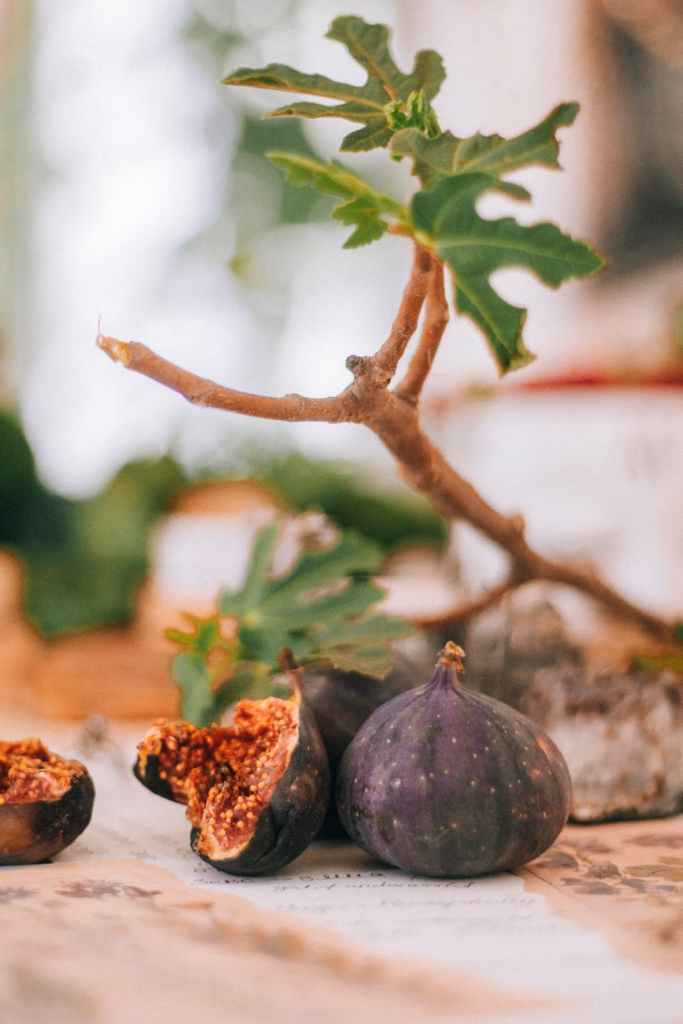
Photo by Nikola u010cedu00edkovu00e1 on Pexels.com
"May tainga ang lupa,
may pakpak ang balita."

A Filipino saying
to express how news
and rumors travel so fast
because "The soil (or land)
has ears, news has wings."
It sounds funny, Lord Jesus
that this saying came to my mind
upon hearing your parable that
started with your words "Hear this!
A sower went out..."
and ended, "Whoever has ears
to hear ought to hear"
(Mark 4:3, 9).
What an art you
have endowed each of us
Lord with two ears
so that we may listen and
hear twice than speak;
how lovely you have shaped
our ears that when put
together, they look like a heart
and yet, we rarely listen at all
to you and with others.
Make us like the good soil,
Jesus: open to receive your words,
open to welcome your many
possibilities, open to simply
be ourselves so that you may
transform us like the seeds
that grew and produced fruits.
Remind us, Lord Jesus,
like David by Nathan that
far more better than buildings
on land is our hearts where you
desire most to dwell;
may our hearts remain
your temple planted on
good, firm soil that it may
be felt alive always.
Teach us to imitate
your great Saint Thomas Aquinas
we remember today: that we
may cultivate to prepare
our hearts and minds
to become like the good soil
so that your seeds of the Gospel
may grow and bear fruit
for your greater glory.
Amen.
Lord My Chef Sunday Recipe for the Soul by Fr. Nicanor F. Lalog II
Nineteenth Sunday in Ordinary Time, Cycle C, 10 August 2025
Wisdom 18:6-9 ><}}}}*> Hebrews 11:1-2, 8-19 ><}}}}*> Luke 12:32-48
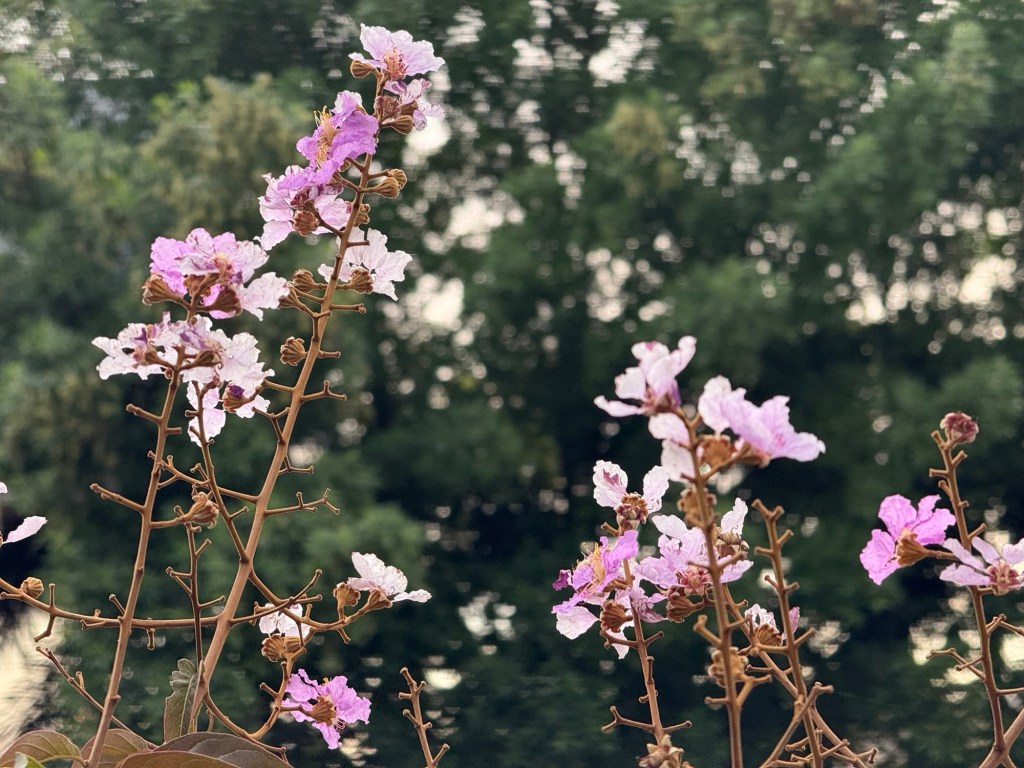
Our new College of Medicine Building with the lovely flowers of Banaba trees welcoming the new academic year this Monday, 11 August 2025.
One of the remarkable trends in management these past two decades is the emphasis on values-based approaches like The Seven Habits of Highly Effective People by the late Dr. Stephen Covey. Second in his list is the title of our reflection this Sunday, “Begin with the end in sight.”
Actually we mentioned that in our reflection last Sunday but we stressed the word “end” begins with a capital “E” to refer to things of God and eternal life as in the End of all in death. This is the theme of the Lord’s teaching today he presented in three parables with the last two calling us to be faithful stewards awaiting their Master’s return in the End while the first one expressing the summary of his lessons, “For where your treasure is, there also will your heart be” (Lk.12:34). But unlike most Sundays, we reflect today on the second reading from the Letter to the Hebrews that shows us Abraham’s faith journey as an expression of Christ’s teachings on setting our sights with the End.
Faith is the realization of what is hoped for and evidence of things not seen. Because of it the ancients were well attested. By faith Abraham obeyed when he was called to go out to a place that he was to receive as an inheritance; he went out, not knowing where he was to go (Hebrews 11:1-2, 8).
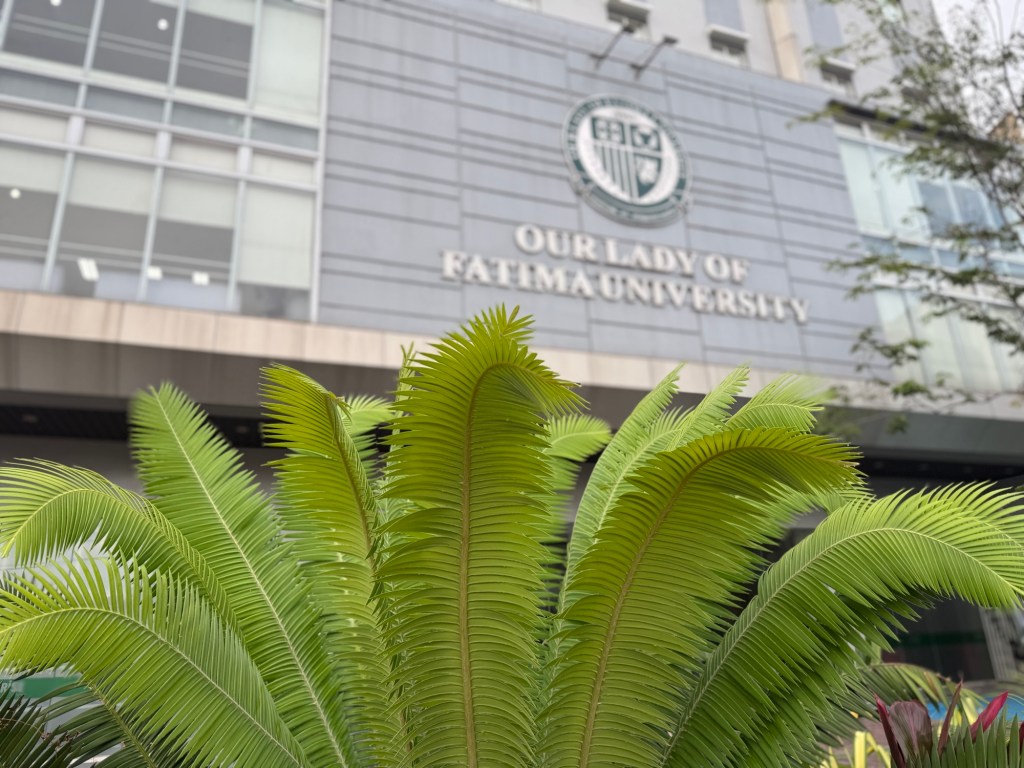
Photo by author, RISE Tower, Our Lady Fatima University, Valenzuela City, 06 August 2025.
We all believe in something, whether it is something good or something bad. However, what or who we believe in makes the difference because what or who we believe in determines how we live.
That is why Dr. Covey’s declaration is most true, especially when we talk of our End that is actually a Who – God. It is our faith in God who drives us in this life especially when it is dark and difficult, even painful so that we may achieve our End to be with him in eternity. The author of Hebrews found Abraham’s faith journey so remarkable as it enlightens too our own faith journey in God through Jesus Christ our High Priest as a context.
First, the author of Hebrews defined faith as “the realization of what is hoped for and evidence of things not seen.” Faith is more than trusting God in Jesus Christ. For the author of Hebrews, faith is more of knowing and understanding of what lies ahead though it cannot be seen. Faith here is more of having vision than sight, of seeing beyond things, so convinced of its existence even not seen like Noah who built an ark on God’s command even if there were no dark clouds nor rains visible at all. Faith for the author of Hebrews is like our Filipino expression “a…basta!” of having the conviction God created the universe even though no one saw the act of creation. It is something real that “only the heart can see” because it is also borne out of a deep relationship with God and with those we love. See now the three instances cited by the author of Hebrews in Abraham’s faith journey that are similar with our own experiences.
Photo by author, RISE Tower, Our Lady Fatima University, Valenzuela City, 06 August 2025.
“By faith he sojourned in the promised land as in a foreign country, dwelling in tents… for he was looking forward to the city with foundations, whose architect and maker is God” (Heb.11:9-10). Abraham was a “pilgrim” – a wayfarer – not only from his place of birth into the promised land but also on the journey from the present into the future and eternity. See how Abraham looked into the End at the start of his journey in God and with God walking on the path of what is to come.
All he had was faith in God. Surely there were times of darkness and distress along the way which the author of the Book of Wisdom in our first reading accurately described as “night of the passover” that reminds us of darkness hovering the path of God. Jesus reiterated this “night of passover” literally and figuratively speaking. Have faith in Christ whenever our journey gets tough and rough, when there are detours or when we actually get lost. God will find us to reach his city he made for us.
“By faith he received power to generate, even though he was past the normal age – and Sarah herself was sterile – for he thought that the one who made the promise was trustworthy” (Heb.11:1). We all know the story of Abraham and Sarah having their own son in old age, of the many twists and turns in their lives before Isaac was finally born and thus fulfilled God’s promise that Abraham became the father of all nations. In Matthew’s genealogy of Jesus Christ, Abraham is mentioned first as a testament of his faith in God that led to the birth of the Messiah.
Photo by author, RISE Tower, Our Lady Fatima University, Valenzuela City, 06 August 2025.
Many times we ask why God takes so long in fulfilling his promises to us. We wonder if God really called us to a certain vocation or profession or wanted this and that for us especially when in our prayers we are convinced of God’s will. Why does God keep us waiting?
Experience had taught us that more than a test of our faith, those waiting moments for God’s answer to our prayers were grace-filled moments of our own transformation into better persons so that we may value more his gifts to us, whether they are persons or things or moments. God is faithful. Remember the words of St. Paul, “God’s gifts and call are permanent and irrevocable” (Rom.11:29).
“By faith Abraham, when put to the test, offered up Isaac, and he who had received the promises was ready to offer his only son…He reasoned that God was able to raise even from the dead, and he received Isaac back as a symbol” (Heb.11:17, 19). This is the most moving and touching in the story of Abraham’s faith: he never doubted nor questioned God at all when he was asked to offer his son Isaac. Imagine how Abraham must have felt after waiting for so long for a son, then suddenly God asked him to offer him back Isaac?
See the unfolding of this scene in Genesis 22 with Abraham totally silent going up the mountain with Isaac who asked what shall they offer to God? Abraham simply assured him God will provide. Everything proceeded in silence until Abraham was to kill Isaac when an angel stopped him and told him how God was so pleased with his fidelity. This scene reminds me of the pain of many parents, especially mothers at the funeral of their son or daughter. It is the most difficult Mass for me to celebrate; normally, it is the children who bury their parents, not the other way around. When parents bury their children, no matter how young or old they may be, it is beyond words. I just try to believe more, to have more faith in God that he would bless and comfort the grieving parents.
Photo by author, RISE Tower, Our Lady Fatima University, Valenzuela City, 06 August 2025.
Abraham’s faith is a gift from God we too have all received and must deepen. It is easier said than done but we have to accept that nothing in this life is really ours to keep for all is God’s. And if ever God takes something from us, it is because he is giving us something even more than what we already have. That is why Jesus asks us in the gospel this Sunday to give up everything for him for he is our only End.
Jesus said to his disciples: “Do not be afraid any longer, little flock, for your Father is pleased to give you the kingdom. Sell your belongings and give alms. Provide money bags for yourselves that do not wear out, an inexhaustible treasure in heaven that no thief can reach nor moth destroy. For where your treasure is, there also will your heart be” (Luke 12:32-34).
This Sunday, Jesus invites us to examine where our treasure is for that is where our heart is, giving himself to be our treasure for he alone can lead us to our final End. Like Abraham, Jesus asks us to see beyond the present moment, to give up whatever we have, whether good or bad, people or things, even memories. It is very difficult and even painful but with faith in God, it could be our most liberating and grace-filled moment in life when we learn to forgive and be sorry, to be content, and finally start living by loving and be convinced we are loved because these are all we need in the End. Amen. A blessed week to everyone!
Photo by author, RISE Tower, Our Lady Fatima University, Valenzuela City, 06 August 2025.
Lord My Chef Sunday Recipe for the Soul, 03 August 2025
Eighteenth Sunday in Ordinary Time, Cycle C
Ecclesiastes 1:2; 2:21-23 ><}}}*> Colossians 3:1-5, 9-11 ><}}}*> Luke 12:13-21
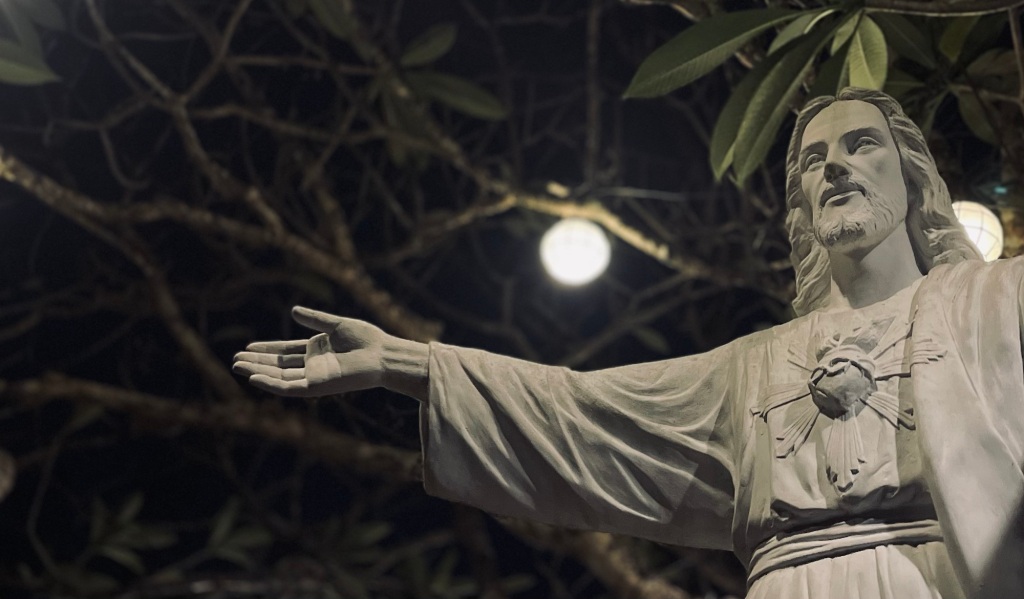
Photo by author, Sacred Heart Novitiate, Novaliches, QC, March 2024.
Our gospel this Sunday is very interesting as it is similar with what we have heard last July 20, the sixteenth Sunday when Jesus visited the home of Martha who asked him, “Lord, do you not care that my sister has left me by myself to do the serving? Tell her to help me” (Lk.10:40).
Compare that with our gospel today:
Someone in the crowd said to Jesus, “Teacher, tell my brother to share the inheritance with me.” He replied to him, “Friend, who appointed me as your judge and arbitrator?” Then he said to the crowd, “Take care to guard against all greed, for though one may be rich, one’s life does not consist of possessions” (Luke 12:13-15).
Photo by author, PDDM Chapel, Araneta Ave., QC, August 2024.
“Tell my sister…tell my brother.”
How funny we waste energy complaining to Jesus about others when he is not interested at all because he is actually most interested with us! In Martha’s home and in this scene, the Lord shows us that he came here for each of us personally, as if telling us to stop all those pointing to others because each one of us will definitely be dealt with individually, personally by him in the end. But, are we ready like that rich man in the parable?
That is why Luke tells us this amusing anecdote in the journey of Jesus to Jerusalem to remind us anew that in the spirit of Christ’s teaching last week on prayer, he is most concerned with our relationship with God our Father – not with our petty quarrels on money and inheritance or politics. We have to stop that “holier-than-thou” attitude, of being sanctimonious pointing at others without looking deep into ourselves, “Why do you notice the splinter in your brother’s eye, but do not perceive the wooden beam in your own eye?” (Mt.7:1,3).
This Sunday, we hear one of Jesus Christ’s many warnings against relying on wealth, possession and even status for our well-being and security. He invites us to look deep into ourselves than look at others.
Photo by author, Sacred Heart Novitiate, Novaliches, QC, March 2024.
“Take care to guard against all greed, for though one may be rich, one’s life does not consist of possessions.”
A very tough warning from Jesus that sends chills down our spine. It is always easier to point at others than look into ourselves in responding to him, on what is to be “rich in the sight of God” we are all struggling with, though, admittedly many of us truly aspire to be.
There are so many anxieties and other feelings within each of us that push us against the words of Jesus not only here. And Jesus knows very well how we turn to many things other than God for our security and well-being like the rich man in the parable he told the crowd.
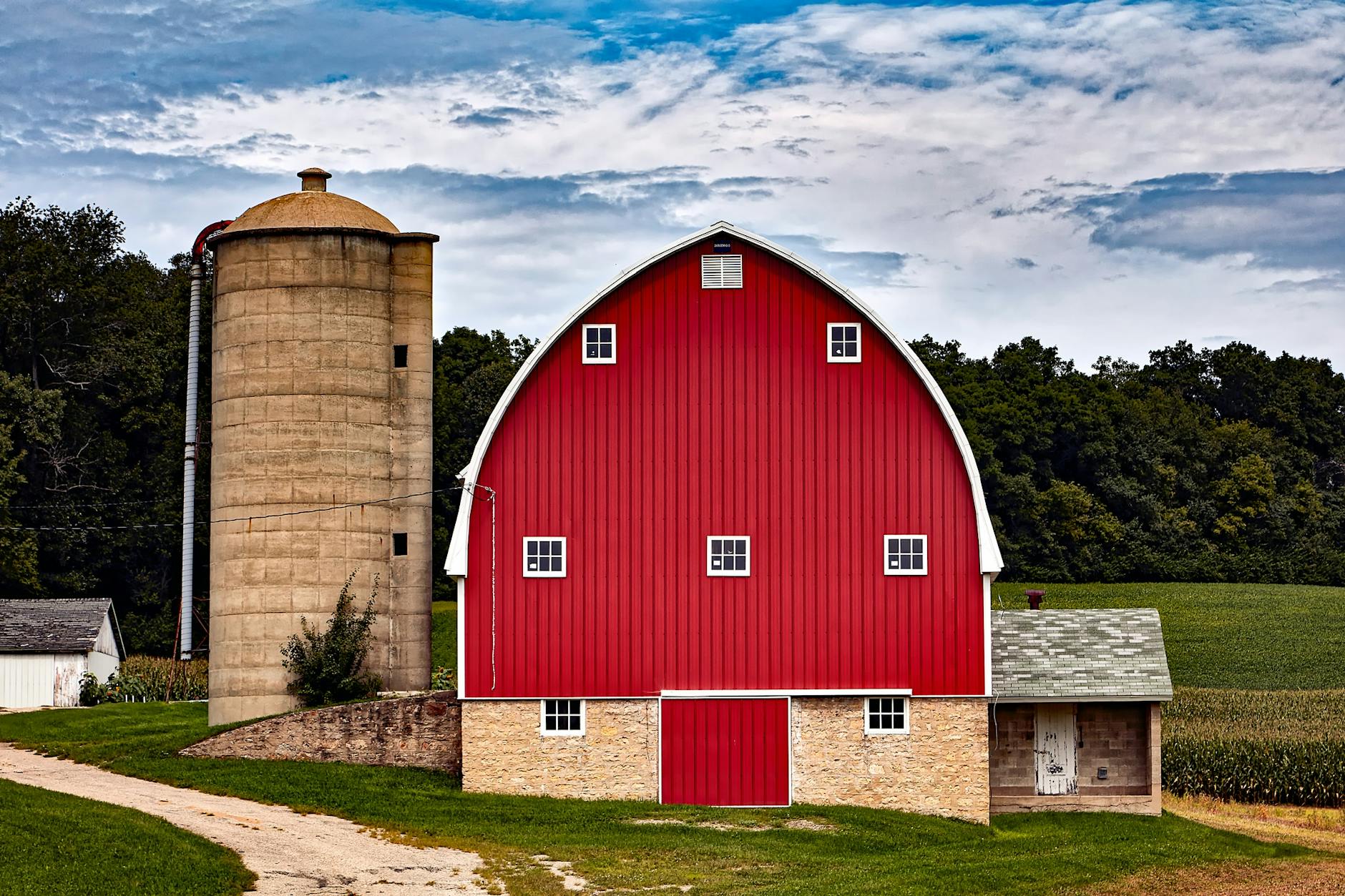
We call that “security blanket” which we use to cover ourselves that often temporarily relieves us of our fears and anxieties but ultimately gives us away in the end like that rich man in the parable. He thought he would be safe and secured by building a bigger barn for his “bountiful harvest” that year that would sustain all his needs. But, that night he was taken by the Lord and died, leaving everything behind him.
We can easily identify with that rich man in the parable who portrays what each of us harbors in the depth of our hearts of never having enough. Palaging kulang, palaging bitin at kapos ano man mayroon tayo. We are always afraid that what we have may not be enough that we want to increase, to have more of whatever we think gives us security and well-being in the face of life’s many exigencies and unpredictability.
But, when is enough really enough? In this age of affluence, we have totally forgotten about the value of contentment, of relying more to God than to ourselves. It is not really a question of what we have but of our attitude in what we have, no matter how much or how less that may be.
Of course, we need to be prudent and wise in responsibly planning for our future but Jesus tells us in this parable that what really matters in life is our relationship with God expressed in the Our Father last week. What we need to store in our “barn” is not material things but more of spiritual values like love, kindness, compassion, fidelity, mercy and compassion.
Jesus is inviting us today to examine and clean out of our “barn” to make room for God who alone matters in the end. Let God be the only possession we have who possesses us in the end – not our cellphones and gadgets nor our popularity nor negatives feelings like bitterness we have kept so long in our hearts.
Qoheleth in the first reading is neither promoting cynicism nor any negative thoughts about life but simply warned us of the great “sorrow and grief” of too much focus on things of the world that vanish like vapor. The reason we work so hard, fulfilling many tasks and obligations is not merely to earn a living and have nice homes, wonderful vacations here and abroad, education of children and better retirement; we work because we want to have fullness of life. That is why I prefer the Pilipino word for “work” – hanap buhay that literally means “to search life” because we work to find the meaning of life. But, what happens if we become enslaved by our jobs and professions while our possessions eventually possess us that in the process, we lost our very selves and those dearest to us in our relationships?
Fullness of life can only be found in God through Jesus who gave us himself totally on the Cross we receive every Mass in the Eucharist. That is why beginning this Sunday and in the next three weeks, we find Luke presenting to us various teachings of Jesus on the way to Jerusalem with a stress on the need to always consider the End, that is, God himself who alone gives us fullness of life. St. Paul speaks of this in the second reading that amid our many concerns in life, let us be focused into things of heaven that are eternal, not of earth that are passing.
Last Friday I read a beautiful story of a man taking care of his critically sick mother that he fell asleep by her side. When he woke up, she was gone forever. He checked their CCTV and saw how in her final moments, the mother saw her son not properly covered that she used all her remaining strength to pull the blanket over him. Then she closed her eyes and died peacefully. It was her final act of love: she tucked her son in bed the day he was born, she tucked him the day she died.
We reflected last Sunday that prayer changes us not the situations. This Sunday, let us pray to Jesus to help us clean and clear our “barn” of worldly things to make more room for God in ourselves to become better persons. And – beginning today – for us to stop pointing at others, asking Jesus to check on them; instead. let us focus on our personal transformation into Christ as better disciples and witnesses. Amen. Have a blessed week ahead! Fr. Nicanor F. Lalog II, Our Lady of Fatima University, Valenzuela City (lordmychef@gmail.com).
Lord My Chef Daily Recipe for the Soul, 28 July 2025
Monday in the Seventeenth Week of Ordinary Time, Year I
Exodus 32:15-24, 30-34     <*(((>< + ><)))*>     Matthew 13:31-35
Photo by Mr. Red Santiago of his son praying in our former parish, January 2020.
Lord Jesus Christ,
let me be like the mustard seed,
"the smallest of all the seeds,
yet when full grown
it is the largest of plants"
(Matthew 13:32);
let me be like yeast
"that a woman took
and mixed with three measures
of wheat flour until the whole batch
was leavened"
(Matthew 13:33);
let me be small,
dear Jesus
in this world where
the rule is to be big,
to be loud,
to be noticed.
Let me be small
silent,
and hidden,
 like the mustard seed
and the yeast
because life's fullness
lies in you, Jesus
who comes in emptiness
not fullness,
in darkness not klieg lights,
in silence not noise,
in poverty not wealth
and in simplicity
not popularity and fame;
true peace happens
only in your Kingdom, Jesus
not in the competing kingdoms
of the world.

When I look back in time,
I have realized how those
things I considered as small
and insignificant both
in my life and the world
were the things that have grown
into something that sustain
and shelter others,
of course with much faith,
hope and love in you!

Now I am older too,
I have realized the value
and benefits of bread
but bread cannot rise
 to become nourishing
 without the lowly yeast;
before I can become a bread
for others like you Jesus,
I need the grace to be
child-like,
to be little,
to decrease like the yeast
 so that you increase,
 Jesus.
Let me be small,
hidden and silent,
Jesus,
always patient
in waiting for you
unlike the Israelites in Sinai
who made a golden calf when
they became impatient with Moses'
meeting with God atop the mountain;
let me stop
comparisons so I remain
little and humble in you,
Jesus who has become human
and small like us to stir
us to true greatness
as beloved children
of the Father
to begin building
your kingdom.
Amen.

Fr. Nicanor F. Lalog II
Our Lady of Fatima University
Valenzuela City
(lordmychef@gmail.com)
Lord My Chef Daily Recipe for Soul, 23 July 2025
Wednesday, Memorial of St. Bridget of Sweden, Religious
Exodus 16:1-5, 9-15     <*((((>< + ><))))*>     Matthew 13:1-9
Photo by Fr. Pop Dela Cruz, San Miguel, Bulacan, 2022.
Lord Jesus,
you are the Sower
and your seed is always good:
wherever it falls,
it grows;
most of all,
you are most good
as you never tire
of going out
to sow
your good seed!
“A sower went out to sow… Whoever has ears ought to hear” (Matthew 13:3,9).
“The Sower” painting by Van Gogh from en.wikipedia.org
Open my heart
and my soul, dear Jesus
to listen intently to your
word and be a "rich soil"
like St. Bridget of Sweden
whose devotion to family,
to her people especially the poor
and to Church reforms that led
to the return of the papacy to Rome
proved her to be a seed well sown;
there are times when I am just like
the path where your seeds fell
that fed only the birds;
quite often, I am like the rocky ground
so full of enthusiasm but wanes quickly
when challenges come;
worst of all, Lord Jesus,
free me from the many thorns
that steal me from you
that I stop maturing and growing;
let me be the rich soil who
receives you and your seed:
let your light of truth
and warmth of faith help me grow;
may your hope nourish me
especially when days are dark
and nights are long;
most of all,
water me with your love
and charity
to bear all
and be fruitful.
Amen.

Fr. Nicanor F. Lalog II
Our Lady of Fatima University
Valenzuela City
Quiet Storm by Fr. Nicanor F. Lalog II, 26 November 2024
Photo by author, Pulong Sampalok, DRT, Bulacan, 23 November 2024.
Since my mom’s passing in May, I have finally been more resolved in having days off and overnight breaks after some bouts with depression and grief. Last Friday I went to DRT – Doña Remedios Trinidad – the final frontier of Bulacan province where the Sierra Madres link us with Quezon and Rizal provinces.
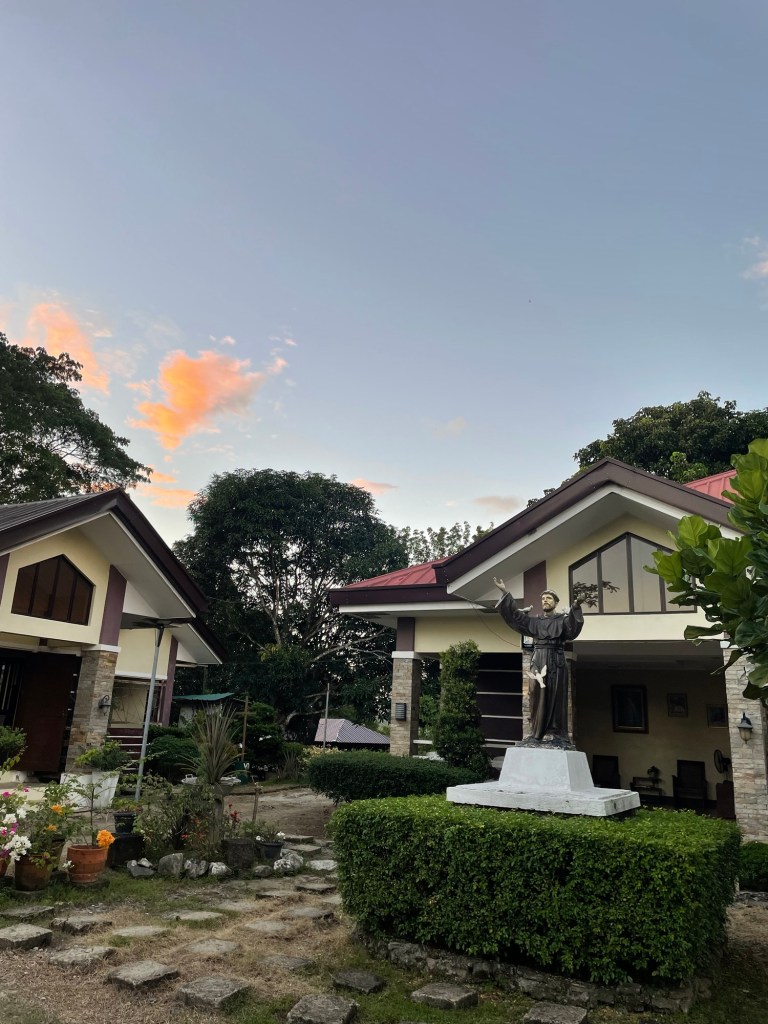
The Retirement Home of the Dominican Sisters of St. Joseph at DRT.
Named after the mother of former First Lady Imelda Romualdez Marcos, DRT was a barrio or barangay of the town of Angat. When Mrs. Marcos separated Valenzuela from Bulacan province in the mid-70’s to create the Greater Manila Area (GMA) that became Metro Manila in the 1980’s, DRT was separated from Angat to become the last and youngest town of Bulacan.
It was actually a homecoming for me after 27 years when I chose to be assigned at Galilee Home, our diocesan rehab for drug dependents before our ordination as deacons in 1997 found at the opposite side of the Dominican Sisters’ House of Prayer where I stayed last weekend.
The Dominican Sisters of St. Joseph were so kind to welcome me to their spiritual center and had promised to join them there every fourth Saturday to celebrate their Mass by staying overnight for my much-needed rest or sabbath.
Indeed, it was a Sabbath to me, a return to Paradise, so close with nature where time seems to stand still or at least goes so slowly.
Those bamboo fences remind me so much of my childhood days in Bocaue; see how modernity represented by the electric meter competing with the countryside’s laid back atmosphere.
What I like seeing all the nature around me is when my memory is shuffled to those days as a promdi when like these kids we ruled supreme on the streets, never worried of being run over by vehicles so kind to stop if we were playing.
Lahat kasali – pati poste! Kids playing Chinese garter.
As my childhood memory sauntered, I realized it was truly another setting than the city when at 545PM I heard a mother shouting to her children, “kakain na… uwi na!” and the kids obediently went home.
Lovely sunset….
The following morning, as usual, I woke up at 5AM. Prayed and did my warm up exercises and shortly before 6AM, I went off to walk. My destination was the view deck of DRT where a giant statue of the Blessed Virgin Mary stands right after the welcome arch.
So peaceful… as if the whole world is yours!
Every time I walk around Valenzuela, I just bring about 200 pesos in my pocket and nothing else – no glasses which I hate so much and likewise, no cellphones. I find these as distractions.
But, that Saturday morning, I brought along my cellphone in order to shoot scenes and of course the sunrise.
Late did I realize on my way back that I should have brought my glasses for better focus especially with the abounding bird species in the area of Pulong Sampalok.
Oh, they were so many but I failed to catch them in my camera phone because I had no glasses…
Actually, not related to my not bringing of glasses, I got lost that morning.
Instead of turning right from the Damascus circle, I made a left.
Funny too while walking, I felt something was wrong with my t-shirt – it was baligtad!
Since nobody was around not even houses in the area, I changed my shirt and went happily in my walking.
Barrio folks have always believed that in order to find one’s way in the forest or anywhere, one has to change his/her shirt. Baligtarin ang suot na damit kontra sa tiyanak.
But, despite that act of pagbaligtad of my t-shirt, I still got lost and went onto high steeps that really challenged me so greatly.
Many times I had to stop to catch my breath. Even the cyclists I have met admitted it was a very steep climb while others opted to walk with their bikes.
All in all, I walked 6.69 kilometers without reaching the view deck but, God, I found so many views I never expected that truly refreshed me!
As I got lost walking nowhere, I realized life’s parable – that the most joyful and loveliest things are found in ordinary places like along the sides of the road like these plants and flowers as well as rock formations.
Many times in life, it is actually a grace to go nowhere, to get lost once in a while and simply keep on walking, trusting God for He would always find us a way to Him. Within.
Even met my former student in High School riding with his cousins to visit their lot in the area that Saturday!
What I like most as I have mentioned earlier are the natural fences people have in the countryside like these lovely garden at a store I passed by…
Even dogs seem to be most kind here… not a single dog barked at me despite my getting lost in their area!
Unfortunately, there have been a strong influx of settlers in DRT with presumably big people buying out large tracts of lands for future developments. What an ugly sight to see barbed wires in the mountain area.
And… whoa!
Or, is it the installation of the post that was wrong? Some misplaced priorities that destroy nature.
What kind of road construction is this?
Meanwhile… we are not sure if these are indicative of the climate change at all….
Join me next month in my “Friday I’m In Love” journey to cure my grief as I take you to Dumaguete City. Thank you for the visit! God bless!
I don't care if Monday's blue
Tuesday's grey and Wednesday too
Thursday, I don't care about you
It's Friday, I'm in love
Monday you can fall apart
Tuesday, Wednesday, break my heart
Thursday doesn't even start
It's Friday, I'm in love
(Friday I'm In Love by The Cure)
The Lord Is My Chef Sunday Recipe for the Soul by Fr. Nicanor F. Lalog II
Thirty-Third Sunday in Ordinary Time, Cycle B, 17 November 2024
Daniel 12:1-3 ><}}}}*> Hebrews 10:11-14, 18 ><}}}}*> Mark 13;24-32
Photo by author, the Mount of Olives as seen from the Temple of Jerusalem, May 2019.
We are now at the penultimate Sunday of our Church calendar ending on the Solemnity of Christ the King next week to usher in the four Sundays of Advent before Christmas. That is why every 33rd Sunday, we hear Jesus speaking about the end of everything to usher in new beginnings in Him.
Jesus said to his disciples: “In those days after that tribulation the sun will be darkened, and the moon will not give its light, and the stars will be falling from the sky, and the powers in the heavens will be shaken. And then they will see ‘the Son of Man coming in the clouds’ with great power and glory, and then he will send out the angels and gather his elect from the four winds, from the end of the earth to the end of the sky” (Mark 13:24-27).
After spending a day of teaching at the Temple wherein the Twelve were so impressed with its beauty, Jesus warned them of its impending destruction, explaining it further as they proceeded to rest on Mount of Olives overlooking Jerusalem below with the magnificent Temple.
No, Jesus was not a “KJ” at all.
Jesus was simply telling His disciples including us today of life’s natural cycles of endings and beginnings. Actually, long before Jesus came, people have always been preoccupied with thoughts of the “end of the world” – with or without God – which persist to these days.
Jesus reminds us this Sunday that indeed, the world is going to end but, it is not just a catastrophic end destroying everything. It is an end with a direction, to God and eternal life. It is an end we have to joyously await and prepare for as a new beginning in Jesus Christ.
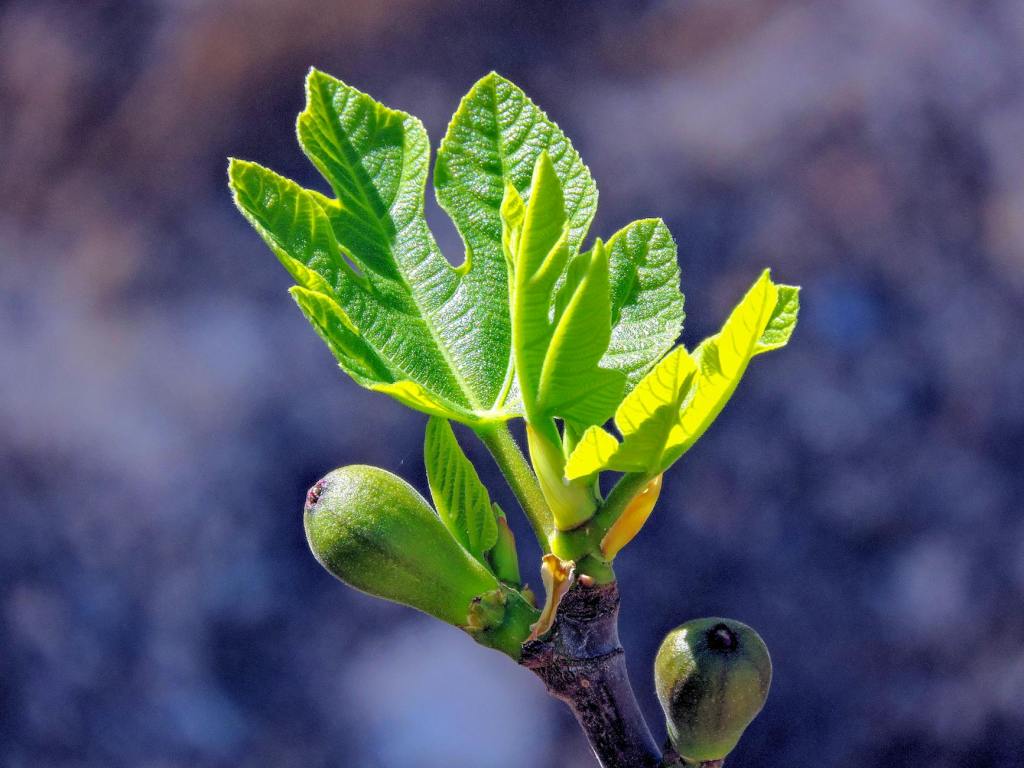
“Learn a lesson from the fig tree. When its branch becomes tender and sprouts leaves, you know that summer is near. In the same way, when you see these things happening, know that he is near, at the gates… But of that day or hour, no one knows, neither the angels in heaven, nor the Son, but only the Father” (Mark 13:28-29, 32).
"Learn a lesson from the fig tree."
Again, Jesus spoke here in parable which is also the word for “lesson” in Mark’s original Greek writing of the gospel. A parable is a simple story with a deep, profound reality and lesson. That is why Jesus used it so often just like here a few days before His Pasch.
And this is the lesson or parable of the fig tree that Jesus spoke of: most of the trees in Jerusalem are evergreen that keep their leaves all year round despite the changing of season while fig trees are deciduous that shed their leaves in winter and summer. This changing condition made the fig tree a perfect parable about the end of the world that Jesus was speaking of – an end of the season to usher in a new one!
In theology, we call this study of the “end” or “last” things as eschatology. There are two kinds of last things in life that we deal in eschatology: our individual end in our death (particular) and the parousia which is the Second Coming of Jesus Christ at the end of the world (general).
Of course, it is always fearful to think of both endings. We hate endings because they are good byes. However, we know deep inside ourselves too that despite that “sweet, sweet sorrow” of every ending comes also a more wonderful hello, a more amazing new beginning. In reality, there are no endings but more beginnings: when children move out of the home to study, they begin their adult life in college; later on, they leave home for good to get married to start a family of their own. Life is a cycle of beginnings and ends that goes on and on and on.
The trick is really to learn the lesson of the fig tree, that is, to live our lives to the fullest in each season and phase, to learn to let go of the past, to savor every present and look forward to every tomorrow. Yes, it is easier said than done but, as we mature and age gracefully in Jesus Christ, we become fulfilled, less stressed amid the many things we are totally unaware and ignorant of what both particular and general endings would bring us.
In presenting to us the parable or lesson of the fig tree regarding the end of our lives or the end of the world – both of which nobody knows when – Jesus is actually encouraging us to live more faithfully in Him and His gospel.
It is useless to know the precise date and hour of both endings nor the exact indications of its imminence; what matters most is that every moment of our lives, we live in Jesus Christ our High Priest who had offered Himself for our salvation (second reading). There is no point in interpreting even visualizing how St. Michael would battle the devil at the end of time; what the prophet Daniel is telling us is how we are assured of victory and salvation in the end if remain faithful to God (first reading).
Live fully by celebrating life. All throughout the year, we have heard Jesus reminding us, assuring us how much He loves us so immensely that is why He became human like us; in His coming, He joined us in all our sufferings except sin to show us that the path back to the Father in heaven is through the path of His Cross.
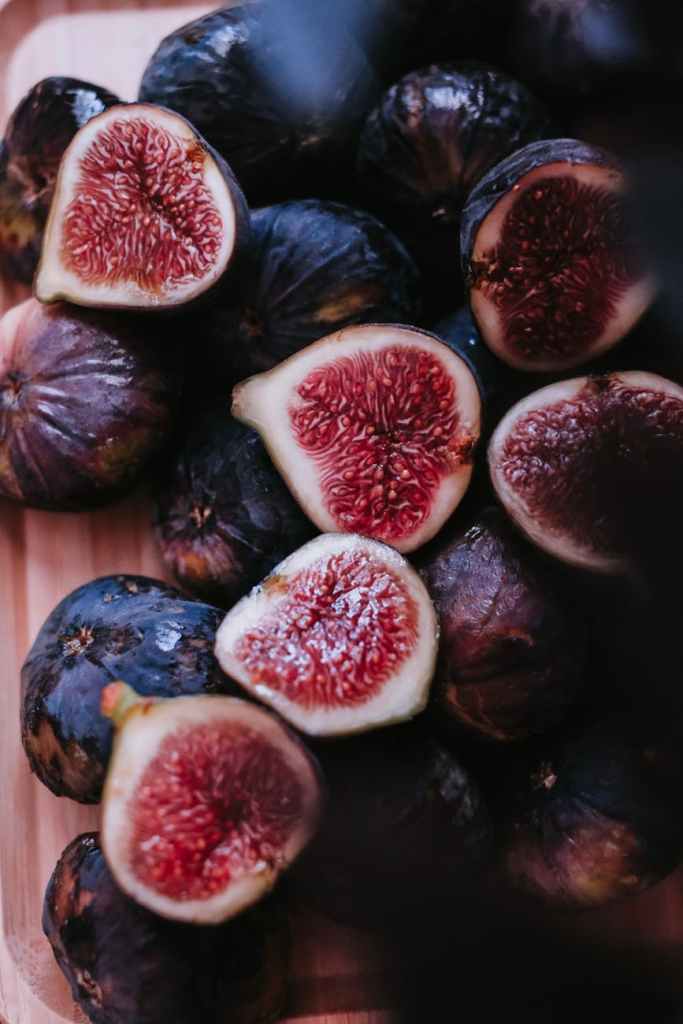
Despite my coming to Israel thrice, I have never tasted a fresh fig but have always loved it even better than dates. Its sweet taste and tiny bits of seeds inside make it always a pleasure to eat. If we can truly learn its lesson, we can end up like figs too – delightfully sweet inside.
I recently bought an electric shave as an early Christmas gift to myself. I really don’t mind seeing my hair including mustache and beard turning grey and white; what bothers me lately is how my skin has become so easily irritated by my razor. Yes, I am getting older with skin sagging and add to that a vision getting blurred that shaving with a razor every morning is no longer fun but short of an agony.
As I examined my new shave set, I remembered a Japanese saying I used to tell young people before in my talks and recollections, “Growing up is nice, but sometimes painful.”
Indeed, growing up is nice – and ageing is even nicer though twice painful sometimes.
Like the fig tree, I can sense losing a lot of myself daily, yet becoming more tender and softer in the process, simpler and more joyful, perhaps. To my fellow 59ers and above, May the Lord Jesus lead us through the end in His loving embrace. Amen.
The Lord Is My Chef Daily Recipe for the Soul by Fr. Nicanor F. Lalog II
Wednesday in the Sixteenth Week of Ordinary Time, Year II, 24 July 2024
Jeremiah 1:1, 4-10     <*((((><<  +  >><))))*>     Matthew 13:1-9
"Ah, Lord God!"
I said,
"I know not how to speak;
I am too young."
But the Lord answered me,
say not, "I am too young."
To whomever I send you,
you shall go;
whatever I command you,
you shall speak
(Jeremiah 1:6-7).
I have always heard
that expression
"age is just a number"
without really understanding
nor having a grasp of its real meaning
until recently after losing my mom
and be totally orphaned of our parents;
how different it is now to live without
our parents and quickly realize
time flies so fast indeed
because suddenly we are catapulted
into that state in life when we are
in the very same situations
of our parents when we were younger;
now I could feel we are never too young
nor too old to be called and entrusted
by God with a mission in life.
Life indeed is a parable,
dear Jesus:
You come to us daily
whether we are too young
or too old to sow your seeds;
keep us open to receive You
so that we may bear You
and share You.
Amen.
“The Sower”, a painting by Van Gogh from commons.wikimedia.org.
The Lord Is My Chef Sunday Recipe for the Soul by Fr. Nicanor F. Lalog II
Eleventh Sunday in Ordinary Time, Cycle B, 16 June 2024
Ezekiel 17:22-24 ><}}}}*> 2 Corinthians 5:6-10 ><}}}}*> Mark 4:26-34
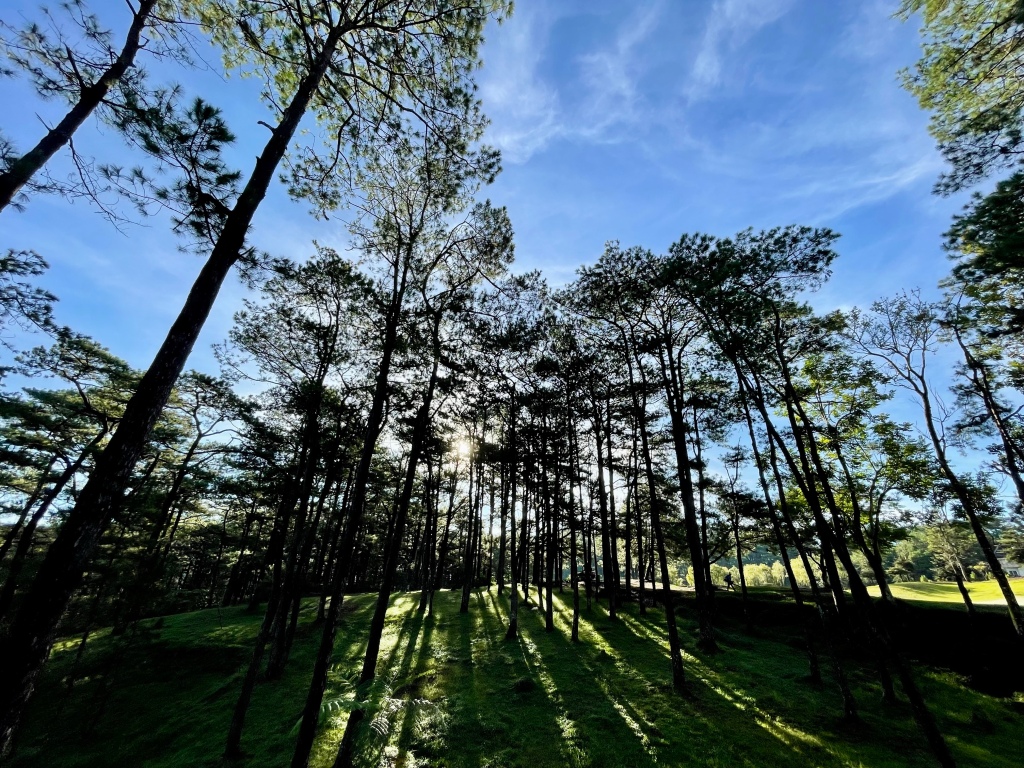
Photo by author, Camp John Hay, Baguio City, 12 July 2023.
While preparing this homily, I cannot resist thinking of this poem by Joyce Kilmer because of its similarities with the first reading from the Book of Ezekiel and partly with the parables of Jesus in the gospel.
Kilmer tells us in his poem that trees are God’s presence among us, a sign of His own majesty, a reminder of life’s mysteries, something many of us seem to have learned only recently after the scorching heat of last summer when everyone was posting on Facebook the need to plant trees!
I think that I shall never see
A poem lovely as a tree.
Photo by Dra. Mylene A. Santos, MD, April 2020 in Infanta, Quezon.
In the first reading, the Prophet Ezekiel picturesquely imagined how God would plant a great Lebanon cedar on a mountain as a sign of His divine intervention for our salvation that was eventually fulfilled in Jesus Christ’s coming.
Ezekiel lived during the Babylonian exile, the lowest point in life of Israelites when they did not have a country, nor a temple, not even a future. They felt abandoned, punished by God due to their sins; hence, Ezekiel was sent to give them hope. Through this beautiful allegory of the future Israel, Ezekiel tells his countrymen including us today how God would eventually intervene in a very personal manner to fulfill His promise of salvation.
Thus says the Lord God: I, too, will take from the crest of the cedar, from its topmost branches tear off a tender shoot, and plant it on a high and lofty mountain. It shall put forth branches and bear fruit, and become a majestic cedar. Birds of every kind shall dwell beneath it, every winged thing in the shade of its boughs. And all the trees of the field shall know that I, the Lord, bring low the high tree, lift high the lowly tree, wither up the green tree, and make the withered tree bloom. As I, the Lord, have spoken, so will I do.
Ezekiel 17:22-24
Photo by Dra. Mylene A. Santos, MD, April 2020 in Infanta, Quezon.
That beautiful imagery of the cedar tree planted in Israel reminds us that in whatever state of life we may be – whether we are like a tall or a lowly tree, a green or withered tree – it is always God who has the final say in life because He is the very reason for our existence.
Jesus declared to us in one of the Sundays of Easter, “I am the true vine and you are the branches…without me you cannot do anything” to show that more than a giver of life, He is life Himself because He is the tree planted firmly by God in our midst.
Incidentally, the word “tree” which is treowe in Old English is the root of the word true which connotes something firmly rooted, steadfast and faithful. From the same word treowe came trust because the roots of a tree signify relationships or interconnectedness. That is why the Anglo-Saxons have always traced their ancestors and family by using the diagram of a tree from which came our concept of “family tree” today.
How lovely to imagine that tree planted by God in our midst is Jesus Christ, “the Way, the Truth and the Life”, the One we must trust always!
Hence, Mark invites us today to listen more attentively to the Lord’s teachings, asking us to not just sit beside or around Him but try to “get inside” Him by taking into our hearts His words like Mary His Mother as we have reflected last Sunday.
Photo by Dra. Mylene A. Santos, MD, April 2020 in Infanta, Quezon.
Again, Mark surprises us in his story of Jesus teaching the people about seeds and plants, and ordinary activities like sowing we take for granted but so rich in meanings. That is what a parable is – a simple story with deep meanings about life.
Our life itself is a parable wherein we find the most profound realizations in the most ordinary things and events in our lives. And that is where Jesus Christ comes too often. He is in fact the kingdom of God He spoke so often in His teachings and parables.
Jesus said to the crowds: “This is how it is with the kingdom of God; it is as if a man were to scatter seed on the land and would sleep and rise night and day and through it all the seed would sprout and grow he knows not how (Mk.4:26-27).”
Mark 4:26-27
This parable of the seed growing by itself tells us of that reality of God living among us, right with us in Jesus Christ. The seed is His word germinating in us if we cultivate it daily in prayer and good works. Just like the fecundity of the tiny seed planted in the field, God grows in us beyond all our hopes and expectations because He is never absent nor distant from us.
Photo by Ms. April Oliveros on Mt. Pulag, 2023.
Look back in your life this past week or past month, examine how many times you were blessed, of how you were pulled out and saved from a dire situation in the nick of time. Surely you can offer a lot of rational explanations but, when you come to think of it, there’s always an “Invisible Hand” saving you, guiding you.
That’s the point of the parable of the seed planted without the farmer knowing how it grows: God works best in our lives in silence.
This is the reason why St. Paul tells us to “walk in faith, not by sight” (2Cor.5:7): our life is a journey of faith wherein we cannot see everything clearly, cannot appreciate right away the extent of how God works His miracles in us daily.
Yesterday we celebrated the 40th day of my mom’s passing then tomorrow, June 17, is her 85th birthday which is also the 24th death of my dad. I told my sisters and brother that maybe that is the reason why dad died on mom’s birthday 24 years ago: so that it would not be difficult for us to visit their graves on June 17. Isang lakad at punta na lang para matipid!
But kidding aside, though it is so difficult and painful to be ulilang lubos (orphaned), I still feel so positive more than a month after my mother’s death because in those 24 years when my father died, God never abandoned us. With mom’s passing, I’m sure God will never forsake us too.
When I look back at how many times God has blessed us in the past, I also see that soon in the future, if we remain faithful to Him, Christ shall unfold in us and around us in ways we never imagined.
Photo by Ms. Analyn Dela Torre, March 2024.
Time flies so fast indeed these days; we are almost done with the first half of the year. In a short while we shall be hearing Jose Mari Chan singing again “Christmas In Our Hearts” as the Christmas countdown begins even before September first.
And that’s what I have noticed these past 20 years: with all the comforts in life, we have become impatient that we rush everything, even Christmas and holidays. We live in a world of instants that we cannot wait anymore like the farmer in the parable of Jesus. Or the Prophet Ezekiel imagining God coming soon.
We don’t have to discard the modern amenities we have in life today for most of these are gifts from God Himself. However, we must remember these are not everything, that many times in life despite all our careful planning, things still do not turn out as we expect.
There is only one thing we can be sure of, Jesus Christ silently in our midst. Look at any tree around you, the many years it had weathered all kinds of storm and heat. Still standing, still green, reminding us of Jesus. Let us pray:
God our Father,
teach us to be patient
like the farmer who sows seeds
to his field, not knowing at all
how these germinate and grow;
teach us to be faithful to You
in Christ Jesus, always open
to find Him and embrace Him
in the ordinary things in life;
teach us to have more of You,
God in Jesus through prayers
and Sacraments,
to have more faith than gadgets,
more hope than instant gratifications
and more love than social media.
Amen.
The Lord Is My Chef Daily Recipe for the Soul by Fr. Nicanor F. Lalog II
Wednesday, Memorial, St. Francis Sales, Bishop & Doctor of the Church, 24 January 2024
2 Samuel 7:4-17  <*((((>< + ><))))*>  Mark 4:1-20
“The Sower at Sunset” by Vincent Van Gogh, oil on canvas painted in June 1888 from wikimedia commons.
Lord Jesus Christ,
as you narrated to us today
the parable of the sower,
I wonder what were the other
seeds you have sowed
aside from your word?
On another occasion, Jesus began to teach by the sea. A very large crowd gathered around him so that he got into a boat on the sea and sat down. And the whole crowd was beside the sea on land. And he taught them at length in parables, and in the course of his instruction he said to them, “Hear this! A sower went out to sow.”
We are not just the different
kinds of soil where your seeds
fell, Lord Jesus;
like you, may we also be
sowers of your word and teachings,
sowers of your love and mercy,
sowers of compassion and kindness,
sowers of your light and life,
sowers of your hope and healing,
sowers of your very presence.

When God told David not to build
him a temple as he promised to raise
a house for him from whom
shall come the Christ,
that was when the Father also
sowed the seeds of redemption
and fulfillment in you,
Lord Jesus!
On this feast of St. Francis Sales,
patron of Catholic journalists and
media practitioners,
we pray for all communicators
to sow unity and peace,
not division
nor misunderstanding,
nor animosities;
we pray for all journalists
of different platforms
to sow understanding
and clarity,
to sow justice and equality
among peoples,
and to sow respect for life
at all times because every
communication must promote
first of all the dignity
 of every person.
Amen.
























 lordmychef.com