The Lord Is My Chef Daily Recipe for the Soul by Fr. Nicanor F. Lalog II
Monday in the Thirty-First Week of Ordinary Time, Year II, 31 October 2022
Philippinas 2:1-4   ><}}}*> + <*{{{>< ~~ ><}}}*> + <*{{{><   Luke 14:12-14
Dearest Lord Jesus,
in this time of calamities
when so many people have died
and many others are still suffering
while we celebrate the lives of
All the Saints and those of our
dearly departed, teach me to be
like them in bringing joy and light
in the lives of others; teach me
to live in love for others as
St. Paul beautifully tells us today:
Brothers and sisters: If there is any encouragement in Christ, any solace in love, any participation in the Spirit, any compassion and mercy, complete my joy by being of the same mind, with the same love, united in heart, thinking one thing. Do nothing out of selfishness or out of vainglory; rather, humbly regard others as more important than yourselves, each looking out not for his own interest, but also everyone for those of others.
Philippians 2:1-4
Many times,
quarrels and misunderstandings
cannot be avoided in our circles of
family and friends; there are times
others can be either so sensitive or
insensitive, always feeling the world
revolves around them; there are times
when people are simply not matured enough,
so selfish and self-centered;
in times like these,
teach me Jesus to think less of myself
and more of others, especially those
affected when the sensitive and insensitive
along with those not matured enough are
casting their spells of darkness;
let me brighten the lives of others
with your joy and kindness,
love and care.
Amen.
The Lord Is My Chef Sunday Recipe by Fr. Nicanor F. Lalog II
Thirty-First Sunday in Ordinary Time, Cycle C, 30 October 2022
Wisdom 11:22-12:2 ><000'> 2 Thessalonians 1:11-2:2 ><000'> Luke 19:1-10
You must have heard so many times that rap music called Moon used as background music in almost every video posted on social media. The lyrics and its beat are simply amusing, easy to follow so fitted on everything including this Sunday’s gospel!
Sa'n ka punta?  To the moon
Road trip, vroom, vroom
Skrr, skrr, zoom, zoom
So fake, no room, mga mata namumula
Asan ang trees, nadala mo ba?
Bawal ang tus at peke sa byahe
Kung isa ka d'yan, ika'y bumaba...
Written and performed by a certain Nik Makino, Moon speaks of a young man’s ambition of getting rich through rap music; he is also aware of the fact that his dream is so “high like the sky” with everyone’s eyes prying on him as he strives so hard in working while still young.
I gotta mission, pumunta sa top
Buhay mahirap, gawing masarap
Gawa ng milyon, gamit ang rap
Iwanan kasama na puro panggap
'Di mo 'ko magets, pangarap ay highs
Singtaas ng jets, tingala sa sky...
I have been asking some young people about the rap and mostly are stunned why I listen and so interested with it especially when I rap it too, saying how they find it so baduy (crass), meaningless or “walang kuwenta” with some calling it as ugly or “pangit”.
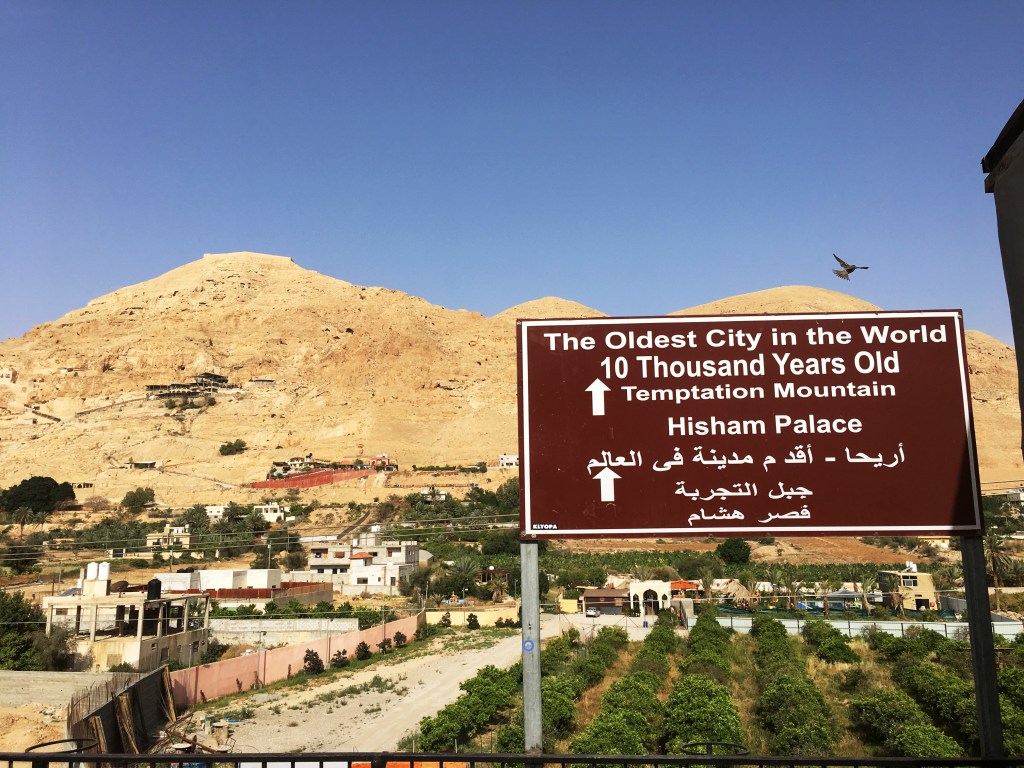
And that is how I realized this rap music Moon is so related with this Sunday’s gospel about Zacchaeus the tax collector who climbed a tree to see Jesus while passing by the city of Jericho.
At that time, Jesus came to Jericho and intended to pass through the town. Now a man there named Zacchaeus, who was a chief tax collector and also a wealthy man, was seeking to see who Jesus was; but he could not see him because of the crowd, for he was short in stature. So he ran ahead and climbed a sycamore tree in order to see Jesus, who was about to pass that way. When he reached the place, Jesus looked up and said to him, “Zacchaeus, come down quickly, for today I must stay at your house.” And he came down quickly and received him with joy.
Luke 19:1-6
Again, only Luke has this story about Zacchaeus met by Jesus in Jericho, his final stop before entering the city of Jerusalem for his Passion, Death, and Resurrection.
Keep in mind that Luke’s narration of the Lord’s journey to Jerusalem is more of an inner journey into ourselves than found in maps. What happened in Jericho shows the importance of the events that would take place at Jerusalem when Jesus offered himself for our salvation and how we can participate in his pasch through the example of Zacchaeus who reformed his life.
Unlike the parable last Sunday, here we have a real tax collector named Zacchaeus described by Luke as a “wealthy man”. Notice how Luke described Zacchaeus was “short in stature” which is not only literal but most of all figurative in meaning. Like the publican in last week’s parable by Jesus, tax collectors were despised by Jews at that time who were seen along the ranks of prostitutes as the worst of all sinners because they were not only thieves but also traitors who collaborated with their Roman colonizers.
Calling Zacchaeus as “short in stature” was really something else, that he was nothing at all. That is why he had to exert so much to see Jesus by climbing a sycamore tree. And there lies the beauty of the story, of how God had come in Jesus to meet us and save us.
When they all saw this, they began to grumble, saying, “He has gone to stay at the house of a sinner.” But Zacchaeus stood there and said to the Lord, “Behold, half of my possessions, I shall give to the poor, and if I have extorted anything from anyone I shall repay it four times over.” And Jesus said to him, “Today salvation has come to this house because this man too is a descendant of Abraham. For the Son of Man has come to seek and to save what was lost.”
Luke 19:7-10
This is the most startling move by Jesus in this event at Jericho that is repeated in many instances in Luke’s gospel account to show God’s loving mercy to all sinners who humbly make the efforts to come to him, to see him, and experience his healing and forgiveness.
Luke had repeatedly shown us this unexpected and even shocking gesture of Jesus to everyone – then and now – at how he would favor sinners and bad people like that sinful woman who poured oil on his feet while dining at the home of a Pharisee (Lk. 7:36-50) and Dimas, the “good thief” on the cross to whom he promised paradise (Lk.23:39-43).
Jesus always comes to meet us but are we willing to meet him too like Zacchaeus? How far are we willing to truly embrace and welcome Jesus by letting go of ourselves, of our sins and other possessions?
If we could just have that sense of sinfulness again, we would realize that in this world, we are all small in stature before God. All these titles and wealth that seem to give prestige to us are all temporary and nothing. What God looks in us is our admission of our being small in stature before him, of being powerless like the persistent widow the other Sunday and the publican last week begging his mercy for we are all sinful.
Imagine that beautiful image of Jesus passing through Jericho, coming to our daily lives, making a stop over right in our hearts to stay and dwell. Most of all, see at how Jesus looks up to find us!
I love that gesture of Jesus looking up to us so much. Normally, we are the ones who look up to God up in the sky, heavenwards when asking for his mercy and favors. But there are many times that it is Jesus our Lord and God who looks up to us mere mortals who are so small in stature before him! What happened at Jericho under that sycamore tree was a prefiguration of what would take place at the Last Supper when Jesus washed the disciples’ feet, of how he bowed down before them and looked up while wiping their feet dry. So wonderful! And that happens every day when we go back to him, when we do everything to get out of our way just to go to Mass, most especially to Confessions.
In the first reading, we are reminded how we are nothing before God but he chose to preserve us, to save us because he loves us so much:
“Before the Lord the whole universe is as a grain from a balance, or a drop of morning dew come down upon the earth. But you have mercy on all, because you can do all things; and you overlook the sins of men that they may repent. But you spare all things, because they are yours, O Lord and lover of souls.
Wisdom 11:22-23, 25
There is no doubt about the love of God for us, of his mercy and forgiveness expressed to us in his Son Jesus Christ who comes to us everyday in various events in our lives, in the people we meet and most especially in our individual and communal prayers like the Mass and Sacraments.
Jesus is always passing by and would surely come again as St. Paul assured us in the second reading.
The grace of this final Sunday of October as we go to the last stretch of the Church calendar this coming November is that God gives us freely the grace daily to make the efforts in meeting his Son Jesus. Every day.
Our desire to rise above our present state and status is an expression of that grace within us to become better although many times due to other factors, we misconstrue this in aspiring for material things like wealth and money as the rap Moon tells us. But on a deeper reflection as we continue in our journey in this life, we realize sooner or later that more than the things we can physically have, there are always more precious than these.
Like going to the moon, of being high up there in the sky, being one with God, enjoying his peace and salvation.
Like Zacchaeus and, Nik Makino, let us continue our roadtrip to the Moon in Jesus Christ by being true to ourselves – vroom, vroom, skrr, skrr, zoom, zoom – that we are beloved sinners and children of God.
Tara bumyahe pa-ulap
Sakto 'yung auto ko full tank
Pero kahit maubusan, paangat tayo tutulak
Bawal na muna ang pabigat
Lalo sa byahe na palipad
Kailangan kong makatiyak
Bago magka-edad, 'di na 'ko taghirap
Alam kong marami ang nakamasid
Dama ko marami ang naka-abang
Kung ano 'yung mga kaya kong gawin
Malamang ay 'di nila nagagawa
Kaya siguro lagi nakatingin
Kasi 'yon na lamang magagawa
Inaabangan ako na mawala
Kaso lang ang malala nadapa kakatingala.
Stay safe everyone and dry during these storms. Have a blessed week! Amen.
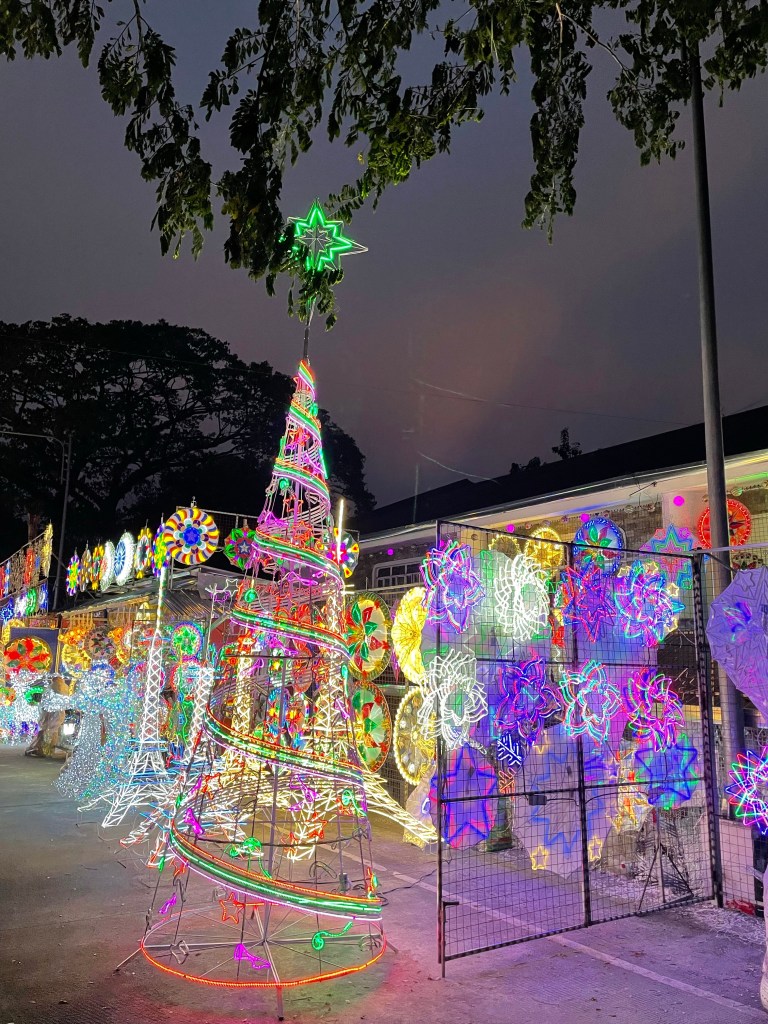
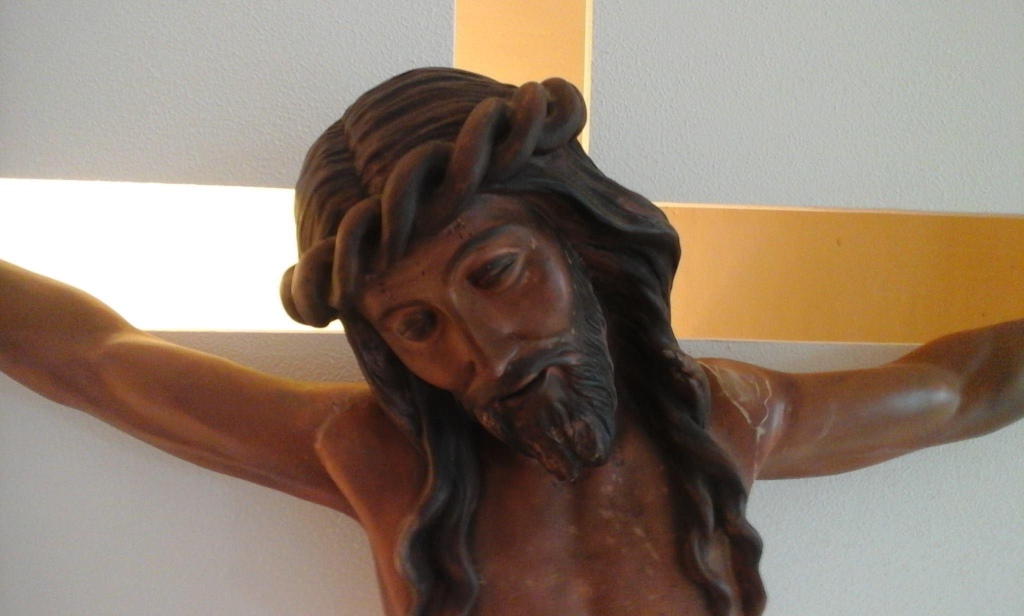
*Photo credits: Moon over the city by Mr. Raffy Tima of GMA-7 News (2022); second and third by the author at Jericho, Israel (2019); fourth and fifth also by author in Tanay and Pililla in Rizal (2021).
The Lord Is My Chef Daily Recipe for the Soul by Fr. Nicanor F. Lalog II
Monday in the Thirtieth Week of Ordinary Time, Year II, 24 October 2022
Ephesians 4:32-5:8   ><]]]]'> + ><]]]]'> + ><]]]]'>   Luke 13:10-17
Photo by author, 2018.
Lord Jesus Christ,
help me to be kind
to one another,
compassionate and
forgiving as you have
forgiven us (Eph.4:32);
let me live in love
by being true always
to you in words and
in deeds.
In this world and life
saturated in media whose
only concerns are profit and
influence, let us not be deceived
with its colorful displays of images,
and most especially of talks and
languages full of obscenities and
curse, reducing persons into things
who can be dispensed in the name of
"human rights" and then portrayed as cool
and progressive; worst, many of them
claim to be your followers as Catholics.
Let no one deceive you with empty arguments, for because of these things the wrath of God is coming upon the disobedient. So do not be associated with them. For you were once in darkness, but now you are light in the Lord. Live as children of light.
Ephesians 5:6-8
Give me the courage,
Lord, to stand for what
is true and good like you
in healing the crippled woman
who was bent and incapable of
standing erect;  let me choose to
do what is right and pleasing
to you, doing justice to everyone,
following your straight path
of kindness and compassion
for everyone especially the weak
and powerless.
Amen.
The Lord Is My Chef Daily Recipe for the Soul by Fr. Nicanor F. Lalog II
Thursday in the Twenty-Ninth Week of Ordinary Time, Year II, 20 November 2022
Ephesians 3:14-21   ><000'> + <'000>< = ><000'> + <'000><   Luke 12:49-53
Photo by author, 2018.
Dearest Jesus,
Help me imitate St. Paul's
beautiful prayer for the Ephesians:
may the Holy Spirit strengthen my
"inner self" so that you may dwell
in my heart that is "rooted in faith"
and "grounded in love";
grant me the "strength to comprehend" -
not just understand but embrace totally
"the breadth and length and height and depth"
of your love that "surpasses knowledge"
by entering into a communion in you,
an intimacy "with all the fullness of God"
(Ephesians 3:16-19).
This can only happen to me,
Lord Jesus Christ,
if I allow myself to lose my soul to you
in order to gain it by allowing
your fire to purify me of my sins
and self-centeredness
(Luke 12:49-51).
Set me on fire, Jesus,
as you have declared in the gospel:
lit me with courage and joy in witnessing
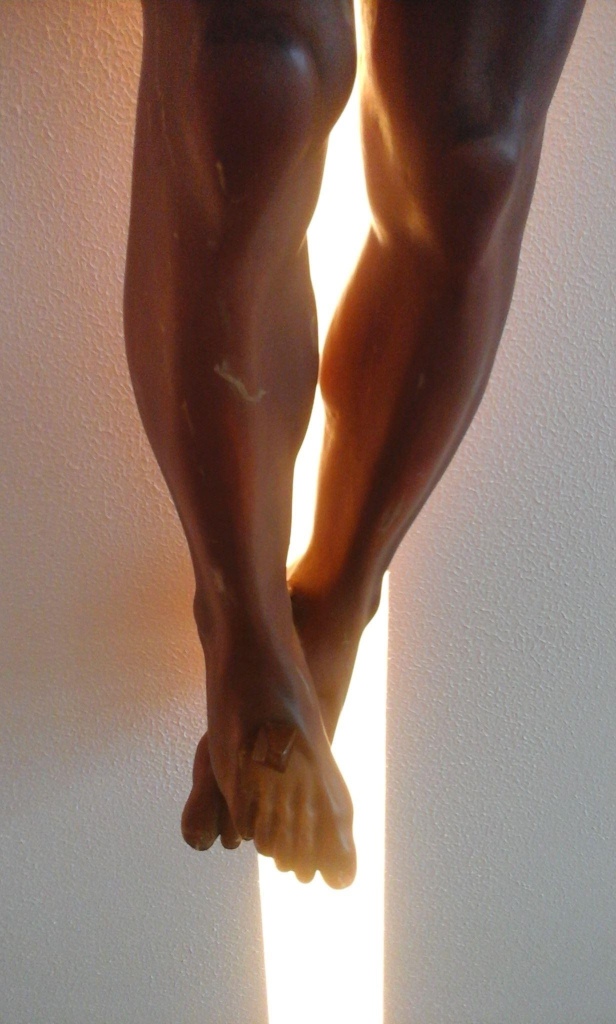
your Cross in this time of darkness
when everybody follows the artificial lights
of the world that lead to emptiness;
let me be immersed into your paschal mystery
of Passion, Death and Resurrection,
of bearing all the pains that lead to conversion
and to true peace as you have promised
at the Last Supper that is the fruit of
love and sacrifices, not of compromises
as the peace of the world offers.
Dearest Lord,
let me see everything in your love
even if it seems so impossible
like your victory over death;
seduce me, O Lord,
dupe me like Jeremiah
to join you in your adventure,
to go beyond my limits
even if it may be fatal
for that is the only way
to lose myself
in order to gain you,
Jesus Christ our Lord!
"Now to him who is able to accomplish
far more than all we ask or imagine,
by the power at work within us,
to him be glory in the Church
and in Christ Jesus to all generations,
forever and ever. Amen."(Ephesians 3:20-21)
Lawiswis ng Salita ni P. Nicanor F. Lalog II, Ika-17 ng Oktubre 2022
Larawan kuha ni Dr. Mylene A. Santos, MD, Marso 2022.
"Wala lang"...
mga salitang ating
madalas bitiwan at
mapakinggan
harapan man
o text lamang
nagpapagaan
dahil ramdam
bukal sa kalooban
isang nilalang
naalala, naisip
kahit saglit lamang.
Pero, maniniwala ka bang
"wala lang"
at biglaang sumagi
ka lang sa isipan nang di inaasahan?
Kung talagang "wala lang"
paanong pumasok itong "wala"
sa isipan at bakit kailangan pang
bigkasin at sabihin
sa ano mang paraan
kung "wala" lang naman
sana ay hinayaan na lang
maglaho hanggang malimutan?
Kasi naman ang katotohan
nitong sinasabing "wala lang"
ay malaman at makahulugan
kung nanamnaming lubusan
hindi kaagad maintindihan
nitong puso at kalooban
tunay na nararamdaman
walang ibang alam mausal
kungdi "wala lang" sa pangambang
magkaroon ng ibang kahulugan
at mauwi lang ang lahat
sa kawalan.
Kaya sa susunod
na bitiwan o mapakinggan
mga salitang "wala lang"
huwag paniwalaang wala lang
dahil ito ay malaman
malalim at makahulugan
ikaw ay pinahahalagahan
laging laman ng puso at isipan
hindi sa ano pa man
kungdi sadyang ganyan
bawat tulak ng bibig
ay siyang kabig ng dibdib!
The Lord Is My Chef Daily Recipe for the Soul by Fr. Nicanor F. Lalog II
Monday, Memorial of St. Ignatius of Antioch, Bishop & Martyr, 17 October 2022
Ephesians 2:1-10   ><)))*> + <*(((>< + ><)))*> + ><)))*> + <*(((><   Luke 12:13-21
Photo by author, April 2021.
Praise and glory
to you, God our Father,
so "rich in mercy" and love
and "kindness in Jesus Christ"
(Ephesians 2:4,7); sometimes,
I wonder why can't we just be
like the trees and other plants
that keep on blooming with flowers
and fruits so delightful to sight
and tastes without any efforts at all
except to simply follow your flow
of seasons unlike us spending
our entire lives earning and
amassing wealth and things
that do not fulfill us but even
rob us of peace and joy!
For by grace you have been saved through faith, and this not from you; it is the gift of God; it is not from your works, so no one may boast. For we are his handiwork, created in Christ Jesus for the good works that God has prepared in advance, that we should live in them.
Ephesians 2:8-12
You have created everything,
everyone so beautiful by nature,
dear God, but here we are,
destroying earth and our selves
with our own "creations"
that do not last at all.
Forgive us, O God,
that in our pursuits to earn
for ourselves, we fail to learn
that the "bestest" things in life
come only from you - Jesus Christ
and his gifts of faith, hope and love
lived sincerely in our family and
friends and community.
Forgive us, Father,
in coming to you in prayers
like that "someone in the crowd"
asking for material favors and
treasures of this world not realizing
the most important which is to be
"rich in what matters to God"
(Lk.12:21).
May we heed and contemplate
the words of your great Saint,
Ignatius of Antioch,
Bishop and Martyr who
wrote the Christians in
ancient Rome:
"Do not talk about Jesus Christ
as long as you love this world."
Help us forget ourselves,
Lord, so we may love you
more through others.
Amen.
The Lord Is My Chef Daily Recipe for the Soul by Fr. Nicanor F. Lalog II
Thursday, 105th Year of Final Apparition at Fatima, Portugal, 13 October 2022
Ephesians 1:1-10   ><}}}}*> + ><}}}}*> + ><}}}}*>   Luke 11:27-28
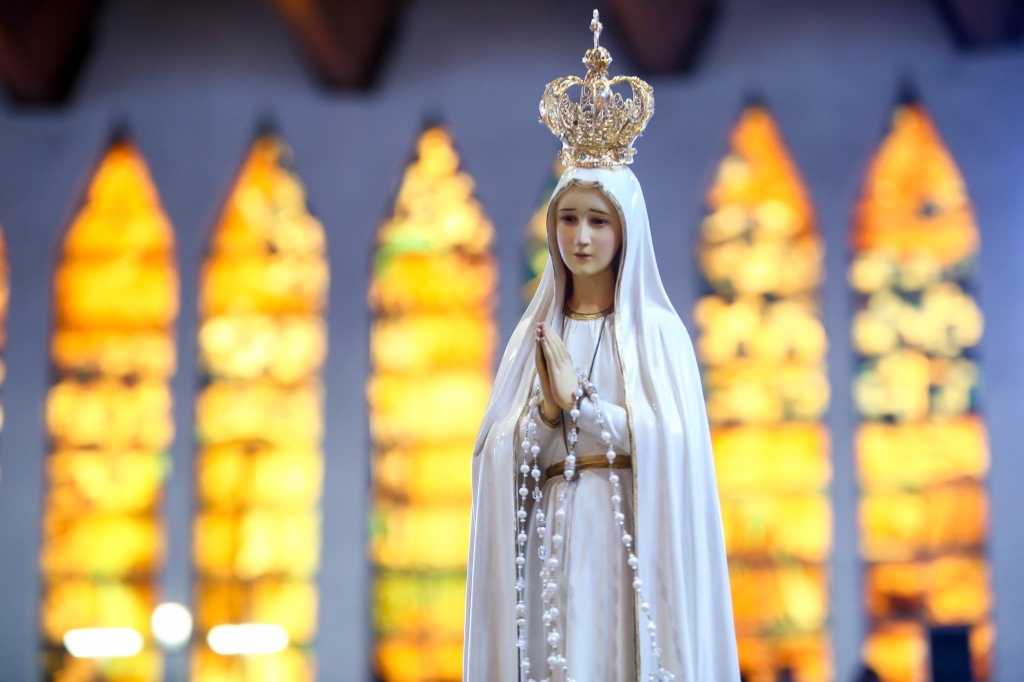
Photos from pinterest.com.
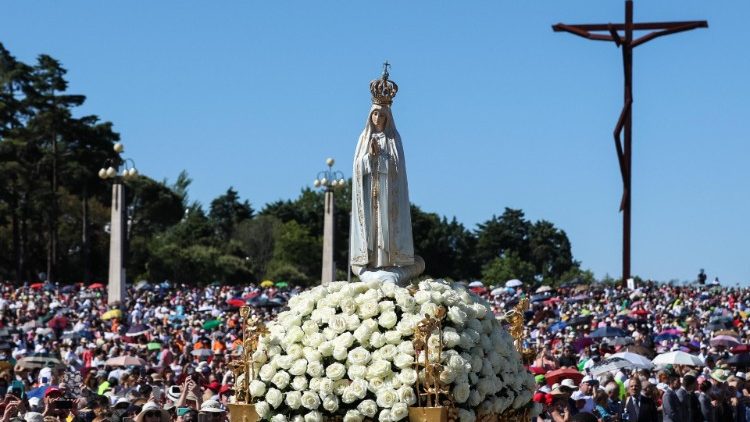
Today we commemorate the 105th year of the final apparition of the Blessed Virgin Mary at Fatima, Portugal where over 70,000 people witnessed the “Miracle of the Sun”.
It was raining the whole previous night until noon of October 13, 1917 when people made up of believers and unbelievers alike with skeptics and hecklers at the sides came to Cova Da Iria to await the Virgin Mary’s reported apparition to three young children, Lucia Santos and her two younger cousins Francisco and Jacinta Marto. The Blessed Virgin began appearing to the three children at the site on the 13th of May of that year and had promised to appear for the sixth and final time on that October 13, promising a great miracle to everyone. By noon, she finally appeared to the three children and after conversing with them, the sun “danced” or zigzagged the sky emitting radiant colors before careening down to Earth.
Page from Ilustração Portuguesa, 29 October 1917, showing the people looking at the Sun during the Fátima apparitions attributed to the Virgin Mary. From en.wikipedia.org.
Many people cried in fear, begging for mercy as the spectacular occurrence seemed like the end of the world that nothing of such kind was ever experienced nor recorded in history.
The dancing of the sun lasted for about ten minutes before it stood still, shining brightly with warmth that dried the people and nature soaked in rain the night before until that noon.
From then on, devotion to Our Lady of Fatima grew and spread worldwide until the Church recognized the apparition as authentic so that even its official feast was set on May 13, devotees have kept October 13 very special.
The eldest of the three children, Lucia became a Carmelite nun and provided so many useful information to later investigations and studies of the Fatima apparitions. She died on the 13th of February 2005, a few months ahead of the great St. John Paul II who had a very special devotion to Our Lady of Fatima after surviving an assassination attempt on the 13th of May 1981. Sr. Lucia’s younger cousins, as promised by the Lady to them in one of her apparitions, died earlier and have been canonized as saints recently.
Photo by author, April 2022.
Dance as expression of union
Lately I have been observing with great interest and appreciation how our young generation had been “borrowing” the music we grew up with from the 70’s to the 80’s into new level of dance steps via TikTok that are so coool and grooovy!
From the Bee Gees’ Staying Alive to EWF’s September and Groove Tonight to Patricia Rushen’s Forget Me Nots and Puff Daddy’s spin of Sting’s Every Breath You Take, generation gaps are being bridged, even closed with these endearing dance reels in social media.
Latest video I have been watching over and over these past two weeks is by a group of young Asians dancing to a James Brown 1973 funk song recorded by Fred Wesley & The J.B.’s. that is so funky and spunky. So fantastic! You may catch the fever and get the funky feel in both Instagram and YouTube in the link below.
The choreography is superbly modern and contemporary with dress and colors so 70’s yet as you watch the video, you do not feel lost or alienated because you feel a sense of belonging, of oneness unlike most modern music videos.
From YouTube.com.
Dance is a non-verbal communication that expresses our relationships and social interactions as a people, as a culture and as a society which we refer to as social intercourse. At the same time, dance is, generally speaking in the animal kingdom which includes us humans, the expression of gender roles in mating process or sexual intercourse. Notice how the many dance moves in the 70’s and 80’s expressed the promiscuity wrongly promoted by the so-called sex revolution.
Of course, sex is good, sex is holy.
But, it is more than an act or a part of the body! What the sex revolution of the 70’s until now missed greatly is the fact that sex is the totality of the person. Sex was created by God to bring humans into unity, into a communion and oneness with him and with others within his plan found in the sacrament of marriage. Not just according to human plans like same sex marriage nor union.
That noble union is the deeper meaning of a dance, of dancing – whether with a partner or by one’s self – it is always communicative of our higher aspirations of communion with God and others!
It is perhaps the reason why the sun “danced” on October 13, 1917 – it was God’s longstanding invitation for us mankind to dance with him, to follow his steps as taught to us by his Son Jesus Christ repeated by the Blessed Virgin Mary at Fatima. Notice how in our second reading, it was also the message of St. Paul to us through the Ephesians.
Grace to you and peace from God our Father and the Lord Jesus Christ. Blessed be the God and Father of our Lord Jesus Christ, who has blessed us in Christ with every spiritual blessing in the heavens, as he chose us in him, before the foundation of the world, to be holy and without blemish before him. In love he destined us for adoption to himself through Jesus Christ…
Ephesians 1:2-5
Photo from vaticannews.va, 13 May 2017.
Guidance: God + u and i dance in life!
Like during that time of 1917 in Fatima and the whole world, life was very difficult with the First World War still raging in Europe. People could not find meaning as they found the world so chaotic like today with the ongoing COVID-19 pandemic, wars in various parts of the world, rising costs of living and so many other difficulties and sufferings in life.
But, like St. Paul, the Blessed Mother at Fatima reminded us of an alternative vision of the world found in Jesus Christ, of the need to renew everything in Christ who had “bestowed on us every spiritual blessing” we need in this life. Despite our sinfulness, God still “chose us in Christ to be one in him” here in this life and in eternity, offering us salvation and fulfillment when we turn away from our sins and evil ways to follow Jesus.
If we reflect deeper into the miracle of the sun in Fatima 105 years ago, the great miracle was not really the sun dancing in the sky but how did the three little children so poor without higher form of learning believed in the promise of our Lady of the Rosary, that a great miracle would happen that day?
Clearly, the three children were guided by the Blessed Mother, most especially by the Holy Spirit! It was their faith that was so outstanding that like Mary, they believed the words spoken to them would be fulfilled as our gospel today told us (Lk.11:28) which were the same words spoken by Elizabeth to Mary at the Visitation (Lk.1:45)!
When we allow ourselves to be guided by the Blessed Mother and by the Holy Spirit, miracles happen in our lives: problems and sufferings are overcome, life becomes fruitful and fulfilling in God. And that is the meaning of the word GUIDANCE:
God
U and
I
D
A
N
C
E
in life!
May we pray to imitate the three children’s faith in Fatima – that of Sr. Lucia, St. Francisco and St. Jacinta so we may follow the GUIDANCE of Jesus Christ with his Mother the Blessed Virgin Mary as we dance our ways into the many difficulties of this life like in 1917. May we dance with Jesus and Mary in prayers and faith, hope and love. Amen.Have a blessed Thursday!
Photo from cbcpnews.net, 13 May 2022, at the Parish of the National Shrine of Our Lady of Fatima, Valenzuela City.
The Lord Is My Chef Daily Recipe for the Soul by Fr. Nicanor F. Lalog II
Tuesday, Memorial of St. John XXIII, Pope, 11 October 2022
Galatians 5:1-6   ><000'> + ><000'> + ><000'>   Luke 11:37-41
Photo by author, April 2022.
Brothers and sisters: For freedom Christ set us free; so stand firm and do not submit again to the yoke of slavery. For in Christ Jesus, neither circumcision nor uncircumcision counts for anything, but only faith working through love.
Galatians 5:1, 6
O dearest Jesus,
thank you for coming
to save us,
in setting us free
from sin
and most especially,
from the yoke of slavery
to externalities of
religion.
Keep us faithful
to you, Jesus,
by being more loving
to one another;
set our sights on
you and people
not on rules and
regulations,
rituals and traditions
as you have pointed out
in the gospel today.
Through the intercession
of your servant,
St. John XXIII who was
lovingly called as
"the good Pope"
and father of Vatican II,
give us the courage
to stand firm
and defend our faith in you
while being open to the winds
of change sweeping
the world today.

Make us free and faithful,
and loving too like him
who had said on the eve
of the conclave that would
elect him as Pope John XXIII,
"We are not here to guard a museum,
but to cultivate a flourishing garden
of life."  Amen.
The Lord Is My Chef Daily Recipe for the Soul by Fr. Nicanor F. Lalog II
Friday, Memorial of Our Lady of the Rosary, 07 October 2022
Galatians 3:7-14   ><}}}}*> + ><}}}}*> + ><}}}}*>   Luke 11:15-26
Photo by author, April 2022.
God our loving Father,
thank you in making us
experience your saving power
in the most unusual manner;
the imagery is most unique
like when Jesus used again
that Old Testament expression
"finger of God":
But if it is by the finger of God that I drive out demons, the the Kingdom of God has come upon you.
Luke 11:20
How lovely is that imagery of
"finger of God" as the power of
God to drive out demons; the
only other instances "finger of
God" was used were in the
Book of Exodus when the
Pharaoh's magicians admitted
the plagues were the works of
"the finger of God" and secondly
to describe how the Ten Commandments
were written by the "finger of God"
on two tablets of stone;
and now, Jesus described
his driving away of a demon
from a possessed man as work
of the "finger of God".
In all instances, O God,
your power so great is so
unlike of what we know
of worldly power that is
threatening and menacing;
was it coincidental, dear God,
that the most powerful prayer
instrument we now have is the
Holy Rosary that is literally found
on our fingers too?

As we pray the Rosary with our
lips and fingers, suffuse us
with your power that loves and
heals, forgives and cares;
may we "imitate" what the
mysteries of the Rosary "contain"
by following Jesus like Mary
in all his joys and sufferings,
glory and light.

Like during the time of Christ,
we are being attacked in all fronts
by many detractors who refuse
to acknowledge the Holy Rosary is
a Christocentric prayer that contemplates
the life of Jesus our Savior
through the face of Mary his Mother;
as we meditate the life of Christ
through the Rosary beads
with our fingers,
let us experience
your great power anew,
your power to love
and care especially
the sick and suffering,
the lost and forgotten
so that in the end,
may your power
triumph over the
evils of the world
expressed in dominance
and manipulations,
lies and character
assassinations,
and disrespect for
life and persons.
Amen.

Our Lady of the Most Holy Rosary,
Pray for us!
Photo from canningliturgicalarts.com, painting of the Battle of Lepanto Bay with our Lady of Victory or Rosary.
The Lord Is My Chef Daily Recipe for the Soul by Fr. Nicanor F. Lalog II
Tuesday, Memorial of St. Francis of Assisi, Religious, 04 October 2022
Galatians 1:13-24   ><000'> + <'000><   Luke 10:38-42
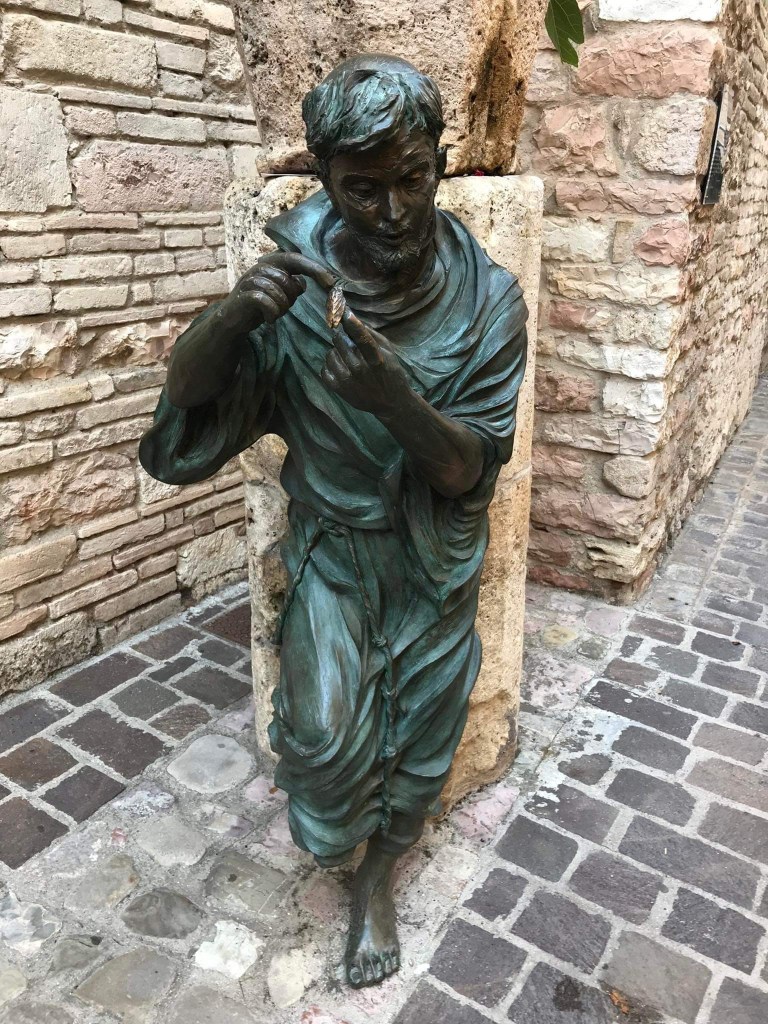
Photo by Fr. Gerry Pascual, bronze statue of St. Francis in Assisi, Italy, 2021.
Lord Jesus Christ:
While I am so eager to
recite the prayer for peace
of your blessed St. Francis of Assisi
today being his Memorial,
thank you for making me realize
in your words today that
before St. Francis was recognized
for his works that balanced
everything in creation,
help me first achieve balance in
myself in prayer.
The Lord said to her in reply, “Martha, Martha, you are anxious and worried about many things. There is need of only one thing. Mary has chosen the better part and it will not be taken from her.”
Luke 10:41-42
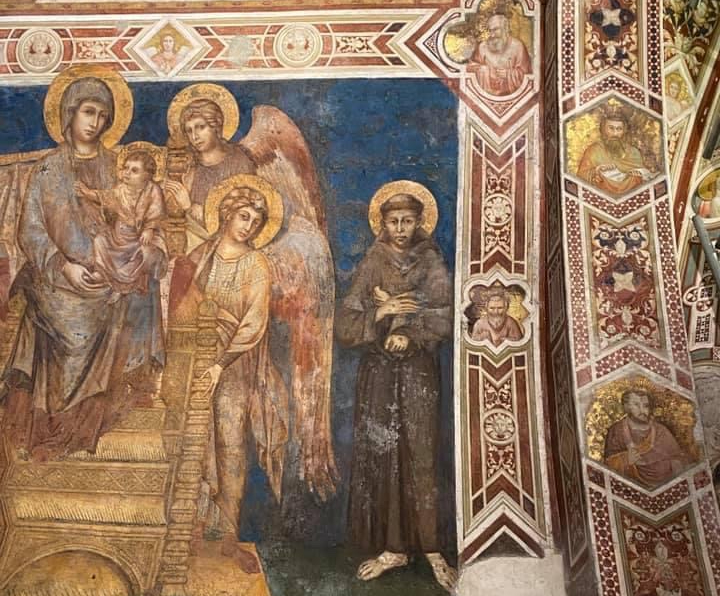
Photo by Fr. Gerry Pascual of the fresco at the Assisi Basilica, Italy, 2021.
Let me grow closer to you first,
Lord Jesus Christ by loving you
among the poor and suffering,
by spending precious moments
under your Cross on bended knees
like St. Francis.

Let me grow closer to you first,
Lord Jesus Christ by loving you
as I value life more than ever in this
age of materialism, by making known to
everyone the value of every person,
the value of human life especially
at its weakest stages of pregnancy and
infancy like St. Francis who set up the
first Nativity scene at Grecchio.

Let me grow closer to you first,
Lord Jesus Christ by loving you
in deep prayers like St. Francis who
befriended even Death he had called
"cousin" in his beautiful Canticle of the Sun.
Lord Jesus Christ,
long before St. Francis came
and all the other saints, you have
shown us personally that prayer is
life's primary balancer,
equalizer; like St. Paul in the first
reading, may we personally feel
your coming to us in prayers
and moments of contemplation and
meditation because the more we become
active in life, the more we need to be
contemplative; balance in life happens
when the more we pray, the more we work;
and, as we work more, let us pray more too!
Photo by Fr. Gerry Pascual, detail of fresco with St. Francis at the Basilica of Assisi, Italy, 2021.
Most of all,
through the example of
St. Francis of Assisi,
let us handle life with prayer:
may we study hard,
work harder,
and
pray hardest!
Amen.
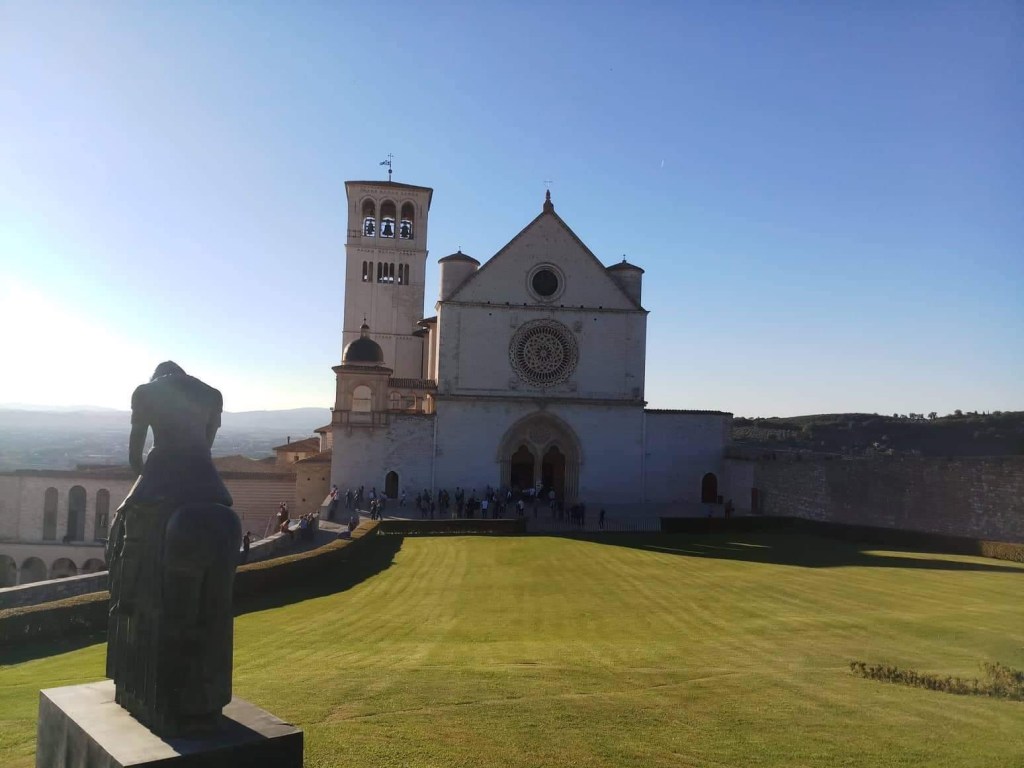
Photo by Arch. Philip Santiago, Basilica of St. Francis, Assisi, Italy, September 2018.