The Lord Is My Chef Breakfast Recipe for the Soul by Fr. Nicanor F. Lalog II
Wednesday, Memorial of St. Philip Neri, 26 May 2021
Philippians 4:4-9  ><}}}*> + ><}}}*> + ><}}}*>   Mark 10:32-45
Photo by Mr. Jim Marpa, 2018.
Rejoice in the Lord always,
I shall say it again:  rejoice!
Your kindness should be known to all.
(Philippians 4:4-5)
Thank you very much, dear God our loving Father for the gifts of joy and sense of humor. So many times we forget that we are most alive when we are laughing, when we are filled with joy in our hearts. Just like your amusing saint today, St. Philip Neri.
Give us the grace of wisdom and intelligence, simplicity and humor nurtured by a deep prayer life of St. Philip Neri who would always reserve the nights for his prayer periods especially at the catacombs of Rome where he experienced great joy that enlarged and expanded his heart that broke two of his ribs!
And always, give us some sprinklings of his sense of humor that he came to be the patron saint of joy and humor, saying that “A joyful heart is more easily made perfect than a downcast one.”
He was so filled with life in his ministry that he spent serving everyone – from the poorest of the poor including prostitutes to the men and women of power and influence in royal courts and palaces, government offices and most of all, in the Vatican as well as local churches.
Because of his great love for you, St. Philip Neri became a great patron of arts, inspiring and supporting so many artists during his time when the Reformation period was bent on attacking the many paintings that adorn our churches.
It is really amazing how St. Philip Neri without any plans of reforming the Church actually gave the human touch in the realizations of the Counter Reformation efforts by St. Ignatius of Loyola, St. Charles Borromeo, and other saints.
His Congregation of Oratory proved to be so essential in the life of the Church with his priests who were more concerned with prayers, spiritual reading, and administering the sacraments than emphasizing discipline and obedience.
Teach us to imitate St. Philip Neri to take into our hearts the essence and meaning of your Son Jesus Christ’s words today:
"whoever wishes to be first among you
will be the slave of all.  For the Son of Man
did not come to be served but to serve
and to give his life as a ransom for many."
(Mark 10:44-45)
We pray, O God, today for those feeling sad due to the many problems and difficulties this pandemic has caused to many of us. Give us a fresh and new perspective in life where we rely more on you than on our selves and the world, enabling us to see the light and beauty around us, especially among those the suffering we must lend our hands to.
Like St. Philip Neri, in sharing the joys and laughter of children we may become like children again. Amen.
The Lord Is My Chef Breakfast Recipe for the Soul
First Friday, Memorial of St. Agatha, 05 February 2021
Hebrews 13:1-8     >><)))*>   +++  <*(((><<     Mark 6:14-29
Photo by author, Silang, Cavite, September 2020.
Your words today are very disturbing, Lord Jesus. So many times I find myself like Herod perplexed at listening to your words, praying your words, analyzing and learning your words for they are so delightful to the feelings but so disturbing when I am in a state of sin.
Forgive us, dear Jesus, in making into a cliche that beautiful prayer we once in a while utter to you, “Disturb us, O Lord.” So often we hear and read this beautiful prayer without really meaning it so well like Herod in today’s gospel.
Herod feared John, knowing him to be a righteous and holy man, and kept him in custody. When he heard him speak he was very much perplexed, yet he liked to listen to him. Herodias had an opportunity one day when Herod, on his birthday, gave a banquet for his courtiers, his military officers, and the leading men of Galilee…
The girl hurried back to the king’s presence and made her request, “I want you to give me at once on a platter the head of John the Baptist.” The king was deeply distressed, but because of his oaths and the guests he did not wish to break his word to her. So he promptly dispatched an executioner with orders to bring back his head. He went off and beheaded him in the prison.
Mark 6:20-21, 25-27
Disturb us, O Lord?
So nice to read, so good to say but never easy to totally feel and live out its real meaning!
There is no doubt at how your words disturb us, dear Jesus, bothering our conscience, making us feel uncomfortable specially when we are deeply into sin and evil; but then, we would reason out with our usual alibis and justifications that eventually we find a way out of your teachings like Herod in taking the wife of his brother Philip.
Ironically, and yes, tragically, when our words are put to test by somebody else’s words, we feel more distressed like Herod when asked for the head of John after making a pledge to his daughter to ask for anything. Shamefully, that is when we are pushed to edge to finally make a decision on something so wrong simply because we felt challenged and dared to assert our position and power. We act instinctively without much thinking if we are just being taken for a ride, of being manipulated like Herod.
Beheading of John the Baptist from wikipediacommons.org.
O Lord, you know us so well. Too often in life, we would rather bear the daily hurts no matter how painful for as long as we look good among others than suffer big time in confronting and accepting our true selves before you for fear it could badly wound us, exposing our true selves and other vulnerabilities as a person like Herod. Yes, we would rather save face than save souls.
Give us the grace and courage, Lord Jesus Christ, to face up and dare ourselves to rise to your challenge of purifying ourselves into better persons like John the Baptist who truly played his role as your precursor with his prophetic preaching.
Like St. Agatha your holy virgin and martyr, may we persevere in our sufferings, not disturbed at all at what others may say except in how we may witness your Gospel of love and mercy for you are always “the same yesterday, today and forever” (Hebrews 13:8). Amen.
A mosaic of St. Agatha of Sicily whose breasts were cut off by her torturers hoping she would renounce her faith in Christ. She remained faithful to Jesus who sent St. Peter to appear to her in a vision to console her and thus became the patron saint for those with breast cancer. She eventually died a martyr while in prison as a result of the repeated cruelties inflicted to her around year 251. Photo from aleteia.org.
The Lord Is My Chef Breakfast Recipe for the Soul, 03 February 2021
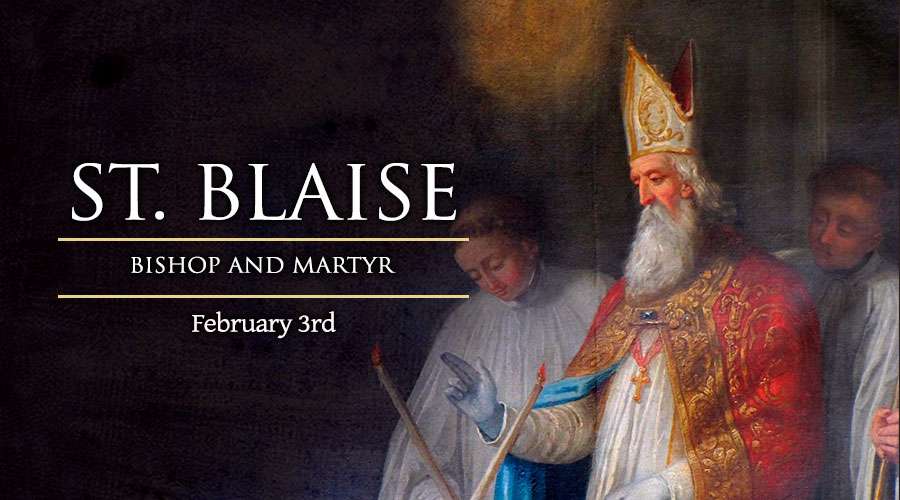
Wednesday, Memorial of St. Blaise, Bishop and Martyr
Hebrews 12:4-7, 11-15     <*(((><<   +++   >><)))*>     Mark 6:1-6
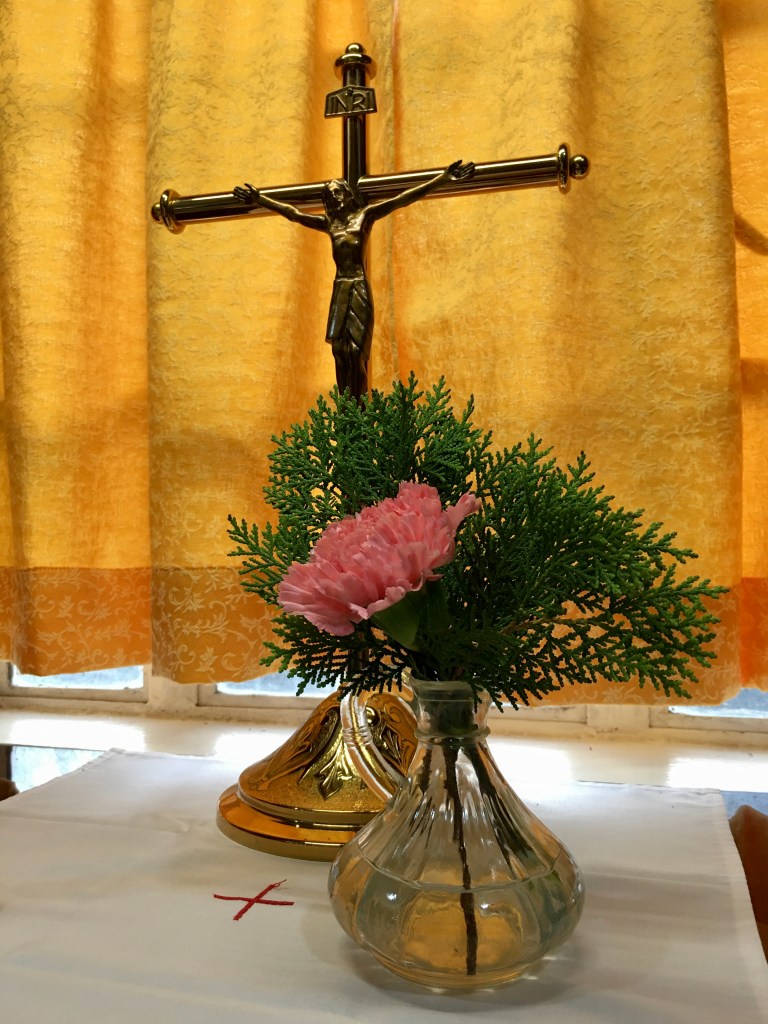
Photo by author, sacristy table, December 2020.
O God our Father, thank you for enlightening us today about the sufferings we are going through especially at this time of the pandemic. Forgive us for those times we have doubted you and your love for us when we go through many sufferings, forgetting that these are a part of our lives you have allowed to happen so we may grow and mature.
Forgive us when at the slightest sign of pain and sufferings, we balk at taking the path of the Cross of Jesus Christ, choosing to commit sin than being faithful to you.
Help us realize that when we suffer, the more you are nearer to us truly as a Father who lets his children go through trials and hardships to make him better and stronger in the future.
Endure your trials as “discipline”; God treats you as sons. For what son is there whom his father does not discipline? At the time, all discipline seems a cause not for joy but for pain, yet later it brings the peaceful fruit of righteousness to those who are trained by it. So strengthen your drooping hands and your weak knees. Make straight paths for your feet, that what is lame may not be dislocated but healed.
Hebrews 12:7, 11-13
We pray, O Lord, for those going through so much sufferings today especially those undergoing chemotherapy, dialysis, and physical therapy; those who have lost loved ones, who have lost their jobs.
Most specially, we pray for those suffering from rejection like Jesus when he came home to his native place and people took offense at him after hearing him spoke at the synagogue and healed so many sick people in other places.
It is one of the most painful sufferings anyone can go through, of being rejected by family and relatives, co-workers and colleagues, friends and neighbors.
Like St. Blaise, may we bear all pains and sufferings in life so we may strengthen the weak among us and offer healing to those who are sick and afflicted.
Most of all, like St. Blaise, as we accept the pains and sufferings coming our way, may we strive hard to never be the source of pains and sufferings to others. Amen.
The Lord Is My Chef Breakfast Recipe for the Soul, 28 January 2021
Thursday, Feast of St. Thomas Aquinas, Priest and Doctor of the Church
Hebrews 10:19-25     >><)))*>   +++   <*(((><<     Mark 4:21-25
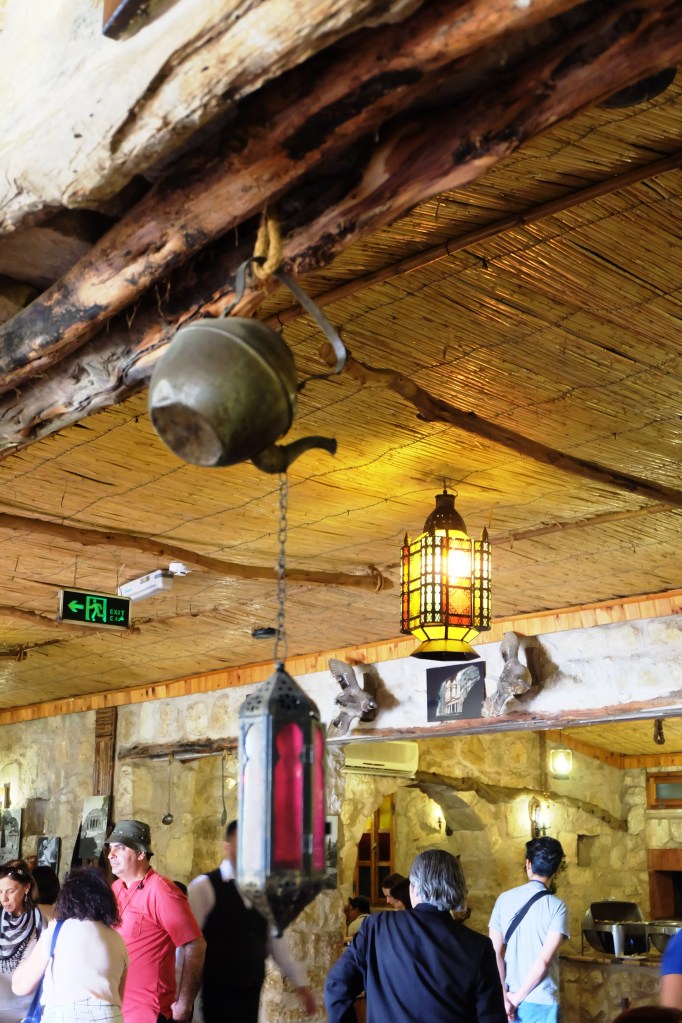
Photo by author at Petras, Jordan, May 2019.
Our loving God and Father in heaven, thank you very much in sending us your Son Jesus Christ as our Eternal Priest who has enabled us all to approach you “with a sincere heart and in absolute trust, with our hearts sprinkled clean from an evil conscience and our bodies washed in pure water” (Heb. 10:22).
In becoming our Eternal Priest with his great sacrifice on the Cross made present day in, day out in the Holy Sacrifice of the Mass throughout the world, you have filled us with more of your love, O Father to become also your gift, your light, your blessing to others through Jesus Christ.
Like your “Angelic Doctor”, St. Thomas Aquinas whose feast we celebrate today.
Here is a great saint of your Church who truly listened to Jesus Christ, heeding his admonition,
“Is a lamp brought in to be placed under a bushel basket or under a bed, and not to be placed on a lampstand? For there is nothing hidden except to be made visible; nothing is secret except to come to light. Anyone who has ears to hear ought to hear.”
Mark 4:21-23
Teach us to be truly humble before you, Father by becoming who we really are, a lamp of your Son Jesus Christ like St. Thomas Aquinas.
Let us be a lamp who would not hide but let Christ’s light of love and kindness, mercy and compassion shine on those suffering in pain especially the poor and needy.
Let us be a lamp who would not hide but let Christ’s light of wisdom and knowledge, moral certitude and courage shine on those in darkness and cowardice.
Let us be a lamp like St. Thomas Aquinas making you present O God, the real Truth – Veritas – of this life in Jesus Christ. Amen.
The Lord Is My Chef Breakfast Recipe for the Soul
Tuesday, Memorial of Sts. Timothy and Titus, Bishops, 26 January 2021
2 Timothy 1:1-8    >><)))*>   +++   <*(((><<     Luke 10:1-9
Photo by Mr. Raffy Tima of GMA-7 News, sunrise at Natonin, Mountain Province after a devastating landslide in October 2018.
Dearest Lord Jesus Christ:
A day after celebrating the feast of the conversion of your great Apostle Paul, we now remember his two collaborators and companions in fulfilling his mission from you, Timothy and Titus, trustworthy men who carried out so many of his works.
And so today, we pray Lord Jesus in your name to please send us collaborators in your mission, men and women who are trustworthy who share in your vision and mission, endeavors and responsibilities. Collaborators in you, Lord, who are willing and ready to serve the Gospel with generosity like Timothy and Titus who represented Paul in many circumstances far from easy.
Send us, dear Jesus, more workers in your field, collaborators in you with our bishops and priests, even with our leaders in government who shall think more of serving the people, thinking more of the welfare of others than one’s personal advantages like power and fame.
“The harvest is abundant but the laborers are few; so ask the master of harvest to send out laborers for his harvest. Go on your way; behold, I am sending you like lambs among wolves.”
Luke 10:2-3
What will happen to your people, Lord Jesus when your servants and collaborators become the wolves, unmindful of the needs of the people, forgetting their mission of proclaiming your Gospel, of celebrating your Holy Sacrifice of the Mass much needed these days?
What will happen to your people, Lord Jesus when your servants and collaborators become afraid of doing what is true and right, trying to please men and women than God, avoiding problems and difficulties?
Photo by Dr. Mai B. Dela Peña, MD, Carmelite Monastery, the Holy Land, 2017.
“For this reason, I remind you to stir into flame the gift of God that you have through the imposition of my hands. For God did not give us a spirit of cowardice but rather of power and love and self-control … bear your share of hardship for the Gospel with the strength that comes from God.”
2 Timothy 1:6-7, 8
Help us follow, dear Jesus, your Apostle Paul’s recommendation to Titus, “I desire you to insist on these things, so that those who have believed in God may be careful to apply to themselves to good deeds; these are excellent and profitable to men.”
May we be more committed to you, Jesus Christ than to anyone else, even to our selfish motives so that we may be rich in good deeds to open the doors of the world to you our Lord and Master. Amen.
The Lord Is My Chef Breakfast Recipe for the Soul
Memorial of St. Agnes, Virgin and Martyr, 21 January 2021
Hebrews 7:25-8:6  >><)))*> + >><)))*> + >><)))*>  Mark 3:7-12
Photo by Dr. Mylene A. Santos, MD, November 2020.
Lord Jesus Christ, you know how things are going on in our country and in our lives these days. Things are not getting any better and in fact, 2021 is beginning to look more like an extension of 2020.
We are not complaining, dear Jesus.
All I am asking you is to help us remain in you, to hold on to you, to trust in you no matter how tough and difficult are the situations many of us are facing.
Like those workers of Makati Shangri-la to be laid off next month and the many others who have earlier lost their jobs and means of livelihood, still seeking employment at this time.
I pray for those who have lost their loved ones to COVID-19, cancer, and other illnesses recently. Help them grieve and cope in their losses.
I pray also for those undergoing chemotherapy, dialysis, and physical therapy.
Most specially too to our tired and exhausted medical frontliners still battling the pandemic while many among us seem to not care at all in getting infected or spreading the COVID-19 virus.
We all come to you, sweet Jesus, like those large number of people from all over Israel – Jews and pagans as well – not only to seek healing from you, but most of all to remain one and united in you as your followers (Mk.3:8).
Lord Jesus, more than the favors we can have from you is the relationship we want to keep with you.
The main point of what has been said is this: we have such a high priest, who has taken his seat at the right hand of the throne of the majesty in heaven, a minister of the sanctuary and of the true tabernacle that the Lord, not man, set up… Now he has obtained so much more excellent in ministry as he is mediator of a better covenant, enacted on better promises.
Hebrews 8:1, 6
Give us the grace of courage and fidelity in you like the young St. Agnes who firmly stood her ground as a martyr, a witness, to your gospel of love and salvation.
Help us realize, Lord, that you have come to seek our relationships, our oneness in you more than just being healed or being blessed with things we wish for. Amen.
The Lord Is My Chef Recipe for the Soul by Fr. Nicanor F. Lalog II
27 December 2020, Feast of St. John the Apostle and Evangelist, Patron of our Parish
1 John 1:1-14  >><)))*> John 20:2-8
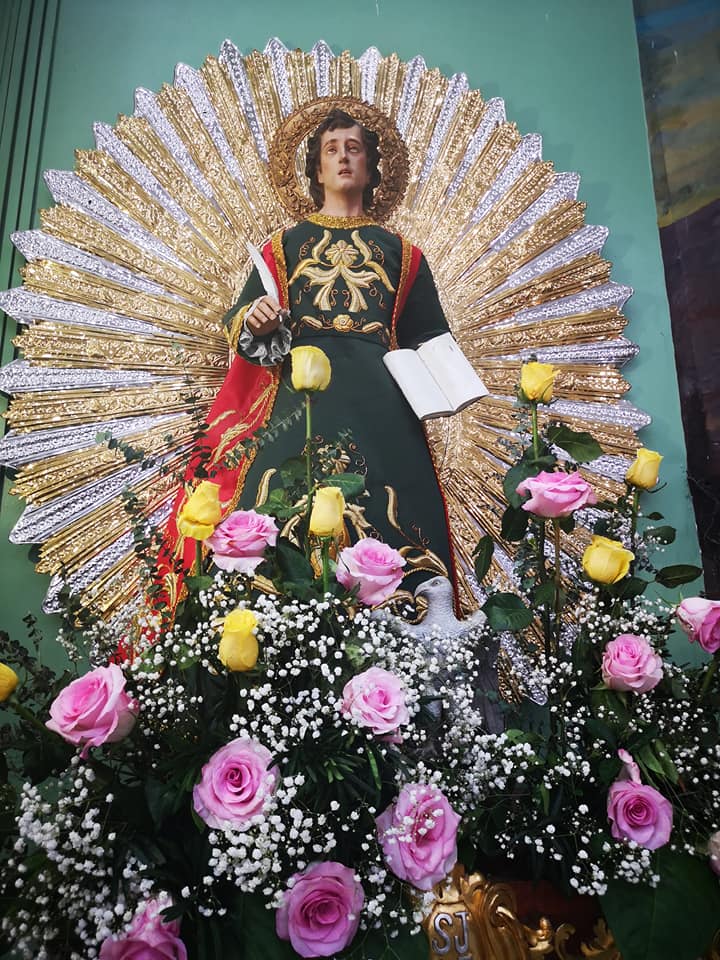
Our Parish Patron, the beloved disciple of the Lord, St. John the Apostle and Evangelist (Photo by Ms. Jo Villafuerte, Sept. 2018).
Today we celebrate in our Parish the feast of our Patron Saint, John the Apostle and Evangelist also known as “the beloved disciple of the Lord”. Although it is a Sunday in the Christmas octave when the Feast of the Holy Family is celebrated by the universal Church, parishes and dioceses with the beloved disciple as patron as exempted. Perhaps, it is St. John’s gift to me before I move to my new assignment in February next year that I celebrate his feast for the last time this Sunday.
I tell my parishioners to love St. John; that is their first task as parishioners, to love and support their Patron Saint. Moreover, I have always stressed to them how St. John the Apostle is so special, and not an ordinary saint or Apostle. Next to his being the beloved disciple of Jesus, he is the only Apostle to have not died a martyr but grew old to witness the growth of the Church; he was the one who took care of the Blessed Virgin Mary as per instruction by the Lord Himself before He died on the Cross on Good Friday; and though there are only a few parishes dedicated to him, mostly are Cathedrals like the one at Dagupan-Lingayen in Pangasinan, at Naga City in Camarines Sur, and of course, the Cathedral of Rome, the St. John Lateran, the Mother of all churches in the world.
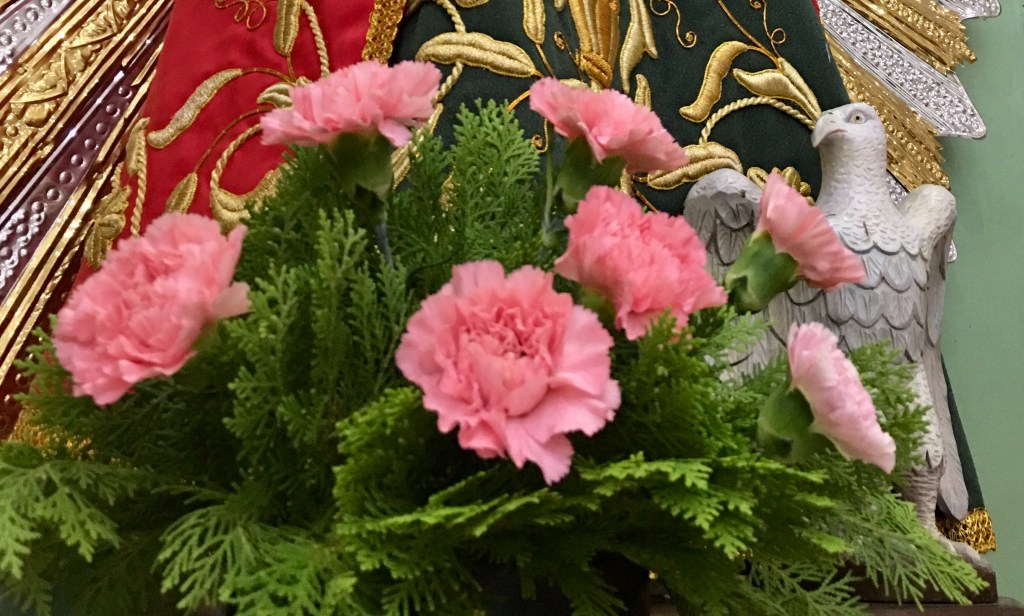
He is often symbolized by the eagle for his sharp and incisive way of looking at things and events in the life of teachings of Jesus that he is the only one able to tell us about the wedding feast at Cana, the man born blind, the raising of Lazarus as well as the more detailed account of the teachings after the feeding of five thousand people.
The great American writer Helen Keller, a blind woman, said it so well, “The only thing worse than being blind is having sight but no vision.”
I wish to reflect on that vision of St. John, on what had he seen in our Lord Jesus that hopefully we may always try to look into in our own lives.
Photo by author, Gaudete Sunday 2020.
Seeing Jesus, a real man among us
I used to say in my wedding homilies that women should always look for men who not only has sights but also vision. We all have sights but not everyone has a vision, the ability to see and look beyond what is on the surface, on what can only be seen but also perceived further.
St. John the Evangelist had a great vision of who Jesus Christ is. No wonder towards the end of his life while a prisoner at the island of Patmos off Greece, the Lord offered him a vision of heaven which he had recorded to us in the most difficult book of the Bible, the Revelation; his other four writings, the Gospel and three letters are also difficult to understand due to the different layers of meaning that only the beloved disciple was able to perceive.
Such is the kind of the vision of St. John said to be like the eagle, believed to be the only creature that can stare directly into light without getting blinded — very sharp and keen, as we say in Filipino, “matang-lawin” or eagle sight.
Being the only Apostle of the Lord to have grown old and spared from dying a martyr like the rest, St. John witnessed the first errors or heresies of early Christians concerning the humanity of Jesus Christ. They could not accept the Son of God took on a genuinely human body so that in a mistaken zeal for spirituality, they condemned everything material as evil, claiming the humanity of Jesus was just an appearance. As a result, these heretics like the gnostics taught that to be fully united with God meant to withdraw as much as possible from everything material.
St. John wrote his letters primarily to address this wrongful and erroneous views (which would persist for 400 years, still echoing in our present time), insisting that Jesus Christ is true God, and true man. We have heard him declare that on Christmas day when his prologue was proclaimed when he claimed “the Word became flesh and dwelled among us” – that Jesus Christ fully entered into our humanity and material condition by blessing and making it holy!
Today St. John insists on this contact with the real, bodily Jesus, repeating the words “seen” and “visible” about five times in four verses, emphasizing contact with a real, bodily Christ.
What was from the beginning, what we have heard, what we have seen with our eyes, what we looked upon and touched with our hands concerns the Word of life — for the life was made visible…
1 John 1:1-2
Here we find what St. John tells us also after the Resurrection in his gospel account how Jesus invited the doubting Thomas to touch and feel him, “Put your finger here and see my hands, and bring your your hand and put it into my side, and do be unbelieving, but believe” (Jn.20:27).
It is this physical, truly human, touchable Jesus that the Church proclaims every Christmas. Yet, how tragic that through the ages, we in the Church had always had that tendency to withdraw from the material that perhaps had led to so many problems with the human body and sexuality so that we have all these sex scams happening even long before.
Part of the mystery of the Incarnation is for us to be at home with our humanity like Jesus our Lord because everything God had made is good. Mention SEX, even in seminaries or Catholic schools, you hear for sure that rising crescendo of whispers and impish laughters.
Everything that God made is good. That is why Jesus became human to show us it is good to be a human being, it is the path back to God, into heaven. If we cannot accept Jesus as truly human, how can we truly love God whom we do not see? Hence, we find this beautiful flow of reason and reflection of St. John in his first letter:
No one has ever seen God. Yet if we love one another, God remains in us and his love is brought o perfection in us. God is love, and whoever remains in love remains in God and God in him. We love because he first loved us. If anyone says, “I love God,” but hates his brother, he is a liar; for whoever does not love a brother whom he has seen cannot love God whom he has not seen.
1 John 4:12, 16, 19-20
Photo by Mr. Marc Angelo Nicolas Carpio, Christmas 2020.
In short, to love God and to love others, we must first love our very selves, accept our “human-ness” like Jesus, a real man in everything except sin. The more we accept each other, the more we “see” God among us as a community, as a Church, the Body of Christ.
The Church, the Body of Christ
This vision of the Church as the body of Christ by St. John came from the empty tomb of Jesus at Easter, when the Lord was paradoxically not in sight!
When Simon Peter arrived after him, he went into the tomb and saw the burial cloths there, and the cloth that had covered his head, not with the burial cloths but rolled up in a separate place. Then the other disciple also went in, the one who had arrived at the tomb first, and he saw and believed.
John 20:6-8
What did our Patron Saint “see” that he believed, not like Simon Peter who was the leader of the Apostles?
Photo by author, August 2020.
This is the best example of St. John’s vision, of seeing beyond the physical, of seeing the significance of the folded cloth that covered the Lord’s face that has its basis in the story of Moses who had to put on a veil whenever he would converse with God face to face (cf. Exodus 34) due to the immense brightness of God, of His overwhelming presence. This the Israelites have seen every time after Moses had spoken with God, his face shone so brightly.
With the cloth that covered the head of Jesus folded and separated from the burial cloths, it meant that Jesus had met the Father, the veil to cover His face was no longer needed.
At that instance, everything became clearer for St. John – from the cleansing of the temple to His conversations with that Samaritan woman at Jacob’s well – convincing him that Jesus had risen to new life, to new level of existence. Years later, we find Jesus appearing to Saul on his way to Damascus, asking him, “Saul, Saul, why are you persecuting me?(Acts 9:1-5)” to indicate that whatsoever you do anyone, you do unto Jesus (Matt. 25:40).
In His glorified body, we are now able to look at God also in the new body of Jesus, the Church. It is in this aspect that we have to learn so much from the beloved disciple, St. John. Our lack of any sense of community like the collective effort in stopping the spread of COVID-19 shows of the great need for us to have wider and sharper vision of Jesus among us especially in the Church. May we strive to love more Jesus to find Him in our humanity. Amen.
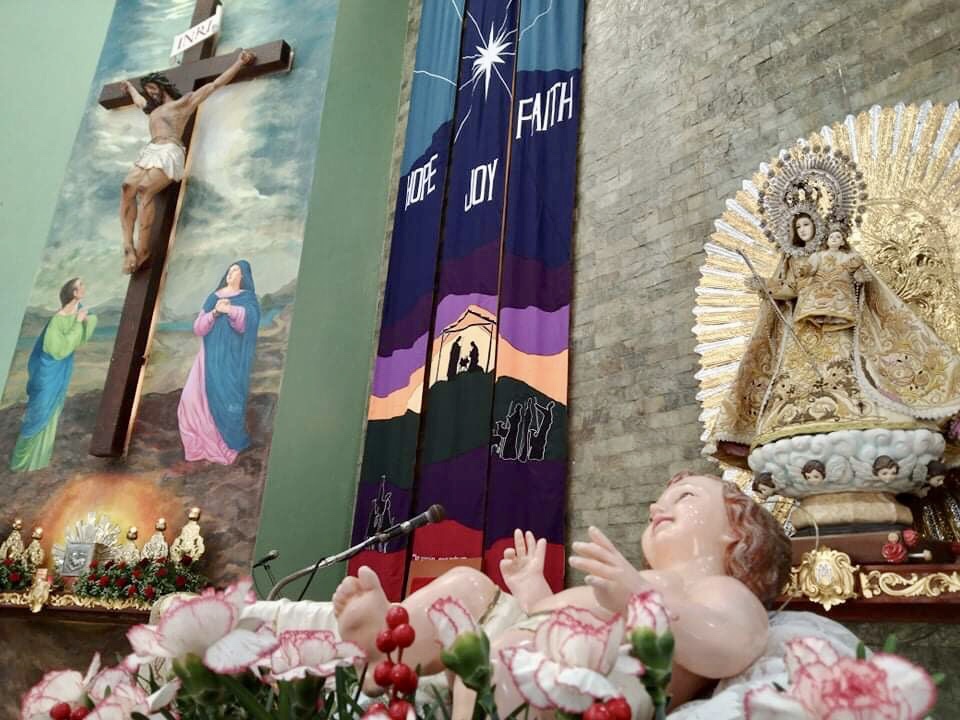
Photo by author, Malolos Cathedral, September 2020.
The Lord Is My Chef Breakfast Recipe for the Soul by Fr. Nicanor F. Lalog II
Monday, Advent Week-II, 07 December 2020
Isaiah 35:1-10     >><)))*>  >><)))*>  >><)))*>     Luke 5:17-26
Photo by author, sacristy altar, 05 December 2020.
Your words today, O God are so uplifting, evoking in us springtime when everything is bursting into new life making this Season of Advent a prelude to Easter. And rightly so!
The desert and the parched land will exult; the steppe will rejoice and bloom. They will bloom with abundant flowers, and rejoice with joyful song. Then will the eyes of the blind be opened, ears of the deaf be cleared; then will the lame leap like a stag, the tongue of the dumb will sing. Streams will burst forth in the desert, and rivers in the steppe. The burning sands will become pools, and the thirsty ground, springs of water.
Isaiah 35:1-2, 5-7
But for us to see life bursting forth around us, let us in our selves first desire life, persevere our healing, and keep your gifts of mercy and forgiveness like the men who lowered through the roof a paralyzed man on a stretcher before Jesus while preaching inside a packed house.
Strengthen us to go out and find ways in meeting you, Jesus, like those men.
Forgive us for the many occasions of cynicisms and indifference, as well as arrogance and pride like the scribes and Pharisees who questioned your authority to forgive sins.
As we have reflected yesterday, Advent is a two-way street: you always come, Lord Jesus but we must also come to meet you. So many times you have come to our lives but we never met you, never experienced you nor even felt you because we have always been full of ourselves, of our sins, and of so many other people and things.
Keep us one with you always, Jesus – in your cross, in your humility, in your love.
Like St. Ambrose your great Bishop of Milan, may we lead more souls discover you, Jesus, and experience life anew like St. Augustine, his famous convert. Amen.
The Lord Is My Chef Breakfast Recipe for Soul by Fr. Nicanor F. Lalog II
Thursday, Memorial of St. Francis Xavier, Missionary, 03 December 2020
Isaiah 26:1-6     >><}}}*>  >><}}}*>  >><}}}*>     Matthew 7:21, 24-27
Photo by Mr. Red Santiago of his son while praying in our Parish, November 2019.
Thank you very much, God our loving Father in continuing to keep us, in gathering us together as family, as friends, as a community despite our many sins and failures, most especially in the midst of these trying times.
Like the remnants of Israel thrown into exile in the first reading, you have gathered us in Jesus Christ as our “strong wall and rampart” (Is.26:1), protecting us, blessing us, befriending us.
Let us not make same old mistake again like your chosen people thrown into Babylonian exile who worshipped you only with lips:
Jesus said to his disciples: “Not everyone who says to me, ‘Lord, Lord,’ will enter the kingdom of heaven, but only the one who does the will of my father in heaven.”
Matthew 7:21
In this Season of Advent, let us rediscover you anew, Jesus, our Lord and Savior. Help us renew our friendship in you by cultivating a prayer life that is consistent because friends always communicate, they always listen and speak to each other.
Sorry, Lord, for ignoring your words for so long, listening more to empty words of media than to your words that are performative or life-changing as Pope emeritus Benedict XVI used to say.
Most of all, friends not only talk and listen — they love each other.
Teach me to be truly wise, dear Jesus, to love more in deeds than in words.
Teach me to have my life founded on you, rooted in your love like St. Francis Xavier whose memorial we celebrate today for having accomplished so much against all odds because of his love for you and for people scattered in the Far East, hungry for your words.
Fill my heart with your love so that like St. Francis Xavier, I may be “stirred to meditate on spiritual realities, to listen actively to what God is saying to me… that I may forget my own desires, my own human affairs and give myself over entirely to God’s will and choice that my heart would cry out: Lord I am here! Send me anywhere you like!” (adapted from a letter by St. Francis Xavier to St. Ignatius).
The Lord Is My Chef Breakfast Recipe for the Soul by Fr. Nicanor F. Lalog II
Tuesday, St. Andrew Dung-Lac, Priest, and Companions, Martyrs, 24 November 2020
Revelations 14:14-19     >><)))*>  +  <*(((><<     Luke 21:5-11
Photo by author, “wailing wall” of Jerusalem, May 2017.
Your words today, Lord Jesus, are disturbing because they are actually happening: “See that you not be deceived, for many will come in my name saying ‘I am he’ and ‘The time has come.’ Do not follow them!” (Lk.21:8).
In our age of instant communications when everything is reduced to bits and pieces of information to be consumed by everyone through various media platforms, we have become so gullible for whatever is fed to us. The more outlandish even unbelievable, the better! Worst, we never bother to check their veracity and even sanity that sometimes, we have become so foolish to accept everything we hear and see and read.
Heighten our sense of reason and most especially our faith in you.
Let us not be deceived in following your impostors as well as focusing more on the coming end that we forget to live in the present moment by making a stand for your gospel truths.
Like St. Andrew Dung-Lac and his companion martyrs in Vietnam, they chose to live in the present moment of giving witness to your gospel than arguing or debating if it were the moment of your final coming or not.
Let us not be deceived by focusing on the peripherals of our faith like rites and rituals empty of loving service for others.
May we stand firmly by your side, for what is true and just, so that when judgement day comes, we may remain faithful in you like grapes so ripened, ready for harvesting, and when pressed, produce good wine to uplift the spirits. Amen.