The Lord Is My Chef Daily Recipe for the Soul by Fr. Nicanor F. Lalog II
Friday in the Fourteenth Week in Ordinary Time, Year I, 14 July 2023
Genesis 46:1-7. 28-30   ><))))*> + <*((((><   Matthew 10:16-23
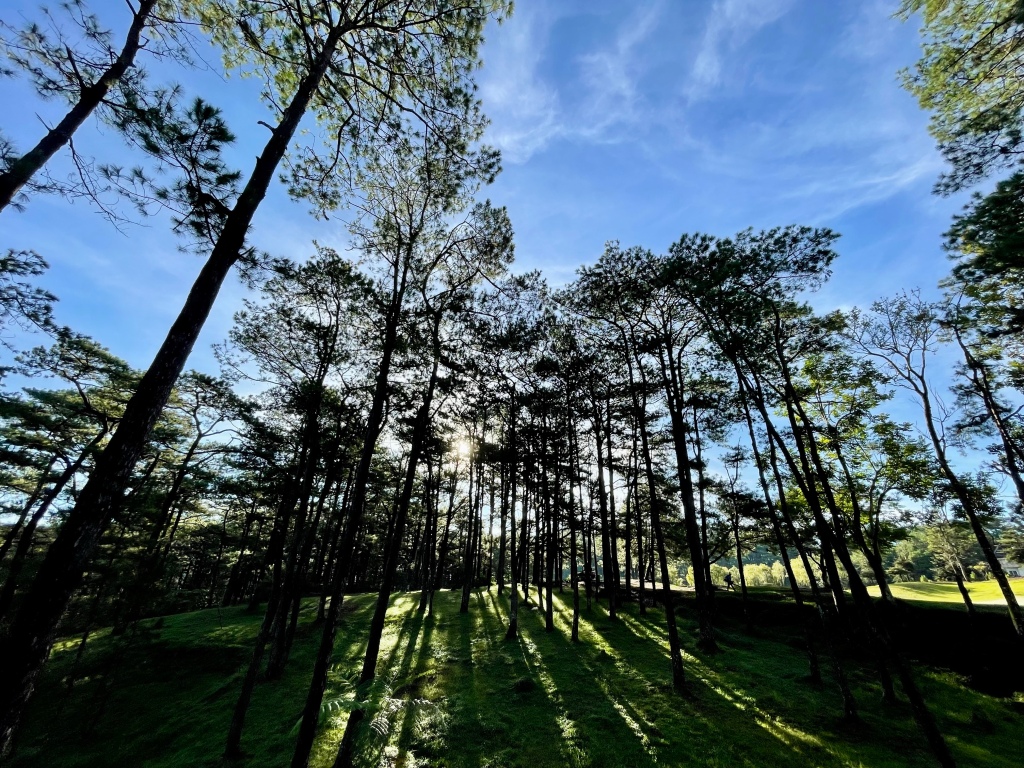
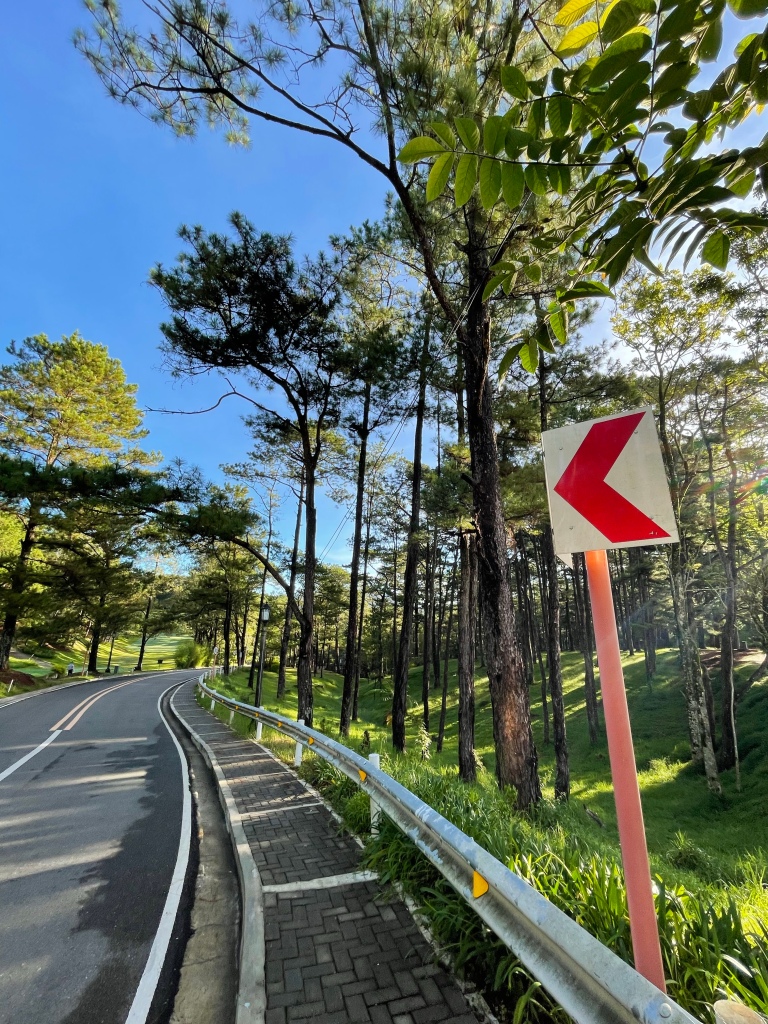
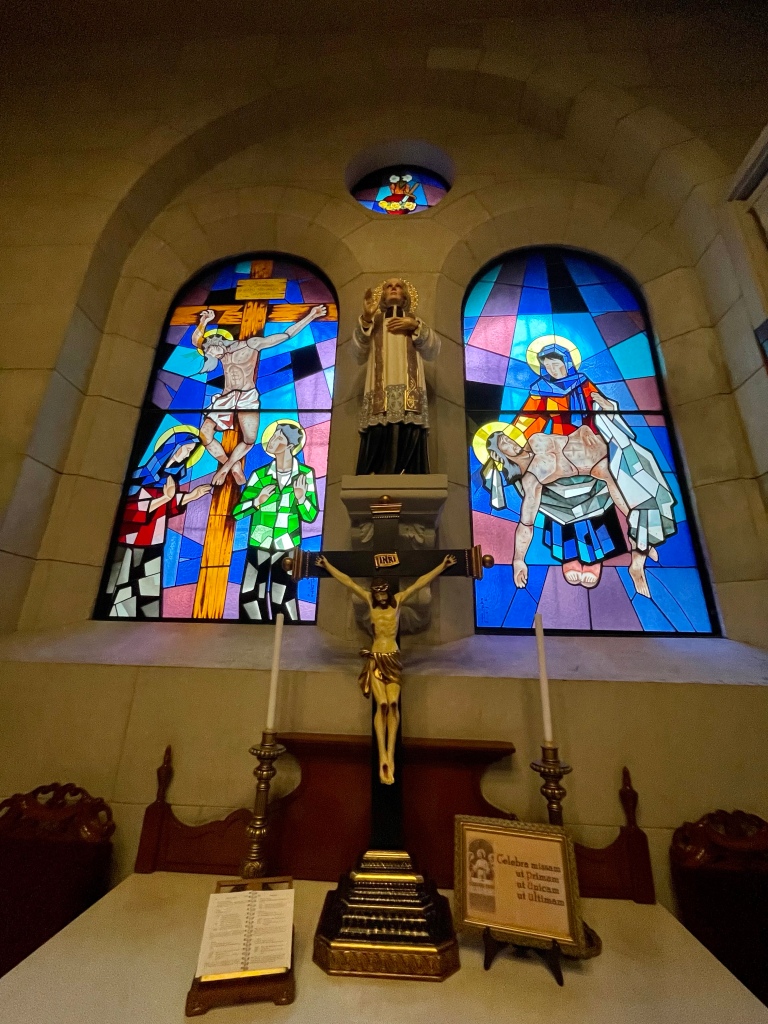
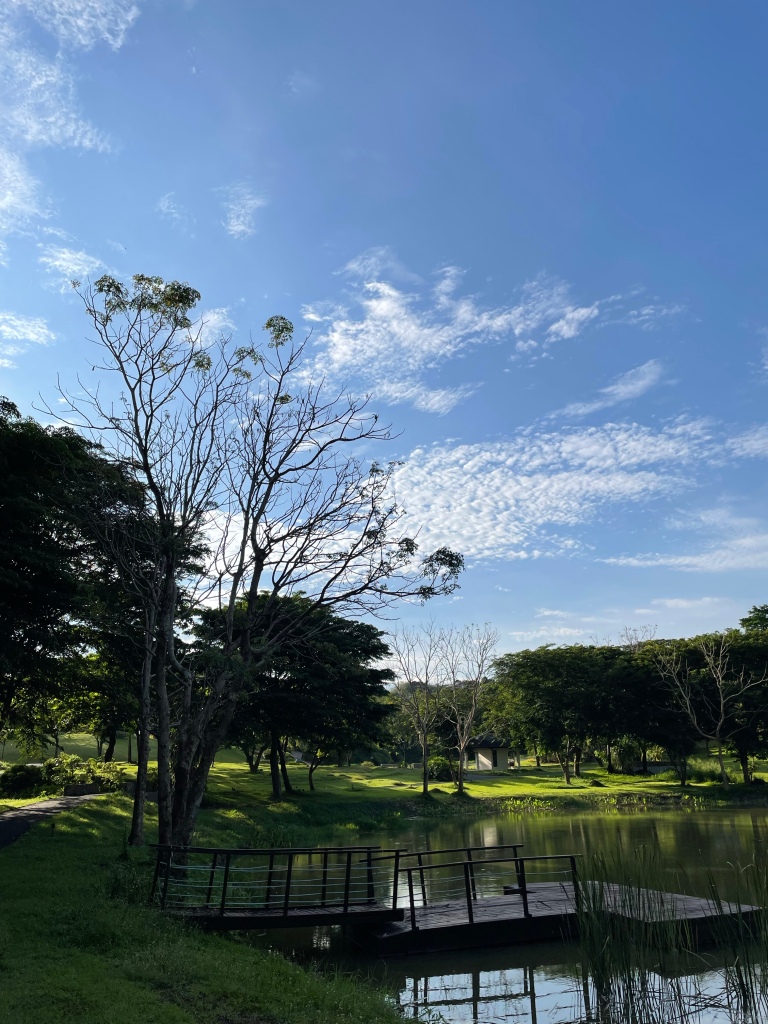
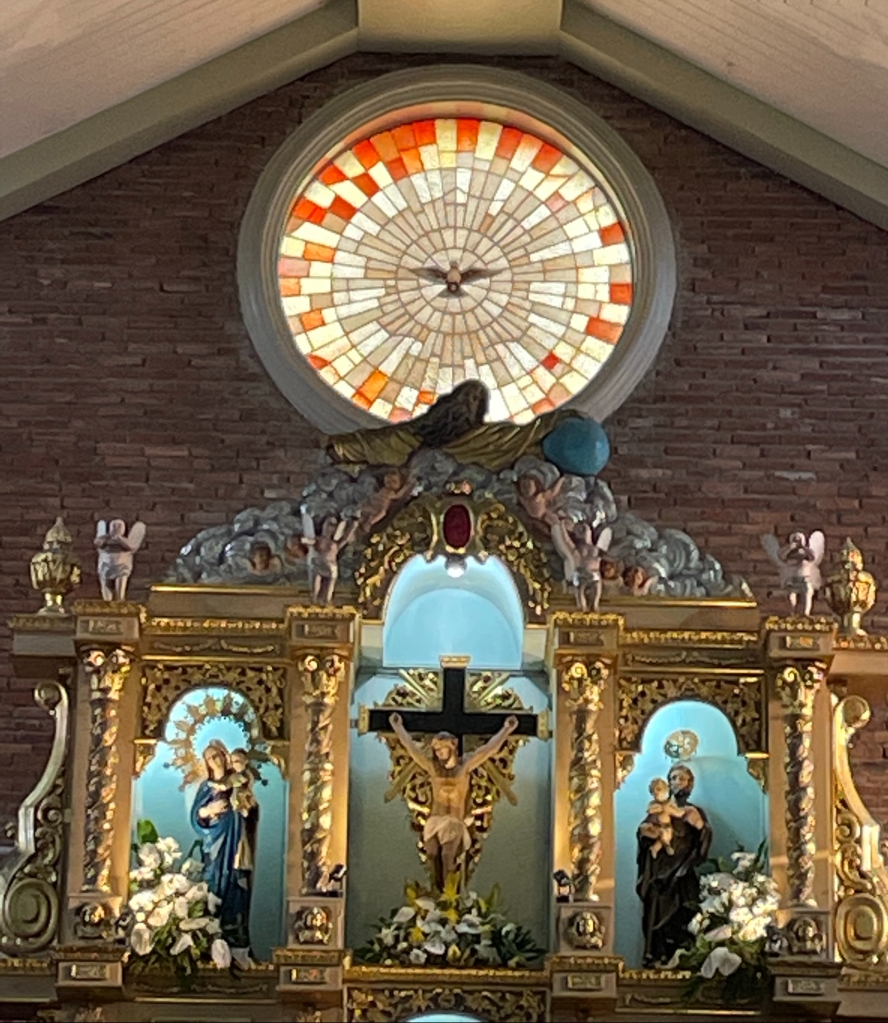
Photo by author, Camp John Hay, 12 July 2023.
Today we pray,
O God our loving Father
for all those experiencing
setbacks in life and in their plans,
whether temporary or permanent
like students who cannot pursue their
desired courses or could not continue
with their studies this coming academic year;
sweethearts who have to postpone
or cancel their weddings due to breakups;
those who have to alter their plans or goals in life
due to sickness and disabilities;
people who have to migrate to other
places of residence due to work
and other reasons.
Then he said (to Jacob or Israel): “I am God, the God of your father. Do not be afraid to go down to Egypt, for there, I will make you a great nation. Not only will I go down to Egypt with you; I will also bring you back here, after Joseph has closed your eyes.”
Genesis 46:3-4
Cast away our fears,
O Lord to forge on when
setbacks and delays even detours
in our lives happen for whatever reason;
assure us always with your same
presence and protection,
most of all of your assured
deliverance so that someday,
we may still realize our dreams
and aspirations in life
according to your plans.
In Jesus Christ's name,
teach us to be "shrewd as the snakes
and simple as doves",
"enduring to the end" (Mt.10:16, 22)
with all the sufferings and trials
that come our way as you, O God,
writes our life story straight
in crooked lines.
Amen.
Quiet Storm by Fr. Nicanor F. Lalog II, 13 July 2023
Photo by author, Lemon and Olives Greek Taverna, Outlook Drive, Baguio City, 11 July 2023.
We heard today the lovely story of the reunion of Joseph, a.k.a. the Dreamer, with his brothers who have sold him as a child because of jealousy to traders to Egypt only to find out he had become a minister of the Pharaoh years later in charge of granaries during a great period of drought and famine in the region.
Imagine the shame of the ten sons of Jacob or Israel in the unforgettable scene:
“Come closer to me,” he told his brothers. When they had done so, he said: “I am your brother Joseph, who you once sold into Egypt. But now do not be distressed, and do not reproach yourselves for having sold me here. It was really for the sake of saving lives that God sent me here ahead of you.”
Genesis 45:4-5
Photo by author, Bgy. Alno, La Trinidad, Benguet, 11 July 2023.
Sometimes, it is good to get lost. Literally and figuratively speaking. It is when we are lost that our faith is put to test and strengthened, when we pray hardest to God, becoming honest with our true selves that we summon all the goodness within and among us to finally find our way back on course in our journey and life.
And along the way, God shows us the other sides of life, of every destination filled with wonder and awe. Assuring us of his love and protection, beauty and majesty.
Exactly what we experienced in our recent vacation in Baguio City to celebrate my sister Bing-Bing’s birthday. It was our first time to be back in Baguio since 2020, except for Bing-Bing who still wanted to explore the charming city of pines again.
Photo by author, Bgy. Alno, La Trinidad, Benguet, 11 July 2023.
After a hearty lunch at Lemon and Olives Greek Taverna in the city, we proceeded to the Forest Lodge and left our youngest brother Will while we went to look for Rocky Mountain Adventure Resort.
Everyone in the car – my sister Meg who was at the wheel, Bing-Bing, my two nieces Dymphna and Darla, and only nephew Tommy have their total trust with Waze. I prefer Google Maps but as much as possible, I hate using these apps for the simple reason I hate talking and worst, obeying machines. I would rather “communicate” with persons for directions than rely on the voice in the apps no matter how lovely it may be.
Photo by author, Bgy. Alno, La Trinidad, Benguet, 11 July 2023.
Most of all, these apps lack dynamism. Totally passive without any room for mistakes especially from dinosaurs like me who know nothing at all with apps and gadgets. As I was typing our destination Rocky Mountain Adventure Resort, Google Map “suggested” Rocky Mountain Resort which I pressed!
It turned out to be a swimming pool atop the mountains of Bgy. Alapang in La Trinidad, Benguet! Who would swim late afternoon at 19 degrees?
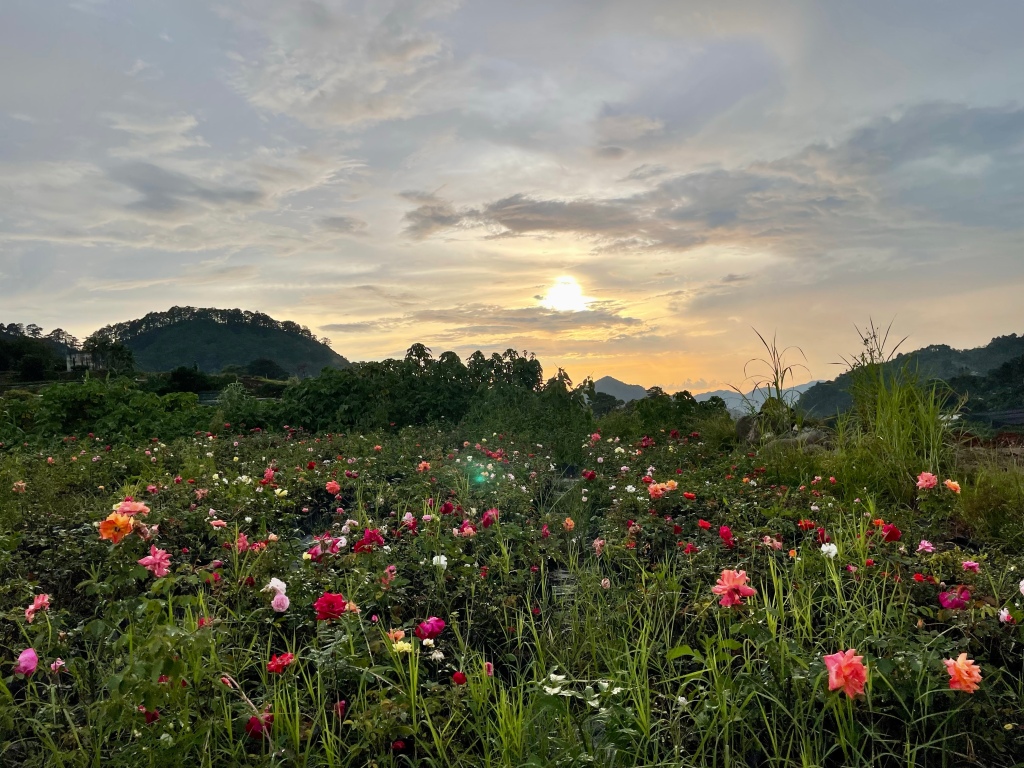
After we have left the wrong resort in silence as it was getting dark, we asked around for the way out and ended up in rows and rows of rose fields in Bgy. Alno to the delight of everyone.
Though not everyone was able to get down from the car due to narrow streets, all fears and apprehensions disappeared as we imagined the hand of God still guiding us, comforting us with the beautiful sights.
Photo by author, Bgy. Alno, La Trinidad, Benguet, 11 July 2023.Photo by author, Bgy. Alno, La Trinidad, Benguet, 11 July 2023.
After much prayers and laughters, we headed home, dropping by the famous strawberry fields that was already closed by the time we arrived. Fortunately, there were still some sorbetero left selling the famous strawberry ice cream advertised as “pampatibay ng relasyon”.
Dymphna and Tommy, and cousin Darla.
We all had ice cream to cap Bing-Bing’s birthday, praying for stronger ties as family as we found ourselves together laughing, and praying when lost briefly.
A Wedding Homily for a Nephew, Raymond Immanuel Alonzo & Charlene Patricia Moya
The Manila Cathedral of the Basilica Minore of Immaculate Conception, 07 July 2023
Ephesians 5:25-31   ><]]]]'> + <'[[[[><   John 15:12-17
All praise and thanksgiving to God our loving Father for this day, Immi and Pat! This is the day God had set to be your wedding day. Not last year, not next month nor any other day except this seventh day of July 2023.
Jesus Christ said in our gospel today, “It was not you who chose me, but I who chose you and appointed you to go and bear fruit that will remain, so that whatever you ask the Father in my name he may give you” (John 15:16).
Surprised? Yes, Immi and Pat, you have both felt God surprising you many times since you met each other, mysteriously weaving your lives seamlessly together that today you are before him at his altar to pledge your love for each other.
Photo by Ms. Jo Villafuerte, Atok, Benguet, 01 September 2019.
That is what I wish to share with you this afternoon: keep that element of surprise in your lives together, Immi and Pat. Never lose that sense of wonder because it is when we are surprised that we start to believe; when we believe, we get closer and then we love. The more we love, the more we are surprised and the more we believe until that love matures into more than feelings but a decision and commitment to love until death.
Hindi ba, Immi and Pat, that is why you are here today because you have finally decided to grow together in this love because you believe in each other and most of all in God?
There were many occasions you were both surprised at the twists and turns in your lives as individuals, beginning at how you got to know each other in the office.
Hindi naman love at first sight iyon. Hindi nga kayo magka-type pareho kaya nag-aasaran kayo palagi.
You were opposites but the more you were surprised in discovering new things about each other, the more you gravitated to each other, the more you believe in each other, surprisingly realizing that actually, you are not opposites but share a lot in common.
That’s when you became good friends caring for each other, conversing more often with topics getting deeper like plans and views in life until one day, Pat had so much of these surprises as she juggled many things in her life and asked to speak with you, Immi, to avoid confusion and complicate things further in your friendship.
Wala pa siyang sinasabi maliban sa “mag-usap tayo” and you just told her, “Let’s go out on a date”.Iyon na yun! Kayo na! Dehins na hangout, date na. Wow, tamis!
The problem in our time is that everything, everyone is exposed. Even overexposed!
With social media all around us, everything is shown and displayed for all to see, leaving no room at all for surprises.
Many people these days want everything to be certain. Lahat segurista na ngayon.
No more surprises, no more faith because many of us have stopped believing. Remember, “Faith is the realization of what is hoped for and evidence of things not seen” (Heb. 11:1). That is why, when we are surprised, then we believe. Then as we believe more and get surprised more, we love.
Immi and Pat, always have faith, believe and be surprised with each other and with God.
The world tells us, “to see is to believe” but our faith teaches us, “believe so that we would see.” Remember when Jesus told Thomas a week after Easter, “Blessed are those who have not seen and have believed “(John 21:29b).
Keep that childlike attitude in you of being surprised always, of having that sense of awe and wonder. That is why kids believe and trust always.
Photo by Ms. Jo Villafuerte in Atok, Benguet, 01 September 2019.
Being surprised is being open with the simple realities of life, of the joys of being alive and sharing this life with a special someone in love. Being surprised is being open to getting hurt because we believe there is that special someone who would always take care of us, with whom we can be our true selves no matter what. Being surprised is being open to the realities and ecstasy of loving and of being loved in return. Being surprised is believing in God who is a God of surprises because he loves us so much.
In the Book of Genesis, we find Jacob falling asleep at Bethel with a stone as his pillow, dreaming of a stairway to heaven. It was so good because he saw God and his angels ascending and descending the stairway to heaven that upon waking up, Jacob had that sense of wonder and awe, “Truly the Lord is in this spot, although I did not know it!” (Gen.28:16). Jacob was surprised. Then he believed. And loved and served God. In 1971, we heard Jimmy Page and Robert Plant singing, “makes me wonder” over and over in their hit Stairway to Heaven.
But, Edith Piaf said it best in 1946, of how she was surprised in finding love with her classic song La vie en rose. No, I will not sing it but will just read it to remind you God’s many surprises for you, Immi and Pat.
I thought that love was just a word
They sang about in songs I heard
It took your kisses to reveal
That I was wrong, and love is real

Hold me close and hold me fast
The magic spell you cast
This is la vie en rose

When you kiss me heaven sighs
And though I close my eyes
I see la vie en rose

When you press me to your heart
I'm in a world apart
A world where roses bloom
And when you speak, angels sing from above
Everyday words seem to turn into love songs

Give your heart and soul to me
And life will always be
La vie en rose.
Immi and Pat, God has a lot of surprises for you. Remain faithful with each other, remain faithful to Jesus Christ who have called and chosen you. Have Christ always between you in your relationship. Pray, believe and have trust in him so you both would see more surprises, more life, more love in your married life. God bless you, Immi and Pat! Amen.
For those wishing to listen and perhaps use this classic piece, here is its English version.
The Lord Is My Chef Sunday Recipe for the Soul by Fr. Nicanor F. Lalog II
Sunday in the Fourteenth Week of Ordinary Time, Cycle A, 09 July 2023
Zechariah 9:9-10 ><}}}*> Romans 8:9, 11-13 ><}}}*> Matthew 11:25-30
Photo by Ms. Nikki Vergara, 2020.
Today we hear the final installment of Jesus Christ’s instructions to the Twelve as he sent them to their first mission which started two Sundays ago. Discipleship is essentially becoming like Jesus Christ, our Lord and Master who is meek and humble of heart.
“Come to me, all you who labor and are burdened, and I will give you rest. Take my yoke upon you and learn from me, for I am meek and humble of heart; and you will find rest for yourselves. For my yoke is easy, and my burden light.”
Matthew 11:28-30
For the third straight Sunday, Jesus has been teaching the Twelve including us today some important lessons in discipleship: first is to fear no one except God, then to be never influenced by others except God, and now, to learn from him who is “meek and humble” of heart.
Photo by author at the sacristy of the Manila Cathedral, 07 July 2023.
In the whole Bible, we find that “meekness” is the most remarkable quality of any one sent by God to his people, especially with Moses and King David.
Despite some instances of them getting angry and even being harsh sometimes, both were described as being meek especially Moses described as “the meekest man on the face of the earth” (Num.12:3).
When Jesus came and brought salvation to mankind by obediently dying on the Cross, he became the embodiment of meekness.
To be meek means being gentle and obedient, exactly who Jesus Christ is. All throughout his life, Jesus had repeatedly expressed everything he said and did were in total obedience to the Father who sent him to save us. That is why that we too find Christ’s words and actions as the fulfillment of the Old Testament prophecies of God coming to save his people, of sending someone so different from the other kings and servants before him. This is very evident in the gospel of Matthew who emphasized on the meekness of Jesus Christ that in narrating to us his version of the Palm Sunday entry of Jesus to Jerusalem, he actually cited (Mt. 21:4-5) our first reading today from Zechariah:
Thus says the Lord: Rejoice heartily, O daughter Zion, shout for joy, O daughter Jerusalem! See, your king shall come to you; a just savior is he, meek, and riding on an ass, on a colt, the foal of an ass.
Zechariah 9:9
Unlike the kings and other powerful men of the world who rode on prancing horses symbolic of their power and strength, here is Jesus Christ riding a placid donkey, symbolic of his meekness and humility, most especially of his message of peace.
Meekness in Tagalog is maamo, from the root word amo referring to “master”, connoting one’s recognition of master by being submissive in the positive sense. Maamo also means being tame as opposite with being wild. Hence, the English word of being gentle, or gentility.
The good news of Jesus being “meek and humble” is that we need not be afraid of becoming his disciples, of becoming truly Christians in this age relativism when anything goes, no more absolutes like God and morality. Now more than ever, St. Paul’s admonitions in the second reading are so real when we are challenged to live in solidarity with Christ empowered by the Holy Spirit, or to live in solidarity with the old humanity enslaved to sin.
Yes, the Gospel of Jesus is demanding. And so is true love which is most demanding.
Photo by author, La Mesa Forest Reserve seen from Our Lady of Fatima University-Quezon City with the Sierra Madre as background, January 2023.
There will always be pains and hurts but these occasions make our discipleship, our love for Christ and for others most meaningful and fulfilling. The Lord’s “yoke is easy and his burden is light” because it is naturally human and divine like him made possible with his paschal mystery. Being loving and kind, forgiving and merciful, caring and helpful are never painful nor tiring because they liberate us, setting us free from the imprisonment and shackles of sin due to our pride and self-centeredness, leading us to true freedom and fulfillment.
Why is it now life has become so complicated? It is not because of Jesus nor of his Church who simply echoes his teachings as he had commanded. Life has become complicated ever since we have allowed and accepted all these modern thoughts of freedom that actually “unfreed” us like these trends from the “sex revolution” that have spawned all the evils plaguing us, from divorce to contraceptions and abortions that not only destroy human life but most especially the family, society’s basic unit. There are some insisting on altering the most basic and natural of God’s creation like gender as either male or female, nothing in between; and, marriage solely between man and woman.
See how life has been reduced to lifestyle characterized by commercialization of everything including persons with sex casually portrayed as an act or activity and a mere part of the body. Everything has become relative, to each his own. That is why life has become so tiring, even empty despite all the comforts and modern amenities we now enjoy.
We have been removing God from everything, from all his creation. That is why Jesus comes to us today, calling us all to come to him, all who are burdened to find rest in him.
Find Christ in yourself, you find Christ in others. When we find Christ, we find God, we find truth, we find life, we find rest.
Our gospel this Sunday comes as a fitting closing to the Lord’s lessons on discipleship. It is never easy in becoming a Christian, of standing for what is right and true, just and fair, in being kind and forgiving, in lovingly serving others without expecting anything in return.
Let’s not make it more difficult on our part. Examine the demands of Christ are actually simple, love him by obeying him. What are the demands of those trying to lord over us these days like those so-called wokes and liberals who are so harsh in insisting their views that are self-serving and unnatural.
Remember, our series of these instructions came when “At the sight of the crowds, Jesus’ heart was moved with pity for them because they were troubled and abandoned, like sheep without a shepherd” (Mt.9:36, June 18, 11th Sunday). Jesus added that we pray for more laborers to work in the bountiful harvest, for more persons who are loving and warm, not demanding nor insistent on themselves and their beliefs. Have a restful week ahead! Amen.
In this season of graduations when we also celebrate today the feast of St. Thomas the Apostle, we are reminded that growth and maturity in Christian faith goes through a process too of “graduation”.
St. Thomas went through different stages in life as a disciple of Christ before finally graduating with honors as a martyr. Most of all, he is a good model for every graduating student to emulate because he is the one so famous for having “doubts” and being known as the “doubting Thomas”.
To doubt is not necessarily bad. In fact, it is a grace from God because every doubt is a step closer to wisdom and knowledge. Without doubts, we can never learn because we will never be able to verify and validate what we know if we do not doubt at all. We shall discuss this further as we reflect on the three graduation events in the life of St. Thomas the Apostle.
His first graduation happened when the Lord’s best friend, Lazarus, died.
“The Raising of Lazarus”, 1311 painting by Duccio de Buoninsegna. Photo by commons.wikimedia.org
Recall how Jesus and his Apostles were prevented from visiting Lazarus when he was seriously ill because he lived with his sisters Marth and Mary in the town of Bethany that was near Jerusalem where the Lord’s enemies were plotting to arrest and put him to death. It was too risky for Jesus to go to Bethany but, because of his love for Lazarus and his sisters, Jesus decided to take the risk to visit him.
It was St. Thomas who rallied his fellow apostles to come with the Lord to share in his death.
So then Jesus said to them clearly, “Lazarus has died. And I am glad for you that I was not there, that you may believe. Let us go to him.” So Thomas, called Didymus, said to his fellow disciples, “Let us also go to die with him.”
John 11:14-16
A good student is always a risk-taker. All graduating students since 2021 to present deserve a great commendation, a great congratulations for taking all the risks and difficulties in pursuing your studies in these four years of the pandemic. Despite the poor internet connections, the threats of viral infections and many other risks, you forged on and now you are a step closer in fulfilling your dreams.
The key here is to never be away from Jesus like St. Thomas who at that early stage had identified himself with the destiny of Christ in offering himself on the Cross. St. Thomas knew it then that nothing is easy in this life but if we are with the Lord, there is nothing we cannot overcome.
Graduation as a process or a passing through stages is also a passover, a pasch like the Passion, Death, and Resurrection of Jesus Christ. Recall the gospel the other Sunday when Jesus told his Apostles to fear no one, to be not afraid. The same thing is what St. Thomas is reminding us today: do not be afraid to learn, to commit mistakes, to doubt, to fail, to get hurt. These little deaths are all part of our process of growing and maturing, of getting better, of being achievers.
The second graduation moment of St. Thomas happened during their Last Supper when the Lord was telling them of his coming death that would lead to his Resurrection and return to the Father’s house where he would prepare a room for them.
“Where I am going you know the way.” Thomas said to him, “Master, we do not know where you are going; how can we know the way?” Jesus said to him, “I am the way and the truth and the life. No one comes to the Father except through me.”
John 14:4-6
Imagine the somber and serious mood of the Last Supper, of Jesus telling everyone of his coming pasch. Then suddenly, there was St. Thomas interjecting with a statement “we do not know where you are going” with a question, “how can we know the way?”
Notice the comedy twist? Funny indeed and truly, we could see St. Thomas in a low level of understanding but if he never dared to ask that question, we would never have that most quotable quote of the Lord of him being “the way and the truth and the life.”
Here, St. Thomas is teaching us to always ask for explanations, even from the Lord himself! As RiteMed would say in its commercials, “Huwag mahihiyang magtanong”!
Photo by Mr. Paulo Sillonar, 07 June 2023.
In telling St. Thomas – and us – that Jesus is the way and the truth and the life, the Lord is reminding us how it is forever valid that true learning is gained from our dealing and relating with persons, with people, not with things like gadgets. Or even pet animals nor plants.
As you go on your school break after your graduation, spend more time with people, with your parents, with your brothers and sisters and cousins. Or playmates. Leave your gadgets and pets behind. Go out and play, bond with people. Get real and stop those virtual realities.
Very often, the teachers we truly love or like and appreciate impact are those who have gone out of their ways to reach out to us, to relate with us. They were the teachers really deserving to be called mentors who not only taught us with so many knowledge and information and techniques but most of all, the ones who have made us experience life, the ones who have opened our minds and hearts to realities of life, showing us the relationships between the classroom and actual life.
Jesus is more than a teaching or a doctrine or a lesson. Jesus is a person we relate with, we experience life with, we live with through people he sends us in the family and in the school. And we learn most in life with them.
Do not be afraid to approach and ask them for explanations, directions, and clarifications. Google nor ChatGPT can never teach you life. St. Thomas must have learned so much from that simple table incident in their Last Supper that even if at first he doubted Christ had risen, he eventually made the boldest expression of faith in Jesus when they finally met on the eighth day of Easter, his final graduation.
Then he said to Thomas, “Put your finger here and see my hands, and bring your hand and put it into my side, and do not be unbelieving, but believe.” Thomas answered and said to him, “My Lord and my God!” Jesus said to him, “Have you come to believe because you have seen me? Blessed are those who have not seen and have believed.”
John 20:27-29
Caravaggio’s painting “The Incredulity of St. Thomas” (1602) from en.wikipedia.org.
Many times, our doubts lead us to more brighter outcome than any uncertainty we may have before like St. Thomas. If St. Thomas did not believe at all that Jesus had risen, he would have not come to the Upper Room to be with the other Apostles to meet Jesus the following Sunday. He believed, though, there were some doubts that were natural. After all, the Resurrection of Jesus was beyond normal, beyond logic. It was truly astounding.
After a long series of stages, here we find St. Thomas making the boldest and strongest expression of faith ever which we silently pray every consecration period in the Mass, “my Lord and my God.”
Dear students, be a man of prayer, be a woman of prayer.
Persevere in deepening your faith despite the many difficulties and challenges being posed today by modern culture characterized by relativism and individualism, materialism and consumerism. St. Mother Teresa said it well, “We are called to be faithful, not successful”. The recent dark days of the pandemic have shown that science will never be enough in this world, in this life. There is God. And the good news is he is not that far from us. He is the one calling us to believe even if we have not seen him. If the world says to see is to believe, that if there are no pictures it did not happen at all, Jesus is telling us today in the experience of St. Thomas that when you believe, then you shall see!
Let us imitate St. Thomas, a student who studied hard, worked harder, and prayed hardest to Jesus who never abandoned him especially in his doubts and weaknesses. May the example of St. Thomas strengthen our faith in Jesus who is our Lord and God. Amen.
The Lord Is My Chef Daily Recipe for the Soul by Fr. Nicanor F. Lalog II
Friday, Memorial of the First Martyrs of Rome, 30 June 2023
Genesis 17:1, 9-10, 15-22   ><]]]]'> + <'[[[[><   Matthew 8:1-4
Photo by author, sunrise at Bolinao, Pangasinan 18 April 2022.
Today we close the month of June,
the first half of 2023.
Praise and glory to you,
God our loving Father
for past six months,
grateful for the next
six months coming
to finally close the year.
And then a leper approached, did him homage, and said, “Lord, if you wish, you can make me clean.” He stretched out his hand, touched him, and said, “I will do it. Be made clean.” His leprosy was cleansed immediately.
Matthew 8:2-3
Dear Father,
you will only good things
for us like to that leper
that is why you sent us
your Son Jesus Christ;
both Jesus and the leper knew
his cleansing was very possible;
Jesus made no fanfare except
in asking the leper
to fulfill the requirements
of the Law as the leper
simply believed him.

Lord, we are
a "walking good news",
ourselves a blessing,
a grace from you;
there is no need for us
in trying so hard
in touching another person,
in making a difference in
this world so sick and so stressed;
many times we just have
to smile and be extra nice
to someone, be kind and forgiving.

Let us share your good news
in the way we live, at least
not like the first martyrs
of Rome
who were burned
as living torches
at evening banquets;
let us share your good news
like Abraham who walked
in your presence blamelessly
by trusting you,
obeying you,
loving you.
Amen.
The Lord Is My Chef Daily Recipe for the Soul by Fr. Nicanor F. Lalog II
Monday in the Thirteenth Week of Ordinary Time, 26 June 2023
Genesis 12:1-9   ><))))*> + ><))))*> + ><))))*>   Matthew 7:1-5
Photo by author, Sonnen Berg, Davao City, August 2018.
Another month soon to close,
another month soon to open
at the end of this week;
thank you very much, God
our loving Father for the wonderful
journey in life.
Continue to call us,
continue to lead us
to new directions,
to new challenges
to new stages in life
to newer selves.
Like Abraham,
teach us to leave
our comfort zones,
teach us to trust in you,
teach us to realize we are
never too old to move out
and grow; most of all,
teach us to chill,
to slow down, to stop rushing
and worrying in life.
Make us move in "stages", Lord,
like Abraham for you are the
first to know who we are,
where we are,
and how we are.
The Lord said to Abram: “Go forth from the land of your kinsfolk and from your father’s house to a land that I will show you.” Then Abram journeyed on by stages to the Negeb.
Genesis 12:1,9
Let us follow Jesus,
"the way and the truth
and the life" in this journey
in life in whatever stages
we may be;
may we stop judging
so we may not be judged
and simply enjoy this
journey in life
in whatever stage
we may be.
Amen.
*Since last night after praying for today's readings, I was struck by that passage of Abram journeyed by "stages" that instantly reminded me of David Benoit's 1982 album and single, "Stages". Blessed Monday!
The Lord Is My Chef Daily Recipe for the Soul by Fr. Nicanor F. Lalog II
Friday, Homily on Solemnity of the Birth of John the Baptist, 23 June 2023
Isaiah 49:1-6 ><}}}}*> Acts 13:22-26 ><}}}}*> Luke 1:57-66.80
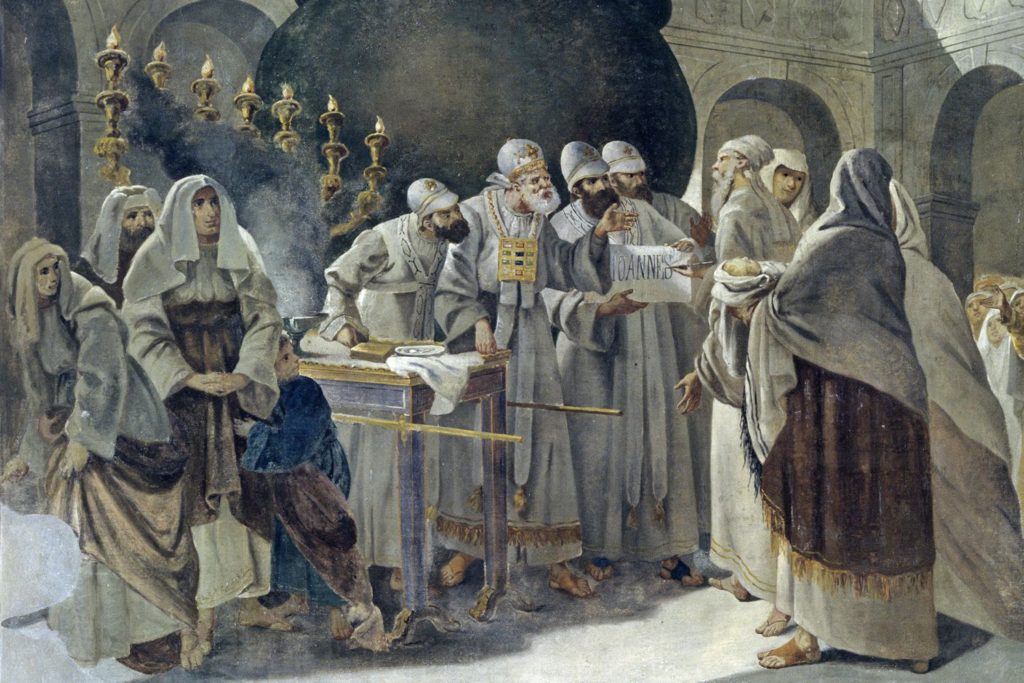
Painting of Zechariah giving name to his son John by Italian painter Riccardo Cessi (1892) from commons.wikimedia.org.
You must have heard a lot of “Dad jokes” from Instagram. Let me now share with you a “Father joke” or priest joke. The world’s first techie was the Jewish priest Zechariah, father of St. John the Baptist because he “asked for a tablet and wrote, ‘John is his name'”.
Ok. It is corny and dry but may I invite you, friends, on something wonderful about this gospel scene in celebration today of the Solemnity of the Birth of St. John the Baptist, the precursor of our Lord Jesus Christ.
Remember how Zechariah was punished by Archangel Gabriel by becoming deaf and mute after he had doubted the good news that he and his wife Elizabeth would soon have a son to be named John. Actually, Zechariah not only doubted but even questioned “how” his barren wife could still bear a child at an old age. As a result, he was forced into silence by the Lord’s angel until everything he had announced was fulfilled.
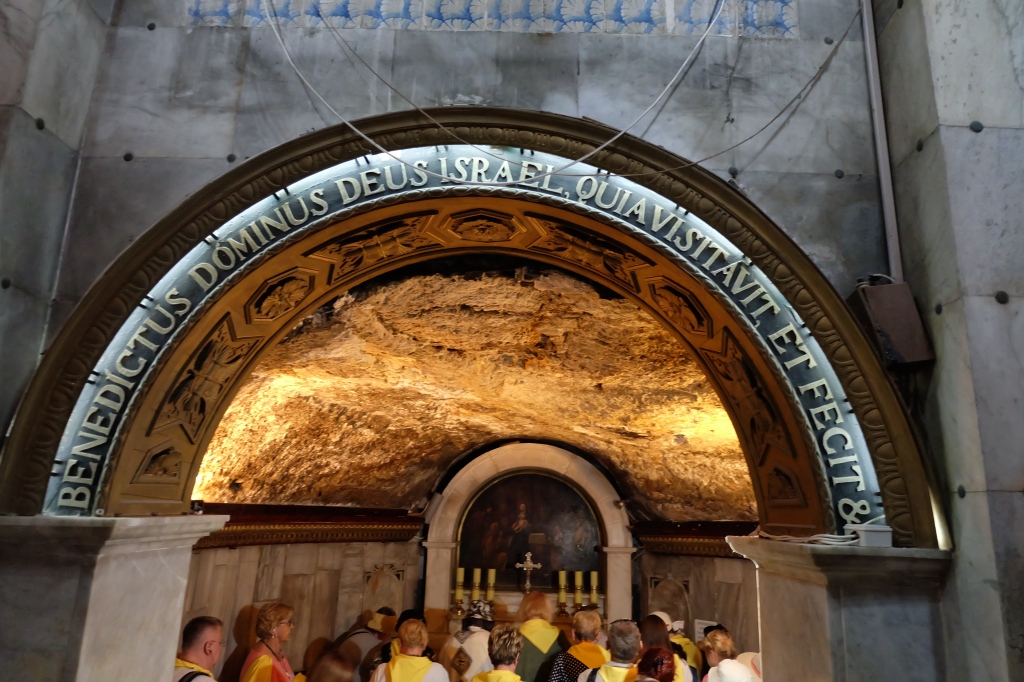
Photo by author, May 2019, Church of St. John the Baptist, Ein Karem, Israel.
When the time arrived for Elizabeth to have her child she gave birth to a son. Her neighbors and relatives heard that the Lord had shown his great mercy toward her, and they rejoiced with her. When they came on the eighth day to circumcise the child, they were going to call him Zechariah after his father, but his mother said in reply, “No. He will be called John,” But they answered her, “There is no one among your relatives who has this name.” So they made signs, asking his father what he wished him to be called. He asked for a tablet and wrote, “John is his name,” and all were amazed. Immediately his mouth was opened, his tongue freed, and he spoke blessing God.
Luke 1:57-64
Imagine the sight narrated to us by St. Luke: everybody so happy, trying to take a piece of action while Zechariah, father of the new-born child, old and deaf and mute was so silent like a nobody in a corner. In the Jewish society, it is the father who gives name to the children, especially to the son; but, due to Zechariah’s condition, nobody bothered to ask him so that their neighbors, like the typical epal or pakialamera we call in Filipino, assumed the role.
But Elizabeth the mother who had gone into a self-imposed silence upon bearing her child, declared their son would be called “John” or Jehohanan that means “God is gracious” or “graciousness of God” in Hebrew.
Finally amid all the noise and talk, Zechariah made the bold move by writing on a tablet “John is his name” to confirm and reaffirm the name given by his wife Elizabeth. It was a crucial moment when Zechariah boldly made a stand about his faith in God, obeying the angel’s instruction to name his son “John”.
Photo by author of the site believed to be the birthplace of St. John the Baptist at the side of the Church of St. John the Baptist in Ein Karem, Israel, May 2019.
What really happened was the assertion of the plan of God when Zechariah faithfully wrote “John is his name”. That’s what amazed the people so that “fear came upon the neighbors for surely the hand of the Lord was with him” (Lk.1:65, 66).
With a single stroke of hand, everyone felt God present among them as they realized something very special with the child. So amazing too as experienced by the people was when Zechariah asserted God’s plan by naming his son “John”, he was finally able to speak and hear again!
Whenever we assert the plan of God in our lives, in our community, in our family and country, new possibilities open as we break free from all obstacles and hindrances that prevent us from growing and maturing, from being joyful and fulfilled.
Whenever we assert the plan of God in our lives, in our community, in our family and country, that is when we “switch on” the grace of God, when we make God’s blessings operable among us and thus we become like John, a precursor of the Lord whose name means “God is gracious”.
Whenever we obey and assert the plan of God in our lives, in our community, in our family and country, that is when we take that leap of faith, believe again and experience God again.
Many times we could not see nor experience nor realize God’s blessings around us and within us because we do not actually believe and trust him. God’s grace is like a “switch” we have to turn on to operate like the electric light or any appliance and gadget. And the good news is, that grace and “switch” is in us already! We just have to switch it on.
Here we find anew the importance of silent, deep prayer.
Photo by author, Anvaya Cove, 19 May 2023.
The imposed silence on Zechariah made him realize how he had been held prisoner by his disappointments and frustrations over a long period of time when God did not hear his prayers for a child. Imagine their shame being childless despite their being good persons and as husband and wife. At that time, childlessness was seen as a punishment from God, a curse. It must have been a strong blow too to Zechariah’s ego as a priest consulted by everyone for advise and prayers yet could not sire his wife with a child!
All those negative feelings of humiliation and dejection could have caused Zechariah’s trust and faith in God to wane that even his priestly duties have become perfunctory that he never saw the tremendous grace and blessing of incensing the Holy of Holies of the temple. Such duty was a pure grace in itself because it happens only once a year during the holiest celebration of the Jewish of Yom Kippur or Day of Atonement. Priests went through a long process of drawing lots on who among them would incense the Holy of Holies because they were so many in number.
Many times we have been like Zechariah, numb and even indifferent to the movements and works of God in our lives following our many failures in life. Though we may be praying with many devotions doing so many religious activities, we have actually become “spiritual dwarfs” who never grew and matured in faith. Our prayers and devotions have become mere “habits hard to break” that are empty and meaningless.
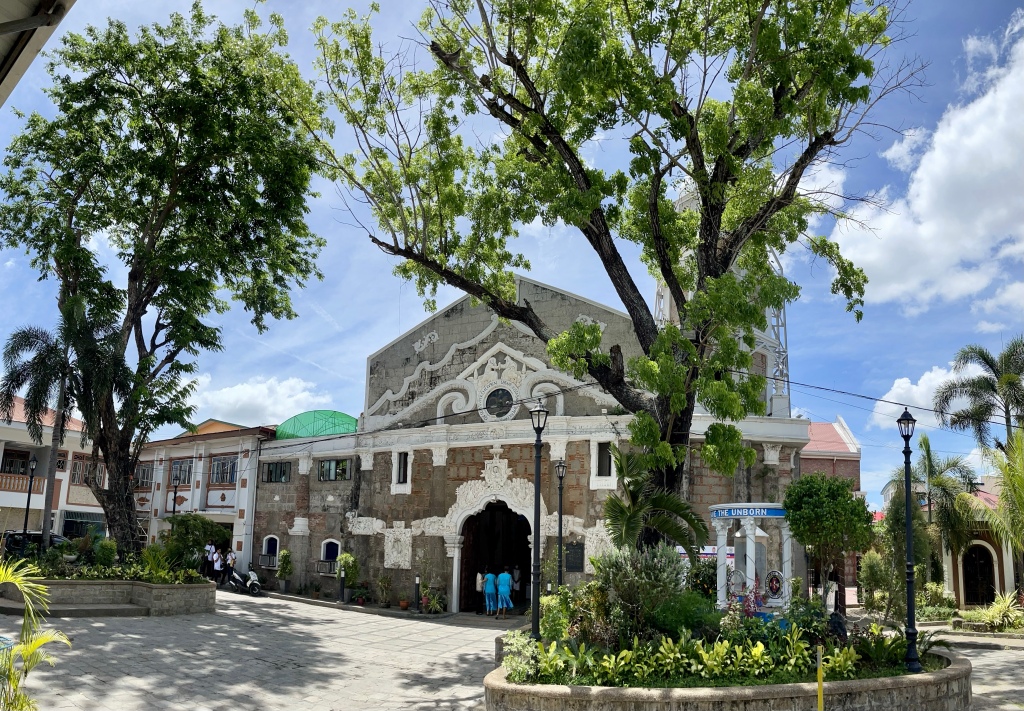
Photo by author taken in May 2022, Parish of St. John the Baptist in Calumpit, the oldest church in Bulacan province.
Today God is calling us to do a Zechariah, to take that bold step of asserting and insisting God’s plan like when Zechariah boldly declared in writing “John is his name”. The first reading beautifully reminds us of one reality we all go through by wrongly thinking God does not care at all for us when nothing seems to happen with our prayers and efforts in life, in our ministry and mission.
Hear me, O coastlands; listen, O distant peoples. The Lord called me from birth; from my mother’s womb he gave me my name. Though I thought I had toiled in vain, and for nothing, uselessly, spent my strength, yet my reward is with the Lord, my recompense is with my God.
Isaiah 49:1, 4
We cannot be another John – a graciousness of God within us and for others unless we rediscover the courage and clarity to do a Zechariah by asserting God’s command and plans entrusted specifically to us.
See also that upon regaining his sense of hearing and ability to speak, Zechariah “spoke blessing God” by singing the Benedictus in the following verses. The Benedictus is the morning hymn of praise to God we priest sing or recite daily in praying the Liturgy of the Hours. It mentions the blessedness of God and his many blessings to Israel while towards its end, we find Zechariah sending forth his son John to fulfill his mission from God in preparing the way of Jesus Christ. It is prayed in the morning to make us aware of our mission to prepare the way of the Lord Jesus.
Let us be patient, never lose hope and enthusiasm in doing the works of God even if nothing seems to happen at all. Everything we do matters a lot with God and with those around us as St. Paul explained in the second reading on the role of St. John the Baptist in salvation history.
Let us keep in mind that God remembers and keeps his promise always because he is gracious all the time. The name Zechariah in Hebrew means “God remembers” while Elizabeth is “God has promised”. John, as we have earlier said, means “God is gracious.” Let us do our part to bring Jesus into this world so fragmented and tired. Have a grace-filled weekend! Amen.
Photo by author taken in May 2022, altar of the Parish of St. John the Baptist in Calumpit, the oldest church in Bulacan province.
Quiet Storm by Fr. Nicanor F. Lalog II, 19 June 2023
Photo by author, Sacred Heart Novitiate, Novaliches, Quezon City, 20 March 2023.
Forgive me for always having reservations in the celebration of Father’s Day as well as of Mother’s Day. I am not against these celebrations but often wary that being a secular observance, they often miss out the spiritual aspect of fatherhood (and motherhood) that are both gifts of God. In fact, the Ordo of the Mass, that little reference book we use in our daily celebrations of the liturgy, reminds us priests that Fathers’ Day celebration “should not diminish the primary focus of this Sunday as the celebration of the Paschal Mystery.”
Consider also the fact how religious celebrations like Christmas have been “corrupted” to mere commercialisms by our world so driven by consumerism and materialism; how much more a secular celebration like Father’s Day could end up that way too?
As we reel from yesterday’s celebrations with a lot of gifts, food and drinks to all the great dads, join me in reflecting on God as our Father which I have learned from one of my spiritual fathers, the late Msgr. Sabino S. Vengco Jr.
Photo by Arch. Philip Santiago, 2022.
God is our Father because he is the giver of life. This is the first meaning of fatherhood: the father is the source of life. Genetically speaking, even though we inherit equal genetic materials from our parents that make us who we are, researchers say that we “use” more of the DNA from our fathers. Maybe this is the reason why we have that expression in Filipino, “Anak ka ng tatay mo”. Recall how St. Joseph had to marry the Blessed Mother, Virgin Mary when he had to stand as the “foster father” of the Savior by giving him the name “Jesus”. Likewise, being from the house of David, his being the “foster father” of Jesus fulfilled God’s promise in the Old Testament that our Savior shall come from the lineage of King David.
Unknown to many including priests, the rite of Baptism states that in the administration of the sacrament to the infant, it is the father who gives the name to the child being baptized because that child came from him!
But Dads as giver of life is more than in the biological sense. A father inspires and motivates his children to become better and matured persons. As a giver of life, the father shows the best examples of leadership, wisdom and prudence in dealing with life’s many complexities. It is the father who opens the minds and hearts of the children to become better citizens of the nation, not as burdens of the society in the future.
Cheers to all the Dads who have stood by their sons and daughters, working hard not only to provide food and clothing to their children but most especially a brighter future for them with their good examples of being responsible and committed fathers.
Photo by author, St. John the Baptist Parish, Calumpit, Bulacan, 2022.
God is our Father because he protects life. It is always easy to be a parent but not truly a father (or a mother). How sad these days many young men have become like rabbits, lacking the maturity of giving one’s self into marriage and commitments.
A father does not only give life but must also sustain and most of all, protect life. Having lived during those times of frequent brownouts, I have learned this sense of protecting from my dad who would always tell us to be still as he rose to get the flashlight or find the match and candles whenever lights suddenly went off in the middle of our dinner. I grew up with that certainty that dads are men of courage, the ones who would always go first into dangerous situations to protect the family like my dad. When the father is the first to be scared or to scream in the event of dangers, there is surely a big problem at home.
Moreover, I have also observed that though wives outlive their husbands as proof that the female species is stronger than us males, there is still something so noble about fathers as protectors of life and family. Dads are always the first to die because they are the first to go into the great unknown called eternal life in order to watch over us his family. So many times since my father died in year 2000, I have felt him by my side whenever I faced big problems and difficulties. Many times I talked to him in my prayers, asking him for clarifications when I have to make crucial decisions for the family or in my ministry. He would sometimes appear to me in dreams or would make “paramdam” as we call it in Filipino when he sends signs of his presence to convey something important. Even in eternal life, Fathers remain close to us to protect and keep us safe from harm. And perhaps, he goes ahead of us to prepare the welcome party when our turn to die comes.
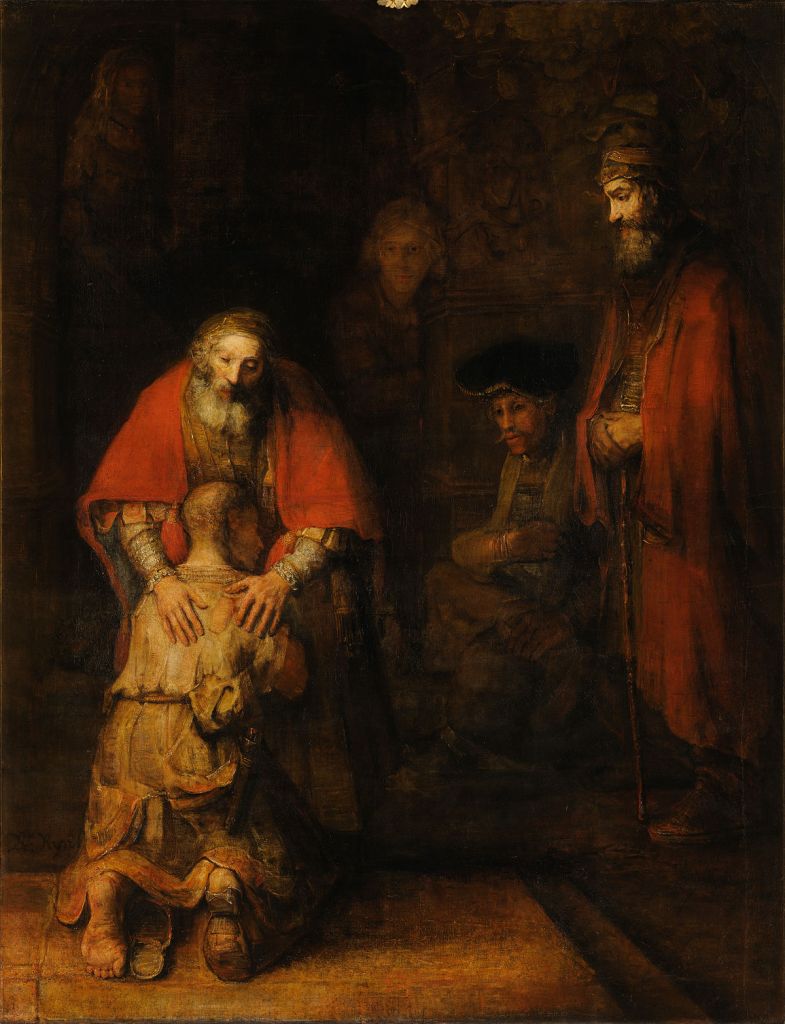
Rembrandt’s “The Return of the Prodigal Son” rom en.wikipedia.org.
God is our Father because he brings back life when we lose it. This is the most beautiful imagery of God being a Father like that loving father of the prodigal son in Luke’s gospel. That is the height of fatherhood when children even wife lost life to wrong decisions, to sins, or anything that completely alters our way of living, it is always the father who assures us of how life would go on or continue, of how he would do everything to give us back our lives.
Have you noticed how despite being considered as the authority figure at home with their being strict and firm, fathers are actually more easier to approach than mothers when it comes to serious problems? A lot often, we tell our dads first of our major mishaps or accidents or misadventures because they are more calm and serene, always thinking ahead of finding solutions. Unlike mothers who are hyper ones, tending to nag and voice out their feelings inside. When I was in the seminary, a classmate borrowed my new tennis racquet. Unfortunately, he lent it to other seminarians until it was left behind at the tennis court that was picked by some outsiders who used to enter our compound after our recreation time. As vacation time approached, I prayed hard and told my dad if he could give me 300 pesos (that was quite a fortune in the early 1980’s) so I could get a new tennis racquet lest my mom would discover it was lost and I would be scolded, even spanked!
Many times, I have heard from many young people how it was their father who literally saved them by forgiving them and even helping them pick up the pieces of their lives when they got involved into teenage pregnancies. It seems those stories of fathers disowning their children especially the daughter for being disgrasyada is more of an exception than a rule, perhaps true only in telenovelas and movies.
During my final years in my seminary formation until my ordination to the priesthood in 1998, every time I would come home I would look intently at my father’s hands and face, observing his many wrinkles, burned and sagging skin. Whenever I would look at his hands and face, I thought of those days and nights and years when my dad would take the jeep and bus to work so we could have good food and good education, those many sacrifices he had to make for us to have some of the simple pleasures in life, of his fidelity to my mom and to us all that we are his only beloved and nobody else.
That is why when he died on the eve of Father’s Day on that third Sunday of June, the 17th in the year 2000 that coincided with my mom’s birthday, I felt a great part of me had gone too. It was very difficult. The pain has always remained but somehow, in his death, I have continued to feel his fatherhood with the great love he had showered us while still alive. That is why, unlike others, I choose to remain silent on Fathers’ Day, praying and reflecting fatherhood, a most precious gift of God whom Jesus revealed to us is also a Father. God bless all the fathers of the world! Amen.
My dad at his dest at the Bureau of Forestry (later Forest Development), 1972.
The Lord Is My Chef Daily Recipe for the Soul by Fr. Nicanor F. Lalog II
Monday in the Eleventh Week of Ordinary Time , Year I, 19 June 2023
2 Corinthians 6:1-10   ><]]]]'> + ><]]]]'> + ><]]]]'>   Matthew 5:38-42
Photo by Dra. Mylene A. Santos, MD in San Antonio, Zambales, 05 June 2023.
Thank you dear Jesus
for the call to serve you;
thank you Lord for your
trust and belief in us;
thank you for the grace
to respond to your call
in every present moment
because, indeed, every
here and now is the acceptable
time and day of salvation.
Help us dear, Jesus,
as your great apostle St. Paul
appealed to us
in the first reading today,
may we not receive
the grace of God
in vain:
on the contrary, in everything we commend ourselves as ministers of God, through much endurance, in afflictions, hardships, constraints, beatings, imprisonments, riots, labors, vigils, fasts; by purity, knowledge, patience, kindness, in a Holy spirit, in unfeigned love, in truthful speech, in the power of God; with weapons of righteousness at the right and the left; through glory and dishonor, insult and praise.
2 Corinthians 6:4-8
Nobody said it to be easy
to follow you as your disciples,
Lord Jesus; you have personally
shown us the way of love and
mercy, peace and kindness
that the world would never
understand; only someone with
a heart like yours, no matter how
imperfect it may be, will find you
and the joy and fulfillment you
give especially when "we are treated
as deceivers and yet are truthful;
as unrecognized and yet acknowledged;
as dying and always rejoicing; as poor
yet enriching many; as having nothing
and yet possessing all things"
(2 Cor. 6:8-10).
Lord Jesus Christ,
let us not give up easily
in the face of trials and
criticisms; please erase
or delete from our minds
and hearts that our efforts to
be like you, to be your witnesses
in the world should be met
with admiration and respect;
let us keep that in mind
so we may not waste time
and energy complaining
and whining with our
sufferings in doing your work;
O Lord Jesus, open our eyes
and our hearts to find you
always in our ministry
and realize that great
privilege of sharing
in your passion, death,
and resurrection daily.
Amen.