Lord My Chef Daily Recipe for the Soul by Fr. Nicanor F. Lalog II
Monday in the Eleventh Week of Ordinary Time, Year I, 16 June 2025
2 Corinthians 6:1-10     ><))))*> + ><))))*> + ><))))*>     Matthew 5:38-42
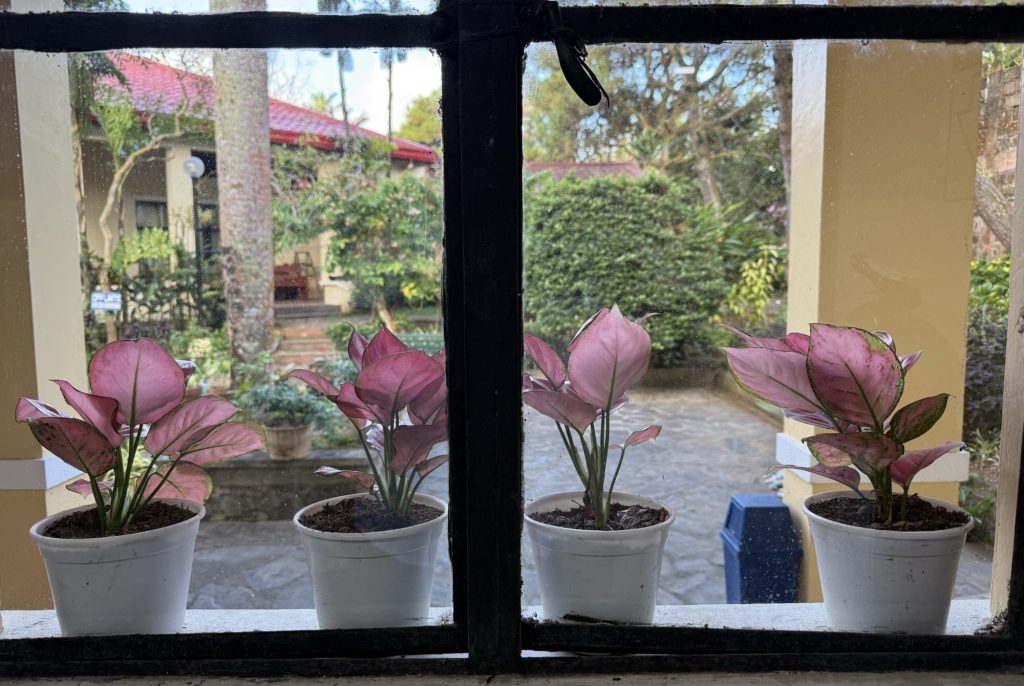
Photo by author, Sacred Heart Novitiate, Novaliches, QC, 20 March 2025.
Your words today,
O Lord Jesus Christ
are very astonishing -
from the writings of St. Paul
to your teachings that literally
go against the ways of the world;
of course, you and your message
have always been against the ways
of the world but, how do we strike
a balance in the present conditions
happening today?
Jesus said to his disciples: “You ahve heard that it was said, An eye for an eye and a tooth for a tooth. But I say to you, offer no resistance to one who is evil. When someone strikes you on your right cheek, turn the other one to him as well” (Matthew 5:38-39).
You know very well,
dear Jesus our situation:
our country going into a great
showdown with all the maneuverings
of the evil forces in the Senate to
cover up a crime, a serious case of
corruption and abuse of authority
while in the Middle East,
Israel and Iran are in a very
dangerous war that may spread
in the whole region; O Jesus,
we live in a world of "preemptive
strikes" and "counterstrikes"
and your words seem impossibly
naive and optimistic?
Is it really possible?
Brothers and sisters: As your fellow workers, we appeal to you not to receive the grace of God in vain. For he says: In an acceptable time I heard you, and on the day of salvation I helped you. Behold, now is a very acceptable time; now is the day of salvation (1 Corinthians 6:1-2).
Have mercy on me,
dearest Christ Jesus
in doubting the power of your
words and of your teachings;
have mercy on me,
dearest Lord when I think
in the ways of the world
than in the ways of God;
the balance I am seeking
is found only in YOU:
teach me to be generous like you,
like St. Paul, always in communion
with you through much endurance
in afflictions, hardships, constraints
and other sufferings (1 Cor. 6:4);
let me be centered in you always
Jesus, guided by the Holy Spirit
in "unfeigned love, truthful speech,
and power of God; with weapons of
righteousness through glory and dishonor,
insult and praise";
grant me the courage to be truthful
even when treated as deceiver,
to be acknowledged when
unrecognized, alive and living when
considered dead,
always rejoicing amid sorrows,
being poor to enrich many
and simply having YOU,
Jesus in having nothing
(1Corinthians 6:4-10).
Amen.
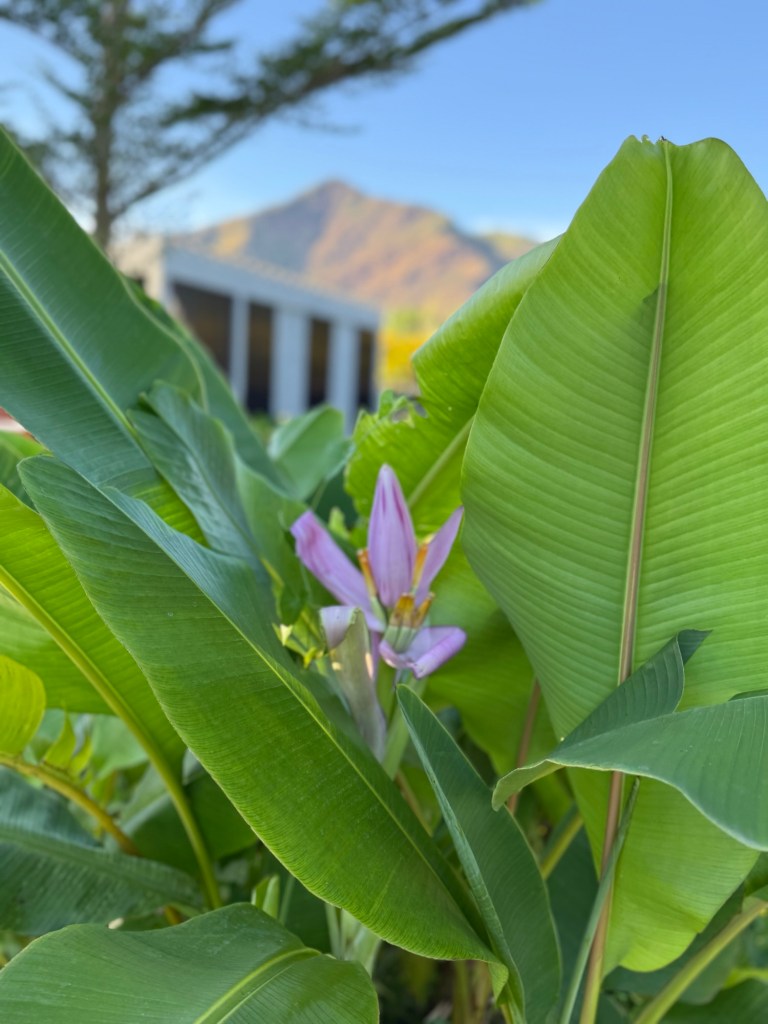
Photo by author, Sacred Heart Novitiate, Novaliches, QC, 20 March 2025.
Quiet Storm by Fr. Nicanor F. Lalog II, 10 June 2025
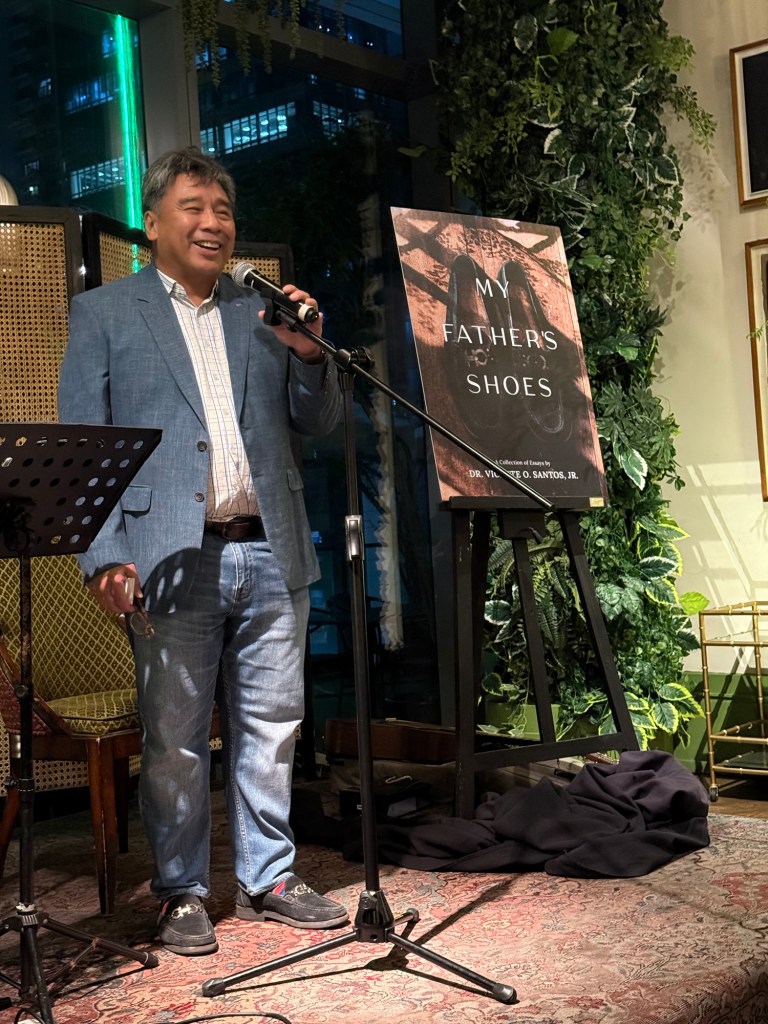
Homily on the advanced birthday celebration and book launching last June 4 of Dr. Vic Santos Jr., President of Fatima University Medical Center in Valenzuela and Antipolo
Photo by author, Manila House, BGC, Taguig, 04 June 2025.
We heard today in the first reading St. Luke’s account of St. Paul’s departure from Miletus to Rome for his trial and eventual martyrdom. We are told how the priests and leaders of the Ephesus community cried as St. Paul bid goodbye. It was a major turning point in the Apostle’s life.
We too are gathered tonight at a major turning point in the life of Dr. Vic as he officially becomes an elder among us, a senior sixty cent. There are no crying as we so filled with joy celebrating his gift of life. Like the Ephesians who were so glad in being a part of the life and mission of St. Paul, we praise and thank God for Dr. Vic’s gift of self especially to us, his family and friends and colleagues.
I’d like to focus your attention to St. Paul’s speech where he discussed how he had used his hands in his ministry, “You know very well that these very hands have served my needs and my companions. In every way I have shown you that by hard work of that sort we must help the weak, and keep in mind the words of the Lord Jesus who himself said, ‘It is more blessed to give than to receive'” (Acts 20:34-35).
What a beautiful imagery of the hardworking hands of St. Paul who was a tent maker by profession who earned money for his own needs so as not to be a burden to the community.
With his caring and loving hands, people accepted Jesus Christ and Christianity.
With his gentle and kind hands the people saw and experienced the love of God, felt more convinced than ever of God’s presence among them.
With his strong hands as an Apostle of Jesus, the people felt the discipline of God.
Photo by author, Manila House, BGC, Taguig, 04 June 2025.
It is the same thing why we are here tonight. So many sights were restored by the gentle hands of Dr. Vic that helped us to better or even see again.
Dr. Vic’s hands toiled not only in the clinic and OR but also in the tennis court and golf course as well as the kitchen that reminded us of God’s loving presence among us, of the Divine grip that everything will be fine so we can enjoy life. The hands of Dr. Vic as an ophthalmologist, as a husband and a dad, a brother and a friend and a colleague tell us we are in good hands. Like the hands of St. Paul, his hands allowed us to be touched by God’s love and mercy, kindness and forgiveness.
But there is something else about the hands of Dr. Vic I would like you to reflect upon. Like St. Paul, Dr. Vic’s hands not only restored sight but most of all allowed us to have vision, of seeing beyond physical or material things.
St. Paul’s hands were so gifted that more than half of the New Testament writings were from him; in fact, he was the first to write about Jesus Christ, way ahead of the gospel writers. By his writings, we are able to have a glimpse about God in Jesus Christ and eternal life.
Photo by Dra. Mary Anne Santos, Manila House, BGC, Taguig, 04 June 2025.
With his gifted hands in writing not just prescriptions but also elegant prose and essays, Dr. Vic opened our eyes to see the deeper realities and truth behind our many common experiences in life. His hands seem to have eyes too that he can weave a beautiful tapestry of the joy of living side by side with its many pains and hurts, even losses and griefs, failures and disappointments. Dr. Vic’s hands are so precise not only in surgery but especially in writing, giving us hope to never give up, to always forge on, and be open to many possibilities in life.
Like St. Paul, Dr. Vic can boldly proclaim of the timeless truth of Christ’s teaching that “it is better to give than receive” because he had experienced God’s abundant blessings through his very hands that were always opened, ready to work and take on new tasks, willing to hold others hands to lead and guide them to healing and new life.
Salamuch po, Dr Vic in sharing with us your blessed hands that taught us to find God we rarely see due to our many blindness in life.
Your hands did not only heal our sight but gave us a vision of God present in us and among us always. We pray like Jesus in the gospel tonight that the Father may consecrate you with his sacred hands in order to bless you with more fulfillment and fruitfulness on your 60th birthday. With Dra. Mary Anne and your sons – Angelo, Francis, and Vince – may God fill your hands with his blessings, holiness and healing. Amen.
Photo by author, Manila House, BGC, Taguig, 04 June 2025.
Lawiswis Ng Salita ni P. Nicanor F. Lalog II, Ika-03 ng Hunyo 2025
Marahil inyo nang napakinggan ang nakakaaliw na rap music na Eba’t Adan. Kahit saan maging sa simbahan lalo na sa social media pinaguusapan, pinakikinggan, binabanggit ang hiphop na ito.
Eba't Adan
Eeba't Adan
Eba't Adan
Eeba't Adan
Alam mo ba (Alam mo ba)
Mahal mo na (Mahal mo ba)
Wala tayong magagawa
Mahal mo na
Eba't Adan
Eeba't Adan...
Nakakaaliw ang saliw ng tugtugin at mga titik na paulit-ulit lang naman. Sa aking pagsasaliksik, mayroong iba’t ibang version ang naturang rap music ngunit iisa lang ang sinasaad nitong lahat kaya marahil naging trending at viral – ang kapangyarihan ng pag-ibig. Wika nga ni Francisco Balagtas, “O pag-ibig kapag pumasok sa puso ninoman, ang lahat ay hahamakin masunod ka lamang”.
At iyon nga kasi itinakda noon pa man kina Eba at Adan. Kaya daw wala ka nang magagawa sabi ng rap.
Pero, teka… talaga bang wala nang magagawa kapag ikaw ay tuluyang nahulog na sa pag-ibig gaya ng sinasaad ng hiphop na Eba’t Adan?
Larawan kuha ng may-akda sa Nagsasa Cove, San Antonio, Zambales, Oktubre 2024.
Sa isang version na aking pinakinggan, binabanggit doon hindi lamang pag-ibig ng lalake sa isang babae kungdi pati pag-ibig ng lalake sa kapwa lalake at ng babae sa kapwa babae.
Ganun din ba ang ating tugon kung ikaw ay umibig sa iyong pinsan o kamag-anak? Paano kung ang iyong iniibig ay mayroon nang asawa o pareho kayong may asawa? Eba’t Adan, E-Eba’t Adan wala ka nang magagawa?
Dito makikita natin na hindi ganoon kasimple ang pag-ibig. Hindi lahat ng pag-ibig ay tama tulad nang sa mga kapwa lalake at kapwa babae, sa mga may asawa na at maging sa mga pari at relihiyoso. Mayroong disordered love na kung tawagin sa Inggles. Ito yung maling pagmamahal hindi lamang sa kapwa tao kungdi maging sa mga hayop at gamit na labis nating pinahahalagahan kesa sa Diyos.
Maliwanag ang turo ni Jesus: ang pag-ibig na tunay ay palaging naka-ugat at may kaisahan sa Diyos na siyang pag-ibig mismo! Kasabay nito, naroon ang napakagandang pagninilay at paglalahad ni San Pablo ukol sa pag-ibig na matatagpuan sa Unang Sulat sa mga Taga-Corinto, kapitulo trese.
Alalahanin din na hindi lamang damdamin ang pag-ibig kungdi isang desisyon o pagpapasya kasi, feelings are sometimes high, sometimes low. Hindi weather weather lang ang pag-ibig. Ito ay desisyon gaya ng inawit nina Ben&Ben:
Mahiwaga
Pipiliin ka sa araw-araw
Mahiwaga
Ang nadarama sa'yo'y malinaw.
Bagaman nagsisimula sa damdamin bilang attraction ang pag-ibig, kailangan itong lumago at lumalim. Kailangan mag-mature ang pag-ibig kaya ito ay nililinang sa pananalangin at wastong pag-iisip.
Mahiwaga ang pag-ibig ngunit hindi naman wala kang magagawa. Bagkus, malaki nga ang ating magagawa para sa pag-ibig ay yumabong at mamunga ayon sa turo ni Jesus tulad ng paglimot sa sarili. Ang pag-ibig ay palaging papalabas at hindi pakabig, hindi makasarili. Ang totoong sukatan ng tunay na nagmamahal ay kapag kaya mo nang ibigin ng higit sa iyong sarili ang ibang tao.
Kay sarap ugatin na ang isa pang kataga na gamit natin sa pag-ibig ay pagmamahal na mas ibig kong ginagamit lalo na sa pagkakasal. Iyon kasing pagmamahal ay paglevel up ng pag-ibig na kadalasan ay mababaw pa ang kahulugan tulad ng kapag sinabig “ano ibig mong sabihin o kainin?”
Ang pagmamahal ay nagsasaad ng pagpapahalaga kaya mahal ang presyo ng isang bilihin dahil ito ay mahalaga. Ang pag-ibig na tunay gaya ng pagmamahal ay pagpapahalaga sa minamahal na handang limutin ang sarili hanggang kamatayan.
Larawan mula sa The Valenzuela Times, 02 July 2024.
Ang taong nagmamahal ay palaging nagpapahalaga. Iyon ang masaklap at masakit na nangyari noon kina Eba’t Adan nang sila ay magkasala dahil tumanggi silang pahalagahan ang Diyos higit sa lahat.
Kaya naman sa madaling salita, ang kasalanan ay isang pagtanggi na magmahal kasi mas pinahahalagahan ng nagkakasala ang kanyang sarili kesa ibang tao lalo na ang Diyos. Iyon ang kapalaluan o kayabangan na sa Inggles ay pride.
Itinuturing na pride ang naging kasalanan nina Eba’t Adan dahil hinangad nilang maging Diyos, hindi lang makatulad ang Diyos. Ayon kay Sir Cecil B. De Mille, and direktor ng pelikulang The Ten Commandments noong 1956, ang palaging nilalabag na utos ng Diyos ng mga tao ay ang unang utos na huwag magkakaroon ng ibang Diyos maliban sa Kanya. Paliwanag ng batikang direktor, tuwing tayo ay nagkakasala, mayroon tayong ibang Diyos na sinusunod.
Kaya nakapagtataka rin naman itong mga LGBTQ na ipinagmamalaki pa ang kanilang pagdiriwang na Gay Pride ngayong buwan ng Hunyo. Bakit kailangang ipagmalaki ang “pride” gayong masama kadalasan ang kahulugan niyon?
Dalawang bagay ang sinasaad ng pride, maari itong positive na mabuti at banal o negative kaya ito ay mali at kasalanan. Yung positive pride kung tutuusin ay kapakumbabaan na kung saan kinikilala natin ng may karangalan at pagmamalaki sa tamang paraan ang ating katayuan na nilalang ng Diyos bilang lalake o babae. Ito yung wastong pride na sumasalungat sa linya at excuse parati na “ako’y tao lamang na mahina at makasalanan.” Bagaman hindi tayo perpekto, tayo ay bukod tanging pinagpala ng Diyos ng mga katangian at kakayahan upang lubos na makibahagi ng buhay ng Diyos.
Subalit hindi iyong ikalawang uri ng pride na mali at dapat iwasan dahil sa bahid at dungis ng kapalaluan at kayabangan. Ito ang dahilan kaya pride ang una sa lahat ng pitong capital sins. Ito yung pride na ipinagpipilitan ang sariling kagustuhan kahit na ito ay hindi ayon sa katotohanan, sumasalungat maski sa Diyos at lahat maipilit lamang ang sarili. Ito yung pride na kasalanan nina Eba’t Adan dahil ipinagpilitan nila kanilang sarili na maging Diyos din gayong hindi naman maaring mangyari.
Mula sa Facebook ng Ateneo De Manila University, 02 Hunyo 2025.
Kaya mahirap maunawaan at tanggapin itong laganap tuwing buwan ng Hunyo bilang Pride Month ng mga kasapi sa LGBTQ. Kailangan bang ipagmalaki at ipangalandakan kanilang sariling kagustuhan?
Hindi lamang binabago kanilang kasarian kungdi pati balarila sa wikang Inggles, mga gawi at mga pananaw sa mundo. Hindi po kasalanan maging bakla o tomboy. Nangyayari ito bunsod ng maraming kadahilanan ngunit sa kahuli-hulihan, isa ring itong pagpapasya o pagpili – choice – na ginagawa ng may katawan. Lalake pa rin o babae na mayroong homosexual tendency ayon sa Katesismo. Ang maliwanag na masama mula sa Banal na Kasulatan ay ang pagtatalik ng kapwa lalake at kapwa babae. Iyan, noong pang panahon nina Eba’t Adan ay masama at ipinagbabawal na.
Hindi mababago ang pagkatao kung papalitan ang ari at iba pang bahagi ng katawan ng tao dahil ang kasarian ay kabuuan ng pagkatao. Hindi mababago ang kabuuan kung babaguhin lang ang isang bahagi. Hindi naman gamit ang tao na maaring palitan ang piyesa tulad ng mga sasakyan at iba pang kasangkapan.
Ang maling pag-ibig kailanman ay hindi maghahatid ng kaganapan kanino man dahil malinaw na ito ay makasarili – selfish – isang pagpapahayag ng pride o kapalaluan na masama at kasalanan.
Ito ba ang ibig mangyari ng mga LGBTQ? Batay sa marami nang pag-aaral wala din namang mga nagpabago ng ari o nagpasame sex marriage ang tunay na nakatamo ng kaganapan at katuwaan sa buhay. Marami sa kanila ang malungkot at bigo batay sa mga pag-aaral.
Larawan mula sa sunstar.com.ph kung saan nag-viral noong isang taon ang pagpapatayo sa isang waiter upang turuan ng gender sensitivity matapos tawaging “Sir” ang isang celebrity na LGBTQ sa mall.
Pero mayroong magagawa. Kaya sinugo ng Diyos ang Kanyang Bugtong na Anak na si Jesus, ang Kristo. Ipanakita at ibinigay niya sa atin ang mga kinakailangang biyaya at grasya upang tayo man ay makapagmahal nang tunay katulad niya.
Nasa atin ang biyaya na magmahal ng tunay kung saan ay ating makakayang limutin ang sarili para sa mas mahalagang layunin, ang kaisahan sa Diyos (communion) na siyang paraan upang matamo natin ang kaganapan o fulfillment na higit pa sa kasiyahan at tagumpay sa buhay.
Ang pagmamahal gaya ng ating nasabi na ay hindi pakabig kungdi palaging papalabas ang tungo, mapagbigay at mapagparaya.
Mahirap talagang magmahal ng tunay ngunit hindi maaring sabihing wala tayong magagawa. Diyos na ang gumawa ng lahat upang tayo ay makapagmahal ng tunay. Makikibahagi at makikiisa o cooperate lamang tayo sa Kanyang biyaya.
Una ay tanggapin ang katayuan natin sa buhay bilang lalake o babae o bakla o tomboy; may-asawa o hiwalay; may sinumpaang pangako na hindi mag-aasawa tulad ng mga pari at madre at relihiyoso.
Huwag ipilit ang hindi naayon sa nature natin bilang tao. Marami nang mga bakla lalo sa showbiz ang nagsabing hindi kinakailangan ang mga gay pride na ito dahil tanggap nila katauhan nila. Ano mang hindi natural at tunay ay hindi makapaghahatid sa atin sa kaganapan at kagalakang tunay.
Isang biyaya na nakakaligtaan sa panahong ito na tila lahat na lang ibig ang relasyon kahit sa murang edad ay ang dalisay na pagkakaibigan o true friendship na nagpapahiwatig ng ibang mukha ng pagmamahal na nakapagpapaging-ganap at kasiya-siya ding tulad ng pag-aasawa. Ibang antas ito ng pagmamahal at ugnayan na biyaya din ng Diyos kung bukas sana ang ating puso at kalooban sa kanya at di lamang sa ating sariling kagustuhan.
Bilang pangwakas, ibig kong iwanan ang isang katotohanan hindi pansin ng karamihan ngayong panahon ng social media: mabuti pa sina Eba’t Adan nang magkasala, sila’y nahiya at nagtago sa Diyos. Bakit ang mga tao ngayon bukod sa hindi na nahihiya sa kasalanan at kasamaan, ipinagmamalaki pa lalo na sa social media? Sabi nga ng matatanda, ang mahiya pa lamang ay pagpapakatao na. Ano kaya tingin sa atin ngayon nina Eba’t Adan? Siguro, hiyang hiya na sila sa atin.
Lord My Chef Daily Recipe for the Soul by Fr. Nicanor F. Lalog II
Monday in the Seventh Week of Easter, 02 June 2025
Acts 19:1-8     <*[[[[><  +  ><]]]]'>     John 16:29-33
Photo by author, mountains of San Antonio, Zambales from the side of Anawangin Cove, 2024.
Lord Jesus,
teach me
and help me
understand you.

I really wonder if
the disciples truly understood you
on that Last Supper:
The disciples said to Jesus, “Now you are talking plainly, and not in any figure of speech. Now we realize that you know everything and that you do not need to have anyone question you. Because of this we believe that you came from God.” Jesus answered them, “Do you now believe” (John 16:29-31)?
Oh how easy it is
to claim I have understood you
Lord Jesus
when in fact
more often
I misunderstand you
when difficulties and sufferings
 come my way
that I complain a lot;
when pains and disappointments
happen I lose interest
in following you;
when frustrations come
 because I cannot know fully
what is to come
after following you.
There are times
mediocrity seeps in me
that I become lackluster
making no effort to learn more,
to be more daring,
and to be a better
person and disciple
in following
and imitating you, Lord.
To understand you, Jesus
means to experience peace
always in you,
to keep on choosing you still
no matter what
because that is when
we truly enter in your presence
with nothing else important
but do your will.

Understanding you Jesus
is being open and ready
not to understand
everything about you
and still believe you
and trust you.
Amen.
Photo by author, mountains of San Antonio, Zambales from the side of Anawangin Cove, 2024.
Lord My Chef Daily Recipe for the Soul by Fr. Nicanor F. Lalog II
Friday in the Sixth Week of Easter, 30 May 2025
Acts 18:9-18     <*((((><  +  ><))))*>     John 16:20-23
Photo by author, Cabo da Roca, Pundaquit, San Antonio, Zambales, 14 May 2025.
In a few days you are
going to "leave" us, Jesus;
this Sunday is your Ascension,
your physical departure from us
and you described so well our situation:
Jesus said to his disciples: “Amen, amen, I say to you, you will weep and mourn, while the world rejoices; you will grieve, but your grief will become joy. When a woman is in labor, as she is in anguish because her hour has arrived; but when she has given birth to a child, she no longer remembers the pain because of her joy that a child has been born into the world. So you also are now in anguish. But I will see you again, and your hearts will rejoice, and no one will take your joy away from you. On that day you will not question me about anything. Amen, amen, I say to you, whatever you ask the Father in my name he will give you” (John 16:20-23).
What has been "born"
in me in your Rising from the dead?
What is that joy like a woman
in the pangs of childbirth
suddenly becoming a joy so
incomparable?
Oh, it is that joy of having you
in my heart, Jesus:
I have found joy more in my heart
than outside of me;
your joy is that assurance
you are with me always
no matter what,
as certain as the rising and
the setting of the sun,
as lovely as the blooming of flowers,
soothing like the hush of the wind
or the gushing of water in a river
or the rush of the waves to
the shore.
Keep that joy in my heart,
Jesus that no one can take away;
a joy in my heart that even
if I do not receive the things
I ask in prayer,
I still believe,
I still hope,
I still rejoice
in you.
Sorry, Jesus,
I still question you on anything
despite that joy of knowing you,
 of having you
but many times I wonder
why all the pains and sufferings
with me and those close to me;
there are times,
Lord that I lose my heart
that I could not feel that joy of you
when you don't answer
my prayers.
But,
to still keep on praying
even if it not answered at all
is already pure joy in you,
Jesus!
Like peace,
true joy is so difficult
and elusive when not found
in you, Jesus
that we always have to wait
for you,
feel you,
suffer and cry with you
and sometimes die in you
so that joy shall be
born in us
again
and again
and again.
Amen.
Photo by author, Cabo da Roca, Pundaquit, San Antonio, Zambales, 14 May 2025.
Quiet Storm by Fr. Nicanor F. Lalog II, 28 May 2025
Photo by author, Cota da Cabo, Pundaquit, San Antonio, Zambales, 15 May 2025.
Salamuch for the very positive response to our blog Praying to “do no harm” where we underscored the need for more sensitivity among us to be able to respond to those being pushed to the limits in life (https://lordmychef.com/2025/05/27/praying-to-do-no-harm/) .
Sensitivity is the condition of a person (or thing) being sensitive that in the positive sense means someone who is quick to detect and appreciate other’s feelings while in the negative sense, one who is easily hurt or delicately affected by other’s feelings and attitudes.
For this sharing, we refer to the positive sense of the need for sensitivity especially in these days when it has become more of a rarity as more and more people seem to becoming numb and even callous. It is maybe a sign that points to one reality we have been seeing but refused to acknowledge these years – the dwindling number of people praying these days.
Prayer is more than reciting certain formal prayers we have learned by heart since childhood or reading novena prayers to a host of our devotions and practices. Prayer is primarily a relationship we keep with God. We pray because we love God.
Photo by author, Cota da Cabo, Pundaquit, San Antonio, Zambales, 15 May 2025.
This is the reason that in prayer, it does not really matter we are able to say or tell God everything because He knows them so well even before we asked Him (Mt.6:8). What really matters most in prayer as St. John Paul II used to say is that we are able to hear and listen to what God wants from us. That we surely do not know at all that is why we need to pray.
Just like in our relationships with others when we simply have to be sensitive with their presence when each one’s presence is more than enough. Or in fact, is everything!
When we pray more and cultivate a prayer life – a relationship with God – it is our sensitivity that is most heightened. The more we become sensitive of our ourselves and surroundings, we become more aware of God’s presence in us and among us. The more we become sensitive of ourselves and of God, then, we become sensitive of others too. Then our relationship with God flows naturally into our relationship with others which becomes the fruit of our prayers: have we become more kind and understanding, more loving and forgiving, more just?
Another beautiful thing with prayer that heightens our sensitivity is the gift of being proactive when we are able to “predict” the future without really predicting it! Our Filipino expression of magdilang-anghel says it so well that whatever we say happens or turns out to be true because we can feel everything and everyone with our heightened sensitivity.
Photo by author, Cathedral of St. Catherine of Alexandria, Dumaguete City, 07 November 2024.
Prayerful people are always sensitive in the positive sense. They are the ones most in touch with the realities of life, literally and figuratively speaking. They are always “present” like God who calls Himself “I AM WHO AM” – the perfectly present. Without sensitivity, there can be no presence at all.
See how kids these days do not mind at all nor pay respects or at least recognize anyone – whether family member or guests – when they are engrossed in their computer games or watching movies or simply scrolling their cellphones. Sorry as I find many of these kids are growing disrespectful as in, bastos.
Experts have long been warning us of the dire effects especially to children of these gadgets and social media itself that make us insensitive, numb and callous practically with the world around us.
How sad and sickening to see young people literally so absorbed and immersed as in subsob in their cellphones, wired with those pods stuck in their ears living in a world of their own, unmindful of the sounds and commotion, of the people and everything happening around them.
Going back to that beautiful scene after an earthquake shook the prison cell of Paul and Silas in yesterday’s first reading, see how the apostle’s sensitivity and presence saved and converted their jailer.
The crowd in Philippi joined in the attack on Paul and Silas… After inflicting many blows on them, they threw them into prison and instructed the jailer to guard them securely. About midnight… there was suddenly such a severe earthquake… When the jailer woke up and saw the prison doors wide open, he drew his sword and was about to kill himself, thinking that the prisoners had escaped. But Paul shouted out in a loud voice, “Do no harm to yourself; we are all here” (Acts 16:22, 23, 25, 26, 27-28).
Speaking of earthquake, I just found it quite amusing how some students did not feel at all the “jolt” when the 5.1 earthquake struck us before noon yesterday. After we have evacuated our building, I met some students who were laughing at themselves to have not felt at all the earthquake, saying they were caught by surprise when the alarm went off that signaled the evacuation.
Sorry and please excuse us as this may be extending too much the earthquake this noon but, it isn’t funny anymore when we are jolted by news of some people we hardly know taking their lives for various reasons. We wonder and even search our souls wondering what happened they “harmed” themselves until we realize that partly because, we were not there at all when they most needed us.
Photo by author, Cota da Cabo, Pundaquit, San Antonio, Zambales, 14 May 2025.
This is why we need to recover our vanishing sensitivity through prayers to be aware, to notice and feel others around us, especially those silently screaming for help when many are so absorbed in their own little worlds. Every time we become sensitive of God’s presence and reality, we become sensitive of ourselves and of others too. Let us pray:
Forgive us,
Jesus for being far
from those in pain and sufferings,
for being insensitive
to those crying in silence,
for being indifferent
to the realities of mental health
and total well-being
of everyone.

Give us a chance,
Jesus to be like Paul and Silas
of saving one life
from doing no harm to one's self
by first being sensitive
to your presence in prayers
because the more we pray,
the more we become sensitive
of you and of others.
Amen.
Quiet Storm by Fr. Nicanor F. Lalog II, 26 May 2025
Photo by author, Northern Blossoms Farm, Atok, Benguet, 26 December 2024.
Human love is imperfect; only God can love us perfectly.
Many times we get disappointed with our loved ones for not loving us enough or not loving us at all when in fact, they do love us! They come in different forms like strict parents or teachers, an OFW who has to leave his/her loved ones behind for better earnings so the children can go to good schools or an eager-beaver colleague who sometimes gets to our nerves for the things he/she does for us not to irritate us but to help us actually. And yes, parents who give away their children in the belief they can have a better future if they grow up not with them.
We all want to love perfectly or be loved perfectly but that is not possible because we humans are not perfect. We err, miscalculate situations and misjudge persons. Many times, we do not understand nor comprehend situations for we cannot know everything right away nor at all.
The good news is, the more we realize the imperfections of our love, that is when we are perfected, when we become better persons, when we actually become more loving with others by being patient and understanding, kind and forgiving. Our efforts to love though imperfect shall perfect us.
Photo by author, Northern Blossoms Farm, Atok, Benguet, 26 December 2024.
It is in our imperfect love we also learn how to sacrifice and let go because we love. The beloved disciple of Jesus wrote that “No one has ever seen God. Yet, if we love one another, God remains in us, and his love is brought to perfection in us(1 John 4:12). Every time we are bothered, when we feel guilty of not loving much or not being loved, chill. Be patient. And wait for everything to clear up. There must have been a breakdown in communication or too much presumptions on anyone’s part. Be open. Most of all, even if you felt not loved or no one loves, keep loving. For as long as we love, we grow. We mature.
Love, love, love!
It is the most potent force in the universe. We came into being because of love. We live to love. For as long as there is love, we shall not perish.
Stop loving, then we die.
Photo by author, Sakura Farm, Atok, Benguet, 26 December 2024.
When we do not love, that is when we perish because we no longer hope and believe in anyone nor anything. That is the end.
St. Paul said it perfectly, “So faith, hope, and love remain, these three; but the greatest of these is love” (1 Cor. 13:13). After we have died, only love remains in heaven: we do not need faith nor hope because love is everything we believe and hope. Even those we leave behind will just keep on loving that life will continue until we all come together in eternity. Still loving.
Hence, love cannot be defined. Love is infinite and can only be described. And though it is imperfect in human terms, our expressions of love has no limits. That is why, “tis better to have loved and lost than never to have loved at all” (Lord Alfred Tennyson in 1849). Bow. To love.
Photo by author, Angels’ Hills Retreat and Spirituality Center, Tagaytay City, 18 April 2025.
Lord My Chef Sunday Music by Fr. Nicanor F. Lalog II, 25 May 2025
Photo by author, Angels’ Hills Retreat and Spirituality Center, Tagaytay City, 18 April 2025.
We shift this Sunday into jazz with Earl Klugh’s sophisticated Living Inside Your Love to slow cool down our simmering summer and to feel more the meaning of the Mass readings today as we enter the penultimate week of Easter.
We were already in our early teens when we discovered Earl Klugh along with other jazz greats with the opening of the country’s first and only jazz radio station 101.9 WK-FM in the late 70’s. Maybe it was part of growing up when we experimented on a lot of things for more adventures that I found myself venturing into jazz from rock and pop music, switching from RJ to RT and then WK.
For me, Earl Klugh was the jazz version of rock’s Eric Clapton or Carlos Santana. Klugh has that certain touch or pluck in his guitar that can make you be in love, not necessarily be in love with anyone. It is a nakaka-in love ma-in love na feeling! That is why we remembered his Living Inside Your Love piece from his second studio album released in 1976 by the legendary Blue Note Records and Liberty Records produced by another jazz great, Dave Grusin.
Actually, we just realized today Living Inside sounds like a prelude to the turn of the century’s new age music where Klugh’s masterful playing of the guitar taking the centerstage of a great symphony backed up with cool vocals repeating just a few lines and stanzas of simple verses over and over that is similar with the vision of John in this Sunday’s second reading from the Book of Revelation when he saw and experienced the “new heaven, new earth” in the great luminous light of God who is himself the temple in the city (https://lordmychef.com/2025/05/24/easter-is-god-dwelling-in-us/). See how Klugh inserted the vocals into his great guitar music enhanced by a symphony like John’s vision of heaven:
Can't get over the feeling
Living inside your love
I never want to lose the feeling
Living inside your love

Baby, you made my life so free
Living inside your love
You're just where I want to be
Living inside your love

Baby, you made my life so free
Living inside your love
You're just where I want to be
Living inside your love
Very interesting with his wonderful guitar music, Klugh’s lyrics – though sparse and repetitive – were loaded in meaning. Consider the line “living inside your love” which is exactly what Jesus said at the Last Supper, “Whoever loves me will keep my word, and my Father will love him, and we will come to him and make our dwelling with him” (John 14:23).
“Living inside one’s love” is what we call as “Divine indwelling”, that is, our home is in God – and with any one we love!
Moreover, consider also Klugh’s first line in his next stanza, “Baby, you made my life so free/ Living inside your love/ You’re where I want to be/ Living inside your love.”
When we love, we enter a relationship that becomes our dwelling, our home where we become free – free to love more, free to be faithful. When we truly love like Christ, the more we find ourselves more free to love, more free in everything because being free is choosing always what is good. We believe that more than a stroke of genius, it was also a kind of divine inspiration about true love that made Klugh at put at the end of this 1976 classic the longer stanza that actually repeated inn order to stress the truth of his first two stanzas.
Can't get over the feeling
Living inside your love
I never want to lose the feeling
Living inside your love
Can't get over the feeling
Living inside your love
I never want to lose the feeling
Living inside your love
I can't get over the feeling
Living inside your love
I never want to lose the feeling
Living inside your love
I can't get over the feeling
Living inside your love
Here is Earl Klugh’s lovely Living Inside Your Love. Have a lovely Sunday and week ahead.
Lawiswis ng Salita ni P. Nicanor F. Lalog II, Ika-22 ng Mayo 2025
"Sunrise, fried rice
Sunset, pancet!"
ang aking laging sambit
ngunit ang aking favorite
ay sunrise
maski wala nang
fried rice kasi maaga
akong gumising;
sa mga "madrugeño"
na katulad ko (early riser
sa wikang Kastila),
mayroong kakaibang alindog
itong pagbubukang liwayway
kung saan ang liwanag ay unti-unting
sumasagitsit na kahit hindi mo
tanaw ang araw
banaag ang buhay
saan ka man lumingon
mayroong sorpresa;
kakaiba ang dapit-hapon
na palaging inaabangan
sa makukulay na tila isang palabas,
sa pagsikat ng araw
papalaoob ang landas na
tinatahak
kayat hindi lamang
ito tinitingnan kungdi
dinarama sa kalooban.
Kaunti lamang marahil
ang nagpapahalaga
sa pagbubukang-liwayway
bukod sa mahirap gumising
ng maaga, walang masyadong
nakikita ngunit narito ang ganda
at hiwaga ng bawat umaga:
kinikilala ito katulad ng
isang bagong kakilala,
kinakaibigan hanggang
sa hindi mo na namamalayan
iyo nang nakakapalagayan
at maya-maya
ay dadantay
ang katotohanan
kayo ay kailangan nang
maghiwalay;
kaya rin naman
mas marami ang nabibighani
at nahahalina sa dapit-hapon:
malinaw na sa iyo
ang katuturan ng maghapon
na lumipas kaya
iyo na lang inaabangan
paglisan ng mabuting kaibigan
bago balutin ng dilim ang
kapaligiran
sa pagtatakip-silim.
Sunrise,
Sunset
hangganan ng bawat araw
 sa ating dumarating
bagama't magkaiba
sa pandama lalo na sa ating
paningin
nagtuturo ng katotohanan
na hindi lahat nakikita
ng mga mata;
gayon din,
 naroon palagi ang dilim
sa piling natin
 upang higit nating mahalin
 at laging hanapin
 tunay na liwanag na hindi
 napaparam, si Jesu-Kristo
na dumating
 sa pinaka-madilim
na gabi ng buong taon
at muling nabuhay
habang madilim-dilim pa
nang unang araw ng sanglinggo;
sa pagbubukang-liwayway
at sa dapit-hapon o takip-silim man,
palaging naroon ang Panginoon
tinitiyak sa atin sa
bawat ngayon
at dito
tuloy lang ang buhay!
*Mga larawan kuha sa aking iPhone16
sa Cabo da Roca, Pundaquit, San Antonio, Zambales
Mayo 14-15, 2025.
Lord My Chef Daily Recipe for the Soul by Fr. Nicanor F. Lalog II'
Monday in the Fifth Week of Easter, 19 May 2025
Acts 14:5-18     ><]]]]'> + ><]]]]'> + ><]]]]'>     John 14:21-26
Photo by author, Cabo da Roca Villas, Pundaquit, San Antonio, Zambales, 15 May 2025.
Your words today, O Lord
are very amusing:
in the first reading we have
the people at Lystra insisted
on making Paul and Bernabas
as "gods" after they have healed
a crippled man from birth
while in the gospel we felt you
personally speaking to us too
along with your disciples at the Last Supper
of how in our love for you and with
each other that we become divine
like you.
Judas, not the Iscariot, said to him, “Master, then what happened that you will reveal yourself to us and not to the world?” Jesus answered and said to him, “Whoever loves me will keep my word, and my Father will love him, and we will come to him and make our dwelling with him” (John 14:22-24).
How lovely,
dear Jesus are your words:
you never left us,
you continue to speak to us
in the Holy Spirit
you sent to enlighten
our minds and our hearts
so we may continue to love you
in one another;
more than a feeling as
most people believe these days,
love is a response to a loving,
meaningful relationship in you;
love is our deeper connection
with you and with each other;
without love,
we are mere humans,
not persons,
without relationships,
most of all,
without meaning
and direction in life.

Let us love,
love, and love more,
Jesus so we may find and
recognize you in ourselves
and in others,
especially the weakest
and poorest among us.
Amen.
Photo by author, Cabo da Roca Villas, Pundaquit, San Antonio, Zambales, 15 May 2025.