Remaining in Christ, the True Vine

The Lord Is My Chef Sunday Recipe for the Soul by Fr. Nicanor F. Lalog II
Fifth Sunday in Easter, Cycle B, 02 May 2021
Acts 9:26-31  ><}}}'>  1John 3:18-24  ><}}}'>  John 15:1-8

From Facebook of Fr. Marlito G. Ocon, SJ via GMA News, 30 April 2021.
"Ang lungkot, Father.  
Wala na akong asawa na mauuwian, 
abo na ang asawa ko."

This broke my heart last Friday evening from a post by Jesuit Fr. Marlito G. Ocon of a woman who came by herself to the Philippine General Hospital (PGH) to deliver her baby. Her husband had just died of COVID-19 while she and her baby are both COVID positive. Worst, she has not informed her parents-in-law about the death of her husband because they are also in critical condition in the province for COVID-19.

“Ang lungkot, Father. Wala na akong asawa na mauuwian, abo na ang asawa ko. Hindi man lang kami nagkausap. Hindi ko man lang maibalita na may second baby na kami. Hindi man lang sila nagkita ng anak namin.” (“It is so sad Father. I do not have a husband anymore to come home to, he’s all ash now. We did not even have the chance to speak to each other. I cannot even tell him the news we have our second baby. He did not even get the chance to meet our new baby.”)

Fr. Ocon is one of the chaplains at the PGH, the largest public hospital in Metro Manila. He said, “I have no words because I know any word can’t explain enough why horrible things like this happened. But I realized that it is in our deep, deep silence and it is when we run out of words, and when theology can’t explain enough, that our faith can speak louder.”

Very true.

Lately I have noticed a shift in prayer requests by relatives and friends, from the usual healing prayers for those afflicted with COVID-19 to prayers for their and loved ones’ emotional and psychological well-being.

More and more people have been coming to me for counseling via Zoom and Messenger apps as they hurdle so many crises in marriage, work, livelihood and self since the pandemic started last year. We have resumed yesterday in our parish our weekly confessions and everyone who came cried not only for their sins but most of all for their emotional baggages either triggered or worsened by this pandemic.

And like Fr. Ocon, I could not say anything at all except to pray and tell them to hold on to God, to never let go of him, “kapit lang at huwag bibitiw sa Diyos”, exactly what Jesus is telling us this Sunday:

Jesus said to his disciples:
"I am the true vine, and my Father is the vine grower.
Remain in me, as I remain in you.
Just as a branch cannot bear fruit on its own 
unless it remains on the vine, 
so neither can you unless you remain in me.
I am the vine, you are the branches.
Whoever remains in me and I in him
will bear much fruit because without me you can do nothing."
(John 15:1, 4-5)

“Remain in me.”

In St. John’s vocabulary, “remain in me” is one of the key phrases he used 68 times in his writings (gospel, three letters and the Revelation), 11 times in this whole discourse in John 15:1-17, and if you have listened attentively, that phrase was mentioned eight times in eight verses!

In its strongest sense, “to remain in me” speaks of the intimate bond of the Father and the Son, of the Son and the Spirit that only St. John recorded for us during the Lord’s discourse at his last supper found in John 14-15. Most of all, “to remain in me” follows that great revelation by Jesus as the Christ in the fourth gospel like “I AM the bread of life”, “I AM the good shepherd”, “I AM the way, the truth and the life” and now “I AM the true vine”.

To remain in the Lord is to live in him in faith even if nothing seems to happen like during this pandemic when God seems to be silent and even distant from us.

It is first of all a call to prayer life. Not just recitation of prayers we have memorized since childhood but to cultivate a deep and personal relationship with God when we do not have to speak at all but simply be in his loving presence.

There are times we feel nothing is happening with our prayers but unknown to us, that is precisely when something is actually happening because prayer does not change the situation but the person!

As we grow and mature in our prayer life, we become more aware of God and of the other persons that we become less focused with our very selves. And that is when we change, when we realize our mistakes and sins, our weaknesses, teaching us to be humble, patient and persevering. It is worth keeping in mind this four-letter word PUSH – Pray Until Something Happens.


Most of the time, 
we do not see things in our lives the way God sees them.  
He tells us in Isaiah 55:8-9 that his ways are not our ways, 
his thoughts are not our thoughts for God is totally different from us!  
We have to trust him and remain in him 
"for God is greater than our hearts and knows everything" (1Jn.3:20).  
And that is for sure - as we have proven so many times in our lives.

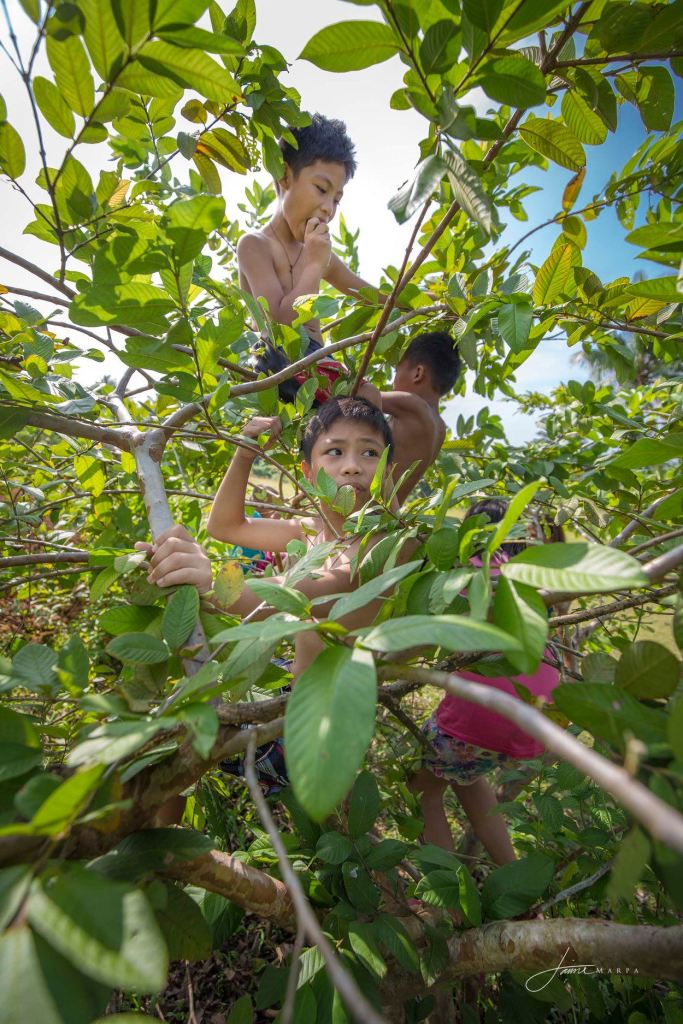
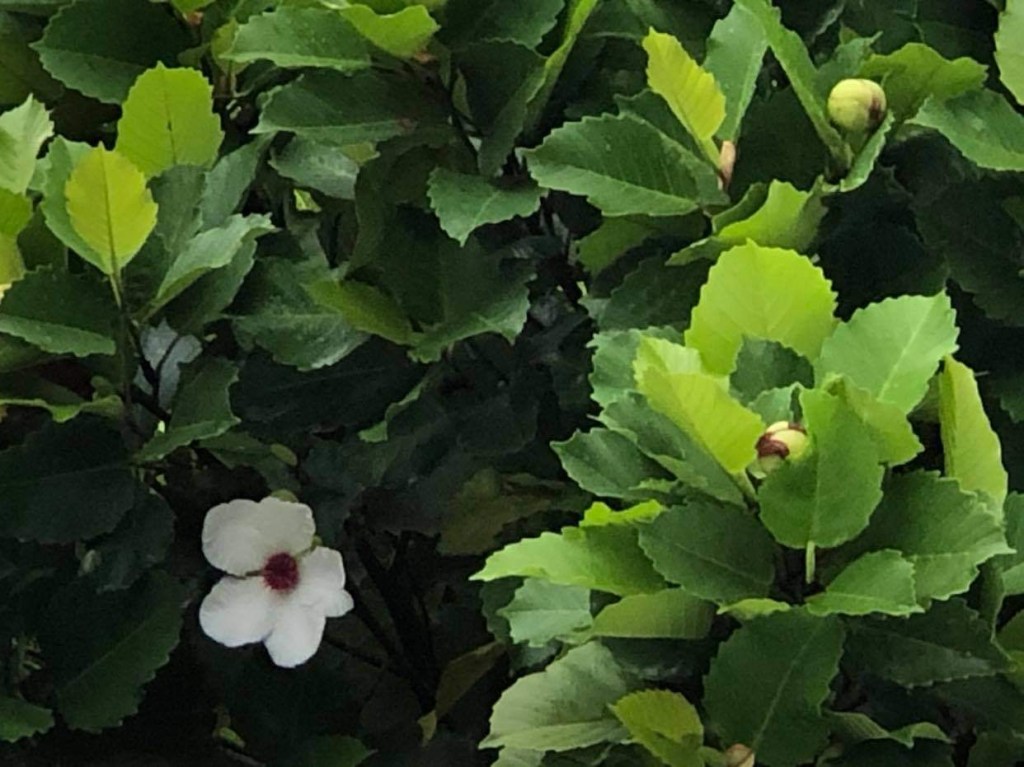
Photo by author, 27 April 2021, ICSB-Malolos city.

Remaining and being fruitful

Remaining in Jesus means being faithful especially when things get worse, when even in bad times, we consistently stay in the Lord in silence.

Remember how we have been so sullen in March, wondering if God has forsaken us with the deadly surge of COVID-19 cases amid the glaring incompetence of this government when suddenly our hopes were raised high by this community pantry movement?

Who would have thought of Ms. Patricia Non in the quiet street of Maginhawa in Quezon City would rally the whole nation with her “Community Pantry” now helping so many people going hungry?

Not only that. The most beautiful thing Ms. Patricia Non had done is her bringing out the best in every one of us, rich and poor alike, young and old to share whatever we have for our suffering brothers and sisters!

Most of the time, we do not see things in our lives the way God sees them. He tells us in Isaiah 55:8-9 that his ways are not our ways, his thoughts are not our thoughts for God is totally different from us! We have to trust him and remain in him “for God is greater than our hearts and knows everything” (1Jn.3:20). And that is for sure – as we have proven so many times in our lives.
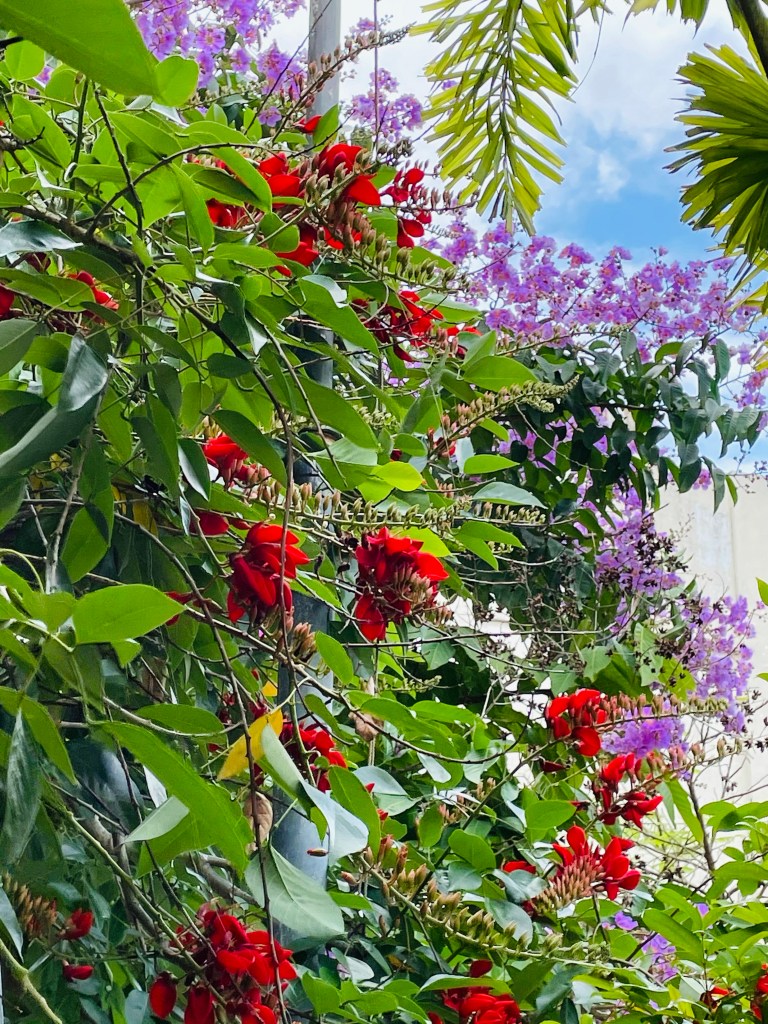
In the first reading we find the very difficult and almost impossible situation of St. Paul following his conversion: nobody would believe him and everybody suspected him of possible sinister plots against them! But, St. Paul remained consistent in his prayers and studies in Tarsus until Barnabas introduced him to the apostles who gave him the opportunity to preach in Jerusalem. Despite his dark past, St. Paul won so many converts in his preaching in the name of Jesus that eventually, he was sent to missions abroad that led to the growth of the early church.

That is remaining in the Lord – allowing God to work in us and through us like St. Paul so that we become fruitful, not just successful.

Fruitfulness is the result of remaining in the Lord, of letting God do his work in us. Most often, this leads to pains and failures as Jesus tells us of the need to be pruned like the branches of the vine to be more fruitful. But, despite these failures and defeat in our lives, we experience that sense of fulfillment within us because we have grown and matured in the Lord. We have not really failed at all because we have become fruitful.

On the other hand, being successful means relying more on our human efforts like our strengths and intelligence that is usually measured in tangible things like money and popularity. But, we have also experienced or heard many successful people still feeling empty and lost, that despite their fame and wealth, they have no peace and joy within, feeling nobody truly loves them for who they really are.

Many times in life we have experienced that even if we feel safe and sufficient, that is when we feel so empty, something is missing. As we usually say, parang may kulang pa.

This Sunday, Jesus our Good Shepherd reminds everyone of us to remain united in him who is our true vine. It is only in him can we find life and meaning amid the many sufferings and trials going our way especially at this time of the pandemic.

Only in remaining in Jesus is the surest path to fulfillment despite our pains and sufferings, as well as losses in life. Just stay and remain in him as he is always doing something beautiful for us. Amen.

A blessed and fruitful week to everyone!
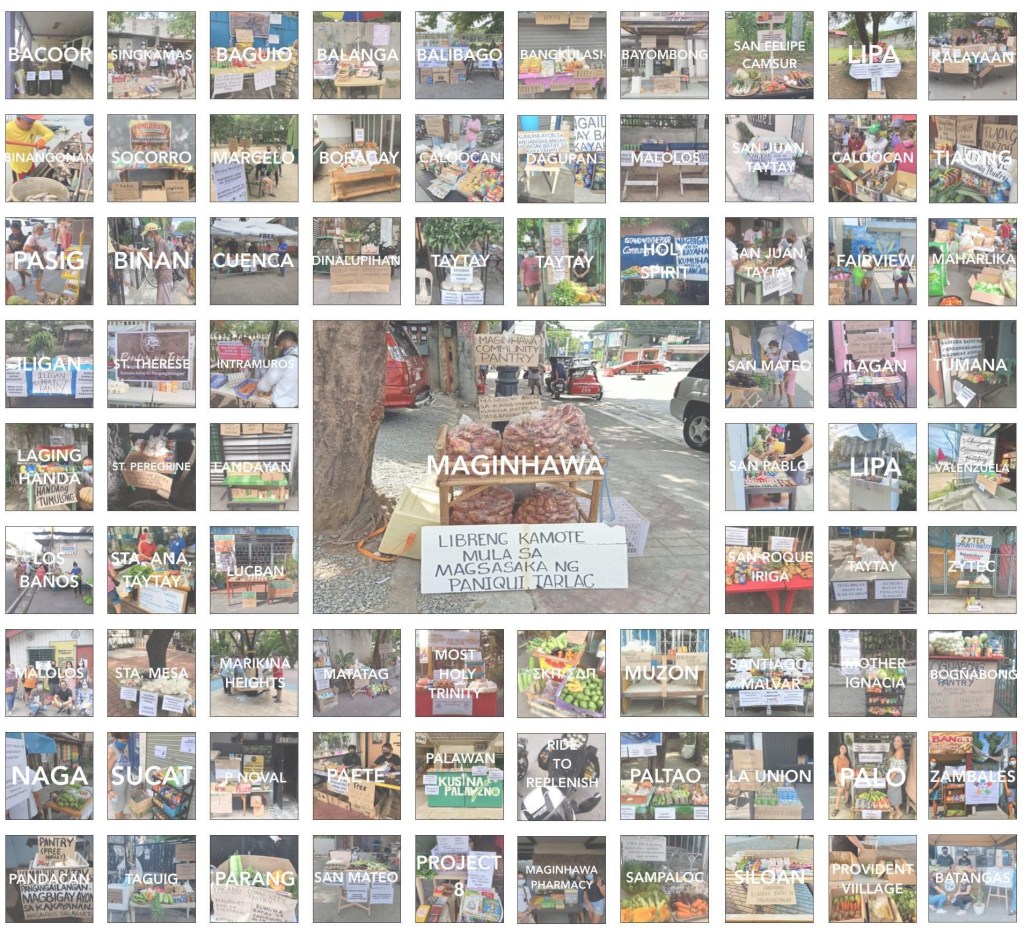
Posted by Jean Palma on Facebook, 18 April 2021 with the caption: “All these community pantries in four days, and counting. What a powerful movement.” #CommunityPantry

More blessings, more trials in Easter

The Lord Is My Chef Breakfast Recipe for the Soul by Fr. Nicanor F. Lalog II
Friday within the Octave of Easter, 09 April 2021
Acts of the Apostles 4:1-12  <*(((><  +  ><)))*>  John 21:1-14
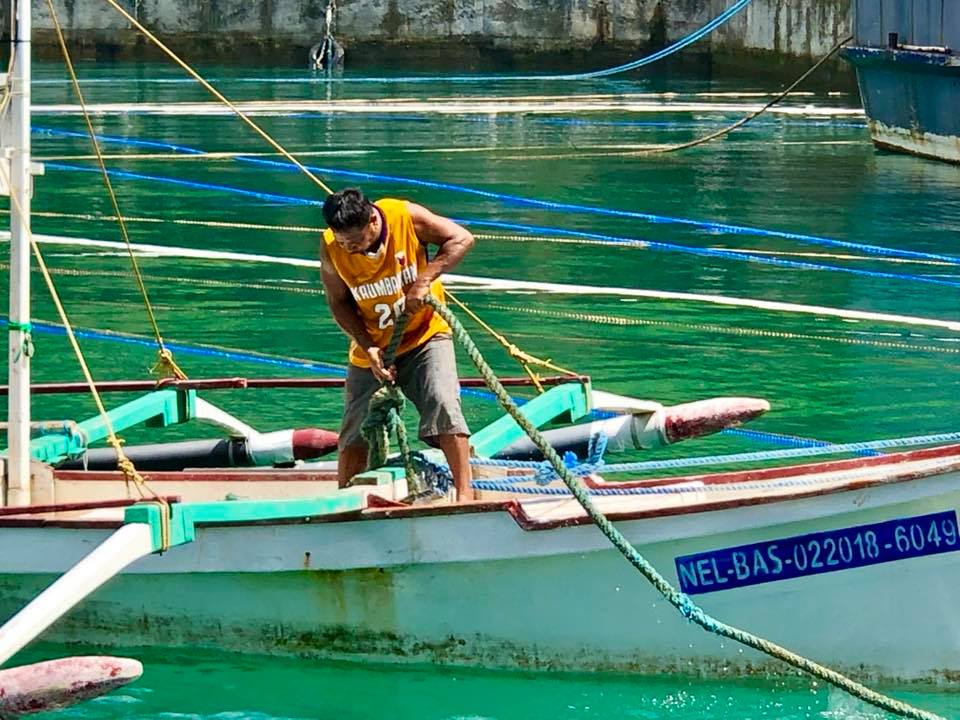
Photo by Mr. Jim Marpa, 2019.

I could easily identify with your words today, Lord Jesus, especially with the flow of the story of the healing of the crippled man through Peter and John: from the Upper Room to the Beautiful Gate to Solomon’s Portico to their being thrown to prison; from the proclamation of the Good News of salvation to the healing of the crippled man and now their persecution and harassment.

After the crippled man had been cured, 
while Peter and John were still speaking to the people, 
the priests, the captain of the temple guard, 
and the Sadducees confronted them, 
disturbed that they were teaching the people 
and proclaiming in Jesus the resurrection of the dead.  
They laid hands on Peter and John 
and put them in custody until the next day, 
since it was already evening.  
(Acts 4:1-3)

So many times, Lord, we resent and avoid sufferings in life like persecution without realizing that it is through these trials that we make it to Easter like you when you passed over from your Passion and Death to Resurrection.

There are also times, Lord, when we feel so down, feeling lost and disappointed that we try going back to our old ways like Peter and his companions that Sunday morning when they decided to go fishing again after you have risen.

Like them, we feel we can be on our own that when failures come, we fail to recognize you only to realize later that without you, we can do nothing.

When it was already dawn, 
Jesus was standing on the shore; 
but the disciples did not realize that it was Jesus.  
Jesus said to them, 
"Children, have you caught anything to eat?"  
They answered him, "No."  
So he said to them, "Cast the net 
over the right side of the boat and you will find something."  
So they cast it, and were not able to pull it in 
because of the number of fish.  
So the disciple whom Jesus loved 
said to Peter, "It is the Lord."  
(John 21:4-7)

Thank very much, dear Jesus for bearing with us when we feel afraid of your mission, when we doubt if it is really you who is with us, directing us, guiding us.

Send us your Holy Spirit to enlighten our minds and our hearts to be firm in our faith in you, to trust you that when trials come our way, your abundant blessings are also there pouring into us to weather every storm in life. Amen.

Photo by Mr. Raffy Tima of GMA7 News, Batanes, 2018.

“Rainbow” by South Border (2003)

The Lord Is My Chef Sunday Music by Fr. Nick F. Lalog II, 21 February 2021
Rainbow appearing during our procession of the Blessed Sacrament last year during the first Sunday of lockdown, 22 March 2020. Photo by Ms. Anne Ramos, Parokya ni San Juan Apostol at Ebanghelista, Bagbaguin, Sta. Maria, Bulacan.

Rainbows are one of nature’s loveliest occurrence that remind us of God’s all-encompassing love for us despite our sinfulness. It is the most enduring and visible sign of God’s promise to love and keep us always despite our being-of-forgetfulness — forgetting God and others, forgetting our promises to be good, forgetting our loved ones.

On this First Sunday of Lent, we find how in the first reading God gave Noah the rainbow as a sign of his covenant to never destroy earth again after the great flood. Only Noah and his family along with the animals inside his ark survived the great flood that cleansed the world of sinfulness. It became the prefiguration of Jesus Christ coming to cleanse us of our sins to be able to lead holy lives anew amid the many temptations in life as seen in today’s gospel.

Jesus in the desert resisting temptations by Satan depicts how life really is, full of contrasts and struggles but always there is Christ helping us, comforting us, strengthening us like a rainbow after every storm.

Eventually on Good Friday when Jesus offered us himself on the cross, he became our rainbow in fact as seen in the shape of his outstretched arms.

And that is why we have chosen South Border’s 2003 hit Rainbow first heard for the movie Crying Ladies.

The song perfectly captures our reflection for this Sunday that life is a Lent, filled with so many contrasts like sufferings and joys, failures and victories, darkness and light.

And in the midst of it all is Jesus Christ journeying with us with life’s many difficulties (https://lordmychef.com/2021/02/20/gods-encompassing-love/).

Fallin’ out, fallin’ in
Nothing’s sure in this world no, no
Breakin’ out, breakin’ in
Never knowin’ what lies ahead
We can really never tell it all no, no, no
Say goodbye, say hello
To a lover or friend
Sometimes we
Never could understand
Why some things begin then just end
We can really never tell it all no, no, no
But oh, can’t you see
That no matter what happens
Life goes on and on
So Oh baby, please smile
Coz I’m always around you
And i’ll make you see how beautiful
Life is for you and me
Take a little time baby
See the butterflies color’s
Listen to the birds that were sent
To sing for me and you
Can you feel me
This is such a wonderful place to be
Even if there is pain now
Everything would be all right
For as long as the world still turns
There will be night and day
Can you hear me
There’s a rainbow always after the rain

The lyrics of this OPM are so Lent, in fact, that you can replace the “rainbow” with Jesus who is our Eternal Rainbow amid all the storms of life. Amen.

Have a blessed week ahead!

From polyeastrecords.

God’s encompassing love

The Lord Is My Chef Sunday Recipe for the Soul by Fr. Nicanor F. Lalog II
40 Shades of Lent, First Sunday, Year B, 21 February 2021
Genesis 9:8-15   +   1Peter 3:18-22   +   Mark 1:12-15
Photo by author, ancient fortress of Masada in Israel, 2017.

Lent may be the most sparse in outward signs and decorations like flowers in all liturgical seasons but it is the most dense in meaning and imageries. Although it is often seen as a drab with its motif of penitential violet and subdued music when both Gloria and Alleluia are omitted, Lent sparkles with profundity and depth leading to joy deep within if we truly dwell into its main message of God’s encompassing love for us.

Take our gospel this First Sunday of Lent this year taken from Mark. It is the shortest compared with Matthew and Luke who both give us details, but, Mark’s brevity is so precise and thought-provoking, too!

The Spirit drove Jesus out into the desert, and he remained in the desert for forty days, tempted by Satan. He was among wild beasts, and the angels ministered to him. After John had been arrested, Jesus came to Galilee proclaiming the gospel of God: “This is the time of fulfillment. The kingdom of God is at hand. Repent, and believe in the gospel.”

Mark 1:12-15
Photo by Dr. Mylene A. Santos, MD, 2020, Infanta, Quezon.

Life is a daily Lent.

Of all the seasons in our liturgical calendar, Lent is my favorite because for me, it captures best the reality of life that is at the same time so beautiful but in some aspects ugly, nice but painful. There is always that contrasts of light and darkness that indeed, life is Lent, a daily Exodus filled with trials and difficulties that lead to joy and fulfillment in God.

See how Mark shows this so well in his brief narration that begins after the scene of the baptism of Jesus by John at Jordan. Immediately after that, Mark tells us without fanfare, “The Spirit drove Jesus out into the desert, and he remained in the desert for forty days, tempted by Satan.”

Is it not this is how life really is?!

At once after praying, after celebrating the Mass that is when you get into a debate with your wife or husband, son or daughter or siblings. Sometimes it happens while you are still in the church you get into arguments about parking. Right after you have resolved to be a better person and turn away from sins and its occasions, that is when your friends would come and ask you to join their “gimmicks” or that is when your “ex” would come or text you, entice you to go out again.

Photo by author, Egypt, 2020.

The desert is the image of that place of so many battles in life, where we cried in pain, where we were rejected, where we were hurt. Our life is like the desert, so hot and humid at day, so cold and freezing at night. Worse of all, the desert is our life because that is where we fight Satan who always deceives us with his many temptations that eventually lead us to wrong decisions, hurting not only us but those dearest to us, dividing our families, separating us from one another that in the end, we feel trapped in a terrible mess.

But, it is not that all bad because Jesus joins us in our battles and struggles in this life, in this desert that we find ourselves in a similar situation, “He was among wild beasts, and the angels ministered to him.”

Yes, life is difficult but it is in those situations we find its meaning and beauty. Though there are so many trials and sufferings, God never leaves our side, sending us angels like family and friends, even strangers who come and stay with us in life, believing in us, helping us, and most of all, loving us — right in the desert.

Photo by author, an oasis in the Dead Sea area of Israel, 2017.

Like an oasis where life springs abundantly, Jesus joins us in our many struggles against Satan by giving us the strength and courage to remain faithful to God, to experience fulfillment and salvation by giving us little pockets of Easter in the midst of our daily lent.

See that “After John had been arrested, Jesus came to Galilee proclaiming the gospel of God. Amid the bad news of John’s arrest, Jesus began his ministry and mission of love and mercy for us all, It was in the middle of such disturbing situation that Jesus came boldly proclaiming, “This is the time of fulfillment. The kingdom of God is at hand. Repent, and believe in the gospel.”

The same is true with us today as we enter the first full year of the pandemic that had altered our way of life so drastically, causing us so much pains in the many losses we have suffered in life and properties, God comes closest to us in Jesus especially in the Mass (https://lordmychef.com/2021/01/23/from-fishermen-to-fishers-of-men/)!

Most of all, as we shall see in this Season of Lent, even in the midst of sins and evil, that is when God comes closest to us to experience him and his saving grace.

Beloved: Christ suffered for sins once, the righteous for the sake of the unrighteous, that he might lead you to God. Put to death in the flesh, he was brought to life in the Spirit. In it he also went to preach to the spirits in prison who had been disobedient while God patiently waited in the days of Noah… This prefigured baptism, which saves you now.

1Peter 3:18-21
From Google.

Baptism as the key to Lent.

The key to understanding the Season of Lent is to see it in the light of the Sacrament of Baptism. Originally as a preparation to the mother of all feasts in the Church we call Easter, Lent was the period when candidates (catechumens) for baptism were prepared. That explains why the Easter Vigil we celebrate is too long because it was only during that time when people were baptized especially when the Church came under persecution.

In Jesus Christ, we are washed clean of our sins, we are cleansed and purified to get by in this life in the desert as beloved children of God.

He knows so well our human situation, our living in the wilderness that Jesus had to leave Paradise for a while to be with us here on earth, going through all our human experiences except sin so we may return to the Father’s home in heaven. Remember how we mentioned Lent as a journey back into the Father’s home: Ash Wednesday is the porch and every Sunday is a room we enter until we reach the Father’s inner room on Easter to be one with him in Jesus.

Photo by author, Chapel of Holy Family, Sacred Heart Spirituality Center in Novaliches, QC, 2015.

In the first reading we have heard the story when God made a covenant with Noah and his children after the great flood which prefigured Baptism that cleansed the world of all the sins and evil. God had felt sad in creating the world when people turned away from him living in sins that he decided to destroy everything by sending a great flood. However, he found Noah as the only one along with his family still living uprightly. So, God asked Noah to build an ark where they stayed during the flood along with the different animals representative of every species. In effect, Noah prefigured the new Adam in Christ who came to be the new beginning of the human race, clean and without sin. After the flood, God sealed a covenant with Noah with the rainbow as its sign.

God added: “This is the sign that I am giving for all ages to come, of the covenant between me and you and every living creature with you: I set my bow in the clouds to serve as a sign of the covenant between me and the earth. When I bring clouds over the earth, and the bow appears in the clouds, I will recall the covenant I have made between me and you and all living beings, so that the waters shall never again become a flood to destroy all mortal beings.”

Genesis 9:12-15

As I was telling you at the start, Lent is so rich in meanings. When you look on the Crucifix and find those arms of Jesus outstretched when he died on Good Friday, that is the new rainbow of his covenant with us we celebrate daily in the Holy Eucharist.

Remember when you look at Jesus Christ crucified, he is the rainbow promised to Noah by God that he would never destroy all mortal beings again.

Photo by author, Chapel of Holy Family, Sacred Heart Spirituality Center in Novaliches, QC, 2015.

During the first Sunday of the COVID-19 lockdown that fell on the Fourth Sunday of Lent that was also my 55th birthday last year, we decided to carry around my previous parish the Blessed Sacrament so that the people may at least adore God after churches were ordered closed and public Masses suspended.

On the last leg of our route, it began to rain but I told our driver to go ahead with our “libot” until suddenly, as we turned to a long stretch of road in the middle of rice fields, there appeared over the horizon a rainbow! The sight made me cry as I felt God assuring me on my birthday that we can pull through this pandemic, that he is with us and would protect us, keep us safe.

And he kept his promise. Our parish had the lowest incidence of COVID-19 in the town of Santa Maria. From then on every Sunday afternoon, we would borrow the F-150 truck of our neighbor and I would carry the Blessed Sacrament around our parish, blessing the people who knelt at the side of the road. Eventually, it led us to innovations like “walk-thru” and “drive-thru” Holy Communion when I would announce the distribution of Holy Communion after our online Masses in front of our Parish Church and in some designated areas along the highway.

It was the most memorable Lent I ever had in my life when everything felt so real like Jesus in the desert being tempted. Yes, life is like in the desert where the devil and wild beasts attack us.

Have faith, be firm, and take courage in Jesus Christ for we are all covered and protected in his power and might, love and mercy. He is the Father’s best sign of his all-encompassing love for us sinners. Amen.

A blessed week to you!

Photo by author, 2019.

Email me at <lordmychef@gmail.com>.

Embracing our pains

The Lord Is My Chef Breakfast Recipe for the Soul, 03 February 2021
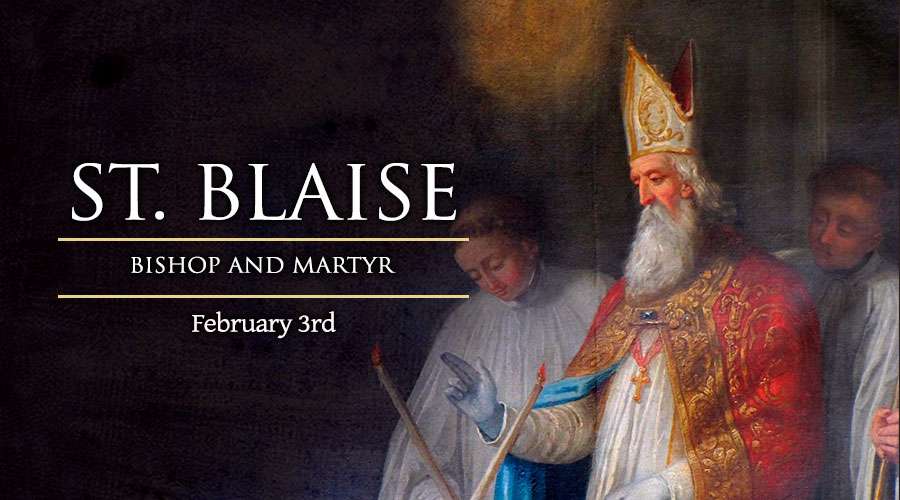
Wednesday, Memorial of St. Blaise, Bishop and Martyr
Hebrews 12:4-7, 11-15     <*(((><<   +++   >><)))*>     Mark 6:1-6
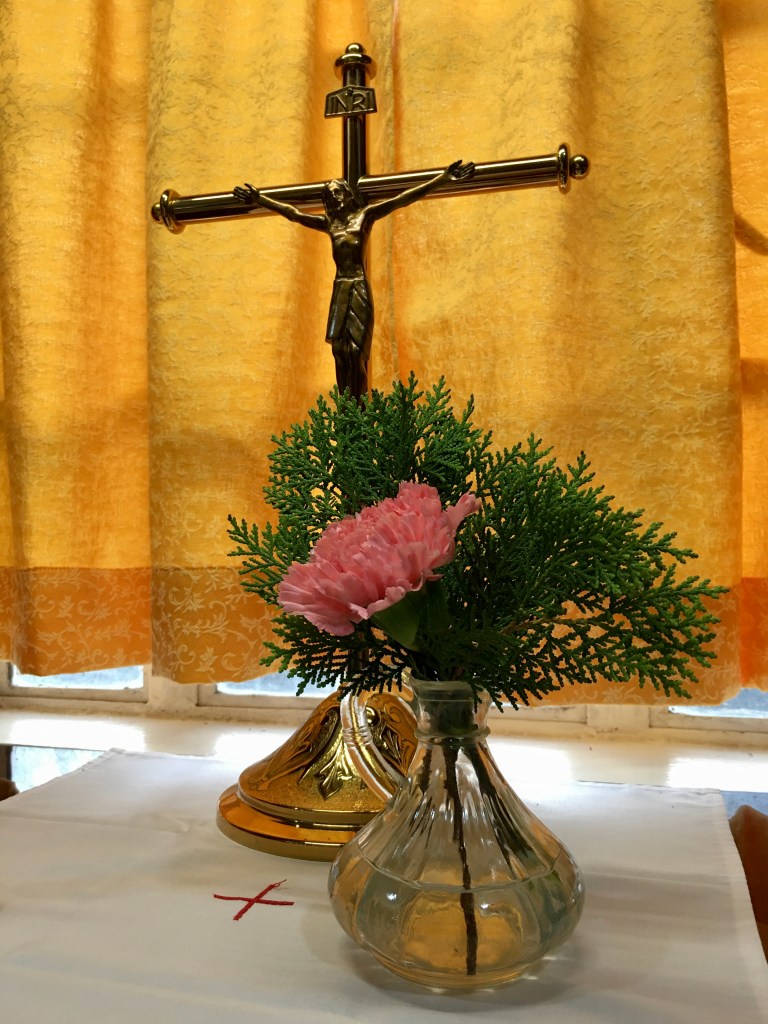
Photo by author, sacristy table, December 2020.

O God our Father, thank you for enlightening us today about the sufferings we are going through especially at this time of the pandemic. Forgive us for those times we have doubted you and your love for us when we go through many sufferings, forgetting that these are a part of our lives you have allowed to happen so we may grow and mature.

Forgive us when at the slightest sign of pain and sufferings, we balk at taking the path of the Cross of Jesus Christ, choosing to commit sin than being faithful to you.

Help us realize that when we suffer, the more you are nearer to us truly as a Father who lets his children go through trials and hardships to make him better and stronger in the future.

Endure your trials as “discipline”; God treats you as sons. For what son is there whom his father does not discipline? At the time, all discipline seems a cause not for joy but for pain, yet later it brings the peaceful fruit of righteousness to those who are trained by it. So strengthen your drooping hands and your weak knees. Make straight paths for your feet, that what is lame may not be dislocated but healed.

Hebrews 12:7, 11-13

We pray, O Lord, for those going through so much sufferings today especially those undergoing chemotherapy, dialysis, and physical therapy; those who have lost loved ones, who have lost their jobs.

Most specially, we pray for those suffering from rejection like Jesus when he came home to his native place and people took offense at him after hearing him spoke at the synagogue and healed so many sick people in other places.

It is one of the most painful sufferings anyone can go through, of being rejected by family and relatives, co-workers and colleagues, friends and neighbors.

Like St. Blaise, may we bear all pains and sufferings in life so we may strengthen the weak among us and offer healing to those who are sick and afflicted.

Most of all, like St. Blaise, as we accept the pains and sufferings coming our way, may we strive hard to never be the source of pains and sufferings to others. Amen.

From fishermen to fishers of men

The Lord Is My Chef Sunday Recipe for the Soul
Third Sunday in Ordinary Time, Cycle-B, 24 January 2021
Jonah 3:1-5, 10  >><)))*>  1 Corinthians 7:29-31  >><)))*>  Mark 1:14-20
Photo by Mr. Jim Marpa, 2018.

The sea evokes mixed feelings of both joy and fear at the same time. It symbolizes life itself that may be nice and lovely but difficult and dangerous too. For many people, the sea is the sign of abundant life, a source of livelihood while for some, a reminder of death and misery.

Such is the mystery of life too that at the start of the ministry of Jesus Christ, we find Mark locating its setting by the sea as we embark fully into the Ordinary Time of the liturgy.

After John had been arrested, Jesus came to Galilee proclaiming the gospel of God: “This is the time of fulfillment. The kingdom of God is at hand. Repent, and believe in the gospel.” As he passed by the Sea of Galilee, he saw Simon and his brother Andrew casting their nets into the sea; they were fishermen.

Mark 1:14-16

Mark wrote the first gospel account that became the framework for Matthew and Luke in writing their own versions. He was in a hurry in writing his gospel because he felt the urgency in making known the good news of Jesus Christ; thus, his gospel is also the shortest, doing away with so many other details without losing the essentials.

This we find in his brief presentation today of the beginning of Christ’s ministry set by the Sea of Galilee.


Our sea of discontent.

First thing we notice is the very nature of the coming of Jesus Christ that happens when we are in rough waters, perhaps even with a violent storm at the middle of the sea called life: After John had been arrested, Jesus came to Galilee proclaiming the gospel of God: “This is the time of fulfillment. The kingdom of God is at hand. Repent, and believe in the gospel.”

Photo by author, sunrise at the Sea (Lake) of Galilee, 2017.

The setting was not totally good. John had been arrested. People must have been disappointed. But, that is always the cue in God’s coming called “kairos” or fullness of time, the day of judgment.

It is when we are going through difficult situations in life when we must examine ourselves too, of the need to set aside our own plans and agenda to let go and let God.

Every here and now is the time of fulfillment, a time of God’s coming to us.

Do we have the room, the space in us to welcome him to bring us into fulfillment? Hence, the need to empty ourselves, to repent and believe in Jesus Christ, the gospel himself.

Secondly, it is when we are sailing through rough seas when we also experience within that feeling of discontentment, of emptiness when there seems to be something missing in our lives even if everything is going fine like with our career or business, relationships, or family where nobody is sick or maybe the kids have all grown up and now on their own.

There comes a time in our lives when our problem is not having any problems at all — when we are no longer contented with being happy and satisfied but longing for fulfillment.

Rejoice and be glad when feeling this way! Emptiness leads to fullness as discontentment in life is always a sign of spiritual growth if we heed the calls of Jesus when desolation is a prelude to consolation.

Like in the story of creation, out of chaos comes order, exactly the experience of the first four disciples of Jesus.

As he passed by the Sea of Galilee, he saw Simon and his brother Andrew casting their nets into the sea; they were fishermen. Jesus said to them, “Come after me, and I will make you fishers of men.” Then they abandoned their nets and followed him. He walked along a little farther and saw James, the son of Zebedee, and his brother John. They too were in a boat mending their nets. Then he called them. So they left their father Zebedee in the boat along with the hired men and followed him.

Mark 1:16-20
Photo by Mr. Jim Marpa, Carigara, 2019.

When we are sailing through rough seas in life, that is when we have to trust God more so he can do and move in our lives to achieve the great plans he had created us for. “Be still and confess that I am God!” (Ps. 46:10), so the psalmist tells us.

Money and material things were not a problem for Simon and company. They must be well to-do as they have their own fishing boats at the time, even with men hired to work for them. Opening their hearts to listen to Jesus, they must have felt deep inside them that finally, they have found direction in life, something they have been searching for a long time.

Did they understand the meaning of “fishers of men”? We have no way of knowing it but Mark tells us how upon listening to Jesus, Simon and Andrew left everything behind and followed the Lord! Imagine the great fortune they have left behind.

Even Zebedee, the father of James and John, did not complain nor run after them to at least ask them to stay behind so they would help him run their family business because he too must have been praying for his sons to grow up and mature! Recall how the mother of James and John requested Jesus the favor to have them seated beside him when reigning in his kingdom they thought to be like the kings of their time living in a palace. Or, their attitude in asking Jesus to burn down a Samaritan village that refused them passage. These instances indicate how the brothers James and John may have been like today’s typical happy-go-lucky rich kids of their time but searching for meaning in life amid the many troubles and misadventures in life.

Jesus comes to us in a similar manner, in the ordinariness and problems and struggles of our lives like when Simon and Andrew, James, and John were busy working near the Sea of Galilee. The Lord speaks to them about what they were doing as fishermen to express to them his plans to make them fishers of men.


We do not find God;
it is God who finds us.

Every day, Jesus Christ is passing by, calling us, inviting us to repent and believe in his gospel, challenging us to face our responsibilities and most of all, asking us for our commitment. He never imposes but would always patiently wait for us.

We all search for meaning in life; for some, it may come early in life while for others, it might come later. But surely, our search for meaning, for God always come for sure because we were created that way by God.

In my personal experience, I have realized that we do not really find God; it is God who actually finds us! Moreover, nobody escapes God as attested by so many saints and even ordinary people we have known who have experienced conversion.

Photo by Dr. Mylene A. Santos, MD, December 2020.

One beautiful story of God coming to us, searching for us, and saving us from storms at the middle of the sea of life is that of Jonah and the city of Nineveh in the first reading. Jonah himself tried to escape God when his ship encountered a severe storm in the middle of the sea that he was thrown out to be swallowed by a whale. Of course, it is symbolic but it tells us in a nutshell the urgency of proclaiming God’s message of conversion, of not escaping God. This we find when Jonah was surprised at how a pagan nation like Niniveh listened to his preaching that they were spared of God’s wrath and punishment.

Jonah and Niniveh both give us beautiful lessons in resolutely turning back to God and his ways without wasting any instant as well as God’s immense love and concern for everyone, offering his mercy and forgiveness no matter how serious our sins are.

The characters of Jonah and of the inhabitants of Niniveh may be exaggerated but they are very true even among us in our own days! Recently we have seen how things have gone worst in this life in almost every aspect especially since last year with the coming of COVID-19 pandemic.

That is why St. Paul’s call in the second reading is so timely: “I tell you, brothers and sisters, the time is running out. For the world in its present form is passing away” (1Cor.7:29,31).

When St. Paul wrote the Corinthians telling them to act as not having wives or weep as not weeping means we have to detach ourselves from all that perish like material things as well as jobs and careers, and even this life we have. We have to focus more on things that last who is ultimately God in Jesus Christ.

Last week, I was so saddened with the news of the closing of the Makati Shangri-la Hotel next month. One of our parishioners is a young man working there as a chef since 2004. He is a very good man, always dropping by the parish after work, never missing a Sunday with his father who died last summer. When COVID-19 started, he would always attend our online Mass wherever he may be.

I texted him the night the news came out of the closure of their hotel next month. Beside is a screenshot of our chat that turned my sorrow into joy upon realizing Carlo’s deep faith in God.

That night, I thanked God in my final prayer, for letting Jesus passed by my room while chatting with Carlo, in taking care of Carlo.

Yesterday after Mass I talked to him again and he was already very upbeat, looking forward to celebrating the Mass with us more often while looking for a new job.

Let us pray this Sunday for everyone going through many hardships these days so they may remain open in their hearts, listening to Jesus who is passing by, calling them to be his fishers of men in this troubled seas. Amen.

A blessed week ahead of you!

Hardened hearts

The Lord Is My Chef Breakfast Recipe for the Soul
Wednesday after the Epiphany of the Lord, 06 January 2021
1 John 4:11-18     <*(((><<   +   >><)))*>     Mark 6:45-52
Photo by author, St. Anne’s Catholic Church inside the old Jerusalem, May 2017.

He got into the boat with them and the wind died down. They were completely astounded. They had not understood the incident of the loaves. On the contrary, their hearts were hardened.

Mark 6:51-52

So many times, Lord, our hearts are hardened like your Apostles’: hardened by so many fears and anxieties due to our lack or weak faith in you; hardened by anger and disappointments and failures in the past we cannot let go, festering our hearts and everything we have inside our very selves.

Our hearts are hardened too by our disbelief and doubts, even mistrust in you, dear Lord Jesus. Most of the time, our hearts are hardened when like the Apostles we see only the surface of things that happened, failing to see their deeper meaning, of your immense love and care for us.

Beloved, if God so loved us, we also must love one another. No one has ever seen God. Yet, if we love one another, God remains in us and his love is brought to perfection in us. This is how we know that we remain in him and he in us, that he has given us of his Spirit.

1 John 4:11-13

Our hearts are hardened, dear Jesus, because we have refused to love, love truly from within without the need to always hug and kiss one another or give gifts that eventually add up to the clatter inside our house, office or school.

Sometimes all we need is just a break from the daily grind so we may see and appreciate our loved ones too by opening our hearts to them, caring for those lost, for those having difficulties in life these days.

How wonderful was the beloved disciple to have constructed his sentence in such a holy arrangement, “Beloved, if God so loved us, we also must love one another.”

Instead of loving You, O God who so loved us, he beautifully declared, we also must love one another. To love You, dear God, is to love the person next to me. And the more we love, the more we see Your coming to us, dispelling all our fears in the darkness and storm.

Let our hearts be softened today with your love, Lord, a love that is free and not afraid to reach out to others. Amen.

Photo by author, December 2020.

Trees are “shaken” to get its fruits

The Lord Is My Chef Sunday Recipe for the Soul by Fr. Nicanor F. Lalog II
Week XXVII-A in Ordinary Time, 04 October 2020
Isaiah 5:1-7     ||+||     Philippians     ||+||     Matthew 21:33-43
Photo by Mr. Jim Marpa, 2018.

To all the plantitos and plantitas: happy feast day this Sunday, the fourth of October which is also the feast of St. Francis of Assisi, patron of those in the green movements.

Part of the grace of this pandemic is the new awareness and interests of many among us for all kinds of plants borne out of the prolonged quarantine periods these past seven months. I remember growing up in our barrio where fences were all plants like santan, San Francisco and gumamelas whose flowers we used to mix with Tide to play bubbles. Who would have thought that after several decades those plants we used to take for granted like the gabi varieties and others along with cactus found almost everywhere would cost a fortune today?

But what I really miss and hope the plantitos and plantitas will be able to revive and bring back are the fruit trees every home used to have even in vacant lots like guava, santol, atis, aratiles, mabolo, achesa, duhat, kamias and of course, mango. Whenever me and my cousin would trek to the mini forest at the back of our compound called “duluhan” near a swampland to shoot birds and everything with our slingshots (tirador), we always had some fruits to munch in our little adventures.

And part of that adventure was to “shake” until we break branches of trees to get fruits and local beetles called salagubang (on mango trees).

Shaking of tree. Exactly the same thing that Jesus did today in his next parable addressed to the chief priests and elders of the people who would soon have him arrested, tried, and crucified: after telling them parable of the wicked tenants who killed the servants and the son of the owner, Jesus shook and shocked his listeners who later realized the parable was about them!

“What will the owner of the vineyard do to those tenants when he comes?” They answered him, “He will put those wretched men to a wretched death and lease his vineyard to other tenants who will give him the produce at the proper times.” Jesus said to them, “Did you never read in the Scriptures: ‘The stone that the builders rejected has become the cornerstone; by the Lord has this been done, and it is wonderful in our eyes?’ Therefore, I say to you, the kingdom of God will be taken away from you and given to a people that will produce its fruit.”

Matthew 21:40-43

We are the vineyard of the Lord


From Google.

Jesus had already entered Jerusalem and was teaching at the temple area. Among his audience were the chief priests and elders of the people trying to gather evidences against him for his arrest and execution. Unknown to them, Jesus knew what was in their hearts.

Last Sunday the parable was directed to them so they may realize how wrong they have been in regarding them so highly above the publicans and prostitutes who repented for their sins and went to receive the baptism by John the Baptist.

Today, Jesus “shook them” with this second parable taken from a well known song and lament of a beloved to his vineyard by the Prophet Isaiah which we have heard at the first reading.

Vineyards are very common in Israel as in the rest of the Mediterranean and Europe where grapes and wine symbolize life. Hence, the vine is always considered as a highly prized plant that biblical authors have taken as the image of the people whom God cultivates and from whom he expects beautiful fruits.

In the first reading, we find God lamenting why after investing his vineyard with the best of everything, the grapes it produced were so bad that it had to be burned. It was a very strong warning against Israel who have gone wayward in its ways of living that aside from worshipping idols, they also killed the prophets sent by God.

Notice the transition by Jesus using the same imagery from the Old Testament of the vineyard as the people of God but this time bearing fruits at harvest time. By that time, the chief priests and the elders of the people felt they were better than their ancestors who had the prophets killed. In fact, they felt proud that they have been faithful to God, and therefore, fruitful — thinking they were a far cry from Isaiah’s lament. Unknown to them, Jesus could read their hearts, how they were all planning to kill him like the son in the parable so they can have the vineyard, the people and lord it over them!

Everything fell into right places at the end of the parable when Jesus asked them:

“What will the owner of the vineyard do to those tenants when he comes?” They answered him, “He will put those wretched men to a wretched death and lease his vineyard to other tenants who will give him the produce at the proper times.”

Matthew 21:40-41

Try to imagine the scene with Jesus face-to-face with the chief priests and elders of the people – and with us – discussing the present time, not the past.

Here is Jesus Christ shaking us all to find whatever fruits we have, telling us that this parable is about me and you (see v. 45), asking us, why are you trying to remove me from the people? Why are you easing me out, creating all these cults around yourselves like celebrities, getting the people’s money and approval for your own sake?


Sometimes we need to be shaken – even shocked – to bring out our fruits


Photo by author at Silang, Cavite, 22 September 2020.

See again my dear Reader the beauty of the Lord’s parables wherein he invites us to be involved with it to see how we felt with certain situations like in the merciless debtor and early workers at the vineyard; today, Jesus is asking us our opinion on what the vineyard owner must do against the wicked tenants.

He knows what to do and wants us to realize that we could be those tenants too because like the chief priests and elders, we easily see the sins and shortcomings of others, the fruitlessness of others without realizing our own darkness within, even our sinister plans to dominate.

See how the chief priests and elders of the people called the tenants “wretched men” deserving “wretched death”, not realizing that the more we talk of other people, the more we actually talk of ourselves!

Every parable by Jesus is always set in the present moment with sights set to the future, to eternal life.

Sometimes, God has to shaken us, even shock us so we may bring out and give him his share of harvest of fruits like our faith, hope and love that will build the community in him, not take people away from him. Problem with us is like with those tenants and the chief priests and elders: “masyado tayong bumibilib sa ating sarili”, that is, we believe too much on ourselves that unconsciously we feel like God, forgetting we are mere stewards or tenants of his vineyard.

St. Paul reminds us in the second reading that we strive to imitate Jesus, be like Jesus so that people may find in us a model in following Jesus. Very clear with St. Paul: nobody is replacing Jesus Christ whom we must all imitate.

This time of the pandemic is a time of harvesting, of showing others our fruits like love and kindness so we may lead more people to God, not to ourselves or anyone else trying to lord over us.

This is the time we are asked to feel more than think more like those tenants, a time to lead people back to God who truly owns us, his vineyard (see https://lordmychef.com/2020/10/02/on-being-kind-and-loving-during-covid-19/).

When shaken by the Lord, will there be fruits found in us to share with others?

Have a blessed Sunday and brand-new week ahead! Amen.

The gift of tears

Quiet Storm by Fr. Nicanor F. Lalog II, 22 September 2020
Photo by Ms. Ria De Vera of our parish church, August 2020.

Lately I have been watching old movies that I wonder why I still cry even if I have seen them more than twice before at the cinema and cable TV. It seems that my being born with “mababa ang luha” (easy to cry) is getting more “mababa” as I get old.

Tears are a gift from God, the most beautiful prayer we can ever express courtesy of the Holy Spirit because when we run out of words for our pains and sadness or when we are overjoyed, he makes us cry to heal and comfort us or complete our joys, assuring us of his loving presence.

That is the reason why we call “home” in Tagalog as “tahanan”: home is where we “stop crying”, that is, “tahan na” because that is where we find all the support we need in times of crisis. Indeed, home is where the heart is.

True to its function, tears cleanse us physically, emotionally and spiritually. I have read two decades ago that researchers at a university in the US have found the chemical composition of our tears differ if we cry because of pain and sadness or due to joy and laughter.

Is it not wonderful and amazing how we take for granted crying and tears without realizing its chemical process within that can transform our very selves?

Photo from Reuters.com, July 2020.
Tears and crying mark our life's coming to full circle.

When I was five years old, I saw the picture of a newborn baby crying in the Book Section of the Reader’s Digest. I asked my mom why the baby was crying. In her usual motherly way of explaining things, she told me that if the baby cries upon birth, it means he/she is alive; if the baby does not cry, he/she is dead.

Kapag umiyak, buhay; walang iyak, patay.

My young mind easily absorbed her words that would remain to be one of the most profound lessons I had ever learned about life at a very young age. As I grew up watching TV and movies, I would always sigh with relief whenever I heard the sounds “uha-uha” because the story would surely be nice and not tragic.

Imagine the great inverse that happens with crying and tears to signal the coming to the outside world of life of another human, of how we have to cry to be alive from then on until we die when it becomes our family and friends’ turn to cry and shed tears for us when we are gone.

But there is something more deeper than this great inverse on crying in life and death I had learned only in 2013 through my best friend Gil, a classmate in our minor seminary.

It was late February of that year on the 40th day of the death of his youngest sister Claire when he was diagnosed with cancer. We could not believe the news because Gil was the most health conscious in our “band of brothers” from high school who never smoked, rarely ate meat, and was active in sports like golf and badminton. Unlike most of us, he was never overweight, looked so healthy in our mid-40’s.

Imagine the hurt within him that every time we would visit him, he would cry not really in pain but more on the why of getting cancer. We tried visiting him as often as we can to cheer him up and lift his spirits specially after his surgery when his chemotherapy sessions began.

By September on that same year, we all had to rush and visit him at Makati Med one Sunday afternoon when informed by his Ate Lily that doctors have given up on him. His cancer cells were “ferocious” and nothing could be done anymore except to wait for the inevitable.

That was when I noticed the greater inverse about crying when Gil had finally accepted his condition and life direction, that was when he was most joyous and peaceful too while we were the ones so sad and worried, crying. How our roles were reversed with Gil now telling us to stop crying – tahan na – which we used to tell him months earlier! (Gil died peacefully the following Sunday, 22 September 2013.)

“Mater Dolorosa” as “Blue Madonna” (1616) by Carlo Dolci. Photo from Wikimedia Commons.

I noticed it happening so many times with some friends and parishioners I have come to love in my ministry, those I have pastorally cared for some time after being diagnosed with serious conditions like cancer.

Yes, I have cried despite holding my tears for them while administering the Holy Viaticum and Anointing of Oil. The patients in turn would just glance at me, so dignified and calm like Mary our Lady of Sorrows as if trying to comfort me with their sweet thank you.

As I prayed on those experiences, I realized how life comes to full circle through our crying and tears.

I believe that patients cry when they start undergoing treatment of their sickness due to fears and uncertainty of what would happen next to them; later as they come to terms with their condition, they stop crying because they already knew where they were going, of what was coming next.

We who would be left behind cry and begin to shed tears at thoughts of their dying because admittedly, we are actually the ones more uncertain of where we are going to or how our lives would go through when our loved ones are gone.

That is the greatest pain we feel in the death of a beloved when we grapple with the realities of the many uncertainties of life without them.

And that is why we need to love as much as we can our family and friends while still alive. This quarantine period of the pandemic are grace-filled moments to shower them with our love and presence we have taken for granted for so long as we pursued many things in our lives.

Photo by Dr. Mylene A. Santos, MD at Infanta, Quezon, April 2020.
Tears and crying lead us to heaven.

Death and sickness, like life, become a blessing if we are filled with gratitude not regrets because we have truly loved. When a beloved is gone and we begin to cry, the tears wash away our pains of losing them, cleansing us within to leave us with all the beautiful memories and love we have shared. Then, every remembering becomes truly a re-membering, making a lost loved one a member of the present again.

When we cry, tears polish the love we have shared with everybody until later when our time comes, our visions are also cleared of what is going to happen next, of where we are going. Crying becomes wonderful and truly a grace after all not only in sharing and being one with the grief and pain of another in the present but sooner or later, in having a glimpse of the life after.

In the Gospel of John (11:1-44), we find the story of the raising of Lazarus whom Jesus loved so much that he wept – not just cried – at his death. Jesus raised him up back to life, his final miracle – or “seventh sign” according to John – to show he is the Christ before his own Resurrection at Easter after his “final hour” of Crucifixion on Good Friday.

From then on, Christ sanctified crying and tears to enable us to see beyond pains and hurts, even death especially if you have truly loved.

Sometimes in life, it is always good to let those tears flow, like love even if it is painful, to have a good cry and real cleansing inside. A blessed day to you!

Beauty in our mortality

The Lord Is My Chef Breakfast Recipe for the Soul by Fr. Nicanor F. Lalog II
Saturday, Week XXIV, Year II in Ordinary Time, 19 September 2020
1 Corinthians 15:35-37, 42-49     || + ||     Luke 8:4-15
“The Sower” painting by Van Gogh, photo from Wikimedia Commons.

Dearest Lord Jesus,

Today I wish to repeat my prayer to you yesterday: Please grant me St. Paul’s clarity of mind and purity of heart in explaining and leading others to faith in you, most especially in believing the resurrection of the dead.

While we all profess faith in the resurrection of the dead, most of us are still puzzled like the Corinthians who could not accept it.

Here I have found St. Paul’s clarity of mind and purity of heart at its best when he wrote us the most wonderful and loveliest explanation of death and dying that lead to transformation and new life.

Brothers and sisters: Someone may say, “How are the dead raised? With what kind of body will they come back?” You fool! What you sow is not brought to life unless it dies. And what you sow is not the body that is to be but a bare kernel of wheat, perhaps, or of some other kind. So also is the resurrection of the dead. It is sown corruptible; it is raised incorruptible. It is sown dishonorable; it is raised glorious. It is sown weak; it is raised powerful. It is sown a natural body; it is raised a spiritual body.

1 Corinthians 15:35-37, 42-44

In this time of the pandemic when death has become so “ordinary” and most of all, “so closest to home”, I pray for the many people now facing death in their hospital beds, in their homes comforted by the loving presence of family, as well as for those left alone to themselves due to so many reasons only you can understand. And forgive.

Bless those with advanced stages of cancer, those awaiting transplants, for those in their terminal stages. Give them the grace of hope, to continue to love even if things are getting worst than better.

Ease their pains, Jesus, and make them feel your loving presence with them on the cross.

Most of all, transform them like the seeds after having died and sown in good soil, grew and produced fruit a hundredfold. Amen.