The Lord Is My Chef Daily Recipe for the Soul by Fr. Nicanor F. Lalog II
Wednesday in the Thirty-Second Week of Ordinary Time, Year II, 13 November 2024
Titus 3:1-7     ><))))*>  +  ><))))*>  +  ><))))*>     Luke 17:11-19
Photo by author, 20 August 2024, St. Scholastica Retreat House, Tagaytay City.
“For we ourselves were once foolish, disobedient, deluded, slaves to various desires and pleasures, living in malice and envy, hateful ourselves and hating one another” (Titus 3:3).
What a beautiful reminder by St. Paul
to his co-worker in the Lord, Titus,
and to us in this modern age;
Oh, how often are we all
foolish, disobedient,
and deluded, too?
That word struck me today,
Lord: deluded
which is to suffer from delusion
which is to believe in something
not true!
And that's the great tragedy
in these days of modern communications
when information is easily
accessible,
when facts can be quickly
verified if true or not
but,
why do we remain deluded
that St. Paul rightly noted,
we are "hateful ourselves,
hating one another"?
Proof? Our being ungrateful. Our refusal to express gratitude like the nine lepers cleansed of leprosy by Jesus; only one, a Samaritan returned to Jesus and thanked Him for the healing: forgive us Jesus when so often in life it is easier for us to believe in things not true at all than to accept and embrace simple truths in life like that we are loved, that we are good, that You believe in us; clear us of our built-in biases against ourselves that delude us and blur our vision of others; teach us to be more appreciative of simple joys and pleasures in life.
Lawiswis Ng Salita ni P. Nicanor F. Lalog II, Ika-12 ng Nobyembre 2024
Larawan kuha ng may-akda, 07 Nobyembre 2024.
               Dumating kasagsagan ng iyong init, sagad sa aking anit
          ngUnit alinsangan ay mapagtitiyagaan
              Mahirap tanggihan masuyo mong alindog
              Aking nadama saan man ako pumunta
              Gumala man ako sa gabi o
              Umaga, kapanatagan at kapayapaan parang tahanan
              Ewan kung anong hiwaga iyong angkin wala sa ibang puntahin
nakaanTig nitong damdamin kaya aking pangako ikaw ay babalikan
             Eenganyahin kapatid at kaibigan maranasan iyong kagandahan.
Kuhay ng may-akda, takip-silim mula sa Rovira Suites, 10 Nobyembre 2024
DUMAGUETE
hindi man kita agad na gets,
ako ang iyong nadaget
kaya ako ay babalik
that's a promise
I shall not forget!
Larawan kuha ng may-akda sa Boulevard, 10 Nobyembre 2024.
The Lord Is My Chef Sunday Recipe for the Soul by Fr. Nicanor F. Lalog II
Thirty-second Sunday in Ordinary Time, Cycle B, 10 November 2024
1 Kings 17:10-16 ><}}}}*> Hebrews 9:24-28 ><}}}}*> Mark 12:38-44
Our Sunday readings are so lovely, so picturesque where you find in both first reading and gospel the character of a poor widow standing side by side with great men of faith in God as the main focus, the Prophet Elijah and Christ Jesus, respectively.
In the first reading, we find humorously the Prophet Elijah asking for water, then some bread from a widow gathering sticks outside her home in Zarephath.
Elijah said to her, “Do not be afraid… For the Lord, the God of Israel, says, ‘The jar of flour shall not go empty, nor the jug of oil run dry, until the day when the Lord sends rain upon the earth.'” She left and did as Elijah had said. She was able to eat for a year, and he and her son as well; The jar of flour did not go empty, nor the jug of oil run dry, as the Lord had foretold through Elijah (1 Kings 17:13, 14-16).
Elijah had fled Israel after proclaiming a drought because the people turned away from God to worship baals or false gods brought by the wife of King Ahab, Queen Jezebel. God then directed Elijah to Zarephath outside the city of Sidon to hide where the king was the father of his archenemy, Queen Jezebel!
Imagine Elijah hiding in the most hostile place of all with a pagan widow who worshipped baal so denounced by him. But, here is a marvelous story of faith of Elijah who trusted God completely in obeying Him to move to the pagan region ruled by his enemies. Similar was the faith of the pagan widow who surprisingly believed Elijah and God’s power that she did not mind putting her life and her son’s at risk in harboring their enemy. Their admirable faith both remind us how God accomplishes His great acts of mercy and love when we surrender ourselves totally to Him.
Photo by author, Wailing Wall of Jerusalem, May 2019.
Nine hundred years later after Elijah, we had Jesus in Jerusalem like the prophet in a very hostile place and situation too – in the Temple that was the very domain of His enemies. This was the Holy Week after Jesus had entered Jerusalem on Palm Sunday leading to Good Friday.
And like Elijah who approached a widow worshipper of baal, Jesus dared to sit at the temple area after harshly castigating the scribes there:
He sat down opposite the treasury and observed how the crowd put money into the treasury. Many rich people put in large sums. A poor widow also came and put in two small coins worth a few cents. Calling his disciples to himself, he said to them, “Amen, I say to you, this poor widow put in more than all the other contributors to the treasury. For they have all contributed from their surplus wealth, but she, from her poverty, has contributed all she had, all her livelihood” (Mark 12:41-44).
Jesus sat down
opposite the treasury and observed
how the crowd put money into the treasury.
Throughout this week, that scene of Jesus seated at the Temple had so absorbed me. What was Mark trying to tell us in reporting this? Jesus seated at the temple opposite the treasury observing the crowd is something else.
See the genius of Mark in weaving this Sunday’s gospel scene: right after castigating the corrupt leaders of Israel who were affiliated with the temple, Mark segued into this poor widow dropping some coins into the treasury box. In ancient Israel, the poor like the widows were not required to give those contributions. In a stroke of genius, Mark tells us something is wrong in this scene which Jesus rightly attacked because that widow was one of those widows whose house was devoured by the scribes!
“The Widow’s Mite” painting by French painter James Tissot, from brooklynmuseum.org.
And Mark never intended the story only for the Christians of his time but also for us as we have continued in the Church that malpractice by priests and scribes of Jerusalem. Woe to us priests and bishops who go around in “long robes and accept greetings, seats of honor” and worst of all, “devour houses of widows”, forgetting the poor, preferring always to be with the rich and powerful that social media attest.
Like Zarephath and the Jerusalem Temple, there is Jesus sitting in the middle of our Church under attack on all fronts and within in order to be closer with us especially the widows and the poor who are victims of an unjust society and systems perpetrated by same men and women supposed to be servants of God, or, at least men and women of God.
Photo by author, July 2024.
That image of Jesus seated at the Temple opposite the treasury was in fact a reminder of His being the victim too of injustice in the temple like the poor widow, of His Crucifixion on Good Friday. In fact, the 30 pieces of silver the priests have paid Judas Iscariot to betray Jesus must have come from that treasury.
In the midst of the hostilities and hurts, the divisions and abuses of power by priests and lay alike, in the Jerusalem Temple then and now in our Church, there has always been Jesus sitting among us, observing our offerings after first offering Himself for us all as our perfect High Priest (second reading) who finally freed us from these injustices and inhumanity of the past.
That is why I love this scene so much.
More than tithing, Jesus tells us this Sunday that like that generous heart of the poor widow, despite her plight, she continued to give because she believed, she hoped, most of all, she loved God. She need not give but still insisted because the treasury was for the upkeep of the temple, the very house of God, therefore, for God Himself.
There are times I hurt deep inside for the pains of the many scandals some priests and bishops have caused the Church but I choose to remain, even to sit in this Church or be a victim like Jesus amid all these because I love Jesus. Yes, amid all these sorrows, there is one “first” I see above all, Jesus Christ. This is concretization of last Sunday’s “which is the first of the commandments” – God who is love above all!
Jesus is telling us this Sunday through the poor widow that it is recognizing God in us and in one another that matters, and that is why we give at all.
Photo by author, 2022.
If we love God, if we find God in us and in others, when we find Jesus seated among us, then we realize we are the Church, we are the Temple we love. The moment we realize this, the more we feel at home “sitting with Jesus in the temple”, then we start giving totally because we love as well as know for a fact that whatever we give is actually what we receive from God in Jesus.
Why give so little? Give all, give everything because you never have anything to begin with! Everything is from God. That is why it is in giving that we truly receive. In every Mass, we do not give anything except our mere presence that is not even complete and yet, we get abundant blessings, primarily Jesus Christ whom we receive wholly, Body and Blood.
In every Mass we celebrate, we sit with Jesus in the midst of this inhospitable world we live in, even right in the church we love and hate sometimes. We do not give up. We persevere because we believe, we trust, we hope. Most of all, we love like Elijah and Jesus and believe like the poor widows of Zarephath and Jerusalem Temple. Amen. Have a blessed week ahead!
Lawiswis ng Salita ni P. Nicanor F. Lalog II, Ika-7 ng Nobyembre 2024
First time ko sa Dumaguete City.
Kabilin-bilinan ng mommy ko noong bata pa ako na basta first time ko saan mang lugar, una kong pupuntahan ang simbahan.
Kaya kanina pagdatng dito sa Dumaguete, una kong hinanap ang simbahan kahit ako ay nagugutom na. Nakakatuwa may kasabay din kaming mga panauhin at iyon din ang pakay nila bagamat inuna ang sikmura bago bumaba ang sugar.
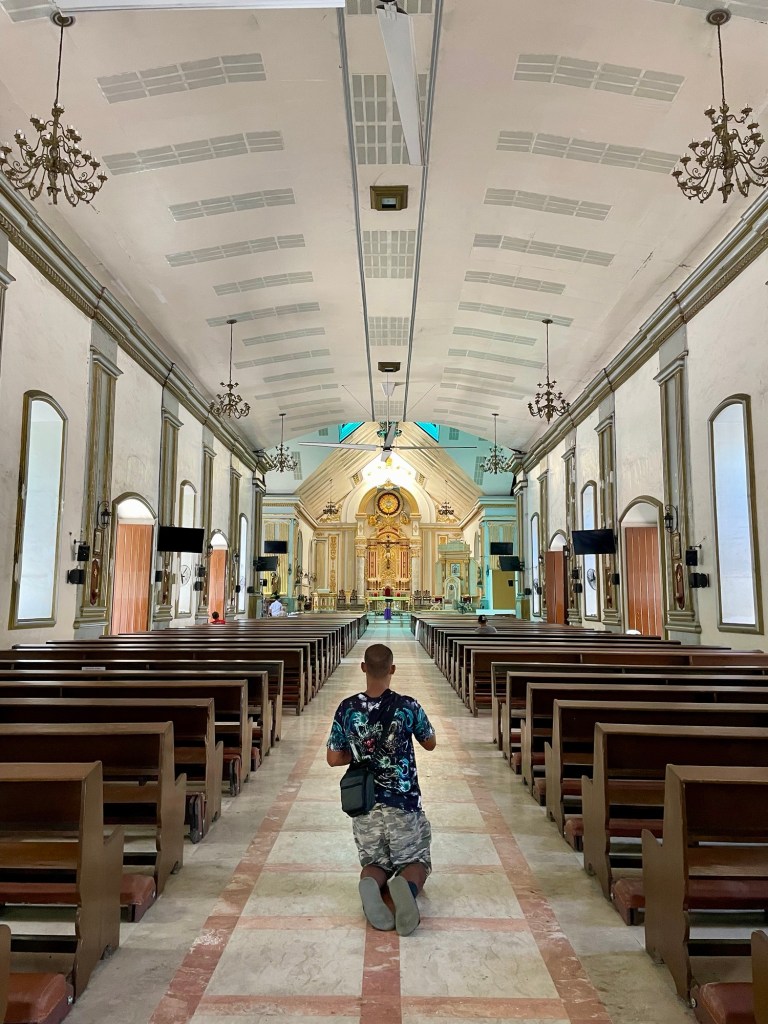
Pagdating doon sa Katedral ni Santa Catherine ng Alexandria, ito ang eksenang bumungad sa akin.
Noong bata pa ako, magkahalong takot at pagkamangha aking nadarama tuwing isasama ako ng aking lola sa Quiapo at makakita ng maraming ganito magdasal – lumalakad ng paluhod.
Sa paglipas ng panahon, unti-unti nang nawala mga eksenang ito hanggang sa makakita ako muli kanina sa katedral ng Dumaguete.
Kay sarap pagmasdan at pagnilayan yaong mama na lumakad paluhod sa kanyang pagrorosaryo.
Sa panahong ito ng social media na lahat gusto siya ang bida, nawala na itong pagluhod na tanda ng pagpapakababa sa Diyos na higit na dakila sa lahat.
Ni hindi na rin nga alam ng karamihan ang pag-genuflect o pagluhod ng isang tuhod o “one-hod” kung aking tawagin bago pumasok ng upuan ng simbahan o “pew” tanda ng pag galang at pagkilala sa kasagraduhan ng lunan.
Ilang taon na nakakalipas pinuna ni Obispo Soc Villegas ang nawawalang gawi ng pagluhod ng mga tao; sa halip aniya, tayo ay nagiging “clap generation” – dinaraan ang lahat sa palakpakan. Sabi nga sa akin kamakailan ng isang kaibigan hindi raw niya maintindihan mga pari na magsasabi lang ng amen ay magpapalakpakan nang walang humpay mga tao. “I cannot”, eka niya.
Nanalangin ako ng ilang sandali sa katedral ng Dumaguete ng nakaluhod bago tumayo upang magtanghalian. Para na kasi akong nanghihina…
Hindi ba isang kabalintunaan kung pagninilayan, ang pagluhod ay tanda rin ng lakas ng katawan at tatag ng kalooban? Bakit nga ba tayo ngayon, sa dami ng mga gamot at pagkain, tila mahina pa rin, hindi na makaluhod para manalangin? Gaya nung mama na aking nakita, tila napakalakas pa rin niya at kayang-kaya pa ring lumakad paluhod.
O, iyon ding pagluhod niya ng madalas ang sa kanya nagpalakas?
Kasabay ko siya natapos sa pagdarasal. Hindi ko na siya kinunan ng larawan taglay kanyang aral ng kababaang-loob sa Diyos. At sa kapwa. Oras nang lumuhod. Amen.
The Lord Is My Chef Daily Recipe for the Soul by Fr. Nicanor F. Lalog II
Wednesday in the Thirty-first Week of Ordinary Time, Year II, 06 November 2024
Philippians 2:12-18     ><]]]]'> + ><]]]]'> + ><]]]]'>     Luke 14:25-33
Photo by author, Fatima Ave., Valenzuela City, 25 July 2024.
Grant me,
dear Jesus
the serenity and composure
of St. Paul:
so peaceful,
so dignified,
so free
in the face of death.
Do everything without grumbling or questioning, that you may be blameless and innocent, children of God without blemish in the midst of a crooked and perverse generation, among whom you shine like lights in the world, as you hold on to the word of life… But, even if I am poured out as a libation upon the sacrificial service of your faith, I rejoice and share my joy with all of you. In the same way you also should rejoice and share your joy with me (Philippians 2:14-16, 17-18).
Many times O Lord
the burdens are too heavy
and unbearable,
with pains and suffering
so overwhelming
that I really wonder
if I would make any difference at all;
but, you are always here
present
in the "nick of time"
sending people reminding me
of jokes I have long forgotten but
still tickle them;
or simple lessons I could not recall
but they have kept
and guided them through life;
or music I made them listened to
that have lingered in their heads;
or books and poems
 that have opened their horizons.
Teach me, Jesus
to renounce everything I have,
empty me of my pride,
of my self to be filled with you only
so that I may truly shine like
light in this world so at home
and fascinated with neons
 and klieg lights
that mislead them to darkness.
Amen.
The Lord Is My Chef Daily Recipe for the Soul by Fr. Nicanor F. Lalog II
Tuesday in the Thirty-first Week of Ordinary Time, Year II, 05 November 2024
Philippians 2:5-11     ><))))*> + ><))))*> + ><))))*>     Luke 14:15-24
Photo by author somewhere in Pampanga, 17 September 2024.
One of those at table with Jesus said to him, “Blessed is the one who will dine in the Kingdom of God.” He replied to him, “A man gave a great dinner to which he invited many. When the time for the dinner came,he dispatched his servant to say to those invited, ‘Come, everything is ready.’ But one by one, they all began to excuse themselves” (Luke 14:15-18).
Forgive us,
Lord Jesus Christ for
our endless excuses
and countless alibis in not
answering your calls nor
accepting your invitations;
we make so many excuses
and alibis, citing various reasons
because we cannot be sincere
enough to tell you we have other
plans, we follow other gods,
we believe and trust others than
you, Lord.
What a shame at times,
dear Jesus when our
excuses and alibis
do not even hold nor could
stand tests and yet,
you accept them
so that we would not be put
to shame;
forgive us, Jesus,
when our perception
and understanding of your
kingdom is something of going up,
of being on high as we it in the world
so magnified by social media these days;
open our eyes
and our hearts to see
that your path has always been to
go down,
to be little,
to be humble
which is the way of Kenosis,
of self-emptying.
Amen.
Brothers and sisters: Have among yourselves the same attitude that is also yours in Christ Jesus, Who, though he was in the form of God, did not regard equality with God something to be grasped. Rather, he emptied himself… (Philippians 2:5-7).
Photo by author somewhere in Pampanga, 17 September 2024.
Quiet Storm by Fr. Nicanor F. Lalog II, 04 November 2024
Photo by author, Nagsasa Cove, San Antonio, Zambales, 19 October2024.
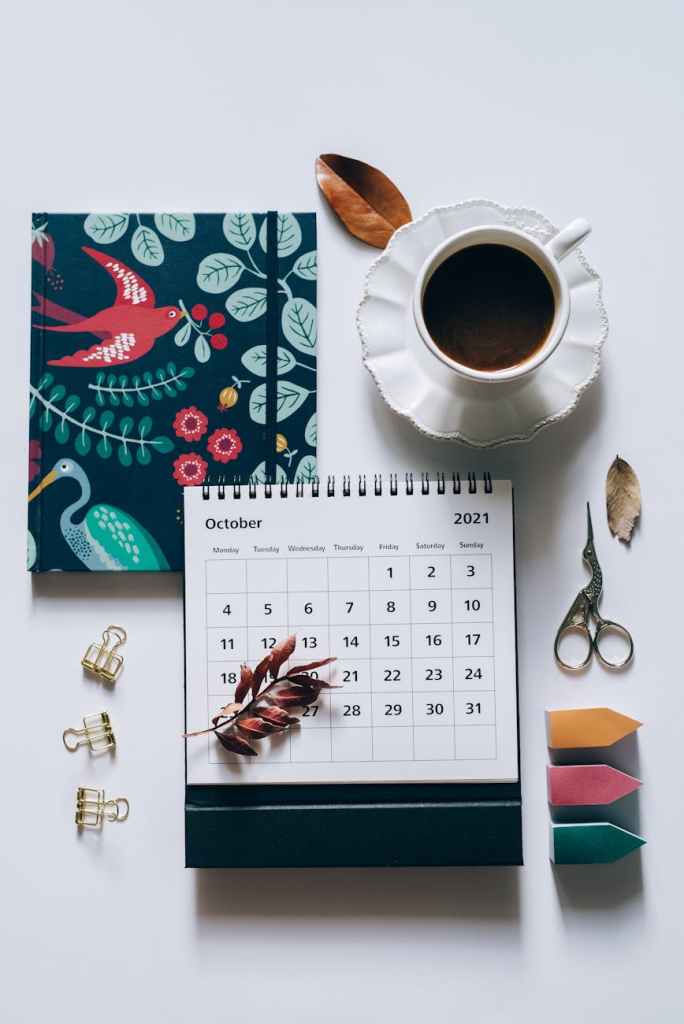
Lately I have noticed my getting delayed of turning calendars in my room. Normally, I would be late for only a day or two but since June, it has sometimes taken even weeks. Worst was September when it was already about to end when I noticed my calendars stuck in August!
There are three calendars in my room: first is the large type given away by hardware stores located at the back of my entrance door which I could read from my bed with its big fonts; second is an average-sized religious calendar with pictures of saints and dates of their feast I keep in the closet so I would see every morning when I put on my clothes; and the third one is a table calendar on my desk where I work. That’s the only one updated and most used but the other two bigger ones, I fear are slowly becoming obsolete to me like the alarm clock (because I always wake up ahead of its alarm).
As I age, calendars along with watches seem to be irrelevant with me.
Personally, it is ironic because I have long kept a sort of relationship with calendars, keeping them along with some planners since college in the 1980’s. I don’t know why. Basta – I love looking at old calendars, giving me that sense of joy within when I literally look back in time, recalling the reminders and important events I have jotted on them decades ago.
But now, sadly as I recall this major change in me, I feel to have lost that “lovin’ feeling” I used to have with calendars that have been replaced, of all things, by medicines.
You read it right. I now reckon time, especially the months not with calendars anymore but with maintenance meds I take daily – 30 days – to keep my sugar, blood pressure and cholesterol in control as well as my prostrate to remain “gentle”. Once a week, usually on a Monday morning, I fill my medicine dispenser with all the meds I will be taking from Sunday to Saturday.
It always funny when I do this weekly ritual like playing sungka: there are times I wonder with some irritation why my meds are getting fewer. That is when I realize the month is almost over and I have to buy again another 30 pieces of my meds for the next 30 days. And that is how I now count the days of each month…
Whenever I would do this ritual, Mitch Albom’s novel “The Time Keeper” comes to mind, reminding me of the value of time we often take for granted. I cannot recall in which part of the novel where one of the characters realized that “the reason God limits our days is to make each one precious.” Very true. It is said that “it is not time that is passing by but you who are passing by” because we cannot bring back time we have wasted with its opportunities to grow and learn, to live and love, to celebrate and laugh.
Lately I have been thinking if I am just going through a phase as I approach the age of 60 that would be in March next year. Is this part of getting old, of maturing?
Most likely.
Photo by author, Nagsasa Cove, San Antonio, Zambales, 19 October2024.
How funny, even stupid how we have kept ourselves busy all our lives, complaining about time when time has always been on our side.
Maybe one of the reasons why elder people mellow as they age is that we are no longer so concerned with time as something separate from us, divided into parts we try to gather and hold because the truth is, time is the reality itself, we are a being-in-time, not distinct from us nor apart, but always our wholeness. It does not really matter if it is the past or the future but always the here and the now, the present.
Time in its entirety is a cosmic reality within us which we cannot fully grasp yet. Not yet. That’s what we call heaven, which is already here but not yet. And achievable. Let me explain.
It seems to me that at the age of 59, our main task in life is to live fully in each moment. Though I would admit I am afraid of dying, death is something we must befriend. Coming to terms with life is coming to terms with death, and vice versa. When that happens, then, we have arrived truly in life. That’s heaven, Just in time. This we experience so well when we truly love as this anonymous saying tells us:
Time is fast for those who rush;
Time is slow for those who wait;
Time is not for those who love.
“Time is not for those who love” is what the Greeks refer to in their other word for time called kairos or “fullness of time”. It is the time of the Lord, when we are one with God in Jesus Christ. It is that moment when everything falls into its right places which I believe is what Paulo Coelho referred to in one of his novels “when the whole universe conspires in your favor.”
The other word for time by the Greeks is kronos from which the word chronology came from to refer to the the succession and measurement of time in seconds, minutes, hours, days, weeks, months and years; kairos is the fullness of time. Again, from Albom’s “The Time Keeper”, there is this line that says, “If you you are measuring life, you are not living it.” Same thing holds true with time; if we keep on measuring it, we shall never have it nor enjoy it.
Photo by author, Nagsasa Cove, San Antonio, Zambales, 19 October2024.
While there in Nagsasa Cove, one of the songs that kept playing at the back of my mind was Steely Dan’s Time Out Of Mind from their 1980 album Gaucho. Despite the critics’ insistence of its strong links with heroin use which I have never tried, it is one of my top favorite songs by the Steely Dan gods, Donald Fagen and the late Walter Becker. Oh how I imagined them telling me this…
Son you better be ready for love
On this glory day
This is your chance to believe
What I've got to say
Keep your eyes on the sky
Put a dollar in the kitty
Don't the moon look pretty
Our world has become so complicated like Facebook. It is all palabas, a show. No meaning nor substance at all because we have been trying to capture and keep time instead of allowing it to capture us, envelop us so we can move more freely with it within to discover more of the outside. No stress, no pressures. No calendars too!
Just time out of mind. Thank you for bearing with me.
The Lord Is My Chef Sunday Recipe for the Soul by Fr. Nicanor F. Lalog II
Thirty-first Sunday in Ordinary Time, Cycle B, 03 November 2024
Deuteronomy 6:2-6 ><}}}}*> Hebrews 7:23-28 ><}}}}*> Mark 12:28-34
Photo by author, river at the back of Nagsasa Cove, San Antonio, Zambales, 19 October 2024.
Jesus finally entered Jerusalem to fulfill His mission as we also enter the last four Sundays of our liturgical year before entering the season of Advent in preparation for Christmas.
Two Sundays ago we reflected the atmosphere of fear among the Apostles and the crowd following Jesus to Jerusalem after He had made known to them for the third time His coming Passion, Death, and Resurrection. This Sunday our readings invite us to look into that feeling of fear we often experience.
Fear can be negative in nature when we experience a threat to our safety whether there is a clear and present danger from a person or animal hurting us, or when our imagination runs wild with ghosts or a snake underneath the bed at night.
Positive fear is actually the reverence we experience due to a sense of awe often associated with our relationships like with our parents and relatives, teachers and superiors, or any person who seem to amaze us. We fear them not because they threatened us but actually inspired us with their presence, dignity and grace, intelligence and kindness among other things. This kind of fear we experienced in childhood then slowly matured and blended with trust, translated into adoration of the persons so unforgettable to us, influencing us in many ways that we have come to love them eventually, especially God. This is what the Bible and catechism books refer to as “fear of the Lord”.
Photo by author, Mount Sinai, Egypt, May 2019.
Moses spoke to the people, saying: “Fear the Lord, your God, and keep, throughout the days of your lives, all his statutes and commandments which I enjoin on you, and thus have long life. Hear, O Israel! The Lord is our God, the Lord alone! Therefore, you shall love the Lord, your God, with all your heart, and with all your soul, and with all your strength. Take to heart these words which I enjoin on you today” (Deuteronomy 6:2, 4-6).
This “fear of the Lord” that Moses and later the prophets instilled among the Israelites was expressed in faithfulness and obedience to the Laws so that for them, being holy or upright was obedience to the Laws.
This “fear of the Lord” is not about God overpowering man to keep him in bondage. In giving the Ten Commandments, God first entered into a relationship or covenant with the chosen people based on friendship, trust, and love. See here that positive aspect of fear, of reverence like our fear of parents and elders as well as those seemed larger than us including our crushes and first love when we revered them by showing them love and respect.
This “fear of the Lord” then becomes a passing from fear to love that leads us to maturity as persons. And believers. Then lovers and followers not only of those significant people in our lives but most especially of God!
One of the scribes came to Jesus and asked him, “Which is the first of all the commandments?” Jesus replied, “The first is this: Hear, O Israel! The Lord your God is Lord alone! You shall love the Lord your God with all your heart, with all your soul, with all your mind, and with all your strength. The second is this: You shall love your neighbor as yourself. There is no other commandment greater than these” (Mark 12:28-31).
Photo of author, Mount Sinai, Egypt, May 2019.
Unlike the tricky questions posed by His enemies, this one from a scribe was so unique with his calm attitude that invites everyone including us to join in the discussion. One can feel his sincerity in seeking out the truth he felt (rightly so!) only Jesus can answer.
Many times, we feel the same way like that scribe so convinced in asking Jesus, ready to follow Him only if we are clarified which is the first to follow in life in order to mature from fear to love.
"Which is the first of all the commandments?"
Like that scribe, many times we feel confused in our lives, in our faith with the many laws and traditions we were told since childhood to follow; hence, we ask “which is the first of the commandments” that really matter most in life.
Such moments in our life is a grace from the Holy Spirit because in asking “the first of the commandments” is not to determine a hierarchy nor a list of which ones to be prioritized and dismissed; the “first” commandment means the absolutely capital that is always binding on all. The “first” commandment is the one to which all others are subjected without being cancelled or considered least nor optional. The “first” commandment is the very essence of all commandments present in each commandment. It is actually a search for the First Principle who is God Himself!
That is why Jesus quoted verbatim Deuteronomy 6:4-5, the opening words of their best known prayer Shema every pious Jew knows by heart, “Hear, O Israel! The Lord is our God, the Lord alone! Therefore, you shall love the Lord, your God, with all your heart, and with all your soul, and with all your strength.”
Similar to His manner of answering the question about divorce last month, Jesus did not answer the scribe’s question by making reference to a code of laws but instead recited the Shema that encapsulates maturity and deepening of faith in God who is One, with no other except Him. The Shema also shows how our personal God relates with us His people, bonding in a covenant like husband and wife that is reciprocal, exclusive, and total love “with all your heart, with all your soul, with all your mind, with all your strength.”
This “first” commandment is also a relationship that flows to our relationships with one another we rightly call as neighbors. See how Jesus added a “second” commandment not as in a hierarchy making it less important but as an expression of the essential “first” commandment of all the scribe understood well when he affirmed, “Well said teacher… and to love your neighbor as yourself is worth more than all burnt offerings and sacrifices” (Mk.12:32, 33).
For the Jews, their neighbors were their fellow Jews and those aliens residing in their land as found in the Book of Leviticus; but, in this scene, we find Jesus bringing that whole notion of neighbors for everyone, regardless of color and status in life, or of gender, or beliefs.
Jesus makes known to us this Sunday His mission of salvation is for all, for everyone. Most of all, Jesus tells us this Sunday that He is the fulfillment of the Law that many during His time and sadly until now have misread as mere letters to be followed, failing to find the face of God in every law inscribed on every person.
Photo by author, view from Jerusalem Temple, May 2019.
How interesting that each face has two cheeks, both essential, both as the first commandment: love of God is love of neighbor. To profess and practice this faith in God that started in fear and matured into love finding Him in everyone as our neighbor is to be “not far from the kingdom of God” (Mk.12:34).
Friends, let us not fear asking Jesus which is the “first” of the commandments like that scribe.
Keep asking Him until we find Jesus “first” in our trials and tribulations, darkness and confusions, failures and emptiness.
Keep asking Him until we find Jesus “first” on those people who burden us, those who hurt us, those who judge us, those who refuse to listen to us, those who dictate on us.
Keep asking Him until we find Jesus even in programs and plans we could not understand or that are downright crazy.
That is what to truly love God and to love everyone. It is difficult but we have Jesus as our high-priest “who has passed through the heavens” leading us closer to the kingdom of God. Amen. Have a lovely November!
Photo by author, Pundaquit Mountains, San Antonio, Zambales off Nagsasa Cove, 19 October 2024.
Lawiswis ng Salita ni P. Nicanor F. Lalog II, Ika-01 ng Nobyembre 2024
Larawan kuha ng may-akda, Sacred Heart Novitiate, Novaliches, QC, 20 Marso 2024.
Salamuch sa mainit na pagtanggap sa ating nakaraang lathalaing nagpapaliwanag sa ilang mga pamahiin sa paglalamay sa patay.
Sa ating pagsisikap na tuntunin pinagmulan ng mga pamahiin sa paglalamay, nakita rin natin ang kapangyarihan ng mga kaisipan ng tao na mahubog ang kamalayan at kaugalian ng karamihan sa pamamagitan ng mga ito.
Ang nakakatuwa po, mayroon namang praktikal na dahilan sa likod ng maraming pamahiin katulad po ng maraming nagtatanong, bakit daw masamang magwalis kapag mayroong patay?
Larawan kuha ni Fr. Pop dela Cruz, San Miguel, Bulacan, 2022.
Sa mga katulad kong promdi o laki sa probinsiya inabutan ko pa mga kapitbahay naming nakatira sa kubo at mga sinaunang tirahan na mayroong bubong na pawid at silong sa ilalim. Tablang kahoy ang mga sahig kung mayroong kaya at masinsing kinayas na mga kawayan kung hindi naman nakakaangat sa buhay. Ang silong palagi ay lupa din, mataas lang ng kaunti sa kalsada. Bihira naka-tiles noon. Kaya, masama ring ipanhik ng bahay ang tsinelas o bakya o sapatos kasi marumi mga ito.
Masama o bawal magwalis kapag mayroong lamay sa patay kasi nakakahiya sa mga panauhin na nakikiramay – mag-aalikabok sa buong paligid! Liliparin mga lupa at buhangin kasama na mga mikrobyo.
Marumi, sa madaling salita. Kaya ang utos ng matatanda, pulutin mga kalat gaya ng balat ng kendi o butong-pakwan. Noong mamatay Daddy ko, hindi ko matandaan kung tinupad namin pamahiing ito pero hindi ko malimutan paano nilinis ng mga kapit-bahay aming bahay nang ihatid na namin sa huling hantungan aking ama. Bagaman bawal magwalis noong lamay, asahan mo naman puspusang paglilinis ng mga kapit-bahay at kaanak pagkalibing ng inyong patay.
Kapag ako po ay tinatanong kung “naniniwala” sa pamahiin, “hindi” po ang aking sagot kasi iisa lang aking pinaniniwalaan, ang Diyos nating mapagmahal. Tandaan turo ni San Pablo noon sa marami niyang mga sulat, hindi mga ritual at kaugalian nagliligtas sa atin kungdi tanging si Kristo Jesus lamang.
Bakit lamay o "wake"
ang pagbabantay sa patay?
Nakakatawa at marahil mahirap paniwalaan sagot sa tanong na iyan. Ang paglalamay ay hindi pagtulog sa gabi dahil sa mga gawain at gampanin kinakailangang tuparin. Wake ang Inggles nito na ibig sabihin ay “gising” tulad ng awake.
Naglalamay ang mga tao noong unang panahon lalo na sa Europa kapag mayroong namamatay upang matiyak na talagang namatay na nga kanilang pinaglalamayan. Inihihiga ang hinihinalang namatay sa mesa habang mga naglalamay ay nagkakainan at nag-iinuman upang hindi antukin; higit sa lahat, baka sakaling magising at matauhan hinihinalang patay sa kanilang ingay.
Alalahaning wala pang mga duktor noon na maaring magdeklarang pumanaw na ngang tunay ang isang tao; kaya, hindi malayo na may pagkakataong ang mga inaakalang namatay ay nag-comatose lamang. Kapag hindi pa rin nagising sa ingay ng kainan at inuman ng mga naglamay ang patay pagsapit ng bukang-liwayway, ipinapalagay nila noon na tunay na ngang patay iyon at saka pa lamang pag-uusapan ang libing.
Nang maglaon sa paglaganap ng Kristiyanidad, ang lamay na dati ay kainan at inuman, naging panahon ng pagdarasal ngunit hindi rin nawala mga kainan at inuman sa mga lamayan upang huwag antukin. At higit sa lahat, para maraming makiramay na ibig sabihin, mabuting tao namatay.
Mga salita at kaalaman
natutunan dahil sa mga patay...
Heto ngayon ang magandang kuwento mula sa kasaysayan kung paanong napagyaman ng mga tradisyon sa paglalamay ng namatay ang ating mga wika maging kaisipan. Kitang-kita ito sa kulturang banyaga tulad ng mga Inggles.
Nagtataka maraming archaeologists sa ilang mga takip ng kabaong sa Inglatera ay mayroong kalmot ng kuko ng daliri. At maraming bahid ng dugo.
Napag-alaman sa pagsasaliksik na may mga pagkakataong nalilibing mga yumao noon na hindi pa naman talagang patay! Kaya, kapag sila ay nagkamalay o natauhan habang nakalibing, pinagtutulak nila ang takip ng kabaong hanggang sa pagkakalmutin upang makalabas hanggang sa tuluyang mamatay na nga sa libingan.
Kaya naisipan ng mga tao noon na magtalaga ng bantay sa sementeryo lalo na mula alas-diyes ng gabi hanggang pagsikat ng araw na siyang pinagmulan ng katagang graveyard shift – literal na pagtatanod sa sementeryo o “graveyard” upang abangan sakaling mabuhay ang nalibing.
Larawan kuha ng may-akda, libingan ng mga pari at hermanong Heswita sa Sacred Heart Novitiate, Novaliches, QC, ika-20 ng Marso 2024.
Ganito po ang siste: tinatalian ng pisi ang daliri o kamay ng bawat namamatay kapag inilibing. Nakadugtong ang taling ito sa isang kililing o bell sa tabi ng bantay ng sementeryo, yung nasa graveyard shift.
Nakaangat ng kaunti ang takip ng kanyang kabaong at hindi lubusang tinatabunan kanyang libingan upang sakaling magkamalay, tiyak magpipiglas ito sa loob ng kabaong para makalabas… tutunog ang kililing sa gitna ng dilim ng gabi para magising o matawag pansin ng bantay na agad sasaklolo upang hanguin ang buhay na nalibing.
Isipin ninyo eksena sa sementeryo sa kalagitnaan ng dilim ng gabi… at biglang mayroong kikililing? Sinong hindi matatakot sa taong nalibing na biglang nabuhay? Doon nagmula ang salitang dead ringer na ibig sabihin ay isang taong nakakatakot o kakila-kilabot. Ikaw ba namang magtrabao ng graveyard shift sa sementeryo at kalagitnaan ng gabi ay tumunog kililing… marahil magkakaroon ka rin ng tililing sa takot!
Kaugnay din nito, alam ba ninyo na mayroong nakatutuwang kuwento rin ang paglalagay ng lapida sa libingan ng ating mga yumao?
Balikan ang Bagong Tipan ng Banal na Kasulatan na nagsasaad ng isa sa mga pangunahin nating pinananampalatayanan: ang muling pagbabalik ni Jesus o Second Coming of Christ na tinuturing end of the world.
Takot na takot mga unang Kristiyano sa paniniwalang ito na baka wala pa ang Panginoon ay magsibangon kaagad mga naunang namatay sa kanila!
Ang kanilang solusyon, lagyan ng mabigat na batong panakip ang mga libingan tulad ng lapidang marmol upang hindi agad bumangon ang patay bago ang Second Coming of Christ o Parousia.
Isa iyan sa mga dahilan kung bakit sinesemento rin mga puntod at libingan: upang huwag unahan pagbabalik ni Jesus.
Larawan kuha ng may-akda, libingan ng mga pari at hermanong Heswita sa Sacred Heart Novitiate, Novaliches, QC, ika-20 ng Marso 2024.
Kahalagahan ng pagsisimba...
hanggang kamatayan...
bago ilibing.
Mula sa tahanan, dumako naman tayo ngayon sa loob ng simbahan para sa pagmimisa sa mga yumao. Pagmasdan po ninyong mabuti posisyon ng mga kabaong ng mga patay kapag minimisahan.
Kapag po layko ang namatay katulad ng karamihan sa inyo na hindi pari o relihiyoso… pagmasdan ang kanilang paa ay nakaturo sa dambana o altar habang ang ulunan ay nakaturo sa mga tao o nagsisimba.
Kuha ng may-akda, 2018.
Ito ay dahil sa huling sandali ng pagpasok ng sino mang binyagan sa simbahan, siya pa rin ay nagsisimba. Pansinin na nakaturo kayang mga paa sa altar at ulo naman sa pintuan dahil kapag siya ay ibinangon, nakaharap pa rin siya sa altar, nagsisimba, nagdarasal.
Kapag pari naman ang namatay, katulad ko (punta po kayo), ang aming mga paa ay nakaturo sa pintuan ng simbahan at ulo naroon sa direksiyon ng dambana.
Hanggang sa huling pagpasok naming pari sa simbahan bago ilibing, kami ay nagmimisa pa rin ang anyo: nakaharap sa mga tao kung ibabangon mula sa pagkaposisyon ng aming ulo nakaturo sa altar at mga paa sa pintuan.
Larawan kuha ng may akda ng pinakamahal at isa sa matandang sementeryo sa mundo; mga paa ay nakaposisyon sa silangang pintuan ng Jerusalem upang makaharap kaagad ang Mesiyas na inaasahang magdaraan doon kapag dumating. Ang totoo, doon nga dumaaan si Jesus pagpasok ng Jerusalem mahigit 2000 taon na nakalipas.
Salamuch muli sa inyong pagsubaybay sa ating pagninilay at pagpapaliwanag ng ilang mga pamahiin at paniniwala kaugnay ng mga namatay. Ang mahalaga sa lahat ng ito ay patuloy tayong mamuhay sa kabanalan at kabutihan na naka-ugat palagi sa Diyos sa buhay panalangin (prayer life) na ang rurok ay ang Banal na Misa.
Huwag na nating hintayin pa kung kailan patay na tayo ay siyang huling pasok din natin sa simbahan na hindi makasalita ni makarinig o makakita. Tandaan, ang pagsisimba tuwing Linggo ay dress rehearsal natin ng pagpasok sa langit!
Kaya ngayong todos los santos, unahing puntahan ang simbahan upang magsimba. Tiyak makakatagpo natin doon ang ating yumao sa piling ng Diyos, kesa sa sementeryo napuro patay at mga kalansay. Amen.
Larawan kuha ng may-akda, bukang-liwayway sa Camp John Hay, Baguio City, Nobyembre 2018.
Lawiswis ng Salita ni P. Nicanor F. Lalog II, Ika-31 ng Oktubre 2024
Larawan kuha ni G. Jim Marpa, 2018.
“Say it with flowers” ang marahil isa na sa mga pinakamabisa at totoong pagpapahayag ng saloobin sa lahat ng pagkakataon. Wala ka na talagang sasabihin pa kapag ikaw ay nagbigay ng bulaklak kanino man. Ano man ang okasyon. Buhay man. O patay na.
Mababango at makukulay na bulaklak. Mas maganda at mas mahal, pinakamabuti lalo’t higit kung ibibigay sa sinisinta upang mabatid nilalaman ng dibdib ng isang mangingibig.
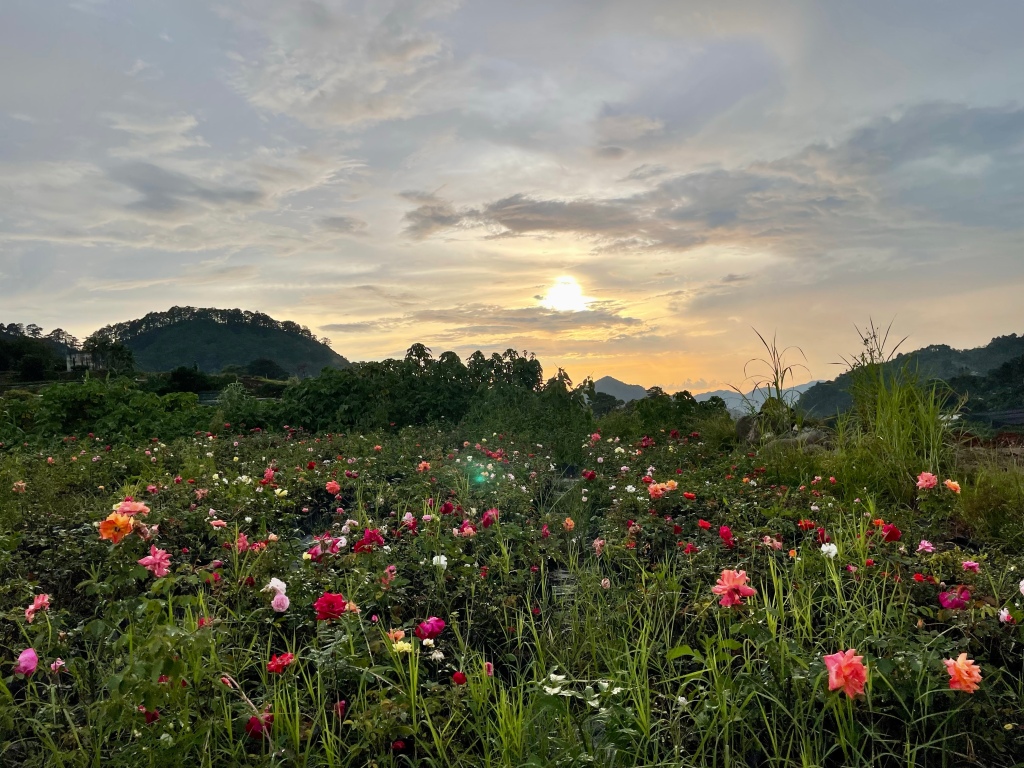
Larawan kuha ng may-akda sa Benguet, 12 Hulyo 2023.
Sa buong daigdig, nag-iisang wika at salita ang mga bulaklak na ginagamit upang ihatid ang tuwa at kagalakan sa sino man nagdiriwang ng buhay at tagumpay, maging ng kagalingan at lakas sa may tinitiis na sakit at hilahil. Sari-saring kulay, hugis at anyo, iisa ang pinangungusap ng bulaklak sa lahat ng pagkakataon, buhay at kagalakan at kaisahan ng magkakaibigan at magkasintahan, mag-asawa at mag-anak, magkaano-ano man.
Marahil kasunod nating mga tao, ang mga bulaklak na ang pinakamagagandang nilikha ng Diyos upang ipadama at ilarawan sa atin Kanya at maging atin ding katapatan at kadalisayan ng loobin at hangarin. Alalahanin paalala ni Jesus sa atin, “Isipin ninyo kung paano sumisibol ang mga bulaklak sa parang…maging si Solomon ay hindi nakapagsuot ng kasingganda ng isa sa mga bulaklak na ito, bagamat napakariringal ang mga damit niya” (Mt. 6:28, 29).
Larawan kuha ng may-akda sa Benguet, 12 Hulyo 2023.
Kapag ako ay nagkakasal, palagi kong ipinaaalala sa magsing-ibig ang kahulugan ng maraming gayak na bulaklak sa dambana ng simbahan na nagpapahiwatig ng larawan ng Paraiso.
Alalaong baga, bawat Sakramento ng Kasal ay “marriage made in heaven” – malayang ginawa at pinagtibay ng magsing-ibig sa harap ng Diyos at ng Kanyang Bayan sa loob ng simbahan. Kaya wika ko sa kanila, ipagpatuloy ang pagbibigay ng bulaklak sa maybahay kahit hindi anibersaryo, lalo na kapag mayroon silang “lover’s quarrel” bilang tanda ng “ceasefire”.
Kaya naman maski sa kamatayan, mayroon pa ring mga bulaklak na ibinibigay tanda hindi lamang ng pagmamahal kungdi ng pag-asa na harinawa, makapiling na ng yumao ang Diyos at Kanyang mga Banal sa langit. Gayon din naman, dapat katakutan ng sino mang buhay pa ang padalhan ng korona ng patay o bulaklak sa patay dahil babala ito ng masamang balak laban sa kanyang buhay.
Lamay ni Mommy noong Mayo 7, 2024; paborito niya ang kulay pink at bulaklak na carnation.
Dagdag kaalaman ukol sa mga bulaklak sa patay: isang dahilan kaya pinupuno ng maraming mababangong bulaklak ang pinaglalamayan ng patay ay upang matakpan masamang amoy ng yumao dahil noong unang panahon, wala pa namang maayos na sistema ng pag-eembalsamo maging ng mga gamot para ma-preserve ang labi ng yumao. Kapansin-pansin ngayon lalo sa social media kapag mayroong namamatay, ipinapahayag ng mga naulila na huwag nang magbigay o mag-alay ng mga bulaklak bagkus ay ibigay na lamang sa favorite charity ng yumao. Kundangan kasi ay malaking halaga ng pera ang magagarang bulaklak sa patay; kesa ipambili yamang malalanta rin naman, minamabuti ng mga naulila ng yumao na mag-donate na lamang sa favorite charity ng pumanaw nilang mahal sa buhay.
Marahil ay hindi ito matatanggap hindi lamang ng mga Pilipino kungdi ng karamihan ng tao sa buong mundo; higit pa ring napapahayag ang pakikiramay at pagmamahal sa namatay at mga naulila sa pamamagitan ng bulaklak dahil malalim na katotohanang taglay ng mga ito.
Larawan kuha ng may-akda, 2018.
Tuwing Sabado Santo noong nasa parokya pa ako, gustung-gusto ko palagi sa aming umagang panalangin (lauds) na ipinahahayag iyong tagpo ng paglilibing kay Hesus.
Sa pinagpakuan kay Jesus ay may isang halamanan, at dito’y may isang bagong libingang hindi pa napaglilibingan. Yamang noo’y araw ng Paghahanda ng mga Judio, at dahil sa malapit naman ang libingang ito, doon nila inilibing si Jesus (Juan 19:41-42).
Inilibing si Jesus sa may halamanan, garden sa Inggles. Nagpapahiwatig muli ng Paraiso, hindi ba.
Kay sarap namnamin ng tagpo ng Pasko ng Pagkabuhay ni Jesus doon sa “halamanan” na muli ay paalala sa atin ng “return to Paradise”, “return to Eden” ika nga. Kaya nang lapitan ni Jesus si Magdalena nang umiiyak dahil wala ang Panginoon sa libingan, napagkamalan niya si Jesus bilang hardinero.
Larawan kuha ng may-akda, halamanan sa St. Agnes Catholic Church, Jerusalem, Mayo 2017.
Noong Martes, sinabi ni Jesus sa ebanghelyo na ang paghahari ng Diyos ay “Katulad ng isang butil ng mustasa na itinamin ng isang tao sa kanyang halaman” (Lk.13:19).
Bawat isa sa atin ay halamanan ng Diyos, a garden of God. A paradise in ourselves.
Maraming pagkakataon pinababayaan natin ating mga sarili tulad ng halamanang hindi dinidilig ni nililinang. Kung minsan naman, hindi nating maintindihan sa kabila ng ating pangangalaga, tila walang nangyayari sa ating sarili, tulad ng halamanang walang tumubo o lumago, mamunga o mamulaklak sa kabila ng pagaasikaso?
Nguni’t maraming pagkakataon din naman na namumulaklak, nagbubunga tayo tulad ng halamanan dahil ang tunay na lumilinang sa atin ay ang Panginoong Diyos na mapagmahal!
Ilang araw pagkaraan ng Pasko nang kami’y magtanghalian ng barkada, 2023.
Noong Disyembre 2022, umuwi isa naming dating teacher at kaming magkakaibigan ay nagsama-sama para sa isa pang dati naming kasama sa ICSM-Malolos, si Teacher Ceh.
Umuwi siya mula Bahrain noong 2020 dahil sa cancer at sumailalim siya ng chemotherapy.
Dahil Pasko, niregaluhan ko siya ng orchid.
Enero 2023 namasyal kami sa Tagaytay at napakasaya namin noon. Gustung-gusto niyang pinupuntahan ang Caleruega tuwing umuuwi siya mula Bahrain kung saan siya nagturo matapos mag-resign sa aming diocesan school.
Ang akala namin ay papagaling na si Teacher Ceh at dadalas na aming pagkikitang magkakaibigan mula noong simula ng 2023. Pagkatapos ng huli niyang chemotherapy noong Setyembre, nabatid na mababagsik kanyang cancer cells at hindi nagtagal, pumanaw si Teacher Ceh noong ika-16 ng Oktubre 2023.
Larawan kuha ng may-akda, 16 Oktubre 2024.
Isang araw bago sumapit kanyang babang-luksa, ibinalita sa amin ng kanyang Ate na umuwi mula Amerika na buhay at namumulaklak ang bigay kong orchid kay Teacher Ceh. Dinala niya ito nang magmisa ako sa kanyang puntod kinabukasan para sa kanyang ibis luksa.
Laking tuwa namin sa gitna ng nakakikilabot na pagkamangha nang makita naming magkakaibigan ang regalo kong orchids kay Teacher Ceh.
Isa’t kalahating taon pagkaraan naming huling magsama-samang magkakaibigan, isang taon makalipas ng kanyang pagpanaw, buhay at namulaklak pa rin ang orchid kong bigay sa kanya na tila nangungusap na masayang-masaya, buhay na buhay si Teacher Ceh doon sa langit!
Sa aking silid; bigay lamang po iyang halaman na iyan at di ko alam pangalan.
Ako man ay nagtataka. Kung kailan wala na aking Mommy, saka ako nakakabuhay ng mga halaman. Green thumb kasi si Mommy.
Kahit maliit lamang aming lupain, sagana siya sa pananim mula sa mga rosas at orchids, cactus at mga mayana, mga sari-saring halaman sa paso maging papaya, atis, langka, pati kamote at sili sa gilid ng bahay namin ay mayroon siya.
Ito yung flower vase ng mga napatay kong waterplant sa dati kong assignment; ayaw ko sanang dalhin sa paglipat dito sa Valenzuela pero awa ng Diyos, buhay pa halaman mula 2021.
Nakakatawa, ako hindi makabuhay ng halaman. Muntik pa akong bumagsak ng first year high school sa gardening kasi hindi ako makabuhay ng ano mang panananim maliban sa kamote. Sabi ni Mommy sa akin noon, kapag iyong kamote hindi ko pa nabuhay, ako ang talagang kamote!
Nang magkaroon ako ng sariling parokya noong 2011, nakakadalaw pa siya at simba sa amin noon tuwing Linggo. Ipinagyabang ko sa kanya mga alaga kong water plants sa kuwarto ngunit pagkaraan ng ilang buwan, namatay mga iyon. Sabi niya ulit sa akin, “ano ka ba naman anak, water plant na lang napapatay mo pa? Masyadong mainit iyong mga kamay,” aniya.
Hoya daw ito na nakuha ko noong aking personal retreat sa Sacred Heart Novaliches noong 2022; buhay pa rin hanggang ngayon sa aking banyo.
Isang bagay nakalimutan kong sabihin kay Mommy bago siya mamatay ay nakakabuhay na ako ng water plant sa kuwarto ko sa bago kong assignment sa Fatima Valenzuela.
Ako ay nagugulat sa sarili ko ngunit ngayon ko lamang napagnilayan nang makita ko ang orchids na regalo ko kay Teacher Ceh: apat na taon nang buhay aking mga water plant sa kwarto mula nang malipat ako dito noong 2021.
Hindi ko rin alam pangalan ng halamang ito na bigay sa akin pero nakapagpatubo na ako ng isa pa niyang sanga nasa aking office sa University; yung orchids bigay sa akin noong Abril, wala nang bulaklak pero buhayn pa rin. Himala!
Parang sinasabi sa akin ng mga alagang kong water plant na marahil, buhay na buhay at tuwang tuwa na rin si Mommy at nakabuhay ako ng halaman.
Kasi sabi niya kasi sa aking noong maliit pa ako, dapat daw marunong akong mag-alaga ng halaman at hayop dahil tanda raw iyon na makakabuhay na rin ako ng tao.
Siguro nga. Kaya ko nang mabuhay maski wala na siya, paalala marahil nitong aking mga halaman. Flowers for you, kaibigan.















 lordmychef.com