The Lord Is My Chef Breakfast Recipe for the Soul by Fr. Nicanor F. Lalog II
Tuesday, Memorial of St. Martin de Porres, Religious, 03 November 2020
Philippians 2:5-11  +++ ||| +++   Luke 14:15-24
Photo by author, Chapel of the Holy Family, Sacred Heart Center for Spirituality, Novaliches, 2018.
Brothers and sisters: Have among yourselves the same attitude that is also yours in Christ Jesus. Who, though he was in the form of God, did not regard equality with God something to be grasped.
Philippians 2:5-6
God our Father, I feel too small, even ashamed before you today as I prayed on your words through St. Paul; it is not just a very tall order but the sad part is the fact that we have all known it all along since our catechism days in school or the parish but rarely put into practice.
We admit it is the fundamental rule of Christian life, to be like Jesus Christ your Son who had come to show us the way back to you is by emptying one’s self for others, to be one with others especially in their pains and sufferings, of being the last, being the servant of all, being like a child.
Unfortunately, we always find it so difficult to learn.
Partly because we lack the very attitude of Jesus Christ we must first imitate according to St. Paul.
And that is the attitude of being small, being the least.
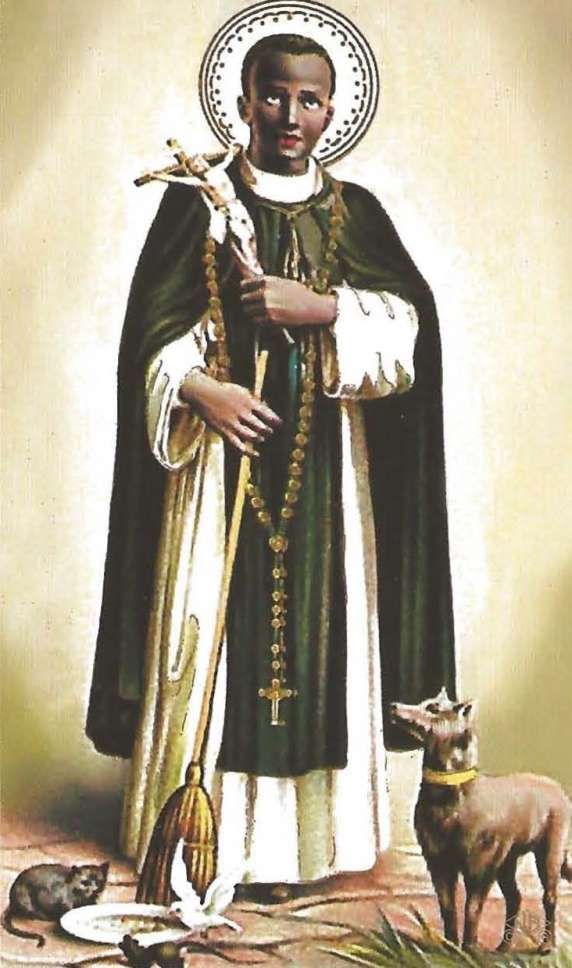
Exactly like St. Martin de Porres:
From Pinterest.com
Such was his humility that he loved them even more than himself and considered them to be better and more righteous that he was. He did not blame others for their shortcomings. Certain that he deserved more severe punishment for his sins than others did, he would overlook their worst offenses. He was tireless in his efforts to reform the criminal, and he would sit up with the sick to bring them comfort. for the poor he would provide food, clothing and medicine.
Homily by St. Pope John XXIII at the Canonization of Saint Martin de Porres in 1962
So often, our attitude is like with those invited by the king to his great dinner: feeling great, feeling so important with themselves that they find no need to be with others that they all turned down the invitation.
Sometimes our arrogance and high regard for ourselves miserably fail us in being like Jesus; hence, we continue to be divided into factions because no one would give way for others that lead to peace and harmony.
Teach us Lord to change that attitude of greatness in us with an attitude of smallness, of leaving a space for others in our lives so we can all work together as one community of believers in you like St. Martin de Porres and all the other saints. Amen.
The Lord Is My Chef Breakfast Recipe for the Soul by Fr. Nicanor F. Lalog II
Commemoration of All the Faithful Departed (All Souls' Day), 02 November 2020
Wisdom 3:1-9  >><)))*>|+|>><)))*>  Romans 6:3-4, 8-9  >><)))*> |+| >><)))*>  John 6:37-40
Dearest God almighty Father: this All Souls’ Day is so special, so unique for us just like the rest of the other feasts and celebrations we have had so far this 2020 due to COVID-19 pandemic when we do not have much of our rites and rituals and traditions but more of their meaning.
Thank you, Lord, for making us realize and experience the essence and beauty of our celebrations like yesterday’s All Saints’ Day and today’s All Souls’ Day that are both a “festival of hope” – a virtue we have always taken for granted and misconstrued as something like optimism.
Thank you for the gift of hope, loving Father, that even if we feel everything is lost and gone for us, it is never the case with you. In fact, the more we lose ourselves and everything, the more we give up our beloved to death and eternal rest, the more we are all found in you!
In hope, we are assured that you will never reject us when we come to you:
Jesus said to the crowds: “Everything that the Father gives me will come to me, and I will not reject anyone who comes to me, because I came down from heaven not to do my own will but the will of the one who sent me. And this is the will of the one who sent me, that I should not lose anything of what he gave me, but that I should raise it on the last day.”
John 6:37-39
How lovely to keep in mind, Lord, that hope is never empty because to hope is to rely on your promise and fidelity, on your love and compassion, on your mercy and forgiveness; to hope means keeping our ties and relationships with you who is Life itself.
As we remember our departed loved ones, we not only look back to our happy memories with them but most of all look forward into the future in eternal life Jesus promised us all.
May we stop saying we have “lost” a loved one when a beloved dies because we never “lose” anyone even to death as you assured us in the first reading:
The souls of the just are in the hand of God, and no torment shall touch them. They seemed, in the view of the foolish, to be dead; and their passing away was thought an affliction and their going forth from us, utter destruction. But they are in peace.
Wisdom 3:1-3
Teach us to hope always in you by living in Jesus (Rom. 6:8), never to steer away from his ways for that is when we truly get “lost” in life.
Also today, we thank and praise you, Lord Jesus, for not “rejecting” our prayers to spare us from the wrath of yesterday’s super typhoon “Rolly” as it weakened in category while passing through our region last night.
However, we continue to pray for our brothers and sisters in the Bicol region who have suffered so much from the impact of the super typhoon. Enlighten our minds and our hearts on how we can help them rise and start again to recover their material “losses” while at the same time, heal their memories in “losing” their loved ones.
May they find comfort and strength in you that they have not “lost” loved ones but have found you.
And for those injured, may your healing hands touch them, Jesus, be witnesses of hope in you. Amen.
Photo by author, sunrise at Camp John Hay, Baguio City, 2018.
The Lord Is My Chef Sunday Music, 01 November 2020
Photo by Mr. Jim Marpa, Bohol, 2019.
I have lined up some songs with “heaven” in their titles or lyrics for this Sunday’s celebration of All Saints’ Day and tomorrow’s All Souls’ Day; but, during prayers and reflections, I kept on hearing Sting singing in my head King of Pain which is my most favorite among his long list of great music.
Our celebrations this November first and second are a mixture of joy and mourning, of heaven and sufferings, of life and death. As we remember today those already in heaven and tomorrow pray for those awaiting entrance into heaven, we also remember on these twin dates the death of loved ones.
No matter how much we may extoll the redemptive nature of death not as an end but a beginning of eternal life, we cannot miss the sadness and pain it brings to everyone that is always for a lifetime.
And that is what hope is all about: hope does not remove sadness or pain. When we hope of getting into heaven with our departed loved ones, no matter how blissful heaven may be, we always have to deal with the hurts of losing a parent or a spouse, a sibling or a friend.
To hope means to firmly believe that when things get worst, even unto death, there is Life itself, God remaining in the end, loving us, taking us to his presence in heaven to live life in its fullness in him.
To hope means to face new beginnings in this life amid the pains we have in our hearts from deaths and separations, believing that someday, if not in this life, everything would be whole and perfect again.
That is why I find King of Pain more apt for All Saints’ Day and All Souls’ Day.
Written by Sting in 1982 at the Goldeneye Estate in Jamaica where Ian Fleming wrote his first James Bond novels, King of Pain expresses the inner torments he was going through as an individual at that time — his recent divorce from his first wife and growing misunderstanding with his other two colleagues, Andrew Summers and Stewart Copeland. They eventually parted ways after the release of the Synchronicity album from which King of Pain came in 1983.
The beat, the music and the lyrics seem to be dark and melancholic at first but as you get the feel of the entire song sung by Sting, then you realize it is actually about a man struggling with sadness or even depression, of a man filled with hopes until you realize it is speaking about you as king of pain.
Aren’t we all the king of pain in one or the other?
And as we bear all the pains, we keep on forging on with life, we never resign but keep hoping even for a piece of heaven, of the sun to celebrate life each day until we make it to the Other Side like our departed loved ones.
The Lord Is My Chef Sunday Recipe for the Soul by Fr. Nicanor F. Lalog II
Solemnity of All Saints, 01 November 2020
Revelation 7:2-4, 9-14   |+|   1 John 3:1-3   |+|   Matthew 5:1-12
“Mary and the Saints” painting by Duccio di Buonoinsegna (1308-1311) from en.wikipedia.org.
Let me begin our reflection on this All Saints’ Day with a joke from the “Language Nerds” on how the past, the present and the future came and appeared in a bar. Everybody was tense.
Our celebrations today and tomorrow deal with “verb tenses” – the past, the present, and the future that somehow converge in the here and now of Jesus Christ our Lord. We call it the tension of the already here but not yet, like God and heaven – both already here but not yet.
All Saints’ Day and All Souls’ Day are two Catholic celebrations so unique and distinctive of our faith that bring to the fore the beautiful tensions of the “here and not yet”, of that convergence of the temporal and eternal in our present lives.
It is something like our Filipino delicacies of tuyo (dried fish) and balut (fermented duck egg): when you smell the aroma of the frying tuyo by your neighbor, you could taste it but if you want to really experience its delight, you have to go to your neighbor and join their meal. Or the balut: is it an egg or a duckling?
In a similar manner, we find in our Gospel today that proverbial question of which came first, the egg or the chicken? Are we blessed because we followed the Beatitudes first or, are we blessed first that we can practice the Beatitudes of Christ?
When Jesus saw the crowds, he went up the mountain, and after he had sat down, his disciples came to him. He began to teach them, saying: “Blessed are the poor in spirit, for theirs is the kingdom of heaven. Blessed are they who mourn, for they will be comforted. Blessed are the meek, for they will inherit the land. Blessed are they who hunger and thirst for righteousness, for they will be satisfied. Blessed are the merciful, for they will be sown mercy. Blessed are the clean of heart, for they will see God. Blessed are….
When Jesus preached his sermon on the mount to launch his ministry, he first presented himself — that he is the Christ, the Anointed or Blessed One because he is in fact the Beatitudes: he is the poor in spirit, the merciful and meek, the one with a clean heart.
Inasmuch as the Beatitudes tell us who is Jesus Christ, the Beatitudes also challenge us followers of Jesus to imitate and follow him in being poor in spirit, merciful, and clean of heart.
At first glance, we notice that blessedness seems like a reward given by Jesus after we have imitated him like being blessed after being insulted and persecuted in his name, working for peace and hungering and thirsting for righteousness.
However, the very fact we are able to bear all these sufferings to live the Beatitudes means that we are already blessed.
And that is the truth: in Christ’s Passion, Death, and Resurrection, we have all been blessed by God that we are able to live as his beloved children, now living in his “kingdom of heaven” right here on earth.
Beloved: See what love the Father has bestowed on us that we may be called the children of God. Yet so we are… we are God’s children now; what we shall be has not yet been revealed. We do know that when it is revealed we shall be like him, for we shall see him as he is. Everyone who has this hope based on him makes himself pure, as he is pure.
1 John 3:1, 2-3
Blessedness is who we are as children of God unless we choose to live otherwise.
Blessedness is God’s gift to us that enables us to live according to his will and plans, projecting us further into the future to finally be with him in all eternity in heaven. When we try to live the Beatitudes of Jesus, of going against the tide and flow of the world where power and wealth, popularity and fame are the means life is measured, then that becomes our gift to God.
And that is when we enter into heaven and become saints like what we celebrate today.
According to St. John Paul II, the good news of life is that we all share in the life of God — and that is why we are all blessed.
Our sharing in the life of God makes us blessed.
The difference that we have with the saints is just the tenses: they are now celebrating at present the fullness of their blessedness, of being present before God in all eternity in heaven because they have so well accomplished while living here on earth the works of the Beatitudes of Christ in the past. They have overcome all tests and trials in the past and now having the rewards of full blessedness.
We, on the other hand, though already sharing in the blessed life of God here on earth in the present, still have to face and endure many other trials in the future to perfect ourselves in Christ until we get a final glimpse of him in the afterlife.
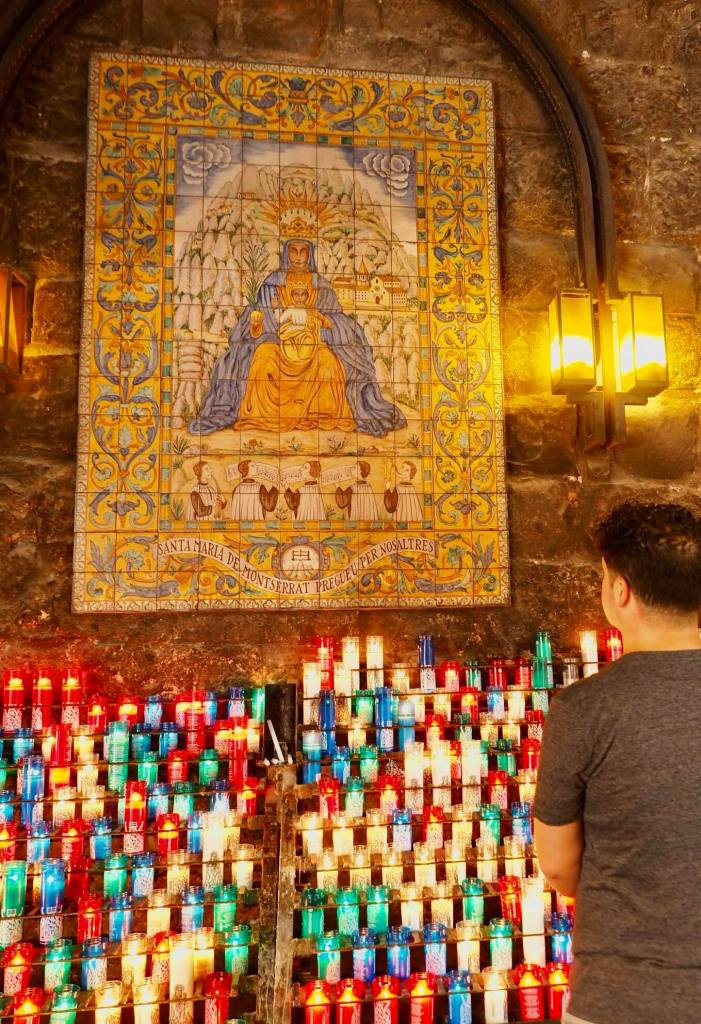
Photo by Dr. Mai B. Dela Peña, MD, at Spain, 2018.
Blessedness is a relationship with God.
It is now clear with us that saints are like us who are blessed because we share in the life of God. However, saints enjoy the fullness of this blessedness of being in the very presence of God as a “reward” or a result of their striving with God’s grace to live out the Beatitudes.
Saints now enjoy the eternal presence of God, the fullness of blessedness and fullness of their relationship in God and with God, from earth into heaven.
This is the reason we have a feast for all the saints or those who have gone ahead of us and tried to lead holy lives, living out their blessedness that they now enjoy the eternal presence of God in heaven. They need not be declared by the Church as saints whoever gets into heaven in the presence of God is a saint.
We who are still living here on earth, though blessed as we share in the life of God, cannot be considered as saints yet because we still have to go through a lot of purifications, of tasks in loving.
Again, we see that tension of the here and not yet in this aspect of being saints, of blessedness: heaven is eternal union with God (hell is eternal separation from God); blessedness and heaven are both our relationships with God.
Therefore, the challenge of our blessedness here on earth as seen in the Beatitudes of Jesus is how we maintain and keep that intimate relationship with God that every choice we make is always a choice for life, of choosing to love than hate, to forgive than revenge, to understand and let go.
In the first reading, John tells us of his vision of heaven with great multitude of “saints” or holy men and women “wearing white robes holding palm branches in their hands”. The Lord told him,
“These are the ones who have survived the time of great distress; they have washed their robes and made them white in the blood of the Lamb.”
Revelation 7:14
Although we are extolling in this solemnity all the unnamed saints now in heaven, this is still a feast celebrating the goodness of God, of his immense love for us in blessing us in Jesus Christ who enables us to do good in the power of the Holy Spirit.
As we remember all the Saints, we celebrate also this sharing of God’s life in us for us to be blessed, assuring us of being saints someday!
We are challenged today to live out this blessedness freely given to us by God by being more loving with others specially in this time of COVID-19 as well as when two super typhoons are threatening to slam into some parts of our country this week.
A short note about cemeteries
Sometimes, non-Catholics laugh at us every November first when we troop to the cemeteries to be with our departed loved ones instead of November 2. Despite the closure of cemeteries this week due to COVID-19, many have earlier visited their loved ones in cemeteries while the rest among us would surely do the same once the ban is lifted.
Is there something wrong? NONE. Except for those who just go to cemeteries to drink and have fun without praying and celebrating Mass in their parishes. But there is nothing wrong with our tradition of visiting cemeteries on November first.
In fact, it is a vibrant display of our faith in God because every time we visit the dead on All Saints’ Day, we also presume they are already saints, already in heaven.
Most of all, our coming to the cemeteries on All Saints’ Day is an expression of our hope in heaven while still here on earth.
The cemetery reminds us of hope in the future. In the past when we buried our dead, the cemetery has become the place of our mourning; but, every November first, the cemetery reminds us it is the place of hope where sadness is not really removed but where we find strength and faith that like our departed loved ones, we shall overcome all trials and sufferings here on earth to be one with them in the presence of God in heaven.
That is the good news of All Saints’ Day and All Souls’ Day: we are so blessed by God in Jesus Christ who had opened our access into heaven not only in the future when we die but even now as we mourn – and celebrate the memory of our dead, we already have a taste of eternal life.
May we live out this blessedness God has given us. Amen.
The Lord Is My Chef Breakfast Recipe for the Soul by Fr. Nicanor F. Lalog II
Saturday, Week XXX, Year II in Ordinary Time, 31 October 2020
Philippians 1:18-26     >><)))*>  +  >><)))*>  +  >><)))*>     Luke 14:1, 7-11
Photo by Mr. Jim Marpa, 2019.
It is the end of another month, of another week as we brace ourselves for a super typhoon directly hitting our region. And yes, God our loving Father, we are scared, we are worried, we feel helpless most specially for our little brothers and sisters, those who have always been suffering in life like the poor, the elderly, the sick, the marginalized.
But if there is one thing we have learned from COVID-19 these past eight months is to wholly entrust everything to you, O God, to completely surrender and rely on you alone.
Let us grow deeper in faith, more fervent in hope and be unceasing in our charity and love for others so that the Gospel of Jesus your Son may always be proclaimed.
Help us imitate St. Paul, though imprisoned and almost certain of facing death, no trace of helplessness is found in him; on the contrary, he was so full of power coming from his deep, personal relationship with Jesus Christ.
My eager expectation and hope is that I shall not be put to shame in any way, but that with all boldness, now as always, Christ will be magnified in my body, whether by life or by death. For to me life is Christ, and death is gain.
Philippians 1:20-21
Enable us in the power of the Holy Spirit to humbly submit ourselves to you, dear God, confident that you always have a specific place and seat, a role to play for us — if we can learn to first stand up for you like in today’s parable by Jesus.
May the coming typhoon be an opportunity for us to let our faith be expressed in words and in deeds. Amen.
The Lord Is My Chef Breakfast Recipe for the Soul by Fr. Nicanor F. Lalog II
Friday, Week XXX, Year II in Ordinary Time, 30 October 2020
Philippians 1:1-11          >><)))*>  ||+||  <*(((><<     Luke 14:1-6
What a beautiful last Friday of October 2020 today, God our loving Father! After so many struggles in life this week, you send us our favorite people and friends, favorite memories, favorite sights and smells, and every other favorites that delight and console us, comfort and assure us.
You never allow bad things to continue hitting us! Just as we are about to give up, there you are always coming to us in so many ways like with St. Paul who have received some gifts from the Philippians — his most beloved and favorite community as he wrote them while in prison awaiting trial and sure death in Rome.
It happens so often with us too, Lord, and I am convinced you surely have a hand in them because as St. Paul wrote the Philippians:
I am confident of this, that the one who began a good work in you will continue to complete it until the day of Christ Jesus.
Philippians 1:6
We are not complaining for our many struggles in life; at least we are still alive because the moment we no longer struggle, then we must be with you in heaven!
I love the way how St. Paul told us that you, O Lord, perfects -that is, completes – every work we have done, always with us in whatever struggle we have, starting right at the moment we were born literally struggling for life.
Please bless our work and our efforts, our struggles that sometimes we feel going nowhere, feeling all is wasted.
Like that man healed on a sabbath at a home of a leading Pharisee, may we come to meet you always in faith as you have to be with us body and blood and spirit in Jesus Christ to bless and perfect our efforts and works, even sickness and sufferings.
May we pray to grow in love like St. Paul:
And this is my prayer: that your love may increase ever more and more in knowledge and every kind of perception, to discern what is of value, so that you may be pure and blameless for the day of Christ, filled with the fruit of righteousness that comes through Jesus Christ for the glory and praise of God.
Lawiswis ng Salita ni P. Nicanor F. Lalog II, Ika-29 ng Oktubre 2020
Larawan mula sa catholicnewsagency.com.
Sa pagdiriwang ng kapistahan
ni San Judas Tadeo kahapon
may isang magandang tagpo
na kay inam nating balikan
upang pagnilayan
kanyang tanong kay Jesus
noong Huling Hapunan:
"Panginoon,
bakit po sa amin lamang kayo
magpapakilala nang lubusan
at hindi sa sanlibutan?" (Jn.14:22)
Mahiwaga at matalinhaga
ang tugon ng Panginoon:
"Ang umiibig sa akin ay tutupad
ng aking salita;
iibigin siya ng aking Ama,
at kami'y sasakanya at
mananahan sa kanya." (Jn.14:23)
Bakit nga ba hindi na lamang
magpakita si Jesus sa lahat upang
mawala na pagaaalinlangan,
at iba pang mga katanungan?
Maski naman magpakita si Jesus
marahil wala pa ring maniniwala
hangga't hindi natin siya nakikilala
sa mukha ng bawat kapwa:
hindi bagay o gamit si Jesus
na basta-basta lamang nakikita
ng ating mga mata ---
Siya ay Persona:
makikilala lamang
ng isang pusong bukas
handang tumanggap
at tularan Kanyang pagmamahal
upang Kanyang panahanan
tungo sa personal na ugnayan.
Hanggang ngayon ito pa rin
ang ating tanong sa ating panahon
at bakit nga kaya nagkagayon?
Tuwing magkokomunyon
"Amen" ang ating tinutugon
bago tanggapin
Katawan ng Panginoon
na marahil atin ngang nakikita
nguni't hindi nakikilala
dahil puso ay ipininid
naging manhid
sa daing ng bawat kapatid?
Ang Diyos ay pag-ibig
na siyang Kanyang larawan
at wangis sa atin Kanyang ipinaris;
kung pag-ibig ay ating inalis,
ang lahat sa atin ay malilihis
makita man natin si Jesus di natin Siya makikilala!
Larawan ay kuha ni Lucas Jackson ng Reuters ginamit sa The Economist, 2019.
The Lord Is My Chef Breakfast Recipe for the Soul by Fr. Nicanor F. Lalog II
Thursday, Week XXX, Year II in Ordinary Time, 29 October 2020
Ephesians 6:10-20     >><)))*> + + + >><)))*>     Luke 13:31-35
Photo by author, 09 October 2020.
There is no doubt, O God, we are in a war with evil as St. Paul tells us in today’s first reading; but, as I prayed more, I dwelled on that one word he had said — “struggle”.
For our struggle is not with flesh and blood but with principalities, with the powers, with the world rulers of this present darkness, with the evil spirits in the heavens. Therefore, put on the armor of God, that you may be able to resist on the evil day and, having done everything, to hold your ground.
Ephesians 6:12-13
Almighty and loving Father in heaven, today I pray for each one of us struggling in life — struggling to survive, struggling to be afloat amid the economic crisis, struggling to keep our family and friends together, struggling against an addiction, struggling against sins, struggling in almost everything or anything, maybe even struggling to believe and have faith in you, dear God.
To struggle is an effort to get out of something not meant to be like an imprisonment. To struggle is to exert efforts to resist attacks or be free from any constraints. Like when a fish is out in the sand, it struggles to get onto water which is its natural habitat.
There are many conditions in our lives today we are into but not really meant to be for us like the effects of evil and sin sometimes perpetrated by some among us. We are sure you never wanted us to be put into this situation. And that is why, you have sent us your Son Jesus to help us in our struggles.
Sometimes, life for others has simply been entirely a struggle since childhood.
Have mercy on us, please help us, Lord, in our struggles. Be our armor of truth and righteousness, our shield of faith, our helmet of salvation, and our sword of the Holy Spirit to slay the evil and sins enslaving us.
Thank you, dear Jesus, for standing by our side in our many struggles despite efforts of some like the Pharisees in the gospel today who told you to leave Jerusalem because “Herod wanted to kill you” (Lk.13:31).
Make us realize that in the midst of life’s many struggles, “you are our Rock, O Lord, who trains our hands for battle, our fingers for war” (Ps.144:1) and someday, as you have promised, we shall win in all our struggles to experience your glory and majesty, love and mercy. Amen.
Photo by Ms. Jo Villafuerte, September 2019 in Atok, Benguet.
Everyday
I hold your Body
for every-body to see
saying again your words
on the night before you were betrayed:
"Take this,
all of you,
and eat of it,
for this is my Body,
which will be given up for you."
THIS IS MY BODY.
We have studied and learned
theology of your Body
but it was only lately
after I have held
someone's body
with a malady
so sick, so weak, and untidy
have I truly felt your Body.
The nobility and beauty,
the awe and wonder
of holding your Body
dear Jesus came to me
after I have given up my own body
to some-body
in need of my body.
Oh, how I felt your Body
next to me after I have held another body;
it was just the tip of my fingers
touching you but as I looked at you
I felt you in my whole body
filling me with your mystery
unfolding daily in the liturgy;
why did I not see, was it due to apathy,
when some-body comes to me
and treats him a no-body?
Photo from Reuters/Lucas Jackson via The Economist, 2019.
The Lord Is My Chef Breakfast Recipe for the Soul by Fr. Nicanor F. Lalog II
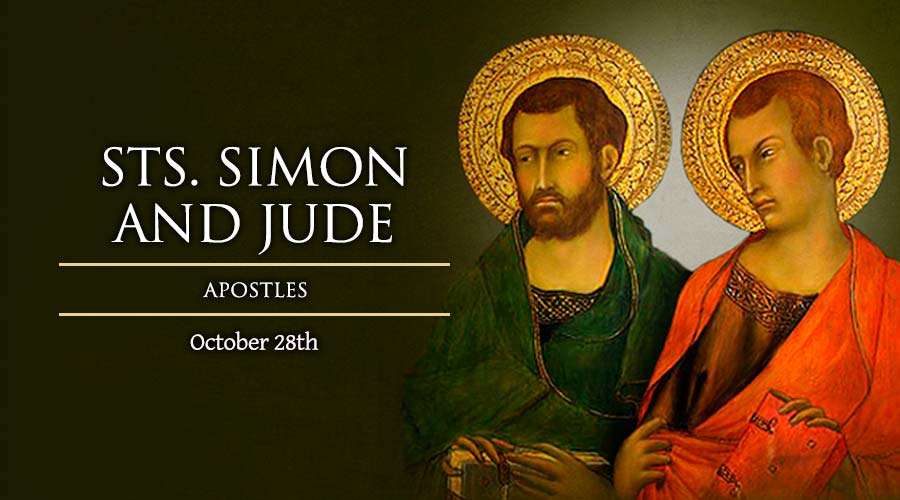
Wednesday, Feasts of Saints Simon and Jude, Apostles, 28 October 2020
Ephesians 2:19-22   >><)))*> + <*(((><<  ||  >><)))*> + <*(((><<   Luke 6:12-16
Photo by author, Malolos Cathedral, August 2020.
Dearest Lord Jesus:
What did you pray for on the night before you named your Twelve Apostles?
Jesus went up the mountain to pray, and he spent the night in prayer to God. When day came, he called his disciples to himself, and from them he chose Twelve, whom he also named Apostles:
Luke 6:12-13
What an amazing sight, a scene to behold you, Jesus who is true God and true man, praying to the Father, spending the night just to name the Twelve Apostles! Most likely, you prayed for them individually so they may be strong in their commitment to you. What an honor!
And the most beautiful part in every call you make specially with the Twelve Apostles is how you have chosen them from their so diverse backgrounds and temperaments to prove that what interests you most Lord Jesus are people or persons, not labels or backgrounds.
Remind us always, dear Jesus of this reality, of how you value each of us that you have called us to be your followers as Christians.
Open our eyes and our hearts to always have the zeal and passion of St. Simon.
His two nicknames given by Luke as a “Zealot” belonging to Zealots Party demanding the ouster from Israel of the occupying Romans and that by Mark as “Cananean” from the Hebrew verb qana for “to be jealous, ardent” both mean being filled with passion for his Jewish identity for God, his People Israel and Torah or the Laws.
In choosing Simon as an Apostle, may we be reminded of always having room in the Church for all charisms and human qualities of all peoples who find their communion in our Lord Jesus Christ.
Likewise, we pray to be like Jude Thaddeus who stood firmly by his faith in you, Lord Jesus in writing a short letter to remind the early Church of keeping their Christian identity, of not being deceived by some preachers who sowed confusion and division with their thoughts and ideas.
Pray for us, dear Jesus in this modern time when we who are in the Church who are lacking in passion and drive to make you known not only in words but also in deeds.
Pray for us, still Lord Jesus in this modern age that we may have the strength, clarity, and courage in defending and upholding our Christian identity amidst the many contradictions of the world in which we live in.
May St. Simon and St. Jude help us rediscover the beauty of our Christian faith and live it faithfully, witnessing to its beauty and truth. Amen.