Full presence in Christ

Lord My Chef Sunday Recipe for the Soul, 20 July 2025
Sunday in the Sixteenth Week of Ordinary Time, Cycle C
Genesis 18:1-10 ><}}}*> Colossians 1:24-28 ><}}}*> Luke 10:38-42
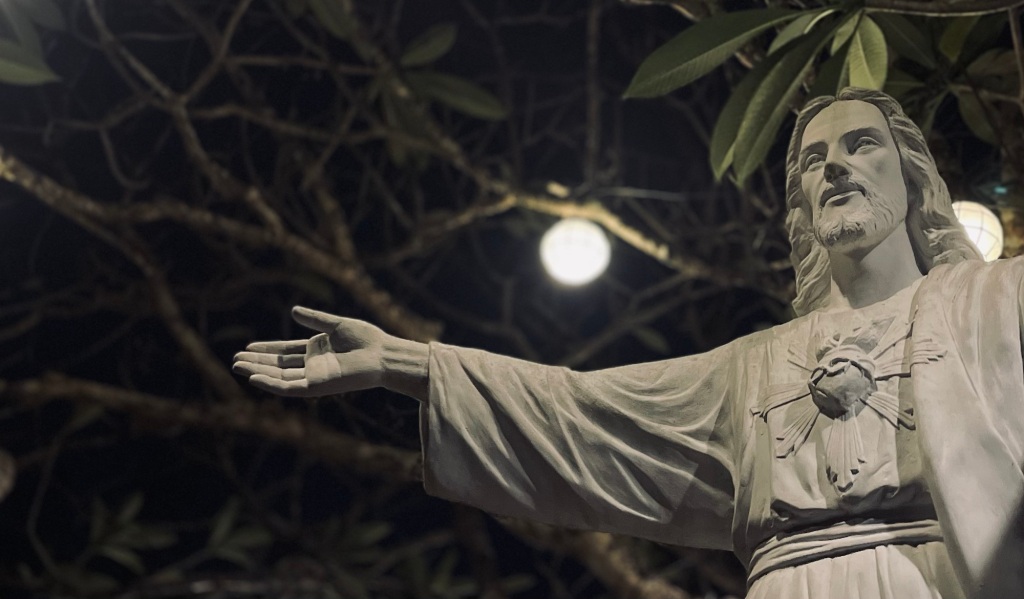
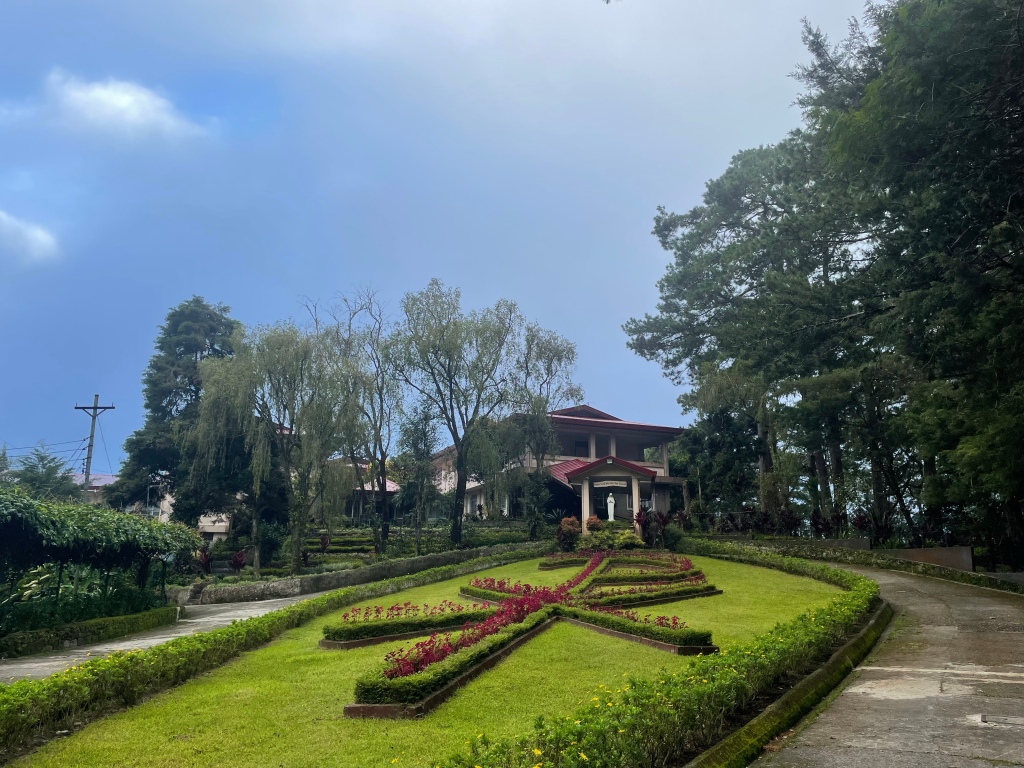
Photo by author, Tagaytay City, February 2023.

After telling us what we must do to inherit eternal life through his parable of the Good Samaritan last Sunday, Jesus continued his journey to Jerusalem with his disciples with a stop over today in the home of the sisters Martha and Mary.

The visit became an occasion for Jesus – the Good Samaritan – to expound on the more important things we his disciples must “do” as exemplified in the contrasting attitudes of the two sisters.

“Jesus in the House of Martha and Mary”, painting by Johannes Vermeer (1654) from en.wikipedia.org.

Jesus entered a village where a woman whose name was Martha welcomed him. She had a sister named Mary who sat beside the Lord at his feet listening to him speak. Martha, burdened with much serving, came to him and said, “Lord, do you not care that my sister has left me by myself to do the serving? Tell her to help me.” The Lord said to her in reply, “Martha, Martha, you are anxious and worried about many things. There is need of only one thing. Mary had chosen the better part and it will not be taken from her” (Luke 10:38-42).

This is the third consecutive Sunday Jesus gives us the top things we his disciples must always “do”: two Sundays ago he instructed us to represent him well by greeting everyone with peace while proclaiming that the kingdom of God is at hand (14th Sunday); last week, Jesus asked us to consider everyone especially those in need as a “neighbor” with whom we must show mercy at all times.

Today’s teaching of Jesus is of capital importance in this series on discipleship before the Lord caps it next Sunday with the very foundation of discipleship which is prayer.

An icon of Jesus visiting his friends, the siblings Sts. Lazarus, Mary and Martha. Photo from crossroadsinitiative.com.
"Martha, 
burdened with much serving,
came to him and said..."

Only Luke has this unique story in the home of Martha and Mary.

Far from the simplistic views of a distinction between “contemplative” and “active” approaches in discipleship, Luke invites us not only to enter the home of Martha and Mary but most of all our Lord and Master Jesus Christ to experience and realize the deeper realities of being his disciple.

There is more at issue here than a conflict of duties of listening to the Word like Mary and doing the work like Martha. Jesus is not telling us to be like Mary listening more to the word – and forget all about the work to be done and accomplished? Not at all.

Jesus reproached Martha for being anxious and upset about many things in life that she had forgotten the more essential which is to listen to Christ himself.

Luke’s gospel teems with instances where we find Jesus warning his disciples against being overwhelmed with cares of the world like in the parable of the sower where he mentioned those seeds that fell among thorns were choked by the anxieties and pleasures of the world that they failed to be fruitful (Lk.8:14). In chapter 12 we find Jesus twice repeating in asking his disciples “not to worry” on how to answer their persecutors for the Holy Spirit will teach them (Lk.12:11-12) and immediately after that, “not to worry” again about what to eat or wear for life is more than food and body is more than clothing (Lk.12:22-23). There are many other instances in all gospel accounts we find Jesus denouncing too much focus on things of the world that are passing and worst, detract us his disciples in confessing faith in him as the Christ who had come and will come again at the end of time.
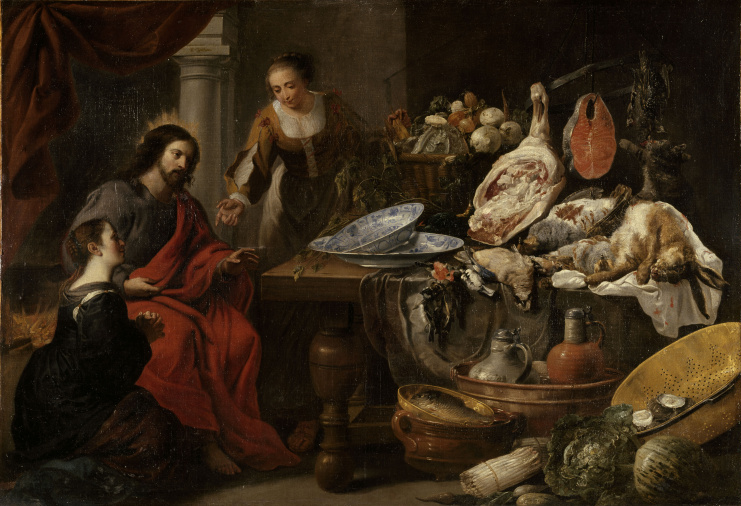
“Jesus in the House of Martha and Mary”, painting by Erasmus Quellinus II and Jan Fyt (1650) from en.wikipedia.org. See the folly of Martha’s worries and distractions with the enormous amount of food being prepared.

Jesus clarifies in the example of Mary that the first priority of every disciple is to listen to the Word who is himself. More than the division of time allotted for “contemplation” and “action” by every disciple, Jesus reminds us that the more we listen to him, the more we do his work; and the more we do his work, the more we desire to return to him and listen again and again to him.

Contemplation and action always go together. We cannot overdo the other and neglect the other. The moment we make a distinction between the two, problems arise like what we find in the church.

When priests and bishops concentrate only in contemplation, oblivious to the social conditions of the people, their proclamation of the Gospel is diluted as they fail to represent well Jesus as the Christ, the Son of the living God. When they are so immersed into social action and advocacies, business endeavors including entertainment in the Mass without contemplation, Christ is detached from the whole picture that people could no longer see nor feel the spiritual nature of the Church with everything becoming a show, empty of any sense of the divine and sacred. In both instances of abuses, either of contemplation or action in the Church, it is her credibility that is eroded as the Body of Christ with a growing number of the faithful disillusioned with priests and bishops more identified with the rich and powerful.

"There is need of only one thing."

Abraham in today’s first reading showed us the most beautiful example of discipleship. Like Martha, Abraham was also gracious in receiving his visitors at Mamre believed to be the Blessed Trinity in the form of angels; but, unlike Martha who was so concerned with her chores that she had forgotten Jesus, Abraham was intently focused on his visitors as “he waited on them under the tree while they ate” (Gen.18:8).

Like Mary listening at the feet of Jesus, Abraham was fully present in God while in Mamre. That is discipleship – to have that full presence in the Lord which is the “only one thing needed” of us which is to receive God’s gift of himself to us, of his Word who became flesh Jesus Christ who enables us to do his works by first recognizing him in ourselves and in one another as our neighbor.

This is the reason why even inside prison, St. Paul felt Jesus Christ’s coming and presence that he rejoiced in his sufferings as part of his ministry in proclaiming Christ as the hope for glory (Col.1:24, 27).

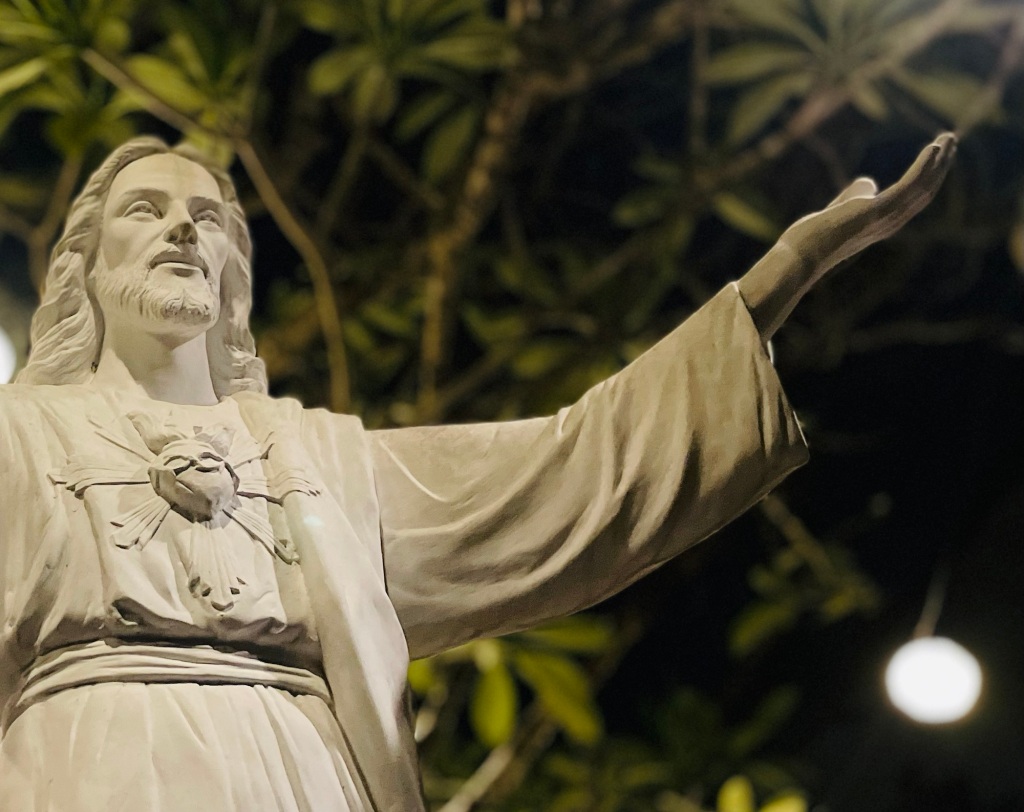
Photo by author, Sacred Heart Novitiate, Novaliches, QC, 20 March 2025.

Last week I read in one of the blogs I follow by an American nun, of how she attended many years ago to a delivery man who died of a heart attack in the ER of a Philadelphia hospital. Part of her ministry was to gather the things found in the chest pocket of the man’s shirt so she could inform the relatives of his death: there was a well-used prayer book, a thin wallet with a few dollars inside, a lottery ticket and a picture of his grandchildren. It was so touching how she narrated these simple things found in the man’s chest pocket as those closest to his heart (https://lavishmercy.com/2025/07/12/the-amoroso-man/).

That hit me so hard because even in this age of smartphones, I still carry a little notebook and pen in my chest pocket where I write my schedules as well as occasional notes on everything I notice and read. Deep inside me after reading that blog, I wondered where is Jesus Christ in all those notes and activities in my pocket notebook closest to my heart.

Dearest Lord Jesus,
make me fully present before
you always, even in my activities
and distractions for it is only in you
I am fulfilled. Amen.

Fr. Nicanor F. Lalog II
Our Lady of Fatima University
Valenzuela City

The need for sensitivity

Quiet Storm by Fr. Nicanor F. Lalog II, 28 May 2025
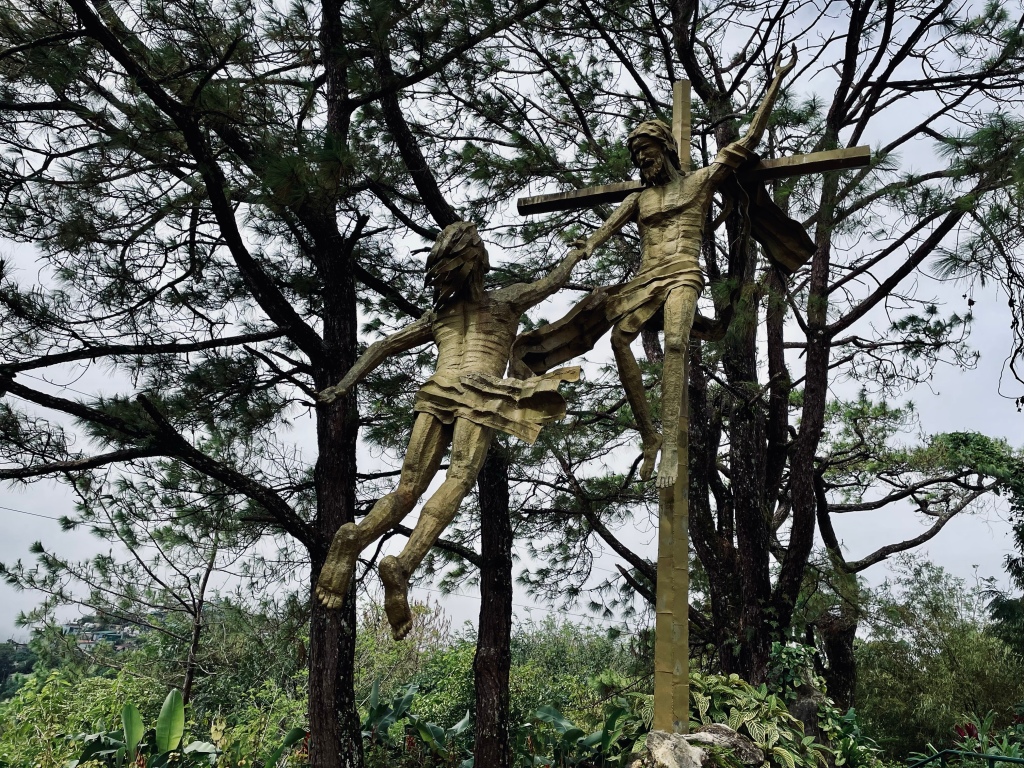
Photo by author, Cota da Cabo, Pundaquit, San Antonio, Zambales, 15 May 2025.

Salamuch for the very positive response to our blog Praying to “do no harm” where we underscored the need for more sensitivity among us to be able to respond to those being pushed to the limits in life (https://lordmychef.com/2025/05/27/praying-to-do-no-harm/) .
Sensitivity is the condition of a person (or thing) being sensitive that in the positive sense means someone who is quick to detect and appreciate other’s feelings while in the negative sense, one who is easily hurt or delicately affected by other’s feelings and attitudes.

For this sharing, we refer to the positive sense of the need for sensitivity especially in these days when it has become more of a rarity as more and more people seem to becoming numb and even callous. It is maybe a sign that points to one reality we have been seeing but refused to acknowledge these years – the dwindling number of people praying these days.

Prayer is more than reciting certain formal prayers we have learned by heart since childhood or reading novena prayers to a host of our devotions and practices. Prayer is primarily a relationship we keep with God. We pray because we love God.

Photo by author, Cota da Cabo, Pundaquit, San Antonio, Zambales, 15 May 2025.

This is the reason that in prayer, it does not really matter we are able to say or tell God everything because He knows them so well even before we asked Him (Mt.6:8). What really matters most in prayer as St. John Paul II used to say is that we are able to hear and listen to what God wants from us. That we surely do not know at all that is why we need to pray.

Just like in our relationships with others when we simply have to be sensitive with their presence when each one’s presence is more than enough. Or in fact, is everything!

When we pray more and cultivate a prayer life – a relationship with God – it is our sensitivity that is most heightened. The more we become sensitive of our ourselves and surroundings, we become more aware of God’s presence in us and among us. The more we become sensitive of ourselves and of God, then, we become sensitive of others too. Then our relationship with God flows naturally into our relationship with others which becomes the fruit of our prayers: have we become more kind and understanding, more loving and forgiving, more just?

Another beautiful thing with prayer that heightens our sensitivity is the gift of being proactive when we are able to “predict” the future without really predicting it! Our Filipino expression of magdilang-anghel says it so well that whatever we say happens or turns out to be true because we can feel everything and everyone with our heightened sensitivity.

Photo by author, Cathedral of St. Catherine of Alexandria, Dumaguete City, 07 November 2024.

Prayerful people are always sensitive in the positive sense. They are the ones most in touch with the realities of life, literally and figuratively speaking. They are always “present” like God who calls Himself “I AM WHO AM” – the perfectly present. Without sensitivity, there can be no presence at all.

See how kids these days do not mind at all nor pay respects or at least recognize anyone – whether family member or guests – when they are engrossed in their computer games or watching movies or simply scrolling their cellphones. Sorry as I find many of these kids are growing disrespectful as in, bastos.

Experts have long been warning us of the dire effects especially to children of these gadgets and social media itself that make us insensitive, numb and callous practically with the world around us.

Photo by Lara Jameson on Pexels.com

How sad and sickening to see young people literally so absorbed and immersed as in subsob in their cellphones, wired with those pods stuck in their ears living in a world of their own, unmindful of the sounds and commotion, of the people and everything happening around them.

Going back to that beautiful scene after an earthquake shook the prison cell of Paul and Silas in yesterday’s first reading, see how the apostle’s sensitivity and presence saved and converted their jailer.

The crowd in Philippi joined in the attack on Paul and Silas… After inflicting many blows on them, they threw them into prison and instructed the jailer to guard them securely. About midnight… there was suddenly such a severe earthquake… When the jailer woke up and saw the prison doors wide open, he drew his sword and was about to kill himself, thinking that the prisoners had escaped. But Paul shouted out in a loud voice, “Do no harm to yourself; we are all here” (Acts 16:22, 23, 25, 26, 27-28).

Speaking of earthquake, I just found it quite amusing how some students did not feel at all the “jolt” when the 5.1 earthquake struck us before noon yesterday. After we have evacuated our building, I met some students who were laughing at themselves to have not felt at all the earthquake, saying they were caught by surprise when the alarm went off that signaled the evacuation.

Sorry and please excuse us as this may be extending too much the earthquake this noon but, it isn’t funny anymore when we are jolted by news of some people we hardly know taking their lives for various reasons. We wonder and even search our souls wondering what happened they “harmed” themselves until we realize that partly because, we were not there at all when they most needed us.

Photo by author, Cota da Cabo, Pundaquit, San Antonio, Zambales, 14 May 2025.

This is why we need to recover our vanishing sensitivity through prayers to be aware, to notice and feel others around us, especially those silently screaming for help when many are so absorbed in their own little worlds. Every time we become sensitive of God’s presence and reality, we become sensitive of ourselves and of others too. Let us pray:

Forgive us,
Jesus for being far
from those in pain and sufferings,
for being insensitive
to those crying in silence,
for being indifferent
to the realities of mental health
and total well-being
of everyone.

Give us a chance,
Jesus to be like Paul and Silas
of saving one life
from doing no harm to one's self
by first being sensitive
to your presence in prayers
because the more we pray,
the more we become sensitive
of you and of others.
Amen.

Faith working through love

The Lord Is My Chef Daily Recipe for the Soul by Fr. Nicanor F. Lalog II
Tuesday, Memorial of St. Teresa of Avila, Virgin & Doctor of the Church, 15 October 2024
Galatians 5:1-6 ><]]]]'> + ><]]]]'> + ><]]]]'> Luke 11:37-41
Photo by author, somewhere in Pampanga, August 2024.
What a wonderful Saint 
You have gifted us today,
dear Jesus in St. Teresa of Avila;
what a wonderful saint
we need so much these days
to guide us in your Church,
one who has "faith working
through love" (Galatians 5:6).
In this time when people
laugh at our traditions of old,
when liberalism is so adored,
modern thoughts highly praised
and so embraced that many of us
are so concerned in "cleansing the outside
of the cup and dish while inside us are
filled with plunder and evil" and pride,
so highly speaking of freedom, inclusivity
and sensitivity that in the process
we forget You, Jesus;
like St. Teresa of Avila,
lead us back to our faith
working through love that seeks
You in deep prayer by detaching
ourselves from the trappings of
this modern world like social media's
very alluring style of story-telling
that's empty inside because
of all outside as "palabas" -
one big show,
a circus.
We pray to You, Jesus,
through St. Teresa of Avila
for the grace of a contemplative spirit
in a world so active that frees us
from the slavery of one's own passions
and fantasies so that we can be
more free to become a loving person
who sees You in others we must serve.
Amen.
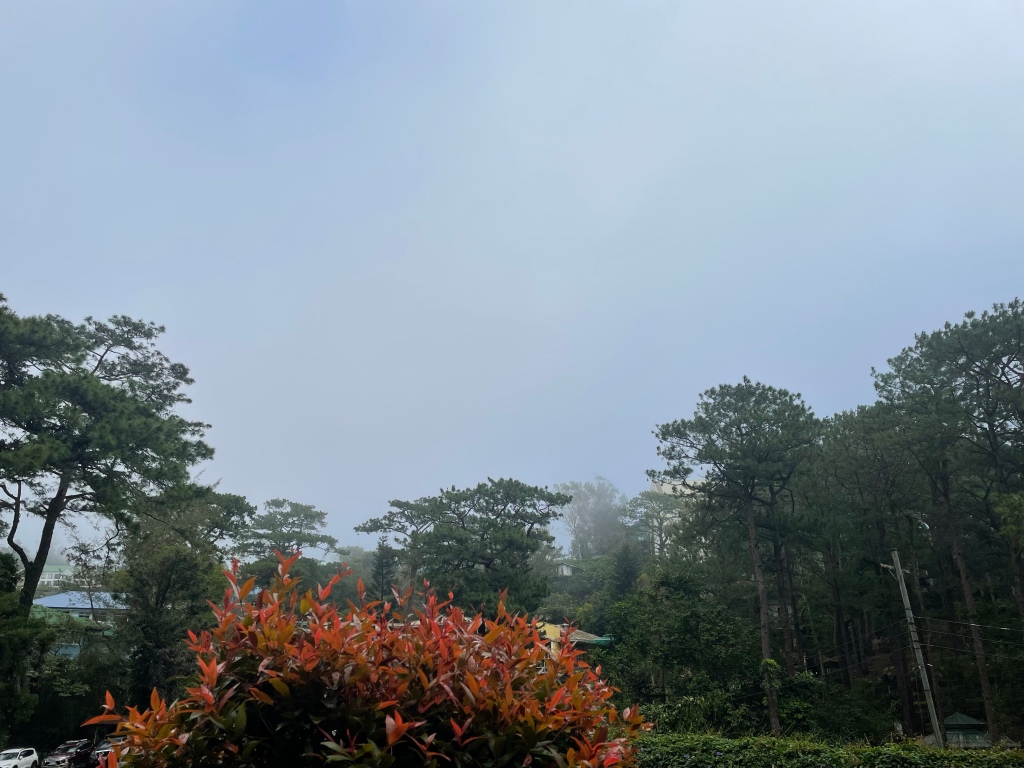
Photo by author, 21 August 2024, St. Scholastica Spirituality Center, Tagaytay City.

Pagninilay, paglilinaw sa paliwanag

Lawiswis ng Salita ni P. Nicanor F. Lalog II, Ika-01 ng Agosto 2024
Larawan kuha ng may-akda, bukang liwayway sa Lawa ng Galilea, Israel, Mayo 2019.
Unang araw 
sa buwan ng Agosto,
buwan ng wika
ako ay nakatunganga
sa pagkamangha
sa isang salita: PALIWANAG
sa wikang Inggles,
"explanation"
at kung gagamiting pandiwa
"to explain" ito ay magPALIWANAG.
Kay sarap namnamin
at damhin mga kataga
nitong ating wika
tulad ng PALIWANAG
nagsasaad ng pagbibigay
liwanag dahil mayroong
kadiliman minsa'y panlalabo
kaya nililinaw upang
matanaw, makita kahit man lang
maaninag upang matukoy, makilala.
Mahirap kasi
mag-apuhap sa gitna ng
kadiliman na kawalan ng katiyakan:
ika'y nangangapa
at nangangamba
kung ano iyong mahawakan,
makuha kaya nakakatakot
sa dilim na wala kang
nakikita dahil pati ikaw
baka tuluyang mawala pa!
Inyong pagmasdan
malaking kadiliman
na sa ati'y bumabalot
kamakailan
kaya kay raming
nagpapaliwanag
naglilinaw dahil
sa mga ginawa
at ipinahayag
na puro kaguluhan:
Waiter sa Cebu
pinagpaliwanagan
ng halos dalawang oras
habang nakatindig
sa harapan ng customer
na tinawag niyang "Sir"
na ibig ituring siya na "Mam";
kay daming paliwanag
ni "Mam" pero malabo pa rin
dahil malinaw pa sa araw
maski sa mga larawan
na siya ay Sir!
Hanggang ngayon
nagpapaliwanag pa rin
mga pasimuno ng paglapastangan
sa Huling Hapunan
ng Panginoon
na lalong nababaon
dahil maliwanag
kanilang kasinungalingan
na ang kadiliman ng kapalaluan
at kasamaan kanilang pagpugayan
taliwas sa layuning
magkaroon ng pagbubuklod at kaisahan.
Hindi lang minsan
ating narinig
masabihang
"ang labo mo naman"
kaya kinakailangang
magpaliwanag
upang maunawaan
at maintindihan
na siyang daan sa
magandang pagsasamahan.
Heto ngayon ating pagnilayan
pagbulayan aking katanungan:
nagPALIWANAG
ba ang Panginoong Jesus
sa Kanyang mga pangangaral?
Maliban sa pagpapaliwanag
ng mga talinghaga ng sarilinan
sa mga alagad,
walang ipinaliwanag
si Jesus dahil maliwanag
Siyang palagi at higit sa lahat
Siya ang Liwanag ng Sanlibutan.
Madalas hindi Siya
maunawaan, maintindihan
at matanggap ng mga tao noon
hanggang ngayon
ngunit kailanman walang binawi na salita
ang Panginoong Jesus dahil maliwanag ang lahat:
"Ako ang daan at katotohanan" (Jn.14:6),
"Ako ang muling pagkabuhay at ang buhay" (Jn. 11:25)
"Ako ang pagkaing bumaba mula sa langit;
ang kumakain ng aking laman at umiinom ng aking dugo
ay may buhay na walang hanggan,
at muli ko siyang bubuhayin sa huling araw" (Jn. 6:54).
Nang linisin ni Jesus ang templo
sinabi sa mga tao na gibain iyon
at kanyang itatayo sa loob ng tatlong araw;
Siya ay pinagtawanan ng mga kalaban
ngunit malinaw na sinasaad sa kasulatan
nang muli Siyang mabuhay ay naunawaan
ng mga alagad ang tinutukoy Niyang templo
ay ang Kanyang Banal na Katawan (Jn. 2:18-22);
maliwanag si Jesus ay palaging malinaw
kaya kahit sa gitna ng kadiliman Siya ay maliwanag.
Lumapit tayo kay Jesus
at hayaang liwanagan Niya kadiliman
sa ating puso at kalooban
katulad nina Nicodemo at Dimas
na umamin sa kanilang kamangmangan at kasalanan
kaya natamo ang liwanag at kaligtasan;
hindi mahirap tuntunin
katotohanan at liwanag ng Panginoon natin
kung ating aaminin at aalisin
mga piring sa ating paningin
upang mabuksan puso at kalooban
sa kagandahan at dangal ng
kabutihan ng bawat nilalang
hindi ang ipangalandakan
sariling husay at kaalaman
maging antas ng kalinangan!

Tandaan at panghawakan,
tiyak na kaliwanagan ng mga salitang binitiwan
ng Panginoon sa atin sana ay magpaalaala:
"Ang nagpapakataas ay ibababa,
at ang nagpapakababa ay itataas" (Mt.23:12)


Our hallowed hiddenness

Quiet Storm by Fr. Nicanor F. Lalog II, 31 October 2023

Whether you choose to celebrate Halloween in its truest sense which is the Christian and sacred celebration of All Saints or, the popular and pagan manner that is scary or spooky, November first reminds us always of things that are hidden and not seen.

What is really scary whenever November first approaches is the insistence of so many benighted souls including many Christians who highlight the erroneous pagan practice of dressing evil when halloween literally means “hallowed eve” or “holy evening” before the day set aside for all “holy souls” already in heaven we call “saints”. Any soul who enters heaven is considered a “saint”, that is, holy even if not recognized or canonized by the Church.

Remember the old Our Father translation when we used to say “Hallowed be thy name”? That’s it! Hallowed is the old English for holy. Where people got that idea of halloween as evil is clearly from the devil! And part of that sinister ploy by the devil in making evil funny and acceptable – and visible – is happening in the social media where everything must be seen, shown and exposed. Notice the expression “as seen on TV” to sell and market products while Facebook users brag their rule of thumb “show pictures or it never happened”.

Not everything can be seen and must be seen and shown. Recall how Genesis portrayed Adam and Eve hiding in shame, covering themselves with leaves after eating the forbidden fruit but these days, which could be the second phase of the Fall, men and women are not ashamed at all of their sins and scandals that instead of hiding, they make known to everyone deeds better kept in private, saying words better kept unsaid. They have absolutized the truth, baring all in total disregard of persons’ dignity and unity of the community. We have lost decency because we have also lost our sense of hiddenness, of privacy through silence and stillness.

Photo by author, sunrise at the Pacific from Katmon Nature Sanctuary & Beach Resort in Infanta, Quezon, 04 March 2023.

Hiddenness is a sacred presence where each of us can be all by one’s self focused on God who is the root of our being and existence no matter how one may call Him.  St. John Paul II said in one of his writings that God created man first to be alone with Him.  And that is how it will be to each of us in the end: we die alone. With God.

We all have this gift of hiddenness within each one of us. This we experience in our desires to be still, to go to the mountains or anywhere for a retreat or introspection, for some “me” time to rediscover and find one’s self anew. 

Hiddenness is the passageway to the great gifts of silence and stillness that everyone needs to maintain balance in this highly competitive world filled with so much noise where everybody is talking, including cars and elevators.  Compounding the problem of noise within and outside us are the cameras everywhere that entertain us and safeguard our well-being. But, are we really safer these days with all the CCTV’s and Face ID’s we use?

From forbes.com.

Many times, we have actually stripped ourselves of the innate mystery of being human, of the beauty and gift of personhood that some have tried to reveal using the camera but failed because we are beyond seeing. We do not notice how the cameras actually rob us of respect when unconsciously we give ourselves away to the world with our photos and videos spreading far without our knowing. Worst, we have allowed the camera to invade our hiddenness without us realizing that its effects backfire to us as we rarely have the time to analyze the possible outcomes of our photos and videos that usually tend to show what is negative and bad than what is positive and good about us. Our fascination with cameras perfectly capture our Filipino term palabas that literally means “outward”, a mere show without substance inside (loob). As a result of these sounds and images saturating us daily, the more we have become confused and lost because we do not have our grounding or “bearing” found only in hiddenness.

“In our society we are inclined to avoid hiddenness. We want to be seen and acknowledged. We want to be useful to others and influence the course of events. But as we become visible and popular, we quickly grow dependent on people and their responses and easily lose touch with God, the true source of our being. Hiddenness is the place of purification. In hiddenness we find our true selves.”

Fr. Henri Nouwen
Photo by author, Anvaya Cove in Morong, Bataan, July 2023.

We need to regain our hallowed hiddenness if we wish to grow and mature truly as persons – emotionally, psychologically and spiritually.  With the phone and TV always around us even in the church, everybody and everything has become so ordinary and cheap. 

Regaining our hiddenness is learning to put our technology in its proper place to be grounded in God in silence, the one commodity that has become so scarce these days since the invention of the Sony Walkman more than 40 years ago that spawned all these gadgets all over us now.

Silence is the language of God which leads us to Him and to our true selves. Every communication by God is always preceded by silence, something we have refused to learn as the most basic requirement of every communication. No wonder, we quarrel a lot, ending up more confused than ever because we never listen to others in silence. We never dialogue but simply talk, talk, and talk.

Genesis tells us in the beginning when God created everything, there was silence before He said, “Let there be light” while the fourth gospel solemnly tells us, “In the beginning was the Word… And the Word became flesh” (Jn.1:1, 14). Both instances evoke the beauty and majesty of God in grand silence.

All books in the Old Testament especially those of Psalms and of Job teem with many instances of God in silence amid every sunrise and sunset, in the gentle breeze and vast skies and oceans. In the New Testament, all four evangelists reported nothing Jesus said and did in childhood until the age 30 except for his lost and finding in the temple when 12 years old; Jesus was totally silent all those “hidden years” of his life in preparation for his ministry that lasted only three years, accomplishing so much whereas we speak all our lives and still end up empty. Most of all, the evangelists tell us too how Jesus frequently invited his disciples to a deserted place to pray, be silent and rest to be in communion with God his Father.

Hiddenness is God’s mode of presence that cannot be captured nor described in human terms. That is why He is hidden. It is not that God is hiding from us but He is inviting us to be intimately close with Him to exclusively and personally experience Him, be filled with Him.

Photo by Ms. Jo Villafuerte in Atok, Benguet, 01 September 2019.

It was the same thing Jesus did on Easter, remaining hidden from the disciples. When he finally appeared to Mary Magdalene who tried to touch him, Jesus stopped her to signal to her and to us all of the new level of relating with the Risen Lord in hiddenness. In all Easter stories, we are told how the disciples fell silent whenever Jesus appeared to them. In Emmaus, after the breaking of bread, the two disciples finally recognized Jesus who immediately vanished too! Why? Because Jesus wanted his disciples including us today to follow him personally in his hiddenness to find him and ourselves too.

Appearances or images and noise in life are very fleeting. Very often, the most significant moments and insights we have in life are those that come from our long periods of silence, of prayers and soul-searching.

This November 1 and 2 as we remember all those who have left us in this world, let us keep its sacred origins:  All Saints Day for those souls already in heaven and All Souls’ Day for those who have departed but still being purified in the purgatory.  Both dates invite us to “hide” in prayers, in silent remembering to experience God and our departed loved ones in the most intimate and personal manner without the gadgets and things that numb us of their presence. Amen. Have a blessed All Saints’ and All Souls’ Days!

That precious, sweet “Yes”

The Lord Is My Chef Daily Recipe for the Soul by Fr. Nicanor F. Lalog II
Tuesday, Memorial of the Queenship of Mary, 22 August 2023
Isaiah 9:1-6   ><}}}}*> + ><}}}}*> + ><}}}}*>   Luke 1:26-30
Photo by author, St. Scholastica Spirituality Center, Baguio City, 22 August 2023.

YES. Perhaps the most sweetest word we all wish to hear but also the most difficult word for us to say. We want others always saying “yes” to our requests and questions but we are so afraid, so hesitant telling it to others. Very often, we hide our “yes” in cloudy expressions like maybe, will try, or simply not say it all. Especially with God.

How funny that every vocation story of any priest and religious started with that simple “yes” – a “yes, Lord”! Or, “opo, Panginoon, susunod ako”!

Mary said, “Behold, I am the handmaid of the Lord. May it be done to me according to your word.” Then the angel departed from her.

Luke 1:38

How amazing that such a very simple word of three letters – yes – could be so powerful enough to change one’s life. Even history. And how could such a very short word with just one syllable be so difficult to say!

With every yes in life we hear, it becomes so sweet because we are affirmed. We feel valuable and precious when people say “yes” to us. However, we are very cautious in saying “yes” to others, especially to God and in the name or presence of God because when we say that “yes”, it becomes our very life.

Every “yes” becomes a commitment, a vow, a promise to keep. Not only for us priests and religious but everybody, especially husband and wife saying yes on their wedding day; doctors, lawyers and other professionals saying yes to uphold life, justice and freedom; children saying yes to obey their parents and teachers; everybody has to say a yes in different ways every day everywhere in many occasions and situations. Many times it looks so simple, sometimes it could mean life and death.

Photo by author, St. Scholastica Spirituality Center, Baguio City, 22 August 2023.

Every yes is precious and sweet because it is the beginning of love. That is why we need to affirm and stand with that yes day in, day out in our lives.

Like Mary, her “yes” to God did not happen just once but everyday in her life, reaching its highest point at the Cross when her Son Jesus Christ died. She must have had the most painful yet bittersweet yes too when she held Christ’s lifeless Body immortalized in Michaelangelo’s La Pieta.

But it was Mary’s yes that brought us Christmas and Easter, leading to Pentecost in the birth of our Church, and led her to heaven. That is why, we celebrate her Queenship today, a week after her Assumption.

O most Blessed Virgin Mary,
our Mother and Queen,
help us to say yes like you to God,
not once but every day in our lives;
pray for us to remain faithful in our yes
to him through our loved ones,
through his people and flock;
pray for us to keep our yes to God
simple like yours, trusting him always
even if our yes would lead us to the Cross
so that our yes would bring us also
to his presence in heaven.
Amen.
Photo by author, St.

Masama magreklamo, pananalangin ang dumaing

Lawiswis Ng Salita ni P. Nicanor F. Lalog II, Ika-7 ng Agosto 2023
Larawan kuha ng may-akda, takipsilim sa Tagaytay, ika-8 ng Pebrero 2023.

Madalas maitanong sa akin ng mga tao kung kasalanan daw ba, o masama, ang magreklamo sa Diyos? Bago sila sagutin, lagi kong hiling na liwanagin muna kung sila ba ay nagrereklamo o dumaraing sa Diyos?

Malaki pagkakaiba ng dalawang salitang ito na tila magkapareho lalo na kung ating uugatin ang kanilang pinagmulang wika na Latin, Pranses, Kastila at Inggles. Marahil dahil sa pagsasalin-salin ng mga salitang reklamo at daing, naiba kanilang kahulugan kaya mahalaga nating maunawaan upang makatulong sa ating wastong pakikipag-ugnayan sa isa’t-isa at sa Panginoong Diyos.

Hindi po ako dalubhasa sa linguistika o pag-aaral ng mga wika ngunit ibig ko na pagnilayan ang pagkakaiba ng reklamo at daing mula sa kanilang pinagmumulan o pinagbubuhatan. Ang reklamo ay mula sa isipan habang ang daing ay buhat sa puso at kaibuturan ng kalooban. Sa pagkakaibang ito ng kanilang pinagmumulan natin makikita kanilang kasamaan at kabutihan.

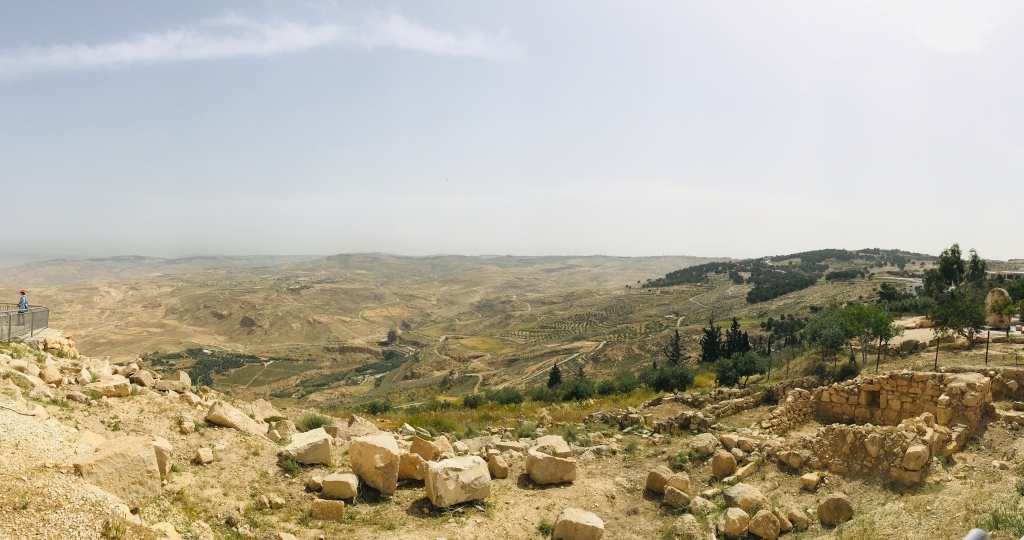
Larawan kuha ng may-akda mula sa Jordan tanawin ang ilang ng Israel noong Mayo 2019.

Masama ang pagrereklamo dahil ito ay sinasadya o wilfull sa Inggles. Mayroong malisya at masamang paglalayon bunsod ng maling pag-gamit ng kaisipan o intellect na kung saan pinangingibabawan ito ng kasamaan.

Sa pagrereklamo, mayroong pagpaplano at pag-aaral sa paglalahad ng hangad na hindi lamang maaksiyunan at solusyunan ang hinaharap na suliranin o katayuan kungdi maungkat pa ang ibang mga isyu ng nagrereklamo. Katulad lamang ito noong tayo ay mga bata pa na bubulung- bulong kapag masama ang loob kung nauutusan.

Sa pagrereklamo, naroon ang isang proseso ng kaisipan at hindi lamang bunga ng emosyon o damdamin na kapag naibulalas na ay tapos na. Naroon palagi ang paghahanap ng butas at kung anu-ano pang mga bagay na maaring isisi at ipula saan man at kanino man.

Kitang-kita ito sa karanasan ng mga Israelita doon sa ilang matapos sila ay hanguin ng Diyos sa pamumuno ni Moises mula sa pagkaalipin sa Egipto. Tingnan at suriin paanong nagreklamo mga Israelita noon kay Moises nang sila ay magutom at mahirapan sa paglalakbay.

Kaya, nagreklamo na naman sila. Ang sabi nila, “Kailan pa ba tayo makatitikim ng masarap na pagkain? Mabuti pa sa Egipto! Doon, isang hingi lamang namin ay mayroon na agad isda, pipino, pakwan, sibuyas, at bawang. Dito walang makain kundi manna.

Bilang 11:4-6
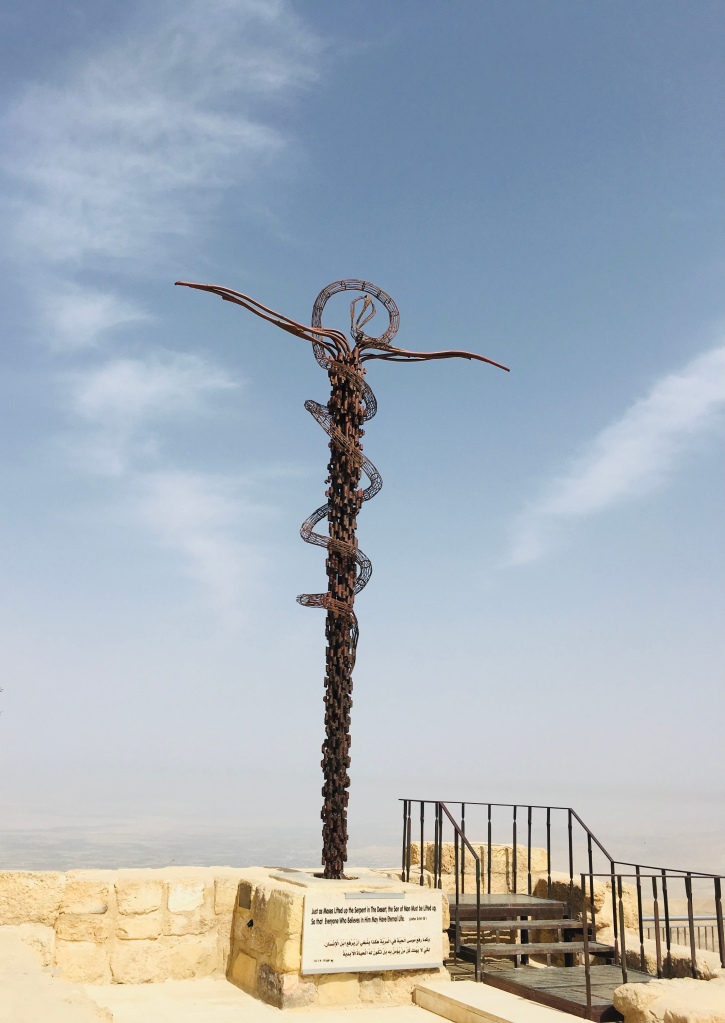
Ang eskultura ng ginawang ahas na tanso ni Moises sa tikin sa lugar kung saan mismo nangyari na ngayon nasa pangangalaga ng mga Paring Franciscano sa Jordan. Larawan kuha ng may-akda, Mayo 2019.

Pagmasdan ang masakit na bahagi ng bawat reklamo, masdan paanong magsalita mga reklamador na tila wala kang nagawang mabuti para sa kanila.

Kadalasan ang problema ng mga reklamador ay hindi lamang sa ayaw na ayaw nila ng hirap at tiisin sa buhay kungdi wala din silang tiwala sa kapwa kaya naman puno sila ng pangungutya at paghahamon. Dito natin mababakas ang malalim na kasamaan ng reklamo na isang uri ng manipulasyon at pambabraso upang maimaniobra at maipilit ang sariling kagustuhan na tanda ng kawalan ng pasensiya sa buhay at ng pagtitiwala sa iba lalo na sa Diyos.

Maraming pagkakataon ang pagrereklamo ay nagiging isang panunumbat, panunukat, at paghahamon maging sa Diyos na maaring ikabunga ng hindi maganda.

Mula sa Bundok ng Hor, nagpatuloy ang mga israelita patungong Dagat ng mga Tambo upang lihisan ang Edom. Dahil dito, nainip sila sa pasikut-sikot na paglalakbay na yaon. Nagreklamo sila kay Moises, “Inialis mo ba kami sa Egipto para patayin sa ilang na ito? Walang kaming makain ni mainom! Sawa na kami sa walang kwentang pagkaing ito.” Dahil dito, sila’y pinadalhan ni Yahweh ng makamandag na ahas at sinumang matuka nito ay nmamatay.

Bilang 21:4-6
Larawan kuha ng may-akda sa Mt. St. Paul, La Trinidad, Benguet noong 2017.

Sa kabilang dako naman, hindi masama, lalong hindi rin kasalanan ang dumaing sa Diyos. Kung tutuusin ay maituturing na isang pananalangin ang ating pagdaing sa Diyos!

Bakit?

Muli, makikita natin ang pinagmumulan ng ating pagdaing na walang iba kungdi puso natin.

Maraming pagkakataon, ang ating pagdaing ay bumubukal mula sa kaibuturan ng ating sarili dahil sa matinding hirap at pagtitiis. Wala kang mapagsabihan dahil labis na ang kawalan ng pagpapahalaga sa iyo ng ilang tao na dapat sana’y kumilala sa iyong mga pagpapagal at, hindi sa anu pa mang dahilan, ay tumanaw ng utang na loob man lamang sa iyong kagandahang-loob.

Kaya naman natural at hindi mo na rin mapigilan pag-uwal mula sa puso at kalooban mga nararamdaman lalo na sama ng loob maging pagtatampo sa ilang tao. At maski sa Diyos na tila baga walang pakialam sa iyo. Pero ganoon nga ba? Hindi!

Dumaraing tayo sa Diyos kahit tila pakiwari natin malayo siya o walang pakialam dahil wala na tayong ibang matakbuhan kungdi siya na lamang. Hindi masama na tayo ay dumaing sa Diyos at ihayag pagtatampo sa kanya dahil pagiging totoo ito sa sariling nararamdaman.

Dito sa nararamdamang ito rin nakatago ang kagandahan nitong pagdaing na isang panalangin din sapagkat sa bawat hinaing, naroon ang pagsusumamo sa Poong Maykapal na siya lamang ang mayroong magagawa sa atin. Hindi magagalit ang Diyos sa atin dahil batid niya kung baga tayo ay “naglalambing” sa kanya katulad ni Moises sa ilang pagkakataon.

Hindi kaila kay Moises ang iyakan ng lahat ng sambahayan na nakatayo sa pintuan ng kani-kanilang tolda. Nagalit nang labis ang Diyos, kaya nabalisa si Moises. Itinanong ni Moises kay Yahweh, “Bakit ninyo ako isunuong sa ganitong kalaking pasanin? Bakit ninyo ako ginaganito? May nagawa ba akong laban sa inyo? Ako ba ang nagsilang sa kanila? Hindi ko sila kayang alagaang mag-isa. Napakalaki ng gawaing ito para sa akin! Kung ganito rin lamang ang gagawin ninyo sa akin, mabuti pa’y mamatay na ako ngayon din kaysa maghirap nang matagal.”

Bilang 11:10-12, 14-15
Larawan kuha ng may-akda sa may St. Catherine Monastery, Mt. Sinai, Egypt, Mayo 2019.

Tayo ma’y nakapagdrama na rin siguro ng kung ilang ulit tulad ni Moises sa Diyos ng ganito. E, pinansin ba tayo ng Diyos? Siyempre hindi! Bagamat hirap na hirap tayo ngunit, heto pa rin tayo, buhay na buhay!

Ganoon kaganda ang pagdaing – maihinga lang ay naaayos na ang lahat sa atin, gumagaan ating pasanin dahil ang totoo dama natin ang Diyos sa piling natin.

Kapag tayo dumaraing sa Diyos, doon niya tayo tiyak dinirinig dahil doon tayo pinakamalapit sa kanya kay Kristo Jesus doon sa Krus. Tuwing tayo ay batbat ng hirap at sakit lalo na sa mga pula at reklamo ng mga taong tinutulungan at kinakalinga natin, doon tayo nakabayubay sa krus kasama si Jesus at katulad ni Jesus.

Kapag wala tayong narinig kungdi reklamo ng maraming tao sa kabila ng ating pagsisikap para sa kanila, doon tayo nagmamahal na tunay gaya ni Jesus.

Hindi tayo makareklamo kanino man maliban sa Diyos dahil sa ating kaibuturan, batid natin siya lang ating maaasahan. Hindi labi ang nangungusap sa atin kungdi puso at kalooban sa kapangyarihan ng Espiritung Banal gaya ng sinasaad ni San Pablo (Rom. 8:26-27).

Kayo kung ikaw ay pagod na sa bigat ng mga pasanin sa buhay, nabibingi na sa mga reklamo at patutsada ng mga “magagaling” na tao sa paligid mo, chill lang. Okey lang magbuntung-hininga tulad ni Jesus (tingnan Marcos 8:11-13) nang mapuno sa kakulitan ng mga kalaban.

Ibuhos iyong daing, pati luha, sa Diyos na tanging sa ating nakauunawa. Higit sa lahat, nagmamahal at natutuwa dahil sa kabila ng maraming reklamo ng iba, gumaganap tayo sa kanyang misyon at ipinagagawa. Amen.

Larawan kuha ng may-akda sa San Juan, La Union, ika-24 ng Hulyo 2023.

May birthday pa ba sa langit?

Lawiswis ng Salita ni P. Nicanor F. Lalog II, Ika-26 ng Hulyo 2023
Larawan kuha ng may-akda, takip-silim sa may Silang, Cavite noong Agosto 2020.

Sa araw na ito, ika-26 ng Hulyo ay ating pinararangalan ang mga nakatatanda sa atin bilang paggunita kina San Joaquin at Sta. Ana, mga magulang ng Mahal na Birheng Maria, Lolo at Lola ng Panginoong Jesus.

Sa aming pamilya, espesyal ito noon pa man dahil kaarawan ng aking yumaong ama na si Wilfredo na isinilang noong Hulyo 26, 1932. Pumanaw siya noong ika-17 ng Hunyo 2000, kaarawan ng aming Ina. Kaya mula noon hanggang ngayon ay parang drama ang aming buhay na magkakapatid tuwing sasapit ang mga buwan ng Hunyo at Hulyo dahil naroon ang magkahalong tuwa at lungkot sa birthday ng aming mga magulang gayon din ang pagpapanaw ni Daddy.

Dahil dalawang taon pa lamang ako na pari nang pumanaw aking ama, hindi pa ako nakapagmisa patungkol sa kanyang kaarawan tuwing ika-26 ng Hulyo. Gayun din sa aking ina. Dahil sa napakasakit niyang karanasan, hindi ko pa rin siya naipagmimisa nang patungkol sa kanyang birthday na death anniversary nga ng kanyang kabiyak ng puso at aming ama. Dangan din kasi ay mahigpit ang bilin ni Mommy nang mamatay si Daddy, hindi na siya magbe-birthday celebration.

Ang aking yumaong ama sa kanyang opisina, Bureau of Forestry, 1972.

Nakakatawang isipin, puwede nga bang hindi magbirthday dito sa lupang ibabaw? Bagaman palaging death anniversary ni Daddy ang aming pagdiriwang tuwing June 17 na birthday ni Mommy, mayroon pa rin kaming pansit o spaghetti, cake at ice cream para sa kanya!

Darating at darating ating birthday na parang kuliling ng tindero ng ice cream ngunit kapag tayo ay namatay, wala na tayong birthday celebration. Ang kamatayan natin sa lupa ang birthday natin sa langit kaya iyon ang higit nating dapat alalahanin!

Kaya sana po ay huwag ninyo masamain itong aking sasabihin: tigilan na po natin itong kalokohan at kahibangan ng pagbati ng “Happy Birthday in Heaven” sa mga yumao nating mahal na buhay.

Inaamin ko na ako man ay ilang ulit napatangay sa kamaliang ito ng pagbati ng happy birthday in heaven sa Facebook. Nguni’t simula ngayon na sana ay ika-91 kaarawang ng aking ama kung nabubuhay pa siya, hinding hindi na ako babati kanino man ng happy birthday in heaven.

Wala na pong birthday sa langit o kabilang-buhay dahil iyon ay kawalang hanggan na po.

Larawan kuha ng may-akda, Mt. St. Paul, La Trinidad, Benguet, Mayo 2017.

Noong mamatay ang aking ama sa kaarawan ng aking ina, iyon ang paliwanag ko sa kanya: ganyan po kayo kamahal ng Daddy; birthday niya sa langit, birthday po ninyo dito sa lupa.

Kaya nga ang kapistahan palagi ng mga banal ay ang petsa ng kanilang kamatayan o nang paglilipat ng kanilang labi. Bukod tangi lamang sina Jesus, Birheng Maria at San Juan Bautista ang ipinagdiriwang natin ang mga kaarawan ng pagsilang sa lupang ibabaw.

Ang kamatayan natin ang ating petsa ng pagsilang sa buhay na walang hanggan. Move on na tayo…

Sa dalawamput-limang taon ko sa pagkapari, isang bagay napansin ko na madalas ang mga petsa ng kamatayan ay sadyang makahulugan kesa petsa ng kapanganakan. Palagi mga petsa ng kamatayan ng mga mahal natin sa buhay malapit o may kinalaman sa mahalalagang petsa sa buhay natin. Sabi nga ng iba, madalas namamatay ang tao malapit sa petsa ng birthday nila.

Larawan kuha ng may-akda, Anvaya Cove sa Bataan, Mayo 2023.

Sa dati kong parokya, nagrereunion ang isang angkan tuwing araw ng Pasko, Disyembre 25 dahil iyon ang kamatayan ng kanilang Lola. Nang suriin ko, ipinanganak ang Lola nila ika-24 ng Marso! Sabi ko sa kanilang angkan ay napakaganda ng petsa ng kamatayan ng Lola nila bagamat masakit kung iisipin dahil araw iyon ng kasiyahan dapat. Nguni’t wika ko sa kanila, isinilang sa lupa inyong Lola sa bisperas ng petsa ng pagkakatawang-tao ni Jesus o Annunciation (Marso 25) habang isinilang naman Lola nila sa langit nang pumanaw siya ng ika-25 ng Disyembre. Tuwang-tuwa sila sa paliwanag ko kaya tuwing Pasko, ako ay pinamamaskuhan ng magkakamag-anak!

Pagmasdan ninyo mga lapida sa sementeryo: palagi naroon ang petsa ng kapanganakan at kamatayan. At pagkatapos ay wala nang kasunod kasi nga wala nang hanggan!

Noong wala pang social media lalo na iyang Facebook na dahilan ng pagkabobo nating mga tao dahil nga puro tayo palabas, kapag dumarating petsa ng pagsilang ng yumao nating mahal sa buhay, ang palaging sinasabi ay “nobenta’y uno na sana siya kung buhay pa ngayon” (he would have been 91 years old today had he not died).

Tingnang ninyo. Mas tumpak ang kaisipan at pananalita ng matatanda kesa sa atin ngayon. Kung araw ng kapanganakan ng yumaong mahal sa buhay, magpost na lang ng simpleng “naaalala ka pa rin namin” o “buhay kang palagi sa aking alaala” o “ikaw pa rin ang aking tanging mahal” na siyang tunay at totoo kesa “happy birthday sa langit” na isang kasinungalingan.

Inuulit ko, wala na pong birthday sa langit.

Huwag na kayong babati ng happy birthday in heaven. Ang birthday ay sa lupa lamang. Mag-level up na tayo ng pananaw, kaisipan at kamalayan katulad ng mga pumanaw na nasa kabilang buhay na. “Ang mga bagay na panlangit ang isaisip ninyo, hindi ang mga bagay na panglupa sapagkat namatay na kayo at ang inyong tunay na buhay ay natatago sa Diyos, kasama ni Kristo” (Col. 3:1-2).

Maraming salamat po at maligayang kapistahan sa mga Lolo at Lola muli!

Larawan kuha ng may-akda, takip-silim sa Bagbaguin, Sta. Maria, Bulacan, Hunyo 2020.