Lord My Chef Daily Recipe for Soul by Fr. Nicanor F. Lalog II
Friday, Twenty-Eighth Week in Ordinary Time, Year II, 16 October 2026
Ephesians 1:11-14     ><))))*> + ><))))*> + ><))))*>     Luke 12:1-7
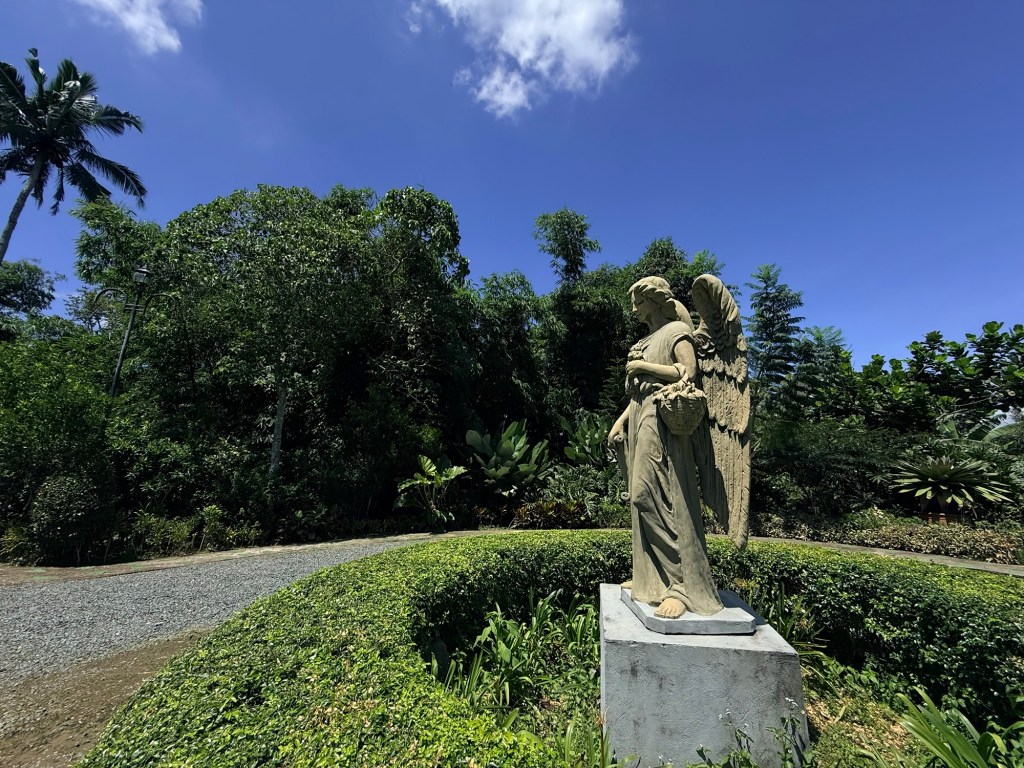
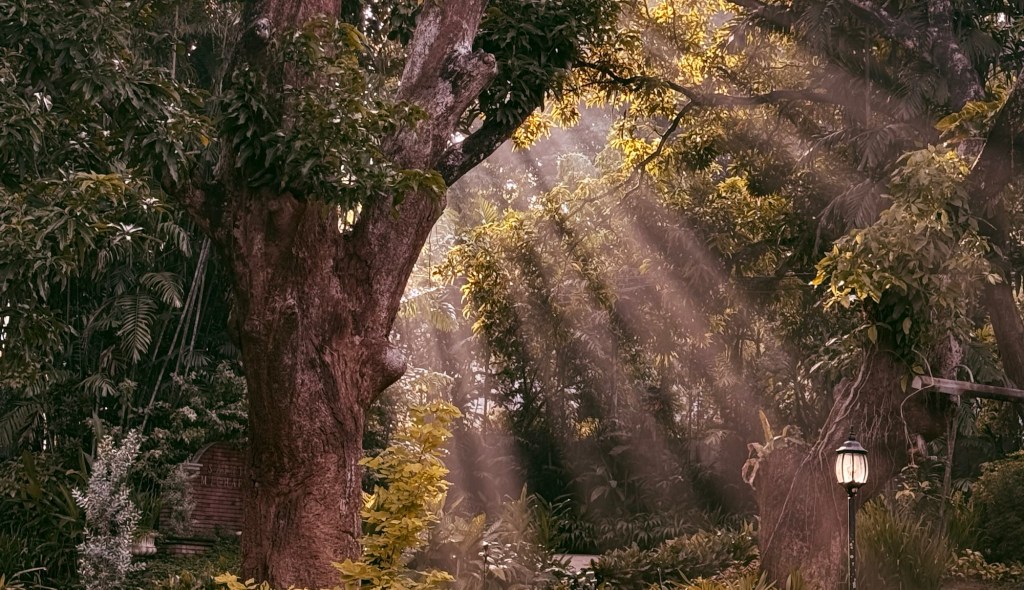
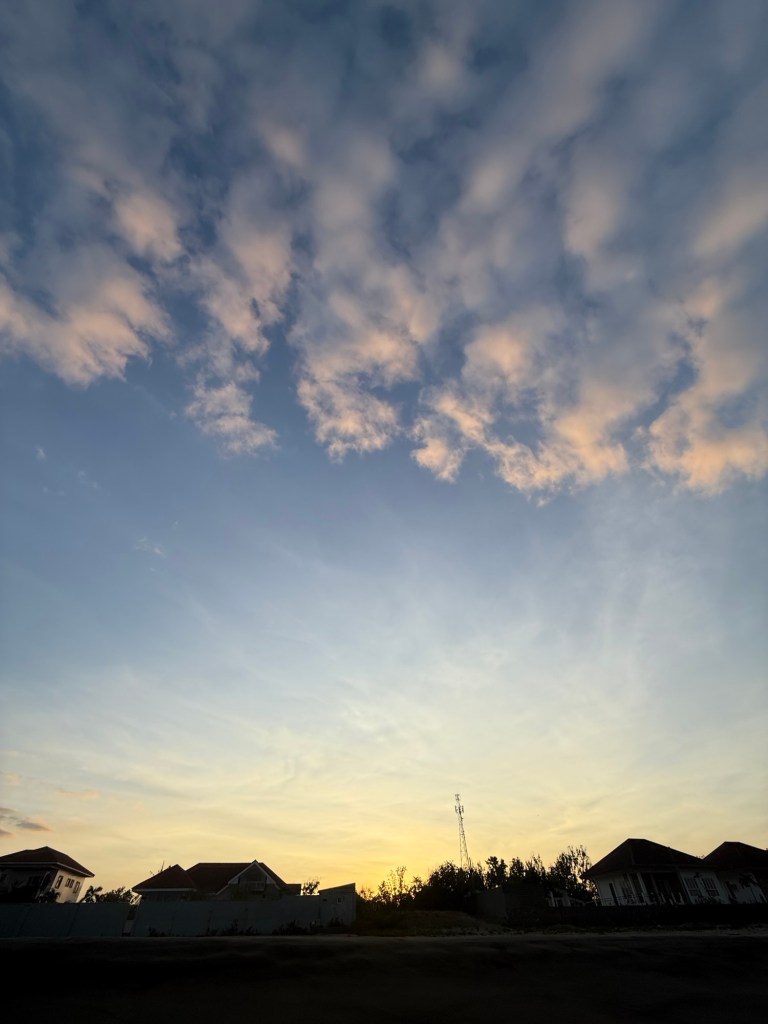
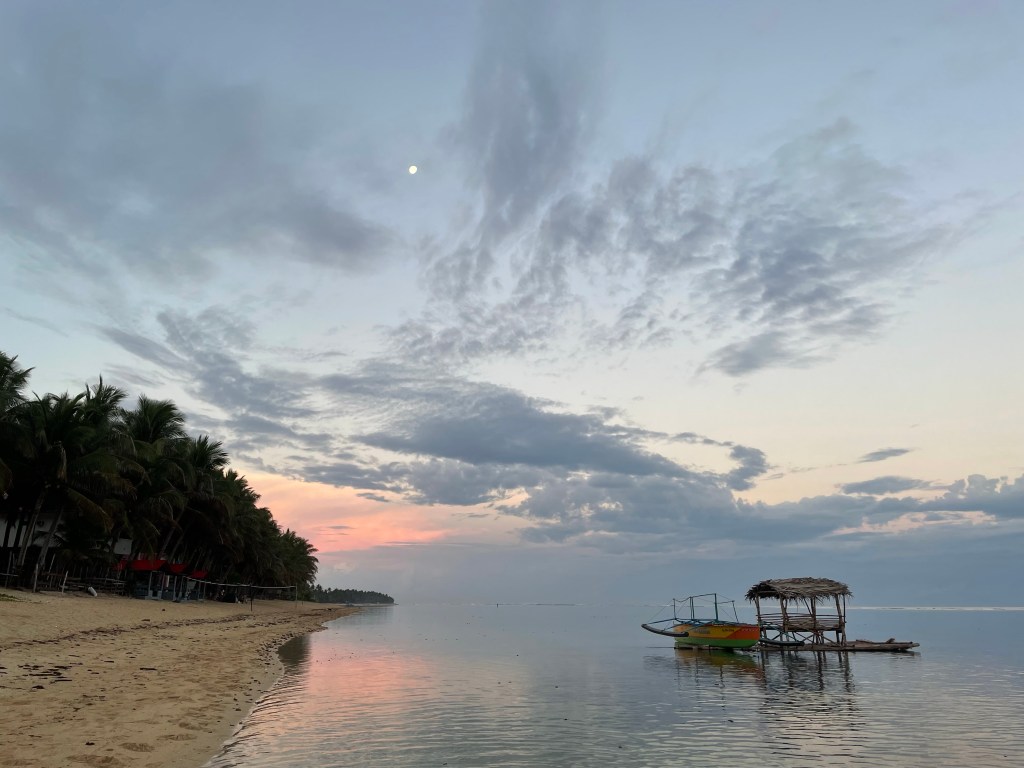
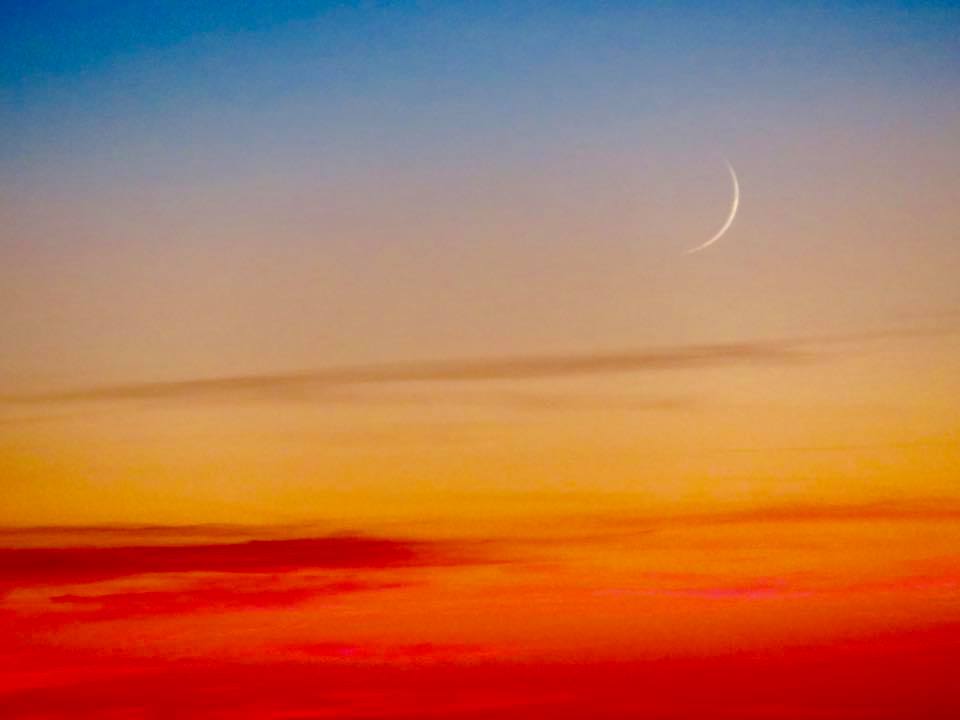
Photo by author, Bella Rosa Gardens, Silang, Cavite, 07 October 2026.
What's happening in the world,
Lord where everyone seems to thrive
in chaos?
Trash talks like cussings,
making fun of other people's
disabilities, smart shaming and
body shaming are so glorified and
imitated especially in social media;
many have no more sense of shame at all,
stretching their rights without any regard
for their responsibilities nor rights of others
that we are like in that gospel scene today:
At that time, so many people were crowding together that they were trampling one another underfoot. Jesus began to speak, first to his disciples, “Beware of the leaven – that is, hypocrisy – of the Pharisees (Luke 12:1).
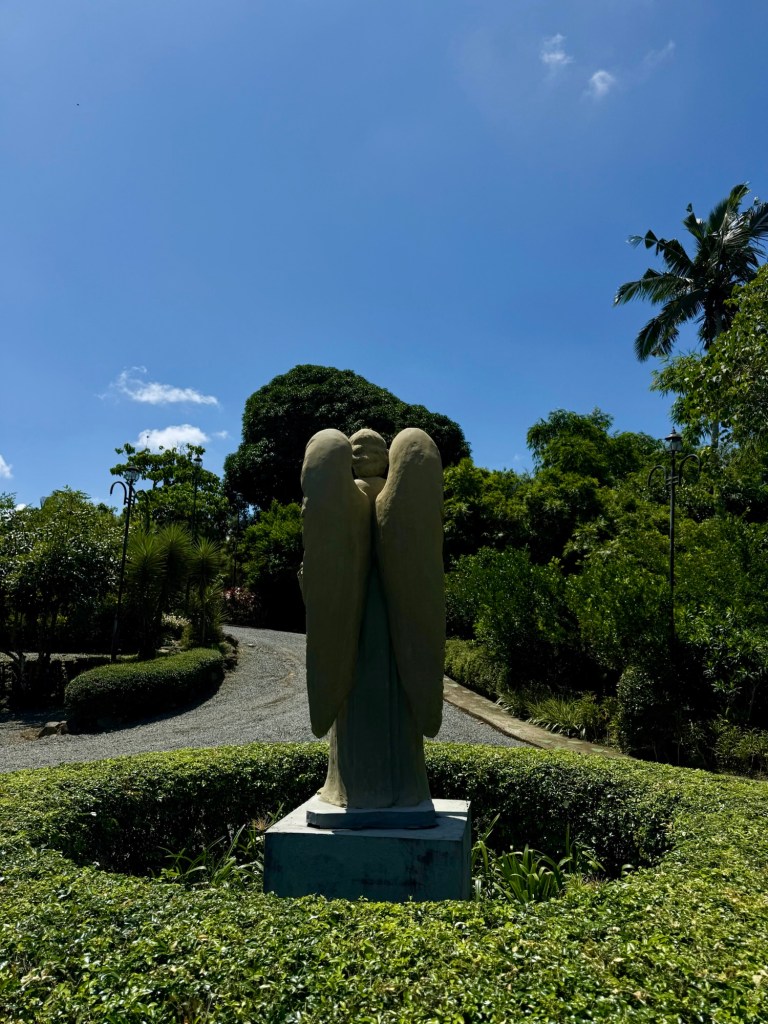
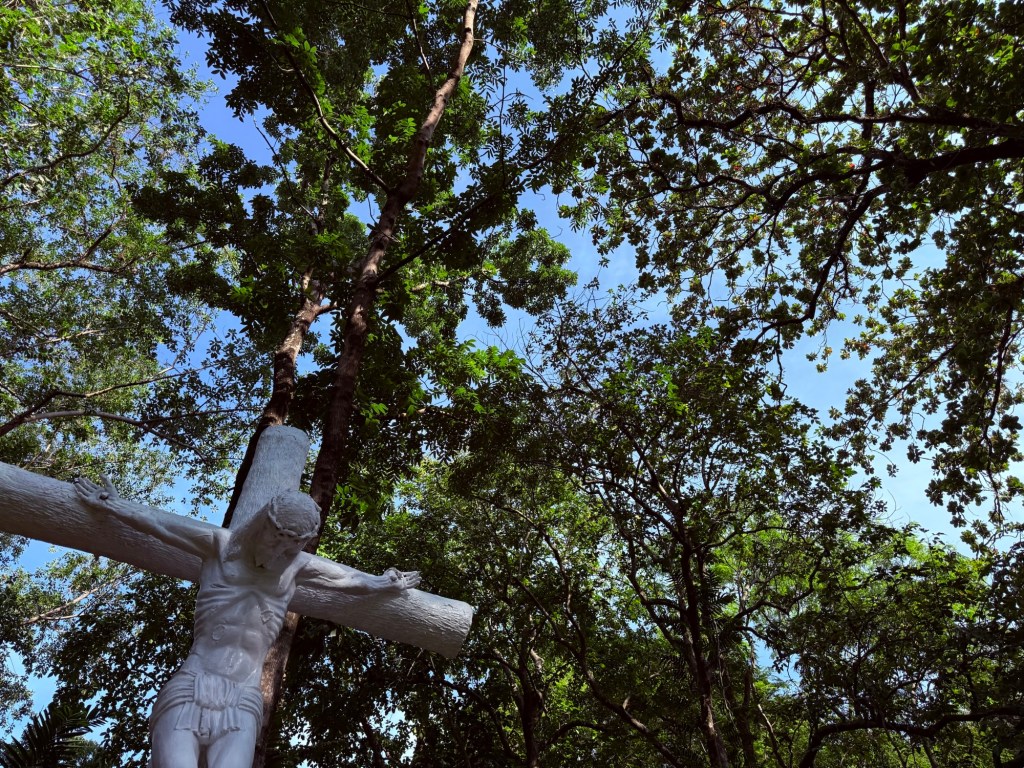
Photo by author, Bella Rosa Gardens, Silang, Cavite, 07 October 2026.
Are we not like those
people crowding together,
already trampling just to hear you
speak, Jesus?
Give us the wisdom,
awaken us from our glorification of
everything that is crass and low,
giving only emphasis on the body
forgetting about the soul,
its dignity and value
along with virtues:
"I tell you,
 my friends,
do not be afraid of those
who kill the body
but after that can do no more"
(Luke 12:4).
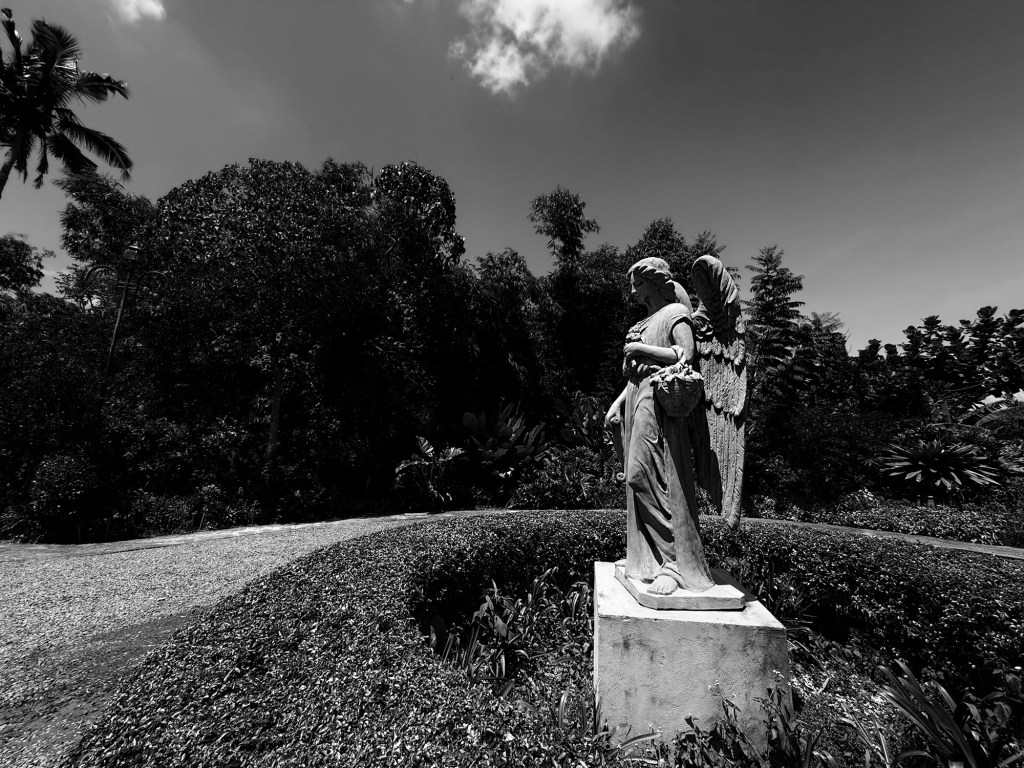
Photo by author, Bella Rosa Gardens, Silang, Cavite, 07 October 2026.
Let us see St. Paul's
alternative vision for the world
in which God's plan is to restore
all things in you, Christ;
let us see more the love and
mercy you have lavished upon us
when you suffered and died
on the Cross to save us,
rising from the dead on the third day
to reconcile us to the Father
and with everyone;
how consoling that we are
not our own,
that despite the chaos
and darkness all over us these days,
"In Christ we were also chosen,
destined in accord with purpose of
the one who accomplishes all things
according to the intention of his will...
were sealed with the Holy Spirit"
(Ephesians 1:11, 13).
How lovely are
these words, Lord!
May we be like St. Paul
in proclaiming to this sick and dark world
that there is an alternative,
better vision of the world
from the Father
in Christ Jesus.
Give us the courage to work on this,
to cooperate with your grace in
showing the world
life is so beautiful!
Amen.
Quiet Storm by Fr. Nicanor F. Lalog II, 20 August 2026
How amazing,
O Lord Jesus
that when it is already
evening, when darkness is
all around us,
that is when you are
actually inside us,
if we could just open
our hearts and eyes of faith
then we shall see you
truly our Light
glowing within,
bringing warmth and
joy.
Many times in our darkness
we lose sight
not only of you,
Lord Jesus but also
of our self
that away from you
we lose our identity
and let our job
and tasks define us
or worst,
our possessions and achievements
as well as pains and hurts;
we cave into our darkness
within not seeing
your wounded handed
touching me
holding me
unmindful of your
holding me,
loving me.
When things get dark
and we can’t see anything
teach me Jesus
to listen to your
silence
to feel your presence
sense your movements
follow your steps
waiting
trusting
self-emptying.
Most of all,
Jesus,
help me emulate your Mother
our Mother too,
Mary most holy,
to remain focused on you
cusping you in my palms
when all is dark
holding on to your words
believing they shall be
fulfilled when I remain
and stay with you
there on the Cross.
Amen.
Lord My Chef Sunday Recipe for Soul by Fr. Nicanor F. Lalog II
Nineteenth Sunday in Ordinary Time, Cycle A, 09 August 2026
1Kings 19:9, 11-13 ><}}}}*> Romans 9:1-5 ><}}}}*> Matthew 14:22-33
Photo by author, Lake of Galilee, the Holy Land, May 2017.
Way back in 2017 on my second pilgrimage in the Holy Land with friends from GMA News, our early morning boat ride was postponed to midmorning due to strong winds in the Lake of Galilee that locals said could be so dangerous.
And that’s how life could really be a lot often in the most poetic sense.
In this journey in life, we not only walk the earth and climb hills and mountains but also have to cross rivers and lakes and seas many times. This is exactly what we do every Sunday when we journey in faith in Jesus, with Jesus just like the disciples at that time.
This year Matthew leads us in this journey. He tells us a totally different scene and setting in giving us a glimpse of the very person of Jesus Christ this Sunday.
Photo by author, Lake of Galilee, the Holy Land, May 2019.
After the miraculous feeding of more than five-thousand people from five loaves of bread and two pieces of fish last week, Jesus ordered his disciples to go ahead of him on a boat to the other side of the lake as he dismissed the crowds; by evening, Jesus was left alone atop the mountain praying while his disciples encountered rough seas a few miles offshore. During the fourth watch of the night, that is, about 3AM, Jesus came to his disciples walking on water.
When the disciples saw him walking on the sea they were terrified. “It is a ghost,” they said, and they cried out of fear. At once Jesus spoke to them, “Take courage, it is I; do not be afraid.” Peter said to him in reply, “Lord, if it is you, command me to come to you on the water.” He said, “Come.” Peter got out of the boat and began to walk on the water toward Jesus. But when he saw how strong the wind was he became frightened, and, beginning to sink, he cried out, “Lord, save me!” Immediately Jesus stretched out his hand and caught Peter, and said to him, “O you of little faith, why did you doubt?” After they got into the boat, the wind died down. Those who were in the boat did him homage, saying, “Turly, you are the Son of God” (Matthew 14:26-33).
Photo by author, San Juan, La Union, 08 January 2026.
How was our journey of faith this past year? Have our trust in God grown or changed?
It is really difficult to measure our faith, of how deep it has become because most often, we still feel fragile and uncertain, afraid and so unsure.
Growing in faith is often not straightforward; many times we feel shaken, almost at a total loss when suddenly Jesus comes at the nick of time. This is most true when we experience death of a loved one or simply someone close to us.
Actually I have been going to many funerals lately: the death of a best friend last week that was followed by the demise of his mother-in-law a few hours after we have laid him to his final resting place. Last week, several friends and relatives have also died in my hometown but I had to beg off in offering Masses to most of them.
Our faith and trust in God are most tested in deaths. Many things run through our minds when we hear someone close had died: most common reaction is how quick was the shift when we have just saw each other or texted each other then suddenly, we hear death had come while we silently whisper within kailan lang magkausap/magkasama pa tayo…
Like the disciples at that time when their boat was being tossed by waves due to strong winds in the middle of the lake at night: they could not believe how a little while they left Jesus at the shore to cross the lake then suddenly, Jesus was coming toward them on water. It must be terrifying indeed!
“Christ Walking On Water” painting by Julius Servus von Klever (1880) from commons.wikipedia.org
Many times too we find ourselves in great difficulty believing – much more accepting – bad news like when we or somebody close to us is diagnosed with a serious illness, had separated from husband or wife, going through a depression or any mental issues, had an accident or lost everything in a fire.
The list is endless of similar situations when we feel like in a boat tossed by giant waves in the middle of the sea at midnight. Like the disciples in the boat, uncertainties and darkness blind us and drive us into fears that sometimes we fail to recognize Jesus already with us.
Just hold on to God amid all the dangers you face with all your worries and doubts, fears and uncertainties. Most of all, “take courage” as Jesus told the disciples in the boat as he approached them on water because he always comes quietly, often unexpectedly.
By the fact we are able to pray, we are able to celebrate Mass on a Sunday, we are able to cry to God, that is enough proof of his very presence in us giving us courage and strength to endure and move forward with whatever we have just like last week when Jesus asked us to give him whatever little we have. What is most important is we call to God, we believe in him no matter how imperfect it may be like Peter who said, “Lord, if it is you, command me to come to you.”
Ano ba talaga? “Lord, if it is you” – we recognize Jesus our Lord but we can’t remove the “IF” because we are imperfect, divided between doubt and belief.
That’s normal.
There is always that gap in us, like the shore and the sea, doubt and belief that nonetheless keep us in the journey with Christ who asks us to step out in faith even in the high seas.
Photo by author, San Juan, La Union, 08 January 2026.
God does not rush or pressure us to complete faith in him but patiently invites us to grow in trust at our own pace. Even the great Prophet Elijah in the first reading had to wait patiently for God’s coming after fleeing to Mount Horeb to escape the murderous plots of Queen Jezebel against him.
Elijah surely was not aware of everything about God’s plan for him but he had the courage to follow him, to obey him to go to Horeb which is also Mount Sinai where God appeared to Moses. Of course, Elijah knew the scriptures very well, of how God spoke and appeared to Moses and the Israelites in “strong heavy winds and crushing rocks, in earthquake and fire” but found God nowhere. Elijah remained at the mouth of the cave in Horeb until “there was a tiny whispering sound. When he heard this, Elijah hid his face in his cloak and went and stood at the entrance of the cave” (1Kgs.19:12-13).
How lovely is this scene that shows us convincingly that God comes and speaks always in silence. Incidentally, it takes a lot of courage to be silent too.
Faith, like love, comes after an encounter with Jesus. The more we follow Jesus, the more we grow in faith in him as we meet him and most of all, listen to him despite our many imperfections. Just remain in him for he alone is our certainty and security. Let us pray:
Lord Jesus,
draw me deeply into
a trusting relationship with you
by following you more closely
as I struggle with my many
hesitations and doubts
of your presence.
Amen.
Photo by author, Anvaya Cove, Morong, Bataan, 21 July 2026.
Quiet Storm by Fr. Nicanor F. Lalog II, 08 July 2026
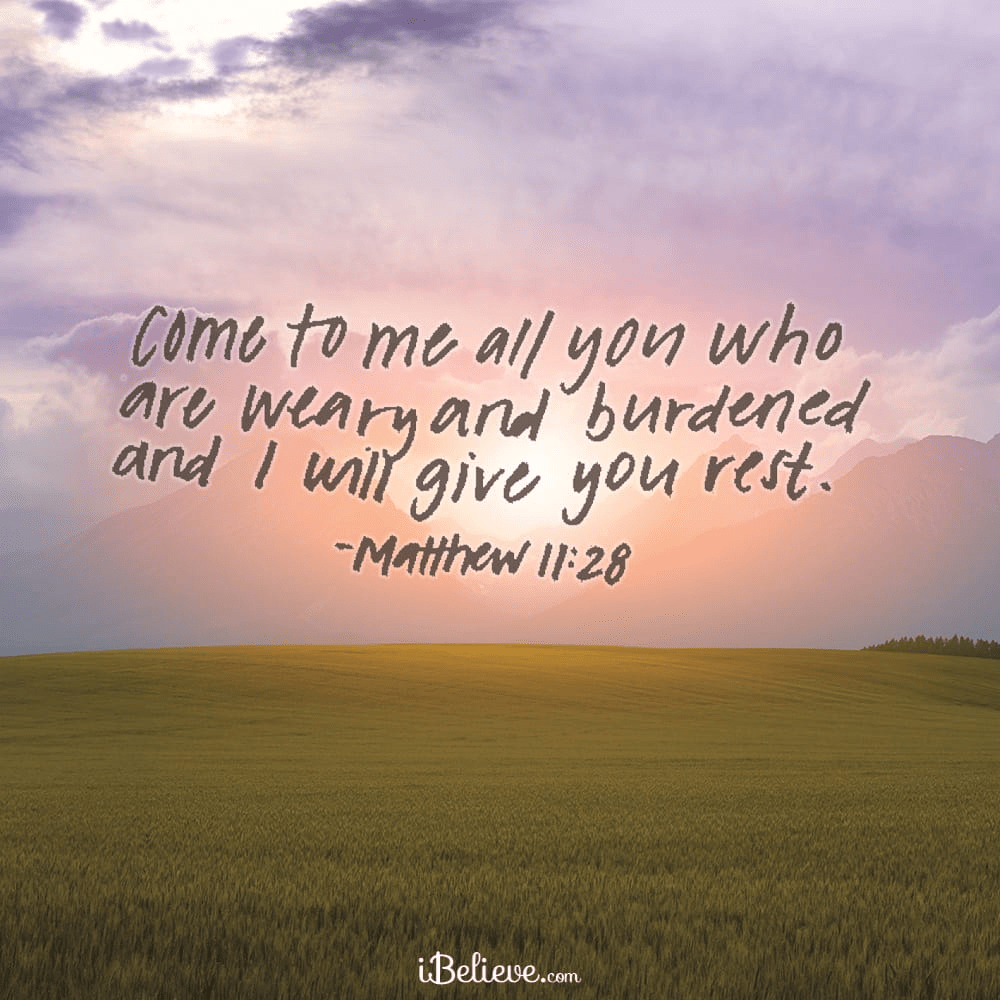
It has been three days since Sunday when we heard Jesus calling us to “Come to me, all you who labor and are burdened, and I will give you rest. Take my yoke upon you and learn from me, for I am meek and humble of heart; and you will find rest for your selves. For my yoke is easy, and my burden is light” (Mt.11:28-30).
It is one of the shortest and most memorable passage in the gospel but, how do we really come to Jesus in order to rest and feel light?
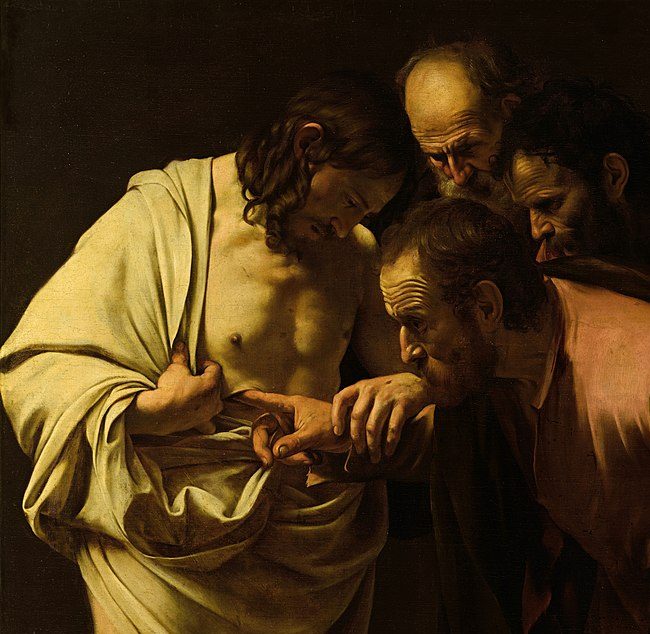
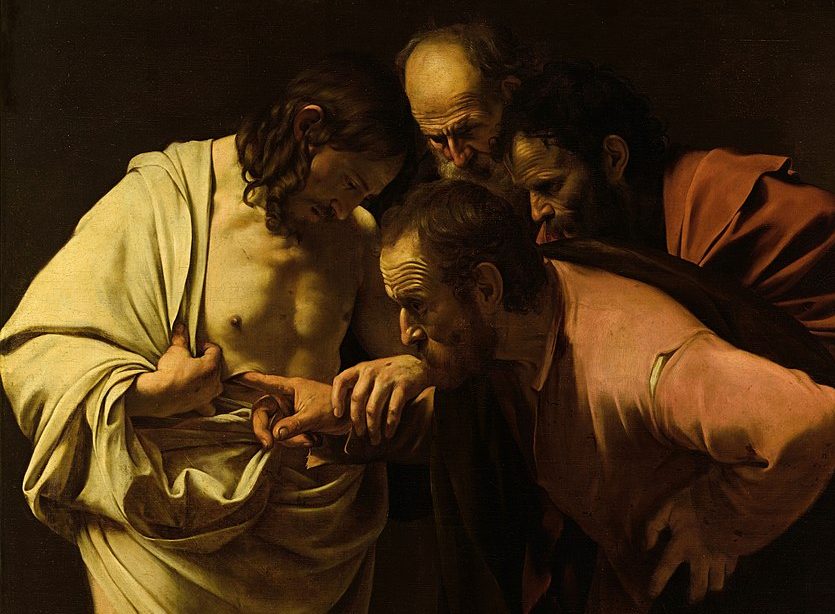
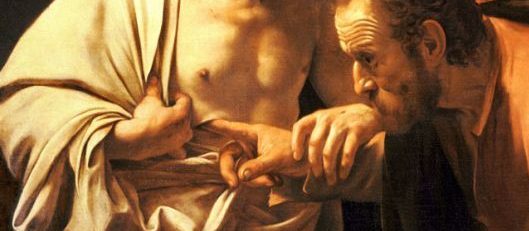
The good news is, it is Jesus who actually comes to us first, inviting us to come to him to find rest and feel light. Exactly like at the meeting of the Risen Lord and Thomas the Apostle eight days after Easter as narrated to us by John. You will recall that last Friday was the Feast of St. Thomas the Apostle (June 3) when I presented in my homily Caravaggio’s painting called The Incredulity of Thomas done in 1602. This is the second time I have used a painting by this renowned Italian painter said to be the favorite of the late Pope Francis too.
Photo of painting by Caravaggio, “The Incredulity of Thomas” via wikipedia.commons.org.
Thomas “refused” to believe the Apostles’ news to him that Jesus had risen, saying that “Unless I see the mark of the nails in his hands and put my finger into the nail marks and put my hand into his side, I will not believe” (Jn.10:25).
Many times we are like Thomas, a Didymus, with a twin in life like doubt and certainty, belief and unbelief, darkness and light.
Like Thomas, we say unconsciously that “Unless I see the mark of the nails in his hands and put my finger into the nail marks and put my hand into his side, I will not believe” (Jn.10:25) because it is when we are suffering, when we are in darkness, when we are in doubt when we truly search and long for God and Jesus.
It is not that Thomas nor we could not believe that Jesus had risen or doubted Christ at all; actually, Thomas believed in Jesus that is why he came on the eighth day to await the Lord’s coming in the same manner that we still pray despite our “doubts”.
Now a week later, his disciples were again inside and Thomas was with them. Jesus came, although the doors were locked, and stood in their midst and said, “Peace be with you.” Then he said to Thomas, “Put your finger here and see my hands, and bring your hand and put it into my side, and do not be unbelieving, but believe.” Thomas answered and said to him, “My Lord and my God!” (John 20:26-28)
Photo of painting by Caravaggio, “The Incredulity of Thomas” via wikipedia.commons.org.
See the artistry of Caravaggio in this painting, that characteristic play of light and darkness emanating from Jesus, illuminating Thomas and his elder Apostles Peter and John.
All darkness in life are diminished, even vanished completely when we bring everything and everyone in the light of Jesus Christ who comes to us to enlighten us, to illumine us from many darkness we go through in life like Thomas on that night of the eighth day of Easter.
But, there is more to the light of Christ that we can see in this Caravaggio painting.
Amid its stillness and silence, one could feel deeply Jesus Christ’s words last Sunday – come to me – echoed softly, personally, lovingly to Thomas. And to each one of us today.
Photo of painting by Caravaggio, “The Incredulity of Thomas” via wikipedia.commons.org.
John tells us that Jesus simply said to Thomas to “Put your finger here and see my hands, bring your hand and put it into my side, and do not be unbelieving, but believe.” Thomas answered and said to him, “My Lord and my God” (Jn.20:27-28).
Okay, fine… it is just my imagination or my contemplation that I heard Christ’s words last Sunday echoed in this scene, “come to me and I will give you rest” but, there is something so beautiful and deeply personal with Jesus in saying or implying those same words here. You can hear it so close, so near you, not from afar especially when you consider its Filipino translation of “Lumapit kayo sa akin” or the informal “Halikayo at lumapit sa akin” that both indicate a separation of even a few feet away from Jesus who is calling us.
See the proximity of the four people in this painting. That is how close Jesus gets to us whenever he comes to us, inviting us to come to him in order to find rest especially in those dark moments in our lives, when we feel hurt and abandoned. When we are so stressed out as seen in those wrinkles on the foreheads of the three apostles!
Contrast their images to the serenity of Jesus. Most of all, see also the hands of Jesus, of how his left hand with the nail wound visible moving aside his garment so that Thomas and his companions may see further his pierced side.
Whenever Jesus comes to us, calling us to come to him to show us his wounds from the cross to remind us that before all our pains and hurts came, he was there first to suffer and be wounded and died for us.
And he has come to us again, calling us to come to him because he had risen, assuring us that all our wounds like his will heal eventually! That is when we experience rest. And being light in life.
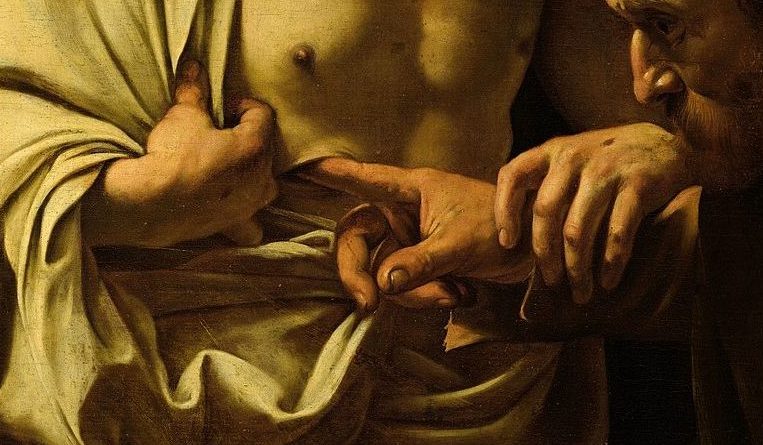
But, what I love most in this painting is the way Caravaggio depicted the Risen Lord holding the hand of Thomas while probing into his side wound:
Photo of painting by Caravaggio, “The Incredulity of Thomas” via wikipedia.commons.org.
How lovely! Caravaggio must be in the highest heaven when he painted this part.
Remember when Thomas dared to say unless he sees the nail marks in the Lord’s hands and put his hand at his side, he would not believe?
Jesus knew it so well not only with Thomas but with each one of us, of our being a Didymus, always with a twin of doubt so that he does not merely appear but touches us to experience deeply, personally his loving presence through his wounds.
See how Caravaggio depicted the left hand of Jesus again with the mark of nail holding the very hand of Thomas, directing his finger into his pierced side. You could feel the sure grip as well as gentleness of the Lord’s hand in leading the finger of Thomas into his pierced side wound. So dramatic as if it is not enough for Jesus to being present but most of all, experienced as closest at possible.
Jesus touches us always, literally and figuratively by holding our wounded selves to experience his wounded self too. He does not only call us in words but leads us with his total self.
Christ’s invitation for us to “come to him” remains personal and personalized. Not mass produced like what is happening these days where speed and reach are the main considerations, not the person.
While writing this piece yesterday, one of the blogs I follow came out with a new article exactly about last Sunday’s gospel scene, claiming that if God texts us today, these very words to “come to me” by Jesus would be his “text message” to us (https://thedevotionalguy.blog/2026/07/07/if-god-sent-you-a-text/).
I believe so. Because text messages have become the closest things we can have of anyone in these days of social media. However, if ever you receive that text message from Jesus, run outside to meet him personally for surely, he had come. Amen. God bless you.
Photo by author, St. Michael Retreat House, Antipolo City, 16 June 2026.
Lord My Chef Daily Recipe for the Soul by Fr. Nicanor F. Lalog II
Friday in the Thirteenth Week of Ordinary Time, Year II
Feast of St. Thomas, Apostle, 03 July 2026
Ephesians 2:19-22     <*{{{{>< + ><}}}}*>     John 20:24-29
Photo of painting by Caravaggio, “The Incredulity of Thomas” via wikipedia.commons.org.
Thank you,
dear Jesus
for this first Friday in July 2026,
the feast of your Apostle Thomas
called Didymus:
some say due to his having
the twin of faith and doubt
but most likely also our
very own twin because
like him,
deep within us
are many "dark places"
that need to be enlightened
by your light.
Thomas called Didymus, one of the Twelve, was not with them when Jesus came. so the other disciples said to him, “We have seen the Lord.” But Thomas said to them, “Unless I see the mark of the nails in his hands and put my finger into the nail marks and put my hand into his side, I will not believe.” Now a week later, disciples were again inside and Thomas was with them. Jesus came, although the doors were locked, and stood in their midst and said, “Peace be with you.” Then he said to Thomas, “Put your finger here and see my hands, and bring your hand and put it into my side, and do not be unbelieving, but believe.” Thomas answered and said to him, “My Lord and my God!” (John 20:24-28)
Every day
you also come to us,
Lord Jesus
amid the many darkness
around us,
often in our locked doors
of doubts and disbelief,
cynicism and pessimism,
grief and hopelessness;
many times we think
we infer
we rationalize
that your Resurrection
and presence are just too good
to be true!

So many things within us
resist a faith too easy to claim
or put into effect just to believe
you; enlighten the many "dark places"
within us that we have become
so skeptical these days:
our government and church
are just like so similarly plagued
with corruption and evil
that are sadly allowed
or tolerated,
justice utterly lacking with
evil doers seem to be more
favored than law-abiding ones
with all these persisting because
many are oblivious to the
darkness and disorder going on.
Where are you,
Jesus in all of our mess
in life as individuals,
as a nation,
as a church,
as a family
that we most often
doubt than believe?
Photo by author, St. Michael Retreat House, Antipolo City, 16 June 2026.
Guide my hand,
lead my finger into your
wounds,
dear Jesus
that I may experience
you Risen;
let me experience your
coming and loving presence
amid our darkness
and woundedness;
let me not seek you
Jesus in spectacular things
in feel-good situations
but like Thomas
in touching your wounds
in that dark room
be enlivened with your
inner light of peace
and assurance that
more than your miracle
of rising from the dead
is the reality of living,
of life coming out
from real death.
Grant me that spark of
faith like in Thomas
while touching your wounds,
Lord Jesus
so that a glimmer of hope
within me may finally glow
and grow as I follow you,
my Lord and
my God.
Amen.
Lord My Chef Daily Recipe for the Soul by Fr. Nicanor F. Lalog II
Monday in the Thirteenth Week of Ordinary Time, Year II
Solemnity of Sts. Peter and Paul, Apostles, 29 June 2026
Acts 12:1-11 ><}}}}*> 2 Timothy 4:6-8, 17-18 ><}}}}*> Matthew 16:13-19
Photo by Dra. Mylene A. Santos, MD, in Ericeira, Portugal, 16 June 2026.
Our readings today are a parable of the Church, of what we should be as the Body of Christ celebrating the Solemnity of St. Peter and St. Paul, the pillars of the Church. Most of all, both speak of that reality in our lives that life is a daily exodus from our selfish self.
We celebrate St. Peter and St. Paul together as pillars of the Church because they were able to overcome their great differences in personalities as well as their diverse cultural and social backgrounds to be won over by Jesus Christ in proclaiming his good news of salvation. Both eventually died as martyrs like Jesus.
Photo by author, Our Lady of Fatima University, Valenzuela City, 10 June 2026.
They displayed deep trust in the Lord whom they have come to know on a personal basis following a series of deep personal exodus through their daily conversion. Saints Peter and Paul did not become saints overnight; they went through a series of personal conversions, of abandonment of selves to God.
The churches in Europe need a lot of this exodus process like in Germany where some clergymen and laypeople refuse to accept the Vatican decision that homily is reserved only for the ordained ministers while a traditionalist group are threatening to ordain bishops and priests without Vatican approval. These are so unlike in the Church before when men and women who eventually became saints chose to suffer in silence than defy Church decisions that eventually through time were accepted.
There is always darkness and uncertainties in the Church, a kind of exodus we need to cross like in the experiences of Sts. Peter and Paul we heard in our first two readings today.
On the very night before Herod was to bring him to trial, Peter, secured by double chains, was sleeping between two soldiers, while outside the door guards kept watch on the prison. Suddenly the angel of the Lord stood by him and a light shone in the cell. He tapped Peter on the side and awakened him, saying, “Get up quickly.” The chains fell from his wrists. The angel said to him, “Put on your belt and your sandals.” He did so. Then he said to him, “Put on your cloak and follow me.” So he followed him out, not realizing that what was happening through the angel was real; he thought he was seeing a vision (Acts 12:6-9).
Photo by Mr. Lorenzo Atienza of the bass relief of St. Peter by artist Nick Lugue at the Malolos Cathedral, 12 June 2019.
How could Peter sleep soundly after being arrested and thrown into prison with two soldiers sandwiching him inside his cell while a host of other guards secured the area outside?
It is a very amusing story about our “prince of the Apostles” sleeping soundly so similar with St. Joseph who slept soundly too in a similar critical situation when he decided to silently leave Mary who was found pregnant with a child before they were married.
Both Joseph and Peter slept soundly under critical situations because of their complete trust and faith in God, of their abandonment of selves to God. We find it difficult to sleep when we have problems because we cannot decide decisively as we lack trust and faith in God, unlike Peter and Joseph.
But, Peter shows us another dimension of his trust in God – his total trust also in the Church, believing that they were all praying for him.
It is a beautiful imagery of the Church then and now, always in darkness during night time when Peter was imprisoned. And that is the parable of this scene: it is always a time of Exodus for us in the Church, of passing over from every trials and difficulties, always trusting our leaders, trusting our faithful and most of all, entrusting everything to God!
If there is one thing most needed these days in our Church especially in the Philippines is this attitude of being in an Exodus, of exiting from our imprisonment in partisan politics so that we can go back to our true mission and mandate of preaching Jesus Christ not only with our words but with our lives. We in the Church can be political without being partisan; the moment we become partisan, most likely we are no longer preaching Christ because we are already rooting for somebody else instead of God.
May we imitate Peter by abandoning everything to God in deep prayers, following God not our plans as symbolized by his putting on his belt and sandals as commanded by the angel.
Photo by Mr. Lorenzo Atienza of the bass relief of St. Paul by artist Nick Lugue at the Malolos Cathedral, 12 June 2019.
Life can only become a daily exodus when we learn to trust and abandon ourselves to God like St. Peter and St. Paul as we see also in his letter to Timothy:
I, Paul, am already being poured out like a libation, and the time of my departure is at hand. I have competed well; I have finished the race; I have kept the faith. The Lord stood by me and gave me strength, so that through me the proclamation might be completed and all the Gentiles might hear it. The Lord will rescue me from every evil threat and will bring me safe to his heavenly kingdom. To him be glory forever and ever. Amen. (2 Timothy 4:6-7, 17, 18)
Imagine the stress of being in prison but without any hint of duress on Paul while awaiting death as seen with his incomparable eloquence in writing, something very evident in all his letters where he always expressed his total abandonment of self to Christ, of his faith in God.
In this beautiful portion of his letter to Timothy, Paul reminds us that life as a daily exodus is to live our lives as a worship to God expressed in that opening line am already being poured out like a libation. A libation is a drink offered to gods in ancient Greece and Rome; as he approached death, Paul summarized here his entire life as an offering to God that we also see in his other writings.
That is the challenge of this solemnity to us, that we live our lives as a form of worship to God. Our very lives in itself are a prayer, always centered on God, something so foolish when we go by the standards of the world today that is all show – palabas – with nothing substantial inside because only money and fame matter. Paul was very much like Peter who lived their lives as prayers that like Christ in the end, both offered the highest offering of all, martyrdom.
Second thing we find in this excerpt from Paul’s letter to Timothy is the deeper meaning of death as a passage to heaven, an exodus: “The Lord will rescue me from every evil threat and will bring me safe to his heavenly kingdom” (v.18). Paul freely accepts his death, making it a blessing for others that we must emulate. Instead of having those bucket lists of things to do before dying, Paul is teaching us death comes in every present moment that we must always prepare for its happening so that the next generation may continue the good things we have started.
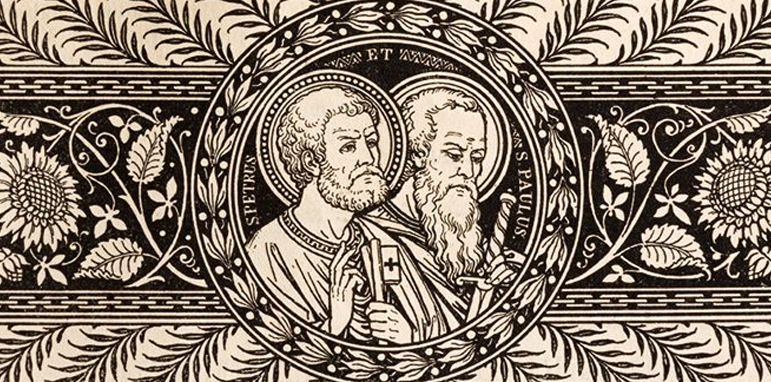
The lithography of Sts. Peter and Paul in Missale Romanum by unknown artist with initials F.M.S (19. cent.) printed by Typis Friderici Pustet. (Renáta Sedmáková | us.fotolia.com)
The key to unlocking how Peter and Paul achieved so much for God and for the Church lies in their personal relationship with Jesus Christ mirrored in their lives.
Many Christians are losing their faith and interest in the Church, leaving in great numbers because of the mixed signals we give them on what do we say who Jesus is. The Church grew in leaps and bounds during the time of Peter and Paul because both apostles shared the true Jesus Christ not only in their words but also in their deeds. They trustingly and humbly went through daily exodus beginning in their very selves in knowing Jesus Christ more clearly, loving him dearly, following him closely and witnessing him daily. May your Monday lead you a fulfilling exodus. Amen.
Lord My Chef Sunday Recipe by Fr. Nicanor F. Lalog II
Third Sunday in Ordinary Time, Cycle A, 25 January 2026
Isaiah 8:23-9:3 ><}}}}*> 1 Corinthians 1:10-13.17 ><}}}}*> Matthew 4:12-23
Photo by author, sunrise at the Lake of Galilee, the Holy Land, May 2019.
More than a month ago at the Midnight Mass of Christmas we have heard this Sunday’s first reading, that beautiful prophecy by Isaiah fulfilled in Jesus Christ’s coming.
First the Lord degraded the land of Zebulun and the land of Naphtali; but in the end he has glorified the seaward road, the land west of Jordan, the district of the Gentiles. Anguish has taken wing, dispelled is darkness: for there is no gloom where but now there was distress. The people who walked in darkness have seen a great light; upon those who dwelt in the land of gloom a light has shone (Isaiah 8:23-9:1).
When Jesus heard that John had been arrested, he withdrew to Galilee. He left Nazareth and went to live in Capernaum by the sea, in the region of Zebulun and Naphtali, that what had been said through Isaiah the prophet might be fulfilled… (Matthew 4:12-14).
As we move forward into Ordinary Time, we hear anew one of the most beautiful promises in the Old Testament of how the coming of the Christ is the “breaking of dawn of salvation” as Zechariah sang in his Benedictus after naming his son “John” when light bursts forth to dispel the darkness that had enveloped us for a long time.
Photo by author, sunrise at the Lake of Galilee, the Holy Land, May 2017.
Notice that it is those who live and walk in darkness literally and figuratively speaking are always the first to come forward into the light like the people in Galilee at that time, especially the towns of Zebulun and Naphtali who were actually names of Jacob’s two other sons. Their tribes settled in that area of Galilee that was at the border with other pagan countries always subjected to wars and conflicts with foreigners. Their lands were literally in the dark, never at peace as if forsaken.
Here lies the good news of this Sunday: after hearing the news of John’s arrest, Jesus launched his public ministry. Notice how plain and simple was Matthew’s narration, “When Jesus heard that John had been arrested” – it was another period of darkness for the people with rampant violence and injustice. However, it was not totally dark at all: see how Jesus withdrew to Galilee; Christ’s “withdrawing” to Galilee was not something negative but actually more of a positive development. Jesus chose to begin his ministry in that forsaken province of Galilee to show his love and concern for the people long forgotten. Remember how at that time that Jerusalem was the center of everything, something like an “imperial Manila” we call these days.
Here we find again that imagery of Jesus like in his birth that happened during the darkest night of the year that 30 years later, he chose to go to the darkest region of Israel to bring light of salvation to everyone. Jesus comes to us most in moment of darkness in our lives! When we are troubled by sins and problems, never lose that spark within for Christ had come, is coming and continues to come to us! Matthew mentioned this prophecy of Isaiah of the great light shining in the land of gloom not really for his readers then and now to remember what God had done in the past but to make us all aware always that God continues to send us his Son Jesus in these dark moments of our lives. In telling us how Jesus began his ministry by withdrawing to Galilee in the land of Zebulun and Naphtali, Matthew wants us to be aware of what God has done for us, of giving us Jesus, the true Light of the world right into the many darkness we are going through in life today.
More than the news overseas that we have heard like wars and the breaking apart of world peace and order with America suddenly flexing its muscles to remind everyone they are still great and powerful or the very frustrating corrupt lawmakers of the country, we are all in some form of being in the midst of darkness in our personal lives too like a sick loved one or a problematic brother or sister.
Photo by author, San Juan, La Union, 08 January 2026.
God has delivered us from slaveries of sin and selfishness in Christ’s coming and presence among us. Surely there would always be darkness and shadows in our lives this 2026 but Jesus is telling us today in his withdrawing to Galilee after hearing John’s arrest that we need to get out of our own darkness! There is no more darkness in Christ’s coming; it is us who have darkened our lives with our selfish interests like the quarrels and animosities against one another that St. Paul warned against in the second reading.
Every time we destroy our unity, our oneness, we plunge ourselves into darkness. Whenever we refuse to bow down, when we refuse to give way, when we refuse to forgive even forgo or let go of others inanities, we go back to darkness. Inasmuch as Jesus Christ is the great light who shone on the many darkness of our lives, he is calling us like the first four disciples to bring his light to others.
Was it really that easy for the brothers Simon and Andrew, especially brothers James and John to immediately leave behind their livelihood and father so easily for Jesus? Not really. Matthew need not go into details about their call and conversion because most likely, they went through the same stages we have gone through or going through right now as we pray and reflect about our life direction. Like us today, Simon and Andrew, James and John experienced burn out, searching for meaning in life that after listening to the words of Jesus, they felt and saw him as the light enlightening everything for them. They saw in Jesus their lives and very person getting clearer that they decided to follow him and become fishers of men.
How far are we willing to repent and be converted in the light of Christ to start anew living in the land of loving God, self, and others?
Photo by author, Bolinao, Pangasinan, 19 April 2022.
I have always loved sunrise. Though sunsets are more colorful and dramatic like a spectacular show called palabas in Filipino, sunrise is different: it is more of paloob, an inside movement that is subtle yet intense when light steals into shadows as the sun is gradually breaking open the darkness to reveal what is unseen.
That is why our Filipino term for sunrise is more evocative of its deeper meaning as pagbubukang liwayway which literally means breaking of dawn. Every morning person (madrugeño in Spanish) knows so well those feelings of being up before sunrise, of exactly catching the breaking of dawn that is always joyful and liberating with a certain kind of lightness and relief from deep within because another day is given us.
Maybe it is a carry over with my having worked for three years in the graveyard shift covering the police beat while still working at GMA News in the late 1980’s. But more recently, I feel that imagery of coming forward into the light resonates most after a good confession when we deeply realize God’s immense love, that God is not that really angry at all with us because of our sins, that there is a bright light to always look forward in this life amid all the darkness and shadows enveloping us.
Today is the National Bible Sunday. It is when we prayerfully read the Sacred Scriptures everyday that we see the light of Christ in our selves, in our lives. The more we pray the Scriptures, the more we are enlightened, the more we are filled with the light of Christ that enables us to see too his light on the face of those we meet daily. Let us step out of our darkness in life this Sunday and everyday to henceforth experience and share Christ. Amen. Have a blessed, enlightening week ahead!
Lord My Chef Wedding Recipe by Fr. Nicanor F. Lalog II
Homily, Wedding of Ellah and John Victor
Santuario de San Jose Parish, Greenhills, Mandaluyong
27 December 2025
A former student in our girls’ high school invited me to officiate her wedding last December 27, 2025; we were supposed to meet December 20 before my Simbang Gabi in our university chapel for my formal invitation when her father died suddenly that same afternoon while on a trip down south with his fellow big-bikers.
Ellah was so devastated with the news, wanting to reset her wedding. She has been working overseas for the past three years and had saved enough for her wedding day. Her only request from her parents who have separated when she was in elementary was for them to be together when she gets married. And they willingly obliged for their unica hija. And then tragedy struck exactly a week before her wedding day that happened to be the feast day of St. John Evangelist, the beloved disciple of the Lord. Sharing with you my homily on that bittersweet day of wedding of a beloved student and funeral of her father.
Congratulations, Ellah and JV on this most joyous day of your lives.
I know, it must be so difficult for you, Ellah but I am so glad that you still pushed through with your wedding today as planned. Your dad would not be happy if you had this postponed.
Showbiz ka rin talaga, Ellah!Parang cine – a wedding and a funeral.
But, let it be clear with you both, Ellah and JV that God willed it for you get married today on the feast of Jesus Christ’s beloved disciple St. John the Apostle and Evangelist. God wanted you to be married this day – not next year nor next month, nor last year. This is the day that the Lord has made for you to seal your love at His altar in this beautiful church because God has great plans for you, Ellah and JV.
Our gospel is so beautiful – the story of Easter when Jesus Christ rose from the dead.
On the first day of the week, Mary Magdalene ran and went to Simon Peter and to the other disciple whom Jesus loved, and told them, “They have taken the Lord from the tomb, and we don’t know where they put him.” So Peter and the the other disciple went out and came to the tomb (John 20:1,2-3).
“The Three Marys” (1910), painting by American Henry Osawa Tanner from biblicalarchaeology.org.
Here we find a most beautiful image of human relationships, of how a woman needs a man, and a man’s readiness to be at her side, to comfort and accompany the woman.
Just like you today, Ellah and JV.
Of course, Mary Magdalene and Simon Peter were both disciples of Jesus. They have no romantic relationships. But, the mere fact that Mary thought of reporting the missing body of Jesus to Peter being the leader of the Apostles speaks a lot to us these days when gender equality is overextended.
A woman needs a man for leadership that is why he is the man of the house. This we find in the rite of putting on veil on the newly-weds: only the head of the woman is covered because in every family, in every couple there is only one head, one leader – the man. Wherever there are two heads, it means there is a monster. There can be no order in any relationship when everyone is the leader or the head. This is most especially true in every couple.
However, let it be clear too that these mutual need of woman for man and man for woman is always governed by love which is more than a feeling but a decision, a meeting of one’s mind and heart. If your read the letters of St. John like what we have in our first reading today, you will realize three important lessons by the beloved disciple about LOVE:
Ellah and JV, remain rooted in God for “God is love.” If there is one thing you have found so clear in your lives since college, Ellah and JV, God has always been there with you. His abiding love never forsake you both, especially in your most trying times. Keep serving Him in your parish, in your lives, in your married life. Handle life with prayer.
Second, St. John tells us that love is not merely said in words but proven in deeds and works.
Walk your talk of “I love you.” One of the things I ask couples preparing for marriage is, who should be the first to greet, to speak when you have an LQ? Sino dapat maunang kumibo kapag nag-away ang mag-asawa o magkasintahan?
Many say it should be the man but I ask them whatever happened to the principle of ladies first? On the other hand, some say whoever caused the quarrel must be the one to apologize but the problem is, would anyone admit fault? The answer is simple but difficult to practice: whoever has more love to give must be the first to blink, must be the first to make the move. Love in any relationship is not a competition. Just keep on loving and loving. Show and make your love felt in actions. Not just words.
Third, very clear with St. John that love is always self-giving.
The true measure that you have loved is when you are able to love somebody else more than yourself. Love is always the giving of self.
In another part of his letter, St. John beautifully wrote that “No one has ever seen God. Yet, if we love one another, God remains in us, and his love is brought to perfection in us” (1Jn.4:12).
Remember, Ellah and JV, Jesus is always between the two of you, not in front nor at your back. Whatever you do to each other, you do it first to Jesus. When you work hard JV and become patient with the tantrums of Ellah, you first become loving to Jesus and then to Ellah. The same with you Ellah: when you take care of JV, when you cook his favorite meal, you are first loving Jesus then JV. But, the moment you become mean to each other, when you become unfaithful to each other, Ellah and JV, you become unloving first to Jesus and then to each other.
Wedding is not everything, Ellah and JV. There will be dark days and difficult times ahead of you, just like now as you grieve at the death of your dad, Ellah.
But, remember Ellah and JV your gospel today: Easter happened when it was dark; the tomb was empty because Jesus had risen from the dead. Like in life, whenever it is dark and empty, hold on to each other Ellah and JV, have faith in God for there in your midst is Jesus Christ.
Never lose hope in life; as I used to teach you Ellah in high school, hopelessness is the opposite of love, not hatred. The moment you find no hope in everyone and in everything, then you stop loving and that is when you start destroying everything and everyone. Never lose that hope and you will always find love, Ellah and JV. God bless you more and blessed Merry Christmas!
Lord My Chef Daily Recipe for the Soul, 17 November 2025
Monday in the Thirty-Third Week of Ordinary Time, Year I
Memorial of St. Elizabeth of Hungary, Religious
1 Maccabees 1:10-15, 41-43, 54-57, 62-63   <*(((>< + ><)))*>   Luke 16:35-43
Jesus asked him,
"What do you want me
to do for you?"
He replied,
"Lord, please let me see."
Jesus told him,
"Have sight;
your faith has saved you"
(Luke 18:40-42).
What a touching story
for this Monday
as we quickly approach
the end of our liturgical
calendar,
when Jesus likewise
in the gospel is on his final
journey before his Passion
to Jerusalem.
"What do you want me
to do for you?"
Honestly,
Lord Jesus,
I do not know
 what I really want
in life;
as I get older,
it seems the
more I get confused
and afraid of many things
as I start to feel my body
ageing, getting weaker,
forgetting a lot of things,
feeling desperate at times
like that blind man at the roadside.
And so,
I cry out to you too
like him with
"Jesus, Son of David,
have pity on me!"
This time I know what I want
from you:
like him,
let me have sight;
clear my mind
and my heart
and my soul
of all doubts and fears,
hesitations
and mistrust
that I too may leave
the "roadside"
to follow you closer on
the road to Jerusalem
like St. Elizabeth of Hungary,
praying more,
believing more,
giving up more,
and giving more
of myself to you
through others.
Amen.
Today we also pray
in a special way to all
those having problems
with their in-laws,
those grieving the lost
of a child,
and widows:
O St. Elizabeth of Hungary,
you went all through
these pains and sufferings,
please pray for the many
wives and mothers
and widows going thrugh
these. Amen.
Fr. Nicanor F. Lalog II
Our Lady of Fatima University
Valenzuela City
Lord My Chef Daily Recipe for the Soul, 10 October 2025
Friday in the Twenty-Seventh Week of Ordinary Time, Year I
Joel 1:13-15; 2:1-2     <*((((><  +  ><))))*>     Luke 11:15-26
Photo by Mr. Raffy Tima of GMANews in Batanes, 05 October 2018.
Your words today
are so powerful, Jesus:
the Prophet Joel called it
"the Day of the Lord"...
Let all who dwell in the land tremble, for the day of the Lord is coming; yes, it is near, a day of darkness and of gloom, a day of clouds and somberness! Like dawn spreading over the mountains, a people numerous and mighty! Their like dawn has not been from of old, nor will it be after them, even to the years of distant generations (Joel 2:1-2).
What a moment
of blessed desolation,
Lord: tangible darkness
everywhere that comes from
within, that feeling of being
afraid because you are calling me
to return to you, O Lord;
it is a blessed desolation
because despite the darkness
and emptiness, you are here
within me, Lord when
your darkness is light,
your emptiness is fullness;
it is blessed desolation for
in the stillness and silence
of losing everything,
you are present, Lord,
within me
in every crisis,
in every turmoil
extending your hand
to make me experience
your power - "the finger of God"
that make realize all good things
come only from you
and nothing bad could ever
come from you as some in the crowd
accused Jesus.
Let your day,
O Lord, come!
It is not enough that
we do not sin
but we must always
be filled with your Spirit,
always in your state of grace
so that there is no space for
evil to return and occupy us;
let us not be complacent
with your presence
and friendship, Jesus:
renew us daily in you
so we revere you daily,
ever ready
to follow you.
Amen.

Fr. Nicanor F. Lalog II
Our Lady of Fatima University
Valenzuela City
(lordmychef@gmail.com)
Photo by Mr. Raffy Tima of GMANews, 27 October 2018.