An august month, not a ghost month

Quiet Storm by Fr. Nicanor F. Lalog II, 09 August 2024
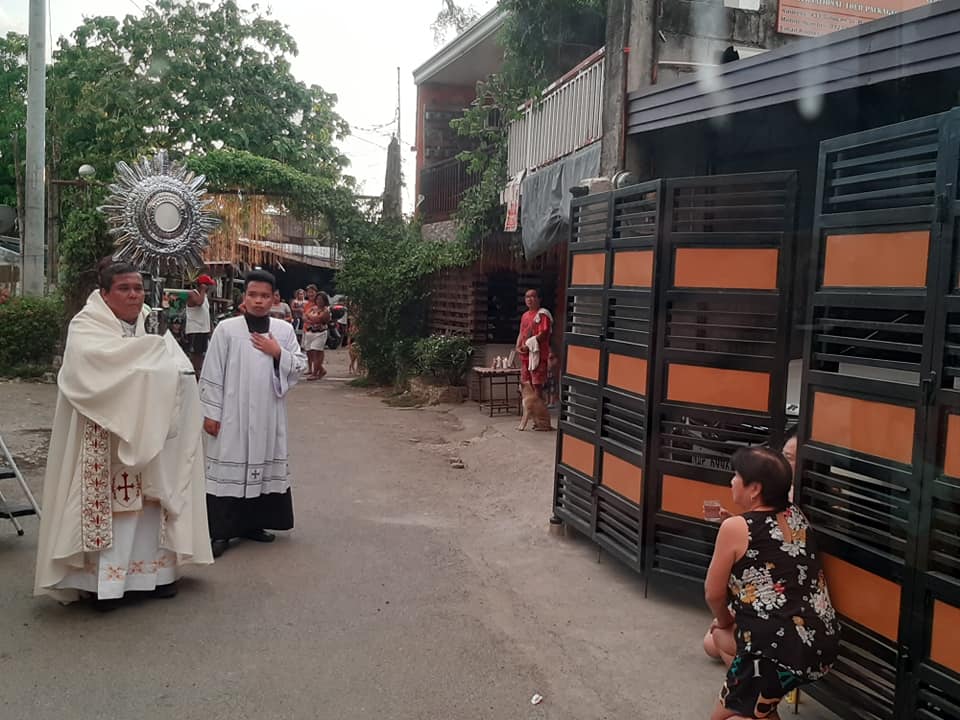
Photo by author, Parish of the National Shrine of Our Lady of Fatima, Valenzuela City, 24 July 2024.

I was recently asked to bless a little store the other day, the seventh day of August. My schedule was toxic with another appointment in another city but the owner begged because she believed it is the most auspicious date for blessing.

How I wanted to ask her why have a blessing at all if you believe in luck than in God? Para wala nang gulo, I blessed her store but explained the meaning of blessing and of superstitions during the rites. It is one of those occasions when all we can do is sigh, saying haynaku and Juice colored!

What a sad reality in our Catholic Christian country where the kind of religiosity that binds most of us is more on rites and rituals but lacking in roots and spirituality, centered on ourselves to be assured of every kind of material blessings, forgetting all about the very object of faith who is God expressed in our concern for one another.

And in the light of all these things going on especially the never ending topics in social media, we ask, pera pera na lang ba talaga ang lahat sa buhay natin?

From catholicapostolatecenter.org.

Consider the name of this month August which was borrowed from the Roman Caesar Augustus that signifies reverence or to hold someone in high regard. As an adjective, august means “respected and impressive” like when we say “in this august hall of men and women of science”.

August is not a ghost month nor any other month of the year.

Like the days of the week, every month is a blessed one. No day nor date nor time is malas because these were all created by God who is all good. Nothing bad can come from God. Period.

Moreover, when God became human like us in the coming of Jesus Christ, life has become holy, filled with God, debunking those ancient beliefs of the Divine being seen in various cosmic forces. Pope Benedict explained this so well in his second encyclical:

Photo by author, St.Scholastica Retreat House, Baguio City, 2023.

In this regard a text by Saint Gregory Nazianzen is enlightening. He says that at the very moment when the Magi, guided by the star, adored Christ the new king, astrology came to an end, because the stars were now moving in the orbit determined by Christ[2]. This scene, in fact, overturns the world-view of that time, which in a different way has become fashionable once again today. It is not the elemental spirits of the universe, the laws of matter, which ultimately govern the world and mankind, but a personal God governs the stars, that is, the universe; it is not the laws of matter and of evolution that have the final say, but reason, will, love—a Person. And if we know this Person and he knows us, then truly the inexorable power of material elements no longer has the last word; we are not slaves of the universe and of its laws, we are free. In ancient times, honest enquiring minds were aware of this. Heaven is not empty. Life is not a simple product of laws and the randomness of matter, but within everything and at the same time above everything, there is a personal will, there is a Spirit who in Jesus has revealed himself as Love[3]. (#5, Spe Salvi (Saved in Hope) by Pope Benedict XVI, 30 November 2007)

Photo by author, Sacred Heart Novitiate, Novaliches, QC, 20 March 2024.

I love this part of his encyclical, “It is not the elemental spirits of the universe, the laws of matter, which ultimately govern the world and mankind, but a personal God governs the stars, that is, the universe; it is not the laws of matter and of evolution that have the final say, but reason, will, love—a Person.”

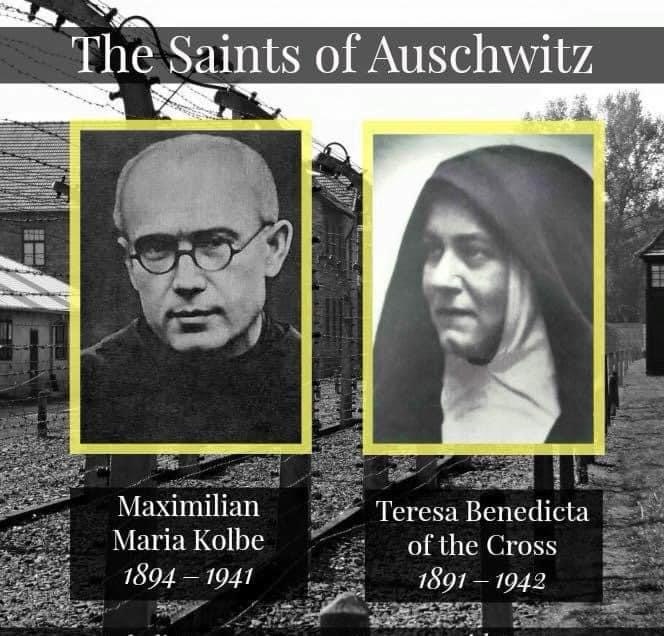
It was this Person of Jesus Christ why so many great men and women then and now have abandoned their previous ways of life to lead holy lives even in the face of death. Very interesting in this modern time are two great saints we celebrate on this month of August, St. Teresa Benedicta of the Cross (August 09) and St. Maximilian Kolbe (August 14) who died at the gas chambers of Auschwitz during the Second World War. Let’s reflect first on St. Teresa Benedicta whose memorial we celebrate today.

Photo from FB page of Scott Hahn, 09 August 2024.

St. Teresa Benedicta is the German philosopher Edith Stein. She came from a prosperous Jewish family gifted with great mind becoming one of the first female university student and later professor in Germany.

An associate of the famed Edmund Husserl of the philosophical method of phenomenology, St. Teresa Benedicta became an atheist during her teenage years; but, upon further studies and prayer, converted into Catholicism, becoming a Carmelite nun where she adopted her new name. She wrote that “Those who seek truth seek God, whether they realize it or not“.

She actually had all the chances to leave for South America and then to Switzerland to escape the Nazis but opted to stay in their monastery in the Netherlands with her younger sister Rosa who had also converted as Catholic and joined the Third Order Carmelite. When they were arrested on August 2, 1942, she told her, “Come, Rosa… we go for our people.”

St. Teresa Benedicta honored her Jewish roots by dying among them as a martyr of Christ, one who had “learned to live in God’s hands” according to Sr. Josephine Koeppel, OCD, a translator of much of her works. According to various accounts, St. Teresa Benedicta showed great inner strength by encouraging her fellow prisoners to have faith in God while helping in looking after the small children when their mothers were so distressed to do so. One woman who survived the war wrote: “Every time I think of her sitting in the barracks, the same picture comes to mind: a Pieta without the Christ.”

Dying ahead of her in Auschwitz on August 14, 1941 was St. Maximilian Kolbe, a Franciscan priest who was arrested for his writings against the evil Nazis. It was actually his second time to be arrested.

When a prisoner had escaped from the camp, authorities rounded up ten men to die in exchange of the lone escapee. Fr. Kolbe volunteered to take the place of a married man with children. They were all tortured and starved in order to die slowly in pain. A devotee of the Blessed Virgin Mary, St. Maximilian was injected with carbolic acid on the eve of the Assumption after guards found him along with three other prisoners still alive, without any signs of fear like screaming but silently praying.

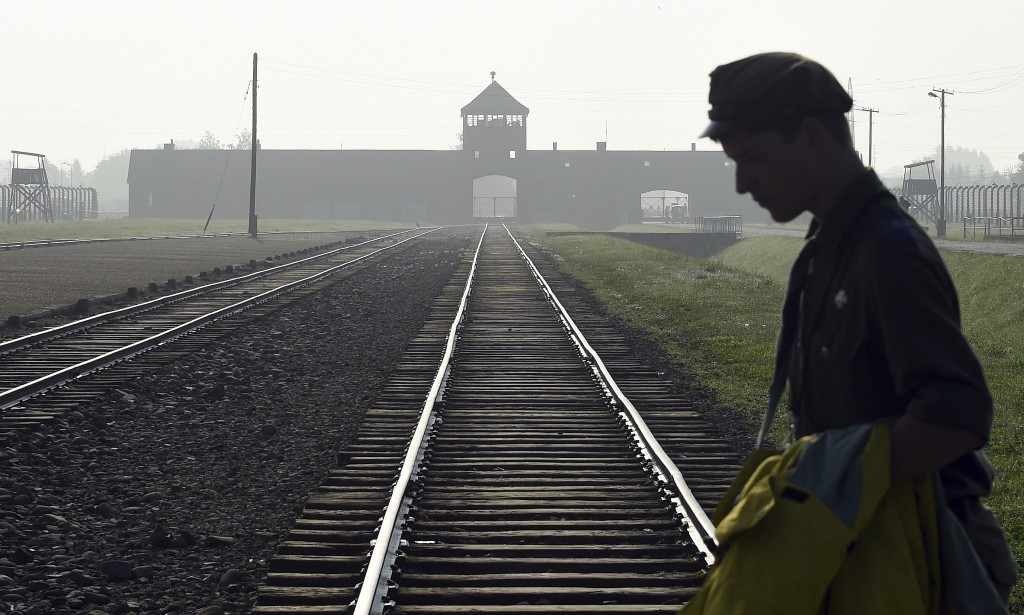
Photo of Auschwitz from Google.

We no longer have gas chambers but atrocities against human life continue in our time, hiding in the pretext of science and laws. Until now, men and women, young and old alike including those not yet born in their mother’s womb are hunted and killed to correct what many perceived as excesses and wrongs in the society. Just like what Hitler and his men have thought of the Jews at that time.

The Nazi officers and soldiers of Auschwitz remind us the true “ghosts” and evil spirits of our time sowing hatred and deaths are people who may be well-dressed, even educated in the best schools, and come from devout or “normal” families. They sow evil every day without choosing any particular month, blindly following orders without much thinking and reflections or introspection.

Photo by author, James Alberione Center, QC, 08 August 2024.

Many times, they insist on following or speaking the truth – a truth so empty of the person of Jesus Christ. As we have been saying amid this growing trend of wokism and inclusivity that have badly infected the Olympics, people tend to exaggerate the truth they believe or follow when actually, they are just exaggerating themselves.

By the lives of the many great saints of August, or of any other month for that matter, we are reminded that holiness is not being sinless but simply being filled with God, being converted daily to the truth of Jesus Christ by allowing that holiness to spill over and flow onto others with our lives of authenticity expressed in charity and mercy, kindness and justice, humility and openness with one another.

Let us make every month holy and blessed with our good deeds to make everyone aware of Christ’s presence among us. Have a blessed weekend!

“Is It Over” by Ronnie Milsap (1983)

The Lord Is My Chef Sunday Music, 31 March 2024
Photo by author, Sacred Heart Novitiate, Novaliches, QC, 20 March 2024.

Blessed happy Easter everyone! We take a melancholic love song on this day of celebrating the triumph of love in Jesus Christ’s Resurrection because Easter is a continuing journey with Him, in Him and through Him amid darkness and emptiness in life (https://lordmychef.com/2024/03/30/easter-is-signs-scripture-together-always/).
Like the story of that first Easter morning while still dark when Mary Magdalene and later Simon Peter with the beloved disciple found the tomb of Jesus empty except for His burial cloths neatly folded to indicate the Lord’s rising from the dead, Ronnie Milsap’s 1983 hit Is It Over speaks a lot of the essence of Easter about faith in the love of Jesus Christ.

Milsap’s Is it Over invites his beloved to sincerely search her heart to get over her former relationship so that theirs would flourish and grow; in the same manner, we need to get over our Good Fridays in order to experience the glory of Easter Sundays in life.

Is it over, are you really over him
Is it over, or will you take him back again
If it’s over you can let his memory in
Come on over, we’ll let our love begin.

You say you can’t count the times that he’s hurt you
And he’s hurt you for the last time
Now you say I’m the one that you’re needing
But is the need in your heart or just in your mind.

Is it over, are you really over him
Is it over, or will you take him back again
If it’s over you can let his memory in
Come on over, we’ll let our love begin.

Like Jesus calling us every day in our lives to come over to Him by leaving behind our past hurts, Is it Over tells on the need to move on in life, to embrace the present by learning from the past. Most of all, of the need to confront one’s true self in the heart, not just in the mind in order to move on in life.

Milsap’s music and voice are uniquely refreshing that sound very Easter perhaps due to his personal experiences. Born partially blind and abandoned by his mother after birth, Milsap grew up in poverty with his grandparents in the Smoky Mountains of North Carolina. Despite his handicap and poverty, he was found exceptionally brilliant and talented even while in his early childhood when he was sent to a school for the blind at the age of five where he developed his musical talent at age seven. He was later sent to Governor Moorehead to formally begin studies in classical music. It was there in his early teens when Mislap learned to play several musical instruments and chose to master the piano.

At age 14, Milsap became totally blind after being slapped on his left eye by one of the houseparents but that never affected his pursuits in learning as well as music. He was able to finish college through scholarships and was already in law school as a full scholar when he decided to leave to concentrate in music in 1964.

He met his wife Joyce Reeves in one of their gigs the following year, got married and remained together until her death in 2021 due to cancer. They had a son, Ronald who died in 2019 aged 49 apparently due to a medical condition

Is It Over follows the style of Milsap’s earlier and biggest breakthrough in 1977, It Was almost Like a Song that topped the Billboard charts in many categories. Both songs are very popular among us Filipinos who are certified romantics.

Now aged 81, Milsap remains active in the music scene as a composer, collaborating with some of the biggest names in the industry. His life is a beautiful example of the Easter glory amid many darkness and emptiness. Although officially retired, it isn’t over yet for Mislap as he continues to record and busies himself with a podcast as well as an amateur radio enthusiast.

Here now is Milsap’s lovely song, Is It Over.

From YouTube.com

Light a candle to pray better.

Quiet Storm by Fr. Nicanor F. Lalog II, 08 February 2024
Photo by Irina Anastasiu on Pexels.com

Last Friday was the Feast of the Presentation of Jesus to the Temple (February 2) also known as the Feast of the Candlemass wherein candles were blessed outside the church after which the people led by the priest enters to begin the Mass in a procession with lighted candles. 

Candlemass is a beautiful celebration, especially when done properly by priests. Its origin dates back to more than 1500 years ago in France where it started when people incorporated the blessing of candles into the Feast of the Presentation then known with its Eastern title as “the Encounter” to refer to how Simeon with the Prophetess Anna met the child Jesus being offered by his parents Joseph and Mary to the temple 40 days after Christmas. According to St. Luke, Simeon sang the following upon meeting the child Jesus Christ.

Presentation in the Temple painting by Fra Angelico from fineartamerica.com.

“Now, Master, you may let your servant go in peace, according to your word, for my eyes have seen your salvation, which you have prepared in sight of all the peoples, a light for revelation to the Gentiles, and glory for your people Israel.”

Luke 2:29-32

In proclaiming Jesus Christ as the “light” of salvation for the nations, the early French Christians thought of having the blessing of candles and procession of lighted candles to signify Jesus as the only and true light of the world. Thanks be to God for those pious early French Christians!
Photo by icon0.com on Pexels.com

Though candles are no longer used as a major source of lighting in homes and other places, it is still used in almost all churches, monasteries and other houses of worship around the world, gaining a renewed popularity among the younger generation. It is a most welcomed development in our modern time as more and more people are rediscovering the need for spiritual growth of whatever label. And right in the midst of this is the candle as a tool for better prayer periods. 

Unfortunately, this beautiful tradition of the candles is dying in our country. How ironic that we who belong to the Third World have switched to electric vigil lamps and candles while those in the First World still use the traditional candles in their homes and churches. 

Go abroad like in North America and Europe, one finds a plethora of all kinds of beautiful candles used and sold even in the simplest churches and stores! During a Holy Land pilgrimage in the 2017 Easter Season, one of the things I appreciated and admired next to the pilgrim sites were the lovely and regal designs of paschal candles in the churches we visited that made me wonder why nobody makes them here in our predominantly Catholic country. 

Candles have always have a special place in the life of our faith and the Church since its early beginnings. From the Latin words candere and candela that mean “to shine”, it evolved into the Middle and Old English words candele and candel.

Aside from lighting the gatherings of the early Christians especially in the catacombs to evade arrests during the persecution, candles have always been used to signify Christ as the light of the world guiding our paths as Christians in every celebration, from Baptism to Weddings and Funerals.

Candles do not only make rooms shine but most especially the souls and the hearts of those who cultivate a prayer life. It has that unique warmth that can soothe and calm those who are agitated or worried with life’s many trials and challenges.

Every time we light a candle during prayer periods, our inner selves are made brighter as they evoke in us so much feelings of the Divine presence. Their little lights that flicker remind us of our feeble selves whose life could be easily snuffed out with a single blow. 

The scent of burning candle permeates our senses, calming us within, inviting us to leave all our worries in life as we lay our cards out in the open to God. A candles warmth can dissolve every hardness within us, purifying us within and becoming empty and open for God’s grace to work in us.

Photo by Emre Kuzu on Pexels.com

In a sense, candles may be considered as a sacrament too which is defined as a visible sign with invisible power.  

The very act of lighting a candle is already the start of prayer, something like the making of the sign of the Cross. I strongly recommend for those who wish to aid their prayer periods with candles to use matches not lighters that are artificial. 

Lighting up a candle for prayer especially in the morning can rouse our senses. The striking of the match with its sudden burst of light to kindle the candle is like an angel had suddenly come down to assure us that our prayer is heard by God, that God is with us at the very moment or at least reminds us we have turned into the mode of praying. 

The strong scent of the burning matchstick also adds flavor and aroma to the prayer period especially in the early morning when the whole world is still dark and everyone still asleep with you as the only one awake with God. Lighting a candle first thing first upon waking up can help us avoid from getting our cellphones or turning on the radio or the TV. A lighted candle can prevent us from being distracted by these modern gadgets that keep us away from God and from one another.

My altar with lighted candle at night; see the candle snuffer at the foreground.

Lighting a candle during a prayer period in our room or home works like the candlelight dinner that sets us to a lovely communion with God our beloved. The slow burning of a candle reminds us even in our busiest morning that we are at prayer in the presence of God, that we need to slow down too in our lives, to be conscious of our selves, surroundings and time so we can set our sights to God alone like a beloved in a candlelight dinner date.

At night time, the sight of the candle burning in one’s room is most dramatic as we close the day. Actually, it is during night time that the Church prays the Canticle of Simeon. 

Imagine that scene at the temple when Simeon sang as he held the Child Jesus in his arms – of his readiness to die, to go in peace, after seeing Christ the light of salvation. In the darkness of the night punctuated only by a burning candle, we are able to examine our hearts of the many things we have done and failed to do the whole day. These become clearer in the light of the candle that penetrates our hearts and conscience, piercing and rending our souls to remove the darkness within us, exposing the festering anger or bitterness and sadness hiding inside, melting them away with its warmth so we may go to sleep clean and ready to continue with life – here or hereafter like Simeon.

By Kay Bratt in Facebook, 13 December 2023.

One last note about candles as we end this reflection. Monks use a candle snuffer in extinguishing candles in their chapels and monasteries.  These are long metal instruments with tips like a bell that monks hover above a candle, slowly covering it until its light is snuffed out, hence, the name candle snuffer. 

If you want to be serious in praying better with lighted candles, you may buy those small candle snuffers for home use available at some candle shops in the malls. If there is no candle snuffer, one may use the cover of the candle to snuff out the light. What is important is that as we close our prayers with the lighted candle as companion, we don’t simply blow its light to abruptly end its glow. 

When blowing the candle used in prayer, do it slowly as if you are whispering. Do it with solemnity. Every candle used at prayer becomes blessed, demanding some sort of reverence as companions in our prayer life and journey. Of course, it would be good if you can have your candles blessed by the priest for use at home to ward off negative vibes but more important than that is we grow in our prayer life, we become like lighted candles who give light to others in Christ. Like our candles, we also become a prayer to God in our very selves. Amen.Have a blessed Thursday.

“Touch & Go” by Rupert Holmes (1976)

The Lord Is My Chef Sunday Music by Fr. Nicanor F. Lalog II, 04 February 2024
Photo by author, Our Lady of Fatima University-Laguna Campus in Sta. Rosa, 19 February 2024.

Our gospel this Sunday speaks a lot about the importance of person-to-person communication, of the healing wonders of the sense of touch and its deeper implications in our relationships when Jesus healed the mother-in-law of Simon Peter.

On leaving the synagogue Jesus entered the house of Simon and Andrew with James and John. Simon’s mother-in-law lay sick with a fever. They immediately told him about her. He approached, grasped her hand, and helped her up. Then the fever left her and she waited on them.

Mark 1:29-31

See how the evangelist narrated in details the healing by Jesus who “approached, grasped her hand, and helped her up.” More than the actual touching and face-to-face or actual encounter, the scene speaks so well of deep personal relationships among us. That is why we have chosen Rupert Holmes’ 1976 single Touch and Go.

Nobody said that
Life is always fair
Sometimes it clips your wings
While you’re in mid-air
But there’s a thread
Between your life and mine
And when you’re losin’ hope
This rope won’t unwind

REFRAIN:
Hold on tight
‘Cause life is touch and go
It’s sink and swim
But never doubt
If you’re out on a limb
I’ll get the call
To break your fall
I’ll never leave you
Even when life
Is touch and go
Or hit and run
We’ll never break
If we take it as one
I’m here to stay,
I pray you know
I’ll never touch
I’ll never touch and go

Someday you’ll find
There’s nothin’ in the night
That wasn’t there before
You turned out the light
Straight from your mind
The monster ‘neath your bed
The voices in the hall
They’re all in your head

A gifted musician with a knack in story-telling, Holmes’ songs are always imbued with his deep insights about life he had gathered from ordinary experiences like his earlier hit Terminal (1974) and his two hit singles Escape (The Piña Colada Song) in 1979 and Him in 1980. These three are all dashed with humor that can tickle our bones but disturb our conscience too.

In Touch and Go, Holmes goes philosophical, sounding a bit like Job in today’s first reading of how life can sometimes be unfair that “Sometimes it clips your wings while you’re on mid-air” while assuring his beloved of his deep love and dedication that no matter what happens, he would always be there by her side to save her.

That is exactly what Jesus tells us in the gospel this Sunday, of how he would always approach us, grasp our hand and help us up when we are down. The question is, are we in touch with Jesus too? Or, we always go and leave him especially when things are doing great in our lives?

If us humans like Holmes can boldly assure our beloved of always being there, of being in touch and connected especially in times of trials and sufferings, all the more is Jesus Christ who had come to empower us by connecting us with God and one another always in loving service (https://lordmychef.com/2024/02/03/real-power-empowers/).

It is a Sunday. Don’t forget to celebrate Mass or go to your places of worship to get in touch with God and with others in your community. Here is Rupert Holmes to help you chill more on this cool February Sunday amidst life’s many “touch and go, sink and swim” situations.

From Youtube.com.

Pagbabalik-loob vs. pagbabago

Lawiswis Ng Salita ni P. Nicanor F. Lalog II
Kapistahan ng Pagbabalik-loob ni San Pablo, Ika-25 ng Enero, 2024
Gawa ng mga Apostol 22:3-16 ><}}}*> + ><}}}*> + ><}}}*> Marcos 16:15-18
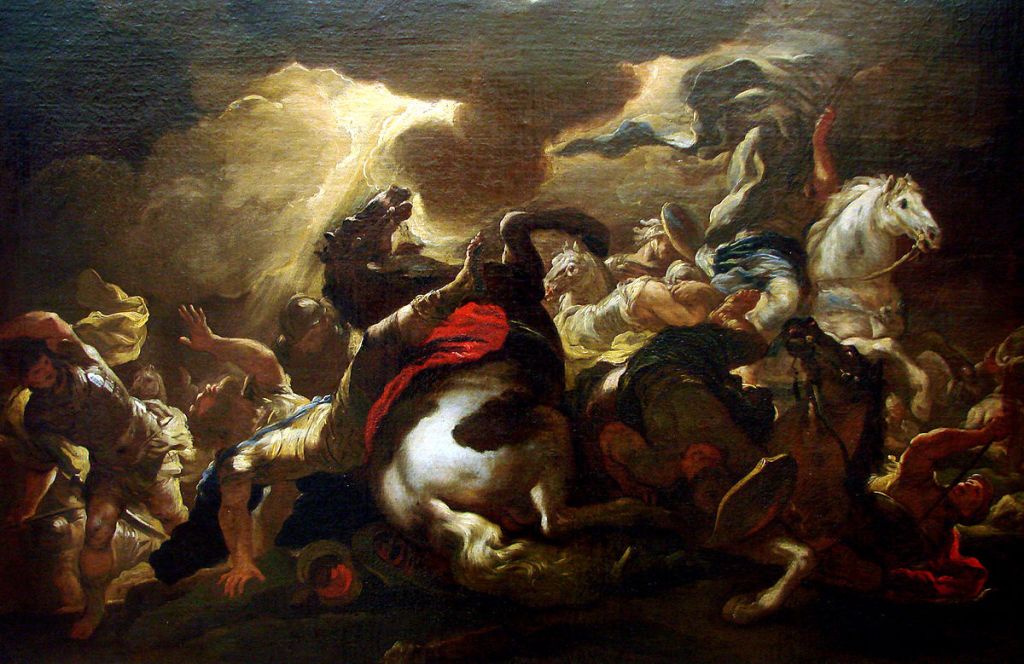
Painting ng “The Conversion of St. Paul” ni Luca Giordano noong 1690 mula sa wikipedia.org.

“Magbago ka na!” Iyan ang mga salitang madalas nating marinig at sinasabi sa mga tao na alam nating mayroong masamang pag-uugali at gawain. Madalas bitiwan mga salitang iyan tuwing Bagong Taon at mga Mahal na Araw.

Ngunit, maari nga ba talagang magbago ng pag-uugali o ng pagkatao ang sino man? Ibig bang sabihin yung dating iyakin magiging bungisngis o dating madaldal magiging tahimik? Iyon bang matapang kapag nagbago magiging duwag o dating palaban magiging walang kibo at imik?

Kung isasalin sa sariling wika natin ang salitang “conversion”, nagpapahiwatig ito ng pagbabago tulad ng na-convert sa ibang relihiyon o sa ibang anyo o gamit. Ngunit sa bawat pagbabago, mayroong higit na malalim na nababago na hindi namang ibig sabihin ay nag-iiba o naging different.

Kasi iyong sinasabing conversion ni San Pablo o ng sino pa mang tao ay hindi naman pagbabago ng pagkatao kung tutuusin; sa bawat conversion, hindi naman nababago ating pagkatao talaga kungdi ating puso na naroon sa ating kalooban. 

Kaya tinatawag itong pagbabalik-loob, di lamang pagbabagong-buhay. 

Binabalikan natin ang Diyos na nananahan sa puso natin, doon sa kalooban natin. 

Higit na malalim at makahulugang isalin ang conversion sa katagang “pagbabalik-loob” dahil ang totoo naman ay bumabalik tayo sa Diyos na naroon sa loob ng ating sarili. 

Dito ipinakikita rin na likas tayong mabuti sapagkat mula tayo sa Diyos na mismong Kabutihan. Kailangang pagsisihan mga kasalanan, talikuran at talikdan kasamaan na siyang mga balakid sa ano mang pagbabalik-loob at saka pa lamang mababago ating pamumuhay. 

Katulad ni San Pablo, sino man sa atin na makatagpo sa liwanag ng Diyos, nagiging maliwanag ang lahat kayat atin nang hahangarin ang Diyos na lamang at kanyang kalooban. Nananatili ating katauhan at pag-uugali ngunit naiiba direksiyon at pokus. 

Kapansin-pansin na bawat nagkakasala wika nga ay malayo ang loob sa Diyos na ibig sabihin ay “ayaw sa Diyos” gaya ng ating pakahulugan tuwing sinasabing “malayo ang loob”. Ang nagbabalik-loob ay lumalapit, nagbabalik-loob at pumapaloob sa Diyos.

Pangangaral ni San Pablo sa Areopagus sa Athens (larawan mula sa wikipedia.org).

Isang magandang paalala sa ating lahat itong Kapistahan ng Pagbabalik-loob ni San Pablo na hindi malayo at hindi rin mahirap maabot, bumalik sa Diyos sa pamamagitan ni Kristo Jesus. Maari itong mangyari sa gitna mismo ng ating sira at maruming sarili.

Hindi nabago pagkatao at pag-uugali ni San Pablo kung tutuusin: nanatili pa rin siyang masugid, matapang at masigasig. Nabago lamang ang direksiyon at pokus o tuon ng kanyang pag-uugali at pagkatao. At siya pa rin iyon. Inamin niya sa ating unang pagbasa ngayon na siya ay “isang Judio, ipinanganak sa Tarso ng Cilicia ngunit lumaki rin sa Jerusalem. Nag-aral kay Gamaliel at buong higpit na tinuruan sa Kautusuan ng mga ninuno at masugid na naglilingkod sa Diyos” (Gawa 22:3). 

Nanatiling masugid sa Diyos si San Pablo ngunit naiba na ang batayan na dati ay sa mga Kautusan at tradisyon ngunit sa kanyang pagbabalik-loob, si Jesu-Kristo na ang batayan ng kanyang pananampalataya. Personal niyang naranasan si Jesus kaya gayon na lamang kanyang pagiging masugid na alagad. Sinasabing kung hindi siya nadakip at nakulong hanggang sa patayin marahil ay umabot siya sa Africa sa pagpapalaganap ng Mabuting Balita.

Hindi rin nabawasan kanyang tapang; bagkus pa nga ay higit pa siyang tumapang. Lahat ng hirap tiniis niya at hinarap gaya ng pambubugbog sa kanila, ma-shipwreck sa isla, mabilanggo ng ilang ulit at ni minsan hindi umatras sa mga balitaktakan at paliwanagan sa mga Judio at maging kay San Pedro ay kanyang kayang salungatin at pagsabihan kung kinakailangan.

Gayon na lamang ang malasakit ni San Pablo sa Panginoong Jesu-Kristo at kanyang Mabuting Balita kaya naman sabay ang pagdiriwang ng kanilang Dakilang Kapistahan ni San Pedro tuwing ika-29 ng Hunyo dahil magkapantay kanilang kahalagahan sa pagpapatatag, pamumuno at pagpapalaganap ng pananampalataya at Simbahan.

Ordinasyon sa pagka-diyakano sa Katedral sa Malolos, ika-12 ng Hunyo 2019.

Alalaong-baga, katulad ni San Pablo, ano man ating pagkatao at pag-uugali siya pa ring mga dahilan kaya tayo tinatawag ng Panginoon upang maglingkod sa kanya; ililihis at ihihilig lamang niya mga ito ayon sa kanyang panukala at kalooban.

Kaming mga pari kapag inordenahan ay ganoon pa rin naman pagkatao at pag-uugali ngunit nababago direksiyon at tuon sa bagong estado ng buhay at misyon.

Gayun din ang mga mag-asawa. Lalabas at lalabas tunay na pagkatao at pag-uugali ngunit hindi iyon mga sagwil upang lumago at lumalim sila sa pagmamahalan at pagsasama bilang mag-asawa.

Wika nga sa Inggles, “God does not call the qualified; he qualifies the call.” Maraming pagkakataon tinatawag tayo ng Diyos maglingkod sa kanya di dahil sa tayo ay magagaling at mahusay; madalas nagugulat pa tayo na mismong ating kapintasan at kakulangan ang ginagamit ng Diyos para tayo maging mabisa sa pagtupad sa kanyang tawag.

Madalas at hindi naman maaalis na sumablay pa rin tayo at sumulpot paulit-ulit dating pag-uugali. Kaya naman isang proseso na nagpapatuloy, hindi natatapos ang pagbabalik-loob sa Diyos. Araw-araw tinatawagan tayong magbalik-loob.

Larawan kuha ni G. Jim Marpa sa Dabaw, 15 Enero 2024.

Gaya ni San Pablo nang siya ay ma-bad trip kay Juan Marcos na iniwan sila ni Bernabe sa una nilang pagmimisyon. Batay sa kasulatan, ibig pagbigayn pa ni San Bernabe na muling isama si Juan Marcos sa pangalawang pagmimisyon nila ngunit mariin ang pagtanggi at pagtutol ni San Pablo kaya’t sila ay naghiwalay ng landas bagamat nanatili silang mga alagad ni Kristo. Sa bandang huli naman ay nagkapatawaran sila.

Ganoon din tayo, hindi ba? Walang perfect. Ang mahalaga araw-araw nagbabalik-loob tayo sa Diyos dahil araw-araw lumiligwak din tayo sa ating maling pag-uugali at mahunang pagkatao. 

Higit sa lahat, sa ating patuloy na pagbabalik-loob, doon lamang magiging maliwanag sa ating ang kalooban ng Diyos na palagi nating inaalam sapagkat batid nating ito ang pinakamabuti para sa atin. Ang kalooban ng Diyos ang magtuturo sa atin ng tamang landas na tatahakin upang ating buhay ay maging ganap at kasiya-siya.

Subalit kadalasan tayo ay nabibigo, naguguluhan kung ano ang kalooban ng Diyos dahil akala natin para itong tanong na isang pindot ay malalaman kaagad ang sagot tulad ng sa Google. Mahirap mabatid kalooban ng Diyos kung tayo ay malayo sa kanya dahil sa mga kasalanan. Kaya tulad ni San Pablo, idalangin natin sa Ama sa pamamagitan ni Jesu-Kristong Anak niya na magpatuloy tayo sa pagbabalik-loob upang manatili tayong nakapaloob sa Diyos. Amen. San Pablo, ipanalangin mo kami!

Kristong Hari ng sanlibutan, tunay nga ba nasasalamin natin?

Lawiswis ng Salita ni P. Nicanor F. Lalog II, Ika-28 ng Nobyembre 2023

Habang naghahanda para sa Dakilang Kapistahan ng Kristong Hari ng Sanlibutan noong Linggo (26 Nobyembre 2023), pabalik-balik sa aking gunita at alaala ang unang taon ng COVID-19 pandemic kasi noong mga panahong iyon, tunay na tunay nga si Jesus ang Hari nating lahat.

Marahil dahil sa takot at kawalan ng katiyakan noong mga panahon iyon na kay daming namamatay sa COVID at wala pang gamot na lunas maging mga bakuna, sadyang sa Diyos lamang kumakapit ang karamihan.

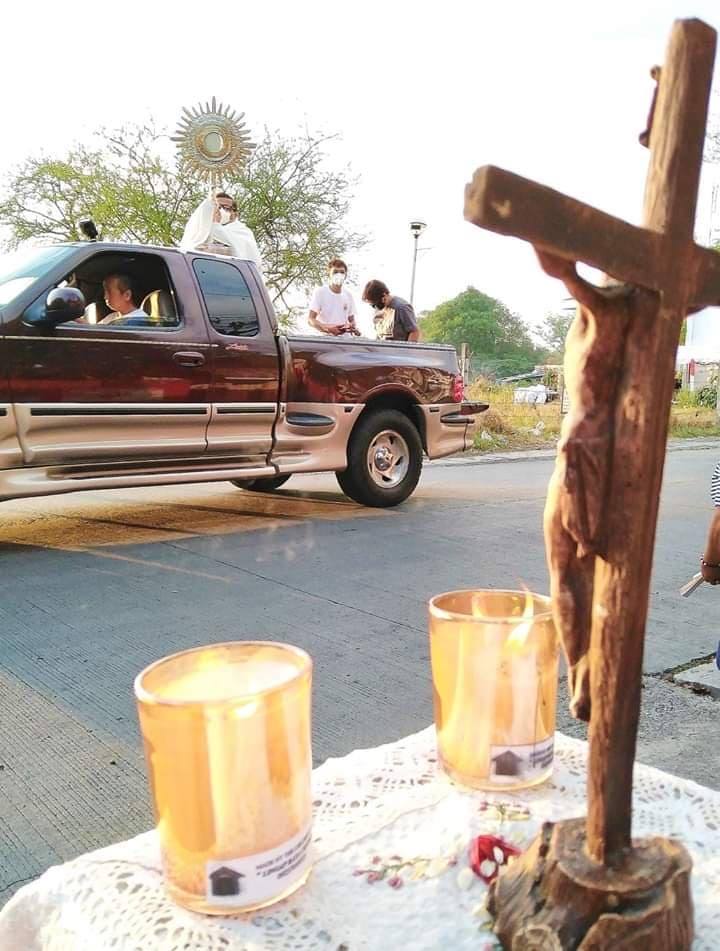
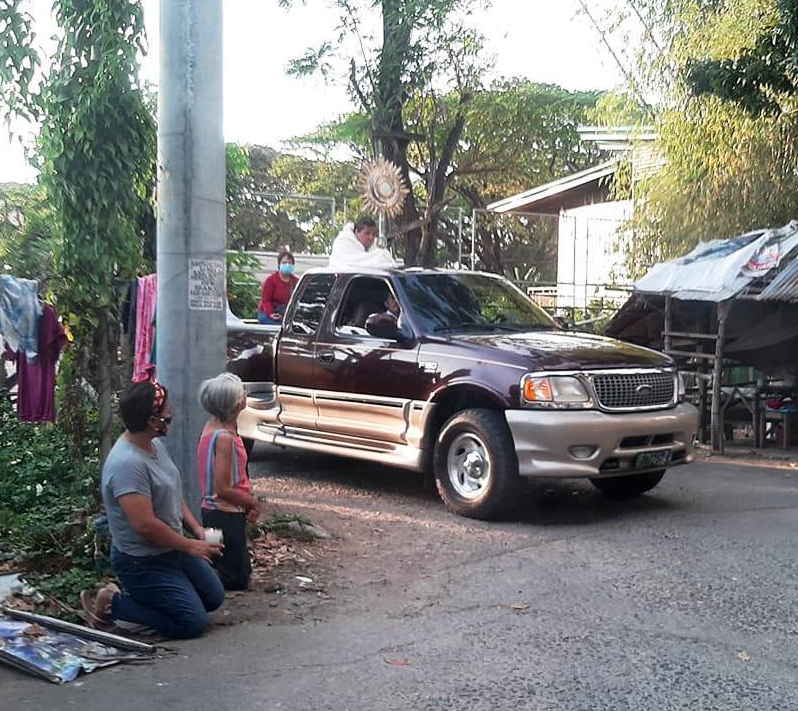
Hindi ko malimutan mga larawang ito noon sa dati kong parokya na mga tao ay lumuluhod sa kalsada sa pagdaraan ng paglilibot namin ng Santisimo Sakramento noong Dakilang Kapistahan ng Kristong Hari noog Nobyembre ng 2020.

Marubdob ang mga eksena noon at damang dama talaga pagpipitagan ng mga tao sa Santisimo Sakramento.

Sinimulan namin ito noong unang Linggo ng lockdown, ika-22 ng Marso 2020 na ikalimang linggo ng Kuwaresma. Tandang tanda ko iyon kasi birthday ko rin ang araw ng Linggong iyon.

At dahil walang nakapagsimba sa pagsasara ng mga simbahan noon, minabuti kong ilibot ang Santisimo Sakramento ng hapong iyon upang masilayan man lamang ng mga tao si Jesus, madama nilang buhay ang Panginoon at kaisa sila sa pagtitiis sa gitna ng pandemic.

Hiniram ko ang F-150 truck ng aming kapit-bahay. Hindi ko pinalagyan ng gayak ang truck maliban sa puting mantel sa bubong nito kung saan aking pinatong ang malaki naming monstrance. Nagsuot ako ng kapa at numeral veil habang mga kasama ko naman ay dala ang munting mga bell para magpaalala sa pagdaraan ng Santisimo.

Pinayagan kami ng aming Barangay chairman si Kuya Rejie Ramos sa paglilibot ng Santisimo at pinasama ang kanilang patrol kung saan sumakay ang aming mga social communications volunteer na Bb. Ria De Vera at Bb. Anne Ramos na silang may kuha ng lahat ng larawan noon hanggang sa aking pag-alis at paglipat ng assignment noong Pebrero 2021.

Nakakaiyak makita noon mga tao, bata at matanda, lumuluhod sa kalsada. Ang iba ay may sindi pang kandila at talagang inabangan paglilibot namin na aming inanunsiyo sa Facebook page ng parokya noong umaga sa aming online Mass.

Pati mga nakasakay sa mga sasakyan nagpupugay noon sa Santisimo Sakramento.

Nang maglaon, marami sa mga tahanan ang naglagay na ng mga munting altar sa harap ng bahay tuwing araw ng Linggo sa paglilibot namin ng Santisimo Sakramento.

Napakasarap balikan mga araw na iyon na bagama’t parang wakas na ng panahon o Parousia dahil sa takot sa salot ng COVID-19, buhay ang pananampalataya ng mga tao dahil nadama ng lahat kapanatilihan ng Diyos kay Jesu-Kristong Panginoon natin.

Katunayan, noong unang Linggo ng aming paglilibot ng Santisimo Sakramento, umulan ng kaunti nang kami ay papunta na sa huling sitio ng aming munting parokya. Nagtanong aking mga kasamahan, sina Pipoy na driver at Oliver na aking alalay kung itutuloy pa namin ang paglilibot. Sabi ko ay “oo”.

Pagkasagot ko noon ay isang bahag-hari ang tumambad sa amin kaya’t kami’y kinilabutan at naiyak sa eksena. Noon ko naramdaman ang Panginoon tinitiyak sa akin bilang kura noon na hindi niya kami pababayaan.

At tunay nga, hindi niya kami – tayong lahat- pinabayaan.

Kaya noong Biyernes, ika-24 ng Nobyembre 2023, napagnilayan ko sa mga pagbasa kung paanong itinalaga muli ni Judas Macabeo ang templo ng Jerusalem matapos nilang matalo at mapalayas ang mananakop na si Hariong Antiochos Epiphanes habang ang ebanghelyo noon ay ang tungkol sa paglilinis ni Jesus ng templo.

Bakit wala tayong pagdiriwang sa pagwawakas o panghihina ng epekto ng COVID-19? (https://lordmychef.com/2023/11/24/if-covid-is-over/)

Nakalulungkot isipin na matapos dinggin ng Diyos ating mga panalangin noong kasagsagan ng pandemya, tila nakalimutan na natin Siya. Kakaunti pa rin nagsisimba sa mga parokya at nahirati ang marami sa online Mass.

Walang pagdiriwang ni kapistahan ang Simbahan sa pagbabalik sa “normal” na buhay buhat nang mawala o manghina ang virus ng COVID.

At ang pinamakamasaklap sa lahat, hindi na yata si Jesus ang naghahari sa ating buhay ngayon.

Balik sa dating gawi ang maraming mga tao.

At nakakahiyang sabihin, hindi na nalampasan ng mga tao at pati ilang mga pari katamaran noong pandemic.

Nakakahiyang aminin na pagkaraan ng araw-araw na panawagan sa Facebook noong isang linggo na lumuhod at magbigay-galang kay Kristong Hari na nasa Banal na Sakramento mga tao, maraming mga pari noong Linggo ang kinatamaran magsuot na nararapat na damit tulad ng kapa at numeral veil. At pagkatapos, sasabihin, isisigaw, Mabuhay ang Kristong Hari?

Hindi pa lubusang tapos ang COVID, pero, ibang-iba na katayuan natin ngayon. Malayang muli nakakagalaw, walang face mask maliban sa ilang piling lugar tulad ng pagamutan. Ang tanong ngayong huling linggo ng ating kalendaryo sa Simbahan ay, si Jesus pa rin ba ang haring ating kinikilala, sinusunod at pinararangalan sa ating buhay, maging sa salita at mga gawa?

Nasasalamin ba natin si Kristong Hari sa ating mga sarili, lalo na kaming mga pari Niya?

Our worship, our life

The Lord Is My Chef Sunday Recipe for the Soul by Fr. Nicanor F. Lalog II
Sunday in the Thirty-first Week of Ordinary Time, Cycle A, 05 November 2023
Malachi 1:14-2:2, 8-10 ><}}}}*> 1 Thessalonians 2:7-9, 13 ><}}}}*> Matthew 23:1-12
Photo by author, Malagos Orchid Farm, Davao City, 2017.

More than 18 years ago when we were assigned to a parish in our concurrent positions as school administrators in Malolos, an older priest offered to help us think of “gimmicks” so people would come to our parish. He insisted how the Church must have “marketing strategies” to attract more people celebrate Mass especially on Sundays.

After that older priest had left, I told our Rector to dismiss everything he had heard. I explained to him we do not need any marketing strategies because we have the best to offer – God in Jesus Christ. I stressed to him that only two things are essential in the parish: good liturgy that flows to good service.

A few years later, I was assigned to a parish of my own and held on that conviction. Modesty aside, that parish entrusted to me grew and became so vibrant during my nine years of stay there. Even during the pandemic lockdown, we continued with our good liturgies on line and in the ground that enabled us to serve everyone, especially the poor regardless of their religion. We never asked donations but people volunteered to give cash and goods to sustain the parish and our outreach programs.

Photo by Ms. Ria De Vera, Christ the King procession in November 2020.

Our readings today are very timely as the Synod on Synodality concluded in Rome recently that sought new ways in getting everyone in the Church especially those in the margins may journey together in Christ, with Christ to God our Father.

Although we priests and bishops remain as the biggest problems in the Church since the beginning like the Pharisees and scribes during the time of Jesus, having a good and meaningful liturgy that is living and fruitful is everyone’s responsibility.

And now, O priests, this commandment is for you: If you do not listen, and if you do not lay it to heart, to give glory to my name, says the Lird of hosts, I will send a curse upon you and of your blessing I will make a curse. You have turned aside from the way, and have caused many to falter by your instruction; you have made void the covenant of Levi, says the Lord of hosts.

Malachi 2:1-2, 8

How appropriate were the words by Prophet Malachi spoken in 480 BC who invites us too today to examine the manner we celebrate the liturgy in our communities, the spirit and seriousness that animate us, the image of God our celebrations project.

Is God still among us in our liturgy that after every celebration, we find him in our midst?

Is there still a sense of awe and wonder, of mysterium fascinans or we – priests and people – have replaced God in our worship?

Malachi was right on target then and now in echoing God’s anger and frustrations at the sight of our degenerate and perverted worship where anything goes as if God does not see us. And worst, as if we could fool him when our hearts are divided and so far from him and from one another which Jesus tried fixing these past two Sundays.

Photo by Mr. Gelo Nicolas, Bagbaguin, Sta. Maria, Bulacan, February 2020.

Jesus had silenced his enemies today in our gospel, he took it to unleash to them – and us – powerful tirades against their hypocrisies (and ours too), of how far our hearts been from God and one another, lacking in love due to its being so divided.

What a way to conclude his teachings these past two Sundays after failed attempts by his enemies to trick him into saying things that could lead to his arrest and execution.

Jesus spoke to the crowds and to his disciples, saying, “The scribes and the Pharisees have taken their seat on the chair of Moses. Therefore, do and observe all things whatsoever they tell you, but do not follow their example. For they preach but they do not practice. They tie up heavy burdens hard to carry and lay them on people’s shoulders, but they will not lift a finger to move them. All their works are performed to be seen.

Matthew 23:1-5

These past two Sundays, Jesus stressed the need of purifying our hearts so that we may give to God what is due to him which is our total selves. To purify our hearts, to have a clean heart to see God as in his beatitudes we heard proclaimed on All Saints Day means to enter into a communion with Jesus Christ, the One with the purest and cleanest heart who truly loves God and all of us.

Photo by author, St. Scholastica Retreat House, Baguio City, August 2023.

Today Jesus is calling us to walk our talk, to mean what we believe and say, to be true as his disciples who choose to love and suffer for God, who finds value in God dwelling in our hearts not in things outside like names and ranks, titles and designations, clothes and other signs.

Today Jesus is calling us to live and relate honestly with others wherein our whole selves – words and actions, body and soul – are united by hearts inclined, resting in God.

Today Jesus is calling us to focus on him alone for he is our only true Teacher and Master who lovingly humbled himself as servant of all to lead us to God our one Father in heaven.

Of course, Jesus is not asking us to disregard nor dismiss all titles and designations that define our roles and functions not only in the liturgy but even in the family and society. When we learn to give what is due to Caesar and what is due to God, then we discover that our proper “seat” is in this life is in the place of a servant and that our true “place of honor” is at God’s kingdom where everyone is equal. When we have this clearly in our minds and in our hearts, then, our words and deeds are no longer in opposition like the Pharisees and scribes who did not practice what they preached because we have become witnesses to integrity of self as disciples of Christ.

Photo by author, Our Lady of Fatima University, Valenzuela, 13 September 2023.

Vatican II rightly and beautifully called the liturgy as “fons et culmen” – the fount from which all blessings of our faith flow and the apex or summit of our lives as Christians, as disciples of Christ.

How true is our worship of God?

St. Paul gave us a glimpse of their living worship in Thessalonica, picturesquely telling them how “they were gentle among you, as a nursing mother cares for her children. With such affection for you, we were determined to share with you not only the gospel of God, but our very selves as well, so dearly beloved had tou become to us” (1Thes. 2:7-8).

How I wish we priests could be so sincere like St. Paul to the people and most especially to our Lord! This Sunday, may our worship be our lives too in Jesus like the admonition of St. Augustine to his congregation when distributing the Holy Communion, “Become what you receive: the Body of Christ”. Amen. Have a blessed new week!

Living spiritually

The Lord Is My Chef Daily Recipe for the Soul by Fr. Nicanor F. Lalog II
Friday in the Twenty-Ninth Week of Ordinary Time, Year I, 27 October 2023
Romans 7:18-25   <*{{{{><  +  ><}}}}*>   Luke 12:54-59
Photo by author, Camp John Hay, Baguio City, 12 July 2023.
God our loving Father,
help us to live spiritually
in this material world,
to live always rooted in you,
our life and our being;
like St. Paul, we find ourselves
always in the same dilemma,
"For I do not do the good I want,
but I do the evil I do not want"
(Romans 7:19).

So true are the words 
of the wise that 
"we are not human beings 
having a spiritual experience;
we are spiritual beings 
having a human experience"
for you have made us for you
and eternity, O God, 
not for this world that is 
temporary and passing;
Jesus Christ came to
show us and make us experience
this reality of our spiritual being
and yet, we keep on insisting
on mastering the material world,
destroying its unity in you,
separating everything
and dividing our hearts within.

Let us take your side, O Lord,
send us the Holy Spirit
to enlighten our minds
and our hearts to discern
your holy will always;
may we learn to be silent
and still, to trust in you,
to feel you in ourselves 
and in others
so we may live spiritually
and meaningfully.
Amen.

Our divided hearts, divided lives, divided world

The Lord Is My Chef Sunday Recipe for the Soul by Fr. Nicanor F. Lalog II
Twenty-Ninth Sunday in Ordinary Time, Cycle A, 22 October 2023
Isaiah 45:1, 4-6 ><}}}}*> 1 Thessalonians 1:1-5 ><}}}}*> Matthew 22:15-21
Photo by author, Jerusalem, May 2017.

We are now getting closer toward the end of our liturgical calendar with our gospel scenes of Jesus still at the temple area in Jerusalem where his enemies were growing more intense in banding together to trap him for his arrest and crucifixion.

Many times, that same die-hard religious conceptions of the Lord’s enemies continue to distort our way of Christian living today. First of these is the apparent division between the realms of the world or Caesar and of God and his kingdom.

The Pharisees went off and plotted how they might entrap Jesus in speech. They sent their disciples to him with the Herodians saying, “Tell us, then, what is your opinion: Is it lawful to pay the census tax to Caesar or not?” Knowing their malice, Jesus said, “Why are you testing me, you hypocrites? Show me the coin that pays the census tax.” Then they handed him the Roman coin. He said to them, “Whose image is this and whose inscription?” They replied, “Caesar’s.” At that he said to them, “Then repay to Caesar what belongs to Caesar and to God what belongs to God.”

Matthew 22:15-16, 17-21
Photo by Lauren DeCicca/Getty Images in Laoag City, 08 May 2022.

It’s election fever again in the country (does it ever end?) when talks on the separation of the Church and the state abound in every corner of campaigns and discussions. What is very funny is despite everyone’s insistence of such separation, candidates keep on going to every church and chapel of all faith to meet their religious leaders and followers who in turn endorse some of them!

Then and now, the division was more clearly in our hearts than in religion and political life. Despite everyone’s endless quoting of the Lord’s declaration to “repay to Caesar what belongs to Caesar and to God what belongs to God”, we remain more divided as a people and individuals right in our hearts where the first casualty is Jesus Christ. Then us and our loved ones.

The way of God as Jesus had shown and taught us is not found in opposing civil and religious or spiritual realms of life but in giving ourselves for the good of others in all areas of life, first to God and everything follows. Jesus Christ came to the word to heal our divided hearts, to make us whole again (and be holy) by showing us how we are all one in God, our origin and end. St. Francis of Assisi saw this unity of God’s creation and was so central in his life and teachings that he was able to literally live out the gospel values of both material and spiritual poverty.

Photo by author, Jerusalem, May 2017.

There are no divisions between the material world and the spiritual world because everything is created by God, came from God and will ultimately end in God. “Caesar” is everything of the world we so often give more emphasis in life, more attention and more focus. Primary is our own self as we consciously and unconsciously stamp with the image and inscription of “Caesar” as we try to hide and remove God’s image in us.

See how Jesus in many instances did not bother himself with our worldly affairs like being a judge to divide the share of inheritance of feuding brothers (Lk. 12:13-15) or of James and John asking him to have them seated at his sides when his glory comes (Mk. 10:35-45) because those things separate us from God and each other.

One tragedy of Christ’s time that continues today is when we the supposed religious leaders and guides are divided within each of us, so concerned with our own pride and other priorities in life like fame and wealth. Forgive us your priests and bishops whose lifestyle and way of relating to others betray like the Pharisees who and what is first in our lives.

Keep in mind how the Pharisees were not supposed to have anything that bears semblances of idolatry in the temple area like the Roman coin with image and inscription of the Caesar considered as god and emperor by the Romans. We priests and bishops still have that “Roman coin” today in the form of social media especially Facebook that show and prove more than ever how we are a church for the rich and not of the poor no matter what the gospel and documents say. What a scandal of our time to find priests and bishops shamelessly posted on social media always present, readily available especially for funeral Masses of the rich but never or so rare with the poor! These only prove to the people of the existence of the great divide among us Jesus had supposedly healed more than 2000 years when churchmen continue to play these days the very game of the Pharisees, scribes, chief priests and elders of Christ’s time.

Photo by author, Jerusalem, May 2017.

When we examine world history, it has actually felt easier for us to divide our lives into the material and spiritual realms by giving what is due and proper to each one. This has been the way of the world especially in the past 300 years at the start of the Industrial Revolution that resulted in so many inventions and scientific breakthroughs that have spawned various thoughts and philosophies.

On the outside or in the realm of Caesar, we seem to be better with more technologies and affluence but as persons, we have remained lost and more hurting inside that drive many into suicides and depression. How ironic when we are supposed to be better, crimes against human persons get worst these days with wars and atrocities still happening. Life may had drastically improved especially in the fields of medicine and communications but the gaps among us peoples have grown wider especially these last 20 years known as the “Fourth Industrial Revolution” characterized by digitization and robotics that include Artificial Intelligence or AI. Like in the parable of the wicked tenants, we have usurped everything from God, even our very lives and the world itself.

Of course, the obligations to Caesar and to God are radically different: to the state we pay taxes, but to God we give our undivided hearts, our total being. This is what Isaiah told us in the first reading that everything in history is directed by God for the good of his people. He is the God of history. Let no one mistake any god for God because “I am the Lord, there is no other” (Is.45:6).

When Jesus asked his enemies to show him the coin that pays the census taxes, he is also asking us this Sunday to bare our hearts before him to let him heal us of the divisions within that are reflected by the many wars and divisions in the world. The deepest divide within us in this time is when we live and act like the Pharisees and Herodians with insincere hearts living a big lie of living in “accordance with the truth” (Mt. 22:16).

Let me end this reflection with those beautiful words by St. Paul in our second reading today:

We give thanks to God always for all of you, remembering you in our prayers, unceasingly calling to mind your work of faith and labor of love and endurance in hope of our Lord Jesus Christ, before our God and Father, knowing, brothers and sisters oved by God, how you were chosen. For our gospel did not come to you in word alone, but also in power and in the Holy Spirit and with much conviction.

1 Thessalonians 1:2-5
Photo by author, Church of St. Anne in Jerusalem, May 2017.

So lovely! St. Paul is also talking to us today, assuring us how despite our many sins, of being slaves of Caesar and other gods like the Thessalonians who were pagans before, we too were willed by God to be called as his children in Jesus Christ.

We in the Church are a people despite our many flaws and imperfections especially us your priests were called out of sin and darkness to be God’s own people, beloved children. He has given us life in the Holy Spirit that when we look back in our lives, we are convinced in our hearts it was him who worked in us in the realm of material world. God has always been the “invisible hand” leading us when we felt so down and lost, defeated and almost dead. Here we are, still alive and forging on amid the many difficulties we encounter within and outside us.

When we cooperate with the grace of God and focus more on him than to the many Caesars, when we live in faith in Christ, laboring in his love for others, God becomes more present in our material world, enabling us to endure further life’s challenges in hopes that Jesus Christ will come again. Amen. Have a blessed week ahead.

Mater Dolorosa & Alanis Morisette

Quiet Storm by Fr. Nicanor F. Lalog II, 15 September 2023
“Mater Dolorosa” also known as “Blue Madonna” (1616) by Carlo Dolci. Photo from Wikimedia Commons.

I started praying about this blog last month after the Feast of the Nativity of the Blessed Virgin Mary. It just occurred to me on that day to greet some of my “girlfriends” – yes, God has blessed me with so many of them who are mostly women and ladies who have taught me and shared with me so many lessons and thoughts about life only women can see.

One of them is my former colleague at GMA-7 News, Kelly, widowed for six years since the passing of her husband Larry whom I have visited and anointed many times during his long battle with cancer. When I asked her how she has been doing since our last meeting before the pandemic, she was her usual self – candid yet a bit sardonic in her reply, “I’m good. I have health issues but I’m handling them, living a simple but contented life… alam mo naman ako, I’m so Alannis Morissette.”

I thought she was again speaking “gay” as in chorva when she described herself as Alannis Morisette. And before I could ask her the meaning of “Alanis Morissette”, she turned out to be speaking English – referring to the singer Alanis Morissette as she sent me lyrics of her 1995 song Hand in My Pocket. Immediately I checked it on Youtube and found it perfect too for today’s celebration of the Memorial of Our Lady of Sorrows or Mater Dolorosa as it speaks of every woman’s sacrifice and sufferings in this world that is sadly still dominated by male chauvinists.

Mary as Our Lady of Sorrows reminds us of every woman’s fidelity to God through her husband and children, family and loved ones as well as vocation. Her remaining at the foot of the Cross was her lowest and painful point in life to be with her crucified Son, Jesus Christ. She was so absorbed with his pain and sufferings that at Easter, she was in turn absorbed by the glory of our Risen Lord which culminated at her Assumption into heaven.

How was Mary able to keep her composure? Oneness in Christ her Son from whom all good things come even in the most trying times. When I look at her face as portrayed in the arts, it is not pity that I feel but her dignity, nobility and simplicity. Notice her praying hands, totally surrendering herself to God which began at the Annunciation when she told the angel, “Behold, I am the handmaid of the Lord. May it be done to me according to your word” (Lk.1:38). There at the foot of the Cross of Jesus, her hands remained in praying position, entrusting everything to God, filled with faith, hope and love.

Alanis Morissette express almost the same faith, hope and love in the modern sense today with her 1995 Hand in My Pocket. A Canadian-American, Morissette grew up in a devout Roman Catholic family. Although she is now a practicing Buddhist, Morissette claimed repeatedly in some interviews that she owes her singing career to her Catholic faith. Her personal life is marked with so many pains and sufferings too, going through depressions and eating disorders as well as having been raped while 15 years old. It was from these experiences that she got all her inspirations in her many songs that strike chords in the hearts of many modern people, not just women, who strive to find meaning by hoping to brighter tomorrows amid the many hardships modern life has brought us.

I’m broke, but I’m happy
I’m poor, but I’m kind
I’m short, but I’m healthy, yeah
I’m high, but I’m grounded
I’m sane, but I’m overwhelmed
I’m lost, but I’m hopeful, baby
And what it all comes down to
Is that everything’s gonna be fine, fine, fine
‘Cause I’ve got one hand in my pocket
And the other one is giving a high five

We just have to remember our own mothers to realize and appreciate how our Lady of Sorrows and Alanis Morissette were able to bear all of life’s sufferings. It is in their hands. The praying hands. The hand in the pocket holding on to the present realities and the other hand up in the air hoping everything will be fine.

How ironic – pun intended as it is the title too of my favorite Morissette song – that despite all the great love women have offered and given us through our own mothers and sisters, aunts and grandmothers, teachers and nurses, not to forget the multitude of women who make our economy grow by laboring here and abroad plus the nuns who pray and run so many orphanages, women are still neglected and forgotten, even unloved, maltreated, and abused. Sadly, their fellow women are the ones who inflict those pains in this cruel and ungrateful world.

Starting today, be kind to women, especially those closest to you, those who have remained loving and kind despite your excesses and other idiosyncrasies.

Here is Ms. Alanis Morissette. Her music video is very interesting too, showing the many contrasts every disciple of Christ like Mary our Lady of Sorrows goes through in this life. Set in black and white, it evokes rawness yet at the same time brings out that eternal spring of hope within each one of us. Have a blessed rest day ahead!

From YouTube.com.