Right perspective, clear vision, then mission.

Quiet Storm by Fr. Nicanor F. Lalog II, 20 March 2025
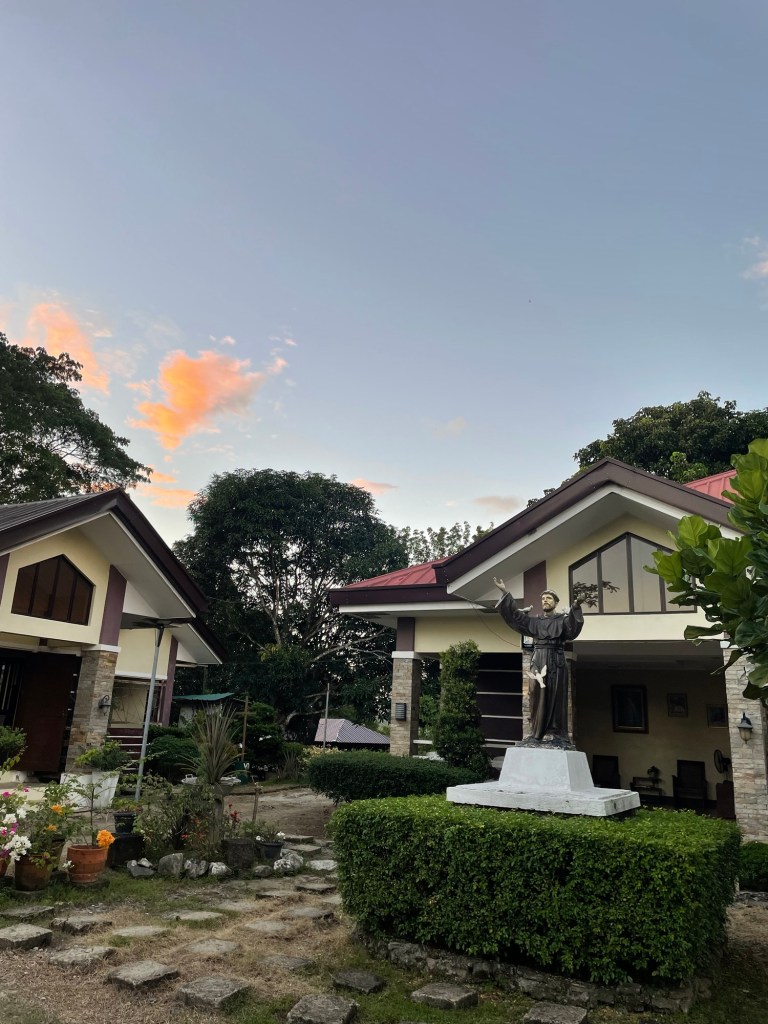
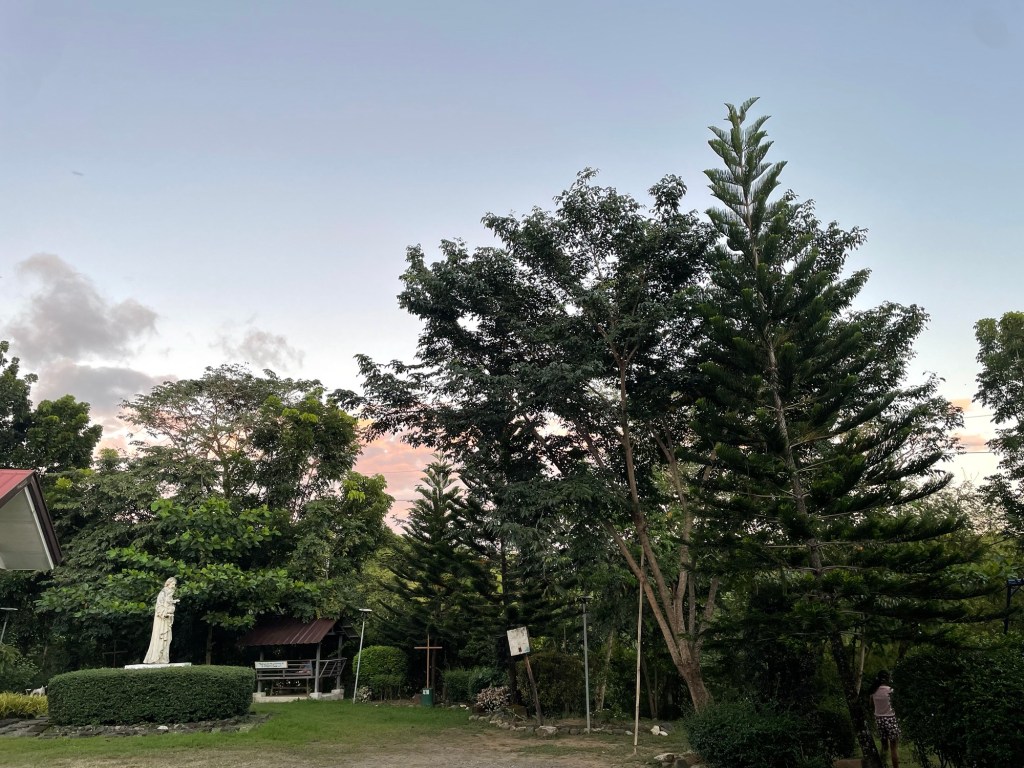
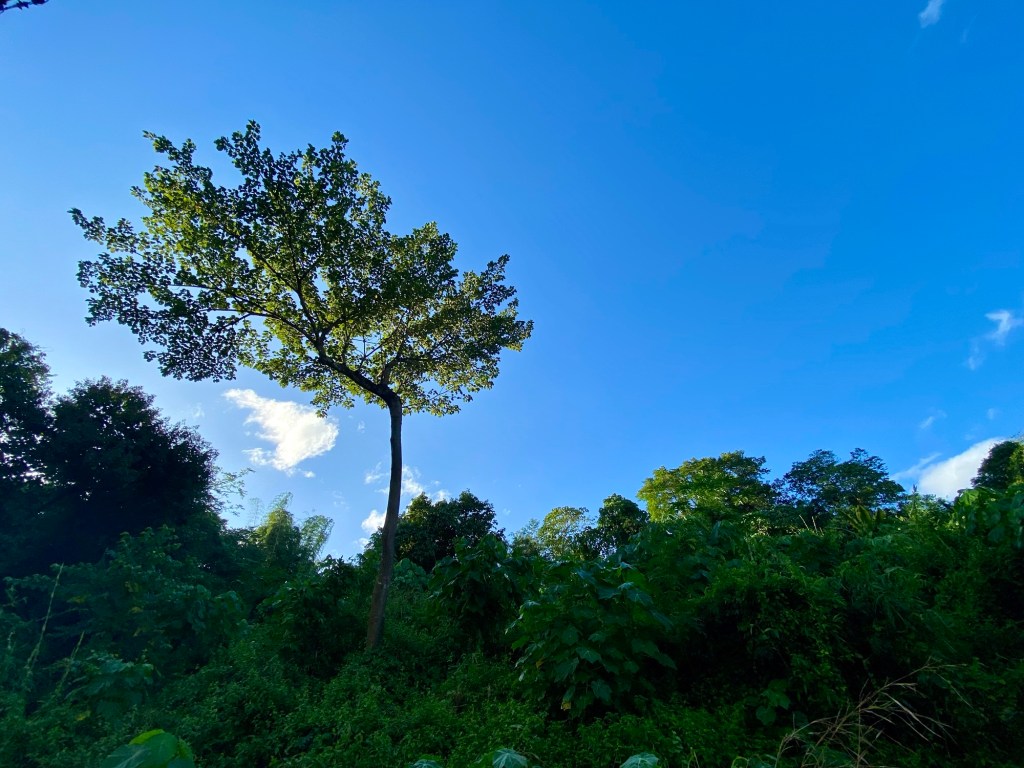
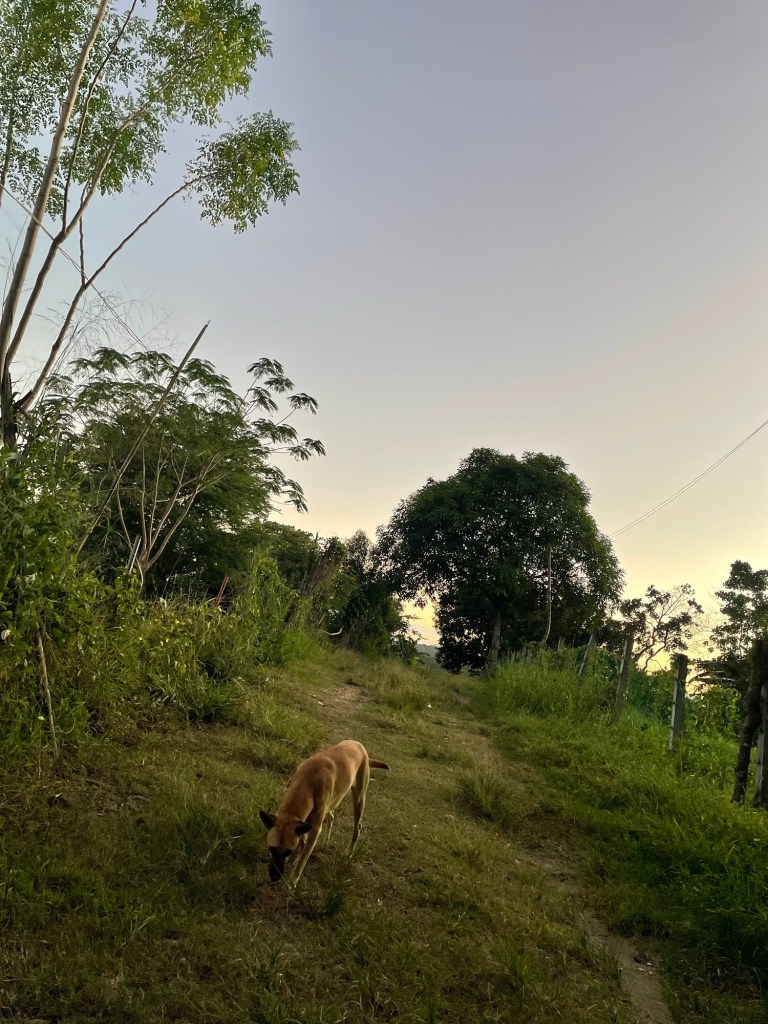
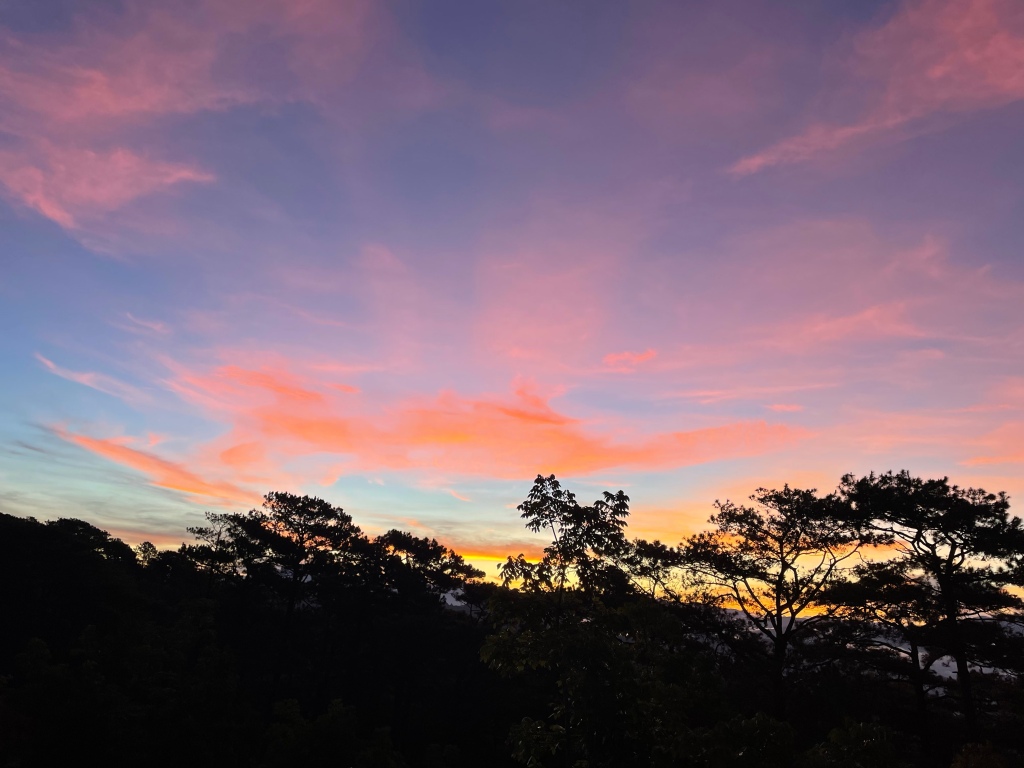
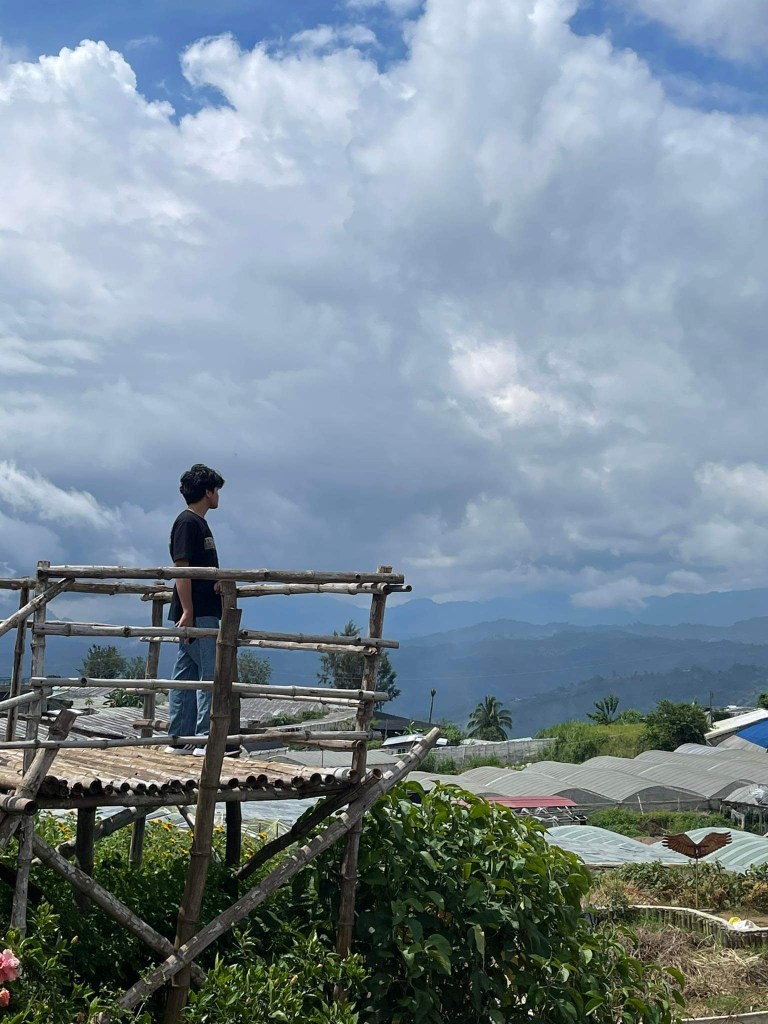
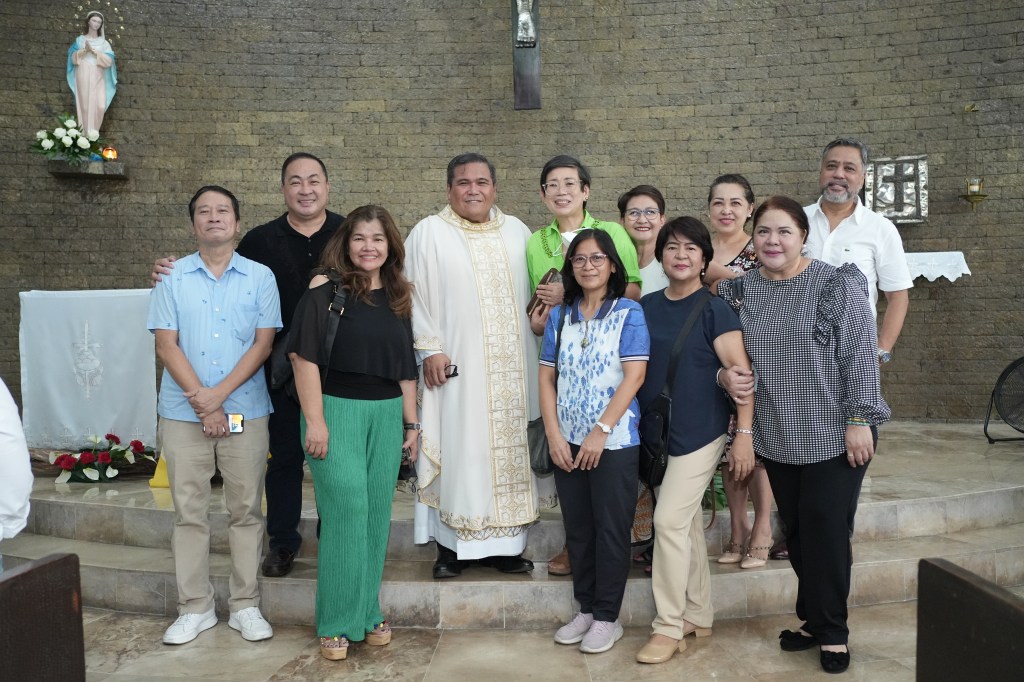
Photo by author, Canyon Woods Resort Club, Laurel, Batangas, 15 March 2025.

“And, when you want something, all the universe conspires in helping you to achieve it.” – Paulo Coelho, “The Alchemist”

It is exactly what I am experiencing these days since we had our university management team-building seminar in Batangas last weekend when my realizations there were reinforced in my ongoing annual personal retreat here in Novaliches that started Monday evening.

It is a moment of consolation when suddenly, the whole universe conspires not only to get whatever you want but simply to affirm you being on the right track, giving you the proverbial pat on the shoulder that everything is going fine, everything falling into its right places.

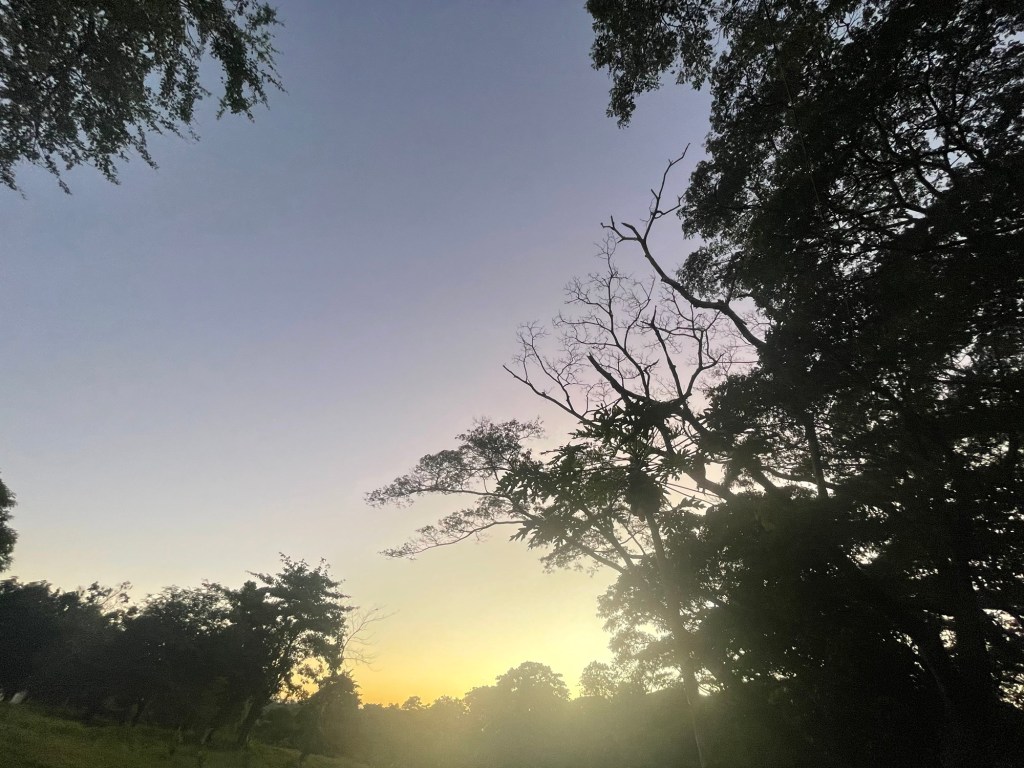
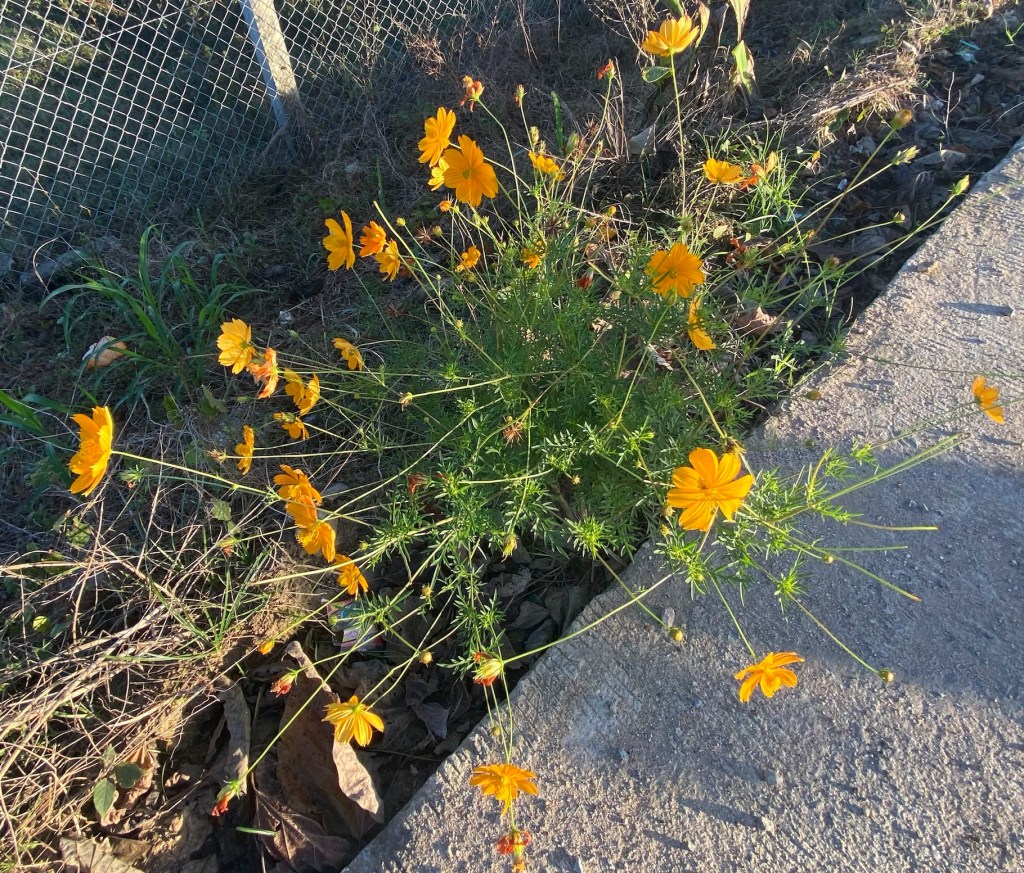
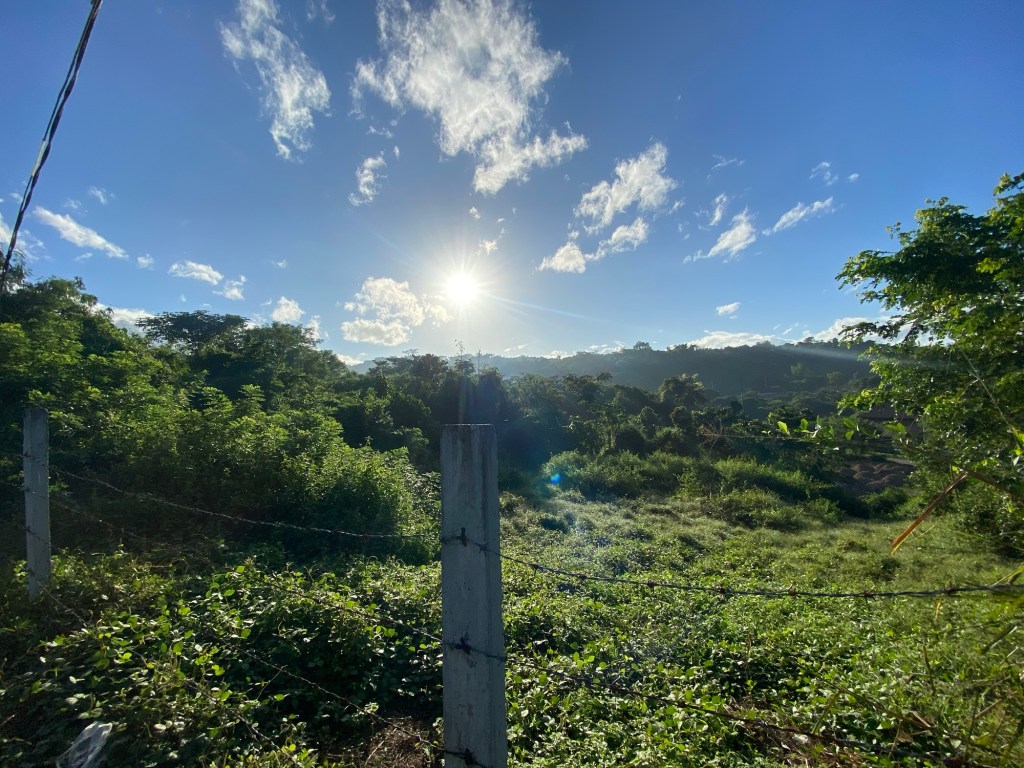
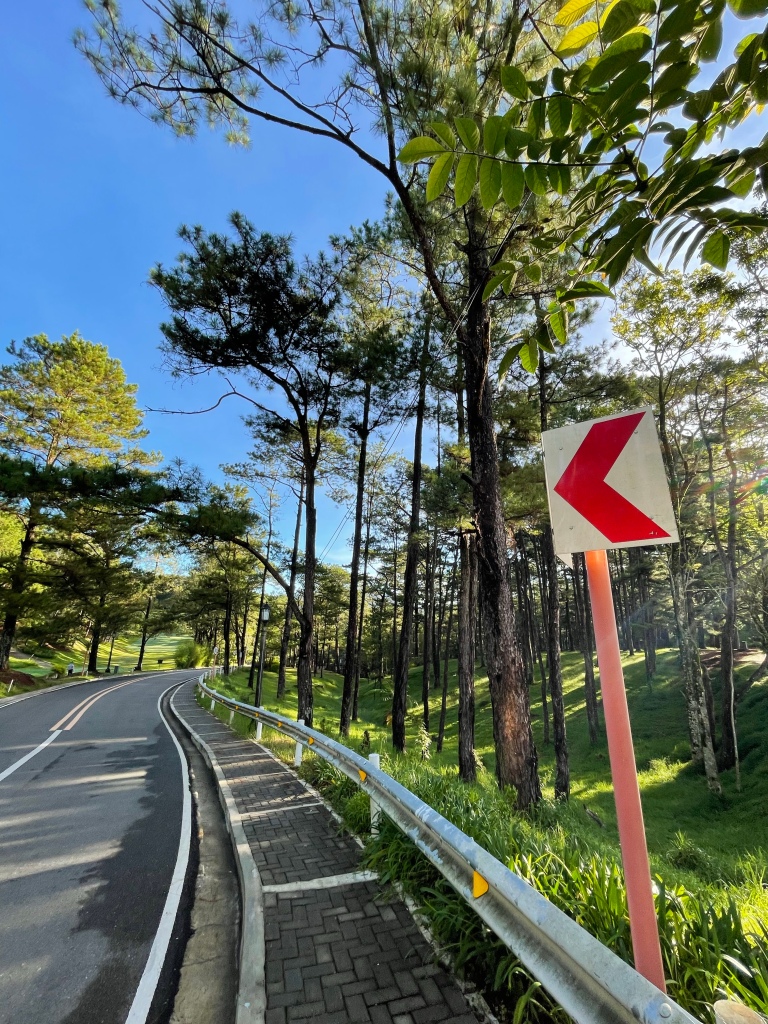
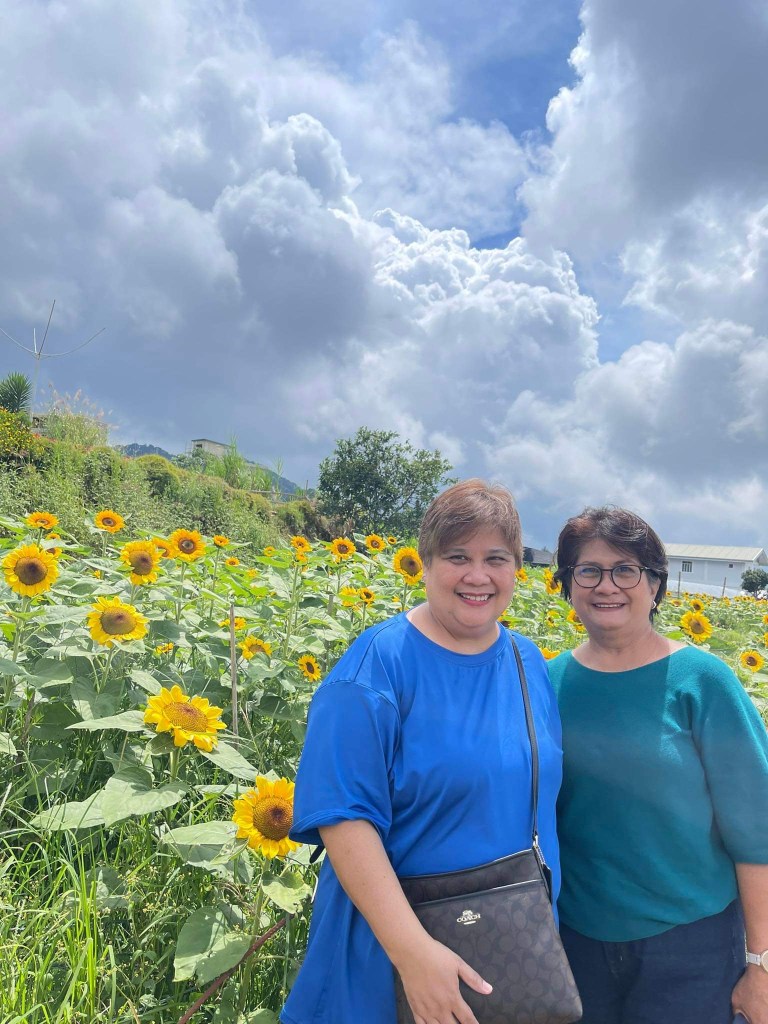
Photo by author with flash, Canyon Woods Resort Club, Laurel, Batangas, 15 March 2025.

Pardon me for writing for the third time about perspectives and point-of-view (POV) as I could not contain the joy of the fruits of my prayers.

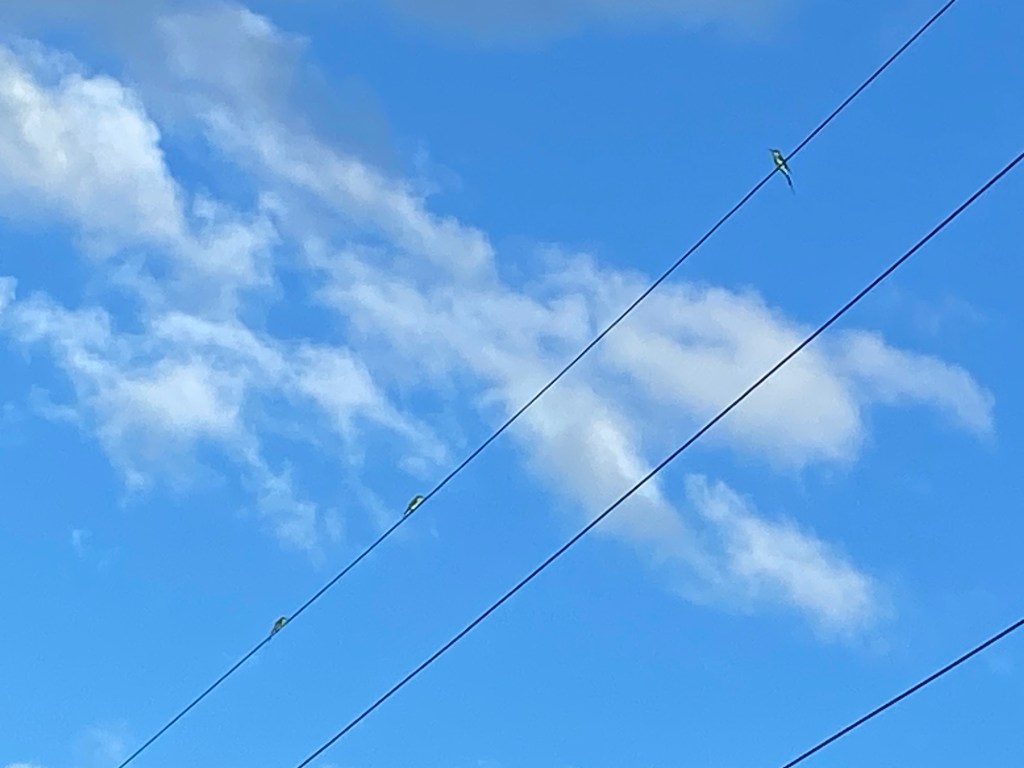
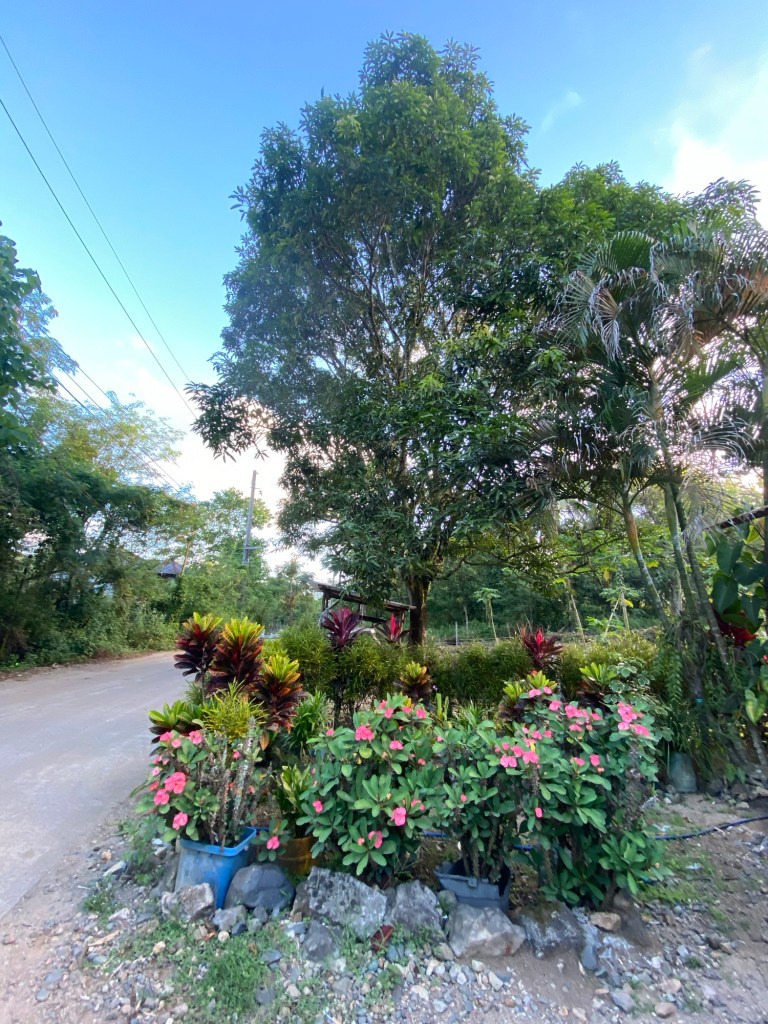
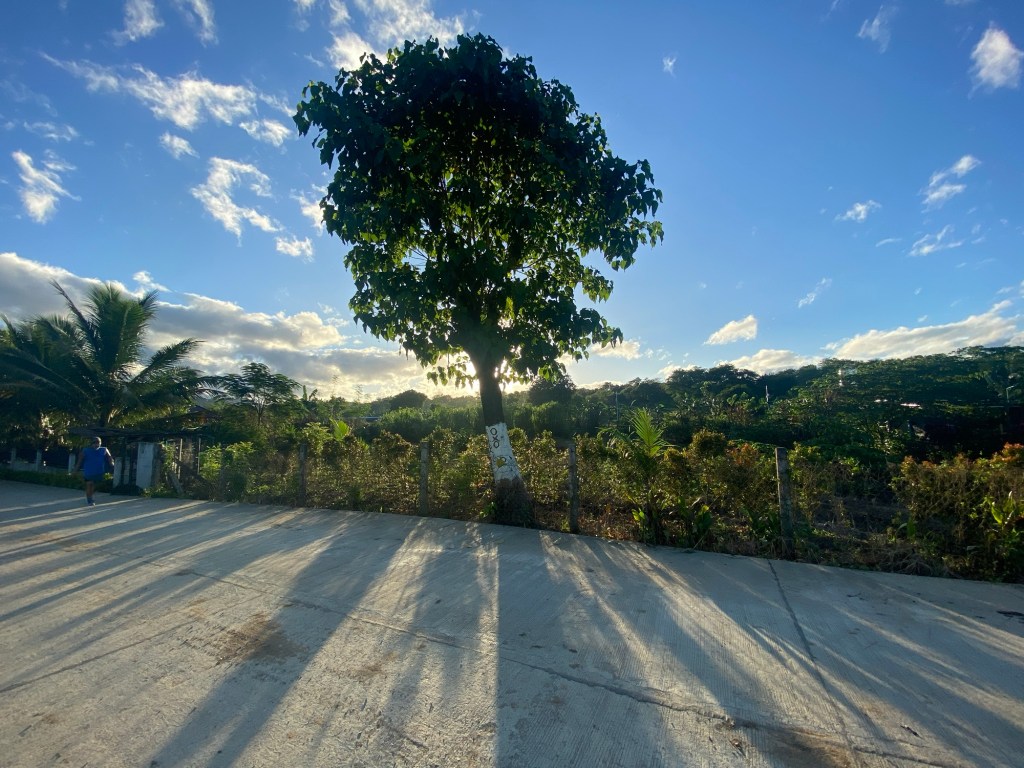
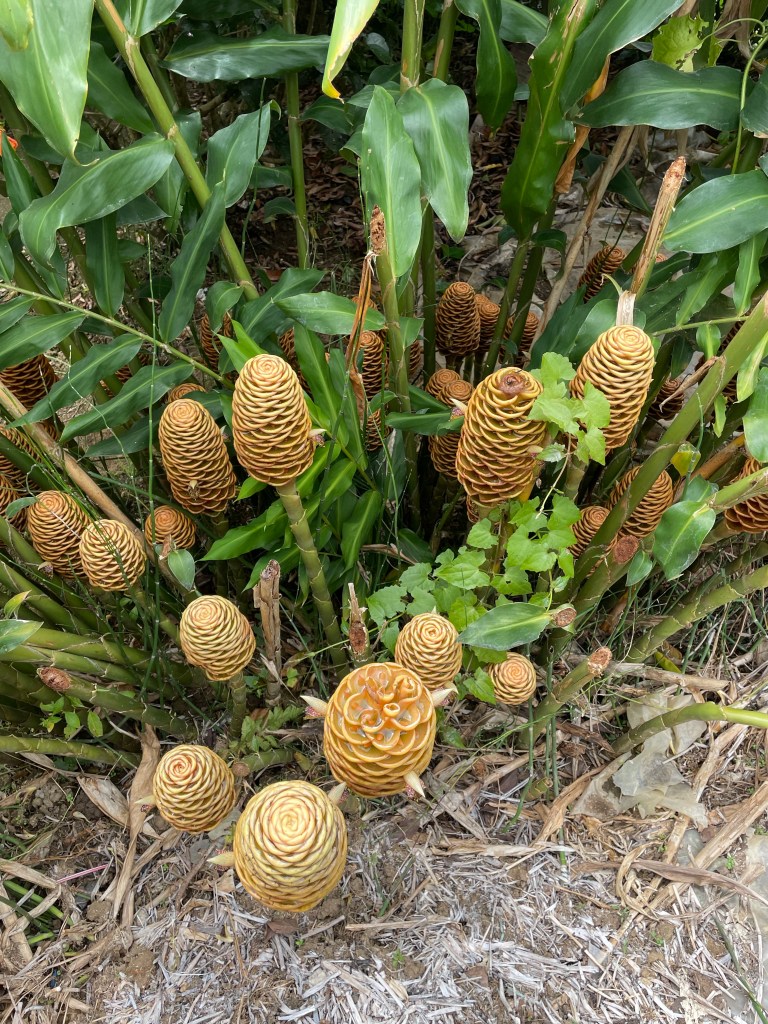
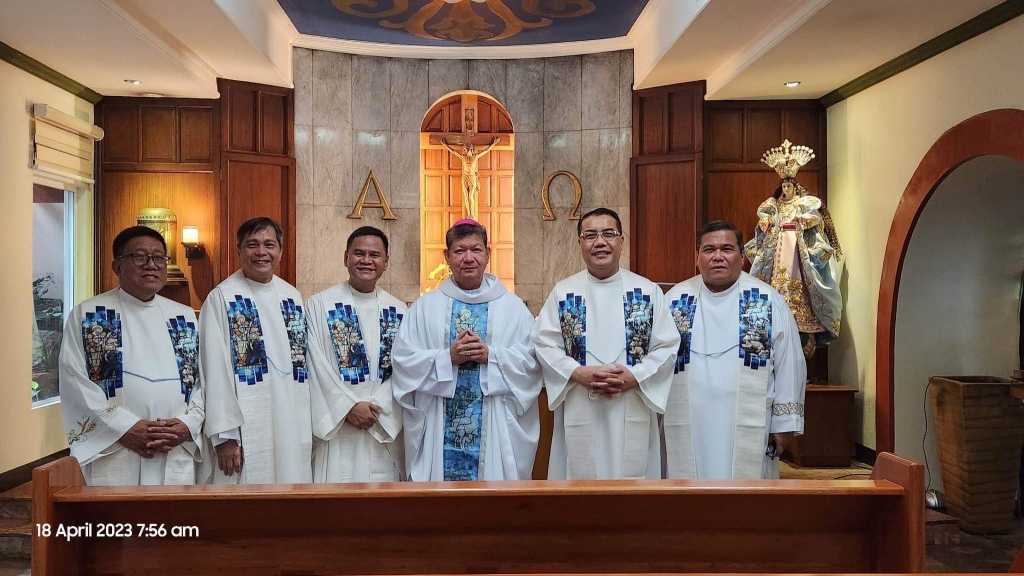
Another thing is the fact that when I took these photos randomly, there was no plan at all in writing about the subject of perspective. Never thought how these photos would turn out to be pieces of a jigsaw puzzle on perspective and POV.

We have reflected the other day how our perspectives of things and people as well as events contribute to the understanding or breakdown in communication as they reveal our inner thoughts and dispositions. It is not only important at how we narrate a story from whatever POV but most of all, at how open are we in refining our perspectives so that we achieve unity.

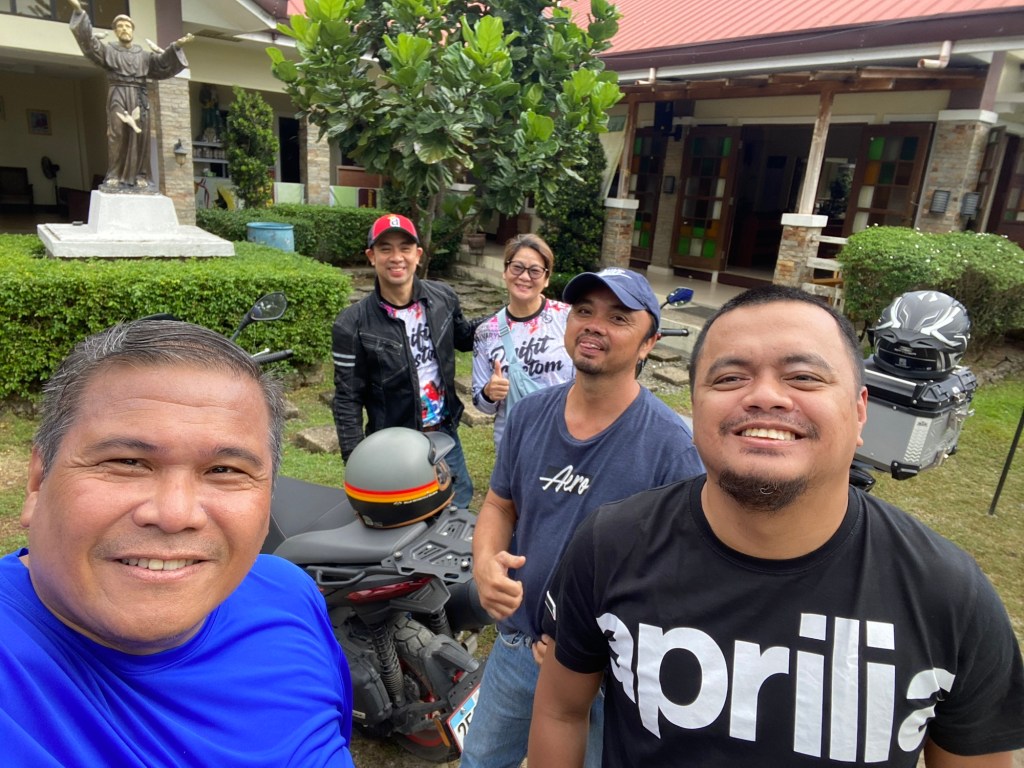
(More photos from our team-building in Batangas.)


During our Holy Hour Tuesday night to cap our first day of prayers, I realized something very close to our subject of perspective while praying over the following gospel passage regarding the Mystery of God:

Jesus told his disciples, “The lamp of the body is the eye. If your eye is sound, your whole body will be filled with light; but if your eye is bad, your whole body will be in darkness. And if the light in you is darkness, how great will the darkness be” (Matthew 6:22-23).

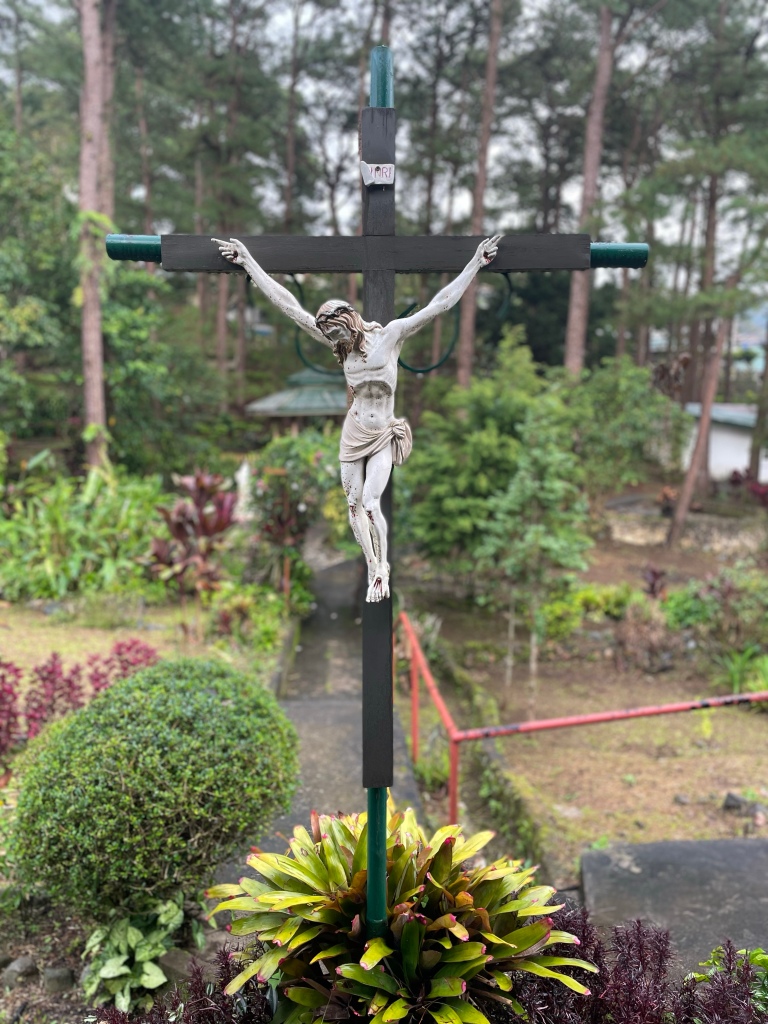
Photo by author, Sacred Heart Novitiate, Novaliches, QC, 17 March 2025.

When we have the right perspective in life, we get a clear vision of life too.

That is why in our previous blog we have said we need to refine our perspective like an artist who has to spend and invest time not only in his/her studies but most especially in his/her dealing and interactions with people to come up with an obra maestra.

Living, after all, is an art, of our participation in the grace of God to bring out the best in each of us. St. Paul was very clear about this perspective regarding leadership and community life that both aim to show the giftedness of every member.

Photo by author, Sacred Heart Novitiate, Novaliches, QC, 17 March 2025.

Our perspectives are put to the test in moments of darkness like when we are in trials and tribulations, difficulties and crises. It is during darkness in life when people are distinguished from merely having sight or with a vision. According to the American writer Helen Keller, the worst thing that can happen in life is for anyone with sight not to have any vision at all.

Of course, we all know Helen was blind who wrote some of the loveliest poetry of her time.

Photo by author, Sacred Heart Novitiate, Novaliches, QC, 17 March 2025.

Many people just have sight that can be easily blurred that eventually affect their perspective. It is more than looking from the inside or from the outside (POV) but of how we see or look at everything and everyone from within us.

Photo by author, Sacred Heart Novitiate, Novaliches, QC, 17 March 2025.

A person of vision always sees beyond and therefore achieves more, always more fulfilled and fruitful than those who merely sees things, people and events as they are.

Photo by author, Sacred Heart Novitiate, Novaliches, QC, 17 March 2025.

People with the right perspective will always have vision in seeing everything despite many obstacles in life. They remain focused on what they “see” that others could not see at all. With a right perspective and proper vision, that person still sees when “darkness is his only light and hopelessness is his only hope” (T. S. Eliot in Four Quartets).

Photo by author, Sacred Heart Novitiate, Novaliches, QC, 17 March 2025.

My spiritual director since 2016, Jesuit Father Danny Gozar asked me during outside prayer periods that I “deliberately appreciate” God’s creation like feeling the gentle breeze, walking barefooted to be caressed by the green grass soaked in morning dew, feel the burning heat of the sun and if it rains – which it did briefly – try to get wet to feel the raindrops.

Photo by author, Sacred Heart Novitiate, Novaliches, QC, 17 March 2025.

What struck me most were the many sounds of nature here in Sacred Heart Novitiate due to its mini-forest.

Crows caw the whole day along with the crickets while the ugly gecko fills the whole place with its cries of tu…ko! tu…ko!

Their sounds were so musical to my ears, sounds I have last heard decades ago while growing up in the province but almost totally gone in the city.

What is amusing is how with merely the sounds they make, we can form images of how these creatures look like!

The same thing with God himself.

When we are formed in Jesus Christ’s perspectives in life, everything around us becomes a reminder of God’s presence, of himself with us. We cannot see him but with his gift of vision, we see him. And follow him.

That is why, with proper perspective comes vision. Then, mission!

Photo by author, Sacred Heart Novitiate, Novaliches, QC, 17 March 2025.

An august month, not a ghost month

Quiet Storm by Fr. Nicanor F. Lalog II, 09 August 2024
Photo by author, Parish of the National Shrine of Our Lady of Fatima, Valenzuela City, 24 July 2024.

I was recently asked to bless a little store the other day, the seventh day of August. My schedule was toxic with another appointment in another city but the owner begged because she believed it is the most auspicious date for blessing.

How I wanted to ask her why have a blessing at all if you believe in luck than in God? Para wala nang gulo, I blessed her store but explained the meaning of blessing and of superstitions during the rites. It is one of those occasions when all we can do is sigh, saying haynaku and Juice colored!

What a sad reality in our Catholic Christian country where the kind of religiosity that binds most of us is more on rites and rituals but lacking in roots and spirituality, centered on ourselves to be assured of every kind of material blessings, forgetting all about the very object of faith who is God expressed in our concern for one another.

And in the light of all these things going on especially the never ending topics in social media, we ask, pera pera na lang ba talaga ang lahat sa buhay natin?

From catholicapostolatecenter.org.

Consider the name of this month August which was borrowed from the Roman Caesar Augustus that signifies reverence or to hold someone in high regard. As an adjective, august means “respected and impressive” like when we say “in this august hall of men and women of science”.

August is not a ghost month nor any other month of the year.

Like the days of the week, every month is a blessed one. No day nor date nor time is malas because these were all created by God who is all good. Nothing bad can come from God. Period.

Moreover, when God became human like us in the coming of Jesus Christ, life has become holy, filled with God, debunking those ancient beliefs of the Divine being seen in various cosmic forces. Pope Benedict explained this so well in his second encyclical:

Photo by author, St.Scholastica Retreat House, Baguio City, 2023.

In this regard a text by Saint Gregory Nazianzen is enlightening. He says that at the very moment when the Magi, guided by the star, adored Christ the new king, astrology came to an end, because the stars were now moving in the orbit determined by Christ[2]. This scene, in fact, overturns the world-view of that time, which in a different way has become fashionable once again today. It is not the elemental spirits of the universe, the laws of matter, which ultimately govern the world and mankind, but a personal God governs the stars, that is, the universe; it is not the laws of matter and of evolution that have the final say, but reason, will, love—a Person. And if we know this Person and he knows us, then truly the inexorable power of material elements no longer has the last word; we are not slaves of the universe and of its laws, we are free. In ancient times, honest enquiring minds were aware of this. Heaven is not empty. Life is not a simple product of laws and the randomness of matter, but within everything and at the same time above everything, there is a personal will, there is a Spirit who in Jesus has revealed himself as Love[3]. (#5, Spe Salvi (Saved in Hope) by Pope Benedict XVI, 30 November 2007)

Photo by author, Sacred Heart Novitiate, Novaliches, QC, 20 March 2024.

I love this part of his encyclical, “It is not the elemental spirits of the universe, the laws of matter, which ultimately govern the world and mankind, but a personal God governs the stars, that is, the universe; it is not the laws of matter and of evolution that have the final say, but reason, will, love—a Person.”

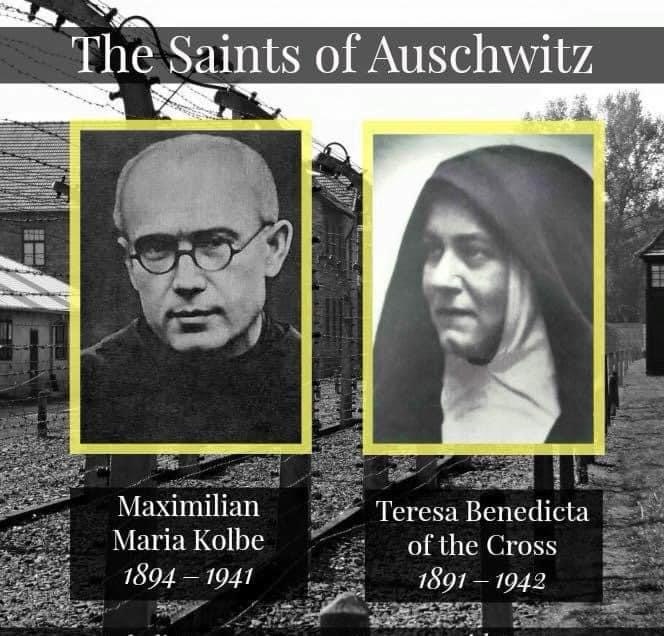
It was this Person of Jesus Christ why so many great men and women then and now have abandoned their previous ways of life to lead holy lives even in the face of death. Very interesting in this modern time are two great saints we celebrate on this month of August, St. Teresa Benedicta of the Cross (August 09) and St. Maximilian Kolbe (August 14) who died at the gas chambers of Auschwitz during the Second World War. Let’s reflect first on St. Teresa Benedicta whose memorial we celebrate today.

Photo from FB page of Scott Hahn, 09 August 2024.

St. Teresa Benedicta is the German philosopher Edith Stein. She came from a prosperous Jewish family gifted with great mind becoming one of the first female university student and later professor in Germany.

An associate of the famed Edmund Husserl of the philosophical method of phenomenology, St. Teresa Benedicta became an atheist during her teenage years; but, upon further studies and prayer, converted into Catholicism, becoming a Carmelite nun where she adopted her new name. She wrote that “Those who seek truth seek God, whether they realize it or not“.

She actually had all the chances to leave for South America and then to Switzerland to escape the Nazis but opted to stay in their monastery in the Netherlands with her younger sister Rosa who had also converted as Catholic and joined the Third Order Carmelite. When they were arrested on August 2, 1942, she told her, “Come, Rosa… we go for our people.”

St. Teresa Benedicta honored her Jewish roots by dying among them as a martyr of Christ, one who had “learned to live in God’s hands” according to Sr. Josephine Koeppel, OCD, a translator of much of her works. According to various accounts, St. Teresa Benedicta showed great inner strength by encouraging her fellow prisoners to have faith in God while helping in looking after the small children when their mothers were so distressed to do so. One woman who survived the war wrote: “Every time I think of her sitting in the barracks, the same picture comes to mind: a Pieta without the Christ.”

Dying ahead of her in Auschwitz on August 14, 1941 was St. Maximilian Kolbe, a Franciscan priest who was arrested for his writings against the evil Nazis. It was actually his second time to be arrested.

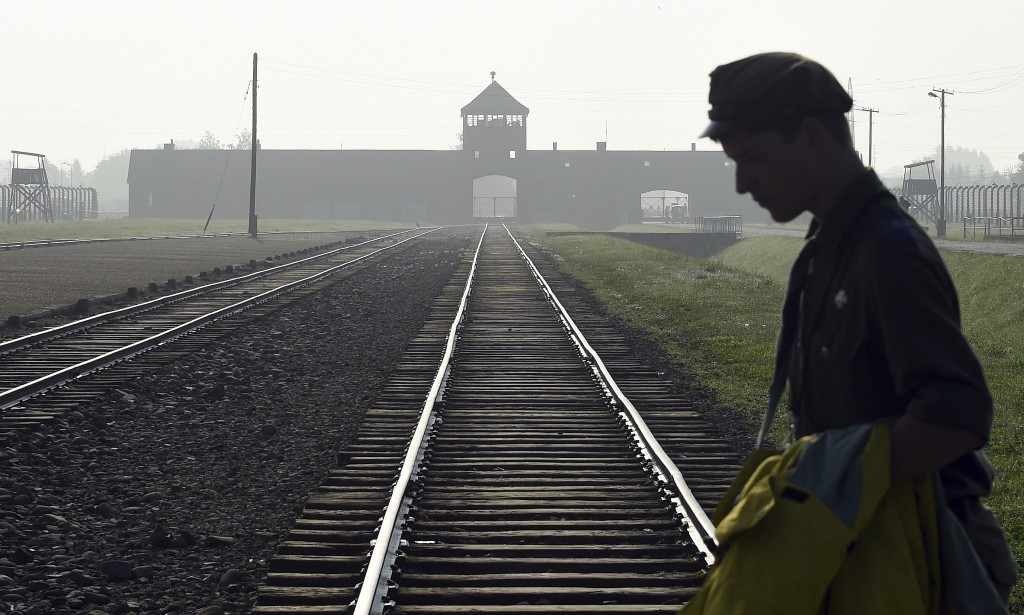
When a prisoner had escaped from the camp, authorities rounded up ten men to die in exchange of the lone escapee. Fr. Kolbe volunteered to take the place of a married man with children. They were all tortured and starved in order to die slowly in pain. A devotee of the Blessed Virgin Mary, St. Maximilian was injected with carbolic acid on the eve of the Assumption after guards found him along with three other prisoners still alive, without any signs of fear like screaming but silently praying.

Photo of Auschwitz from Google.

We no longer have gas chambers but atrocities against human life continue in our time, hiding in the pretext of science and laws. Until now, men and women, young and old alike including those not yet born in their mother’s womb are hunted and killed to correct what many perceived as excesses and wrongs in the society. Just like what Hitler and his men have thought of the Jews at that time.

The Nazi officers and soldiers of Auschwitz remind us the true “ghosts” and evil spirits of our time sowing hatred and deaths are people who may be well-dressed, even educated in the best schools, and come from devout or “normal” families. They sow evil every day without choosing any particular month, blindly following orders without much thinking and reflections or introspection.

Photo by author, James Alberione Center, QC, 08 August 2024.

Many times, they insist on following or speaking the truth – a truth so empty of the person of Jesus Christ. As we have been saying amid this growing trend of wokism and inclusivity that have badly infected the Olympics, people tend to exaggerate the truth they believe or follow when actually, they are just exaggerating themselves.

By the lives of the many great saints of August, or of any other month for that matter, we are reminded that holiness is not being sinless but simply being filled with God, being converted daily to the truth of Jesus Christ by allowing that holiness to spill over and flow onto others with our lives of authenticity expressed in charity and mercy, kindness and justice, humility and openness with one another.

Let us make every month holy and blessed with our good deeds to make everyone aware of Christ’s presence among us. Have a blessed weekend!

Ang kasalanang hindi natin alam

Lawiswis ng Salita ni P. Nicanor F. Lalog II, Ika-20 ng Marso 2024
Unang Huling Wika ni Jesus sa Krus
Larawan kuha ng may-akda, 2019.

Ang Unang Wika ni Jesus:

Nang dumating sila sa dakong tinatawag na Bungo, ipinako nila sa krus si Jesus. Ipinako rin ang dalawang salarin, isa sa gawing kanan at isa sa gawing kaliwa. Sinabi ni Jesus, “Ama, patawarin mo sila, sapagkat hindi nila nalalaman ang kanilang ginagawa.” At nagsapalaran sila upang malaman kung alin sa kanyang kasuutan ang mapupunta sa isa’t isa.

Lukas 23:33-34

Kay sarap isipin at namnamin na ang kauna-unahang mga salita na sinabi ni Jesus nang ipako siya ay krus ay ang kapatawaran sa ating mga kasalanan. Hindi lamang doon sa mga mismong nagpako sa kanya sa krus kungdi sa ating lahat ngayon na patuloy pa rin siyang ipinapako sa krus “sapagkat hindi natin nalalaman ating ginagawa.”

Ano nga ba iyong sinasabi ni Jesus na patawarin “sapagkat hindi nila nalalaman kanilang ginagawa”?

Sa kaisipan ng mga Judio, ang “malaman” ay hindi lamang matanto ng kaisipan ano mang data o impormasyon kungdi galaw ng puso at kalooban na pumasok sa pakikipag-ugnayan. Ang malaman ay magkaroon ng ugnayan bilang kapwa-tao sa isa’t isa.

Nang sabihin ni Jesus na “Ama, patawarin mo sila, sapagkat hindi nila nalalaman ang kanilang ginagawa”, ipinaaalala din niya sa ating lahat ang katotohanang dapat malaman natin na tayo ay magkakapatid sa kanya, iisang pamilya sa Diyos na ating Ama.

Sa tuwing sinisira natin ang ating mga ugnayan bilang magkakapatid, sa kada pagbale-wala natin sa bawat tao na tinuturing bilang kasangkapan at gamit para sa sariling kaluguran at kapakinabangan ng walang pag-galang at pagmamahal, doon tayo nagkakasala dahil pinuputol natin ating mga ugnayan.

Madalas, iyan ang hindi natin alam kapag ating inaabuso ating tungkulin at kapangyarihan na dapat ay pangalagaan kapakanan lalo ng mga maliliit at mahihina.

Nagkakasala tayo at hindi natin alam ating ginagawa kapag ating nilalapastangan ating mga magulang lalo na kapag matanda na at mahina o hindi makarinig; kapag sinasaktan ating mga kapatid sa masasakit na pananalita at ating pilit ibinababa kanilang pagkatao.

Larawan kuha nina Teresa at Luis sa Pexels.com

Hindi rin natin alam ating ginagawa sa tuwing tayo ay sumisira sa pangakong magmahal sa asawa at kasintahan, kapag tayo ay nagtataksil o nagbubunyag ng sikretong ipinagkatiwala sa atin at tayo ay nagiging plastik sa harap ng iba.

Pinakamasaklap sa mga hindi natin nalalaman ating ginagawang masama ay kapag nawalan tayo ng pag-asa at kumpiyansa sa mga mahal natin sa buhay kaya sila ay atin pinababayaan, ni hindi pinapansin o bigyang-halaga dahil sa paniwalang hindi na sila magbabago pa ng ugali o hindi na gagaling pa sa kanilang sakit at karamdaman lalo na kung matanda na at malapit nang mamatay.

Ngayong mga Mahal na Araw, isipin natin mga tao na ating nasaktan sa ating salita man o gawa dahil ating nalimutan o kinalimutan ituring kapatid at kapwa.

Sinu-sino din ang mga tao na nagpapasakit sa ating kalooban dahil hindi nalalaman kanilang ginagawa? Manalangin tayo:

Ipagpatawad po ninyo,
Panginoong Jesus
aking pagpapako sa iyo muli sa krus
sa tuwing hindi ko nalalaman
aking ginagawa,
kapag aking nililimot at tinatalikuran
itong pangunahing katotohanan
na igalang at mahalin bawat kapwa;
ipinapanalangin ko sa Iyong habag at awa
mga tao na aking sinaktan at tinalikuran
lalo na yaong mga binigay mo sa akin
tulad ng aking pamilya at kaibigan
at mga dapat pangalagaan;
ipinapanalangin ko rin sa Iyo,
O Jesus, yaong mga nanakit sa aking
damdamin, tumapak at yumurak
sa aking pagkatao na hanggang ngayon
aking pa ring ibig paghigantihan.
Panginoong Jesus,
huwag ko nawa malimutan
na kami ay magkakapatid,
magkakaugnay
sa iisang Ama
na siyang sinasagisag
ng Iyong Krus na Banal.
Amen.

Light a candle to pray better.

Quiet Storm by Fr. Nicanor F. Lalog II, 08 February 2024
Photo by Irina Anastasiu on Pexels.com

Last Friday was the Feast of the Presentation of Jesus to the Temple (February 2) also known as the Feast of the Candlemass wherein candles were blessed outside the church after which the people led by the priest enters to begin the Mass in a procession with lighted candles. 

Candlemass is a beautiful celebration, especially when done properly by priests. Its origin dates back to more than 1500 years ago in France where it started when people incorporated the blessing of candles into the Feast of the Presentation then known with its Eastern title as “the Encounter” to refer to how Simeon with the Prophetess Anna met the child Jesus being offered by his parents Joseph and Mary to the temple 40 days after Christmas. According to St. Luke, Simeon sang the following upon meeting the child Jesus Christ.

Presentation in the Temple painting by Fra Angelico from fineartamerica.com.

“Now, Master, you may let your servant go in peace, according to your word, for my eyes have seen your salvation, which you have prepared in sight of all the peoples, a light for revelation to the Gentiles, and glory for your people Israel.”

Luke 2:29-32

In proclaiming Jesus Christ as the “light” of salvation for the nations, the early French Christians thought of having the blessing of candles and procession of lighted candles to signify Jesus as the only and true light of the world. Thanks be to God for those pious early French Christians!

Photo by icon0.com on Pexels.com

Though candles are no longer used as a major source of lighting in homes and other places, it is still used in almost all churches, monasteries and other houses of worship around the world, gaining a renewed popularity among the younger generation. It is a most welcomed development in our modern time as more and more people are rediscovering the need for spiritual growth of whatever label. And right in the midst of this is the candle as a tool for better prayer periods. 

Unfortunately, this beautiful tradition of the candles is dying in our country. How ironic that we who belong to the Third World have switched to electric vigil lamps and candles while those in the First World still use the traditional candles in their homes and churches. 

Go abroad like in North America and Europe, one finds a plethora of all kinds of beautiful candles used and sold even in the simplest churches and stores! During a Holy Land pilgrimage in the 2017 Easter Season, one of the things I appreciated and admired next to the pilgrim sites were the lovely and regal designs of paschal candles in the churches we visited that made me wonder why nobody makes them here in our predominantly Catholic country. 

Candles have always have a special place in the life of our faith and the Church since its early beginnings. From the Latin words candere and candela that mean “to shine”, it evolved into the Middle and Old English words candele and candel.

Aside from lighting the gatherings of the early Christians especially in the catacombs to evade arrests during the persecution, candles have always been used to signify Christ as the light of the world guiding our paths as Christians in every celebration, from Baptism to Weddings and Funerals.

Candles do not only make rooms shine but most especially the souls and the hearts of those who cultivate a prayer life. It has that unique warmth that can soothe and calm those who are agitated or worried with life’s many trials and challenges.

Every time we light a candle during prayer periods, our inner selves are made brighter as they evoke in us so much feelings of the Divine presence. Their little lights that flicker remind us of our feeble selves whose life could be easily snuffed out with a single blow. 

The scent of burning candle permeates our senses, calming us within, inviting us to leave all our worries in life as we lay our cards out in the open to God. A candles warmth can dissolve every hardness within us, purifying us within and becoming empty and open for God’s grace to work in us.

Photo by Emre Kuzu on Pexels.com

In a sense, candles may be considered as a sacrament too which is defined as a visible sign with invisible power.  

The very act of lighting a candle is already the start of prayer, something like the making of the sign of the Cross. I strongly recommend for those who wish to aid their prayer periods with candles to use matches not lighters that are artificial. 

Lighting up a candle for prayer especially in the morning can rouse our senses. The striking of the match with its sudden burst of light to kindle the candle is like an angel had suddenly come down to assure us that our prayer is heard by God, that God is with us at the very moment or at least reminds us we have turned into the mode of praying. 

The strong scent of the burning matchstick also adds flavor and aroma to the prayer period especially in the early morning when the whole world is still dark and everyone still asleep with you as the only one awake with God. Lighting a candle first thing first upon waking up can help us avoid from getting our cellphones or turning on the radio or the TV. A lighted candle can prevent us from being distracted by these modern gadgets that keep us away from God and from one another.

My altar with lighted candle at night; see the candle snuffer at the foreground.

Lighting a candle during a prayer period in our room or home works like the candlelight dinner that sets us to a lovely communion with God our beloved. The slow burning of a candle reminds us even in our busiest morning that we are at prayer in the presence of God, that we need to slow down too in our lives, to be conscious of our selves, surroundings and time so we can set our sights to God alone like a beloved in a candlelight dinner date.

At night time, the sight of the candle burning in one’s room is most dramatic as we close the day. Actually, it is during night time that the Church prays the Canticle of Simeon. 

Imagine that scene at the temple when Simeon sang as he held the Child Jesus in his arms – of his readiness to die, to go in peace, after seeing Christ the light of salvation. In the darkness of the night punctuated only by a burning candle, we are able to examine our hearts of the many things we have done and failed to do the whole day. These become clearer in the light of the candle that penetrates our hearts and conscience, piercing and rending our souls to remove the darkness within us, exposing the festering anger or bitterness and sadness hiding inside, melting them away with its warmth so we may go to sleep clean and ready to continue with life – here or hereafter like Simeon.

By Kay Bratt in Facebook, 13 December 2023.

One last note about candles as we end this reflection. Monks use a candle snuffer in extinguishing candles in their chapels and monasteries.  These are long metal instruments with tips like a bell that monks hover above a candle, slowly covering it until its light is snuffed out, hence, the name candle snuffer. 

If you want to be serious in praying better with lighted candles, you may buy those small candle snuffers for home use available at some candle shops in the malls. If there is no candle snuffer, one may use the cover of the candle to snuff out the light. What is important is that as we close our prayers with the lighted candle as companion, we don’t simply blow its light to abruptly end its glow. 

When blowing the candle used in prayer, do it slowly as if you are whispering. Do it with solemnity. Every candle used at prayer becomes blessed, demanding some sort of reverence as companions in our prayer life and journey. Of course, it would be good if you can have your candles blessed by the priest for use at home to ward off negative vibes but more important than that is we grow in our prayer life, we become like lighted candles who give light to others in Christ. Like our candles, we also become a prayer to God in our very selves. Amen.Have a blessed Thursday.

Roots

Quiet Storm by Fr. Nicanor F. Lalog II, 10 April 2023
A photo-reflection of our rootedness in God while at the Sacred Heart Novitiate last March 20-22, 2023.
In the lush rolling hills of Novaliches
that is now fast disappearing are
23 hectares of pastureland and mini forests 
inside the Sacred Heart Novitiate
of the Society of Jesus.

Thank God it had opened
anew its doors to retreatants like me
wishing to have a "vacare Deo"
or vacation in the Lord.
A retreat
or a vacare Deo
is a return to our roots,
God.

While preparing for the formal
start of my retreat last March 20,
I felt the roots of the many trees
speaking to me
 in this Bethel of mine
where like Jacob in
Genesis 28:10-19,
I met God.
Sometimes,
I wrestled with Him
like Jacob too
in Peniel/Penuel
(Gen. 32:23-33).
How interesting
the words "true" and "truth"
along with its cousin "trust"
came from the old English
"treowe"
for tree.
According to experts,
the Anglo-Saxons worshipped trees
they called "treowe"
because they evoked firmness
and solidness;
the more rooted is the tree,
the more firm does it stand.
Like truth.
Whatever that is true, firmly standing
like a tree or treowe always has extensive 
network of roots, creating linkages
and interconnections from which came
that image of the 
"family tree".
When there are interconnections,
linkages,
there are relationships.
People with the most
wonderful relationships
are also the truthful ones
because they are trustworthy.
Reliable.
Like God.
Our root.
Our rootedness
who connects us with
everyone.
When we are rooted
and grounded in God,
nothing can ever disturb us
like a big, big, tree.
We can withstand all storm,
bear the sun's heat
remaining firm
and aglow
 with God's majesty
in daytime and in darkness.

Lovelier than the tree,
thank God
for creating me.
Hallelujah!