Easter is getting real, not “ghosting”

The Lord Is My Chef Easter Recipe for the Soul by Fr. Nicanor F. Lalog II
Third Sunday in Easter-B, 14 April 2024
Acts 3:13-15, 17-19 ><}}}}*> 1 John 2:1-5 ><}}}}*> Luke 24:35-48
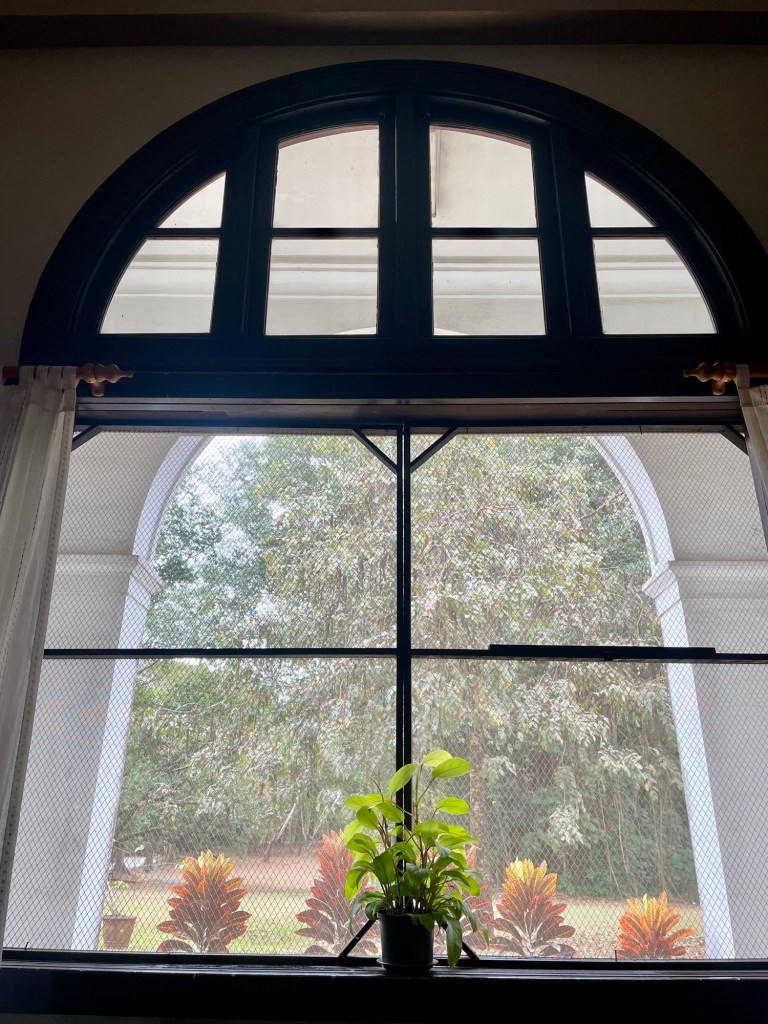
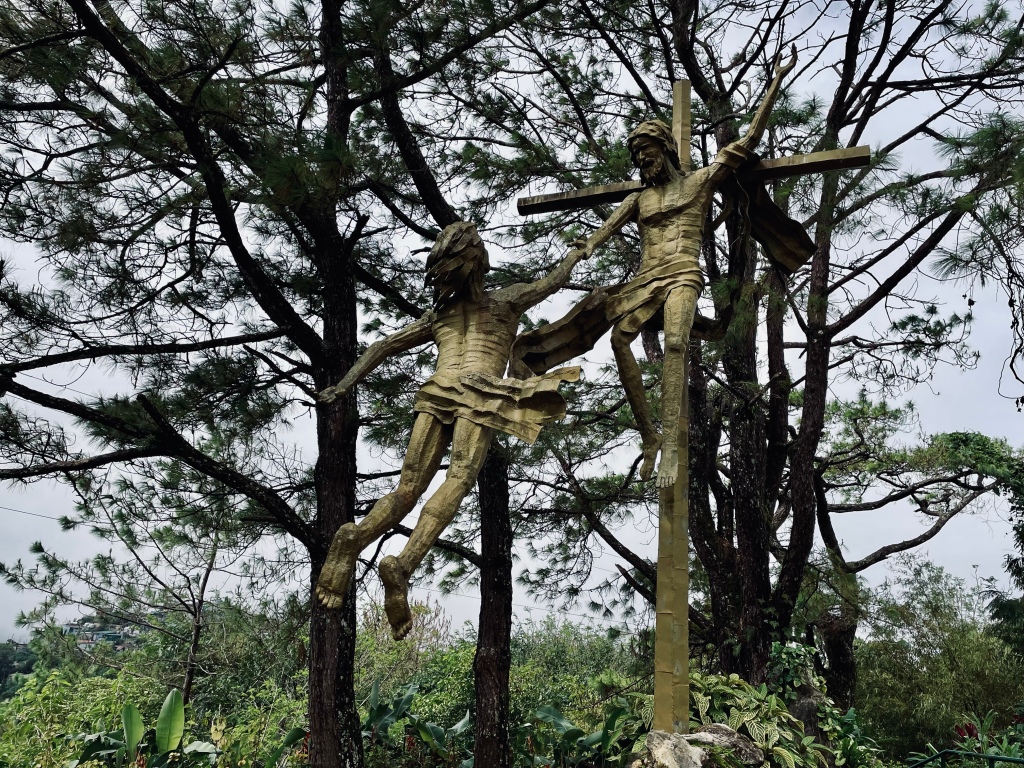
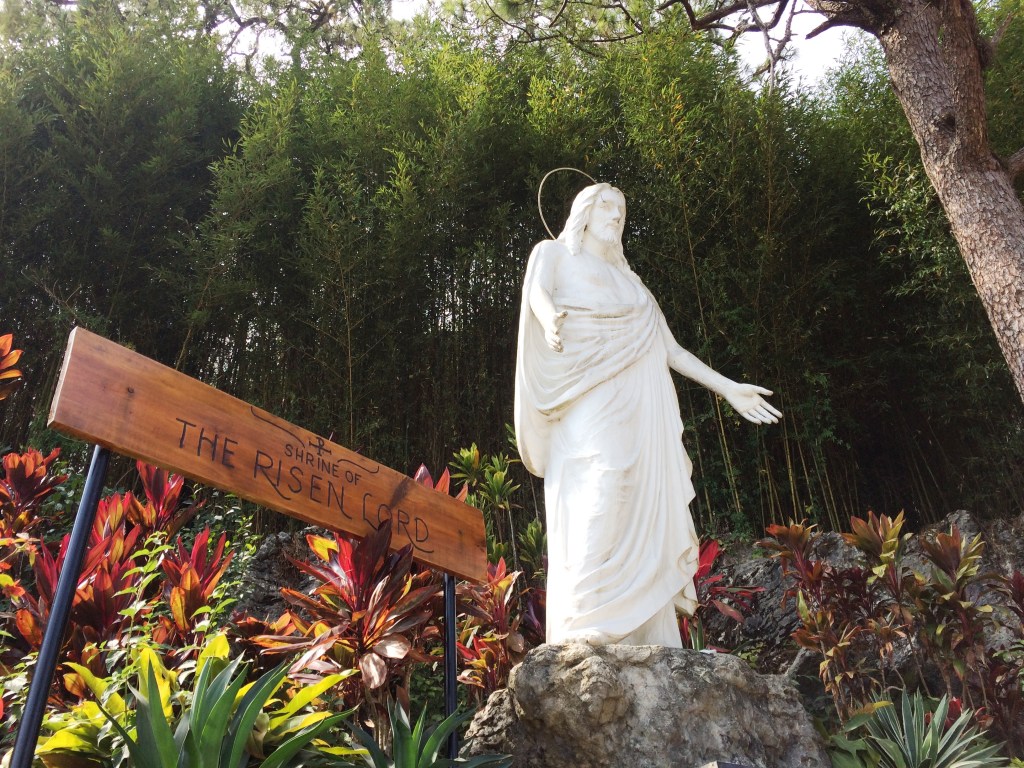
Photo by Dra. Mylene A. Santos, MD, 27 March 2024 at Katmon Nature Sanctuary & Beach Resort, Infanta, Quezon.

More than ten years ago, there used to be a billboard at the C3-Banaue area in Quezon City that said, “True love is like ghosts, which everybody talks about and only a few have seen.”

I googled the saying and found it was from French moralist Francoise de la Rochefoucauld (1613-1680). Nonetheless, we remembered that billboard because in our gospel today, we have heard how the Apostles thought upon seeing the Risen Lord that He was a ghost!

While they were still speaking about this, he stood in their midst and said to them, “Peace be with you.” But they were startled and terrified and thought that they were seeing a ghost. Then he said to them, “Why are you troubled? And why do questions arise in your hearts? Look at my hands and my feet, that it is I myself. Touch me and see, because a ghost does not have flesh and bones and you can see I have.”

Luke 24:36-39

“The Road to Emmaus” painting by American Daniel Bonnell from fineartamerica.com.

This is the last Sunday we shall hear a story of the Risen Lord’s appearance to His disciples; beginning next Sunday, our gospels will be the accounts of Jesus Christ’s discourses at their Last Supper.

It is not really important to count how many times the Risen Lord had appeared to His disciples who in the first place never bothered themselves with it. John explained it last Sunday why only a few of these were written so that we may believe and have life in Him (Jn.20:31). There are two things we find always in these few Resurrection stories that convince us the Lord is risen.

First, there is always the intensity we feel in the Resurrection stories we have. Even though there is no account of how it happened, we could feel in the whole New Testament that it actually happened. It is historical but beyond the physical and ordinary. So real yet surreal. That is why initially, there is the incredulity not only among the disciples but even among us at this time. As we say in Filipino, “hindi makapaniwala” as opposed to “hindi maniwala” because Jesus Christ’s Resurrection opened new possibilities in our human existence that only faith in Him can explain though not fully. It is when all we can say in Filipino is “a…basta!”

From this intensity of His Resurrection, there is always that movement to gather together as a community of the risen Lord’s disciples. Easter is always in the context and setting of a community. See how Jesus would always tell or lead His disciples to gather together as a community, always appearing to them when there are at least two of them gathered like Clopas and companion on the way to Emmaus on the evening of Easter. And we see its effect – once they recognized Jesus at His breaking of bread, they both hurried back to Jerusalem to join the other disciples to share the good news!

That’s the beauty and mystery of Easter. It is so intense, so true we can feel and experience, always leading us to gather together as a community, as a family. It is never selfish nor personal. Do we have the same intensity today as individuals and as a community especially in our Sunday Masses?

From Facebook, 04 April 2021: “There is an urgency to announce the Joy, the joy of the Risen Lord.”

Today’s gospel scene is the continuation of that Emmaus story. While Clopas and companion were telling the disciples their experience, Jesus suddenly came into their room and again, they were startled and terrified.

But Luke added that one word “ghost” that was used twice in this scene: first in v.37, “But they were starteld and terrified and thought that they were seeing a ghost” and in v. 39 when Jesus read His disciples’ minds, telling them to “Look at my hands and my feet, that it is I myself. Touch me and see, because a ghost does not have flesh and bones as you can see I have.”

Sorry for the long introduction as I wish to direct our attention to that word ghost.

When we were growing up, there was a cartoon show on TV called “Casper the friendly ghost.” In Filipino, we always refer to ghost as multo, something scary because like the aswang, they look terrible and would always harm people. That is why the Church later on changed the name Holy Ghost to Holy Spirit because of the very negative connotation of the word ghost.

These days, the young people are using again the word ghost, turning it into a verb form that means so negative: ghosting as in “iniwan sa ere”. At first, I thought to be ghosted is the equivalent of what we used to say “na-Indian” when a date or someone stood you up in a meeting or coming together.

But ghosting is more than just not appearing nor coming to a meeting or get together. It is almost like betrayal or infidelity. Precisely what the youth say, to be left hanging on air not knowing at all what is next. Very disappointing. Most of all, painful as it hurts us deeply when ghosted. The Filipino expression says it all completely, iniwan sa ere which is worst than the English expression “dropped like a hot potato”. To be ghosted is to be betrayed, to be taken for granted, to be discarded like a thing. It is utter lack of respect to another person. Worst, it is lack of life fulln of pessimism and indifference to life itself.
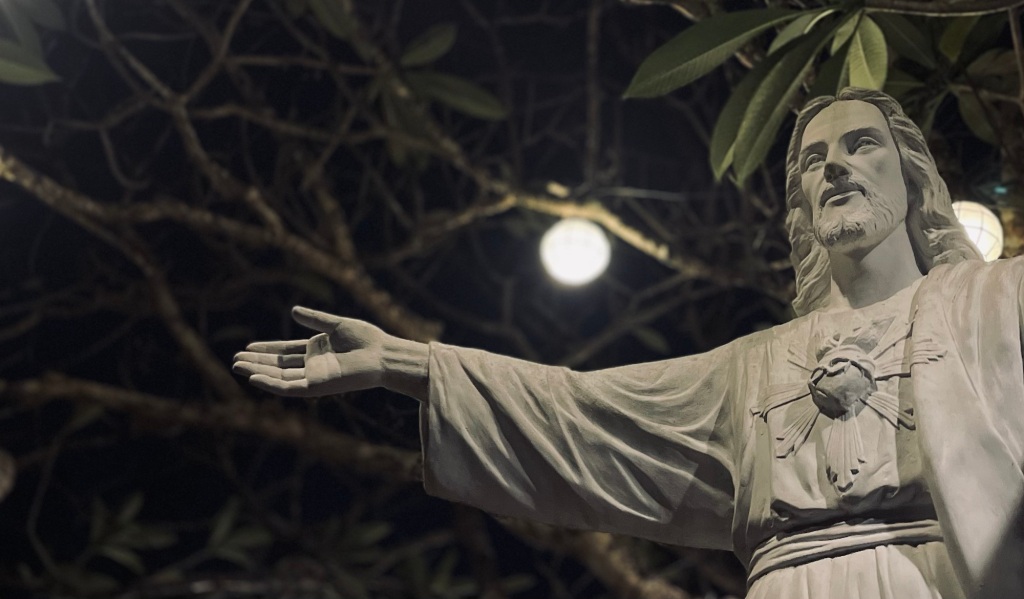
Photo by author, Sacred Heart Novitiate, 18 March 2024.

Jesus Christ is not a ghost. Had never and would never ever ghost us because He is faithful, truly alive and truly present with us especially in our darkest and emptiest moments in life. Many times, we do not see nor recognize Him because we are so focused at how we were ghosted especially by loved ones.

In the first reading, we heard Peter’s second discourse on Pentecost Sunday about the Resurrection of Jesus as the summit of everything that was written in the Old Testament, the fulfillment of salvation history. But at the same time, he was telling the people of how they have ghosted the Lord “whom you handed over and denied in Pilate’s presence, when he decided to release him” (Acts 3:13).

Peter was not accusing the people then or anyone today for being accomplices in Jesus Christ’s death because he himself denied the Lord thrice, remember? Peter ghosted Jesus too but repented. And that was his point to everyone including us today of how may times we too have ghosted Jesus when we sin against each other, when we betray our loved ones, when we are remiss in our duties and responsibilities, when we are unfaithful that people fail to experience the Risen Lord coming to them.

Peter is asking us this Sunday to look into ourselves at how we continue to ghost each other that we contribute to the vicious circle of violence happening in the world that often starts right in our family and community, even in the Church.

That is why the beloved disciple asks us in the second reading “to keep his commandments so that we may not commit sin” by rejecting the lusts of the flesh not only in the sexual sense but in all of our selfish interests. Most of all, to imitate Jesus Christ by living like Him full of love and kindness, always understanding and forgiving and caring especially of the weak and marginalized.

Photo by author, 09 April 2024.

The Resurrection remains a mystery. It is a call for us to be real with flesh and bones not like a ghost. Easter is an invitation to live our lives as Easter people, full of joy and hope in Christ even when the chips are down.

Being real as opposed to ghosting means proclaiming Jesus Christ with our very own witnessing of His loving presence and service to others with our very lives.

Being real as opposed to ghosting is avoiding “back burning” those dearest to us.

Being real as opposed to ghosting is not “bread crumbing”, of being mediocre that we do only the bare minimum.

Easter is Jesus faithfully present with us especially in the most trying and difficult moments of our lives because He assures us nothing can keep us nor hostage us in whatever darkness or emptiness we are in.

Not being able to see someone does not mean that someone does not exist. Many times in life, it is after our loved ones are gone – permanently or temporarily – when we actually experience them closest. That’s because of the Resurrection of Jesus!

Let’s get real by praying:

Lord Jesus Christ,
open my mind and my heart
to Your words;
let me develop that prayer life
You have always been inviting me
to get into a relationship with You;
let me find You in my wounds
so I may find Your glory too;
let me find You in my many hurts
and scars in my heart so I may
find and share Your healing and
comfort with those still in the
darkness of Good Friday
or silence of Holy Saturday;
dearest Jesus,
fill me with life and joy
so that people may see You
in me alive
and not like a ghost.
Amen.

“Rationing” God?

The Lord Is My Chef Easter Recipe for the Soul by Fr. Nicanor F. Lalog II
Thursday in the Second Week of Easter, 11 April 2024
Acts 5:27-33 ><))))*> + <*(((((>< John 3:31-36
Photo by author, Bolinao, Pangasinan, April 2022.
Once again,
O Lord,
Your words
are very amusing today:
"For the one whom God sent
speaks the words of God.
He does not ration his gift
of the Spirit" (John 3:34).
It sounds so funny
yet so true, dear Jesus!
We not only ration the
Holy Spirit but we also
ration every good gift
You give us as if it would
run out, as if You would
stop blessing us,
as if You are not God.
Forgive us, Lord,
when we ration
especially Your love
to others, when we
do not realize that love
and life and every blessing
You give are meant to be
given and shared fully
with others.

“We gave you strict orders did we not, to stop teaching in that name. Yet you have filled Jerusalem with your teaching and want to bring this man’s blood upon us.”

Acts 5:28
Dearest Jesus,
fill us with courage
like Your Apostles
after Pentecost that
we too may give all
to fill the world
with Your Good News
of salvation
in You,
with You,
and through You!
Amen.

Easter is new existence in Christ

The Lord Is My Chef Easter Recipe by Fr. Nicanor F. Lalog II
Second Sunday in Easter, Divine Mercy Sunday, 07 April 2024
Acts 4:32-35 ><))))*> 1 John 5:1-6 ><))))*> John 20:19-31
Photo by author, Mirador Jesuit Retreat House, Baguio City, 2018.

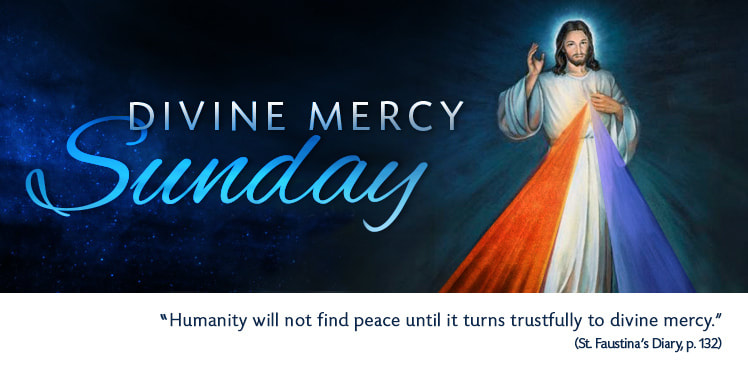
We celebrate today the Octave – eighth day – of Easter which coincides with the Feast of Divine Mercy. Both Christmas and Easter observe an octave signifying eternity because when you count from Easter Sunday to this Sunday, there are actually eight, not seven days. That is why there is no such thing as weekend for us Christians because the week never ends but continues on and on every Sunday.

And that is also the mystery, beauty and reality of Jesus Christ’s Resurrection that according to Pope Benedict XVI, “a life that opens up a new dimension of human existence” (Jesus of Nazareth, Part Two, p. 244).

Photo by author, view the refectory, Sacred Heart Novitiate, Novaliches, QC, 18 March 2024.

From now on, nothing can hold us nor keep us locked in sadness and grief, suffering and misery as well as sin and death because in rising from the dead, Jesus had opened up for us new possibilities in the future not only in eternal life but right here on earth.

Like the apostles on that same evening of Easter, we also find it so difficult to grasp and understand, even believe and explain right away though we could feel and experience deep down within us that Jesus is risen.

On the evening of that first day of the week, when the doors were locked, where the disciples were, for fear of the Jews, Jesus came and stood in their midst and said to them, “Peace be with you.” When he had said this, he showed them his hands and his side. The disciples rejoiced when they saw the Lord. Jesus said to them again, “Peace be with you. As the Father has sent me, so I send you.” And when he had said this, he breathed on them and said to them, “Receive the Holy Spirit.”

John 20:19-22
Photo by author, dusk at Sacred Heart Novitiate, 20 March 2024.

Since Sunday we have the prevalence of darkness and emptiness in our Easter stories, reminding us how often that it is in the darkness of our lives when we find light, when in the midst of emptiness when there is fullness.

This Sunday we find the presence of Jesus but still in an unusual manner. There was still darkness for it was night but more than that was the darkness within each disciple who locked themselves inside the Upper Room for fears from Jewish officials who might arrest and put them to death like Jesus.

Many times in life we feel locked in, imprisoned in some situations, feeling resigned as there is no way out from our troubles and miseries but through faith in Jesus, out of nowhere and without any explanation at all, we find ourselves extricated from our inescapable situations.

When my youngest sister was diagnosed with cancer the other year, she told me how she prayed on the eve of her surgery asking God to simply give her the grace to accept whatever the results of her tests would be. But after her surgery, it turned out her cancer was at its earliest stage that required no treatment at all except constant medical checkups! Last February on her major checkup again, doctors found no traces of cancer in her while her surgery had healed so well.

Hope is not positive thinking that things could get better; in fact, to hope is even to expect things to get worst like when the disciples were hiding in fear, expecting to be arrested too. Or my sister resigning to God her fate, just asking for the grace to accept she had cancer.

But it was in that darkness when Christ came and brought light to His disciples and my sister and our family. Strangely enough, it was after seeing the wounds of Jesus when they rejoiced because that proved that the Lord had risen. It was in my sister’s cancer we found ourselves together more in love and care for each other.

In life, our wounds will remain with us but most important of all for Easter to lead us into new existence in Christ, we must first remain in Him and with one another amid our wounds and darkness around us. And for us to remain or stay in Jesus with each other, we must first come.

Now a week later his disciples were again inside and Thomas was with them. Jesus came, although the doors were locked, and stood in their midst… Then he said to Thomas, “Put your finger here and see my hands”… Thomas answered and said to him, “My Lord and my God!” Jesus said to him, “Have you come to believe because you have seen me?”

John 20:26, 27, 28-29
Caravaggio’s painting “The Incredulity of St. Thomas” (1602) from en.wikipedia.org.

My dear friends, while praying over the gospel this week, this line by the Lord kept on echoing within me. And every time it would echo, the Lord shortened the sentence like these:

“Have you come to believe because you have seen me?”

“Have you come to believe because…?”

“Have you come to believe…?”

“Have you come…?”

Before we can stay and remain in the Lord, we must first come. Like Thomas.

What he had asked as proofs to believe in the Lord’s Resurrection were not really doubts to be taken negatively. John referred to him being known as Didymus for Twin. We were the ones who gave him that nickname Doubting Thomas. Like us, there are times we feel at a loss like Thomas with our faith and with ourselves when extraordinary things happen to us. It was not that he did not believe but in fact, he wanted to believe more. That is why he came the following Sunday.

Though I have always loved Caravaggio’s paintings, I don’t think Thomas ever touched the Lord’s wounds. Thomas must have been overwhelmed with the presence of Jesus that all he could say was “my Lord and my God” which we repeat during consecration of the bread and wine into Christ’s Body and Blood.

Photo by Ka Ruben, Easter Vigil 2024, National Shrine of Our Lady of Fatima, Valenzuela City.

Easter leads us into community life centered in the Eucharist. See how since Sunday when Jesus appeared to Mary Magdalene, He instructed her to tell Simon Peter and others of His Resurrection; after appearing to Cleopas and companion on the road to Emmaus, they hurried back to Jerusalem to proclaim the good news of seeing the risen Lord at the breaking of bread; and while they were together which would be the gospel next Sunday, Jesus appeared to them again as a community.

In His rising to life, Jesus brought us together, fellow wounded healers to heal each other, to remain with each other amid our poverty and sufferings because together in Christ, that is when we open new dimensions in existence, in living as a community. We grow into an I-Thou person from the selfish ego. That is what the first reading is telling us in how “the community of believers was of one heart and mind, and no one claimed that any of his possession was his own, but they had everything in common” (Acts 4:32).

It is the risen Lord who comes and stays among us in darkness and woundedness whenever we come and reach out to others like Thomas in the gospel. Even in our doubts, Jesus comes for us to believe more in Him. That is when great things start to happen, many so unbelievable and too deep for words. Basta.

That is why St. John Paul II rightly made the eighth day in Easter as the feast of Divine Mercy too because it is the love of God poured out to us in Jesus Christ’s suffering and death on the Cross when Blood and Water flowed out from His heart as an ocean of mercy for us. This is the love of God John was reflecting in the second reading that was too deep for words to explain except that it is the power that also “conquers the world” (1 Jn.5:3-4). Like St. Faustina in her Diary number 163, let us also pray:

"Help me, 
O Lord,
that my heart may be merciful"
by being more loving,
by coming
and remaining in Jesus
among our brothers and sisters
in their many darkness
and emptiness
and wounds in life.
Like You,
Lord Jesus,
let me come
to reach out
to those in doubts
to be Your very proof
of Your having risen
from the dead.
Amen.

Great Silence

The Lord Is My Chef Breakfast Recipe by Fr. Nicanor F. Lalog II
Holy Saturday, 30 March 2024
Photo by author, Sacred Heart Novitiate, Novaliches, 20 March 2024.
Teach us to be silent today, 
God our Father,
as we remember your Son
Jesus Christ’s Great Silence – 
Magnum Silentium –
when he was “crucified,
died and was buried;
he descended to the dead
and on the third day
he rose again.”
On this Holy Saturday, 
your whole creation comes to full circle.
In the beginning,
after completing your work of creation,
you rested on the seventh day
and made it holy (Gen.2:3).

On the seventh day
after completing his mission here on earth,
Jesus Christ was laid to rest.
Photo by author, Sacred Heart Novitiate, Novaliches, 19 March 2024.
Silence and rest always go together.
Let us realize, Father,
that to be silent
is not merely to be quiet
but to listen more to Your voice
coming from the depths of our being; hence,
silence is not emptiness
but fullness with You, dear God.
It is in silence
where we truly discover
our selves and others too.
Photo by author, Sacred Heart Novitiate, Novaliches, 20 March 2024.
Likewise, 
to rest is not merely to stop work
nor stop from being busy;
we rest to reconnect with You
to be filled with your Holy Spirit.

You do not rest, O God,
because you never get tired;
it is us who need to rest
so we may continue
Your work of creation and,
now of redemption
and renewal by Jesus Christ.
When we rest, 
we return to Eden,
like the garden where Jesus was buried: 

“Now in the place where he had been crucified there was a garden, and in the garden a new tomb, in which no one had yet been buried. So they laid Jesus there because of the Jewish preparation day; for the tomb was close by” (Jn. 19:41-42).

John 19:41-42
Photo by author, Sacred Heart Novitiate, Novaliches, 20 March 2024.
How beautiful is that image, 
dear Father,
of Your rest and silence in Eden
and of Jesus laid to rest
at a tomb in a garden:
to rest in silence is therefore
when we stop playing God
as we return to You
as Your image and likeness again!
Photo by author, Sacred Heart Novitiate, Novaliches, 20 March 2024.
God,
we are afraid of silence
because we are also afraid
of the truth, of trusting You;
Jesus was crucified because
we have always been
afraid to trust You
and be truthful to You and
ourselves.
Teach us to be like the women 
who rested on the sabbath
when Jesus was laid to rest;
like them, may we trust You more
by being true to ourselves.

The women who had come from Galilee with him followed behind, and when they had seen the tomb and the way in which his body was laid in it, they returned and prepared spices and perfumed oils. Then they rested on the sabbath according to the commandment.

Luke 23:55-56
May your silence and rest reassure us that we shall rise with you again. Amen.
Photo by author, Sacred Heart Novitiate, Novaliches, 20 March 2024.

Praying & Dying with Jesus

The Lord Is My Chef Good Friday Recipe, 29 March 2024
Isaiah 52:13-53:12 > + < Hebrews 4:14-16;5:7-9 > + < John 18:1-19:42
Photo by author, Chapel of the Holy Family, Sacred Heart Novitiate, Novaliches, June 2016.

The evangelists tell us that Jesus died on the Cross on a Friday at about 3PM. And they tell us too that our Lord died praying, exactly what most of the Seven Last Words expressed. 

But from the gospel we have heard this afternoon written by the beloved disciple, we discover something very beautiful about the death of Jesus, that He was very calm and peaceful in His prayer unto death.

After this, aware that everything was now finished, in order that the Scripture might be fulfilled, Jesus said, “I thirst.”  There was a vessel filled with common wine.  So they put a sponge soaked in wine on a sprig of hyssop and put it up to his mouth.  When Jesus had taken the wine, he said, “It is finished.”  And bowing his head, he handed over the spirit.

John 19:28-30
Photo by author, Chapel of the Holy Family, Sacred Heart Novitiate, Novaliches, June 2016.

When we are deep in suffering, in severe pain like Jesus on the cross, what do we usually pray?  Most often, we pray that the terrible ordeal we are going through would finally end, would be finished. 

And sometimes, due to desperation, we even pray for death, of how we wish God would finally end our life to be free from all the problems we are going to. 

One of the things I keep telling to sick people I visit came from Meryl Streep who acted as mother of Winona Ryder in the 1990’s movie “House of Spirits” when she said, “Do not pray for death because death surely comes.”  Sometimes in our desperation, we feel death is the solution to our problems and sufferings.  But when Jesus died on the Cross, He made death an offering, a gift of self in love. 

Photo by author, Chapel of the Holy Family, Sacred Heart Novitiate, Novaliches, June 2016.

In the original Greek text, the word used to express Jesus Christ’s final prayer “It is finished” is tetelestai from the root word telos meaning the final end and direction.  It is not just an ending but a direction too. 

From the very start, Jesus was clear with His mission and how it would be accomplished.  He has always been sure of Himself, of who He is.  Notice how the beloved disciple repeated many times in his account of the Last Supper how Jesus was “fully aware” of everything that was going to happen to Him that He was actually in control and never left to the whims and powers of His enemies when He went through His Passion and Death. 

Last night we heard how Jesus knew everything was coming to end that He washed the feet of His disciples after their supper. Most of all, Jesus was so composed and serene that He even gave bread to His betrayer Judas Iscariot during their meal.  In fact in the washing of the feet of His disciples to His agony in the garden, Jesus calmly and courageously faced death that in the end, on the Cross, He had the upper hand that He was able to pray “It is finished” because He was never made under the power of death completely as He would rise again on Easter. 

In praying “It is finished,” Jesus consecrated not only Himself but also all humanity to the Father so that we are able to bear and face death squarely like Him. Very notable in this part is how we find only in the fourth gospel how Jesus died by “handing over his spirit to the Father.”

Remember the verb to hand over is the literal meaning of the Greek word used paradidomi or betrayal. But here at the death of Jesus, handing over has no negative connotation but purely positive; Jesus never betrayed or handed anyone over to sufferings. He bore all sufferings and handed these over to the Father. That is true passion in the active sense when we let things happen not because we are helpless and resigned to the situation but we passively take everything in the positive sense because we have that firm faith and deep conviction that being silent, being patient, being persevering will eventually bear fruit for us like the death of Jesus that led to Easter.

Suffering and death thus are not resignation nor mere surrender but submission to the higher power of God to convert darkness into light, sadness into joy, and death into life. There on the Cross Jesus showed that true power is in weakness.

Photo by author, Chapel of the Holy Family, Sacred Heart Novitiate, Novaliches, June 2016.

After the consecration of the bread and wine into Christ’s Body and Blood in the Mass, we proclaim “Christ has died; Christ is risen; Christ will come again.”  We call it as “the mystery of our faith” because when we say “Christ has died,” we admit that truly, the Son of God went through all kinds of sufferings in life we all go through like betrayal, rejection, loneliness, sickness, hunger, thirst, and yes, even death.  And His sufferings continue as we suffer more in this world marred by evil and sins, making us cry, asking when would these end and be finished. 

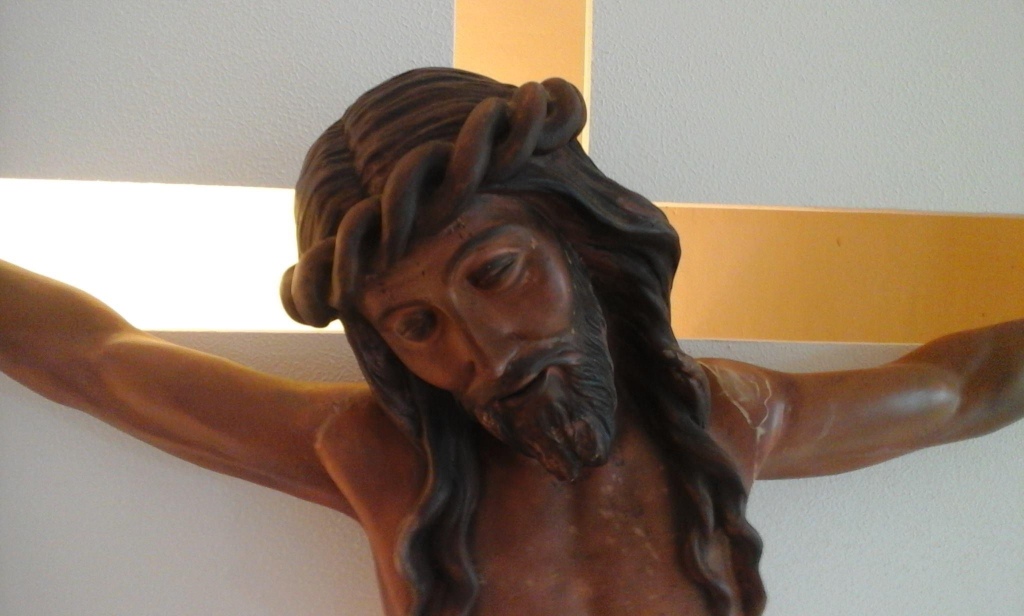
There lies the mystery of our faith on the Cross that led to Easter: when we look at Jesus Christ on His Cross, we see our own pains and agony as God’s pains and agony too.  Jesus joined us in our anguish and death so that we could experience all the more His immense love for us.  Without Jesus and His Cross, we would never be able to bear or even face the many deaths we go through daily.  May we recognize God’s immense love for us again this afternoon when we venerate the Cross and see it as the merging point of human and Divine suffering.  Keep praying with Jesus who has the final say with death in Easter. Amen.

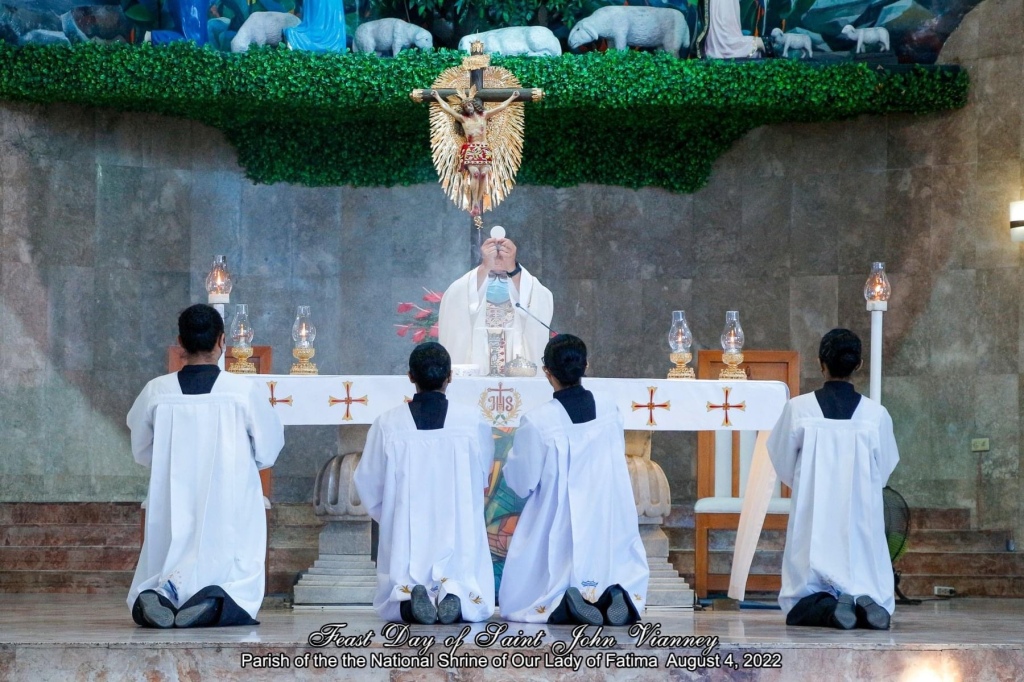
Photo by Ka Ruben, National Shrine of Our Lady of Fatima, Valezuela City, August 2022.

Krus ang pintuan sa langit

Lawiswis ng Salita ni P. Nicanor F. Lalog II, Ika-21 ng Marso 2024
Ikalawang Huling Wika ni Jesus sa Krus
Larawan kuha ng may-akda sa Mirador Jesuit Retreat House sa Baguio City, Agosto 2023.

Ang ikalawang wika ni Jesus sa Krus:

Tinuya siya ng isa sa mga salaring nakabitin, at ang sabi, “Hindi ba ikaw ang Mesias? Iligtas mo ang iyong sarili, pati na kami!” Ngunit pinagsabihan siya ng kanyang kasama, “Hindi ka ba natatakot sa Diyos? Ikaw may pinarurusahang tulad niya! Matuwid lamang na tayo’y parusahan nang ganito dahil sa ating mga ginawa; ngunit ang taong ito’y walang ginawang masama.” At sinabi niya, “JESUS ALALAHANIN MO AKO KAPAG NAGHAHARI KA NA.” Sumagot si Jesus, “SINASABI KO SA IYO: NGAYON DI’Y ISASAMA KITA SA PARAISO.”

Lukas 23:39-43

Muli ay ating namnamin ikalawang wika ni Jesus doon sa Krus pagkapako sa kanya. Nauna niyang sinambit ay kapatawaran; ngayon naman kanya itong sinundan ng pangako ng langit o paraiso.

At iyon ay agad-agad na, ora mismo! Wika nga ng mga bata, “now na”! Hindi mamaya pagkamatay nila ni Jesus o sa Linggo sa kanyang pagkabuhay. Malinaw na sinabi ni Jesus kay Dimas, “SINASABI KO SA IYO: NGAYON DI’Y ISASAMA KITA SA PARAISO.”

Tantuin ninyo mga ginigiliw ko na sa ebanghelyo ayon kay San Lukas, namutawi lamang sa mga labi ni Jesus ang pangakong ito ng paraiso noong siya ay nakabayubay sa krus at hirap na hirap. Wala siyang pinangakuan ng langit nang siya ay malaya at malakas na nakakagalaw, naglilibot at nangangaral.

Alalaong-baga, pumapasok tayo sa langit kasama si Jesus sa sandaling kasama din niya tayong nagtitiis, nagdurusa, nagpapakasakit dahil sa pagmamahal doon sa Krus!

Ang krus ang pintuan papasok sa langit o paraiso.

Madalas naiisip natin kapag nabanggit o narinig ang katagang langit at paraiso ay kagalakan, kawalan ng hirap at dusa. Basta masarap at maayos sa pakiramdam, langit iyon sa atin. Kaya mga addict noon at ngayon kapag sila ay sabog at nasa good trip, iyon ay “heaven” dahil wala silang nadaramang problema at hirap sa buhay.

Larawan kuha ng may akda, 2023.

Kaya hindi rin kataka-taka na ang gamot nating laging binibili ay pain killer – konting sakit ng ulo o kasu-kasuan, naka-Alaxan kaagad. Noong dati ay mayroong shampoo na “no more tears” dahil walang hilam sa mata.

Gayon ang pananaw natin sa langit. At tumpak naman iyon kaya nga sa pagbabasbas ng labi ng mga yumao, dinarasal ng pari, “Sa paraiso magkikitang muli tayo. Samahan ka ng mga Santo, kahit mayroong nauuna, tayo rin ay magsasama-sama upang lagi tayong lumigaya sa piling ng Diyos Ama. Amen.”

Nagmula ang salitang paraiso sa katagang paradiso na tumutukoy sa kaloob-loobang silid ng hari ng Persia (Iran ngayon) kung saan tanging mga pinagkakatiwalaang tao lamang ang maaring makapasok kasama ang royal family. Kaya nang isalin sa wikang Griyego ang mga aklat ng Bibliya, hiniram ang katagang paradiso ng mga taga-Persia at naging paraiso upang tukuyin ang langit na tahanan ng Diyos na higit pa sa sino mang hari sa mundo.

Ngunit, katulad ng silid na paradiso ng hari ng Persia, hindi lahat ay basta-basta na lamang makakapasok ng paraiso. Alalahanin nang magkasala sina Eba at Adan, pinalayas sila ng Diyos at mula noon ay nasara ang paraiso; muli itong nabuksan kay Kristo nang sagipin niya tayo doon sa krus na nagbunga sa pagwawalang-sala sa ating mga makasalanan. Dahil sa krus ni Jesus, tayo ay naging karapat-dapat patuluyin sa paraiso. Sa tuwing ating tinatanggap ang krus ni Kristo, tayo ay nagiging tapat sa Diyos sa pamamagitan ng pagmamahal at paglilingkod sa kapwa. Noon din tayo pumapasok ng paraiso.

Sa panahong ito na wala nang hanap ang karamihan kungdi sarap at kaluguran, ipinaaalala sa atin ni Jesus sa ikalawang wika na ibig niya tayong makapiling ngayon din sa paraiso kung tayo ay mananatiling kasama niya sa pagtitiis at pagpapakasakit sa ngalan ng pag-ibig sa Diyos at kapwa.

Sa panahong ito na dinidiyos masyado ang katawan at sarili upang maging malusog, malakas at kung maari ay manatiling bata at mura ang edad, pinapaalala ni Jesus sa kanyang ikalawang huling wika sa krus na sino mang nasa banig ng karamdaman pati na yaong mayroong kapansanan ay unti-unti na ring pumapasok ng langit ngayon din sa kanilang tinitiis na hirap at sakit.

Sa panahong ito na lahat ay pinadadali at hanggat maari iniiwasan ano mang hirap at dusa, pinapaalala ni Jesus sa kanyang ikalawang huling wika na sa ating pagsusumakit sa maraming tiisin at pasanin sa buhay na ito, noon din tayo pumapasok sa paraiso kahit na kadalasan ito ay nagtatagal sa paghihintay.

Larawan kuha ng may-akda, 2018.

Noong pandemic, natutunan natin na hindi lahat ng tinuturing ng mundo na negatibo ay masama kasi noong mga panahong iyon, iisa ating dasal tuwing tayo ay sasailalim ng COVID test na sana ay “negative” tayo, hindi ba? Noon natutunan natin yung negative ay positive. At iyon mismo ang kahulugan ng krus ni Kristo!

Para sa atin, ano mang mahirap, masakit tulad ng krus ay negatibo ngunit kung tutuusin, ang krus ay hugis positibo o “plus sign” (+) at hindi minus (-); kaya, ano mang hirap at pagtitiis sinasagisag ng krus ay mabuti dahil hindi ito nakakabawas bagkus nakapagdaragdag sa ating pagkatao na naghahatid sa atin sa kaganapan at paglago. Sa suma total, eka nga, sa paraiso!

Ang mga tiisin at pagsubok sa buhay ang nagpapatibay at nagpapabuti sa atin upang maging karapat-dapat makapasok sa paraiso at makapanahan ang Haring magpakailanman – ngayon din, ora mismo, now na!

Kaya, manalangin tayo:

Panginoong Jesus,
bago pa man dumating
lahat nitong aming tiisin
at pasanin sa buhay,
nauna ka sa aming
nagtiis at nagpasan
ng krus noong Biyernes Santo;
nauna kang nagpakasakit
at namatay noon sa Krus
dahil sa pagmamahal sa amin;
kaya, patatagin mo ako sa aking
katapatan at pananampalataya
sa Iyo upang manatiling kaisa mo
sa krus ng kalbaryo ng buhay
upang ngayon din
Ikaw ay aking makapiling,
makasama sa Paraiso.
Amen.

Lent is keeping the ties that bind us

40 Shades of Lent by Fr. Nicanor F. Lalog II
Wednesday in the Fourth Week of Lent, 13 March 2024
Isaiah 49:8-15 <*(((((>< + ><)))))*> John 5:17-30
Photo by Teresa & Luis on Pexels.com
Until now I still relish in delight,
Father that expression
I realized this Monday:
Lent is God always "now here"
and us people "nowhere";
your words today are about
your abiding presence among us,
of remembering and not forgetting,
of the ties that bind us together
of we your beloved children
and you our loving Father in
Christ Jesus our Brother.

Can a mother forget her infant, be without tenderness for the child of her womb? Even should she forget, I will never forget you.

Isaiah 49:15

Jesus answered the Jews, “My Father is at work until now, so I am at work… Amen, amen, I say to you, the Son cannot do anything on his own, but only what he sees the father doing; for what he does, the Son will do also. For the Father loves the Son and shows him everything that he himself does, and he will show him greater works than these, so that you may be amazed.

John 5:17, 19-20
How sad is the fact that
what we most often forget
and fail to remember is our
ties and relationships;
every sin,
every injustice,
every hurt
happens in the context
of our relationships disregarded:
with you God our Father,
we as brothers and sisters;
between husband and wife,
among siblings,
children with their parents,
parents with their kids;
persons of authority
with their subjects supposed
to protect and care for;
worst of all, Father,
we forget that marvelous truth
and reality of you always
finding ways to save us,
to free us,
to forgive us,
and to bless us
because we your beloved children!

Thus says the Lord: In a time of favor I answer you, on the day of salvation I help you; and I have kept you and given you as covenant to the people, to restore the land and allot desolate heritages, saying to the prisoners: Come out! To those in darkness: Show yourselves! Along the ways they shall find pasture, on every bare height shall their pastures be.

Isaiah 49:8-9
In this Season of Lent,
let us go back to our relationships
in you through Jesus with one another
for even if we forget our tasks and
responsibilities in life,
for as long as we remember
the ties that bond us together
then, we shall never forget,
will always remember,
to be present like you
"now here" never "nowhere"
filled with your love and
kindness for everyone.
Amen.
Photo from petalrepublic.com.

Nicodemus and James Taylor

Lord My Chef Sunday Music by Fr. Nicanor F. Lalog II, 10 March 2024
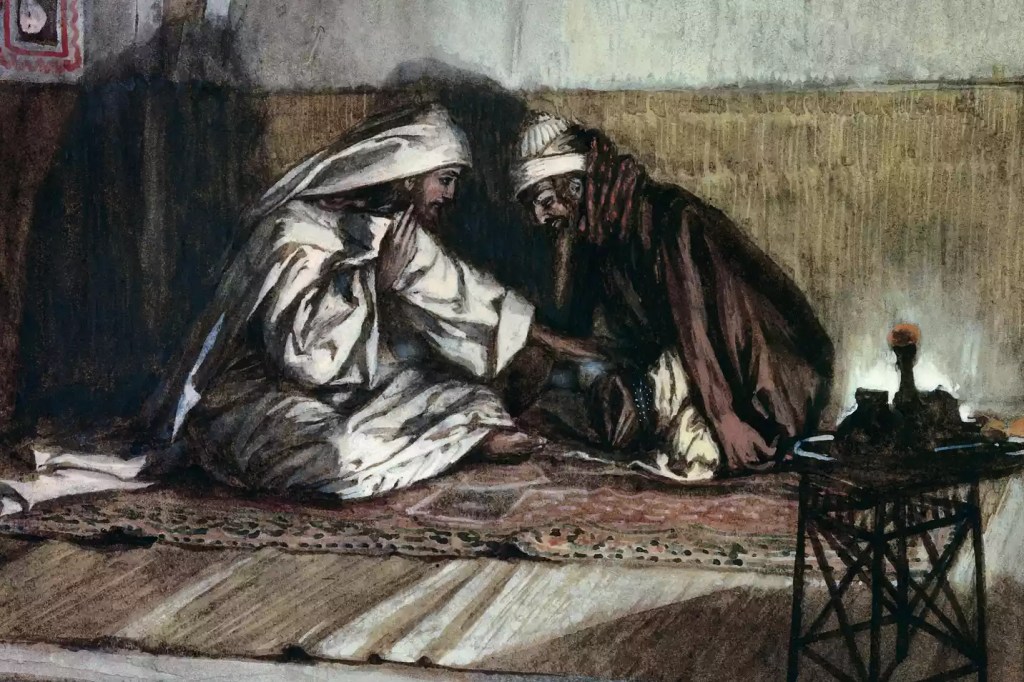
“Nicodemus and Jesus” painting by James Tissot (1836-1902) from SuperStock/GettyImages via learnreligions.com.

One of our favorite singer-songwriters James Taylor is coming next month for a one-night concert at the Mall of Asia Arena; hence, we are featuring two of his songs we find so related with the gospel message this fourth Sunday in Lent also known as Laetare or Rejoice Sunday.

But first, let us take a slight deviation from our usual manner of coming up with the music right away as we realized too the strong links between Nicodemus and James Taylor in their experiences.

Nicodemus belonged to the group of Pharisees, one of the enemies of Jesus at that time. But he admired and believed in Jesus that is why he chose to visit the Lord at night so that people would not notice. Eventually, Nicodemus became a disciple of Jesus after Good Friday after he and another Pharisee named Joseph of Arimathea took the body of Christ and buried him in a tomb (https://lordmychef.com/2024/03/09/lent-is-the-love-mercy-of-god-in-me/).

Nicodemus’ coming to see Jesus at night evoked his situation of being in the darkness of fears and confusions, trying to find directions in life which he found in Christ. It was similar with James Taylor’s plight he beautifully expressed in his 1970 hit Fire and Rain which is about the suicide of a childhood friend as well as his coping with his addiction and depression following his fame.

Just yesterday morning, they let me know you were gone.
Suzanne, the plans they made put an end to you.
I walked out this morning and I wrote down this song,
I just can’t remember who to send it to.
I’ve seen fire and I’ve seen rain. I’ve seen sunny days that I thought would never end.
I’ve seen lonely times when I could not find a friend, but I always thought that I’d see you again.

Won’t you look down upon me, Jesus, You’ve got to help me make a stand.
You’ve just got to see me through another day.
My body’s aching and my time is at hand and I won’t make it any other way.
Oh, I’ve seen fire and I’ve seen rain. I’ve seen sunny days that I thought would never end.
I’ve seen lonely times when I could not find a friend, but I always thought that I’d see you again.

Many times, we find ourselves in situations like Nicodemus when everything is all dark like the night, or James Taylor going through fire and rain.

Now look, Jesus is most present with us when we are in the darkest darkness of the night, right in the middle of a raging storm. Many times we could not see him because he hugs us, embraces us to shield us from more harms.

When Jesus told Nicodemus about his coming crucifixion – “when the Son of Man is raised up” – it was an assurance to us all too that Christ is with us in our worst situation because he suffered first for us on the Cross. I am so glad that JT mentioned Jesus in his song, pleading to the Lord to “look down upon me and help me make a stand.”

That is why we rejoice this Sunday: in the midst of our troubles and sufferings, there are bursts of joy and relief from Jesus within us dwelling in our hearts. And that is why, we find JT’s 1976 hit, Shower the People, so related too with our gospel this Sunday.

When Jesus told Nicodemus how “God so loved the world that he gave his only Son, so that everyone who believes in him might not perish but might have eternal life” (Jn.3:16), it was also a call for us all to be the love and mercy of Christ in the world.

Nicodemus eventually became a disciple of Jesus while JT is still very much around, having weathered so many fires and rains or storms in his life, both telling us how God finds ways to save us, even extricate us from our worst situation. Hence, the need for us to become the presence of Christ’s joy and mercy to people especially those closest to us so that they may realize and experience that God so loved the world because of the way we shower them with love through us.

You can play the game and you can act out the part,
even though you know it wasn’t written for you.
Tell me, how can you stand there with your broken heart ashamed of playing the fool?
One thing can lead to another; it doesn’t take any sacrifice.
Oh, father and mother, sister and brother, if it feels nice, don’t think twice,
just shower the people you love with love, show them the way that you feel.
Things are gonna work out fine if you only will do as I say, just
shower the people you love with love, show them the way you feel.
Things are gonna be much better if you only will.

Here is our doubleheader from the “Sweet Baby James”. Have a blessed, lovely week ahead!

*Both materials are not ours without any intentions at all of infringing its copyrights.

From YouTube.com
From YouTube.com.

Lent is the love & mercy of God in me

40 Shades of Lent by Fr. Nicanor F. Lalog II
Sunday Recipe for the Soul, Lent IV-B, 10 March 2024
2 Chronicles 36:14-16, 19-23 ><}}}}*> Ephesians 2:4-10 ><}}}}*> John 3:14-21
Photo of pink convolvulus from the Botanical Gardens of Jerusalem, flora.org.il.

Many times during prayer periods I banter with God especially when I feel overwhelmed by his kindness and love. Like last Thursday on my way to the adoration chapel when I passed by a row of banks.

As I knelt before the Blessed Sacrament to pray, I just felt like asking God: “BDO (Banco De Oro) ka ba, Lord? Kasi…you always find ways.”

That, for me, my dear friends is the meaning of this fourth Sunday in Lent – God never stops in finding ways to reach out to us, to be with us, to make us experience his love and mercy, kindness and forgiveness despite the hardness of our hearts.

Photo by author, 2019.

Our altars burst in shades of pink this Sunday called Laetare (Latin, rejoice) Sunday from the entrance antiphon that says, “Rejoice, Jerusalem, and all who love her. Be joyful, all who were in mourning; exult and be satisfied at her consoling breast.”

It is a misconception to see Lent as dull and drab due to its penitential nature; while there is the sober tone in our liturgy, let us keep in mind that it is also a season filled with joy and excitement for the coming Easter, the mother of all feasts in the Church.

And today we rightly rejoice because John reminds us in our gospel scene only him narrates – Nicodemus meeting with Jesus in the cover of the darkness of the night – of God’s immense love for us manifested in the dying of Jesus on the Cross.

Jesus said to Nicodemus: “Just as Moses lifted up the serpent in the desert, so must the Son of Man be lifted up, so that everyone who believes in him may have eternal life.” For God so loved the world that he gave his only Son, so that everyone who believes in him might not perish but might have eternal life.”

John 3:14-16
“Nicodemus and Jesus” painting by James Tissot (1836-1902) from SuperStock/GettyImages via learnreligions.com.

John saw a deeper meaning, of a sign pointing to Jesus as the Christ in this conversation with Nicodemus at night. Nicodemus was a Pharisee afraid to come out in the open to show his admiration and belief in Jesus. He eventually joined the disciples on Good Friday with another Pharisee, Joseph of Arimathea when they buried Jesus in a tomb.

See the deep perception of John in this recalling by Jesus to Nicodemus of the bronze serpent raised by Moses in the wilderness (see Num. 21:4-9) as a prefiguration of his own crucifixion.

In the gospel of John, the “lifting up” of the Son of Man refers to Jesus on the Cross. After that scene with the woman caught committing adultery, Jesus declared, “When you lift up the Son of Man, then you will realize that I AM…” (Jn.8:28). Then on Palm Sunday while in the temple area, Jesus told the crowd “‘And when I am lifted up from the earth, I will draw everyone to myself.’ He said this indicating the kind of death he would die” (Jn.12:32-33).

John’s gospel teems with other similar passages showing the inseparability of Christ’s Cross and glory. And so with our life, that is why in the middle of Lent, we rejoice this Sunday!

Photo by author in Petra, Jordan, May 2019.

Like last Sunday, here we find again early in the gospel of John how Jesus laid his vision-mission statement of coming to save us by dying on the Cross during his conversation with Nicodemus that night.

Jesus assured Nicodemus and us today that even while we are in the darkness of life’s many confusions and fears, problems and sufferings, we just have look up to him crucified lighting up our way to life and salvation. That night in their conversation, Jesus assured Nicodemus and us today that even in the worst situations in life when “darkness is our only light and hopelessness is our only hope” as T.S. Eliot wrote in his Four Quartets, God is in us, with us and for us in Christ. Just as when the world was covered in darkness on Good Friday when Jesus died on the Cross, it was the precise moment too of Christ’s glory when he conquered death and sin in obedience to the Father.

Yes, it is true these things are easier said than done but like Nicodemus, even in the darkness of the night we have to dare come close to Jesus, to speak to him and most of all, to hear and listen to him. As one poet had said, “only the brave who walk the darkness of the night shall see the brightness of the stars above.” Most of all, Jesus calls us today to be his love and mercy, his joy and light to the many other Nicodemus groping in the darkness of sin and evil.

In my three years as chaplain in a hospital, I have experienced personally and through others that truth so clear as crystal of God most closest with us in the worst days of our lives. Sometimes, we just sigh deeply as we feel him inside us, assuring us how everything is taken cared of, that everything would be fine.

Like the Israelites in the first reading, we too have to go through an “exile”, a kind of “punishment” not from God but as a result of own our sins and wrongdoing. Many times God let bad things happen to us because we insist on our ways; as God retreats to the back or sides of our lives, he never stops finding ways to save us, even “extricate” us from our imprisonment to sin and sufferings!

Indeed, as St. Paul had said in our second reading today, God is “rich in mercy, because of the great love he had for us” (Eph.2:4). Let us not waste that gift. Even though God forgives every sin no matter how bad it may be, do not forget some of our sins have irreversible consequences we shall face and suffer. Of course, God would still be there to help and guide us but, why wait for that to happen?

There lies the joy and grace – and challenge – of this fourth Sunday in Lent: even while we are in our worst situations in life, in our darkest nights, Jesus is always there for us, in fact, the first to have suffered and died for us so that with him on Easter, we may rise again to new life.

Be the sower of his love and mercy. Be his presence. Be another Nicodemus in the night leading others to the light of Jesus. Let us, therefore, rejoice in the Lord as we pray:

Praise and glory to you,
dearest Father
in giving us your Son
Jesus Christ our Lord,
our light,
our life,
our joy;
make us, O Lord,
your love and mercy
in this world
so everyone may experience
that indeed, God loves the world
that He gives us Jesus through me;
let your Holy Sprit enlighten
my mind and my heart
like Nicodemus
leading those in darkness
into the light of Christ.
Amen.
A joyful week to everyone!

From https://www.wildflowersprovence.fr/plant/convolvulus-lanuginosus/