Paalala ng Kuwaresma

Lawiswis ng Salita ni P. Nicanor F. Lalog II, Ika-06 ng Marso 2024
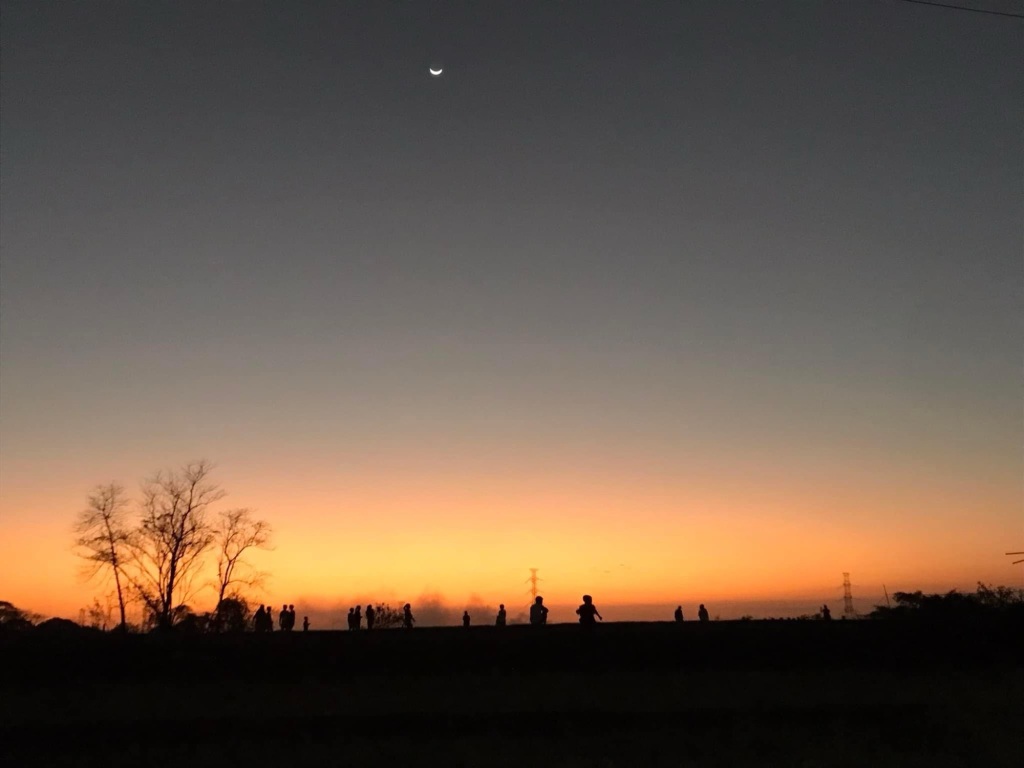
Larawan kuha ng may-akda, 2020.

Sa lahat ng panahon sa ating liturhiya ng Simbahan, bukod tangi ang Kuwaresma dahil ito lamang ang nagsisimula ng ordinaryong araw, ang Miyerkules ng Abo o Ash Wedensday at hindi araw ng Linggo.

Kapuna-puna ang nakaraang Ash Wednesday na pumatak ng Pebrero 14, Valentine’s Day na nangyari din noong 2018. Pinag-usapan ng marami sa social media kung alin ang pipiliing ipagdiwang, Valentine’s Day o Ash Wednesday?

Nakatutuwang isipin na marami pa rin ang sumagot sa survey na pipiliin nila ang mangilin sa araw ng pagpapahid ng abo kesa ang makipag-date sa Pebrero 14; iba ang ipinakita ng mga balita at ng social media kung saan panalo ang mga nagdiwang ng Araw ng mga Puso! At tila gayon nga ang nangyari o marahil, pinagsabay nating mga Pinoy ang dalawang pagdiriwang, di alintana mga panawagan ng Kuwaresma at Miyerkules ng Abo na manalangin, magtika ng mga sala, maglimos, at mag-ayuno.

Kaya nga taun-taon, ito ang laging tanong natin, ano nga ba ang kahalagahan ng Kuwaresma sa makabagong panahong ito na kung saan mga tao ay tila hindi na nag-aayuno, wala nang sakripisyo? Higit sa lahat, paunti nang paunti na mga nagsisimba.

Ang problema natin sa Pilipinas ay hindi pa naman katulad sa kanlurang Europa at hilagang Amerika na marami nang tao ang ayaw maniwala sa Diyos. Halos lahat pa rin ng mga tao sa ating bansa ay naniniwala sa Diyos ngunit naguguluhan marahil at hindi makita Kanyang kahalagahan at kaugnayan (relevance) sa buhay sa gitna ng makabagong panahon na wala nang hindi naiimbento at naso-solusyunan.  Bagama’t sasabihan ng marami naniniwala sila sa Diyos, mas tiwala kadalasan ang mga tao sa panahong ito sa agham at teknolohiya.

Narito tatlong bagay na binibigyang-diin sa panahon ng Kuwaresma na makatutulong sa ating matagpuan muli at maranasan katotohanan, kahalagahan at kaugnayan ng Diyos sa ating buhay sa gitna nitong makabagong panahon.

larawan kuha ni Walid Ahmad sa Pexels.com

Hindi lahat ay nakikita. Sa panahon ng Kuwaresma, pinag-aayuno din kung baga ang ating mga mata upang ituon ating pananaw at pansin sa ating kalooban at sa mga bagay na hindi nakikita, unang una na ang Diyos.

Kaya walang dekorasyon ang mga altar sa panahong ito, walang mga bulaklak at hangga’t maari wala ring mga halaman. “Bare” wika nga sa Inggles ang altar. Pagdating ng Biyernes Dolores bago mag-Linggo ng Palaspas, tinatakpan o binabalutan ng telang lila ang mga imahen at larawan sa simbahan sa gayon ding kadahilanan – upang tingnan natin mga mas malalim na katotohan ng ating buhay.

Sa panahong ito ng social media, lahat na lang ay ibig ipakita at ipangalandakan maski kasamaan, kabastusan, at kasalanan. Bakit nga ba nang magkasala sina Eba at Adan, sila ay nagtago dahil sa kahihiyan samantalang ngayon ipinagmamalaki pa ng ilan kanilang ginawang kasamaan?

Larawan kuha ni shy sol sa Pexels.com

Hindi lahat ng bagay sa buhay na ito ay nakikita at lalo din namang hindi lahat dapat ay ipakita. Wika nga ng Munting Prinsipe o Little Prince ni Antoine de St. Exupery, “What is essential is invisible to the eye; it is only with the heart that one can truly see.”

Lahat na lamang sa mundo ngayon ay palabas, showbiz na showbiz ang dating upang ipagyabang mga kayang kainin at bilhin, puntahan at gawin.  Ngunit, sadya bang nagbibigay ng kaganapan at katuwaan mga iyon?  Hindi ba mas masarap pa ring namnamin mga sandali nating kapiling ang mahal sa buhay? Kung tutuusin nga, kadalasan o palagi, yaong mga bagay na natatago at hindi nakikita ang siyang pinakamakahulugan, pinakamainam sa buhay.

Katulad ng Diyos: “Walang taong nakakita sa Diyos kailanman, ngunit kung tayo’y nag-iibigan, nasa atin siya at nagiging ganap sa atin ang kanyang pag-ibig” (1 Jn. 4:12).

Sa buhay, mas mainam pa rin yung simple at nakukubli, mayroong pa ring misteryo o hiwaga na natatago kaya ang lahat ay nagtataka. At minsan-minsan ay namamangha.

Larawan kuha ni Skyler Ewing sa Pexels.com

Hindi lahat ay minamadali. Kaya tinatawag na Kuwaresma ang panahong ito ng paghahanda sa Panahon ng Pasko ng Pagkabuhay ay dahil sa bilang na kuwarenta o apatnapung araw mula Miyerkules ng Abo haggang Sabado bisperas ng Palaspas (bagama’t di naman eksakto palagi) na kung tutuusin ay limang Linggo bago ang mga Mahal na Araw. Samakatwid, mayroong paghihintay dahil kailangang makabuo muna ng apatnapung araw o limang linggo.

Ito ang isang bagay na nawawala na sa mundo ngayon, ang paghihintay. Lahat mainipin kaya siguro maiinit ang ulo ng lahat na ultimo mga bata ay stressed out. Minamadali ang lahat na hindi malaman ano at sino nga ba ang hinahabol natin. Lahat ay instant – hindi lang kape at noodles pati pagkakaibigan, pag-aasawa at pagkakaroon ng baby!

Dahil sa teknolohiya, pilit na minamanipula ng tao ngayon ang panahon na madalas ay minamadali kaya marami ang hindi na maranasan ang Diyos pati sariling pagkatao at mga kapwa-tao sa pagmamadali. Hindi kataka-taka, nawawala na rin mga mabubuting ugali ng paghihintay, pagtitiyaga, pagtitimpi at pagpipigil.

Ang lahat na pangyayari sa daigdig ay nagaganap sa panahong itinakda ng Diyos. Ang panahon ng pagsilang at panahon ng pagkamatay; Ang panahon ng pagtatanim at panahon ng pagbunot ng tanim… Ano ang mapapala ng tao sa kanyang ginagawa? Alam ko na ang itinakda ng Diyos sa tao. Iniangkop niya ang lahat ng bagay sa kapanahunan. Ang tao’y binigyan niya ng pagnanasang alamin ang bukas ngunit hindi binigyan ng pakaunawa sa ginawa ng Diyos mula sa pasimula hanggang sa wakas.

Ang Mangangaral (Qoheleth) 3:1-2, 9-11

Minsan-minsa’y matutunan nating maghintay, magrelax o mag-chill wika nga ng mga kabataan. Masyado na tayong abala sa mga bagay-bagay kaya hindi natin napapansin, namamalayan ang Diyos na nagmamahal sa atin ay kapiling natin. Ang Diyos kabaligtaran natin: maski buong buhay natin hinihintay niya tayong lumapit sa kanyang muli sakaling magpasya tayong iwanan ating mga kasalanan at maling pamumuhay upang sa kanya maranasan ang kapanatagan at kapaypaan. Tinuturuan tayo ng panahon ng Kuwaresma na tumigil at manatili sandali sa buhay, maghintay sa Diyos at kanyang biyayang nakalaan para sa atin.

Larawan kuha ni Natalie Bond sa Pexels.com

Katahimikan. Sa lahat ng mahahalagang aspekto ng Kuwaresma, ito ang pinakamahalaga sapagkat hindi tayo makapagdarasal, makapagninilay, o magsisi sa ating mga kasalanan ng walang katahimikan. Bahagi ng paghihintay ang pananahimik.

Naalala ko noong bata kami tuwing bakasyon sa halamanan ng aming Lola. Maraming tutubi noon at lahat kaming magpipinsan ang unahan sa paghuli habang nag-aasaran sa kantang “tutubi tutubi huwag magpahuli sa batang mapanghi!”

Wala ka talagang mahuhuling tutubi kapag ika’y malikot at maingay ngunit sa sandaling ikaw ay pumirmi at manahimik, kusa pang lalapit ang mailap na tutubi.

Iyon ang buhay, iyon ang Kuwaresma. Manahimik tayo upang higit nating mapakinggan ating sariling kalooban na madalas hindi natin pinakikinggan dahil bantad na bantad tayo sa iba’t ibang tinig at ingay sa atin nagdidikta ng nararapat. Kaya madalas tayong lito kasi sarili natin di natin pinapansin. Gayon din naman, sa sobrang pakikinig sa mga sabi-sabi, nag-aaway away tayo kasi hindi nating pinakikinggan kapwa natin. Ang pananahimik ay hindi pagiging bingi kungdi pakikinig na mabuti; ang katahimikan ay hindi kawalan kungdi kapunuan na kahit pinakamahinang tinig ay sinisikap nating pakinggan.

Larawan mula Pixabay on Pexels.com

Tanging mga tao na kayang manahimik ang tunay na nagtitiwala sapagkat ang katahimikan ang tahanan at lunan ng pagtitiwala. Kaya ito rin ang tinig at wika ng Diyos. Sa ating pananahimik, tayo ay nagtitiwala, naghihintay maski wala tayong nakikita dahil batid natin kumikilos ang Diyos ng tahimik.

Kapag magulung-magulo ang ating buhay, tumigil tayo at manahimik. Pakinggan at higit sa lahat damhin ang sarili at buong kapaligiran upang maranasan kaganapan at katotohanan ng buhay mula sa Diyos na kadalasan ay tahimik na nangungusap sa atin. Madalas sa buhay natin, ang Diyos iyong pinakamahinang tinig na pilit bumubulong-bulong mula sa ating puso. Sikaping tumigil at manahimik, iyon ang pakinggan at sundin at tiyak, ikaw ay pagpapalain.

Sana ay huwag palampasin pagkakataon ng Kuwaresma upang Diyos ay maranasang muli at masimulan natin ugnayang kanyang matagal nang ibig para sa atin. Salamat po.

Lent is contrition with consistency

40 Shades of Lent by Fr. Nicanor F. Lalog II
Tuesday in the Third Week of Lent, 05 March 2024
Daniel 3:25, 34-43 <*((((>< + ><))))*> Matthew 18:21-35
Photo by Digital Buggu on Pexels.com
In this season of Lent,
teach us, Lord, to be
consistent in our contrition;
let us realize that true
contrition for our sins is
not only when we have cried,
nor when we have beaten
our breasts with mea culpa,
mea culpa, mea maxima culpa,
nor when we say sorry to
everyone we have sinned.
Being sorry for our sins
before you, God our Father,
is being consistent -
when our contrition leads us
to change our evil ways
and most of all, when we
become consistent in our
prayer and lives
that we stop with our
sins and evil ways.

Azariah stood up in the fire and prayed aloud: “For we are reduced, O Lord, beyond any other nation, brought low everywhere in the world this day because of our sins. But with contrite heart and humble spirit let us be received; as though it were burnt offerings of rams and bullocks, or thousands of fat lambs, so let our sacrifice be inn your presence today as we follow you unreservedly; for those who trust in you cannot be put to shame.

Daniel 3:25, 37, 39
Most of all,
O God,
to be contrite for our sins
is being consistent also
in being forgiving
with our fellow sinners;
every day, we call you
God "Our Father",
asking you to forgive us
our sins as we forgive
those who sin against us
but so often,
we just say these words
without really acting on them,
fulfilling them by forgiving
our fellow sinners;
to be sorry for our own sins
is to see also the pure
heart of another sinner
asking for forgiveness
of sins.

To be contrite
is to be consistent
in forgiving others
from one's heart
because a truly contrite heart
sees and feels
a fellow contrite heart too!
Amen.

Lent is the zeal of Jesus

40 Shades of Lent by Fr. Nicanor F. Lalog II
Sunday Recipe for the Soul, Lent III-B, 03 March 2024
Exodus 20:1-17 ><}}}*> 1 Corinthians 1:22-25 ><}}}*> John 2:13-25
Photo by author, 2019,

It has been 19 days since we started this 40-day journey of Lent as an internal pilgrimage to God our first love. Since the first Sunday of Lent, Mark guided us to Jesus as we joined him in the desert of our poverty and sinfulness to the heights of his transfiguration through the many trials and sufferings we have gone through in life.

Beginning this third Sunday in Lent until the fifth Sunday, all our gospel readings are taken from John as we come closer with God who dwells right in our hearts, his temple within us. Keep in mind that our Lenten itinerary is actually symbolic and theological in nature than an actual road map to follow; hence, our shift to the fourth gospel that is so rich in its narration of the events leading to the Holy Week.

Since the Passover of the Jews was near, Jesus went up to Jerusalem. He found in the temple area those who sold oxen, sheep, and doves, as well the moneychangers seated there. He made a whip out of cords and drove them all out of the temple area, with the sheep and oxen, and spilled the coins of the moneychangers and overturned their tables, and to those who sold doves he said, “Take these out of here, and stop making my Father’s house a marketplace.” His disciples recalled the words of the Scripture, Zeal for your house will consume me.

John 2:13-17
Photo by author, Jerusalem, 2017.

In the Bible, the Temple is the sign of God’s presence. That is how central is the Temple of Jerusalem for the Jews even until now. And John deepens this sign of the Temple for us with his most unique narration of its cleansing by Jesus in preparation for its new meaning found in Christ when he died on the Cross.

Only John noted how the disciples recalled after Easter this episode of Jesus cleansing the Temple, linking it with that line from the Passion Psalm, “His disciples recalled the words of the Scripture, ‘Zeal for your house will consume me'”. Matthew, Mark, and Luke in their accounts identically quoted Jesus citing Isaiah 56:7 when he said, “My house shall be called a house of prayer but you have made it into a den of thieves” (Mt. 21:13; Mk. 11:17; Lk.19:46).

Here, John is reminding us – like when the Apostles remembered after Easter – that Jesus is the “just man”, the promised Messiah who not only prayed but embodied this psalm that led him to his Passion and Death on Good Friday.

Save me, God, for the waters have reached my neck. For your sake I bear insult, shame covers my face. Because zeal for your house consumes me, I am scorned by those who scorn you.

Psalm 69:2, 8, 10
Photo by author, Jerusalem, 2017.

That “zeal” of Jesus for the Temple and everything it stood for that consumed him was the zeal of his self-giving love on the Cross that we find in the following conversation he had with the Jews.

At this the Jews answered and said to him, “What sign can you show us for doing this?” Jesus answered and said to them, “Destroy this temple and in three days I will raise it up.” The Jews said, “This temple has been under construction for forty-six years, and you will raise it up in three days?” But he was speaking about the temple of his body. Therefore, when he was raised from the dead, his disciples remembered that he had said this, and they came to believe the Scripture and the word Jesus had spoken.

John 2:18-22

So beautiful! Everything now becomes so clear that Jesus is the new Temple; his cleansing of the temple in Jerusalem was a declaration of his “vision-mission” right at the start of his ministry in John’s gospel (experts say John’s narration of events in Christ’s life was more of theology than chronology).

At his Crucifixion, Jesus Christ had replaced the Temple worship with “worship in Spirit and truth” (Jn.4:23) as he had told the Samaritan woman at Jacob’s well (Third Sunday Lent-A). The synoptic gospels attest to this same view of John in their accounts that upon Christ’s death, “the veil of the sanctuary was torn from top to bottom” (Mt.27:51; Mk.15:38; Lk.23:45) that signaled the end of temple worship in Jesus Christ as the new Temple of God.

Therefore, this “zeal” of Jesus for the Temple symbolizing the Father is the same zeal every disciple must have for God, for others and his Church. It is the very same zeal laid out by God to Moses at Sinai in the Ten Commandments calling on everyone to be fair and just with each other regardless of age, color, sex, and belief. The first three commandments call us for a zeal in loving God above all expressed in the same zeal we must have in the remaining commandments for our neighbors.

Photo by author, temple of Jerusalem, 2017.

After the success of the movie The Ten Commandments in 1956, reporters asked its director Cecil B. DeMilled which of the Ten Commandments of God we often violate or disobey? DeMille said it is the first commandment because every time we commit a sin, that is when we have other gods besides our one, true God.

Very true!

This is the grace of this third Sunday in Lent as we continue this internal pilgrimage to God: that we also cleanse our hearts by examining our zeal for God and for others. The other word for “zeal” is “enthusiasm” which literally means in Greek as “to be filled with God” (from en theos). To be filled with God, to be with his zeal means to be empty of ourselves first by becoming like Jesus Christ. But, how can we proclaim Christ crucified as St. Paul asserted in the second reading when we are more concerned with money and trade, fame and prestige, especially in the Church? How can we proclaim Christ crucified when we avoid his Cross, always seeking shortcuts and instants in everything? How can we be more loving like Christ crucified when we do not have the zeal for others?

Let us pray.

Lord Jesus, 
"overturn" our many excuses
and alibis of being so concerned
with things of the world
pretending we do them in the name
of God and of our family and loved ones;
"overturn" our many justifications
for not going to Mass,
for not receiving the Sacraments,
for not making time
with our family and loved ones;
set us free, Jesus,
from our many addictions
that have cut off our ties
and relationships with You
and real persons
like our family and friends.
Fill us, Jesus, with your zeal
for the Father through the Church
and everyone we meet.
Amen.
From Google.

Lent clarifies our priorities & responsibilities

40 Shades of Lent by Fr. Nicanor F. Lalog II
Thursday in the Second Week of Lent, 29 February 2024
Jeremiah 17:5-10 ><))))*> + ><))))*> + ><))))*> Luke 16:19-31
Photo by author in Tam-Awan Village, Baguio City, March 2018.
Teach us, Father,
to realize anew our
priorities in life this Lent;
make us begin anew
in this holy season to
prioritize on you and
spirituality than material
things especially wealth.

Probe our hearts, O God,
and remove our many attachments
to things that pass and fade,
that hinder us from growth
and maturity, preventing us
from experiencing fulfillment
in you.

Thus says the Lord: Cursed is the man who trusts in human beings, who seeks his strength in flesh, whose heart turns away from the Lord. He is like a barren bush in the desert that enjoys no change of season, but stands in a lava waste, a salt and empty earth. Blessed is the man who trusts in the Lord, whose hope is the Lord. He is like a tree planted beside the waters that stretches out its roots to the stream: It fears not the heat when it comes, its leaves stay green; in the year of drought it shows no distress, but still bears fruit.

Jeremiah 17:5-8
When you become the priority
in our lives, God,
then we become more responsible
with our neighbors too;
we become concerned with everyone,
especially the poor and those in need,
we become our brother's keeper,
thinking about the good of others
unlike the rich man
in today's parable;
grant us the grace
in Jesus Christ
to have a heart that feels
the hunger and thirst of the poor,
the pains and anguish of
the sick and dying,
enabling us to do good
in others.
Amen.

Manalangin tayo…

Lawiswis ng Salita ni P. Nicanor F. Lalog II, Ika-28 ng Pebrero 2024
Larawan kuha ni G. Red Santiago ng kanyang anak, Enero 2020, Bagbaguin, Sta. Maria, Bulacan.

Pangunahing hiling ng mga tao sa aming mga pari ay panalangin, na sila ay ipagdasal sa kanilang iba’t-ibang mga pangangailangan. Ito ay dahil inaasahan – at dapat lamang – na kaming mga pari ay palaging nananalangin.

Kaugnay nito ay madalas din silang magtanong paanong magdasal at marami pang iba’t-ibang bagay ukol sa pananalangin. Kaya sa diwa ng panahon ng Kuwaresma kung kailan tayo hinihikayat linangin ating pananalangin, narito ilang mga pagmumuni-muni ko tungkol sa pagdarasal na aking napagtanto at natutunan mula nang pumasok ako ng seminaryo noong 1991 hanggang sa maging pari ng 1998 hanggang sa ngayon.


Una, walang maituturing na dalubhasa o eksperto sa pagdarasal. Tunay nga sinabi ni San Pablo, “tinutulungan tayo ng Espiritu sa ating kahinaan. Hindi tayo marunong manalangin nang wasto, kaya’t ang Espiritu ang lumuluhog para sa atin, sa paraang di magagawa ng pananalita” (Rom. 8:26).

Larawan kuha ng may-akda, Our Lady of Fatima University, Valenzuela, Nobyembre 13, 2023.

Kaya naman totoo kasabihang sa oras na ikaw ay nanalangin, sinagot na rin ng Diyos iyong mga dasal kasi ikaw ay nagdarasal. Kapag tayo nagdasal, tumugon tayo sa Diyos tawag niyang makaisa Siya. Noong kami ay high school sa seminaryo, iyon unang tinuro sa amin ni Fr. Danny Delos Reyes, aming Rektor: “Prayer is talking to God who has always been speaking to man.” Kaya sa oras na tayo ay nagdasal, purihin ang Panginoon dahil tumalima tayo sa Kanya!

Higit itong totoo kapag ating binabasa at pinagninilayan ang Kanyang mga salita sa Banal na Kasulatan. Sa Banal na Kasulatan, personal nakikipag-usap sa atin ang Diyos gamit ang salita ng tao. Kaya sino mang ibig na tunay lumalim sa buhay panalanign at buhay espiritwal, kinakailangang magkaroon ng personal na bibliya at daily bible guide upang masundan mga pagbasa. Sabi ni San Geronimo, ang kamangmangan sa Banal na Kasulatan ay kamangmangan kay Kristo.”

Ikalawang katotohanang nabatid ko sa pagdarasal ay kaugnay nito: hindi tayo ang susukat at susuri ng ating pananalangin kungdi Diyos. Madalas kasi maranasan natin lalo na sa mga nagsisimula pa lamang manalangin na ikumpara ating mga pagdarasal sa bawat araw kapag ating sinasabi “bakit dati madali at magaan pakiramdam ko”, “bakit ngayon parang hirap ako magdasal” o “parang walang saysay aking pananalangin”.

Hindi madaraan sa damdamin o feelings ang pagdarasal.

Malaking pagkakamali na akalain nating mga oras na tayo ay tuwang-tuwang o masarap ang pakiramdam sa pagdarasal ay tama at wasto ang pananalangin na samakatwid ay kinasihan ng Diyos ating pagdarasal. Hindi po totoo iyan.

Magugulat pa tayo na ang katotohanan ay kabaligtaran niyan dahil kung kailan tayo hirap magdasal, mas malamang naroong tunay ang Diyos! Sabi ng aking Heswitang Spiritual Director noon sa Cebu si Fr. Shea, The most difficult prayer period is actually the most meritorious. Kapag tayo ay dumaranas ng hirap sa pagdarasal na kung tawagin ay “spiritual dryness” na parang hindi tayo pansin ng Diyos o kaya hirap lumapit sa kanya, ito ay palatandaan ng paglalim sa pananalangin. At maaring tanda ng pagkilos ng Diyos na tayo ay inaakay sa mas matalik na ugnayan sa Kanya sa larangan ng pagdarasal.

Larawan kuha ng may-akda, Oktubre 2022.

Ikatlo, ang pananalangin ay pakikipag-isa sa Diyos o communion. Kaya hindi naman mahalaga masabi natin lahat ng ibig natin sa Diyos kungdi higit na mahalaga ay ating mapakinggan sinasabi sa atin ng Diyos.

Kaya tayo nagdarasal hindi upang humingi ng humingi sa Diyos ng kung anu-ano kungdi upang Siya ay makaisa, malaman kanyang kalooban para sa atin. Kung tutuusin, hindi na nating kailangan pang humingi sa Diyos ng kung anu-ano dahil alam na niya pangangailangan natin.

Sapagkat alam na ng inyong Ama ang inyong kinakailangan bago pa ninyo hingin sa kanya. Ganito kayo manalangin: “Ama naming nasa langit…”

Mateo 6:8-9

Samakatwid, ang pananalangin ay upang higit nating makamit ang Diyos mismo! Siya ang dapat nating hangarin palagi sa pagdarasal, hindi mga bagay.

Kapag mahal mo sino mang tao, palagi mo siyang kinakausap, sinasamahan upang makapiling. Siya ang ibig mo, hindi gamit o pera o kayamanan niya. Ganoon din sa pananalangin – kung mahal nating tunay ang Diyos, mananalangin tayo palagi sa kanya upang sa tuwina Siya ay makapiling.

Larawan kuha ni Bb. JJ Jimeno sa Holy Sacrifice Parish, UP Diliman, QC, Mayo 2019.

Ikaapat, ang mga bumabagabag sa ating pagdarasal ay hindi tukso mula sa demonyo kungdi mas malamang, mga tulong at gabay ng Espiritu Santo tungo sa higit na mabungang pagdarasal.

Napansin ko iyan noong dati na kapag ako ay bagabag o aligaga sa pagdarasal, kung anu-anong pumapasok sa aking isipan, kadalasan ang mga iyon ay isyu sa aking sarili na pilit ko iniiwasan o binabale-wala; sa pagdarasal, lumalantad mga iyon na tila baga sinasabi ng Diyos sa atin, harapin mga isyu natin sa sarili bago Siya matatagpuan.

Hindi istorbo ang pagsagi ng sino mang kaaway sa iyong pagdarasal kungdi paanyaya na ayusin inyong di pagkakaunawaan. Kung palaging laman ng iyong isipan ay kahalayan o karangayaan o ano pa man, ang mga iyan ay isyu na dapat mong pagdasalan upang maharap at malunasan.

Hindi nating mararanasan ang Diyos nang lubusan sa pagdarasal habang tayo ay puno ng maraming bara sa espiritu at kaluluwa tulad ng mga tao na mayroon tayong problema, mga nararamdamang poot at galit, kahalayan at iba pang mga pagnanasa. Alisin muna mga bara sa ating espritu at kaluluwa, maginhawang dadaloy biyaya ng Espiritu Santo sa ating sarili at buhay.

At ikalima, ang pananalangin ay disiplina. Dahil ang pagdarasal ay pagpapahayag ng ating ugnayan at relasyon sa Diyos, kailangan nating maging tapat sa pakikipagtagpo sa Kanya.

Tulad ng mga magsing-ibig, magkaroon ng regularidad na pakikipagtagpo sa Diyos sa panalangin. Huwag humanap ng panahon bagkus gumawa ng panahon gaya ng ating gawi sa mahal natin sa buhay. Iyon ang nawika ng lobo sa Little Prince na kung regular silang magtatagpo tuwing alas-4:00 ng hapon, alas-3:30 pa lamang ng hapon aniya ay mananabik na siya!

Nasa ating sarili kung anong oras tayo makapagdarasal. Ang mahalaga ay kaya nating pangatawanan ano mang oras ating itakda para sa Panginoon.

Pati ang lunan din ay mainam na regular. Napansin ko ito nang maging pari ako, ilang ulit ako bumalik sa Jesuit Retreat House sa Cebu kung saan kami nag-30 day retreat noong 1995 bago magthird year sa theology. Pinilit kong magdasal sa ibang bahagi ng retreat house na hinangad kong pagdasalan noon pero hindi ako napalagay. Ngunit nang manalangin ako sa dating mga lugar na kung saan ako nagdasal noong 1995, sadya namang “mabunga” ika nga sa ilang ulit na balik ko doon noong 2002, 2003 at 2004. Ganoon din karanasan ko nang lumipat ako sa Sacred Heart Novitiate sa Novaliches para sa taunang personal retreat ko mula 2015.

Photo by Emre Kuzu on Pexels.com

Alalaong-baga, mayroon tayong isang “Bethel” tulad ni Jacob kung saan nagpakilala sa kanya ang Diyos nang tumatakas siya noon sa kanyang kapatid na si Esau (Gen. 28:10-22) at naiman na manatali doon hanggat hindi tayo inaaya ng Panginoon sa ibang lugar.

Hangga’t maari tungkol sa lunan ng pananalangin, piliin yaong tahimik at angkop sa pagdarasal tulad ng simbahan o adoration chapel kung saan maaring magdasal sa harapan ng Santisimo Sakramento.

Bilang pangwakas, alalahaning palagi na personal nakikipag-ugnayan sa atin ang Diyos kaya personal din tayo tumugon sa Kanyang paanyayang makipag-ugnayan tulad ng ginagawa natin sa sino mang kapwa natin.

Sa lahat ng ugnayan mayroon tayo, bukod tanging ang sa Diyos ang pinakamabuti sa lahat dahil kailanman hindi Niya tayo iiwanan at tatalikuran. Diyos lang tanging nagmamahal sa atin ng tunay kaya binigay Niya sa Atin bugtong Niyang Anak na si Jesus na naglapit sa atin sa Kanya sa pamamagitan ng Espiritu Santo. Sana nakatulong mga ito sa inyong pagdarasal. Kung hindi naman, ay huwag nang pansinin. Sumulat kayo sa akin dito o sa aking email para sa karagdagang mga katanungan o paliwanag (lordmychef@gmail.com).

Patuloy manalangin at yumabong sa Panginoon natin! Amen.

Troubles on the road to Easter

40 Shades of Lent by Fr. Nicanor F. Lalog II
Sunday Recipe for the Soul, Lent II-B, 25 February 2024
Genesis 22:1-2, 9, 10-13, 15-18 ><}}}}*> Romans 8:31-34 ><}}}}*> Mark 9:2-10
Photo by Ms. Analyn Dela Torre, 12 February 2024 in Bgy. Caypombo, Santa Maria, Bulacan.

While praying our gospel this Second Sunday in Lent, the song Yesterday by the Beatles kept playing at the back of my mind, especially the first two stanzas that say:

Yesterday all my troubles seemed so far away.
Now it looks as though they're here to stay.
Oh, I believe in yesterday.

Suddenly, I'm not half the man I used to be.
There's a shadow hanging over me.
Oh, yesterday came suddenly.

Written by Paul McCartney and recorded by the Beatles in 1965, Yesterday is a sad love song about break up that greatly changed the lost lover who was “Suddenly, I’m not half the man I used to be.”

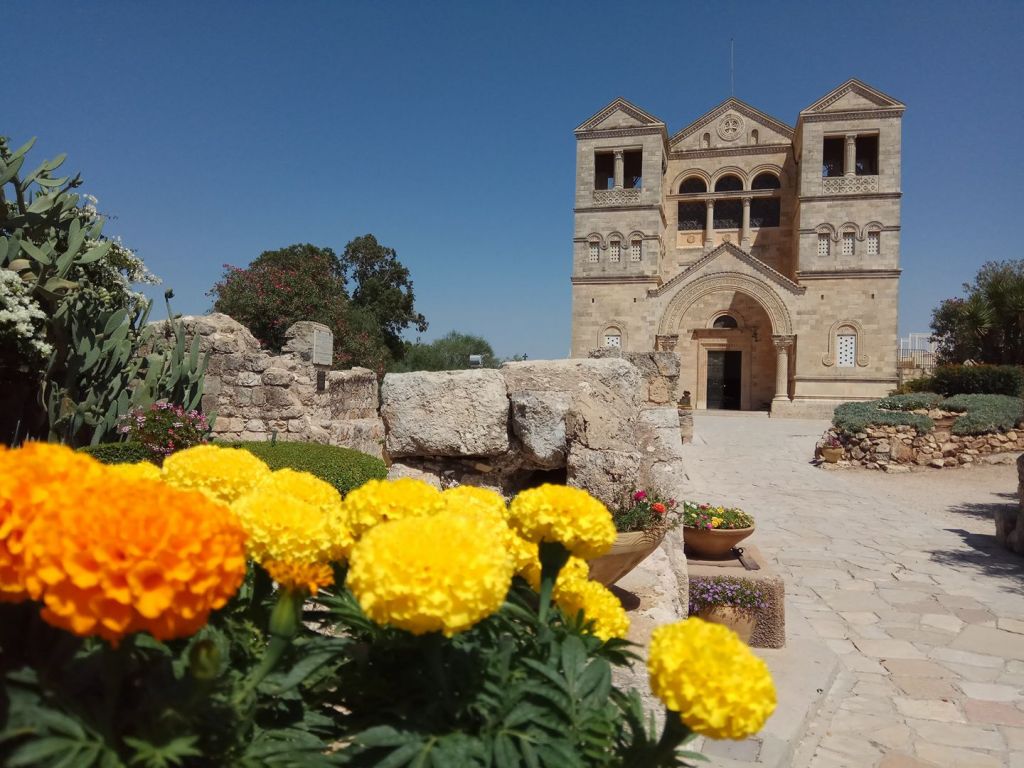
Beautiful music, beautiful lyrics on this beautiful Sunday with another beautiful gospel as Mark leads us from the wilderness last week to Mount Tabor with Jesus Christ and his three disciples whose experiences were like the Beatles in Yesterday.

Jesus took Peter, James, and John and led them up a high mountain apart by themselves. And he was transfigured before them, and his clothes became dazzling white, such as no fuller on earth could bleach them.

Mark 9:2-3
Basilica of the Transfiguration on Mt. Tabor, Israel from custodia.org.

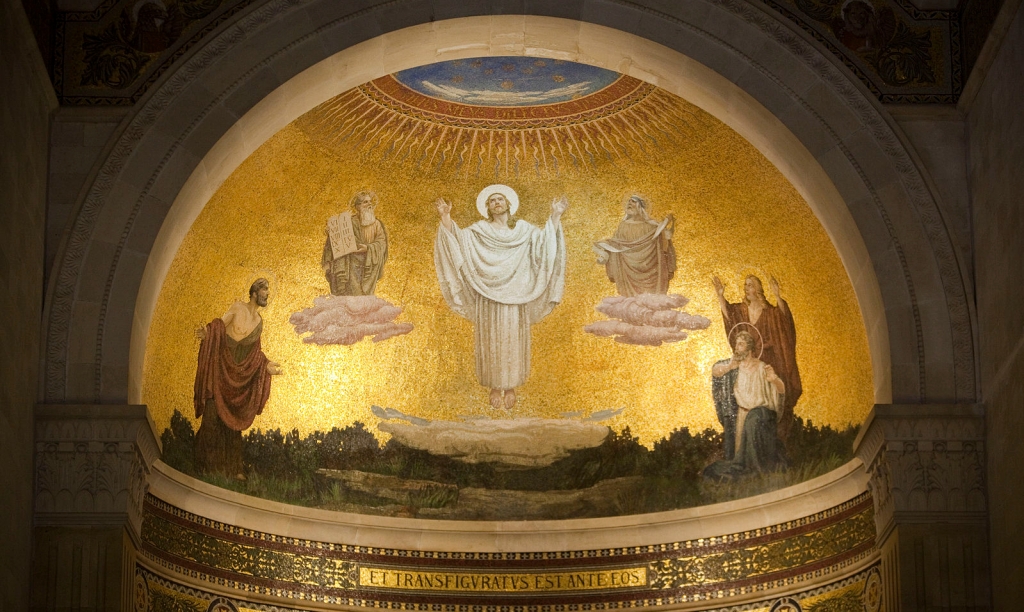
See how the three apostles were overjoyed with the sight of Jesus transfigured, conversing with Moses and Elijah with Peter feeling so “high” that he offered to make three tents for them to remain there. It was the same experience of joy in the Beatles’ Yesterday when McCartney had that great feeling of being loved he thought would last forever.

But, both moments of joy were so brief with the transfiguration cut off immediately after Peter had spoken while McCartney felt his troubles came “suddenly”.

Like his account of Christ’s temptation last Sunday, Mark’s version of the transfiguration is so short unlike those by Matthew and Luke; however, Mark never lost attention to important details that showed the solemnity of the scene from start to finish despite a sudden shift in the mood as they went down the mountain.

As they were coming down from the mountain, he charged them not to relate what they had seen to anyone, except when the Son of Man had risen from the dead. So they kept the matter to themselves, questioning what rising from the dead meant.

Mark 9:9-10

For Mark, the transfiguration of Jesus led the disciples to deepen their faith in Jesus amid his growing mystery especially in the light of his oft-repeated Passion, Death and Resurrection, as if telling us of the many troubles ahead on the road to Easter.

Hence, it is no coincidence that like the transfiguration, Mark ended abruptly his gospel account when Mary Magdalene, Mary the mother of James and Salome saw an angel who spoke to them inside the empty tomb of Jesus very early on Easter: Then they went out and fled from the tomb, seized with trembling and bewilderment. They said nothing to anyone, for they were afraid (Mk. 16:8). Both in the transfiguration and in the Resurrection, the disciples were dared to reflect deeply on those events that later enabled them to make a firm response in their faith in Christ.

Mosaic inside the Basilica of the Transfiguration on Mt. Tabor, Israel from commons.wikimedia.org..

The same thing applies to us today. Many troubles lie ahead our lives, inviting us to follow Jesus more closely in prayers and reflections to find the meanings and lessons of life’s light and darkness, joy and sadness, triumph and defeat, even of death that keep on hovering above us, even enveloping us at times. We need to deepen our faith in God who had sent us his Son Jesus never stops doing to be our companion in this journey of life especially when we are passing through mountains and valleys, rivers and seas. In the song Yesterday, McCartney sang of our most common experience of having loved and lost yet taught us so much lessons in life. And music.

One thing was clear with the Apostles – and McCartney too – that even though troubles and problems were always with them along the way, they just lived through it and made the most out of them like the Church, including a classic love song!

How about us today, what is our faith response to the many darkness and light we have gone through in life’s journey?

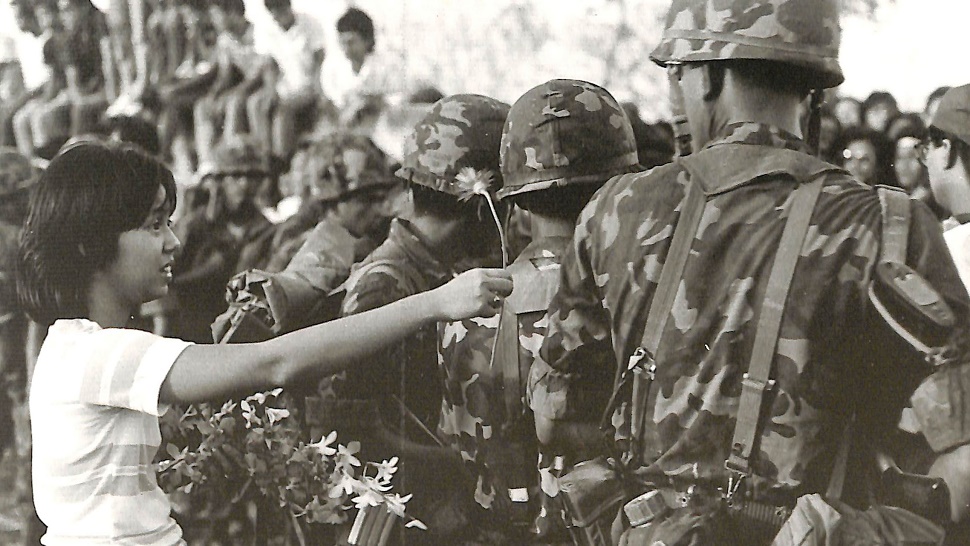
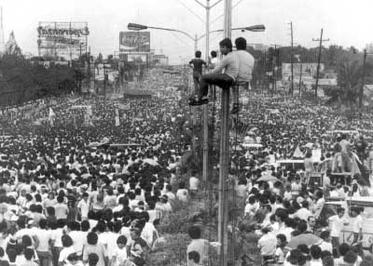
Photo by Roger Buendia/Presidential Museum and Library via esquiremag.ph.

It is always easy to blame others for our many woes in life as we fail to see our own moments of transfiguration. Jesus gifts us with a personal transfiguration event to make us better to be like him but, do we welcome or, run away from them?

Today is the 38th anniversary of the EDSA People Power Revolution when we must ask ourselves how we have personally responded to that great moment of grace from God, a transfiguration in itself, a pasch like the Lord’s. Have we truly valued EDSA 1986, until now?

How unfortunate that EDSA now stands for everything that is wrong with us, especially our wrong choices and wrong decisions in the past 38 years. EDSA invites us to examine our very selves as a Filipino and as a Christian, a disciple of Christ.

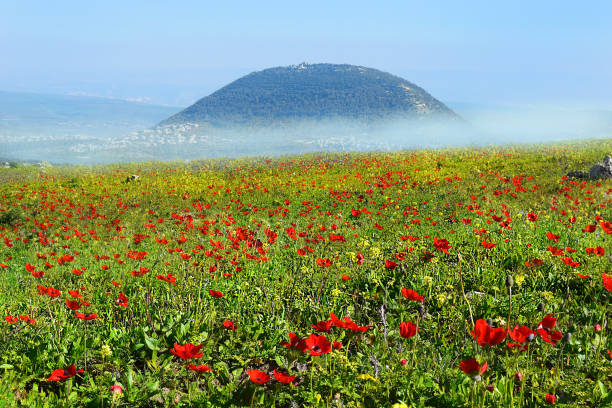
Photo from iStockphoto.com of Mount Tabor in Israel where Jesus is believed to have transfigured.

At his transfiguration, Jesus showed the inseparability of the mystery of the Cross and of his glory on Easter, the closeness of Mount Tabor with Golgotha. The mountain in the bible is always a coming to God, a communion in him.

Every nature lover knows very well the mountain is life itself, difficult to climb, easy to descend. Here now is the beautiful part of the gospel. And song Yesterday. Mountains surely change us but the choice is ours if we want to become better or bitter.

Set on what is believed to be Mount Tabor, the transfiguration was a passage, a foretaste of Christ’s pasch that not only brought him to his glory but transformed too the whole human race and the world itself. In the same manner, McCartney expressed poetically in Yesterday his transformation when “Suddenly, I’m not half the man I used to be.”

From en.wikipedia.org.

This is the good news of this Sunday: every mountain in life is a grace of transfiguration, of being better persons than before. We never come out – or down – the same persons every time we enter through whatever passages or climb any mountain in life. We are always changed, we always emerge different than who we were before after each passages we came through in life.

God gives us the grace and power to choose to be better and stronger, wiser and holier than bitter or resentful with every trials we hurdle in life. This was the experience of Abraham in the first reading when he completely trusted God who asked him to offer his son Isaac on a mountain. It was a very tough test for Abraham who waited in his old age to have a son only to be sacrificed later? But Abraham never doubted God that he still went up the mountain, and as he was about to sacrifice Isaac, an angel stopped him, telling him how God was so delighted with his faith and obedience that he was eventually blessed abundantly after.

Each of us is passing through different trials at this very moment. Many times we feel we suffer more than others, that our tests are tougher than the rest. It is useless and a waste of time to compare ourselves with others. One thing is clear: God does not stop doing something good for us in Jesus, ensuring we get better each day than yesterday. Let the words of St. Paul today assure us that “If God is for us, who can be against us? He who did not spare his own Son but handed him over for us all, how will he not give us everything else along with him? (Rom. 8:31-32)” Have a blessed week ahead, fellow traveler in Christ! Let us pray:

God our loving Father,
thank you for the gift of
this Season of Lent so we may
experience more your Son
Jesus Christ's coming to us
in this journey of life,
our companion amid the
darkness and light
and many troubles
including the little deaths
we experience in life;
give us the faith and trust
of Abraham to offer you those
dearest to us because
if ever you ask something from us,
it is to make more room in ourselves
for your abounding grace
and gifts of transformation
in Christ Jesus with Mary,
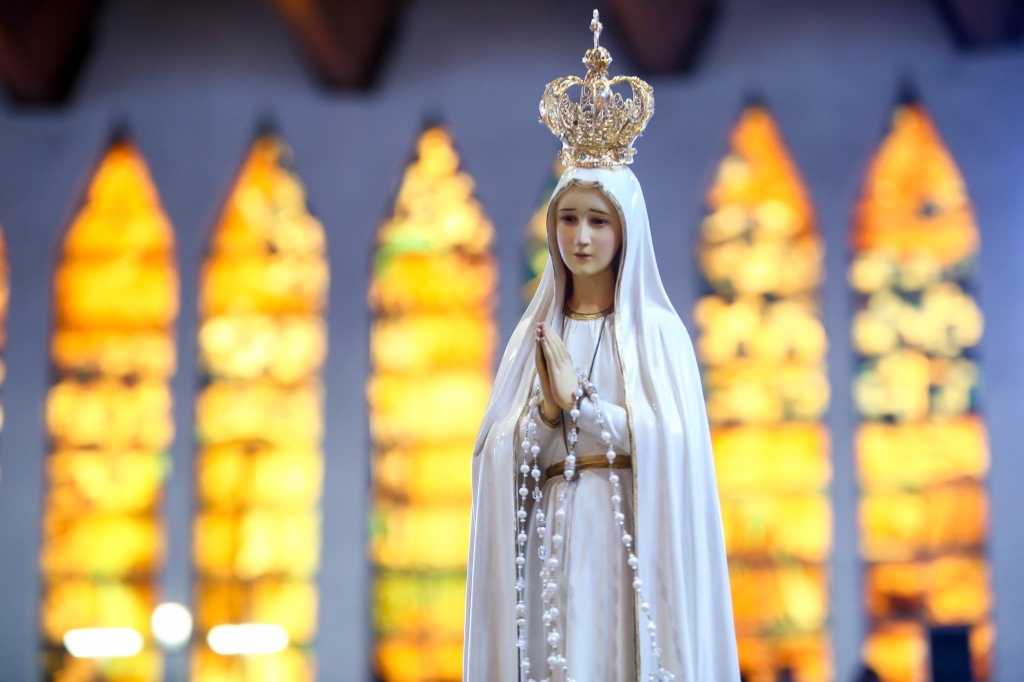
our Lady of Fatima.
Amen.
This Sunday, 25 February 2024, is also the Canonical Coronation of the National Pilgrim Image of Fatima here in Valenzuela City, the very image raised at EDSA in 1986. Photo from cbcp.net.

Lent is for getting real

40 Shades of Lent by Fr. Nicanor F. Lalog II
Friday in the First Week of Lent, 23 February 2024
Ezekiel 18:21-28 <*[[[[>< + + + ><]]]]*> Matthew 5:20-26
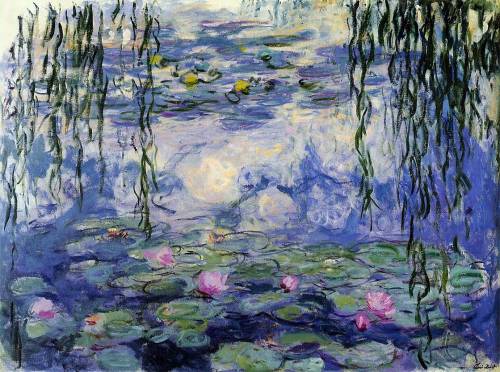
“Water Lilies” (1916-1919) painting by Frenchman Claude Monet from lopificio.it
As we come to close
the first week of Lent today,
your words in our Responsorial Psalm
are so true, O God because nothing
can be hidden from you,
“If you, O Lord, mark iniquities,
who can stand?”

Jesus said to his disciples: “Therefore, if you bring your gift to the altar, and there recall that your brother has anything against you, leave your gift there at the altar, go first and be reconciled with your brother, and then come and offer your gift.”

Matthew 5:23-24
When does a "brother has
anything against us", Lord Jesus?

The Filipino translation
“kung may sama ng loob
sa iyo ang iyong kapatid”
implies the problem lies
with the brother, not us;
but, here you are telling us
we are the offender,
who are obliged,
even ought to be
“reconciled with him first
then offer your gift”
as we are the guilty one!
Forgive us for acting 
immaturely clean and innocent
when our feuds and animosities
with others are due to our pretending
to be the offended ones
when in fact,
we are the offender.
Let us get real with ourselves
beginning this Lent
for we can never fool you,
God our Father.

“When someone virtuous turns away from virtue to commit iniquity, and dies, it is because of the iniquity he committed that he must die. But if the wicked, turning from wickedness he has committed, does what is right and just, he shall preserve his life; since he has turned away from all the sins that he committed, he shall surely live, he shall not die.”

Ezekiel 18:26-28
 Thank you dear Father
for being true with us always
that we may also get real
with you and everybody else.
Amen.

Lent is allowing God do his work in us

40 Shades of Lent by Fr. Nicanor F. Lalog II
Wednesday in the First Week of Lent, 21 February 2024
Jonah 3:1-10 ><}}}}*> + ><}}}}*> + ><}}}}*> Luke 11:29-32
Photo by Ms. Ria De Vera, somewhere in Alberta, Canada, 17 February 2024.
God our Father,
in this Season of Lent,
let us take one step backward
to let you do your work
in us,
among us.
We have been so used
to our expertise
and knowledge
that we seem to know
everything,
even better than you
like Jonah.

Allow us to take
"sackcloth and ashes"
like the people of Nineveh
to transcend our habits
by taking the back seat this time,
limiting ourselves to your
simple instructions
as we try to believe in you
and others too.

Jonah began his journey through the city, and had gone but a single day’s walk announcing, “Forty days more and Nineveh shall be destroyed,” when the people of Nineveh believed God; they proclaimed a fast and all of them, great and small, put on sackcloth.

Jonah 3:4-5
Continue to speak to us
even harshly like Jesus
in the gospel,
calling us an "evil generation"
seeking signs of your
presence in Christ;
very often,
we need to be shaken
deep inside,
to stop a while
so you can work in us
and among us,
filling us with your
love and mercy
so that we discover
your love and mercy
in us when we are
able to cry like the
psalmist:
"Have mercy on me,
O God,
in your goodness;
in the greatness of your
compassion wipe out my offense.
Thoroughly wash me
from my guilt and of my sin
cleanse me"
(Ps. 51:3-4).
Amen.

Why pray at all?

40 Shades of Lent by Fr. Nicanor F. Lalog II
Tuesday in the First Week of Lent, 20 February 2024
Isaiah 55:10-11 <*((((>< + + + ><))))*> Matthew 6:7-15
Photo by author, 2019.
Jesus said to his disciples:
"In praying,
do not babble like the pagans,
who think that they will be heard
because of their many words.
Do not be like them.
Your Father knows what you need
before you ask him.
This is how you are to pray:
Our Father in heaven,
hallowed be thy name,"
(Matthew 6:7-9).

What a great segue,
so seamless!

Jesus said you know
what we need before we ask you
yet he tells us too
how we must pray
by calling you "Our Father"!
If you know what we need, Father,
then, why should
we pray
at all?
In this blessed season of
Lent, teach us Lord
to go back to you
in prayer
because in prayer,
you let us know
what we really need
to be fulfilled,
to be at peace,
to be fruitful
and that is you,
dear Jesus;
in prayer,
you make us realize
that more than things,
what we really need
is a relationship
with you
who loves,
who feels,
who is like us
in everything except sin;
in prayer,
we are disarmed
of our many defenses
and pretensions,
making us humble
to be more loving
while in need of a lot of loving too
only you can give.
Yes, God,
you know everything we need
before we pray to you
but we need to pray
because we simply need you
whose words are "like
the rain and snow
that come down
and do not return there
till they have watered
the earth,
making it fertile and fruitful,
giving us seeds
and bread
to eat,
achieving the end
for which
you sent your
word"
(cf. Isaiah 55:10-11).
Amen.
Photo by Mr. Vigie Ongleo in Virginia, January 2024.

Lent is seeing God in others

The Lord Is My Chef Daily Recipe for the Soul by Fr. Nicanor F. Lalog II
Monday in the First Week of Lent, 19 February 2024
Leviticus 19:1-2, 11-18 ><))))*> + + + <*((((>< Matthew 25:31-46
Photo by Mr. Jay Javier in Quiapo, Manila, 09 January 2024.
Today I pray dear God
to your directive since the
Old Testament until the coming
of your Son Jesus Christ:
"Be holy , for I, the Lord your God,
am holy" (Leviticus 19:2).
But, what is really to be holy,
what is to be like you,
God?
Perfect.
Loving.
Kind.
Good.
Merciful.
Forgiving.
Caring.
Understanding.
Warm.
Open.
There are so many other
traits and characteristics I can think
of you as being holy,
O God,
that we have to imitate
to be like
you
that makes holiness
so difficult,
elusive,
and impossible!

Who can really be like you
when we are so different from you?
But, thank you in sending us
Jesus who not only made it
possible for us to be holy
like you, God,
but also made it
simpler:

“Amen, I say to you, whatever you did for one of these least brothers of mine, you did for me… Amen, I say to you, what you did not do for one of these least one, you did not do for me.”

Matthew 25:40, 45
On this blessed season
of Lent,
teach us to fast
and be empty of ourselves,
of our pride,
and of our sins
so we may be filled with YOU;
holiness is first of all
being filled
with you, O God,
that we feel,
we see,
we think
of others like you,
that is, of seeing you
in each one of us.
When we begin to
realize and experience
that you fill us, O God,
then we learn to be
generous in sharing
more of ourselves,
of our time,
of our talent,
of our treasure,
and most of all,
of you dear God
dwelling in us
with others;
we can only be holy
not when we try being
like you but more of finding
you first in us
in order to find you
in others too!

Then,
maybe we stop
fighting,
committing every sin
against each other
if only we can see you
dwelling,
filling
each one of us.
Amen.