Easter is God dwelling in us

Lord My Chef Sunday Recipe for the Soul by Fr. Nicanor F. Lalog II
Sixth Sunday in Easter, Cycle C, 25 May 2025
Acts 15:1-2, 22-29 ><}}}}*> Revelation 21:10-14, 22-23 ><}}}}*> John 14:23-29
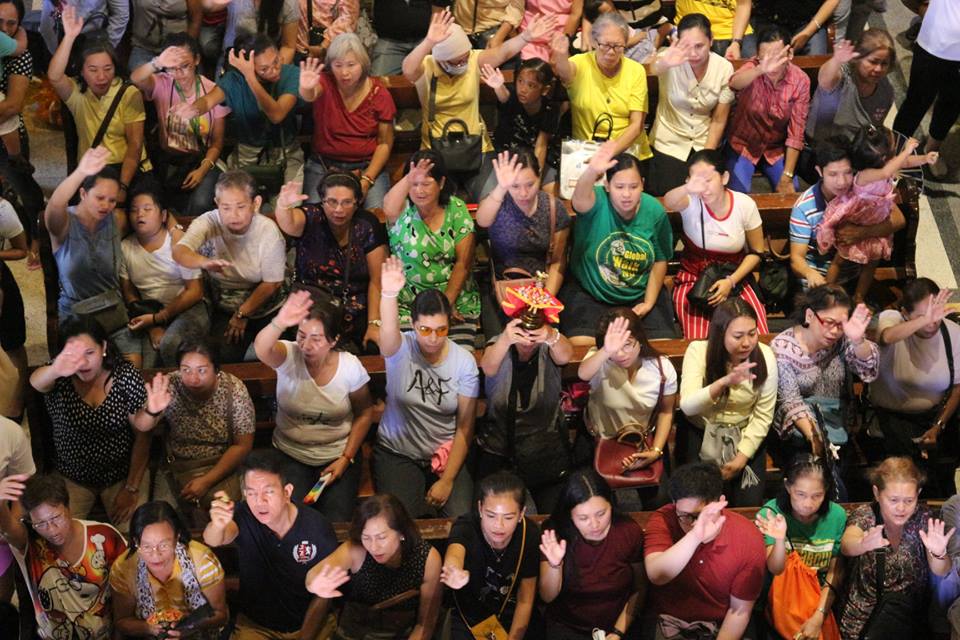
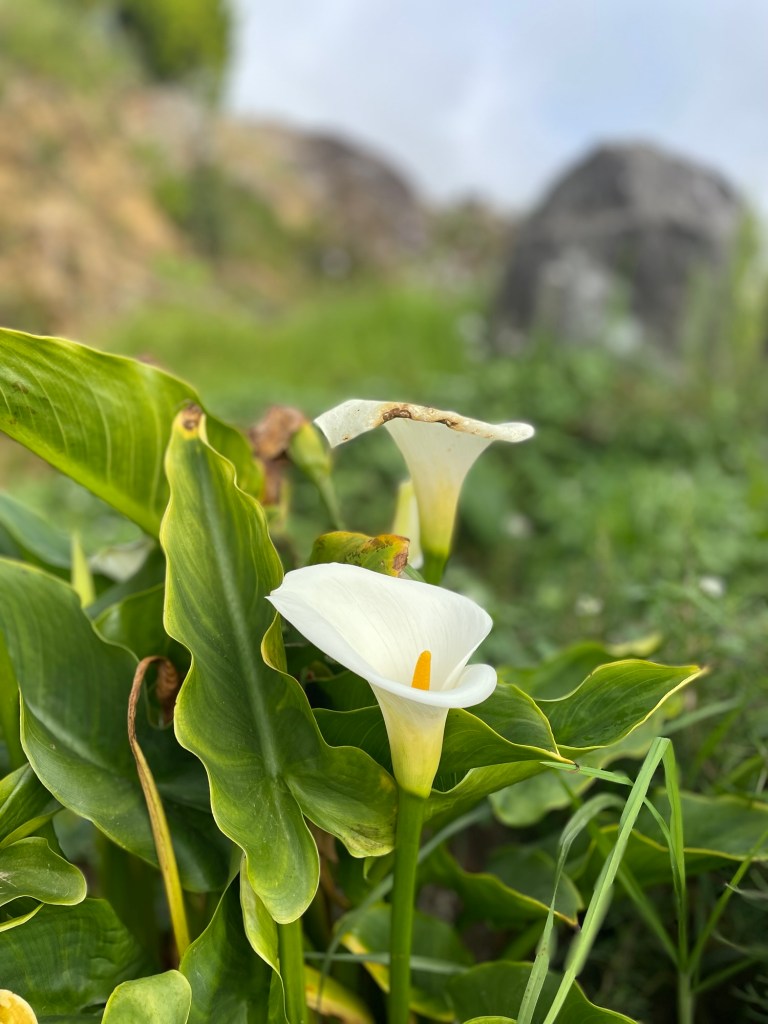
Photo by author, Chapel of the Angel of Peace, Our Lady of Fatima University, Valenzuela City, 28 March 2025.

Let us start again our Sunday reflection from the Book of Revelation where we heard last week John mentioning the word “new” four times when he saw “new heaven, new earth, new Jerusalem” coming with a voice of the Lord declaring “I make all things new” (Revelation 21:1, 2, 5).

In continuing his narration this Sunday of his visions while imprisoned in Patmos, John tells us how he not merely “saw” but also “experienced” heaven when he wrote:

The Angel took me in spirit to a great, high mountain and showed me the holy city Jerusalem coming down out of heaven from God. It gleamed with the splendor of God. Its radiance was like that of a precious stone, like jasper, clear as crystal… I saw no temple in the city, for its temple is the Lord God almighty and the Lamb (Revelation 21:10-11, 22).

Photo by Meruyert Gonullu on Pexels.com
I saw no temple in the city, 
for its temple is the Lord God almighty
and the Lamb.

Try imagining John’s experience of heaven, almost indescribable for its beauty and majesty as the very presence of God when he specified “there is no temple in the city for its temple is the Lord God almighty and the Lamb.”

John reminds us again this Sunday that though these new heaven, new earth, new Jerusalem are the things to come at the end of time, these are already happening right now in our midst. His description of heaven like jasper and other precious stones indicate not only the incomparable beauty of heaven but the very truth that our home is in God. Thus, an invitation too for us today to live in the light of God for he dwells among us in Christ.

This “divine indwelling” has always been a part of our Catholic doctrine.

Photo by author, Cabo da Roca, Pundaquit, San Antonio, Zambales, 14 May 2025.

Recall how in the Old Testament during the chosen people’s wandering in the desert when God dwelled among them in a tent or booth called sukkoth where the Ark of the Covenant was kept. God’s presence was marked by a pillar of smoke over the tent at daytime and a pillar of fire at night. From this came their Feast of the Booths being the dwelling of God; hence, at the Transfiguration of Jesus on Mount Tabor, Peter told the Lord how they would build booths for him, Moses and Elijah as he felt they were already in heaven!

Booth or tent or temple. Or church.

These indicate the presence of God now manifest in Jesus Christ, “the word who became flesh and dwelled among us.” That is why these past three Sundays of Easter we returned to his words spoken at the Last Supper to deepen our understanding and appreciation of Easter that teaches us about our relationship in God expressed with one another.

Two Sundays ago Jesus identified himself as the Good Shepherd who knows his sheep, us; then, last Sunday he gave us his “new commandment” of love that is rooted in God, a love that leads to our communion or oneness with God like Jesus and the Father. This Sunday, Jesus deepens that relationship we all have in him in the Father which perfectly matches the vision and experience of John found in the Book of Revelation.

Jesus said to his disciples: “Whoever loves me will keep my word, and my Father will love him, and we will come to him and make our dwelling with him” (John 14:23).

Photo by author, Cabo da Roca, Pundaquit, San Antonio, Zambales, 15 May 2025.

This “dwelling” of Jesus and the Father among those who love him and keep his word is the Church, his Body which we his disciples make up.

In instructing his disciples at the Last Supper that included us today to keep his word and commandment to love, Jesus taught how this love is manifested in the Church, his Body, the indwelling of God in Jesus Christ with us his people.

Recall when the curtain in the temple was torn apart from top to bottom at his death on Good Friday that signaled the end of temple worship when people will worship in truth and in spirit as Jesus had spoken to the Samaritan woman at Jacob’s well.

When Pope Leo XIV was elected two weeks ago, one of the news that have struck me was about the presence of non-Catholics at St. Peter’s Square celebrating on that day. According to the news, the non-Catholics joined the crowds because they never felt such kind of unity where people were one in praising God, celebrating his loving presence in gifting the world – not just Catholics – with a Pope as the Vicar of Christ.

What a beautiful reality we now have of God’s dwelling among us as the Church!

Photo by author, Sacred Heart Novitiate, Novaliches, QC, 20 March 2025.

From the Hebrew concept of qahal or congregation, Jesus linked love and his dwelling with his disciples in forming a community as his Body, the new Temple he had told he would raise in three days we now call the church which in Greek is called ekklesia that literally means to lead out “ek” the people, “kaleo”. Loving and dwelling of God among us is the reality of the Church as a community of believers called to lead others out of darkness into light, out of emptiness into fullness, out of death into life in Jesus Christ – exactly what the early Church did in our first reading today when they agreed not to impose burdens on gentile converts like circumcision and other Jewish traditions.

The Church herself is a Sacrament, a visible sign of Jesus Christ’s saving presence along with the other seven sacraments we have. The challenge is how these sacraments become dynamic ways of living for us, truly a Divine indwelling and not just signs we go through.

Every Sunday in the Mass, we renew our baptismal vows as children of God, expressing our love for each other as a community, visibly the dwelling of God, making the new heaven, the new earth and the new Jerusalem not just a vision but a reality happening now. Let us pray:

Lord Jesus Christ,
dwell in us,
dwell among us
by making us follow your light
not the artificial lights of the world;
let us keep your word
by loving more like you
for where there is love,
there is God dwelling in us
because he is love himself.
Amen.

Ang “masamang balita” ng Jollibee sa Visita Iglesia

Lawiswis ng Salita ni P. Nicanor F. Lalog II, Ika-10 ng Abril 2025
Larawan kuha ng may-akda.

Noong isang taon ko pa ito ibig ilathala nang aking makita sa harapan ng aming simbahan, ang Pambansang Dambana ng Birhen ng Fatima dito sa Valenzuela ang karatula ng pambansang bubuyog ukol sa Visita Iglesia. Sa aking panlasa, hindi bagay, hindi match ang mix na ito. Hindi ito “mabuting balita” ayon sa Jollibee.

Ako man po ay maka-Jollibee. Paborito ko ang kanilang palabok, pangalawa lamang ang Chicken Joy at pangatlo ang Champ bagaman ayoko po ng pagkaing mayroong pinya kaya inaalis ko ito sa dambuhala nilang langhap-sarap na burger.

Subalit tuwing mga Mahal na Araw lalo na noong isang taon, ako ay nalulungkot sa Jollibee. Marahil pati ang langit at maaring lumuluha sa lungkot ang mga anghel tuwing nakikita si Jollibee masayang-masaya kung Biyernes Santo kasi masama sa panlasa ang kanilang kampanya sa Visita-Iglesia.

Hindi yata Katoliko si Jollibee tulad ng karamihan sa ating mga Pilipino bagamat mayroong ilan silang mga tinadahan na binasbasan at minimisahan ng obispo at mga pari tuwing pinasisinayangan at nagdiriwang ng anibersaryo.

Larawan mula sa Facebook.

Noong isang araw aking nakita ang post sa Facebook ng maraming taong-simbahan kasama ilang mga pari na pinupuri ang Jollibee sa kanilang advertisement ng Visita Iglesia sa mga simbahan sa buong kapuluan kasama na kanilang mga tindahan mayroong mapa ng simbahang maaring puntahan upang manalangin at mag-peregrinasyon (pilgrimage po) kasama na ang pinaka-malapit sa kainan ng Jollibee. Marami ang pumuri sa Jollibee sa naturang kampanya. Sabi ng isang uploader, “Kudos kay Jollibee ah.. very catholic.”

Sorry po. Hindi po yata tama ang inyong caption. Sa unang tingin, tila maganda pero kung susuriin natin, mali. Hindi po ito Catholic practice dahil ito ay salungat sa hiling sa atin ng Simbahan noon pa mang simula na magkaroon ng pagsasakripisyo tuwing panahon ng Kuwaresma at mga Mahal na Araw.

Sa katunayan, ang turo ng Simbahan ay mag-ayuno tuwing Miyerkules ng Abo at Biyernes Santo bilang pagninilay at pakikiisa sa pagpapakasakit at pagkamatay ni Jesu-Kristo doon sa krus mahigit dalawang libong taon na ang nakalipas. Totoo na hindi na mamatay si Jesus at hindi naman nating kailangang malungkot at malumbay sa mga panahong ito ngunit, paano tayo makapagninilay at dasal ng taos kung nasa isip natin ang pagsasaya ng pagkain ng masasarap tuwing Mahal na Araw o Biyernes Santo?

Ipagpaumanhin po ninyo lalo ng mga kaibigan ko sa Jollibee, malinaw na ang kanilang Visita-Iglesia campaign ay commercialization ng ating banal na tradisyon at gawaing Katoliko. Sa halip na makatulong ang Jollibee kasama na ang iba pang mga fastfood chain na mayroong Lenten special meals sa paggunita ng mga Mahal na Araw na maranasan man lamang nating mga Filipino muli ang tunay na diwa ng Paskuwa ng Panginoong Jesus, ito ay kanilang winawasak. Hindi nga po tayo dapat kumain bilang bahagi ng panawagang mag-ayuno o fasting tuwing Miyerkules ng Abo at Biyernes Santo. Ito ang hindi batid ng mga fastfood chain: tuwing sasapit ang Kuwaresma, palagi silang nag-aalok ng fish sandwich at iba pang pagkaing walang karne bilang bahagi ng fasting (edad 18-59) at abstinence.


Nasaan na ang panawagang mag-sakripisyo para sa mga banal na gawain ng Kuwaresma at mga Mahal na Araw tulad ng Visita Iglesia kung ang hahantungan ay Jollibee o mga fastfood?

Inuulit ko po na wala tayong layuning siraan ang Jollibee na naghatid ng maraming karangalan sa ating bayan lalo na sa larangan ng pagkain at negosyo kung saan ay inilampaso ng isang bubuyog ang dambuhalang McDonalds ng Amerika pati na sa ibang bahagi ng Asya. Sa larangang ito ng panahon ng Kuwaresma at mga Mahal na Araw, sa aking pananaw ay lumabis ang Jollibee sa kanilang gimik na Visita-Iglesia. Sa katunayan, mayroon ako nabasa sa ibang bahagi na tinatawag nila itong “Bee-sita Iglesia.” Wala po sa hulog at pokus ang kanilang kampanya na tila mayroong pagkapagano dahil malapit na itong maging idolatry. Hindi magtatagal, baka ang darasalin na ng mga bata ay “Jollibee to the Father and to the Son and the Holy Spirit…”

Ang pinakamasakit sa lahat ay makita ang mga fastfood chain tuwing Biyernes Santo na umaapaw sa mga tao – daig pa mga simbahan – na tila wala na yatang pagpapahalaga sa pagpapakasakit at pagkamatay ni Jesus para sa atin.

Batid ko po na pakaunti ng pakaunti ang mga mananampalataya na hindi na nag-aabstinensiya at ayuno tuwing Biyernes Santo. Magiging malala pa ito sa ganitong uri ng kampanya ng Jollibee tuwing Visita-Iglesia. HIndi ba sila maaring mangilin kung Biyernes Santo man lang? O, kahit mula alas-dose ng tanghali ng Biyernes Santo hanggang alas-singko ng hapon sa paglabas ng prusisyon? Hintayin man lamang sana ng mga fastfood chain at restaurant na “malibing” ang Panginoon bago sila magbukas ng tindahan nila.

Hindi ba malaking kabalintunaang makita sa araw ng ating pagninilay sa mga hirap ng Panginoong Jesu-Kristo ay naroon pa rin ang pagsasaya ng mga tao na para tayong mga pagano kumakain at nagsasaya?

Ang mga Mahal na Araw ay inilalaan upang magnilay ng taos sa ginawang pagliligtas sa atin ng Panginoon. Hindi naman natin ikamamatay ang hindi pagkain sa Jollibee ng isang raw lang tulad ng Biyernes Santo sa buong taon. At lalo namang hindi ipaghihirap at ikalulugi ng Jollibee sa sila man ay mangilin man lamang tuwing Biyernes Santo. Amen.

Larawan kuha ng may-akda, Kapilya ng Sacred Heart Novitiate, Novaliches, QC, 17 Marso 2025.

The Prophet Isaiah and Tears for Fears

40 Shades of Lent by Fr. Nicanor F. Lalog II, 07 March 2025
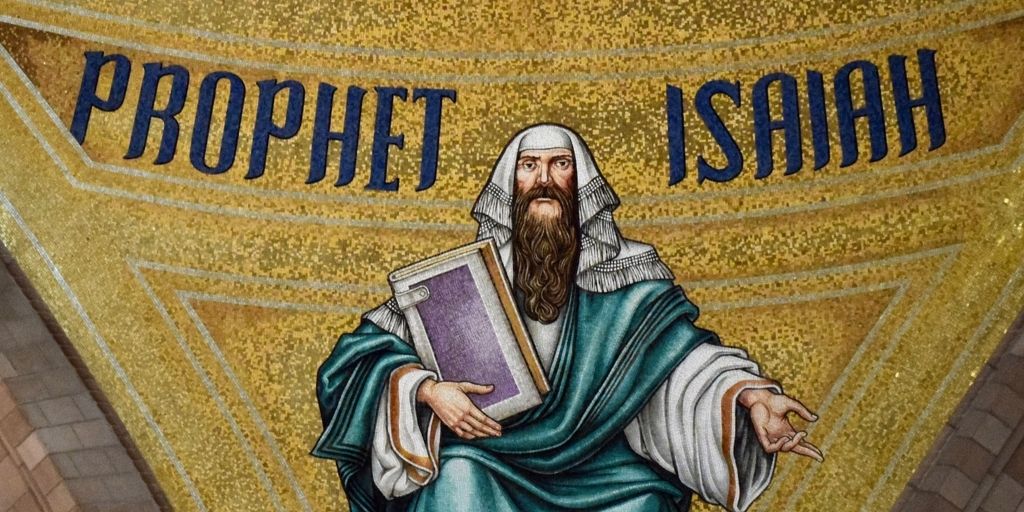
Photo from nationalshrine.org of Prophet Isaiah at the crypt church inside the Basilica of the National Shrine of the Immaculate Conception in Washington DC.

While praying last night the first reading this Friday after Ash Wednesday, my attention was drawn to the Prophet Isaiah’s very strong words declaring, Thus says the Lord God: Cry out full-throated and unsparingly, lift up your voice like a trumpet blast; tell my people their wickedness, and the house of Jacob their sins” (Is. 58:1-9).

Immediately my imaginations ran high with images of Formula cars racing full-throttle on tracks with their deafening sound waxed by the odorous burning of their tires that segued into the cool, opening synth music later with drums and bass of Tears of Fears’ 1984 hit Shout.

Whoa! It was really a rock and roll moment with the Lord last night that was suddenly punctuated with an emergency sick call in the ICU of our hospital where I serve as chaplain. After half an hour when I got back in my room, I finished my prayer and listened to more music by Tears for Fears that I realized Roland Orzabal and Curt Smith are modern Isaiahs!

But first, the Prophet Isaiah who is one of the four major prophets of the Old Testament.

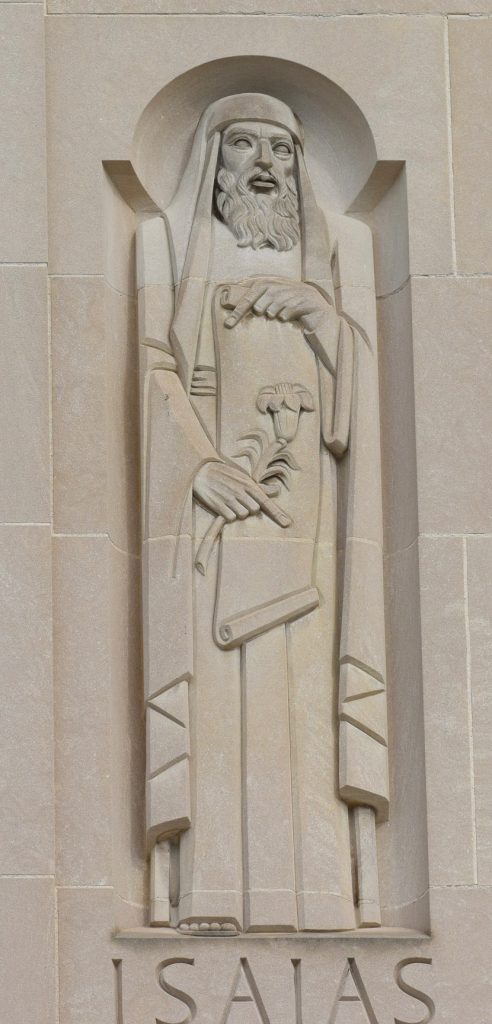
Photo from nationalshrine.org of Prophet Isaiah at the south entrance of the Basilica of the National Shrine of the Immaculate Conception in Washington DC.

While in third year high school seminary in the early 80’s, our religion teacher Msgr. Narsing Sampana assigned me to report this great prophet. I thought it was a punishment because the Book of Isaiah is one of the longest and most difficult in the whole Bible. But looking back as I would always tell Msgr. Narsing, I learned a lot from him that after nine years of leaving the seminary, I have always loved Prophet Isaiah and his book that eventually helped me rediscovered my priestly vocation later in life.

It was Isaiah who prophesied the birth of the Messiah by the Blessed Virgin that he is widely read during the Advent Season as he warned the people too of the coming judgment of God for their sins; hence, his frequent reading in this season of Lent.

It was from his book that the lyrics were taken in one of the most loved Filipino Church music Hindi Kita Malilimutan by Jesuit Father Manoling Francisco that came out on the year we graduated in high school, 1982.

Isaiah was a very bold prophet who spoke strongly against evil and sins particularly injustice among the Israelites of his time, including of their king. He minced no words in speaking for God like today when he said “Cry out full-throated” which is to express confidently through shouting, with strong feeling and without limits.

That was Isaiah, a bold speaker yet also spoke with words filled with hope in God’s love and mercy on us. He is the kind of witness we need these days when many Christians especially Catholics disturbingly quiet about the many issues going on like wokism pretending to be for equality and justice through the social media.

Photo by Denniz Futalan on Pexels.com

In the Church, we need an Isaiah with some bishops and priests selectively silent in disciplining the clergy so immersed in abuses not only sexual in nature but also pertaining to finances and even our liturgy. How sad when bishops and priests attack government officials and politicians for their corruption but keep their eyes and mouth shut with clerical abuses in all forms. These rampant abuses within the Church is manifested in the ever growing abuses of the liturgy itself. Check your social media feeds to see how some priests contradicted the very spirit of Lent with their pompous novelties in imposing ashes on the faithful two days ago. No wonder, even those in other sects and cults came out in the streets with their “own” kind of Ash Wednesday rituals as if it is kanya-kanya lang style like what some priests did.

An Isaiah is what we really need in the Church in this time of synodality that sadly this early could end up as another set of documents to gather dust in parish bodegas.

Photo from bbc.com 2022 before the release of Tears for Fears “The Tipping Point”, their first since 2004.

This is where we find the enduring duo of Orzabal and Smith who make up Tears for Fears a modern Isaiah with their prophetic songs.

With everybody wanting to rule the world – pun intended – their Shout is so Lenten in nature. It is exactly what Isaiah meant 2800 years ago when he said “cry out full-throated” that Tears for Fears perfectly first sang in 1984:

Shout
Shout
Let it all out
These are the things I can do without
Come on
I'm talking to you
Come on

Shout
Shout
Let it all out
These are the things I can do without
Come on
I'm talking to you
Come on

In violent times
You shouldn't have to sell your soul
In black and white
They really, really ought to know

Those one track minds
That took you for a working boy
Kiss them goodbye
You shouldn't have to jump for joy

Shout
Shout
Let it all out
These are the things I can do without
Come on
I'm talking to you
Come on

They gave you life
And in return you gave them hell
As cold as ice
I hope we live to tell the tale
From imdb.com.

From their second album Songs from the Big Chair, Shout is Tears for Fears second biggest hit after Everybody Wants to Rule the World released in 1985. Orzabal admitted on many occasions that Shout was a “simple song about protest”.

Their lyrics are clearly prophetic, a witnessing of their very lives since the 80’s until now. We are so glad that Tears for Fears have rereleased Shout recently with both of them still having the energy and conviction in playing this song despite their shorter and white hair. Being prophetic is witnessing or walking our talk like Orzabal and Smith. Like a good wine, they sound better in their latest music videos with their song taking a life of its own that gladly many young people have embraced too like us 40 years ago.

Let us join Tears for Fears shouting and standing for the same calls for justice they first shouted in 1984 that was also shouted full-throated by Isaiah in 800 BC. Have a blessed weekend, everyone!

Here’s Tears for Fears original music video for Shout for your rock and roll reflection this first Friday of Lent 2025.

From YouTube.com.

Ang Simbahan at ang EDSA ’86

Lawiswis ng Salita ni P. Nicanor F. Lalog II, Ika-25 ng Pebrero 2025
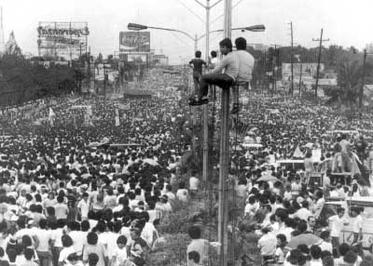
Larawan mula sa wikipedia.org.

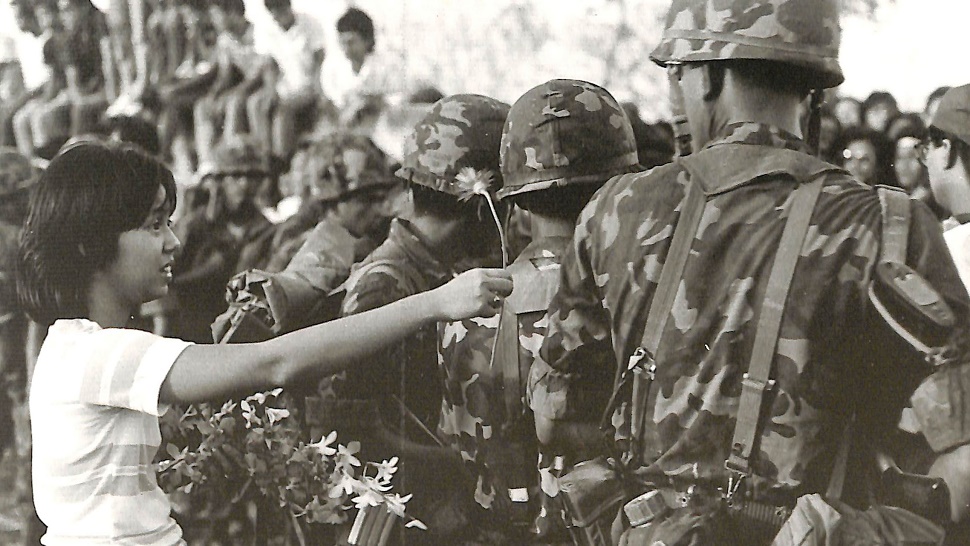
Hindi maikakaila ang mahalagang papel ng Simbahang Katolika sa tagumpay ng People Power 1986 na sinasagisag ng National Shrine of Mary, Queen of Peace mismo sa kanto ng EDSA at Ortigas Avenue kung saan pinigilan ng mga madre, pari, seminarista at layko ang mga sundalong sasalakay sana noon sa mga “rebeldeng” nasa Kampo Crame.

Sa gitna ng maraming pagbabago sa pag-usbong ng maraming matatayog na gusali, nananatiling paalala ang dambanang ito ng katotohanang wala tayong magagawa sa buhay natin kung nakahiwalay tayo sa Diyos sa pamamagitan ni Kristo Hesus kasama ang kanyang Ina na si Maria (Juan 15:5).

Nguni’t ipinahihiwatig din ng simbahang ito ang malaking bugtong sa ating panahon ngayon, kung ano na ang nangyari sa diwa ng EDSA 1986 na tila sa paglipas ng panahon ay unti-unti nang nalilimutan ng marami? Tingnang kung paano sa ngayon ang EDSA ang tanda ng lahat ng magulo at mali sa ating bayan, taliwas sa dating ningning at karangalan nito. Higit sa lahat, kay laking kabalintunaan ng ating kasalukuyan na ang mga pinatalsik ng EDSA noon ay hindi lang basta nakabalik ngayon kungdi sila pang muli ang namumuno, muling nananahan mismo sa palasyo ng Malacanang!

Larawan ni Jaime Cardinal Sin sa Villa San Miguel, 23 Pebrero 1986, kuha ni Alex Bowi/Getty Images.

Anyare? Kung paanong naging mahalaga ang papel ng Simbahang Katolika noon sa tagumpay ng People Power 1986, pagkalipas ng halos apat na dekada ay masasabi ring malaki ang kinalaman ng mga pari at obispo sa pagkupas at pananamlay ng diwa ng EDSA sa ngayon.

At taliwas sa larawan ng EDSA Shrine ang ating makikita sa ngayon ay ang pagkalango ng maraming mga obispo at pari sa kapangyarihan ng pulitika mula noong Pebrero 1986.

Wala nang nakasunod sa yapak ng karunungan at kabutihan ng yumaong Cardinal Sin na masasabi nating hindi namulitika at lalong hindi pulitiko noong 1986. Isang tunay na pastol ng kanyang mga kawan, inihatid ni Cardinal Sin tayo noon sa mayamang pastulan at malinis na batisan ika nga. Kung hindi sa kanyang panawagan sa Radyo Veritas noong gabi ng Pebrero 21, 1986, napulbos na marahil ang Kampo Aguinaldo at Krame, hindi na naging Pangulo si Tabako at umigsi buhay ng alamat na si Enrile.

Maraming pari at obispo iba nakita sa pakikibaka noon ni Cardinal Sin. Nakaligtaan nilang tularan ang buhay-panalangin (prayer life) ni Cardinal Sin na siyang bukal ng kanyang kabanalan o, kung di kayo papayag ay espiritualidad. Sa kabila ng maraming kontrobersiya sa kanyang mga sinasabi noon, isang mababanaagan palagi sa kanya ang malinaw na tanda ng buhay na pananalangin. Mayroon siyang prayer life kaya mayroon din siyang kababaang-loob at malasakit sa maliliit.

Maliban sa ilang natitira pang katulad ni Cardinal Sin, maraming obispo at pari ngayon ang sampay-bakod o amuyong sa mga pulitiko at mayayaman. Marami sa kanila mga TH na social climber nagkukunwaring “social activist” na puro burgis ang kasama pati asta at salita.

Larawan kuha ni Pete Reyes kina Sr. Porfiria “Pingping” Ocariza (+) at Sr. Teresita Burias nananalangin upang pigilan mga kawal sasalakay sana noon sa mga rebelde sa Kampo Crame noong People Power 1986.

Kung noong EDSA ay tanda ng kanilang paglilingkod at kawang-gawa ang kanilang mga sutana na sumasagisag sa kanilang kaisahan sa Panginoong Jesu-Kristo, maraming mga obispo at pari ngayon dinurungisan kanilang habito na naging pasaporte palapit sa mga mayayaman at makapangyarihan.

Nakakalungkot ang maraming obispo at pari na nagsisiksikan sa pagmimisa para sa ilang mayayaman habang napakaraming maliliit na ni hindi mabasbasan kanilang mga yumao, ni hindi madalaw para dasalan mga may sakit. Minsang magkawang-gawa, naka-Facebook naman!

Ang pinakanakakasuka sa lahat na tiyak taliwas sa diwa ng EDSA 1986 ay ang mga obispo at pari na sunud-sunuran sa mga mayayaman at makapangyarihan. Nawala na ang kredibilidad ng mga kaparian na taglay noon ni Cardinal Sin dahil alam na alam ng mga pulitiko at mayayaman ang kahinaan ng mga obispo at pari – kuwarta, kuwalta, salapi at pera. Kitang-kita ito sa mga kasalan at lamayan. Maski sa tolda, magmimisa mga obispo at maraming pari para sa anibersaryo ng gasolinahan, sisindihan mga Christmas lights ng kanilang tindahan, magtutulak ng wheelchair ng milyunaryong lumpo, at iiwanan mga parokya maski Linggo para makimisa sa libing ng yumaong donya o don. Istambayan ay Starbucks, tanghalian sa lahat ng eat-all-you-can at bakasyon sa abroad, first class pa sa eroplano sagot ng mayayaman at pulitiko. Nasaan diwa ng EDSA? Wala! Nilamon at tinabunan ng buhol buhol na trapik ang EDSA!

Noon sa EDSA 1986, humingi ng tulong sa mayayaman para sa mga kawal at mga tao pero ngayon, hindi na nahihiya mga obispo at pari ipasagot sa governor at mayor kanilang mga party at outing. Hindi lang donasyon sa mga pagawain sa parokya hinihingi nila kungdi mga sariling pagawain sa bahay at sasakyan.

Nakakahiya. Nakakapanlumo.

Larawan ni Linglong Ortiz, 23 Pebrero 1986.

Kung paanong ang mga pari at obispo ang naging malaking bahagi ng tagumpay ng EDSA People Power noong Pebrero 1986, sila ngayon ang isang malaking dahilan sa pagkawasak ng diwa nito. Hindi na madama ng mga maliliit kanilang mga pastol na nanginginain sa mga handaan, iniwanan mga maralita sa kanilang kariton.

Nawa makita muli naming mga pari at obispo ang malaking estatwa ni Maria, ang Reyna ng Kapayapaan doon sa bubong ng simbahan sa EDSA at matanto rin paanong nanatili si Maria malapit sa Anak niyang si Jesus at sa mga tulad niyang anawim, mga maliliit. Hindi sa panig ng mga mayayaman at makapangyarihan.

Pansinin na habang tumatagal ang EDSA, tila nawawala na pagkakaisa natin sa Diyos kay Kristo kasama ang kanyang Ina na si Maria na dapat sana ay pangunahan ng mga obispo at pari. Iyon ang diwa ng EDSA noon na hindi ko makita ngayon. Pansin din ba ninyo?

Karunungan vs. katalinuhan, kabutihan vs. kabaitan

Lawiswis ng Salita ni P. Nicanor F. Lalog II, Ika-24 ng Pebrero 2025
Mula sa Pinterest.

Kay ganda ng serye ng ating mga unang pagbasa sa Banal na Misa ngayong huling linggo bago magsimula ang Kuwaresma sa Miyerkules ng Abo ika-lima ng Marso 2025.

Napapanahon ang mga pagbasang ito mula sa Aklat ng Ecclesiastico ngayong binubura sa kamalayan natin ang mahalagang yugto ng ating kasaysayan, ang EDSA Revolution ng 1986.

Tamang-tama din ang mga naturang pagbasa sa gitna ng mga balita ng mga pagmamalabis ng maraming nasa kapangyarihan di lamang sa pamahalaan at lipunan kungdi pati na rin ng mga pari at obispo natin sa simbahan. Kung sa bagay, matagal nang usapin mga iyan sa simbahan na palaging hinahayaan nating mga Pilipino dahil na rin sa kawalan natin ng kamalayan sa pagkakaiba-iba ng marunong sa matalino at ng mabuti sa mabait na siyang paksang ibig kong talakayin ngayong bisperas ng EDSA People Power Revolution.

Tingnan muna natin ang karunungan at katalinuhan.

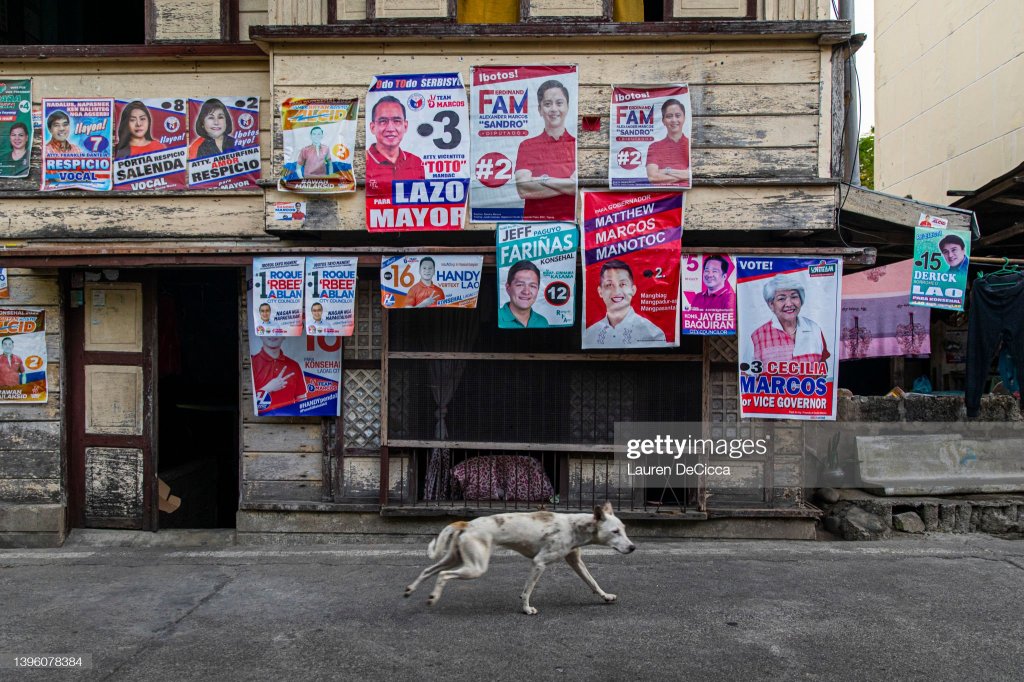
Larawan kuha ni Lauren DeCicca/Getty Images sa Laoag City, 08 Mayo 2022.

Ang karunungan (wisdom) ay tanda ng kabanalan dahil ito ay pagtulad sa Diyos na siyang Karunungan mismo. Ang maging marunong (to be wise) ay hindi lamang malaman ang maraming bagay-bagay sa mundo at buhay kungdi makita at mabatid pagkakaugnay-ugnay ng mga ito. Pag-ibig at pagmamahal ang hantungan palagi ng karunungan at kabutihan.

Ang maging marunong ay magkaroon ng mahusay at matalas na isipan na pinanday ng puso at kaloobang nakahilig sa Banal na Kalooban ng Diyos. Dinadalisay ng buhay pananalangin, nakikita ng karunungan ang kabuuan ng lahat ng mga bagay-bagay sa liwanag ni Kristo. Buo at ganap ang karunungan dahil mula ito sa Diyos, nagtitiwala sa Diyos at nakabatay sa Diyos ang lahat ng pagsusuri, pagtitimbang at pagpapasya sa lahat ng bagay.

Mula sa Panginoon ang lahat ng karunungan at iyon ay taglay niya magpakailanman. Sino ang makabibilang ng butil ng buhangin sa dagat, o ng patak ng ulan, o ng mga araw sa panahong walang pasimula at katapusan? Sino ang makasusukat sa taas ng langit o lawak ng lupa? Sino ang makaaarok sa kalaliman ng dagat at sino ang makasasaliksik sa Karunungan? (Sirac 1:1-3).

Sa kabilang dako naman, ang matalino ay pagkakaroon ng matalas na isipan. Magandang katangian ito ngunit hindi ito pinaka-mahalaga dahil sa ating sariling karananasan at kasaysayan, kay daming matatalinong Pilipino pero bakit ganito pa rin ang bayan natin?

Sa pamahalaan maging sa Simbahan, palaging ipinangangalandakan katalinuhan ng mga upisyal at nanunungkulan. Kaya nga sa sikat na sitcom na Bubble Gang, mayroong karakter doon na kung tawagi’y Tata Lino na puro katatawanan ang mapapakinggan.

At sa sawimpalad nating mga Pilipino, mas pinapaboran natin, mas hinahangaan palagi mga matatalino kesa marurunong. Bilib na bilib tayo sa mga tao na maraming tinapos na degree sa mga pamantasan dito sa bansa at ibayong dagat. Isa iyan sa malaking problema sa Simbahan: maraming pari at obispo ang matatalino ngunit walang puso ni Kristo, puso ng Mabuting Pastol. Sa dami ng matatalinong Pilipino, bakit ganito pa rin ang ating bayan maging Simbahan?

Bulok. Kung hindi man ay nabubulok.

Dangan kasi, mga matatalino matalas lang ang isipan ngunit walang puso o pitak man lamang doon para sa kapwa at sa Diyos kaya madalas, ginagamit kanilang katalinuhan sa kabuktutan at sariling mga interes at pangangailangan.

Kay ganda ng talinghagang gamit natin diyan – lumaki ang ulo. Yumabang at naging palalo sa sobrang katalinuhan, walang ibang pinakikinggan kungdi sarili lamang. Naku, lalo na iyan sa mga pari at obispo ng Simbahan!

Ang katawa-tawa sa malalaking ulo iyan ng maraming namumuno saan man, sa hindi maipaliwanag na kadahilanan, maraming matatalino puno ng kabag sa tiyan at hindi kataka-taka, walang ibang nagagawa sila kungdi umutot ng umutot. Kaya mabaho at mabantot sa maraming anomalya at kalabisan itong ating bayan maging Simbahan! Hindi ba?

Larawan ni Roger Buendia/Presidential Museum and Library via esquiremag.ph.

Noon pa man, sinasabi ko nang palagi magkaiba ang kabaitan at kabutihan. Madalas ang taong mabait nating tinuturing ay pleaser sa Inggles. Utu-uto, lahat puwede, lahat pinapayagan para walang kaguluhan pero ang katotohanan, lalo lamang gumugulo mga sitwasyon kapag kabaitan ang pinairal.

Alam na alam ito ng maraming mag-aaral na gusto nila mabait na guro na lahat ay puwede. Ganun din mga tao sa pari at obispong mabait. Lahat puwede para walang gulo. Akala nila…

Pero, mayroon bang natututunan sa mga maestra o maestro na mabait? Wala. Aminin natin mas marami tayong natutunan sa mga guro pati magulang at boss at pari na istrikto o mahigpit.

Ganoon ang mabuting tao (good person) – maliwanag sa kanya ang tama at mali. Hindi puwedeng payagan o pagbigyan ang mali. Mayroong diwa ng pananagutan palagi ang mga mabubuting tao na kadalasan ay istrikto rin naman. Sa mabuting tao, basta tama at kabutihan, hindi pagtatalunan o pag-aawayan samantalang mga mababait, lahat pinapayagan.

Ang mabuting tao, hindi niya iniisip ang sarili niyang kapakanan at kaluguran bagkus kabutihan ng karamahan at ng iba pang tao kesa kanyang sarili. Yung mababait, sarili lang nila iniisip. Kaya pinapayagan ang lahat ay upang magkaroon ng mga kaibigan at mga mangungutangan ng loob sa kanila. Popularity-oriented kadalasan mga matatalino at mababait.

Kaya naman, mapapansin natin na magkasama palagi ang karunungan at kabutihan at ang katalinuhan at kabaitan. Ang marunong ay tiyak na mabuti sapagkat higit sa kaalaman ang kanyang nilalayon ay kabutihan at kapakanan ng karamihan. Iyong mabait madalas ay matalino kasi sa Inggles makikita natin ito ay tumutukoy sa sanity o pagiging matinong pag-iisip o sane. Kapag sinabing “nasiraan ng bait”, ibig sabihin, nasira na ang ulo o nabaliw katulad ng maraming mga henyo na sa sobrang talino na walang iniisip kungdi sarili lamang.

Larawan mula sa en.wikipedia.org.

Noon sa EDSA, nadama ko at naranasan karunungan at kabutihan nina Cardinal Sin, Pangulong Aquino, Hen. Ramos at ng maraming mga tao na dumagsa doon hindi upang makipag-away at makipagtalo kungdi makipagkasundo at umunawa. Napaka saklap kay bilis nabaligtad ang lahat. Napalitan ng mga baliw mga marurunong at ng mga sakim ang mga mabubuti.

Sana sa mga panahong ito na ating ginugunita ang makasaysayang EDSA People Power ng 1986, muling pag-isipan at pagnilayan nating mabuti ang ating pinahahalagahan at pinaninindigan. Para sa Diyos, para sa Inang Bayan.

*Tunghayan mga dati nating nalathala sa paksang pagkakaiba ng kabutihan at kabaitan.

On being good as a Catholic

Quiet Storm by Fr. Nicanor F. Lalog II, 26 January 2025
Photo from vaticannews.va.

The Vatican recently invited several journalists from all over the world last January 24, 2025 to celebrate the Jubilee of Communicators in Rome.

Traditionally, the Pope issues on that date which is the Memorial of St. Francis de Sales, the Patron of Catholic journalists and writers, his message for the coming World Communication Sunday celebrated every Ascension or Pentecost Sunday. As far as I can remember, that tradition has been broken perhaps twice when Pope Francis was delayed in releasing on that date his messages for the World Communication Sunday.

But, that is another story… we write this in reaction to a very disturbing message of Rappler’s Ms. Maria Ressa in her interview after her speech at the Vatican gathering last Thursday (correction: this interview happened before her speech).

We do not question Ms. Ressa’s credentials as a journalist for 39 years, having worked with the CNN and before establishing Rappler, was for a long time the head of ABS-CBN News.

We wonder why of all Filipino journalists she was the one chosen by the Vatican is something only the Archangel Gabriel could explain. There are so many other competent Filipino journalists and writers who are good, practicing Catholics who could have shed more light in the celebration of the jubilee of communicators. We name some of whom we personally know like former Inquirer editor Lito Zulueta, Facts First host and Inquirer-ABS-CBN veteran Christian Esguerra, and Prof. Felipe Salvosa II who stood against his bosses at the Manila Times and resigned for the sake of truth and decency when he disagreed in the publication of photos of Sen. De Lima’s affair with her former driver. Two other strongly-grounded Catholics in the field of communications we wished were invited to the Vatican are EWTN’s head in the Asia-Pacific Edwin Lopez and Cambridge-trained lawyer and Business World columnist Atty. Jemy Gatdula who defends our Church stand against divorce in Congress and other halls of discussions.

Due to our aforementioned reasons, I never bothered to read nor listen to Ms. Ressa’s speech at the Vatican gathering; however, my conscience was bothered, even revolted after listening to Ms. Ressa’s interview by her Rappler reporter Peterno Esmaquel II before her speech at the Vatican. Click this link and wait for her final statement.

https://www.facebook.com/share/v/1Qmkpk2uqw/?mibextid=wwXIfr

Photo by author, Cathedral of St. Catherine of Alexandria, Dumaguete City, November 2024.

When asked for any message for Filipino Catholics, Ms. Ressa minced no words that betrayed her unCatholic stance: “Stay away from dogmas and be good.”

We understand how most journalists are “positively ignorant” about the Catholic faith and her teachings. They do not even know what is the Holy Mass or what is a parish or the distinctions of basilica, cathedral and church.

Most likely, Ms. Ressa along with most journalists take dogmas as teachings of the Church like the ones in the Catechism of the Catholic Church as well as the various writings of the Holy Fathers we also refer to as doctrines.

All dogmas are doctrines but not all doctrines are dogmas. Dogmas are solemnly defined doctrines we have to believe in. There are only two solemnly defined doctrines as dogmas, the Immaculate Conception issued by Pope Pius IX in 1854 through Ineffabilis Deus, and the Bodily Assumption of Mary defined by Pope Pius XII in 1950 through Munificentissimus Deus. Related to these, there are four Marian dogmas we believe: the Motherhood of God (theotokos), her Immaculate Conception, her perpetual virginity and her bodily assumption.

Going back to Ms. Ressa’s message to Filipino Catholics last week from the Vatican that we “stay away from dogmas and be good” is very wrong no matter how you look at it in whatever angles.

Photo by author, Nuestra De Guia Church, Manila, November 2024.

One cannot be good without obeying the teachings of the Church that are based on Jesus Christ’s teachings and the Sacred Scriptures.

One cannot be a good Catholic and yet believe and practice divorce and same sex marriage or premarital sex. We are not judging anyone here. Only God will judge us but we are morally bound to reiterate these teachings that came from the Lord Himself, including the fact that there are only two genders, “male and female, he created them” (Gen.1:27).

In my 26 years as a priest, I have witnessed so many Catholics especially those approaching death so bothered in their conscience for so long a time as they disregarded our many Church teachings like those against contraceptives and abortion. As a hospital chaplain, one of the greatest worries of many family and relatives with their patients is about euthanasia, making sure they do not commit it in dealing with their terminally ill patients.

Jesus Himself clearly said that we have to obey the commandments, the teachings found in the scriptures:

“Do not think that I have come to abish the law or the prophets. I have come not to abolish but to fulfill… Therefore, whoever breaks one of the least of these commandments and teaches others to do so will be called least in the kingdom of heaven” (Matthew 5:17, 19).

Recall how on the issues about divorce and even the paying of taxes, Jesus would always direct us to the Sacred Scriptures, the very word of God to find His Divine Will. That is why, despite the many changes in the world, the Church has remained standing by its teachings because they are God’s teachings, not ours. Priests did not invent them and we are duty bound to stand by them no matter what – though there are some among us who have joined the modern trend in the world in the name of inclusivity and other woke thoughts which is sad. And shameful.

Photo by author, Atok, Benguet, December 2024.

One last note for this piece from that video clip of Ms. Ressa’s interview: she never spoke the word GOD (even in her speech at the Vatican, she just mentioned God once, not even directly as a point reference).

We talk about good because of God; excluding Him from the discussion is totally a fake, a budol. Any good is not good without God.

What are your thoughts with Ms. Ressa’s message to us Filipino Catholics to “stay away from dogmas” and simply be good?

Advent is freedom from enemies

The Lord Is My Chef Daily Recipe for the Soul by Fr. Nicanor F. Lalog II
Simbang Gabi-9 Homily, 24 December 2024
2 Samuel 7:1-5, 8-12, 14, 16 <*((((>< + ><))))*> Luke 1:67-79
Photo by author, Advent 2022.

Finally! This may be the word and expression today, the 24th of December. Finally, a lot of you would be bragging about having completed the nine-day novena to Christmas. Finally, it would be Christmas day. And finally, we could sleep longer.

But then, finally what?

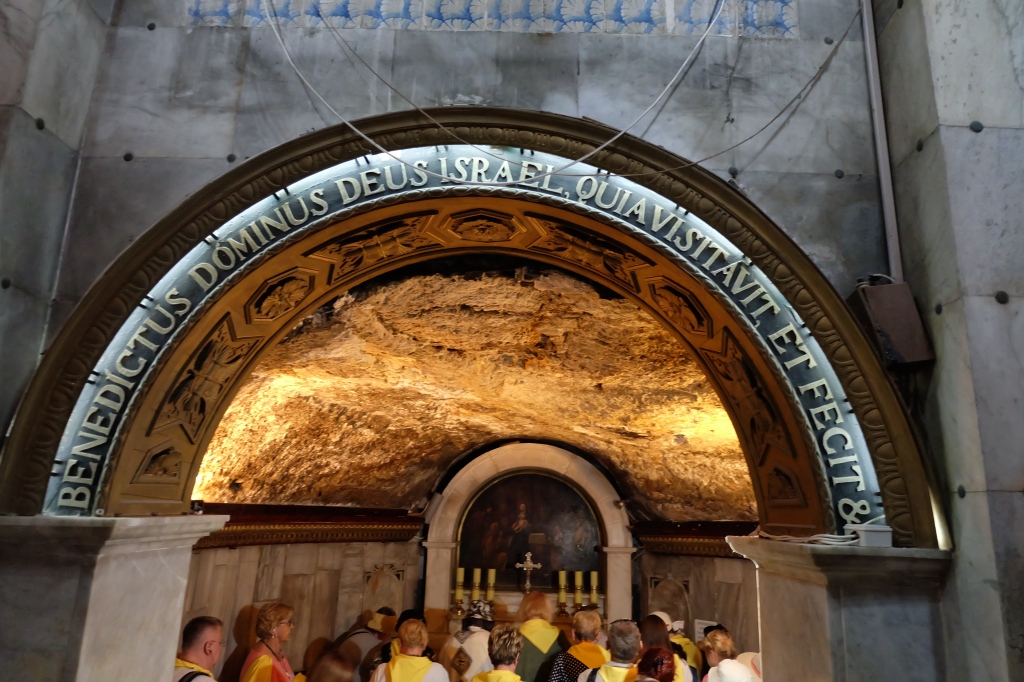
When Zechariah’s tongue was loosened after naming his son John in fulfillment of the angel’s instruction to him, it was not the word “finally” that came from his mouth but “Blessed be the Lord, the God of Israel!”(Lk.1:68). After being mute for nine months, Zechariah’s silence became praise with gratitude and wonder giving him the voice to speak again.

Zechariah his father, filled with the Holy Spirit, prophesied, saying: “Blessed be the Lord, the God of Israel, for he has come to his people and set them free. He has raised up for us a mighty Savior, born of the house of his servant David. Through his prophets he promised of old that he would save us from our enemies, from the hand of all who hate us, He promised to show mercy to our fathers and to remember his holy covenant. This was the oath he swore to our father Abraham: to set us free from the hand of enemies, free to worship him without fear (Luke 1:67-74).

Photo by author, birthplace of St. John the Baptist underneath the church dedicated to him in Judah.

We have reflected last Thursday that Advent and Christmas is a journey that begin in the church, in the celebration of the Mass as Luke opened his Christmas story with the annunciation of John’s birth to Zechariah during their Yom Kippur at the Jerusalem Temple.

Luke’s artistry and mastery in weaving stories brought us right into every scene leading into Christmas – from Jerusalem to Nazareth then to the hill country of Judah in the home of Zechariah until John’s birth where our scene remains today. Tonight and tomorrow, he will be leading us along with Matthew and John to Bethlehem for the birth of the Lord.

But this journeys Luke recounted to us were not only about places but most of all an inner journey into our hearts. As we all know, the destination does not really matter but the journey, the trip. It is most true with our Simbang Gabi too – it is not about completing the nine-day novena that matters most but what have we become!

After tonight and tomorrow’s Masses, our churches would be empty again, only to be filled up on Ash Wednesday, and then Palm Sunday and Holy Thursday. How tragic that on Easter which is “the Mother of all feasts in the Church”, people are miserably absent because they are out in the beach and resort enjoying summer. In fact, more people come to Christmas (Pasko ng Pagsilang) than with Easter (Pasko ng Pagkabuhay) when it is actually the very foundation of our faith.

With our students after Simbang Tanghali last year at the Medicine Lobby of Our Lady of Fatima University, Valenzuela City.

So, what have we become after these nine days of waking up early or staying up late at night, praying, listening and reflecting on the word of God, sharing our material blessings in the collections and gift-giving if we stop going to Mass the whole coming new year?

American Trappist monk Thomas Merton wrote that seeking God is not like searching for a “thing” or a lost object because God is more than an intellectual pursuit or a contemplative illumination of the mind. Merton explained that God reveals Himself to us in our hearts through our communion and fellowships in the Church. 

We come to church to celebrate the Mass and pray with the whole community to express our communion with one another in Jesus Christ. It is in this communal aspect of prayer we become holy, when we are transformed and as Zechariah prophesied, we are “set free” by Jesus Christ who is the main focus of his Benedictus.

Who are those enemies Zechariah mentioned twice in his Benedictus? Who are those enemies we have to be set free for God and free to love?

Photo by author, Church of St. John the Baptist, Israel, May 2019.

Again, look at this minute detail Luke used in composing Zechariah’s Benedictus when he spoke twice of the word “enemies”: first of “saving us from our enemies, from the hand of all who hate us” (Lk.1:71) and then, the fulfillment of God’s promise to Abraham “to set us free from the hand of enemies, free to worship him without fear” (Lk.1:74).

Surely, those “enemies” were not just the Romans and other pagans around Israel at that time nor the Pharisees and scribes, the priests and Sadducees of the temple who had hands in Christ’s death for they are now gone. The gospel accounts were written in the past but remain true and relevant at all time in history, especially now more than ever in our own time.

Are we the “enemies” within who think only of our selves even in our religious and spirituality, manipulating God, controlling God?

A friend asked me last week if their priest was right in saying that the Simbang Gabi is the most effective means to obtain special favors from God. I emphatically told her “no”, adding that their priest’s claim is misleading. We cannot dictate God. God blesses everyone, including sinners who do not even go to Mass. We do not need to multiply our prayers as Jesus warned us because God know’s very well our needs before we pray. Then, why pray at all?

We pray and most especially celebrate the Mass especially on Sundays to know what God wants from us because we love God. Period. And that love for God must flow in our loving service and kindness with others. If gaining favors is the main reason we go to Mass or even pray, then, we are the “enemies” who prevent ourselves to freely worship God!

Mr. Paterno Esmaquel of Rappler rightly said it in his Sunday column:

“We are a society obsessed with achievement and success, command and control… Even we who try to complete the Simbang Gabi can plead guilty. During the Simbang Gabi, for example, we are tempted to focus on achieving all the nine days and succeeding for another year. By fulfilling this tradition, we can then ask God (or “command” God, like a genie) to grant our wishes. We can therefore wield greater control over life that is otherwise unpredictable (https://www.rappler.com/voices/thought-leaders/the-wide-shot-missed-simbang-gabi-found-christmas-grace/).

And who are feeding all these misleading and erroneous thoughts on the people? We your priests and bishops!

How sad as we have mentioned last week when many priests have totally lost any sense at all of the sacred in the celebration of the Mass. Some of them not only come unprepared for the celebration without any homily, even so untidy and shabbily dressed and worst of all, make fun of almost everything and everyone that the Mass has become a cheap variety show. Online Masses continue not for evangelization for “shameful profits” in the Sacrament through “likes” and “followers” that some priests are now more concerned in finding ways to be trending and viral instead of how to effectively evangelize the people with our good liturgical celebrations flowing into our witnessing of life.

Yes, we priests and bishops are the enemies right here in the church when we align more with the rich and powerful, when we have no qualms asking/receiving gifts and favors from politicians and still, would want to collect more money and donations from people with our endless envelops that have totally alienated the poor from the church. The poor are the ones who suffer most, paying for the corruption of the politicians who help the clergy in their projects for the poor. Poor Jesus Christ!

Perhaps, on this last day of our novena to Christmas, let us all force ourselves – especially us priests and bishops – to go into silence to identify, to weed out those enemies within and outside us that prevent us from welcoming Jesus Christ in our hearts.

Let us pray to God that He may set us free from these enemies within us, around us so we can be like John the Baptist who will “go before the Lord to prepare his ways, to give his people knowledge of salvation.” Amen. See you tonight or tomorrow, Christmas in the Holy Mass!

Photo by author, Dumaguete City Cathedral, November 2024.

Advent & Christmas begin in the church

The Lord Is My Chef Daily Recipe for the Soul by Fr. Nicanor F. Lalog II
Simbang Gabi-4 Homily, 19 December 2024
Judges 13:2-7, 24-25 <*((((>< + ><))))*> Luke 1:5-25
Photo by author, wailing wall of Jerusalem where Jews pray until now being the section closest to the Holy Holies destroyed in year 70AD.

From Matthew, we now shift to Luke to listen to his account of Christmas which is the most complete and detailed. In fact, most artistic renditions of Christmas were inspired by Luke’s gospel.

Very surprising in his Christmas story, Luke started it with the annunciation of the birth of John the Baptist to his father Zechariah who was then serving at the temple of the Lord in Jerusalem. It is a reminder to us all these days that Advent and Christmas begin in the church, in our holy celebrations.

In the days of Herod, King of Judea, there was a priest named Zechariah of the priestly division of Abijah; his wife was from the daughters of Aaron, and her name was Elizabeth. Once when he was serving as priest in his division’s turn before God, according to the practice of the priestly service, he was chosen by lot to enter the sanctuary of the Lord to burn incense. Then, when the whole assembly of the people was praying outside at the hour of the incense offering, the angel of the Lord appeared to him, standing at the right of the altar of incense (Luke 1:5, 8-11).

Luke’s detailed account of the event is the Jewish Day of Atonement (Yom Kippur) when their priests incense yearly between September 18-24 the Holy of Holies where they used to keep the Ark of the Covenant. From this detail by Luke we got the reliable timetable in the celebration of Christmas on December 25 by considering this event as the time of Elizabeth’s conception of John who was born June 24 or nine months after. Tomorrow we shall hear in the gospel how “on the sixth month” of Elizabeth’s pregnancy which fell on March 25, the angel Gabriel announced to Mary the birth of Jesus, the Solemnity of the Annunciation we celebrate on that date. Nine months from March 25, we have December 25! Who said our Christmas date is not in the Bible? We got it here in our gospel today courtesy of Luke!

Photo by author, Parish Church of St. Joseph in Morong, Rizal, January 2021.

It may sound simple yet, it is so profound. In narrating this to us, Luke reminds us today that the Christmas story began in a holy celebration in the temple of Jerusalem now happening in our Eucharistic celebrations in every church around the world.

Many take our Sunday Masses for granted these days with so many excuses and alibis but, let us set aside all these to reflect on this simple detail from Luke’s first story on Christmas.

Photo by Mr. Jim Marpa, 2018.

First, this is a call for us all to go back to the church by finally putting a stop NOW of online Masses. Online Mass as a term is an oxymoron because it presupposes actual presence of people. There can be no virtual Mass because there is no such thing as virtual sacrament nor virtual grace. That is why God introduced Himself to Moses as “I AM WHO AM”, the One who is perfectly present, always actual never virtual.

Since the waning of the COVID virus last year, both the Pope and the CBCP have called for the ending of online Masses but unfortunately, so many priests have remained stubborn with some making “shameful profit” out of it which is strongly prohibited by Canon Law and other Church and papal documents. Unless online Masses are stopped, people will always find reasons and alibis not to go to church on Sundays.

As we reflect on Luke’s account of the celebration at that time of the annunciation of the angel to Zechariah while he was incensing the Holy of Holies, we get the feel of solemnity and sacredness that are sorely missing these days in many of our celebrations of the Mass.

Like Zechariah and the priests of the Jerusalem temple at that time who were all steeped in traditions and presumably spirituality, we have every reason to expect the same, even more, from our bishops and priests today. They are the ones who set the tone of every celebration and of life in the parish; their spirituality or lack of it is manifested in the parish life, from its building structure to its witnessing.

Photo by author, pious Jews and Rabbis in another enclosed section of the wall of the temple of Jerusalem, May 2017.

How sad when priests have lost the sense of the sacred of the Holy Mass when they disregard the solemnity of the celebration with all their antics and gimmicks; worst of all, of coming to Mass unprepared without a homily and good vestments, sometimes without having showered or shaved! What is tragic is when the priest attends all socials in proper attire, but never in the Mass.

The other day, I saw a sticker at the back of a delivery van that asks, “How’s my driving? And my grooming?” Too bad I was not able to get the name of the company of that delivery van but how great are its people must be in giving a premium on how their drivers behave and look!

Some priests shamelessly argue that what is essential is what is inside but they forget that the outward appearance is an indication of what’s inside them too. How can the people feel and experience God if their pastor comes shabbily dressed without any good vestments, so untidy as in dugyot, unprepared for the Mass, without a good homily?

What had become of our churches that have been the shining glory of architecture through the centuries but now look like malls? Some churches look like videoke bars with a lot of giant TV screens while priests serenade the people with their wonderful voices instead of delivering a homily.

How sad that many churches are untidy and ugly. Yes, ugly is the word. And kitschy, bereft of any sense of the holy that people cannot experience God except be played on their emotions with dramas and not to forget, second and third collections. Choirs are on their own with a concert, totally deaf to the fact their music is supposed to lead the congregation into prayerful reflections not to applaud them for a performance. It is about time we restore the dictum of the Roman liturgy of noble simplicity not only of the church and also of celebrations.

Photo by author, Archdiocesan Shrine of Nuestra Señora De Guia, Ermita, Manila, 28 November 2024.

Our gospel invites us today, especially us priests and bishops along with those involved in preparing our parish celebrations to be silent like Elizabeth – lest we be silenced and be made mute by the Lord like Zechariah to finally open ourselves to listen to God’s instructions about His Son’s coming.

Let’s face that sad reality of so many of us clergy and laity in the church who are like Zechariah trying to control everything including God, even playing God who give the people enough reasons to turn away from the Church completely.

Photo by author of the beautiful sacristy of the Archdiocesan Shrine of Nuestra Señora De Guia in Ermita, Manila where even a guest priest could feel at “home” with everything in order.

Like Elizabeth, let us choose to be silent in order to pray truly, awaiting God in the Holy Spirit to stir us into His Divine Plans like Samson in the first reading, “The boy grew up and the Lord blessed him; the Spirit of the Lord first stirred” (Jgs.13:24-25). We find the same thing in the gospel when Gabriel told Zechariah how John while still in Elizabeth’s womb would be filled with the Holy Spirit (Lk.1:15) in accomplishing his mission as precursor of Jesus.

If we could allow ourselves to be stirred by God first – not by fad or ulterior motives in our church celebrations – then every Mass becomes a Christmas, a coming of Christ.

Let us do away with unnecessary things in the church and in our celebrations that call attention to us, to our abilities and talents, even power like Zechariah by being more daring in silence and noble simplicity to experience God’s coming every Mass.

As we shall see in the coming days from the gospel of Luke, Christmas is both a journey into Bethlehem, Jerusalem and other places as well as into the very hearts of Joseph and Mary and of those who would recognize and accept Jesus Christ. May our churches reflect what is in our hearts as disciples of Christ, always with a space for Jesus to come and dwell inside and among us. Amen.

Photo by author, Simbang Gabi in our previous parish, 2018.

Discipleship, not membership

The Lord Is My Chef Sunday Recipe for the Soul by Fr. Nicanor F. Lalog II
Twenty-sixth Sunday in Ordinary Time, Cycle B, 29 September 2024
Numbers 11:25-29 ><}}}}*> James 5:1-6 ><}}}}*> Mark 9:38-43, 45, 47-48
Photo by author, ongoing works on the stained glass of the National Shrine of Our Lady of Fatima, Valenzuela City, 24 July 2024.

Our Sunday gospel is getting more exciting each week as Jesus gets closer to Jerusalem in fulfillment of His mission with His Passion, Death, and Resurrection.

One thing we see these past Sundays is how Mark followed a certain series of contrasts in the trajectory of his reportage. Note the contrasting scenes with every Sunday as we find today the Twelve appeared united as one unlike last week when they debated on the way who was the greatest among them.

More than that, Mark narrated today two strongly contrasting components of the Lord’s teachings to His disciples about discipleship and membership.

Photo by author in Magalang, Pampanga, 23 September 2024.

First is His tolerance on those who do good even though they do not belong to His fold, telling us to let everyone do what is good because no one has a monopoly of serving.

At that time, John said to Jesus, “Teacher, we saw someone driving out demons in your name, and we tried to prevent him because he does not follow us.” Jesus replied, “Do not prevent him. There is no one who performs a mighty deed in my name who can at the same time speak ill of me. For whoever is not against us is for us” (Mark 9:38-40).

Then in a sudden shift, Jesus severely criticized those who cause scandal, strongly urging His disciples including us today to totally eradicate whatever that leads us to sin and evil. Rejecting sin is discipleship in essence, not membership.

“Whoever causes one of these little ones who believe in me to sin, it would be better for him if a great millstone were put around his neck and he were thrown into the sea. If your hand causes you to sin, cut it off. It is better for you to enter into life maimed than with two hands to go into Gehenna, into the un quenchable fire. And if your foot causes you to sin, cut it off. It is better for to enter into life crippled than with two feet to be thrown into Gehenna. And if your eye causes you to sin, pluck it out. Better for you to enter into the kingdom of God with one eye than with two eyes to be thrown into Gehenna” (Mark 9:42-43, 45, 47).

Jesus teaching his Twelve Apostles, from GettyImages.

What a lively discussion the Twelve must have had that day with Jesus. This scene is a favorite of many Christians when discussing the scriptures, of how they are to be understood and interpreted with our ready excuses that Jesus did not literally mean what He said about cutting off our sinful hand or sinful foot and plucking out our sinful eye.

But, have we really reflected on its meanings and implications to our lives today?

Jesus reminds us this Sunday that discipleship is more than membership because in doing what is good, “the sky is the limit” so to speak. No disciple of Christ can lay claim to a monopoly in doing what is good, serving others; moreover, no disciple of Christ can belittle the good works of others even if they do not belong to the same religion or church.

Photo by author in Magalang, Pampanga 23 September 2024.

When our good deeds become “exclusive” and selective, then, that cease to be good.

Our ability to do good is always a grace of God, a gift poured out upon us by God daily so that we can be more loving and caring, more understanding and forgiving to one another. The moment we forget that, then, we start playing God.

In telling His disciples to let that man exorcize those possessed even he were not among the Twelve was clearly a command for us to recognize all who do good as brothers and sisters even if they do not necessarily share our beliefs and traditions. It is a call to respect one another.

Recall how in John’s gospel Jesus called Himself the Good Shepherd who has other sheep not in this fold. And we cannot deny that many times those who do not belong to our Church or group are doing better in serving others than us who are so entangled with bureaucracy and programs or procedures, not to mention fame and other selfish motives.

This attitude of having a monopoly of ministries and charities is one serious malady afflicting parishes today. Very often, the people with this attitude are the cordon sanitaire of priests who most likely are a Jollibee or a pabida since they were seminarians. They are the epal for short who volunteer in everything leaving nothing else for others to do, eventually spawning more pabida and epal in the church. Many parishioners refuse to serve not because they are lazy nor indifferent nor afraid but simply they are never given a chance to serve due to the monopolistic attitudes of some. It is a sad case of ministry and service based on membership than discipleship.

Photo by author in Magalang, Pampanga 23 September 2024.

Jesus is telling us this Sunday that there should be no divisions in doing good. Allow others to do good! Give them the chance to enter heaven too with their services and charities.

God wants us all to be “prophets” as explained by Moses to Joshua in the first reading when Meldad and Eldad prophesied even though they were not present in the Lord’s meeting tent. Moses rightly identified “jealousy” as one reason for such monopolistic attitude of good works by some believers.

Sin is the only obstacle in doing good, not membership. That is why, Jesus was severely stern in His words, telling how better it is for one causing others to sin to be thrown into the sea with a great millstone around one’s neck. Or, to cut off one’s hand or foot, and pluck out one’s eye that cause anyone to sin.

Photo by author at Fatima Ave., Valenzuela City, 25 July 2024.

If doing good were “sky is the limit” among disciples of Jesus, sin definitely has no room among us.

See how in this Sunday gospel Jesus implied to John and other disciples including us today of the grave sin of pride when we have that attitude of having a monopoly of good works, of relying more on membership than discipleship. It makes us proud and bloats our ego, leading us to more sins along the way until later on, we succumb to what the Greeks called as hubris.

That is why St. James in the second reading instructed us to examine our attitudes on social ills like poverty and inequality because wealth, like fame and glory, are always stained by sin.

A good disciple is always a good member of the Church – or any team and organization for that matter. Most of all, in our own family and circle of friends!


From Caesarea Philippi down to Capernaum that began three Sundays ago, Mark has continued to show us who Jesus really is, as the Christ who invites us with a personal answer to His same question to the Twelve, “who do you say that I am?” (Mk. 8:29).

The contrasts we found in Him today are not opposed to each other like His meekness with the sick and toughness with those who cause sin. Jesus is very open with anyone doing good, being kind and helpful but amid all these contrasts, He remains firm on His demands on discipleship rooted on His Cross, not just membership or being called a Christian.

When we look on His face, on His person, we find integrity and coherence, wholeness and holiness for Jesus is the Christ who had come to make us all divine, to become holy like Him “filled with His spirit” (Num. 11:29). Amen. Have a blessed week and October ahead!

Photo by Ka Ruben, the new stained glass at the National Shrine of Our Lady of Fatima, Valenzuela City, 13 September 2024.

The gift of communion

The Lord Is My Chef Daily Recipe for the Soul by Fr. Nicanor F. Lalog II
Wednesday, Feast of St. Thomas, Apostle, 03 July 2024
Ephesians 2:19-22 <*{{{{>< + ><}}}}*> John 20:24-29
From the the Catholic Diocese of Little Rock, Arkansas, dolr.org.
Praise and glory to You,
God our Father
for your gift of the Church,
the Body of Christ built on the
foundation of the Apostles as a
community of faith,
hope,
and love!
Thank You for the gift
of St. Thomas also known as
Didymus; though he was not
present on the evening of Easter
when the Risen Lord appeared
to his fellow disciples,
he joined them eight days
later to be with them,
most especially with Jesus;
what a beautiful gesture
of him who could not
believe of the Resurrection;
what a gift of courage for him
to submit himself to actual tests
to prove to himself that
Jesus had risen;
most of all,
his goodwill to be one
in communion
with his brother Apostles
and Lord Jesus.

Brothers and sisters: You are no longer strangers and sojourners, but you are fellow citizens with the holy ones and members of the household of God, built upon the foundation of the Apostles and prophets, with Christ Jesus himself as the capstone. Through him the whole structure is held together and grows into a temple sacred in the Lord, in him you also are being built together into a dwelling place of God in the Spirit (Ephesians 2:19-22).

Let us keep those words
of St. Paul, dear Jesus,
"Through him
the whole structure
is held together
and grows into a temple
sacred in the Lord,
in him you also are being built
together into a dwelling place
of God in the Spirit":
what will happen if we
destroy this communion
in You and with You through
one another?
What could have happened
if St. Thomas remained adamant
with his "doubts" and never came to join
the other Apostles on that eighth day after
Easter?
Caravaggio’s painting “The Incredulity of St. Thomas” (1602) from en.wikipedia.org.
Lord Jesus Christ,
teach me to have the
healthy doubts of St. Thomas,
to dare test himself,
not You nor others,
to find You, the Truth;
grant us the humility to
accept and embrace
not only your wounds
but also those wounds
of our fellow disciples
because the twofold communion
with God and with one another
is inseparable -
wherever communion with God
in the Father, and the Son,
and the Holy Spirit is destroyed,
the root and source of our communion
with each other is destroyed too;
whenever we do not live communion
among ourselves, communion with
God is not alive and true either.
Like St. Thomas,
enlighten us with your light
and truth, Jesus,
to see you
among one another
to live in communion.
Amen.

St. Thomas the Apostle,
Pray for us!