Lord My Chef Daily Recipe for the Soul by Fr. Nicanor F. Lalog II Friday in the Fifth Week of Easter, 23 May 2025 Acts 15:22-31 <'[[[[>< + ><]]]]'> John 15:12-17
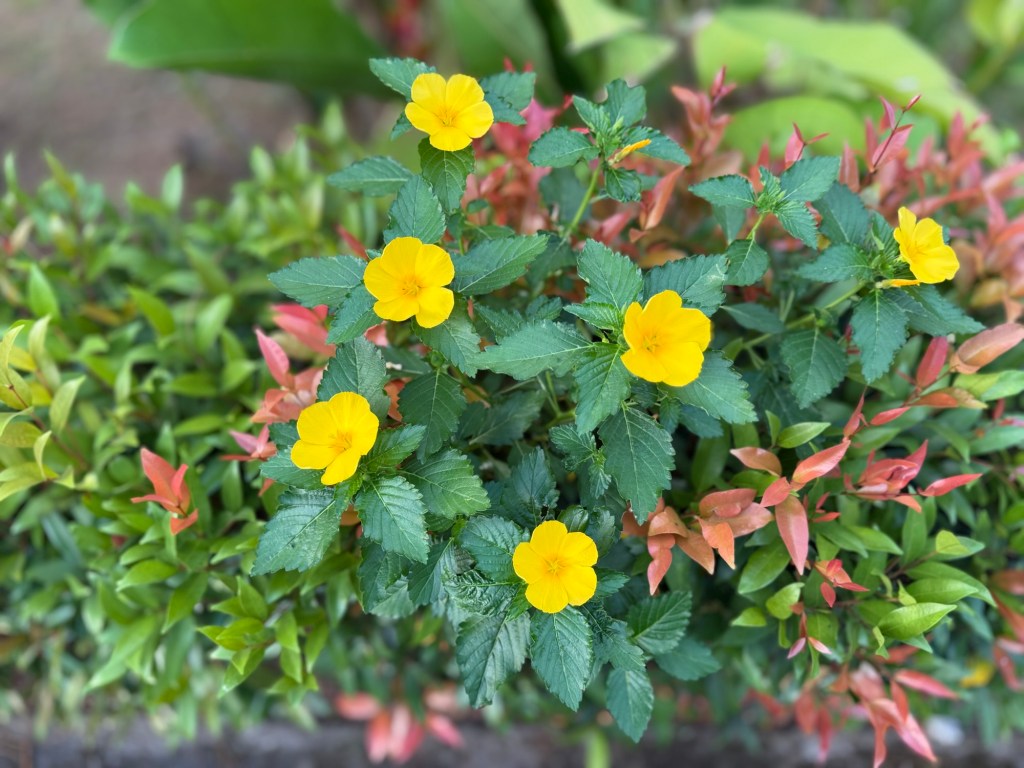
Photo by author, Sacred Heart Novitiate, Novaliches, QC, 20 March 2025.
Thank you, dear Jesus in choosing me and making me your friend; let me be a friend to others too like you.
You said it so well, Lord, "You are my friends if you do what I command you" - which is to love! Furthermore, you told us, "I no longer call you slaves, because a slave does not know what his master is doing" (John 15:14) but, how sad that we do the opposite: we do not truly love one another like you, taking each one as a friend; worst, we make others like slaves especially if they are not like us in color and status, belief and gender.
Teach us, dear Jesus, to imitate Judas called Barsabbas and Silas along with Paul and Barnabas sent to the Christians in Antioch to deliver the letter of the Apostles and presbyters regarding the issues of circumcision and other Jewish practices some wanted the Gentile converts to undertake; how lovely that as the faith spread far and wide reaching many people, the Apostles and the presbyters decided not to burden the brothers with Jewish customs and practices; here we find love in action, friendship is in taking away the burdens of others than putting on heavier burdens on them; most of all, a true friend who loves like you Jesus is one who encourages others in your way. Amen.
Photo by author, Sacred Heart Novitiate, Novaliches, QC, 20 March 2025.
Lord My Chef Daily Recipe for the Soul by Fr. Nicanor F. Lalog II Thursday in the Fifth Week of Easter, 23 May 2025 Acts 15:7-21 <*((((>< + ><))))*> John 15:9-11
Photo by author, Sacred Heart Novitiate, Novaliches, QC, 20 March 2025.
Make my joy complete, Lord Jesus, let your joy be in me (John 15:11)!
True joy comes only in union with the Father like you, dear Jesus; in a world that had shrunk into one global village due to modern technology that has spawned so many forms and kinds of connections among peoples, we are not yet filled with joy, Lord; in fact, the more we have been separated than ever because our "connections" are fleeting, empty of any love at all; true connections in you, with you Jesus lead to joy as we have seen in the experience of the early Church:
After much debate had taken place, Peter got up and said to the Apostles and the presbyters… “Why, then, are you now putting God to the test by placing on the shoulders of the disciples a yoke that neither our ancestors nor we have been able to bear? On the contrary, we believe that we are saved through the grace of the Lord Jesus, in the same way as they” (Acts 15:7, 10-11).
When we keep your commandments, then we remain in your love, Jesus; that's the only basis and most essential in every connection and relationship because when there is love even if in the midst of pain and suffering, there is always joy which is more than a feeling but an assurance that no matter what, there is God always on our side, loving us, blessing us as Peter explained in the Council of Jerusalem; grant us the grace to remain in your love, Jesus, to examine in what areas of our life we remain and grow in your love. Amen.
Photo by author, Chapel of the Angel of Peace, Our Lady of Fatima University, Valenzuela City, 28 March 2025.
Lord My Chef Daily Recipe for the Soul by Fr. Nicanor F. Lalog II' Monday in the Fifth Week of Easter, 19 May 2025 Acts 14:5-18 ><]]]]'> + ><]]]]'> + ><]]]]'> John 14:21-26
Photo by author, Cabo da Roca Villas, Pundaquit, San Antonio, Zambales, 15 May 2025.
Your words today, O Lord are very amusing: in the first reading we have the people at Lystra insisted on making Paul and Bernabas as "gods" after they have healed a crippled man from birth while in the gospel we felt you personally speaking to us too along with your disciples at the Last Supper of how in our love for you and with each other that we become divine like you.
Judas, not the Iscariot, said to him, “Master, then what happened that you will reveal yourself to us and not to the world?” Jesus answered and said to him, “Whoever loves me will keep my word, and my Father will love him, and we will come to him and make our dwelling with him” (John 14:22-24).
How lovely, dear Jesus are your words: you never left us, you continue to speak to us in the Holy Spirit you sent to enlighten our minds and our hearts so we may continue to love you in one another; more than a feeling as most people believe these days, love is a response to a loving, meaningful relationship in you; love is our deeper connection with you and with each other; without love, we are mere humans, not persons, without relationships, most of all, without meaning and direction in life.
Let us love, love, and love more, Jesus so we may find and recognize you in ourselves and in others, especially the weakest and poorest among us. Amen.
Photo by author, Cabo da Roca Villas, Pundaquit, San Antonio, Zambales, 15 May 2025.
Lord My Chef Sunday Recipe for the Soul by Fr. Nicanor F. Lalog II Fifth Sunday in Easter, Cycle C, 18 May 2025 Acts 14:21-27 ><}}}}*> Revelation 21:1-5 ><}}}}*> John 13:31-33, 34-35
Photo by author, Cabo da Roca Villas, Pundaquit, San Antonio, Zambales, 15 May 2025.
Easter is a reality, an event and experience always new and fresh. And relevant. I refuse to describe it as “ever new” because it is not changing nor evolving; it is “new” as it is “unfolding” like God or a loved one’s person revealed daily.
In his coming to us, Jesus brought God most real and closest to us humans more than ever, enabling us to experience in him a newness in life, so refreshing and relevant always. That is why we heard the word “new” five times in our readings today, four in the Book of Revelation and once in the Gospel.
Photo by author, Cabo da Roca Villas, Pundaquit, San Antonio, Zambales, 14 May 2025.
Then I, John, saw a new heaven and new earth. I also saw the holy city, a new Jerusalem, coming down out of heaven from God, prepared as a bride adorned for her husband. The one who sat on the throne said, “Behold, I make all things new” (Revelation 21:1, 2, 5).
When Judas had left them, Jesus said, “I give you a new commandment: love one another. As I have loved you, so you also should love one another. This is how all will know that you are my disciples, if you have love for one another” (John 13:31, 34-35).
Photo by author, Cabo da Roca Villas, Pundaquit, San Antonio, Zambales, 14 May 2025.
New heaven, new earth, new Jerusalem, new commandment. With Jesus making all things new.
“New” as a word connotes something fresh and recent, presupposing two conditions: either as something non-existent before that is introduced and made only now or, something already existing before but found and discovered only recently.
As such, anything “new” is actually a supernatural reality, a gift from God waiting to be discovered by anyone with faith, hope and love. It is in God through Jesus Christ’s Resurrection that we actually experience the true meaning of what is “new”.
First, as something not existing before like John’s vision of “new heaven, new earth, new Jerusalem” in the Book of Revelation. John had been clear at the onset of his writing of his final book which is to report to us the things that will happen in the future. And we all hope that indeed, someday there will be a new heaven, a new earth, and a new Jerusalem in the future. How it would look like, we really don’t know but deep in our hearts we hope for that especially in this time of too much crying, pain and death everywhere.
Of course, it sounds too good to be true but for us disciples of Christ, it is something we have to work for and not just pray for. What a joy to hear the new Pope, Leo XIV mentioning in his first public address asking for the release of all hostages in Gaza as well as for peace in Ukraine. We really hope our new Pope will continue with his more direct and firm assertions of Jesus and his teachings than be like the previous Pope who tried accommodating non-Christian religions and beliefs because peace comes only in Christ.
Though John’s vision of new heaven, new earth, and new Jerusalem refers to the end of time where “there shall be no more death or mourning, wailing or pain” (Rev. 21:4), it is something we can experience now if we let Jesus reign in us so he may wipe away the tears in our eyes caused by our continued hardness of the hearts.
A new heaven, a new earth, a new Jerusalem can only happen when we allow Jesus Christ to reign in our hearts more than ever so that the former heaven, former earth and sea pass away. That is why the Prophet Isaiah called the Christ as the Emmanuel, God-is-with-us, precisely the vision saw by John in Revelation, “Behold, God’s dwelling is with the human race. He will dwell with them and they will be his people and God himself will always be with them as their God” (Rev. 21:3).
As we have seen two Sundays ago, no locked doors can prevent Jesus from breaking through to get to us, for us to experience his loving presence. Most of all like last Sunday, we must learn to entrust ourselves confidently to Jesus our Good Shepherd because only he knows us his sheep so well. That confidence in him in making all things new happens when we love like him.
Photo by author, Sacred Heart Novitiate, Novaliches, QC, 17 March 2025.
"I give you a new commandment: love one another. As I have loved you, so you also should love one another. This is how all will know that you are my disciples, if you have love for one another" (John 13:34-35).
What is new in Jesus Christ’s commandment of loving? Answer: it is a love rooted in God the Father to whom Jesus is totally one with, totally entrusting himself even up to dying on the Cross.
It is a love that has long existed before since the very beginning but only discovered and found recently in Jesus Christ, the Son of God who became human like us in everything except sin. It is new because it ever refreshes anyone who loves like Christ. Most of all, it is new because it is most relevant at all times.
Any love not rooted in God will surely pass and fail. Though other religions and movements preach love, only Jesus tells us to love like him who is rooted in the Father who is love himself. See that Christ’s command to love like him is not only new but also radical at the same time as it brings us to the very root of love, God: “God is love… In this is love: not that we have loved God, but that he loved us (first)” (1 Jn.4: 8,10). According to Pope Benedict XVI, “God is love” is the most unique declaration on God not found in other religions except Christianity.
It is a love already existing before and discovered only by the Apostles in their experience of Jesus Christ. That is why in the first reading Paul and Barnabas told the disciples in Antioch to persevere in faith, saying, “It is necessary for us to undergo many hardships to enter the kingdom of God” (Acts 14:22). How sad it is a truth we have all known and proven all along but we continue to disregard even avoid, taking shortcuts in everything that often end in failures.
It is said that the more constricted the pupa (chrysalis) of a larva or caterpillar, the better are its chances of transforming into a more colorful butterfly.
The same is true with us humans. Life that is so easy and laid back when everything is provided for without any sweat at all always leads to emptiness and nothingness. Very often, the most fulfilled people – not necessarily successful which is very relative – are those who have gone through a lot of sufferings and hardships in life. They are mostly the men and women of passion for learning, willing to sacrifice a lot even their very selves for the sake of a truth and a love they are so convinced. Actually, what they have found and discovered have always been there hidden for ages even millions of years but due to their intense love, they found something so new that eventually revolutionized our lives and the world for better or for worse.
This Sunday, Jesus offers us to make our lives new and better, definitely more beautiful but not necessarily pain free. Are we willing to love like him to discover something new today or this week?
"Lord Jesus Christ, let us love like you so we may be transformed to someone new and eventually change the world to something new and better in you. Amen."
Photo by author, Cabo da Roca Villas, Pundaquit, San Antonio, Zambales, 14 May 2025.
Lord My Chef Sunday Recipe by Fr. Nicanor F. Lalog II Fourth Sunday in Easter, Cycle C, 11 May 2025 Acts 13:14, 43-52 ><}}}}*> Revelation 7:9, 14-17 ><}}}}*> John 10:27-30
The new Pope, Leo XIV, appears on the balcony of St. Peter’s Basilica, 09 May 2025; photo from vaticannews.va
What a lovely fourth Sunday in Easter also known as “Good Shepherd Sunday” when we are blessed with a new Pope – Leo XIV – who will shepherd us into this modern time. Truly, Jesus Christ our Good Shepherd knows us so well that he did not make us wait long in having a new Pope in this troubled time.
Jesus said: “My sheep hear my voice; I know them, and they follow me. I give them eternal life, and they shall never perish” (John 10:27-28).
“I know them.” How lovely are these words of Jesus to us, his “sheep” especially for those going through a lot of trials and difficulties, for those feeling lost and empty, for those about to give up on life.
Let us dwell on his words “I know them”.
For the Jews and in the Bible, knowing is more of the heart than of the mind. Knowing a person is not just knowing one’s name but most of all of being in a personal relationship, an affinity with the person.
In declaring “I know them”, Jesus affirms how he personally regards each one as somebody dear to him, somebody close to him. We are all a somebody, a someone to Jesus whom he personally loves and cares for.
This we have seen among the people we have met in Lent like the apostles Peter, James and John during the transfiguration, the prodigal son, the woman caught in adultery. Or during the Holy Week like Judas who betrayed the Lord, Peter who denied Jesus thrice, Dimas the thief, the centurion who believed in him after his death on the Cross, John and the Blessed Mother at the foot of the Cross. They were all in their most difficult situations in life yet Jesus knew them so well that he assured them of his loving presence, lifting them up to move on with life.
Recall also the people we met this Easter Season like Mary Magdalene and companions early in the morning later followed by Peter and the beloved disciple who all found the tomb empty, the disciples at the upper room with locked doors that evening of Easter, the two disciples on the road to Emmaus, Thomas Didymus, the disciples led by Peter at breakfast with Jesus at the shore of Lake Tiberias. In their most joyous moments in life amid the darkness and emptiness, the doubts and unbelief or blindness following Easter, they were accompanied and joined by the Risen Lord to ensure and assure them that indeed he is alive and will always be with them.
In the same manner, think also of those moments in your own life of darkness and emptiness, whether negatively or positively, for better or for worse… who remained standing by your side?
Jesus. Only Jesus. And always Jesus. Because he knows us so well.
Jesus is truly the Good Shepherd who knows us so well even in these modern times where there are more vehicles and traffic, more disruptions to life yet he continues to shepherd us like the many shepherds still in many countries in Europe and the Middle East.
And that makes this passage most touching and refreshing because though times may have changed, Jesus has remained personally committed with each one of us. He keeps on looking for us, searching us, following us. Loving us most of all. But, are we present in Jesus?
Notice the four verbs in this short gospel we have today: ascribed to Jesus are the verbs “know” and “give” while to us the sheep, “hear” and “follow” where problems always happen. Do we “follow” what we “hear”? “To hear” is to recognize the authority and importance of the speaker’s words; it is to enter into a communion with him, to put oneself in his guidance, to “follow” him as his disciple.
Jesus speaks to us daily but nobody cares because right after waking up, most of us today look for our cellphone than pray! We are more interested with the “likes” and “followers” we have garnered from our previous posts. We are more enthralled with the seductive voices and images of social media that feed on our ego and senses, giving us false feelings of security and acceptance. We would rather be consumers than disciples who are called to sacrifice like the shepherd.
Photo of a sheep’s fleece by Dra. Mylene A. Santos, MD, 2022.
Though life has become more affluent these days, it has ironically become more empty and lost without direction because we just keep on having and possessing, consuming and ingesting everything the world offers that leave us guilty and empty because we cannot experience any sense of fulfillment and meaning.
How ironic that amid this pandemic of “obesity”, we fill ourselves mostly with trash and poison, literally and figuratively speaking that we feel so lost more than ever with so much time wasted and sadly, life and relationships thrown away. Everything has become more of the mind than of the heart with persons being commodified as things, everything seen in monetary terms, so utilitarian in nature.
Only Jesus “knows” us so well that is why only he “gives eternal life” as Peter exclaimed in this Saturday gospel in the third week of Easter, “Master, to whom shall we go? You have the words of eternal life. We have come to believe and we are convinced that you are the Holy One of God” (Jn.6:68-69).
Unlike anybody, Jesus is the Son of God sent to gather us, to save us and to bring us closer to the Father so that no one among us shall perish. That is the plan of God fulfilled by Christ which we must continue like the apostles as we have heard in the first reading when Paul and Barnabas preached the Gospel of Jesus to the gentiles.
This Sunday, Jesus our Good Shepherd assures us, wherever we may be – in darkness and emptiness, or under the dark clouds of a thunderstorm, under a thatched roof of misery – that he knows us so well. He loves us.
Feel the warmth of Christ’s loving heart this Sunday by being present with your loved ones, the people you know so well like Jesus. Let us pray:
Lord Jesus, you are our Good Shepherd and we are your sheep; only you know us so well, only you can give us eternal life, only you can keep us safe not to be snatched by anyone like the corrupt and shallow candidates running for office again this election; give us the wisdom, courage and faith to follow you and stand by you like those elders in white garments seen by John in his vision of heaven in the second reading; let us vote wisely, let us not waste that power you shared with us. Amen.
Lord My Chef Sunday Recipe by Fr. Nicanor F. Lalog II Third Sunday in Easter, Cycle C, 04 May 2025 Acts 5:27-32, 40-41 ><}}}}*> Revelation 5:11-14 ><}}}}*> John 21:1-14
Breakfast came from two words, break + fast when monks in the early days of Christianity used to “break” their “fast” the night before and that is why it is rightly considered as the most important meal of each day.
But the author of the fourth gospel found something deeper in the word “breakfast” that he mentioned it twice in our gospel today. It is another detail only him had noticed like in last Sunday’s “locked doors”. Everyday, Jesus invites us to “breakfast” with him to experience the joy of Easter.
Jesus said to them, “Come, have breakfast.” And none of the disciples dared to ask him, “Who are you?” because they realized it was the Lord. Jesus came over and took the bread and gave it to them, and in like manner the fish. This was now the third time Jesus was revealed to his disciples after being raised from the dead. When they had finished breakfast, Jesus said to Simon Peter, “Simon, son of John, do you love me more than these?’ He said to him, “Yes, Lord, you know that I love you.” Jesus said to him, “Feed my lambs” (John 21:12-15).
Painting by Frenchman James Jacques Tissot (1836-1902), “Jesus Eats Breakfast with Disciples” from http://www.jofullheart.com.
Many times we take breakfast for granted and most often, like me later in life do we realize its importance with the onset of many sickness and diseases. Remember that saying, “eat like king at breakfast, like an ordinary man at lunch and like a pauper or beggar at supper”? That’s very true because breakfast is supposed to give us the boost needed to make headway through the brand new day.
What a beautiful gesture by Jesus when he appeared the third time to his disciples early morning just in time for breakfast. Every day Jesus invites us to breakfast with him, to be filled with him spiritually through prayers and meditations, most especially the Holy Eucharist. That is why it is always best to pray and celebrate Mass first thing in the morning when Jesus fills our soul with his Spirit and then our body with his gifts of food at breakfast. Christ invites us to breakfast everyday before he “breaks” to us some important matters on our selves and relationships with him and with others.
Photo by author, Atok, Benguet, 27 December 2024.
It is the same idea behind “breakfast meetings” or even “luncheon meetings” where the hosts feed us with good food and drinks before baring to us their plans that need our participation. Remember that after the second appearance of Jesus to his disciples, nothing was clear yet to them except that he had risen. The disciples must still be feeling guilty with their actions and attitudes after the arrest and death of Jesus. They must be “nagkakahiyaan” – there was a strong presence of shame within each one on how they have abandoned Jesus after his arrest except the beloved disciple who stood at the Cross until the burial.
How lovely is the Lord’s gesture in appearing this time early in the morning to invite them to a breakfast including us today! Like every host, Jesus wants us to be relaxed and at home, comfortable and at ease with him, assuring us of his love and friendship despite our sins and shortcomings in the past. This is particularly evident with Peter and maybe Thomas who doubted the Lord’s resurrection last week and now back with the others fishing.
Jesus is very much aware of breakfast as a great mood-setter. On that day at the shore of Tiberias until today, Jesus starts each day with us with all his warmth and love, telling us it is a new day with new opportunities because tomorrow is gone so let us start anew. Sadly, many of us forget Jesus present with us every morning when we wake up. Like the disciples, we rarely recognize him as we first look for our cellphone upon waking up, counting the likes and reactions to our previous posts. Others refuse to rise and face the day while others feel grouchy raising hell every morning.
Open your eyes like the beloved disciple. When we see and think of Jesus first thing in the morning, then we see the abundant blessings around us like that great catch of fish by the disciples despite the empty night or day before. Every time we wake up despite the presence of our many problems still unsolved or unresolved, it is already a game won over that we are still alive! Rejoice in the gift of life. That is Easter happening daily. Give in to Jesus Christ’s invitation to breakfast by first communing in him in prayer and praise.
Painting by Frenchman James Jacques Tissot (1836-1902), “Jesus Appears to His Disciples At the Shore of Tiberias” from http://www.dominicanajournal.org.
Now we go deeper into the meaning of “breakfast” which is from the prefix break + fast, the breaking of the fast the night before. What are the other fastings we need to break everyday like the disciples?
There is a beautiful commercial of local medicines that says “huwag mahihiyang magtanong” (don’t be shy to ask). Today Jesus is telling us not to be ashamed to get near him, to speak to him, to be with him. It is a new day. Break all your “fasting” of getting close to him because you are too shy of your sins and failures. It is a new day. Recall those countless times in the past when you have disappointed Jesus and your loved ones a lot but he gave you a chance to rise again. Notice how the beloved disciple recognized Jesus when he recalled too their first meeting with the same situation, a fruitless night before followed by bountiful catch after Jesus instructed them to cast their nets into the deep!
How many times had Jesus given us with all the chances in life to be better, to start anew despite our sins and failures? Many times we cannot recognize Jesus despite his nearness with us like the disciples that morning at Tiberias because we box him as somebody like us who keeps tabs of our wrongdoings, that he might not like us anymore. Unlike us, Jesus is full of mercy with a very poor memory of our past sins and wrongdoings.
Notice that after breakfast, Jesus called Peter by his original name “Simon, son of John”. This is remarkable because not only with Peter, Jesus sees each one of us in our true self as a beloved child of God, so loved, so precious. Like Peter, he invites us everyday to breakaway from our sins and biases against him for he truly loves us, always ready to forgive us and most of all, never changes his mind and heart in his plans for us.
It is only after we have expressed our love to him like Peter that Jesus invites us to more than a breakfast which is to come follow him!
Before we can follow Jesus, we must first love him by breaking away from sins and vices and everything evil. And that starts with having Jesus every morning for breakfast. That is what Luke is telling us in the first reading from the Acts of the Apostles, of how the disciples chose to follow Jesus than obey the Sanhedrin who wanted them to stop preaching about Jesus. Saying yes to Jesus Christ’s invitation to breakfast and to break away from sins and evil is the solid “Amen” of the elders saw by John in his vision of heaven in the second reading. Like them, let us pray:
Dearest Jesus, thank you for the invitation every morning, first thing of each day to be with you not only to breakfast but to break my series of sins and vices; let me love you more so I may follow you closely everyday. Amen.
Lord My Chef Sunday Recipe, Fr. Nicanor F. Lalog II Second Sunday in Easter Octave, 27 April 2025 Acts of Apostles 5:12-16 ><}}}}*> Revelation 1:9-11,12-13,17-19 ><}}}}*> John 20:19-13
Photo by author, Angels’ Hills Retreat & Formation Center, Tagaytay, 19 April 2025.
Locked doors. Exactly what I have dreaded most these days not because of claustrophobia but more of amnesia as I often forget my keys that I get locked out of my room.
Many of you probably know that kind of feeling of being locked out of our rooms or even house: we are so stressed that we go through self-blame and self-pity of being so forgetful to intense annoyance when we have to destroy our locks and knobs to replace them with new ones.
But, surely there must be a great difference of being locked inside a room that is more stressful and even fearful leading to claustrophobia. Imagine how the disciples of Jesus felt on that evening of Easter when they have to hide inside the Upper Room and locked the doors for fears of being arrested too following reports of the empty tomb.
On the evening of that first day of the week, when the doors were locked, where the disciples were, for fear of the Jews, Jesus came and stood in their midst and said to them, “Peace be with you.” – John 20:19
Painting by James Tissot (1836-1902) of Jesus Christ’s appearance to his disciples on Easter evening.
Only John tells us this detail of the evening of Easter of how the disciples hid inside locked doors, that despite that, Jesus Christ still came through. Aside from the darkness and empty tomb that characterized Easter which all evangelists narrated, John seems to be telling us something important about those locked doors.
Do you have any locked doors in your life that is why you can’t experience the joy of Easter?
One thing for sure: John included that little detail of the locked doors of the Upper Room where the disciples hid to show us that no obstacle, no locked doors can prevent Jesus from “coming” to us. Jesus had triumphed over sin and death. He is Risen! Nothing can stop Christ from breaking barriers among us and within us to bring his peace and joy of Easter.
However, the problem could be with us as we refuse to recognize Jesus coming to us.
Our refusal to forgive those who have hurt us, especially if they have tried reaching out to us, even apologizing can be a locked door within us. It could be the other way around when who have hurt others have locked inside ourselves in our refusal to ask forgiveness and be reconciled with a loved one.
There may be other locked doors in our life like our fears of failure and disappointment, of lost and separation from our loved ones due to various reasons like betrayal or death. Think of the other kinds of locked doors in our life that have kept us in the darkness of grief and sadness, bitterness and hatred or anger, even hopelessness.
See how in our gospel there are so many elements linked together in experiencing our Risen Lord – the need to believe like Thomas who was not inside the locked doors when Jesus first appeared. The nice thing with Thomas despite his doubts, he came to the room with locked doors to await Christ’s coming and he was not disappointed!
Like Thomas the Apostle, we have to believe Jesus in order to see him. We have to welcome Jesus inside our locked doors. Most of all, we have to come our from our locked doors to be one with others freed by Jesus.
“The Incredultiy of Thomas”, painting by Caravaggio from artsandculture.googe.com.
Every day amid all our daily darkness and emptiness, Jesus breaks our locked doors, coming into our lives like that Easter evening, bringing peace and forgiveness and most of all, joy of finding him, of seeing him, of experiencing him.
The world tells us to see is to believe but Jesus tells us to believe first so that we may see because it is only when we believe that we truly love and when we love, that is when the miracles of Easter begin to happen. Everyday.
Locked doors isolate us and isolation is separation which is the absence of love. This eventually leads to hopelessness which is the exact opposite of love. When we lose hope, we destroy everything, including life. People without hope are the most angry, the most isolated people who would kill and destroy everything because there is nothing to look for nor expect. They are locked inside their own prisons of selfishness.
Jesus rose from the dead to break all barriers to life especially sin and evil that imprison us so that we may believe again, love and hope to live Easter daily.
Easter does not remove the darkness nor emptiness within us but definitely breaks locked doors in us so we can go free to follow the light of Christ, to spread that light with others imprisoned in their locked doors of unbelief.
In the first reading, we find the Apostles after Pentecost continuing the work of Jesus by preaching and healing the sick while in the second reading we heard John thrown into exile to Patmos and yet, still chose to proclaim the gospel and wrote his visions while in prison.
We all know from the Acts of the Apostles that it was not all good news for the early Church that soon faced persecution. But by remaining open to Jesus Christ’s daily coming in themselves and through others like their persecutor named Saul who became Paul, Christianity flourished.
Today in our modern age, St. John Paul II designated in May 2000 this octave or eighth Sunday in Easter as the Divine Mercy Sunday as an invitation to Christians to face with confidence in the Divine Mercy the difficulties and trials that we still have to experience in the years to come.
There will always be darkness and emptiness in life. Including locked rooms. But, Easter is Christ’s triumph over all these. Rejoice in breaking free today. Many times in life, all we need in life is a simple spark of believing in Jesus risen, with us inviting us to come and follow him in his light and life. Amen.
Photo by author, Angels’ Hills Retreat & Formation Center, Tagaytay, 19 April 2025.
Good Friday Reflection by Fr. Nicanor F. Lalog II, 18 April 2025
Photo by author, Sacred Heart Novitiate, Novaliches, QC, 17 March 2025.
Twenty-seven years ago today, I was ordained as priest with my six other classmates at the Malolos Cathedral by Archbishop Rolando J. Tria-Tirona. I was 33 years old at that time (and less than 200 pounds in weight).
One thing prevailed in me on the eve of that most beautiful event in my life: Jesus Christ died on the Cross when he was 33 years old. Is my ordination my crucifixion too? Maybe. But due to the euphoria that followed after my ordination, I forgot all about it until I approached the age of 40 and my honeymoon stage in the priesthood waned with all the trials and difficulties – and crises – that followed.
It was at that time every year my birthdays and anniversaries came, I prayed only one thing from God – that I would have a more worry free year, that the following year would be a banner one for me. “Sana naman Lord ngayon ako naman ang panalo, ako naman ang bida, ayoko na sa ilalim ng gulong ng palad. Sana ako naman ang nasa itaas.”
God never heard my prayers. They never came. Actually, the opposite happened as I went through more trials, more difficulties, more pains and hurts that many nights in my prayers I felt like Jesus Christ crying on the Cross on that Good Friday, “I thirst” (John 19:28).
Photo by author, Sacred Heart Novitiate, Novaliches, QC, 17 March 2025.
Many times in life, our prayers to God are cries like that of Jesus on the Cross, “I thirst.”
Those are the times we thirst for love and kindness, for care and understanding, sometimes the most simplest recognition as a person or a brother/sister or a friend from our family and friends.
This is the second time Jesus felt thirsty in the fourth gospel. The first time was when he asked the Samaritan woman for water at Jacob’s well where in fact, it was Christ who gave her the “living water” – himself – in the wonderful conversation that followed.
See that in the fourth gospel, water is one of the significant signs used by the evangelist to portray Jesus Christ like in his first miracle at the wedding at Cana when he turned water into wine. In his conversation with Nicodemus one night, Jesus spoke of the power of water in cleansing us into a new person in Baptism.
The thirst of Jesus Christ on that Good Friday on the Cross is also our thirst for love, for kindness, for faith, for life and for one another. And here is the mystery and paradox: that thirst can only quenched by Christ if we too remain in him, with him on the Cross. That is why after he head died, blood and water flowed from his side pierced with a lance by a soldier. All throughout his life, especially while on the Cross, Jesus never ceased from being good, from doing good, from loving us all, giving us even at his death life and love.
After 27 years as a priest now on my senior year, I have realized this as the only thing I desire most in life – Christ, the only water who can quench all my thirst as a person, as a priest. Life is love which is following Jesus on the Cross. To thirst for love is to desire more the Cross which is to love more the one Crucified, Jesus Christ.
The joy and meaning, the peace and fulfillment we long for in life, we thirst for always are found in the Cross, not in material things nor in fame and glory as the soldiers had mistaken on the Good Friday. Unfortunately, many of us are exactly like those Roman soldiers who give money and material things to those crying “I thirst” to us.
Photo by author, Sacred Heart Novitiate, Novaliches, QC, 17 March 2025.
The Cross of Jesus Christ has always been described as a paradox. And that is really what the Cross is – a paradox and mystery of life at the same time.
When you are on the cross, like this sweltering summer, what is one thing you desire or cry for? Water, is it not?
It is during that time when we are on the Cross of intense pains and sufferings when we truly feel how valuable every drop of water is. It is when we are up against the wall when we realize the most important, the most essential in life like love found in persons who all enable us to feel God’s reality in his loving presence.
This Friday is called Good. The only Friday that is Good in the whole year because that is when we remember, when we make present again in our very lives our being one with Jesus at the Cross like the beloved disciple and his mother, the Blessed Virgin Mary when in our intense thirst, there we experienced the refreshing and life-giving living water Jesus Christ himself. This Good Friday as we reflect on the suffering and death of Jesus on the Cross, what is that one thing you also desire from God?
Photo by author, National Shrine of Our Lady of Fatima, Valenzuela City, Good Friday 2025.
We all thirst.
When we thirst, thank God because that means we desire him who is love himself. When we truly thirst like Jesus, that is when we too are on the Cross with him; then, you are at the right place at the right time because it is only on the cross can our thirst be truly quenched in Jesus. Let us follow him always in the Cross for that is what to be loving in the first place which is to be with the One who died on the Cross this Good Friday. Amen.
Quiet Storm by Fr. Nicanor F. Lalog II, 17 April 2025
Photo by author, Sacred heart Novitiate, Novaliches, QC, 17 March 2025.
I have always loved Thursday since my first job in 1986 at GMA-7 News and Public Affairs. It was the day-off given to me by our office because I have to write news for our radio stations DZBB-AM and DWLS-FM even on Saturdays and cover news for television on Sundays.
After resigning from my job to enter the seminary in 1991 and got ordained as priest in 1998, I still chose Thursday as my day off from the ministry.
The reason for this is from a news I have found from the wires of United Press International during my GMA days that reported the findings by researchers in a US university that people are more kind on Thursday. According to the report which I used in our two radio stations, people are normally grouchy on Monday because of hangover from the weekend. They only start working on Tuesday, getting so tired on Wednesday, the two most toxic days in the week. Friday is TGIF when employees shelve their work in preparation for the weekend.
It is only on Thursday when people are most human and kind as they wanted to get everything done before TGIF. Hence, it is also the best day in the week to ask for a raise or to ask for favors from anyone. It is also on Thursdays when traffic is lighter because people are more relaxed, not so stressed out than the other days of weekday.
Photo from wikipediacommons.org of Christ’s washing of feet of Apostles at Monreale Cathedral in Palermo, Italy.
Perhaps it is no coincidence at all, in fact truly a part of the mystery of Jesus Christ’s Incarnation, i.e., his becoming human like us in everything except sin that he gave us his new commandment during their last supper also on a Thursday.
“I give you a new commandment: love one another. As I have loved you, so you also should love one another. This is how all will know that you are my disciples, if you have love for one another” (John 13:34-35).
This is the reason Holy Thursday is called Maundy Thursday from the Latin word mandatum or commandment when Jesus gave us his commandment of love.
Love is the only thing we all have to do in life. This love is expressed in our love for God through one another. That is why Jesus clarified that during his ministry: love of God is always expressed in our love for one another. Love as a commandment is like a face with two cheeks always together. Isang mukha, dalawang pisngi.
Every time we sin, it is not only a breaking of a law of God or human but most of all a refusal to love, a refusal to obey Christ’s commandment to love. Our Tagalog word for sin says it all: kasalanan from the root word sala which is “to miss” or “to fail”. Every sin – a kasalanan – is a failure, a missing (sala) of our one task which is to love. Every time we sin, we become less of a loving person.
It is indeed a very tall order from the Lord, to love like the way he loves us.
So when he had washed their feet and put his garments back on and reclined at table again, he said to them, “Do you realize what I have done for you? You call me ‘teacher’ and ‘master’, and rightly so, for indeed I am. If I, therefore, the master ands teacher, have washed your feet, you ought to wash one another’s feet. I have given you a model to follow, so that as I have done for you, you shouild also do” (John 13:12-15).
From gettyimages.com.
However, Jesus is not the stiff nor strict at all in demanding that we totally be like him right away in our love for one another. All he asks us is to try, to persevere in his love. He knows very well that our love is imperfect, that only him can love us perfectly.
Many times we complain (rightly so!) as we get hurt emotionally, physically and even spiritually from people we look up to like priests and teachers and to those supposed to love us most like parents and siblings and friends.
It is part of the mystery of life and of love specifically that the ones we love most are the ones we hurt most too and vice versa. That pain is from that love that ironically fails always. And that is because we are not God. Our love is always imperfect. We need to have some room within us for others’ sins and failures.
Photo by author, last supper scene of our youth’s senakulo, 15 April 2025.
We are all imperfect that is why our love is also imperfect. There are times we think the love we share or give is the very best but to our beloved, it could be misconstrued as not love at all like parents being too strict with their children. There are times when we think our beloved would love our gifts as expression of our love but unknown to us they were expecting something else.
Only God can love us perfectly. That is the love of Jesus Christ for us on the Cross so vividly portrayed in his last supper on Holy Thursday evening when he washed the feet of his disciples.
Jesus washed the disciples’ feet because he knew they would get dirty again. And that would need constant washing by those he would leave behind, including us. To wash another’s feet is the highest or deepest form and expression of love because it is an imitation of Jesus Christ.
Imagine how Jesus bowed down to each of the Twelve that Holy Thursday evening. Every day, Jesus does that to us too!
Normally, we look up to God in the heavens to pray, to beg his mercy, to ask for his favors, to praise and thank him. Jesus reversed this at his last supper: with him washing our feet, Jesus is the one looking up to us mere mortals and sinners?!
That is the love of Christ for us he proved the following Good Friday when he plunged himself to the lowest point of life, of dying on the Cross because of his immense love for each of us that led to his Resurrection at Easter.
Photo by author, Holy Thursday 2020.
At the start of the Mass of the Lord’s Supper this afternoon before sundown, the rubrics instructs that “the tabernacle should be entirely empty, but a sufficient amount of bread should be consecrated in this Mass for the Communion of the Clergy and the people on this and the following day.”
This is a beautiful reminder too for us as we come for the celebration of Jesus Christ’s supper and sacrifice, we too must empty ourselves of our pride, to accept our own imperfections in order to have some room for others also imperfect just like us. Let us empty ourselves of our sins for us to be filled with Christ’s love and mercy, kindness and forgiveness.
This Maundy Thursday, let us reflect on how deep is our love for Christ and for one another. Look at your feet and admit how difficult it is to even wash our own feet. Whose feet do not get dirty in this life’s journey? Everyone does. Let’s admit that and start helping each other in washing our feet. That is love. We do not stop loving because that is all we have to do in life and afterlife. Amen.
Lord My Chef Sunday Music by Fr. Nicanor F. Lalog II, 13 April 2025
Photo by author, Sacred Heart Novitiate, Novaliches, QC, 17 March 2025.
Today we begin the Holy Week with the celebration of Palm Sunday in the Lord’s Passion.
See how since the entry of Jesus to Jerusalem more than 2000 years ago, nothing much have really changed among us – we are still the same fickle-minded people who would sing “Hosanna in the highest” and later shout “crucify him! crucify him!”.
Everybody wants to become better, each one wishing for so many things without really realizing the good things we are hoping for are all right in front us if we could just open our eyes or listen more or perhaps have a change of heart to realize everyday is a Palm Sunday too for us when God comes right into us to fulfill us.
However, many times whether in our wishful thinking or future-looking and planning, it is highly probable that what we long for is already present to us.
As we begin the Holy Week with the celebration of Palm Sunday in the Lord’s Passion, we are reminded by the liturgy with its long readings how so often in life, we just need to see with different eyes, hear with different ears, expect with different hearts to find fulfillment, peace and joy.
The night before I wrote my homily yesterday, I was posting some reels in my Instagram account when one of the music I used was the Style Council’s 1984 hit “My Ever Changing Moods”. Composed by the group founder Paul Weller who shot to fame in the 1970’s as lead singer and guitarist of the British rock band The Jam, “My Ever Changing Moods” is the Style Council’s fifth single.
Aside from Weller’s superb vocals, “My Ever Changing Moods” is so remarkable in what shall we describe as “subtle intensity” – ang tindi ng dating as we say. Despite the message conveyed by its title, the song is heavy in meanings that can stir one’s soul with its light and easy poetry yet so penetrating. That is why we right away felt its direct link with Palm Sunday.
Daylight turns to moonlight and I'm at my best Praising the way it all works, and gazing upon the rest, yeah The cool before the warm, the calm after the storm The cool before the warm, the calm after the storm
I wish to stay forever, letting this be my food Oh, but I'm caught up in a whirlwind And my ever changing moods, yeah
Many times in life, we forget that reality of how everything is like the weather that shifts and changes in a rhythmic pattern, “Daylight turns to moonlight…the cool before the warm, the calm after the storm.” The key is openness to these changes happening in us and around us.
Though Weller and critics claim of the song’s political undertones, we see something deeper, something spiritual that we find it so appropriate in this time as we enter the holiest days of the year. Notice these final four stanzas how they convey love and order, something so similar to Jesus Christ’s first words when crucified more than 2000 years ago, “Father, forgive them for they know not what they do” (Lk.23:24).
Teardrops turn to children who've never had the time To commit the sins they pay for through another's evil mind The love after the hate, the love we leave too late The love after the hate, the love we leave too late
I wish we'd wake up one day, an' everyone feel moved Oh, but we're caught up in the dailies And an ever changing mood, yeah
Evil turns to statues and masses form a line But I know which way I'd run to, if the choice was mine The past is knowledge, the present our mistake And the future we always leave too late
I wish we'd come to our senses and see there is no truth In those who promote the confusion For this ever changing mood, yeah
Photo by author, Sacred Heart Novitiate, Novaliches, QC, 17 March 2025.
What do we really know at all that we continue to crucify Jesus today, nailing him on the cross with our many sins as we pretend and assume to know so many things in life?
To know in the Jewish mind is to have a relationship, an activity more of the heart than of the mind. To know is to love, to care. Therefore, when Jesus prayed to the Father to forgive them for they know not what they do is to forgive them because they refuse to love which is what sin is all about. And that is what we still do not know until now – to love, to care for one another that we keep on crucifying Jesus Christ.
Until now, we pretend to know a lot that some nations resort to wars while some blind followers insist on what they know as right while evading the truth with their fake news being spread to cover crimes and atrocities. Until now we pretend to know what we are doing that everyday everywhere is a road rage happening often costing lives senselessly because many insist on their rights. And the confusions and quarrels and deaths continue because we do not know what we are doing. Like Paul Weller, we pray to Jesus that we’d come to our senses and see there is no truth// In those who promote the confusion// For this ever changing mood, yeah.
For this piece, we chose the slow version on piano of Style Council’s “My Ever Changing Moods” to be more attuned with Palm Sunday; you may check their original music video which is equally excellent.