Pinawi ni Jesus ating uhaw sa Krus

Lawiswis ng Salita ni P. Nicanor F. Lalog II, 25 Marso 2024
Ikalimang Huling Wika ni Jesus
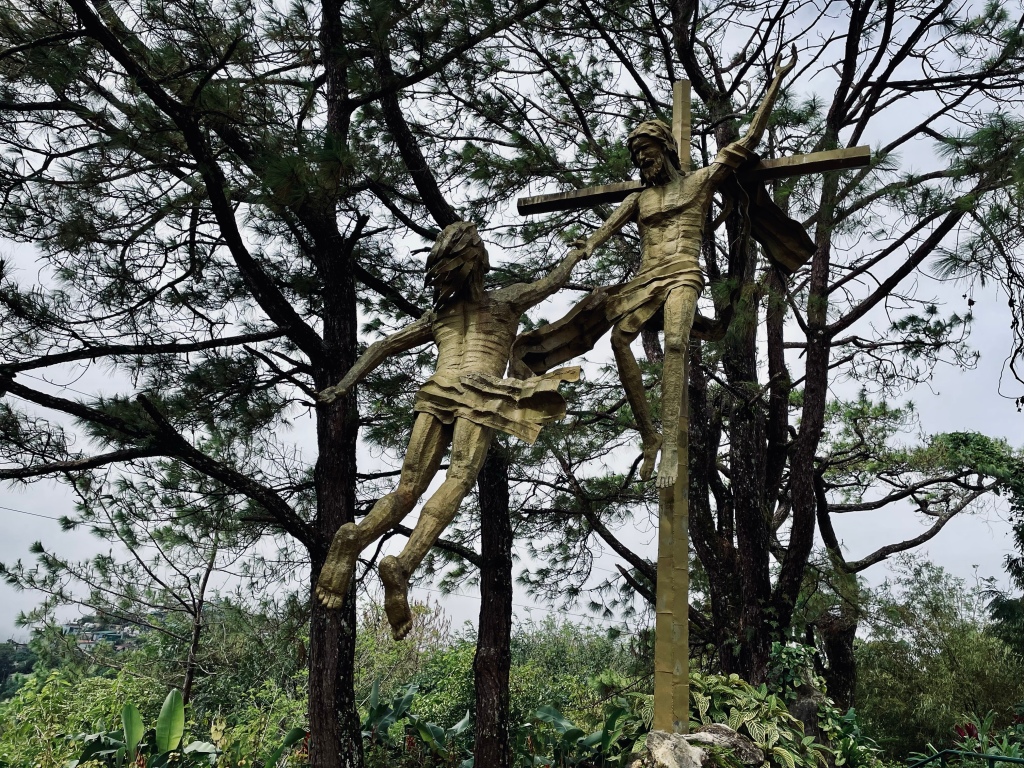
Larawan kuha ni Dean Mon Macatangga ng Our Lady of Fatima University, Valenzuela, 2023.

Pagkatapos nito, alam ni Jesus na naganap na ang lahat ng bagay; at bilang katuparan ng Kasulatan ay sinabi niya, “NAUUHAW AKO!” May isang mangkok doon na puno ng maasim na alak. Itinubog nila rito ang isang espongha, ikinabit sa sanga ng isopo at idiniit sa kanyang bibig.

Juan 19:28-29

Ito ang ikalawang pagkakataon na si Jesus ay nauhaw na bukod tanging makikita lamang natin sa ikaapat na ebanghelyo. Unang nauhaw si Jesus nang Siya ay makiinom sa babaeng Samaritana sa balon ni Jacob sa bayan ng Sychar sa Samaria (Jn.4:7). Sa tagpong iyon naganap ang napaka-gandang usapan sa pagitan ng nauuhaw nating Panginoon at ng babaeng Samaritana nauuhaw sa Diyos, sa pag-ibig at habag.

Mahirap ang mauhaw. Hindi tulad ng gutom na maaring idaan sa tulog. Tiyan lang ang kumakalam kapag tayo ay gutom ngunit kapag tayo nauhaw, dama ng buong katawan ang panghihina. Ramdam na ramdam at nanunuot sa laman at buto ating pagkauhaw. Kaya naman, malalim ang kahulugan ng pagiging uhaw na maaring hindi lamang sa tubig kungdi sa iba pang mahahalagang bagay kailangan ng ating kalooban.

Pagmasdan at damang-dama pagkatao tulad natin ni Jesus nang sabihin Niyang “Ako’y nauuhaw” higit pa sa tubig kungdi ang Kanyang pagkauhaw sa ating pagmamahal at pansin.

Alalahaning sa Ebanghelyo ayon kay San Juan, ang tubig ang isa sa mga pangunahing tanda ni Jesus bilang Kristo. Doon sa kasalan sa Cana nang gawin alak ni Jesus ang mga sinalok na tubig sa banga una Siyang nakilala bilang Kristo. Pagkatapos nito ang sumunod na eksena ang pagbisita sa gabi ng Pariseong si Nicodemo kay Jesus na noon unang binanggit ang tungkol sa pagbinyag o pagsilang muli sa tubig at espiritu (Jn.3:5). Sumunod na eksena doon ang paghingi ni Jesus ng tubig sa babaeng Samaritan kung saan Siya ay nagpakilala bilang “buhay na tubig” (Jn.4:10).

Sa pagsasabi ni Jesus doon sa Krus na Siya ay nauuhaw, Kanyang ipinahahayag di lamang ang pagkauhaw sa tubig kungdi higit pa! Kay laking kahangalan nang bigyan Siya ng ordinaryong alak ng isang sundalong Romano upang mainom. At madalas ay ganoon din tayo kay Jesus na nangakong “ang uminom ng tubig na ibibigay ko ay hindi na muling mauuhaw. Ito ay magiging isang bukal sa loob niya, babalong, at magbibigay sa kanya ng buhay na walang hanggan” (Jn.4:14).

Maliwanag higit pa sa tubig kungdi pag-ibig at malasakit ang kinauuhaw ni Jesus doon sa Krus. Noon at hanggang ngayon.

Si Jesus ang nauuhaw na misis at ina sa pagmamahal at kalinga ng kanyang taksil na kabiyak at mga lapastangang anak na walang iniisip kungdi kanilang mga sarili.

Si Jesus ang nauuhaw na mister at ama na OFW nasa ibang bahagi ng mundo na walang inaasam-asam kungdi ang mga simpleng tawag at texts ng pamilya na papawi ng kanyang pagod at lungkot.

Si Jesus ang nauuhaw na lolo at lola na pakiramdam ay nag-iisa at nawawala dahil sa Alzheimer’s o sa stroke na walang pumpansin sa loob mismo ng kanilang tahanan.

Si Jesus ang nauuhaw na kabataan naghahanap ng panahon at malasakit ng magulang at mga kapatid upang magkaroon ng direksiyon ang buhay, higit pa sa mga binibigay sa kanilang mga gadgets, damit at mga salapi.

Si Jesus ang nauuhaw na maaring katabi mo ngayon naghahanap ng papansin sa kanya, na ngingiti sa kanya at magpaparamdam na siya ay welcomed at, masarap mabuhay!

Huwag nating tularan ang mga sundalong Romano o ang babaeng Samaritana na naghagilap ng mineral water para kay Jesus na naroroon sa bawat taong nakakasalamuha natin.

Ang pinakamainam at masarap na tubig nating maiaalok sa sino mang nauuhaw ay nanggagaling sa kaibuturan ng ating puso at kaluluwa kung saan nanahan si Jesus sa atin na puno ng habag at pag-ibig. Mauhaw tayo kay Jesus dahil tanging Siya lamang makapapawi at makatitighaw sa ating pagka-uhaw.

Manaling tayo.

Minamahal kong Panginoong Jesus,
patawarin po Ninyo ako
kapag pinapawi ko aking pagka-uhaw
sa kung ano-anong alok ng mundo
na kadalasan lalo lamang ako
nauuhaw,
tuyot,
at hungkag;
punuin mo ako ng IYONG SARILI
upang higit KITA na maibahagi
sa kapwa ko nauuhaw
dahil IKAW lamang
ang makakapawi
sa aming pagkauhaw
sa kahulugan
at kaganapan
ng buhay.
Amen.

Our hands & the hands of God

40 Shades of Lent by Fr. Nicanor F. Lalog II
Solemnity of the Palm Sunday of the Lord's Passion-B, 24 March 2024
Isaiah 50:4-7 ]]+[[ Philippians 2:6-11 ]]+[[ Mark 15:1-39
From influencemagazine.com

As you all know by now, I turned 59 years old last Friday, March 22. For the second consecutive year, I have moved my personal annual retreat to my birthday so I can pray more, thank God more for his gift of life to me. This is one of my realizations in turning 59 years old:

"The more we enter the heart of Jesus
where we find peace and fulfillment,
joy and security,
the more we also discover
the dark and ugly sides of life. 
Darkness, pains, sickness, failures,
and other forms of sufferings
come to the fore when we are
in God’s loving presence,
and vice versa."

The more we see and experience God’s beauty, we also see and experience Christ’s agony and passion within our very selves and among our brothers and sisters. These two faces of life ever present in our earthly journey are perfectly shown to us by today’s celebration called “the Solemnity of the Palm Sunday of the Lord’s Passion.”

What we have this Sunday is actually a twin-celebration.

Palm Sunday came from the liturgy of the early Christians living in Jerusalem in the fourth century who started the Holy Week tradition with a procession of palm branches that later spread to France and Germany where the blessing of palms was introduced. Later in Rome in the 12th century, the Pope began the tradition of commemorating the Lord’s Passion on this Sunday with a proclamation of that long gospel narrating Christ’s entry into Jerusalem leading to His Last Supper until His Crucifixion and Death. It was only in 1965 during Vatican II when these two celebrations were combined into what we now have as the Solemnity of the Palm Sunday of the Lord’s Passion. 

The merging of these two celebrations sums up the mystery we celebrate during Holy Week as well as the mystery of our everyday life wherein we have the glory of Palm Sunday in one hand and at the other hand, the darkness of our own passion as a sharing in the Pasch of the Lord. 

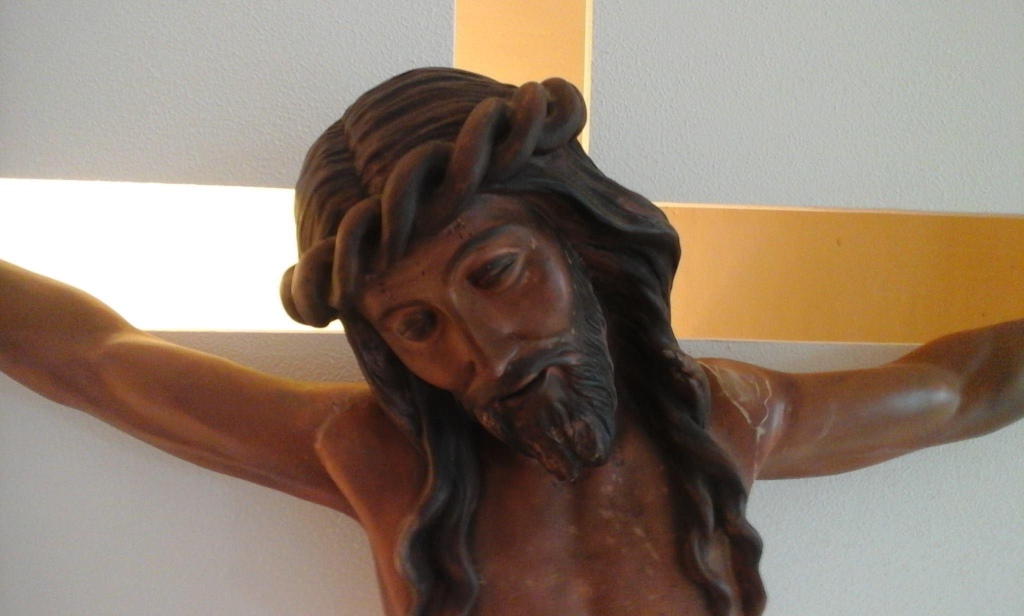
Photo by author, Chapel of St. Francis Xavier, Sacred Heart Novitiate, Novaliches, 20 March 2024.

I have intended a play in the word “hand” there as I prayed over our gospel this Sunday during my recent retreat. As directed by my Jesuit guide, I reflected on the four gospel accounts of the Lord’s Passion where I found the word “hand over” used so many times.

“To hand over” is the more literal translation of the Greek word paradidomi used by the evangelists in the “betrayal”of Jesus by Judas Iscariot. In Filipino, it is ipasa and ibigay that are more picturesque than ipagkanulo which is our equivalent of “to betray”.

Now, look at how our Filipino word ipasa takes on a deeper meaning when we reflect on how Jesus was “handed over” first by Judas Iscariot to the chief priests who then “handed him over” to Pilate who eventually “handed him over” into death by crucifixion. Pinagpasa-pasahan nila si Jesus! And that is how evil we are humans with God and with one another, using our very own hands, handing them over by manipulating them for our own selfish ends.

Then Judas Iscariot, one of the Twelve, went off to the chief priests to hand him over to them. When they heard him they were pleased and promised to pay him money. Then he looked for an opportunity to hand him over… He (Judas Iscariot) came and immediately went over to him and said, “Rabbi.” And he kissed him. At this they laid hands on him and arrested him.

Mark 14:10-11, 45-46

As soon as morning came, the chief priests with the elders and the scribes, that is, the whole Sanhedrin, held a council. They bound Jesus, led him away, and handed him over to Pilate… So Pilate, wishing to satisfy the crowd, released Barabbas to them, and after he had Jesus scourged, handed him over to be crucified.

Mark 15:1, 15
Photo by author, Chapel of St. Francis Xavier, Sacred Heart Novitiate, Novaliches, 20 March 2024.

This handing over of Jesus – pinagpasa-pasahan si Jesus in Filipino took its lowest point in Matthew’s account when Pilate “took water and washed his hands in the sight of the crowd” (Mt. 27:24) to claim innocence in the Lord’s death. That’s how dirty our hands as humans have become! How ironic and tragic that the more we wash our hands in repeatedly handing over our family and friends, colleagues and even country, the more our hands have become dirty.

This Sunday, Jesus is inviting us to examine our hands, to clean our hands so that they become His hands of loving service, mercy and forgiveness, kindness and understanding and care for each other and nature. Let us remember the lessons of COVID-19 four years ago today when we constantly washed and disinfected our hands to be more responsible with each other, with nature and with life. Our problems are often the results of things getting off hand, out of control or too much control as we manipulate everything even God, persons and nations through elections as well as habits and patterns for economic and social reasons

“Ecce Homo” painting by Vicente Juan Masip (1507-1579) from masterapollon.com

It is so different with the hands of God expressed so beautifully in our first reading from the Prophet Isaiah’s Song of the Suffering Servant who was fulfilled in Jesus Christ our Lord and Savior.

The Lord God has given me a well trained-tongue, that I might know how to speak to the weary a word that will rouse them… and I have not rebelled, have not turned back.

Isaiah 50:4, 5

Here is a beautiful picture of God in Jesus Christ whose hands we have tied so many times as we insisted on our own ways, in seeking instant gratifications, in manifesting power through sheer strength. Here lies the beauty of God’s hands in Jesus Christ so opposite with our manipulating and controlling hands because His is of submission. Or passion.

The word “passion” is from the Latin patior that means to suffer or to undergo. It is related with the words passivity and patience – exactly like patients who just lie and wait on their beds, waiting for the doctors and nurses, for them to be healed and get better.

Passion here connotes passivity in the positive sense when we strip ourselves naked before God in order to be open to new possibilities like Jesus Christ eloquently expressed by St. Paul in the second reading when He “emptied and humbled himself, becoming obedient to the point of death, even death on a cross” (Phil.2:7, 8). 

Photo by author, Chapel of the Holy Family, Sacred Heart Novitiate, Novaliches, June 2016.

In his Passion, Jesus taught us that true power is in weakness like him dying on the Cross. Now here we find something so interesting with the synoptics account of Christ’s death when “he breathed his last” (Mk. 15:37) leading to the faith of a Roman soldier, a pagan.

When the centurion who stood facing him saw how he breathed his last he said, “Truly this man was the Son of God!”

Mark 15:39

What was in Christ’s final breath that convinced the Roman centurion that Jesus was indeed the Son of God? The fourth gospel gives us the answer: When Jesus has taken the wine, he said, “It is finished.” And bowing his head, he handed over the spirit (Jn. 19:30).

Here again we find the words “handing over” but this time in the positive sense. Jesus never betrayed the Father nor anyone; he instead handed over Himself to God and to us. That is passion when we suffer passively in the positive sense because we love, we care, we understand.

For us to enter into the heart of Jesus this Holy Week, we have to enter into His passion too. That is to submit, to surrender all our powers to God through our parents and superiors by emptying ourselves of our pride to be filled with Christ’s humility, justice and love. Amen. A blessed Holy Week to everyone!

Photo by author, Chapel of the Holy Family, Sacred Heart Novitiate, Novaliches, June 2016.

Ulirang alagad, Minamahal na alagad

Lawiswis ng Salita ni P. Nicanor F. Lalog II, Ika-22 ng Marso 2024
Ikatlong Huling Wika ni Jesus sa Krus
Larawan kuha ng may akda, 2019.

Ang ikatlong wika ni Jesus sa Krus:

Nakatayo sa tabi ng krus ni Jesus ang kanyang ina at ang kapatid na babae nitong si Maria, na asawa ni Cleopas. Naroon din si Maria Magdalena. Nang makita ni Jesus ang kanyang ina, at ang minamahal niyang alagad sa tabi nito, kanyang sinabi, “Ginang, narito ang iyong anak!” At sinabi sa alagad, “Narito ang iyong ina!” Mula noon, siya’y pinatira ng alagad na ito sa kanyang bahay.

Juan 19:25-27

Napakagandang eksena ang ating natunghayan sa ikatlong wika ni Jesus doon sa krus, sa gitna ng kanyang paghihirap at pagtitiis ilang oras bago siya mamatay. Naroon kapiling niya si Maria na kanyang Ina, ang “ulirang alagad” at si Juan, ang “minamahal na alagad.”

Kapwa tumatayo noon sa paanan ng krus ang dalawang naturang alagad para sa ating lahat ngayon: si Maria na sumasagisig sa Inang Simbahan, ang Katawan ni Kristo na ating kinabibilangan bilang kanyang mga anak, bawat isa ay minamahal na alagad ni Jesus.

Ngunit, nababatid kaya natin ang karangalang ito sa ngayon na wala nang halos nagsisimba ni nagdarasal at walang pakialam sa paghihirap ng kapwa lalo ng mga magulang?

Hindi ko po napanood (at walang balak panoorin) yaong viral na namang video diumano ng isang guro na kinunan ng kanyang mga mag-aaral habang nagbibitiw ng masasakit na salita dahil sa matinding galit. Maraming guro ang dumamay sa kanya at hiniling sa mga tao na huwag siya husgahan.

Sang ayon po ako doon. Nakakalungkot, nakakadismaya at nakakahiya maraming tao ngayon lalo mga nakababata tulad ng mga mag-aaral na wala nang kahihiyahan at pakundangan sa hirap at malasakit ng kapwa. Masyadong entitled na nga yata mga tao ngayon na tila baga umiikot at umiinog ang mundo sa kanila.

Ngayon ko lang nadama ng husto bilang chaplain ng Fatima University Medical Center ang pagkatakot at balisa, pagluha at pagtangis ng isang ina para sa kanyang iniluwal na sanggol na kailangang ipasok sa ICU dahil sa sakit at suliraning pangkalusugan. Hindi biro ang makakita ng bagong silang na sanggol na maraming nakasaksak na mga munting tubo para lang mabuhay. Pagkatapos paglaki ay lalapastanganin mga maglang at matatanda? Kung nalalaman lang sana nila pagmamal at malasakit sa kanila noong sila’y mga sanggol na may sakit!

Larawan ng “Lady of Sorrows” sa triptych ng Master of the Stauffenberg Altarpiece, Alsace c. 1455; mula sa fraangelicoinstitute.com.

Ang mga salitang binigkas ni Jesus doon sa krus para sa kanyang Inang si Maria at sa minamahal niyang alagad na si San Juan ay patuloy niyang sinasabi sa atin ngayon upang tularan ang dalawang naturang alagad niya. Araw-araw ay hinihimok tayo ni Jesus na sariwain kanyang ikatlong huling wika doon sa krus sa pagmamalasakit at pagmamahal natin sa bawat kapwa lalo na yaong mga nahihirapan at nabibigatan sa buhay.

Si Maria ang unang alagad at ulirang alagad ng Panginoong Jesus dahil siya ang unang tumanggap sa kanya at nagsabuhay ng Ebanghelyo. Si Maria ang unang nanampalataya kay Jesus kaya naganap ang una niyang himala sa kasalan sa Cana, Galilea nang mamagitan si Maria na tulungan ang mga bagong kasal na naubusan ng alak. Nanalig si Maria kay Jesus kaya inutusan niya ang mga tagapag-silbi noon na gawin ano mang sabihin ni Jesus. Higit sa lahat, si Maria ang unang nanampalataya na muling mabubuhay si Jesus kaya sa kanya rin unang nagpakita ang Panginoon noong Pasko ng Pagkabuhay.

Sa lahat ng ito, itinuturo sa atin ng Mahal na Birheng Maria ang kahalagahan ng kaisahan o union kay Jesus sa pamamagitan ng matalik na ugnayan o intimacy sa Panginoon bilang kanyang kasama o companion sa misyon. Kaya kung tutuusin, si San Juan ay katulad din ni Maria sa pagiging ulirang alagad ni Jesus kaya naman tinagurian din siyang minamahal na alagad. At iyon din tayo sa paningin ng Panginoon!

Damahin natin ang tagpo doon sa krus. Pagmasdan ang marangal pa ring itsura ng Mahal na Birheng Maria sa gitna ng matinding hapis. Nakatindig siya (nakatayo) at hindi naglulupasay o nagwawala sa lapag. Buong-buo kanyang sarili tulad ni Jesus sa kabila ng matinding hapis.

Ang “Blue Madonna” na Mater Dolorosa (1616)ni Carlo Dolci. Mula sa Wikimedia Commons.

Ito ang pinakamagandang katotohanan sa tagpong ito: mahigit pa sa mga luha at hapis sa mukha ni Maria, hindi maikakaila ang kanyang pagiging ulirang alagad ni Jesus sa kanyang taimtim na pananalangin. Pagmasdan na walang ibang ginagawa marahil doon ang Mahal na Ina maliban sa pagdarasal. Tingnan kung paanong magkaisa silang mag-ina sa hirap at dusa maging sa pag-asa at pananalangin kaya naman sila rin unang nagkita sa luwalhati ng muling pagkabuhay!

Sikapin natin ngayong panahon ng Kuwaresma at Semana Santa na muling malinang ating buhay panalangin upang katulad ng Mahal na Birheng Maria, magkaroon tayo ng kaisahan o komunyon kay Jesus na kung saan hindi lamang tayo nag-uusal ng dasal sa bibig kungdi namumuhay at nananahan kay Kristo. Tantuin nating mabuti na ang Dapat pagtayo ni Maria doon sa paanan ng krus ni Jesus ay hindi basta-basta lamang nangyari; ito ay bunga ng matalik niyang pakikipag-ugnayan at pagsunod kay Jesus na dinalisay ng buhay panalangin. Madalas tayo mga tao ngayon naisipan lang magdasal at magsimba kung mayroong problema.

Buong buhay ng Birheng Maria ay ginugol niya sa pagdarasal kaya noong bumaba ang Espiritu Santo noong Pentekostes, naroon din siyang nagdarasal kasama ng mga alagad ni Jesus. Si Maria ang pinakamagandang paalala pangalawa kay Jesus na ang pagiging alagad ay nagsisimula at nakabatay sa buhay ng panalangin, ng kaisahan sa Diyos kung kayat bawat pasya, bawat kilos natin ay bunga ng pagdarasal at kaisahan kay Kristo Jesus!

Manalangin tayo:

Panginoong Jesus,
tulungan mo kaming maging
katulad ng iyong Ina,
ang Mahal na Birheng Maria
sa pagiging iyong ulirang alagad;
O Birheng Maria,
ipanalangin mo kaming iyong mga anak
lalo na kaming mga pari na dapat
sana ay katulad ng minamahal na alagad
na nakababad, nakalublob sa
buhay panalangin;
nawa katulad mo at ni San Juan,
manindigan kami kasama ng
maraming nahaharap sa mga
pagsubok at pagdurusa;
nawa masamahan namin ang
marami pang iba nagtitiis ng mag-isa,
walang kasama.
Amen.

Krus ang pintuan sa langit

Lawiswis ng Salita ni P. Nicanor F. Lalog II, Ika-21 ng Marso 2024
Ikalawang Huling Wika ni Jesus sa Krus
Larawan kuha ng may-akda sa Mirador Jesuit Retreat House sa Baguio City, Agosto 2023.

Ang ikalawang wika ni Jesus sa Krus:

Tinuya siya ng isa sa mga salaring nakabitin, at ang sabi, “Hindi ba ikaw ang Mesias? Iligtas mo ang iyong sarili, pati na kami!” Ngunit pinagsabihan siya ng kanyang kasama, “Hindi ka ba natatakot sa Diyos? Ikaw may pinarurusahang tulad niya! Matuwid lamang na tayo’y parusahan nang ganito dahil sa ating mga ginawa; ngunit ang taong ito’y walang ginawang masama.” At sinabi niya, “JESUS ALALAHANIN MO AKO KAPAG NAGHAHARI KA NA.” Sumagot si Jesus, “SINASABI KO SA IYO: NGAYON DI’Y ISASAMA KITA SA PARAISO.”

Lukas 23:39-43

Muli ay ating namnamin ikalawang wika ni Jesus doon sa Krus pagkapako sa kanya. Nauna niyang sinambit ay kapatawaran; ngayon naman kanya itong sinundan ng pangako ng langit o paraiso.

At iyon ay agad-agad na, ora mismo! Wika nga ng mga bata, “now na”! Hindi mamaya pagkamatay nila ni Jesus o sa Linggo sa kanyang pagkabuhay. Malinaw na sinabi ni Jesus kay Dimas, “SINASABI KO SA IYO: NGAYON DI’Y ISASAMA KITA SA PARAISO.”

Tantuin ninyo mga ginigiliw ko na sa ebanghelyo ayon kay San Lukas, namutawi lamang sa mga labi ni Jesus ang pangakong ito ng paraiso noong siya ay nakabayubay sa krus at hirap na hirap. Wala siyang pinangakuan ng langit nang siya ay malaya at malakas na nakakagalaw, naglilibot at nangangaral.

Alalaong-baga, pumapasok tayo sa langit kasama si Jesus sa sandaling kasama din niya tayong nagtitiis, nagdurusa, nagpapakasakit dahil sa pagmamahal doon sa Krus!

Ang krus ang pintuan papasok sa langit o paraiso.

Madalas naiisip natin kapag nabanggit o narinig ang katagang langit at paraiso ay kagalakan, kawalan ng hirap at dusa. Basta masarap at maayos sa pakiramdam, langit iyon sa atin. Kaya mga addict noon at ngayon kapag sila ay sabog at nasa good trip, iyon ay “heaven” dahil wala silang nadaramang problema at hirap sa buhay.

Larawan kuha ng may akda, 2023.

Kaya hindi rin kataka-taka na ang gamot nating laging binibili ay pain killer – konting sakit ng ulo o kasu-kasuan, naka-Alaxan kaagad. Noong dati ay mayroong shampoo na “no more tears” dahil walang hilam sa mata.

Gayon ang pananaw natin sa langit. At tumpak naman iyon kaya nga sa pagbabasbas ng labi ng mga yumao, dinarasal ng pari, “Sa paraiso magkikitang muli tayo. Samahan ka ng mga Santo, kahit mayroong nauuna, tayo rin ay magsasama-sama upang lagi tayong lumigaya sa piling ng Diyos Ama. Amen.”

Nagmula ang salitang paraiso sa katagang paradiso na tumutukoy sa kaloob-loobang silid ng hari ng Persia (Iran ngayon) kung saan tanging mga pinagkakatiwalaang tao lamang ang maaring makapasok kasama ang royal family. Kaya nang isalin sa wikang Griyego ang mga aklat ng Bibliya, hiniram ang katagang paradiso ng mga taga-Persia at naging paraiso upang tukuyin ang langit na tahanan ng Diyos na higit pa sa sino mang hari sa mundo.

Ngunit, katulad ng silid na paradiso ng hari ng Persia, hindi lahat ay basta-basta na lamang makakapasok ng paraiso. Alalahanin nang magkasala sina Eba at Adan, pinalayas sila ng Diyos at mula noon ay nasara ang paraiso; muli itong nabuksan kay Kristo nang sagipin niya tayo doon sa krus na nagbunga sa pagwawalang-sala sa ating mga makasalanan. Dahil sa krus ni Jesus, tayo ay naging karapat-dapat patuluyin sa paraiso. Sa tuwing ating tinatanggap ang krus ni Kristo, tayo ay nagiging tapat sa Diyos sa pamamagitan ng pagmamahal at paglilingkod sa kapwa. Noon din tayo pumapasok ng paraiso.

Sa panahong ito na wala nang hanap ang karamihan kungdi sarap at kaluguran, ipinaaalala sa atin ni Jesus sa ikalawang wika na ibig niya tayong makapiling ngayon din sa paraiso kung tayo ay mananatiling kasama niya sa pagtitiis at pagpapakasakit sa ngalan ng pag-ibig sa Diyos at kapwa.

Sa panahong ito na dinidiyos masyado ang katawan at sarili upang maging malusog, malakas at kung maari ay manatiling bata at mura ang edad, pinapaalala ni Jesus sa kanyang ikalawang huling wika sa krus na sino mang nasa banig ng karamdaman pati na yaong mayroong kapansanan ay unti-unti na ring pumapasok ng langit ngayon din sa kanilang tinitiis na hirap at sakit.

Sa panahong ito na lahat ay pinadadali at hanggat maari iniiwasan ano mang hirap at dusa, pinapaalala ni Jesus sa kanyang ikalawang huling wika na sa ating pagsusumakit sa maraming tiisin at pasanin sa buhay na ito, noon din tayo pumapasok sa paraiso kahit na kadalasan ito ay nagtatagal sa paghihintay.

Larawan kuha ng may-akda, 2018.

Noong pandemic, natutunan natin na hindi lahat ng tinuturing ng mundo na negatibo ay masama kasi noong mga panahong iyon, iisa ating dasal tuwing tayo ay sasailalim ng COVID test na sana ay “negative” tayo, hindi ba? Noon natutunan natin yung negative ay positive. At iyon mismo ang kahulugan ng krus ni Kristo!

Para sa atin, ano mang mahirap, masakit tulad ng krus ay negatibo ngunit kung tutuusin, ang krus ay hugis positibo o “plus sign” (+) at hindi minus (-); kaya, ano mang hirap at pagtitiis sinasagisag ng krus ay mabuti dahil hindi ito nakakabawas bagkus nakapagdaragdag sa ating pagkatao na naghahatid sa atin sa kaganapan at paglago. Sa suma total, eka nga, sa paraiso!

Ang mga tiisin at pagsubok sa buhay ang nagpapatibay at nagpapabuti sa atin upang maging karapat-dapat makapasok sa paraiso at makapanahan ang Haring magpakailanman – ngayon din, ora mismo, now na!

Kaya, manalangin tayo:

Panginoong Jesus,
bago pa man dumating
lahat nitong aming tiisin
at pasanin sa buhay,
nauna ka sa aming
nagtiis at nagpasan
ng krus noong Biyernes Santo;
nauna kang nagpakasakit
at namatay noon sa Krus
dahil sa pagmamahal sa amin;
kaya, patatagin mo ako sa aking
katapatan at pananampalataya
sa Iyo upang manatiling kaisa mo
sa krus ng kalbaryo ng buhay
upang ngayon din
Ikaw ay aking makapiling,
makasama sa Paraiso.
Amen.

Ang kasalanang hindi natin alam

Lawiswis ng Salita ni P. Nicanor F. Lalog II, Ika-20 ng Marso 2024
Unang Huling Wika ni Jesus sa Krus
Larawan kuha ng may-akda, 2019.

Ang Unang Wika ni Jesus:

Nang dumating sila sa dakong tinatawag na Bungo, ipinako nila sa krus si Jesus. Ipinako rin ang dalawang salarin, isa sa gawing kanan at isa sa gawing kaliwa. Sinabi ni Jesus, “Ama, patawarin mo sila, sapagkat hindi nila nalalaman ang kanilang ginagawa.” At nagsapalaran sila upang malaman kung alin sa kanyang kasuutan ang mapupunta sa isa’t isa.

Lukas 23:33-34

Kay sarap isipin at namnamin na ang kauna-unahang mga salita na sinabi ni Jesus nang ipako siya ay krus ay ang kapatawaran sa ating mga kasalanan. Hindi lamang doon sa mga mismong nagpako sa kanya sa krus kungdi sa ating lahat ngayon na patuloy pa rin siyang ipinapako sa krus “sapagkat hindi natin nalalaman ating ginagawa.”

Ano nga ba iyong sinasabi ni Jesus na patawarin “sapagkat hindi nila nalalaman kanilang ginagawa”?

Sa kaisipan ng mga Judio, ang “malaman” ay hindi lamang matanto ng kaisipan ano mang data o impormasyon kungdi galaw ng puso at kalooban na pumasok sa pakikipag-ugnayan. Ang malaman ay magkaroon ng ugnayan bilang kapwa-tao sa isa’t isa.

Nang sabihin ni Jesus na “Ama, patawarin mo sila, sapagkat hindi nila nalalaman ang kanilang ginagawa”, ipinaaalala din niya sa ating lahat ang katotohanang dapat malaman natin na tayo ay magkakapatid sa kanya, iisang pamilya sa Diyos na ating Ama.

Sa tuwing sinisira natin ang ating mga ugnayan bilang magkakapatid, sa kada pagbale-wala natin sa bawat tao na tinuturing bilang kasangkapan at gamit para sa sariling kaluguran at kapakinabangan ng walang pag-galang at pagmamahal, doon tayo nagkakasala dahil pinuputol natin ating mga ugnayan.

Madalas, iyan ang hindi natin alam kapag ating inaabuso ating tungkulin at kapangyarihan na dapat ay pangalagaan kapakanan lalo ng mga maliliit at mahihina.

Nagkakasala tayo at hindi natin alam ating ginagawa kapag ating nilalapastangan ating mga magulang lalo na kapag matanda na at mahina o hindi makarinig; kapag sinasaktan ating mga kapatid sa masasakit na pananalita at ating pilit ibinababa kanilang pagkatao.

Larawan kuha nina Teresa at Luis sa Pexels.com

Hindi rin natin alam ating ginagawa sa tuwing tayo ay sumisira sa pangakong magmahal sa asawa at kasintahan, kapag tayo ay nagtataksil o nagbubunyag ng sikretong ipinagkatiwala sa atin at tayo ay nagiging plastik sa harap ng iba.

Pinakamasaklap sa mga hindi natin nalalaman ating ginagawang masama ay kapag nawalan tayo ng pag-asa at kumpiyansa sa mga mahal natin sa buhay kaya sila ay atin pinababayaan, ni hindi pinapansin o bigyang-halaga dahil sa paniwalang hindi na sila magbabago pa ng ugali o hindi na gagaling pa sa kanilang sakit at karamdaman lalo na kung matanda na at malapit nang mamatay.

Ngayong mga Mahal na Araw, isipin natin mga tao na ating nasaktan sa ating salita man o gawa dahil ating nalimutan o kinalimutan ituring kapatid at kapwa.

Sinu-sino din ang mga tao na nagpapasakit sa ating kalooban dahil hindi nalalaman kanilang ginagawa? Manalangin tayo:

Ipagpatawad po ninyo,
Panginoong Jesus
aking pagpapako sa iyo muli sa krus
sa tuwing hindi ko nalalaman
aking ginagawa,
kapag aking nililimot at tinatalikuran
itong pangunahing katotohanan
na igalang at mahalin bawat kapwa;
ipinapanalangin ko sa Iyong habag at awa
mga tao na aking sinaktan at tinalikuran
lalo na yaong mga binigay mo sa akin
tulad ng aking pamilya at kaibigan
at mga dapat pangalagaan;
ipinapanalangin ko rin sa Iyo,
O Jesus, yaong mga nanakit sa aking
damdamin, tumapak at yumurak
sa aking pagkatao na hanggang ngayon
aking pa ring ibig paghigantihan.
Panginoong Jesus,
huwag ko nawa malimutan
na kami ay magkakapatid,
magkakaugnay
sa iisang Ama
na siyang sinasagisag
ng Iyong Krus na Banal.
Amen.

Silent connection. And disconnection.

40 Shades of Lent by Fr. Nicanor F. Lalog II
Solemnity of St. Joseph, Spouse of the BVM, 19 March 2024
2 Samuel 7:4-5, 12-14, 16 ><}}}*> Romans 4:13, 16-18, 22 ><}}}*> Matthew 1:16, 18-21, 24
Photo by author, Sacred Heart Novitiate, Novaliches, QC, 20 March 2023.
How lovely,
O God our Father
that after reflecting yesterday on
connections and reconnecting,*
we celebrate today the Solemnity of
St. Joseph, the most chaste spouse
of the Blessed Virgin Mary
who gave the name Jesus to your Son
in fulfillment of your promise to David;
always regarded not only as chaste but
most of all with gifted with the virtue of silence
the world needs so badly these days,
St. Joseph witnessed in his holy life
that it is in silence when we make
the strongest connections with
one's self,
with others,
and with you, O God
because silence is the domain of trust;
The most trusting people
like St. Joseph
are also the most trusting.

Joseph her husband, since he was a righteous man, yet unwilling to expose her to shame, decided to divorce her quietly. Such was his intention when, behold, the angel of the Lord appeared to him in a dream…

Matthew 1:19-20
In this world 
so filled with many voices
including those spoken by machines and robots
that compete for our attention,
the more we have become fearful
of silence because we are afraid of the truth!

To be silent is to be truthful
like St. Joseph who embraced
and welcomed the whole truth,
Jesus Christ;
grant us the same grace, Lord,
you gave St. Joseph to silently
in face and embrace the truth
that can be discomforting
especially when it it is contrary
to our plans and desires;
let us not hide in silence
our festering anger that
sooner or later may explode
that could scatter all our
plans and relationships.
Amen.

St. Joseph,
pray for us!
Photo by author, Sacred Heart Novitiate, Novaliches, QC, 20 March 2023.

*See (https://lordmychef.com/2024/03/18/re-con-nect/)

“Is It You?” by Lee Ritenour (1981)

The Lord Is My Chef Sunday Music by Fr. Nicanor F. Lalog II, 17 March 2024
Photo by Paco Montoya on Pexels.com

It is the final Sunday in Lent as we enter its final week with temperatures soaring into the 30’s as we get into the heat of summer in the country. To soothe us in our Sunday feature, we have chosen Lee Ritenour’s classic smooth jazz Is It You? from his 1981 album Rit.

An American jazz-guitarist, Ritenour is considered as one of the great movers in the jazz scene since the late 1960’s until now, being a part of so many groups and individual musicians in producing great music and tunes that unknown to many of us have were surely delighted and even uplifted.

Is It You? is one of those music by Ritenour with Eric Tagg doing the vocals as well as co-writing it along with Bill Champlin.

So characteristic of Ritenour’s jazz experiments fusing it with rock and pop, Is It You? speaks of a man’s feelings of doubts amid strong convictions of being ready to love a woman he is asking if she too is ready; hence, the question, Is It You?

Someone’s just outside, knocking at my door
A stranger, somebody unknown
Someone’s in my dreams, can’t get it off my mind, yeah
I’m tired of being alone
Someone’s trying to find an easy way inside
Come on, I’m right here at home, right at home
Is it you?
Is it you?
Is it you?
Is it you, you, you?
Who’s that deep inside me, sneaking around my heart?
Are you somebody in love?
Show me what you’re doing and tell me who you are
Hey, I’m ready for love, for love
Is it you?
Is it you?
Is it you?
Is it you, you, you?
If it’s you, come out in the open
You don’t need to hide your love
If it’s you, you know I’m hoping
‘Cause it’s way too late to run away
Don’t run away from love, my love
Is it you?
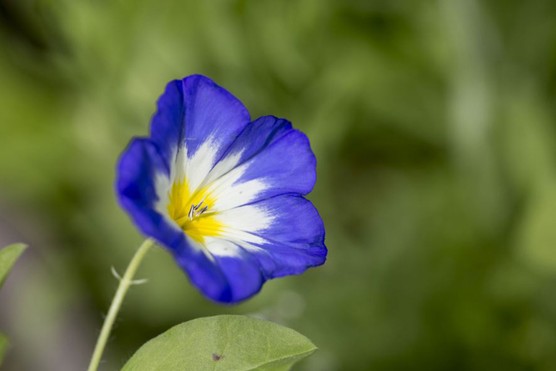
Photo of a convolvulus tricolor from BBC Gardeners World Magazine.

Many times we felt that way too that despite the uncertainties we feel, there is that strong thrust from within to dare step forward and make the move to find out like Ritenour if is it you?

In some ways, it must have been the feeling too of those Greek converts in Jerusalem that Palm Sunday who asked Philip if they could see Jesus. They too had that strong feeling towards Jesus after hearing the many good things about himself, his teachings and his miracles. When they said they wanted to see Jesus, it was more than seeing him literally because the Lord was never in hiding. The Greeks, like us and Ritenour in his song, were seeking something more, something deeper, something about faith (https://lordmychef.com/2024/03/16/lent-is-believing-in-order-to-see-jesus/).

There lies the beauty of life, of following Jesus: while the world tells us that to see is to believe, Jesus tells us that to believe so we would see; the world tells us to enjoy life without inhibitions one’s enjoyment, Jesus tells us that it is in dying that we truly live.

Both happens when we dare to ask, when we dare to step forward and take the plunge, of giving one’s self in love. To ask of seeing Jesus, of seeing somebody special, of asking if is it you is also believing in him or the other person.

Believe. And you shall see that indeed, it is you, Jesus!

Here is Lee Ritenour with Eric Tagg.

From Youtube.com

Lent is believing to see Jesus

40 Shades of Lent by Fr. Nicanor F. Lalog II
Fifth Sunday in Lent-B, 17 March 2024
Jeremiah 31:31-34 + Hebrews 5:7-9 + John 12:20-33
From Google.com.

We now come to the penultimate Sunday of Lent before entering the Holy Week on Palm Sunday as we listened to the final installment of John’s narration of Jesus Christ’s final six days in Jerusalem before his Passion, Death, and Resurrection.

Our gospel today is actually set on Palm Sunday when Jesus triumphantly entered Jerusalem.

Some Greeks who had come up to worship at the Passover Feast came to Philip, who was from Bethsaida in Galilee, and asked him, “Sir, we would like to see Jesus.” Philip went and told Andrew; then Andrew and Philip went and told Jesus. Jesus answered them, “The hour has come for the Son of Man to be glorified. Amen, amen, I say to you, unless a grain of wheat falls to the ground and dies, it remains just a grain of wheat; but if it dies, it produces much fruit. Whoever loves his life loses it, and whoever hates his life in this world will preserve it for eternal life. Whoever serves me must follow me, and where I am, there also will my servant be. The Father will honor whoever serves me.

John 12:20-26
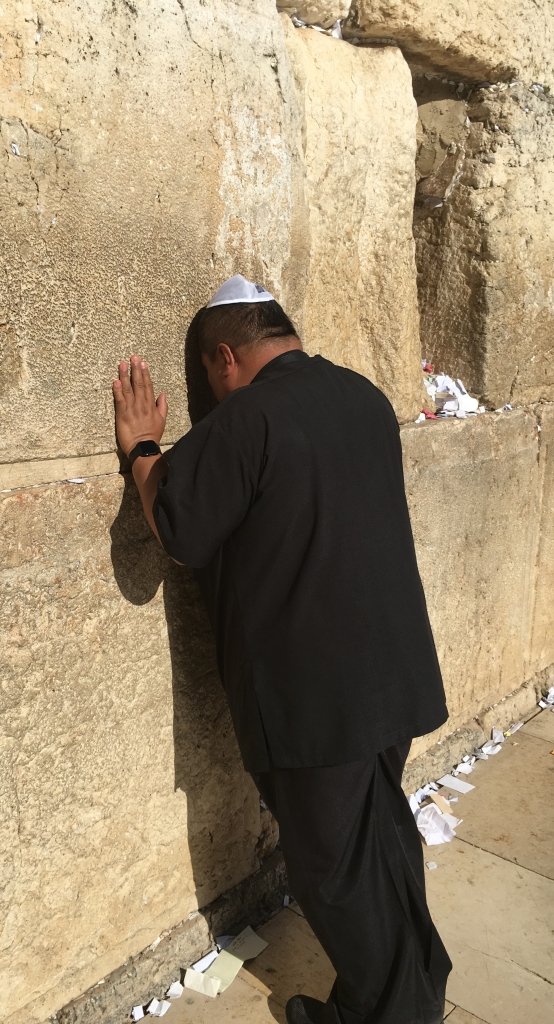
Praying at the wailing wall of Jerusalem, May 2019.

As we have been telling you, John’s gospel teems with many symbolisms and hidden meanings in the way he narrated events and scenes like when those Greeks asked Philip and Andrew to see Jesus.

If they simply wanted to catch a glimpse of Jesus, they could have easily satisfied themselves because Jesus never hid at that time. He had just entered Jerusalem, so warmly welcomed by the people, even by those Greeks perhaps. Most likely, they must have heard many things about Jesus that they wanted to go farther in requesting to see him. Hence, it was more than a request to have an audience with Jesus but something about their faith in him as they were pagans converted to Judaism.

We have to remember here that John used the verb “to see” to also mean “to believe” in his gospel account like when he narrated on Easter morning how Peter and the “other disciple” ran to the empty tomb “and he saw and believed” (Jn.20:8).

Keeping that detail on Easter morning at the empty tomb, we now understand why John never told us if Jesus met at all the Greeks requesting to see him because to see and believe Jesus is to accept and embrace wholly his Passion and Death on the Cross. This is why John jumped into Christ’s monologue upon being told by Philip and Andrew on the Greeks’ request.

Photo by author, 2018.

What a beauty we have here because we are those Greek converts too, constantly searching, seeking to go farther in our faith in Jesus despite our sins. As we get older and mature, we realize how our days are numbered, that we will definitely die someday and meet God.

Lately I have been thinking why do we really have to be happy on our birthday – much less why greet celebrators a happy birthday when in fact every birthday is a step closer to death, is it not? I am not being morbid but it is the truest matter of fact in life. Life is a lifelong process of preparation for death. What comes next when we age? Death.

However, our faith in Jesus tells us it is not simply death as an end but a blessed death that leads to fullness in life, literally and figuratively speaking.

That is where the beauty of Christ’s parable of the grain of wheat lies, “Amen, amen, I say to you, unless a grain of wheat falls to the ground and dies, it remains just a grain of wheat; but if it dies, it produces much fruit.”

We do not simply die in the end or even in the in-betweens of life through those failures and losses, defeats and wrong moves. We get better in life as we forge on.

It is the undeniable truth written in our hearts as God told Jeremiah in the first reading, that we are God’s, we solely belong to him no matter how hard we try to flee from him and disobey him in our sins, he would always find us even if we get lost. St. Augustine said it so well, “You have made us for yourself, O Lord, and our heart is restless until it rests in you.”

There is always that inner longing for God our Creator and End. That is why God sent us Jesus his Son as the author of the Letter to the Hebrews explained in the second reading so that through all our darkness and confusions, sufferings and trials, especially in those daily deaths that weaken us in our desire to search and follow him we may still find to have the strength and courage to forge on in wanting to see him by being with him where he is always – at the Cross.

Photo by author, 2018.

This is the grace of this fifth Sunday in Lent: we believe so we may see, we die in order to live. Both believing and dying in order to see and to live are grace from God freely given to us even if we are not worthy at all.

The world tells us always that to see is to believe but Christ tells us that first we must believe so that we would see; it is the same thing with living – die to one’s self in order to live fully because “whoever loves his life loses it.”

When we read or watch the news, many times we feel so exasperated and hopeless with the world. Imagine a resort right in a natural wonder there in the Chocolate Hills of Bohol? Or, land developers covering swamps without any considerations for others and the environment? Or, the mess and wastage happening in our offices, schools and homes? Do not forget us your priests living far from witnessing Christ in charity and service?

It’s a crazy world! And in all these abuses, the more we have become empty and lost that is why in the process, more and more of us never stop to believe and see, to hope and pray like those Greek converts seeking Jesus, for only in him we find rest and peace. Let us pray:

Lord Jesus Christ,
many times I really do not know
where I am going;
I cannot see
the road ahead of me
while many times
I wonder if I am really
following you and doing your will;
but at least, Jesus,
I am sure it is still you
whom I wish to see,
it is you I always desire
even if many times
it does not show
because this time
I am sure
you alone
is my God,
my life,
my fulfillment.
Therefore, like the psalmist,
"Create a clean heart for me,
O God, and a steadfast spirit
renew within me.
Cast me not out
from your presence,
and your Holy Spirit
take not from me"
(Psalm 51:12-13).
Amen.

Have a blessed week ahead, everyone!

From Google.com.

Lent is facing the Cross

40 Shades of Lent by Fr. Nicanor F. Lalog II
Friday in tbe Fourth Week of Lent, 15 March 2024
Wisdom 2:1, 12-22 ><}}}}*> + <*{{{{>< John 7:1-2, 10, 25-30
Photo by author, Theologate Chapel of the Immaculate Conception Major Seminary, Guiguinto, Bulacan, November 2020.
Loving Father,
as we come closer
to the final week of Lent,
the Cross of Christ gets clearer;
preparing for Easter
is facing and approaching,
embracing and owning
the Cross of Christ;
hence, grant us the courage
and strength to continue this journey
in Jesus with his Cross:

The wicked said among themselves, thinking not aright: “Let us beset the just one, because he is obnoxious to us; he sets himself against our doings, reproaches us for transgressions of the law and charges us with violations of our training… Let us see whether his words be true; let us find out what will happen to him… Let us condemn him to a shameful death; for according to his own words, God will take care of him.”

Wisdom 2:1, 12, 17, 20
Like Jesus,
let us overcome our fears
and continue to come to you,
to speak your words,
to do your works
amid the many people
"blinded by wickedness";
indeed, life is a daily Lent,
a passing over from every trial
because you are, O Lord,
"close to the brokenhearted."
Amen.

Lent is for “leveling up”

40 Shades of Lent by Fr. Nicanor F. Lalog II
Thursday in the Fourth Week of Lent, 14 March 2024
Exodus 32:7-14 <'[[[[[>< + ><]]]]]'> John 5:31-47
So true, 
O God our Father,
that we are like your people
in the desert
– “stiff-necked” –
who easily turned away from you
to worship the golden calf
while you conversed with Moses
up on Mt. Sinai.

We can be easily
carried away
and distracted
by the many other “golden calves”
around us that we worship
especially if they give us
delight and answers
to our needs
and questions.

Forgive us, Father,
in doubting your love for us,
in doubting your fidelity
to your promises to us,
in doubting your powers
despite the many blessings
you have showered upon us;
forgive us for our foolishness
for not being convinced that
we are your chosen people
when we would rather get trapped
with our daily worries in life
and forget all your
love and concern for us.

What a tragedy
when we prefer to be
second or even third rate people
when in fact we are all your children,
your beloved and forgiven children!

In this Season of Lent,
help us to "level up"
to you, O Lord,
of not simply stopping
with the prophets who
were all like a “burning and shining lamp”
to us when they were all
your precursors.

Help us,
O Lord,
to desire you
and nothing less
for we are all special
in your eyes.
Amen.
Photo by Ms. April Oliveros, Mt. Pulag, April 2023.