What preoccupies you?

40 Shades of Lent by Fr. Nicanor F. Lalog II
Wednesday in the Second Week of Lent, 16 March 2022
Jeremiah 18:18-20   <'[[[[>< + ><]]]]'>   Matthew 20:17-28
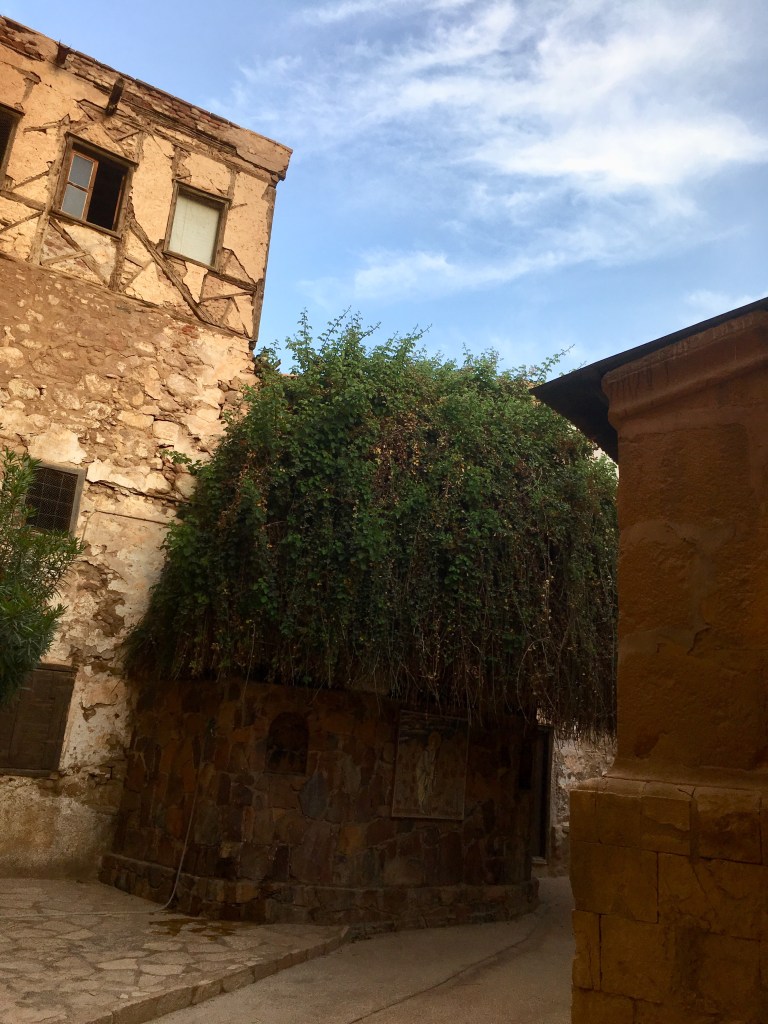
Photo by author, Pater Noster Church outside Jerusalem, 2019.
Praise and glory to you,
O Lord our God, our loving
Father!  Thank you very much
for every blessing you send me
even in the midst of sickness,
trials and blessings.  Indeed,
everything is pure grace from you.
Cleanse my mind and my heart
of my sins and negative thoughts;
may you be alone the first and
the last in my mind and in my heart.
Like Jeremiah:

Heed me, O Lord, and listen to what my adversaries say. Must good be repaid with evil that they should dig a pit to take my life? Remember that I stood before you to speak in their behalf, to turn away your wrath from them.

Jeremiah 18:19-20
How inspiring is your prophet Jeremiah,
Lord!  Amid grave dangers as he heard
the words of his enemies whom he had
pleaded before you, the only thing he had
in his mind and his heart was you - just
to remember him. 
In the same manner, 
give me such courage and 
lucidity to remain faithful to
you even in grave dangers!
Please, purify me in the same 
manner you cleansed the brothers
James and John along with their
mother who pleaded to your Son
for power and position when he
was nearing his passion, death
and resurrection.  Turn away our 
minds and hearts from things of
the world, of selfish interests
most especially in moments of 
trials and difficulties.  Amen.

Lent is seeing Jesus in everyone

40 Shades of Lent by Fr. Nicanor F. Lalog II
Monday in the First Week of Lent, 07 March 2022
Leviticus 19:1-2, 11-18  <*(((>< + ><)))*>  Matthew 25:31-46
Photo by author, the Holy Land, 2019.
On this blessed Monday,
I join dear God our Father
the psalmist in proclaiming
“Your words, Lord, are Spirit and Life” 
for it summarizes the two long
readings for today:  your instruction
to Moses telling us to “be holy, for I, 
the Lord your God, am holy (Lev.19:2)” 
and Jesus reminding us that
“whatever you did/did not do 
for one of these least brothers of mine, 
you did/did not do for me (Mt.25:40,45).”  
Beginning this Lent as we slowly
begin to go back to some semblance 
of normalcy in our lives, help us 
recover our lost identity of being
your beloved children, of being 
the dwelling-place of your Holy Spirit
who animates us to do what is good,
avoid what is evil, always seeing Jesus
Christ in everyone, especially those
silently suffering among us like the poor
and the sick.
Help us, Lord Jesus, to learn again 
that it is our nature to share and 
give life in you who is our Life; 
how wonderful it would be that on
judgment day, we shall all be surprised, 
asking “when were you Lord hungry 
we gave you something to eat, 
when were you Lord…?” in doing good
to everyone who turns out to be your
very presence!
The blessed ones, the holy ones 
like the saints are never bothered 
to think of anything else upon seeing 
the poor and suffering except to love 
and practice charity like St. Francis 
of Assisi who taught his disciples 
to preach always Jesus Christ, 
speaking only when necessary.  
Make us holy, like you,
O God, who is our life
present in everyone 
we meet.  Amen.

Lent is being filled with God

40 Shades of Lent by Fr. Nicanor F. Lalog II
Friday after Ash Wednesday, 04 March 2022
Isaiah 58:1-9   ><]]]]'> + <'[[[[><   Matthew 9:14-15
Photo by author, Lent 2019.
Thank you for this gift of first Friday
in March, a Friday after Ash Wednesday
as we begin our 40 day journey of Lent;
forgive us, dear God our Father, that
gone are the days when we your children
religiously observed fasting and abstinence; 
we have ceased fasting not only on the 
prescribed days of Ash Wednesday 
and Good Friday but even before receiving 
the Holy Communion in the Sunday Mass, 
making all kinds of excuses with bold claims 
of having sacrificed so much in doing "good deeds" 
that we need not fast from food anymore. 
Make us realize these are the same mistakes 
of the people in the Old Testament 
of having themselves as the focus of fasting 
than you, O God, through others:  
“Why do we fast, and you do not see it?  
Afflict ourselves, and you take no note of it?”  
Lo, on your fast day you carry out your own pursuits, 
and drive all your laborers.  
Yes, your fast ends in quarreling and fighting, 
striking with wicked claw.  
Would that today you might fast 
so as to make your voice heard on high!” 
(Isaiah 58:3-4)
In this age of affluence even in the midst
of a pandemic, make us realize, Lord Jesus
your mystery of Incarnation through "kenosis" -
of self-emptying which is what fasting is all about.
Teach us not to be always adequate, not to be
too self-sufficient that we forget the value of 
being empty and in need of others and most 
especially of you; let us rediscover this Lent 
the beauty of denying ourselves of things 
that give us pleasures and comfort 
that we forget you and others; may we realize
that it is only in emptiness through fasting
that you can fill us with yourself, almighty God;
it is only in emptiness through fasting 
we can learn to truly trust and believe
in you, dear Lord, as our only strength
and sustenance.
Surprise us, O Lord, of the many
benefits of self-denial, primary of
which is becoming better persons
without us really knowing it and most
of all, unconsciously becoming your 
very presence among other people:
“Then your light shall break forth 
like the dawn, and your wound 
shall quickly be healed; your vindication 
shall go before you, 
and the glory of the Lord shall be your rear guard.  
Then you shall call, and the Lord will answer, 
you shall cry for help, 
and he will say, Here I am!”
(Isaiah 58:9).
How wonderful it is 
when eventually we become 
your presence, O God, 
speaking through us, 
saying, “Here I am”! for it is
only then your Son Jesus
is indeed the groom celebrating
with us.  Amen.

Presence of God

The Lord Is My Chef Daily Recipe for the Soul by Fr. Nicanor F. Lalog II
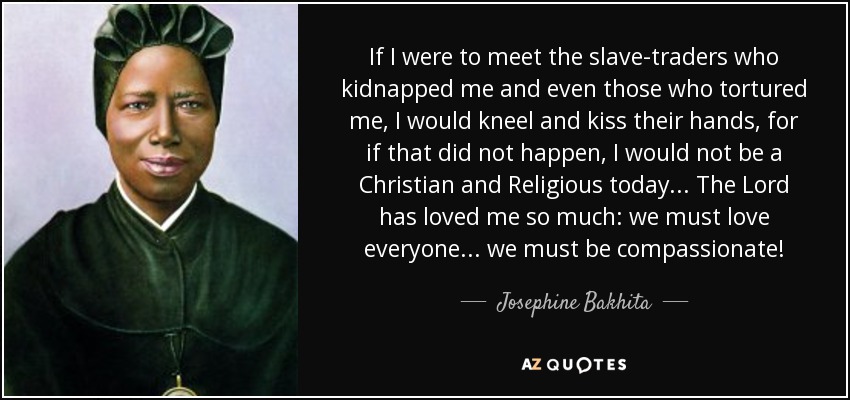
Tuesday, Memorial of St. Josephine Bakhita, Virgin, 08 February 2022
1 Kings 8:22-23, 27-30   ><]]]]'> + <'[[[[><   Mark 7:1-13
Photo by Ms. Mira Mandal Sibal, 2021.
God our loving Father,
I praise and glorify you for
your might and majesty!
Like your servant King Solomon,
I wonder in great awe at how
you choose to dwell in our hearts,
in our homes, in our churches
when you cannot be contained 
in your vast universe!
You are so kind and merciful
that when you sent us your Son,
our Lord Jesus Christ, he chose to
be even smaller just to be closest to
us as close as our breath; it is a marvel
of faith at how he can be truly present 
with us in the words proclaimed and 
prayed everywhere, most specially in
those tiny tabernacles and little hosts
we receive at Holy Communion.

Solomon said, “Can it indeed be that God dwells on earth? If the heavens and the highest heavens cannot contain you, how much less this temple which I have built! Listen to the petitions of your servant and of your people Israel that they offer in this place. Listen from your heavenly dwelling and grant pardon.”

1 Kings 8:27, 30
Like my prayer yesterday,
let me be intense in seeking you,
in finding you, and having you,
Lord; while at the same time, 
teach me to learn to limit my 
imaginations and thoughts that
eventually limit your presence 
like the Pharisees and some scribes
who have questioned you, Jesus,
"Why do your disciples not follow 
the tradition of the elders but instead
eat a meal with unclean hands?"
(Mk.7:5).
Gift us with the same grace of
courage and perseverance amid
severe hardships and sufferings in
life like St. Josephine Bakhita who 
still found you and experience your
loving mercy and justice in the terrible
ordeals she had gone through since
childhood after being sold as a slave
in Sudan.
St. Josephine Bakhita had shown us
in her life and example that you, O God,
cannot be limited to any particular
place nor time, nor people nor anything;
you are more than this world and our
experiences, more than our thoughts
and ideas for you are totally free 
to fulfill your grand designs for each one
of us to find joy and peace, fulfillment and 
meaning in this life despite and in spite
of whatever circumstances we are into.
Amen.

Praying for “divine intensity”

The Lord Is My Chef Daily Recipe for the Soul by Fr. Nicanor F. Lalog II
Monday, Week V, Year II in Ordinary Time, 07 February 2022
1 Kings 8: 1-7, 9-13   ><}}}}*> + <*{{{{><   Mark 6:53-56
Photo by author, Garden of Gethsemane outside the Church of All Nations, the Holy Land, 2017.
God our loving Father,
give me the gift of having
an intense attitude and disposition
to experience you in prayer
and the celebration of the
Holy Eucharist.
Let me desire you always,
make me eager to meet you
like the people at Gennesaret
who "scurried about the surrounding
country and began to bring in 
the sick on mats to wherever 
they heard Jesus was" (Mk.6:55).
How I wish, dear Father, we could
have the joy and excitement of the 
people when King Solomon led 
the opening of your Temple in
Jerusalem with the ark of the
covenant being brought there as
your cloud filled the temple.
We do not have any ark of
your covenant, Lord, but we 
have you truly present, Body
and Blood in every Eucharistic
celebration in our churches
which we often take for granted;
most often, nobody cares to visit you, 
dear Jesus truly present at the 
Blessed Sacrament!
If I could just have even half
of the eagerness of the people
of Gennesaret in meeting Jesus
or the intensity of the joy and 
excitement of the people of 
Jerusalem in the opening of their
temple, maybe your divine presence
O God would be more realistic and
more effective among us in Christ.
Amen.

Musings on Simeon’s Canticle

Quiet Storm by Fr. Nicanor F. Lalog II, 02 February 2022, Feast of the Presentation of the Lord
“Simeon’s Moment” by American illustrator Ron DiCianni. From http://www.tapestryproductions.com

Strictly speaking, today’s Feast of the Presentation of the Lord should be the closing of the Christmas season. It is the 40th day since the birth of Jesus when Mary had completed her days of purification to leave Bethlehem and offer her child with Joseph in the temple in accordance with their law that “every male that opens the womb shall be consecrated to the Lord” (Lk.2:23).

And like Christmas, we find in the Lord’s presentation his Cross looming tall, enlightening us how Jesus and his Cross, joy and suffering, life and death cannot be separated. In Simeon’s Canticle, we find that life’s many contradictions make living wonderful and meaningful, too! (See our Sunday homily, https://lordmychef.com/2022/01/29/living-loving-amid-contradictions/).


He (Simeon) came in the Spirit into the temple; and when the parents brought in the child Jesus to perform the custom of the law in regard to him, he took him in his arms and blessed God, saying: “Now, Master you may let your servant go in peace, according to your word, for my eyes have seen your salvation, which you prepared in sight of all the peoples, a light for revelation to the Gentiles, and glory for your people Israel.”

Luke 2:27-32
Photo by Mr. Raffy Tima of GMA-7 News, March 2020.

Coming to terms with death is coming to terms with life.”

First thing we realize in this beautiful canticle of Simeon is the true meaning of joy in finding Jesus wherein we learn to befriend death as we come to terms with life and living. It is difficult to explain but evidently, it was pure joy that led Simeon bursting into a song.

St. Paul had a similar experience while in prison which he tried to explain to the Philippians when he wrote, “For to me life is Christ, and death is gain. If I go on living in the flesh, that means fruitful labor for me. And I do not know which I shall choose. I am caught between the two. I long to depart this life and be with Christ, for that is far better. Yet that I remain in the flesh is more necessary for your benefit” (Phil.1:21-24).

Those who have cared and lost a loved one to cancer or any terminal illness have experienced Simeon’s canticle. Remember when our loved ones have finally accepted their fate, when they suddenly become more emotionally stable and even joyful in their dispositions? Unlike before when they were first diagnosed with their illness, they were so afraid, always crying but as they came to embrace the reality, they cried less with a strong sense of courage while we are the ones crying more and most stressed out?

That is because the dying must have seen their direction, their final destination in life.

Like Simeon, they have seen God in the light of Jesus Christ while we who are to be left behind cry more not only due of the pain and sadness of separation but because we do not know where we are going, where we are heading to once our loved ones die. Feel the courage and confidence of Simeon boldly telling God to take him at that instance because he had found “the way, the truth and the life”, Jesus Christ!

Too often, we Filipinos take it as a joke, perhaps laughing to dismiss the topic or cope with the reality that to see God means to die like when we say “gusto nang makita si Lord”. But, that is the truth that Simeon is telling us in today’s gospel which is more “felt” in our own language, “Kunin mo na, Panginoon, ang iyong abang alipin, Ayon sa iyong pangako, Yamang nakita na ng aking mga mata ang iyong pagliligtas” (Lk.2:29-30). Imagine Simeon like the teenagers telling God to take him “now na!”?

Here we find at the presentation of the Lord in the temple how Simeon realized that coming to terms with death is coming to terms with life.

Photo by Ms. Nikki A. Vergara, 2020.

“Coming in the Spirit is living in the presence of God.”

Second thing we find in Simeon’s Canticle is the preeminence of the Holy Spirit in his life. We can never experience and find Jesus without being attuned first with the Holy Spirit who animates us and opens us to Christ’s coming.

Imagine the great crowds of people at the temple on that day, of couples trying to fulfill the law of Moses of purification and presentation of their first-born sons to God. How did Simeon know Joseph and Mary were the parents of Jesus? How was he able to accurately spot and find Jesus is the Messiah amid the many male children being offered on that day at the temple?

“To come in the Spirit” like Simeon is more than being faithful to God; it is having a good and pure heart that is ready to believe and act openly with courage, always looking forward at the fulfillment of what we believe. Coming in the Spirit is being at the right place at the right time when we make things happen than wait, exactly how Luke portrayed Simeon and Anna who both lived in the presence of God! Coming in the Spirit in living in the present moment in God.

Photo by Pixabay on Pexels.com

“Principle and foundation of life”

Thirdly, we cannot see Christ nor live in the Spirit unless we humbly submit ourselves to God, our Lord and Master. Seeing Christ and living in the Spirit presuppose humility before God – we his creatures, he our Lord and Master.

Most of all, God our origin and our end too!

It is the principle and foundation of life as St. Ignatius of Loyola stressed in his Spiritual Exercises, “El hombre es criado para alabar, hacer reverencia y servir a Dios nuestro Señor, y mediante esto, salvar su anima”, that is, “Man is created to praise and serve God his Lord and Master and by doing this save his soul”.

There is something so beautiful and lovely, so touching in the opening verse of Simeon’s canticle that underscores firmly this basic truth we have always forgotten since the fall of Adam and Eve: “Now, Master you may let your servant go in peace, according to your word, for my eyes have seen your salvation, which you have prepared in sight of all the peoples” (Lk.2:29-31). Every time we sin, we act like Adam and Eve, playing gods, desiring to be like God.

Also known as Nunc Dimittis, Simeon’s canticle echoes the fiat of Mary to God during the Annunciation, expressing his fidelity and humility, his total submission to God. Most of all, it summarizes both the Magnificat of the Blessed Mother and the Benedictus of Zechariah, making Simeon’s Nunc Dimittis the finale in Luke’s Christmas “concert” on the birth of the Messiah.

This is the reason why we sing or recite Nunc dimittis at the end of our Night Prayer called Compline from the Latin completorium for “completion of the waking day”. It is the perfect prayer to close each day as we prepare for the coming brand new day to meet Jesus again, hoping we may be enlightened us in our life’s mission.

Or, if ever we do not wake up the following day, we thank God all the more in making us meet Jesus the past day, eager to finally sing to him our praises in eternity. Amen.

Photo by Mr. Raffy Tima of GMA-7 News, 18 January 2022.

Malapit sa Diyos, naglalapit sa Diyos

Lawiswis Ng Salita ni P. Nicanor F. Lalog II, Ika-02 ng Pebrero 2022
Kapistahan ng Paghahandog kay Jesus sa Templo
Malakias 3:1-4 ><}}}}*> Hebreo 2:14-18 ><}}}}*> Lucas 2:22-40
Larawan mula sa crossroadinitiative.com.

Ngayon ang ika-40 araw mula ng Pasko ng Pagsilang ng Panginoong Hesus sa Bethlehem, Kapistahan ng Paghahandog sa Kanya sa Templo ng kanyang mga magulang na sina Maria at Jose.

Bukod tangi lamang itong salaysay na matatagpuan sa ebanghelyo ni San Lucas sapagkat ibig niyang ipakita noon sa kanyang mga mambabasa at mga taga-sunod na pumarito si Hesus para sa lahat ng tao, hindi lamang sa mga Hudyo.

Una itong pinagdiwang ng mga Kristiyano sa Jerusalem at lumaganap sa Silangan noong taong 500 kung saan ito tinawag sa wikang Griyego na “Ypapante” na ibig sabihi’y ang “Pagtatagpo” nina Hesus at ng dalawang matanda sa templo na sina Simeon at Anna.

Mula Silangan, umabot ang pagdiriwang na ito sa Europa na nakilala bilang kapistahan din ng Paglilinis ni Maria o “Purification of Mary”. Sa France, nagkaroon ng seremonyas ang mga Kristiyano ng pagbabasbas at pagsisindi ng mga kandila bago pumasok ng simbahan bilang pagkilala kay Hesus na tanglaw ng mundo ayon sa pahayag ni Simeon sa templo, “Liwanag itong tatanglaw sa mga Hentil, At magbibigay-karangalan sa iyong bayang Israel” (Luc. 2:32).

Kaya nang makarating sa Roma ang tradisyong ito noong taong 800, ito rin ang ginawang seremonya ni Papa Sergio I kaya tinagurian itong Candelaria (kandila). Makalipas ang mahigit isang libong taon noong 1962 sa Vatican II, ibinalik sa tunay na pangalan ito bilang Kapistahan ng Paghahandog sa Templo ngunit pinanatili ng mga obispo ang tradisyon ng pagbabasbas at pagsisindi ng mga kandila upang ipakita na si Hesus ang tunay na liwanag sa mundo sa aakay sa atin pabalik sa Diyos.

Kuha ni G. Cristian Pasion, Pasko ng Pagkabuhay, 2021.

Mahalaga na ating mapagnilayang muli at makita sa panahong ito na si Hesus ang tanging liwanag sa ating buhay na tumatanglaw sa gitna ng maraming artipisyal na mga ilaw, mga ilaw na ang binibigyang liwanag ay mga tao at kung sinu-sinong ibig na maging sikat o ibig kilalanin.

Ito yaong mga artipisyal na ilaw ng mga kamera at media na ang pinakikita o ang tinatampok bilang “highlight” ay mga karangyaan, kapangyarihan, katanyagan at mga kapalaluan sa mundo.

Inaanyayahan tayo ng kapistahang ito na tularan sina Simeon at Anna na inabangan buong buhay nila si Hesus na siyang tunay na liwanag ng ating buhay na dapat din nating hanapin, lapitan at sundan.

May isang tao noon sa Jerusalem, ang pangala’y Simeon. Matapat at malapit sa Diyos ang lalaking ito at naghihintay sa katubusan ng Israel. Sumasakanya ang Espiritu Santo na nagpahayag sa kanya na hindi siya mamamatay hangga’t hindi niya nakikita ang Mesiyas na ipinangako ng Panginoon.

Lucas 2:25-26

Bukod sa tanging si San Lucas lamang ang may kuwento ng tagpong ito, mayroon din siyang ginamit na kataga na hindi ginamit ng sinumang manunulat ng Bagong Tipan o maging ng alin mang aklat sa buong Bibliya.

Ito yung salitang naglalarawan kay Simeon bilang , “malapit sa Diyos” na sa Inggles ay “devout”.

Alam na natin yung salitang “righteous” o “matapat” na ginamit din ni San Mateo upang ilarawan si San Jose bilang taong matuwid o banal na tumutupad sa mga batas at alituntunin ng kanilang relihiyon.

“Simeon’s Moment” ni American illustrator Ron DiCianni mula sa  http://www.tapestryproductions.com.

Ngunit iyong “malapit” o “devout” sa Inggles o “deboto” sa pangkaraniwang pananalita, tanging si San Lucas lamang ang gumamit niyon sa buong Bibliya. Apat na ulit niya itong ginamit: minsan sa ebanghelyo na ating napakinggan at tatlong ulit sa ikalawang aklat niyang sinulat, Gawa ng mga Apostol.

Mas maliwanag ito sa Inggles nang tawagin ni San Lukas ang mga Hudyong pumunta sa Jerusalem noong Pentecostes bilang mga “devout Jews” o “mga taong palasamba sa Diyos” (Gawa 2:5); tinawag din niyang mga “devout men” o “mga taong may takot sa Diyos” yaong mga naglibing sa ating unang Martir na si San Esteban (Gawa 8:2); at sa pagsasalaysay ni San Pablo ng kanyang pagbabalik-loob, ginamit na salita muli ni San Lucas sa kanyang kuwento upang ilarawan si Ananias bilang “a devout observer of the law” o “taong may takot sa Diyos” (Gawa 22:12).

Alalaong-baga, para kay San Lucas, ang isang “devout” na tao, o wika nga natin deboto ay isang taong malapit sa Diyos dahil siya ay mayroong takot sa Diyos kaya tumutupad sa Kanyang mga utos! Hindi lamang sila matapat o faithful kungdi mayroong malinis na puso at laging handang tumupad ng buong tapang sa kalooban ng Diyos.

Kaya nga sa ating mga Pinoy, ang deboto ay taong malapit, yaong mayroong matalik na ugnayan sa Diyos at sa kapwa!

Sila yaong mga kaibigang maaasahan, mayroong sariling kusa at hindi naghihintay na pagsabihan pa kung ano ang gagawain. Mayroong sariling-palo katulad nina Simeon at Anna na kusang naghihintay, lumalapit sa Diyos at Panginoon.

“Presentation at the Temple” painting ng Italian Renaissance artist Andrea Mantegna noong 1455; hawak ni Mari ang Banal na Sanggol habang si San Jose naman sa gitna ay nakatingin kay Simeon na mayroong balbas na puti. Larawan buhat sa wikipedia.org.

Nadadalisay ang ating pagiging malapit sa Diyos sa isang buhay-panalangin na kung saan mayroong disiplina sa pagdarasal na hindi lamang mga salitang inuusal ng bibig kungdi sinasapuso.

Masdan paanong sinabi ni San Lucas sina Simeon at Anna na palaging nasa templo nananalangin. Higit sa lahat, ang pananalangin ay kaisahan sa Diyos kaya nabatid kaagad ng dalawang matanda na dumating na si Hesus sa pag-uudyok sa kanila ng Espiritu Santo.

Katulad din yan ng pagkakaroon ng matalik na kaibigan: palagi kayong nag-uusap, nagbabahaginan at nag-uunawaan kaya mayroong kaisahan.

Ang pagiging malapit sa Diyos o deboto ay hindi lamang pagaalaga at pagkolekta ng mga imahen at aklat dasalan kungdi pumapaloob sa kalooban ng Diyos na siyang sinasabi ni propeta Malakias sa unang pagbasa na biglang darating ang Panginoon sa kanyang templo na siyang ating mga sarili.

Gayun din naman, ang taong malapit sa Diyos palaging malapit sa kapwa, lalo na sa mga maliliit at nahihirapan sa buhay gaya ng mga may-sakit at kapansanan. Pagmasdan paanong kinilala ni Simeon mga magulang ni Hesus sina Maria at Jose. Binigyan niya ng halaga kanyang mga kapwa-tao hindi lamang ang Panginoong Hesus.

Ang tunay na kaibigang matalik ay yaong naglalapit sa atin sa Diyos at kabutihan, hindi kasalanan at kapahamakan. Nakakatagpo natin si Hesus sa ating mga kapwa tao gaya ng sinasabi ng may-akda ng sulat sa mga Hebreo na ating napakinggan.

Higit sa lahat, ang taong malapit sa Diyos o isang deboto ay puno ng tuwa at kagalakan. Damang-dama ang tuwa at galak nina Simeon at Anna nang makatagpo at makalong si Hesus na sa sobrang tuwa nila sila’y handa nang mamatay.

Iyon ang tunay na palatandaan ng malapit at nakatagpo sa Diyos: puno ng tuwa na anuman ang sapitin sa buhay, hindi niya alintana ang mga takot at pangamba, maging kamatayan sapagkat ito ang maghahatid sa tunay na paglapit at pagbuklod sa Ama kay Kristo Hesus. Amen.

Larawan kuha ng may-akda, Santo Niño Exhibit sa katedral ng Malolos, Enero 2022.

The gift of touch

The Lord Is My Chef Daily Recipe for the Soul by Fr. Nicanor F. Lalog II
Tuesday, Week IV, Year II in Ordinary Time, 01 February 2022
2 Samuel 18:9-10, 14, 24-25, 30-19:3   >>> + <<<   Mark 5:21-43
Photo by Mr. Jim Marpa, 2018.
As I thank you
God our loving Father
for this brand new month
of February, I pray only
for one thing:  let me touch
you and please, please
touch me too!

There was a woman afflicted with hemorrhages for twelve years. She had heard about Jesus and came up behind him in the crowd and touched his cloak. She said, “If I but touch his clothes, I shall be cured.” Immediately her flow of blood dried up. She felt in her body that she was healed of her affliction.

Mark 5:25, 27-29
If I could reach you
and do the same, Lord,
I would have done it a long time ago;
let me touch you in Jesus
among the poor and the sick,
among the fearful and lost,
among those crying in so many
pains and hurts.
Most of all, let me touch you, Lord,
in my loneliness, in my pains,
in my emptiness, in my weakness;
it is what touches me most, 
Lord:  when you search
for me despite my sins;
when like the dying daughter 
of Jairus, you take my hands
and lift me up again to stand
and walk with the same feeble
legs and feet; and when deep inside,
in your loving embrace, 
I realize how the Father weeps
for us sinners like David wept 
for the death of Absalom.
That is the most touching of all -
your divine touches, Lord:  
when like David in all his humanity
despite the sins against him by
his own son Absalom, he was
deeply hurt and sad at his death
because that shows the deeper
meaning of touching - that we are
all one, we are all linked together
in you and with you who is our 
source and our end.  Amen.

When evil overtakes us

The Lord Is My Chef Daily Recipe for the Soul by Fr. Nicanor F. Lalog II
Friday, Memorial of St. Thomas Aquinas, Priest & Doctor of the Church, 28 January 2022
2 Samuel 11:1-4, 5-10, 13-17   ><]]]]*> + <*[[[[><   Mark 4:26-34
Photo by Ms. Ria De Vera, 25 January 2022.
Why do we always try to "imprison"
or keep you in a place, God our Father?
Why, despite our faith and knowledge
of your power and might, we insist on 
trying to entrap you in the hope we can
get away with our evil deeds or sins?
Praying over the first reading for today
on how King David committed his first 
grave sins against you, I could see myself
in him overpowered by evil during those
instances when I thought you were out
or far from my side not to see my sins:

At the turn of the year, when kings go out on campaign, David sent out Joab along with his officers and the army of Israel, and they ravaged the Ammonites and besieged Rabbah. David, however, remained in Jerusalem (while the ark of the covenant was lodged in tents while his soldiers fought the Ammonites, cf. v. 11).

2 Samuel 11:1
What happened with David that
after getting Bathsheba pregnant,
he tried to dupe her husband Uriah
by luring him to sleeping with his wife
that when it did not work, he had him
positioned in a battle to die and get away
with his sins?
How sad and so shameful when we,
like David, fall into a series of sins we
thought we could get under control
only to find ourselves imprisoned
in the darkness of evil.
Make us realize, Lord, the enduring
truth of your powerful and silent 
presence even in the darkest night
when nothing seems to happen:

Jesus said to the crowds: “This is how it is with the Kingdom of God: It is as if a man were to scatter seed on the land and would sleep and rise, night and day, and the seed would sprout and grow, he knows not how.”

Mark 4:26-27
"Grant me, O Lord my God", 
as St. Thomas Aquinas would 
pray to you: 
"a mind to know you,
a heart to seek you,
wisdom to find you,
conduct pleasing to you,
faithful perseverance in waiting for you,
and a hope of finally embracing you."
Amen.

St. Thomas Aquinas,
Pray for us!

Listening leads to presence

The Lord Is My Chef Sunday Recipe for the Soul by Fr. Nicanor F. Lalog II
Sunday III-C in Ordinary Time, 23 January 2022
Nehemiah 8:2-4, 5-6, 8-10 ><}}}*> 1 Corinthians 12:12-14, 27 ><}}}*> Luke 1:1-4, 4:14-21
Photo by author, Baguio Cathedral, January 2019.

I am still in quarantine after testing positive for COVID last Monday. One good thing I have realized these past days is how precious every moment of life as I counted each day, checking on my vital signs three times daily until I will have completed soon the required seven days.

Sometimes, we only realize the existential meaning and gravity of every “today” when we go through a difficult phase in life like getting COVID or like the Israelites finally getting home from exile, suddenly hearing the word of God proclaimed after many years of silence:

Then Ezra the priest-scribe said to all the people “Today is holy to the Lord your God. Do not be sad, and do not weep,” for all the people were weeping as they heard the words of the law. He said further, “Go, eat rich foods and drink sweet drinks, and allot portions to those who had nothing prepared; for today is holy to our Lord. Do not be saddened this day, for rejoicing in the Lord must be your strength!”

Nehemiah 8:9-10

There are also times in our lives when suddenly we become so open to God’s words, so focused on Jesus to experience his presence like that sabbath day in a synagogue in Nazareth:

Photo by author, January 2019.

Rolling up the scroll, he handed it back to the attendant and sat down, and the yes of all in the synagogue looked intently at him. He said to them, “Today this scripture passage is fulfilled in your hearing.”

Luke 4:20-21

Thanks to COVID that now I have felt how difficult it is to be separated from everyone, considering the mild symptoms I had as a fully vaxxed with booster too. It must have been so traumatizing for those who caught the virus during the early surges of 2020 and 2021 without the benefits of the vaccines and other modern medicines. Many of them who survived COVID or have lost loved ones until now feel the pains and hurts of those experiences. Indeed, it is after a difficult situation when we truly realize the value of every present moment we have with our loved ones, when everyone becomes so real and precious, when every present is truly a gift.

Today our readings invite us to slow down, to saunter – so to speak – as we journey in Jesus with Luke as our guide who at his prologue to his gospel tells us how he had “investigated everything accurately anew” regarding the “certainty of teachings of Jesus handed down” to us since the beginning (cf. Lk.1:3-4). Like with our loved ones we miss so much these days of quarantine and surge, Jesus reminds us to always listen to make everyone and him present in us.

Our conscious coming into the Father’s house

Last Sunday at the Feast of the Sto. Niño we reflected how we exercise our child-like traits before God whenever we go into “the Father’s house” like the 12-year old Jesus who was found at the Temple. Our going into the Father’s house to pray and receive the Sacraments expresses our rootedness and oneness with God through Jesus Christ.

This Sunday in our gospel, we find Jesus going again into his Father’s house to “proclaim and claim” the word of God as his very presence among us.

Imagine his movements in “slo-mo” when “He came to Nazareth, where he had grown up and went according to his custom into the synagogue on the sabbath day. He stood up to read and was handed a scroll of the prophet Isaiah. He unrolled the scroll and found the passage where it was written: “The Spirit of the Lord is upon me…” (Lk.4:16-18).

It must have been a moving moment for everyone. So mesmerizing for here was a man so present, so strongly felt with something in him freely walking up to proclaim the word of God. And what an experience for everyone that after “Rolling up the scroll, he handed it back to the attendant and sat down, and the eyes of all in the synagogue looked intently at him. He said to them, “Today this scripture passage is fulfilled in your hearing” (Lk.4:21).

That “today” would be repeated by Jesus with the same intensity on Good Friday shortly before he died when he promised to Dimas “today you will be with me in Paradise” (Lk.23:43).

But, do we make that conscious approach in coming into the Father’s house to celebrate the Sacraments particularly the Sunday Eucharist where the first part itself is devoted to the liturgy of the Word?

Photo by author, April 2020.

In non-verbal communications, we have that communication of spaces called “proxemics”, of how places are designed and positioned to convey something special and profound. Houses of worship of every faith are built on this important aspect of proxemics as every space conveys something about God and his people.

One example of proxemics is the patio of the church with its tall cross at the middle to remind the faithful they are about to enter the Father’s house, of their need to dispose themselves both inside and outside by being silent and being dressed properly.

Sadly, many churches in the country has no patio at all or its patio had become a parking area and worst, a basketball court. What is most tragic is how all these dispositions of coming into the Sunday Mass are disregarded by many people, led by church volunteers who talk endlessly with one another while some priests dress and look sloppily. This is one of the positive aspects of the Tridentine or Latin Mass where the atmosphere of solemnity fills the church and the people as well – and that is why many of the faithful are asking for it! A good example of what St. Paul tells us about the unity in diversity within the Church in the Holy Spirit.

How can we experience the “today” of Jesus being present in us and among us when we do not have such kind of attitude and disposition to listen to him which begins outside the church? If we cannot do it in the proxemics or spatial level, how can we even do it right inside our hearts, whether we are laypeople or the clergy?

Listening to Christ today

One of my favorite writings by the great St. John Paul II is Ecclesia de Eucharistia published in 2003. He tells us something so beautiful about the “universal and cosmic character” of the Eucharist which for me captures the essence of the “today” mentioned by Jesus in the gospel:

Yes, cosmic! Because even when it is celebrated on the humble altar of a country church, the Eucharist is always in some way celebrated on the altar of the world. It unites heaven and earth. It embraces and permeates all creation” (Ecclesia de Eucharistia, #8).

Ecclesia de Eucharistia, #8

This is very true but we rarely experience it happening because we have refused to immerse ourselves in the very words of God. So few among our people read and pray the scriptures while many of us priests rarely speak the Lord’s words as we prefer to tell what we have seen or heard in media or from some famous theologians or thinkers.

Whatever our vocation and place in the Church and the assembly, each of us must immerse one’s self in the word of God first because it is his very presence too. In the story of creation, we learned how everything came into being simply with the words spoken by God.

Photo by author, ruins of the synagogue at Capernaum in Galilee frequented by Jesus, May 2017.

This Sunday we have heard how Jesus “read” on a sabbath at a synagogue in Nazareth, of how in his proclamation of that part of the Book of Isaiah the very words were fulfilled in their hearing.

It happens daily in the celebration of the Mass everywhere in the world whenever we – lay and clergy alike – imitate Jesus, asking us first of all to come with strong desire to be one with the Father, whether in his house of worship or in our room when we pray the scriptures.

Let us enter God with Jesus and in Jesus in the Sacred Books to find him there so we can listen to him how and what he reads, not what we want to hear and say.

We can only touch the hearts of the people and make them hear God speaking again in his words offered us daily in the Mass if we first learn and listen to what Jesus reads and tells us. It is only then when we hear the Word who became flesh that we are able to respond, “Your words, Lord, are Spirit and life.” Amen.

Have a blessed week ahead.