Paalala ng Kuwaresma

Lawiswis ng Salita ni P. Nicanor F. Lalog II, Ika-06 ng Marso 2024
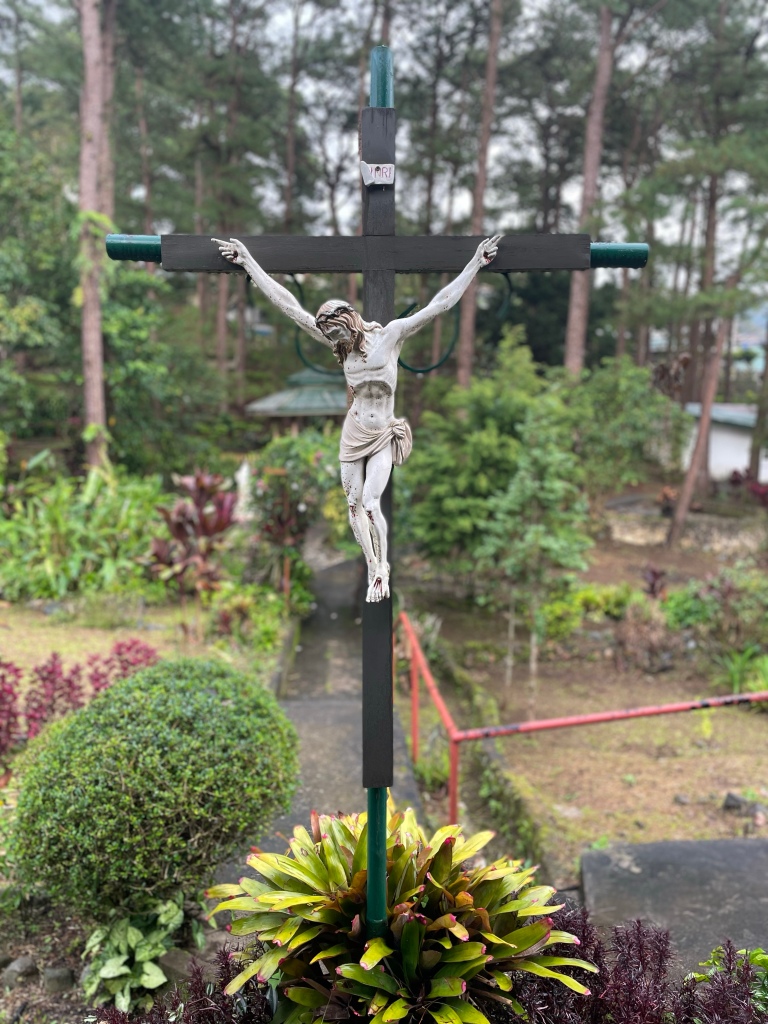
Larawan kuha ng may-akda, 2020.

Sa lahat ng panahon sa ating liturhiya ng Simbahan, bukod tangi ang Kuwaresma dahil ito lamang ang nagsisimula ng ordinaryong araw, ang Miyerkules ng Abo o Ash Wedensday at hindi araw ng Linggo.

Kapuna-puna ang nakaraang Ash Wednesday na pumatak ng Pebrero 14, Valentine’s Day na nangyari din noong 2018. Pinag-usapan ng marami sa social media kung alin ang pipiliing ipagdiwang, Valentine’s Day o Ash Wednesday?

Nakatutuwang isipin na marami pa rin ang sumagot sa survey na pipiliin nila ang mangilin sa araw ng pagpapahid ng abo kesa ang makipag-date sa Pebrero 14; iba ang ipinakita ng mga balita at ng social media kung saan panalo ang mga nagdiwang ng Araw ng mga Puso! At tila gayon nga ang nangyari o marahil, pinagsabay nating mga Pinoy ang dalawang pagdiriwang, di alintana mga panawagan ng Kuwaresma at Miyerkules ng Abo na manalangin, magtika ng mga sala, maglimos, at mag-ayuno.

Kaya nga taun-taon, ito ang laging tanong natin, ano nga ba ang kahalagahan ng Kuwaresma sa makabagong panahong ito na kung saan mga tao ay tila hindi na nag-aayuno, wala nang sakripisyo? Higit sa lahat, paunti nang paunti na mga nagsisimba.

Ang problema natin sa Pilipinas ay hindi pa naman katulad sa kanlurang Europa at hilagang Amerika na marami nang tao ang ayaw maniwala sa Diyos. Halos lahat pa rin ng mga tao sa ating bansa ay naniniwala sa Diyos ngunit naguguluhan marahil at hindi makita Kanyang kahalagahan at kaugnayan (relevance) sa buhay sa gitna ng makabagong panahon na wala nang hindi naiimbento at naso-solusyunan.  Bagama’t sasabihan ng marami naniniwala sila sa Diyos, mas tiwala kadalasan ang mga tao sa panahong ito sa agham at teknolohiya.

Narito tatlong bagay na binibigyang-diin sa panahon ng Kuwaresma na makatutulong sa ating matagpuan muli at maranasan katotohanan, kahalagahan at kaugnayan ng Diyos sa ating buhay sa gitna nitong makabagong panahon.

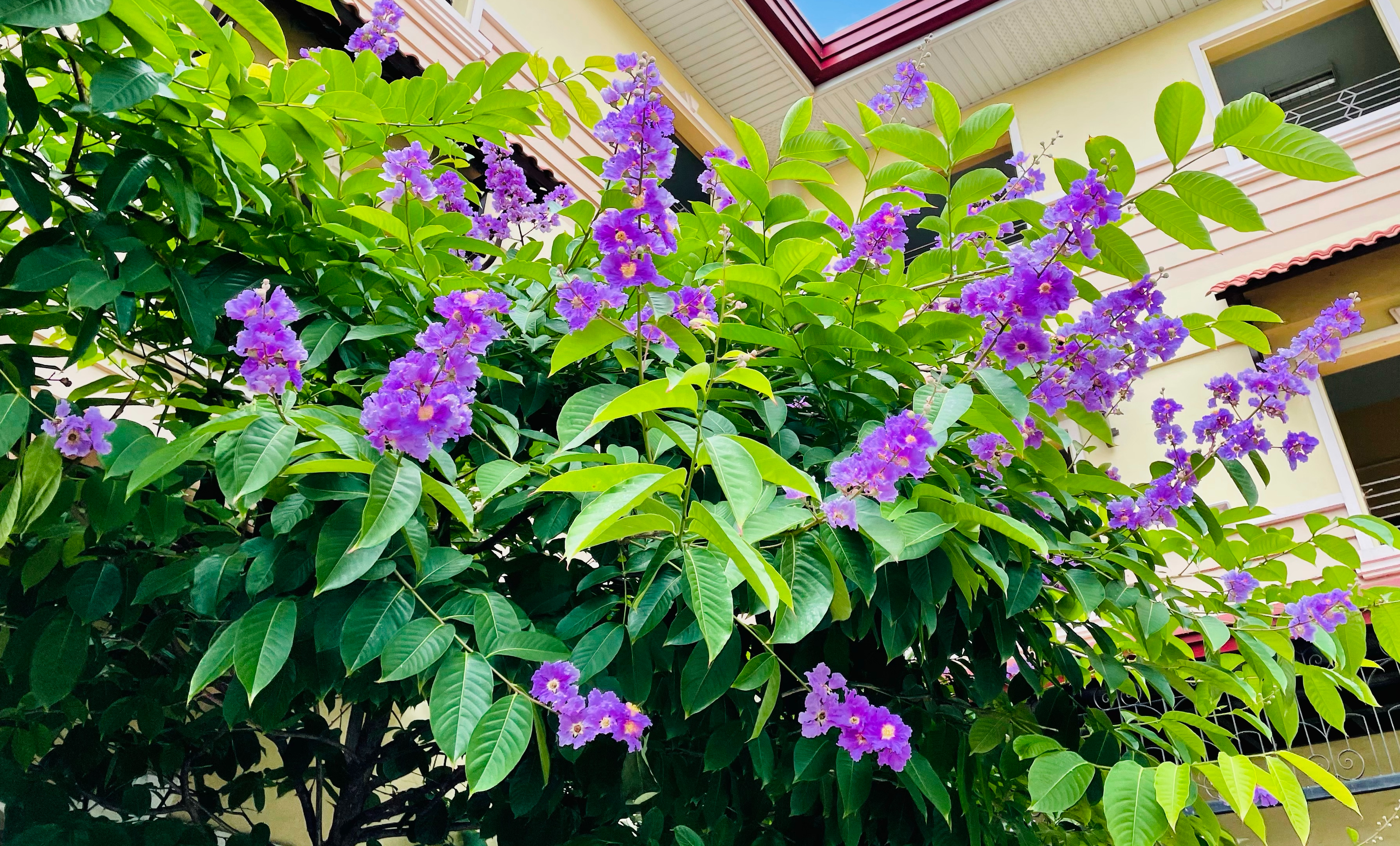
larawan kuha ni Walid Ahmad sa Pexels.com

Hindi lahat ay nakikita. Sa panahon ng Kuwaresma, pinag-aayuno din kung baga ang ating mga mata upang ituon ating pananaw at pansin sa ating kalooban at sa mga bagay na hindi nakikita, unang una na ang Diyos.

Kaya walang dekorasyon ang mga altar sa panahong ito, walang mga bulaklak at hangga’t maari wala ring mga halaman. “Bare” wika nga sa Inggles ang altar. Pagdating ng Biyernes Dolores bago mag-Linggo ng Palaspas, tinatakpan o binabalutan ng telang lila ang mga imahen at larawan sa simbahan sa gayon ding kadahilanan – upang tingnan natin mga mas malalim na katotohan ng ating buhay.

Sa panahong ito ng social media, lahat na lang ay ibig ipakita at ipangalandakan maski kasamaan, kabastusan, at kasalanan. Bakit nga ba nang magkasala sina Eba at Adan, sila ay nagtago dahil sa kahihiyan samantalang ngayon ipinagmamalaki pa ng ilan kanilang ginawang kasamaan?

Larawan kuha ni shy sol sa Pexels.com

Hindi lahat ng bagay sa buhay na ito ay nakikita at lalo din namang hindi lahat dapat ay ipakita. Wika nga ng Munting Prinsipe o Little Prince ni Antoine de St. Exupery, “What is essential is invisible to the eye; it is only with the heart that one can truly see.”

Lahat na lamang sa mundo ngayon ay palabas, showbiz na showbiz ang dating upang ipagyabang mga kayang kainin at bilhin, puntahan at gawin.  Ngunit, sadya bang nagbibigay ng kaganapan at katuwaan mga iyon?  Hindi ba mas masarap pa ring namnamin mga sandali nating kapiling ang mahal sa buhay? Kung tutuusin nga, kadalasan o palagi, yaong mga bagay na natatago at hindi nakikita ang siyang pinakamakahulugan, pinakamainam sa buhay.

Katulad ng Diyos: “Walang taong nakakita sa Diyos kailanman, ngunit kung tayo’y nag-iibigan, nasa atin siya at nagiging ganap sa atin ang kanyang pag-ibig” (1 Jn. 4:12).

Sa buhay, mas mainam pa rin yung simple at nakukubli, mayroong pa ring misteryo o hiwaga na natatago kaya ang lahat ay nagtataka. At minsan-minsan ay namamangha.

Larawan kuha ni Skyler Ewing sa Pexels.com

Hindi lahat ay minamadali. Kaya tinatawag na Kuwaresma ang panahong ito ng paghahanda sa Panahon ng Pasko ng Pagkabuhay ay dahil sa bilang na kuwarenta o apatnapung araw mula Miyerkules ng Abo haggang Sabado bisperas ng Palaspas (bagama’t di naman eksakto palagi) na kung tutuusin ay limang Linggo bago ang mga Mahal na Araw. Samakatwid, mayroong paghihintay dahil kailangang makabuo muna ng apatnapung araw o limang linggo.

Ito ang isang bagay na nawawala na sa mundo ngayon, ang paghihintay. Lahat mainipin kaya siguro maiinit ang ulo ng lahat na ultimo mga bata ay stressed out. Minamadali ang lahat na hindi malaman ano at sino nga ba ang hinahabol natin. Lahat ay instant – hindi lang kape at noodles pati pagkakaibigan, pag-aasawa at pagkakaroon ng baby!

Dahil sa teknolohiya, pilit na minamanipula ng tao ngayon ang panahon na madalas ay minamadali kaya marami ang hindi na maranasan ang Diyos pati sariling pagkatao at mga kapwa-tao sa pagmamadali. Hindi kataka-taka, nawawala na rin mga mabubuting ugali ng paghihintay, pagtitiyaga, pagtitimpi at pagpipigil.

Ang lahat na pangyayari sa daigdig ay nagaganap sa panahong itinakda ng Diyos. Ang panahon ng pagsilang at panahon ng pagkamatay; Ang panahon ng pagtatanim at panahon ng pagbunot ng tanim… Ano ang mapapala ng tao sa kanyang ginagawa? Alam ko na ang itinakda ng Diyos sa tao. Iniangkop niya ang lahat ng bagay sa kapanahunan. Ang tao’y binigyan niya ng pagnanasang alamin ang bukas ngunit hindi binigyan ng pakaunawa sa ginawa ng Diyos mula sa pasimula hanggang sa wakas.

Ang Mangangaral (Qoheleth) 3:1-2, 9-11

Minsan-minsa’y matutunan nating maghintay, magrelax o mag-chill wika nga ng mga kabataan. Masyado na tayong abala sa mga bagay-bagay kaya hindi natin napapansin, namamalayan ang Diyos na nagmamahal sa atin ay kapiling natin. Ang Diyos kabaligtaran natin: maski buong buhay natin hinihintay niya tayong lumapit sa kanyang muli sakaling magpasya tayong iwanan ating mga kasalanan at maling pamumuhay upang sa kanya maranasan ang kapanatagan at kapaypaan. Tinuturuan tayo ng panahon ng Kuwaresma na tumigil at manatili sandali sa buhay, maghintay sa Diyos at kanyang biyayang nakalaan para sa atin.

Larawan kuha ni Natalie Bond sa Pexels.com

Katahimikan. Sa lahat ng mahahalagang aspekto ng Kuwaresma, ito ang pinakamahalaga sapagkat hindi tayo makapagdarasal, makapagninilay, o magsisi sa ating mga kasalanan ng walang katahimikan. Bahagi ng paghihintay ang pananahimik.

Naalala ko noong bata kami tuwing bakasyon sa halamanan ng aming Lola. Maraming tutubi noon at lahat kaming magpipinsan ang unahan sa paghuli habang nag-aasaran sa kantang “tutubi tutubi huwag magpahuli sa batang mapanghi!”

Wala ka talagang mahuhuling tutubi kapag ika’y malikot at maingay ngunit sa sandaling ikaw ay pumirmi at manahimik, kusa pang lalapit ang mailap na tutubi.

Iyon ang buhay, iyon ang Kuwaresma. Manahimik tayo upang higit nating mapakinggan ating sariling kalooban na madalas hindi natin pinakikinggan dahil bantad na bantad tayo sa iba’t ibang tinig at ingay sa atin nagdidikta ng nararapat. Kaya madalas tayong lito kasi sarili natin di natin pinapansin. Gayon din naman, sa sobrang pakikinig sa mga sabi-sabi, nag-aaway away tayo kasi hindi nating pinakikinggan kapwa natin. Ang pananahimik ay hindi pagiging bingi kungdi pakikinig na mabuti; ang katahimikan ay hindi kawalan kungdi kapunuan na kahit pinakamahinang tinig ay sinisikap nating pakinggan.

Larawan mula Pixabay on Pexels.com

Tanging mga tao na kayang manahimik ang tunay na nagtitiwala sapagkat ang katahimikan ang tahanan at lunan ng pagtitiwala. Kaya ito rin ang tinig at wika ng Diyos. Sa ating pananahimik, tayo ay nagtitiwala, naghihintay maski wala tayong nakikita dahil batid natin kumikilos ang Diyos ng tahimik.

Kapag magulung-magulo ang ating buhay, tumigil tayo at manahimik. Pakinggan at higit sa lahat damhin ang sarili at buong kapaligiran upang maranasan kaganapan at katotohanan ng buhay mula sa Diyos na kadalasan ay tahimik na nangungusap sa atin. Madalas sa buhay natin, ang Diyos iyong pinakamahinang tinig na pilit bumubulong-bulong mula sa ating puso. Sikaping tumigil at manahimik, iyon ang pakinggan at sundin at tiyak, ikaw ay pagpapalain.

Sana ay huwag palampasin pagkakataon ng Kuwaresma upang Diyos ay maranasang muli at masimulan natin ugnayang kanyang matagal nang ibig para sa atin. Salamat po.

Lent is the zeal of Jesus

40 Shades of Lent by Fr. Nicanor F. Lalog II
Sunday Recipe for the Soul, Lent III-B, 03 March 2024
Exodus 20:1-17 ><}}}*> 1 Corinthians 1:22-25 ><}}}*> John 2:13-25
Photo by author, 2019,

It has been 19 days since we started this 40-day journey of Lent as an internal pilgrimage to God our first love. Since the first Sunday of Lent, Mark guided us to Jesus as we joined him in the desert of our poverty and sinfulness to the heights of his transfiguration through the many trials and sufferings we have gone through in life.

Beginning this third Sunday in Lent until the fifth Sunday, all our gospel readings are taken from John as we come closer with God who dwells right in our hearts, his temple within us. Keep in mind that our Lenten itinerary is actually symbolic and theological in nature than an actual road map to follow; hence, our shift to the fourth gospel that is so rich in its narration of the events leading to the Holy Week.

Since the Passover of the Jews was near, Jesus went up to Jerusalem. He found in the temple area those who sold oxen, sheep, and doves, as well the moneychangers seated there. He made a whip out of cords and drove them all out of the temple area, with the sheep and oxen, and spilled the coins of the moneychangers and overturned their tables, and to those who sold doves he said, “Take these out of here, and stop making my Father’s house a marketplace.” His disciples recalled the words of the Scripture, Zeal for your house will consume me.

John 2:13-17
Photo by author, Jerusalem, 2017.

In the Bible, the Temple is the sign of God’s presence. That is how central is the Temple of Jerusalem for the Jews even until now. And John deepens this sign of the Temple for us with his most unique narration of its cleansing by Jesus in preparation for its new meaning found in Christ when he died on the Cross.

Only John noted how the disciples recalled after Easter this episode of Jesus cleansing the Temple, linking it with that line from the Passion Psalm, “His disciples recalled the words of the Scripture, ‘Zeal for your house will consume me'”. Matthew, Mark, and Luke in their accounts identically quoted Jesus citing Isaiah 56:7 when he said, “My house shall be called a house of prayer but you have made it into a den of thieves” (Mt. 21:13; Mk. 11:17; Lk.19:46).

Here, John is reminding us – like when the Apostles remembered after Easter – that Jesus is the “just man”, the promised Messiah who not only prayed but embodied this psalm that led him to his Passion and Death on Good Friday.

Save me, God, for the waters have reached my neck. For your sake I bear insult, shame covers my face. Because zeal for your house consumes me, I am scorned by those who scorn you.

Psalm 69:2, 8, 10
Photo by author, Jerusalem, 2017.

That “zeal” of Jesus for the Temple and everything it stood for that consumed him was the zeal of his self-giving love on the Cross that we find in the following conversation he had with the Jews.

At this the Jews answered and said to him, “What sign can you show us for doing this?” Jesus answered and said to them, “Destroy this temple and in three days I will raise it up.” The Jews said, “This temple has been under construction for forty-six years, and you will raise it up in three days?” But he was speaking about the temple of his body. Therefore, when he was raised from the dead, his disciples remembered that he had said this, and they came to believe the Scripture and the word Jesus had spoken.

John 2:18-22

So beautiful! Everything now becomes so clear that Jesus is the new Temple; his cleansing of the temple in Jerusalem was a declaration of his “vision-mission” right at the start of his ministry in John’s gospel (experts say John’s narration of events in Christ’s life was more of theology than chronology).

At his Crucifixion, Jesus Christ had replaced the Temple worship with “worship in Spirit and truth” (Jn.4:23) as he had told the Samaritan woman at Jacob’s well (Third Sunday Lent-A). The synoptic gospels attest to this same view of John in their accounts that upon Christ’s death, “the veil of the sanctuary was torn from top to bottom” (Mt.27:51; Mk.15:38; Lk.23:45) that signaled the end of temple worship in Jesus Christ as the new Temple of God.

Therefore, this “zeal” of Jesus for the Temple symbolizing the Father is the same zeal every disciple must have for God, for others and his Church. It is the very same zeal laid out by God to Moses at Sinai in the Ten Commandments calling on everyone to be fair and just with each other regardless of age, color, sex, and belief. The first three commandments call us for a zeal in loving God above all expressed in the same zeal we must have in the remaining commandments for our neighbors.

Photo by author, temple of Jerusalem, 2017.

After the success of the movie The Ten Commandments in 1956, reporters asked its director Cecil B. DeMilled which of the Ten Commandments of God we often violate or disobey? DeMille said it is the first commandment because every time we commit a sin, that is when we have other gods besides our one, true God.

Very true!

This is the grace of this third Sunday in Lent as we continue this internal pilgrimage to God: that we also cleanse our hearts by examining our zeal for God and for others. The other word for “zeal” is “enthusiasm” which literally means in Greek as “to be filled with God” (from en theos). To be filled with God, to be with his zeal means to be empty of ourselves first by becoming like Jesus Christ. But, how can we proclaim Christ crucified as St. Paul asserted in the second reading when we are more concerned with money and trade, fame and prestige, especially in the Church? How can we proclaim Christ crucified when we avoid his Cross, always seeking shortcuts and instants in everything? How can we be more loving like Christ crucified when we do not have the zeal for others?

Let us pray.

Lord Jesus, 
"overturn" our many excuses
and alibis of being so concerned
with things of the world
pretending we do them in the name
of God and of our family and loved ones;
"overturn" our many justifications
for not going to Mass,
for not receiving the Sacraments,
for not making time
with our family and loved ones;
set us free, Jesus,
from our many addictions
that have cut off our ties
and relationships with You
and real persons
like our family and friends.
Fill us, Jesus, with your zeal
for the Father through the Church
and everyone we meet.
Amen.
From Google.

Ang demonyong cellphone, nasa loob ng simbahan!

Lawiswis Ng Salita ni P. Nicanor F. Lalog II, Ika-22 ng Pebrero 2024
Larawan kuha ni Stefano Rellandini ng Reuters sa Manila Cathedral, Enero 15, 2015. Binatikos at binash (dapat lang) ng mga netizens mga pari noong Misa ni Papa Francisco sa Manila Cathedral nang mapansing walang tigil nilang pagkuha ng mga video at larawan, di alintana kasagraduhan ng Banal na Misa.
Ang demonyong cellphone
palaging nasa loob ng simbahan
hindi upang magsimba o manalangin
kungdi upang tayo ay linlangin
mawala tuon at pansin
sa Diyos na lingid sa atin,
unti-unti na nating ipinagpapalit
sa demonyong cellphone na halos
sambahin natin!
At iyan ang pinakamalupit 
na panunukso sa atin ngayon
ng demonyong cellphone
na ating pahalagahan mismo sa
loob ng simbahan
habang nagdiriwang
ng Banal na Misa at iba pang mga
Sakramento gaya ng pag-iisang dibdib
ng mga magsing-ibig!
Isang kalapastanganan
hindi namamalayan
ng karamihan sa kanya-kanyang
katuwiran gaya ng emergency,
importanteng text o tawag
na inaabangan, higit sa lahat,
remembrance ng pagdiriwang:
nakalimutan dahilan ng paqsisimba
pagpapahayag ng pananampalataya
sa Diyos na hindi tayo pababayaan
kailanman; kung gayon,
bakit hindi maiwanan sa tahanan
o patayin man lamang
o i-silent sa bag at bulsa
ang demonyong cellphone?
Hindi man natin aminin
ang demonyong cellphone ang
pinapanginoon,
pinagkakatiwalaan
ng karamihan kaysa Diyos
at kapwa-tao natin
kaya pilit pa ring dadalhin,
gagamitin sa pagsisimba
at pananalangin!
Kung tunay ngang 
Diyos ang pinanaligan
habang ating pamilya
at mga kaibigan
ang pinahahalagahan,
bakit hinahayaang
mahalinhan ating buong pansin
ng pag-atupag sa demonyong
cellphone tangan natin?
Pagmasdan sa mga kasalan
sa halip ating maranasan
kahulugan ng pagdiriwang,
kagandahan at busilak ng lahat,
asahan aagaw ng eksena
demonyong cellphone kahit
mayroong mga retratista
naatasang kunan at ingatan
makasaysayang pagtataling-puso
kung saan tayo inanyayahan
upang ipanalangin na pagtibayin
pagmamahalan haggang kamatayan
na ating tuluyang nakalimutan
matapos tayo ay nalibang at nalinlang
ng demonyong cellphone.
Sa bingit ng kamatayan
naroon ating "last temptation"
ng demonyo sa anyo pa rin ay cellphone
upang sa halip na ipanalangin
naghihingalong mahal natin,
demonyong cellphone pa rin
sa kahuli-hulihan ang hawak habang
kinukunan huling sandali ng pagpanaw
Diyos na ating kaligtasan, tinalikuran!
Larawan mula sa rappler.com, Ash Wednesday 2023.

Lent is allowing God do his work in us

40 Shades of Lent by Fr. Nicanor F. Lalog II
Wednesday in the First Week of Lent, 21 February 2024
Jonah 3:1-10 ><}}}}*> + ><}}}}*> + ><}}}}*> Luke 11:29-32
Photo by Ms. Ria De Vera, somewhere in Alberta, Canada, 17 February 2024.
God our Father,
in this Season of Lent,
let us take one step backward
to let you do your work
in us,
among us.
We have been so used
to our expertise
and knowledge
that we seem to know
everything,
even better than you
like Jonah.

Allow us to take
"sackcloth and ashes"
like the people of Nineveh
to transcend our habits
by taking the back seat this time,
limiting ourselves to your
simple instructions
as we try to believe in you
and others too.

Jonah began his journey through the city, and had gone but a single day’s walk announcing, “Forty days more and Nineveh shall be destroyed,” when the people of Nineveh believed God; they proclaimed a fast and all of them, great and small, put on sackcloth.

Jonah 3:4-5
Continue to speak to us
even harshly like Jesus
in the gospel,
calling us an "evil generation"
seeking signs of your
presence in Christ;
very often,
we need to be shaken
deep inside,
to stop a while
so you can work in us
and among us,
filling us with your
love and mercy
so that we discover
your love and mercy
in us when we are
able to cry like the
psalmist:
"Have mercy on me,
O God,
in your goodness;
in the greatness of your
compassion wipe out my offense.
Thoroughly wash me
from my guilt and of my sin
cleanse me"
(Ps. 51:3-4).
Amen.

“A Horse With No Name” by America (1971)

The Lord Is My Chef Sunday Music by Fr. Nicanor F. Lalog II, 18 February 2024
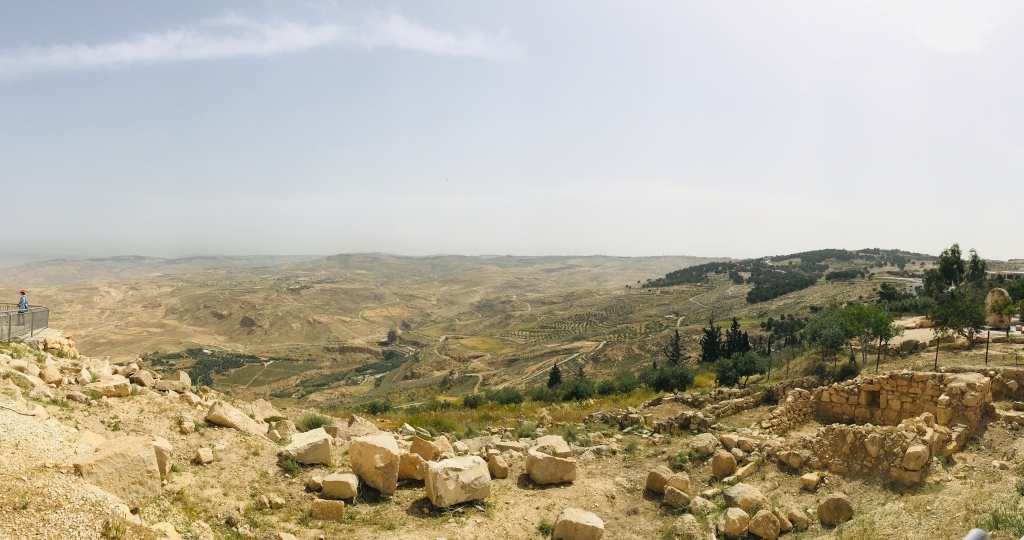
Photo by author, view of Israel from side of Jordan, May 2019.

It is the first week of Lent where the gospel is always about the temptation of Jesus by the devil in the desert. Naturally, the other thing that came to our mind while praying was the song A Horse With No Name by three young Americans who called themselves “America”.

It was still the great heydays of rock n’ roll and even though we were still too young at the time when this was playing on the airwaves, we just knew it was a great music especially when every grown up man was listening to it, humming it and even plucking its chords in their guitars. At that time, we just loved the melody and poetry of the lyrics, beginning with the unusual title A Horse With No Name with its very propitious guitars that kicked our imaginations of a far away journey in the desert.

On the first part of the journey
I was looking at all the life
There were plants and birds and rocks and things
There was sand and hills and rings
The first thing I met was a fly with a buzz
And the sky with no clouds
The heat was hot and the ground was dry
But the air was full of sound
I’ve been through the desert on a horse with no name
It felt good to be out of the rain
In the desert you can’t remember your name
‘Cause there ain’t no one for to give you no pain
La la la la la la…

The desert is more than a place in the Bible. It was more of a setting for meeting and experiencing God amid its dryness and wilderness. Every great prophet in the Old Testament went to the desert to pray and meet God; hence, in the New Testament, Jesus was shown as going first to the desert before launching his mission.

How ironic yet amazing that it is in the desert of our life’s poverty and limitations, sickness and weakness, dryness and weariness when we actually meet God, when we experience fulfillment and meaning in life (https://lordmychef.com/2024/02/17/lent-a-pilgrimage-to-god/). This biblical meaning of the desert was not far from the views of the song’s composer, Dewel Bunnell who explained later that A Horse With No Name was “a metaphor for a vehicle to get away from life’s confusion into a quiet, peaceful place” (from Wikipedia).

However, we remember too how when we were in high school (early 80’s) while listening to “American Top 40” on 99.5RT-FM when Casey Kasem claimed Bunnell saying that they were simply playing with words and chords when they came up with A Horse With No Name!

Whatever… but the music has become a classic because of its sincere message about life as a mystery not meant to be solved at all (because it is unsolvable!). For five decades since releasing A Horse With No Name, the trio of America had taught us how to deal with life’s mysteries by simply allowing ourselves to be wrapped by these mysteries, keeping our hearts and minds open in awaiting new revelations unfolding before us daily. Don’t forget too to have that sense of awe while being wrapped by life’s mysteries which is actually what Lent is asking us during this season as we return to God, our very root and grounding in order to find ourselves anew who are so lost in this world of so many disguises.

After nine days I let the horse run free
‘Cause the desert had turned to sea
There were plants and birds and rocks and things
There was sand and hills and rings
The ocean is a desert with its life underground
And a perfect disguise above
Under the cities lies a heart made of ground
But the humans will give no love

Here’s America with their first hit A Horse With No Name. Sing along, reflect and, pray. Have a blessed week ahead in this desert of life!

From YoutTube.com

God does everything so well

The Lord Is My Chef Daily Recipe for the Soul by Fr. Nicanor F. Lalog II
Friday in the Fifth Week of Ordinary Time, Year II, 09 February 2024
1 Kings 11:29-32, 12:19  ><)))*> + ><)))*> + ><)))*>  Mark 7:31-37
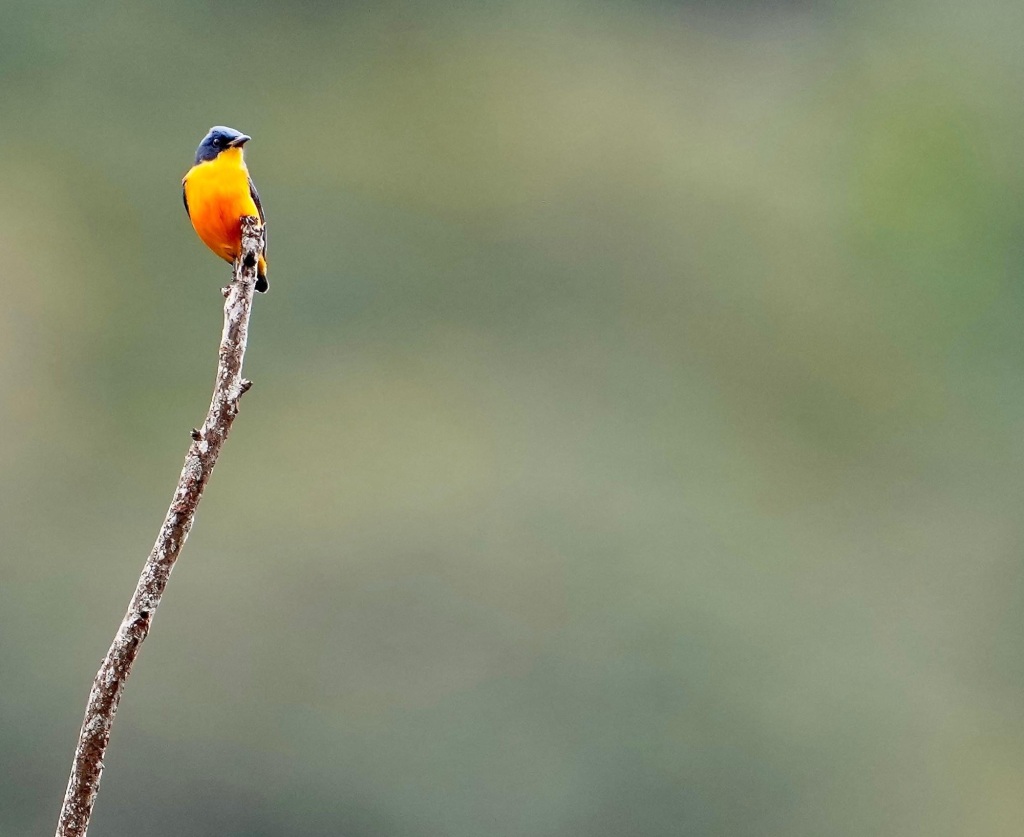
Photo by Dra. Mylene A. Santos, MD, an orange-bellied flowerpecker (Dicaeum trigonostigma) somewhere in the Visayas, December 2023.
Today, dear God,
I share in the joy
of the people at the time
of your Son Jesus
when he healed a deaf in the
district of Decapolis:

They were exceedingly astonished and they said, “He has done all things well. He makes the deaf hear and the mute speak.”

Mark 7:37
Yes, loving Father,
you have done all things well,
so very well in fact,
in Jesus Christ our Lord
that I am also exceedingly astonished
with your love and mercy.

When I look back to my life
even amid all the storms and
failures I have had,
you still have done
all things well in my favor;
when I remember those sufferings
I almost gave up and quit,
you have done all things
in my favor, making me stronger
and better, even wiser today;
when I look back to the many
losses and defeats I have had,
you still have done all things well
in my favor, teaching me the
values of perseverance, patience,
and fulfillment, as well as
the differences between
happiness and joy,
success and fruitfulness.

Dear Father,
keep us open to your grace
and wisdom and plans for us;
most of all,
keep us open to Jesus Christ
who comes to us always even
in paths we least expect to find him,
in backward routes no one takes,
and in foreign territories
we refuse to venture into.
Let our daily prayer include
his command,
"Ephphatha"!
Amen.

Pagbabalik-loob vs. pagbabago

Lawiswis Ng Salita ni P. Nicanor F. Lalog II
Kapistahan ng Pagbabalik-loob ni San Pablo, Ika-25 ng Enero, 2024
Gawa ng mga Apostol 22:3-16 ><}}}*> + ><}}}*> + ><}}}*> Marcos 16:15-18
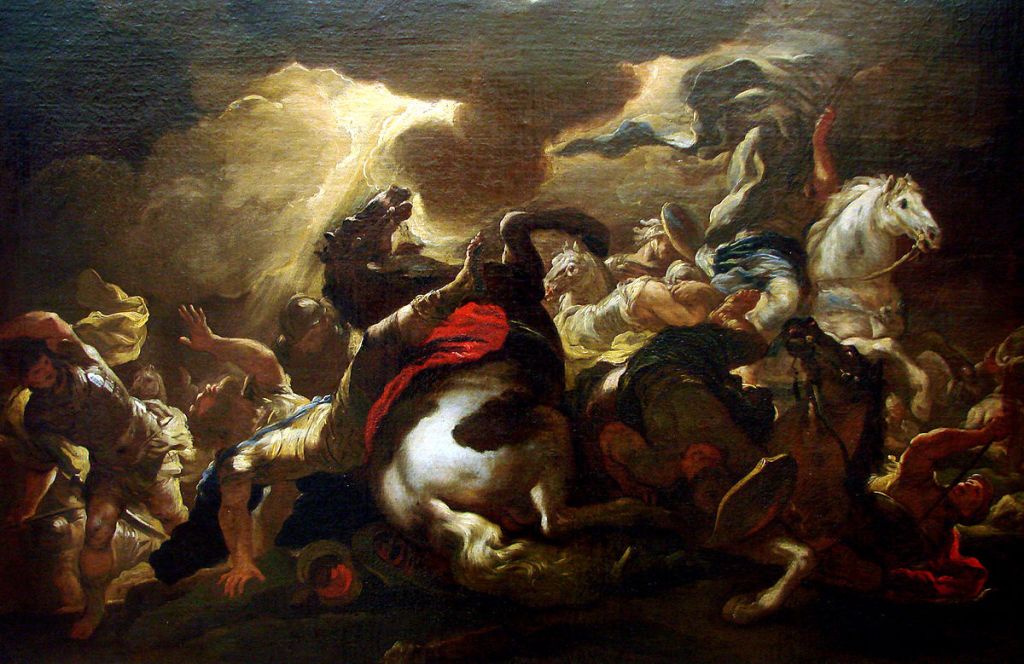
Painting ng “The Conversion of St. Paul” ni Luca Giordano noong 1690 mula sa wikipedia.org.

“Magbago ka na!” Iyan ang mga salitang madalas nating marinig at sinasabi sa mga tao na alam nating mayroong masamang pag-uugali at gawain. Madalas bitiwan mga salitang iyan tuwing Bagong Taon at mga Mahal na Araw.

Ngunit, maari nga ba talagang magbago ng pag-uugali o ng pagkatao ang sino man? Ibig bang sabihin yung dating iyakin magiging bungisngis o dating madaldal magiging tahimik? Iyon bang matapang kapag nagbago magiging duwag o dating palaban magiging walang kibo at imik?

Kung isasalin sa sariling wika natin ang salitang “conversion”, nagpapahiwatig ito ng pagbabago tulad ng na-convert sa ibang relihiyon o sa ibang anyo o gamit. Ngunit sa bawat pagbabago, mayroong higit na malalim na nababago na hindi namang ibig sabihin ay nag-iiba o naging different.

Kasi iyong sinasabing conversion ni San Pablo o ng sino pa mang tao ay hindi naman pagbabago ng pagkatao kung tutuusin; sa bawat conversion, hindi naman nababago ating pagkatao talaga kungdi ating puso na naroon sa ating kalooban. 

Kaya tinatawag itong pagbabalik-loob, di lamang pagbabagong-buhay. 

Binabalikan natin ang Diyos na nananahan sa puso natin, doon sa kalooban natin. 

Higit na malalim at makahulugang isalin ang conversion sa katagang “pagbabalik-loob” dahil ang totoo naman ay bumabalik tayo sa Diyos na naroon sa loob ng ating sarili. 

Dito ipinakikita rin na likas tayong mabuti sapagkat mula tayo sa Diyos na mismong Kabutihan. Kailangang pagsisihan mga kasalanan, talikuran at talikdan kasamaan na siyang mga balakid sa ano mang pagbabalik-loob at saka pa lamang mababago ating pamumuhay. 

Katulad ni San Pablo, sino man sa atin na makatagpo sa liwanag ng Diyos, nagiging maliwanag ang lahat kayat atin nang hahangarin ang Diyos na lamang at kanyang kalooban. Nananatili ating katauhan at pag-uugali ngunit naiiba direksiyon at pokus. 

Kapansin-pansin na bawat nagkakasala wika nga ay malayo ang loob sa Diyos na ibig sabihin ay “ayaw sa Diyos” gaya ng ating pakahulugan tuwing sinasabing “malayo ang loob”. Ang nagbabalik-loob ay lumalapit, nagbabalik-loob at pumapaloob sa Diyos.

Pangangaral ni San Pablo sa Areopagus sa Athens (larawan mula sa wikipedia.org).

Isang magandang paalala sa ating lahat itong Kapistahan ng Pagbabalik-loob ni San Pablo na hindi malayo at hindi rin mahirap maabot, bumalik sa Diyos sa pamamagitan ni Kristo Jesus. Maari itong mangyari sa gitna mismo ng ating sira at maruming sarili.

Hindi nabago pagkatao at pag-uugali ni San Pablo kung tutuusin: nanatili pa rin siyang masugid, matapang at masigasig. Nabago lamang ang direksiyon at pokus o tuon ng kanyang pag-uugali at pagkatao. At siya pa rin iyon. Inamin niya sa ating unang pagbasa ngayon na siya ay “isang Judio, ipinanganak sa Tarso ng Cilicia ngunit lumaki rin sa Jerusalem. Nag-aral kay Gamaliel at buong higpit na tinuruan sa Kautusuan ng mga ninuno at masugid na naglilingkod sa Diyos” (Gawa 22:3). 

Nanatiling masugid sa Diyos si San Pablo ngunit naiba na ang batayan na dati ay sa mga Kautusan at tradisyon ngunit sa kanyang pagbabalik-loob, si Jesu-Kristo na ang batayan ng kanyang pananampalataya. Personal niyang naranasan si Jesus kaya gayon na lamang kanyang pagiging masugid na alagad. Sinasabing kung hindi siya nadakip at nakulong hanggang sa patayin marahil ay umabot siya sa Africa sa pagpapalaganap ng Mabuting Balita.

Hindi rin nabawasan kanyang tapang; bagkus pa nga ay higit pa siyang tumapang. Lahat ng hirap tiniis niya at hinarap gaya ng pambubugbog sa kanila, ma-shipwreck sa isla, mabilanggo ng ilang ulit at ni minsan hindi umatras sa mga balitaktakan at paliwanagan sa mga Judio at maging kay San Pedro ay kanyang kayang salungatin at pagsabihan kung kinakailangan.

Gayon na lamang ang malasakit ni San Pablo sa Panginoong Jesu-Kristo at kanyang Mabuting Balita kaya naman sabay ang pagdiriwang ng kanilang Dakilang Kapistahan ni San Pedro tuwing ika-29 ng Hunyo dahil magkapantay kanilang kahalagahan sa pagpapatatag, pamumuno at pagpapalaganap ng pananampalataya at Simbahan.

Ordinasyon sa pagka-diyakano sa Katedral sa Malolos, ika-12 ng Hunyo 2019.

Alalaong-baga, katulad ni San Pablo, ano man ating pagkatao at pag-uugali siya pa ring mga dahilan kaya tayo tinatawag ng Panginoon upang maglingkod sa kanya; ililihis at ihihilig lamang niya mga ito ayon sa kanyang panukala at kalooban.

Kaming mga pari kapag inordenahan ay ganoon pa rin naman pagkatao at pag-uugali ngunit nababago direksiyon at tuon sa bagong estado ng buhay at misyon.

Gayun din ang mga mag-asawa. Lalabas at lalabas tunay na pagkatao at pag-uugali ngunit hindi iyon mga sagwil upang lumago at lumalim sila sa pagmamahalan at pagsasama bilang mag-asawa.

Wika nga sa Inggles, “God does not call the qualified; he qualifies the call.” Maraming pagkakataon tinatawag tayo ng Diyos maglingkod sa kanya di dahil sa tayo ay magagaling at mahusay; madalas nagugulat pa tayo na mismong ating kapintasan at kakulangan ang ginagamit ng Diyos para tayo maging mabisa sa pagtupad sa kanyang tawag.

Madalas at hindi naman maaalis na sumablay pa rin tayo at sumulpot paulit-ulit dating pag-uugali. Kaya naman isang proseso na nagpapatuloy, hindi natatapos ang pagbabalik-loob sa Diyos. Araw-araw tinatawagan tayong magbalik-loob.

Larawan kuha ni G. Jim Marpa sa Dabaw, 15 Enero 2024.

Gaya ni San Pablo nang siya ay ma-bad trip kay Juan Marcos na iniwan sila ni Bernabe sa una nilang pagmimisyon. Batay sa kasulatan, ibig pagbigayn pa ni San Bernabe na muling isama si Juan Marcos sa pangalawang pagmimisyon nila ngunit mariin ang pagtanggi at pagtutol ni San Pablo kaya’t sila ay naghiwalay ng landas bagamat nanatili silang mga alagad ni Kristo. Sa bandang huli naman ay nagkapatawaran sila.

Ganoon din tayo, hindi ba? Walang perfect. Ang mahalaga araw-araw nagbabalik-loob tayo sa Diyos dahil araw-araw lumiligwak din tayo sa ating maling pag-uugali at mahunang pagkatao. 

Higit sa lahat, sa ating patuloy na pagbabalik-loob, doon lamang magiging maliwanag sa ating ang kalooban ng Diyos na palagi nating inaalam sapagkat batid nating ito ang pinakamabuti para sa atin. Ang kalooban ng Diyos ang magtuturo sa atin ng tamang landas na tatahakin upang ating buhay ay maging ganap at kasiya-siya.

Subalit kadalasan tayo ay nabibigo, naguguluhan kung ano ang kalooban ng Diyos dahil akala natin para itong tanong na isang pindot ay malalaman kaagad ang sagot tulad ng sa Google. Mahirap mabatid kalooban ng Diyos kung tayo ay malayo sa kanya dahil sa mga kasalanan. Kaya tulad ni San Pablo, idalangin natin sa Ama sa pamamagitan ni Jesu-Kristong Anak niya na magpatuloy tayo sa pagbabalik-loob upang manatili tayong nakapaloob sa Diyos. Amen. San Pablo, ipanalangin mo kami!

To see as God sees

The Lord Is My Chef Daily Recipe for the Soul by Fr. Nicanor F. Lalog II
Tuesday in the Second Week of Ordinary Time, Year II, 16 January 2024
1 Samuel 16:1-13  <*((((>< + ><))))*>  Mark 2:23-28
Photo by Dra. Mylene A. Santos, MD in Infanta, Quezon, 2020.
Is it really possible,
dear God,
that we shall be able to see
and look at persons and things
like you?

But the Lord said to Samuel: ”Do not judge from his appearance or from his lofty stature, because I have rejected him. Not as man sees does God see, because he sees the appearance but the Lord looks into the heart.”

1 Samuel 16: 7
If that is the case, O God,
then, to see like you is
most of all to feel,
to listen
to experience another person;
to see and look at persons and things
like you, O God,
is to feel the vibes
or vibrations, the spirit
of another person or of a thing;
to see like you, O God,
is to be like Jesus
mindful always of your
will and plan,
to you wait for your voice
before deciding,
before acting.

To see like you,
therefore, dear God,
is first of all to be one
in you,
with you
in Christ Jesus.
Amen.
Photo by Dra. Mylene A. Santos, MD in Infanta, Quezon, 2020.

Call waiting

The Lord Is My Chef Daily Recipe for the Soul by Fr. Nicanor F. Lalog II
Wednesday in the First Week of Ordinary Time, 10 January 2024
1 Samuel 3:1-10,19-20  <*[[[[>< + ><]]]]*>  Mark 1:29-39
Photo by author, 2020.
Dearest God our Father:
I find it so funny these days
we have that feature in our phones
"call waiting" - when we can identify
whoever is calling us, giving us
the easy choice to answer it
or not; if we have missed a call,
we still have a chance to call back
to return a missed call;
with "call waiting",
we cannot actually miss
a call. 
Ideally. 
Supposed to be.
But we not only ignore calls of
friends and relatives;
worst of all,
we refuse
answering your calls!

During the time young Samuel was minister to the Lord under Eli, a revelation of the Lord was uncommon and vision infrequent… Samuel grew up, and the Lord was with him, not permitting any word of his to be without effect.

1 Samuel 3:1, 20
How interesting the author
noted that "revelation of the Lord
was uncommon and vision infrequent"
during that time of Eli as your priest;
most likely reason was nobody
was listening to you at all
until Samuel came.
Teach us, dear Jesus,
to never keep you waiting
for us in answering your calls;
like the brothers Peter and Andrew,
James and John
that we immediately speak to you,
most of all always listen to you.
This 2024,
let us not keep you waiting in
answering your call
for you never missed our calls;
let me be patient, O Lord,
in awaiting your words,
your calls
so that like Samuel
when we speak,
our words have effect
because we speak your
words alone.
Amen.

Rend the heavens, O Lord

The Lord Is My Chef Daily Recipe for the Soul by Fr. Nicanor F. Lalog II
Feast of the Baptism of the Lord, 08 January 2024
Isaiah 55:1-11  <*{{{{>< + ><}}}}*>  Mark 1:7-11
How lovely, dear God our Father,
that at the start of work and classes
this 2024, we heard from Mark
the start of his gospel where he told us
the baptism of your Son Jesus,
the fulfillment of your promises of old
announced by his precursor, John the Baptist.

On coming out of the water he saw the heavens being torn open and the Spirit, like a dove descending upon him. And a voice came from the heavens, “You are my beloved Son; with you I am well pleased.”

Mark 1:10-11
Oh how I love that part of Mark's narration
of "the heavens being torn open",
so evocative of your power, almighty Father
of intervening into our lives,
of rending the sky to come down
upon us to bring order,
to bring peace,
to bring salvation in Jesus!
At the end of his gospel,
Mark spoke anew of how Jesus
at his last breath “rending” the curtain
at the sanctuary of the temple
was torn in two from top to bottom (Mk.15:38).
Everyday you open the heavens for us,
dear Father in Christ Jesus,
calling us your beloved children,
pouring upon us all your blessings
not only the material things we need
but all good things we need
to live fully as you have told Isaiah in
the first reading:

Thus says the Lord: All you who are thirsty, come to the water! You who have no money, come, receive grain and eat; come, without paying and without cost, drink wine and milk! Heed me, and you shall eat well, you shall delight in rich fare. Come to me heedfully, listen, that you may have life. I will renew with you the everlasting covenant, the benefits assured to David. For my thoughts are not your thoughts, nor are your ways my ways, says the Lord… so shall my word be that goes forth from my mouth; my word shall not return to me void, but shall do my will, achieving the end for which I sent it.

Isaiah 55:1-3, 8, 11
Loving Father,
let us not reject your call
and invitation in Christ Jesus
to be one with him in this world;
forgive us when most often,
we think of the difficulties in keeping
your commandments without realizing
they are "not burdensome" (1 John 5:3)
because the more we sin,
the more life gets harder
and difficult for us.
Let us hold on your assurance of love 
on this feast of the Lord's baptism,
of how your favor rests upon us in Christ Jesus;
let us heed your calls so we may see
you rending the heavens apart,
coming to our rescue,
coming to our aid
in your loving presence.
Amen.