Drought & blessedness

The Lord Is My Chef Daily Recipe for the Soul by Fr. Nicanor F. Lalog II
Monday in Tenth Week of Ordinary Time, Year II, 10 June 2024
1 Kings 17:1-6 <*((((>< + ><))))*> Matthew 5:1-12
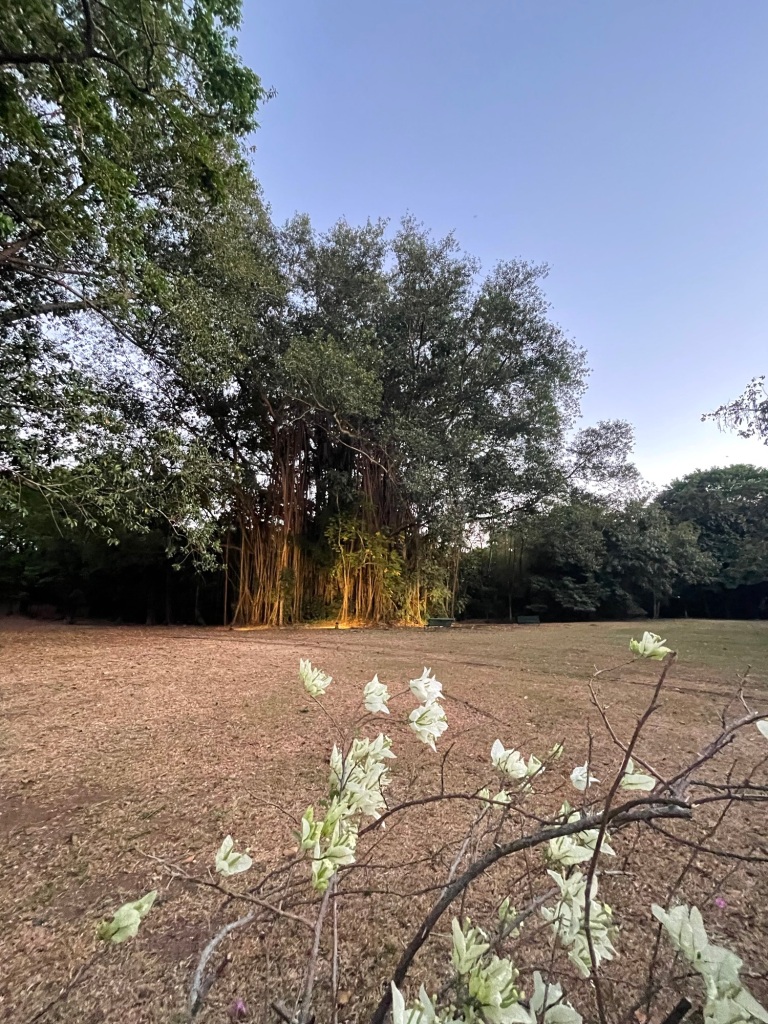
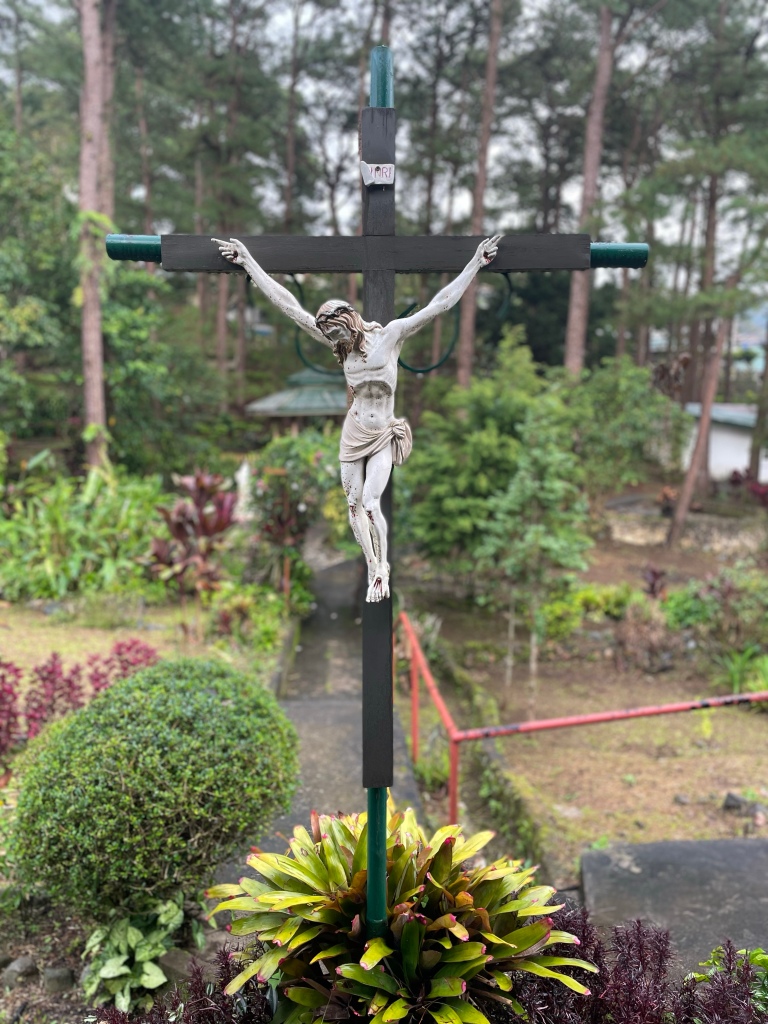
Photo by author, Sacred Heart Novitiate, Novaliches, QC, 20 March 2024.
Your words today, O Lord,
seem to be so apart,
unconnected, even disconsonant
to some respect:
in the first reading,
You declared a drought as
punishment against Israel
who turned their backs from You,
worshipping Baal;
in the gospel,
Jesus preached His Sermon
on the mount, declaring as
"blessed" are those who are poor,
the meek, the hungry and thirsty,
the persecuted and insulted -
conditions and situations
directly contrary to the ways of the world,
so uncomfortable and difficult.
Every time we are facing
trials and difficulties in life,
we consider it as a drought,
a time when You, O God,
seem to be so far from us
when in fact, it is us who have gone
astray and away from You!
Let us see, dear Jesus,
your blessings
in every drought,
in every hardship,
in every poverty,
and persecutions
we go through;
let us realize the blessedness
of these moments of drought
and trials and difficulties
when we can examine what's
in our hearts,
who's in our hearts.
Many times we unconsciously
drift apart from You, O Lord,
when we are carried away by
our modern baals and gods
that separate us from You
and one another;
help us find our way
back to You,
rejoicing always in times of drought
to seek You and follow You.
Amen.
Photo by Ms, Analyn Dela Torre, March 2024.

Tenderness of God, sweetness of Mary

The Lord Is My Chef Daily Recipe for the Soul by Fr. Nicanor F. Lalog II
Friday, Feast of the Visitation of the Blessed Virgin Mary, 31 May 2024
Romans 12:9-16 ><]]]]'> + >>]]]]'> + >>>]]]]'> Luke 1:39-56
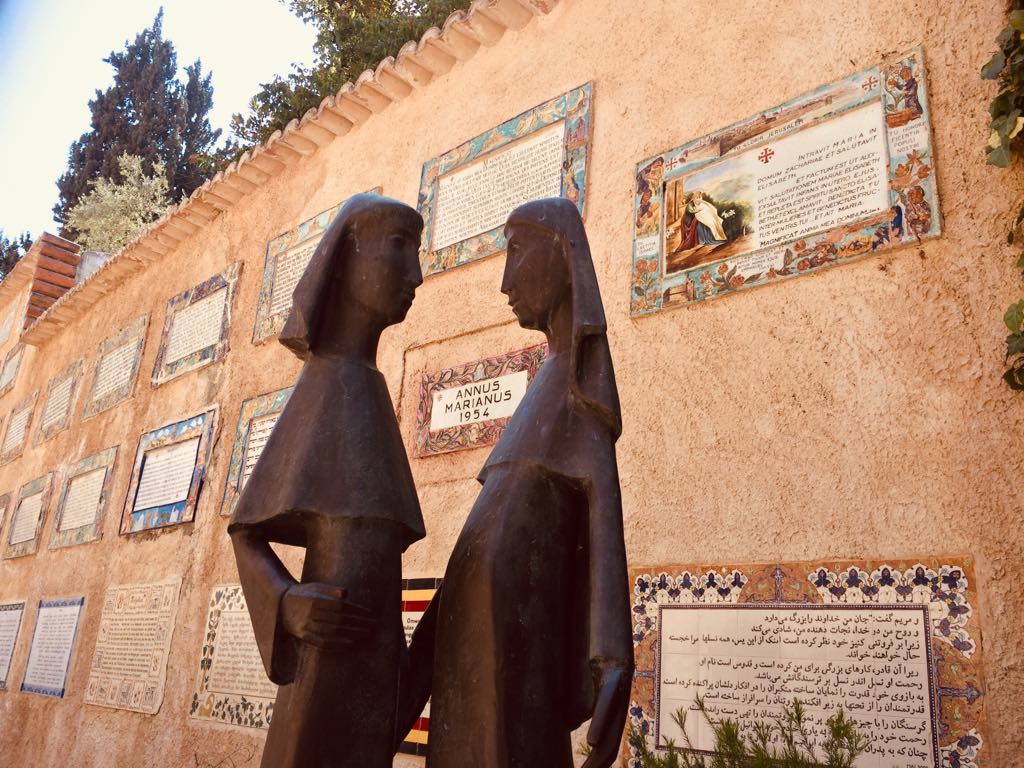
Photo by author, statues of Mary and Elizabeth at the Church of the Visitation in ein-Karem, the Holy Land, May 2017.

What a lovely way to end the month with this feast of the Blessed Virgin Mary’s Visitation of her cousin Elizabeth after starting off May on its very first day with another feast, St. Joseph the Worker that remind us of God’s coming to us in Jesus Christ.

Visit and visitation may seem to be one and the same, sharing the common Latin root word of the verb vide, videre “to see” from which came the word video.

But, a visit is more casual and informal without intimacy at all. We say it so well in Filipino, napadaan lang or just passing by which is more concerned with the place or location and site, not the person there. Napadaan lang ako kaya dinalaw na rin kita (I was just passing by and decided to see you). There was really no intention in seeing the other person there.

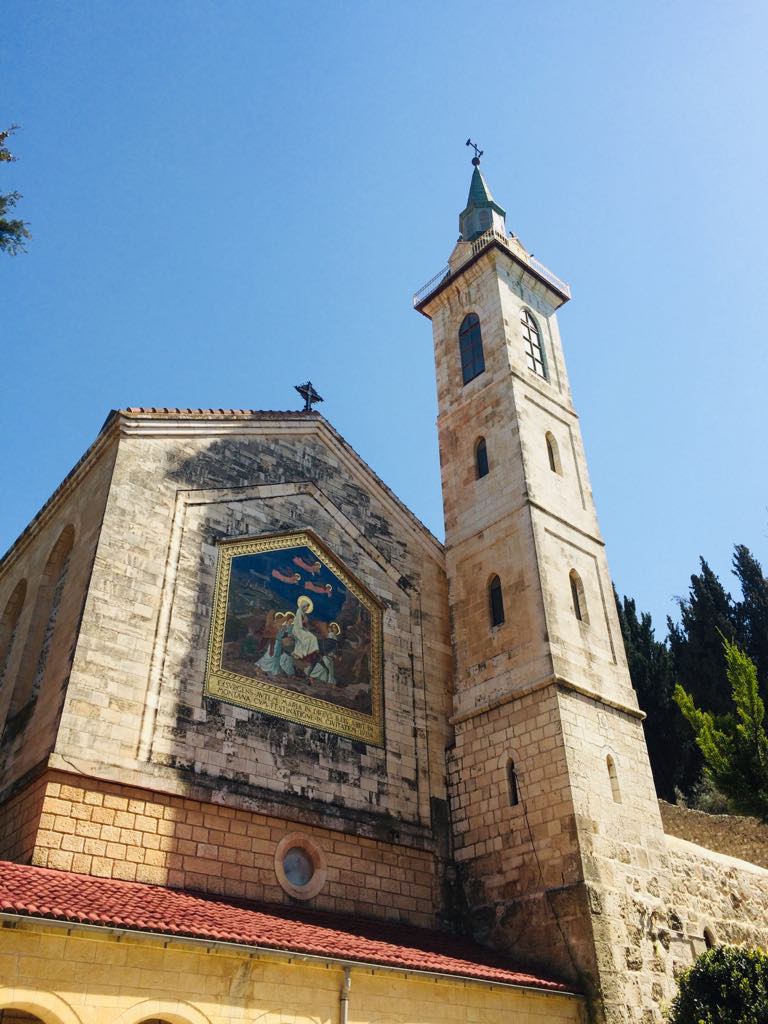
Photo by author, Church of the Visitation, Ein-Karem, Holy land, May 2017.

Visitation is more intentional. Mr. Webster described it as a more formal visit commonly used in church language like when bishop and priests come to see their parishioners. This explains why we refer to a chapel as a visita which is actually a small church in remote places that missionaries used to visit for the sacraments. Likewise, visitas became venues too for catechism classes and other religious even social gatherings in places far from the town itself where the parish is usually situated too.

Thus, visitation connotes a deeper meaning because there is an expression or implication at least of care and concern among the people, a kind of love shared by the visitor like Mary to the one visited, Elizabeth.

Visitation is more of entering into someone’s life and personhood as reported by Luke in Mary’s visitation of Elizabeth when “Mary entered the house of Zechariah and greeted Elizabeth” (Lk.1:40). There was a communion and sharing of their common experience of being blessed with the presence of God in their wombs.

Visitation is a sharing, a oneness in the joys and pains of those dear to us. The word becomes more meaningful when we examine its Filipino equivalent pagdalaw from the root word dala or something you bring like food or any gift when visiting relatives and friends. What you bring or dala is called pasalubong from the root salubong that literally means “meeting” or “encounter”. When the visitor and ones visited meet, they salubong.

Here it becomes more colorful and meaningful because more than the gifts we bring or dala in our visitations, we bring our very selves as a gift of presence. In every visitation, it is our very selves we gift, we share with those we visit, offering them our time and talent, joys and sadness and ears and heart to listen to their stories and absorb their woes and whatever they may have to unload upon us.

Photo by author, 2019.

That was what Mary did exactly in her visitation of Elizabeth with an extra gift, the most precious pasalubong to share with everyone, Jesus Christ in her womb, right in her very self and body!

We too are invited every day to be like Mary, a bringer or taga-dala of Jesus Christ to everyone we meet, the best pasalubong we can share with everyone. If we can only be like Mary in our dealings with others, trying to make every encounter a visitation that is a willful bringing and sharing of Christ with others, then we also bring with us God’s tenderness and mercy for this dark world that admires toughness and roughness.

How sad are those news of daily road rages happening almost everywhere, many times resulting in the loss of lives like the recent fatal shooting of a family driver in Makati.

Through the Blessed Mother’s humility and obedience before God, Christ came into the world to make us experience the Father’s tenderness in the many healings and miracles He performed. This tenderness of God in Jesus we saw too in Mary His Mother in the Visitation: Mary visited Elizabeth because she knew and felt her many wounds who for a long time bore no child, living in “disgrace before others” as she had claimed (Lk.1:25). A tender person like Jesus and Mary is one who comes to comfort and heal the wounds of those hurt in life, trying to lullaby the restless and sleepless, never adding insult to injuries.

Photo by author, Sacred Heart Novitiate, Novaliches, QC, 20 March 2024.

One last thing about the Visitation of Mary to her cousin Elizabeth. One of the best things we can experience from visitations and visits of family and friends like during wakes and funerals is that quality of sweetness.

Sweetness always goes with tenderness.  It is the essence of God who is love.  Anyone who loves is always sweet that always comes naturally from within, bringing out good vibes.  It is never artificial like Splenda, always flowing freely and naturally that leaves a good taste and feeling to anyone. 

In the Hail Holy Queen, Mary is portrayed as “O clement, O sweet Virgin Mary” to show her sweetness as a Mother. Recently I have seen some posts making a meme (?) of the Hail Holy Queen’s part that says “to you do we cry poor banished children of Eve”. I have not really dealt it with much attention because too often, there are a lot of generation gaps in many posts in social media; I really cannot relate much to the young perhaps due to my age. I just hope that post on the Hail Holy Queen is not derogatory. Back to our reflection…

Tenderness and sweetness are the most God-like qualities we all have but have unconsciously buried deep in our innermost selves, refusing them to surface because of our refusal to love for fears of getting hurt and left behind or lost. When Mary heard Elizabeth’s pregnancy, she simply followed her human and motherly instincts that in fact so Godly that she went in haste to hill country of Judah. How lovely!

Tomorrow it is already June, reminding us all we are halfway through the year. And it would be surprisingly quick that soon, it is already Christmas again! This feast of the Visitation reminds us of Mary’s great role in making Christmas a reality when God almighty became human, little and vulnerable like us to experience His sweetness and tenderness in Jesus Christ. Through Mary.

Let us pray:

God our loving Father,
thank for coming to us,
for staying with us,
not just visiting us;
help us imitate Your Son
Jesus Christ's Mother,
the Blessed Virgin Mary
whose "love is so sincere",
loving one another like Elizabeth
with "mutual affection,
showing honor,
fervent in spirit,
serving the Lord;
help us imitate Mary
to always rejoice in hope,
endure afflictions and
most of all, persevere in prayer"
(cf. Romans 12:9-12)
so we may always bring
Jesus Christ with everyone
we meet.
Amen.
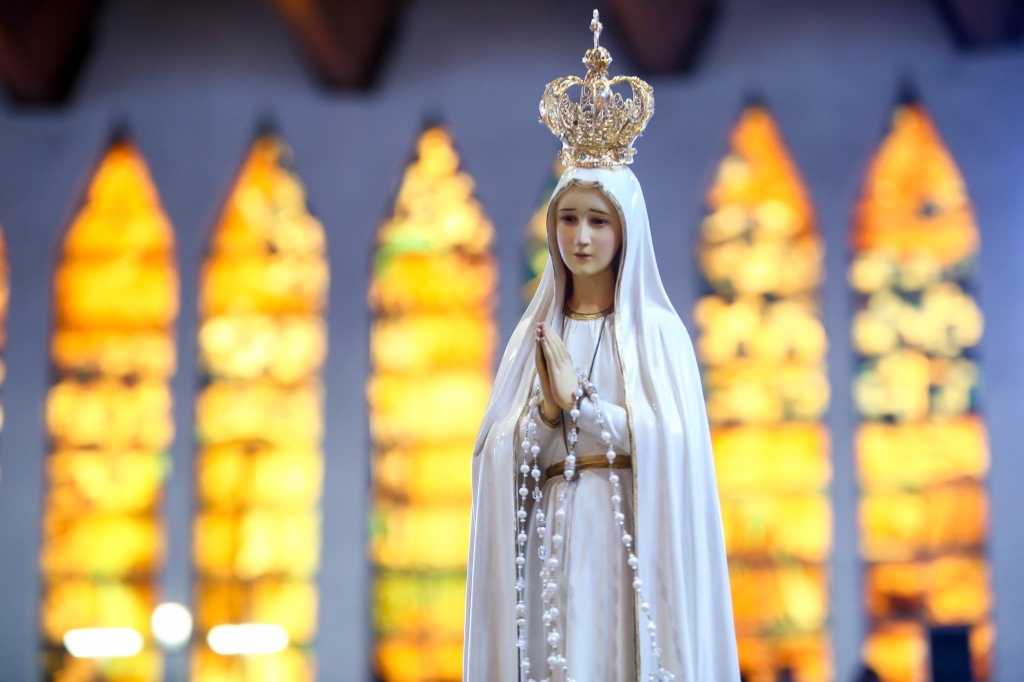
From cbcpnews.net, 13 May 2022, at the Parish of the National Shrine of Our Lady of Fatima, Valenzuela City.

Is It Any Wonder? by Durand Jones & The Indications (2016)

The Lord Is My Chef Sunday Music by Fr. Nicanor F. Lalog II, 26 May 2024
Photo by author, San Juan, La Union, 25 July 2023.

Mysteries are like gifts wrapped so beautifully but not meant to be opened to be explained nor understood; rather, we simply have to let ourselves be wrapped by the gift of life’s mysteries to discover its many gifts that can enrich us in the process.

Just like the mystery of God, His being One in Three Persons called the mystery of the Most Holy Trinity which we celebrate this Sunday. Contrary to common beliefs, mysteries can be explained and understood but, not fully.

Yet, why live explaining and understanding everything?

That is why when God revealed Himself to us, He did not come explaining terms and concepts to us humans and instead conducted Himself in a most unique, personal manner. God related to us in a very personal way like another person by letting us experience His loving presence, His kindness and mercy, His justice and salvation, His healing and liberation as Father, Son and Holy Spirit (https://lordmychef.com/2024/05/25/the-gift-of-persons/).

That is why we have chosen for this Sunday’s music the 2016 Is It Any Wonder? by the American contemporary and R&B soul trio of singer Durand Jones, singer/drummer Aaron Frazer and guitarist Blake Rhein who call themselves as Durand Jones & The Indications. I accidentally discovered them along with other young musicians during the 2020 lockdown of COVID-19 pandemic. Their music is so cool coupled with lyrics so thoughtful. And mysterious. Like Is it Any Wonder? that sounds so matured yet so young, reminding us of our first crushes or first love when we got so lost in what to do and say whenever near the girl of our dream.

This road
Is gonna take us back now
You look so fine
I don't know how to act now
They say, "My child
Don't stroll off easy
'Cause when it's time
You gonna hear what she said"

Is it any wonder?
Is it any wonder?

If you ever leave me alone
I'll be cryin', wishin' you'd come home

When I look in your eyes
I see you starin' at me, girl
And when it's time
I see you holdin' on me, girl

'Cause you
You got a hold on me, yeah
So, I'm
Gonna make you see, yeah
Aw, yeah

Is it any wonder?
Is it any wonder?
Is it any wonder?
Is it any wonder?

With its classic tune and laid-back beat of guitar, drums and horns in the KEXP live version we prefer, Is It Any Wonder? speaks so well of life’s many mysteries that wrap us and move us at the same time to greater heights in believing more and loving more. Very often when we meet people, our tendency to welcome them is a result of their conduct with us, like this girl in the song Is It Any Wonder? Is she warm or cold, inviting or reserved and closed?

See how the song speaks so little – but heavily – of his experiences with his crush, leaving everything into wondering and awe, repeatedly singing, Is it any wonder?

To wonder, to be awed like a child is the beginning of love, of discovery of God and of the other person who fills the emptiness and longings within us. That is the gift of person, of God as Father, Son, and Holy Spirit – there is always that mystery we can’t explain right away but we feel disarmed, wondering why we are drawn to God and others because of their conduct, of their kindness, of their offer of relationship. The key is to always wonder and bask into the beauty and gift of the other person, especially of God. Have a relaxing rainy Sunday!

From YouTube.com.

Easter is signs & Scripture together. Always.

The Lord Is My Chef Sunday Recipe for the Soul by Fr. Nicanor F. Lalog II
Easter Sunday of the Lord's Resurrection, 31 March 2024
Acts 10:34, 37-43 ><}}}}*> Colossians 3:1-4 ><}}}}*> John 20:1-9

A blessed happy Easter to everyone! The Lord is risen. Let us rejoice amid all the darkness and sufferings still hovering over our lives at this time as Easter gives meaning to these all, enabling us to experience God closest with us in Jesus Christ.

Let Christ’s assurance of deliverance, of salvation burst forth from your heart, from the depths of your soul that amid all these sufferings, we have already won in Jesus. It is in those darkness and emptiness where Jesus is found as the first disciples realized that first Easter morning.

On the first day of the week, Mary of Magdala came to the tomb early in the morning, while it was still dark, and saw the stone removed from the tomb. So she ran and went to Simon Peter and to the other disciple whom Jesus loved… When Simon Peter arrived after him, he went into the tomb and saw the burial cloths there… Then the other disciple also went in, the one who had arrived at the tomb first, and he saw and believed. For they did not yet understand the Scripture that he had to rise from the dead.

John 20:1-2, 6, 8-9
Jesus Christ resurrection. Christian Easter concept. Empty tomb of Jesus with light. Born to Die, Born to Rise. “He is not here he is risen”. Photo from iStock/GettyImages.

We can never experience the joy of Easter if we skip going through or deny the agonies and pains of Good Friday. See how in the glory of Christ’s Resurrection is found the empty tomb set in the darkness of dawn, evoking in us the realities of life.

The problem in our time is when people see life only as Easter without Good Friday like those who want to get rich by gambling without working hard or students who want to pass exams without studying. At the other extreme are those who see life only as all Good Friday without Easter, becoming indifferent to joy and life itself.

Absence of sufferings can happen only in heaven after we have died. In rising from the dead, Jesus enables us today to taste heaven, to have a glimpse of eternal bliss which Easter makes a reality within us. That is why all the 50 days of Easter beginning today until Pentecost Sunday are actually counted as one big day because we can never grasp the fullness of Christ’s Resurrection in just one day or one month. As we have reflected last Sunday, life is like the Palm Sunday in the Lord’s Passion, a daily movement from the Lord’s Passion, Death, and Resurrection.

Actually, every celebration we have in the Church, from Christmas to feasts of Mary and the saints are images of Easter, of Jesus Christ’s Resurrection, of His triumph and glory. This we find in that last line of our gospel account today:

Then the other disciple also went in, the one who had arrived at the tomb first, and he saw and believed. For they did not yet understand the Scripture that he had to rise from the dead.

John 20:8-9
Crucifixion and Resurrection. He is Risen. Empty tomb of Jesus with crosses in the background and cinematic lighting. From IStock/GettyImages.

Many times our life is an empty tomb with nothing inside except signs of Jesus. John used the word sign to refer to the Lord’s miracles, words and actions that point to Him as the Christ, the awaited Messiah. Hence, his gospel is also known as “the book of signs” with seven miracles and teachings by Jesus that signify Him as the Son of God.

Here at the last two chapters of his gospel we find John’s wisdom in using both explicitly and implicitly the word and concept of sign to point at Jesus as the Christ. The empty tomb itself is the sign pointing to Jesus who had risen; since He was not there, He must be somewhere alive! How do we prove it? Again with another signs, the burial cloths neatly folded inside the empty tomb that showed the body of Jesus was not stolen.

From wikipedia.commons, healing of a leper,

John have used this formula repeatedly in his gospel, slowly building up to prepare his readers for the great signs of Easter like the changing of water into wine at Cana, the many cures, the feeding of more than 5000 in the wilderness, the thrusting of lance into the Lord’s side while on the Cross from which flowed blood and water. All of these he consistently claimed as signs that he as “the other disciple” had seen or witnessed.

Whenever we prayerfully read and reflect John’s gospel, we too see and hear Jesus is the Christ in the signs he presents us until finally, we find Jesus present in the many experiences of our lives! John wants us to understand the interaction between signs and Scripture which Luke explained beautifully in the story of the road to Emmaus which is the gospel proclaimed on the evening of Easter Sunday.

For John and the evangelists which Vatican II stressed in Dei Verbum, the Scripture allows us to understand the signs that also lead to understanding the Scripture. If the Apostles have not learned from the Scriptures that Jesus must rise from the dead, the empty tomb would have remained a puzzle to them. Likewise, it was the sign of the empty tomb that led them to understanding fully the Scripture. And that has always been the case in our lives until now that is why it is so essential we cultivate a prayer life which is a relationship with God in Jesus not just a recitation of prayers or celebration of the Mass.

Easter invites us to enter into a relationship with God in Jesus, through Jesus and with Jesus through the many signs He joined us through our trials and tribulations in life so we can be one with Him in His Resurrection.

Detail of the Anastasis (Resurrection) fresco in the Church of the Holy Saviour in Chora, in Istanbul, Turkey. It depicts Jesus’ descent into limbo to liberate Adam and Eve and all the righteous who have been waiting for him there. Photo and caption from Salt and Light Catholic Media Foundation (slmedia.org).

How sad in this age when many people have stopped joining church celebrations and communal prayers when they choose to go on vacation during Christmas and Easter, totally unmindful of Jesus Christ’s outpouring of love for us.

How sad when many of us practically live in the media, so concerned with the palabas (the outside peripherals) than the inside, the more essential even in our spiritual celebrations.

How sad when people preferred to video the procession of the Blessed Sacrament on Holy Thursday than to kneel and pray in recognition of Christ’s real presence.

From shutterstock.com

How sad for those who skip Masses on Sundays but would devoutly join the Good Friday processions that have become more of fashion show and picnic when people are busy talking, texting, taking videos or pictures, eating and drinking than praying and meditating the various scenes of the Lord’s Passion and Death.

How sad for those who have made their carrozas a pompous spectacle and display of family wealth than catechism and devotion. One would seriously wonder where is the dolor of Viernes Dolores or the grief and sadness for the Lord’s passion, death and burial depicted by the Holy Week processions. Not to mention the kabaduyan and ka-ek-ekan by priests at the repositories of Holy Thursday that after Visita Iglesia you hardly hear people talking how they were edified at the solemnity of the church they visited; people now talk more after Visita Iglesia of how they were awed by the decors and effects of repositories, not of Christ’s real presence.

Worst, the most crazy and foolish of all is how most Catholics end their devotions at Good Friday without realizing the most important of all celebrations is Easter which is the Mother of all feasts in our Church, the very heart of our faith.

This Easter, let us salvage the remaining gifts and grace God pours upon us in Jesus through this Season by opening our hearts, our minds, our total selves to the Risen Lord we encounter in the Scripture and many signs in our lives. Amen. Have a blessed Easter!

Opening to God

Quiet Storm by Fr. Nicanor F. Lalog II, 28 March 2024
Photo by author, sunrise at the Sacred Heart Novitiate in Novaliches, QC, 20 March 2024.

As we now enter the holiest parts of the Holy Week called the Sacred Triduum of Holy Thursday, Good Friday and Easter Vigil beginning tonight with the Mass of the Lord’s Supper, please find time to have some silent moments of prayer and reflections.

Do not let this Holy Week pass as one of those days so unique because of the great sights and sounds that have filled our cameras with so much photos and videos but have ironically left us empty inside. Don’t you notice the more we fill ourselves with photos and videos on the pretext and excuse of keeping memories and remembrances, the more we are left empty, lost and alienated because we have missed experiencing the moment itself?

From forbesmagazine.com

The reason images are covered and no flowers adorn our church altars during Lent until Holy Saturday is for us to focus more inside ourselves than outside.

Lent and the Holy Week remind us that basic truth in life that what is most essential is the inside not the outside we aptly call in Filipino as palabas.

How ironic that despite all the technologies and comforts they have brought humans, we are more lost and empty these days than before with more suicides, more depressions, and more social problems and issues.

Lent invites us to return to our very first love of all, God who patiently awaits us always, right in our hearts. Pray as much as possible today to experience God and your very self this Holy Thursday. Just pray. Very often, the most difficult prayer is also the most meritorious.

And when you pray, I strongly recommend Jesuit Father Eduardo Hontiveros’ classic Buksan Ang Aming Puso, the most beautiful and touching church music that is a prayer in itself during this season of Lent and the Holy Week.

Buksan ang aming puso
Turuan mong mag-alab
Sa bawat pagkukuro
Lahat ay makayakap

Buksan ang aming isip
Sikatan ng liwanag
Nang kusang matangkilik
Tungkuling mabanaag

Buksan ang aming palad
Sarili'y maialay
Tulungan mong ihanap
Kami ng bagong malay
Photo by author, Sacred Heart Novitiate, Novaliches, QC, 18 March 2024.

I love its progression from opening of heart, then of mind, then of the hand which signifies our whole person.

Our hands is a microcosm of our very selves that is why we shake hands, with give high fives to signify the giving of our total selves in friendship. Fortune tellers read our palms because they signify our whole person. We Filipinos have a beautiful expression during pamanhikan when parents of the groom meet their future balae to ask for the hand of their daughter in marriage, “hihingin namin ang kamay ng inyong anak.”

What is in our hands?

Remember the word betrayal that literally means to hand over from the Greek word paradidomi? Again, our Tagalog translation renders its deepest meaning especially when we recall how Jesus was handed over by Judas to the soldiers who handed Him over to the Sanhedrin who then handed Him over to Pilate who finally handed Him over to the people to be crucified. That repeated handing over of Jesus – or betrayal – is perfectly said in our own expression of “pinagpasa-pasahan si Jesus.”

That is how dirty our hands are with sin and evil when we repeatedly hand over Jesus through our own family and friends whom we take as things to be passed on for something or someone else more useful.

Opening to God becomes complete, from the mind and the heart, when we are able to open our hands to Him, the only One we can really hold on in this life. When we die, we cannot hold and bring anything from this life. Like Jesus, we die with hands opened to God, praying, “Into your hands, I commend my spirit.”

Photo by author, Sacred Heart Novitiate, Novaliches, QC, 20 March 2024.

You will notice this afternoon when you come for the Mass, the tabernacle is opened and empty. The Sacred Hosts we shall receive later in the Holy Communion are the ones to be consecrated during the Mass.

Are we also empty to receive Jesus? That is the beauty of Communion by hands when we hold nothing else, we open our hands positioned across our heart supposed to be clean to receive Jesus wholly and responsibly.

As you receive Jesus in the Holy Communion tonight, pray Buksan Ang Aming Puso and ask God to give you a new consciousness (bagong malay) that you are loved and forgiven so you can love and forgive others too.

Ask Jesus to empty your heart of pride so He would reign there to fill you with more of His humility, justice, and love.

Most of all, ask Jesus to dwell in your heart so that every decision you make may come from your heart not from the hatred and bitterness that have covered it all these years.

Be the new person tonight in Jesus as He wash you clean of sins. Amen.

*Usiginanga… you may open your phone to listen and pray Buksan Ang Aming Puso.

From YouTube.com

Hindi ka nag-iisa

Lawiswis ng Salita ni P. Nicanor F. Lalog II, 24 Marso 2024
Ikaapat na Huling Wika ni Jesus
Larawan kuha ng may-akda, Kapilya ni San Francisco Javier, Sacred Heart Novitiate, Novaliches, 20 Marso 2024.

Mula sa tanghaling tapat hanggang ikatlo ng hapon ay nagdilim sa buong lupain. Nang mag-iikatlo ng hapon, sumigaw si Jesus, “ELOI, ELOI, LEMA SABACHTANI?” ibig sabihi’y “DIYOS KO, DIYOS KO, BAKIT MO AKO PINABAYAAN?”

Mateo 27:45-46

Sa tagpong ito ating mababanaagan kadakilaan ng pagmamahal sa ating lahat ng Diyos, Siya na ganap, walang kapintasan at kakulangan (perefect) ay piniling maging katulad nating hindi ganap (imperfect) bilang tao sa lahat ng bagay maliban sa kasalanan kay Kristo Jesus.

Pinili at mas inibig ng Diyos kay Kristo na maging tao upang maranasan hirap at sakit natin maging ang kamatayan, lalo’t higit ang magdusa at mamatay na nag-iisa at iniwanan ng lahat doon sa Krus.

Ano mang paghihirap at pagdurusa ay nagiging napakabigat kapag ika’y nag-iisa, na walang kasama ni karamay. Ito pinakamasaklap sa panahon natin ngayon maging sa ating bansa na dati rati’y walang mga bahay ampunan para sa matatanda ngunit nagyon ay naglipana na dahil sa maraming matatanda ang iniiwan, tinatalikuran di lamang ng mga kamag-anakan kungdi pati ng lipunan. Ito ang dahilan kung bakit si Santa Mother Teresa ay bumuo noon ng samahan na mag-aalaga sa mga tinaguriang “poorest of the poor” sa India nang makita niya maraming may-sakit sa Calcutta namamatay nang mag-isa. Hindi lamang ito totoo sa mga mahihirap na lugar kungdi maging sa mga mauunlad na lupain ay maraming matatanda ngayon ang namamatay na lamang ng mag-isa sa buhay.

Larawan kuha ng may-akda, Baguio City, 2023.

Iyan man ay pinagdaanan ni Jesus lalo na noong ipinako siya sa krus na halos iwanan siya ng lahat. Sa labingdalawang alagad niya, naghudas ang isa habang ang pinuno naman nila ay ikinaila siya ng tatlong ulit kaya’t nagtago noon kasama ang iba pang mga alagad. Tanging si Juan na minamahal na alagad ang nanatili sa paanan ng krus ni Jesus kasama ang kanyang Ina na si Maria at ilan pang mga kababaihan.

Nasaan ang mahigit limang libong tao na pinakain ni Jesus sa ilang? Wala din doon ni isa sa mga pinagaling niyang mga may-sakit. Nawala at naglaho ang lahat ng tao na tuwang-tuwang sumalubong kay Jesus noong Linggo ng Palaspas.

Ngunit kailan man ay hindi naramdaman ni Jesus ang pagiging mag-isa doon sa Krus. Tulad ng sino mang mabuting Judio, dinasal ni Jesus noon ang Salmo 22, ang awit ng panaghoy, ng pagpapakasakit at buong pagtitiwala sa Diyos.

Ito ang mabuting balita ng pagkamatay ni Jesus sa Krus: mula noon tayong mga tao ay hindi na mag-iisa sa mga hirap at tiisin nitong buhay maging kamatayan dahil kasama na natin ang Diyos kay Jesus.

Ito ang ating consolation o consuelo, wika nga.

Mula sa dalawang katagang Latin na con (with) at solare (alone) na ibig sabihin ay samahan ang nag-iisa, naging pinakamalapit at tunay na kaisa tayo ng Diyos sa tuwing tayo ay nasa gitna ng mga tiisin at hirap sa buhay maging kamatayan dahil sa pagdamay sa atin ni Jesus doon sa Krus upang sa gayon sa kanyang muling pagkabuhay tayo man ay kanyang makasama at makaisa.

Sapagkat siya ma’y tinukso at nagbata, kaya ngayo’y matutulungan niya ang mga tiutukso.

Hebreo 2:18

Sa tatlong taon kong pagiging chaplain sa Our Lady of Fatima University at Fatima University Medical Center, nakita ko at naranasan sa maraming pagkakataon paano mga tao – bata man o matanda, mahirap at mayaman, may sakit o karamdaman maging mga malalakas at malusog ang pangangatawan – ay nararanasan ang pangungulila at pag-iisa sa gitna ng kanilang mga paghihirap at pagdurusa sa buhay. Marami sa kanila ang mag-isang umiiyak kasi maraming ginagawa o nasa kung saan-saan kanilang mga mahal sa buhay. Maraming pagkakataon nga naitatanong ko na lang kung mayroon pa bang umuuwi ng bahay o nakatira sa kanilang tahanan? Is anybody still home?

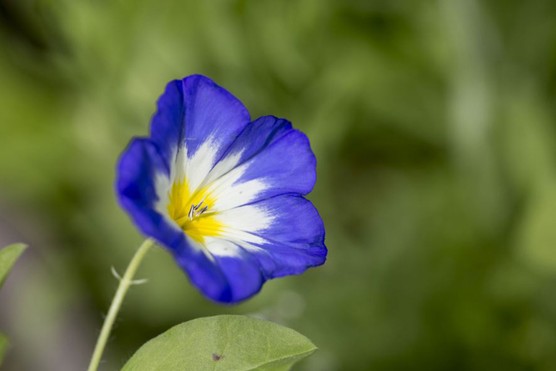
Larawan ng convolvulus tricolor mula BBC Gardeners World Magazine.

Halina at ipagdasal ang bawat isa, lalo na yaong mga nahihirapan, nagtitiis ng mag-isa sa buhay:

Diyos Amang mapagkalinga,
ibinigay mo sa amin
ang Iyong Anak na si Jesus
upang aming maranasan Iyong
pag-ibig at habag,
ang Iyong pagpapagaling at pagkandili,
ang Iyong kapanatilihan at kapayapaan
upang hindi na kami mag-isa pa sa buhay na ito;
maalala nawa naming palagi
na kung kami man ay dumaraan sa
napakatinding pagsubok sa buhay
na tila nag-iisa at walang karamay,
naroon si Jesus pinakamalapit sa amin
dahil Siya ang unang nagpakasakit
at namatay doon sa Krus
para sa amin.
Amen.

Lent is acceptance

40 Shades of Lent by Fr. Nicanor F. Lalog II
Friday, Memorial of St. John of God, Religious, 08 March 2024
Hosea 14:2-10 ><]]]]]'> + ><]]]]]'> + ><]]]]]'> Mark 12:28-34
Photo of convolvulus sabatius from frustratedgardener.com
Your words today,
dear Father,
led me back to the
Monday reflection of another
blogger about the word
"acceptance":

“Acceptance” can be seen as a passive word suggesting that we just put up with something we cannot change.

On the other hand, it can be a positive condition in our spirituality by which we prepare ourselves to hospitably receive that which we had not expected. Such positive acceptance suggests a non-judgmental, wise, and discerning heart. 

Sr. Renee Yann, RSM, https://lavishmercy.com/2024/03/03/accepted/
Why are we so fond,
O God, of doing anything
except precisely what you want
us to do?
Why can't we just accept
your words,
your plans,
or your instructions
we always disregard,
"hoping" there could be
something better?

Forgive us, Father,
when even in the
quagmire of sin and evil,
we keep resisting you,
refusing to accept
your suggestions;
let us learn
beginning this Lent
when to just stop
and simply accept
you and your words.
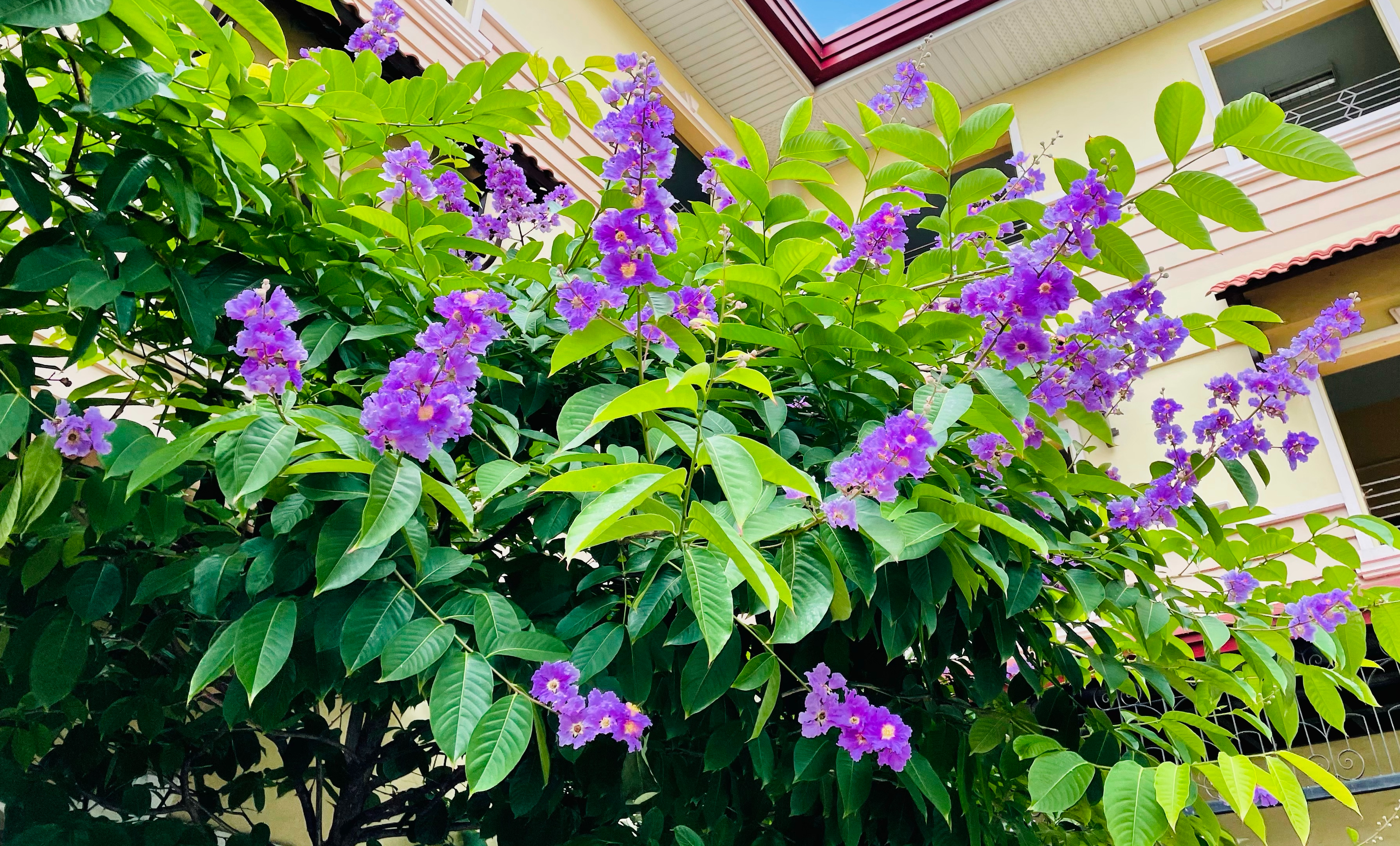
Photo by author, Banaba Tree, 2020.

Thus says the Lord: Return, O Israel, to the Lord, your God; you have collapsed through your guilt. Take with you words, and return to the Lord; say to him, “Forgive all iniquity, and receive what is good, that we may render as offerings the bullocks from our stalls.”

Hosea 14:2-3
Draw us closer to you,
Lord Jesus Christ and your
kingdom by accepting
the basic truth of our faith
that the love of God is
always the love of others;
help us realize
life is more than searching
for what is the best
possible condition
or situation we can have
but to accept our whereabouts
where we can give our best selves
to you through others
to make this world a
better one.
'
Everything, O Lord,
begins in finding you
within each of us
so we may find you in others
especially the sick and
the weakest like St. John of God
who simply accepted
everything that came to his life
as coming from you;
it is in our acceptance
of you, O Lord,
that we begin to lovingly serve
you in others because that is
also when we are able to relate
our lives
with your Church,
with the world,
with our callings;
it is in accepting these
that we become
"not far
from the Kingdom
of God."
Amen.
Photo of a convolvulus tricolor from BBC Gardeners World Magazine.

Paalala ng Kuwaresma

Lawiswis ng Salita ni P. Nicanor F. Lalog II, Ika-06 ng Marso 2024
Larawan kuha ng may-akda, 2020.

Sa lahat ng panahon sa ating liturhiya ng Simbahan, bukod tangi ang Kuwaresma dahil ito lamang ang nagsisimula ng ordinaryong araw, ang Miyerkules ng Abo o Ash Wedensday at hindi araw ng Linggo.

Kapuna-puna ang nakaraang Ash Wednesday na pumatak ng Pebrero 14, Valentine’s Day na nangyari din noong 2018. Pinag-usapan ng marami sa social media kung alin ang pipiliing ipagdiwang, Valentine’s Day o Ash Wednesday?

Nakatutuwang isipin na marami pa rin ang sumagot sa survey na pipiliin nila ang mangilin sa araw ng pagpapahid ng abo kesa ang makipag-date sa Pebrero 14; iba ang ipinakita ng mga balita at ng social media kung saan panalo ang mga nagdiwang ng Araw ng mga Puso! At tila gayon nga ang nangyari o marahil, pinagsabay nating mga Pinoy ang dalawang pagdiriwang, di alintana mga panawagan ng Kuwaresma at Miyerkules ng Abo na manalangin, magtika ng mga sala, maglimos, at mag-ayuno.

Kaya nga taun-taon, ito ang laging tanong natin, ano nga ba ang kahalagahan ng Kuwaresma sa makabagong panahong ito na kung saan mga tao ay tila hindi na nag-aayuno, wala nang sakripisyo? Higit sa lahat, paunti nang paunti na mga nagsisimba.

Ang problema natin sa Pilipinas ay hindi pa naman katulad sa kanlurang Europa at hilagang Amerika na marami nang tao ang ayaw maniwala sa Diyos. Halos lahat pa rin ng mga tao sa ating bansa ay naniniwala sa Diyos ngunit naguguluhan marahil at hindi makita Kanyang kahalagahan at kaugnayan (relevance) sa buhay sa gitna ng makabagong panahon na wala nang hindi naiimbento at naso-solusyunan.  Bagama’t sasabihan ng marami naniniwala sila sa Diyos, mas tiwala kadalasan ang mga tao sa panahong ito sa agham at teknolohiya.

Narito tatlong bagay na binibigyang-diin sa panahon ng Kuwaresma na makatutulong sa ating matagpuan muli at maranasan katotohanan, kahalagahan at kaugnayan ng Diyos sa ating buhay sa gitna nitong makabagong panahon.

larawan kuha ni Walid Ahmad sa Pexels.com

Hindi lahat ay nakikita. Sa panahon ng Kuwaresma, pinag-aayuno din kung baga ang ating mga mata upang ituon ating pananaw at pansin sa ating kalooban at sa mga bagay na hindi nakikita, unang una na ang Diyos.

Kaya walang dekorasyon ang mga altar sa panahong ito, walang mga bulaklak at hangga’t maari wala ring mga halaman. “Bare” wika nga sa Inggles ang altar. Pagdating ng Biyernes Dolores bago mag-Linggo ng Palaspas, tinatakpan o binabalutan ng telang lila ang mga imahen at larawan sa simbahan sa gayon ding kadahilanan – upang tingnan natin mga mas malalim na katotohan ng ating buhay.

Sa panahong ito ng social media, lahat na lang ay ibig ipakita at ipangalandakan maski kasamaan, kabastusan, at kasalanan. Bakit nga ba nang magkasala sina Eba at Adan, sila ay nagtago dahil sa kahihiyan samantalang ngayon ipinagmamalaki pa ng ilan kanilang ginawang kasamaan?

Larawan kuha ni shy sol sa Pexels.com

Hindi lahat ng bagay sa buhay na ito ay nakikita at lalo din namang hindi lahat dapat ay ipakita. Wika nga ng Munting Prinsipe o Little Prince ni Antoine de St. Exupery, “What is essential is invisible to the eye; it is only with the heart that one can truly see.”

Lahat na lamang sa mundo ngayon ay palabas, showbiz na showbiz ang dating upang ipagyabang mga kayang kainin at bilhin, puntahan at gawin.  Ngunit, sadya bang nagbibigay ng kaganapan at katuwaan mga iyon?  Hindi ba mas masarap pa ring namnamin mga sandali nating kapiling ang mahal sa buhay? Kung tutuusin nga, kadalasan o palagi, yaong mga bagay na natatago at hindi nakikita ang siyang pinakamakahulugan, pinakamainam sa buhay.

Katulad ng Diyos: “Walang taong nakakita sa Diyos kailanman, ngunit kung tayo’y nag-iibigan, nasa atin siya at nagiging ganap sa atin ang kanyang pag-ibig” (1 Jn. 4:12).

Sa buhay, mas mainam pa rin yung simple at nakukubli, mayroong pa ring misteryo o hiwaga na natatago kaya ang lahat ay nagtataka. At minsan-minsan ay namamangha.

Larawan kuha ni Skyler Ewing sa Pexels.com

Hindi lahat ay minamadali. Kaya tinatawag na Kuwaresma ang panahong ito ng paghahanda sa Panahon ng Pasko ng Pagkabuhay ay dahil sa bilang na kuwarenta o apatnapung araw mula Miyerkules ng Abo haggang Sabado bisperas ng Palaspas (bagama’t di naman eksakto palagi) na kung tutuusin ay limang Linggo bago ang mga Mahal na Araw. Samakatwid, mayroong paghihintay dahil kailangang makabuo muna ng apatnapung araw o limang linggo.

Ito ang isang bagay na nawawala na sa mundo ngayon, ang paghihintay. Lahat mainipin kaya siguro maiinit ang ulo ng lahat na ultimo mga bata ay stressed out. Minamadali ang lahat na hindi malaman ano at sino nga ba ang hinahabol natin. Lahat ay instant – hindi lang kape at noodles pati pagkakaibigan, pag-aasawa at pagkakaroon ng baby!

Dahil sa teknolohiya, pilit na minamanipula ng tao ngayon ang panahon na madalas ay minamadali kaya marami ang hindi na maranasan ang Diyos pati sariling pagkatao at mga kapwa-tao sa pagmamadali. Hindi kataka-taka, nawawala na rin mga mabubuting ugali ng paghihintay, pagtitiyaga, pagtitimpi at pagpipigil.

Ang lahat na pangyayari sa daigdig ay nagaganap sa panahong itinakda ng Diyos. Ang panahon ng pagsilang at panahon ng pagkamatay; Ang panahon ng pagtatanim at panahon ng pagbunot ng tanim… Ano ang mapapala ng tao sa kanyang ginagawa? Alam ko na ang itinakda ng Diyos sa tao. Iniangkop niya ang lahat ng bagay sa kapanahunan. Ang tao’y binigyan niya ng pagnanasang alamin ang bukas ngunit hindi binigyan ng pakaunawa sa ginawa ng Diyos mula sa pasimula hanggang sa wakas.

Ang Mangangaral (Qoheleth) 3:1-2, 9-11

Minsan-minsa’y matutunan nating maghintay, magrelax o mag-chill wika nga ng mga kabataan. Masyado na tayong abala sa mga bagay-bagay kaya hindi natin napapansin, namamalayan ang Diyos na nagmamahal sa atin ay kapiling natin. Ang Diyos kabaligtaran natin: maski buong buhay natin hinihintay niya tayong lumapit sa kanyang muli sakaling magpasya tayong iwanan ating mga kasalanan at maling pamumuhay upang sa kanya maranasan ang kapanatagan at kapaypaan. Tinuturuan tayo ng panahon ng Kuwaresma na tumigil at manatili sandali sa buhay, maghintay sa Diyos at kanyang biyayang nakalaan para sa atin.

Larawan kuha ni Natalie Bond sa Pexels.com

Katahimikan. Sa lahat ng mahahalagang aspekto ng Kuwaresma, ito ang pinakamahalaga sapagkat hindi tayo makapagdarasal, makapagninilay, o magsisi sa ating mga kasalanan ng walang katahimikan. Bahagi ng paghihintay ang pananahimik.

Naalala ko noong bata kami tuwing bakasyon sa halamanan ng aming Lola. Maraming tutubi noon at lahat kaming magpipinsan ang unahan sa paghuli habang nag-aasaran sa kantang “tutubi tutubi huwag magpahuli sa batang mapanghi!”

Wala ka talagang mahuhuling tutubi kapag ika’y malikot at maingay ngunit sa sandaling ikaw ay pumirmi at manahimik, kusa pang lalapit ang mailap na tutubi.

Iyon ang buhay, iyon ang Kuwaresma. Manahimik tayo upang higit nating mapakinggan ating sariling kalooban na madalas hindi natin pinakikinggan dahil bantad na bantad tayo sa iba’t ibang tinig at ingay sa atin nagdidikta ng nararapat. Kaya madalas tayong lito kasi sarili natin di natin pinapansin. Gayon din naman, sa sobrang pakikinig sa mga sabi-sabi, nag-aaway away tayo kasi hindi nating pinakikinggan kapwa natin. Ang pananahimik ay hindi pagiging bingi kungdi pakikinig na mabuti; ang katahimikan ay hindi kawalan kungdi kapunuan na kahit pinakamahinang tinig ay sinisikap nating pakinggan.

Larawan mula Pixabay on Pexels.com

Tanging mga tao na kayang manahimik ang tunay na nagtitiwala sapagkat ang katahimikan ang tahanan at lunan ng pagtitiwala. Kaya ito rin ang tinig at wika ng Diyos. Sa ating pananahimik, tayo ay nagtitiwala, naghihintay maski wala tayong nakikita dahil batid natin kumikilos ang Diyos ng tahimik.

Kapag magulung-magulo ang ating buhay, tumigil tayo at manahimik. Pakinggan at higit sa lahat damhin ang sarili at buong kapaligiran upang maranasan kaganapan at katotohanan ng buhay mula sa Diyos na kadalasan ay tahimik na nangungusap sa atin. Madalas sa buhay natin, ang Diyos iyong pinakamahinang tinig na pilit bumubulong-bulong mula sa ating puso. Sikaping tumigil at manahimik, iyon ang pakinggan at sundin at tiyak, ikaw ay pagpapalain.

Sana ay huwag palampasin pagkakataon ng Kuwaresma upang Diyos ay maranasang muli at masimulan natin ugnayang kanyang matagal nang ibig para sa atin. Salamat po.

Lent is the zeal of Jesus

40 Shades of Lent by Fr. Nicanor F. Lalog II
Sunday Recipe for the Soul, Lent III-B, 03 March 2024
Exodus 20:1-17 ><}}}*> 1 Corinthians 1:22-25 ><}}}*> John 2:13-25
Photo by author, 2019,

It has been 19 days since we started this 40-day journey of Lent as an internal pilgrimage to God our first love. Since the first Sunday of Lent, Mark guided us to Jesus as we joined him in the desert of our poverty and sinfulness to the heights of his transfiguration through the many trials and sufferings we have gone through in life.

Beginning this third Sunday in Lent until the fifth Sunday, all our gospel readings are taken from John as we come closer with God who dwells right in our hearts, his temple within us. Keep in mind that our Lenten itinerary is actually symbolic and theological in nature than an actual road map to follow; hence, our shift to the fourth gospel that is so rich in its narration of the events leading to the Holy Week.

Since the Passover of the Jews was near, Jesus went up to Jerusalem. He found in the temple area those who sold oxen, sheep, and doves, as well the moneychangers seated there. He made a whip out of cords and drove them all out of the temple area, with the sheep and oxen, and spilled the coins of the moneychangers and overturned their tables, and to those who sold doves he said, “Take these out of here, and stop making my Father’s house a marketplace.” His disciples recalled the words of the Scripture, Zeal for your house will consume me.

John 2:13-17
Photo by author, Jerusalem, 2017.

In the Bible, the Temple is the sign of God’s presence. That is how central is the Temple of Jerusalem for the Jews even until now. And John deepens this sign of the Temple for us with his most unique narration of its cleansing by Jesus in preparation for its new meaning found in Christ when he died on the Cross.

Only John noted how the disciples recalled after Easter this episode of Jesus cleansing the Temple, linking it with that line from the Passion Psalm, “His disciples recalled the words of the Scripture, ‘Zeal for your house will consume me'”. Matthew, Mark, and Luke in their accounts identically quoted Jesus citing Isaiah 56:7 when he said, “My house shall be called a house of prayer but you have made it into a den of thieves” (Mt. 21:13; Mk. 11:17; Lk.19:46).

Here, John is reminding us – like when the Apostles remembered after Easter – that Jesus is the “just man”, the promised Messiah who not only prayed but embodied this psalm that led him to his Passion and Death on Good Friday.

Save me, God, for the waters have reached my neck. For your sake I bear insult, shame covers my face. Because zeal for your house consumes me, I am scorned by those who scorn you.

Psalm 69:2, 8, 10
Photo by author, Jerusalem, 2017.

That “zeal” of Jesus for the Temple and everything it stood for that consumed him was the zeal of his self-giving love on the Cross that we find in the following conversation he had with the Jews.

At this the Jews answered and said to him, “What sign can you show us for doing this?” Jesus answered and said to them, “Destroy this temple and in three days I will raise it up.” The Jews said, “This temple has been under construction for forty-six years, and you will raise it up in three days?” But he was speaking about the temple of his body. Therefore, when he was raised from the dead, his disciples remembered that he had said this, and they came to believe the Scripture and the word Jesus had spoken.

John 2:18-22

So beautiful! Everything now becomes so clear that Jesus is the new Temple; his cleansing of the temple in Jerusalem was a declaration of his “vision-mission” right at the start of his ministry in John’s gospel (experts say John’s narration of events in Christ’s life was more of theology than chronology).

At his Crucifixion, Jesus Christ had replaced the Temple worship with “worship in Spirit and truth” (Jn.4:23) as he had told the Samaritan woman at Jacob’s well (Third Sunday Lent-A). The synoptic gospels attest to this same view of John in their accounts that upon Christ’s death, “the veil of the sanctuary was torn from top to bottom” (Mt.27:51; Mk.15:38; Lk.23:45) that signaled the end of temple worship in Jesus Christ as the new Temple of God.

Therefore, this “zeal” of Jesus for the Temple symbolizing the Father is the same zeal every disciple must have for God, for others and his Church. It is the very same zeal laid out by God to Moses at Sinai in the Ten Commandments calling on everyone to be fair and just with each other regardless of age, color, sex, and belief. The first three commandments call us for a zeal in loving God above all expressed in the same zeal we must have in the remaining commandments for our neighbors.

Photo by author, temple of Jerusalem, 2017.

After the success of the movie The Ten Commandments in 1956, reporters asked its director Cecil B. DeMilled which of the Ten Commandments of God we often violate or disobey? DeMille said it is the first commandment because every time we commit a sin, that is when we have other gods besides our one, true God.

Very true!

This is the grace of this third Sunday in Lent as we continue this internal pilgrimage to God: that we also cleanse our hearts by examining our zeal for God and for others. The other word for “zeal” is “enthusiasm” which literally means in Greek as “to be filled with God” (from en theos). To be filled with God, to be with his zeal means to be empty of ourselves first by becoming like Jesus Christ. But, how can we proclaim Christ crucified as St. Paul asserted in the second reading when we are more concerned with money and trade, fame and prestige, especially in the Church? How can we proclaim Christ crucified when we avoid his Cross, always seeking shortcuts and instants in everything? How can we be more loving like Christ crucified when we do not have the zeal for others?

Let us pray.

Lord Jesus, 
"overturn" our many excuses
and alibis of being so concerned
with things of the world
pretending we do them in the name
of God and of our family and loved ones;
"overturn" our many justifications
for not going to Mass,
for not receiving the Sacraments,
for not making time
with our family and loved ones;
set us free, Jesus,
from our many addictions
that have cut off our ties
and relationships with You
and real persons
like our family and friends.
Fill us, Jesus, with your zeal
for the Father through the Church
and everyone we meet.
Amen.
From Google.

Ang demonyong cellphone, nasa loob ng simbahan!

Lawiswis Ng Salita ni P. Nicanor F. Lalog II, Ika-22 ng Pebrero 2024
Larawan kuha ni Stefano Rellandini ng Reuters sa Manila Cathedral, Enero 15, 2015. Binatikos at binash (dapat lang) ng mga netizens mga pari noong Misa ni Papa Francisco sa Manila Cathedral nang mapansing walang tigil nilang pagkuha ng mga video at larawan, di alintana kasagraduhan ng Banal na Misa.
Ang demonyong cellphone
palaging nasa loob ng simbahan
hindi upang magsimba o manalangin
kungdi upang tayo ay linlangin
mawala tuon at pansin
sa Diyos na lingid sa atin,
unti-unti na nating ipinagpapalit
sa demonyong cellphone na halos
sambahin natin!
At iyan ang pinakamalupit 
na panunukso sa atin ngayon
ng demonyong cellphone
na ating pahalagahan mismo sa
loob ng simbahan
habang nagdiriwang
ng Banal na Misa at iba pang mga
Sakramento gaya ng pag-iisang dibdib
ng mga magsing-ibig!
Isang kalapastanganan
hindi namamalayan
ng karamihan sa kanya-kanyang
katuwiran gaya ng emergency,
importanteng text o tawag
na inaabangan, higit sa lahat,
remembrance ng pagdiriwang:
nakalimutan dahilan ng paqsisimba
pagpapahayag ng pananampalataya
sa Diyos na hindi tayo pababayaan
kailanman; kung gayon,
bakit hindi maiwanan sa tahanan
o patayin man lamang
o i-silent sa bag at bulsa
ang demonyong cellphone?
Hindi man natin aminin
ang demonyong cellphone ang
pinapanginoon,
pinagkakatiwalaan
ng karamihan kaysa Diyos
at kapwa-tao natin
kaya pilit pa ring dadalhin,
gagamitin sa pagsisimba
at pananalangin!
Kung tunay ngang 
Diyos ang pinanaligan
habang ating pamilya
at mga kaibigan
ang pinahahalagahan,
bakit hinahayaang
mahalinhan ating buong pansin
ng pag-atupag sa demonyong
cellphone tangan natin?
Pagmasdan sa mga kasalan
sa halip ating maranasan
kahulugan ng pagdiriwang,
kagandahan at busilak ng lahat,
asahan aagaw ng eksena
demonyong cellphone kahit
mayroong mga retratista
naatasang kunan at ingatan
makasaysayang pagtataling-puso
kung saan tayo inanyayahan
upang ipanalangin na pagtibayin
pagmamahalan haggang kamatayan
na ating tuluyang nakalimutan
matapos tayo ay nalibang at nalinlang
ng demonyong cellphone.
Sa bingit ng kamatayan
naroon ating "last temptation"
ng demonyo sa anyo pa rin ay cellphone
upang sa halip na ipanalangin
naghihingalong mahal natin,
demonyong cellphone pa rin
sa kahuli-hulihan ang hawak habang
kinukunan huling sandali ng pagpanaw
Diyos na ating kaligtasan, tinalikuran!
Larawan mula sa rappler.com, Ash Wednesday 2023.