The Lord Is My Chef Sunday Music by Fr. Nick F. Lalog II, 07 February 2021
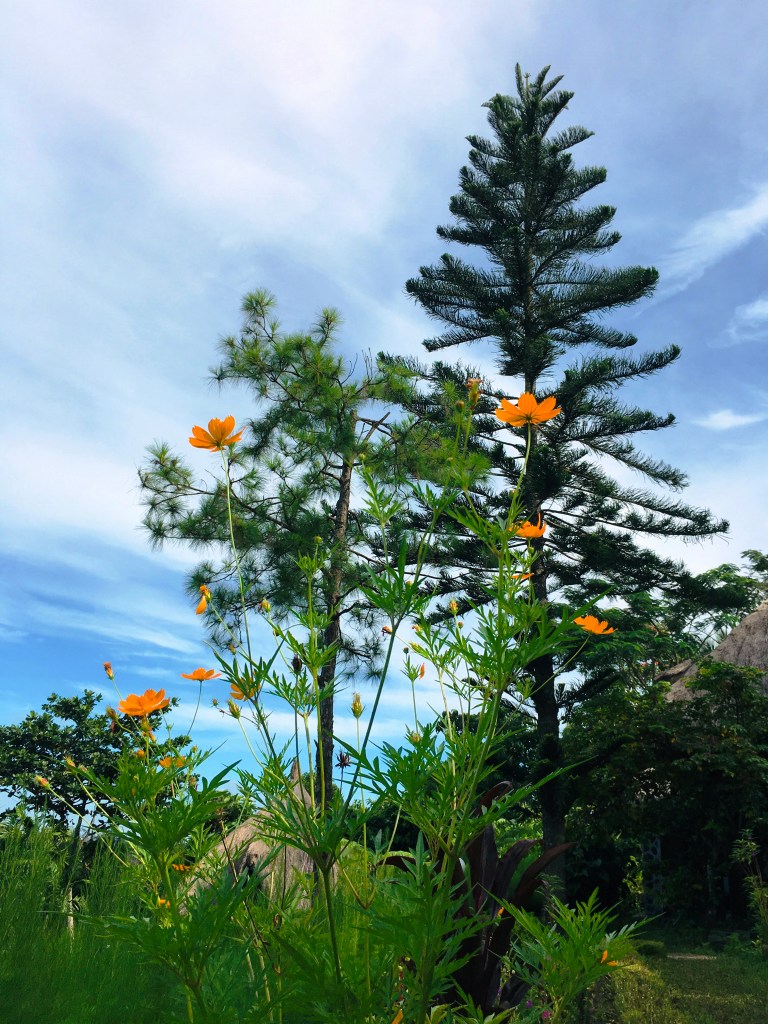
Photo by author, Pililla Wind Farm in Rizal, 07 January 2021.
If I were to make a video on today’s gospel presenting to us a typical sabbath day with Jesus Christ, I would surely use this 1998 hit by The Corrs What Can I Do. So Irish and yes, for me, so Catholic, so Christian.
The music is cool and refreshingly crisp especially with its slow doo-wop style at the start, increasing in tempo interspersed with orchestral strings that soothe your mind and soul with repetitive chorus that seem like a prayer mantra inducing you into deeper reflections and meditation.
What can I do to make you love me
What can I do to make you care
What can I say to make you feel this
What can I do to get you there
In our gospel today, Mark shows us a glimpse into the life and person of Jesus who is first of all centered in God his Father, devoutly going to the synagogue every sabbath day to worship and rising early before dawn to go to a deserted place to pray by himself.
But it was not all prayer and worship for Jesus; coming from the synagogue, he came home with Simon to heal his mother-in-law then with fever by grasping her hand and raising her up from bed. That is what Jesus does to us every time we come to join him in the Sunday Masses we celebrate, touching us, holding our hands and lifting up our sagging spirits, enabling and empowering us to fulfill our mission in this life.
After sabbath that evening, crowds of sick people and those possessed by evil spirits also came to see Jesus for their healing; the Lord did not mind their number and the darkness because that is how he really is, always coming to us to heal us, to comfort us, to simply be with us to experience his love and mercy from the Father.
But, are we there to meet Jesus passing by? Do we have the discipline also of prayer life, not just uttering prayers but truly entering into union with him in silent prayers?
Imagine it is Jesus singing this song, asking us what else must he do to make us love him, love others? What else must Jesus do so we might come to him, be one with him when it is only him who can quench our innermost thirsts in life, the only one who can fulfill us?
Have a blessed Sunday and remember, you are loved.
The Lord Is My Chef Sunday Recipe for the Soul
Fifth Week in Ordinary Time, Cycle B, 07 February 2021
Job 7:1-4, 6-7  >><}}}*>  1 Corinthians 9:16-19, 22-23  >><}}}*>  Mark 1:29-39
Photo by author, January 2021.
Mark continues to show us a slice in the daily life and ministry of Jesus Christ. We have seen last week how everything began at the synagogue where Jesus preached and healed on a day of sabbath.
The Lord is clearly telling us that everything must begin and end in God. Always.
This Sunday we see a complete 24-hour look not only into the life and ministry of Jesus but most specially to his very person as the Christ, the Son of God as he continued his preaching while proclaiming his good news of salvation to everyone.
And to truly experience him and his gospel, we have to make that effort of meeting him.
On leaving the synagogue Jesus entered the house of Simon and Andrew with James and John. Simon’s mother-in-law lay sick with a fever. They immediately told him about her. He approached, grasped her hand, and helped her up. Then the fever left her and she waiting on them.
Mark 1:29-31
Day time with the Lord…
Photo by author, morning inside our parish church during last summer’s lockdown.
We all know by heart God’s third commandment to keep holy the sabbath day. This commandment was perfected in Jesus Christ when he rose again on Easter, the day after sabbath which is our Sunday celebration.
It is true that sabbath day is Saturday but when Jesus rose from the dead on the first day of the week, the early Christians who were all Jews shifted their day of worship to Sunday. Such shift was very remarkable, proving beyond doubt the truth of the Resurrection of Jesus for the Jewish followers of Christ to abandon their Saturday worship.
In Jesus Christ, we find sabbath not just a stop in work and everything but a return to God who is our life. Such is the centrality of God in our lives that sabbath is the day of the Lord because it is the only day without any other day at par with – walang katapat kasi walang katapat ang Diyos! See there are seven days in a week, an odd number because there is one day without any “partner day” like for example Monday-Tuesday, Wednesday-Thursday, Friday-Saturday.
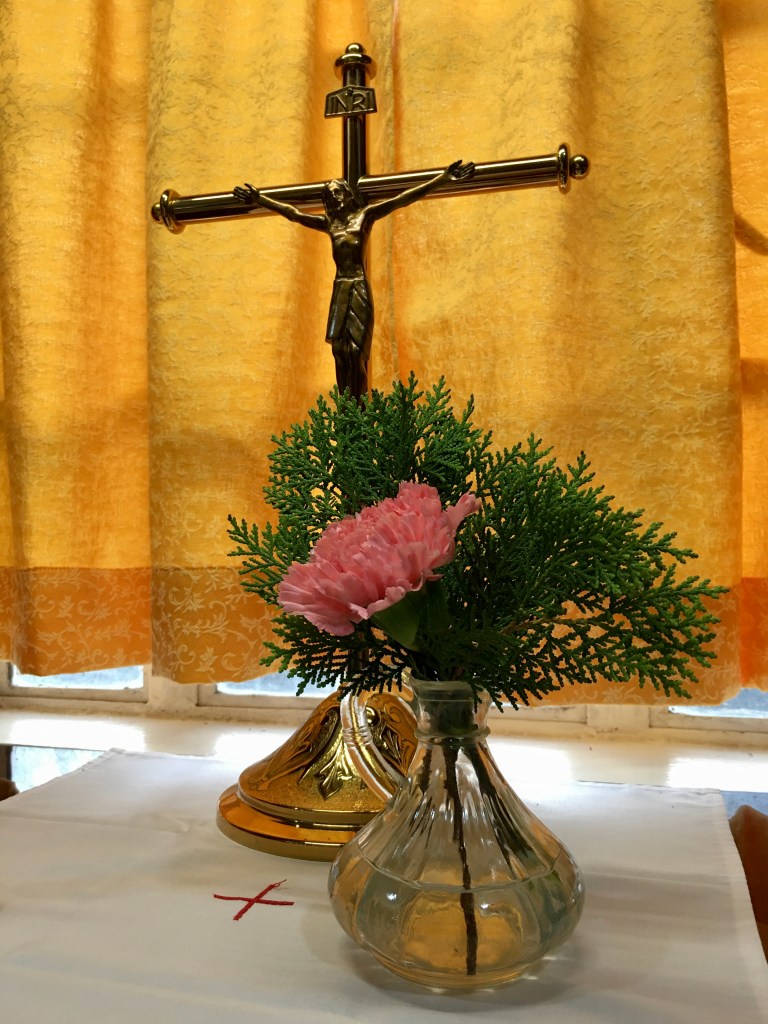
Photo by author, parish altar one morning in November 2019.
Sabbath which is Sunday for us Christians is solely for the Lord!
The four disciples of Jesus must have known earlier of the fever of Simon’s mother-in-law; they must have been worried but they went along with Jesus to the synagogue to pray and worship God first, casting aside all their worries for they were with the Lord.
It was after coming from the synagogue, when Mark tells us how “they immediately told him about her” that they witnessed and experienced an outpouring of grace in their home and family.
That imagery of Jesus grasping the hand and raising her up is so rich in meaning that tells us how God helps those who help themselves.
Imagine how even if we do not pray daily nor celebrate Mass weekly yet God never fails to bless us every day. How much more if we come and meet him every Sunday!
Here we find how every true worship of God with the community extends to our families when we bring home Jesus if we are with him so we can immediately tell him our concerns in life. Jesus comes daily to us, always wanting to hold our hands and raise us up to be well and better than before like Simon’s mother-in-law but, are we willing to meet him especially in the Holy Eucharist?
In the first reading, we find Job crying to God, lamenting his many sufferings and the sad condition of life in general, something like what Qoheleth had written. It is not a cry of revolt by Job but more of a complaint coming from the heart of a faithful servant caught between despair and hope who finds life’s nothingness without God. Despite his losing all his children and workers in a day along with his properties not to mention his getting sick, Job never turned away from God and kept on calling to him in the silence of his heart from daytime to evening until the Lord heard him and blessed him fourfold.
When it was evening, after sunset, they brought to him all who were ill or possessed by demons. The whole town was gathered at the door… Rising very early before dawn, he left and went off to a deserted place, where he prayed. Simon those who were with him pursued him… He told them, “Let us go on to the nearby villages that I may preach there also. For this purpose have I come.” So he went into their synagogues, preaching and driving out demons throughout the whole of Galilee.
Mark 1:32-33, 35-36, 38-39
Remaining in the Lord even in darkness…
Photo by author of seminarians meditating in silence after their evening prayers, November 2020.
It was still Saturday but sabbath day had already ended at 5PM (having started at 5PM of Friday) that people have started to come to Jesus to seek his healing from their sickness and possessions by evil spirits.
Darkness did not stop Jesus from serving the people despite the difficulties of seeing them, of being so tired and hungry at night, even sleepy. Likewise, darkness did not prevent Jesus communing with the Father by rising before dawn to go to a deserted place to pray alone. What a very beautiful image of Jesus as our Good Shepherd lovingly serving the sick and the poor and as our Eternal Priest making time to pray, ensuring prayer as center not only of his ministry but of his life.
That is 28 hours a week, meaning we lose one whole day or 24 hours weekly just for Facebook, Instagram and other social media platforms! Not included are the hours spent watching television. How about time with God and with our loved ones?
Photo by Ms. Ria De Vera during our Christ the King procession, November 2020.
Please allow me now to be a little personal as this is also my last full week in this first parish I have served for nine years and seven months.
If there is one thing I have learned so well from here is the value and importance ofless.
Since my ordination in 1998 until 2010, I have always been celebrating Masses in major parishes like the Malolos Cathedral, the Santissima Trinidad in Malolos (a pilgrimage parish), and the Parish and National Shrine of Our Lady of Fatima in Valenzuela. Every Mass, every sacrament there was really big time with large congregations coming.
Totally the opposite here in my first parish assignment under the beloved disciple of Jesus, St. John Evangelist. Small church building without a garage nor a patio in one small baranggay with about 12000 souls to care for.
Our Patron Saint, San Juan Apostol at Ebanghelista of Bagbaguin, Santa Maria, Bulacan.
My predecessors saw this as too small that they did not have daily Masses. But I felt in my prayers that is the only thing Jesus wanted me to do here: make him present in the daily Masses and other sacraments.
We started with just five people attending our daily Masses while Sundays were half-filled. Before COVID-19, we have increased attendees to our daily Masses to about 20 people and our Sunday celebrations have become almost seating capacity.
At first I felt sad and disappointed but the people here kept on telling me it is a miracle already that “so many people” were coming for the Masses. Slowly, I have come to accept our situation that that’s the way it is. And that is where I felt God blessing us so abundantly with our less!
Modesty aside, in the past nine years we have sent more children to receiving the Sacraments of Holy Communion and Confirmation (without any fees but with free snacks) since 1998 when this started as a quasi parish. We have almost baptized every adult person who have not yet received the sacrament too.
COVID-19 stopped everything, affecting our collections so bad but we just kept on serving and proclaiming Jesus with our daily Masses seen online, motorcade of the Blessed Sacrament every week, distribution of the Holy Communion every Sunday to those who attended our online Mass including through our innovative “drive-thru” Communion.
01 November 2020.
We never beg the people for donations but they all poured in, enabling us to continue helping the poor like helping them bury their dead, even renovate our church with the finest liturgical vessels and things!
One thing has become clear with me: always begin in God, keep him as our center in everything and all else follows.
Remember those days when you were centered in Christ; despite the problems and trials, we were never forsaken by the Lord. Even if we have lost some of our life’s battles, we have still emerged victorious because we have become stronger and fulfilled inside.
We all come and go, especially us priests but, our mission as disciples of Christ remains the same everywhere which is to make Jesus present, make God known to everyone like in the gospel today. This we can only accomplish when we remain one in him, totally free for him and free from other attachments to be free for all.
Like St. Paul, may we all strive especially us your priests to be “all things to all men” -omnia omnibus (1Cor.9:22) by being free to lovingly serve others especially the weak and the poor in Christ Jesus. Amen.
Photo by Mr. Red Santiago of his son praying in our parish, November 2019.
The Lord Is My Chef Breakfast Recipe for the Soul
First Friday, Memorial of St. Agatha, 05 February 2021
Hebrews 13:1-8     >><)))*>   +++  <*(((><<     Mark 6:14-29
Photo by author, Silang, Cavite, September 2020.
Your words today are very disturbing, Lord Jesus. So many times I find myself like Herod perplexed at listening to your words, praying your words, analyzing and learning your words for they are so delightful to the feelings but so disturbing when I am in a state of sin.
Forgive us, dear Jesus, in making into a cliche that beautiful prayer we once in a while utter to you, “Disturb us, O Lord.” So often we hear and read this beautiful prayer without really meaning it so well like Herod in today’s gospel.
Herod feared John, knowing him to be a righteous and holy man, and kept him in custody. When he heard him speak he was very much perplexed, yet he liked to listen to him. Herodias had an opportunity one day when Herod, on his birthday, gave a banquet for his courtiers, his military officers, and the leading men of Galilee…
The girl hurried back to the king’s presence and made her request, “I want you to give me at once on a platter the head of John the Baptist.” The king was deeply distressed, but because of his oaths and the guests he did not wish to break his word to her. So he promptly dispatched an executioner with orders to bring back his head. He went off and beheaded him in the prison.
Mark 6:20-21, 25-27
Disturb us, O Lord?
So nice to read, so good to say but never easy to totally feel and live out its real meaning!
There is no doubt at how your words disturb us, dear Jesus, bothering our conscience, making us feel uncomfortable specially when we are deeply into sin and evil; but then, we would reason out with our usual alibis and justifications that eventually we find a way out of your teachings like Herod in taking the wife of his brother Philip.
Ironically, and yes, tragically, when our words are put to test by somebody else’s words, we feel more distressed like Herod when asked for the head of John after making a pledge to his daughter to ask for anything. Shamefully, that is when we are pushed to edge to finally make a decision on something so wrong simply because we felt challenged and dared to assert our position and power. We act instinctively without much thinking if we are just being taken for a ride, of being manipulated like Herod.
Beheading of John the Baptist from wikipediacommons.org.
O Lord, you know us so well. Too often in life, we would rather bear the daily hurts no matter how painful for as long as we look good among others than suffer big time in confronting and accepting our true selves before you for fear it could badly wound us, exposing our true selves and other vulnerabilities as a person like Herod. Yes, we would rather save face than save souls.
Give us the grace and courage, Lord Jesus Christ, to face up and dare ourselves to rise to your challenge of purifying ourselves into better persons like John the Baptist who truly played his role as your precursor with his prophetic preaching.
Like St. Agatha your holy virgin and martyr, may we persevere in our sufferings, not disturbed at all at what others may say except in how we may witness your Gospel of love and mercy for you are always “the same yesterday, today and forever” (Hebrews 13:8). Amen.
A mosaic of St. Agatha of Sicily whose breasts were cut off by her torturers hoping she would renounce her faith in Christ. She remained faithful to Jesus who sent St. Peter to appear to her in a vision to console her and thus became the patron saint for those with breast cancer. She eventually died a martyr while in prison as a result of the repeated cruelties inflicted to her around year 251. Photo from aleteia.org.
Quiet Storm by Fr. Nicanor F. Lalog II, 04 February 2021
We have started this travelogue sharing with you how the Divine — God and music as food of the soul — have guided us in this road trip. He is the Invisible Hand leading us to directions not found on maps nor recognized by GPS, leading us to new discoveries not only to places outside but deep within us.
Let me now share with you the people we have met in this road trip, our companions who enriched our journey.
The word companion is from two Latin words cum + panis that mean “someone you break bread with”, not just someone you travel with but someone you share life with. After all, every journey is not just about places we visit but more of the persons we travel with and meet along the way.
During our first stop at the Baras Church, its sacristan mayor named Alvin told us an interesting story that had allegedly happened at the Pililla Wind Farm before its closure last year due to the COVID-19 pandemic.
According to Alvin, a group of bikers in 2019 allegedly posed half-naked while doing the dirty finger sign with the wind turbines as background. The people at the wind farm felt the place “desecrated” by that act especially after the photos were posted in social media, prompting them to tighten security in the area until the pandemic came that have kept it closed since then.
Though we have no way of verifying Alvin’s story about the “desecration”, it was not farfetched at all considering our penchant for anything notorious and vulgar like – sorry for the terms – kasalaulan and kababayun.
How sad that everything is desecrated and disrespected in our country like a whole environment, public places that include parks and monuments, even churches and schools as well as culture and history, not to mention the people taken for granted especially the weak and marginalized.
But it is not that bad at all. Especially in the province of Rizal where local residents remain warm and hospitable. Most of all, honest and trustworthy.
We were actually laughing because we both did not know how to take selfies…
This we have experienced first hand after Dindo had left his wallet at a convenience store two kilometers from Baras. When we returned to the store, we were so impressed because the guard and another staff member were waiting for us to give us back the wallet. We did not even leave our car as the wallet was promptly handed to us without asking us any questions at all.
Honesty is still very much alive here in our country. We just have to trust and be honest with others, too!
In fact, one thing we noticed that whole Thursday in Rizal was how everybody was so kind and nice, especially at the three churches we visited in Baras, Tanay, and Morong.
They were so kind and courteous with a ready smile to everyone, not grouchy like in some parishes. I did not have to introduce myself as a priest to be treated well that I felt like coming home while visiting those three churches!
It prompted me to commend Msgr. Rigs de Guzman of Tanay in having formed so well their church workers and volunteers whose goodwill flowed so naturally, not rehearsed nor faked because we were visitors.
St. Joseph Parish at Baras, Rizal.
Such kindness and niceties are things becoming so rare these days in many churches in our predominantly Christian nation when people complain against priests and lay people alike in being so cold and impersonal in dealing with the faithful who complain, saying “mga taong simbahan pa naman… kay susungit at sasama ng ugali.”
Sometimes, people leave the Catholic Church not because of difficult teachings and doctrines but of difficult people who failed or refused to witness Jesus Christ in their lives as his servants and disciples.
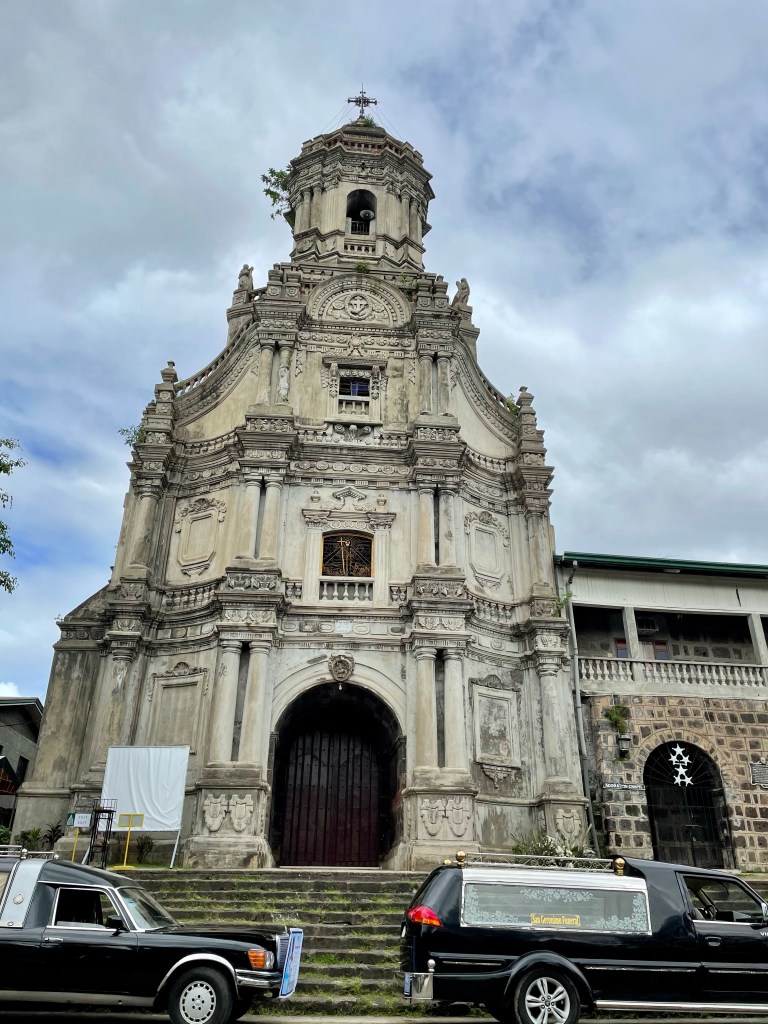
Parish of St. Jerome in Morong, Rizal.
At the beautiful Parish of St. Jerome in Morong, we arrived while a funeral Mass was ongoing. Not knowing where to park as the patio was filled with people, I drove up its old and beautiful driveway all the way to its main door.
Surprisingly, nobody blocked or prevented us from driving there; when I asked if we can park there, the people simply nodded their heads in approval!
And when we went to the parish office to ask permission to go to the side altar to pray, one of the volunteers willingly led us inside so we can comfortably have a seat.
After we have prayed, we decided to skip our usual picture taking due to the ongoing Mass, choosing to feast our eyes with the amazing sight of this church’s unique architecture built by Franciscan Missionaries in 1620 and renovated to its present structure in 1853.
As we marveled at the imposing but genteel facade of the Morong Parish Church, I somehow got a feel of the people’s vibrant faith nurtured by their pastors who must be so dedicated too to have maintained its old and original architecture. One may also notice the same thing with the modern churches in the Diocese of Antipolo that covers the ecclesiastical province of Rizal where there is that blending of faith, arts, and architecture.
They must be so rich in having “respect” as in respect to the past, respect to the culture, and respect to the people that they have kept their many old and modern churches unaltered for so many years.
Altar of the Parish of St. Ildephonse in Tanay, Rizal declared as a National Cultural Treasure by the National Commission for Culture and the Arts in 2001.
How sad is the “edifice complex” afflicting some priests especially in our own Diocese of Malolos in Bulacan where many churches, old and new alike, have been disfigured with never ending renovations and constructions as well as overdecorating them that many have looked like cheap cakes smothered with icings.
Many seem to have forgotten the direct correlation between “church as the people gathered in faith” and “church as a building”.
Incidentally, the term used by the early Christians to refer to the Holy Eucharist as they gathered together was “breaking of bread”, a direct reference to our word companion because in every religious gathering, the companionship of the people is indicative of their kind of faith in God.
How lovely it is to see our churches, especially the old ones, as companions in our faith journey in God, to God!
'The real voyage of discovery consists
not in seeing new sights,
but in looking in new eyes."
--- Marcel Proust
As we end this series of our travelogue, we go back to the lovely Parish Church of St. Ildephonse at Tanay, Rizal where we found something so mysterious like Steely Dan’s Pretzel Logic and Deacon Blues.
On the left wall near the main door is found the Seventh Station of the Cross when Jesus fell for the second time on his way to the calvary. It is a huge woodcarving done by local artisans in 1785 using local colors like the Malay features of the images depicted with their brown complexion, large and round eyes, and “squared” body features.
See the man leading the pack blowing a carabao horn for a tambuli while the soldier carried a bolo instead of a sword?
Most unique of all that makes Tanay’s Stations of the Cross as the most amazing and beautiful in Asia is that man at the middle wearing sunglasses, looking afar.
No one can truly explain why that man was portrayed as wearing shades that were already in existence at that time from China called “smoked glasses”. Some claim that man is the high priest Caiaphas who led the Sanhedrin in the trial that found Jesus guilty of blasphemy for claiming himself to be God.
Still, it does not answer the question why wear shades?
My kinakapatid Dindo claimed the woodcarving proves that rock and roll had long been in existence since the time of Jesus Christ, the real Superstar as presented in the 1970 rock opera by Tim Rice and Andrew Lloyd Weber.
Rock and roll is more than a kind of music. It is a way of life, a different kind of looking at things that try to disregard conventional and traditional ways by trying to get to the very roots of the things we do and hold on to.
Again, the word roots is from the Latin radix from which comes the word radical to describe people with revolutionary thoughts who go against the usual and accepted ways of life by going back to the roots of our many ways of life.
Radicals are not necessarily violent who shake our beliefs to see things more clearly like the woodcarver of this Seventh Station of the Cross in Tanay.
He must be telling us how often we try to color the world according to the hues and shades we want to see it that we become oblivious to the plight and sufferings of those around us like Jesus falling for the second time. Sometimes the key in truly enjoying this journey called life is to take off our shades and see others in their true colors by revealing also our true selves.
That is the greatest joy of every road trip when we do not really take the trip but it is the trip that takes us, giving us new eyes to see life in new perspectives and dimensions never seen before.
Our recent road trip actually started even before we planned it three years ago. Dindo and I have been traveling together as companions – breaking bread with each other – sharing life, its joys and pains, fears and hopes long before we took this road trip.
Though we travel on different roads in life, our paths have merged in various points and intersections without us really knowing it, deepening our ties and friendship truly as kinakapatid. It was actually a trip started by our dads who were cumpadres and never did I imagine those trips to their home at Little Baguio every New Year while growing up would eventually lead us to Baras, Tanay, Pillila, and Morong in Rizal!
In between songs and stories and jokes as we got lost going to Pililla Wind Farm, we have realized that we all have the same problems and issues in life. They just come in different shapes and colors that make every journey so wonderful.
Where have you been lately? And how are the people you have met? Try to remember the people you have been traveling with as companions in this journey of life. Thank them and most of all, take a break to let any trip take you — a road trip, a food trip, or any trip except bad trip!
Thank you very much in joining me in this blog and trip. May God bless your journey as well as your companions. Amen.
The Lord Is My Chef Breakfast Recipe for the Soul, 03 February 2021
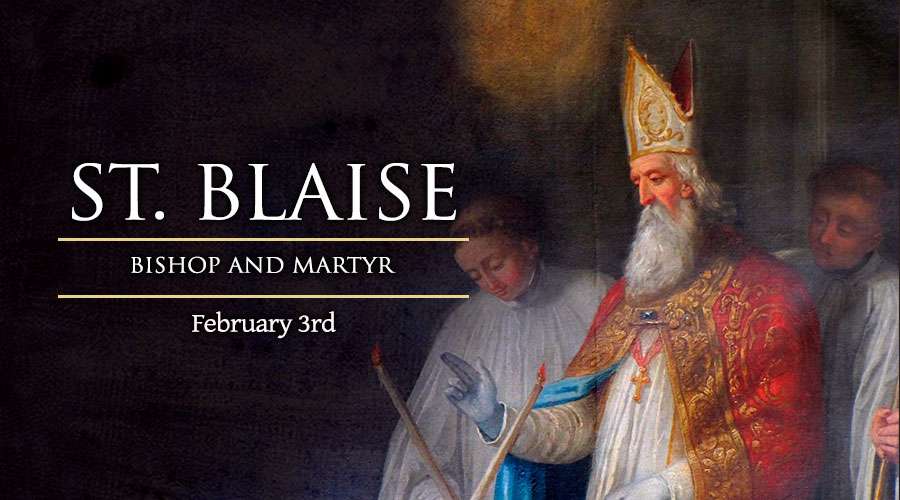
Wednesday, Memorial of St. Blaise, Bishop and Martyr
Hebrews 12:4-7, 11-15     <*(((><<   +++   >><)))*>     Mark 6:1-6
Photo by author, sacristy table, December 2020.
O God our Father, thank you for enlightening us today about the sufferings we are going through especially at this time of the pandemic. Forgive us for those times we have doubted you and your love for us when we go through many sufferings, forgetting that these are a part of our lives you have allowed to happen so we may grow and mature.
Forgive us when at the slightest sign of pain and sufferings, we balk at taking the path of the Cross of Jesus Christ, choosing to commit sin than being faithful to you.
Help us realize that when we suffer, the more you are nearer to us truly as a Father who lets his children go through trials and hardships to make him better and stronger in the future.
Endure your trials as “discipline”; God treats you as sons. For what son is there whom his father does not discipline? At the time, all discipline seems a cause not for joy but for pain, yet later it brings the peaceful fruit of righteousness to those who are trained by it. So strengthen your drooping hands and your weak knees. Make straight paths for your feet, that what is lame may not be dislocated but healed.
Hebrews 12:7, 11-13
We pray, O Lord, for those going through so much sufferings today especially those undergoing chemotherapy, dialysis, and physical therapy; those who have lost loved ones, who have lost their jobs.
Most specially, we pray for those suffering from rejection like Jesus when he came home to his native place and people took offense at him after hearing him spoke at the synagogue and healed so many sick people in other places.
It is one of the most painful sufferings anyone can go through, of being rejected by family and relatives, co-workers and colleagues, friends and neighbors.
Like St. Blaise, may we bear all pains and sufferings in life so we may strengthen the weak among us and offer healing to those who are sick and afflicted.
Most of all, like St. Blaise, as we accept the pains and sufferings coming our way, may we strive hard to never be the source of pains and sufferings to others. Amen.
The Lord Is My Chef Breakfast Recipe for the Soul
Tuesday, Feast of the Presentation of the Lord, 02 February 2021
Malachi 3:1-4  >><)))*>  Hebrews 2:14-18  >><)))*>  Luke 2:22-40
“Presentation at the Temple” painting by Italian Renaissance artist Andrea Mantegna done around 1455; Mary holding Baby Jesus while St. Joseph at the middle looks on the bearded Simeon. The man at the right is said to be a self-portrait of the artist while the woman at the back of Mary could be his wife. Photo from wikipedia.org.
Dearest God our Father:
It has been 40 days since Christmas when you sent us your Son our Lord Jesus Christ! Thank you very much for this wonderful gift but, have we had him? Have we truly met him?
Fill us with your Holy Spirit like Simeon, dear God: make us devout like him who finally “met” Jesus Christ on his presentation at the temple by Joseph and Mary.
Now there was a man in Jerusalem whose name was Simeon. This man was righteous and devout, awaiting the consolation of Israel, and the Holy Spirit was upon him. It had been revealed to him by the Holy Spirit that he should not see death before he had seen the Christ of the Lord. He came in the Spirit into the temple; and when the parents brought in the child Jesus to perform the custom of the law in regard to him, he took him into his arms and blessed God…
Only St. Luke used the word “devout” in the scriptures. First in describing Simeon, and thrice at the Book of the Acts of the Apostles to describe the Jews who attended the pentecost at Jerusalem (2:5); “the devout men who buried” our first martyr Stephen (8:2), and called Ananias a “devout observer of the law” when you told him to pray over and heal Saul who got blinded on the way to Damascus (22:12).
Teach us to be devout like Simeon, give us a “good heart, ready to believe, and then to act openly and with courage” (Timothy Clayton, Exploring Advent with Luke; page 125).
More than being faithful to you, a devout person O Lord is one who does not only wait patiently for your coming but most of all, looks forward to its fulfillment by making it happen. Exactly what Simeon and Anna did on that day when Mary and Joseph presented Jesus at the temple.
So many times in our lives, Jesus comes, enlightening our minds and our hearts but we are so busy with so many other things that do not truly fulfill us, that in the end, would be more of an excess baggage on our way to you and others. And eventually, making death difficult and devastating instead of becoming a blessing like with Simeon and Anna.
Let us spend more time meeting Jesus in prayers to be more attuned with his coming so that we may be ready to follow his promptings and leads.
May we also learn to respect and care for others in order to meet Jesus like Simeon who recognized his parents for their roles in bringing the child into this world; likewise, the attitudes of Mary and Joseph in giving Simeon and Anna the child Jesus. What a beautiful scene of loving and caring for one another, especially of respect for the elderly! So many times we forget that truth, that we meet Jesus coming in others.
Lastly, fill us with joy no matter how difficult life may be has for us; we can never meet your Son Jesus if all we have are bitterness and resentments. Like Simeon and Anna, they were overflowing with joy, so excited to meet Christ and upon encountering him that day, they embraced him in their arms, expressing their readiness to die and rest in peace.
“Now, Master, you may let your servant go in peace, according to your word, for my eyes have seen your salvation, which you prepared in sight of all the people, a light for revelation to the Gentiles, an d glory for your people Israel.”
Luke 2:29-32
Dearest Father in heaven, make us devout like Simeon and Anna with hearts overflowing with joy, striving to realize its fullness only in Jesus Christ, in this life and hereafter. Amen.
The Lord Is My Chef Breakfast Recipe for the Soul
Monday, Fourth Week in Ordinary Time, 01 February 2021
Hebrews 11:32-40     >><)))*> + >><)))*>  +  >><)))*>     Mark 5:1-20
Photo of Mang Dodong who was detained at a Navotas quarantine area for almost 30 days last summer for not having a quarantine pass while buying fish there that he would resell in Caloocan to earn much needed income during the lockdown. It was also during that time of his detention when a senator and a police general were caught violating more serious health protocols but were neither punished nor even reprimanded.
As we all go back to work and studies this Monday, so many of our brothers and sisters are staying home, some are remaining in the hospitals while many others are in some form of living in the territory of Gerasenes like in today’s gospel living in isolation, cut off from our human community.
I pray for them, dear God our Father.
I pray for those living in isolation due to various reasons like severe sickness and disability including old age, poverty and other social illnesses that have left them with marks and stigma that cut them off from the rest of our human community.
The man had been dwelling among the tombs, and no one could restrain him any longer, even with a chain. In fact, he had frequently been bound with shackles and chains, but the chains had been pulled apart by him and the shackles smashed, and no one was strong enough to subdue him. Night and day among the tombs and on the hillsides he was always crying out and bruising himself with stones.
Mark 5:3-5
So many people today are suffering loneliness and isolation, Lord, the plague of our modern age when we are supposed to be more mobile and connected with everyone due to modern means of communications and transportation.
Worst, the pandemic had cut them off so painfully from others as life gets more difficult for everyone these days.
Increase their faith, remind them like the author of Hebrews, of how men and women in the Old Testament trusted in you and overcame all obstacles in life.
Help us discern concrete steps we may take to reach out to those living in isolation so we may welcome them back to our community to experience again the joy of companionship especially in critical moments of sickness and difficulties.
Come, Lord Jesus Christ, come and set us free from the chains and shackles that bound us away from each other; heal us of our illnesses that separate us so that we may be cleansed anew to proclaim your glory of living together as a community. Amen.
Photo by author at Shambala, Silang, Cavite, September 2020.
The Lord Is My Chef Sunday Recipe for the Soul
Fourth Week in Ordinary Time, Cycle B, 31 January 2021
Deuteronomy 18:15-20  +  1 Corinthians 7:32-35  +  Mark 1:21-28
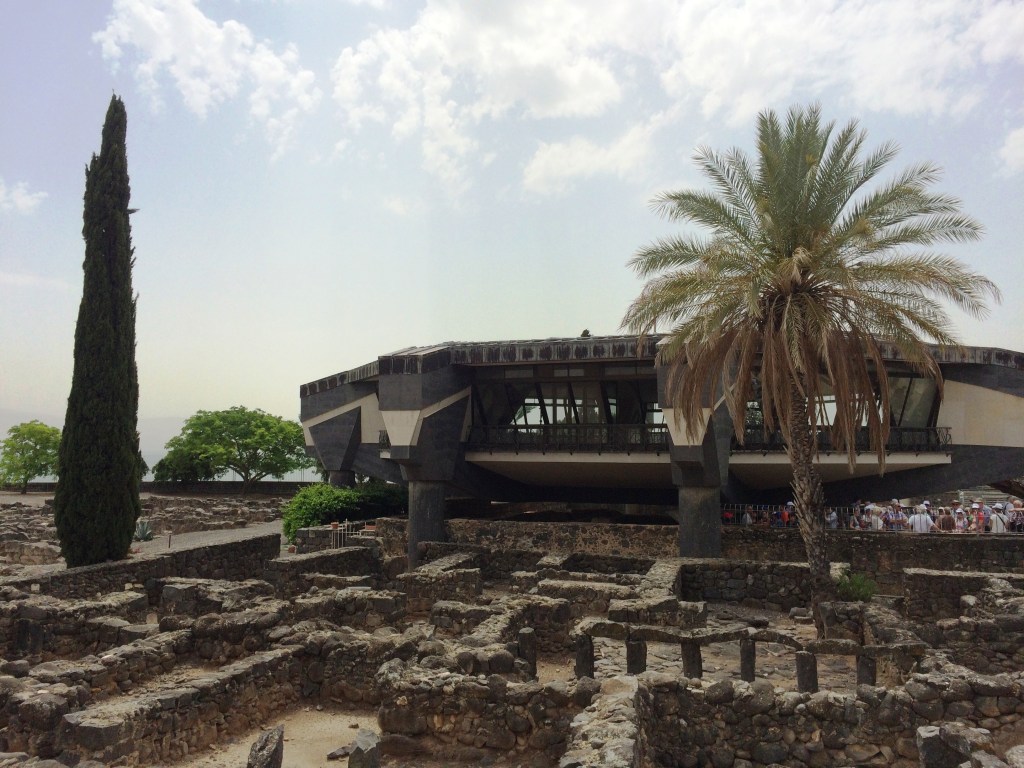
Photo by author, ruins of the old Capernaum where Jesus lived, May 2017.
As Jesus began his public ministry last week by the shores of the Lake of Galilee calling his first disciples, Mark presents us beginning today some glimpses into the life and person of the Lord in Capernaum where he grew up and would temporarily base himself.
Then they came to Capernaum, and on the sabbath Jesus entered the synagogue and taught. The people were astonished at his teaching, for taught them as one having authority and not as the scribes. In their synagogue was a man with an unclean spirit… All were amazed and asked one another, “What is this? A new teaching with authority. He commands even the unclean spirits and they obey him.” His fame spread everywhere throughout the whole region of Galilee.
Mark 1:21-23, 27-28
First thing we notice with Jesus is his devotion to Judaism, his going to the synagogue at sabbath to worship God his Father; later we find how during major feasts he would also come to the temple at Jerusalem. What a beautiful reminder that personal faith and relationship with God has to be expressed and lived in a community like in our parishes.
In this glimpse into a typical sabbath day in the life of Jesus, we also find the reason why he launched his ministry from the province of Galilee and not at the center of Israel which is Jerusalem: and that is to serve the poor and marginalized, those neglected with nothing in life who always felt left out and forgotten by everyone.
That is no longer true as we heard him declared last Sunday, “This is the time of fulfillment. The kingdom of God is at hand. Repent, and believe in the gospel” (Mk.1:15).
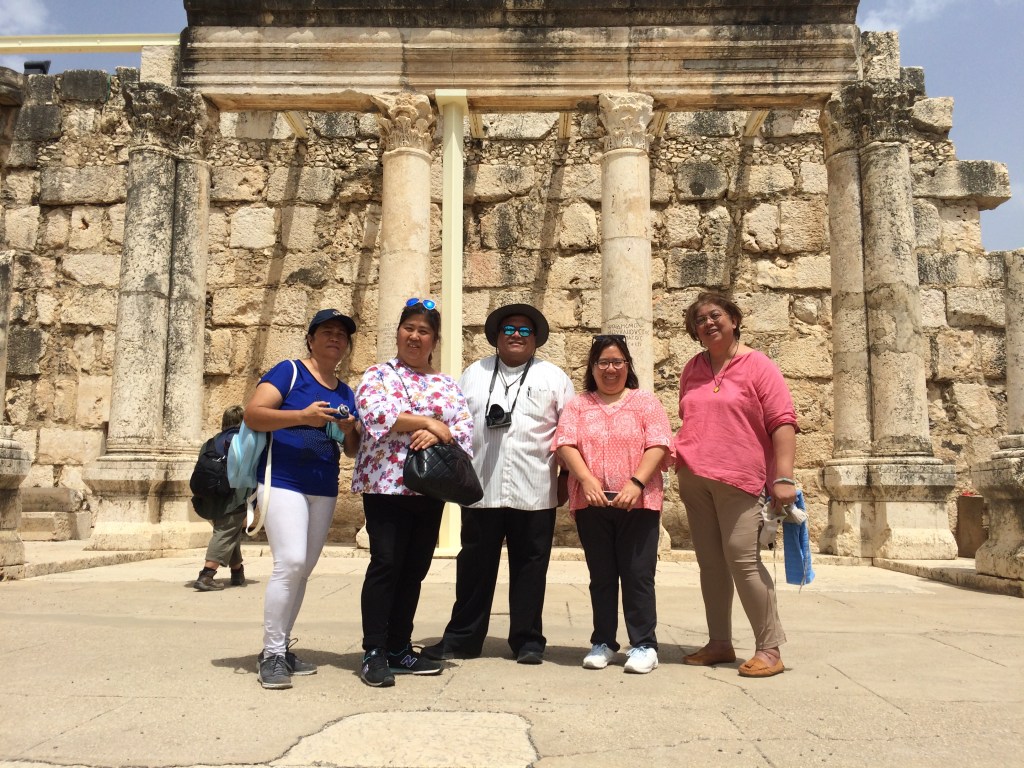
The author with friends and former colleagues at the ruins of the synagogue at Capernaum where Jesus preached on sabbath (May 2017).
A new teaching, proclaimed with authority
Mark tells us twice in our short gospel this Sunday how the people experienced Christ’s having authority in the way he spoke that was so unlike their scribes. Most of all, the people were amazed at his authority and power of words that expelled an “unclean spirit” from a man at their synagogue.
It was definitely something totally new and different that they wondered if it were a new kind of teaching, not knowing it was already God right in their midst in Jesus Christ, the Word who became flesh!
Today Jesus is teaching us the real meaning of power, his power of authority that actualizes persons and communities. Like the first disciples he had called last week, the people at the synagogue felt his words affecting them within. Their hearts must have been stirred and moved that they felt so good, moving them to share it with everyone that they all shared in the joy of hearing something new, something fresh and uplifting.
And it did not stop there.
The people then witnessed Jesus how drove away with his words an unclean spirit from a possessed man. They were amazed more upon seeing the possessed man freed from unclean spirit that “His fame spread everywhere throughout the whole region of Galilee.”
Such was the impact Jesus made on that day of sabbath at Capernaum that continues to our day especially when we gather for the Sunday Eucharist if we can only share in his authority.
Authority as power is always a service that sets people free.
Photo by author, a column among the ruins of the Capernaum synagogue in Galilee, May 2017.
The word authority came from the Latin verb augere, augeribus meaning “to make something increase” or become better. Akin to the word authority is also the word “author” as in the writer of a book or of a document whose words are regarded as true and correct, worth listening and following.
Therefore, real authority is not just having the power over the people to rule and subjugate them as most of us would always think.
Authority in the real sense is service, the power to enable and empower people so that they may become better persons, that they may mature and transcend themselves to grow as persons with so much potentials for change and development.
True authority always leads people to freedom from darkness and sins, sickness and evil that brings out their giftedness as beloved children of God.
That is the authority of Jesus who declared that he had come to serve and not to be served by giving his life as a ransom for many (Mt.20:28) so that we may all have life in him as our good shepherd, a life in abundance (Jn.10:10).
Jesus is the prophet promised by God to Moses in the first reading who shall come to his people to speak to them his very words of life. And by tracing our being prophets with authority to Moses, the first reading gives us too the only criterion for recognizing the true spokesperson of God: he must always speak the word of God that is always actualizing when spoken with humility and sincerity.
Notice how in our language and culture the close linkages of words and authority are so clearly pronounced and recognized: we call people with authority as “mga taong may sinasabi” because people who wield power always have a say in everything.
But what are they saying? What words would always come out of their mouths? Are they life-giving or inducing death, glorifying evil?
So many times, people say so many things that are nothing and senseless. Ang dami-daming sinasabi wala namang sinabi! That is how we call people without impact and true authority: walang sinabi.
Photo by author before celebrating a Mass at the back of Capernaum near the shore of the Lake of Galilee, May 2017.
How sad these recent years, we priests and bishops complain so often how people would no longer listen to usin the Church.
Could it be that this is due to the fact we have stopped speaking the words of God, when all we care to speak of is what we know, what we think of so we would be powerful and famous specially in the various social media platforms? (See https://lordmychef.com/2021/01/27/from-the-ear-to-the-heart/)
We say so many things but fall on deaf ears, no impact, no life at all because they are not the words of Christ whom we have long forgotten.
Worst, how tragic when we impose our own words, insisting our authority on the people that most often is self-serving, far from true and loving service of Jesus Christ.
Whatever happened to that ideal of lay-empowerment when we would not let people speak or at least listen to their voices and thoughts in running their parish?
Before we can make people listen to the words of God, we in the Church must be the first to listen to his words that come to us in a life of prayer and devotion to the Eucharist. What a hypocrisy on our part when we who are supposed to be unmarried and celibate who are “anxious about the things of the Lord, how he may please the Lord” (1Cor.7:32) would not even spend time to pray and listen to Jesus in the Blessed Sacrament daily.
Every day especially in every celebration of the Mass, Jesus comes to us in his authority to set us free from our fears and anxieties, sickness and sins, anger and resentments, compulsions and addictions among other things that hinder us from truly experiencing the beauty of this life.
Let us all pray today for us to have a share in the authority of Jesus Christ to set us free from our being deaf and dumb, blind and lame in the Church that is also his Body. Amen.
The Lord Is My Chef Breakfast Recipe for the Soul, 28 January 2021
Thursday, Feast of St. Thomas Aquinas, Priest and Doctor of the Church
Hebrews 10:19-25     >><)))*>   +++   <*(((><<     Mark 4:21-25
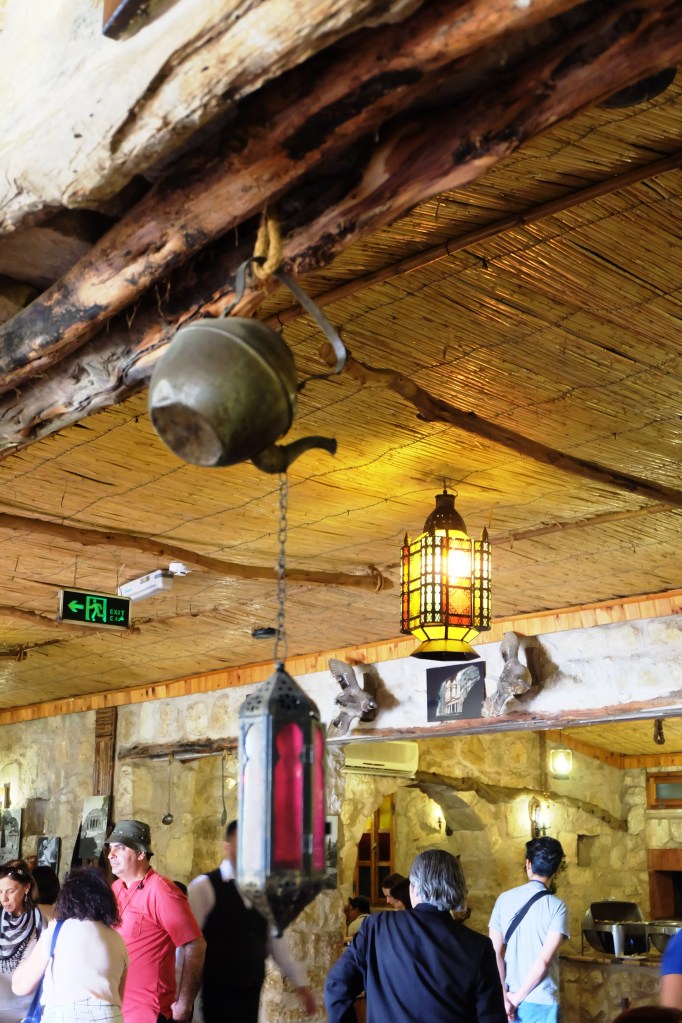
Photo by author at Petras, Jordan, May 2019.
Our loving God and Father in heaven, thank you very much in sending us your Son Jesus Christ as our Eternal Priest who has enabled us all to approach you “with a sincere heart and in absolute trust, with our hearts sprinkled clean from an evil conscience and our bodies washed in pure water” (Heb. 10:22).
In becoming our Eternal Priest with his great sacrifice on the Cross made present day in, day out in the Holy Sacrifice of the Mass throughout the world, you have filled us with more of your love, O Father to become also your gift, your light, your blessing to others through Jesus Christ.
Like your “Angelic Doctor”, St. Thomas Aquinas whose feast we celebrate today.
Here is a great saint of your Church who truly listened to Jesus Christ, heeding his admonition,
“Is a lamp brought in to be placed under a bushel basket or under a bed, and not to be placed on a lampstand? For there is nothing hidden except to be made visible; nothing is secret except to come to light. Anyone who has ears to hear ought to hear.”
Mark 4:21-23
Teach us to be truly humble before you, Father by becoming who we really are, a lamp of your Son Jesus Christ like St. Thomas Aquinas.
Let us be a lamp who would not hide but let Christ’s light of love and kindness, mercy and compassion shine on those suffering in pain especially the poor and needy.
Let us be a lamp who would not hide but let Christ’s light of wisdom and knowledge, moral certitude and courage shine on those in darkness and cowardice.
Let us be a lamp like St. Thomas Aquinas making you present O God, the real Truth – Veritas – of this life in Jesus Christ. Amen.
The Lord Is My Chef Breakfast Recipe for the Soul
Wednesday, Third Week in Ordinary Time, 27 January 2021
Hebrews 10:11-18     >><)))*>  +  >><)))*>  +  >><)))*>     Mark 4:1-20
Forgive me, Lord Jesus, for being deaf, for refusing to listen to you, for not having the ears to hear your calls. Twice you called out on the crowd gathered before you in the gospel today, “Hear this! A sower went out to sow… Whoever has ears to hear ought to hear” (Mk. 4:3, 9).
So many times in life, we have forgotten the essential use of our ears which is to hear and listen so we may understand. Most of the time, our ears have been reduced to mere decorations of our head to hold eyeglasses as well as be stuffed with ear plugs or covered with headsets to be deadened by sounds we prefer to hear and listen to.
Make us realize anew that our ears were shaped in such a way to look like our heart when put together so that the more we hear and listen to you and others, the more we love.
So many things begin with our ears.
And so often, from the ears, they go to our hearts to be processed.
From hearing to listening to loving.
It is only with a listening heart that we can truly see you passing by everyday in our lives like the Sower sowing to us the seeds of love, the seeds of the kingdom of heaven.
Moreover, cleanse our hearts, remove so many other things not supposed to be there that distort our perceptions of you and of others.
May we realize too that in our refusal to listen to you, so many people have also stopped listening to us, your disciples, especially when we speak more of our words, more of our thoughts, than of your Word and Holy Will.
As you open our ears and hearts to your Word, dear Jesus, teach us to be patient too like our Father, the Sower, to never give up sowing your seeds of the kingdom of God even if nobody listens to us. Amen.
Van Gogh painting of “The Sower” from wikimediacommons.org.