Huli ka!

Lawiswis Ng Salita ni P. Nicanor F. Lalog II, Ika-8 ng Pebrero 2022
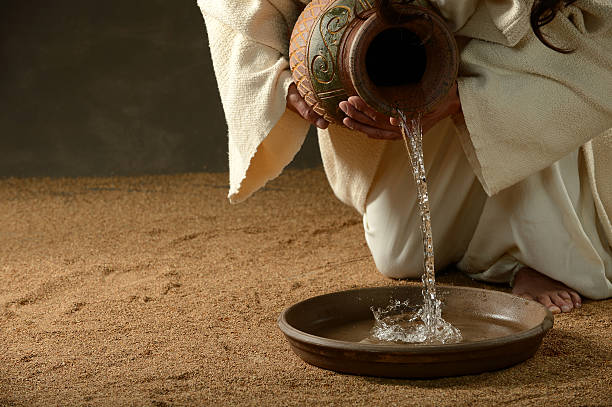
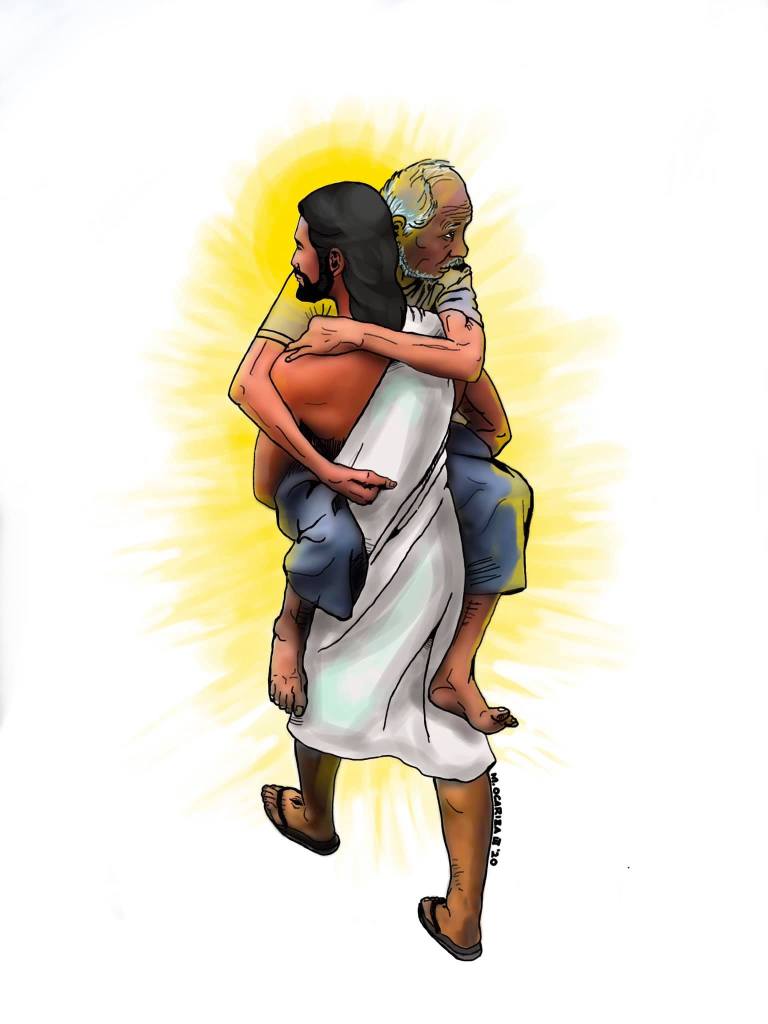
Photo by RODNAE Productions on Pexels.com
Huli ka!
Mga salitang 
kinatatakutan,
hangga't maari ay
iniiwasan, 
tinatakasan,
tinatakbuhan dahil sa
tiyak na kapahamakan.
Ngunit mayroong 
bukod tanging pagkakataon 
ang salitang "huli ka" ay
katuwa-tuwa, 
dala ay galak
hindi takot at pangamba
bagkus kaluwagan
at kasaganaan.
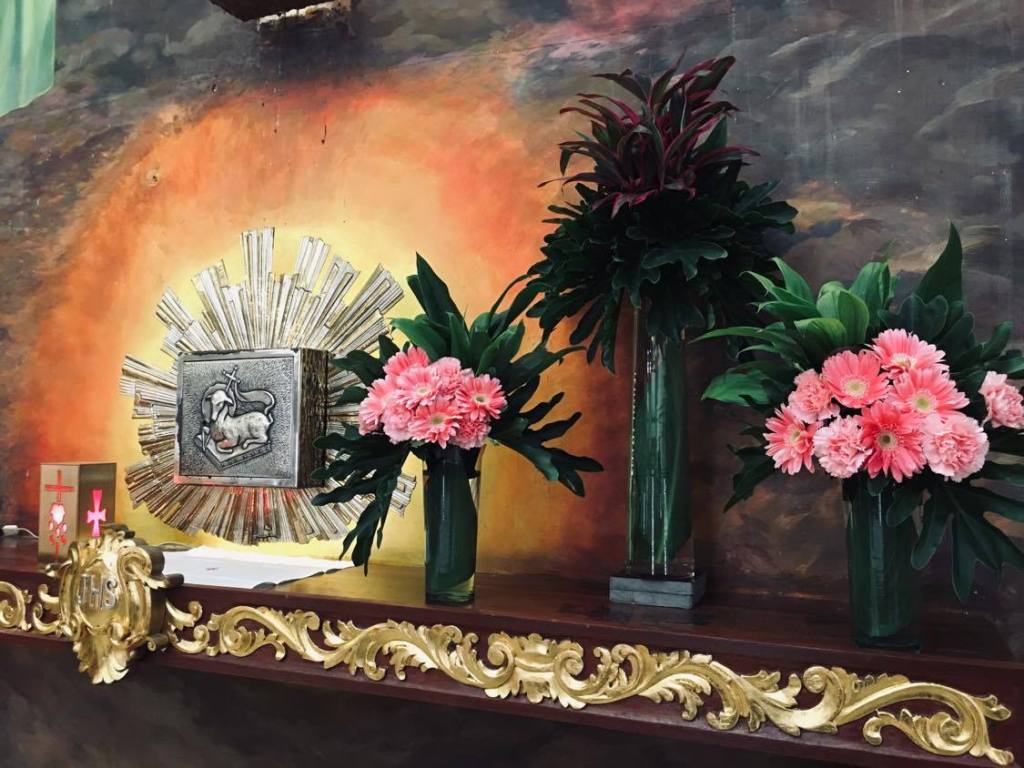
Larawan kuha ni G. Jim Marpa, 2018.

Pagkatapos ni Jesus magsalita ay sinabi niya kay Simon, “Pumalaot kayo at ihulog ang mga lambat upang manghuli.” Sumagot si Simon, “Guro, magdamag po kaming nagpagod at wala kaming nahuli! Ngunit dahil sa sinabi ninyo, ihuhulog ko ang mga lambat.” Gayon nga ang ginawa nila at sa dami ng kanilang huli ay halos magkansisira kanilang mga lambat.

Lucas 5:4-6
Ano nga ba nangyari
magdamag wala silang huli
nagkubli ba mga isda
sa dilim ng gabi?
Paano ang nangyari nang
si Jesus ay nagsabi,
mga isda ay dumaiti
mga bangka napuno ng huli?
Araw-araw
dumarating si Jesus
sa buhay natin
upang tayo ay hulihin:
hindi upang pagdusahin
sa mga pagkakasala natin
bagkus upang lubusin
mga pagpapala niya sa atin.
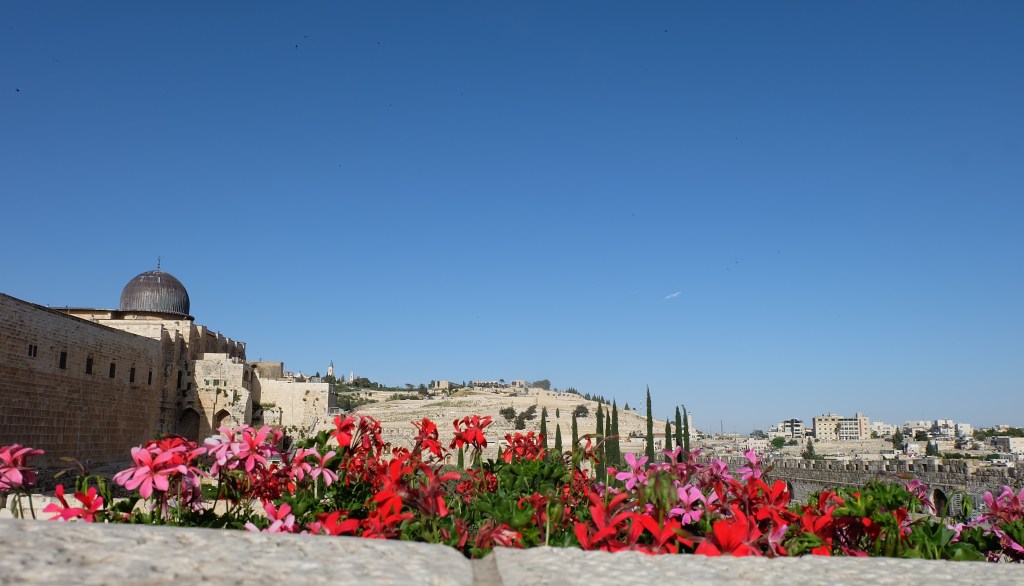
Larawan kuha ng may-akda, 2018.
Kasabihan ng matatanda
sa bibig nahuhuli ang isda,
ngunit sinabi ni Jesus
sa bibig ng Diyos nagmumula
tunay na pagkain sa atin nagpapala
lahat ng pagpapagal at pagsisikap natin
 makabuluhan mayroon mang kabiguan
hindi mahuhuli ang Diyos sa kanyang kabutihan!
Parating abangan pagdaraan ni Jesus
pakinggan kanyang panawagan
at kung siya ay ating matagpuan
sana'y ating iwanan ang lahat
upang siya ay masundan
pamamalakaya sa sanlibutan
hindi mo pagsisihan, buhay na walang hanggan 
tiyak makakamtan ngayon pa lamang!
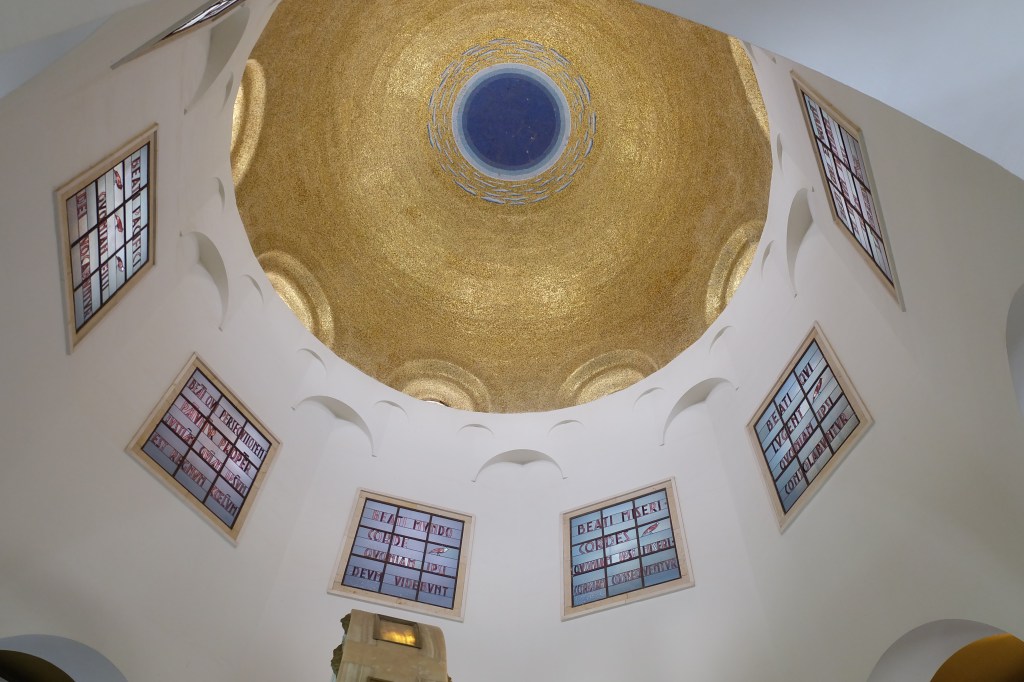
Larawan kuha ng may-akda, 31 Disyembre 2021.

Stiring into flame God’s gifts to us

The Lord Is My Chef Daily Recipe for the Soul by Fr. Nicanor F. Lalog II
Wednesday, Memorial of Sts. Titus & Timothy, Bishops, 26 January 2022
2 Timothy 1:1-8   ><}}}}*> + ><}}}}*> + ><}}}}*>   Luke 10:1-9
Photo from Facebook April 2021: “There is an urgency to announce the Joy, the joy of the Risen Lord.”
Praise and glory to you,
God our loving Father,
in sending us the great 
apostle St. Paul whose feast
of conversion we celebrated
yesterday!  His life and teachings
continue to loom above us this
day as we celebrate the memorial
of his two close associates, Saints
Timothy and Titus.

…to Timothy, my dear child: as I recall your sincere faith that first lived in your grandmother Lois and in your mother Eunice, and that I am confident lives also in you. For this reason, I remind you to stir into flame the gift of God that you have through the imposition of my hands. For God did not give us a spirit of cowardice but rather of power and love and self-control.

2 Timothy 1:1, 5-7
O God, so many times we complain
of the young generation for so many
things like loyalty and dedication, 
commitment and responsibilities
without examining our very selves
as their elders or adults ahead of them:
how I envy St. Paul to be able to say those
words to Timothy while remembering the 
witnessing to faith by his grandmother Lois
and mother Eunice who were all guided
and shepherded by the great Apostle!
Before we expect too much from those
younger to us, teach us to be humble and
sincere:  what have we taught and lived by
example to them?  Have we been like 
St. Paul who was so full of zeal and enthusiasm
in preaching the Good News to everyone, 
in season and out of season?
Dearest Jesus, you are the one
who calls and sends us to announce
"The Kingdom of God is at hand" 
(Lk.10:9), stir into flame in us your gifts
of witnessing to your values of love, 
peace and justice in a world so 
abundantly rich in things but 
miserably poor in meanings;
awaken us, O Lord, young and old
alike, to the urgency of your mission.
Amen.

Listening leads to presence

The Lord Is My Chef Sunday Recipe for the Soul by Fr. Nicanor F. Lalog II
Sunday III-C in Ordinary Time, 23 January 2022
Nehemiah 8:2-4, 5-6, 8-10 ><}}}*> 1 Corinthians 12:12-14, 27 ><}}}*> Luke 1:1-4, 4:14-21
Photo by author, Baguio Cathedral, January 2019.

I am still in quarantine after testing positive for COVID last Monday. One good thing I have realized these past days is how precious every moment of life as I counted each day, checking on my vital signs three times daily until I will have completed soon the required seven days.

Sometimes, we only realize the existential meaning and gravity of every “today” when we go through a difficult phase in life like getting COVID or like the Israelites finally getting home from exile, suddenly hearing the word of God proclaimed after many years of silence:

Then Ezra the priest-scribe said to all the people “Today is holy to the Lord your God. Do not be sad, and do not weep,” for all the people were weeping as they heard the words of the law. He said further, “Go, eat rich foods and drink sweet drinks, and allot portions to those who had nothing prepared; for today is holy to our Lord. Do not be saddened this day, for rejoicing in the Lord must be your strength!”

Nehemiah 8:9-10

There are also times in our lives when suddenly we become so open to God’s words, so focused on Jesus to experience his presence like that sabbath day in a synagogue in Nazareth:

Photo by author, January 2019.

Rolling up the scroll, he handed it back to the attendant and sat down, and the yes of all in the synagogue looked intently at him. He said to them, “Today this scripture passage is fulfilled in your hearing.”

Luke 4:20-21

Thanks to COVID that now I have felt how difficult it is to be separated from everyone, considering the mild symptoms I had as a fully vaxxed with booster too. It must have been so traumatizing for those who caught the virus during the early surges of 2020 and 2021 without the benefits of the vaccines and other modern medicines. Many of them who survived COVID or have lost loved ones until now feel the pains and hurts of those experiences. Indeed, it is after a difficult situation when we truly realize the value of every present moment we have with our loved ones, when everyone becomes so real and precious, when every present is truly a gift.

Today our readings invite us to slow down, to saunter – so to speak – as we journey in Jesus with Luke as our guide who at his prologue to his gospel tells us how he had “investigated everything accurately anew” regarding the “certainty of teachings of Jesus handed down” to us since the beginning (cf. Lk.1:3-4). Like with our loved ones we miss so much these days of quarantine and surge, Jesus reminds us to always listen to make everyone and him present in us.

Our conscious coming into the Father’s house

Last Sunday at the Feast of the Sto. Niño we reflected how we exercise our child-like traits before God whenever we go into “the Father’s house” like the 12-year old Jesus who was found at the Temple. Our going into the Father’s house to pray and receive the Sacraments expresses our rootedness and oneness with God through Jesus Christ.

This Sunday in our gospel, we find Jesus going again into his Father’s house to “proclaim and claim” the word of God as his very presence among us.

Imagine his movements in “slo-mo” when “He came to Nazareth, where he had grown up and went according to his custom into the synagogue on the sabbath day. He stood up to read and was handed a scroll of the prophet Isaiah. He unrolled the scroll and found the passage where it was written: “The Spirit of the Lord is upon me…” (Lk.4:16-18).

It must have been a moving moment for everyone. So mesmerizing for here was a man so present, so strongly felt with something in him freely walking up to proclaim the word of God. And what an experience for everyone that after “Rolling up the scroll, he handed it back to the attendant and sat down, and the eyes of all in the synagogue looked intently at him. He said to them, “Today this scripture passage is fulfilled in your hearing” (Lk.4:21).

That “today” would be repeated by Jesus with the same intensity on Good Friday shortly before he died when he promised to Dimas “today you will be with me in Paradise” (Lk.23:43).

But, do we make that conscious approach in coming into the Father’s house to celebrate the Sacraments particularly the Sunday Eucharist where the first part itself is devoted to the liturgy of the Word?

Photo by author, April 2020.

In non-verbal communications, we have that communication of spaces called “proxemics”, of how places are designed and positioned to convey something special and profound. Houses of worship of every faith are built on this important aspect of proxemics as every space conveys something about God and his people.

One example of proxemics is the patio of the church with its tall cross at the middle to remind the faithful they are about to enter the Father’s house, of their need to dispose themselves both inside and outside by being silent and being dressed properly.

Sadly, many churches in the country has no patio at all or its patio had become a parking area and worst, a basketball court. What is most tragic is how all these dispositions of coming into the Sunday Mass are disregarded by many people, led by church volunteers who talk endlessly with one another while some priests dress and look sloppily. This is one of the positive aspects of the Tridentine or Latin Mass where the atmosphere of solemnity fills the church and the people as well – and that is why many of the faithful are asking for it! A good example of what St. Paul tells us about the unity in diversity within the Church in the Holy Spirit.

How can we experience the “today” of Jesus being present in us and among us when we do not have such kind of attitude and disposition to listen to him which begins outside the church? If we cannot do it in the proxemics or spatial level, how can we even do it right inside our hearts, whether we are laypeople or the clergy?

Listening to Christ today

One of my favorite writings by the great St. John Paul II is Ecclesia de Eucharistia published in 2003. He tells us something so beautiful about the “universal and cosmic character” of the Eucharist which for me captures the essence of the “today” mentioned by Jesus in the gospel:

Yes, cosmic! Because even when it is celebrated on the humble altar of a country church, the Eucharist is always in some way celebrated on the altar of the world. It unites heaven and earth. It embraces and permeates all creation” (Ecclesia de Eucharistia, #8).

Ecclesia de Eucharistia, #8

This is very true but we rarely experience it happening because we have refused to immerse ourselves in the very words of God. So few among our people read and pray the scriptures while many of us priests rarely speak the Lord’s words as we prefer to tell what we have seen or heard in media or from some famous theologians or thinkers.

Whatever our vocation and place in the Church and the assembly, each of us must immerse one’s self in the word of God first because it is his very presence too. In the story of creation, we learned how everything came into being simply with the words spoken by God.

Photo by author, ruins of the synagogue at Capernaum in Galilee frequented by Jesus, May 2017.

This Sunday we have heard how Jesus “read” on a sabbath at a synagogue in Nazareth, of how in his proclamation of that part of the Book of Isaiah the very words were fulfilled in their hearing.

It happens daily in the celebration of the Mass everywhere in the world whenever we – lay and clergy alike – imitate Jesus, asking us first of all to come with strong desire to be one with the Father, whether in his house of worship or in our room when we pray the scriptures.

Let us enter God with Jesus and in Jesus in the Sacred Books to find him there so we can listen to him how and what he reads, not what we want to hear and say.

We can only touch the hearts of the people and make them hear God speaking again in his words offered us daily in the Mass if we first learn and listen to what Jesus reads and tells us. It is only then when we hear the Word who became flesh that we are able to respond, “Your words, Lord, are Spirit and life.” Amen.

Have a blessed week ahead.

In our Father’s house

The Lord Is My Chef Sunday Recipe for the Soul by Fr. Nicanor F. Lalog II
Feast of the Sto. Niño, Sunday II in Ordinary Time, 16 January 2022
Isaiah 9:1-6 ><}}}*> Ephesians 1:3-6, 15-18 ><}}}*> Luke 2:41-52
Photo by author, Sto. Niño exhibit at the Malolos Cathedral, 13 January 2022.

We Filipinos celebrate the longest Christmas season in the world which starts – unofficially -every September first when radio stations begin playing Christmas songs, ending officially today, the third Sunday of January with the Feast of the Sto. Niño (Holy Child Jesus).

Today’s feast is considered a part of the Christmas season which is in recognition of the crucial role of the image of Sto. Niño given by Magellan 500 years ago to Queen Juana of Cebu in the evangelization process of the Philippines. As the late Nick Joaquin would rightly claim in his essays, the Philippines was colonized by the Sto. Niño which is clearly seen in its widespread devotion coming in close second with Nuestro Padre Hesus Nazareno of Quiapo we celebrate every January 09.

What a wonderful “coincidence” or Divine intervention that the two most popular Christ devotions in the country happen on the same month of January, immediately after Christmas, reminding us despite our many shortcomings as the only Christian nation in this part of the world, Jesus reigns supreme in our hearts and homes.

And churches.

Despite the many accusations hurled against our brand of Christianity, of being sacramentalized but not evangelized, we can find hope and consolation in our being as very “church people” – our coming to the church even outside during this pandemic period in itself is a child-like trait, a grace we can deepen for a more matured faith that can lead to our transformation as a people.

This we see in our gospel today which we have heard proclaimed last month at the Feast of the Holy Family, a day after Christmas that was also a Sunday.

Each year his parents went to Jerusalem for the feast of Passover, and when he was twelve years old, they went up according to festival custom. After they had completed its days, as they were returning, the boy Jesus remained behind in Jerusalem, but his parents did not know it. After three days they found him in the temple, sitting in the midst of teachers, listening to them and asking them questions. When his parents saw him, they were astonished, and his mother said to him, “Son, why have you done this to us? Your father and I have been looking for you with great anxiety.” And he said to them, “Why were you looking for me? Did you not know that I must be in my Father’s house?”

Luke 2:41-43, 46, 48-49
“The Finding of the Savior at the Temple” painting by William Holman Hunt (1860) from en.wikipedia.org.

We are all children of the Father in Christ

When we examine Christ’s life and teachings, we find how everything is anchored in being a child of God the Father as he would always remind everyone that unless one becomes like a child, one cannot enter the kingdom of heaven.

This Jesus clearly showed when he was 12 years old after staying behind at the Temple in Jerusalem that left Mary and Joseph so “anxiously looking for him”.

We see in this gospel scene how Jesus must have been so rooted in his own childhood experience that he could speak with familiarity about the child’s being and dignity. Most of all, of being the Son of God, a child of God when he told his Mother Mary, “Why were you looking for me? Did you not know that I must be in my Father’s house?” (Lk.2:49).

As he grew up and matured during his ministry, Jesus frequented the synagogues and later the Temple as a devout and faithful Jew.

What a beautiful expression of his being a child of the Father, always coming to the “Father’s house” to worship and praise, to be one with God and with the people.

What a beautiful expression of his – and our being children of God the Father!

Every time we come to the church to celebrate the Sacraments especially the Holy Eucharist, every time we come to pray inside the church, we express our being children of the Father. It is the most beautiful expression of our being child-like before God when we come to him in his house of worship in total surrender, on bended knees to plea for his grace and mercy.

Photo by Ms. Mira Mandal Sibal, September 2021.

To believe in the Church and come inside the church is part of our faith in the mystery of the Church as the Mystical Body of Christ we profess in the Apostles’ Creed, “I believe in the Holy Spirit, the Holy Catholic Church”.

Recall that after cleansing the Temple, Jesus declared to those asking him for signs to “Destroy this temple and in three days I will raise it up” (Jn.2:19) with the Evangelist’s added note, “But he was speaking about the temple of his body” (Jn.2:21). Eventually on Good Friday as he died on the cross, we are told in another gospel account how “the veil of the sanctuary was torn in two from top to bottom” (Mt.27:50), indicating a new phase in worshipping God in his Son Jesus Christ who has become the Body of the new people he had called that includes us today, the Church.

Therefore, every time we come to the church as a community of people, it is an act of being child-like as taught by our Lord Jesus Christ in the same manner he told his parents that “I must be in my Father’s house”.

Our being able to come to the church for the Mass and the other sacraments is a pure grace from God, an act of being child-like before him when we submit ourselves to him, when we try to listen to his words proclaimed, when we believe in the power of prayers and Sacraments.

At the height of this pandemic when religious gatherings were banned, so many faithful expressed their child-likeness to God by turning to on-line Masses and prayers.

However, as we slowly open up churches for live celebrations, there now arises the call for us to return into the Father’s house. The very nature of the Church as the Body of Christ and the Sacraments presuppose presence.

Here, we find the great relevance of today’s Feast of the Sto. Niño to return to the Father’s house and reconnect anew with our fellow disciples without disregarding health protocols of course.

When the Spaniards returned to the Philippines in 1565 (40 years after Magellan), they saw the Sto. Niño venerated on an altar above other anitos inside a hut presumed to be a house of worship of the natives. Most likely, the natives felt the Sto. Niño as the superior deity always answering their prayers for abundant harvests, healing from sickness or avoidance of pestilence, and fertility for more children to work in the fields. Again, the imagery of that child-like attitude of coming into the “Father’s house” to commune in prayer by those natives.

Photo by author, National Shrine of Our Lady of Fatima, Valenzuela City, 14 January 2022.

It is perhaps the new challenge we will be facing as the COVID-19 virus wears off as experts claim, how to bring back people into the Father’s house. Confounding the problem is the lure of the convenience of online Masses that have commodified the Sacrament, a clear indication of lack of any child-like attitude but more of manipulation.

Added to this is the relativistic attitude of modern time when some people claim to believe in God without necessarily having the need to believe in the Church that is deeply embroiled in cases of sexual abuses by its clergy.

All of these are calls for everyone in the Mystical Body of Christ, the Church which is a mystery in itself for its members, clergy and lay alike, to recapture that child-like attitude of Jesus himself to always affirm his being in the Father’s house. Amen.

A blessed week ahead to everyone. Stay safe!

The problem with our insistence

The Lord Is My Chef Daily Recipe for the Soul by Fr. Nicanor F. Lalog II
Friday, Week I, Year II in Ordinary Time, 14 January 2022
1 Samuel 8:4-7, 10-22   ><]]]]*> + <*[[[[><   Mark 2:1-12
Photo by author, ruins at Capernaum where Jesus healed the paralytic, May 2017.
Today, O Lord, I remember
those days when I insisted on
what I wanted, without giving any
moment to dwell on your plans
and suggestions.
Today, dear God our Father,
your words clearly show us how 
so apart are our thoughts and 
your thoughts, of how wide and
encompassing at how you see
everything and everyone
compared to our very limited
and shallow perceptions that 
are too little, hence, easier to insist on.

The people however, refused to listen to Samuel’s warning and said, “Not so! There must be a king over us. We, too, must be like other nations, with a king to rule us and to lead us in warfare and fight our battles.” When Samuel had listened to all the people had to say, he repeated it to the Lord, who then said to him, “Grant their request and appoint a king to rule them.”

1 Samuel 8:19-22
Widen our horizons to see
how you have made us in fact
different from others, so special and
beloved to be close to you and yet,
like those people to Samuel, we would
always insist to be just like others.
And the saddest part of belittling our
stature is how we also try to bring you
down to our own level:

Now some of the scribes were sitting there asking themselves, “Why does this man speak that way? He is blaspheming. Who but God alone can forgive sins?” Jesus immediately knew in his mind what they were thinking to themselves, so he said, “Why are you thinking such things in your hearts? Which is easier, to say to the paralytic, ‘Your sins are forgiven,’ or to say, ‘Rise, pick up your mat and walk?’ But that you may know that the Son of Man has authority to forgive sins on earth.” He said to the paralytic, “I say to you, rise, pick up your mat, and go home.”

Mark 2:6-11
Raise up our thoughts
and understanding, Lord Jesus!
Let us "level up" and "shift" to
your thoughts and the way you see
persons and situations that lead us
to claim our freedom from sins and 
evil that have trapped us for so long
despite your victory since your rising
from the dead; open our eyes and our
hearts, Jesus, to see the new realities,
our restored dignity as beloved children
of the Father in you so that we stop 
insisting with our little and unworthy
causes and demands.  Amen.

When “ordinary” is “extraordinary”

The Lord Is My Chef Daily Recipe for the Soul by Fr. Nicanor F. Lalog II
Monday in Week 1 of Ordinary Time, Year II, 10 January 2022
1 Samuel 1:1-8   ><)))*> + <*(((><   Mark 1:14-20
Photo by author, 2019.
Glory and praise
and thanksgiving to you,
God our loving Father for 
bringing us to this Monday,
the beginning of our Ordinary
Time in the Church calendar.
Send us your Holy Spirit 
to enlighten our minds and our
hearts not to look down upon 
what we consider as "ordinary" -
ordinary people, ordinary days,
ordinary food, ordinary tasks,
ordinary as same usual fare,
ordinary as less than grand and
special things.
Help us rediscover the true meaning
of "ordinary" which connotes orderliness
from the Latin roots ordo, ordinis for
order and ordinarius for orderly.
Let us live up to our faith in you
during this ordinary days when 
many of life's challenges happen 
like your servant Hannah, the mother 
of your prophet Samuel:

Her rival, to upset her, turned it into a constant reproach to her that the Lord had left her barren. This went on year after year; each time they made their pilgrimage to the sanctuary of the Lord, Peninnah would approach her, and Hannah would weep and refuse to eat. Her husband Elkanah used to ask her: “Hannah, why do you weep, and why do you refuse to eat? Why do you grieve? Am I not more to you than ten sons?”

1 Samuel 1:6-8
Keep our eyes and our hearts
open like the brothers Simon and 
Andrew, James and John for your
Son Jesus Christ who comes to us
in the most ordinary days, in the 
most ordinary circumstances like 
casting nets and mending nets.
Let us be on guard, dear God, during
ordinary days and time for these are 
extraordinary moments because you
have made everything and everyone
so special.  Amen.

Becoming an adult Jesus Nazareno at Christmas

The Lord Is My Chef Christmas Recipe for the Soul by Fr. Nicanor F. Lalog II
Sunday, Feast of the Baptism of the Lord, 09 January 2022
Isaiah 40:1-5, 9-11 ><}}}*> Titus 2:11-14, 3:4-7 ><}}}*> Luke 3:15-16,21-22
Photo from flickr.com by Mark S. Abeln, Resurrection Cemetery in Affton, Missouri, USA, 16 November 2010.

Today’s Feast of the Baptism of the Lord closes the Christmas Season in the most unique way as we are again in another surge of COVID-19 while for the first time, not even during these past two years of pandemic, people are totally barred from celebrating the Mass outside the Quiapo church for the feast of the Nuestro Padre Jesus Nazareno or the Black Nazarene.

It is the second consecutive year due to pandemic that there is no Traslacion of the Poon Nazareno but whereas before despite COVID-19 all roads led to Quiapo every January 09, all devotees today are directed to the website of the Minor Basilica of the Nuestro Padre Jesus Nazareno to celebrate the hourly online Masses from dawn until late night tonight.

Police and Church officials have appealed to the public to stay home with the Archbishop of Manila assuring devotees of the grace and blessings still being granted to them by the Señor Nazareno through the “modern means of communications”.

Here we find a most wonderful grace of God for us to mature into an “adult Jesus” in this time still in the Christmas Season when we are invited to put some spirituality to our devotions that are both amazing but baffling even to us. How can we so devoutly Catholic as a nation be blind to all the corruption and disrespect for life going on in our country that we cannot progress like other Asian nations made worst by our choices of leaders in government?

As we close the Christmas Season before going into Ordinary Time tomorrow, let us not remain children but become adults like Jesus Christ when baptized at Jordan by John.

After all the people had been baptized and Jesus also had been baptized and was praying, heaven was opened and the Holy Spirit descended upon him in bodily form like a dove. And a voice came from heaven, “You are my beloved Son; with you I am well pleased.”

Luke 3:21-22
Photo by author, Ubihan River, Meycauayan, Bulacan, 31 December 2021.

Jesus as “one of us”, present among us

All four evangelists have their particular emphasis in narrating the baptism of Jesus at Jordan by John. For this year, we look into Luke’s version that celebrates the anointing and royal investiture of Jesus by the Holy Spirit.

Though there is no need for him to be baptized, Christ’s baptism at Jordan signified his solidarity with us sinners making us share in the gift of the Spirit he had received on that day, making each of us a “beloved child” of God with whom he is well pleased!

First thing we notice with Luke’s baptism account is the Lord being incognito during the baptism by John. There were no conversations or “debate” with John as Jesus was readily presented as among the crowd. It is a beautiful imagery by Luke of the Christ always present but unknown among us.

Jesus being with the people in Jordan River reminds us that Christmas does not mean only of him remaining a child lying in a manger because part of this season’s story is how he grew up and matured in wisdom and spirit in Nazareth, Galilee before embarking on his ministry and mission.

Imagine the Lord joining the sinners like tax collectors, soldiers, and perhaps with some prostitutes going to John for baptism without any special treatment whatsoever. From the very start, Jesus had been eating and conversing, interacting and living with sinners that include us today.

Photo by author of sisters posing along the Israeli border near Al-Maghtas in Jordan, the site where Jesus was baptized, May 2019.

His being immersed in Jordan River (that has always been dirty according to our pilgrimage guide) with the sinful people was a testament of his love and kindness for us without any hints of being judgmental to anyone. Whether we are in dire situations or in the midst of sins and evil or darkness and sufferings, we can always find Jesus standing with us, one with us, even reaching out to us. All we need is to be matured enough to open our eyes and our hearts like the people around him to admit we need conversion, we need God.

Second thing we immediately notice with Luke’s baptism account is Jesus at prayer when the heaven opened and the Holy Spirit in the form of a dove descended upon him with a voice declaring, “You are my beloved Son; with you I am well pleased”.

One distinct characteristic of Luke’s gospel is presenting Jesus always at prayer. In fact, all major events in his life in Luke’s gospel are always preceded by prayer, part of his artistry in teaching us about the importance of prayer.

Here in the baptism of Jesus at Jordan, we are reminded that prayer always precedes every divine revelation. Recall also during the Feast of the Holy Family a day after Christmas last year when we heard Luke’s account of the finding of Jesus at the temple when he told Mary how he must be at his “Father’s house” – of being one and united with the Father especially through prayer! The Christmas story is an everyday reality that happens with those who mature in their faith in Christ in prayers.

Prayer is more than the recitation of prayers and novenas nor of keeping a devotion; prayer is oneness with God. See that after narrating to us the baptism of Jesus at Jordan, Luke tells us the Lord’s genealogy traced back to “Adam the son of God”(Lk.3:38). Unlike Matthew who began his gospel with the genealogy of Jesus Christ, Luke puts his version of the Lord’s genealogy in the context of baptism at Jordan to show us Christ’s eternal birth in God. And this we all share in our Baptism, in our faith we nurture and celebrate daily in our prayer life.

The sad thing with our Christmas celebrations, along with that of the Holy Week, is how we immediately lose sight of the meanings of our feasts and devotions meant to make our lives centered on God. It is good to be led and carried by the signs of our liturgy but these were meant to inculcate in us, to deepen in us our relationship with God expressed through our relations with others which is what spirituality is all about.

This invites us today on this Feast of the Lord’s Baptism along with that of the Black Nazarene of Quiapo to examine our level of maturity in Jesus Christ whom we religiously and devoutly remember and celebrate during Christmas and Good Friday, the two most prominent dates of the Lord’s feasts tied up in this month of January.

Photo by Mr. Jay Javier, Quiapo, 09 January 2020.

Like Jesus Nazareno, we are consecrated to God

As we have mentioned at the start of our reflection, this is a most unique Sunday when we celebrate together two Christ feasts – the Lord’s Baptism and the Traslacion in Quiapo – with the former signaling the closing of Christmas and the latter as the most popular Christ devotion in the country.

Both feasts show us an adult Jesus in Christmas, especially the Black Nazarene of Quiapo.

When Matthew spoke of the Holy Family residing in Nazareth so that what the prophets spoke might be fulfilled that “He shall be called a Nazarene” (Mt.2:23), the evangelist was not referring to the Lord’s place of origin.

Nazareth is the only town in the New Testament never mentioned in the Old Testament to be of significance unlike Bethlehem. The word “Nazoraios” or Nazarene mentioned by Matthew refers to the overall designation of Jesus by the prophets as the hope and fulfillment of God’s promise that there shall come forth a “shoot from the stump of Jesse” (Is. 11:1). Shoot in Hebrew is from the word nezer which is also the context used by Isaiah in chapters 7 and 9 found in Isaiah 11:1 cited by Matthew.

If we add that in the inscription above the Cross, Jesus is called ho Nazoraios (cf. Jn.19:19), then the title acquires its full resonance: what at first sight refers simply to his origin, actually points to his essence: he is the “shoot,” he is the one completely consecrated to God, from his mother’s womb to the day of his death.

Pope Emeritus Benedict XVI, Jesus of Nazareth: The Infancy Narratives, pp. 117-118.

Now we get a complete picture of an adult Jesus Christ at the closing of Christmas Season.

Truly an Emmanuel, God-with-us, whom we so often fail to recognize journeying with us in life specially at its most difficult moments because we continue to refuse to grow and deepen in our spiritual maturity in him in prayers.

Jesus is the fulfillment of the first reading telling us “Here is your God! Like a shepherd he feeds his flock; in his arms he gathers the lambs, carrying them in his bosom, and leading the ewes with care” (Is.40:9, 11).

Let us heed the calls by St. Paul in the second reading that we “reject godless ways and worldly desires and to live temperately, justly, and devoutly in this age, as we await the blessed hope, the appearance of the glory of the great God and our savior Jesus Christ” (Titus 2:12-13).

Have a blessed and safe week ahead, everyone! Amen.
Photo from Google.com.

Love and be free

The Lord Is My Chef Christmas Recipe for the Soul by Fr. Nicanor F. Lalog II
Thursday After the Epiphany of the Lord, 06 January 2022
1 John 4:19-5:4   ><}}}*> + ><}}}*> + ><}}}*>   Luke 4:14-22
Photo by Ms. Nikki A. Vergara at Victoria, Laguna, 2020.
Dearest God our Father, 
let us love, love, and love
so that we may be free;
the deeper we love, 
more we become free for 
you and others too!

For the love of God is this, that we keep his commandments. And his commandments are not burdensome, for whoever is begotten by God conquers the world. And the victory that conquers the world is our faith.

1 John 5:3-4
How funny it is, Father,
when we keep on turning 
away from you, rejecting your
commandments Jesus had 
summarized to loving you and
loving others, thinking we could
be free if we separate from you
and your precepts; but, the opposite
happens every time we turn away
from you and your laws!
The more we become empty
and lost; most of all, burdened
with sin and guilt.
Deepen our love for you
and in you, loving Father
through Jesus Christ; let us
immerse ourselves into your words,
let us masticate your words
to extract its power that liberates
us in every here and now 
to experience true freedom
to love you, O God, and love
others as brothers and sisters
in Christ.  Amen.
An epiphany of love

The Lord Is My Chef Christmas Recipe for the Soul by Fr. Nicanor F. Lalog II
Tuesday after the Epiphany, 04 January 2022
1 John 4:7-10   ><)))*> + ><)))*> + ><)))*>   Mark 6:34-44
Photo by author at Liputan Island, Meycauayan, Bulacan, 31 December 2021.

By now it was already late and his disciples approached him and said, “This is a deserted place and it is already very late. Dismiss them so that they can go to the surrounding farms and villages and buy themselves something to eat.” He said to them in reply, “Give them some food yourselves.”

Mark 6:35-37
What a very moving moment,
Lord Jesus of how your heart 
was moved with pity for the people,
of how it is to truly love one
another as taught by your beloved
disciple John in the first reading.
To love is to remain with someone 
when it is already late and dark;
to love is to stay with someone
in a deserted place, accompanying
others despite the many dangers;
to love, most of all, is to give others 
with food to eat even while in darkness
and in a deserted place!
O dear Lord, the numbers of COVID
infections are rising again; dark clouds
are looming above us again; people
are back into panic buying while 
many are back to worrying where to
find their means of livelihood amid
another series of restrictions to control
the spread of the pandemic.
In this another surge of COVID infections,
may we be an epiphany of your love to
others by practicing health protocols,
being mindful of the well being of others
so that the love of God may be revealed
in us.  Amen.

We belong to God

The Lord Is My Chef Christmas Recipe for the Soul by Fr. Nicanor F. Lalog II
Monday after the Epiphany of the Lord, 03 January 2022
1 John 3:22-4:6   ><]]]]'> + ><]]]]'> + ><]]]]'>   Matthew 4:12-17, 23-25
Photo by author, Ubihan Island, Meycauayan, Bulacan, 31 December 2021.
Glory and praise to you,
dearest God our Father!
Thank you for your epiphany in
Jesus Christ; thank you for 
appearing to us in many ways
we so often fail to recognize 
because we have not been wise enough
like those Magi from the east by truly
searching you first before the things
of the world.
Teach us to keep your commandments,
Lord, by "believing in the name of your
Son, Jesus Christ, and love one another
just as he commanded us" (1 Jn.3:23).
Teach us also to "do not trust every spirit
but test the spirits to see whether they
belong to you, O God" (1 Jn.4:1); 
let your Spirit lead us closer to Jesus 
your Son for we belong to you, loving God!

When Jesus heard that John had been arrested, he withdrew to Galilee. He left Nazareth and went to live in Capernaum by the Sea, in the region of Zebulun and Naphtali, that what had been said through Isaiah the prophet might be fulfilled.

Matthew 4:12-14
Whoever belongs to you, dear God
recognizes and obeys your Son Jesus; 
give us the humility to repent our sins
and be cleansed by your mercy and
forgiveness in Christ so we may begin 
this new year fully in him.  Amen.