We are the vineyard of the Lord

The Lord Is My Chef Sunday Recipe for the Soul by Fr. Nicanor F. Lalog II
Twenty-Seventh Sunday in Ordinary Time, Cycle A, 08 October 2023
Isaiah 5:1-7 ><}}}}*> Philippians 4:6-9 ><}}}}*> Matthew 21:33-43
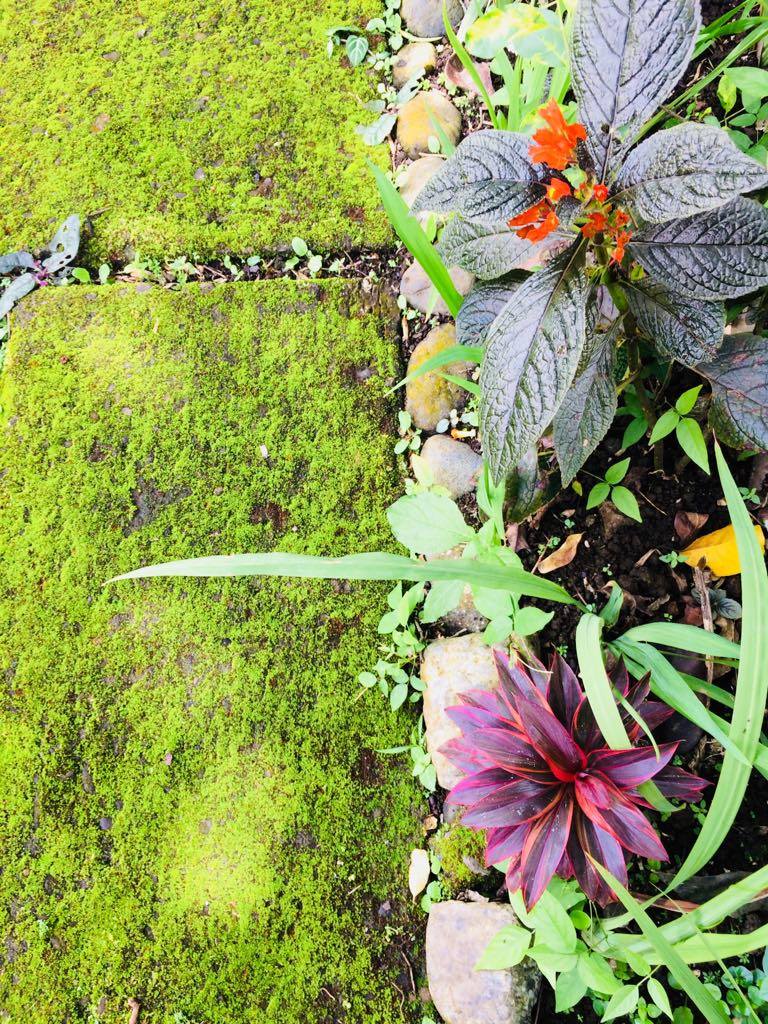
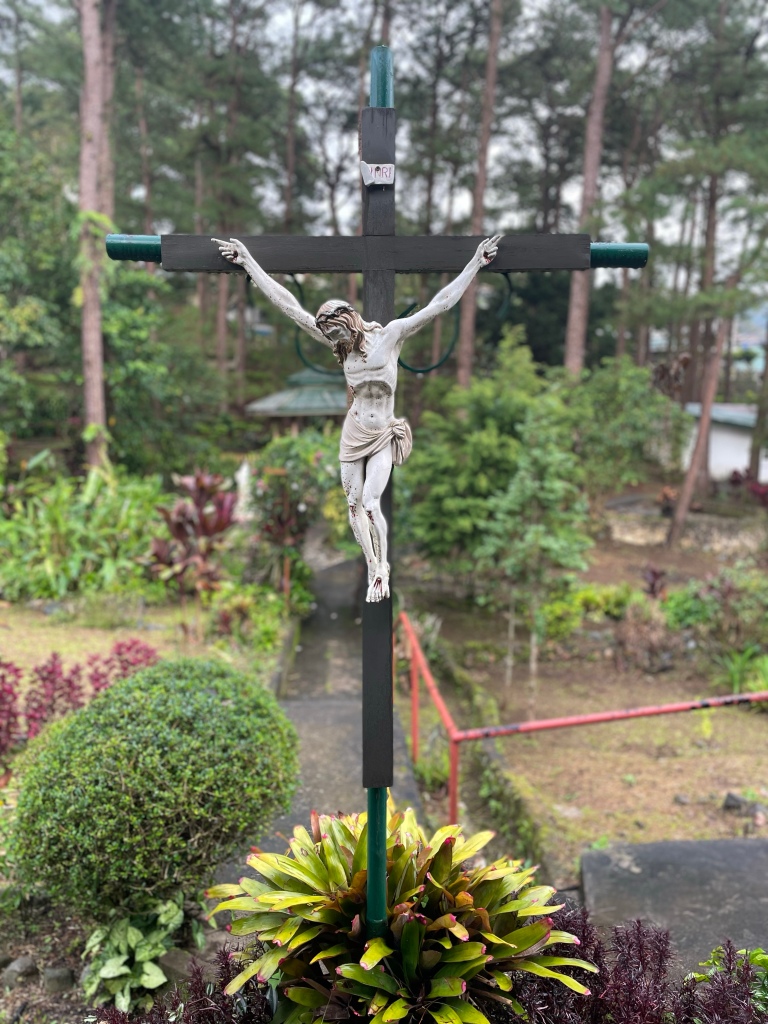
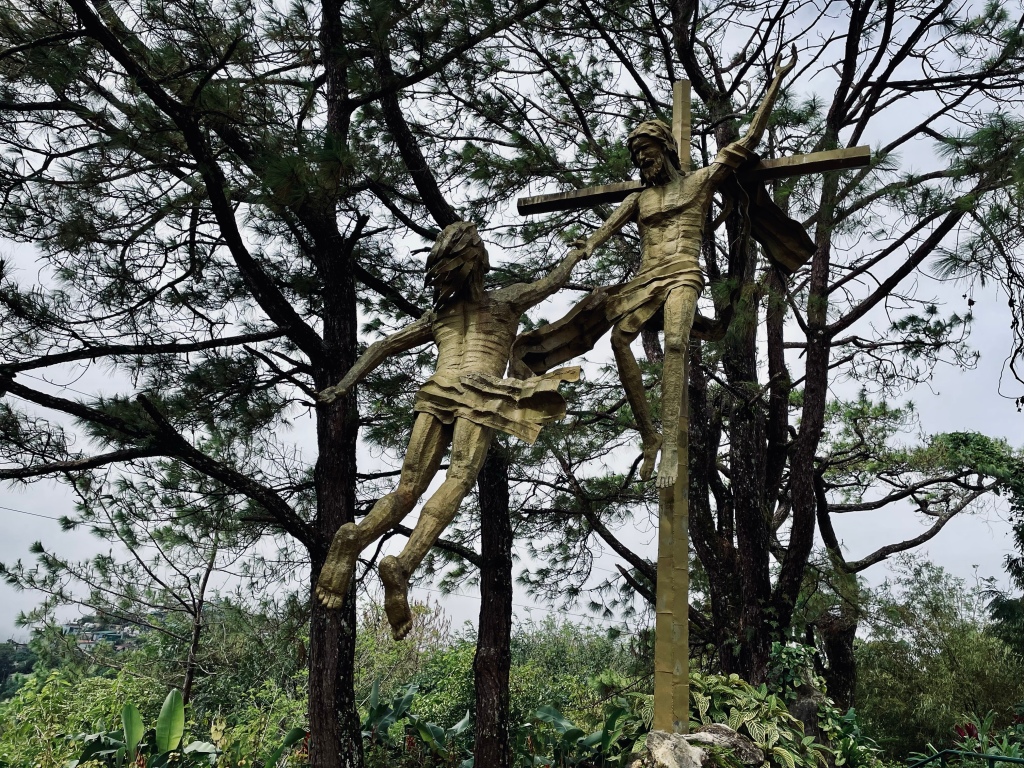
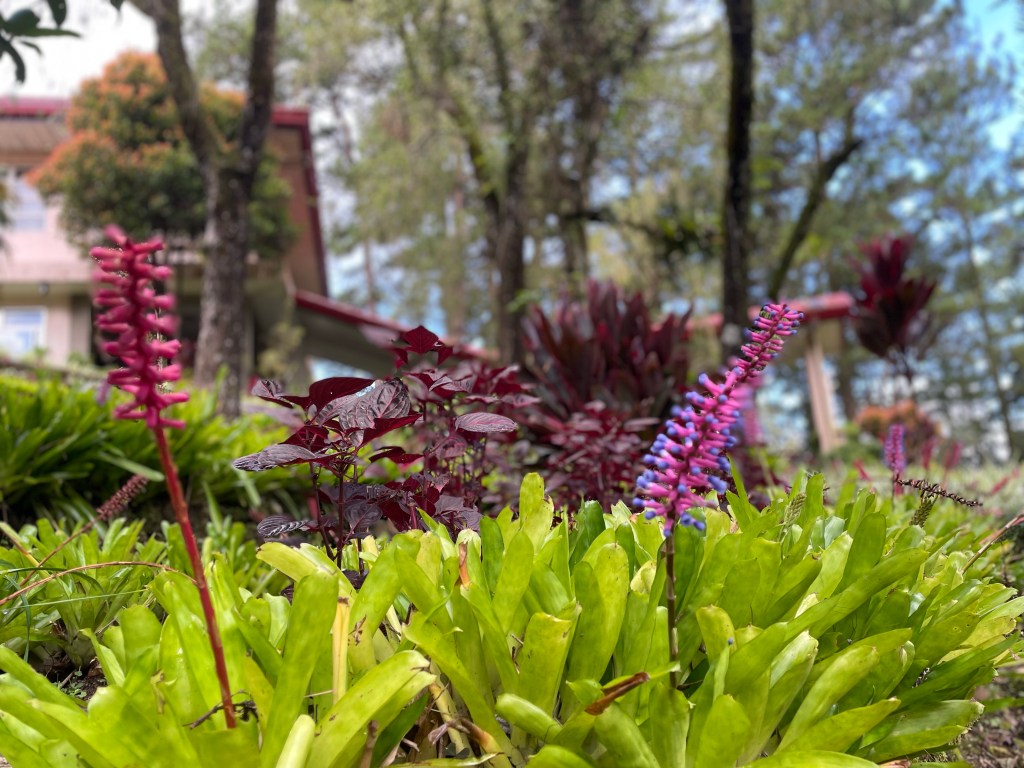
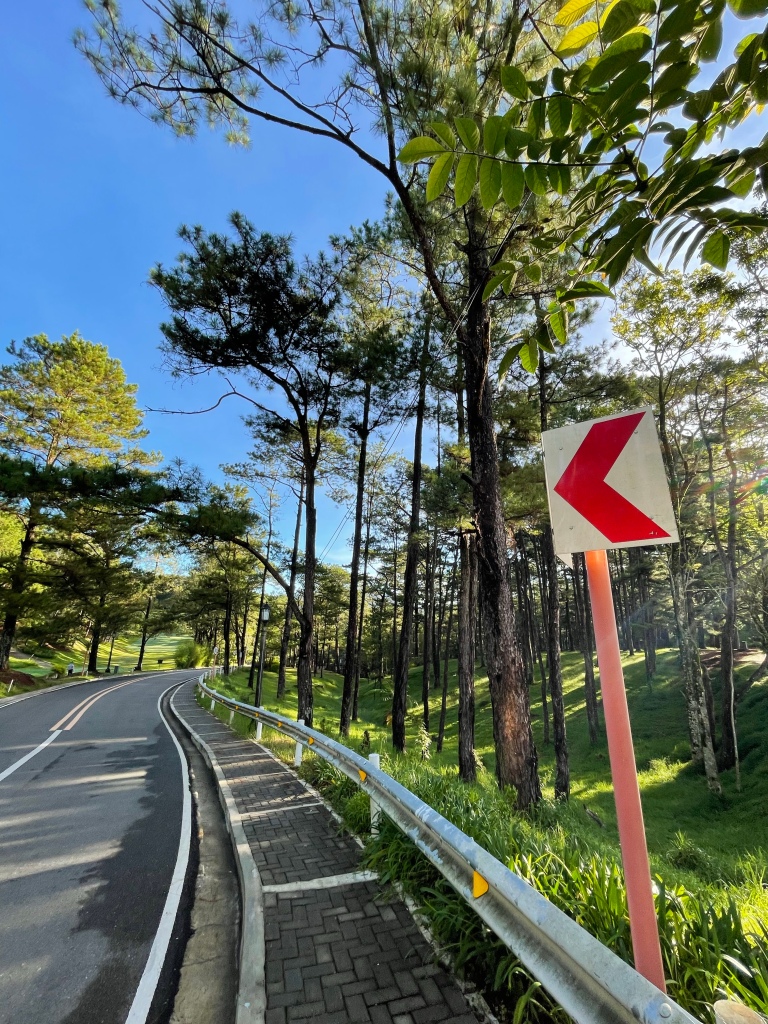
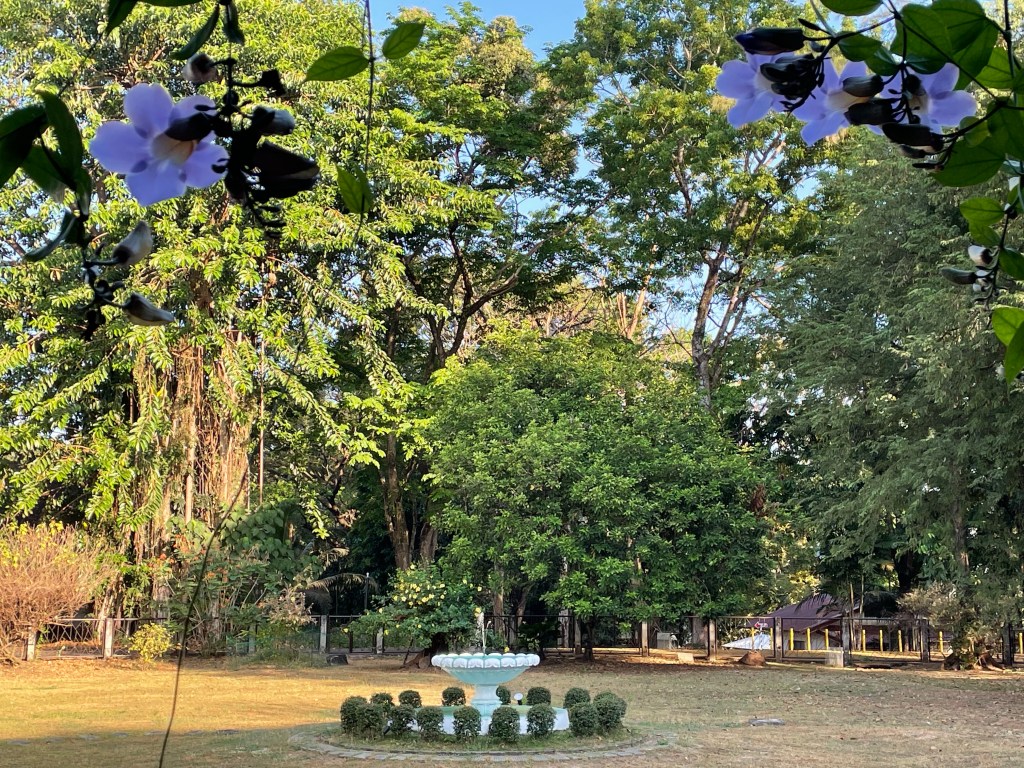
Photo by author, San Juan, La Union, 25 July 2023.

A good friend recently came home from a 20-day Marian pilgrimage in Europe. I told him to get some rest and avoid reading the news, “Huwag ka munang magbasa ng balita baka masayang nalanghap mong hangin sa Europe.” He replied that with the very reliable internet service in Europe, they were all updated with the things happening in our country. He added, “parang ayaw ko nang magpunta sa Europe, lalo lang ako naaawa at nahihiya sa Pilipinas.”

Very true.

I rarely travel abroad but with what I have been reading and hearing especially from those visiting Japan and Singapore, the more I feel sad and hopeless for our country the Philippines. At least, God comforts us once in a while in sports like the recent golds in the Asian Games courtesy of EJ Obienna in pole vault, Annie Ramirez in jiu-jitsu, and Gilas Pilipinas in basketball. Aside from sports, nothing good seems to come from the news. Even the newscasts these days are depressing with robots “complementing” sportscasters.

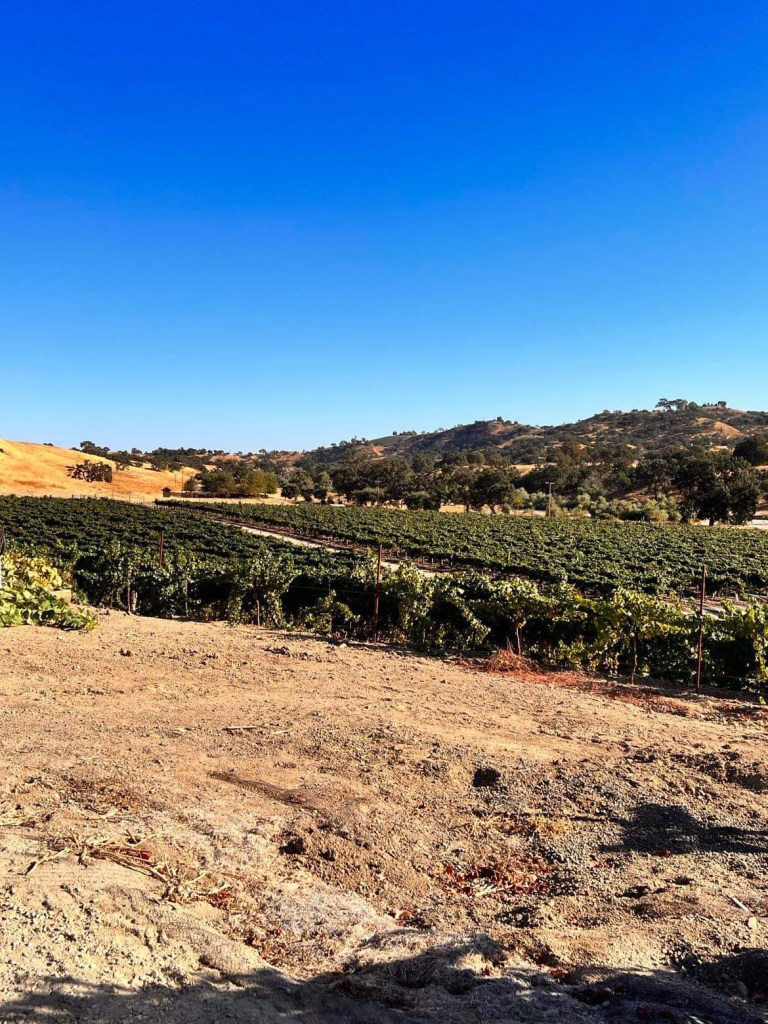
Photo of a vineyard in Southern California by Dra. Carol Reyes-Santos, MD, 01 October 2023.

Our readings this Sunday seem to speak of us Filipinos and the Philippines which is like a wonderful vineyard planted by the Lord, especially when we think of our vast, fertile lands and long coastlines with rich bodies of water but we have to import our food, from rice to galunggong. What a shame that our chicharon producers import pig backfat from the tiny island of Taiwan?! Like Isaiah, we find ourselves asking what happened to our country?

Let me now sing of my friend, my friend’s song concerning his vineyard. My friend had a vineyard on a fertile hillside; he spaded it, cleared it of stones and planted the choicest vines; within it he built a watchtower, and hewed out a wine press. Then he looked for the crop of grapes, but what it yielded was wild grapes.

Isaiah 5:1-2

The vine and wine are important signs widely used in the Old Testament and in the gospel accounts by Jesus. In Isaiah’s writings, the vineyard represented Israel as the chosen people of God, so loved and cared for, saved from Egypt and gifted with a land flowing with milk and honey. Despite these blessings, Israel repeatedly turned away from God with their many sins of infidelity that continued in the time of Jesus Christ who borrowed and perfected this parable of the vineyard of the Lord to make it timely in every generation.

Jesus said to the chief priests and the elders of the people: “Hear another parable. There was a landowner who planted a vineyard, put a hedge around it, dug a wine press in it, and built a tower. Then he leased it to tenants and went on a journey. When vintage time drew near, he sent his servants to the tenants to obtain his produce. But the tenants seized the servants and one they beat, another they killed, and a third they stoned. Again he sent other servants, more numerous than the first ones, but they treated them in the same way. Finally, he sent his son to them, thinking, ‘They will respect my son.’ But when the tenants saw the son, they said to one another, ‘This is the heir. Come, let us kill him and acquire his inheritance.’ They seized him, threw him out of the vineyard, and killed him.

Matthew 21:33-39
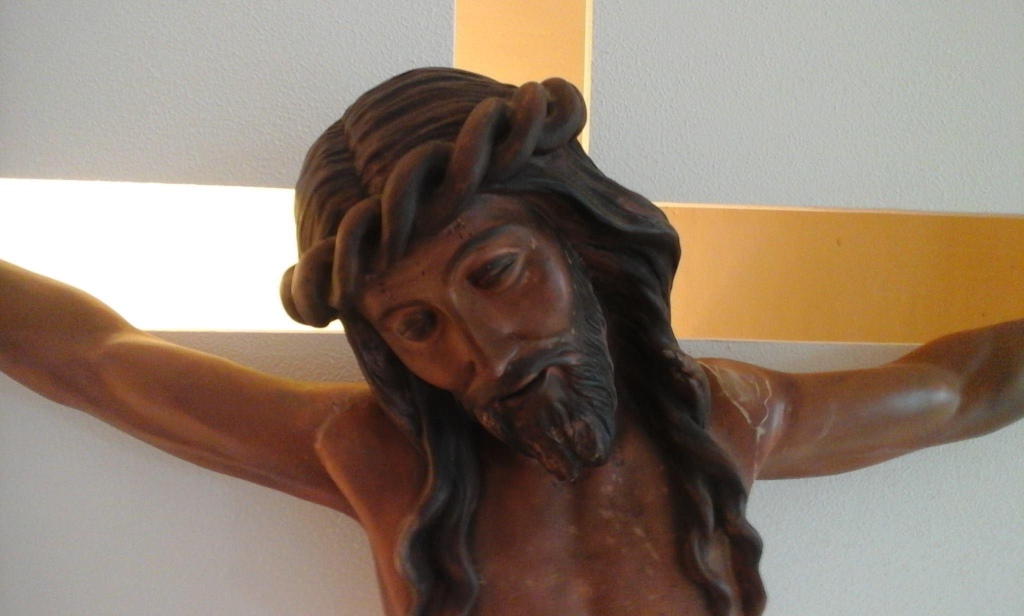
Photo by author, Sacred Heart Novitiate, Novaliches, QC, 20 March 2023.

For the second straight Sunday, Jesus preached again at the temple area of Jerusalem and addressed this lesson to his enemies, the chief priests and elders of the people trying to find a probable cause to have him arrested.

See how this parable of the wicked tenants very similar with Isaiah’s but at the same time speaking a lot of ourselves and of our time, of how we have become like those wicked tenants taking the “vineyard” as totally ours like our body and country, arguing it is mine or ours that we can do whatever pleases us. Like those tenants, we have claimed of not belonging to God nor anyone at all, that we can do whatever we want because we are the owners of ourselves and the world. “It is my body, it is mine” and none of your business kind of thing.

How often we hear others claiming “this is my body, this is mine; therefore, I can do whatever I want with my body” like abort a baby, take contraceptives, or have a sex change, have those tattoos and body piercings? And we have spread this line of thinking to our environment with road rage spreading like a pandemic while bigger countries are grabbing territories ironically from their smaller neighbors.

The most tragic way of thinking that underlies this “mine mentality” is how so many of us have accepted – consciously and unconsciously – that most untrue statement of all that God is dead. Many would say they believe in God when actually what they mean is they know there is God and so often, they play that God, too. Pope Benedict XVI described it as “totalitarianism of relativism” when we see everything relative, no more morals and morality because we have made ourselves the measure and standards of everyone and everything – because, the “vineyard” belongs to us.

Photo of a vineyard in Southern California by Dra. Carol Reyes-Santos, MD, 01 October 2023.

More sad is the fact that we are beginning to see what happens next to us and the world with these things happening like families and relationships disintegrating, climate change and threats of wars, and more emptiness among us.

But, it is not that bad after all. Jesus not only updated Isaiah’s parable of the vineyard to speak to us in the present but also to promise us of a greater future. Notice the blessing and threat he used.

“What will the owner of the vineyard do to those tenants when he comes?” They answered him, “He will put those wretched men to a wretched death and lease his vineyard to other tenants who will give him the produce at the proper times.” Jesus said to them, “Did you never read in the Scriptures: The stone that the builders rejected has become the cornerstone; by the Lord has this been done, and it is wonderful in our eyes? Therefore, I say to you, the kingdom of God will be taken away from you and given to a people that will produce its fruit.”

Matthew 21:40-43

Once again, Jesus Christ’s parable asked a question to involve his hearers, including us today, in the story because the truth is, he had involved himself with us in his coming and eventually in his Passion, Death and Resurrection.

Unlike in Isaiah’s parable of the vineyard, God is distinct from the vineyard; but in Christ’s parable, we are in fact the vineyard of the Lord because Jesus is one with us being the son of the owner sent to gather his share of produce.

That is the good news, the blessing this Sunday and while there is also the threat of the vineyard being handed over to better tenants, there is the promise of better produce to be shared and enjoyed in all eternity, in heaven. There will always be darkness and difficulties in this life caused by selfish, arrogant, and self-righteous people who feel they own everything in this world. Many times, we too have wasted God’s bountiful blessings to us like our talents and abilities not put into use or never harnessed; health taken for granted and separation from our loved ones. Jesus Christ had died for us to repair ourselves and our relationships. Let us grab this opportunity today of taking care of the Lord’s vineyard, of sharing his blessings.

Most of all, like what St. Paul asked us in the second reading, let us be witnesses to others by remaining faithful to God, striving for “whatever is pure, whatever is lovely, whatever is gracious” (Phil. 4:8).

Last Thursday was World Teachers Day. I told our teachers during Masses in our university this week to remember St. Augustine’s final lesson to Deogratias his deacon preparing candidates for baptism: “The teacher is the lesson himself/herself.”

Beautiful. If we are the Lord’s vineyard, every time we produce good fruits, every time we share these fruits with others, then we become signs of hope of Christ’s presence among us. That is the most important lesson we can share with others especially in these times of darkness. Amen. Have a blessed week ahead!

Photo by author, Baguio City, 11 July 2023.

The problem with being so sure

The Lord Is My Chef Sunday Recipe for the Soul by Fr. Nicanor F. Lalog II
Twenty-sixth Sunday in Ordinary Time, Cycle A, 01 October 2023
Ezekiel 18:25-28 ><}}}}*> Philippians 2:1-11 ><}}}}*> Matthew 21:28-32
White roses for devotees of St. Therese whose feast is today, October 01; may she intercede for your much needed miracle!

American writer Anne Lamott wrote in one of her books that “The opposite of faith is not doubt, but certainty.” This is most true in our gospel this Sunday as we shift scene when Jesus finally entered Jerusalem and preached in the temple area among his enemies, the chief priests and elders of the people.

Again, we are familiar with today’s parable of the man who had two sons he asked to go and work at their vineyard. The first son refused but later changed his mind and obeyed the father; the second son said “yes” but did not go to the vineyard. Like the chief priests and the elders, we too can easily answer Jesus Christ’s question, “which of the two did his father’s will?” Of course, the first son – but, Matthew’s story did not end there as he recorded the Lord’s words to his enemies that say a lot to us too today:

Jesus said to them, “Amen, I say to you, tax collectors and prostitutes are entering the kingdom of God before you. When John came to you in the way of righteousness, you did not believe him; but tax collectors and prostitutes did. Yet even when you saw that, you did not later change your minds and believe him.”

Matthew 21:31b-32
Photo by author, 2019.

Keep in mind that Matthew insists in his gospel account the matching of our words and actions because “not everyone who says ‘Lord, Lord’ will enter the kingdom of heaven” (Mt. 7:21).

In the next three Sundays, we hear parables having this as its theme: the two sons today, the evil tenants next week and the wedding banquet after that. Notice too that although we still have nine weeks to go before Advent Season in preparation for Christmas, our gospel setting beginning this Sunday will be at the temple area just before the Lord’s Passion, Death and Resurrection. That means Christ’s teachings are getting more intense and challenging to everyone as well.

The sin of the chief priests and elders that Jesus mentioned today – “you did not later change your minds and believe him” – was their refusal to change their minds to accept him as the Christ despite the overwhelming proofs and evidence they have heard and seen, even experienced. They were fixated with their own beliefs and interpretations of the Laws and scriptures; nothing and no one, not even the Son of God Jesus Christ could change their minds, perspectives and opinions.

The same is true with us Christians today! Many times our faith has become so static, could not be changed anymore to become deeper and stronger and vibrant to recognize God present in the changing times. The danger we have today is not only many people are losing their faith but a greater number of us faithful have come to believe more in ourselves than in Christ and his Church led by the Pope! How sad that since last year, there have been so many people, including clergymen casting doubts and refusing to recognize the synod of bishops set to begin this month in Rome.

Photo by author, 2019.

Faith in God is a process that grows and deepens through time. It calls for openness to God in his daily coming to us even in the most unusual people and circumstances. Faith is a daily process of conversion, of kenosis or self-emptying like Jesus which Paul beautifully expressed in our second reading today:

Do nothing out of selfishness or out of vainglory; rather, humbly regard others as more important than yourselves, each looking out not for his own interest, but also for others. Have in you the same attitude that is also yours in Christ Jesus, Who, though he was in the form of God, did not regard equality with God something to be grasped. Rather, he emptied himself, taking the form of a slave, coming in human likeness.

Philippians 2:3-7

Here we find faith is about relationships and commitment, both to God and to one another. It is never static. That is one of the lessons Jesus is emphasizing in his parable today about the father and two sons. Obedience to their father is an expression of their relationship with him. Many times, we are either like the first or the second son. God our Father gives us all the chances and opportunities to make up for our lapses and sins.

That is why in the first reading, God reminds us through Ezekiel that his ways are not unfair because he gives us all every chance to change and become better, the very same principle we have heard in the three teachings of Christ recently about fraternal correction, forgiving, and generosity.

Have you noticed how often people seem unreasonable when they tell us we have changed or have not changed at all? I find those comments insane, even stupid because only change is permanent in this world. We always change. And we must change for the better.

One of my favorite series in the 1980’s was the American comedy “Newhart” starring Bob Newhart. In one of its episodes, Bob and his wife celebrated their anniversary amid so many mishaps and quirks. As usual, Bob saved the day at their renewal of vows when he told his wife that indeed, he had changed through their years of marriage as he had come to love his wife more than ever. So sweet and beautiful, and true!

Many times in weddings, I tell newly wed couples this prayerful wish, “May this day be the least joyful day of their lives.” Weddings and ordinations call for a lot of daily conversions, of growing and maturing, of finding Jesus in our loved ones and people we serve, and in new directions in our lives and ministry.

Photo by author, La Trinidad, Benguet, 12 July 2023.

Every relationship with God and with others can never be fixed for it must grow daily. Don’t worry, we will never run out of space for maturity and deepening of faith and commitments with God and with others. The more changes and flexibilities we go through no matter how difficult they may be physically, emotionally and spiritually, the more surprises and joys and fulfillment we shall experience.

Everyday, ask yourself, “Where did I see God today?” And, what does it mean to me?

Our answers to these two questions will determine how we live differently each day as Christ’s disciples because of what God has revealed to us! Amen. Have a fulfilling week in Jesus this start of October!

We are workers in the Lord’s vineyard

The Lord Is My Chef Sunday Recipe for the Soul by Fr. Nicanor F. Lalog II
Sunday in the Twenty-fifth Week in Ordinary Time, Cycle A, 24 September 2023
Isaiah 55:6-9 ><}}}}*> Philippians 1:20-24, 27 ><}}}}*> Matthew 20:1-16
Photo by author, Church of Dominus Flevit, Jerusalem, May 2017.

We now come to the final installment in the series of teachings by Jesus Christ of what we described as delicate issues affecting even us today. Two Sundays ago it was about fraternal correction, last week was forgiving, and today, something about work and pay that are indeed very delicate for many of us, even ticklish.

Recall that love is the main motivation why we must correct those who sin and go wayward in life. It is also love that moves us to forgive those who repeatedly sin against us.

In today’s parable of the workers in the vineyard, Jesus is also teaching us about love that results when we learn to be just and generous with others because these two are the minimum requirements of love. It is in our field of work and in the issues of pay and wages when our being Christians are most tested when our senses of justice and generosity are blurred and worst, when we even forget God.

Photo by author, 2018, Davao City.

Like last Sunday, Jesus used another parable today to use a simple story of daily life that appeals to our common experiences. What is very interesting is how both parables of the Lord incited hearers to take sides and adopt positions. Last Sunday we too felt indignant against that servant who was forgiven of his loan so huge but could not let go of the debts of his fellow worker that was so little in amount.

But today’s parable has a different twist that we felt swept off by our feet when Jesus through the landowner reacted differently at the grumbling of those workers who worked longer in the vineyard and received same amount with those who worked for less hours yet paid equally.

“When those who have started about five o’clock came, each received the usual daily wage. So when the first came, they thought that they would receive more, but each of them also got the usual wage. And receiving it they grumbled against the landowner, saying, ‘These last workers worked only one hour, and you have made them equal to us, who bore the day’s burden and the heat. He said to one of them in reply, ‘My friend, I am not cheating you. Did you not agree with me for the usual daily wage? Take what is yours and go. What if I wish to give this last one the same as you? Or am I not free to do as I wish with my own money? Are you envious because I am generous?'”

Matthew 20:9-16

Did we not feel surprised, even shocked? Did anyone cry unfair? How could the landowner – God – pay everyone the same amount when others worked so less than the rest?

How sad that when talks are about work and pay, we always insist on justice, especially if we feel the ones shortchanged. And worst, we used it also as our norm for salvation, for entering heaven with some openly declaring who would go to heaven and who would not!

And that is actually the context of the parable when Jesus said “The kingdom of heaven is like a landowner who went out at dawn to hire laborers for his vineyard” (Mt.20:1). This is not just about social justice and just wages but about the goodness of God. The vineyard is God, and heaven. Our salvation. Harvest time means judgment day as well as gathering of everyone in God to receive his blessings of love and salvation, healing and forgiveness.

Jesus Christ came to us like that landowner who never stopped looking and searching for us especially those lost and sinful. Truly a God so loving and merciful, he wants us all saved that as early as dawn and as late as 5 o’clock in the afternoon, he kept looking for workers to be blessed, to have something to bring home and share with their families and loved ones at the end of the day. What a beautiful imagery of God our Father who sent us his Son Jesus Christ so we could all come to him. Here we find the previous two parables still operating in the full sense wherein the landowner’s search for more workers into his vineyard was like Christ’s mandate for us to correct and forgive those who sin.

Photo by author, Church of St. Anne in Jerusalem, May 2017.

This Sunday, Jesus is telling us that each one of us is so loved by God who is overly generous, blessing us with everything we need, giving us all the chances in life to become better.

Therefore, let there be no room among us to own and box God and his blessings! Let us not usurp God’s power and generosity for others. We are all his children. Let no one assume to one’s self that he/she is more worthy to God nor he/she is more entitled much less a favorite of God! Please. Especially those who claim only they would enter heaven?

Today, Jesus is telling us we are all his servants, we are all his workers in his vineyard. Those workers hired at dawn were given a job because God is good. From his kindness, he gave them a silver coin for their wage. It is the same good and loving, kind and generous God who hired the other workers at 9am, noon, 3pm and 5pm with the usual salary. Therefore, it is very wrong for those hired at dawn – for anyone of us today – to complain to God of not receiving more than the others just because we have served longer than them. We have no right at all to command and direct God how he must give or dispense his blessings because whatever we receive from him is out of his goodness and never of our own merit.

Moreover, those workers hired at dawn should actually be grateful to God in giving them work while at the same time rejoice too that God had called others later to receive a decent pay to bring home. Here we find a similarity in the attitude of the elder brother in the parable of the prodigal son who also complained to their father the party thrown for the return of his younger brother (Lk.15:11-32).

We are all workers in the Lord’s vineyard, God’s beloved and forgiven children. What kind of workers, or children of God, are we then?

May we always remember St. Paul’s admonition two Sundays ago to “Owe nothing to anyone, except to love one another” (Rom.13:8). Like in the previous two Sundays, Jesus is inviting us today to imitate him and his ways, to shift_ our existence, our views, our person into higher levels in him, with him and through him. It is the same reminder by Isaiah in the first reading that we must let go of our human ways and thoughts to trust in God’s wisdom always. There are times emotions can run high with us sometimes especially when it comes to remunerations, whether material or spiritual but like the Philippians, we must trust that ultimately, everything in this life is the work of God, even the success of Christ’s gospel. All we need to do is trust in him, be like Jesus, merciful and forgiving. Most of all, generous and loving. Amen. Have a blessed new week!

From Facebook, Easter 2021: “There is an urgency to announce the joy of the Risen Lord.”

Being like our forgiving God

The Lord Is My Chef Sunday Recipe for the Soul by Fr. Nicanor F. Lalog II
Sunday in the Twenty-fourth Week in Ordinary Time, Cycle A, 17 September 2023
Sirach 27:30-28:7 ><}}}}*> Romans 14:7-9 ><}}}}*> Matthew 18:21-35
Photo by author at the RISE Tower, Our Lady of Fatima University, Valenzuela City, 28 July 2023.

This past week has been a very toxic one for us in the hospital where I serve as a chaplain.

Beginning last Sunday morning after our Mass at the University adjacent to our hospital, I had to proceed to the ICU to anoint a critical patient who expired 20 minutes later while I was still attending to seven other patients there in the unit. One died that evening, the other the following day. Last Tuesday and Thursday I had to go back to the hospital to anoint four more patients, two of them eventually died before this Saturday.

When that patient died last Sunday morning, the doctors and nurses at the ICU thanked me, telling me how the deceased must have just waited for me to receive the Sacrament of Anointing. “Hinintay lang po kayo, Father.”

I have heard that so many times even while I was assigned in a parish. And every time people would tell me that, I thank God deep in my heart for his infinite love and mercy, in never allowing patients to die until they have been anointed and absolved of their sins. That is why I am so convinced that almost everybody goes to heaven or purgatory when they die because God ensures that each one of us will have a chance to prepare to meet him in heaven. Only a few, even almost no one, except anyone who would reject God totally goes to hell.

Photo by Dra. Mylene A. Santos, MD at Tagalag, Valenzuela City, 13 September 2023.

My dear friends and family, today we continue the second in a series of what I have told you last Sunday of the Lord’s teaching on some of life’s most delicate issues we are all aware of but find so difficult to accept and practice.

Last Sunday, it was about fraternal correction, of the need for us to speak to those living in sin. Today, Jesus teaches us to forgive those who sin against us.

Peter approached Jesus and asked him, “Lord, if my brother sins against me, how often must I forgive? As many as seven times?” Jesus answered, “I say to you, not seven times but seventy-seven times. That is why the kingdom of heaven may be likened to a king who decided to settle accounts with his servants….”

Matthew 18:21-23

Notice how Jesus used a parable in explaining forgiving to Peter and other apostles along with us today. Forgiving from the heart because of love can never be fully explained as a concept; love is best expressed in forgiveness which Jesus showed us on the Cross where his first words were for the forgiveness of his enemies who “knew not what they were doing”.

Photo by Dean Mon Macatangga, May 2023.

When we love, we level up in our existence and that becomes most true when we forgive. See how love remains the antidote to sin which is lack of love. Both fraternal correction and forgiving are expressions of love that is true, the love of Christ. That is the point of Christ’s parable when he said, “That is why the kingdom of heaven may be likened to a king who decided to settle accounts with his servants.”

To love, to forgive, to correct those who sin are all in the realms of God, of the divine as Shakespeare said, “to err is human, to forgive is divine.” Whenever we forgive because we love like God, we become like him!

Becoming like God, becoming divine happens when we recognize one another as brothers and sisters in Christ. Here lies the beautiful twist in the Lord’s parable: forgiving is in the realm of the kingdom of God where we are brothers and sisters, not just servants who owe God our king or anyone with debts to be paid that are measurable in exact amount or quantity. St. Paul expressed it beautifully last Sunday, “Brothers and sisters: Owe nothing to anyone, except to love one another; for the one who loves another has fulfilled the law” (Rom. 13:8).

Love is the only debt we owe everyone. We can never repay love because it is a debt so huge, like the debt of that servant summoned by the king in today’s parable. Jesus came to “save” us from that debt of love that God asks us not because he needs it repaid but because he showers us with so much of that love. We just have to keep on sharing that love of God that is infinite because love is the essence of our lives. To live is to love and when we love, that is when we truly live. And that is why we must forgive also like him. On our own it is impossible to love and to forgive but that grace has always been there for us to take and share because we are all loved and forgiven children of God. To forget or disregard this truth is to separate from God and from everyone which is what hell is all about.

Photo by Dra. Mylene A. Santos, MD at Tagalag, Valenzuela City, 13 September 2023.

Both teachings and instructions by Jesus to correct our wayward brothers and sisters and to forgive those who often sin against us are expressions of our love of God. Indeed, they are both difficult, most especially forgiving from the heart. Problem with forgiveness is the fact that the most painful hurts we incur are always inflicted by those we love, by those people closest to us and dearest to us. It is a grace we have to pray for always, whether for us who have sinned or hurt by others.

But, there are also practical considerations why we have to forgive as Ben Sirach had noticed since the Old Testament days. It is something we continue to experience these days and sadly, even see on social media like the endless series of road rage everywhere in the world that has become like a pandemic.

How true were the observations by Ben Sirach that “Wrath and anger are hateful things, yet the sinner hugs them tight” (Sir. 27:30) as clips of road rage vividly show us in social media, from the lack of respect of those involved to abuse of authority as well as destruction of lives and properties. Like the other servants in the parable, we feel sorry for the victims of road rage considering mostly are about petty things blown out of proportions.

Photo by Dra. Mylene A. Santos, MD, Quezon Province, August 2022.

Psychologists and experts also tell us the importance of forgiving for practical reasons but they all pale in the light of the simple fact that the obligation to avoid resentment, hatred and violence is strictly enjoined on us who know God and are conscious of our own need for his forgiveness and mercy. In the end, let us forgive one another as St. Paul reminded us today in the second reading that everything will be determined and judged in our relationship with Jesus Christ who suffered and died for our sins. This we constantly honor and deepen when we forgive, when we pray the Our Father, and when we celebrate the Holy Eucharist. Amen. Have a blessed week ahead!

Cross my heart?

The Lord Is My Chef Daily Recipe for the Soul by Fr. Nicanor F. Lalog II
Thursday, Feast of the Exaltation of the Cross, 14 September 2023
Numbers 21:4-9 ><]]]]'> Philippians 2:6-11 ><]]]]'> John 3:13-17
Photo by author, Sacred Heart Novitiate, Novaliches, QC, 2017.

The cross is perhaps one of the most widely used but also abused and misunderstood sign in almost every generation. In fact, we are so accustomed to the cross of Jesus Christ found everywhere like in churches and cemeteries, offices and classrooms, hospitals, inside every kind of vehicle and, of course, houses. Almost everybody carry it on our persons for various reasons: as an object of veneration, as a badge, or as a jewel.

On the cross we find Jesus shown in glory, peacefully sleeping in death, sometimes with his body broken by suffering. Hence, many times we use the word “cross” like in “cross my heart” to indicate our sincerity and truthfulness. But, are we truly aware of its meaning and significance in our faith, of its centrality as the symbol of God’s love for us expressed by the self-sacrificing death of Jesus Christ his Son?

Photo by author, St. Scholastica Convent, Baguio City, 23 August 2023.

Today we celebrate the Exaltation of the Cross which started in the fourth century. According to legend it began with the miraculous discovery of the True Cross by Helena, mother of the Emperor Constantine, on 14 September 326, while she was on a pilgrimage to Jerusalem. She then ordered through her son the emperor the building of the Church of the Holy Sepulchre that was dedicated nine years later with a portion of the True Cross placed inside it in September 13, 335. The following day, the Cross was brought outside of the church to be venerated by the clergy and the faithful.

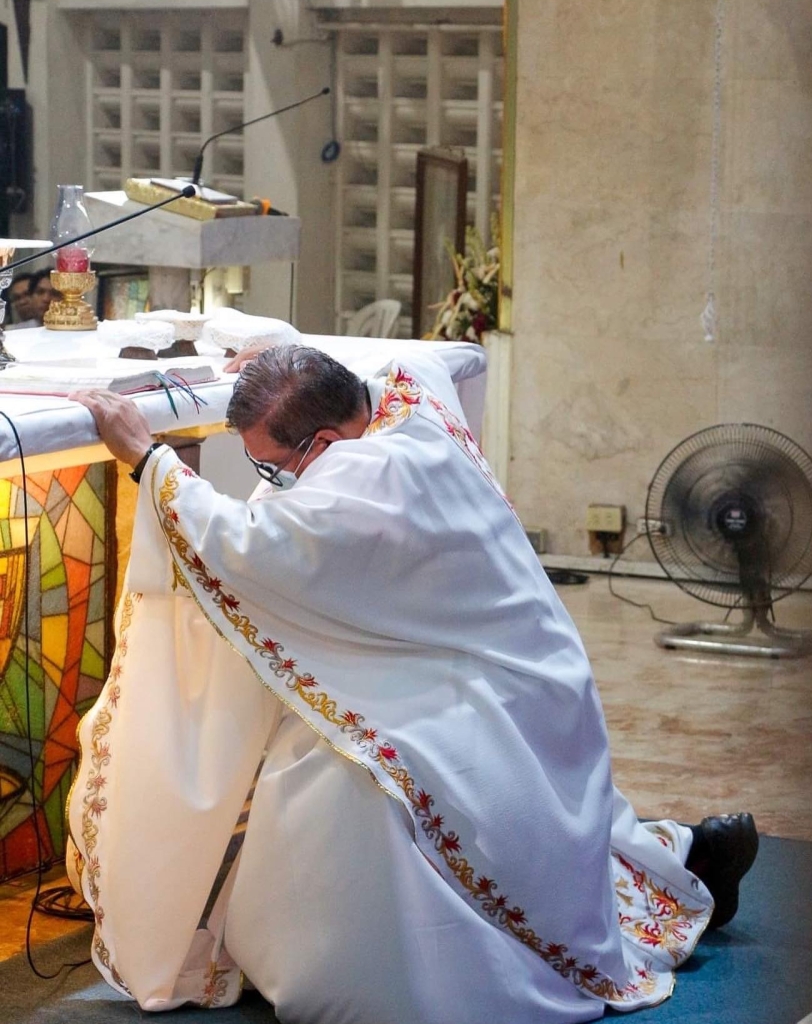
In the year 627, during the reign of the Emperor Heraclius I of Constantinople, the Persians conquered the city of Jerusalem and removed a major part of the Cross from its sanctuary. The emperor then launched a campaign to recover the True Cross which he regarded as the new Ark of the Covenant for the new People of God. Before embarking into war, Emperor Heraclius went to church wearing black as a sign of penance, then prostrated himself before the altar and begged God for courage. His prayer was granted as he won the war and recovered the Cross from the Persians. He brought the Cross back to Jerusalem in 641 amid great celebrations by carrying it on his shoulders. Upon reaching the gate leading to Calvary, the emperor could not go forward! Heraclius and his retinue were astonished and could not understand what had happened until the Patriarch Zachary of Jerusalem told him, “Take care, O Emperor! In truth, the imperial clothing you are wearing does not sufficiently resemble the poor and humiliated condition of Jesus carrying His cross.”

Upon hearing those words, the emperor removed his shoes and bejewelled robes, put on a poor man’s clothing and was eventually able to proceed to Calvary and replaced the Cross inside the Church of the Holy Sepulchre where a number of miracles happened during the occasion: a dead man returned to life, four paralytics were cured, ten lepers were healed, 15 blind men were given their sight, with several possessed people exorcised and many sick people totally healed!

Photo by author, Mirador Jesuit Villa & Retreat House, Baguio City, 24 August 2023.

Very notable in this story were the words of the Patriarch of Jerusalem. It was only after the emperor had taken off his royal clothings and put on those of the poor was he able to carry the Cross.

It is the same thing that is asked of us today: it is so easy to display the cross inside our homes and cars, or wear it as a jewelry or even as a tattoo on our skin. But that would amount to nothing unless we have the cross inside our hearts, our very being. More than the many signs of the cross and imaginary drawing of its lines we draw on our chest is the need for us to empty ourselves of our pride and sins so that we can be filled by Jesus Christ.

Brothers and sisters: Christ Jesus, though he was in the form of God, did not regard equality with God something to be grasped. Rather, he emptied himself, taking the form of a slave, coming in human likeness; and found human in appearance, he humbled himself, becoming obedient to death, even death on a cross.

Philippians 2:6-8

Called kenosis in Greek, self-emptying is the way of the Cross of Christ. It is choosing love and mercy than self-centeredness and self-righteousness; sacrifice than satisfaction; fairness and justice than greed and possession; bearing all the pains and perseverance than complaining and whining about difficulties and trials in life like the Israelites in the wilderness (first reading); and, thinking more of others than of one’s self.

Photo by author, 02 September 2023.

The recent COVID-19 pandemic had taught something very amusing about the positivity of being negative, when negative was actually positive – healthy and COVID free! Remember how during those days when we would always wish we would yield negative results in our swab tests for COVID?

When we look at the sign of the cross (+), it is a positive sign, a plus sign. Though the cross calls us to let go, to be detached and dispossessed, it is actually an invitation to have more of God, of life and fulfillment! In this time of affluence when everything is practically easily available for as long as you have the means and the resources, the sign of the Cross reminds us that life is more of letting go and of giving than of having like God who “so loved the world that he gave his only Son, so that he who believes in him might not perish but might have eternal life” (Jn.3:16). St. Francis of Assisi said it perfectly why the Cross is an exaltation, a triumph:

For it is in giving that we receive,
it is in pardoning that we are pardoned,
and it is in dying that we are born to eternal life.  

Amen.  Have a blessed Thursday!

The debt that is never paid off

The Lord Is My Chef sunday Recipe for the Soul by Fr. Nicanor F. Lalog II
Sunday in the Twenty-third Week of Ordinary Time, Cycle A, 10 September 2023
Ezekiel 33:7-9 ><))))*> Romans 13:8-10 ><))))*> Matthew 18:15-20
Photo by author, St. Scholastica Convent, Baguio City, 23 August 2023.

Our gospel this Sunday is very difficult but also one of the simplest and fundamental teachings by Jesus Christ: fraternal correction for more harmonious relationships.

That is very difficult because we have all experienced how when we heard of somebody going wayward in life, of living in a life of sin, our immediate reaction is to talk about them, engage in gossips without any intentions at all to correct them. Sad to say, we even distance ourselves from them – exactly the opposite of what Jesus is teaching us today:

Jesus said to his disciples: “If your brother sins against you, go and tell him his fault between you and him alone. If he listens to you, you have won over your brother. If he does not listen, take one or two other along with you, so that every fact may be established on the testimony of two or three witnesses. If he refuses to listen to them, tell the church. If he refuses to listen to the church, then treat him as you would a Gentile or a tax collector.”

Matthew 18:15-17
Photo by author, St. Scholastica Convent, Baguio City, 23 August 2023.

Jesus is now heading to Jerusalem to fulfill his mission. Along the way, he taught his disciples important lessons about the Church he had just “established” upon Peter, the Rock, while at Caesarea Philippi three weeks ago.

In these next three Sundays, Jesus tackles three delicate issues we continue to face even in our modern time like fraternal correction, forgiving, and work. These are delicate topics because they are all expressions of mutual love for one another.

Very often, we commit the sin of omission in the realms of these three, particularly of fraternal correction as we tend to detach ourselves from others especially if they are committing sin. By distancing from them, we unconsciously allow them to sin. In the movie The Good Nurse based on that true story of a nurse in the US who killed so many patients for some years by transferring to different hospitals, the good nurse asked him why he did it? The serial killer nurse said, “nobody told me to stop doing it.”

The dark side of the sin of omission lies in that tendency within us to not care at all especially with those who prefer to separate from us and lead their lives in the way they wanted. There is that tendency within us to be like Cain even if we are not guilty of any sin or may even be the offended party, saying, “am I my brother’s keeper?” Most sad are our Filipino expressions when somebody sins, “Bahal ka na sa buhay mo…pinili mo iyan, pagdusahan mo.”

Photo by author, Camp John Hay, 12 July 2023.

Fraternal correction is the antidote to sins of omission because it is about keeping our relationships intact as family, friends, brothers and sisters in Christ.

Jesus becomes truly present in the world among us when we live in harmony because “where two or three are gathered together in my name, there am I in the midst of them” (Mt. 18:20).

As early as the Old Testament, God had already insisted on this moral precept as his children that we look after one another like a guard or sentinel in the positive sense as he told the Prophet Ezekiel in the first reading. At that time, the enemies of Judah were closely approaching their borders that they designated watchmen as their first line of defense. Failure by these watchmen to warn the people – as it turned out later – could spell disaster for the kingdom.

The same thing is true with us. We are all interrelated with each other. One rotten tomato can spoil the whole batch. We cannot choose to be indifferent or just be mere bystanders amid the evil and sins happening around us perpetrated by those closest to us. But we must do it all in the spirit of love, not because we are better or holier.

Brothers and sisters: Owe nothing to anyone, except to love one another; for the one who loves another has fulfilled the law. Love does no evil to the neighbor; hence, love is the fulfillment of the law.

Romans 13:8, 10
Photo by author, Sacred Heart Novitiate, Novaliches, QC, 22 March 2023.

Fraternal correction is an expression of our mutual love for one another, the exact opposite of sin of omission. St. Paul offers us a lot today about this love that builds our family and community still from his letter to the Romans.

Let us start with St. Paul’s conclusion that love is the fulfillment of the law which we often hear and even proclaim to others. Main question that arises from this is the nature of this love. For St. Paul, love is the self-sacrificing love that Jesus showed us when he offered himself for us on the cross. Recall last Sunday St. Paul reminded us to offer your bodies as a living sacrifice (Rom. 12:1) like Jesus. In that same chapter, St. Paul spoke about not retaliating or seeking vengeance, an echoing of the Lord’s instruction on love when asked by a scholar of the law which is the greatest of the commandments (Mt.22:37-40).

Here we find, love for St. Paul is the imitation of Jesus Christ, a love that can never be measured at all and even be demanded and decreed! The love of Jesus Christ is so new as he mentioned at his last supper (Jn. 13:34) because it is a love rooted in God, a love that elevates us or as young people say “levels up” every disciple into the mystical plane.

Prior to his telling us today “to owe nothing to anyone, except to love one another”, St. Paul was expounding at the beginning of Romans 13 the theme of obedience to authority, a sort of social responsibilities, of things like justice (vv.1-7). While justice demands we pay off our debts and other dues to one another, to the state and public officials, it is a totally different scenario when it comes to love.

Photo by author, St. Scholastica Convent, Baguio City, 23 August 2023.

Love is not a possession that anyone can receive or give in an exactly measured quantity. St. Mother Teresa said that the measure of love is when you love immeasurably. There is no such thing as a kilo of love. It is either you love or do not love! And when that happens, when we do not love, then we sin. That sin can only be repaired and corrected by love. Sin is when we lack love; to overcome sin, pour in more love.

In all his writings, St. Paul always had love as the basis of his teachings so that without sounding as imposing, he could persuade us to live deeply moral lives as expression of that love in Christ which he eloquently expressed in his ode to love in 1 Corinthians 13. One of the earliest Latin phrases I have learned as a child was from my elementary school days at St. Paul College Bocaue (Bulacan). Our school motto is “Caritas Christi urget nos” – The love of Christ impels us (to love more) – from 2 Corinthians 5:14.

When we examine our true love experiences that are not selfish but other centered, we realize that love is a debt we can never pay off because love is a gift from God. This gift of his love makes us those who receive it in a filial, loving relationship with him our Father. Most of all, we realize we too can love like Jesus Christ!

God does not “order” nor “command” us in the strict sense to love him. He asks for our love because he loves us, because he is love. When we love, we fulfill the commandments of God. We live in peace and harmony with one another like in heaven. That is why it is only love that will remain in heaven where there will be no more fraternal corrections. Most of all, never be paid off as a debt because love is all that shall remain to become our very person in Christ. Amen. It is a Sunday. If you love, celebrate Mass in your parish. Have a blessed, loving week!

Photo by author, La Trinidad, Benguet, 12 July 2023.

The great “crossover”: from our human thoughts to God’s thoughts

The Lord Is My Chef Sunday Recipe for the Soul by Fr. Nicanor F. Lalog II
Sunday in the Twenty-Second Week of Ordinary Time, Cycle A, 03 September 2023
Jeremiah 20:7-9 ><}}}}*> Romans 12:1-2 ><}}}}*> Matthew 16:21-27
Photo by author, Mirador Jesuit Villa and Retreat House, Baguio City, 24 August 2023.

A friend serving as a nun in California recently sent me a wooden cross and a wooden rosary as her delayed gifts for my birthday and anniversary last summer. Tied to the wooden cross is a card that asks, “Why do people cross the road?” Answer: “To get to the side of life!”

So beautiful and true! To get to the side of life we must cross the road in Jesus Christ with his Cross!

That is the gist of our gospel this Sunday which is still set in Caesarea Philippi where Jesus for the first time revealed himself as the Messiah following Peter’s identification of him as “You are the Christ, the Son of the living God” (Mt.16:16) last week. It was also at that same scene this Sunday when Jesus predicted for the first time his coming Passion, Death, and Resurrection that scandalized his apostles, especially Peter.

Jesus began to show his disciples that he must go to Jerusalem and suffer greatly from the elders, the chief priests, and the scribes, and be killed and on the third day be raised. Then Peter took Jesus aside and began to rebuke him, “God forbid, Lord! No such thing shall ever happen to you.” He turned and said to Peter, “Get behind me, Satan! You are an obstacle to me. You are thinking not as God does, but as human beings do.”

Matthew 16:21-23
Photo by author, St. Scholastica Convent, Baguio City, 23 August 2023.

During the time of Jesus, the cross was the most inhuman punishment of all. It was the worst curse that could fall on anyone that it was a crime in Roman law to threaten anyone with crucifixion. Its horror was strongly etched on the people’s minds at that time.

That is why Peter reacted in such a way to the Lord’s first prediction of his pasch. However, it is totally opposite with us today as we see the cross displayed everywhere. Not only in churches, cemeteries and homes but even in offices, classrooms, hospitals, restaurants, and in all kinds of vehicles. We have cross in our pockets and wallets, on our shirts and jewelries with some on their skin as objects of veneration or as a badge. But, do we really understand and realize the deeper meaning of the cross?

If we admit so readily that Christ must suffer his passion, it is most likely that we have not truly dwelled on this scandalous reality unlike Peter and people of his time. And that is the danger of this too much use of the cross by so many without even reflecting on its true meaning except, perhaps, only once a year on Good Friday.

That wooden Cross gift to me.

Beginning this Sunday, Jesus invites us to look more intently to his cross when we listen to the word and celebrate the Eucharist.

There at Caesarea Philippi, Jesus and the Twelve went on a u-turn to head down south towards Jerusalem to fulfill his mission. We too must cross the road – make u-turns if needed to follow Jesus by thinking in God’s thoughts not in human thoughts for us to forget ourselves, take our cross and follow Jesus.

Jesus must have understood the humanness of Peter in reacting in such a way after making his first prediction of his Passion, Death and Resurrection. But, see how the words of Jesus to Peter at Caesarea were so identical with his very words to the devil during his temptation in the wilderness, He turned and said to Peter, “Get behind me, Satan! You are an obstacle to me. You are thinking not as God does, but as human beings do.”

Jesus reminded Peter and us today to think in God’s ways not in human thoughts. Like Peter, we are fully human, so limited, so weak. We are in the world and many times, the temptations to be of the world are so strong even in subtle ways we are not aware of, wrongly thinking like Peter that we are doing Jesus a great service when it is not.

It is the same temptations we also go through daily like Peter when one day we are so highly inspired with revelations from God in our prayers and experiences then suddenly, we feel low and lost, afraid and terrified with the realities of the Lord’s call and way of his Cross.

This is what Jesus is telling us in this final scene at Caesarea Philippi – of the need for us to confront daily the scandal of his Cross, of his suffering and death leading to his glorious resurrection. It is a process of crossing daily the street in Jesus with his Cross by thinking in God’s thoughts, not in human thoughts.

To think as human beings do is to think of one’s self more, to think of one’s own good and glory, totally forgetting others and most of all, neglecting even rejecting the higher things in life like God and virtues and other things that the material world cannot fill. To think as human beings do is to think more of success and accomplishments, happiness and pleasures; to think as God is to think of fruitfulness and fulfillment, of joy and completeness, of sacrifice and sufferings, of love and mercy.

Like Peter, there were times we have denied knowing the Lord but what matters most is we realize our sins and go back to him. Like Peter, many times we do not listen intently to the Lord’s words, always forgetting or ignoring his resurrection that when Easter happened, we are also troubled and amazed when we could not find him. Many times we are like Peter we think as humans forgetting to think like God when we are so filled with ourselves. Let us pray and be patient in our prayer life, in emptying ourselves like Peter so that like him when Pentecost came and was filled with the Holy Spirit along with the other disciples, everything became clear with the bold proclamation that “God has made him both Lord and Messiah, this Jesus whom you crucified” (Acts 2:36).

Photo by author, Sacred Heart Novitiate, Novaliches, QC, 2017.

Many times in life, it is so difficult to think in God’s ways because of this great temptation that we think something better and easier like what the devil told Jesus in the wilderness of turning stones into bread to solve his hunger. We find it very appealing to deviate from the plans of God, not to follow his thoughts because they always require patient waiting and most of all, the need to consider and respect others too, especially those in the margins.

That has always been the temptation by the devil to Jesus and to us – to just forget God and his plans, to go on with the flow of tide, with the ways of the world of wealth, power and fame, to choose what is easier and more pleasurable, what is most appealing to the senses that give instant gratifications.

And thus we have these problems and crises even in faith because we have rushed and simplified even the sacred and holy! Anything goes in the Mass, especially with priests on the pretenses of being more inclusive, more understanding to the people, of just being so plainly simplistic from architecture and designs to vestments and clothings. Homilies are more of clapping and singing and theatrics; God’s thoughts are disregarded, human thoughts are emphasized when pastors please their congregation with all kinds of healing and “hiling” – the health and wealth type of preaching. We have forgotten the fact that people go to Mass to experience God and his thoughts – not human politics and other agenda nor entertainment.

Photo by author, Sacred Heart Novitiate, Novaliches, QC, 2017.

This Sunday, the prophet Jeremiah shows us how despite our own limitations and weaknesses, we can still think in God’s thoughts by allowing ourselves to be taken over by God “like fire burning in my heart, imprisoned in my bones” (Jer. 20:9) to be “duped” by God because that is where we still find life amid death and sufferings. In short, fall in love and stay in love with God! That is what St. Paul meant in the Second Reading urging us “to offer your bodies as a living sacrifice, holy and pleasing to God” (Rom. 12:1) by living, thinking and doing the Father’s will always. It is a process that takes time. Be patient for our God is the most patient lover of all. Amen. Have a blessed week, stay safe!

In the world but not of the world

The Lord Is My Chef Sunday Recipe for the Soul by Fr. Nicanor F. Lalog II
Twenty-first Sunday in Ordinary Time, Cycle A, 27 August 2023
Isaiah 22:19-23 ><]]]]'> Romans 11:33-36 ><]]]]'> Matthew 16:13-20
Photo by author, Camp John Hay, Baguio City, 12 July 2023.

Nothing remains permanent in this world except change. And God who alone forever remains.

Though times change with new and unexpected situations that raise questions never thought of before, we are constantly challenged to make God present in Jesus Christ with our lives of witnessing as his disciples in every age.

That is why Jesus has been teaching us these past weeks of having faith in him alone, of nurturing that relationship with him especially in this time when many are deleting God not only from their lives but even in their history as a nation.

But, despite these human attempts since Adam and Eve to turn away from God, despite the many developments and advancements we have had, we humans still long for God in the end, eventually ending up searching for what is divine and holy, totally different and permanent who gives meaning to us and our existence.

Jesus shows us this Sunday the surest way of keeping our faith alive in these troubled times, in becoming his presence in the ever-changing world with its many shifting trends and paradigms.

Jesus went into the region of Caesarea Philippi and he asked his disciples, “Who do people say that the Son of Man is?” They replied, “Some say John the Baptist, others Elijah, still others Jeremiah or one of the prophets.” He said to them, “But who do you say that I am?” Simon Peter said in reply, “You are the Christ, the Son of the living God.” Jesus said to him in reply, “Blessed are you, Simon son of Jonah. For flesh and blood has not revealed this to you, but my heavenly Father.”

Matthew 16:13-17
Photo by author, Caesarea in northern Israel near Tyre and Sidon in Syria, May 2019.

Jesus continues his journey into pagan territories, from Tyre and Sidon last week to Caesarea Philippi today. Of course, his journeys were not really geographical in nature but spiritual; nonetheless, Jesus this Sunday is teaching us something very important about discipleship which is to be in the world but never to be of the world.

Let us reflect on the two crucial methods used by Jesus.

First, he made a survey of the situation, of assessing and getting a clearer picture of what is happening at the ground level. I find this very “incarnational” in nature. It speaks so well of his very own kenosis, of becoming human like us in everything except sin. Jesus is so in touch with realities, so grounded with the people when he asked the Twelve, “Who do people say that the Son of Man is?”

Photo by author, St. Scholastica Convent, Baguio City, 23 August 2023.

Jesus dared to ask to know the truth, unafraid of what people might be saying about him. So unlike of us who are afraid to hear and learn the truth about us especially if that could be painful. Until now, Jesus continues to be in the world, grounded and rooted in the realities of our lives, journeying with us without us being aware of him. The tragedy of our time is how so many of us believe and take social media and the internet as the reality, failing to distinguish reality from virtual-reality!

Look at how so many people live their lives these days as a telenovela, a mere show so that when reality bites, they collapse and cave in. Many are so far from life’s realities and thus become out-of-touch with themselves, with others, and the world. And that includes us in the Church that people find us irrelevant because we are out of sync with them in many aspects of life.

And that was the result of the Lord’s survey! People got it all wrong who he is because they got mixed signals from witnesses and his disciples themselves, including us in our own time! When we lack that deep and personal relationship with Jesus, the Christ we proclaim becomes far from the truth, a big lie from who he really is. These are grace-filled moments from God for us to open anew to him and most of all, to be able for us to level up in our existence.

Here we have Simon Peter as our example and model. See how he had greatly changed in God’s grace, from the proud and doubting fisherman last Sunday to a highly inspired disciple today, “Blessed are you, Simon son of Jonah. For flesh and blood has not revealed this to you, but my heavenly Father.”

This is the high-point of our gospel this Sunday, of being in the world and not of the world. See at how Jesus categorically declared to the Twelve not only the precision and truth of Peter’s answer to the Lord’s question of who do you say that I am; more important here is the fact that such knowledge and wisdom can only come from God as a revelation which St. Paul expressed so lovely in our second reading, “Oh, the depth of the riches and wisdom and knowledge of God! How inscrutable are his judgments and how unsearchable his ways! For from him and through him and for him are all things” (Rom. 11:33, 36).

Photo by author, St. Scholastica Convent, Baguio City, 23 August 2023.

The late Casey Kasem, host of the American Top 40 radio show used to sign off saying, “Keep reaching for the stars but keep your feet on the ground.”

What a beautiful reminder that for us to level up in our existence, we have to be grounded with God and reality, of being aware of the dirt and chaos in this world yet, we continue to strive to become better persons, to rise to the top as man as man in the image and likeness of God.

Here lies one of our problems in the Church these past years in our efforts to be “closer” with the flock when we simplified everything including our Masses that have become like variety shows with all the clapping and even dancing. Homilies have become stand-up comedies or rehash of news analyses or review of movies and mini-series. Focus has shifted on the pastor, forgetting Jesus Christ especially in the use of modern means of communications.

As a result, people were confused who is Jesus Christ because as we have removed the sense of sacred and holy in our celebrations and practices, came followed our lack of credibility as witnesses of the Lord with all kinds of clerical abuses that continue to plague us especially after Vatican II. Everything had become ordinary and worldly, or, of the world. All flesh and blood without the Father.

The first reading reminds us that God is the invisible hand always working for our own good, appointing credible and good people to lead us closer to him despite some despots and evil men and women who have plunged the world into chaos and darkness. Until now we can attest how in life we have seen and experienced more good people than bad ones.

Photo by author, Mirador Jesuit Villa, Baguio City, 24 August 2023.

Tomorrow, August 28, we celebrate the feast of the great St. Augustine who wrote, “You have made us for yourself, O Lord, and our heart is restless until it rests in you” (Confessiones). There comes a time in our lives when after we have had everything, after all our searching and discoveries, after all our successes and failures in life, there is always that moment when we simply can’t get enough without God. There is always that emptiness within that only God can fill. The more we are rooted in this world, the more we realize we are not of the world too. That there are far more greater and nobler things in life we have to aspire for and become even while in this limited world marred by evil and sin.

The most truthful truths in life are learned while being on the ground, in the world where we are directed to level up in our views and existence; that is when we learn to detach ourselves from worldly things and start following Jesus, witnessing in his being the Christ, especially on the Cross. This we practice every Sunday by celebrating the Mass with our fellow disciples and cojourneyers in Christ to heaven. Amen.

Faith in God, faith in people

The Lord Is My Chef Sunday Recipe for the Soul by Fr. Nicanor F. Lalog II
Sunday in the Twentieth Week of Ordinary Time, Cycle A, 20 August 2023
Isaiah 56:1, 6-7 ><}}}*> Romans 11:13-15, 29-32 ><}}}*> Matthew 15:21-28
Photo by author, 2018.

Weddings are special occasions for me as a priest because they remind me so much of God’s presence in our time. Weddings gladden my heart as a priest because I find faith, hope and love still so vibrant in our own time when people seem to have turned away from God and spiritual values in exchange of material things. Weddings remind me that faith in God is also faith in one another.

Last Sunday we have reflected that outside forces like storms can never determine God’s presence in our lives. He is always present; problem is with us always absent, running away from him. In fact, our gospel this Sunday tells us how Jesus even dares to go to foreign territory just to find us, to heal us, and bring us back home to the Father.

At that time, Jesus withdrew to the region of Tyre and Sidon. And behold, a Canaanite woman of that district came and called out, “Have pity on me, Lord, Son of David! My daughter is tormented by a demon.” But Jesus did not say a word in answer to her. Jesus’ disciples came and asked him, “Send her away, for she keeps calling out after us.” He said in reply, “I was sent only to the lost sheep of the house of Israel.”

Matthew 15:21-24
Photo by author, Caesarea in northern Israel near Tyre and Sidon in Syria, May 2019.

What a beautiful scene presenting to us God’s love for each of us, of Jesus going into foreign and pagan territory to save us, to share us his good news of salvation. But, are we there to meet Jesus when we are in unusual circumstances in our lives?

Like what we have reflected last Sunday, we need to have that sacred space within us where we could be one with God in Jesus in prayer where we grow deeper in faith, hope and love. There is no doubt with the presence of God in our lives but are we attuned with him?

That day when Jesus withdrew to Tyre and Sidon, there were also many other people who were also sick or with sick family members but, it was only the Canaanite woman who had faith that she recognized Jesus as the Christ by calling him not just “Lord” but also “Son of David.” Though a pagan, she recognized Jesus as the promised Savior of the world, not just of the Jews! Many times in life we are that Canaanite woman, feeling so alone in a foreign territory or unusual situations with nobody to come to for any kind of help or even companionship except God alone. Hence, the need to cultivate a prayer life so we can have that sacred space within us for God, where Jesus comes and dwells.

Photo by author, Camp John Hay, Baguio City, 12 July 2023.

But, there is something else interesting in this scene not just the faith of the Canaanite woman in Christ but also with others. Our faith in God is expressed in our faith with others too. The depth and strength of our faith can be measured with our faith in one another especially those dearest to us.

See the Canaanite woman’s POV or “point of view” and contrast it with the apostles who begged Jesus to entertain her so that she would get out of their way. The apostles wanted to get rid of her because she was making a great commotion. Maybe they felt so ashamed, so jahi to the madlang people!

How sad that we act like the Twelve many times in our lives, with that great disparity between what we believe and what we live. This is the tragedy especially of those serving in the Church with us priests included. Do we believe others as the presence of God? What a tragedy when we categorize people as ones to keep and others to dismiss for whatever reason. Like the apostles, we feel suspicious of those asking Jesus or, us for help. Do they really believe her daughter was sick? Did they believe the Canaanite woman at all?

For us to get a clearer snapshot of the Canaanite woman’s faith and POV, let us return for a while why Jesus ignored her by reminding his disciples that, “I was sent only to the lost sheep of the house of Israel.” Recall that was also his instruction to his apostles after naming them and sent them to their first mission not to go to pagan territories but look for the lost sheep of Israel.

But the woman came and did Jesus homage, saying, “Lord, help me.” He said in reply, “It is not right to take the food of the children and throw it away to the dogs.” She said, “Please, Lord, for even the dogs eat the scraps that fall from the table of their masters.” Then Jesus said to her in reply, “O woman, great is your faith! Let it be done for you as you wish.” And the woman’s daughter was healed from that hour.

Matthew 15:25-28
Photo by author, Katmon Nature Reserve & Beach Resort, Infanta, Quezon, 04 March 2023.

Their conversation about the bread and the dogs reminds us of the wedding feast at Cana when Mary approached Jesus to inform him that the newly-wed couples have ran out of wine. When Jesus told her, “Woman, how does your concern affect me? My hour has not yet come” (Jn. 2:4), we find it echoing here in Tyre and Sidon when he told the Twelve, “I was sent only to the lost sheep of the house of Israel.”

Here now is the most beautiful part, the POV of the Canaanite woman who was very much like the Blessed Virgin Mary when she came and did homage to Jesus, begging “Lord, help me.”

I love that part of the Canaanite woman begging Jesus in the name of her daughter. When she finally had the attention of Jesus, she said “Lord, help me”, – not “Lord, help my daughter tormented by a demon”! It was her daughter in need of healing but the woman identified with her just like Mary when she told the servers, “Do whatever he tells you” (Jn.2:5).

What a lovely and amazing scene of faith in God and faith in others! Both Mary believing in Jesus passing on her faith to the servers and the Canaanite woman assuming into her the faith of her sick daughter. It was indeed a tough and deep faith she had professed to Jesus like the servers at the wedding in Cana: it was just a matter of time before something great happens. She felt it coming when she said even the dogs eat the scraps falling from their master’s table.

In life, like that Canaanite woman and the Blessed Virgin Mary, we have to assert even insist our faith while at the same time claiming whatever we believe is ours even if we have to wait. That is why St. Paul tells us in today’s second reading of the need to cultivate and deepen our faith even if God’s gifts and call are permanent and irrevocable (Rom.11:29) because we might fall into the same mistake of his fellow Jews who felt so secured in their beliefs and failed to recognize Jesus as the Christ.

Every Sunday, Jesus calls us to gather for the Eucharist. Everybody is welcomed, especially those feeling lost and alienated, or considered as outsiders because Isaiah prophesied in the first reading today, “my house shall be called a house of prayer for all peoples” (Is.56:7). Jesus comes to us in his words, in his Body and Blood, in one another especially those nearest to us like our family, your spouse or wife, your children, our siblings, our parents.

It is a Sunday. Let us gather as one family in the house of Lord, to share in his table of the word and of the bread – believing, hoping, and loving. Amen.

Maria, Kaban ng Tipan

Lawiswis ng Salita ni P. Nicanor F. Lalog II, Ika-15 ng Agosto 2023
Larawan kuha ng may-akda, bukang-liwayway sa Camp John Hay, Baguio noong 12 Hulyo 2023.

Kamakailan ay naglathala ako dito sa aking blog na wala nang birthday pang ipinagdiriwang sa langit. Ito rin ang dahilan kaya tama ang mga tambay at tomador sa kanto sa kanilang awitin na “sa langit ay walang beer” kasi nga walang birthday sa langit!

Tunghayan aking paliwag, https://lordmychef.com/2023/07/26/may-birthday-pa-ba-sa-langit/.

Ito ang dahilan kaya ang kapistahan ng ating mga banal ay ipinagdiriwang sa kanilang araw ng kamatayan o kaya sa petsa kung kailan inilipat kanilang mga labi o bangkay. Ito rin ang dahilan kaya sa araw na ito, ika-15 ng Agosto ay ating ipinagdiriwang ang pag-aakyat sa langit sa Mahal na Birheng Maria bagamat hindi siya namatay na katulad ng ibang mga santo at santa o ng mga tao.

Ipinapahayag sa ating pananampalataya batay sa mga tradisyon at pagninilay, hindi dumanas ng “kamatayan” tulad ng ating nalalaman ang Birheng Maria. Sa ating kamalayan at kaalaman, nakakatakot ang kamatayan dahil ito ay mahirap, masakit at malagim. Iyan ay dahil sa ating kasalanan. Sabi ni San Agustin noon, kahit hindi nagkasala ang tao, daranas pa rin siya ng kamatayan ngunit hindi ito mahirap o masakit at malagim. Kumbaga, sa isang kisap-mata maaring mangyari ang kamatayan na walang kahirap-hirap.

Iyon ang dinanas ni Maria, nakatulog kaya sa Inggles ang tawag ay dormition of Mary.

Icon ng “Dormition” o Pagtulog ni Maria na iginuhit ni El Greco noong ika-16 na siglo mula sa en.wikipedia.org.

Gayon din naman, sa kanyang pagtulog, iniakyat ng Diyos si Maria sa langit katawan at kaluluwa upang maging kauna-unahan sa mga nilalang na magtamo ng kaganapan ng pangako ni Jesus na muling mabubuhay ang mga namatay sa wakas ng panahon. Dahil hindi naman “namatay” si Maria kaya hindi rin naagnas o nawasak kanyang katawan kaya siya naman ay kaagad na ring iniakyat ng Diyos sa langit. Ito rin ang ating sasapitin na siyang ating inaasam-asam balang araw sa wakas ng panahon kapag tayo ay papasok din ng langit, katawan at kaluluwa.

Larawan kuha ni Fr. Gerry Pascual sa Santuario di Greccio, Rieti, Italy, 2019.

Kaya naman sa araw na ito ay ipinaalala sa ating ng Dakilang Kapistahan ng Pag-aakyat sa langit kay Maria na ang landas patungong langit ay nagsisimula dito sa lupang ibabaw.

Pagmasdan kung paano sa ating Ebanghelyo ating napakinggan ang pagdalaw ni Maria sa kanyang pinsang Elizabeth na tuwang-tuwang at nagpupuri sa kanyang pagpapalang tinanggap sa Diyos. Sa halip na papurihan din niya si Elizabeth, ang pinuri ni Maria ay ang Diyos sa pag-awit ng Magnificat.

At sinabi ni Maria, “Ang puso ko’y nagpupuri sa Panginoon, at nagagalak ang aking espiritu dahil sa Diyos na aking Tagapagligtas. Sapagkat nilingaop niya ang kanyang abang alipin! At mula ngayon, ako’y tatawaging mapalad ng lahat ng salinlahi.”

Lukas 1:46-48

Dito pa lamang atin nang makikita kung paanong sa buhay ng Mahal na Birheng Maria ay magkatali at hindi mapaghihiwalay kanyang tuwa at galak sa pagliligtas ng Diyos at ang kanyang hapis sa paanan ng Krus ni Jesus.

Si Maria ang una at pangunahing alagad ni Kristo sapagkat siya ang unang tumanggang at tumalima sa Salita na naging tao, si Jesus. Sa buong buhay niya, si Jesus ang kanyang dinala at binahagi sa lahat maging sa pagsisimula ng Inang Simbahan nang kasama si Maria ang mga apostol na nananalangin sa silid nang bumaba ang Espiritu Santo noong Pentekostes.

Kaya naman tinagurian din si Maria bilang Kaban ng Tipan o Ark of the Covenant dahil siya ang nagdala ng Diyos Anak sa kayang sinapupunan.

Matatandaan na noong nasa ilang ang mga Israelita, nagpagawa ang Diyos kay Moises ng kaban upang doon ilagak ang dalawang tapyas ng bato na kinasusulatan ng kanyang Sampung Utos. Itinatago noon sa tolda o kubol ang Kaban ng Tipan bilang tanda ng kapanatilihan ng Diyos. Tuwing papasok si Moises sa tolda kung saan naroon ang Kaban ng Tipan, bumababa ang ulap ng Diyos tanda na naroon siya sa tolda kausap si Moises. Tanging mga pari mula sa lahit ni Levi (kaya Levita ang tawa sa kanilang pari) lamang ang maaring magpasan ng Kaban ng Tipan ng Diyos.

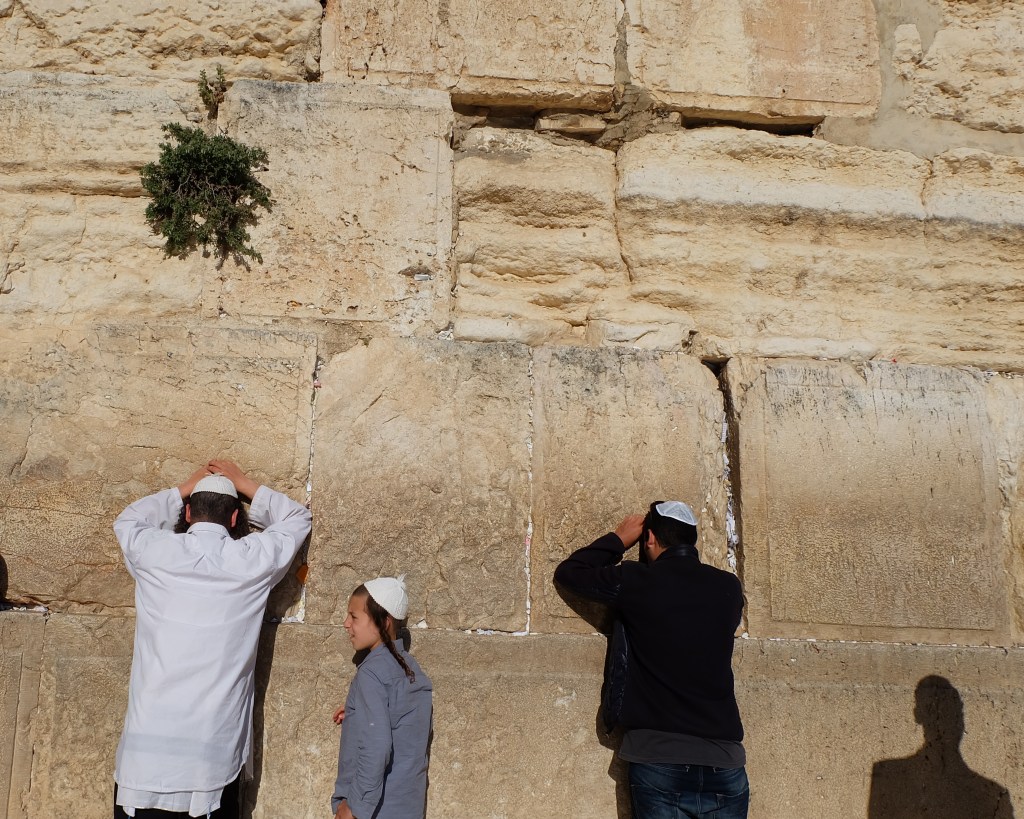
Nang mayari ang templo ng Jerusalem, doon inilagak ang Kaban ng Tipan kaya naman hindi lamang kapitolyo ng mga Hudyo ang lungsod na ito kungdi ito rin ang gitna ng sandaigdigan at maging ng kalawakan sapagkat naroon ang Diyos sa templo sa Jerusalem. Nang mawasak ang templo ng Jerusalem, nawala na rin ang Kaban ng Tipan. Iyong “wailing wall of Jerusalem” na dinarasalan ng mga Hudyo at mga peregrinong Kristiyano ang natitirang labi ng bahagi ng templo na pinakamalapit sa pinaglagyan ng Kaban ng Tipan ng Diyos. Banal na lunan iyon sapagkat iyon ang pinakamalapit sa pinaglagyan ng Kaban.

Larawan kuha ng may-akda, Jerusalem, 2017.

Ngayong Dakilang Kapistahan ng Pag-aakyat kay Maria sa langit ay maganda ring balikan ang litanya ng Birheng Maria na nagsasabi sa kanya bilang “Kaban ng Tipan” na siya ring nakita ni Juan sa kanyang pangitain ukol sa mga magaganap sa wakas ng panahon.

Nabuksan ang templo ng Diyos sa langit, at nakita ko ang Kaban ng Tipan.

Pahayag 11:19

Nakakatawang isipin na mula sa Hollywood sa pelikulang Raiders of the Lost Ark kung saan bida si Harrison Ford bilang Prof. Indiana Jones, kalaban niya ang mga Aleman noong ikalawang digmaang pandaigdig sa paghahanap sa Kaban ng Tipan dahil sa paniniwalang ito ang pinaka-mabisang sandata sa lahat dahil sa angking kapangyarihan.

Hindi na natin kailangan pang hanapin iyon o ano mang anting-anting upang maging makapangyarihan. Tularan lamang natin si Maria sa pagiging kaban o lagakan ni Jesus sa ating pagkatao ay sapat na. Wala tayong hindi mapagtatagumpayanan kung ang Diyos ang nananahan sa ating katawan at katauhan.

“The Assumption of the Virgin” ng Italian Renaissance painter na si Titian, ginawa sa isang simbahan sa Venice noong 1518. Larawan mula sa wikidata.org.

Sa Banal na Misa ang Diyos ay ating napakikinggan sa kanyang mga salita ngunit ito ba ay ating naisasabuhay tulad ni Maria?

Sa Banal na Misa ating tinatanggap si Jesus, Katawan at Dugo sa Banal na Komunyon ngunit siya ba ang nababanaagan sa ating sarili at pamumuhay, salita at gawa?

Sa panahong ito na lumalayo na at binabale-wala ng maraming tao ang Diyos, maging paalala sa atin nawa na maging katulad ni Maria sa pagiging Kaban din ng Tipan ng Diyos, tagapagdala at tagapaghatid ni Jesus sa mga tao hindi lamang sa salita kungdi sa gawa.

Nawa sa ating pagdiriwang ng Dakilang Kapistahan ng Pag-aakyat sa Langit kay Maria, masalamin din sa atin ang inaasam-asam nating buhay na walang hanggan sa langit sa pamumuhay natin sa mapagmahal na paglilingkod lalo sa mga may-sakit at nahihirapan. Sila nawa ay mabuhayan ng loob na magwawakas din kanilang pagdurusa at balang araw makakamit buhay na walang hanggan sa tulong at panalangin ng ating Mahal na Ina si Maria. Amen.