40 Shades of Lent by Fr. Nicanor F. Lalog II
Ash Wednesday, 18 February 2026
Joel 2:12-18 +++ 2 Corinthians 5:20-6:2 +++ Matthew 6:1-6, 16-18
Thank you,
merciful Father
for personally calling us
to return to you this Lent
as we mark its start with
Ash Wednesday;
thank you, Father
in sending us your Son
Jesus Christ our Lord
to lead us back to you,
reminding us of your
abiding presence despite
our turning away from you;
thank you for his Vicar,
Pope Leo XIV in guiding us
in this Lenten journey into
our inner selves,
into our hearts
to find you,
to rest in you,
and to remain in you.
“Even now, says the Lord, return to me with your whole heart, with fasting, and weeping, and mourning; rend your hearts, not your garments, and return to the Lord, your God” (Joel 2:12-13).
Rend my heart,
dear Jesus,
that I may start listening
anew to your words,
in listening to your silence
to lead me into conversion;
rend my heart,
O Lord,
that I may always listen
to you in my brothers
and sisters' pleas for help
amid their many pains
and suffering because
I have been numb to them,
unmindful of their presence;
rend my heart,
Jesus so you may be my core
not easily swayed by
that little gadget the cellphone
that had become the modern baal
of our time
we unconsciously follow
and obey
instead of you,
Lord.
Rend my heart,
dear Jesus,
that I may truly fast
by emptying myself
of my pride and sins
so that you may fill me
with your humility,
justice,
and love;
rend my heart,
O Lord,
that I may "hunger" more
for your values
and "thirst" for your
 love and mercy
by "disarming our language,
avoiding harsh words
and rash judgment,
refraining from slander";
render my heart,
Jesus,
 so I may fast my tongue,
"striving to measure our words,
cultivate kindness
and respect
 so that words of hatred
may give way
 to words of hope and peace."
Rend my heart,
dearest Jesus,
so that my listening
and fasting may lead into
the common good,
into a communion
of your disciples
attentive to God and
to the least among us;
rend my heart,
Lord Jesus Christ
not only to cleanse my conscience
but also to enhance
the quality of my relationships
and dialogue with each other
 in the power
of the Holy Spirit.
Rend my heart,
Lord Jesus Christ
to help me find my way back
to the Father
in you,
through you,
and with you.
Amen.
*Prayer based
on Pope Leo XIV's
first Lenten Message,
https://press.vatican.va/content/salastampa/en/bollettino/pubblico/2026/02/13
40 Shades of Lent by Fr. Nicanor F. Lalog II
Ash Wednesday, 18 February 2026
Joel 2:12-18 +++ 2 Corinthians 5:20-6:2 +++ Matthew 6:1-6, 16-18
Lent is often portrayed as a journey of 40 days towards Easter starting today, Ash Wednesday. But deeper than a journey in time, it is a journey into the Father that starts in our hearts, deep within each one of us.
It is the season when we are invited to take time to look inside our hearts to see our true selves as sinful in order to meet God dwelling right inside us. The Prophet Joel in the first reading sets this tone of inner journey of conversion perfectly when he voiced out God’s call, speaking to us personally especially in this modern age:
“Even now, says the Lord, return to me with your whole heart, with fasting, and weeping, and mourning; rend your hearts, not your garments, and return to the Lord, your God” (Joel 2:12-13).
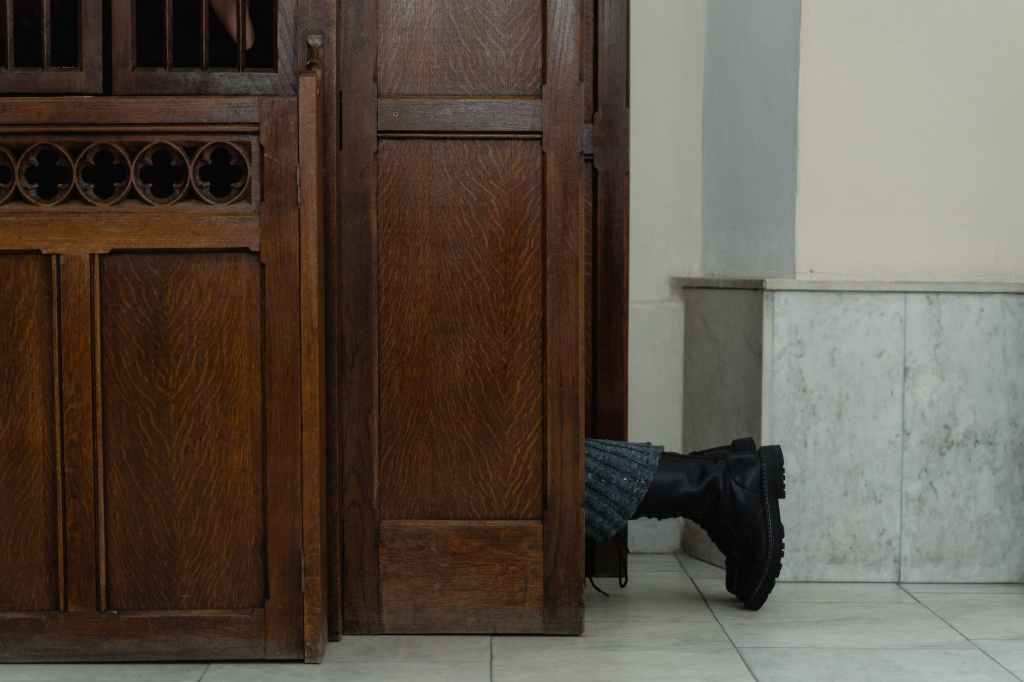
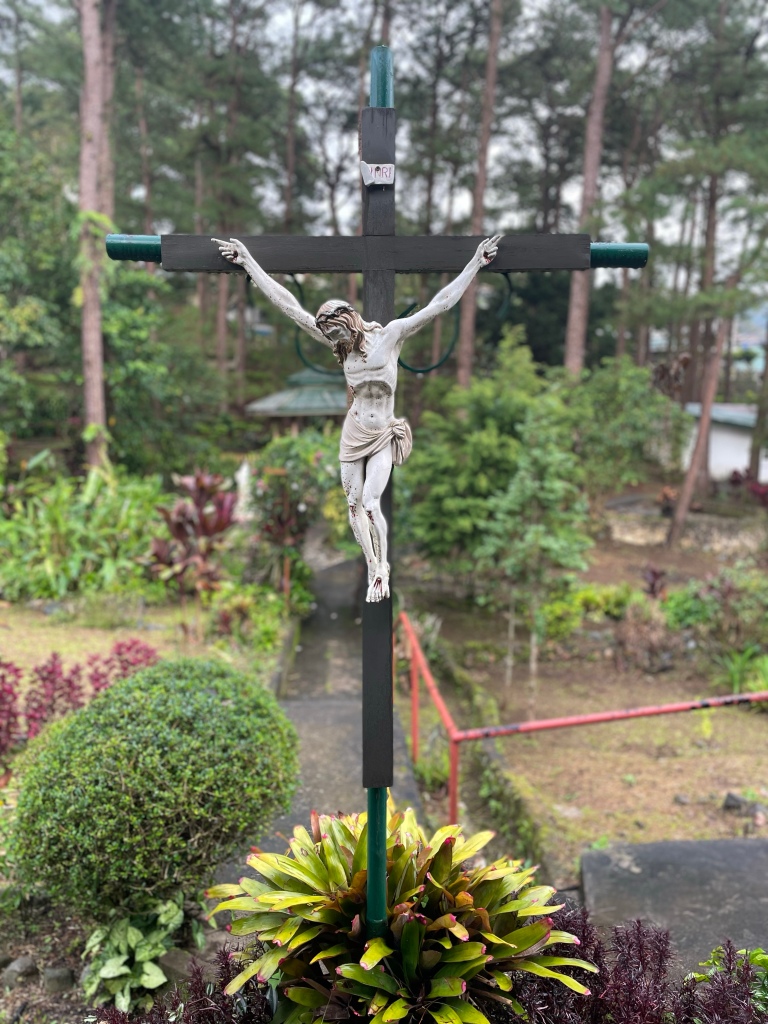
Photo by author, Buendia Ave., Makati City, 09 February 2026.
Very often, we are concerned about our external appearance, of how we look to other people but God sees what is in our hearts, of what is really inside us. And the path inside us is to cleanse ourselves thoroughly of the dirt and smudges of sin; hence, the imposition of ashes on our forehead.
Ash has long been a cleansing agent. Long before these modern kitchen stoves and gadgets of today, we used firewood for cooking that blackened the bottom of cooking wares. There were no Scotch Brite nor dishwasher at that time so we would mix ashes and cleanser soap then with steel wool and eskoba, we scrubbed them on the dirty kaldero and kawali until they were sparklingly beautiful again.
It is the very imagery of that cleaning of darkened pots with ash and soap the priest conveys to us when he says “Repent and believe in the gospel” while putting those ashes on our foreheads.
To repent is more than being sorry and admitting our sins but also a firm resolve to change our sinful ways, to be converted by following Jesus Christ in his Cross, by being more loving like him. In his first Lenten Message, Pope Leo XIV reminds us that “Every path to conversion begins by allowing the word of God to touch our hearts and welcoming it with a docile spirit.” He proposes three specific ways in doing this: listening, fasting and together.
Listening. The Holy Father reminds us so beautifully that “The willingness to listen is the first way we demonstrate our desire to enter into a relationship with someone.”
So true! But, so sad, too is the fact whom do we listen more these days? We live in a mass-mediated culture with so many young people practically living in the social media, taking and believing everything they read and see on their screen as the “gospel” truth that have only misled so many of us into various forms of miseries like emptiness, alienation from self and others, and even deaths.
Pope Leo explains that “Our God is one who seeks to involve us. Even today he shares with us who is in his heart. Because of this, listening to the word in the liturgy teaches us to listen to the truth of reality… In order to foster this inner openness to listening, we must allow God to listen as he does.” This is precisely the call of Jesus to us in the gospel when he repeatedly spoke of “God seeing you in secret” – God is always listening to us but do we listen to him?
In order to truly listen to God, first we must learn his language which is silence. See how the word “silent” is a palindrome of “listen” which is the reason why we have two ears so that we may listen more than speak. Remember also the shape of our ears – when placed together they form a heart because listening is not letting the words pass through the other ear nor keep in one’s head to understand but meant to bring down into our hearts so we can be more loving and kind, leading to oneness and bonding with the other persons.
Here we can adopt the suggestions of the CBCP that we fast this Lent on social media: no more cellphones before sleep and after waking up; limit social media and streaming time; observe device-free meals and gatherings; replace screen time with prayer and making time to be with others personally.
Photo by author, Sacred Heart Novitiate, Novaliches, QC, March 2025.
Fasting. According to Pope Leo, “fasting is a concrete way to prepare ourselves to receive the word of God.” He explains that “because it involves the body, fasting makes it easier to recognize what we ‘hunger’ for and what we deem necessary for our sustenance. Moreover, it helps us identify and order our ‘appetites,’ keeping our hunger and thirst for justice alive and freeing us from complacency.”
Again, let us use our Filipino language in understanding fasting and abstinence as well. Fasting is linked with abstaining from food. For us Filipinos, the most common practice of fasting and abstinence is avoiding meat like no meat on Fridays; meat in Filipino is laman. Therefore, when we say “no meat” it literally means walang laman which means empty in Filipino. It is when we are empty of ourselves that we become filled with God and his word, eventually of others especially the sick and suffering.
In a very interesting way, Pope Leo XIV invites us beginning this Lent to fast with our “tongue”: “Let us begin by disarming our language, avoiding harsh words and rash judgment, refraining from slander and speaking ill of those who are not present and cannot defend themselves. Instead, let us strive to measure our words and cultivate kindness and respect in our families, among our friends, at work, in social media, in political debates, in the media and in Christian communities. In this way, words of hatred will give way to words of hope and peace.”
Together. Finally, the Holy Father sums up that listening and fasting must both lead to the common good, the unity of peoples because “conversion refers not only to one’s conscience, but also to the quality of our relationships and dialogue. It means allowing ourselves to be challenged by reality and recognizing what truly guides our desires” not only as a community but especially in our “thirst for justice and reconciliation”.
Again, our Filipino word for listening says it all: pakikinig leads to pagniniig or intimacy which is oneness, communion, and bonding. True conversion leads to communion that begins with reconciliation as St. Paul called on us today in the second reading, “We implore you on behalf of Christ, be reconciled to God. Behold, now is a very acceptable time; behold, now is the day of salvation (1Cor. 5:20,6:2).”
As we receive the ash on our foreheads today, let us have moments of silence to listen to God’s voice we have stifled in our hearts, let us fast from talking and scrolling, and together we help each other to truly journey inside our true selves to meet God this Lent. To meet God is to die into one’s self, one’s sins, one’s selfishness as well dying literally speaking which the old formula of imposition of ash solemnly declares, “Remember that you are dust, and to dust you shall return.”
Let’s face it: it is the reality of death that we have often tried to deny and escape in life that have kept our hearts consumed with all these distractions in modern life that have led us into sins and meaninglessness. Let us start anew today in Christ Jesus to find ourselves and God within our hearts. Amen. A blessed Ash Wednesday to you!
Lord My Chef Sunday Recipe for the Soul by Fr. Nicanor F. Lalog II
Solemnity of the Pentecost, Cycle C, 08 June 2025
Acts 2:1-11 ><}}}}*> Romans 8:8-17 ><}}}}*> John 14:15-16, 23-26
VATICAN CITY, VATICAN – MAY 08: Faithful in St. Peter’s Square participate in the first blessing of Pope Leo XIV immediately after the white smoke on May 08, 2025 in Vatican City, Vatican. Photo by Ivan Romano/Getty Images.
The other “good news” I heard next to the election of Pope Leo XIV last month were reports of people from different countries and other religions who went to join the pilgrims at the Vatican Square celebrating the election of our new Holy Father.
According to news, many of those non-Catholics who came there were so attracted and drawn by the unity of the people in rejoicing and celebrating Pope Leo XIV’s election to the papacy. That is Pentecost in modern time happening whenever people are one with each other in God by the Holy Spirit.
Painting by El Greco, “Pentecostes” (1597) from commons.wikimedia.org.
When the time for Pentecost was fulfilled, they were all in one place together… Then there appeared to them tongues as of fire, which parted and came to rest on each one of them. And they were all filled with the Holy Spirit and began to speak in different tongues, as the Spirit enabled them to proclaim. Now there were devout Jews from every nation under heaven staying in Jerusalem… They were astounded, and in amazement they asked, “Are not all these people who are speaking Galileans? Then how does each of us hear them in his own native language?” (Acts 2:1, 3-5, 7-8).
The Pentecost is an old Jewish Feast commemorating the ratification 50 days after of their covenant with God through Moses at the Sinai desert; today in the Church, we celebrate it 50 days (pente) after Christ’s Resurrection that also closes the Easter Season.
Considered as the birthday of the Church, see how appropriate the way Luke described the Church “born” on that day, “When the time for Pentecost was fulfilled, they were all in one place together.”
They were all in one place. There has always been the oneness or gathering of people as one body. However, it was more than being physically together in one place but of being one heart and one mind of the Church that continue to this day in our own time despite our many physical differences. What we celebrate today is not just a remote event in the past but a reality that continues in the Church and in various churches everyday.
The Pentecost is the fulfillment of those reflections we have had these past weeks on Jesus Christ’s commandment to love so that God would dwell among us. It is again our gospel this Sunday that was experienced by the Jews from other parts of the world there in Jerusalem on that day when they were astounded at how the Apostles were speaking in their own languages of God’s mighty deeds. They felt the love among everyone that they felt home. It was the complete opposite of what happened at the Babel’s Tower in the Old Testament.
They were astounded, and in amazement they asked, “Are not all these people who are speaking Galileans? Then how does each of us hear them in his own native language? We are Parthians, Medes, and Elamites, inhabitants of Mesopotamia, Judea and Cappadocia, Pontus and Asia, Phrygia and Pamphylia, Egypt and the districts of Libya near Cyrene, as well as travelers from Rome, both Jews and converts to Judaism, Cretans and Arabs, yet we hear them speaking in our own tongues of the mighty acts of God” (Acts 2:7-11).
Biblical vector illustration series, Pentecost also called Whit Sunday, Whitsunday or Whitsun. It commemorates the descent of the Holy Spirit upon the Apostles and other followers of Jesus Christ
"We hear them speaking in our own tongues of the mighty acts of God"
The social media was recently abuzz with a post by a vlogger who brought to Facebook his misgivings with Starbuck’s for wrongfully calling him “JC” instead of “JP” notwithstanding his earlier insistence on not making a mistake with his name’s spelling.
He is labeled as OA – overacting – or maarte in bringing to social media his experience which has anyway been a trademark of most coffee shops. What really got the attention of everyone that made his post viral was his declaration of how Starbuck’s had lost one loyal customer following that mistake which became the subject of many memes with some parodies that are thought-provoking. One is by a brother priest, Fr. Ritz who called his parody with the long title NOT ONLY A COFFEEHOUSE MAY LOSE A LOYAL CUSTOMER TODAY.
Fr. Ritz satirically narrated the two common laments of parishioners almost everywhere, namely, the priest’s boring homilies and lack of transparency with the faithful’s financial contributions. Sadly true, many of our faithful have become lukewarm in their faith and have stopped coming to church especially on Sundays due to these particular reasons.
Of course, we can’t put all the blame on the priests but we can’t blame either the lay faithful who make up the Church, the flock of Christ entrusted to us to love and care for by bringing out their giftedness in order to build this mystical Body of Christ on earth. The Church is more than Starbuck’s or any food and service entity but they all essentially share the same things like love and care among others to keep their relationships for existence and relevance or meaning.
Of course, that vlogger’s post about his experience at Starbuck’s was way off the mark but it is something we need to look deeper. How did it happen that people are now more concerned and more eager in coming to Starbuck’s than to our parish church? Maybe because like him who had given albeit wrongly his loyalty to a mere coffee shop, some of our faithful have felt taken for granted. We cannot claim “para yun lang” because certain things no matter small may be the world for some like being called in their name, being greeted or simply acknowledged as present on a weekday Mass. Or being enriched by a good homily which is after all the right of every baptized Christian.
At Pentecost, imagine the great joy of the Jews from diaspora visiting Jerusalem, hearing others speaking their language. They must have felt at home!
Are we at home in our Church?
Do we find and experience solace and comfort in our parish? Is there justice and sense of being fair from the priests instead of taking sides with the rich and famous? Can we feel our pastors and church volunteers and servants one with us?
Many times some of our parish workers and volunteers are more strict than the priests, throwing their weight around with their own rules and regulations. The single most important PR department of any parish is its office but sadly, some of its staff members scrimp on their smiles, feeling grouchy when ordinary folks come to inquire or get some certificates. Some are so unmindful of people walking for an hour only to be told they are still closed or about to close for lunch.
How sad when we are left out in the singing because the choir members stage a concert every Mass, experimenting with their voicing even with the most common Christian prayer of Our Father that people just stand and stare waiting for the communion to come and get home. Worst, as a preparation for the Father’s homily that often unprepared anyway, there are also the unprepared lectors lost which readings to proclaim or totally unmindful of the dignity of the ministry.
Above all these things, is the total lack of sense of prayer and silence among church servers who lead the Maritess sessions before and after each Mass right there inside the church. Worst, they cap each service with selfies and photo sessions at the altar as if it was their last serve. Clearly many of us live in the flesh than in the Spirit as St. Paul reminded us in the second reading. Where is the love that Jesus Christ had sent us in the Holy Spirit to make us one, feel at home joyful, safe and loved?
On this Pentecost Sunday, let us start practicing silence to feel the Holy Spirit within so that we can be in touch with everyone around us in love and kindness. Let us allow the Holy Spirit to teach us everything and remind us of all that Jesus had told us (Jn. 14:26). Amen. Have a blessed week ahead everyone!
Lawiswis ng Salita ni P. Nicanor F. Lalog II, Ika-29 ng Mayo 2025
Larawan kuha ng may-akda, St. Scholantica Retreat House, Tagaytay City, Agosto 2024.
Ito ay pagsang-ayon sa ginawang pagninilay kamakalawa ni P. Ritz Darwin Resuello ukol sa nalalapit naming lipatan ng mga pari. Malaman ang kanyang mga sinulat. At nakatutuwa ang kanyang pamagat na mayroong halong salya at padyak: GUMUGULONG LANG BA ANG ROLETA? ISANG PAGNINILAY SA NALALAPIT NA LIPATAN.
At iyon nga ang punto de vista nitong ating pagninilay din: gumugulong lang ba ang roleta sa lipatan ng mga pari?
Nakakatawa. Kasi totoo lalo nitong mga lumipas na panahon. Kung minsan nga parang hindi lang roleta kungdi tila bolang kristal na rin ang ginagamit sa lipatan.
Larawan kuha ng may akda noong Misa ng Krisma, 2025.
Hindi natin kinukuwestiyon ang pagpapasiya ng Obispo na siyang may final say ngunit gaya ng nilahad ni P. Ritz, napakinggan ba ng “may pag-galang at pag-unawa ang tunay na pangangailangang pastoral” ng parokya?
a. Pakikinig nang may paggalang at pag-unawa sa tunay na pangangailangang pastoral ng parokya: Mahalaga pong lumikha ng malugod na kapaligiran para sa lahat ng boses, lalo na sa mga direktang naapektuhan ng lipatan na ito – ang mga pari, at higit sa lahat, ang mga parokyano. Ang mga hinaing, ang mga natatanging katangian ng isang komunidad, at ang kanilang kasalukuyang pastoral na sitwasyon ay lubhang mahalaga. Ang espirituwal na kapakanan ay manatili nawang pangunahing priyoridad. Gaya ng idiniin ni Papa Francisco, ang diyalogong ito ay hindi lamang tungkol sa pagdinig kundi tungkol sa pagpapatibay ng isang tunay na pagpapalitan ng mga ideya kung saan tayo ay natututo nang sama-sama at kung saan ang bawat atas ay malinaw na tumutugon sa kung ano ang tunay na kinakailangan sa parokya (P. Ritz, aka Heinrich Atmung sa FB post, 27 mayo 2025, 8:30 ng umaga).
Noong ako ay nasa ICSB Malolos, dumating ang ilang panauhin namin na mga lingkod layko ng parokya sa UP-Diliman na pawang mga propesor sa naturang pamantasan.
Hindi tungkol sa agham at edukasyon aming naging paksa sa hapunan kungdi ang kanilang tanong: paano ba kami tinuturing at tinitingnan ng mga pari sa pagbibigay ng aming mga pastol?
Pakiramdam nila kasi na tila hindi tiningnang mabuti kanilang katayuan sa buhay bilang mananampalataya nang bigyan ng pastol na palaging naroon sa mga rally kesa nasa parokya. Bagama’t anila maraming nagrarally sa UP, hindi nila kailangan ng isa pang ralliyistang pari kungdi isang nananatili doon upang kanilang masangguni sa maraming bagay sa buhay nila ng pagtuturo at pakikisalamuha sa mga mag-aaral na mayroong natatanging pangangailangang espiritwal.
Nadarama nga ba naming mga pari ang pintig ng mga tao sa parokya? Hindi tuloy nila maiwasang magtanong bakit tila sila ginagawang “tapunan” sila ng mga paring may problema.
Iba na ang mga tao ngayon. Mulat at handang makipag-usap at suriin hindi lang mga homilya kungdi mga desisyon ng kanilang pari. They deserve nothing less, ika nga dahil nga naman sa tagal ng pag-aaral at paghubog ng mga pari bago maordenahan, pagkatapos ay puro pagpalakpak at telenovela lang kuwento sa Misa? Hinubog ang mga pari upang maging mahuhusay at masisipag sa paglilingkod kaya kawalan ng katarungan na ipapasan sa mga tao lalo na kung ituring silang maliit na parokya na puwede nang pagtiyagaan mga pari na may problema sa iba’t-ibang aspekto tulad ng pananalapi, pag-uugali, at seksuwalidad.
Kuha ng may-akda, Sacred Heart Novitiate, Novaliches, QC, 20 Marso 2025.
Nasaan ang diwa ng sinodo o sama-samang paglalakbay kung saan ay nakikinig ang lahat ng panig lalo’t higit ang mga nag-aasign ng pari? Maraming parokya nasisira dahil hindi isinaalang-alang kapakanan ng mga mananampalataya kasi nga naman yung mahusay nilang kura pinalitan ng tamad at walang pakialam o makasarili. Lahat ng pagsisikap ng naunang pari ay pilit binubura at winawasak ng sumunod na kapalit dahil sarili ang inuuna at hindi ang mga kawan. At mayroong pari na hindi maka-move on, hindi maiwanan dating parokya dahil pakiwari sa sarili ay Mesiyas!
Problema ito sa buong Simbahan maski sa ibang bansa dahil marahil sa isang pinag-uugatan: ang pagturing sa mga parokya bilang maliit o malaki, mayaman o mahirap. Hindi totoong may pangit na parokya; nasa uri ng pari iyon. Mayroong mga munting pamayanan na napapayabong ng ibang pari na tingin ng iba ay imposible.
Panahon na upang alisin sa talasalitaan ng mga pari ang label na maliit at malaki o mahirap at mayamang parokya dahil bawat pamayanan ay katipunan ng mga alagad ni Kristo. Higit sa lahat, bawat parokya ay pinanahanan ng Espiritu Santo bilang Katawan ni Kristo na dapat palaging pahalagahan ano man ang katayuan. Kung tutuusin batay sa turo ng Panginoong Jesus, iyon ngang hirap na parokya at tila pinagtampuhan ng panahon ang dapat bigyang halaga ng mga pari gaya ng mga nasa kabundukan at liblib na pook. Hindi ko malilimutan ang salita noon sa amin sa seminaryo ng dating naming Obispo na Arsobispo Emerito ng Naga, ang Lubhang kagalang-galang Rolando Tria-Tirona, “those who have less in life should have more of God.”
Ito ang sinasaad ng katagang sinodo, ang katagang palasak na ngayon ngunit hindi pa rin maramdaman dahil wala namang nakikinig at nagbibigay halaga sa bawat isa.
Kuha ng may-akda, Sacred Heart Novitiate, Novaliches, QC, 20 Marso 2025.
Usiginga… kailan nanaig kalooban ng mga kawan kesa sa kura? O ng karamihan ng mga pari kesa sa Obispo at iilan niyang upisyal?
Totoong walang demokrasya sa Simbahan sa larangan ng chain of command dahil ito ay isang hierarchy, na mayroong hanay ng mga upisyal sa pamumuno ng Santo Papa katuwang mga Obispo na kinakatawan ng mga Kura sa bawat Parokya.
Subalit, hindi ito nangangahulugang diktadura ang Simbahan. Kung tutuusin nga ay sa Simbahan dapat matagpuan ang tunay na diwa ng kalayaan na kung saan ay masinsinang tinatalakay ng lahat ang higit na makabubuti sa karamihan batay sa kalooban ng Diyos. Ito ang dahilan kaya nagpatawag ng sinodo ang yumaong Santo Papa Francisco.
Dito makikita din natin ang isang malinaw na problema ng Simbahan na hindi namin matanggap – na kaming mga pari mismo ang problema ng Simbahan. At sa Simbahan. Ngunit saka na natin iyan pag-usapan at balikan ang pagninilay ni P. Ritz na ating pinagtitibay. Wika niya muli sa kanyang FB post noong Mayo 27:
b. Pagyakap sa maagap na pastoral na karunungan: Mahalaga pong isaalang-alang kung paano nakatutulong ang bawat “assignment” sa paglago ng isang pari sa ministeryo at nagpapayaman ng kaniyang mga karanasan, laging naghahanap ng balanse sa pagitan ng mga pangangailangan ng mga parokya at ng paglago ng indibidwal na mga pari.
Mula sa cbcpnews.com.
Matalik na kalakip ng diwa ng sinodo ang kapatiran ng mga pari. Ngunit kapansin-pansin tuwing lipatan ang problema ng aming mga tampuhan at mga reklamo sa assignment. Totoo namang mayroong mga pari na namimili at mareklamo sa assignment ngunit hindi sila ang problema sa lahat ng pagkakataon tuwing may lipatan.
Ang problema ay ang sistema at patakaran – o kawalan ng mga ito.
Masakit sabihin ngunit aking pangangahasan sa pagkakataong ito na sa dalawamput-pitong taon ko sa pagiging pari, mas maayos ang lipatan at mga assignment noon kesa ngayon. Problema na rin naman noon din ngunit mas malala ngayon ang pananaw ng hindi pagiging patas o unfair sa pagpili ng mga assignment.
Hindi matatapos ang mga reklamo at hinaing sa bawat lipatan hanggat hindi naiibsan ang pananaw na ito. Hindi po salapi ang problema ng mga pari. Hindi rin naman babae o mga pogi. Ito palagi ang problema at daing natin – ang hindi patas sa maraming aspekto at pagkakataon.
Dito pumapasok ang maruming kahulugan ng “politika” sa Simbahan tulad ng barkadahan at favoritism. Mayroong napaparusahan, mayroong pinalalampas. Mayroong pinag-iinitan at mayroong kinukunsinti. Ang malungkot, mayroong mga pinangingilagan kaya pinagbibigyan lahat ng kagustuhan. Bato-bato sa langit, tamaan sapul!
Gayon pa man, on a positive note, dito makikita ang mabuti at malalim na kapatiran ng mga pari kung saan mayroong ilang maninindigan upang kausapin ang lahat kung kinakailangan alang-alang sa ilang bagay na nakakaligtaan o ayaw tingnan ng ilan sa mga kapatid naming naka-kahon na hindi makaahon sa kabila ng kanilang pag-amin at pag-ako ng kanilang pagkakasala at pagkakamali. Problema ng stigma.
Tanging hiling lang naman ng mga pari ay kausapin sila upang mapakinggan kanilang kalagayan at kalooban sa pagbibigay ng assignment. Ito yung pinupunto ni P. Ritz sa kanyang pitak. Sadya bang nasuring mabuti ang lahat ng paraan upang mapalago ang sino mang pari sa kanyang destino? Wala namang pari na likas na masuwayin kungdi ang ibig rin ay sariling ikapapanuto. Sa kabutihang-palad, mas marami pa rin ang mga paring masunurin at nagpapahalaga ng pangako ng obedience kaya sana ay naroon palagi ang fairness.
Hindi mawawala mga inggitan at siraan sa lipatan ngunit huwag mawawala ang “sense of fairness” dahil dito nakasalalay mabuting samahan at ugnayan. Susunod at susunod pa rin mga pari sa lipatan alang-alang sa obedience at faith in God ngunit palaging uusok ang isyu ng lipatan parang isang takore ng kumukulong tubig. Pakinggan natin ang sipol ng kumukulong tubig sa takore, yung tinatawag sa Inggles na tempest in teapot. Diyan pumapasok ang ikatlong punto ni P. Ritz:
c. Pagpapatibay ng malinaw at mapagmalasakit na komunikasyon: Kung posible po, ang pagbibigay ng napapanahon at “transparent” na impormasyon tungkol sa lipatan ay maaaring makapagpapagaan ng mga alalahanin at makapagpadali ng mas maayos na pagsasaayos para sa lahat – ang mga pari, kawani ng parokya, at ang mga mananampalataya. Ang isang maikli ngunit napag-isipang paliwanag ay maaaring lubos na makapagpatibay ng tiwala sa loob ng ating pamilya sa diyosesis.
Mula sa vaticannews.va.
Ang Simbahan ay komunikasyon. Kaya naman sa mga dokumento nito lalo mula nang Vatican II, sinasaad na sa Simbahan dapat masaksihan ang pinakamainam at pinakamataas na antas ng pagtatalastasan.
Ngunit taliwas palagi. Maraming pagkakataon sa mga pari kulang ang komunikasyon. Ni walang formal communication sa mga lipatan. Mayroong mga pari na atat nang lumipat na akala mo ay makikipagpalit lang ng tsinelas! Juice colored…! Kaluluwa ang pinag-uusapan habang ang antas ng aming usapan ay parang paglipat lang ng bahay kung saan ang pananaw ng ilan ay mag-impake lang ng mga gamit at damit. Kapirasong text o sulat hindi pa magawa kung hindi kayang tawagan o personal na kausapin sa mga balakin.
Kaya nga babalik tayo sa tanong ng mga tao: ano nga ba turing natin sa kanila tuwing maglilipatan kasi ang sagot dito ay siyang sagot sa tanong ano nga ba turingan naming mga pari sa isa’t isa? Hangga’t walang maayos na sagot sa mga katanungang ito, mananatili ang pananaw at paghahalintulad sa roleta na gamit sa perya ang lipatan. O bolang kristal ng mga manghuhula.
Sa diwa ng sinodo at kapatiran bilang sama-samang naglalakabay na Simbahan, patuloy tayong manalangin para sa mga pastol at kawan. At huwag din mag atubiling makilahok sa mga talakayan at usapan na ang tanging mithiin ay hanapin at sundin ang kalooban ng Diyos upang higit Siyang mapaglingkuran at masalamin dito sa lupang ibabaw. Salamuch po.
Larawan kuha ng may-akda, Chapel of the Angel of Peace, Our Lady of Fatima University, Valenzuela City, Marso 2025.
The Lord Is My Chef Sunday Recipe for the Soul by Fr. Nicanor F. Lalog II
Feast of the Holy Family, Cycle C, 29 December 2024
1 Samuel 1:20-22, 24-28 ><)))*> 1 John 3:1-2, 21-24 ><)))*> Luke 2:41-52
Photo by author of a depiction of the Holy Family near the main door of St. Joseph the Worker Parish in Pacdal, Baguio City, 28 December 2024.
You must have heard of the classic song “A House Is Not A Home” composed by the great tandem of Burt Bacharach and Hal David recorded by Dionne Warwick in 1964 for a movie of the same title. It went back to charts in 1981 when the late Luther Vandross covered it in his first album.
It is a very lovely ballad of a love lost, teaching us that indeed, “a house is made of walls and beams while a home is made of love and dreams”.
A chair is still a chair
Even when there's no one sitting there
But a chair is not a house
And a house is not a home
When there's no one there to hold you tight
And no one there you can kiss good night

A room is still a room
Even when there's nothing there but gloom
But a room is not a house
And a house is not a home
When the two of us are far apart
And one of us has a broken heart
But, in the Hebrew language and Jewish thought, the word “house” in itself connotes relationships. There are no distinctions between a house and a home for them that is why we find Jesus claiming the temple as His Father’s house.
Pope Francis opening the Jubiliee Door at St. Peter’s in Rome to launch the start of the Jubilee Year of 2025. Photo by Maurix/Gamma-Rapho via Getty Images.
In fact, the first letter of the Hebrew word for God (Yahweh) is actually shaped as a door or a house. That is why there is the blessing of church doors in dioceses today worldwide following the blessing and opening of the Jubilee Door at St. Peter’s in the Vatican by Pope Francis last Christmas Eve to launch the Jubilee Year. The Jubilee Door signifies our passing through, an entering into a relationship with God.
In John’s gospel we find Jesus as an adult using the word “house” twice when He cleansed the temple, telling everyone to “stop making my Father’s house a marketplace” (Jn.2:16) and at their last supper when He assured the disciples, “In my Father’s house there are many dwelling places or rooms” (Jn.14:2).
The only other occasion Jesus used the word “house” to mean the same thing as John was when He was found by His parents in the temple as we heard today on this Feast of the Holy Family.
Each year Jesus’ parents went to Jerusalem for the feast of Passover, and when he was twelve years old, they went up according to festival custom. After they had completed its days, as they were returning, the boy Jesus remained behind in Jerusalem, but his parents did not know it. After three days they found him in the temple… When his parents saw him, they were astonished, and his mother said to him, “Son, why have you done this to us? Your father and I have been looking for you with great anxiety?” And he said to them, “Why were you looking for me? Did you not know that I must be in my Father’s house?” But they did not understand what he said to them (Luke 2:41-43, 46, 48-50).
“The Finding of the Savior at the Temple” painting by William Holman Hunt (1860) from en.wikipedia.org.
We find in the story of the finding of Child Jesus in the temple that even at a very young age, Jesus had always been clear with His oneness in God by always referring to the temple as His “Father’s house”.
As we have reflected in December 19 in Luke’s first Christmas story, the annunciation of John’s birth to his father Zechariah while incensing at the temple in Jerusalem during a major Jewish feast that Christmas begins in the church where we gather to praise and worship God as a community. See how this Sunday after Christmas our many empty pews in the church. How sad that many Catholics after Christmas have totally disregarded the Sunday Mass, going to all the vacation spots here and abroad with many of them having no qualms at all that this is the “day of the Lord”, a Sunday obligation.
Again, here is Luke in his artistic narration of Christmas into Christ’s adolescence insisting on us the importance of communal worship and prayer. Not surprising that of the four evangelists, Luke is the one who presented Jesus always at prayer as an expression of His oneness or communion in the Father and he wants us hearers of his gospel account to cultivate that same communion with God in Jesus, with Jesus, and through Jesus.
Christmas is essentially Jesus Christ becoming human so that God may be “at home” with us humans as John beautifully wrote in his prologue we heard last Christmas Day, “And the Word became flesh and made his dwelling among us” (Jn.1:14).
But, are we at home with God in Jesus?
Photo by author, the small entrance door leading to the Church of the Nativity in Bethlehem where one needs to bow low literally and figuratively to enter Christ’s birthplace.
On this Feast of the Holy Family, our gospel reminds us this Sunday of how even Mary and Joseph had trouble with their adolescent son Jesus like most parents these days, a kind of family conflict so familiar with many people everywhere.
What a lovely scene today this Christmas season amid widespread reports of child kidnappings and so many children caught in the middle of many conflicts among adults like wars in many parts of the world and worst, right inside every family, right in their house, or homes where there are no relationships at all.
Luke was a physician who understood very well the anguish and sufferings of many people, especially parents during his time that continue to these days. In narrating to us this sad episode of his Christmas stories when Jesus was lost but eventually found in the temple, Luke is assuring us that despite all the darkness and troubles that engulf many families today, we have a very loving, personal God in Christ always with us.
Photo by author, picture taken from the inside of the Church of the Nativity in Bethlehem of its small entrance door.
Mary and Joseph did not understand what Jesus meant that He must be at His Father’s house but it did not deter them from exploring its meaning so that only Mary with John and two other women remained with Christ at the foot of the Cross on that Good Friday.
How lovely that Mary and those others at the foot of the Cross were the ones truly “at home” with the Lord, in the Lord! The same thing speaks so true with Joseph who in his silence was so “at home” with God in Jesus, whether awake or asleep. He kept that relationship with God alive through Mary and those others around him especially Jesus.
As an adult approaching His pasch, Jesus assured His disciples including us today of having a dwelling place or room in His Father’s house in heaven – that, despite our many sins, God would never cut off His ties with us in Jesus, with Jesus! That is how God loved us so much as the author of the Letter to the Hebrews reminds us “God is greater than our hearts and knows everything” (1Jn.3:20).
Like Hanna the mother of the child Samuel, let us start cultivating this relationship with God even while still very young. It does not really matter if we destroy and cut it so often; what matters is we keep on trying to let it grow anew for it is and would never ever get lost again. Thanks to Christmas!
That is why I personally insist in my homilies and writings that we keep greeting everyone with a Merry Christmas until January 12, the Feast of the Baptism of the Lord that closes the Christmas season. It is still Christmas after all!
Photo by author, Chapel of the Angel of Peace, RISE Tower, Our Lady of Fatma University, Valenzuela City, Christmas 2024.
Like Mary and Joseph, let us keep coming back to God symbolized by Jerusalem and its temple now replaced with our churches. Let us go back to prayer and to Sunday Masses to find Jesus again present in the signs and symbols of the liturgy and most of all, in everyone present celebrating His coming.
Let us continue the story of Christmas with our relationships with God through others, of our being at home with the Father in Jesus Christ who “advanced in wisdom and age and favor before God and man” (Lk.2:52) after this episode which closed Luke’s Christmas account.
Let us be at home with God and with one another in Jesus, with Jesus, and through Jesus. May you continue to have blessed Christmas Season. Amen.
The Lord Is My Chef Daily Recipe for the Soul by Fr. Nicanor F. Lalog II
Simbang Gabi-6 Homily, 21 December 2024
Zephaniah 3:14-18     ><}}}*> + ><}}}*> + ><}}}*>     Luke 1:39-45
From Clergy Coaching Network, posted on Facebook 13 December 2023.
Advent and Christmas are a story of love of God’s love for us all that “He gave us His only Son.” No wonder, it is on this blessed Season when we share gifts, and most of all, our gift of self to others.
My youngest sister Bing works as an area manager of a Jollibee franchise in Bulacan. A few years ago before Christmas during our family conversations over dinner, she told us of a story shared by the Jollibee manager at NLEX. According to her story, two nuns entered their store there with some Dumagats with their driver. Right away, the store manager noticed how the two nuns were busy “calculating” the meal they have to take until settling for the cheapest, a rice meal of shanghai rolls. Obviously, the religious sisters have limited budget which did not escape the intuition of the lady manager who offered to treat them to a ChickenJoy meal for free. But the nuns felt shy and refused the manager’s offer, asking her not to be bothered at all until another woman with two kids in tow interrupted them, giving them ChickenJoy buckets with extra rice enough for the religious sisters and their companions! The woman refused to be identified and simply said that she too had noticed the nuns trying to budget their limited money that she ordered right away the food. For her part, the kind manager treated them instead for desserts to complete their meal.
That’s when my sister said “talagang Pasko na nga” (it’s really Christmas).
Yesterday in our reflection on the annunciation of the birth of Christ, we said of the need for us to enter in a dialogue with others to let Christmas happen. Dialogue is not just about improving relationships with others by thinking through issues and problems but more of a way of being with others, of being present with others to experience and feel their situations, exactly what Jesus did in being human like us in everything except sin.
At the annunciation of the Lord’s birth, Mary dialogued with Gabriel unlike Zechariah who was eventually silenced in order to be open to God. True dialogue as an incarnation like Jesus with God and with others can only happen when we are convinced of God’s love for us. Mary went in haste to visit Elizabeth because she felt God’s love in her that she wanted to share it with her cousin right away.
Mary set out in those days and travelled to the hill country in haste to a town of Judah, where she entered the house of Zechariah and greeted Elizabeth(Luke 1:39).
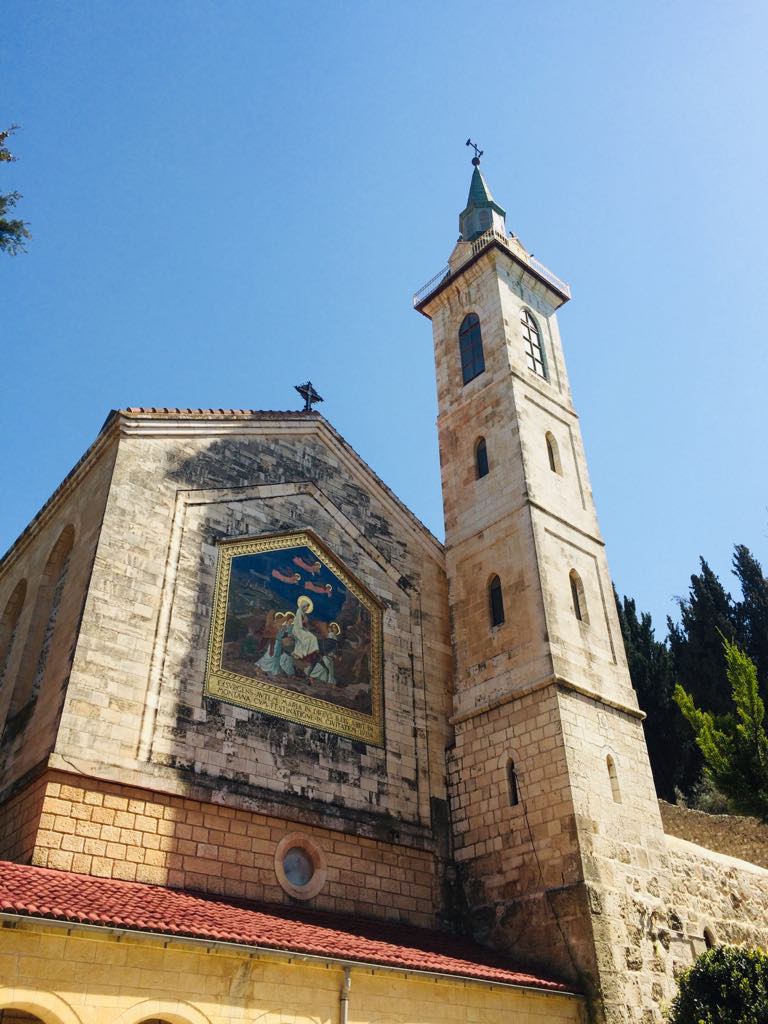
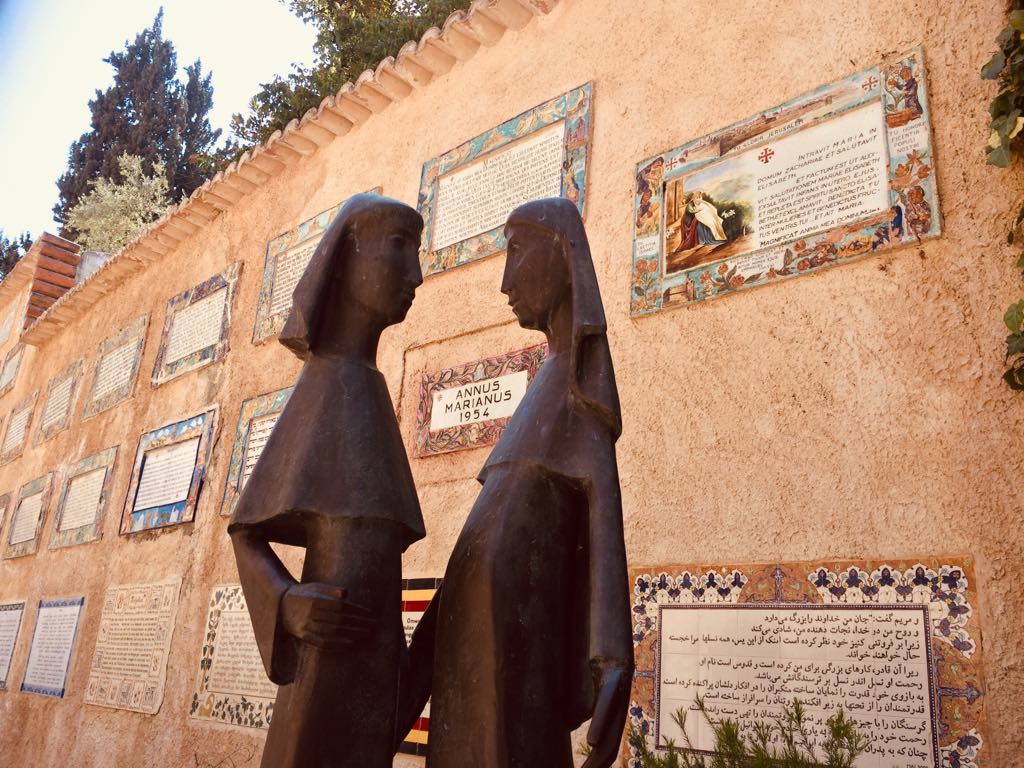
Photo by author, Church of the Visitation, the Holy Land, May 2017.
Try imagining that scene of Mary’s Visitation of Elizabeth. What did you feel? Did you feel some sense of tenderness, of being loved, of being touched by God?
While praying over this scene as I recalled my second pilgrimage to the Holy Land when we went to the Church of Visitation, I remembered my early years in the ministry when I always felt ashamed accepting invitations for dinners because I could not bring a gift.
Maybe part of our upbringing, I have always felt inadequate coming to another home bringing nothing. That is why I keep cards and stampitas in my desk along with some chocolates so that when I visit families, I could bring a little something for them.
It was only in 2011 after being assigned to a parish of my own when I was able to let go of this feeling of inadequacy after a parishioner told me how they deeply appreciated priests visiting them at home, sharing in their meal because they felt so blessed. That is why most of us priests are fat – we always get invited to meals and gatherings that sometimes I wonder if people really love me when they “force” me to eat more of their cholesterol-laden food and sugary desserts they serve!
It was during these home visitations especially of the sick and for simple meals I felt “rootedness” or oneness with people, of being “a member of each family yet belonging to none” as the famous French Dominican Fr. Lacordaire said a hundred years ago about priesthood. The more I visit families, bidden or unbidden, the more I feel the joy of my priesthood because of the family and community that I belong to. That is when I realized too that celibacy is lived in a community both of priests and laity.
For 26 years in schools and the parish and now the hospital, the more I felt Jesus present in me as a priest as I live among brother priests and lay people. Tenderness and intimacy take on a new dimension that is spiritual in nature because I don’t just touch people but am also being touched by them. Every time they thank me, I also thank them for blessing me with their warm welcome. It is like Mary and Elizabeth during the Visitation blessed abundantly by God and still sharing that same blessing with each other.
Photo by author, bronze statues of Mary and Elizabeth at the patio of the Church of Visitation, May 2017.
That is the meaning and significance of the Visitation: inasmuch as Christ comes to us individually, He behooves us to share Him also with others to form a community.
Mary visited Elizabeth not merely to help her out in her pregnancy nor to confirm what Gabriel had told her but simply because she was so convinced of God’s love that she wanted to share it with her cousin.
Mary visited Elizabeth because she felt touched by God in the Annunciation and wanted so much her cousin to be touched also by the Lord! And indeed when Luke wrote that “When Elizabeth heard Mary’s greeting, the infant leaped in her womb, and Elizabeth, filled with the Holy Spirit, cried out in a loud voice and said, ‘Most blessed are you among women, and blessed is the fruit of your womb'” (Lk.1:41-42).
Faith in Christ leads to love that moves us to bond with one another to form Christ’s body, a community of believers, a community of beloved, a community of lovers.
After receiving Jesus, like Mary, we have to move to the Visitation and share Him with others. To be able to do this, we must first be convinced that God loves us so much like what the Prophet Zephaniah said in the first reading and what Elizabeth told Mary in the Visitation, “Blessed are you who believed that what was spoken to you by the Lord would be fulfilled” (Lk.1:45).
There’s a saying, “If you have love in your heart, you have been blessed by God; if you have been loved, you have been touched by God.”
Let God touch somebody today with your visitation… believe and feel the love of Jesus! Amen.
The Lord Is My Chef Sunday Recipe for the Soul by Fr. Nicanor F. Lalog II
Sunday in the Twenty-fifth Week of Ordinary Time, Cycle B, 22 September 2024
Wisdom 2:12, 17-20 ><}}}}*> James 3:16-4:3 ><}}}}*> Mark 9:30-37
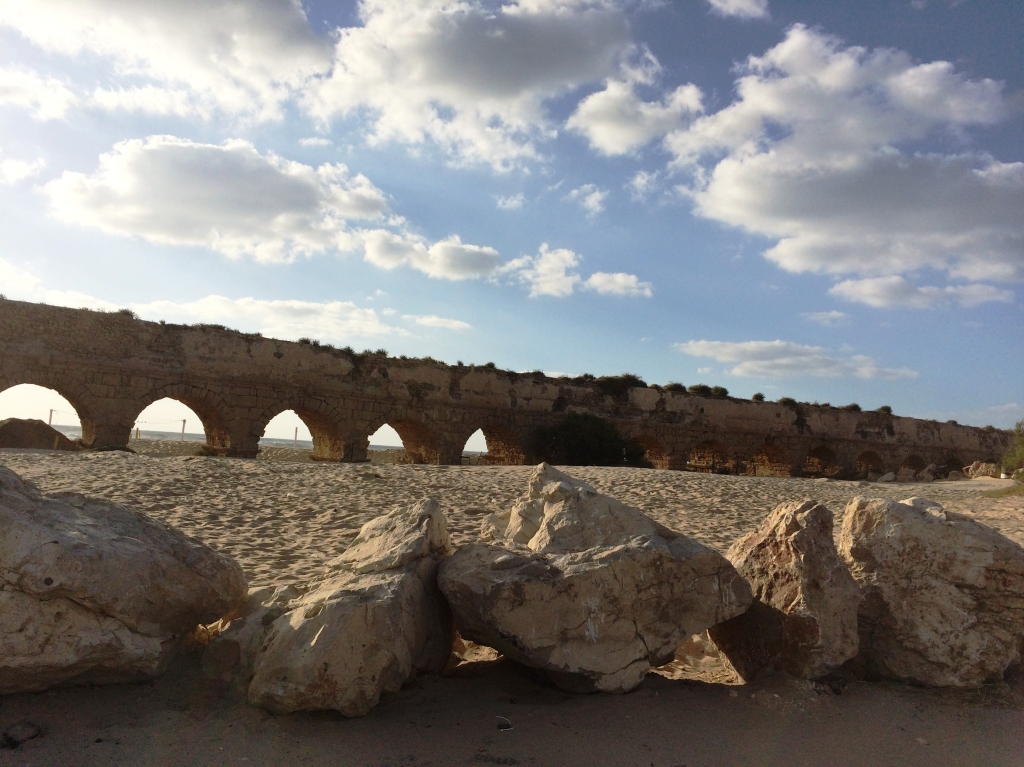
Photo by author in Caesarea Philippi, Israel, May 2017.
Time flies so fast these days and so does our gospel reading with Mark telling us in quick succession Jesus journeying south towards Jerusalem, passing through Galilee then making a stopover in a house in Capernaum.
Jesus is now intensifying His teachings to the Twelve – and us too today. For the second time since Sunday after being identified as the Christ, Jesus “spoke openly” of His coming Passion, Death, and Resurrection to His Apostles; but, unlike last Sunday, the Twelve remained silent and instead debated on who among them is the greatest as they grappled on the meaning of their Master’s coming Pasch.
Jesus was teaching his disciples and telling them, “The Son of Man is to be handed over to men and they will kill him, and three days after his death the Son will rise.” But they did not understand the saying, and they were afraid to question him. They came to Capernaum and, once inside the house, he began to ask them, “What were you arguing about on the way?” But they remained silent. They had been discussing among themselves on the way who was the greatest (Mark 9:31-34).
Photo by Ms. Marissa La Torre Flores in Switzerland, August 2024.
Did you notice that beautiful interplay again in the scene with the preceding Sunday?
Last Sunday, Jesus spoke openly of His coming Passion, Death, and Resurrection where Peter reacted by taking Him aside to protest. Jesus rebuked Peter, telling him how he thought in man’s ways than God’s ways.
Today, Jesus spoke openly anew of His coming Pasch but this time, the Twelve fell silent because according to Mark, “they did not understand the saying, and they were afraid to question him.”
Are we not like the Twelve so often with Jesus? We follow Him, we believe Him, we listen to Him but never understand His words and worst, so afraid to question Him?
What do we not understand in His words? Or, is it more of still refusing to accept the reality of His Passion, Death, and Resurrection like Peter last week?
We are afraid to ask Jesus the meaning of His words, of His plans for us not because they have hidden meanings but usually due to our own hidden agendas.
Photo by Mr. Jay Javier, 07 September 2024.
We find it hard to trust Jesus enough unlike the upright in the first reading especially in this age of social media and instant fame and popularity when numbers of “likes” and votes prevail over what is true, good, and beautiful. Real talents, innate goodness and whatever natural are disregarded. That is why I have never watched nor believed in any beauty or singing contest these days because winners are decided not really on their talents or beauty and intelligence but more on the votes they get from viewers and people. Life has become more of a popularity contest often seen in terms of money. Pera pera lang?
This propensity of equating number of votes and likes with what is true and good and beautiful reeks with a lot of those stinky attitudes of the wicked in the first reading. The author of the Book of Wisdom perfectly expressed the inner thoughts and dynamics of the wicked who are intolerant of contradiction in whatever form, most especially unbearable to them is the living reproach and challenge of the life of just persons in their midst. This was fulfilled in Christ Jesus, the Just One of God the wicked men have crucified.
The wicked say: Let us beset the just one, because he is obnoxious to us; he sets himself against our doings, reproaches us for transgressions of the law and charges us with violations of our training… Let us condemn him to a shameful death; for according to his own words, God will take care of him” (Wisdom 2:12, 20).
Photo by Mr. Jim Marpa, 2018.
Jesus Christ’s teaching of the Cross is the perfect spirit of being a child that runs contradictory to the ways of the world. To be like a child these days as Jesus showed the Twelve is to invite sarcasm and ridicule, unacceptable to those who live in the dictates of the world of power and force, wealth and fame that certainly lead to more divisions and destruction.
Jesus invites us this Sunday to “speak openly” to Him like a child filled with trust and enthusiasm to know and learn more about life and its meanings like our doubts and fears, incomprehension and uncertainties.
See how children’s face light up when grown-ups recognize their inquiries even without any explanations at all. The same is most true with Jesus in whom anything that is dull and drab shines brightly when seen in His light.
Photo by author, St. Scholastica Retreat Center, Baguio City,
We cannot escape the scandal of the Cross. To dwell on Easter Sunday without the Good Friday only makes our life journey difficult and tiring without any direction, a waste of time and energy circling around the ways of the world that has always been proven wrong.
The essence of Christ’s Passion, Death, and Resurrection is found in being a child in the same manner Jesus remained the Son of God there on the Cross. He has always been clear with this; though He knew His fate, Jesus was totally free in choosing to suffer and die on the Cross because He fully entrusted Himself to the Father as He prayed before dying on the Cross, “Father, into your hands I commend my spirit” (Lk.23:46).
That beautiful imagery of a child Jesus placed in their midst as He put His arms around him encapsulated perfectly His own Passion and Death:
Then he sat down, called the Twelve, and said to them, “If anyone wishes to be first, he shall be the last of all and the servant of all.” Taking a child he placed it in their midst, and putting his arms around it he said to them, “Whoever receives one child such as this in my name, receives me; and whoever receives me, receives not me but the One who sent me” (Mark 9:35-37).
Photo by Mr. Red Santiago of his son Clyde, January 2020.
Every Sunday, Jesus gathers us in the Eucharist, just like the house in Capernaum where He spoke privately to the Twelve to explain the Cross and being like a child.
Let us not be afraid to speak these openly to Jesus because in our shame or fears of questioning Him, the more we live in rivalries among each other, the more we covet and envy, the more peace becomes elusive because as St. James rightly said, “You do not possess because you do not ask. You ask but not receive, because you ask wrongly, to spend it on your passions” (James 4:2c-3).
Let us gather around Jesus every Sunday, speak openly to Him especially after receiving Him Body and Blood in Holy Communion to cast unto Him all our worries and doubts in life. Let us take time to listen to Him and be imbued with His teachings. Amen.Have a blessed week ahead, everyone.
The Lord Is My Chef Daily Recipe for the Soul by Fr. Nicanor F. Lalog II
Monday, Memorial of St. Peter Claver, Priest, 09 September 2024
1 Corinthians 5:1-8     <*((((><  +  ><))))*>     Luke  6:6-11
God our loving Father,
make me a yeast,
a leaven for your people,
bringing them into
a community,
a communion.
Do you not know that a little yeast leavens all the dough? Clear out the old yeast, so that you may become a fresh batch of dough, inasmuch as you are unleavened. For our Paschal Lamb, Christ, has been sacrificed. Therefore, let us celebrate the feast, not with the old yeast, the yeast of malice and wickedness, but with the unleavend bread of sincerity and truth (1 Corinthians 5:6-8).
Many times,
we in the Church fail
to recognize the importance
of corporate witness to
the Gospel as one body;
many times,
we pretend to be blind
and deaf and mute
in the evil pervading among us,
afraid of hurting others feelings,
worst, afraid of being unmasked
in living a double standard life;
straighten our lives,
Lord Jesus like that man
with a withered hand in the synagogue;
straighten our paths to your
righteousness as we discern
justice and mercy and love
whenever there are some
of us on the wrong side of the road.
Like St. Peter Claver
who called himself a
"slave of the slaves forever"
in his pioneering work among the
 African slaves in in Colombia,
grant us the grace of courage
and strength to dare start the
impossible of being a yeast,
a leaven to the people
transforming them into
witnesses of your Gospel.
Amen.
The Lord Is My Chef Daily Recipe for the Soul by Fr. Nicanor F. Lalog II
Wednesday, Feast of St. Thomas, Apostle, 03 July 2024
Ephesians 2:19-22     <*{{{{><  +  ><}}}}*>     John 20:24-29
From the the Catholic Diocese of Little Rock, Arkansas, dolr.org.
Praise and glory to You,
God our Father
for your gift of the Church,
the Body of Christ built on the
foundation of the Apostles as a
community of faith,
hope,
and love!
Thank You for the gift
of St. Thomas also known as
Didymus; though he was not
present on the evening of Easter
when the Risen Lord appeared
to his fellow disciples,
he joined them eight days
later to be with them,
most especially with Jesus;
what a beautiful gesture
of him who could not
believe of the Resurrection;
what a gift of courage for him
to submit himself to actual tests
to prove to himself that
Jesus had risen;
most of all,
his goodwill to be one
in communion
with his brother Apostles
and Lord Jesus.
Brothers and sisters: You are no longer strangers and sojourners, but you are fellow citizens with the holy ones and members of the household of God, built upon the foundation of the Apostles and prophets, with Christ Jesus himself as the capstone. Through him the whole structure is held together and grows into a temple sacred in the Lord, in him you also are being built together into a dwelling place of God in the Spirit (Ephesians 2:19-22).
Let us keep those words
of St. Paul, dear Jesus,
"Through him
the whole structure
is held together
and grows into a temple
sacred in the Lord,
in him you also are being built
together into a dwelling place
of God in the Spirit":
what will happen if we
destroy this communion
in You and with You through
one another?
What could have happened
if St. Thomas remained adamant
with his "doubts" and never came to join
the other Apostles on that eighth day after
Easter?
Caravaggio’s painting “The Incredulity of St. Thomas” (1602) from en.wikipedia.org.
Lord Jesus Christ, teach me to have the healthy doubts of St. Thomas, to dare test himself, not You nor others, to find You, the Truth; grant us the humility to accept and embrace not only your wounds but also those wounds of our fellow disciples because the twofold communion with God and with one another is inseparable - wherever communion with God in the Father, and the Son, and the Holy Spirit is destroyed, the root and source of our communion with each other is destroyed too; whenever we do not live communion among ourselves, communion with God is not alive and true either. Like St. Thomas, enlighten us with your light and truth, Jesus, to see you among one another to live in communion. Amen.
The Lord Is My Chef Easter Recipe for the Soul by Fr. Nicanor F. Lalog II
Pentecost Sunday-B, 19 May 2024
Acts 2:1-11 ><]]]]'> Galatians 5:16-25 ><]]]]'> John 15:26-27, 16:12-15
Illustration from istockphoto.com.
Blessed happy birthday to everyone this Pentecost Sunday, the “birthday” or official coming out party of the Church! In the Ascension of Jesus last Sunday, we have an upward movement that was a “leveling up” in our relationships with God and one another, calling us to be light to rise.
Today’s Pentecost Sunday is opposite, a downward move that “presses” us to “spread” like in compressing a sandwich to make it wider or bigger, calling us to be small and be “dissolved” so we can be mixed or shared with others.
Sorry for sounding a recipe but that’s how we are all as the kingdom of God here on earth – the Body of Christ we His disciples make up as the Church in the power of the Holy Spirit whose very image is us.
When time for Pentecost was fulfilled, they were all in one place together. And suddenly there came from the sky a noise like a strong driving wind, and it filled the entire hose in which they were. Then there appeared to them tongues of fire, which parted and came to rest on each one of them. And they were all filled with the Holy Spirit and began to speak in different tongues, as the Spirit enabled them to proclaim.
Acts 2:1-4
Pentecost is not just an event in the past but a daily reality calling us to be “dissolved” in ourselves, to be little and small so that we can be one with others to be united in Christ through the Holy Spirit.
Being a Christian is being united, being one in Jesus; remove “Christ” in the word Christian, we are left with the letters -ian that stand for “I-am-nothing”.
That is why we as the Church is the image or icon of the Holy Spirit, the Third Person of the Blessed Trinity promised by Jesus to come after His ascension. It is the principle of unity in the Trinity because the Holy Spirit is the love that exists between the Father and the Son. This union between the Father and the Son happens also among us, the community of believers despite our diversities and differences when we allow the Holy Spirit to empower us in our daily dying to ourselves that Jesus likened to the grain of wheat that falls to the ground in order to grow and yield bountiful harvest (Jn. 12:24-26). This is the reason why St. Paul calls us to live in the Spirit in the second reading:
I say, then: live by the Spirit and you will certainly not gratify the desire of the flesh. For the flesh has desires against the Spirit, and the Spirit against the flesh; these are opposed to each other, so that you may not do what you want… Now those who belong to Christ have crucified their flesh with its passions and desires. If we live in the Spirit, let us follow the Spirit. Let us not be conceited, provoking one another, envious of one another.
Galatians 5:16-17, 24-26
Jesus is inviting us today to go through daily Pentecost by allowing the Holy Spirit to “burn” us with its fire, to dissolve our old selves to become new in Him. It is a process of conversion, of daily dying in our flesh in order to build up His Church.
Here we go back to one of the central theme of Jesus of becoming like a child, becoming small which is true greatness because that is when we no longer live but Christ in us as St. Paul experienced. Today he tells us some of the works of our old self we must turn away from like “immorality, impurity, licentiousness, idolatry, sorcery, hatreds, rivalry, jealousy, outbursts of fury, acts of selfishness, dissensions, factions, occasions of envy, drinking bouts, orgies, and the like” (Gal. 5:19-21).
See how all his examples lead to disunity and divisions instead of unity that is happening today. Some people call for inclusivity but the opposite happens as we get divided so sharply that anyone who opposes them is accused of “gaslighting” or worst, end up being “cancelled”! So sad that some people are exaggeratingtruth when in fact they are exaggerating themselves as new standards of truth, insisting themselves and their beliefs on us.
Why change the rules of grammar or beauty pageants or genders just because they are different? Worst, they want to change even religious feasts like Santacruzan or the praying of the Our Father! Where is the unity in diversity if there is one group insisting on themselves? What happens is a repeat of the Tower of Babel, not of the Pentecost.
Losing ourselves in the Holy Spirit does not hinder our search for truth. The Holy Spirit actually leads us to the whole truth of Jesus revealed in His coming but He is too big to be grasped wholly that He continues to unfold, telling us we can only arrive at truth when we think in Him, with Him, and through Him in the Holy Spirit.
“I have much more to tell you, but you cannot bear it now. But when he comes, the Spirit of truth, he will guide you to all truth. He will not speak on his own, but he will speak wht he hears, and will declare to you the things that are coming. He will glorify me, because he will take from what is mine and declare it to you. Everything that the Father has is mine; for this reason I told you that he will take from what is mine and declare it to you.”
John 16:12-15
The key here is being small, being dissolved in the Holy Spirit to see the larger whole who is Jesus Christ found in the face of every person next to us. See how we find in the first reading the reality of the Church starting out big right away as “catholic” or universal when it began on Pentecost speaking all the languages of the world, uniting the peoples as one in the power of the Holy Spirit.
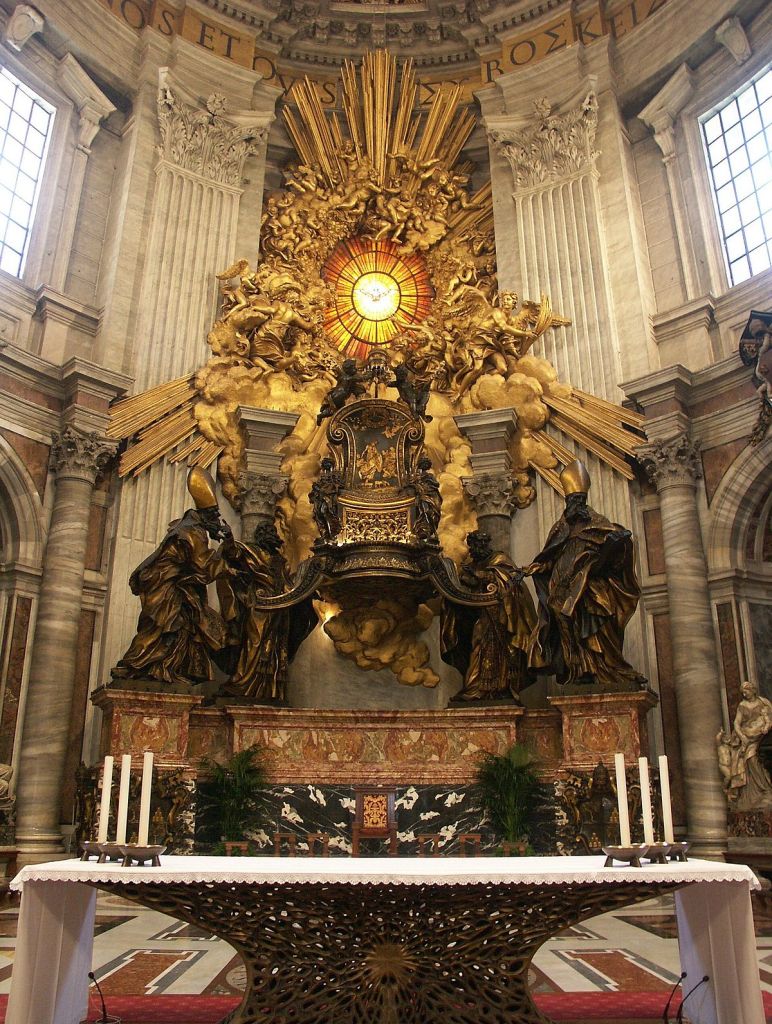
Stained glass of the Holy Spirit in the form of a dove as background of the Chair of St. Peter in the Vatican in Rome; photo from wikipedia.
The Church never started small like a club spreading into federations to become one. We become a part of that big reality of the Church in Christ by becoming small, by being dissolved by the fire of the Holy Spirit by letting go of our selfish selves.
The Holy Spirit continues to come down to us in daily Pentecost explaining and revealing to us the truth of Jesus through the many events iand persons in our lives. When my mother was still alive, she was the only reason why I came home; but, after she had left us peacefully last week, I have realized I still have to come home for my family and relatives and friends. It is a process of dying in myself amid the pain of seeing her room empty, that she is gone.
Death, like the ascension of Jesus is not about replacing those who have left us but a Pentecost, of allowing the Spirit to come to make us smaller, to be one with those still with us to continue celebrating life. That is when we experience the “fruit of Spirit” like “love, joy, peace, patience, kindness, generosity, faithfulness, gentleness, self-control” (Gal. 5:22-23). When that happens, then we have the Church as well as our own family as an image and indwelling of the Holy Spirit. Let us pray:
Lord Jesus Christ,
make us aware of
the coming of the Holy Spirit
to us in our daily Pentecost;
keep us open and humble,
dissolve our selfishness,
our pride, our "flesh"
so that we may live in
the Holy Spirit
as the Church,
its very image
here on earth.
Amen.
Have a Spirit-filled week ahead!














 lordmychef.com