God our only hope

Lord My Chef Daily Recipe for Soul by Fr. Nicanor F. Lalog II
Tuesday in the Seventeenth Week of Ordinary Time, Year II, 28 July 2026
Jeremiah 14:17-22 ><))))*> + ><))))*> + ><))))*> Matthew 13:36-43
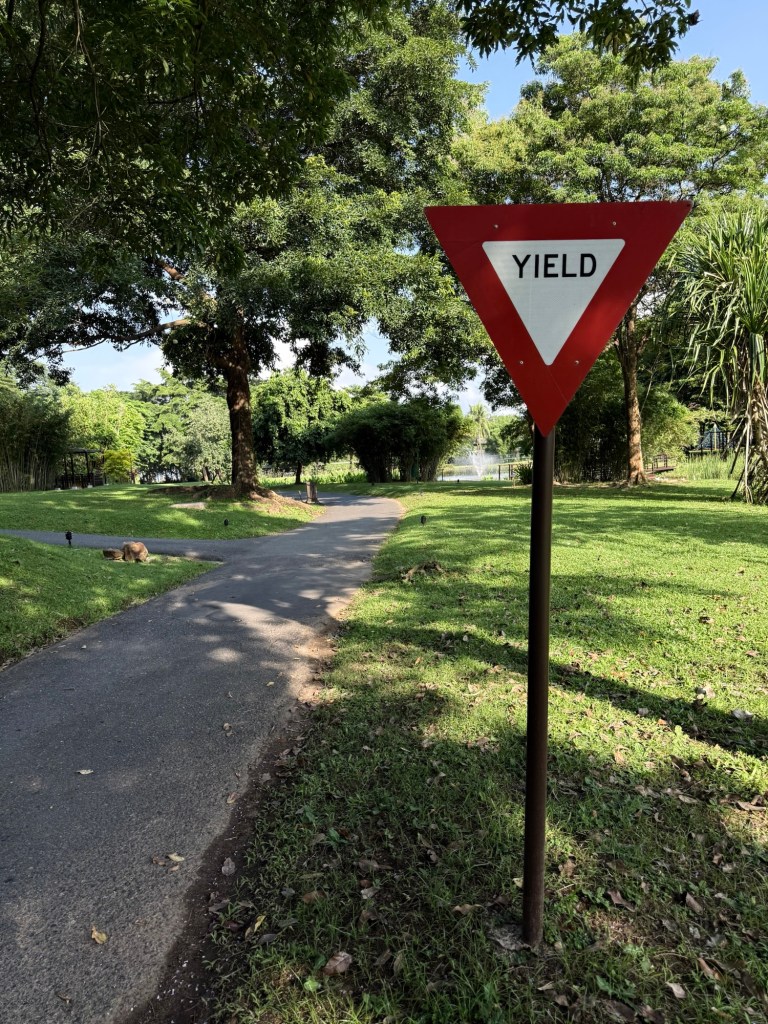
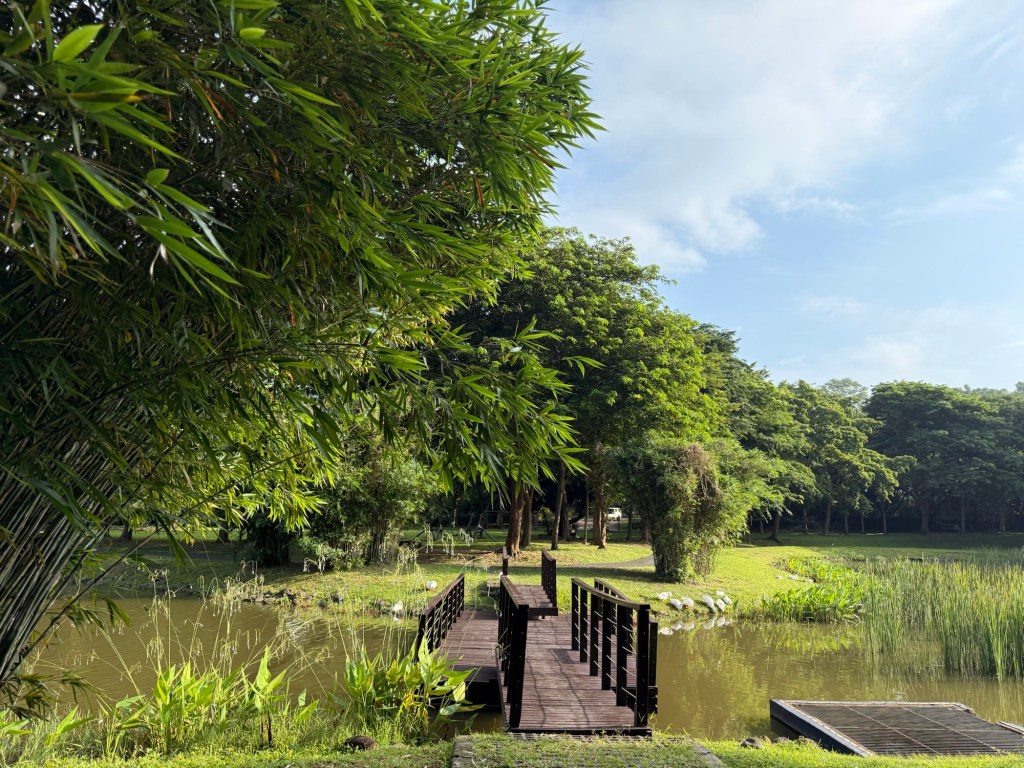
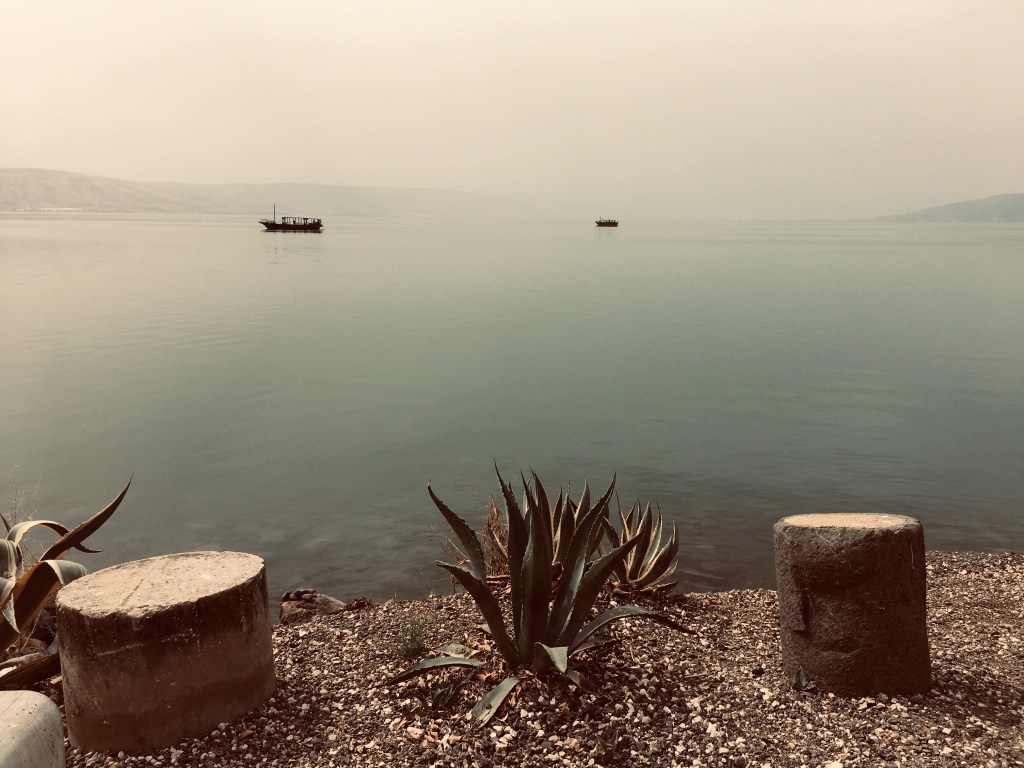
Photo by author, Anvaya Cove Resort, Morong, Bataan, 21 July 2026.
Your words today
are so tender,
so loving,
most merciful of all:

Let my eyes stream with tears day and night, without rest, over the great destruction which overwhelms the virgin daughter of my people, over her incurable wound. If I walk out into the field, look! those slain by the sword; if I enter the city, look! those consumed by hunger. Even the prophet and the priest forage in a land they know not (Jeremiah 14:17-18).

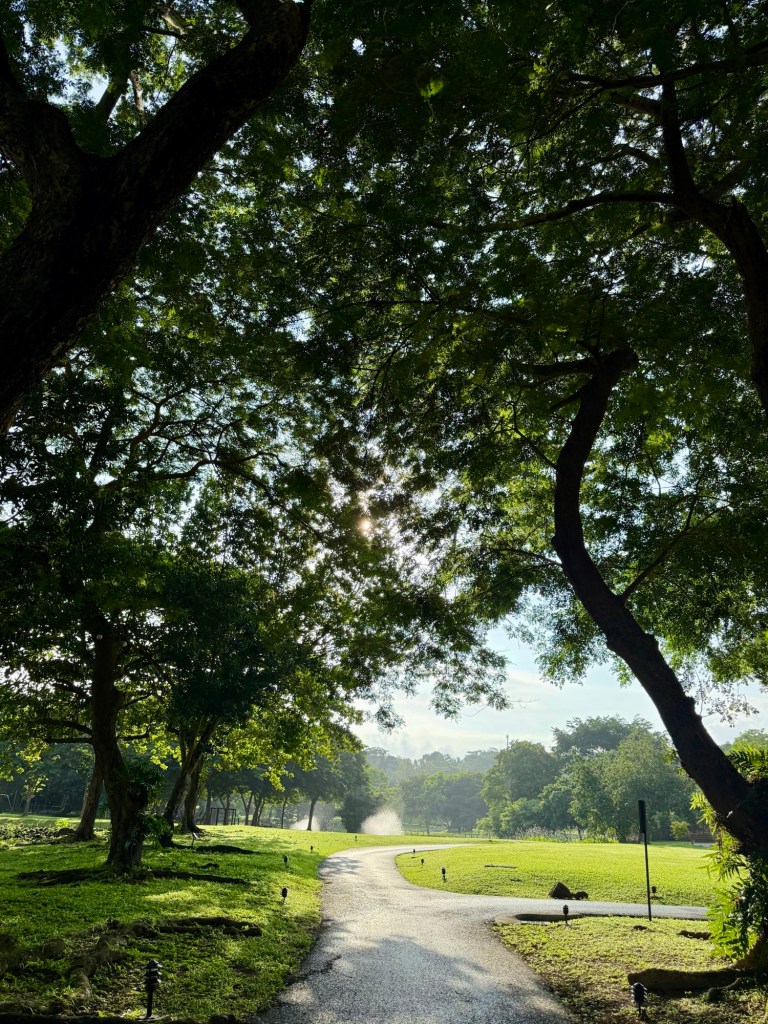
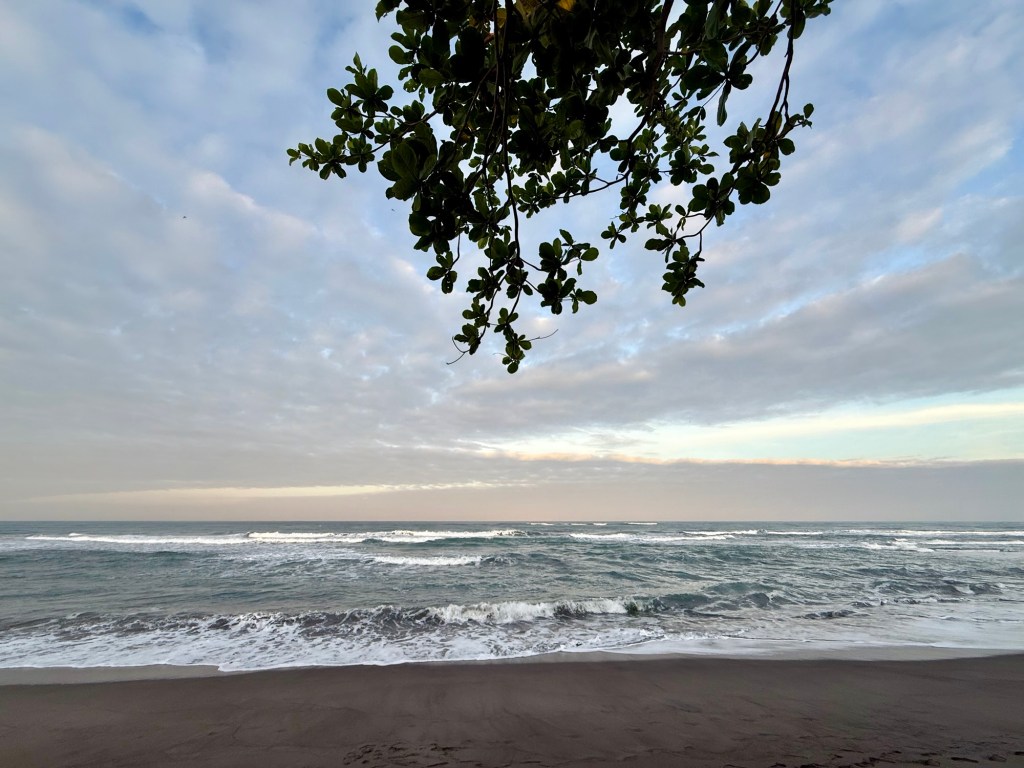
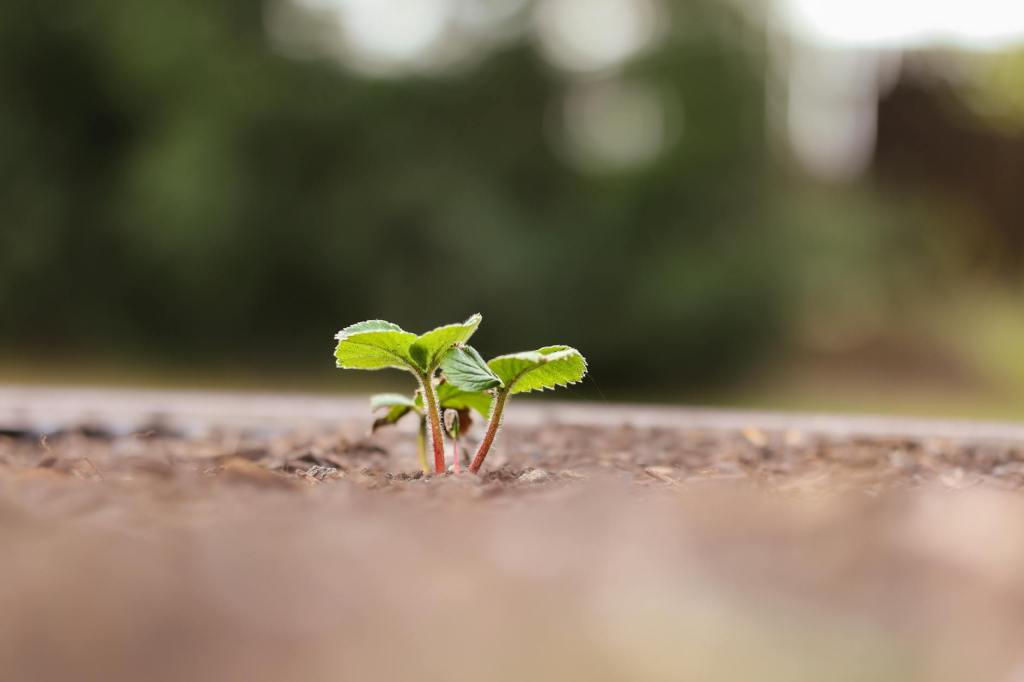
Photo by author, Anvaya Cove Resort, Morong, Bataan, 21 July 2026.
Many times
it is so easy for us your
people to complain about you
being far and distant
even nowhere
when we are deep
into sufferings
not realizing
you are the first
to be so deeply hurt
with our
plight and woes;
many times because of our bloated
egos and self-centeredness,
we could not feel your being one
with our hurts and pains in life
that usually are caused by our
own sins and stubbornness
as Jeremiah lamented,
"We recognize,
O Lord, our wickedness,
the guilt of our fathers;
that we have sinned
against you"
(Jeremiah 14:20).
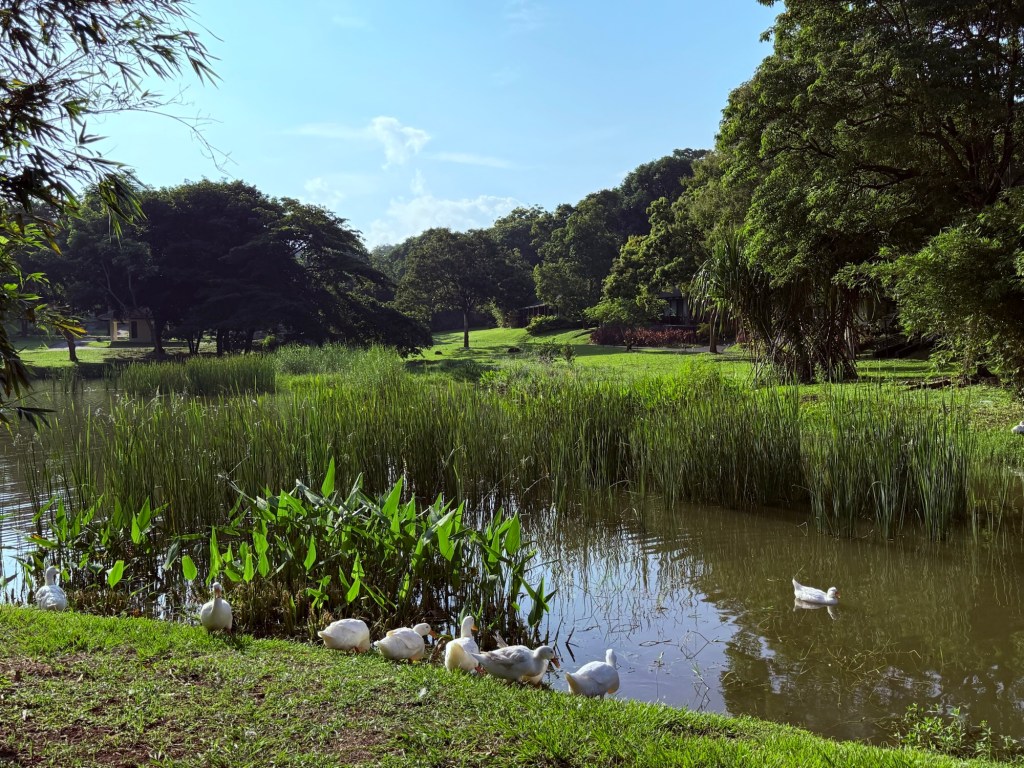
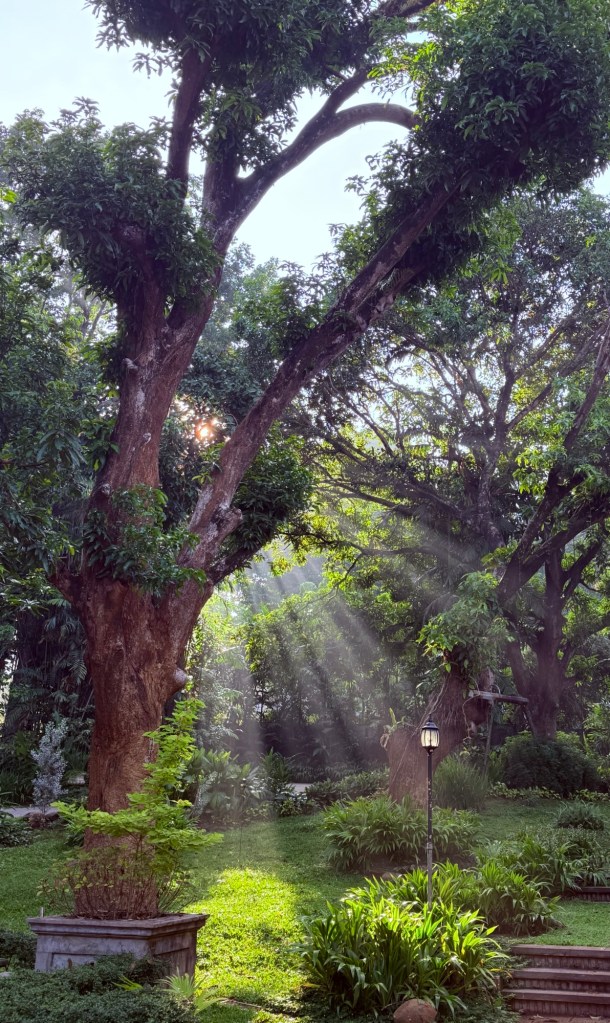
Photo by author, Anvaya Cove Resort, Morong, Bataan, 21 July 2026.
And despite 
all our sins,
you remain with us,
loving us,
forgiving us,
blessing us
for you alone can give life,
can promise a better tomorrow,
because you alone is our hope
when everything is dark
and dried.

Among the nations’ idols is there any that gives rain? Or can the mere heavens send showers? Is it not you alone, O Lord, our God, to whom we look? You alone have done all these things (Jeremiah 14:22).

Keep us radiant
in our hopes in you,
Jesus when everything
seems to be ruined
and lost,
when weeds seem to
have taken over the wheat;
you always have the last
say in everything
when all we can shout
is a firm Amen!
Photo by author, Anvaya Cove Resort, Morong, Bataan, 21 July 2026.

Understanding the parables, getting close to Jesus

Lord My Chef Sunday Recipe for Soul by Fr. Nicanor F. Lalog II
Seventeenth Sunday in Ordinary Time, Cycle A, 26 July 2026
1 Kings 3:5, 7-12 ><}}}*> Romans 8:28-30 ><}}}*> Matthew 13:44-52
Photo by author, Anvaya Cove, Morong, Bataan, 20 July 2026.

We now come to the final installment of the last three parables by Jesus that began two Sundays ago that speak of the mystery of the kingdom of heaven, its unfolding and demands from us his disciples.

There are a total of seven parables in Matthew 13 known as discourse in parables which started with the parable of the sower until last Sunday where Jesus repeatedly told his listeners that included us today that “whoever has ears ought to hear”; now at its final installment, Jesus asks us after explaining everything, “Do you understand all these things?”

“Do you understand all these things?” They answered “Yes.” And he replied, “Then every scribe who has been instructed in the kingdom of heaven is like the head of a household who brings from the storeroom both the new and the old” (Matthew 13:51-52).

Photo by author, Anvaya Cove, Morong, Bataan, 20 July 2026.

From the French word parabolein for “along the road/path”, parables are stories taken from daily life that offer us deep, profound lessons and realities especially about God and his loving presence among us, of the coming of his kingdom in Jesus Christ. Unfortunately, most of us dismiss them because they are so plain and simple. Or ordinary, not realizing that the deepest truths in life actually come from the simplest aspects of daily living. That is why Jesus kept reminding everyone to always listen, not just hear.

Listening is more intentional, deliberate and conscious, leading to understanding which is an internalization of the lessons and message said. Our Filipino translation shows this so well: to listen is makinig while to hear is madinig or marinig.

Makinig demands attention while dinig is passive, indicating more of the surface level of sounds and words, not really minding the meaning and context. That is why, listening is more reliable, more certain than hearing that has no intention of understanding at all what is meant by being said.

Photo by author, “St. Joseph Protector of the Child Jesus”, 20 March 2024.

Listening leads to knowing and understanding the what, where, when, how and why of events and things of the story or lessons. When there is understanding, relationship happens because more than the facts and details we listen to, we encounter persons. Pope Leo XIV beautifully said this in his first Lenten Message in February that “listening is the first sign of our willingness to enter into a relationship.”

Now we see the intention of Jesus in teaching in parables which is to have a personal relationship with us his listeners and disciples. Moreover, the very act of listening leading to understanding is a process of formation and transformation which is the bigger picture of Jesus teaching in parables – that we may be transformed in him especially when he asked today, “Do you understand all these things?”

Again, its Filipino translation reveals its true meaning and inner dynamics, Nauunawaan ba ninyo ang mga ito? To understand is maunawaan, from the root word una or first in order.

More than knowing, to understand or maunawaan is to realize which is the first of all others because that is the most essential, the most important. “To understand all these things” is not a question of human intelligence that is often short and lacking, and unreliable. “To understand all these things” is a spiritual intelligence, of the humble and lowly, the child-like whom Jesus praised the other week in our weekday gospel (15th week, Wednesday, 15 July 2026, Mt.11:25-27).

Jesus asks us this Sunday “do you understand all these things” to stress that the kingdom of heaven which is actually the person of Christ himself is a treasure beyond price like that treasure found by a man in the field or that precious pearl a trader had found that we are willing to renounce everything to have and possess him!

Understanding the parables of Jesus is finding “God first” before anything or anybody else. In the first reading, we find why King Solomon is the wisest person of all because when asked by God for any gift, he asked for “an understanding heart to judge your people and to distinguish right from wrong” (1Kings 3:9) which delighted God so much. The fear of the Lord is the beginning of wisdom indeed!

God is the first One we must always desire, think and search in life. Without God, we only come in vicious circles of addictions and emptiness and meaninglessness. It is no surprise at all that the most corrupt and vicious people are also the ones who disregard God, who live as if there is no eternity. Without God, we are reduced to mere creatures meant to just eat and survive. Nothing else. That is why some people do not mind at all looking stupid (mukhang tanga at tunay na tanga), without any self respect because only matter matters for them like money (mukhang pera) and things like power or popularity.

With God, we find meaning and direction in everything in life as St. Paul tells us in the second reading, “Brothers and sisters: We know that all things work for good for those who love God, who are called according to his purpose” (Rom. 8:28).

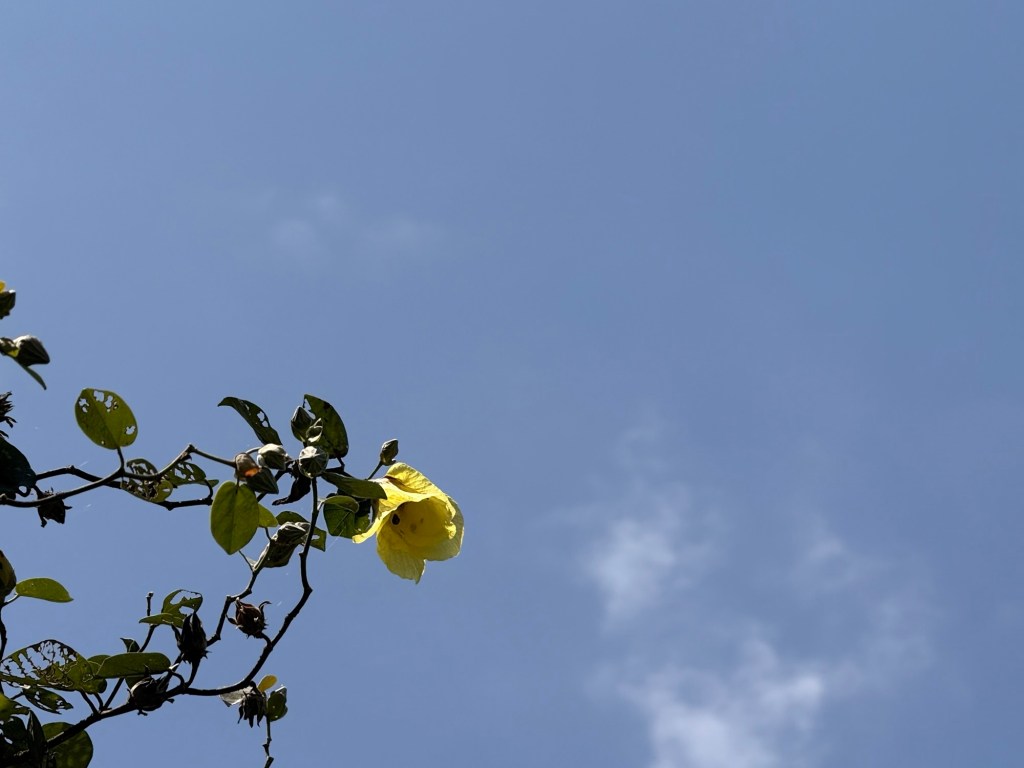
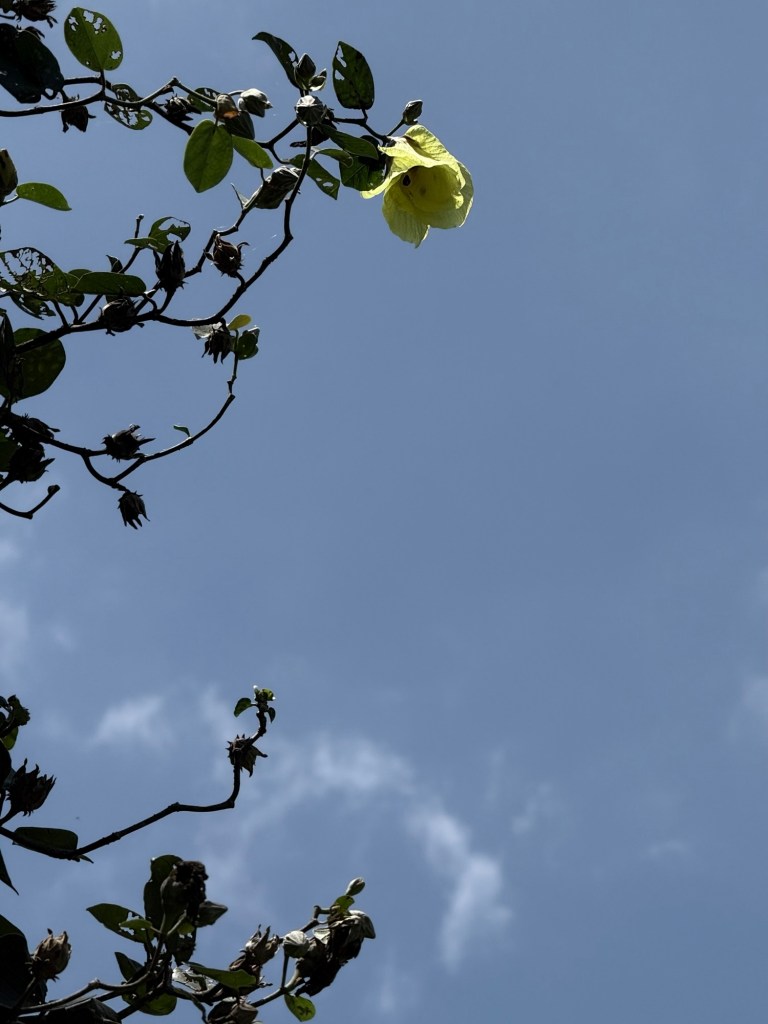
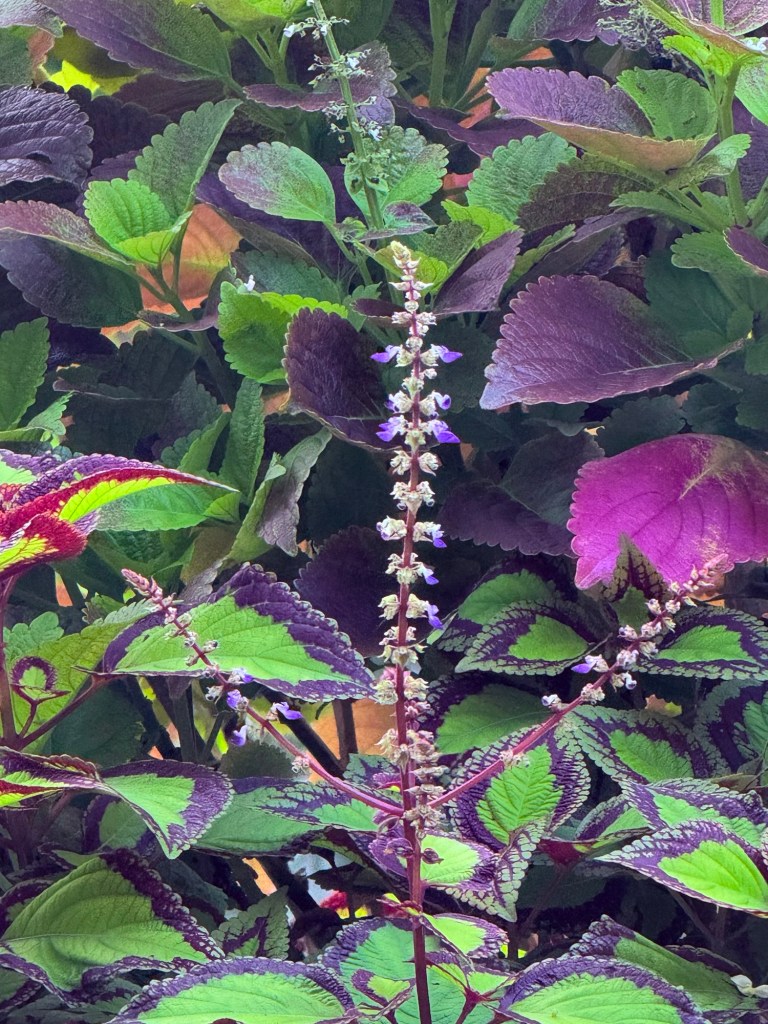
Photo by author, flower of a Balibago Tree, Anvaya Cove Resort, Bataan, 21 July 2026.

“All things”… including trials and tribulations for they make us stronger and better persons. When we look back to our past, we see there are more things we have to be thankful to God than be sorry and have regrets. Many times, our past failures and sufferings and tears have become our gateway to our victory and comfort and joy.

Understanding the parables of Jesus and of life in general is actually a movement into getting closer to Christ, of being “every scribe who has been instructed in the kingdom of heaven is like the head of a household who brings from the storeroom both the new and the old” (Mt. 13:52).

Here we find the coming into full circle of Christ’s discourse in parables: from listening to understanding which is a process of communion and oneness with the Master, Jesus whose very Person is the kingdom of heaven.

Looking back to these past three Sundays of listening and understanding the various parables of Jesus, we find a remarkable stage in his teachings that bring us closest to him, leading us for the next route of his itinerary which is actually an inner journey into our hearts where he alone dwells. Amen. A blessed week ahead of listening and understanding Jesus among the people we meet and happenings we experience.

*Happy Feast Day to all Lolos and Lolas for today is the feast of Sts. Joachim and Anne, parents of the the Blessed Virgin Mary, grandparents of Jesus Christ.

Growing slowly & deeply in the Lord

Lord My Chef Daily Recipe for Soul by Fr. Nicanor F. Lalog II
Friday in the Sixteenth Week of Ordinary Time, Year II, 24 July 2026
Jeremiah 3:14-17 ><))))*> + ><))))*> + ><))))*> Matthew 13:18-23
Photo by author, Balibago Tree flower, Anvaya Cove, Morong, Bataan, 21 July 2026.
Help us return to you,
Lord, your rebellious children;
let us take this opportunity
of grace to be forgiven
to start anew
and to walk no longer in
hardhearted wickedness
(cf. Jeremiah 3:14, 17).
It is our heart
that is always the problem,
not your word like the seeds
you scatter daily into our hearts,
Jesus; many times,
our heart are a mix of all kinds of
soil - the path, the rocky ground,
that among the thorns, and the
rich soil; many times we are the
problem when we are hardhearted;
Lord Jesus,
continue to be patient with us,
watering us
cultivating us
so that eventually your words
may grow and bear fruit in us.
In this age of instants
when even plants are instantly
made to bloom and bear fruits,
may we never forget that being
fruitful is what you desire most
than being productive;
like any good soil,
a seed can only grow into a
fruitful plant, whether a crop or a tree
when there is openness to
the cultivator;
three things I ask you,
dear Lord as your soil:
patiently cultivate me
to open my heart in welcoming
you into my life;
soften me as your soil,
Lord, that I may always be open
and welcoming to everyone
you sent to change the world,
and secondly, let me grow deeply
and surely in you Jesus
so that I may be fruitful not just
successful; being fruitful is the
more of what we have become
while successful is more of
what we have done and achieved.
Amen.
Photo by author, Anvaya Cove, Morong, Bataan, 21 July 2026.

Two evils we continue

Lord My Chef Daily Recipe for Soul by Fr. Nicanor F. Lalog II
Thursday in the Fifteenth Week of Ordinary Time, Year II, 23 July 2026
Jeremiah 2:1-3, 7-8, 12-13 <*((((>< + ><))))*> Matthew 13:10-17
Scars on the foothills of Mt. Guiting-guiting Natural Park in Sibuyan Island, Romblon caused by an alleged mining without permit perpetrated by a company owned by a political dynasty; from Facebook post of Atty. Wilfredo Garrido, 22 July 2026.
God our loving Father,
we pray so hard for our country
the Philippines
that has become so much like
your country of Israel at the time
of the Prophet Jeremiah:
we have not only destroyed
one another as brothers and sisters with
our rampant corruption in government
but at the same time desecrated
our paradise in this part of earth
with environmental destruction.

Two evils have my people done: they have forsaken me, the souce of living waters; they have dug themselves cisterns, broken cisterns, that hold no water (Jeremiah 2:13).

From Iskolar ng Bayan FB post, 22 July 2026.
What is happening in our country
like in other parts of the world
is our complete violation of your
first commandment, Father -
of having strange gods,
of worshipping the Baals of
money and power and influence
through technologies that
at the start were meant
to bring us together
but have actually torn and
set us farther apart;
hence, even your wonderful gift
of nature supposed to provide us
with our needs in life
is raped and molested
without any respect for life
at all by the greedy investors
backed by rapacious politicians.
Open our eyes,
open our hearts
and strengthen our souls
to fight these evils, Lord Jesus
that we may see in the simple
parables of ordinary and usual
like our local folks and
the nature around us
as signs of your grace
and love for us
demanding us to care
for them too because
they are all yours
not mine to have
nor abuse;
we pray for politicians
and investors alike to see
more life and persons
not just money and profits
in their endeavors.
Amen.

“Change the World” (1996) by Eric Clapton

Lord My Chef Sunday Music by Fr. Nicanor F. Lalog II, 19 July 2026
Photo by author, San Juan, La Union, 09 January 2026.

Our readings this Sunday are so lovely and refreshing, yet so true and realistic with what’s happening around us. Jesus Christ’s parable of weeds among the wheat proves what we have already known as we aged – “we live in an imperfect world, that there will always be diseases and sickness, failures and death along with scammers and criminals, liars and idiots, suckers and ungrateful and traitors among us” (https://lordmychef.com/2026/07/18/our-inexpressible-groanings/).

And yes, we all want to change the world but God cautions us because many times, the solution we find to life’s and world’s many problems create bigger problems:

But though you are master of might, you judge with clemency, and with much lenience you govern us; for power, whenever you will, attends you. And you taught your people, by these deeds, that those who are just must be kind; and you gave your children good ground for hope that you would permit repentance for their sins (Wisdom 12:18-19).

It is a very tall order, most difficult of all, calling us to become holy and patient like God because any change in the world has to start in our selves. That is why we remember this Sunday Eric Clapton’s version of that 1996 collaboration by Tommy Sims, Gordon Kennedy and Wayne Kirkpatrick “Change the World.”

According to Kennedy, they wrote the lyrics and music to “Change the World” over a span of one year. It was first recorded by country singer Wynonna Judd in February 1996 then by Clapton in October of the same year with the famous R&B artist Kenneth “Babyface” Edmonds as producer when the song was chosen as soundtrack music to the movie Phenomenon starring John Travolta. Aside from winning accolades from critics and awards including the 1997 Grammy for Song of the Year, Record of the Year, and Best Male Pop Vocal Performance, “Change the World” is also one of Clapton’s best-selling hit in his entire career.

It is the music and melody of “Change the World” that is most captivating of all – soulful and reverberates deep inside any lover so in love with a woman to which Clapton has always been so famous (or notorious) like his 1971 hit “Layla” but on a different level and genre. “Change the World” is closer to Clapton’s “Tears in Heaven” which he composed after the death of his four year-old son in 1991. Both songs represent for us a new character and dimension in Clapton unfolding as one of music’s foremost forces up to this time.

Clapton’s distinctive guitar-playing virtuoso in “Change the World” echoes so St. Paul’s words in this Sunday’s second reading of how the Holy Spirit within us “intercedes with inexpressible groanings” (Rom. 8:26); according to St. Paul, we do not know how to pray which is so true that is why it is the Spirit who helps us pray to God. It means that God knows so well what’s going on inside us, when we are so loss for words not only in expressing our feelings and desires but most often, we could not even understand why things are going on – like the trials and difficulties we go through, the injustices that happen.

Many times we are tempted to ask where is God amid all these sufferings we go through in life as individuals and as a nation; but, we know deep in our hearts, God is with us, within us and knows so well everything that is happening. And he is in complete control.

That is why we sigh or groan when we could not contain what’s inside us, just like Clapton’s somber yet so relaxingly confident guitar bass lines in “Change the World” he had divinely woven with the lyrics that express wishful longings of him getting better, being the best person for his beloved.

If I could reach the stars
Pull one down for you
Shine it on my heart
So you could see the truth

That this love I have inside
Is everything it seems
But for now I find
It's only in my dreams

And I can change the world
I will be the sunlight in your universe
You would think my love was really something good
Baby, if I could change the world

If I could be king
Even for a day
I'd take you as my queen
I'd have it no other way

And our love would rule
In this kingdom we have made
'Til then I'd be a fool
Wishing for the day

And I can change the world
I would be the sunlight in your universe
You would think my love was really something good
Baby, if I could change the world

I could change the world
I would be the sunlight in your universe
You would think my love was really something good
Baby, if I could change the world

Even the music video evokes the parable of weeds among the wheat, of how Clapton remains undisturbed by the crowd in the terminal while singing, reminding us that changing the world begins in our being changed first into our best person as more loving, more kind, more patient. Have a blessed week ahead!

From YouTube.com.

Our interconnectedness in God’s abundance: the parable of life

Lord My Chef Sunday Recipe for Soul by Fr. Nicanor F. Lalog II
Fifteenth Sunday in Ordinary Time, Cycle A, 12 July 2026
Isaiah 55:10-11 ><}}}}*> Romans 8:18-23 ><}}}}*> Matthew 13:1-23
Photo by author, Lake of Galilee, the Holy Land, May 2019.

Matthew’s opening lines in today’s gospel present us a beautiful image of God’s abundance we often take for granted just like the parables of Jesus that remind us of our interconnectedness as brothers and sisters.

On that day, Jesus went out of the house and sat down by the sea. Such large crowds gathered around him that he got into a boat and sat down, and the whole crowd stood along the shore. And he spoke to them at length in parable, saying: “A sower went out to sow” (Matthew 13:1-3).

For the next three Sundays beginning today, all our gospel readings are taken from this 13th chapter of Matthew known as the “Discourse in Parables” that forms one whole unit of the Lord’s teachings in parables.

From the French word parabolein or “along the way”, a parable is a simple story often taken from ordinary things and events in life that offers valuable lessons about life; but, because it is a story taken from ordinary things and events, a parable is often taken for granted.

Many times we only realize later that the most profound realities in life are those found in most ordinary like God who comes to us daily in simplest ordinary things and people and events we take for granted or even refuse to recognize.

Our Filipino word for parable which is talinghaga captures this very well. From the phrase natataling hiwaga that means “tied mystery”: tali is a rope or a tie that binds things together like mystery or hiwaga. Hence, we have talinghaga for parable that indicate how a mystery is tied with the ordinary and simple things and persons and events.

That is the purpose of Jesus in teaching us in parables: that we may learn to find the hidden truths and mysteries of life in the most ordinary things. His teaching in parables is a continuation as well as a deepening of his call to us last Sunday to “come to him and learn from him” so that we may find rest and fulfillment in him.

Photo by author, Lake of Galilee, the Holy Land, May 2019.

What I find amazing in our gospel scene this Sunday is how Jesus was by the shore of the Lake of Galilee yet, his parable is about the sower.

Why not narrate something about the life of fishermen or fish vendors?

Photo by author, Lake of Galilee, the Holy Land, May 2017.

Again, let us situate ourselves in Matthew’s opening line, “On that day, Jesus went out of the house and sat down by the sea.”

Imagine the scene, it was early morning, the sun had just risen, and people were starting to go about their usual lives when they heard Jesus teaching while seated on a boat perhaps owned by Peter. More than the parable of the sower itself, Matthew is showing us in this scene the very parable of our life that the whole world is God’s.

Every pilgrim to the Holy Land can attest to this unique beauty of the Lake of Galilee that is so lovely, so peaceful and yes, divine. It tells us of God’s superabundance in all of his creation, interconnecting us as brothers and sisters in him our Father.

This is the same parable and truth of life that God had spoken through the Prophet Isaiah in the first reading:

Thus says the Lord: Just as from the heavens the rain and snow come own and do not return there until they have watered the earth, making it fertile and fruitful, giving seed to the one who sows and bread to the one who eats, so shall my word be that goes forth from my mouth; my word shall not return to me void, but shall do my will, achieving the end for which I sent it (Isaiah 55:10-11).

Nothing happens by accident in life; God knows everything. And the good news is, he gives everything that is good like the sower. Not just the seeds but the bread we eat, the water we drink, even the very breath we breathe.

Moreover, there is the connectedness of everything in God’s superabundance like that of the rain and snow making the earth fertile and fruitful, giving seed to the sower so that there would be bread for everyone, even clothes to wear.

Painting by Van Gogh, “The Sower on Sunset” from wikipedia.org.

God is the Sower always coming to us, tending us, sowing us with seeds that are absolutely good. It does not really matter what kind of soil receives the seed that even the pathway becomes a conduit in feeding the birds of the air!

The seed is definitely good because God is good. In all instances where the seed had fallen, we find God the Sower himself moving in each step of our life. Observe how in this image of the sower moving from his home to his field, it shows us also the journey of the word and the purpose of God in our life. There is no problem with the seed that is so fecund and definitely efficacious as God had told Isaiah that “my word shall not return to me void, but shall do my will, achieving the end for which I sent it.”

Photo by Nikola on Pexels.com

If ever the word is not fruitful, it is due to our poor disposition as listeners or recipients. That is why St. Paul reminds us in the second reading of how we must responsibly be true to our call and role as disciples of Christ. It is a process we have to be patient but must be consistent. What we are working for is not just for this time or for one’s self or society or country: we have to see the whole reality of life from here to eternity in Christ’s work of salvation is for all. We are all interconnected so that whatever good we do will always bear fruit, “some a hundred or sixty or thirtyfold.”

Photo by author, St. Michael Retreat House, Antipolo City, 16 June 2026.

This Sunday, in this beautiful scene by the Lake of Galilee, or right there on your comfortable seat or wherever you are, Jesus is asking, “where do I see myself in this wide picture and chain of events?” What have I done with the “word”, the “seed” Jesus had sown in me?

In this age of relativism worsened by social media that have blurred reality with algorithms manipulating the way we see and understand truth and reality, the more we have become empty and alienated from one’s self and one another despite the abundance of material things.

How sad that despite the worldwide connections we now have, the more we have been detached from each other, even from one’s self and ultimately from God so that indeed, many of us “look but do not see and hear but do not listen or understand” (v.13) because we have taken life in the ordinary things for granted. We live in Facebook or social media where everything has to be spectacular, even “imeldific” or at least, enhanced if not AI-generated. This Sunday, let’s get real. Enough with fakes and AI’s. Amen. Have a blessed, fruitful week ahead everyone!

Be small like mustard seed & yeast

Lord My Chef Daily Recipe for the Soul, 28 July 2025
Monday in the Seventeenth Week of Ordinary Time, Year I
Exodus 32:15-24, 30-34 <*(((>< + ><)))*> Matthew 13:31-35
Photo by Mr. Red Santiago of his son praying in our former parish, January 2020.
Lord Jesus Christ,
let me be like the mustard seed,
"the smallest of all the seeds,
yet when full grown
it is the largest of plants"
(Matthew 13:32);
let me be like yeast
"that a woman took
and mixed with three measures
of wheat flour until the whole batch
was leavened"
(Matthew 13:33);
let me be small,
dear Jesus
in this world where
the rule is to be big,
to be loud,
to be noticed.
Let me be small
silent,
and hidden,
like the mustard seed
and the yeast
because life's fullness
lies in you, Jesus
who comes in emptiness
not fullness,
in darkness not klieg lights,
in silence not noise,
in poverty not wealth
and in simplicity
not popularity and fame;
true peace happens
only in your Kingdom, Jesus
not in the competing kingdoms
of the world.

When I look back in time,
I have realized how those
things I considered as small
and insignificant both
in my life and the world
were the things that have grown
into something that sustain
and shelter others,
of course with much faith,
hope and love in you!

Now I am older too,
I have realized the value
and benefits of bread
but bread cannot rise
to become nourishing
without the lowly yeast;
before I can become a bread
for others like you Jesus,
I need the grace to be
child-like,
to be little,
to decrease like the yeast
so that you increase,
Jesus.
Let me be small, 
hidden and silent,
Jesus,
always patient
in waiting for you
unlike the Israelites in Sinai
who made a golden calf when
they became impatient with Moses'
meeting with God atop the mountain;
let me stop
comparisons so I remain
little and humble in you,
Jesus who has become human
and small like us to stir
us to true greatness
as beloved children
of the Father
to begin building
your kingdom.
Amen.

Fr. Nicanor F. Lalog II
Our Lady of Fatima University
Valenzuela City
(lordmychef@gmail.com)

The seed is always good

Lord My Chef Daily Recipe for Soul, 23 July 2025
Wednesday, Memorial of St. Bridget of Sweden, Religious
Exodus 16:1-5, 9-15 <*((((>< + ><))))*> Matthew 13:1-9
Photo by Fr. Pop Dela Cruz, San Miguel, Bulacan, 2022.
Lord Jesus,
you are the Sower
and your seed is always good:
wherever it falls,
it grows;
most of all,
you are most good
as you never tire
of going out
to sow
your good seed!

“A sower went out to sow… Whoever has ears ought to hear” (Matthew 13:3,9).

“The Sower” painting by Van Gogh from en.wikipedia.org
Open my heart 
and my soul, dear Jesus
to listen intently to your
word and be a "rich soil"
like St. Bridget of Sweden
whose devotion to family,
to her people especially the poor
and to Church reforms that led
to the return of the papacy to Rome
proved her to be a seed well sown;
there are times when I am just like
the path where your seeds fell
that fed only the birds;
quite often, I am like the rocky ground
so full of enthusiasm but wanes quickly
when challenges come;
worst of all, Lord Jesus,
free me from the many thorns
that steal me from you
that I stop maturing and growing;
let me be the rich soil who
receives you and your seed:
let your light of truth
and warmth of faith help me grow;
may your hope nourish me
especially when days are dark
and nights are long;
most of all,
water me with your love
and charity
to bear all
and be fruitful.
Amen.

Fr. Nicanor F. Lalog II
Our Lady of Fatima University
Valenzuela City
Photo by Pixabay on Pexels.com

Forgiving & listening

The Lord Is My Chef Daily Recipe for the Soul by Fr. Nicanor F. Lalog II
Wednesday, Third Week in Ordinary Time, Year I, 29 January 2025
Hebrews 10:11-18 ><]]]]'> + ><]]]]'> ><]]]]'> Mark 4:1-20
From Facebook, 11 March 2024.

Where there is forgiveness of these, there is no longer offering for sin (Hebrews 10:18).

How lovely and reassuring
are these words from the author
of the Letter to the Hebrews today,
Lord Jesus Christ;
thank you for coming
to save us from our sins,
for forgiving our sins,
for teaching us to forgive others
most especially by being more
loving.
Thank you, Jesus,
for being the Sower,
always coming out to
scatter seeds of love and mercy
to us; open our ears, Lord,
that we may ought to hear
you: forgive us for being hard
and harsh in our ways and words,
forgive us for being easily
pricked and agitated,
forgive us for not listening
at all to you, Jesus.
Let me open myself to you,
Jesus, by opening myself too
with others to listen to their
points of view in order
to understand them,
not to judge them;
open myself to your healing
words so I may also soothe
others pains and hurts
than add salt to their injuries.
Lastly, let me do your will
Jesus by always listening
and forgiving.
Amen.

“Poems are made by fools like me, But only God can make a tree.”

The Lord Is My Chef Sunday Recipe for the Soul by Fr. Nicanor F. Lalog II
Eleventh Sunday in Ordinary Time, Cycle B, 16 June 2024
Ezekiel 17:22-24 ><}}}}*> 2 Corinthians 5:6-10 ><}}}}*> Mark 4:26-34
Photo by author, Camp John Hay, Baguio City, 12 July 2023.

While preparing this homily, I cannot resist thinking of this poem by Joyce Kilmer because of its similarities with the first reading from the Book of Ezekiel and partly with the parables of Jesus in the gospel.

Kilmer tells us in his poem that trees are God’s presence among us, a sign of His own majesty, a reminder of life’s mysteries, something many of us seem to have learned only recently after the scorching heat of last summer when everyone was posting on Facebook the need to plant trees!

I think that I shall never see
A poem lovely as a tree.
Photo by Dra. Mylene A. Santos, MD, April 2020 in Infanta, Quezon.

In the first reading, the Prophet Ezekiel picturesquely imagined how God would plant a great Lebanon cedar on a mountain as a sign of His divine intervention for our salvation that was eventually fulfilled in Jesus Christ’s coming.

Ezekiel lived during the Babylonian exile, the lowest point in life of Israelites when they did not have a country, nor a temple, not even a future. They felt abandoned, punished by God due to their sins; hence, Ezekiel was sent to give them hope. Through this beautiful allegory of the future Israel, Ezekiel tells his countrymen including us today how God would eventually intervene in a very personal manner to fulfill His promise of salvation. 

Thus says the Lord God: I, too, will take from the crest of the cedar, from its topmost branches tear off a tender shoot, and plant it on a high and lofty mountain. It shall put forth branches and bear fruit, and become a majestic cedar. Birds of every kind shall dwell beneath it, every winged thing in the shade of its boughs. And all the trees of the field shall know that I, the Lord, bring low the high tree, lift high the lowly tree, wither up the green tree, and make the withered tree bloom. As I, the Lord, have spoken, so will I do.

Ezekiel 17:22-24
Photo by Dra. Mylene A. Santos, MD, April 2020 in Infanta, Quezon.

That beautiful imagery of the cedar tree planted in Israel reminds us that in whatever state of life we may be – whether we are like a tall or a lowly tree, a green or withered tree – it is always God who has the final say in life because He is the very reason for our existence. 

Jesus declared to us in one of the Sundays of Easter, “I am the true vine and you are the branches…without me you cannot do anything” to show that more than a giver of life, He is life Himself because He is the tree planted firmly by God in our midst.

Incidentally, the word “tree” which is treowe in Old English is the root of the word true which connotes something firmly rooted, steadfast and faithful. From the same word treowe came trust because the roots of a tree signify relationships or interconnectedness. That is why the Anglo-Saxons have always traced their ancestors and family by using the diagram of a tree from which came our concept of “family tree” today.

How lovely to imagine that tree planted by God in our midst is Jesus Christ, “the Way, the Truth and the Life”, the One we must trust always!

Hence, Mark invites us today to listen more attentively to the Lord’s teachings, asking us to not just sit beside or around Him but try to “get inside” Him by taking into our hearts His words like Mary His Mother as we have reflected last Sunday.

Photo by Dra. Mylene A. Santos, MD, April 2020 in Infanta, Quezon.

Again, Mark surprises us in his story of Jesus teaching the people about seeds and plants, and ordinary activities like sowing we take for granted but so rich in meanings. That is what a parable is – a simple story with deep meanings about life.

Our life itself is a parable wherein we find the most profound realizations in the most ordinary things and events in our lives. And that is where Jesus Christ comes too often. He is in fact the kingdom of God He spoke so often in His teachings and parables.

Jesus said to the crowds:  “This is how it is with the kingdom of God; it is as if a man were to scatter seed on the land and would sleep and rise night and day and through it all the seed would sprout and grow he knows not how (Mk.4:26-27).”

Mark 4:26-27

This parable of the seed growing by itself tells us of that reality of God living among us, right with us in Jesus Christ. The seed is His word germinating in us if we cultivate it daily in prayer and good works.  Just like the fecundity of the tiny seed planted in the field, God grows in us beyond all our hopes and expectations because He is never absent nor distant from us. 

Photo by Ms. April Oliveros on Mt. Pulag, 2023.

Look back in your life this past week or past month, examine how many times you were blessed, of how you were pulled out and saved from a dire situation in the nick of time.  Surely you can offer a lot of rational explanations but, when you come to think of it, there’s always an “Invisible Hand” saving you, guiding you. 

That’s the point of the parable of the seed planted without the farmer knowing how it grows:  God works best in our lives in silence. 

This is the reason why St. Paul tells us to “walk in faith, not by sight” (2Cor.5:7): our life is a journey of faith wherein we cannot see everything clearly, cannot appreciate right away the extent of how God works His miracles in us daily.

Yesterday we celebrated the 40th day of my mom’s passing then tomorrow, June 17, is her 85th birthday which is also the 24th death of my dad. I told my sisters and brother that maybe that is the reason why dad died on mom’s birthday 24 years ago: so that it would not be difficult for us to visit their graves on June 17. Isang lakad at punta na lang para matipid!

But kidding aside, though it is so difficult and painful to be ulilang lubos (orphaned), I still feel so positive more than a month after my mother’s death because in those 24 years when my father died, God never abandoned us. With mom’s passing, I’m sure God will never forsake us too.

When I look back at how many times God has blessed us in the past, I also see that soon in the future, if we remain faithful to Him, Christ shall unfold in us and around us in ways we never imagined.

Photo by Ms. Analyn Dela Torre, March 2024.

Time flies so fast indeed these days; we are almost done with the first half of the year. In a short while we shall be hearing Jose Mari Chan singing again “Christmas In Our Hearts” as the Christmas countdown begins even before September first.

And that’s what I have noticed these past 20 years: with all the comforts in life, we have become impatient that we rush everything, even Christmas and holidays. We live in a world of instants that we cannot wait anymore like the farmer in the parable of Jesus. Or the Prophet Ezekiel imagining God coming soon.

We don’t have to discard the modern amenities we have in life today for most of these are gifts from God Himself. However, we must remember these are not everything, that many times in life despite all our careful planning, things still do not turn out as we expect.

There is only one thing we can be sure of, Jesus Christ silently in our midst. Look at any tree around you, the many years it had weathered all kinds of storm and heat. Still standing, still green, reminding us of Jesus. Let us pray:

God our Father,
teach us to be patient
like the farmer who sows seeds
to his field, not knowing at all
how these germinate and grow;
teach us to be faithful to You
in Christ Jesus, always open
to find Him and embrace Him
in the ordinary things in life;
teach us to have more of You,
God in Jesus through prayers
and Sacraments,
to have more faith than gadgets,
more hope than instant gratifications
and more love than social media.
Amen.