Lord My Chef Daily Recipe for Soul by Fr. Nicanor F. Lalog II
Friday in the Sixteenth Week of Ordinary Time, Year II, 24 July 2026
Jeremiah 3:14-17     ><))))*> + ><))))*> + ><))))*>     Matthew 13:18-23
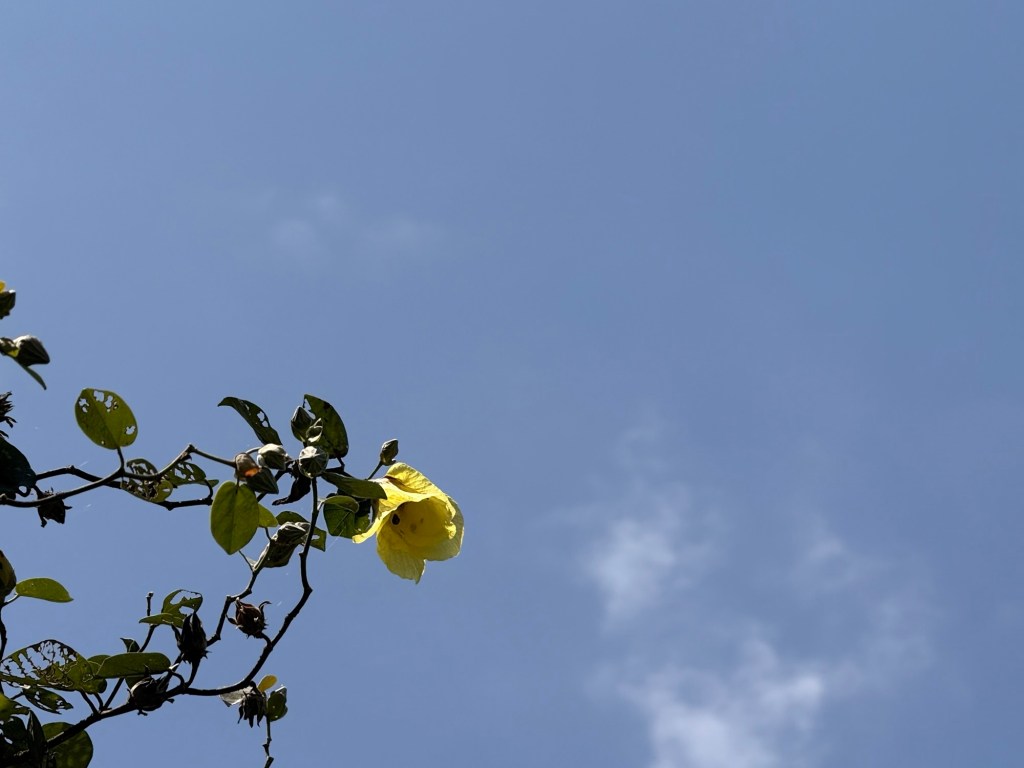
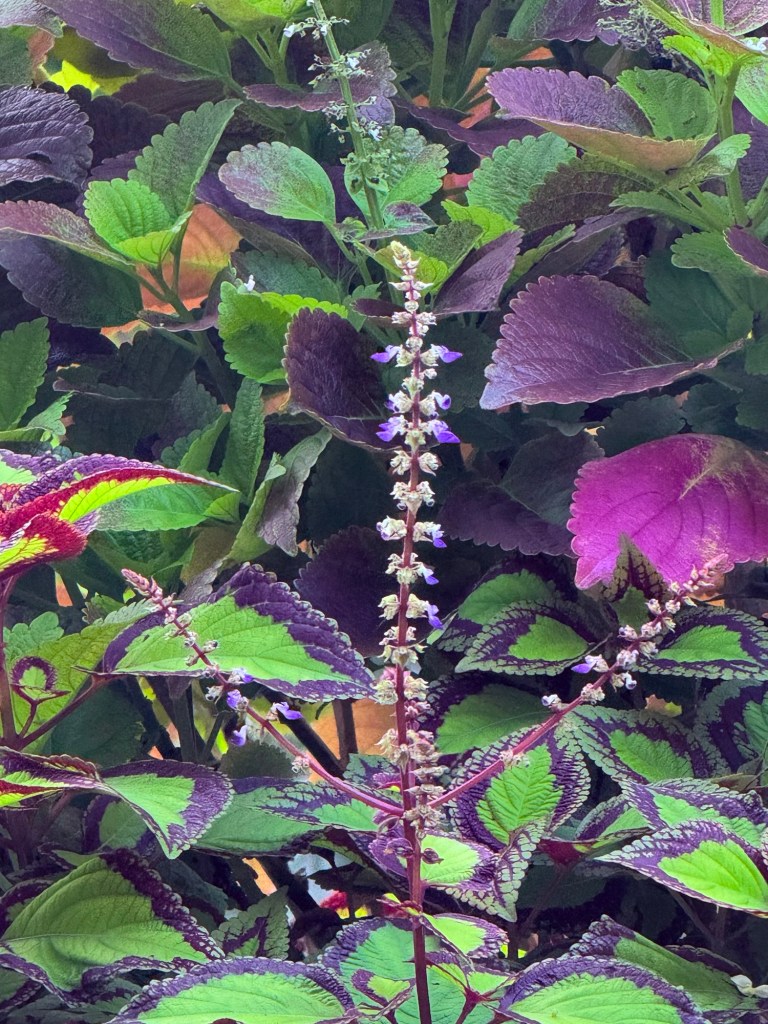
Photo by author, Balibago Tree flower, Anvaya Cove, Morong, Bataan, 21 July 2026.
Help us return to you,
Lord, your rebellious children;
let us take this opportunity
of grace to be forgiven
to start anew
and to walk no longer in
hardhearted wickedness
(cf. Jeremiah 3:14, 17).
It is our heart
that is always the problem,
not your word like the seeds
you scatter daily into our hearts,
Jesus; many times,
our heart are a mix of all kinds of
soil - the path, the rocky ground,
that among the thorns, and the
rich soil; many times we are the
problem when we are hardhearted;
Lord Jesus,
continue to be patient with us,
watering us
cultivating us
so that eventually your words
may grow and bear fruit in us.
In this age of instants
when even plants are instantly
made to bloom and bear fruits,
may we never forget that being
fruitful is what you desire most
than being productive;
like any good soil,
a seed can only grow into a
fruitful plant, whether a crop or a tree
when there is openness to
the cultivator;
three things I ask you,
dear Lord as your soil:
patiently cultivate me
to open my heart in welcoming
you into my life;
soften me as your soil,
Lord, that I may always be open
and welcoming to everyone
you sent to change the world,
and secondly, let me grow deeply
and surely in you Jesus
so that I may be fruitful not just
successful; being fruitful is the
more of what we have become
while successful is more of
what we have done and achieved.
Amen.
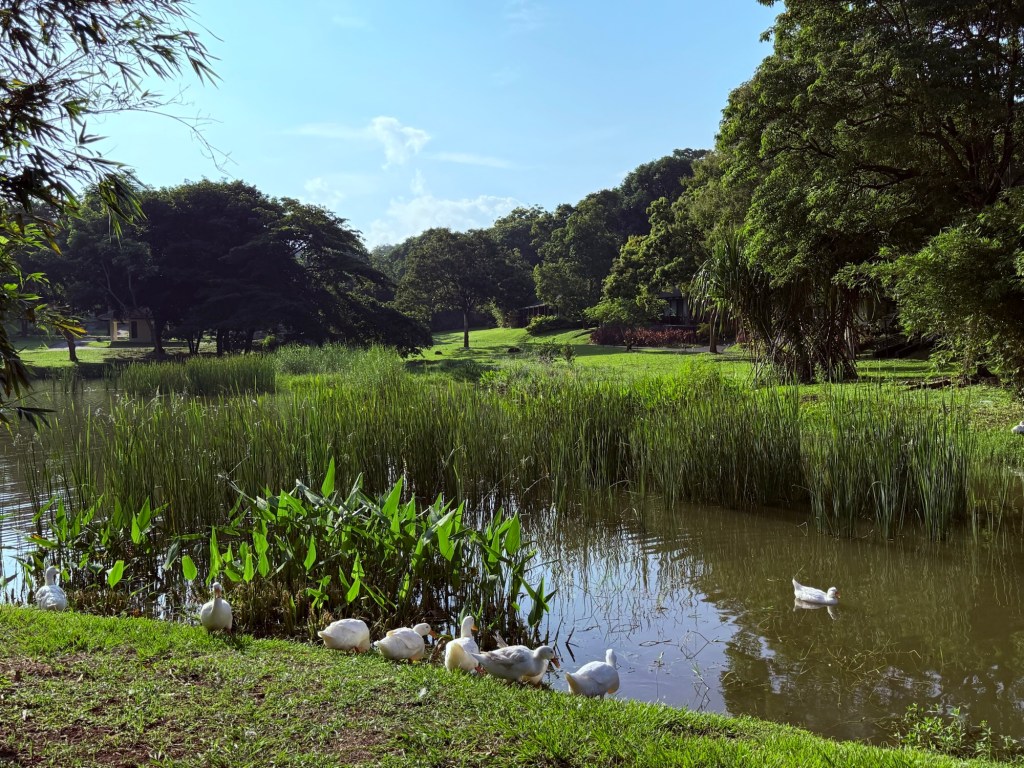
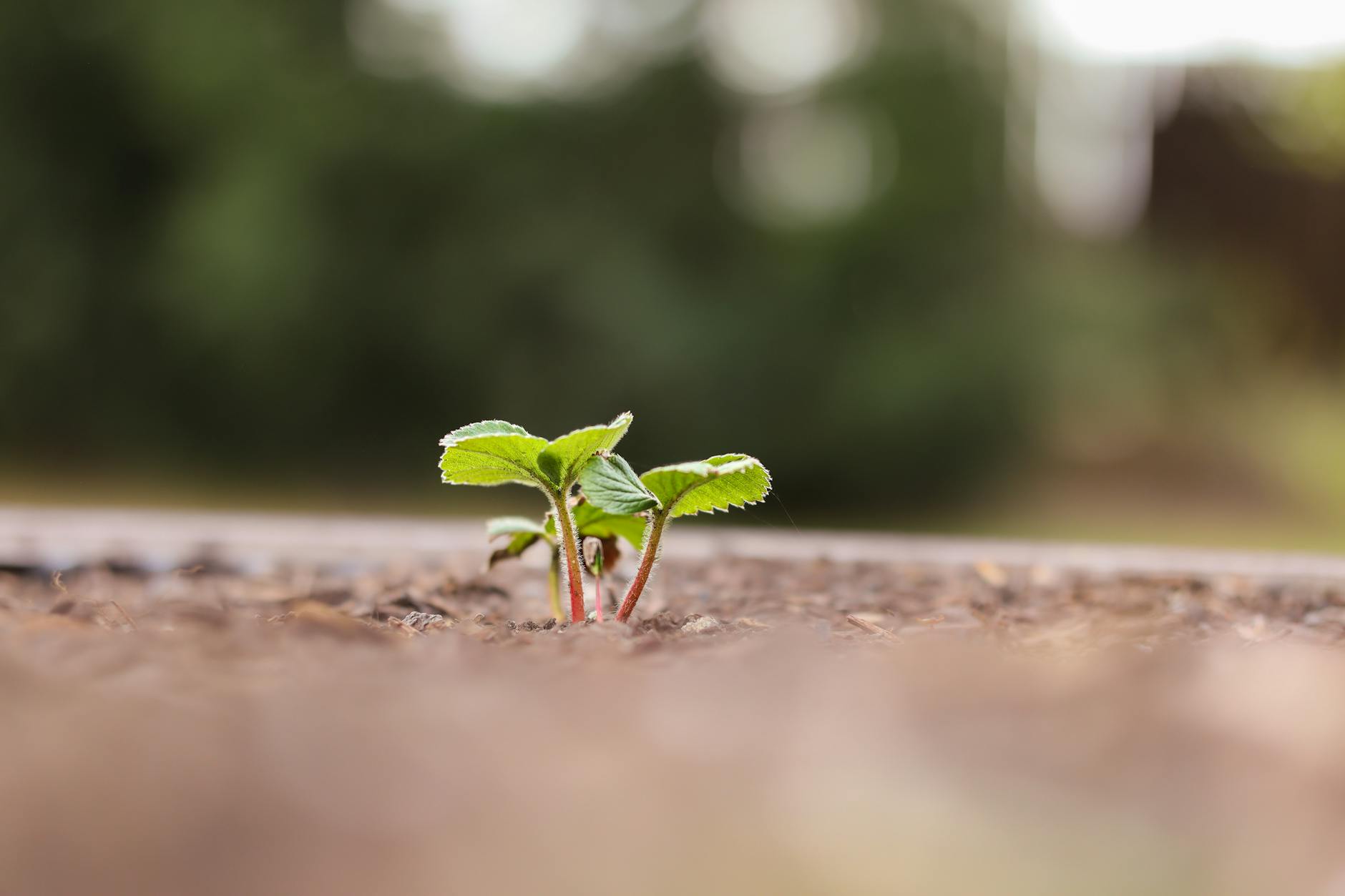
Photo by author, Anvaya Cove, Morong, Bataan, 21 July 2026.
Lord My Chef Sunday Music by Fr. Nicanor F. Lalog II, 12 July 2026
Photo by Dra. Eunice A. Vergara, MD, in Victoria, Laguna 19 October 2021.
It’s a gloomy, cold “bed weather” following the exit yesterday of typhoon Inday that had spawned these rains flooding us in various parts of Metro Manila this Sunday. Gone were the days when rains meant farmers going out to their fields during this rainy season to plant and tend their crops. What we now have are commuters stranded everywhere!
How sad that our farmers are dwindling in number with their fields converted into malls and subdivisions, a very clear sign of how we have really missed the very parable of life of God’s superabundance amid our interconnectedness as persons with the environment that Matthew presents us in this Sunday’s gospel (https://lordmychef.com/2026/07/11/our-interconnectedness-in-gods-abundance-the-parable-of-life/).
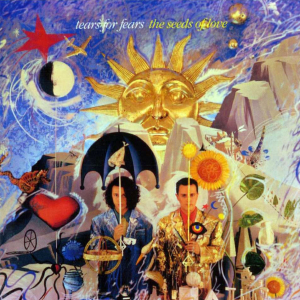
And that is why we also remember the British duo Curt Smith and Roland Orzabal more known as Tears for Fears with their 1989 hit Sowing the Seeds of Love from their third studio album “The Seeds of Love” as the perfect match to this Sunday’s gospel.
Orzabal reportedly got the inspiration in writing Sowing the Seeds of Love while listening to a radio program about British folk song collector Cecil Sharp who had heard a gardener named Mr. John England singing a traditional English song called “The Seeds of Love” that eventually sparked an English folk song revival. Orzabal mentioned him – “Mister England” – in the ninth stanza “sowing the seeds of love”.
According to Orzabal, Sowing the Seeds of Love is their “most overtly political song” ever recorded. It came out two years after Margaret Thatcher had won in 1987 her third consecutive term in office as Britain’s Prime Minister, referring to her in the third stanza as the “Politician granny with your high ideals, have you no idea how the majority feels?”
Coincidentally in the same third stanza, Orzabal took a dig with his fellow musician Paul Weller with the line “Kick out the style, bring back the jam” as he felt Weller had abandoned his working class political outlook after leaving The Jam in October 1982 to form the The Style Council.
Actually, Sowing the Seeds of Love is “the gospel according to Tears for Fears”, just like their two other songs from that album “The Seeds of Love” – Woman in Chains and Advice for the Young at Heart we hope to feature someday in relation with our Sunday gospel reflections.
Sowing the Seeds of Love is an invitation like the Lord’s Parable of the Sower for us to open ourselves like the fertile ground to receive the “seed” – the Word – proclaimed daily in every Mass celebrated worldwide.
The “seeds of love” Jesus the Sower sowed in the parable are all good – fecund – and most of all, efficacious. Because it is from God, it surely bears fruit always if nurtured and cultivated well. If ever the seeds do not grow and not yield fruits, the problem is with the receiver, with the person who receives or rejects these seeds of love.
How amazing that Tears for Fears follow this line of thought even without mentioning (understandably) the name God in their song, inviting us to “open ourselves” to the seeds of love so that these may germinate and grow, eventually yield a harvest of peace, love and harmony among peoples in the world today.
But opening ourselves to the seeds of love does not merely mean receiving these idly; opening to the seeds of love calls for a lot of self-discipline and hard-work like forgetting one’s self by “Swallowing your pride” and ending “need and politics of greed with love” – exactly like what Jesus taught us these past weeks about discipleship, of forgetting one’s self to carry one’s own cross. Hence, we find too the song Sowing the Seeds of Love not only a gospel but also a parable in itself that mentions a lot of ordinary things we take for granted yet teach us a lot about the meaning of life.
Feel the pain, talk about it
If you're a worried man, then shout about it
Open hearts, feel about it
Open minds, think about it
Everyone, read about it
Everyone, scream about it
Everyone
Everyone, yeah, yeah
Everyone read about it, read about it
Everyone
Read it in the books, in the crannies and the nooks, there are books to read for us

Sowing the seeds of love
Sowing the seeds of love
We're sowing the seeds
Sowing the seeds
Sowing the seeds of love
We're sowing the seeds
Sowing the seeds of love
Sowing the seeds of love
Mr. England sowing the seeds of love

Time to eat all your words
Swallow your pride
Open your eyes
Time to eat all your words
Swallow your pride
Open your eyes

High time we made a stand
Time to eat all your words
And shook up the views of the common man
Swallow your pride
And the love train rides from coast to coast
Open your eyes
Every minute of every hour
I love a sunflower
Open your eyes
And I believe in love power
Open your eyes
Love power
Love power
Open your eyes

Sowing the seeds of love, seeds of love
Sowing the seeds
Sowing the seeds of love, the seeds of love
Sowing the seeds
Sowing the seeds
Sowing the seeds of love, seeds of love
Sowing the seeds of love, sowing the seeds
Sowing the seeds

An end to need
And the politics of greed
With love
Let’s get real this week, start working, sowing the seeds of love to experience Christ’s peace and loving presence among us. Amen. A blessed lovely week ahead of everyone!
Lord My Chef Sunday Recipe for Soul by Fr. Nicanor F. Lalog II
Fifteenth Sunday in Ordinary Time, Cycle A, 12 July 2026
Isaiah 55:10-11 ><}}}}*> Romans 8:18-23 ><}}}}*> Matthew 13:1-23
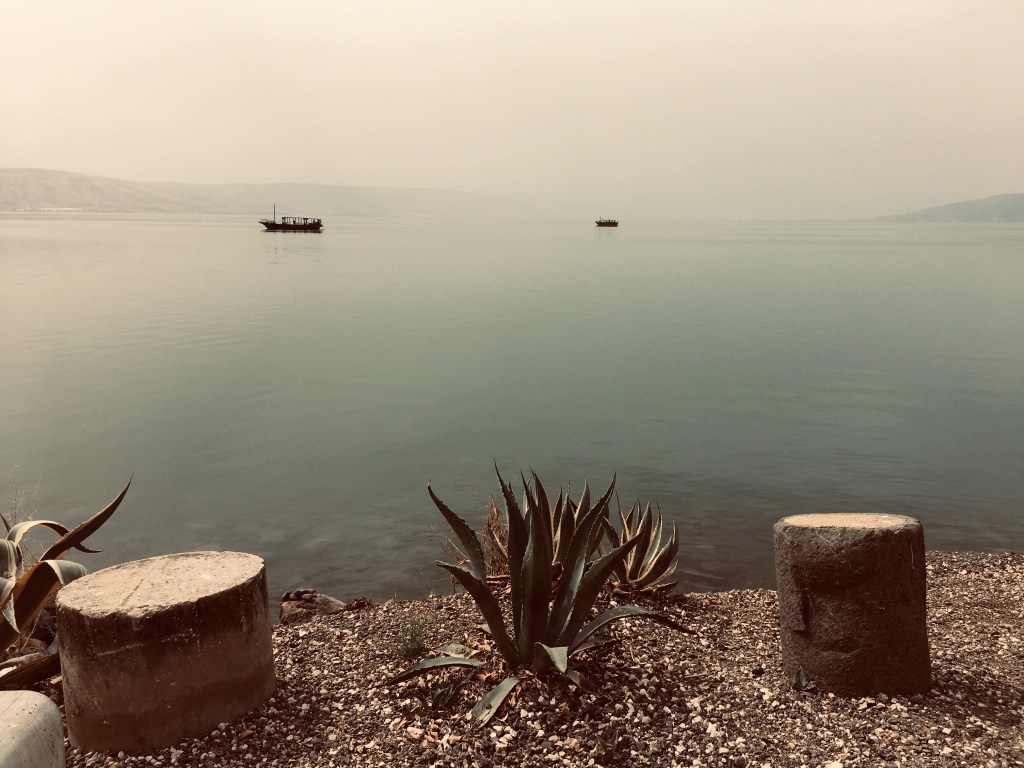
Photo by author, Lake of Galilee, the Holy Land, May 2019.
Matthew’s opening lines in today’s gospel present us a beautiful image of God’s abundance we often take for granted just like the parables of Jesus that remind us of our interconnectedness as brothers and sisters.
On that day, Jesus went out of the house and sat down by the sea. Such large crowds gathered around him that he got into a boat and sat down, and the whole crowd stood along the shore. And he spoke to them at length in parable, saying: “A sower went out to sow” (Matthew 13:1-3).
For the next three Sundays beginning today, all our gospel readings are taken from this 13th chapter of Matthew known as the “Discourse in Parables” that forms one whole unit of the Lord’s teachings in parables.
From the French word parabolein or “along the way”, a parable is a simple story often taken from ordinary things and events in life that offers valuable lessons about life; but, because it is a story taken from ordinary things and events, a parable is often taken for granted.
Many times we only realize later that the most profound realities in life are those found in most ordinary like God who comes to us daily in simplest ordinary things and people and events we take for granted or even refuse to recognize.
Our Filipino word for parable which is talinghaga captures this very well. From the phrase natatalinghiwaga that means “tied mystery”: tali is a rope or a tie that binds things together like mystery or hiwaga. Hence, we have talinghaga for parable that indicate how a mystery is tied with the ordinary and simple things and persons and events.
That is the purpose of Jesus in teaching us in parables: that we may learn to find the hidden truths and mysteries of life in the most ordinary things. His teaching in parables is a continuation as well as a deepening of his call to us last Sunday to “come to him and learn from him” so that we may find rest and fulfillment in him.
Photo by author, Lake of Galilee, the Holy Land, May 2019.
What I find amazing in our gospel scene this Sunday is how Jesus was by the shore of the Lake of Galilee yet, his parable is about the sower.
Why not narrate something about the life of fishermen or fish vendors?
Photo by author, Lake of Galilee, the Holy Land, May 2017.
Again, let us situate ourselves in Matthew’s opening line, “On that day, Jesus went out of the house and sat down by the sea.”
Imagine the scene, it was early morning, the sun had just risen, and people were starting to go about their usual lives when they heard Jesus teaching while seated on a boat perhaps owned by Peter. More than the parable of the sower itself, Matthew is showing us in this scene the very parable of our life that the whole world is God’s.
Every pilgrim to the Holy Land can attest to this unique beauty of the Lake of Galilee that is so lovely, so peaceful and yes, divine. It tells us of God’s superabundance in all of his creation, interconnecting us as brothers and sisters in him our Father.
This is the same parable and truth of life that God had spoken through the Prophet Isaiah in the first reading:
Thus says the Lord: Just as from the heavens the rain and snow come own and do not return there until they have watered the earth, making it fertile and fruitful, giving seed to the one who sows and bread to the one who eats, so shall my word be that goes forth from my mouth; my word shall not return to me void, but shall do my will, achieving the end for which I sent it (Isaiah 55:10-11).
Nothing happens by accident in life; God knows everything. And the good news is, he gives everything that is good like the sower. Not just the seeds but the bread we eat, the water we drink, even the very breath we breathe.
Moreover, there is the connectedness of everything in God’s superabundance like that of the rain and snow making the earth fertile and fruitful, giving seed to the sower so that there would be bread for everyone, even clothes to wear.
Painting by Van Gogh, “The Sower on Sunset” from wikipedia.org.
God is the Sower always coming to us, tending us, sowing us with seeds that are absolutely good. It does not really matter what kind of soil receives the seed that even the pathway becomes a conduit in feeding the birds of the air!
The seed is definitely good because God is good. In all instances where the seed had fallen, we find God the Sower himself moving in each step of our life. Observe how in this image of the sower moving from his home to his field, it shows us also the journey of the word and the purpose of God in our life. There is no problem with the seed that is so fecund and definitely efficacious as God had told Isaiah that “my word shall not return to me void, but shall do my will, achieving the end for which I sent it.”
If ever the word is not fruitful, it is due to our poor disposition as listeners or recipients. That is why St. Paul reminds us in the second reading of how we must responsibly be true to our call and role as disciples of Christ. It is a process we have to be patient but must be consistent. What we are working for is not just for this time or for one’s self or society or country: we have to see the whole reality of life from here to eternity in Christ’s work of salvation is for all. We are all interconnected so that whatever good we do will always bear fruit, “some a hundred or sixty or thirtyfold.”
Photo by author, St. Michael Retreat House, Antipolo City, 16 June 2026.
This Sunday, in this beautiful scene by the Lake of Galilee, or right there on your comfortable seat or wherever you are, Jesus is asking, “where do I see myself in this wide picture and chain of events?” What have I done with the “word”, the “seed” Jesus had sown in me?
In this age of relativism worsened by social media that have blurred reality with algorithms manipulating the way we see and understand truth and reality, the more we have become empty and alienated from one’s self and one another despite the abundance of material things.
How sad that despite the worldwide connections we now have, the more we have been detached from each other, even from one’s self and ultimately from God so that indeed, many of us “look but do not see and hear but do not listen or understand” (v.13) because we have taken life in the ordinary things for granted. We live in Facebook or social media where everything has to be spectacular, even “imeldific” or at least, enhanced if not AI-generated. This Sunday, let’s get real. Enough with fakes and AI’s. Amen. Have a blessed, fruitful week ahead everyone!
Lord My Chef Daily Recipe for the Soul by Fr. Nicanor F. Lalog II
Wednesday, Memorial of St. Thomas Aquinas, Priest & Doctor of the Church, 28 January 2026
2 Samuel 7:4-7     <*[[[[><  +++  ><]]]]*>     Mark 4:1-20
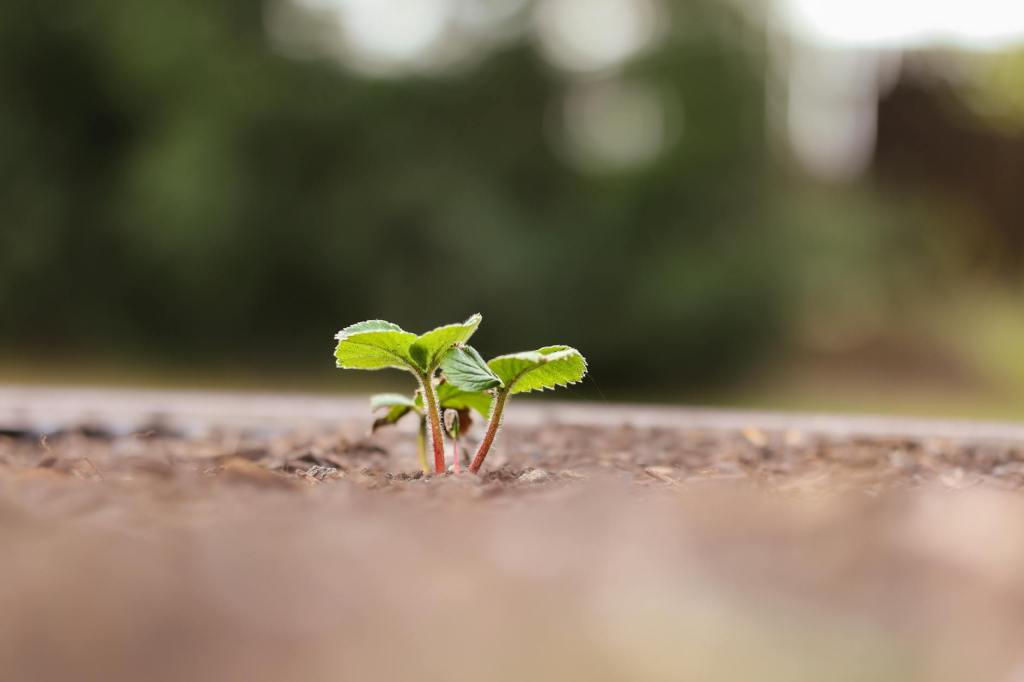
Photo by Nikola u010cedu00edkovu00e1 on Pexels.com
"May tainga ang lupa,
may pakpak ang balita."

A Filipino saying
to express how news
and rumors travel so fast
because "The soil (or land)
has ears, news has wings."
It sounds funny, Lord Jesus
that this saying came to my mind
upon hearing your parable that
started with your words "Hear this!
A sower went out..."
and ended, "Whoever has ears
to hear ought to hear"
(Mark 4:3, 9).
What an art you
have endowed each of us
Lord with two ears
so that we may listen and
hear twice than speak;
how lovely you have shaped
our ears that when put
together, they look like a heart
and yet, we rarely listen at all
to you and with others.
Make us like the good soil,
Jesus: open to receive your words,
open to welcome your many
possibilities, open to simply
be ourselves so that you may
transform us like the seeds
that grew and produced fruits.
Remind us, Lord Jesus,
like David by Nathan that
far more better than buildings
on land is our hearts where you
desire most to dwell;
may our hearts remain
your temple planted on
good, firm soil that it may
be felt alive always.
Teach us to imitate
your great Saint Thomas Aquinas
we remember today: that we
may cultivate to prepare
our hearts and minds
to become like the good soil
so that your seeds of the Gospel
may grow and bear fruit
for your greater glory.
Amen.
Lord My Chef Daily Recipe for Soul, 23 July 2025
Wednesday, Memorial of St. Bridget of Sweden, Religious
Exodus 16:1-5, 9-15     <*((((>< + ><))))*>     Matthew 13:1-9
Photo by Fr. Pop Dela Cruz, San Miguel, Bulacan, 2022.
Lord Jesus,
you are the Sower
and your seed is always good:
wherever it falls,
it grows;
most of all,
you are most good
as you never tire
of going out
to sow
your good seed!
“A sower went out to sow… Whoever has ears ought to hear” (Matthew 13:3,9).
“The Sower” painting by Van Gogh from en.wikipedia.org
Open my heart
and my soul, dear Jesus
to listen intently to your
word and be a "rich soil"
like St. Bridget of Sweden
whose devotion to family,
to her people especially the poor
and to Church reforms that led
to the return of the papacy to Rome
proved her to be a seed well sown;
there are times when I am just like
the path where your seeds fell
that fed only the birds;
quite often, I am like the rocky ground
so full of enthusiasm but wanes quickly
when challenges come;
worst of all, Lord Jesus,
free me from the many thorns
that steal me from you
that I stop maturing and growing;
let me be the rich soil who
receives you and your seed:
let your light of truth
and warmth of faith help me grow;
may your hope nourish me
especially when days are dark
and nights are long;
most of all,
water me with your love
and charity
to bear all
and be fruitful.
Amen.

Fr. Nicanor F. Lalog II
Our Lady of Fatima University
Valenzuela City