The Lord Is My Chef Breakfast Recipe for the Soul
First Friday, Memorial of St. Agatha, 05 February 2021
Hebrews 13:1-8     >><)))*>   +++  <*(((><<     Mark 6:14-29
Photo by author, Silang, Cavite, September 2020.
Your words today are very disturbing, Lord Jesus. So many times I find myself like Herod perplexed at listening to your words, praying your words, analyzing and learning your words for they are so delightful to the feelings but so disturbing when I am in a state of sin.
Forgive us, dear Jesus, in making into a cliche that beautiful prayer we once in a while utter to you, “Disturb us, O Lord.” So often we hear and read this beautiful prayer without really meaning it so well like Herod in today’s gospel.
Herod feared John, knowing him to be a righteous and holy man, and kept him in custody. When he heard him speak he was very much perplexed, yet he liked to listen to him. Herodias had an opportunity one day when Herod, on his birthday, gave a banquet for his courtiers, his military officers, and the leading men of Galilee…
The girl hurried back to the king’s presence and made her request, “I want you to give me at once on a platter the head of John the Baptist.” The king was deeply distressed, but because of his oaths and the guests he did not wish to break his word to her. So he promptly dispatched an executioner with orders to bring back his head. He went off and beheaded him in the prison.
Mark 6:20-21, 25-27
Disturb us, O Lord?
So nice to read, so good to say but never easy to totally feel and live out its real meaning!
There is no doubt at how your words disturb us, dear Jesus, bothering our conscience, making us feel uncomfortable specially when we are deeply into sin and evil; but then, we would reason out with our usual alibis and justifications that eventually we find a way out of your teachings like Herod in taking the wife of his brother Philip.
Ironically, and yes, tragically, when our words are put to test by somebody else’s words, we feel more distressed like Herod when asked for the head of John after making a pledge to his daughter to ask for anything. Shamefully, that is when we are pushed to edge to finally make a decision on something so wrong simply because we felt challenged and dared to assert our position and power. We act instinctively without much thinking if we are just being taken for a ride, of being manipulated like Herod.
Beheading of John the Baptist from wikipediacommons.org.
O Lord, you know us so well. Too often in life, we would rather bear the daily hurts no matter how painful for as long as we look good among others than suffer big time in confronting and accepting our true selves before you for fear it could badly wound us, exposing our true selves and other vulnerabilities as a person like Herod. Yes, we would rather save face than save souls.
Give us the grace and courage, Lord Jesus Christ, to face up and dare ourselves to rise to your challenge of purifying ourselves into better persons like John the Baptist who truly played his role as your precursor with his prophetic preaching.
Like St. Agatha your holy virgin and martyr, may we persevere in our sufferings, not disturbed at all at what others may say except in how we may witness your Gospel of love and mercy for you are always “the same yesterday, today and forever” (Hebrews 13:8). Amen.
A mosaic of St. Agatha of Sicily whose breasts were cut off by her torturers hoping she would renounce her faith in Christ. She remained faithful to Jesus who sent St. Peter to appear to her in a vision to console her and thus became the patron saint for those with breast cancer. She eventually died a martyr while in prison as a result of the repeated cruelties inflicted to her around year 251. Photo from aleteia.org.
Quiet Storm by Fr. Nicanor F. Lalog II, 04 February 2021
We have started this travelogue sharing with you how the Divine — God and music as food of the soul — have guided us in this road trip. He is the Invisible Hand leading us to directions not found on maps nor recognized by GPS, leading us to new discoveries not only to places outside but deep within us.
Let me now share with you the people we have met in this road trip, our companions who enriched our journey.
The word companion is from two Latin words cum + panis that mean “someone you break bread with”, not just someone you travel with but someone you share life with. After all, every journey is not just about places we visit but more of the persons we travel with and meet along the way.
During our first stop at the Baras Church, its sacristan mayor named Alvin told us an interesting story that had allegedly happened at the Pililla Wind Farm before its closure last year due to the COVID-19 pandemic.
According to Alvin, a group of bikers in 2019 allegedly posed half-naked while doing the dirty finger sign with the wind turbines as background. The people at the wind farm felt the place “desecrated” by that act especially after the photos were posted in social media, prompting them to tighten security in the area until the pandemic came that have kept it closed since then.
Though we have no way of verifying Alvin’s story about the “desecration”, it was not farfetched at all considering our penchant for anything notorious and vulgar like – sorry for the terms – kasalaulan and kababayun.
How sad that everything is desecrated and disrespected in our country like a whole environment, public places that include parks and monuments, even churches and schools as well as culture and history, not to mention the people taken for granted especially the weak and marginalized.
But it is not that bad at all. Especially in the province of Rizal where local residents remain warm and hospitable. Most of all, honest and trustworthy.
We were actually laughing because we both did not know how to take selfies…
This we have experienced first hand after Dindo had left his wallet at a convenience store two kilometers from Baras. When we returned to the store, we were so impressed because the guard and another staff member were waiting for us to give us back the wallet. We did not even leave our car as the wallet was promptly handed to us without asking us any questions at all.
Honesty is still very much alive here in our country. We just have to trust and be honest with others, too!
In fact, one thing we noticed that whole Thursday in Rizal was how everybody was so kind and nice, especially at the three churches we visited in Baras, Tanay, and Morong.
They were so kind and courteous with a ready smile to everyone, not grouchy like in some parishes. I did not have to introduce myself as a priest to be treated well that I felt like coming home while visiting those three churches!
It prompted me to commend Msgr. Rigs de Guzman of Tanay in having formed so well their church workers and volunteers whose goodwill flowed so naturally, not rehearsed nor faked because we were visitors.
St. Joseph Parish at Baras, Rizal.
Such kindness and niceties are things becoming so rare these days in many churches in our predominantly Christian nation when people complain against priests and lay people alike in being so cold and impersonal in dealing with the faithful who complain, saying “mga taong simbahan pa naman… kay susungit at sasama ng ugali.”
Sometimes, people leave the Catholic Church not because of difficult teachings and doctrines but of difficult people who failed or refused to witness Jesus Christ in their lives as his servants and disciples.
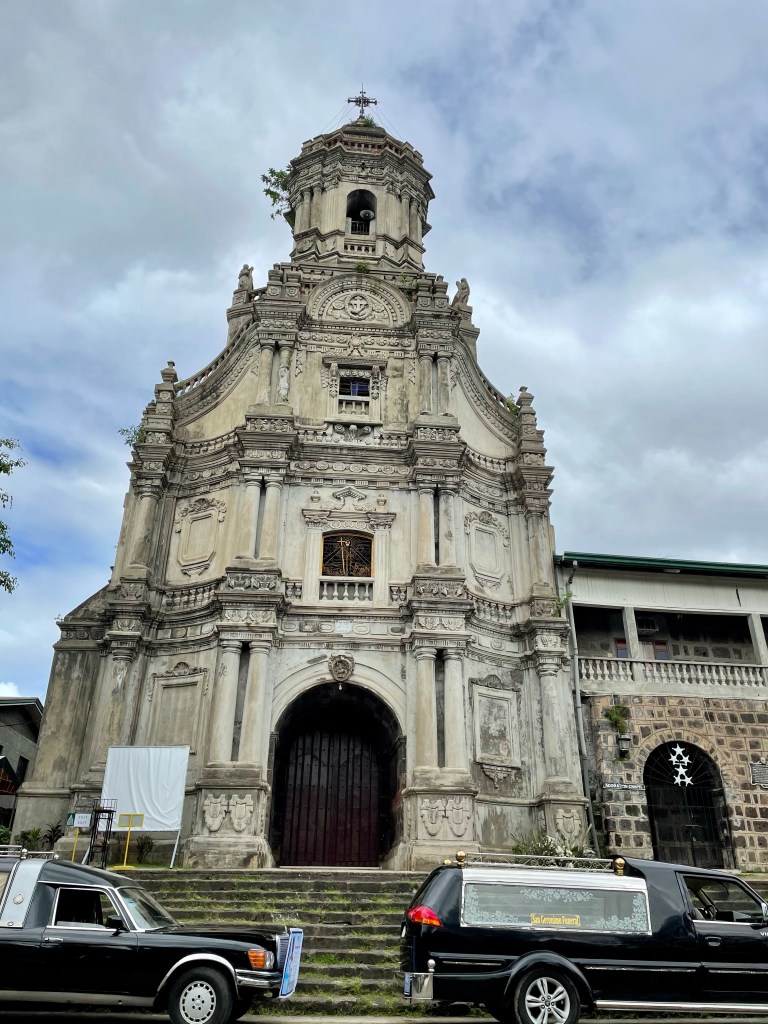
Parish of St. Jerome in Morong, Rizal.
At the beautiful Parish of St. Jerome in Morong, we arrived while a funeral Mass was ongoing. Not knowing where to park as the patio was filled with people, I drove up its old and beautiful driveway all the way to its main door.
Surprisingly, nobody blocked or prevented us from driving there; when I asked if we can park there, the people simply nodded their heads in approval!
And when we went to the parish office to ask permission to go to the side altar to pray, one of the volunteers willingly led us inside so we can comfortably have a seat.
After we have prayed, we decided to skip our usual picture taking due to the ongoing Mass, choosing to feast our eyes with the amazing sight of this church’s unique architecture built by Franciscan Missionaries in 1620 and renovated to its present structure in 1853.
As we marveled at the imposing but genteel facade of the Morong Parish Church, I somehow got a feel of the people’s vibrant faith nurtured by their pastors who must be so dedicated too to have maintained its old and original architecture. One may also notice the same thing with the modern churches in the Diocese of Antipolo that covers the ecclesiastical province of Rizal where there is that blending of faith, arts, and architecture.
They must be so rich in having “respect” as in respect to the past, respect to the culture, and respect to the people that they have kept their many old and modern churches unaltered for so many years.
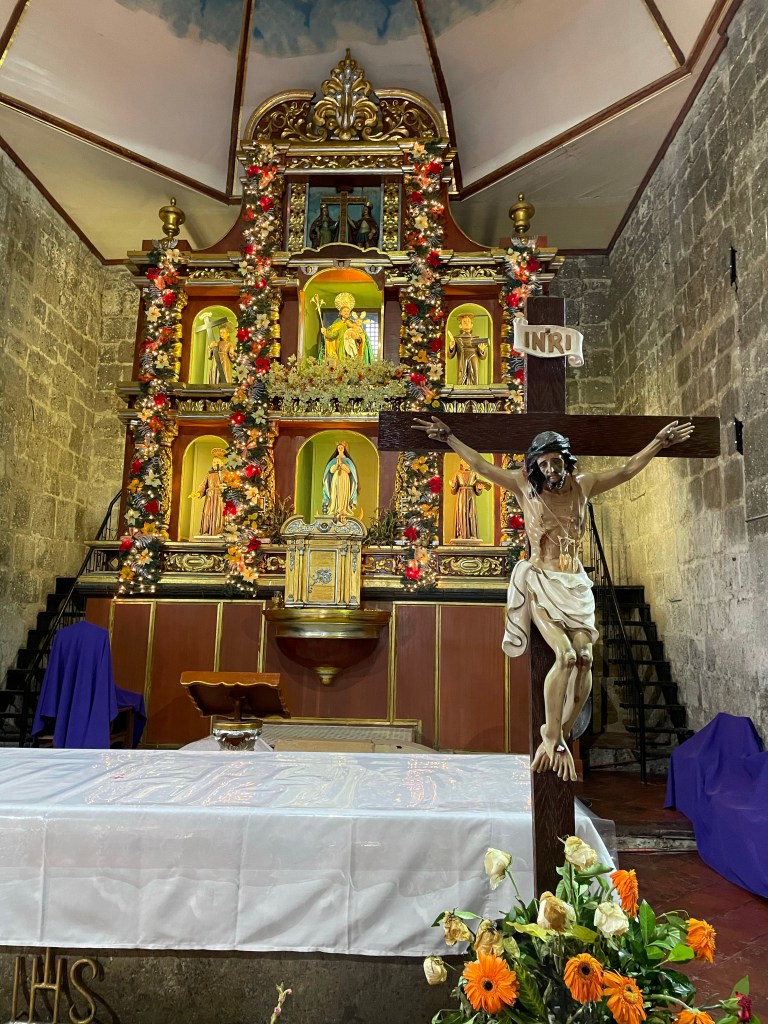
Altar of the Parish of St. Ildephonse in Tanay, Rizal declared as a National Cultural Treasure by the National Commission for Culture and the Arts in 2001.
How sad is the “edifice complex” afflicting some priests especially in our own Diocese of Malolos in Bulacan where many churches, old and new alike, have been disfigured with never ending renovations and constructions as well as overdecorating them that many have looked like cheap cakes smothered with icings.
Many seem to have forgotten the direct correlation between “church as the people gathered in faith” and “church as a building”.
Incidentally, the term used by the early Christians to refer to the Holy Eucharist as they gathered together was “breaking of bread”, a direct reference to our word companion because in every religious gathering, the companionship of the people is indicative of their kind of faith in God.
How lovely it is to see our churches, especially the old ones, as companions in our faith journey in God, to God!
'The real voyage of discovery consists
not in seeing new sights,
but in looking in new eyes."
--- Marcel Proust
As we end this series of our travelogue, we go back to the lovely Parish Church of St. Ildephonse at Tanay, Rizal where we found something so mysterious like Steely Dan’s Pretzel Logic and Deacon Blues.
On the left wall near the main door is found the Seventh Station of the Cross when Jesus fell for the second time on his way to the calvary. It is a huge woodcarving done by local artisans in 1785 using local colors like the Malay features of the images depicted with their brown complexion, large and round eyes, and “squared” body features.
See the man leading the pack blowing a carabao horn for a tambuli while the soldier carried a bolo instead of a sword?
Most unique of all that makes Tanay’s Stations of the Cross as the most amazing and beautiful in Asia is that man at the middle wearing sunglasses, looking afar.
No one can truly explain why that man was portrayed as wearing shades that were already in existence at that time from China called “smoked glasses”. Some claim that man is the high priest Caiaphas who led the Sanhedrin in the trial that found Jesus guilty of blasphemy for claiming himself to be God.
Still, it does not answer the question why wear shades?
My kinakapatid Dindo claimed the woodcarving proves that rock and roll had long been in existence since the time of Jesus Christ, the real Superstar as presented in the 1970 rock opera by Tim Rice and Andrew Lloyd Weber.
Rock and roll is more than a kind of music. It is a way of life, a different kind of looking at things that try to disregard conventional and traditional ways by trying to get to the very roots of the things we do and hold on to.
Again, the word roots is from the Latin radix from which comes the word radical to describe people with revolutionary thoughts who go against the usual and accepted ways of life by going back to the roots of our many ways of life.
Radicals are not necessarily violent who shake our beliefs to see things more clearly like the woodcarver of this Seventh Station of the Cross in Tanay.
He must be telling us how often we try to color the world according to the hues and shades we want to see it that we become oblivious to the plight and sufferings of those around us like Jesus falling for the second time. Sometimes the key in truly enjoying this journey called life is to take off our shades and see others in their true colors by revealing also our true selves.
That is the greatest joy of every road trip when we do not really take the trip but it is the trip that takes us, giving us new eyes to see life in new perspectives and dimensions never seen before.
Our recent road trip actually started even before we planned it three years ago. Dindo and I have been traveling together as companions – breaking bread with each other – sharing life, its joys and pains, fears and hopes long before we took this road trip.
Though we travel on different roads in life, our paths have merged in various points and intersections without us really knowing it, deepening our ties and friendship truly as kinakapatid. It was actually a trip started by our dads who were cumpadres and never did I imagine those trips to their home at Little Baguio every New Year while growing up would eventually lead us to Baras, Tanay, Pillila, and Morong in Rizal!
In between songs and stories and jokes as we got lost going to Pililla Wind Farm, we have realized that we all have the same problems and issues in life. They just come in different shapes and colors that make every journey so wonderful.
Where have you been lately? And how are the people you have met? Try to remember the people you have been traveling with as companions in this journey of life. Thank them and most of all, take a break to let any trip take you — a road trip, a food trip, or any trip except bad trip!
Thank you very much in joining me in this blog and trip. May God bless your journey as well as your companions. Amen.
The Lord Is My Chef Sunday Recipe for the Soul
Third Sunday in Ordinary Time, Cycle-B, 24 January 2021
Jonah 3:1-5, 10  >><)))*>  1 Corinthians 7:29-31  >><)))*>  Mark 1:14-20
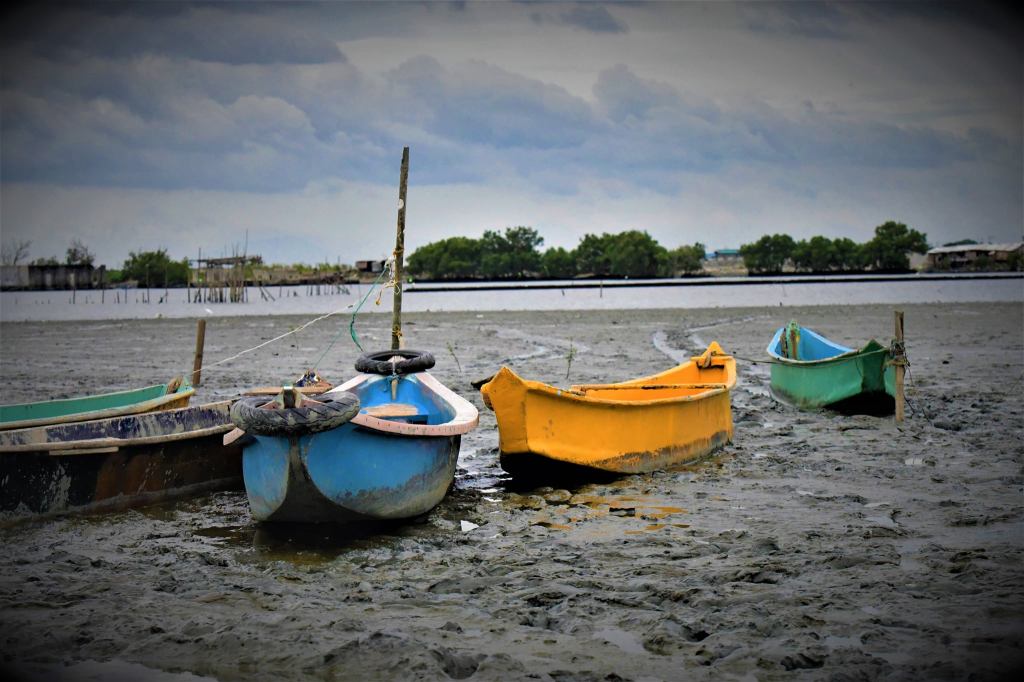
Photo by Mr. Jim Marpa, 2018.
The sea evokes mixed feelings of both joy and fear at the same time. It symbolizes life itself that may be nice and lovely but difficult and dangerous too. For many people, the sea is the sign of abundant life, a source of livelihood while for some, a reminder of death and misery.
Such is the mystery of life too that at the start of the ministry of Jesus Christ, we find Mark locating its setting by the sea as we embark fully into the Ordinary Time of the liturgy.
After John had been arrested, Jesus came to Galilee proclaiming the gospel of God: “This is the time of fulfillment. The kingdom of God is at hand. Repent, and believe in the gospel.” As he passed by the Sea of Galilee, he saw Simon and his brother Andrew casting their nets into the sea; they were fishermen.
Mark 1:14-16
Mark wrote the first gospel account that became the framework for Matthew and Luke in writing their own versions. He was in a hurry in writing his gospel because he felt the urgency in making known the good news of Jesus Christ; thus, his gospel is also the shortest, doing away with so many other details without losing the essentials.
This we find in his brief presentation today of the beginning of Christ’s ministry set by the Sea of Galilee.
Our sea of discontent.
First thing we notice is the very nature of the coming of Jesus Christ that happens when we are in rough waters, perhaps even with a violent storm at the middle of the sea called life: After John had been arrested, Jesus came to Galilee proclaiming the gospel of God: “This is the time of fulfillment. The kingdom of God is at hand. Repent, and believe in the gospel.”
Photo by author, sunrise at the Sea (Lake) of Galilee, 2017.
The setting was not totally good. John had been arrested. People must have been disappointed. But, that is always the cue in God’s coming called “kairos” or fullness of time, the day of judgment.
It is when we are going through difficult situations in life when we must examine ourselves too, of the need to set aside our own plans and agenda to let go and let God.
Every here and now is the time of fulfillment, a time of God’s coming to us.
Do we have the room, the space in us to welcome him to bring us into fulfillment? Hence, the need to empty ourselves, to repent and believe in Jesus Christ, the gospel himself.
Secondly, it is when we are sailing through rough seas when we also experience within that feeling of discontentment, of emptiness when there seems to be something missing in our lives even if everything is going fine like with our career or business, relationships, or family where nobody is sick or maybe the kids have all grown up and now on their own.
There comes a time in our lives when our problem is not having any problems at all — when we are no longer contented with being happy and satisfied but longing for fulfillment.
Rejoice and be glad when feeling this way! Emptiness leads to fullness as discontentment in life is always a sign of spiritual growth if we heed the calls of Jesus when desolation is a prelude to consolation.
Like in the story of creation, out of chaos comes order, exactly the experience of the first four disciples of Jesus.
As he passed by the Sea of Galilee, he saw Simon and his brother Andrew casting their nets into the sea; they were fishermen. Jesus said to them, “Come after me, and I will make you fishers of men.” Then they abandoned their nets and followed him. He walked along a little farther and saw James, the son of Zebedee, and his brother John. They too were in a boat mending their nets. Then he called them. So they left their father Zebedee in the boat along with the hired men and followed him.
Mark 1:16-20
Photo by Mr. Jim Marpa, Carigara, 2019.
When we are sailing through rough seas in life, that is when we have to trust God more so he can do and move in our lives to achieve the great plans he had created us for. “Be still and confess that I am God!” (Ps. 46:10), so the psalmist tells us.
Money and material things were not a problem for Simon and company. They must be well to-do as they have their own fishing boats at the time, even with men hired to work for them. Opening their hearts to listen to Jesus, they must have felt deep inside them that finally, they have found direction in life, something they have been searching for a long time.
Did they understand the meaning of “fishers of men”? We have no way of knowing it but Mark tells us how upon listening to Jesus, Simon and Andrew left everything behind and followed the Lord! Imagine the great fortune they have left behind.
Even Zebedee, the father of James and John, did not complain nor run after them to at least ask them to stay behind so they would help him run their family business because he too must have been praying for his sons to grow up and mature! Recall how the mother of James and John requested Jesus the favor to have them seated beside him when reigning in his kingdom they thought to be like the kings of their time living in a palace. Or, their attitude in asking Jesus to burn down a Samaritan village that refused them passage. These instances indicate how the brothers James and John may have been like today’s typical happy-go-lucky rich kids of their time but searching for meaning in life amid the many troubles and misadventures in life.
Jesus comes to us in a similar manner, in the ordinariness and problems and struggles of our lives like when Simon and Andrew, James, and John were busy working near the Sea of Galilee. The Lord speaks to them about what they were doing as fishermen to express to them his plans to make them fishers of men.
We do not find God;
it is God who finds us.
Every day, Jesus Christ is passing by, calling us, inviting us to repent and believe in his gospel, challenging us to face our responsibilities and most of all, asking us for our commitment. He never imposes but would always patiently wait for us.
We all search for meaning in life; for some, it may come early in life while for others, it might come later. But surely, our search for meaning, for God always come for sure because we were created that way by God.
In my personal experience, I have realized that we do not really find God; it is God who actually finds us! Moreover, nobody escapes God as attested by so many saints and even ordinary people we have known who have experienced conversion.
Photo by Dr. Mylene A. Santos, MD, December 2020.
One beautiful story of God coming to us, searching for us, and saving us from storms at the middle of the sea of life is that of Jonah and the city of Nineveh in the first reading. Jonah himself tried to escape God when his ship encountered a severe storm in the middle of the sea that he was thrown out to be swallowed by a whale. Of course, it is symbolic but it tells us in a nutshell the urgency of proclaiming God’s message of conversion, of not escaping God. This we find when Jonah was surprised at how a pagan nation like Niniveh listened to his preaching that they were spared of God’s wrath and punishment.
Jonah and Niniveh both give us beautiful lessons in resolutely turning back to God and his ways without wasting any instant as well as God’s immense love and concern for everyone, offering his mercy and forgiveness no matter how serious our sins are.
The characters of Jonah and of the inhabitants of Niniveh may be exaggerated but they are very true even among us in our own days! Recently we have seen how things have gone worst in this life in almost every aspect especially since last year with the coming of COVID-19 pandemic.
That is why St. Paul’s call in the second reading is so timely: “I tell you, brothers and sisters, the time is running out. For the world in its present form is passing away” (1Cor.7:29,31).
When St. Paul wrote the Corinthians telling them to act as not having wives or weep as not weeping means we have to detach ourselves from all that perish like material things as well as jobs and careers, and even this life we have. We have to focus more on things that last who is ultimately God in Jesus Christ.
Last week, I was so saddened with the news of the closing of the Makati Shangri-la Hotel next month. One of our parishioners is a young man working there as a chef since 2004. He is a very good man, always dropping by the parish after work, never missing a Sunday with his father who died last summer. When COVID-19 started, he would always attend our online Mass wherever he may be.
I texted him the night the news came out of the closure of their hotel next month. Beside is a screenshot of our chat that turned my sorrow into joy upon realizing Carlo’s deep faith in God.
That night, I thanked God in my final prayer, for letting Jesus passed by my room while chatting with Carlo, in taking care of Carlo.
Yesterday after Mass I talked to him again and he was already very upbeat, looking forward to celebrating the Mass with us more often while looking for a new job.
Let us pray this Sunday for everyone going through many hardships these days so they may remain open in their hearts, listening to Jesus who is passing by, calling them to be his fishers of men in this troubled seas. Amen.
Quiet Storm by Fr. Nicanor F. Lalog II, 21 January 2021
The Church of Baras, Rizal first built by the Franciscans in 1595; present church was completed in 1686.
It was a road trip that took us three years of planning. Though it just covered a little more than a hundred kilometers east of Metro Manila done in 12 hours, it was a road trip beyond maps and GPS as it turned out into some sort of a personal journey within.
Sometimes in life, the most wonderful trips are those made at the spur of the moment – “biglaan, nagkaayaan lang” – when an Invisible Hand guides us, sometimes purposely allowing us to get lost along the way with many detours leading to so many discoveries.
That exactly happened with this road trip with my kinakapatid Dindo (Fernando Alberto, Jr.) last January 07, 2021. It was his idea that we go on a road trip so we can share more of our many common interests like Steely Dan music, singing like crazy Kid Charlemagne’s, “Is there gas in the car?” that has become like a password in our conversations as well as in our chats.
And so, two weeks ago with a tankful of “gas in the car”, I left my parish in Bulacan at 5AM and headed south to pick up Dindo almost exactly an hour later reaching the Church of Baras via Sumulong Highway in Antipolo a little past 7AM.
"Reeling in the Years":
the charm and beauty of Baras Church
If you are looking for a good, old church near Metro Manila that has remained faithful to its past, then go to this Church of Baras town that has retained its quaint Spanish period Baroque architecture.
Set on top of a hill still surrounded by forests, its simple facade is “so cool” and very comforting at first sight that gives every pilgrim a sense of serenity and silence, so welcoming especially to those tired and confused in life.
What struck me first were the beautiful patches of mosses and fronds growing right on the steps all the way up to the bell tower made of adobe bricks exposed without plasters. I have always been amazed with mosses and fronds because they remind me of how life continues to thrive even in the most difficult and harsh situations while their luminous green color look like natural carpets ready to absorb whatever shocks and weight you may be carrying.
From afar, the Baras church looks like an oasis tucked in a lovely corner not far from the busy highway outside. Everything is green and so refreshing. Just looking at this church from the patio dotted with yellow spots for social distancing during Masses, one may already conclude upon arrival that it was worth the trip.
Even after we have missed its main entrance after the small bridge in the poblacion, our peg remained chillax after being welcomed by its sacristan mayor named Alvin who right away opened the main door for us so we can pray inside. And, voila!
Inside the Baras Church. Its pastors have done a great job in keeping the church intact all these years unlike other old churches that have fallen prey to disrespect of its heritage and roots.
Upon entering, one’s sights are directed upwards to its exposed wooden trusses supporting the roof. It has no ceiling like most old churches in Ilocos, exuding with that sense of freedom and openness as if the heavens were rent apart by God to assure that He listens to every prayer said by anyone who comes to this church.
One thing I appreciate in this church as a priest is the prevalence of that sense of coherence, of wholeness from which the word holiness came from. So unlike many churches these days that have become more like a hodge-podge of so many things and colors that distract you away from God.
Baras church is a rarity where that old maxim in liturgy is still kept so many priests ignore: noble simplicity. Nothing kitschy or baduy like tarpaulins and what-have-you that inhibit silent meditation and contemplation with enough room for God and His saints. And you.
The adobe bricks without plasters give you an impression of a relaxed life, safely and securely ensconced inside to rest in the Lord, literally and figuratively speaking. Nothing artificial, so natural is the feeling inside without the ubiquitous giant ceiling fans and flatscreen TV’s. Touch the walls and you can still feel the whispered prayers of the faithful long dead still reverberating!
Sauntering to the sanctuary to pray while feasting my eyes with the ancient wood carvings at the side walls, it was only then when I realized how blessed is this road trip, so timely to have happened that day, not earlier or even later.
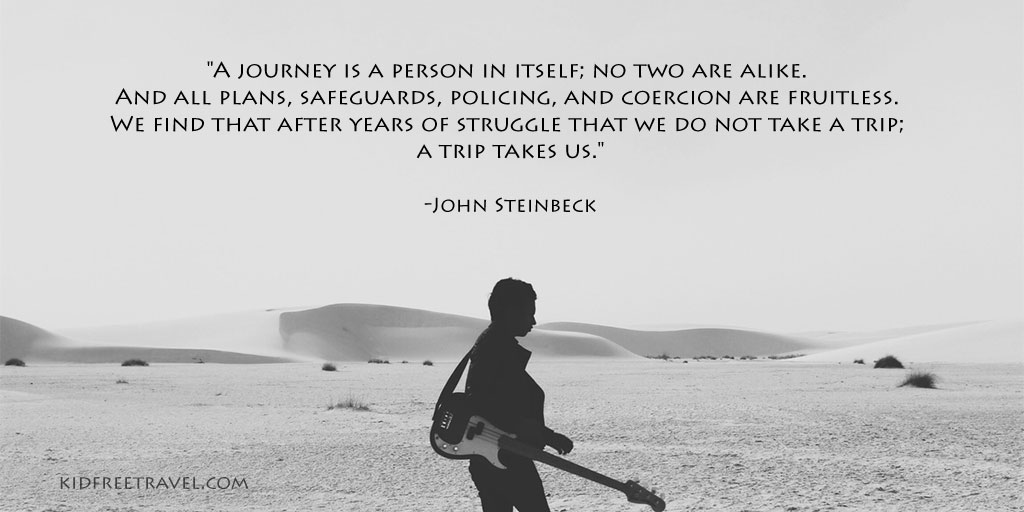
"We find that after years of struggle
we do not take a trip;
a trip takes us."
-John Steinbeck
Lo and behold! When Alvin turned on the lights of the retablo, I felt so blessed when I recognized St. Joseph is the Patron of this church, the husband of Mary and foster father of Jesus Christ, my personal patron saint since seminary days!
What a tremendous blessing indeed that our first stop in this road trip is a parish dedicated to St. Joseph on the first month of the Year of St. Joseph as declared by Pope Francis last December 8, 2020 to commemorate the 150th anniversary of the declaration of St. Joseph as Patron of the Universal Church.
Most of all, it was a time in my life I was feeling so afraid, even scared and bothered almost like St. Joseph after finding out Mary was pregnant with a child not his that he decided to silently divorce her until an angel appeared in his dream, explaining everything. In my case, I have just received my new assignment as chaplain of a university and hospital in our diocese. Aside from that fearful feeling going into a new field of ministry, I was wary of the hospital setting in time of COVID-19.
But there before the altar of the Baras Church as I knelt praying, I felt the very same reassurance of God through St. Joseph, as if telling me, “Nick, do not be afraid to take that new assignment for I shall be with you always.”
After saying our prayers, I told Dindo the significance of our first Church that happened to be dedicated to St. Joseph.
And that’s when we realized how along the way we were sharing about our own beloved fathers now both gone to heaven, of their impact on us while growing up in their old-school brand of discipline and parenting that have molded us into who we are today weathering so many storms in life, never giving up, always fighting, always standing for what we firmly believe as true and good.
While there, I prayed to St. Joseph for all the fathers I know, including those priests who have blessed me and nurtured my vocation, deceased and still living. In a special way, I prayed for all dads silently crying in pain because of their great love for their children; dads never understood by their wife, always deferring for them for the sake of balance and peace at home; and, most especially, for dads who are sick after laboring for so long in raising their family.
At the left side of the nave is displayed prominently the original cross used in the church by the Jesuits who administered the parish from 1616 to 1679. Above that is a wood carving of Santiago de Compostela or St. James the Great, patron of Spain and elder brother of St. John the Beloved, the patron of my parish for nine years and seven months. The parish of Baras was originally dedicated to him. Why they changed it to St. Joseph, nobody could tell us.
But, Dindo and I at that time knew, this stop was meant for us both a father and for our own dads who are still cumpadres on a different trip in heaven. We had our light breakfast prepared by Dindo being a great cook himself who was part of the original Mandarin Hotel officers in Beijing three decades ago.
Join us next week at our next stop in Tanay where we met St. Joseph’s wife, Mary.
And along the way, we proved that rock and roll has always been a way of life since the time of Jesus…
Original cross venerated in the Baras Church with a relic from the true Cross of Jesus found in Jerusalem by St. Helena; above that is a woodcarving of St. James the Great, the first patron saint of Baras.
The Lord Is My Chef Breakfast Recipe for the Soul
Monday, Week-I, Year-I in Ordinary Time, 11 January 2021
Hebrews 1:1-6     >><)))*> + >><)))*> + >><)))*>     Mark 1:24-20
Photo by author, Pulilan by-pass road, 25 February 2020.
Please clear our minds, O God our Father, to stop taking for granted anything called or labeled as “ordinary” like our Ordinary Time in the liturgy that begins today. So often, when we hear the word “ordinary”, we dismiss it as something not so important, of lesser value.
May we realize that the word “ordinary” implies orderliness, regularity as its Latin root means “rule”. The ordinary days, the ordinary people, the ordinary fares – whatever ordinary always makes up the bulk of our lives.
And who is the supreme ordinary of our lives but You, O God?!
So let us stop taking granted whatever or whoever we deem as ordinary because they are the rule of the day. The author of the Letter to the Hebrews said it so well for us today:
Photo by author, November 2019.
Brothers and sisters: In times past, God spoke in partial and various ways to our ancestors through the prophets; in these last days, he spoke to us through the Son, whom he made heir to all things and through whom he created the universe.
Hebrews 1:1-2
Today begins the rule of my life, the rule of each day – Jesus Christ who had come to make You known to us, dear God our Father. He is the rule, the order of each day because everything was created in Him and through Him.
Today begins the rule and order of grace and peace, of kindness and charity, of love and mercy because “this is the time of fulfillment, the coming of Your Kingdom” (Mk.1:15).
Teach me, dear Jesus, to have this regularity of life, of having order in my life that begins and ends in You because you have come to make me and everyone truly special by being closer to the Father through one another. Amen.
The Lord Is My Chef Breakfast Recipe for the Soul
Friday after the Epiphany, 08 January 2021
1 John 5:5-13     <*(((><<   +   >><)))*>     Luke 5:12-16
Photo by author, December 2020.
Beloved: Who indeed is the victor over the world but the one who believes that Jesus is the Son of God? This is the one who came through water and blood, Jesus Christ, not by water alone, but by water and blood. The Spirit is the one who testifies, and the Spirit is truth.
1 John 5:5-6
If we could all be aware of this wonderful declaration by your Son’s beloved disciple, O God our Father, surely there would be fewer disappointments and frustrations among us in this life, especially from that “rat race” where there are no victors but only losers.
As we advance in science and technology supposedly making life better and easier for us, making us more affluent to some degree, what a tragedy that we still do not feel contented as life has become more competitive in quantitative terms than qualitative aspects like love and understanding, closer ties and cooperation.
Life may be easier but, unfortunately we cannot see its great value that even on the personal level, there is still so much self-hate and self-rejection going on among us.
Help us, dear Jesus, to keep in our minds and our hearts how you wish only the best for us, our healing and our fulfillment in life like that leper you have healed in the gospel today.
It happened that there was a man full of leprosy in one of the towns where Jesus was; and when he saw Jesus, he fell prostrate, pleaded with him, and said, “Lord, if you wish, you can make me clean.” Jesus stretched out his hand, touched him, and said, “I do will it. Be made clean.” And the leprosy left him immediately.
Luke 5:12-13
Lord Jesus, let us believe in you wholeheartedly by embracing your Cross where you won the world for us with “the Spirit, the water, and the blood” that all testify to you as the Christ, the Anointed One of God who saved and redeemed us. Amen.
Photo by author, Chapel of Theology Dept., ICMAS, 12 November 2020.
The Lord Is My Chef Simbang Gabi Recipe-2 for the Soul
by Fr. Nicanor F. Lalog II
Thursday, Advent Week III, 17 December 2020
Genesis 49:2, 8-10     >><)))*> + >><)))*> + >><)))*>     Matthew 1:1-17
Photo by author of sun beginning to shine over the mountain ranges Sinai Desert in Egypt, May 2019.
Yesterday we started our reflection with an old Christmas song, Do You Hear What I Hear? by Bing Crosby; today, it is Andy Williams turn to serenade us with the opening lines to the theme of the 1970 film Love Story:
Where do I begin
To tell the story of how great a love can be
The sweet love story that is older than the sea
The simple truth about the love she brings to me
Where do I start
No. I did not see that movie now a classic but I was old enough to remember its theme that became popular even for some more years during the 70’s that made Andy Williams so well-known when we were in elementary school. His song came to my mind as I grappled – which usually happened – on how to begin this reflection.
Where do I begin or how shall I begin? is one of our most common question in almost anything we start doing or telling because beginning any undertaking is always difficult. Experts have tackled it like Stephen Covey telling us to “begin with the end in sight” while Simon Sinek insists we always “start with why”.
Every beginning – like a homily or a speech, a business venture, or even an exercise program – means so much as it gives us a gist of where it is leading to, of what is going to happen.
The evangelists also wrestled with the same issue and they all have their own style in starting their gospel account but nothing beats Matthew in his most unique manner by beginning with a series of names in the genealogy of Jesus Christ. According to the late American biblical scholar Fr. Raymond Brown, he was willing to bet that if anyone is asked to tell the story of Jesus to a non-believer, no one will ever imitate Matthew by starting with Abraham begetting Isaac, Isaac is the father of…
The book of the genealogy of Jesus Christ, the son of David, the son of Abraham. Abraham became the father of Isaac, Isaac the father of Jacob, Jacob the father of Judah and his brothers. Judah became the father of Perez and Zerah, whose mother was Tamar…
Matthew 1:1-3
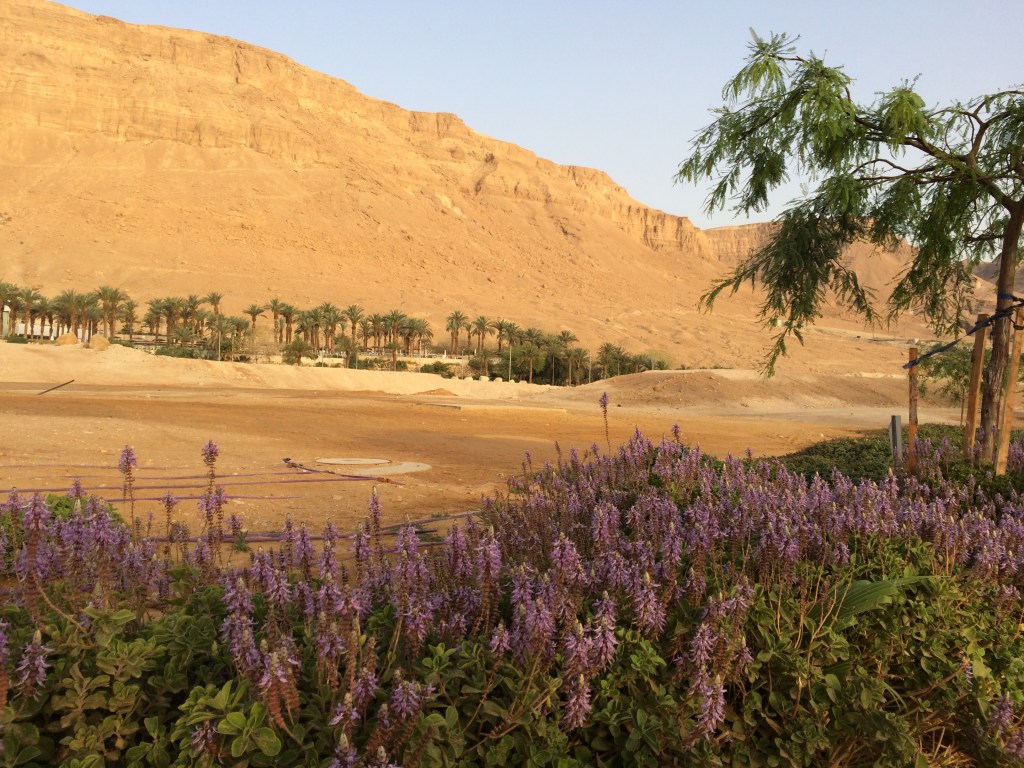
Photo by author of an oasis in the Dead Sea region of Israel, May 2017.
God the Prime Mover, the Beginning of everything
Today we shift our focus in our Advent preparations to the first coming of Jesus Christ when he was born in Bethlehem more than 2000 years ago. Strictly speaking, the Church’s official countdown to Christmas begins only today when all our weekday readings from December 17-24 are focused on how the birth of Jesus happened.
And what a way to start this series with the gospel by Matthew that begins with “The book of the genealogy of Jesus Christ, the son of David, the son of Abraham”! The Greek is more literal in stating it as “The book of the genesis of Jesus Christ, the son of David, the son of Abraham.”
That makes Matthew’s gospel so unique by starting it with names that all sound so weird to us today. So, what’s with the names? Of course, a name is everything!
Companies and organizations pay huge amounts of money for their trademarks and logos like Coca-Cola, IBM, and Apple. Some corporate or product names have in fact entered our vocabulary like Xerox for copiers, Colgate for toothpaste and Frigidaire for refrigerators.
Every name carries a story, a meaning, a mission, even a destiny. How sad that we Filipinos rarely take this seriously especially in giving names to children that often becomes a joke or a disaster, or both. But to foreigners especially the Jewish people, a name is more than an identification but also one’s mission.
When we examine each name in Matthew’s genealogy of Jesus, we discover it is just like our own family trees with some men and women not really that exceptional, even a shame and an embarrassment to the family. Behind each name we have heard is an imperfect person -except for Joseph and Mary – with so many sins and mistakes.
And that is the good news of today: God does not call the qualified but qualifies His call.
Everything begins with God – our lives and coming into being. In all eternity, God perfectly knows everything that will happen to us and yet He chose to believe in us, despite our imperfections and being prone to sin that He sent us to this world with a mission to make His Son our Lord Jesus come into the world through us, just like his ancestors.
Photo by author, Mt. St. Paul Spirituality Center, La Trinidad, Benguet, January 2020.
From the imperfect “house of King David” to Jesus Christ’s eternal kingdom
Let us take the first name mentioned by Matthew in starting his gospel, David who makes this genealogy so interesting. In fact, it was on him the whole genealogy is structured by Matthew. And we all know how imperfect was David, of how he had sinned when he took Bathsheba the wife of army officer Uriah whom he ordered placed in a position that got him killed in a battle.
But that is how God works – so unlike us! God is a God of surprises who works so unpredictably unlike us humans. Imagine after all the sex scandals with Bathsheba, God still promised an eternal kingdom coming from the house of David, that of Jesus Christ: “Your house and your kingdom shall endure forever before me; your throne shall stand firm forever” (2 Sam.7:16, first reading on Sunday and morning of Thursday).
At the end of his genealogy of Jesus, Matthew added this interesting note:
Thus the total number of of generations from Abraham to David is fourteen generations; from David to the Babylonian exile, fourteen generations; from the Babylonian exile to the Christ, fourteen generations.
Matthew 1:17
Matthew is up to something here! Why build around the history of Israel and genealogy of Jesus Christ around a person who had gravely sinned against God and others?
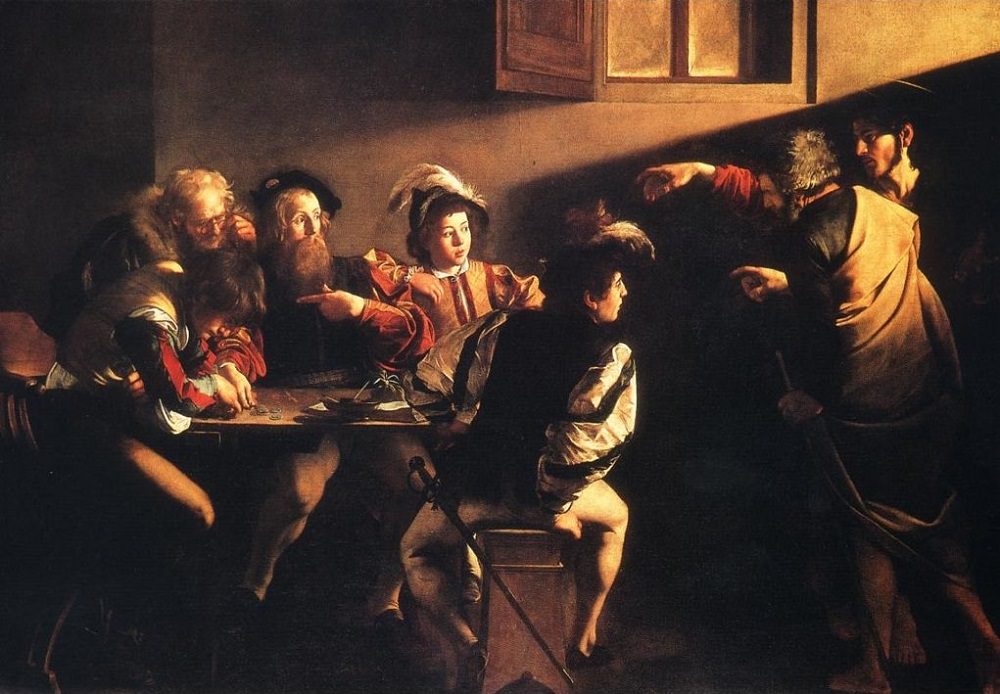
Most likely. Remember how Matthew experienced God’s mercy and forgiveness when Jesus came to call him while at his tax collection booth and he immediately stood and left everything behind to follow the Lord. Matthew knew well that God is not like humans who box people and label them like things.
Caravaggio’s famous painting of the call of Matthew by Jesus from wikicommons.org.
In assembling to us three sets of fourteen generations that traced the coming of Jesus Christ from Abraham structured around David, Matthew shows us how God worked through this sinful man a series of new “beginnings” in life, both in grace and in sin. See the genealogy rising from Abraham to David, then its decline and descent from Solomon to the Babylonian Exile, and then rising again to the advent of Jesus.
Now try to imagine how great and loving is our God and Father who chose to believe in David, a person just like us with many imperfections and prone to sins! See His power and holiness in setting any sinful situation for new beginnings of grace and blessings.
Sometimes,
God uses our occasions of sins
as new beginnings
of His grace and blessings.
One thing I have realized in life is that our most unforgettable moments happen either when we are nearest, or farthest away from God.
This is very amazing. Consider when are we closest to God? Most often that is when we were high and good, feeling blessed and loved, when healthy and successful that were ironically the times we rarely thought of God. We only remember those moments as our closest with God after being away in fact from Him!
And when are we farthest from God? Quickly we say when we were deep in sin, when lost, or when unloved and misunderstood.
Between these two moments, it is most often when we are farthest from God that is always most unforgettable, the ones we remember always, the ones that have left the deepest cut in us because those times in turn have become occasions for us to begin anew in God!
Like David. Or Matthew known before as Levi the tax collector.
Photo by author of the Lake of Galilee shortly after sunrise, May 2019.
That is how God sometimes would make it for us to begin anew in Him! See how at the first set of fourteen generations from Abraham to David, we find the whole history of Israel so close with God punctuated by Egypt and Exodus when their sins “turned” into their favor. In the second set of fourteen generations from Solomon to the Babylonian exile, the Israelites sank into their lowest point in history when led by their kings they turned away from God, worshipping idols. But, God did not abandon them as we see in the third set of fourteen generations when things got better as the Israelites returned to God and to their Promised Land reaching its high point in Jesus Christ’s birth.
God is the beginning of everything and even if we try to “end” with our many sins what He had began, He always finds ways to begin anew even when we are so far away from Him.
This is also the meaning of the Jacob’s choice for Judah over his other sons in being the tribe to continue his family line leading to the fulfillment of the Davidic lineage in Jesus Christ. It was from Judah came the name of their religion “Judaism” even if Judah was not the best and holiest of Jacob’s sons. Joseph the Dreamer must have been the wisest choice as more suitable to have been blessed by their father or by God himself but, that is not the way of God.
By starting his gospel with the line “The book of the genealogy of Jesus Christ, the son of David, the son of Abraham”, Matthew shows us God’s total power and goodness as source and beginning of all good things who also has the last and final say in everything.
In the genealogy of Jesus, we are reminded that every day is a new beginning in God, right in our darkness and sin, in our sickness and pandemic. David like Judah may have sinned so great before God but His mercy and love proved greater than their sins that they were able to rise again to become better and holier in His grace.
That’s one great beginning we can start right here, right now in our Simbang Gabi! A blessed Thursday to you! Amen.
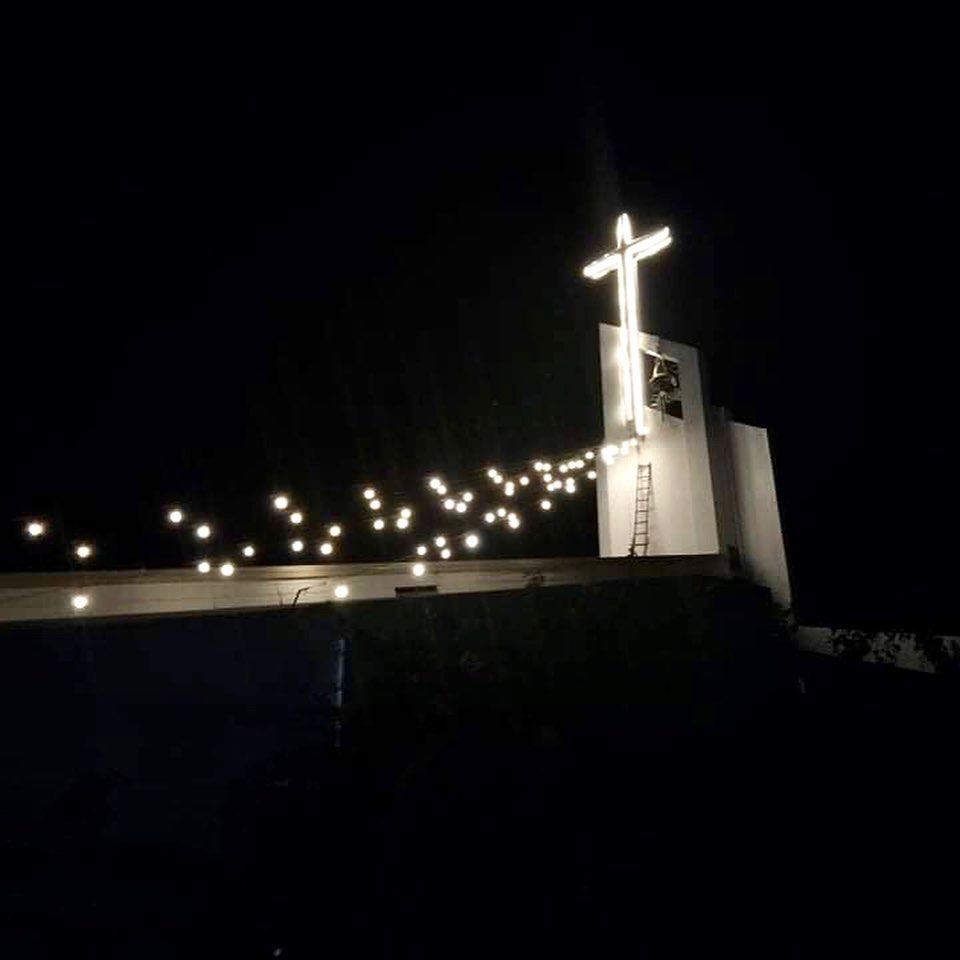
Photo by Marc Angelo Nicolas Carpio, our Parish at night, 29 November 2020.
The Lord Is My Chef Breakfast Recipe for the Soul by Fr. Nicanor F. Lalog II
Monday, Advent Week-II, 07 December 2020
Isaiah 35:1-10     >><)))*>  >><)))*>  >><)))*>     Luke 5:17-26
Photo by author, sacristy altar, 05 December 2020.
Your words today, O God are so uplifting, evoking in us springtime when everything is bursting into new life making this Season of Advent a prelude to Easter. And rightly so!
The desert and the parched land will exult; the steppe will rejoice and bloom. They will bloom with abundant flowers, and rejoice with joyful song. Then will the eyes of the blind be opened, ears of the deaf be cleared; then will the lame leap like a stag, the tongue of the dumb will sing. Streams will burst forth in the desert, and rivers in the steppe. The burning sands will become pools, and the thirsty ground, springs of water.
Isaiah 35:1-2, 5-7
But for us to see life bursting forth around us, let us in our selves first desire life, persevere our healing, and keep your gifts of mercy and forgiveness like the men who lowered through the roof a paralyzed man on a stretcher before Jesus while preaching inside a packed house.
Strengthen us to go out and find ways in meeting you, Jesus, like those men.
Forgive us for the many occasions of cynicisms and indifference, as well as arrogance and pride like the scribes and Pharisees who questioned your authority to forgive sins.
As we have reflected yesterday, Advent is a two-way street: you always come, Lord Jesus but we must also come to meet you. So many times you have come to our lives but we never met you, never experienced you nor even felt you because we have always been full of ourselves, of our sins, and of so many other people and things.
Keep us one with you always, Jesus – in your cross, in your humility, in your love.
Like St. Ambrose your great Bishop of Milan, may we lead more souls discover you, Jesus, and experience life anew like St. Augustine, his famous convert. Amen.
The Lord Is My Chef Breakfast Recipe for the Soul by Fr. Nicanor F. Lalog II
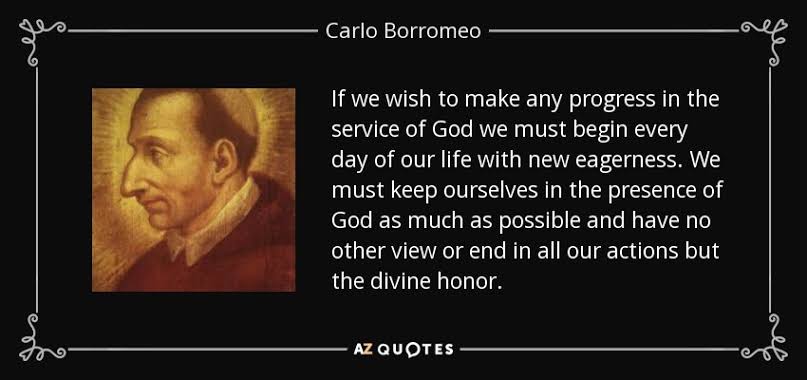
Wednesday, Memorial of St. Charles Borromeo, Bishop, 04 November 2020
Philippians 2:12-18     >><)))*>  >><)))*>  ><)))*>     Luke 14:25-33
Photo by Ms. Ria De Vera, sunrise at our Parish during COVID-19 lockdown, May 2020.
Thank you dear God our Father for the timely reminders by St. Paul to us during these last two months of 2020, the most difficult year for us in 50 years. But it is not all that bad, Lord, specially at how it had redirected many of us back to you.
For God is the one who, for his good purpose, works in you both to desire and to work. Do everything without grumbling or questioning, that you may be blameless and innocent, children of God without blemish in the midst of a crooked and perverse generation, among whom you shine like lights in the world.
Philippians 2:13-15
For so long, we have been driving our lives on our own, unmindful of your teachings and ways, O Lord.
We have come to trust and rely more Google for information than knowledge, Waze for directions and destinations than journey, Facebook and Twitter for lifestyle and trends than life itself.
We always grumble or question you and your presence and your voice if ever our social media activities are disrupted.
Oh God…! Just as when we thought we have life with all the technologies and amenities of modern life, the more we have become empty, lost and divided as a people.
Let us go back to you, God, through Jesus Christ.
Help us see anew in this COVID-19 pandemic that without you at the center of our lives and endeavors, nothing good can truly happen with us despite modern technologies.
Like the man building a tower or the king waging a war in the parable of Jesus today, may we humbly accept the truth that after everything is considered in all our plans, it will always be lacking in depth and meaning without God in every consideration because you always know what is really best for us.
Like St. Charles Borromeo who had lived at a time when the Church had lost more than half of Europe to Protestants, he championed the calls to return to God and to go back to the basics like reforming our clergy and reinforcing catechism.
Through the prayers and inspiration by St. Charles Borromeo, may we let God working in us anew for us to have a better new year, better lives. Amen.
The Lord Is My Chef Breakfast Recipe for the Soul by Fr. Nicanor F. Lalog II
Commemoration of All the Faithful Departed (All Souls' Day), 02 November 2020
Wisdom 3:1-9  >><)))*>|+|>><)))*>  Romans 6:3-4, 8-9  >><)))*> |+| >><)))*>  John 6:37-40
Dearest God almighty Father: this All Souls’ Day is so special, so unique for us just like the rest of the other feasts and celebrations we have had so far this 2020 due to COVID-19 pandemic when we do not have much of our rites and rituals and traditions but more of their meaning.
Thank you, Lord, for making us realize and experience the essence and beauty of our celebrations like yesterday’s All Saints’ Day and today’s All Souls’ Day that are both a “festival of hope” – a virtue we have always taken for granted and misconstrued as something like optimism.
Thank you for the gift of hope, loving Father, that even if we feel everything is lost and gone for us, it is never the case with you. In fact, the more we lose ourselves and everything, the more we give up our beloved to death and eternal rest, the more we are all found in you!
In hope, we are assured that you will never reject us when we come to you:
Jesus said to the crowds: “Everything that the Father gives me will come to me, and I will not reject anyone who comes to me, because I came down from heaven not to do my own will but the will of the one who sent me. And this is the will of the one who sent me, that I should not lose anything of what he gave me, but that I should raise it on the last day.”
John 6:37-39
How lovely to keep in mind, Lord, that hope is never empty because to hope is to rely on your promise and fidelity, on your love and compassion, on your mercy and forgiveness; to hope means keeping our ties and relationships with you who is Life itself.
As we remember our departed loved ones, we not only look back to our happy memories with them but most of all look forward into the future in eternal life Jesus promised us all.
May we stop saying we have “lost” a loved one when a beloved dies because we never “lose” anyone even to death as you assured us in the first reading:
The souls of the just are in the hand of God, and no torment shall touch them. They seemed, in the view of the foolish, to be dead; and their passing away was thought an affliction and their going forth from us, utter destruction. But they are in peace.
Wisdom 3:1-3
Teach us to hope always in you by living in Jesus (Rom. 6:8), never to steer away from his ways for that is when we truly get “lost” in life.
Also today, we thank and praise you, Lord Jesus, for not “rejecting” our prayers to spare us from the wrath of yesterday’s super typhoon “Rolly” as it weakened in category while passing through our region last night.
However, we continue to pray for our brothers and sisters in the Bicol region who have suffered so much from the impact of the super typhoon. Enlighten our minds and our hearts on how we can help them rise and start again to recover their material “losses” while at the same time, heal their memories in “losing” their loved ones.
May they find comfort and strength in you that they have not “lost” loved ones but have found you.
And for those injured, may your healing hands touch them, Jesus, be witnesses of hope in you. Amen.
Photo by author, sunrise at Camp John Hay, Baguio City, 2018.



















 lordmychef.com