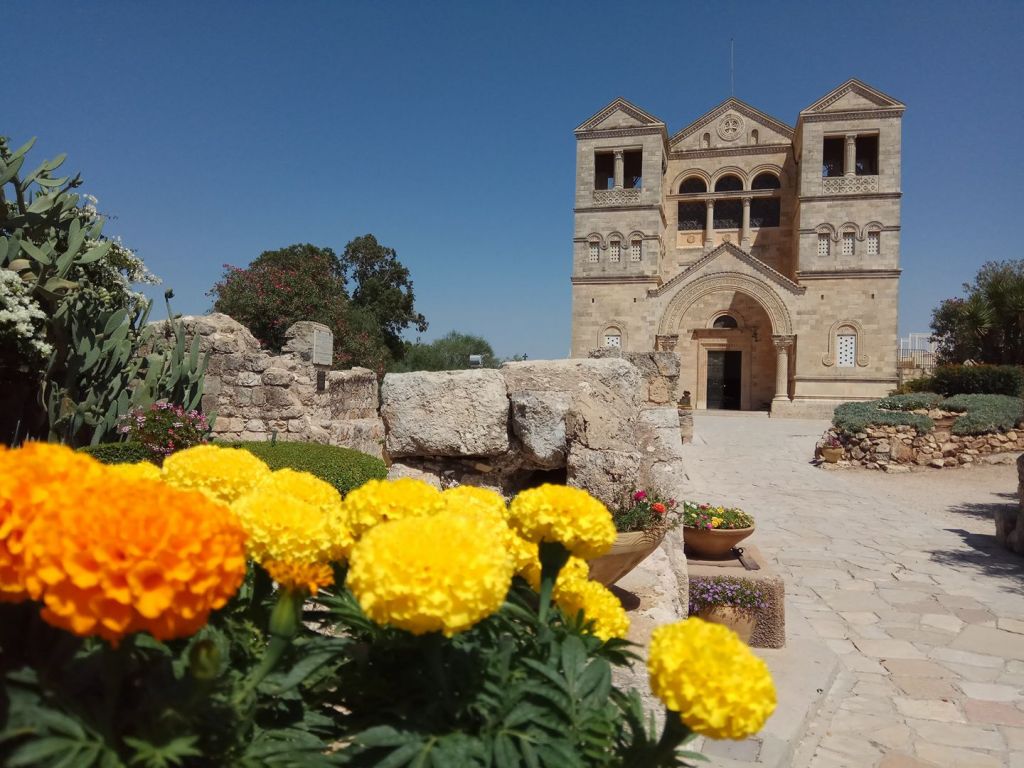
Every ending a beginning

Lord My Chef Sunday Recipe for the Soul, 16 November 2025
Thirty-Third Sunday in Ordinary Time, Cycle C
Malachi 3:19-20 >><}}}}*> 2 Thessalonians 3:7-12 ><}}}}*> Luke 21:5-19
Photo by author, Bosphrus Strait, Istanbul, Turkiye, 02 November 2025.

We are now in the penultimate Sunday of our church calendar that is why our readings remind us of the Lord’s Second Coming at the end of the world.

While some people were speaking about how the temple was adorned with costly stones and votive offerings, Jesus said, “All that you see here – the days will come when there will not be left a stone upon another stone that will not be thrown down.” Then they asked him, “Teacher, when will this happen? And what sign will there be when all these things are about to happen?” He answered, “See that you not be deceived, for many will come in my name, saying, ‘I am he,’ and ‘The time has come.’ Do not follow them. When you hear of wars and insurrections, do not be terrified; for such things must happen first, but it will not immediately be the end” (Luke 21:5-9).

Imagine the scene. See that tinge of humor of Jesus in dousing his disciples with cold water as they marveled at the beauty and magnificence of the Jerusalem Temple only to tell them all shall perish. It reminded me of our recent pilgrimage to the home of the Blessed Mother and St. John the Beloved in Ephesus, Turkiye recently.

Ephesus was a coastal city in Turkiye founded by the Greek colonists hundreds of years before the birth of Christ and was later annexed by the Romans into their empire. It was a very prosperous city with a huge amphitheater that could seat 24,000 people. During the time of early Christianity, Ephesus was already a major city that is why St. Paul founded a Christian community there whom he later sent a letter now part of the New Testament. It was also in that city where the Church held its Council of Ephesus in the fifth century that defined Mary as the Mother of God because Jesus remained true God and true Man in his conception and birth.

Photo by author, original marble stone floors of Ephesus.

But, everything is now in ruins after Ephesus was overran by barbarians in year 600 and struck by massive earthquakes through the following years that literally pushed it farther away from the sea. Almost abandoned except for some locals selling good to tourists and pilgrims who come to visit this lovely ancient city designated in 2015 as a UNESCO World Heritage Site.

Jerusalem suffered the same fate minus the earthquakes that have kept it inhabited for thousands of years when it fell into the hands of the Romans in year 70AD, then to the Moslems and other invaders until 1948 when the state of Israel declared independence from British Mandate.

Countries and cities come and go along with their civilizations due to varied reasons. It is the normal course of life. This is what Jesus was trying to tell his disciples and us today with the destruction of the Jerusalem Temple.

But of course, there was more.

Christ’s coming is not a spectacle like a show that the world is so addicted with; Christ’s coming is a presence felt and experienced day in, day out right in our hearts. It is a movement of grace upon grace within our very selves that often go unnoticed because we are so obsessed with physical things seen and heard. Jesus reminds us to see beyond, to have vision not just sight. To pray more, to feel more of God, of his truth and justice not only in ourselves but also in others by witnessing his gospel more than ever.

Earthquake survivor Jesiel Malinao sits beside the coffins of her two sons on Thursday, Oct. 2, 2025 after a strong earthquake on Tuesday caused a landslide that toppled their hillside homes in Bogo city, Cebu Province, Central Philippines. (AP Photo/Aaron Favila)

This Sunday is designated by the Church as World Day of the Poor who are the ones who suffer most during calamities and man-made disasters as well as conflicts that abound where the powerful play and manipulate peoples for their own selfish ends.

For the poor, every day seems an end – last meal, last breath, last hope. For the poor, living is more of survival because so many of us have not only forgotten them but have totally disregarded them. They are the ones often used and fooled by the powerful like the corrupt politicians with some masquerading as religious leaders like in the aftermath of the ghost-project scam. See how those involved are now playing victims, diverting attention and misleading many of the poor with their calls for transparency and good-governance. It is to them that the words of Jesus are directed today – “Do not be deceived… Do not follow them!”

Let us heed the calls of Abp. Soc Villegas of Lingayen-Dagupan for us to be guided by “wisdom, vigilance, and virtue” in these times when our nation is deeply in crisis in almost every aspect of life. Here we find in the warnings and reminders of Jesus that the end of time with its destruction is not something we have to resign ourselves with. We have to take a more active role to play in the course of history by making the right choices always.

Photo by author, Cantacuzino Castle, Romania, 06 November 2025.

And that is choosing Christ by being truthful, just, and charitable.

These are the calls of the Prophet Malachi and St. Paul in the first and second readings respectively today. For them, every day is the day of the Lord, a day of salvation, a day of thanksgiving. It is not a call for alarm nor cause us to fear but a call for active waiting for the Lord wherein we must remain responsible with our duties as followers of Christ, not falling into doubts and discouragement especially when things are getting rough and tough. These are precisely what the Psalms speak too this Sunday:

Let the sea and what fills it resound, the world and those who dwell in it; let the rivers clap their hands, the mountains shout with them for joy (Psalm 98:7-8).

To let the rivers clap their hands, the mountains shout with them for joy is for us to witness Christ, to give testimony to him and his gospel. Nothing is permanent in this world and life except God. As such, every ending is also a beginning in God. We are not only preparing for the end but also embarking on a new journey in Jesus we must persevere to follow especially in this time of our nation’s history to secure our lives and better future for the next generation.

Our liturgical calendar is about to end next Sunday with the Solemnity of Christ the King; like our Psalm, we embark this Sunday on a new journey in Jesus by witnessing his presence in this world so confused, so noisy, so dark. Amen. Have a blessed week ahead and keep cool! Fr. Nicanor F. Lalog II, Our Lady of Fatima University, Valenzuela City.

Photo by author, Bucharest, Romania, 05 November 2025.

Begin with the End in sight

Lord My Chef Sunday Recipe for the Soul by Fr. Nicanor F. Lalog II
Nineteenth Sunday in Ordinary Time, Cycle C, 10 August 2025
Wisdom 18:6-9 ><}}}}*> Hebrews 11:1-2, 8-19 ><}}}}*> Luke 12:32-48
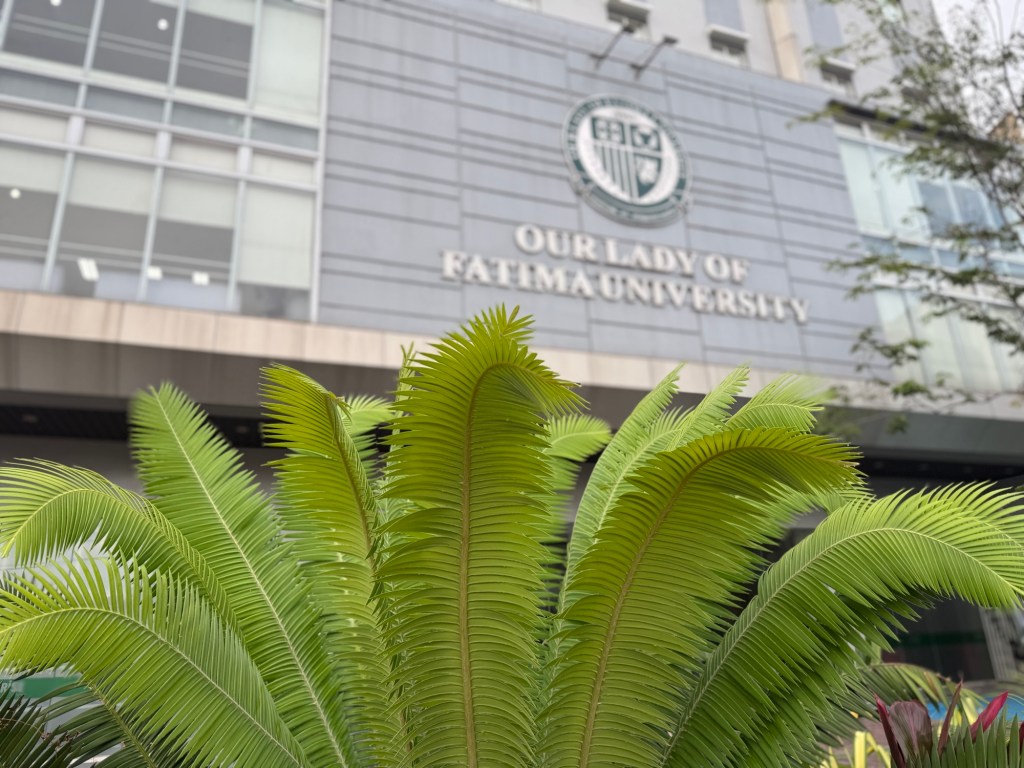
Our new College of Medicine Building with the lovely flowers of Banaba trees welcoming the new academic year this Monday, 11 August 2025.

One of the remarkable trends in management these past two decades is the emphasis on values-based approaches like The Seven Habits of Highly Effective People by the late Dr. Stephen Covey. Second in his list is the title of our reflection this Sunday, “Begin with the end in sight.”

Actually we mentioned that in our reflection last Sunday but we stressed the word “end” begins with a capital “E” to refer to things of God and eternal life as in the End of all in death. This is the theme of the Lord’s teaching today he presented in three parables with the last two calling us to be faithful stewards awaiting their Master’s return in the End while the first one expressing the summary of his lessons, “For where your treasure is, there also will your heart be” (Lk.12:34). But unlike most Sundays, we reflect today on the second reading from the Letter to the Hebrews that shows us Abraham’s faith journey as an expression of Christ’s teachings on setting our sights with the End.

Faith is the realization of what is hoped for and evidence of things not seen. Because of it the ancients were well attested. By faith Abraham obeyed when he was called to go out to a place that he was to receive as an inheritance; he went out, not knowing where he was to go (Hebrews 11:1-2, 8).

Photo by author, RISE Tower, Our Lady Fatima University, Valenzuela City, 06 August 2025.

We all believe in something, whether it is something good or something bad. However, what or who we believe in makes the difference because what or who we believe in determines how we live.

That is why Dr. Covey’s declaration is most true, especially when we talk of our End that is actually a Who – God. It is our faith in God who drives us in this life especially when it is dark and difficult, even painful so that we may achieve our End to be with him in eternity. The author of Hebrews found Abraham’s faith journey so remarkable as it enlightens too our own faith journey in God through Jesus Christ our High Priest as a context.

First, the author of Hebrews defined faith as “the realization of what is hoped for and evidence of things not seen.” Faith is more than trusting God in Jesus Christ. For the author of Hebrews, faith is more of knowing and understanding of what lies ahead though it cannot be seen. Faith here is more of having vision than sight, of seeing beyond things, so convinced of its existence even not seen like Noah who built an ark on God’s command even if there were no dark clouds nor rains visible at all. Faith for the author of Hebrews is like our Filipino expression “a…basta!” of having the conviction God created the universe even though no one saw the act of creation. It is something real that “only the heart can see” because it is also borne out of a deep relationship with God and with those we love. See now the three instances cited by the author of Hebrews in Abraham’s faith journey that are similar with our own experiences.

Photo by author, RISE Tower, Our Lady Fatima University, Valenzuela City, 06 August 2025.

“By faith he sojourned in the promised land as in a foreign country, dwelling in tents… for he was looking forward to the city with foundations, whose architect and maker is God” (Heb.11:9-10). Abraham was a “pilgrim” – a wayfarer – not only from his place of birth into the promised land but also on the journey from the present into the future and eternity. See how Abraham looked into the End at the start of his journey in God and with God walking on the path of what is to come.

All he had was faith in God. Surely there were times of darkness and distress along the way which the author of the Book of Wisdom in our first reading accurately described as “night of the passover” that reminds us of darkness hovering the path of God. Jesus reiterated this “night of passover” literally and figuratively speaking. Have faith in Christ whenever our journey gets tough and rough, when there are detours or when we actually get lost. God will find us to reach his city he made for us.

“By faith he received power to generate, even though he was past the normal age – and Sarah herself was sterile – for he thought that the one who made the promise was trustworthy” (Heb.11:1). We all know the story of Abraham and Sarah having their own son in old age, of the many twists and turns in their lives before Isaac was finally born and thus fulfilled God’s promise that Abraham became the father of all nations. In Matthew’s genealogy of Jesus Christ, Abraham is mentioned first as a testament of his faith in God that led to the birth of the Messiah.

Photo by author, RISE Tower, Our Lady Fatima University, Valenzuela City, 06 August 2025.

Many times we ask why God takes so long in fulfilling his promises to us. We wonder if God really called us to a certain vocation or profession or wanted this and that for us especially when in our prayers we are convinced of God’s will. Why does God keep us waiting?

Experience had taught us that more than a test of our faith, those waiting moments for God’s answer to our prayers were grace-filled moments of our own transformation into better persons so that we may value more his gifts to us, whether they are persons or things or moments. God is faithful. Remember the words of St. Paul, “God’s gifts and call are permanent and irrevocable” (Rom.11:29).

“By faith Abraham, when put to the test, offered up Isaac, and he who had received the promises was ready to offer his only son…He reasoned that God was able to raise even from the dead, and he received Isaac back as a symbol” (Heb.11:17, 19). This is the most moving and touching in the story of Abraham’s faith: he never doubted nor questioned God at all when he was asked to offer his son Isaac. Imagine how Abraham must have felt after waiting for so long for a son, then suddenly God asked him to offer him back Isaac?

See the unfolding of this scene in Genesis 22 with Abraham totally silent going up the mountain with Isaac who asked what shall they offer to God? Abraham simply assured him God will provide. Everything proceeded in silence until Abraham was to kill Isaac when an angel stopped him and told him how God was so pleased with his fidelity. This scene reminds me of the pain of many parents, especially mothers at the funeral of their son or daughter. It is the most difficult Mass for me to celebrate; normally, it is the children who bury their parents, not the other way around. When parents bury their children, no matter how young or old they may be, it is beyond words. I just try to believe more, to have more faith in God that he would bless and comfort the grieving parents.

Photo by author, RISE Tower, Our Lady Fatima University, Valenzuela City, 06 August 2025.

Abraham’s faith is a gift from God we too have all received and must deepen. It is easier said than done but we have to accept that nothing in this life is really ours to keep for all is God’s. And if ever God takes something from us, it is because he is giving us something even more than what we already have. That is why Jesus asks us in the gospel this Sunday to give up everything for him for he is our only End.

Jesus said to his disciples: “Do not be afraid any longer, little flock, for your Father is pleased to give you the kingdom. Sell your belongings and give alms. Provide money bags for yourselves that do not wear out, an inexhaustible treasure in heaven that no thief can reach nor moth destroy. For where your treasure is, there also will your heart be” (Luke 12:32-34).

This Sunday, Jesus invites us to examine where our treasure is for that is where our heart is, giving himself to be our treasure for he alone can lead us to our final End. Like Abraham, Jesus asks us to see beyond the present moment, to give up whatever we have, whether good or bad, people or things, even memories. It is very difficult and even painful but with faith in God, it could be our most liberating and grace-filled moment in life when we learn to forgive and be sorry, to be content, and finally start living by loving and be convinced we are loved because these are all we need in the End. Amen. A blessed week to everyone!

Photo by author, RISE Tower, Our Lady Fatima University, Valenzuela City, 06 August 2025.

Advent: Reawakening our hopes amid a defiant history

The Lord Is My Chef Sunday Recipe for the Soul by Fr. Nicanor F. Lalog II
First Sunday of Advent, Cycle C, 01 December 2024
Jeremiah 33:14-16 ><}}}}*> 1 Thessalonians 3:12-4:2 ><}}}}*> Luke 21:25-28, 34-36
Photo by author, Advent 2018.

Blessed happy New Year, everyone! We officially start the new year in the Church on this first Sunday of Advent; that is why the Mass we have every January 1 is the Solemnity of Mary, Mother of God, not New Year as many believe.

This is the reason I insist on everyone to stop greeting “Happy New Year” after December 25 because Christmas is until Epiphany Sunday. And this is the problem with us every Christmas season – we have forgotten its very essence Jesus Christ, replacing Him with all the trimmings of this consumerist and materialistic world we live in.

Photo by author, Advent 2021 at BED Chapel, Our Lady of Fatima University, Valenzuela City.
The first Sunday of Advent is our new year, our new beginning in our journey in life in God through His Son Jesus Christ who had come, would come again, and continues to come daily in our lives. Beginning today until December 16, Advent invites us to focus on Christ’s Second Coming or Parousia at the end of time which nobody knows when except the Father in heaven; from December 17 to 24 and Christmas, we look back to the stories around Christ’s First Coming more than 2000 years ago. Between these two comings of Jesus is His coming in our daily living, in the here and now which St. Bernard of Clairvaux called Christ’s “Third Coming.”

There lies the tension in those three comings of Jesus Christ that have really taken so long that we get impatient or begin to doubt God especially with how world history has unfolded until now with wars as well as natural calamities. Just recently some parts of our country were devastated by a series of powerful typhoons while some parts of the world like Spain had its share of catastrophic flooding that claimed so many lives. Making things worst is how politics has rocked our country this week, trying to undermine our democracy as well as our sense of decency as a nation that had decayed during the past administration.

Photo by author, Dau, Mabalacat, Pampanga, November 2022.

Many are feeling disgusted everywhere in the world with how history is unfolding, wondering if life is going to get any better at all. Some have imitated Pilate in the gospel last Sunday, putting God on trial again, asking Jesus what He had done for all these upheavals and problems going on in history.

Like them, we are also tempted to ask, where is Jesus Christ? Or, the all-powerful and loving God our Father?

The days are coming, says the Lord, when I will fulfill the promise I made to the house of Israel and Judah. In those days, in that time, I will raise up for David a just shoot; he shall do what is right and just in the land. In those days Judah shall be safe and Jerusalem shall dwell secure, this is what they shall call her: “The Lord our justice” (Jeremiah 33:14-16).

Photo by author, Pulong Sampalok, DRT, Bulacan, 23 November 2024.

The Prophet Jeremiah sets the tone of Advent this Sunday, reawakening our hopes in God amid history’s defiance as seen in the many cycles of sufferings and calamities that continue to shake our lives.

Yes, the “days are coming” and indeed had come when God fulfilled His promise in sending us His Son Jesus Christ who redeemed us from our sins and renewed us in Him with fulfillment in life even while here despite the many trials and tribulations we go through.

The “days are coming” as foretold by Jeremiah long ago and most true these days because the promised Messiah Jesus is now with us, acting in subtle and and complex ways beyond our imaginations, always surprising us with how things turn out than what we believe or expected.

Yes, the “days are coming” – right now – as Jeremiah meant that day after Jerusalem had fallen that amid all the chaos around us, God is among us in Jesus Christ who works among visible realities we cannot see, always coming and going among us unnoticed. That time of great salvation is already among us, being accomplished now by Jesus in silence, in secret.

Hence, the need for us to be vigilant through prayers which Luke emphasized in his gospel account.

Jesus said to his disciples: “But when these signs begin to happen, stand erect and raise your heads because your redemption is at hand. Beware that your hearts do not become drowsy from carousing and drunkenness and the anxieties of daily life, and that day catch you by surprise… Be vigilant at all times and pray that you have the strength to escape the tribulations that are imminent and to stand before the Son of Man” (Luke 21:28, 34-35, 36).

Photo by author, San Fernando, Pampanga, November 2021.

On this new liturgical year designated as “Cycle C”, all our gospel readings on Sundays will be from Luke (Cycle A has Matthew and Cycle B, Mark; John is used partly in cycle B and for great feasts).

Of the four evangelists, Luke is the one who emphasized the importance of prayer in his gospel account wherein he always portrayed Jesus in prayer; hence, not surprisingly, he tells us today that “praying at all times” is being “vigilant at all times” too.

And this we have been told ever since as prayer has always been central in all our teachings. It is in prayer when we are one with God in Jesus. It is in prayer when our senses are heightened that we become open to God’s subtle movements in us and among us.

Everything begins in prayer, both in our personal prayers and as a community like in the Sunday Mass where Christ’s presence is unveiled, where we experience Him most in us and among us and in the world that we are then filled with hope in God despite the darkness and sufferings going on.

Recently, our University joined the annual Red Wednesday celebration of the Church when we remember our Christian brothers and sisters persecuted in various forms in many parts of the world in this modern time. I was overwhelmed at the sight of the great number of our students who joined us, many standing outside our chapel.

What touched me was after the dismissal, some students remained inside the chapel lit in red with flickering candles at the altar, still praying. That for me is the sign of that “little shoot” God promised Jeremiah who would come to bring justice and peace on earth.

Photo courtesy of The Tribune, official publication of Our Lady of Fatima University.

To keep watch in prayer (which we mean as a way of life not just mere recitation of formula prayers) while remaining upright and abounding in love as St. Paul instructed us in the second reading is to be open to Jesus Christ, ready to receive Him without fear amid the tumults in the world when He comes in His final glory.

Yes, the world is still plagued with so many imperfections, even darkness and evil that may dishearten us even make us doubt God in His goodness why these bad things are happening. Advent invites us to reawaken our hope in the salvation that had come, that still comes now, and will surely come in the fullness of the Day of the Lord when Jesus comes again.

Lord Jesus Christ,
fill us with fervent hope
in You amid the many darkness
and sufferings in life;
reawaken our hope amid
our hopelessness and be surprised
with Your loving coming and presence.
Amen.
Photo courtesy of The Tribune, official publication of Our Lady of Fatima University.

God among us

The Lord Is My Chef Daily Recipe for the Soul by Fr. Nicanor F. Lalog II
Friday in the Thirty-Fourth Week of Ordinary Time, Year II, 29 November 2024
Revelation 20:1-4, 11-21:2 <*((((>< + ><))))*> Luke 21:29-33
Photo by author, Pulong Sampalok, DRT, Bulacan, 23 Novebmer 2024.
It is the last Friday 
of November
and the final one too
of our current Church calendar
for tomorrow evening we begin
the new Season of Advent;
that is why, Your words, O Lord,
are more pronounced,
more detailed though deeply symbolic
of the coming end of time
and most especially,
of a "new Jerusalem,
coming down out of heaven
from God" (Revelation 21:2).
How will all these happen
and when, we do not know
as Jesus Himself had insisted
nobody knows that except
the Father; let us live,
therefore, O Lord,
doing Your Holy Will
because in the end,
all "were judged according
to their deeds" (Revelation 20:13).
Photo by Emilio Su00e1nchez on Pexels.com
Of course,
every good we do
does not really come from
us but from You, dear God;
if ever we are able to do
anything good,
it is because we have opened
our hearts and selves
to You, Father
who transforms us into
better persons in
Jesus Christ.
Help us imitate the fig tree,
dear Jesus:
continually transformed
in You by staying one with You
in Your Paschal Mystery;
make us better persons,
Jesus purified and cleansed
by the Cross
so that even while here on earth,
we may dwell in your house,
be one in You
to make You present
here and now.
Amen.
Photo by author, Pulong Sampalok, DRT, Bulacan, 23 Novebmer 2024.

An upbeat note to the end

The Lord Is My Chef Daily Recipe for the Soul by Fr. Nicanor F. Lalog II
Thursday in the Thirty-Fourth Week of Ordinary Time, Year II, 28 November 2024
Revelation 18:1-2, 21-23; 19:1-3, 9 <*((((>< + ><))))*> Luke 21:20-28
Photo by author, Pulong Sampalok, DRT, Bulacan, 22 November 2024.
God our loving Father,
have mercy on us your people
marching towards You
in Jesus Christ;
as we approach the closing
of this liturgical calendar
to usher in the Advent Season,
let us see with an upbeat mood
the upheavals going on these
days especially in our own
country.

Keep us strong, Father,
in our faith in You and
in our firm resolve to persevere
in doing what is good and just
amid all the destabilizations
and noise going on;
keep us patient with all the
evil still going on,
aware always of the sufferings
and tribulations we all must
endure as part of our witnessing
to the Cross of Jesus Christ.
Keep us upbeat in Jesus Christ
our Lord,
to always live and share in the vision
and values of His Gospel despite
the many immoralities
and profanities by some in power;
may we strive to seek and find
and follow Jesus always
because truth and justice and
goodness have the final say in everything
in this life - not lies and malice and evil.
Amid all the hardships,
may we continue to sing the
song of the Lamb here on earth
so that eventually in the end,
we too may be invited to come
to the wedding feast of the Lamb
there in heaven
like what You have shown
John in Revelation.
Amen.
Photo by author, Pulong Sampalok, DRT, Bulacan, 23 November 2024.

The joy of endings

The Lord Is My Chef Sunday Recipe for the Soul by Fr. Nicanor F. Lalog II
Thirty-Third Sunday in Ordinary Time, Cycle B, 17 November 2024
Daniel 12:1-3 ><}}}}*> Hebrews 10:11-14, 18 ><}}}}*> Mark 13;24-32
Photo by author, the Mount of Olives as seen from the Temple of Jerusalem, May 2019.

We are now at the penultimate Sunday of our Church calendar ending on the Solemnity of Christ the King next week to usher in the four Sundays of Advent before Christmas. That is why every 33rd Sunday, we hear Jesus speaking about the end of everything to usher in new beginnings in Him.

Jesus said to his disciples: “In those days after that tribulation the sun will be darkened, and the moon will not give its light, and the stars will be falling from the sky, and the powers in the heavens will be shaken. And then they will see ‘the Son of Man coming in the clouds’ with great power and glory, and then he will send out the angels and gather his elect from the four winds, from the end of the earth to the end of the sky” (Mark 13:24-27).

After spending a day of teaching at the Temple wherein the Twelve were so impressed with its beauty, Jesus warned them of its impending destruction, explaining it further as they proceeded to rest on Mount of Olives overlooking Jerusalem below with the magnificent Temple.

No, Jesus was not a “KJ” at all.

Jesus was simply telling His disciples including us today of life’s natural cycles of endings and beginnings. Actually, long before Jesus came, people have always been preoccupied with thoughts of the “end of the world” – with or without God – which persist to these days.

Photo by Emilio Su00e1nchez on Pexels.com

Jesus reminds us this Sunday that indeed, the world is going to end but, it is not just a catastrophic end destroying everything. It is an end with a direction, to God and eternal life. It is an end we have to joyously await and prepare for as a new beginning in Jesus Christ.

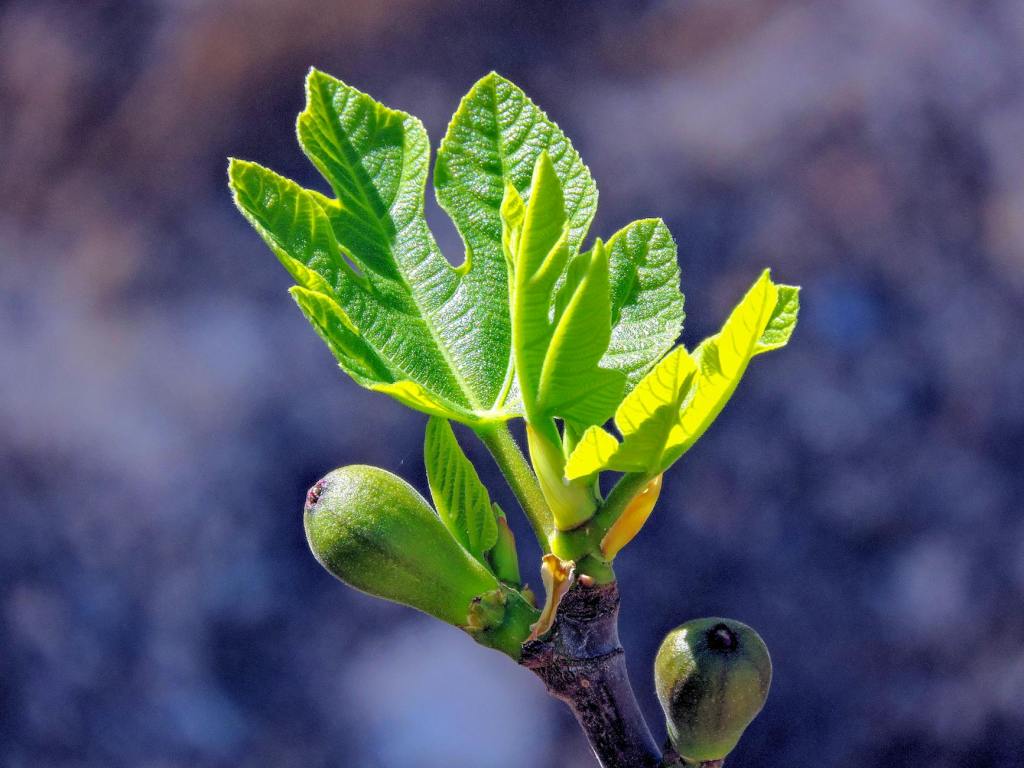
“Learn a lesson from the fig tree. When its branch becomes tender and sprouts leaves, you know that summer is near. In the same way, when you see these things happening, know that he is near, at the gates… But of that day or hour, no one knows, neither the angels in heaven, nor the Son, but only the Father” (Mark 13:28-29, 32).


"Learn a lesson from the fig tree."

Again, Jesus spoke here in parable which is also the word for “lesson” in Mark’s original Greek writing of the gospel. A parable is a simple story with a deep, profound reality and lesson. That is why Jesus used it so often just like here a few days before His Pasch.

Photo by Muverrihhanim on Pexels.com

And this is the lesson or parable of the fig tree that Jesus spoke of: most of the trees in Jerusalem are evergreen that keep their leaves all year round despite the changing of season while fig trees are deciduous that shed their leaves in winter and summer. This changing condition made the fig tree a perfect parable about the end of the world that Jesus was speaking of – an end of the season to usher in a new one!

In theology, we call this study of the “end” or “last” things as eschatology. There are two kinds of last things in life that we deal in eschatology: our individual end in our death (particular) and the parousia which is the Second Coming of Jesus Christ at the end of the world (general).

Of course, it is always fearful to think of both endings. We hate endings because they are good byes. However, we know deep inside ourselves too that despite that “sweet, sweet sorrow” of every ending comes also a more wonderful hello, a more amazing new beginning. In reality, there are no endings but more beginnings: when children move out of the home to study, they begin their adult life in college; later on, they leave home for good to get married to start a family of their own. Life is a cycle of beginnings and ends that goes on and on and on.

The trick is really to learn the lesson of the fig tree, that is, to live our lives to the fullest in each season and phase, to learn to let go of the past, to savor every present and look forward to every tomorrow. Yes, it is easier said than done but, as we mature and age gracefully in Jesus Christ, we become fulfilled, less stressed amid the many things we are totally unaware and ignorant of what both particular and general endings would bring us.

Photo by Alina Vilchenko on Pexels.com

In presenting to us the parable or lesson of the fig tree regarding the end of our lives or the end of the world – both of which nobody knows when – Jesus is actually encouraging us to live more faithfully in Him and His gospel.

It is useless to know the precise date and hour of both endings nor the exact indications of its imminence; what matters most is that every moment of our lives, we live in Jesus Christ our High Priest who had offered Himself for our salvation (second reading). There is no point in interpreting even visualizing how St. Michael would battle the devil at the end of time; what the prophet Daniel is telling us is how we are assured of victory and salvation in the end if remain faithful to God (first reading).

Live fully by celebrating life. All throughout the year, we have heard Jesus reminding us, assuring us how much He loves us so immensely that is why He became human like us; in His coming, He joined us in all our sufferings except sin to show us that the path back to the Father in heaven is through the path of His Cross.

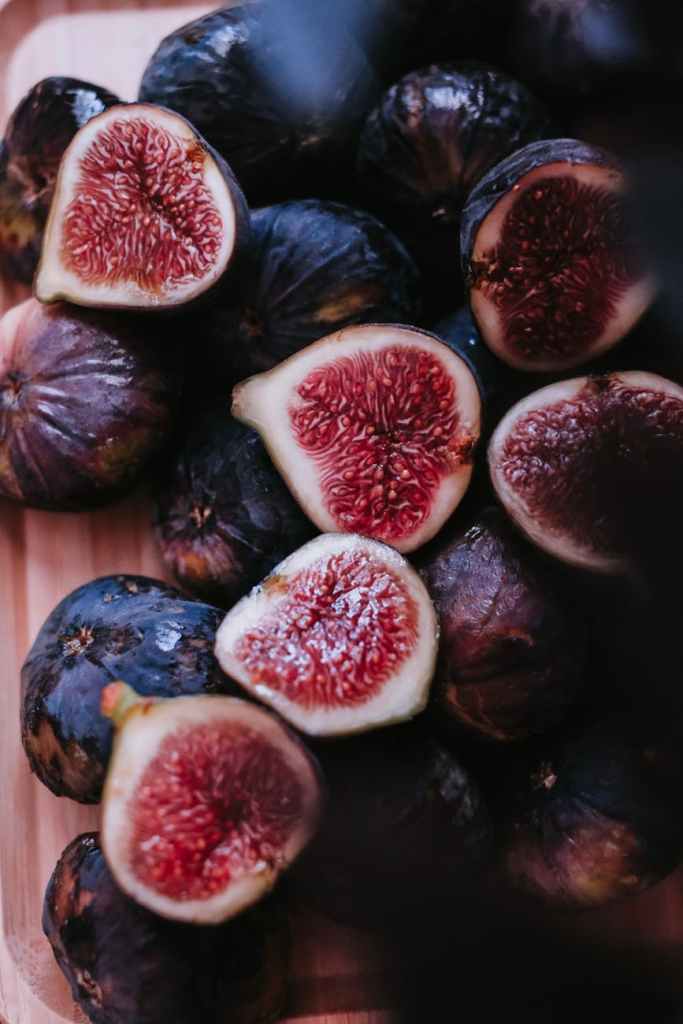
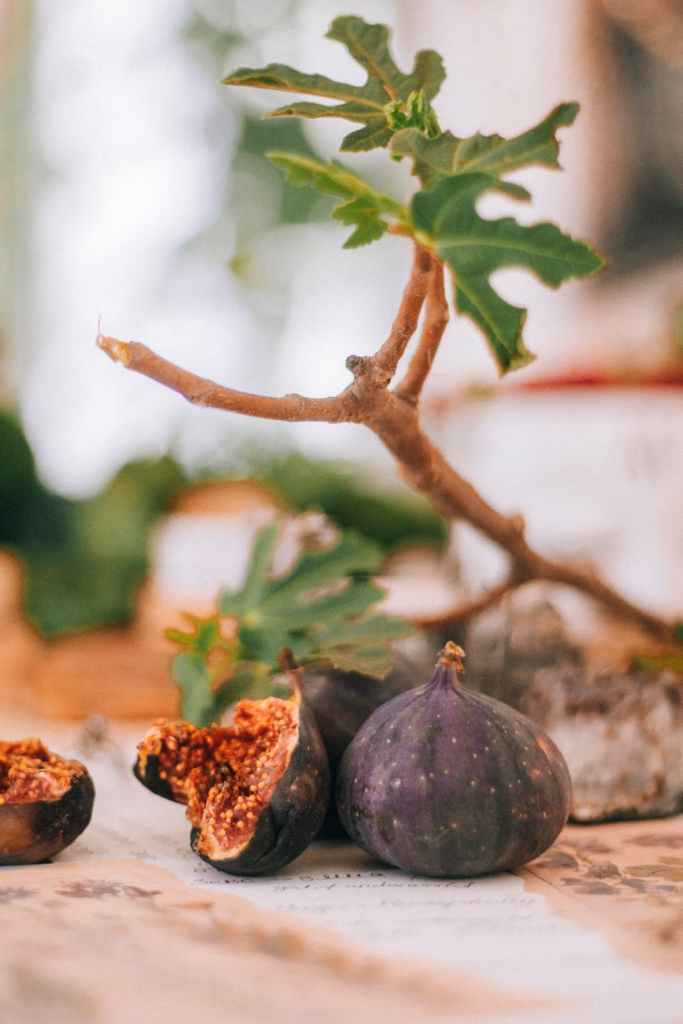
Despite my coming to Israel thrice, I have never tasted a fresh fig but have always loved it even better than dates. Its sweet taste and tiny bits of seeds inside make it always a pleasure to eat. If we can truly learn its lesson, we can end up like figs too – delightfully sweet inside.

Photo by Ella Olsson on Pexels.com

I recently bought an electric shave as an early Christmas gift to myself. I really don’t mind seeing my hair including mustache and beard turning grey and white; what bothers me lately is how my skin has become so easily irritated by my razor. Yes, I am getting older with skin sagging and add to that a vision getting blurred that shaving with a razor every morning is no longer fun but short of an agony.

As I examined my new shave set, I remembered a Japanese saying I used to tell young people before in my talks and recollections, “Growing up is nice, but sometimes painful.”

Indeed, growing up is nice – and ageing is even nicer though twice painful sometimes.

Like the fig tree, I can sense losing a lot of myself daily, yet becoming more tender and softer in the process, simpler and more joyful, perhaps. To my fellow 59ers and above, May the Lord Jesus lead us through the end in His loving embrace. Amen.

Photo by KENJI IWASAKI on Pexels.com

Time is running out, the world is passing away

The Lord Is My Chef Daily Recipe for the Soul by Fr. Nicanor F. Lalog II
Wednesday in the Twenty-third Week of Ordinary Time, Year II, 11 September 2024
1 Corinthians 7:25-31 <*[[[[>< + ><]]]]*> Luke 6:20-26
Photo by author at Anvaya Beach Resort, Morong, Bataan, April 2024.

I tell you, brothers, the time is running out. From now on, let those having wives act as not having them, those weeping as not weeping, those rejoicing as not rejoicing, those buying as not owning, those using the world as not using it fully. For the world in its present form is passing away (1 Corinthians 7:29-31).

Thank you, dear Father
for these timely and wonderful
reminders as we often compare
our selves with others or
are never contented with what we have
or where we stand,
always wondering amid
great temptations that
"the grass is greener at the
other side of the fence."
Teach us contentment
in your Son Jesus Christ;
teach us dear Father
to be always aware of the
day of the Lord,
of Parousia;
while many times most Christians
believe in parousia,
only a few believe it will happen
in their lifetime;
many of us forget that
even if the parousia does not
occur in our lifetime,
our life will definitely end,
making us stand before the
judgment seat of Christ for sure;
help us realize that to live as if
our life will never end is the height of folly,
while to live with the knowledge
that our life will end is the beginning of wisdom.
That is why, Jesus calls us blessed
when we are poor,
when we hunger,
when we weep,
when we are hated
and maligned
because in your beatitudes
you make us look forward
what is beyond material and temporary,
that is passing away;
let us set our sights more
on things that shall remain after
everything has ended,
with things that shall persist
in eternity like our souls
and You, O God.
Amen.

Living in the end of time

The Lord Is My Chef Sunday Recipe for the Soul by Fr. Nicanor F. Lalog II
Sunday in the Thirty-second Week of Ordinary Time, Cycle A, 12 November 2023
Wisdom 6:12-16 ><}}}}*> 1 Thessalonians 4:13-18 ><}}}}*> Matthew 25:1-13
Photo by author, PDDM Chapel, James Alberione Center, G. Araneta Ave., QC, 09 November 2023.

For the next two Sundays before the Solemnity of Christ the King, our readings deal with the urgency of the end of time, of the final judgment when Jesus comes again. Every Sunday in the Mass we profess in the Creed that “Jesus will come again to judge the living and the dead” and proclaim after Consecration that “Christ has died, Christ is risen, Christ will come again!”

But, do we really take Christ’s Second Coming to our hearts?

Maybe not at all if you scan the social media like Facebook or the news these days. Many people live as if there is no God nor final judgment. Worst, many have lost the virtue of waiting as nobody waits anymore in this age of instants! So unlike the Thessalonians during the time of St. Paul who all believed Jesus would come again in their lifetime. In fact, they were even so concerned with the sequence of entrance to heaven after some of them died ahead of the Parousia (Greek for Christ’s Second Coming). In explaining Christ’s return at the end of time, St. Paul insisted on two important points in his letter we have heard today.

Photo by author, National Shrine of Our Lady of Fatima, Valenzuela City, 06 November 2023.

First, the Resurrection of Jesus is the beginning of the end of time. We have to live daily as if it is the end of time. Easter is not an isolated event in the past; it is directly linked with everyone for all ages. Like Jesus, all those who have died shall go through “general resurrection” at the end of time when he comes again anytime he wishes. “For if we believe that Jesus died and rose, so too will God, through Jesus, bring with him those who have fallen asleep” (1 Thes. 4:14).

Second, the Parousia is God’s final victory over sin and death. Jesus had definitively won over sin and death on the Cross on Good Friday but its “powers” would finally cease and end at the end of time when Christ comes again to start anew everything in God with “new heaven, new earth”. That is why while awaiting his Parousia, we persevere in witnessing his gospel message of salvation amid the many sufferings we go through in this world like diseases and sickness, famine and poverty, wars and violence.

Here lies our problem – and foolishness – when we turn away from God, refusing to wait by falling into the devil’s temptation of “turning stones into bread” for instant solutions that have left us more divided, more miserable. We need faith in God who is our oil to keep our lamps aglow, giving light in this dark world even if we “become drowsy and fall asleep” while awaiting Christ’s return.

Jesus told the disciples this parable: “The Kingdom of heaven will be like ten virgins who took their lamps and went out to meet the bridegroom. Five of them were foolish and five were wise. The foolish ones, when taking their lamps, brought no oil with them, but the wise brought flasks of oil with their lamps. Since the bridegroom was long delayed, they all became drowsy and fell asleep.

Matthew 25:1-5
Photo by author, Chapel of the Holy Family, Sacred Heart Novitiate, Novaliches, QC, 2016.

Nobody knows when the Parousia will happen, not even Jesus except the Father. But the good news is that Jesus assures us today that it is normal to be drowsy and fall asleep in our lives while awaiting his final coming.

There are times we get so used to the darkness around us in life that we become cynical and even indifferent in our attitudes. We fall asleep, choosing to be mere bystanders, seeing nothing, hearing nothing, saying nothing, and doing nothing.

It is not good, of course. But, it can happen as we find our hands so full of our own personal and family issues that many times, we would opt to just “pray” than actively take part in advocacies and crusades against the many problems that plague the world today from poverty to hunger, wars and violence, human trafficking and prostitution to the destruction of our environment and climate change.

Becoming drowsy and falling asleep mean we get tired of all the problems and chaos in the world, even in our personal lives that we just want to stop and be detached, away from all troubles. No more dramas. To be silent until Jesus Christ comes to us in the dead of the night. Like the wise virgins, we keep focused on Jesus even if we become drowsy and fall asleep in his sure arrival.

Photo by Irina Anastasiu on Pexels.com

Being foolish like those other five virgins in the parable is abandoning God, not waiting for him, being busy with worldly concerns without thinking and looking into the wider horizons of life and realities.

Many times, the world seeks quick fixes to our many problems only to create bigger problems. Jesus had to wait until the hearts of the more than 5000 people who have followed him in the wilderness were opened to God and to one another before he miraculously fed them with bread and fish.

Being wise is having faith in God with good works. How sad that many people have foolishly turned away from God, even declared “God is dead” as they relied more on themselves and their technologies and modern thoughts that are often old mistakes in the past being repeated. Our bodies may get tired but never should we let our minds and spirits droop and fall behind, joining the materialistic and selfish bandwagon of the world. Being wise is to continuously seek God and his ways for a more meaningful way of living. This is the message of the author of the Book of Wisdom we heard today where God is personified as Wisdom like a beloved being sought.

Resplendent and unfading is wisdom, and she is readily perceived by those who love her, and found by those who seek her… because she makes her own rounds, seeking those worthy of her, and graciously appears to them in the ways, and meets them with all solicitude.

Wisdom 6:12, 16
Photo by author, 2019.

God is never far from those who truly seek him, who truly await him. There are always delays as God takes time before coming to us until we are ready for him and his plans.

There are many times in life that the solution to our problems require long waiting not only to find the best answers but most of all to purify our very selves. After all, the problems in the world are mere reflections of what is within each one of us as Jesuit Fr. Manoling Francisco expressed in his song One More Gift.

This is the sad thing with social media around us. Many times, some people use social media only to advance their own agendas that only add flames of hatred and violence. Instead of gathering first the facts and evaluating them prayerfully, we tend to react quickly, becoming emotional that we forget the face of every human person already suffering on the ground, regardless of their color and creed, thus continue the cycle of sins and evil.

Being wise is being grounded in Jesus, believing and trusting in his presence among us in everyone, that he shall surely come to save us and change everything for the best. Far from making us nervous and anxious, discouraged and careless in the uncertainty of his Second Coming, Jesus invites us today to be watchful and attentive to his presence especially in our Sunday Mass when we live in the end time, rehearsing our entrance into heaven as we wait. Amen. Have a blessed week!

Coming & returning, staying & leaving

The Lord Is My Chef Daily Recipe for the Soul by Fr. Nicanor F. Lalog II
Monday in the Twenty-Second Week of Ordinary Time, Year I, 04 September 2023
1 Thessalonians 4:13-18   ><]]]]'> + ><]]]]'> + ><]]]]'>   Luke 4:16-30
Photo by author, San Juan, La Union, 25 July 2023.
Thank you dear God,
loving Father for coming to us
today,
for staying with us last night,
and remaining with us always.

Does it really matter 
whether you come or leave,
stay or return,
when you are 
perfect presence?

We do not want you to be unaware, brothers and sisters, about those who have fallen asleep, so that you may not grieve like the rest, who have no hope.

1 Thessalonians 4:13
The early Christians
were so concerned 
who would come first
and next when Jesus returns;
many Christians today
do not care at all if
Christ comes like his
townsfolk!

Jesus came to Nazareth, where he had grown up, and went according to his custom into the synagogue on the sabbath day. He stood up to read … They also asked, “Is this not the son of Joseph?”

Luke 4:16, 22
Dear God,
forgive us for being
on the extremes
on your coming
or on your returning
for that does not matter
because you are with us
always; you are presence!
Make us realize 
we must be more concerned
not with your coming nor 
returning but more with 
our leaving!
Let us confront that
crucial question of
each day 
when you come
and return
and stay with us:
are we ready to go
to you?
with you?
Amen.

Face-to-Face with Christ’s glory

The Lord Is My Chef Sunday Recipe for the Soul by Fr. Nicanor F. Lalog II
Feast of the Transfiguration of the Lord, Cycle A, 06 August 2023
Daniel 7:9-10, 13-14 ><}}}*> 2 Peter 1:16-19 ><}}}*> Matthew 17:1-9
Photo of the mosaic inside the Basilica of the Transfiguration on Mt. Tabor, Israel (from commons.wikimedia.org).

Today we take a break from our gospel readings to celebrate the Feast of Transfiguration (August 06) that falls on a Sunday this year. The segue fits perfectly the series of parables we heard these past three Sundays that mentioned judgment day at the end of time.

Recall how Jesus interpreted his parables especially the separation of the weeds and wheat at harvest time as well as keeping the good fish caught in the net, throwing the bad ones that all evoke of judgement day in the end of time. For Matthew, the transfiguration of Jesus is exactly about the end of time when Christ’s glory is revealed at his Resurrection and ultimately in his Second Coming.

Jesus took Peter, James, and his brother, John, and led them up a high mountain by themselves. And he was transfigured before them; his face shone like the sun and his clothes became white as light.

Matthew 17:1-2
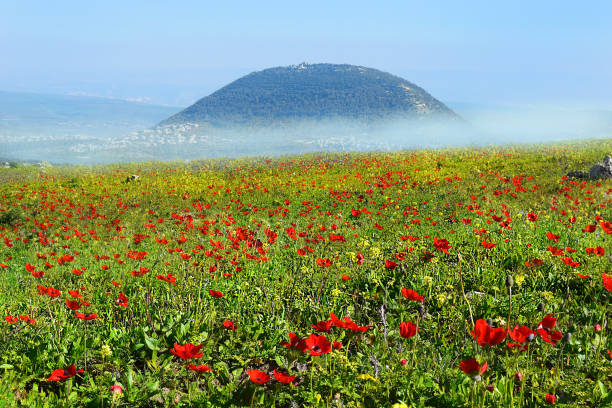
Mt. Tabor, believed to be the site of the Transfiguration of Jesus. Photo from iStockphoto.com.

In the Gospel according to Matthew, major events in the life of Jesus Christ mostly happened on a mountain: his temptation (Mt. 4:8), his inaugural teaching, the sermon on the mount (Mt. 5:1) and the sending of his apostles on their mission throughout the world until the end of time (Mt. 28:16).

Here at his transfiguration on top of the “high mountain” of Tabor we find glimpses of Christ’s explanation of the parable of the weeds among the wheat when he said that “the righteous will shine like the sun in the kingdom of their Father” (Mt. 13:43). See how this transfiguration of the elect at the end of time that was shown to Daniel in the first reading is expressed exactly in the same way as that of the face of Jesus on Mount Tabor that had “shone like the sun” as witnessed by the three apostles. Peter strongly attested to it later as we have heard in the second reading.

Last week in the daily readings from Exodus we have heard how the face of Moses also shone like the sun after he had conversed with God on Mount Sinai and every time he would see God at his tent called the dwelling in their journey in the desert. That is the context why Peter volunteered to build three tents for Jesus, Moses and Elijah during the transfiguration. The Jews have a celebration called feast of booths or tents they called sukkoth. The tent is the dwelling place of God in the wilderness that eventually became the temple of Jerusalem. It was the closest thing they have with God and with heaven. At the transfiguration of Jesus, the three apostles were enthralled at the experience and sight they did not want to go down because it was literally heaven, being with God. The transfiguration event itself for them was the fulfillment of their faith and everything in the Old Testament.

They would realize later that to dwell with God means to continue the journey in Christ, with Christ marked with many ascents and descents happening not just in space or physically but more of the interior kind. That is how we are transfigured, always inside. Right in our heart and soul. That was the deeper meaning of Moses entering God’s dwelling in the desert – of him being one in God, with God – that his face would shone after, prompting him to cover it because people were scared.

Photo from custodia.org, Basilica of the Transfiguration on Mt. Tabor, Israel.

Whatever is found on the face is always a reflection of what is in the heart and soul. No amount of cosmetics and beauty procedures can ever bring out that glow and radiance of anyone’s face beaming with joy and fulfillment, peace and contentment.

The face is the reflection of the depths – or shallowness – of one’s heart and soul. There is an English word used to describe this inner dynamics of the face – countenance. Any change in our countenance indicates something is being transformed within us as a result of our communion with God. That is why we describe some people even we do not know them as malalim or deep, or magaling magdala ng problema because of their countenance. In the same manner, we easily notice something rotting inside a person when despite one’s having good features like flawless skin or aquiline nose, beautiful eyes and the like. This is what the young people would call as “uma-aura” when they pose for FB or IG. Aura is the spirit within evoked by one’s face that cannot be manipulated.

The face of Jesus shone like the sun at his transfiguration primarily because deep inside him is his complete and perfect union in the Father. Jesus would always insist on this reality within him, his perfect communion in the Father from which also flows his total obedience which will reach its highest point at his Passion and Death on the Cross, his own Pasch or exodus.

There at Mount Tabor in his transfiguration, we are shown that Christ’s glory cannot be separated from the Cross. His majesty and triumph shall come from his pasch. And so are we his disciples. That is why the voice heard by the apostles said, “This is my beloved Son, with whom I am well-pleased; listen to him”. From now on, Christ would be speaking of his coming Passion, Death and Resurrection. All his lessons after Mount Tabor are about our participation in his paschal mysteries. Do we listen?

The apostles learned and embraced all these lessons in a process slowly with the guidance of the Holy Spirit after Pentecost. That is why Jesus told them to come down from Tabor to continue their journey to Jerusalem to fulfill his mission. Through them we have believed despite our not having seen Jesus that is how he would appear as “Lord” on the mountain that we the faithful are climbing to participate in the ultimate manifestation of his return at the end of time.

And there lies the good news of this Feast of Transfiguration happening in this dry month of August, often described as ghost month too. As we go through the last half of Ordinary Time’s remaining 17 weeks, may we continue to ascend in Christ, with Christ with his Cross in sharing his paschal mysteries in our daily lives. After the euphoria of Easter Season that had closed on Pentecost Sunday, we are reminded anew this sixth of August to never lose sigh of the Cross of Good Friday as our path to glorious transfiguration of Jesus Christ.

To journey with Christ, listening and obeying his voice is something of the inside and not just of space or place. Discipleship demands persistent practice of the Lord’s teachings and examples as we shall hear from the gospel these coming Sundays.

As COVID-19 virus wanes that we resume most of our activities minus the many protocols before while still being cautious and careful, may we face our inner issues in Christ and the Holy Spirit to be transfigured in him. Amen. Have a blessed week ahead. It is a Sunday, celebrate Mass with others in your Parish, pray for those still suffering from the effects of typhoon Egay and Falcon.

Painting of the Transfiguration by Italian artist Duccio di Buoninsegna between 1308 and 1311 from commons.wikimedia.org.